
Automotive
Up close with Changan’s electric future
A first-hand look at the Changan Nevo Q05, Hunter K50, and A05 at MIAS 2025.

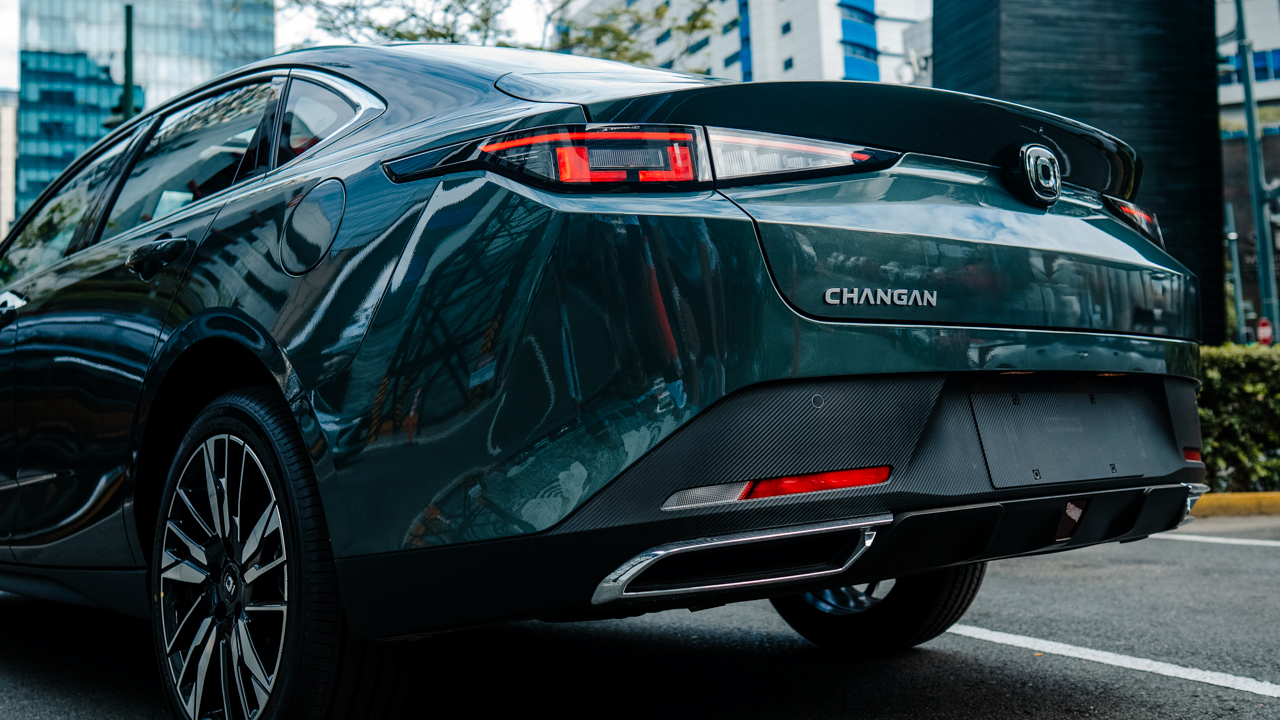
As someone who’s always on the lookout for the next big thing in both technology and design, I couldn’t help but get excited when I stepped into the Changan booth at the Manila International Auto Show (MIAS) 2025.
This year’s event had all the fanfare of a high-stakes race. Except instead of roaring engines, I was met with the sleek hum of electric vehicles.
Changan Nevo Q05: Sleek meets smart
First up was the Changan Nevo Q05, which, to me, immediately stood out as a vehicle that could double as the perfect companion for my daily life. Sophisticated yet fun.
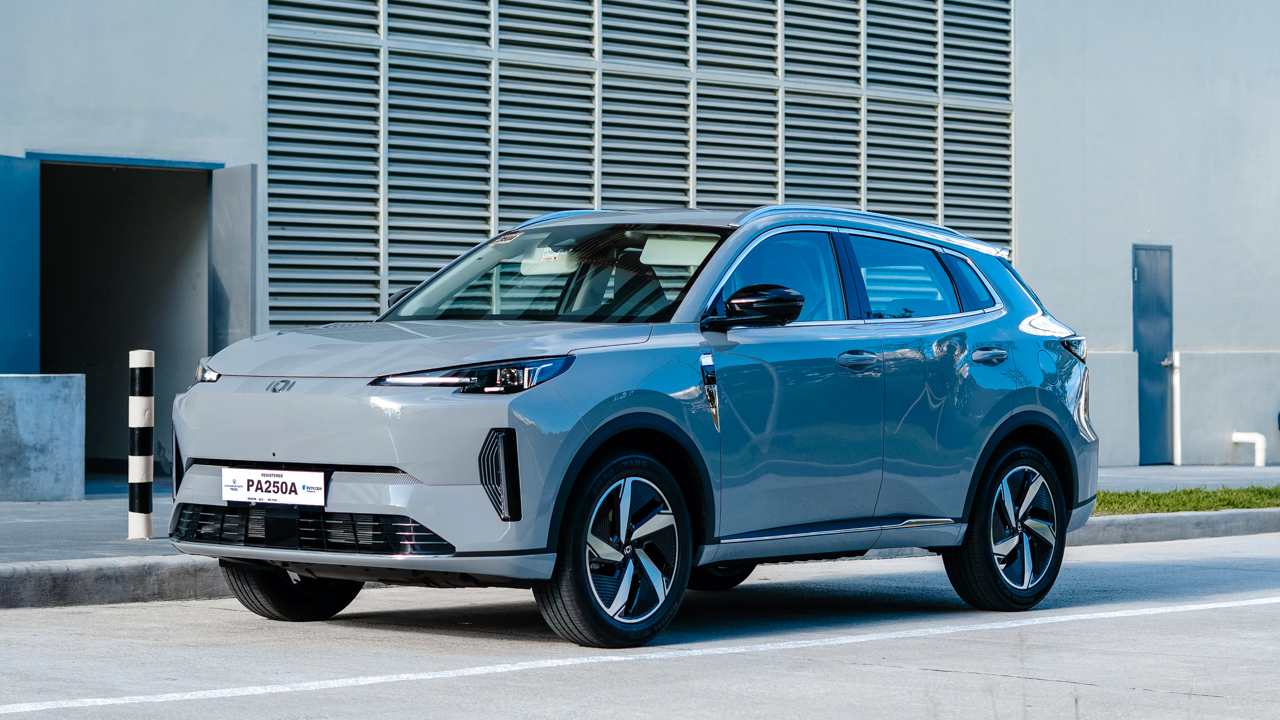
The modern, minimalist design with chrome accents reminded me of how much my love for gadgets extends to cars. Sleek, practical, and tech-savvy.
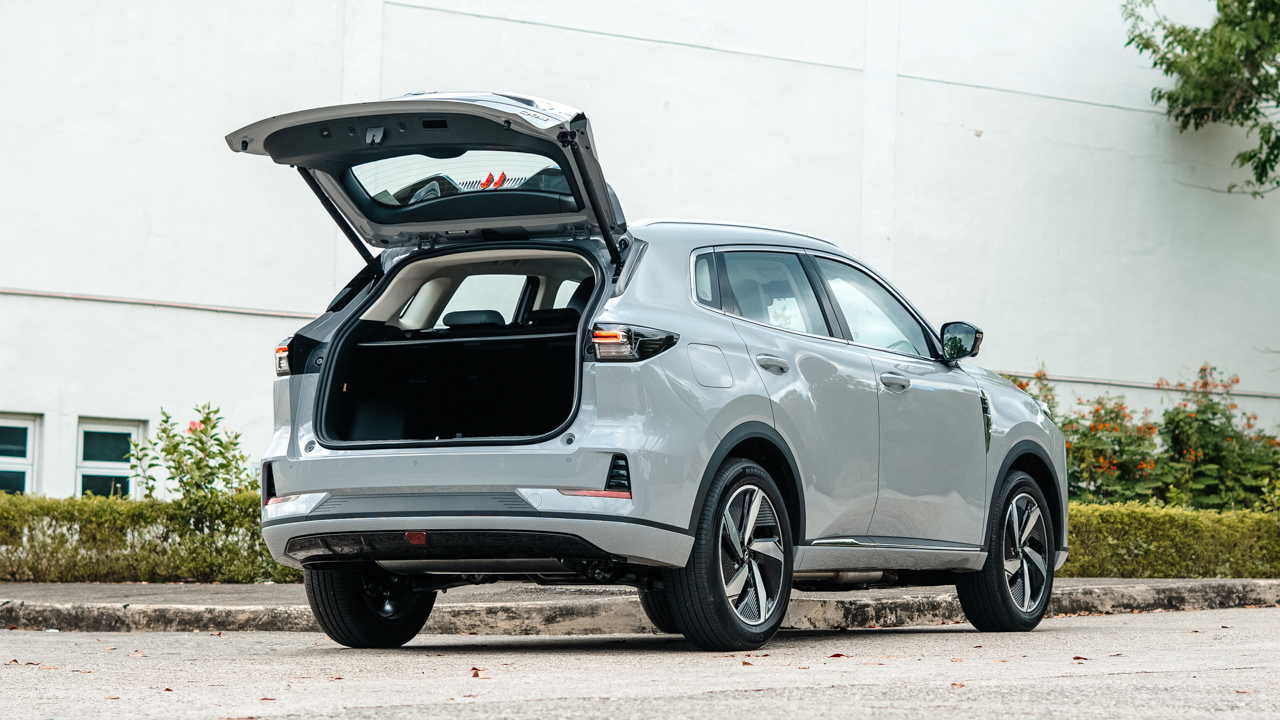
The full-LED lighting and those 19-inch two-tone alloy wheels screamed “stylish commuter,” and I could easily imagine myself cruising through the city streets, comfortably enjoying the 10.25-inch touchscreen and seamless Apple CarPlay.
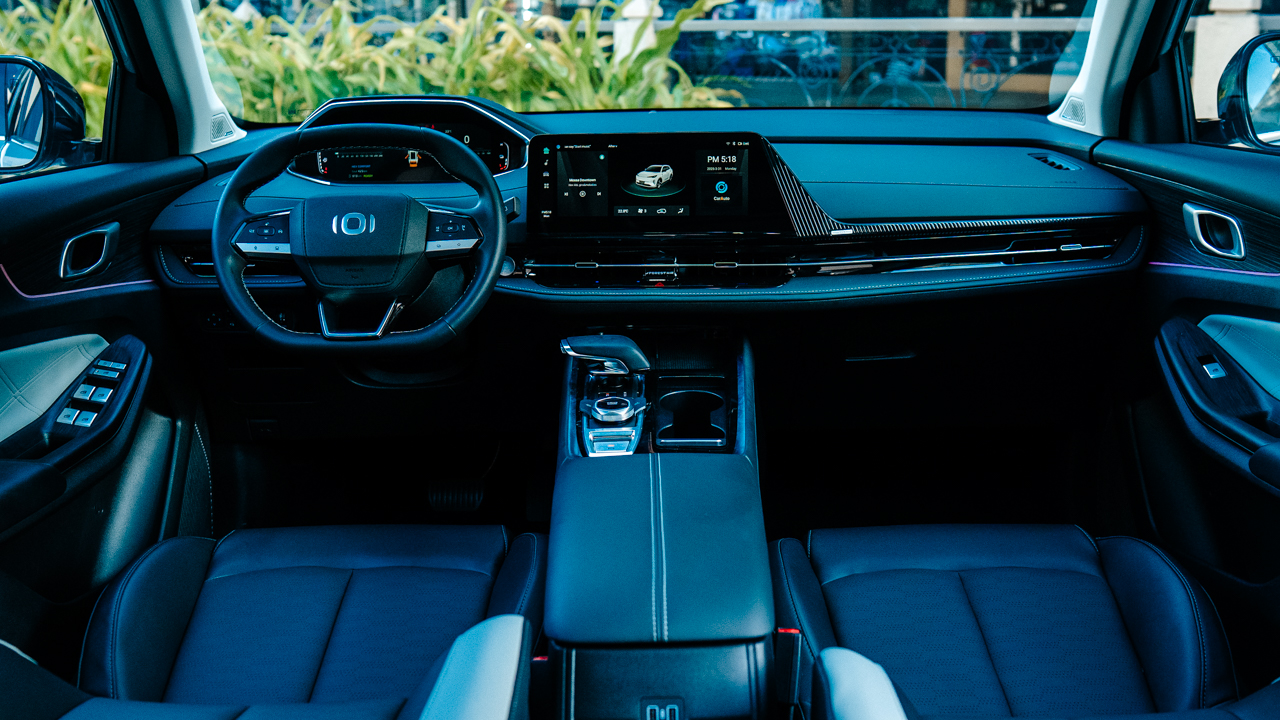
It’s clear that Changan’s focused on combining luxury with everyday practicality. And as someone who works in tech and fitness, I loved seeing features like the wireless smartphone charging pad and panoramic sunroof.
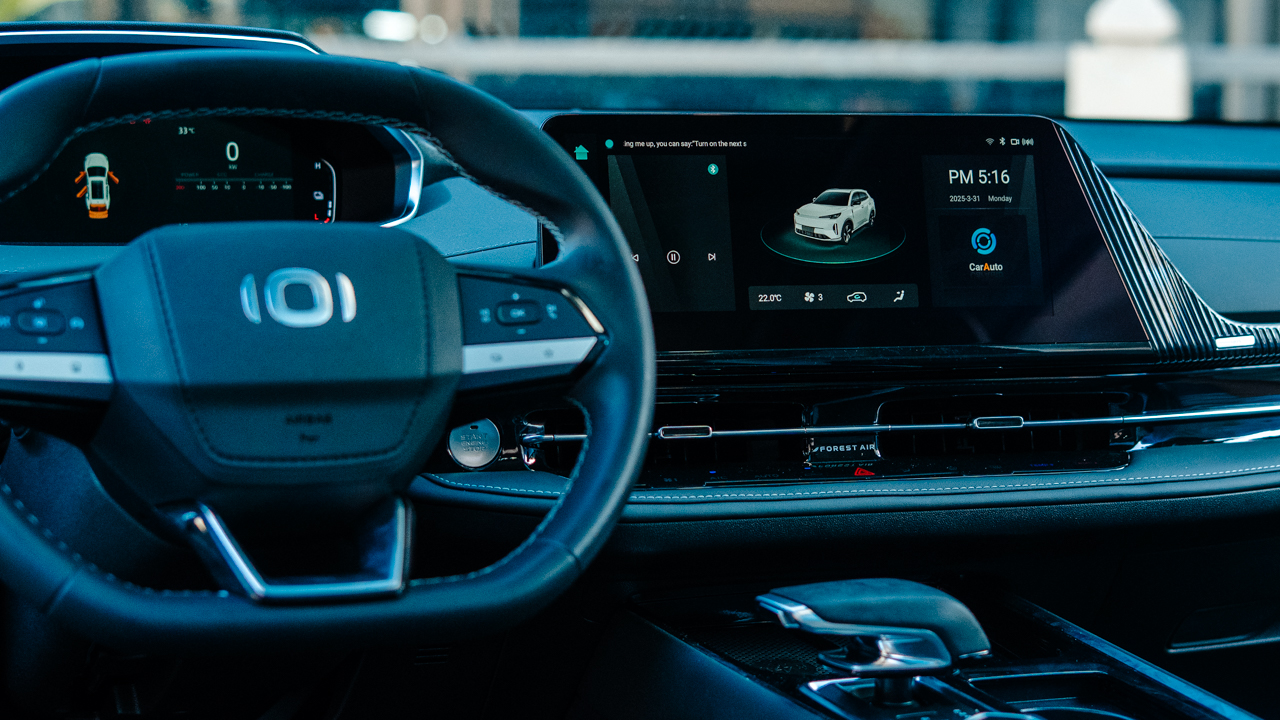
It’s exactly the kind of tech-forward experience that makes every trip feel like a mini adventure.
Changan Nevo Hunter K50: Rugged yet refined
Next, I found myself completely drawn to the Changan Nevo Hunter K50.
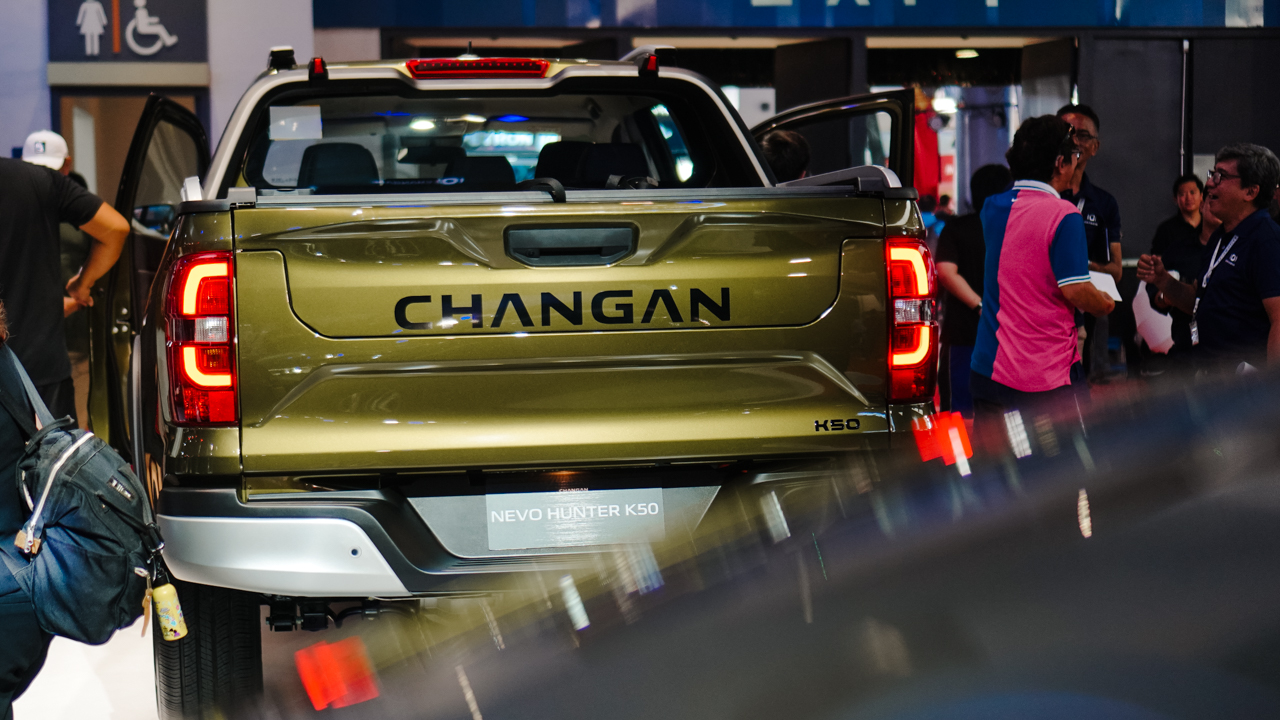
As much as I love my sleek gadgets and tech, there’s always a part of me that craves something rugged and ready to tackle the outdoors. Somehow, this beast of a vehicle checks all the boxes.
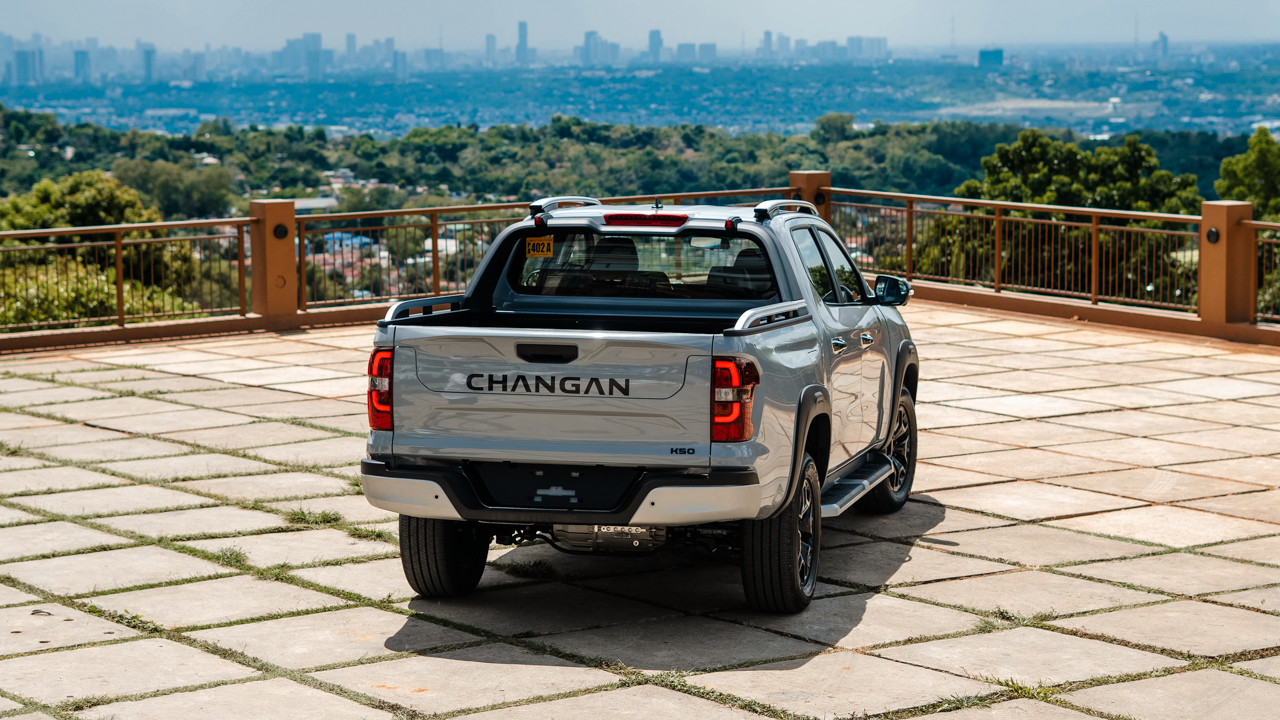
With a design that balances urban cool with off-road potential, the Hunter K50 felt like the perfect vehicle for those days when I need to get away from the hustle-bustle of city life.
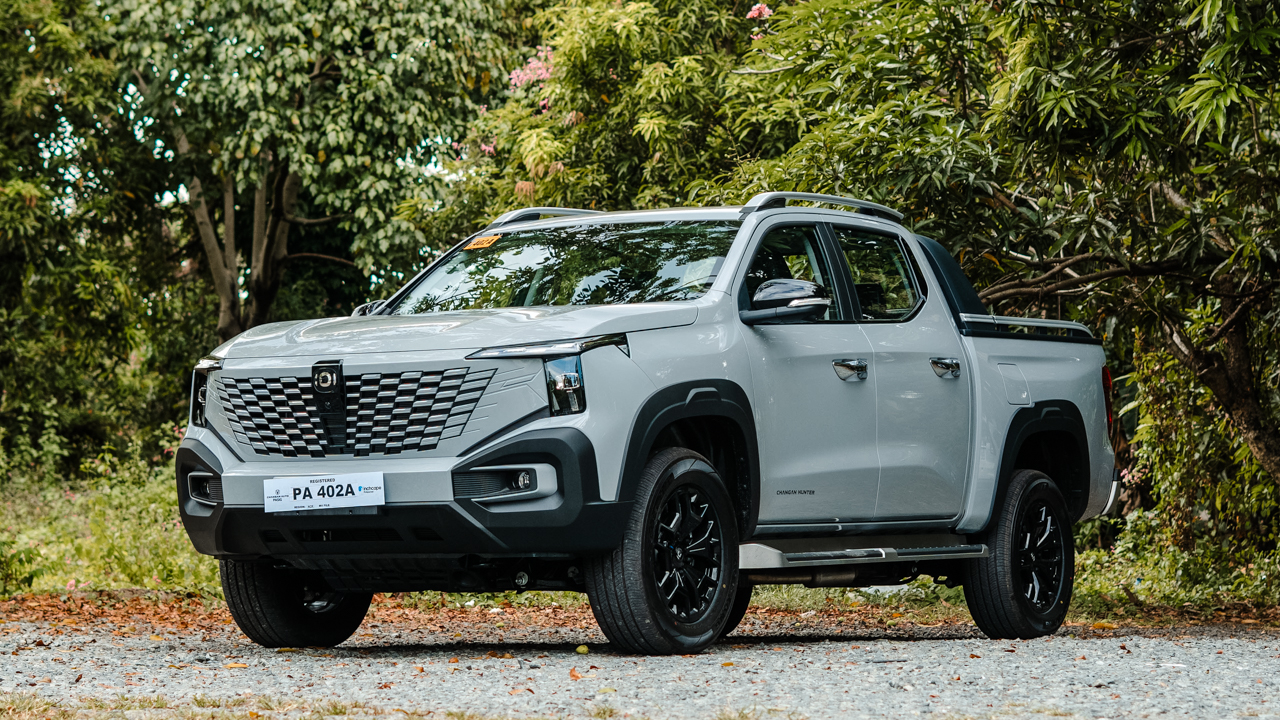
The 18-inch alloy wheels and sharp lines immediately gave it a muscular presence.

Inside, it felt like the perfect combination of luxury and utility. From the 12.3-inch touchscreen to the leather seats, everything felt elevated.
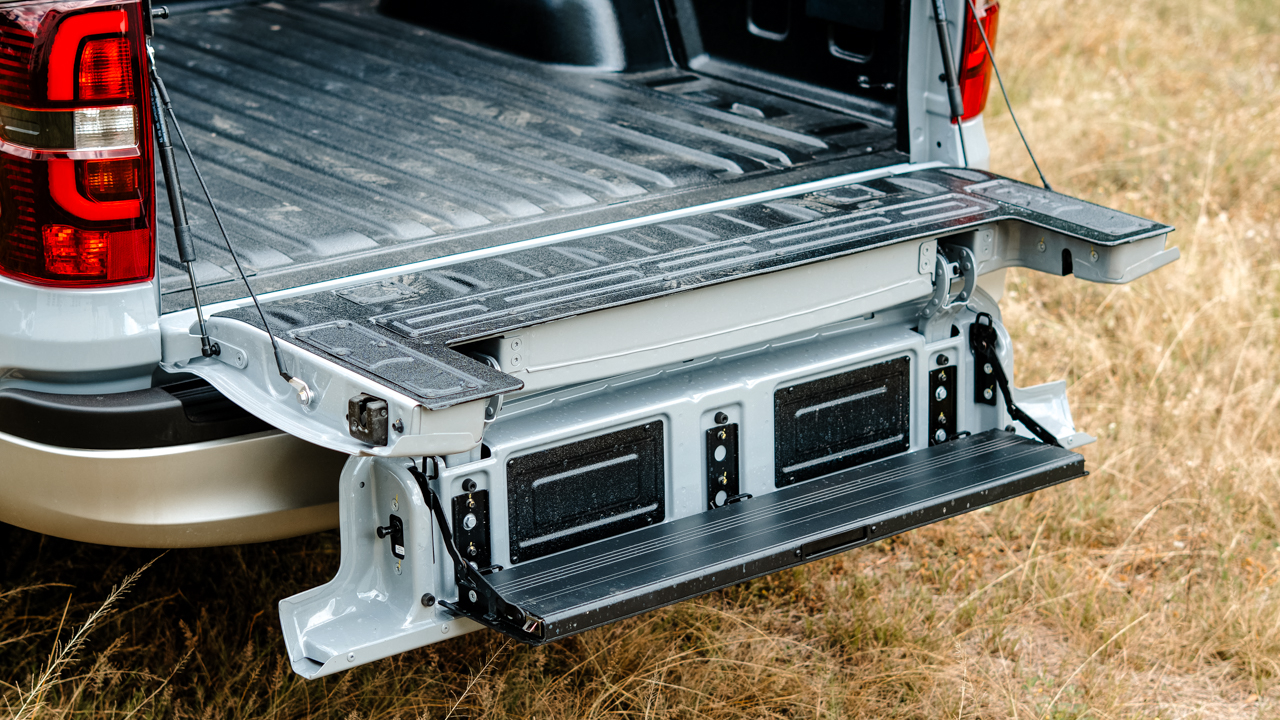
But here’s the kicker: the Vehicle-to-Load (V2L) feature. As someone who loves working on the go, the ability to power up my devices through dual 220V outlets was the kind of feature I’d want in my arsenal.
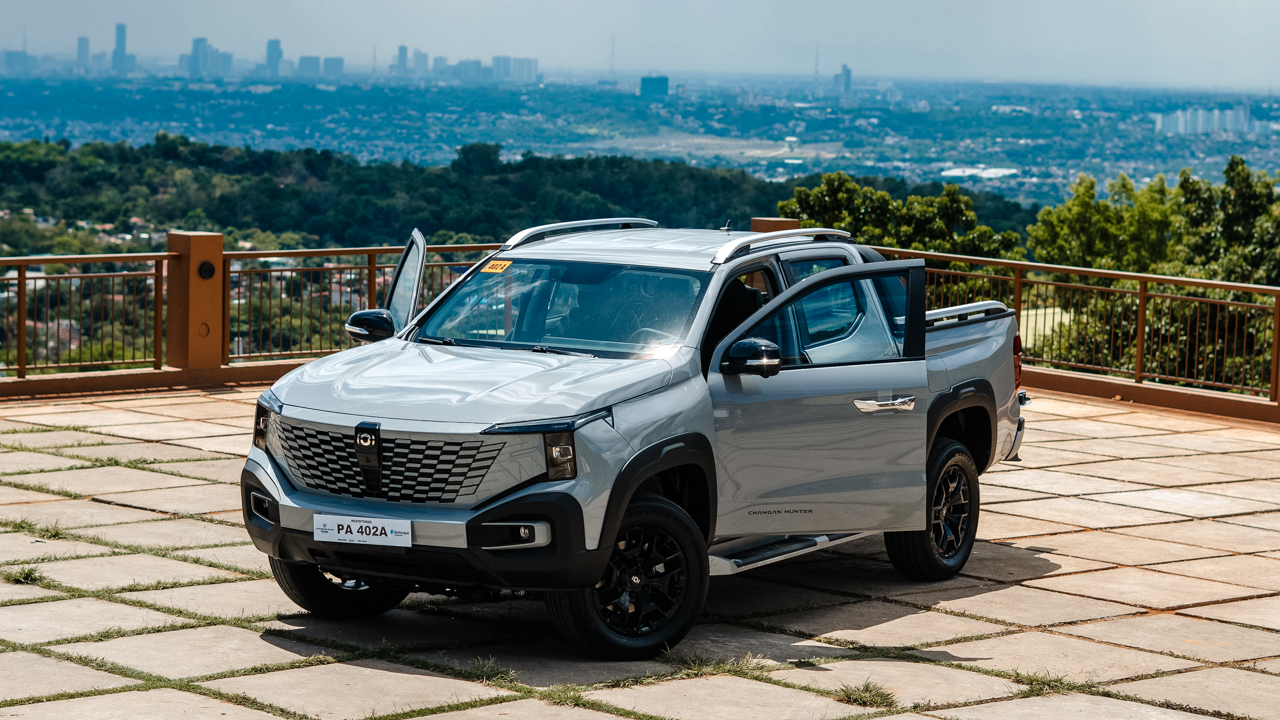
It’s like Changan is speaking my language: functionality meets fun.
Changan A05: Sophistication for city dwellers
Finally, I checked out the Changan Nevo A05.
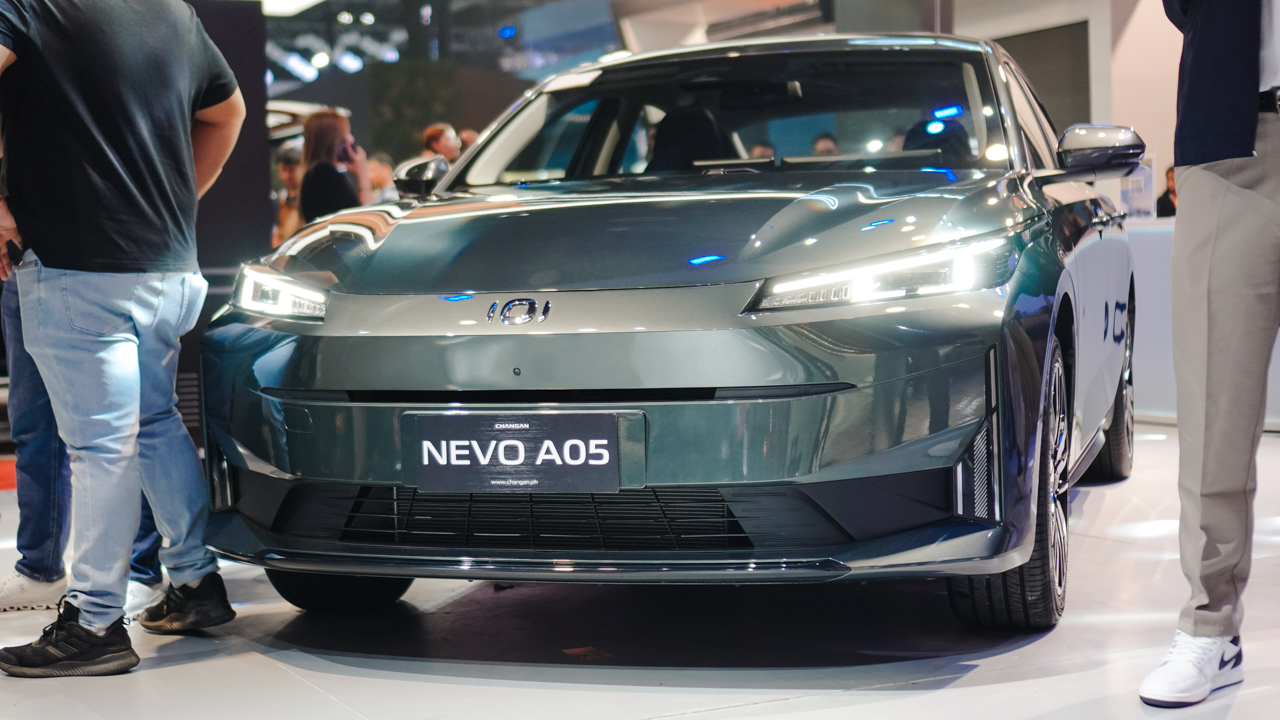
It felt like the perfect fusion of Nevo Q05 and Nevo Hunter K50. It’s elegant, refined, and perfectly suited for my fast-paced, tech-heavy lifestyle.
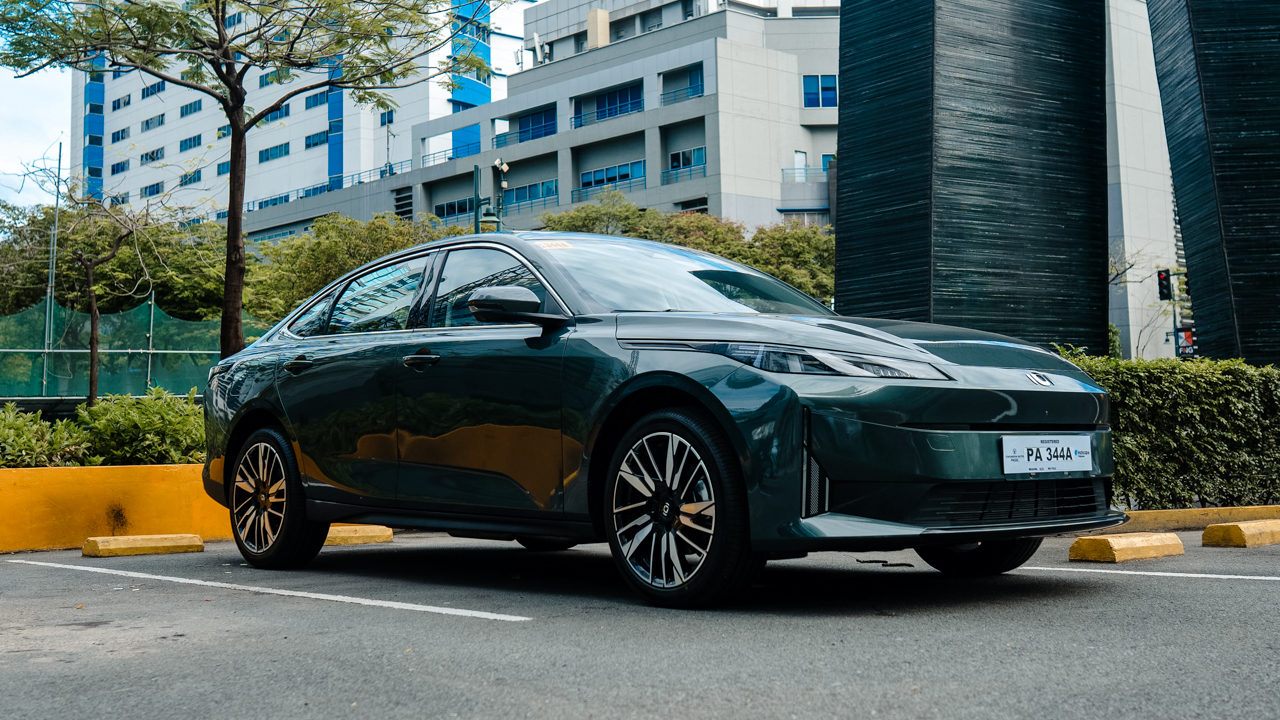
The sleek, cutting-edge design had me thinking, “This is the car I want to roll into a meeting in.”
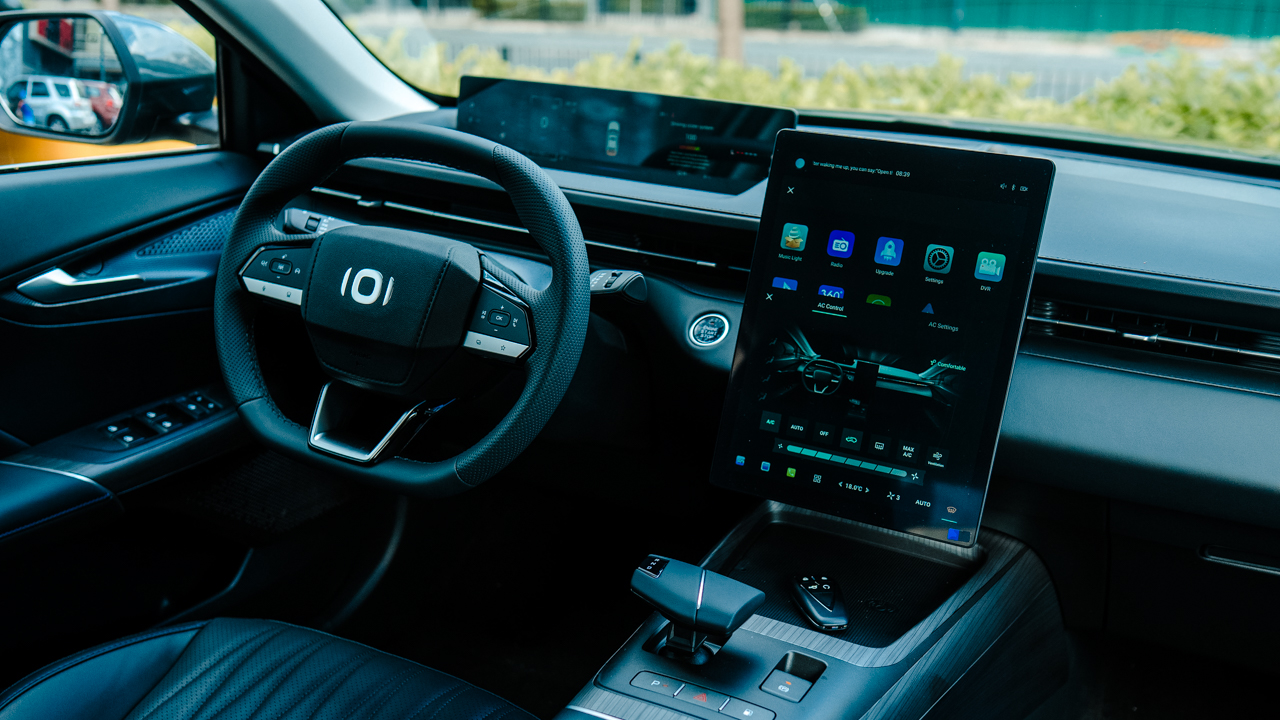
And with the 13.2-inch touchscreen and full digital instrument display, it felt like the perfect extension of my daily work routine.
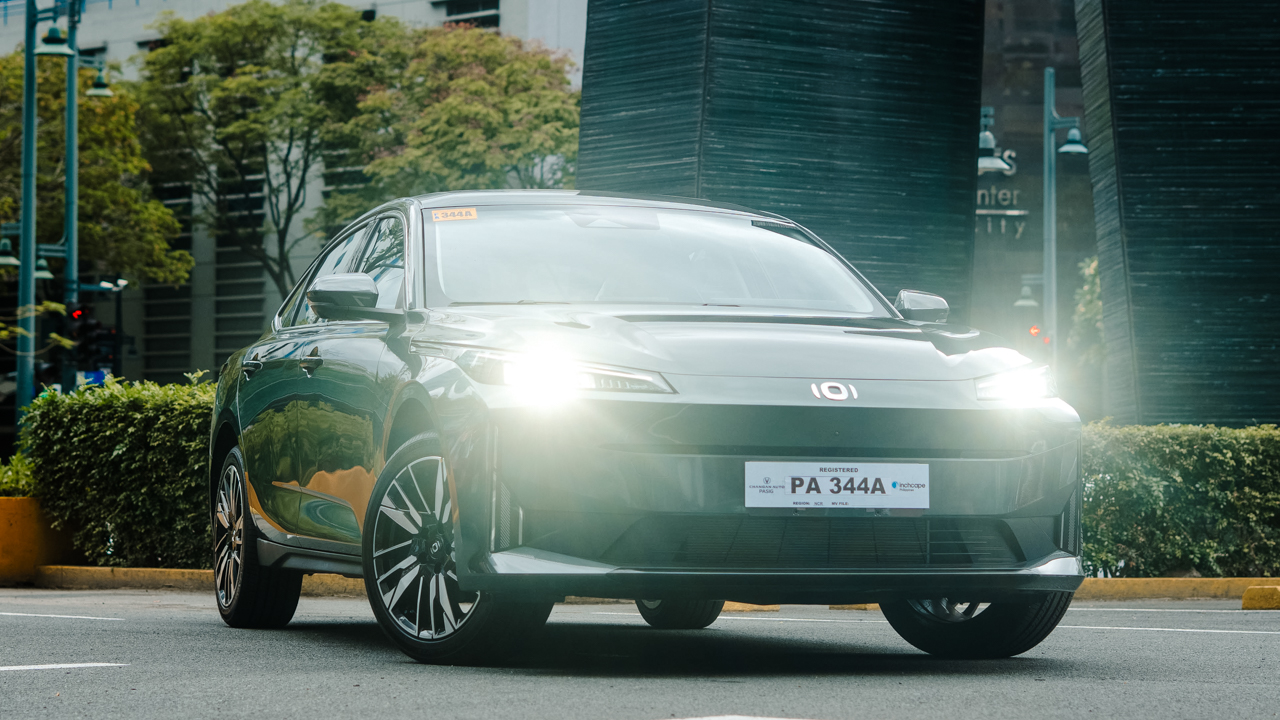
Whether I’m negotiating for an event or finalizing details for an upcoming pitch, I could easily picture myself navigating my day with all the connected technology I need, while cruising in style.
The fleet for a tech-driven life
The Changan Nevo Q05, Hunter K50, and A05 aren’t just electric vehicles. They represent how Changan’s commitment to innovation can seamlessly align with my lifestyle, no matter the mood or moment.

From the city streets to the open road, Changan’s electric vehicles have managed to combine sleek design, rugged capability, and sophisticated technology. All while making sure I stay connected and in control.
And if there’s one thing I know for sure after my visit to the booth, it’s that these cars are a reflection of the kind of lifestyle I’m living. Fast-paced, full of adventure, and ready for whatever comes next.



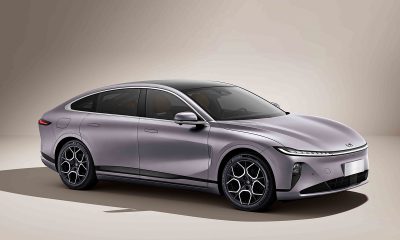

BYD is lighting up the electric vehicle segment. For a while now, the Chinese automotive brand has been offering affordable alternatives to the so-called giants of the market, in turn becoming a giant itself. The company has since entered other segments, including the luxury market, through its sub-brands Denza and Yangwang. Now, it’s reportedly considering an all-new venture: the world of Formula One.
The new Formula One season saw the debuts of Audi and Cadillac to the racing grid, proving that the sport isn’t averse to expanding beyond the usual ten teams. Naturally, entering the sport is not an easy process, but for the right brand, it could be a very lucrative opportunity.
According to a source from Bloomberg, BYD is currently evaluating an entry into Formula 1. Right now, the Chinese company has not made a decision, but it is an idea floating around.
Besides the rigorous entry process, owning an independent racing team can cost BYD hundreds of millions of dollars per year. It’s not a cheap sport.
That said, there are other ways for the brand to enter the grid. One of the more cost-effective options is to become a title sponsor of an existing team by providing funding and technical expertise without the stress of managing a team directly.
Alternatively, the brand can also skip the red tape by buying an existing team. Audi, for example, entered the current grid by buying the team from Sauber. Of the current grid, Alpine is reportedly considering putting the team up for sale, making it a potential target for newcomers.
Outside of F1, BYD might also have an easier time entering other competitions including the FIA World Endurance Championship.
SEE ALSO: This BYD car is now the world’s fastest car in the market
Automotive
Xiaomi Vision Gran Turismo makes global debut at MWC 2026
Tech giant becomes first technology brand in Vision GT program

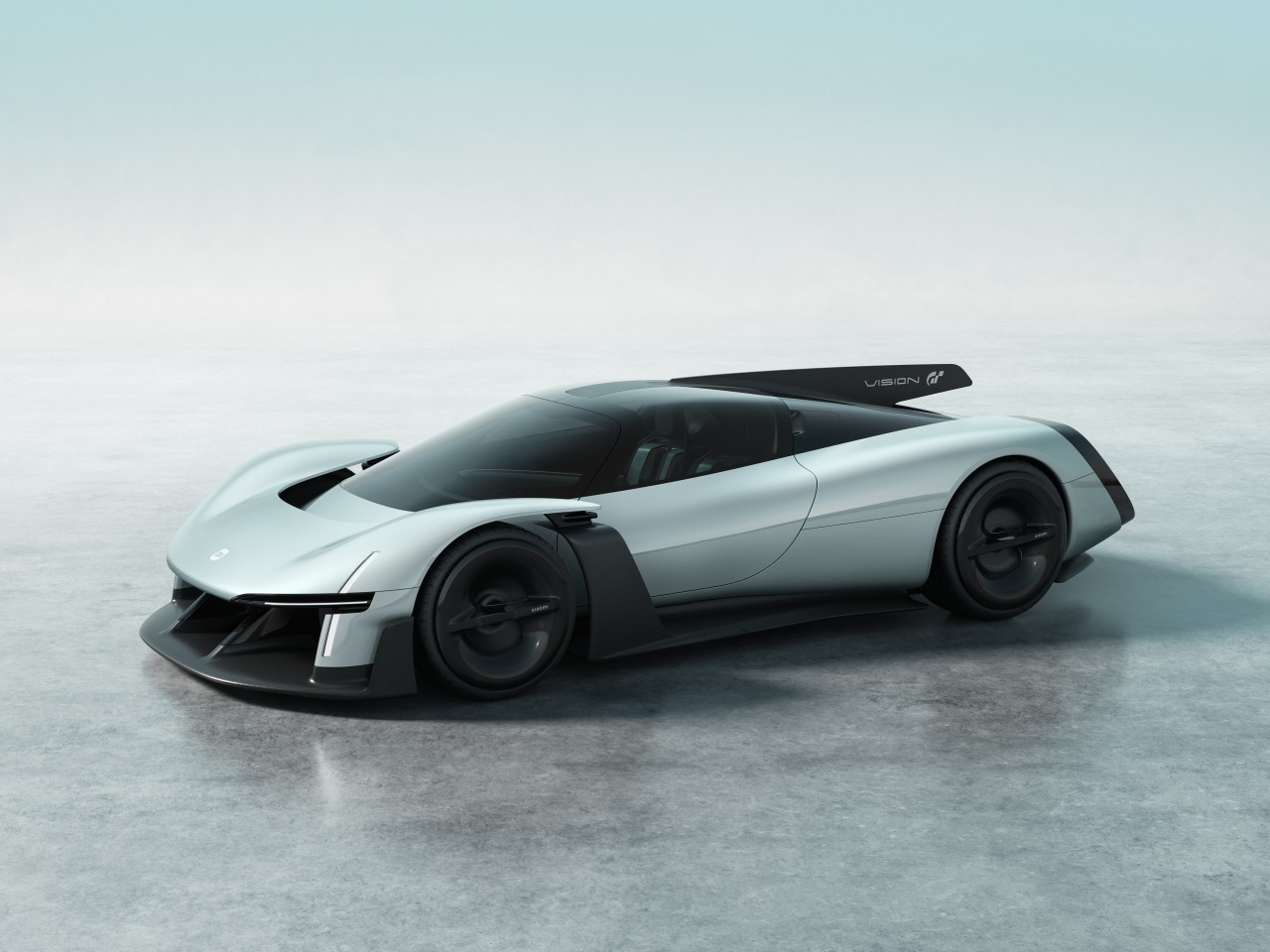
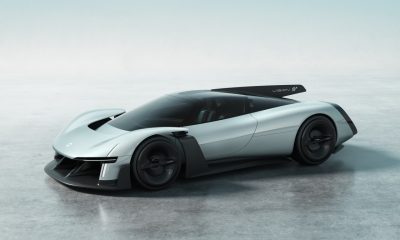
Xiaomi has unveiled the full-scale concept model of the Xiaomi Vision Gran Turismo or Xiaomi Vision GT at MWC 2026 in Barcelona, Spain. This marks the company’s official entry into the elite Vision Gran Turismo project.
Created for the legendary Gran Turismo franchise, the electric hypercar concept represents the first time a technology company has been invited to participate in the Vision GT program. Xiaomi now joins a select group of global automakers, becoming the 36th brand to take part and the creator of the 51st Vision Gran Turismo concept overall.
The project began at the GT World Series in London, where series producer Kazunori Yamauchi personally invited Xiaomi to design its own Vision GT car. For Xiaomi’s global EV design team, the opportunity meant rethinking hypercar development from a technology-first perspective, blending advanced aerodynamics with AI-driven intelligence.
Sculpted by the wind
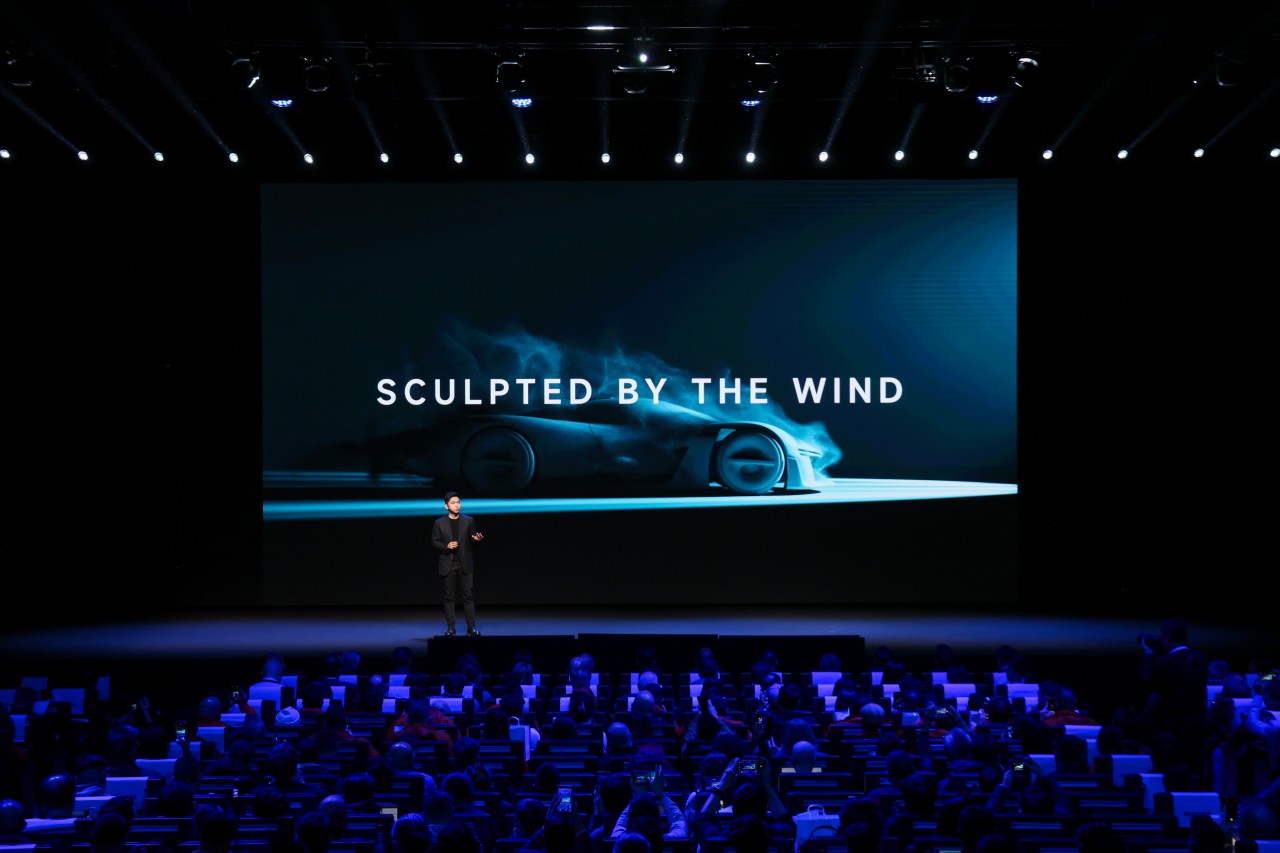
At the core of Xiaomi Vision Gran Turismo is aerodynamic balance. Instead of chasing extreme low drag or maximum downforce alone, Xiaomi pursued efficiency between the two.
The concept follows a “Sculpted by the Wind” philosophy. Its teardrop cockpit silhouette, integrated air ducts, and airfoil-shaped structural elements guide airflow seamlessly from front to rear. The body avoids excessive add-ons, relying instead on built-in aerodynamic solutions.
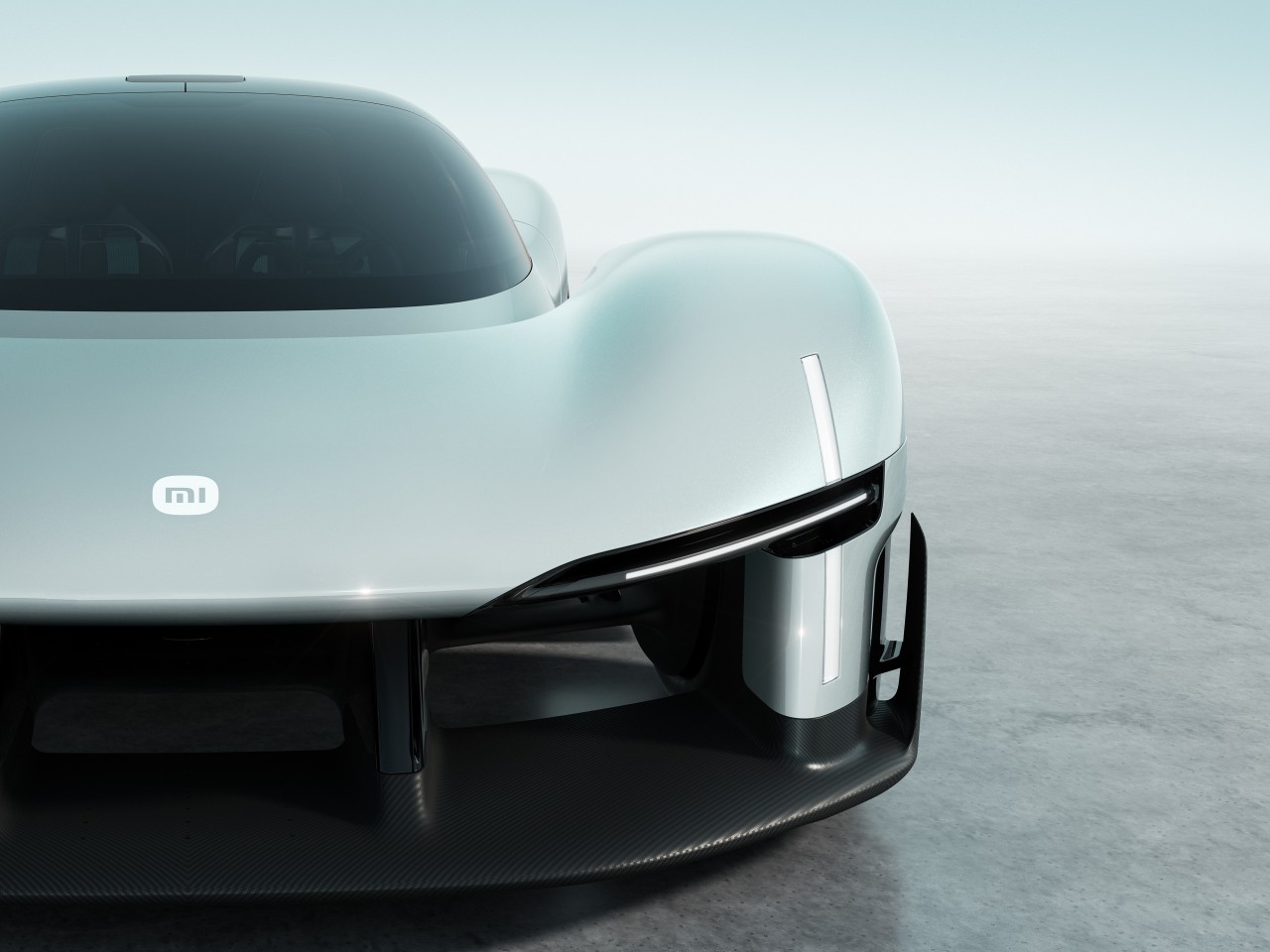
Signature design elements serve dual purposes. Cross-shaped headlights integrate into the airflow system, while the halo-shaped taillight sits within a massive rear air outlet. An Active Wake Control System surrounds the rear with micro-perforations that manage turbulent air using real-time speed and angle data.
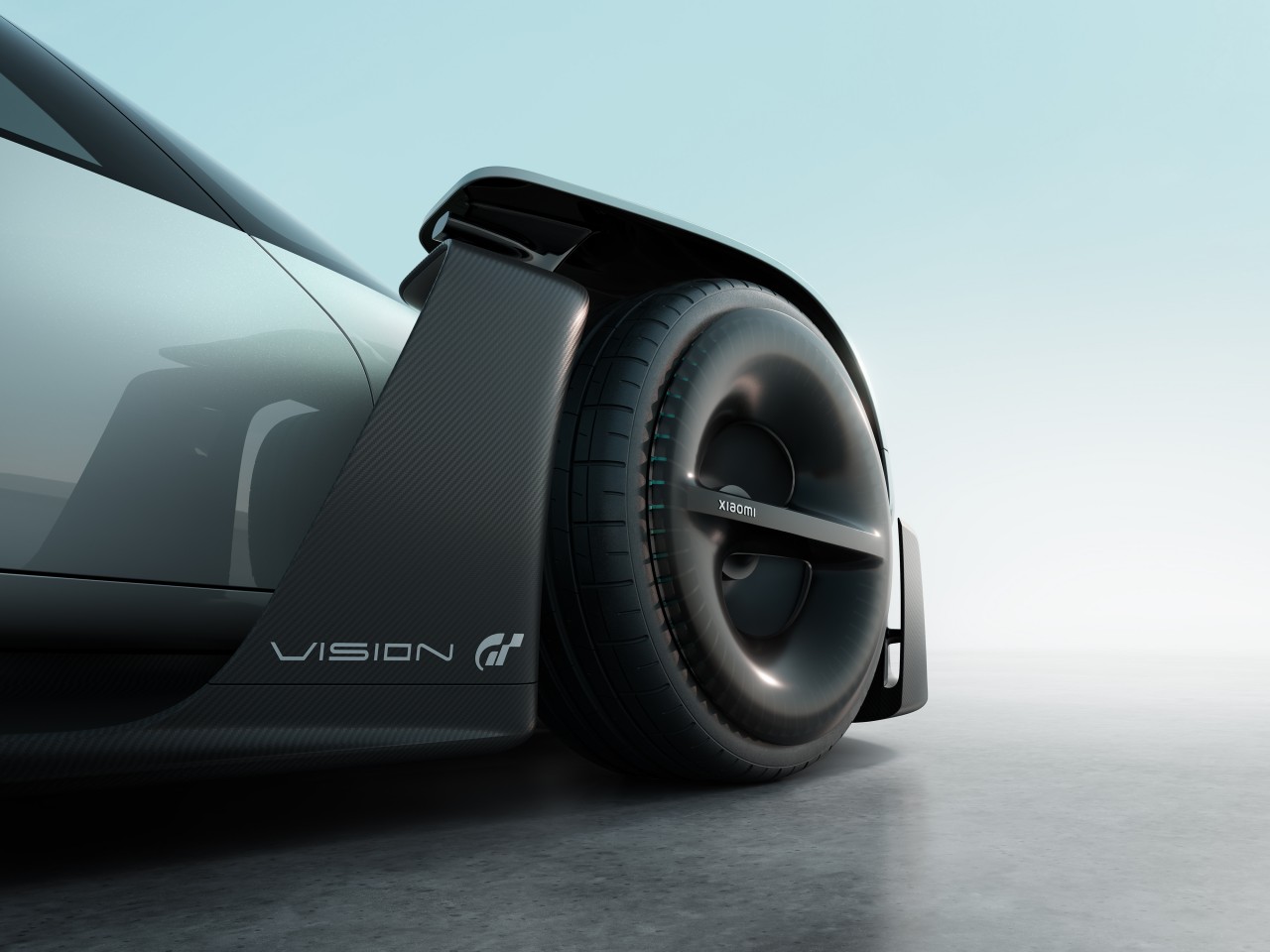
The Accretion Rims feature vortex-style wheel covers that remain visually stationary while the car is in motion, reducing drag from rotating surfaces. Internal turbine fins help cool the brakes during operation.
Through iterative simulation testing, Xiaomi says the concept achieves a drag coefficient of 0.29, downforce of negative 1.2, and an aerodynamic efficiency rating of 4.1 — figures that highlight balance rather than extremes.
A “sofa racer” interior
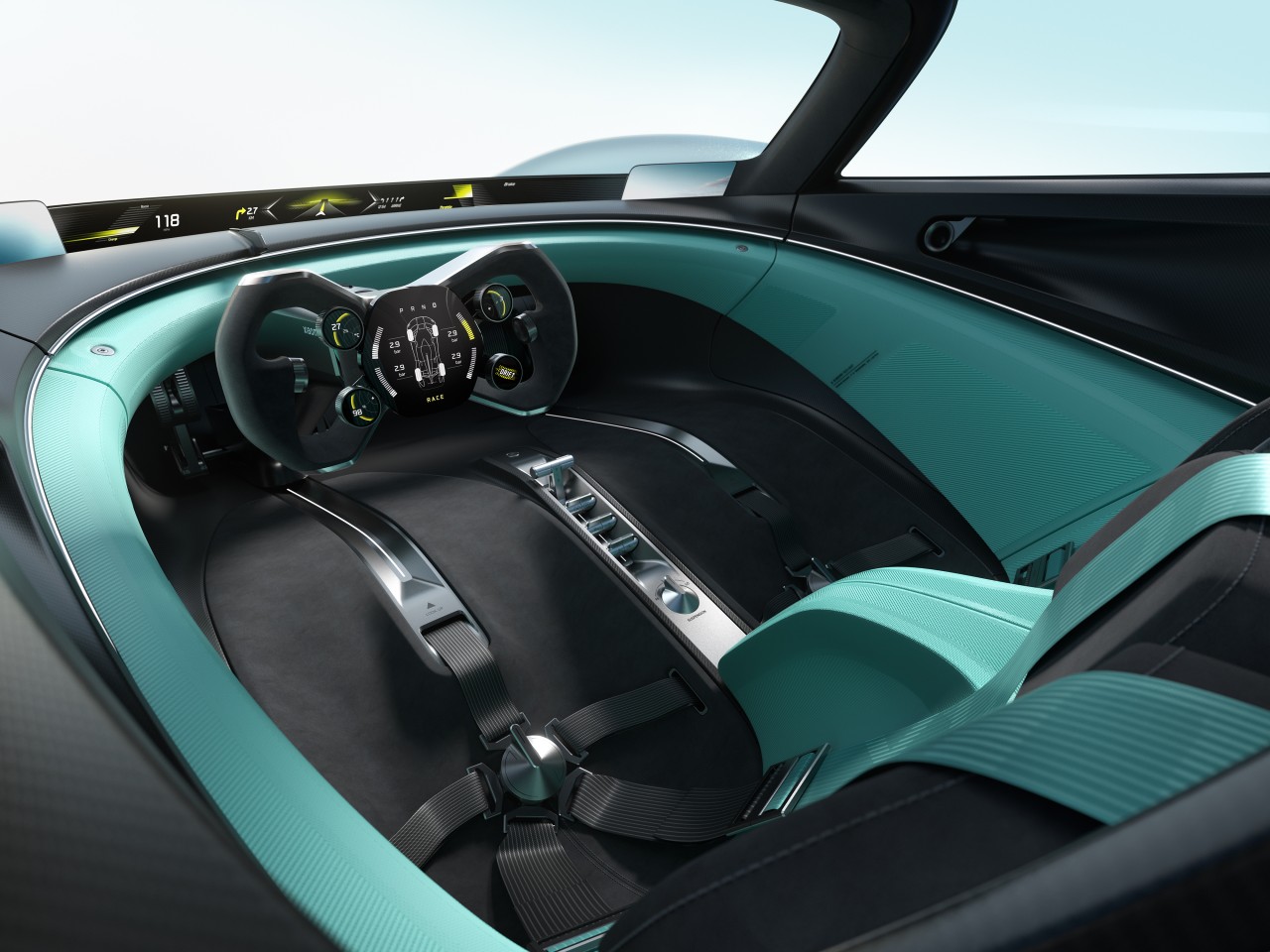
Inside, Xiaomi departs from the rigid, track-focused cabins typical of hypercars. The “Sofa Racer” concept emphasizes comfort without sacrificing control.
A ring-shaped cockpit architecture wraps around the driver, blending dashboard, doors, and seats into one continuous structure. Breathable 3D-knitted fabric materials aim to provide both support and warmth.
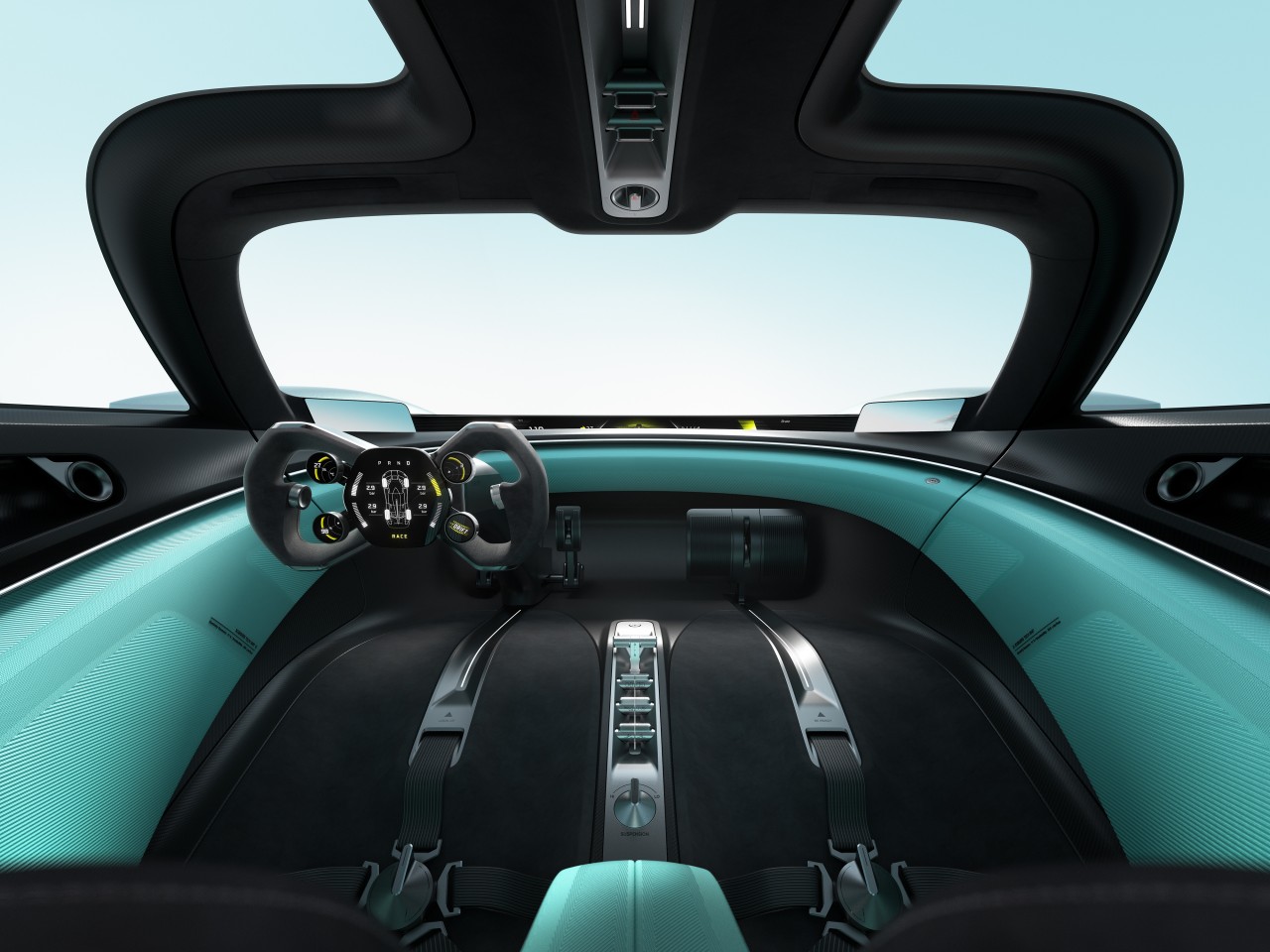
At the center is Xiaomi Pulse, an intelligent assistant integrated into the dashboard. Working alongside Xiaomi HyperVision and the company’s HyperOS platform, the system adapts displays and interactions based on driving mode and environmental data. Physical controls remain tactile and precise, including an infinite-shaped steer-by-wire wheel.
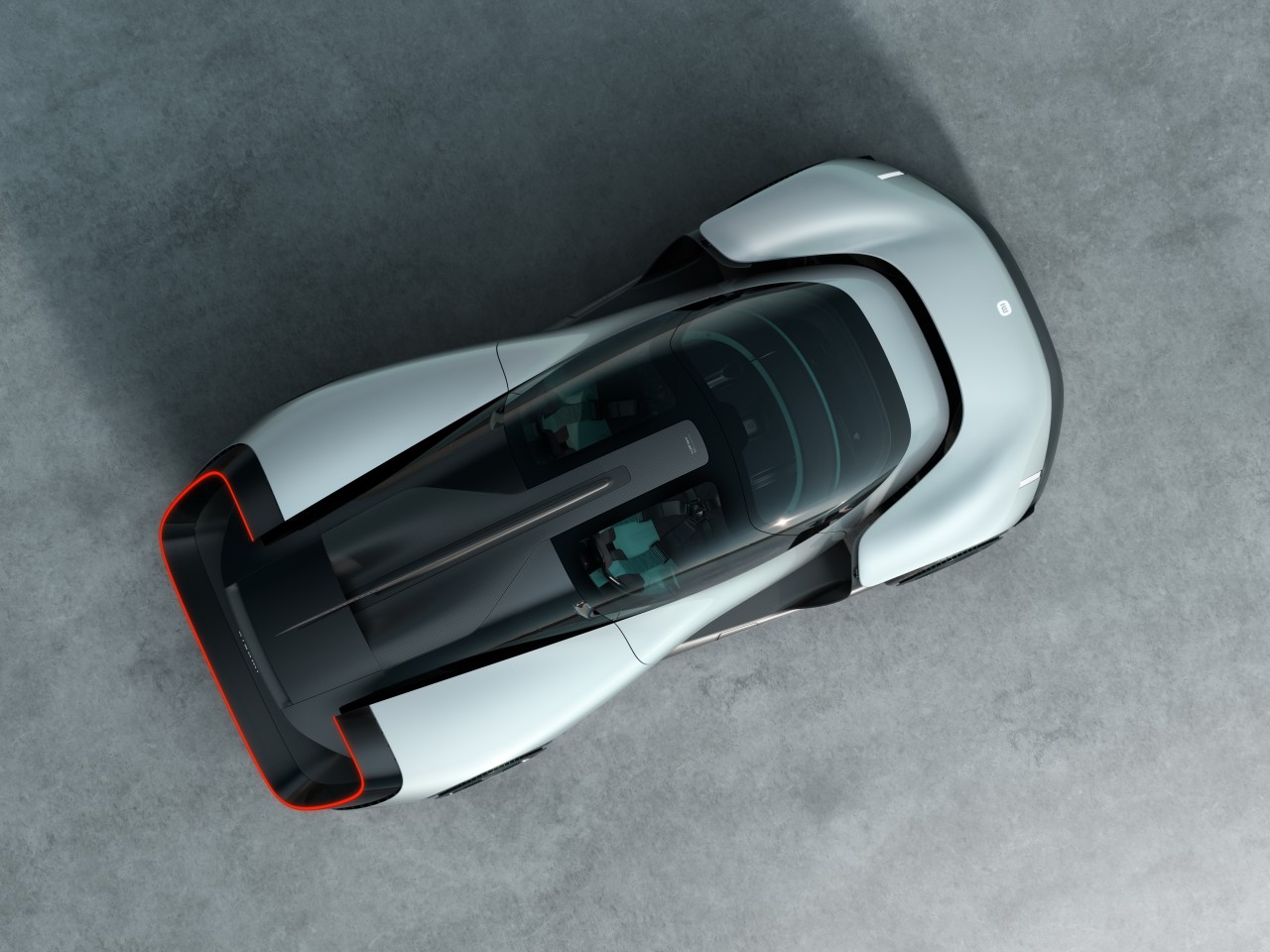
The concept also integrates into Xiaomi’s broader “Human × Car × Home” ecosystem. Powered by XiaoAi AI Assistant and the Xiaomi MiMo foundational model, the car connects with personal devices and smart home products, positioning itself as part of a unified digital lifestyle.
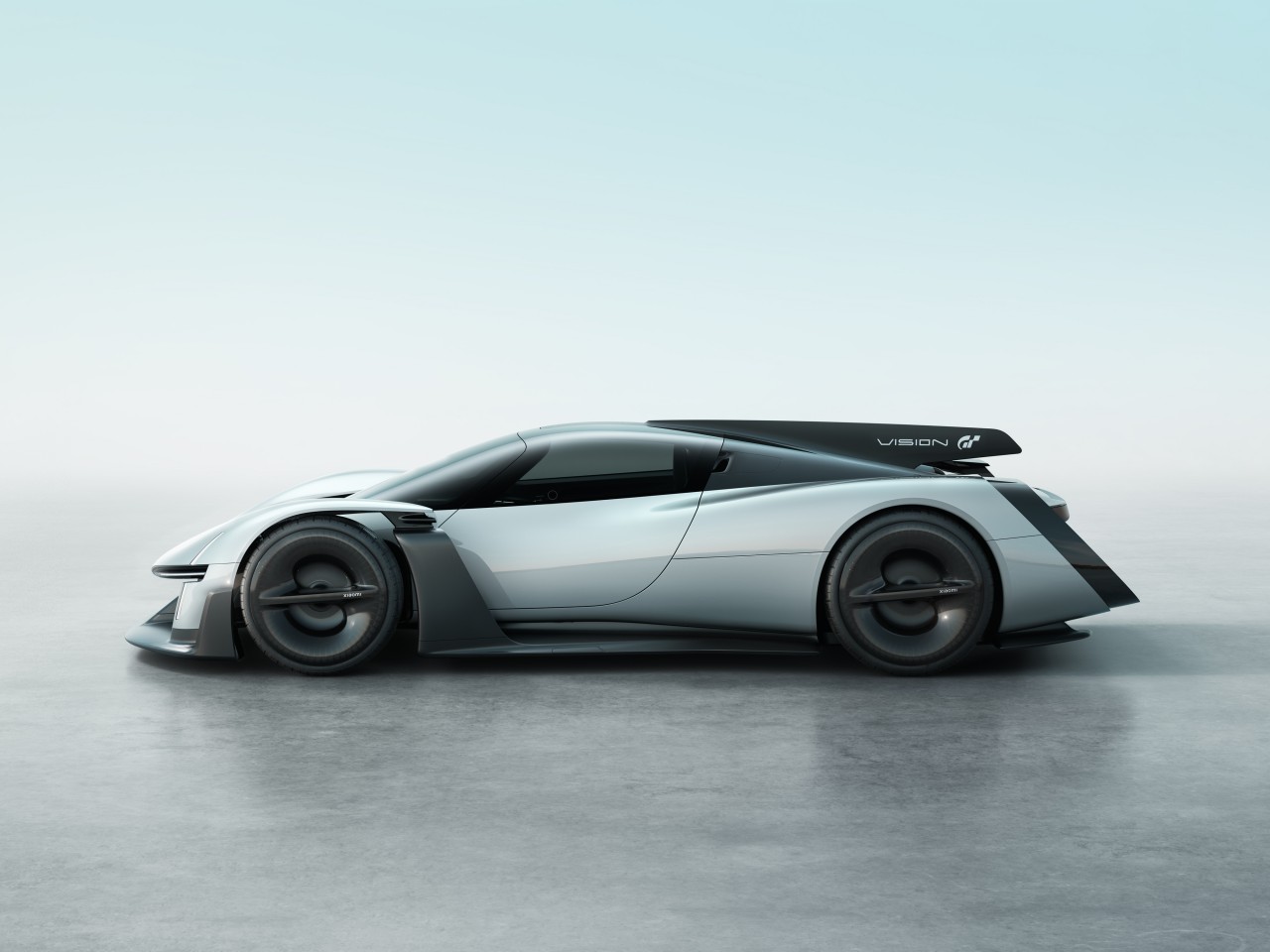
Xiaomi has also envisioned a companion driving simulator designed as furniture for the home, extending the Vision Gran Turismo experience beyond the vehicle itself.
Yamauchi praised the project, noting how the design successfully resolves the tension between low drag and high downforce. Further details about the car’s arrival in Gran Turismo 7 will be announced at a later date.
With its Vision Gran Turismo debut, Xiaomi signals a broader ambition: redefining the electric hypercar through AI integration, ecosystem connectivity, and aerodynamic precision.
Automotive
BYD’s high-end brand Denza launches in the Philippines
The debut starts with the Denza D9, a full-size MPV.

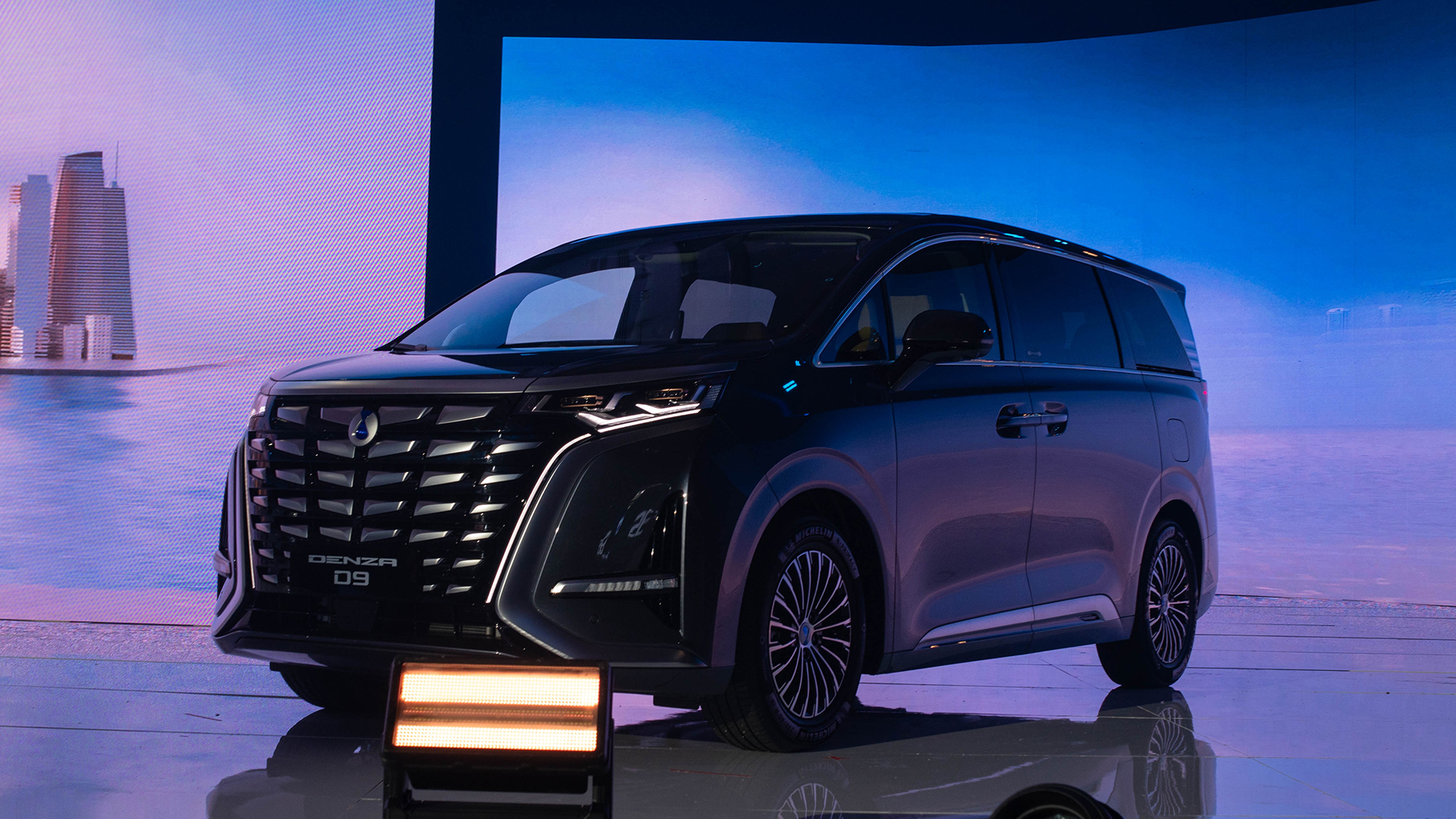
The BYD family in the Philippines just got bigger. After testing the waters and succeeding gracefully with the main brand, the Chinese automotive company is bringing in a new brand to the country: Denza.
Denza started off as a brand co-owned by both BYD and Mercedes-Benz (then known as Daimler). BYD’s meteoric success eventually led to Denza’s concurrent rise as well. Eventually, Mercedes-Benz relinquished all but 10 percent of the brand’s total shares to BYD in 2021. Then, in 2024, the German company withdrew entirely, leading to Denza being completely owned by BYD today.
The brand is known for delivering high-end PHEVs to several markets, which now includes the Philippines. The stint will start off with its ever-popular full-size MPV, the Denza D9.
Introducing the Denza D9
Prior to today’s launch, I already saw the Denza D9 plowing through the streets. The sizable MPV already made quite an impression, to say the least.
Up close, the Denza D9 has a bold front fascia, exuding modern elegance and sleek body lines.
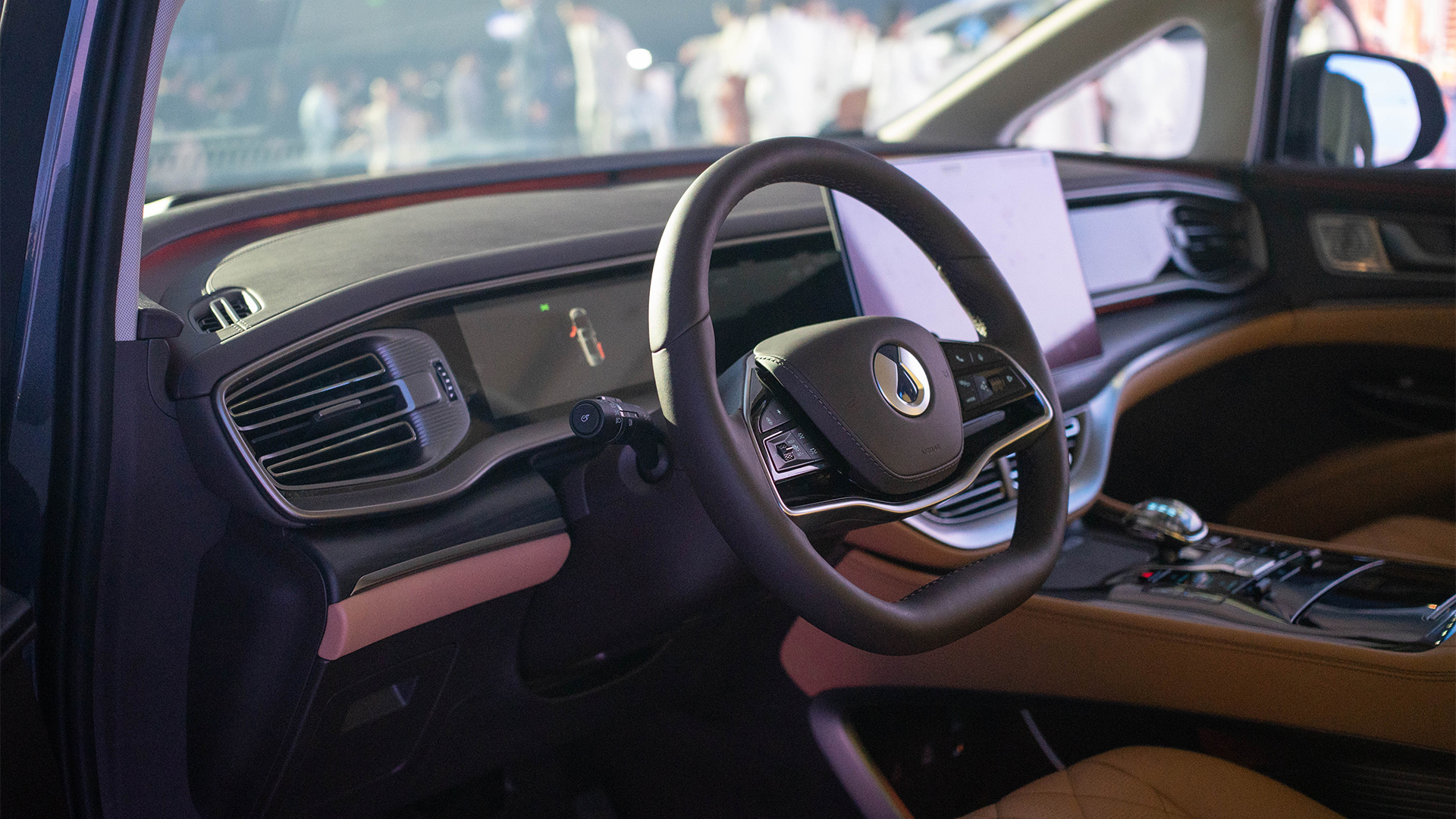
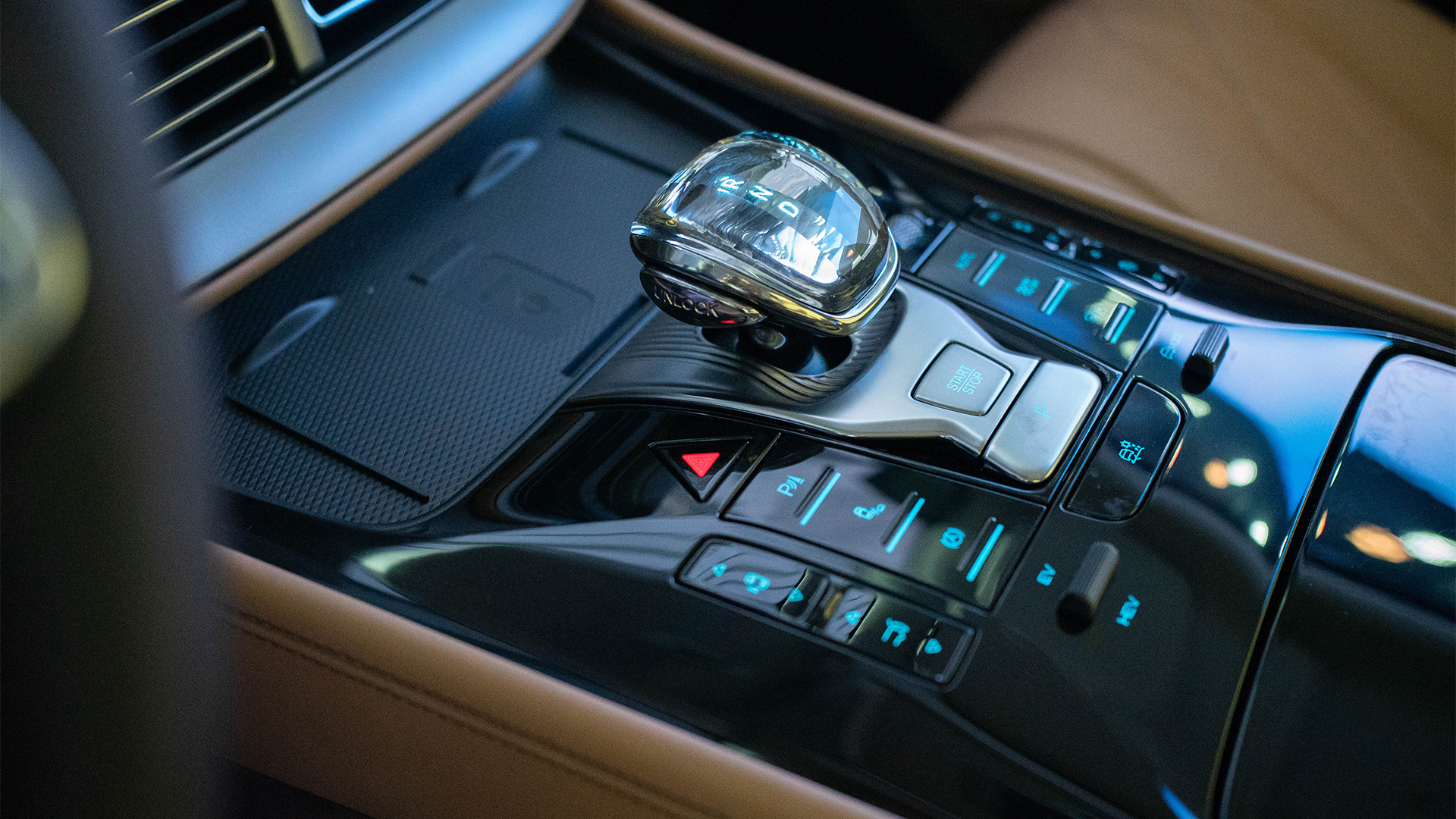
Inside, the car prioritizes comfort for all passengers with luxurious captain seats. Those seats feature a ten-way electric adjustment six-way adjustable headrests, and leg rests. They also come with seat ventilation to get through an intensely sunny day. Finally, each seat comes its own LED panel for maximum control.
The DiSus system keeps the car balanced throughout any situation. The drive will remain comfortable even during high-speed cornering, full-throttle acceleration, and sudden braking. It will also come with nine airbags to keep all passengers protected.
Price, availability
The Denza D9 is available now in Cosmos Black, Arctic White, Whale Sea Blue, and Starry Sky Grey. It will cost PhP 4,298,000.
Additionally, the MPV will have an exclusive premiere price of PhP 3,998,000 for the first 300 customers.





Now Playing: Project Hail Mary

Zenless Zone Zero Version 2.7 available on March 24

Infinix expands SEA footprint with more official MLBB tourney partnerships

Samsung Galaxy S26 Ultra review: A phone you live with

DJI’s Inspire 3 Basic Package make 8K aerial filmmaking more accessible


-

 Reviews2 weeks ago
TECNO CAMON 50 Ultra review: End of an era?
-
 MWC 20262 weeks ago
Infinix NOTE 60 Ultra makes a motorsport-inspired debut
-

 MWC 20262 weeks ago
TECNO launches the all-new CAMON 50 series
-
 MWC 20262 weeks ago
TECNO unleashes Tonino Lamborghini collection
-
 Computers2 weeks ago
AMD announces Ryzen AI 400, AI 400 PRO series at MWC 2026
-
 MWC 20262 weeks ago
TECNO debuts latest devices, HiOS 16, upgraded Ella at MWC 2026
-
 Automotive2 weeks ago
Xiaomi Vision Gran Turismo makes global debut at MWC 2026
-

 Reviews1 week ago
The Xiaomi 17 shoots Leica dream