
Wearables
Fitbit has launched its Fall 2020 collection
Available in late September 2020

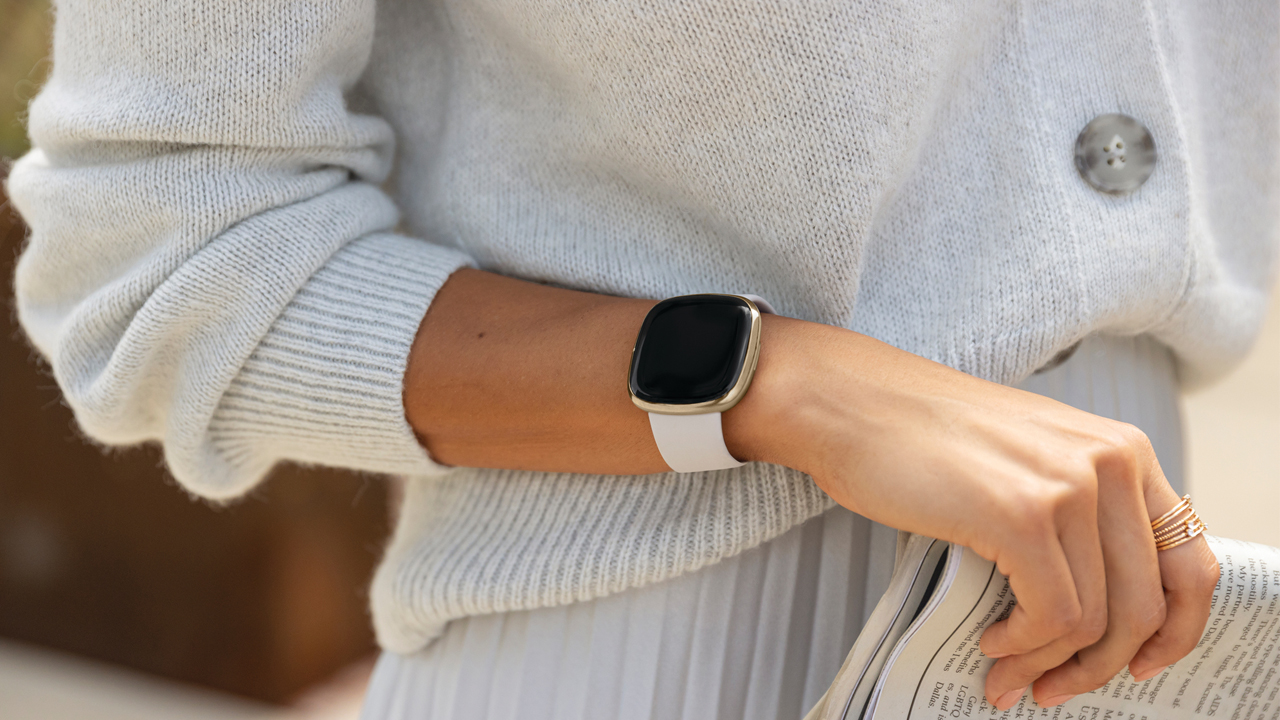
After the pandemic finally blows over, the world will find new ways to care about health and disease. Even now, it’s extremely important to start detecting the onset of a new sickness before it can materialize. With health awareness on the rise, health-oriented industries — like the smartwatch industry — are stepping up. For example, Fitbit has launched its Fall 2020 collection, touting new and improved functionalities like stress detection and skin temperature sensing.

Fitbit Sense
First of all, Fitbit has debuted its most advanced smartwatch to date. Besides the usual gallery of health sensors, the Fitbit Sense is armed with new features for stress management, heart health, and COVID-19 detection.
The new stress management system can detect both the psychological and physiological symptoms of stress. The device uses an electrodermal activity (EDA) sensor to analyze physical effects of stress. With the new sensor, the Fitbit Sense can detect the small body changes caused by stressors. Users can also perform a quick stress check by placing their palms on the watch’s face. It can then calculate how stressed you are, based on the sensor’s data, heart rate, and sleep activity.
The Fitbit Sense also has a new PurePulse 2.0 technology, allowing for an advanced way to analyze heart rates. For one, it scans a user’s heart rate 24/7. It can send notifications when heart rate dips below or peaks above normal. Further, the Fitbit Sense is the first Fitbit device to detect atrial fibrillation, a condition affecting more than 33.5 million people. Fitbit also says that you can share their data to your doctor for medical purposes.
Besides the new features, the Fitbit Sense comes with what you’d expect from a Fitbit watch. It comes with on-board GPS, more than 20 exercise modes, automatic activity tracking, and advanced sleep tools. The watch can also now detect skin temperature, allowing it to notify you of potential fevers, illnesses (like COVID-19), or a new menstrual phase.
It is compatible with voice assistants and contactless payments. The device can last for more than six days on a single battery life. Finally, buying the watch comes with six free months of Fitbit Premium.

Fitbit Versa 3
Fitbit is also launching an upgraded version of its iconic watch line, the Fitbit Versa 3. The Fitbit Versa 3 comes with the same upgraded functionalities such as on-device GPS, in-app workout intensity maps, PurePulse 2.0, and Active Zone minutes.
Further, the new Fitbit Versa 3 can manage a connected smartphone just as well with built-in Google Assistant and Amazon Alexa. It comes with Fitbit Pay to ease online payments. It also comes with more than six days of battery life and fast charging.
Finally, the Fitbit Versa 3 has partnered with global designers Pendleton and Victor Glemaud for stylish and comfortable watch straps.

Fitbit Inspire 2
For a lighter experience, the Fitbit Inspire 2 packs in a lot of features in a smaller package. For one, the device’s battery can last a whopping ten days. It packs in more than 20 goal-based exercise modes, advanced sleep tools, 24/7 heart rate tracking, menstrual tracking, and food intake tracking. Finally, it comes one free year of Fitbit Premium.
Pricing and availability
All three devices are now available for pre-order and will ship out starting in late September.
The Fitbit Sense will retail for US$ 329.95 and will come in carbon/graphite stainless steel and lunar white/soft gold stainless steel.
Meanwhile, the Fitbit Versa 3 will retail for US$ 229.95 in black/black aluminum, pink clay/soft gold aluminum, and midnight/soft gold aluminum.
The Fitbit Inspire 2 will retail for US$ 99.95 in black, lunar white, and desert rose.
Finally, Fitbit Premium will sell for US$ 9.99 per month.






What if smart glasses could make you more present instead of recording everything around you? Check out MemoMind or back it up on Kickstarter.
After spending time with the MemoMind One around New York City, THE Michael Josh wanted to answer one question: Do smart glasses actually become more useful when they stop trying to be a camera?
In this video, we take a look at the MemoMind One — a new pair of AI-powered smart glasses that take a very different approach.
News
These “smart” glasses just sold out in under a week
DuckDuckGo touts that these glasses have zero AI, zero cameras, and an infinite battery life.
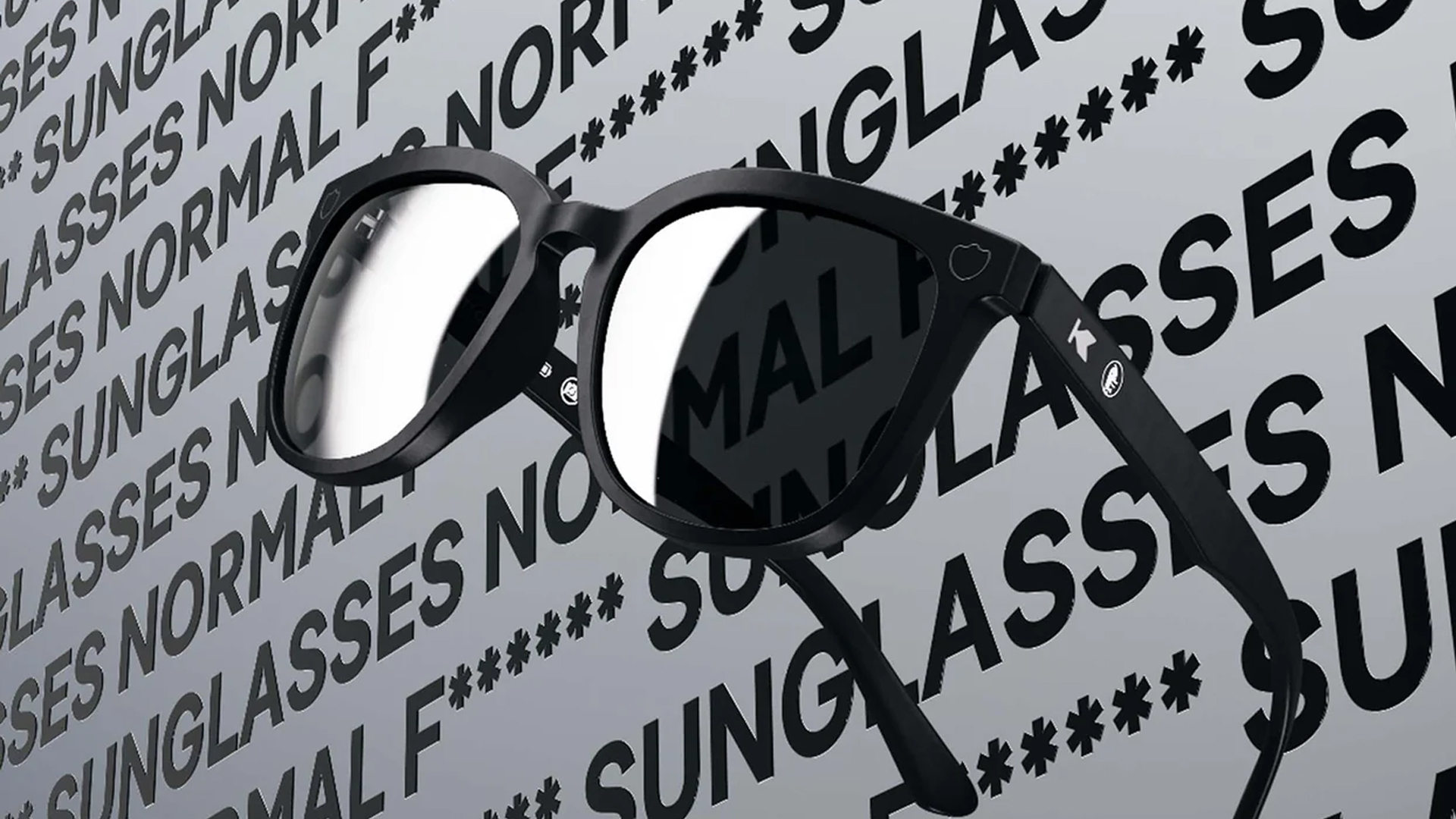
Smart glasses are in a weird place right now. While a chunk of the population views them as cool and innovative, another significant chunk sees them as a privacy nightmare. If you’re in the latter group but want to see what life is like on the former, DuckDuckGo has a new product: a pair of anti-surveillance glasses with no camera or AI, otherwise known as just normal sunglasses.
If it’s not obvious, yes, it’s a troll product. DuckDuckGo is a search engine famously known for pushing privacy as a priority, opposing Google’s penchant for advertising and AI. Now, the search engine is taking on the smart glasses market.
Partnering with Knockaround, DuckDuckGo released the Paso Robles, a pair of sunglasses touted as having zero cameras, an always-offline mode, and a battery life of infinity.
It’s a statement piece. The rims have a logo mark, similar to the Meta’s glasses. The packaging also states that the glasses are “designed to block the sun, not send data to the cloud.”
Now, if you want a pair, they cost only US$ 35, as opposed to Meta’s US$ 299 price tag, but they are already sold out.
Which says quite a bit about today’s sentiment against AI and for privacy. Of course, to be fair, DuckDuckGo’s supply is certainly less than Meta’s stock for their smart glasses. It does, however, prove that the sentiment is there.
As of now, the world is slowly realizing that unimpeded smart glasses aren’t such a good idea, leading to people concerned about their privacy. In fact, some states have already started banning the technology in certain public spaces.
Features
The Death of BMI: Why the world’s most popular health metric is lying to you
Muscle mass, body fat percentage, and visceral fat tell you more about your health than BMI ever could, and your watch can finally measure them.

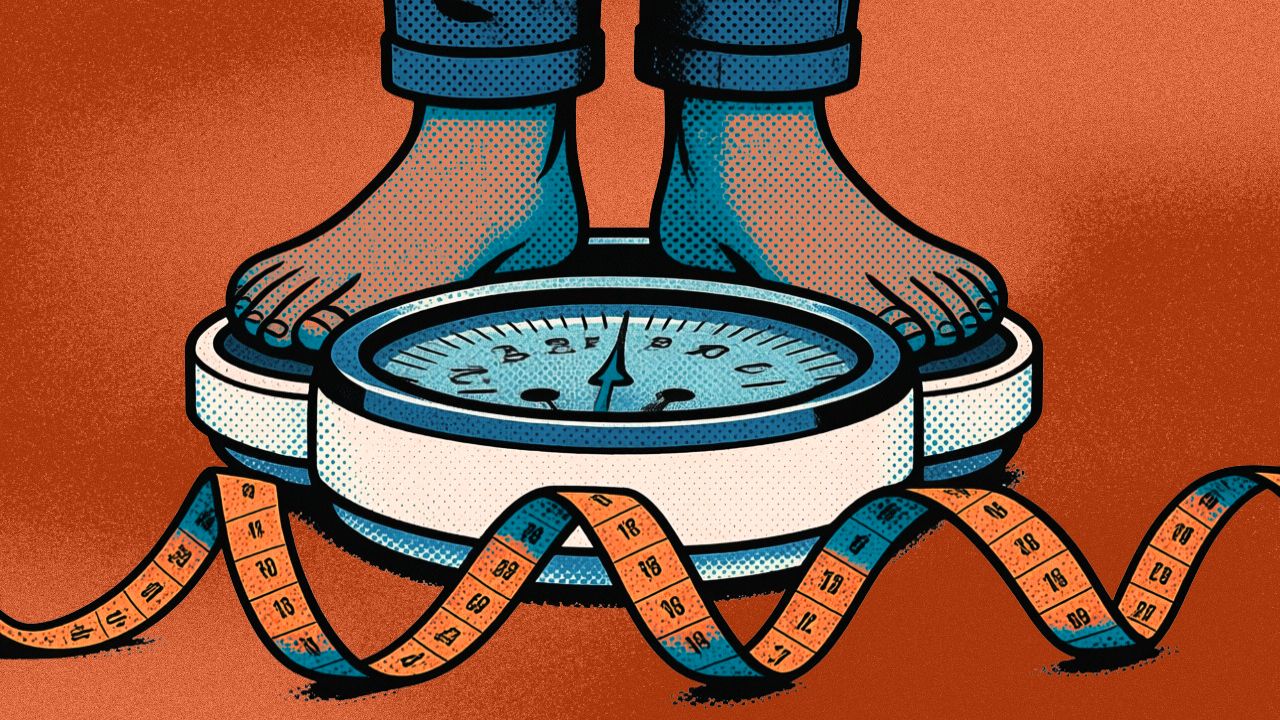
Step on a scale at a doctor’s office and your health usually gets summed up in one number. Weight divided by height squared. That’s your BMI, and it’s been the default health metric for almost 200 years.
It was never built for that job. BMI was invented in the 1830s as a statistical shortcut for studying populations, not for telling an individual person anything meaningful about their body. It can’t tell the difference between a muscular athlete and someone who’s out of shape but happens to weigh the same. It ignores bone density, body water, and where fat actually sits in the body, which matters more than most people realize.
The metrics that actually matter are the ones BMI was never designed to catch: how much of your body is muscle, how much is fat, and where that fat is sitting.
The muscle question BMI can’t answer
Skeletal muscle is the body’s metabolic engine. It’s what keeps your resting metabolic rate up, what protects your joints, and what determines how well you move as you get older. Losing it quietly, without knowing, is one of the bigger blind spots in how people track their own health.
Fat isn’t one thing either. Subcutaneous fat, the kind just under the skin, carries far less risk than visceral fat, which wraps around internal organs and is directly linked to cardiovascular problems. A person can lose weight and still be carrying dangerous levels of visceral fat. BMI has no way of showing that.
This is also why short-term weight drops can be misleading. A lot of what shows up on the scale in the first week or two of any diet is water loss, not real change in body composition. The number moves, but it doesn’t mean much yet.
Why this is showing up in headlines right now?
Part of why this conversation is happening now, rather than five years ago, comes down to the rise of GLP-1 weight-loss drugs like Ozempic, Wegovy, and Zepbound.
GLP-1, or glucagon-like peptide-1, is a natural gut hormone that signals fullness to the brain. These medications mimic it, slowing digestion and dulling appetite, which lets people eat significantly less and lose weight fast.
That speed is exactly what exposed the problem. Rapid weight loss burns fat and muscle together, not just fat. Lose 20 pounds on a GLP-1 drug, and both the scale and a BMI calculator will call it a clean win.
If a meaningful chunk of that was skeletal muscle, metabolic rate drops, joint support weakens, and the risk of physical frailty goes up, none of which shows up in that one number.
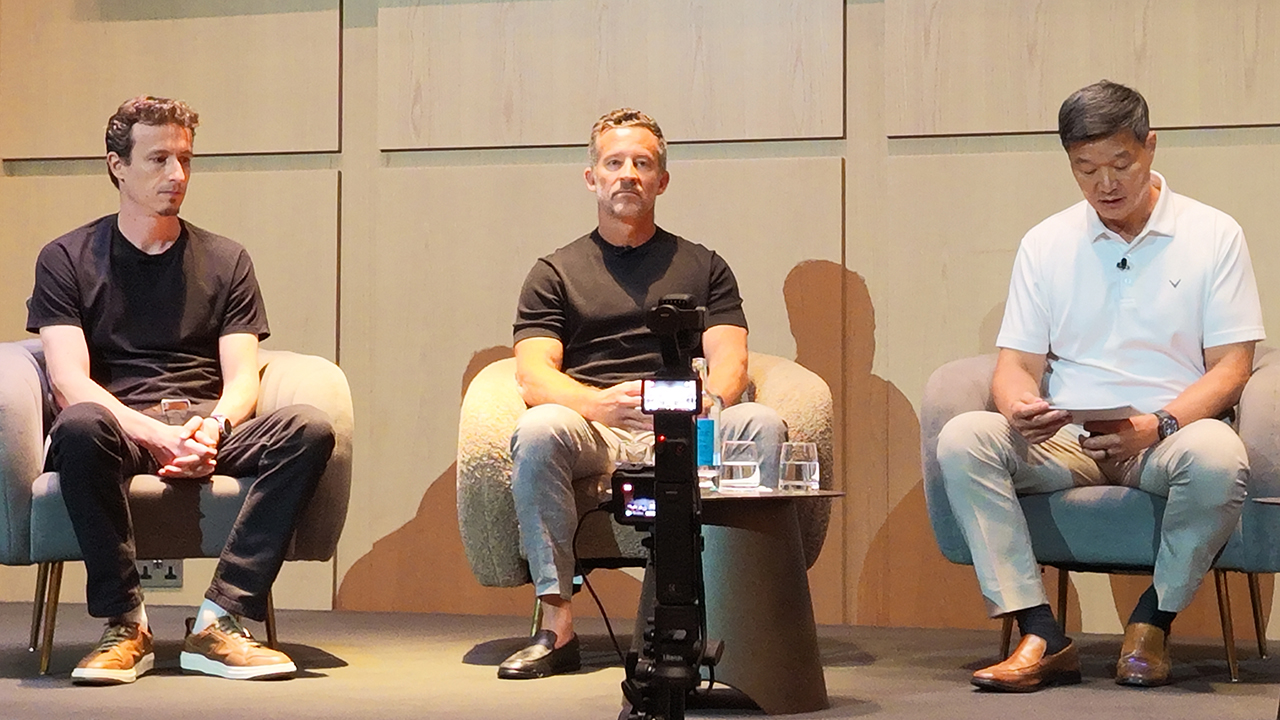
Dr. Hon Pak, Head of Digital Health Globally at Samsung Electronics, has pointed out that with GLP-1 therapies in the picture, raw weight lost can’t be the metric that defines success anymore. The focus has to shift to what kind of weight is being lost.
Kevin Duffy, CEO of iFit, has made a similar point: BMI stuck around because it’s easy to calculate from just height and weight, not because it’s the right thing to track. Muscle mass and body fat percentage matter far more, they’ve just historically been hard to measure outside a lab.
What your watch can measure now
Getting real numbers on muscle mass and visceral fat used to mean an expensive clinical scan. That’s the part that’s changed.
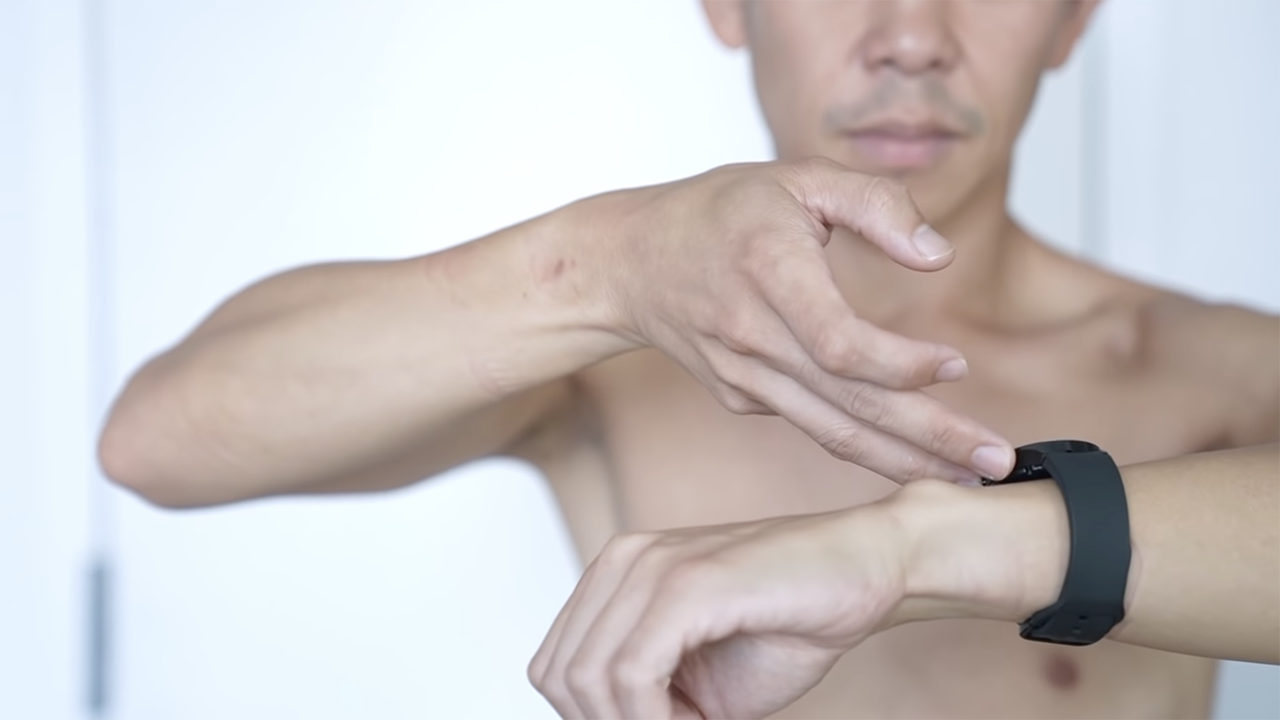
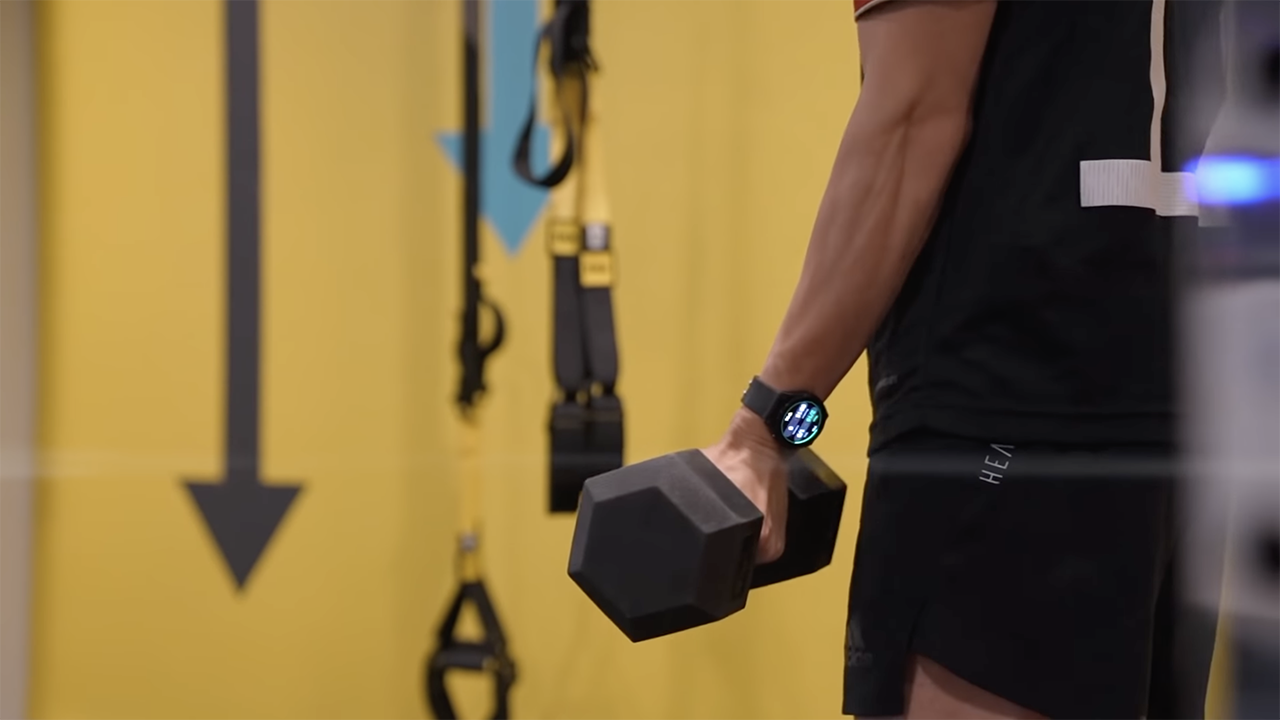
Samsung has built Bioelectrical Impedance Analysis sensors into the Galaxy Watch, sending a low-level microcurrent through the body to estimate skeletal muscle mass, body fat percentage, body water, and basal metabolic rate, all from your wrist.
For anyone losing weight, whether through a GLP-1 medication or a more traditional route, that gives real visibility into whether the weight coming off is fat or muscle.
It’s the kind of feedback that lets someone actually adjust, adding resistance training or upping protein intake, instead of finding out the hard way months later.
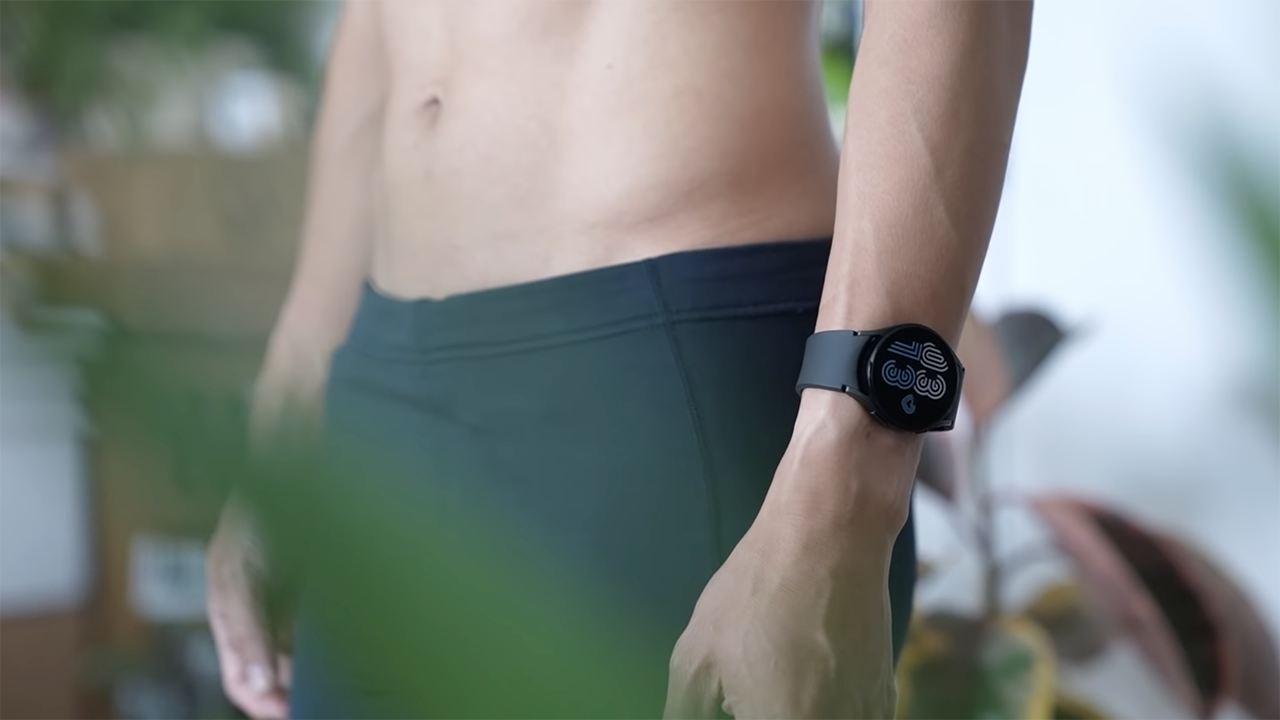
Samsung pairs this with Samsung Food, which uses AI to look at what’s actually in someone’s kitchen and suggest protein-forward meals that support muscle retention.
Karthik Poriya, Head of Product at Samsung Food, has noted that people tend to fixate on small day-to-day food decisions when what actually moves the needle is the trend over weeks and months. AI is what makes it possible to zoom out and see that trend instead of getting lost in it.
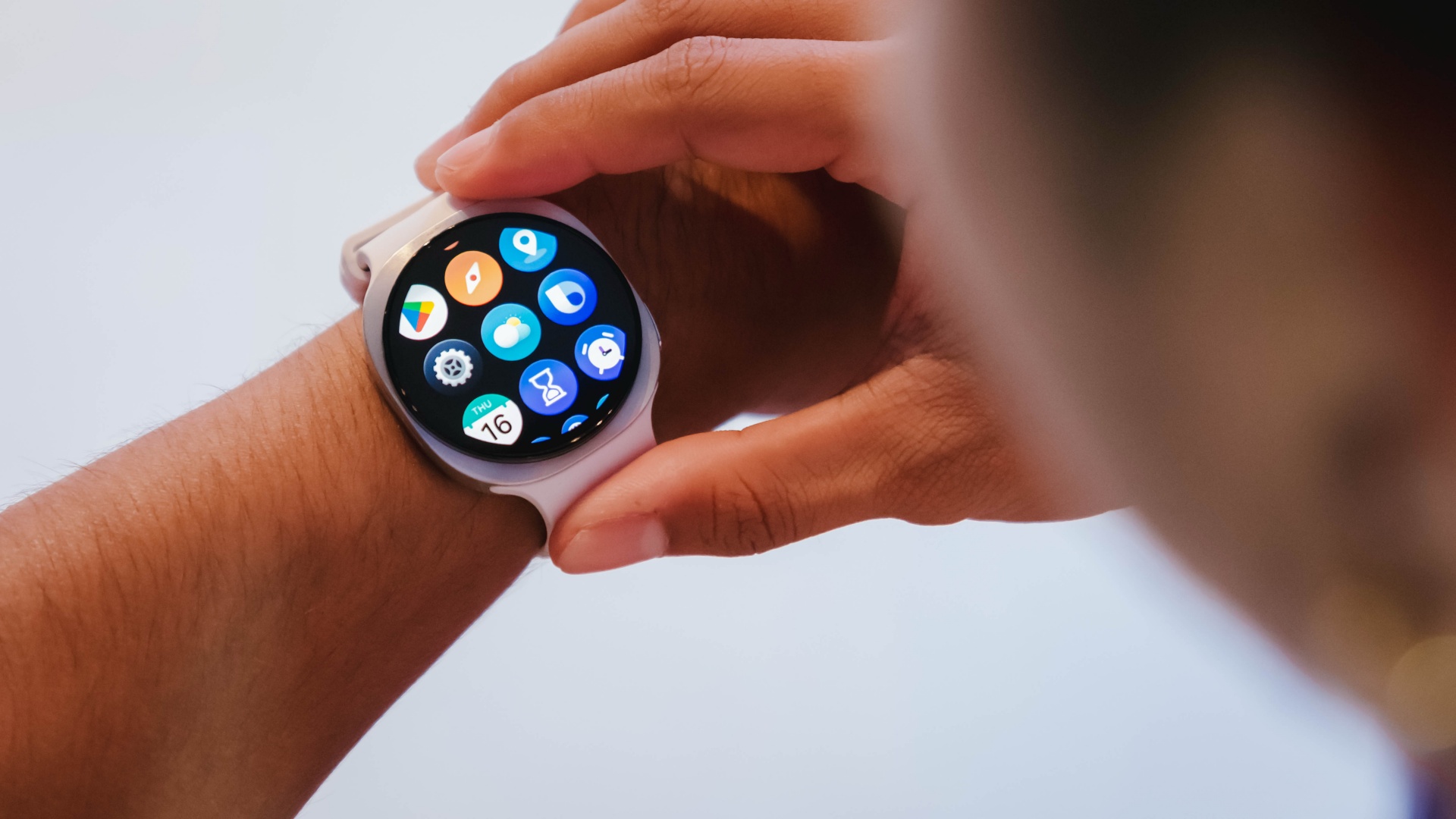
Combine body composition data with sleep tracking, activity monitoring, and a broader Energy Score, and the whole framework shifts. It’s no longer about getting lighter.
It’s about getting stronger, protecting muscle, and extending healthspan rather than chasing a number that was never built to measure any of that in the first place.


Now Playing: Assassin’s Creed Black Flag Resynced
Nostalgia does a lot of heavy lifting.


Samsung Galaxy Z Fold8 Review
8 Galaxy Folds later, Samsung finally nailed It!


30 days later with the ASUS ExpertBook Ultra: Like seeing an ex
Felt exactly as I remembered.

realme 16T to come with 8,000mAh battery, 7-year battery health guarantee

TCL unveils C7L SQD-Mini LED TV, new entertainment lineup

REDMI Note 17 Series focuses on long-term reliability
Now Playing: Assassin’s Creed Black Flag Resynced

Kingdom Hearts IV is coming in late 2027

Hands-on: Samsung Galaxy Z Fold8, Flip8, Ultra

VinFast debuts two-wheeler models, opens 21 e-motorcycle showrooms

Garmin launches its first screenless fitness band

Sony announces new FX5 full-frame camera

NBA 2K27 cover athletes unveiled: Wemby, Clark, DRose


-

 News2 weeks ago
OnePlus officially leaves the United States and Canada
-
 Laptops1 week ago
ROG STRIX G16 Review: Building for the moment
-

 Gaming2 weeks ago
Tides of Annihilation opens first public demo at Gamescom 2026
-
 News2 weeks ago
Google will force Android users to use Gemini next month
-
 Accessories2 weeks ago
DJI Osmo Mobile 8P: From a videographer’s perspective
-

 Gaming2 weeks ago
Street Fighter 6 adds first Filipino fighter Yasmine to its roster
-

 Gaming2 weeks ago
Gangstar Mirage City launches on August 20 with SEA localization
-

 Deals2 weeks ago
nubia expands gaming lineup with Neo 5 Max, Neo 5 GT Special Edition