
Features
GadgetSnaps: OPPO Reno10 Pro 5G in Taiwan
Great camera versatility all day and night

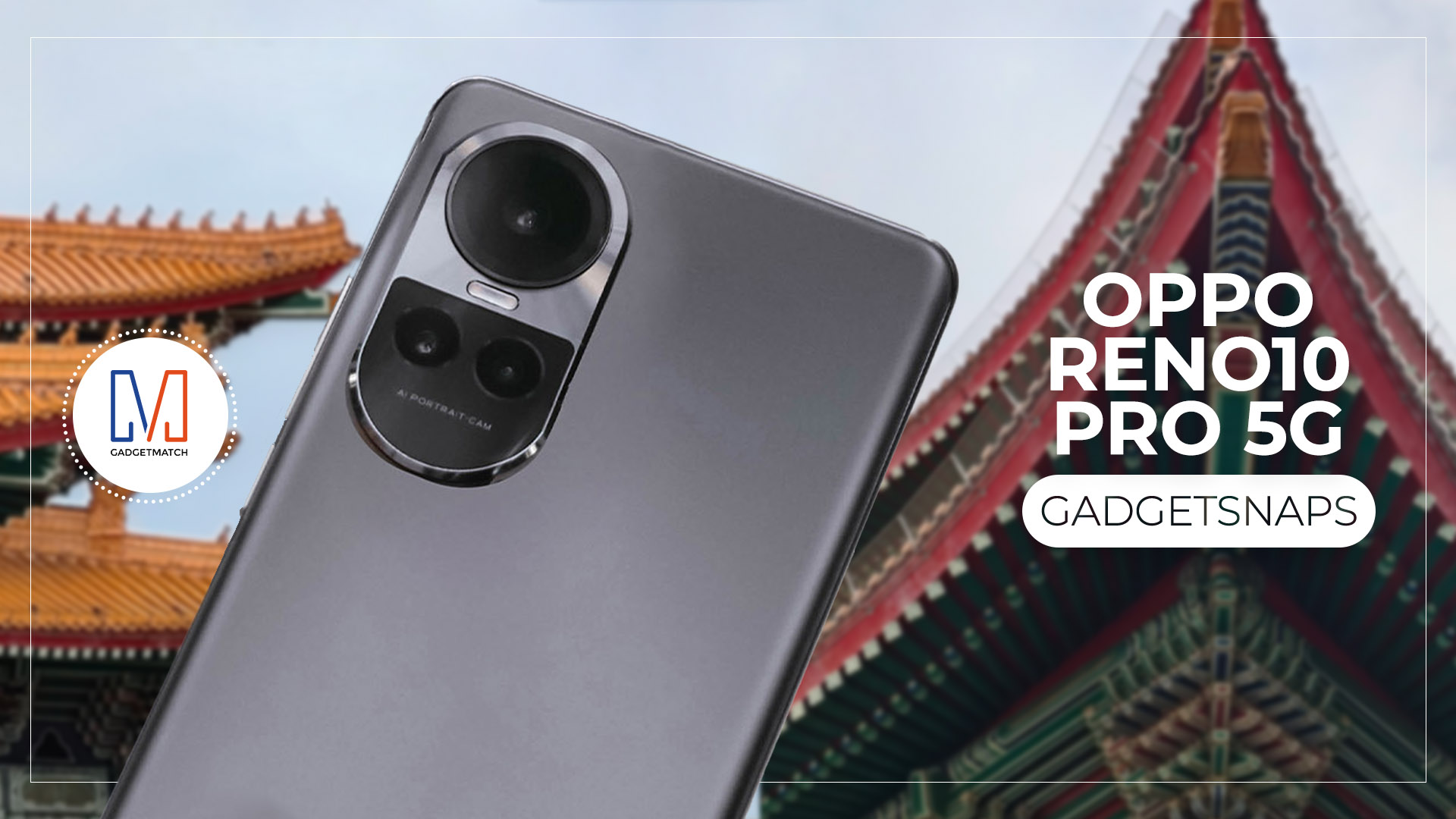
OPPO released not one, not two, but three variants in their newest Reno10 Series 5G lineup. As most of the people focus on the more premium Reno10 Pro+ 5G and the cheaper Reno10 5G models, the Reno10 Pro 5G has been sitting in the shadows — just like any middle-child (like me 👀).
Fun fact: It’s also the first time that OPPO is making a Pro variant of the Reno line widely available. Exciting times!
Triple Treat

The OPPO Reno10 Pro 5G is a downsized version of its ‘Plus’ sibling and a slightly upgraded one from the base model:
- 50MP f/1.8 main/wide with 1/1.56-inch sensor size (versus Reno10’s 1/2-inch 64MP f/1.7)
- 32MP f/2.0 2x telephoto (versus Reno10 Pro+’s 64MP f/2.5 3x periscope telephoto)
- 8MP f/2.2 ultra-wide
Taiwanderer
While it’s not my first time going to Taiwan, it was my first international trip without any work involved — and also a first traveling with my long-time high school friends.

COMPUTEX 2019
Last time I went here was for COMPUTEX 2019. That work trip made me fall in love with Taiwan.
SEE ALSO: AI Facial Recognition Continues To Scare Me

1x wide | 3x digital
Now that the world has opened its borders for air travel, it’s also the perfect time to go back to where my wandering soul belongs.
Here’s a look at the streets and sights of Taiwan through the great camera versatility of the new OPPO Reno10 Pro 5G.
Fabulous Formosa
Taiwan’s former country name was “Formosa”, a name given by Portuguese sailors when they discovered the “beautiful island” during their voyage. These sights are testament to that.

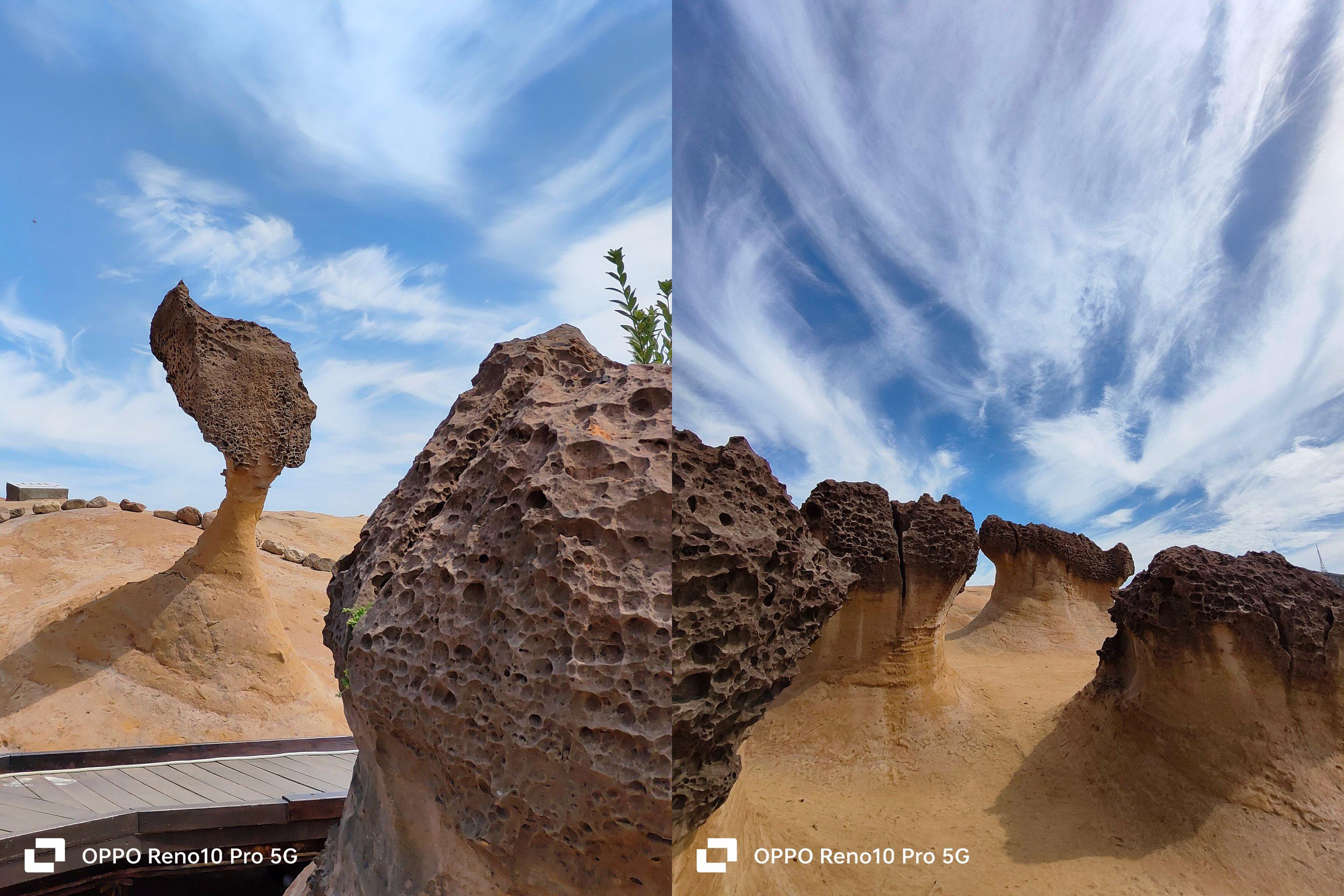
Familiar face? That’s called the “Queen’s Head” which is an astonishing rock formation at Yehliu Geopark. There are even these mushroom and ginger rock formations.


This is just one among the many mesmerizing waterfalls you’ll find when you visit the Northern part of Taiwan around Yilan County.
Hidden Countryside
Taiwan isn’t just about stacks of buildings and factories. Once you go past Central Taipei, there are these picture-perfect naturesque views of the countryside.

Dreaming of a place like South Korea’s Pohang in the popular Korean series Hometown Cha-Cha-Cha? This hidden gem in a place far from the bustling streets of Taipei might just be your best bet. Even better if you go here during the summer time.

Not sure if this is a temple but it’s one landmark when visiting the tourist-packed Jiufen Old Street.



Shifen Old Street is another must-visit! Although throwing sky lanterns being held at the functioning rail road is the main attraction here, I just found the Jingan Suspension Bridge much more attractive because of how long and sturdy the bridge is despite the old age.
Urban Jungle
Unlike the countryside, going back to Central Taipei brings back these concrete-filled jungle with plethora of residential, office, and retail spaces.
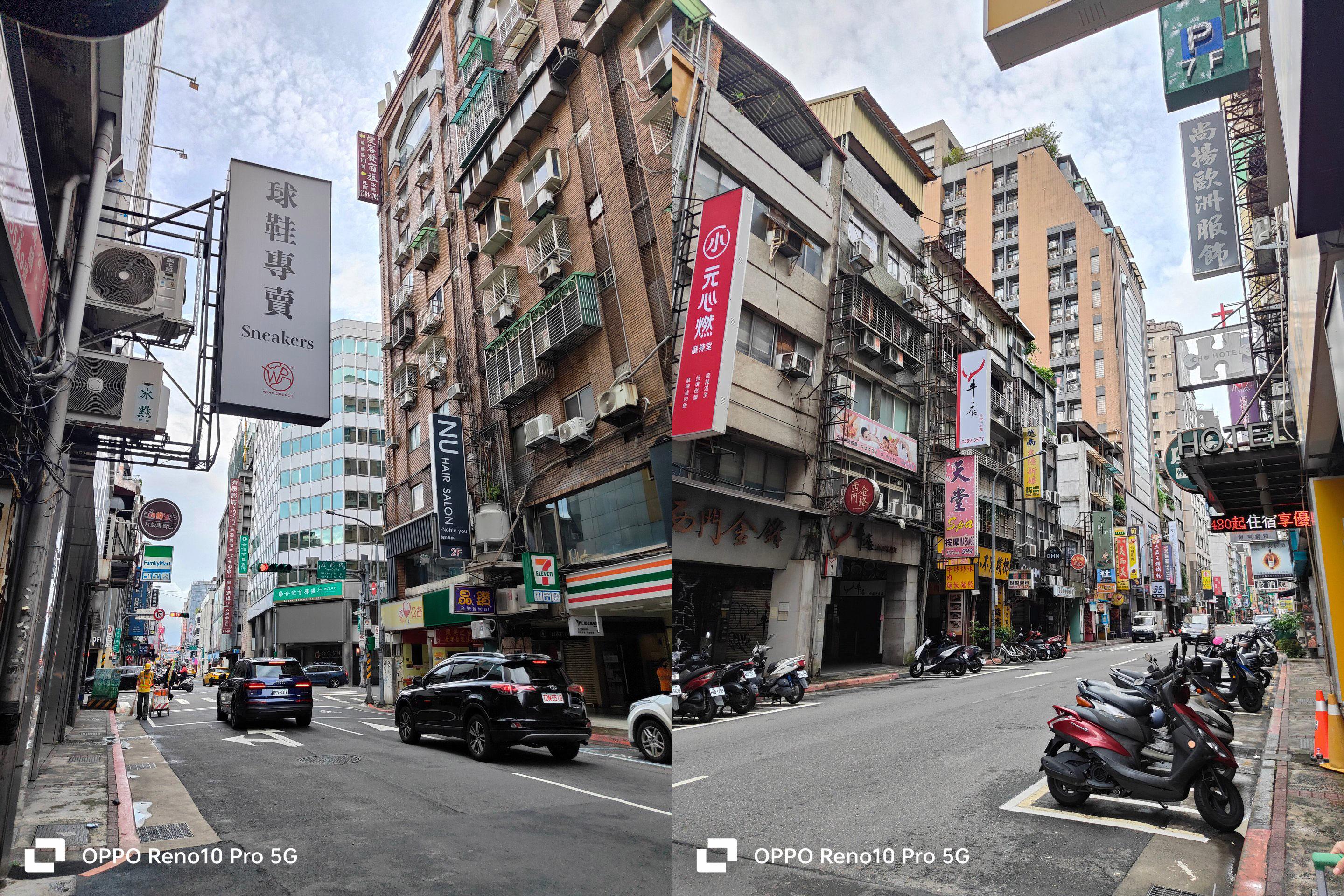
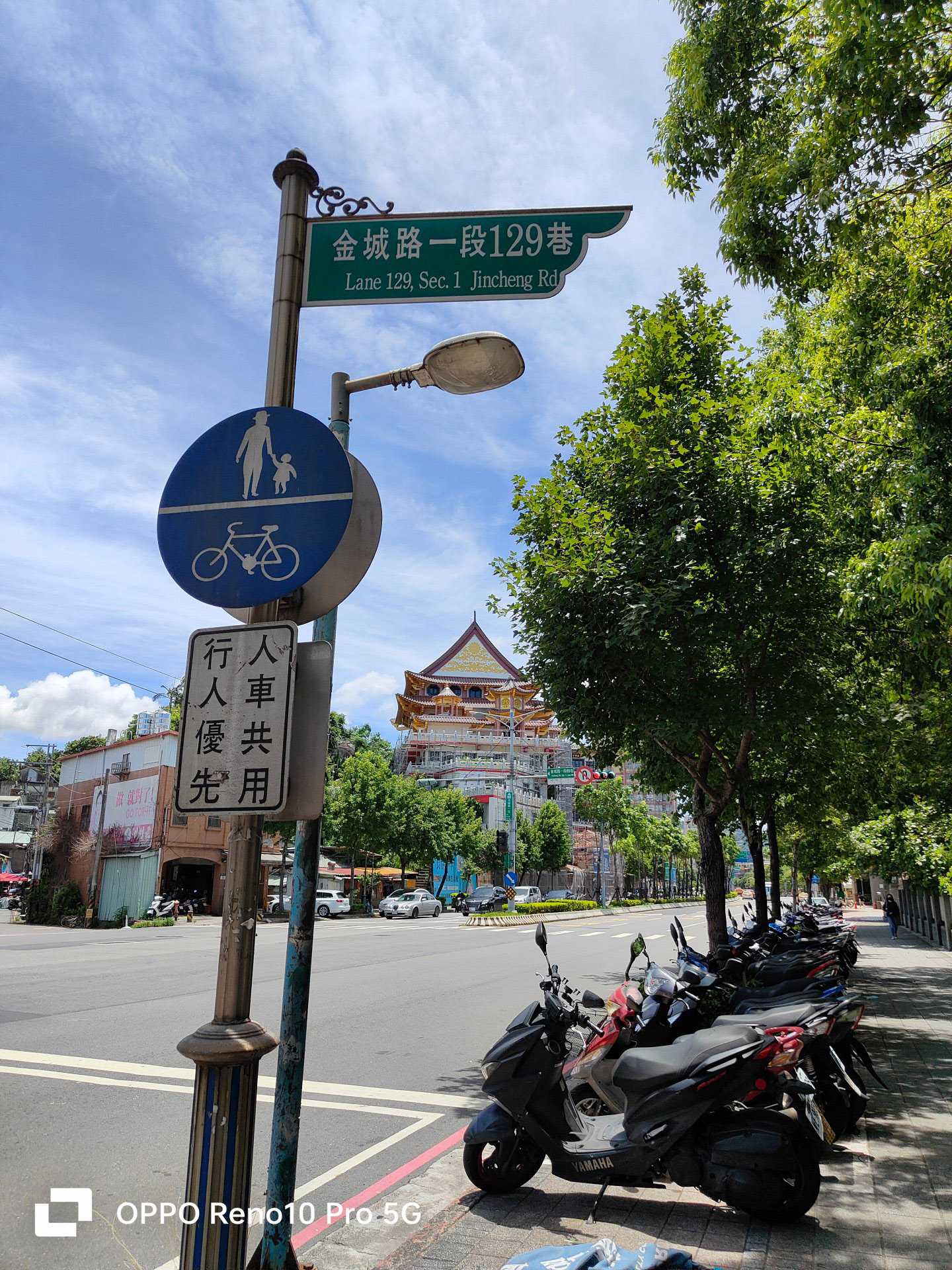

In other parts of Taipei, nature still finds its way with these luscious parks and clean streets.
Exuding Grandeur
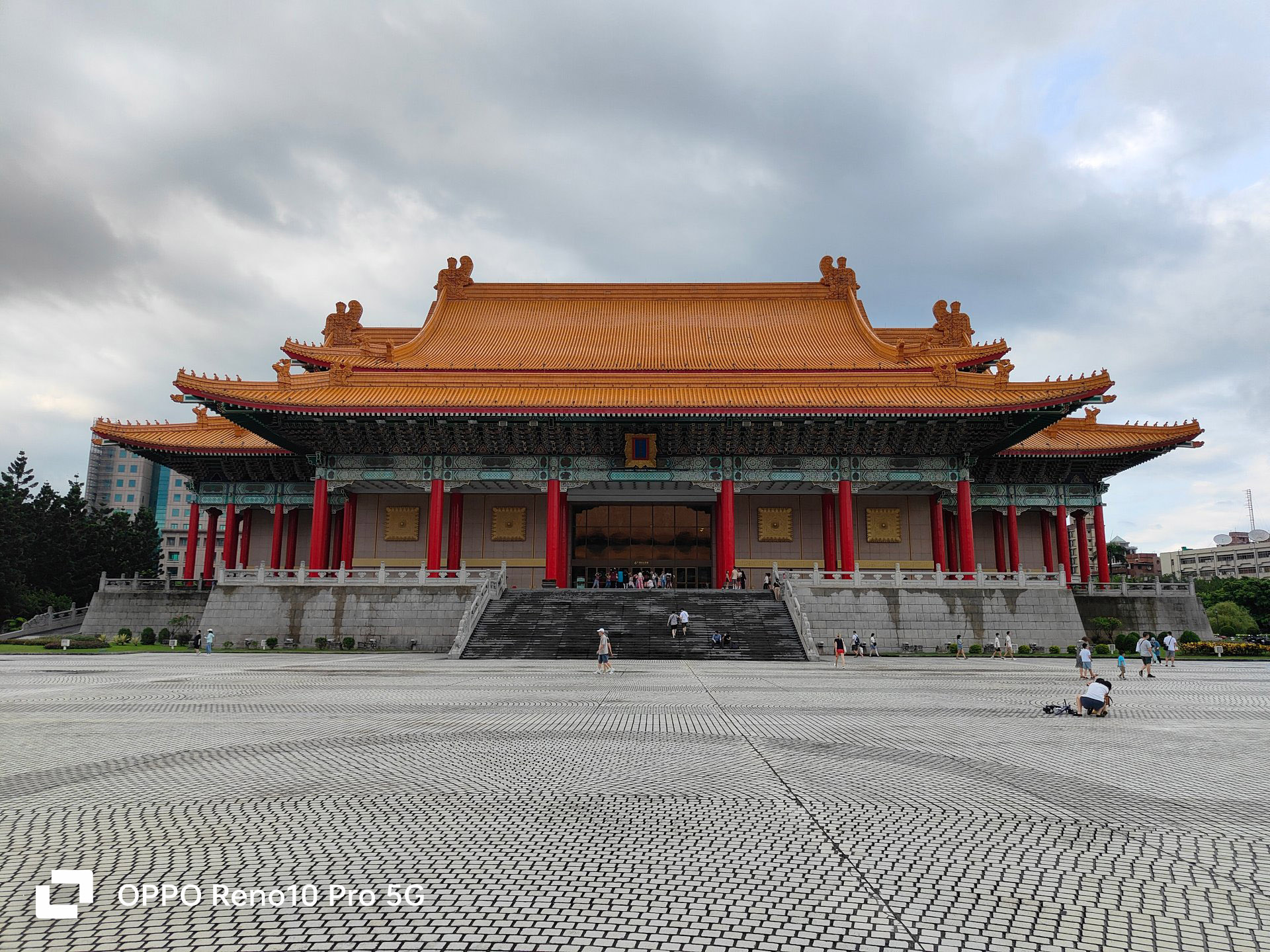
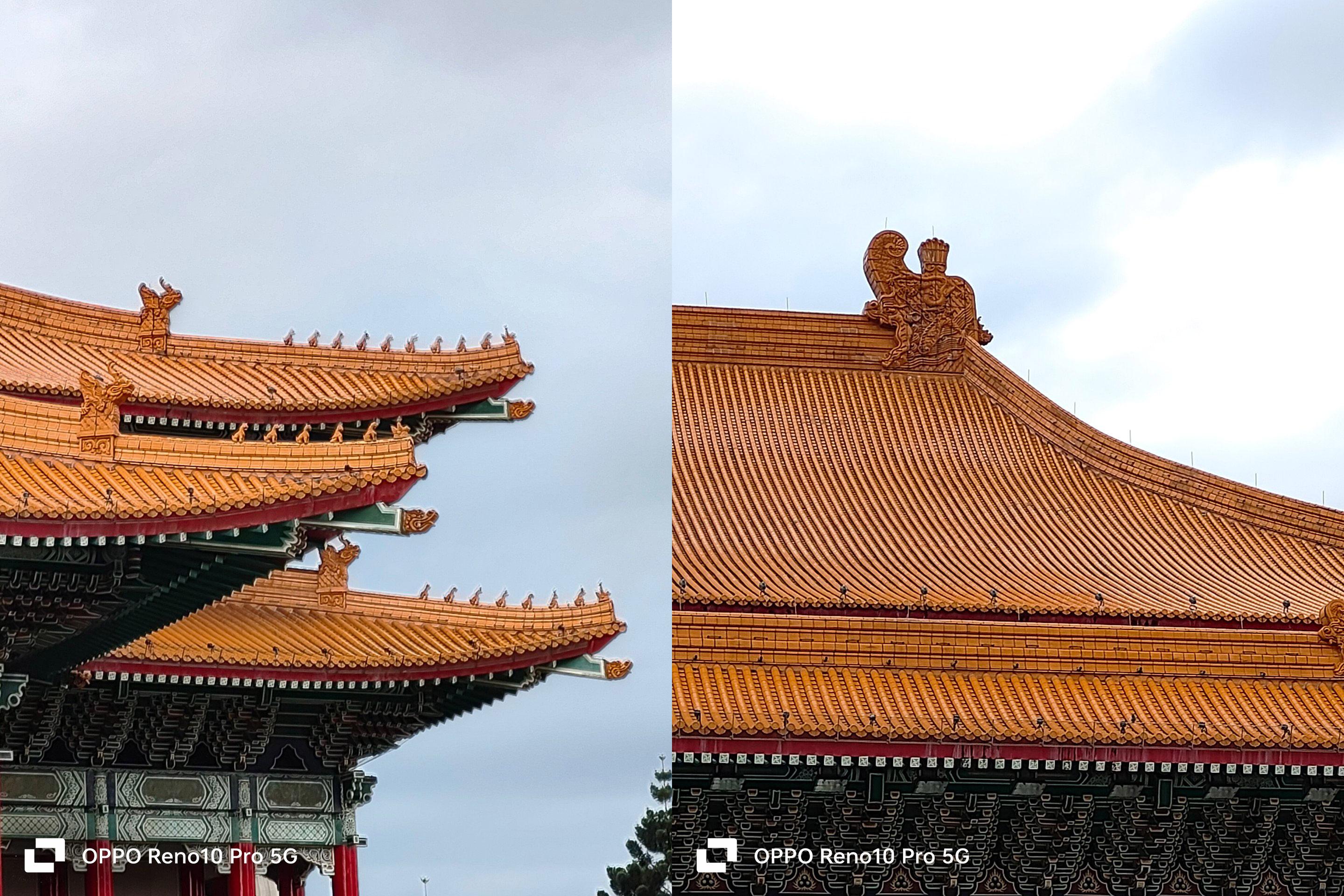
2x telephoto | 5x digital

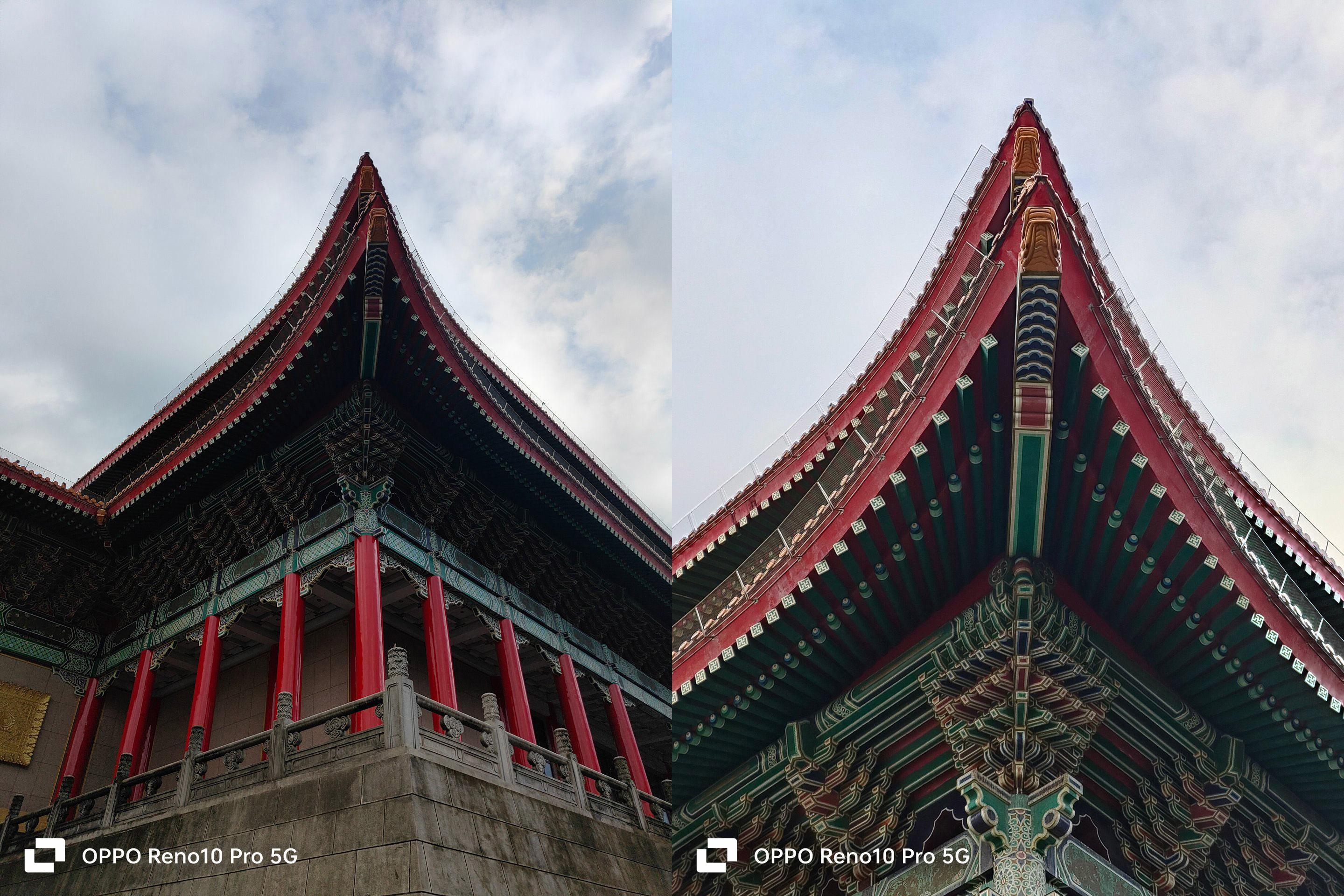
1x wide | 2x telephoto
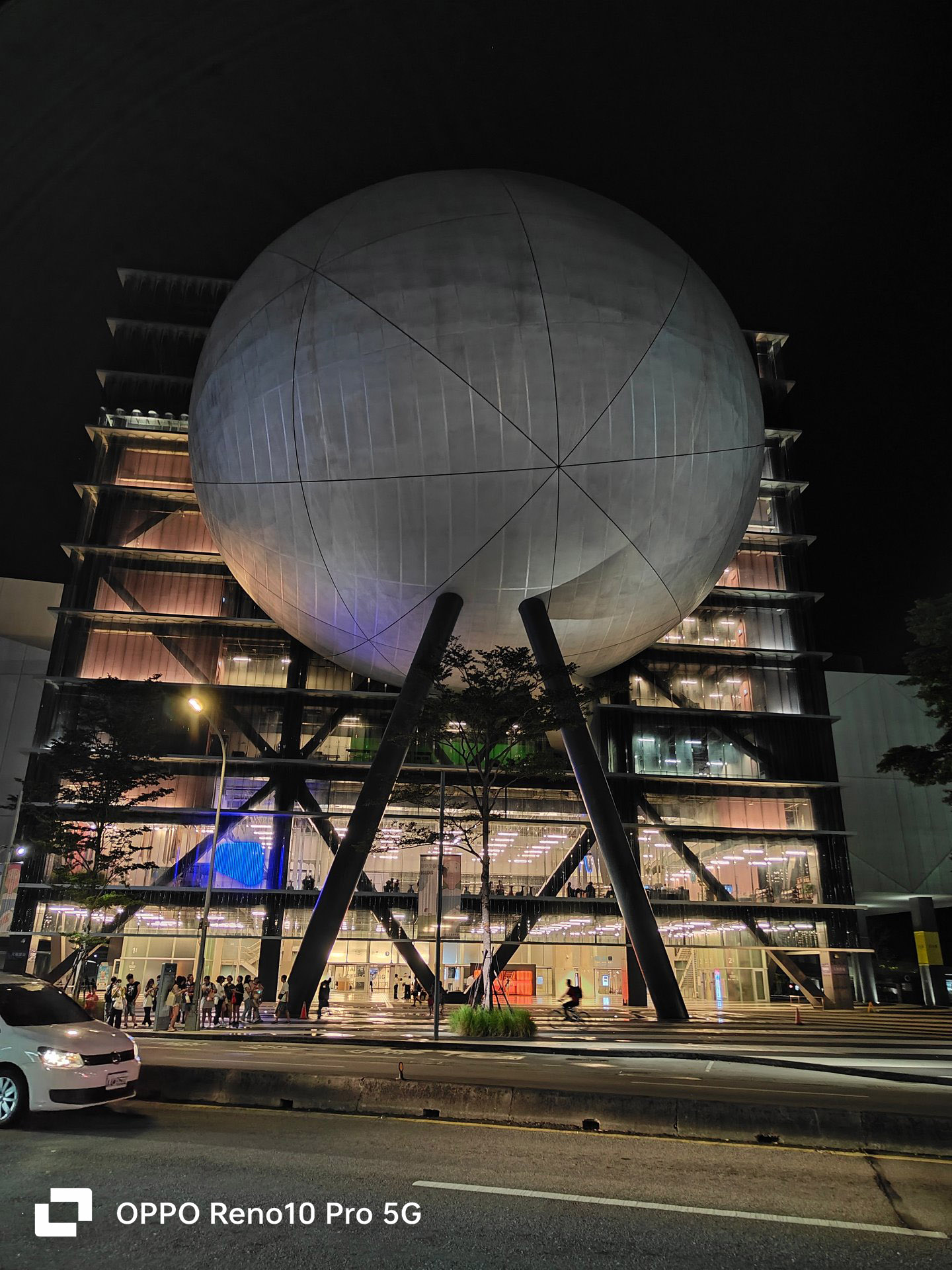
All these marvelous structures are the National Theater, National Concert Hall, and Liberty Square Arch. They are located at the Liberty Square near Chiang Kai-shek Memorial Hall.
Ultrarchitecture
Using the ultra-wide lens of the Reno10 Pro 5G, I was able to take even wider shots of these ultra-massive structures and interiors.

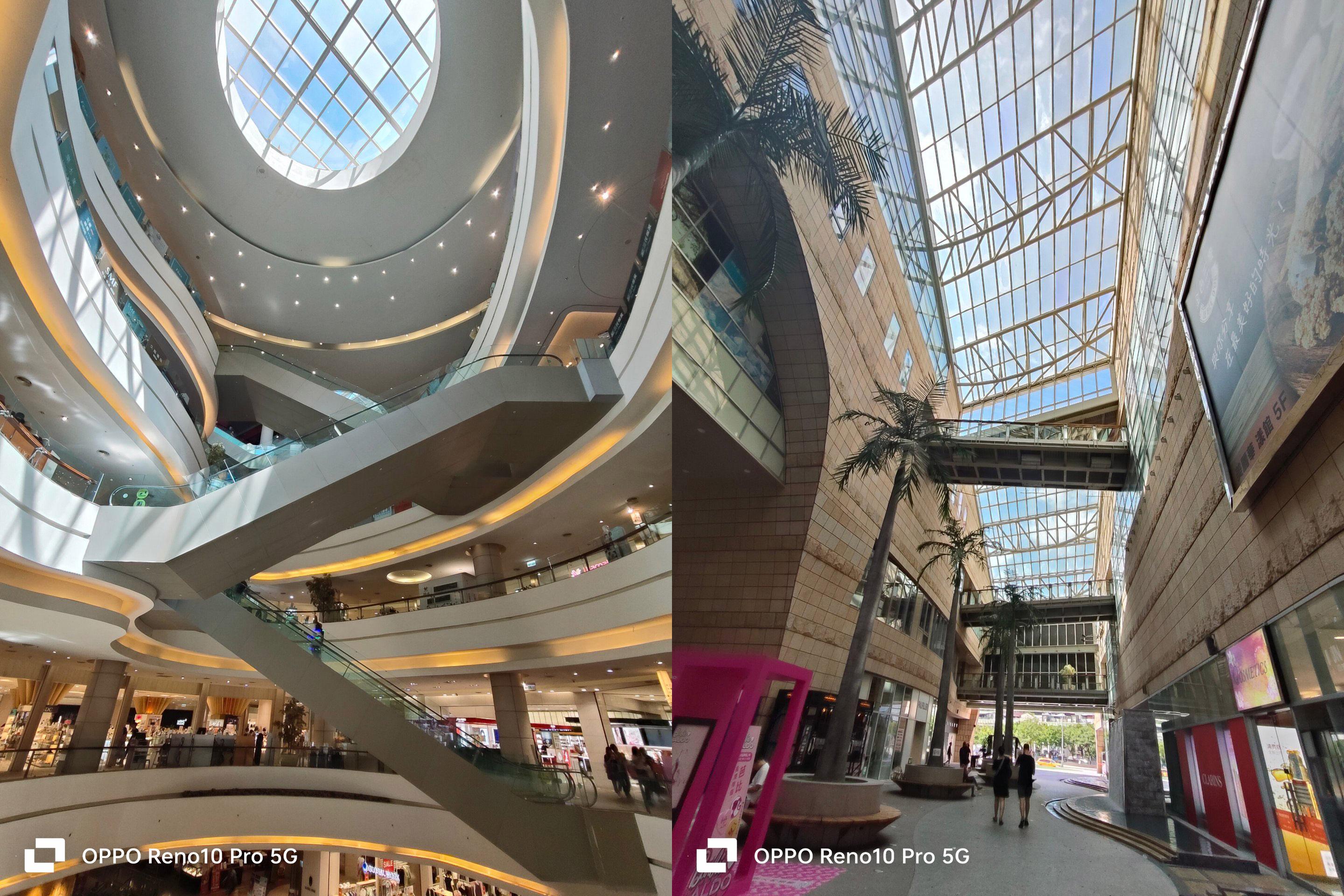
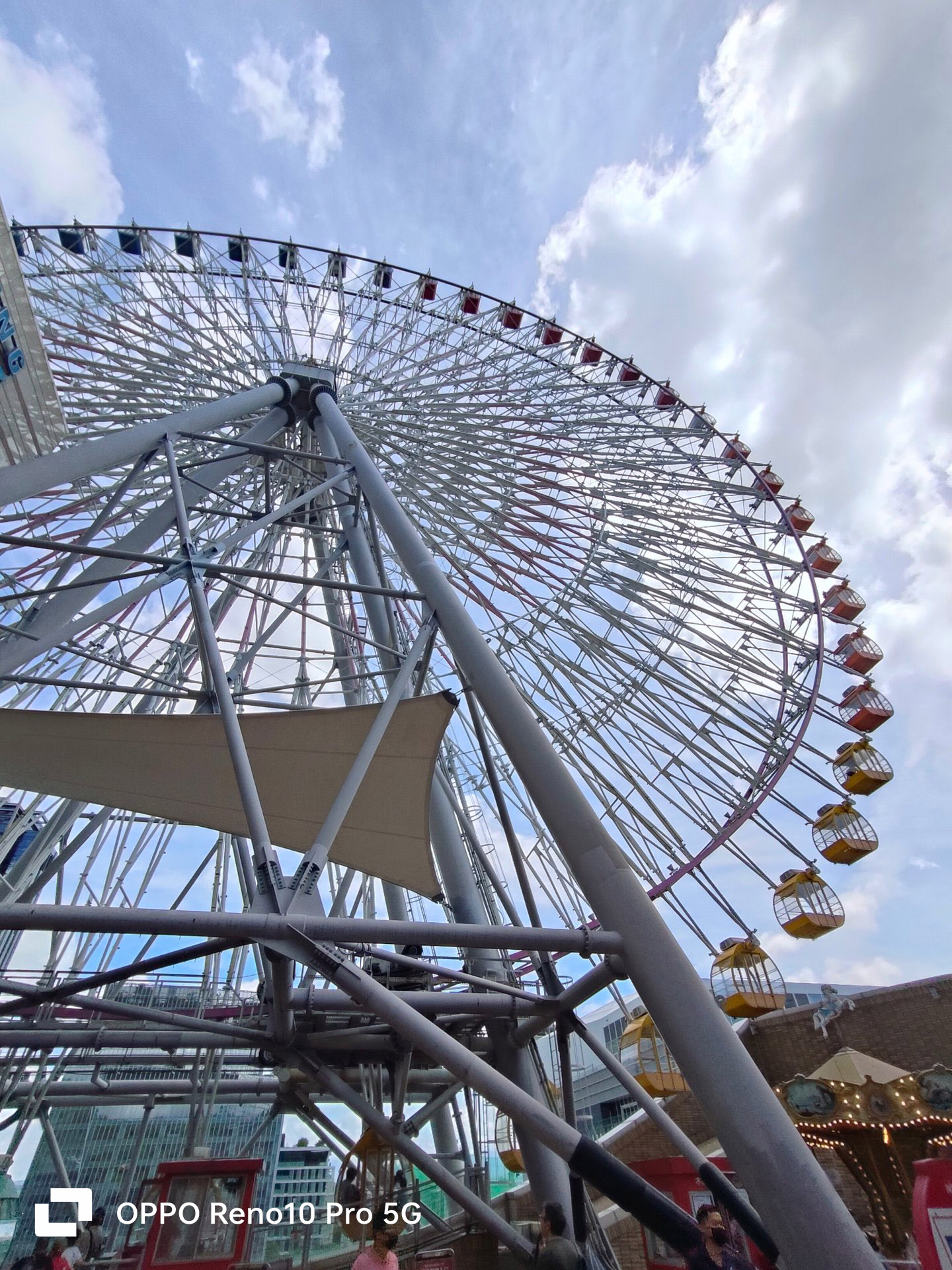
Believe it or not, there’s a massive moving wheel located at a mall’s 5th floor. That’s the Miramar Ferris Wheel.

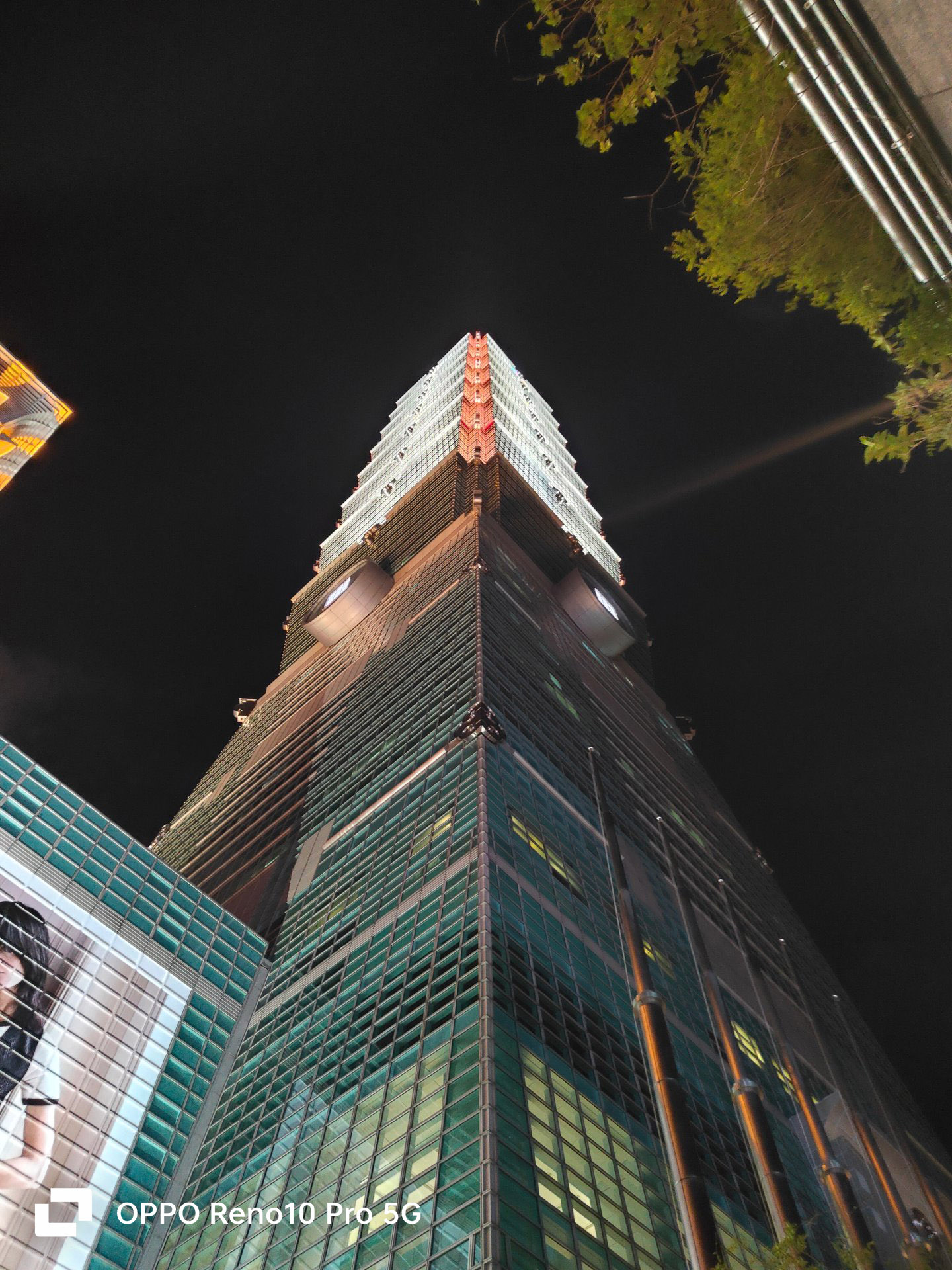
It would be a big miss not to capture the famous Taipei 101 from a worm’s eye perspective.
Taipei on Top
Speaking of, we availed the priciest ticket going above the so called “Skyline460” at the topmost 101st floor with lesser tourists and window distractions.


A better treat since the 91st outdoor deck was closed due to an incoming typhoon (even though it was sunny out).


After an hour limit, we went back to the 89th observation deck and waited for the sun to set. Taipei’s skyline is one of the best to look at all day.
Equal Perspectives
As we’ve already transitioned to night time, it’s also a good time to test out the low-light capabilities of the Reno10 Pro 5G with these symmetrical perspective shots.



Livelier Nights
It would not be a complete Taiwan experience without exploring a night market. Shilin Night Market caters to cheaper food and goods.
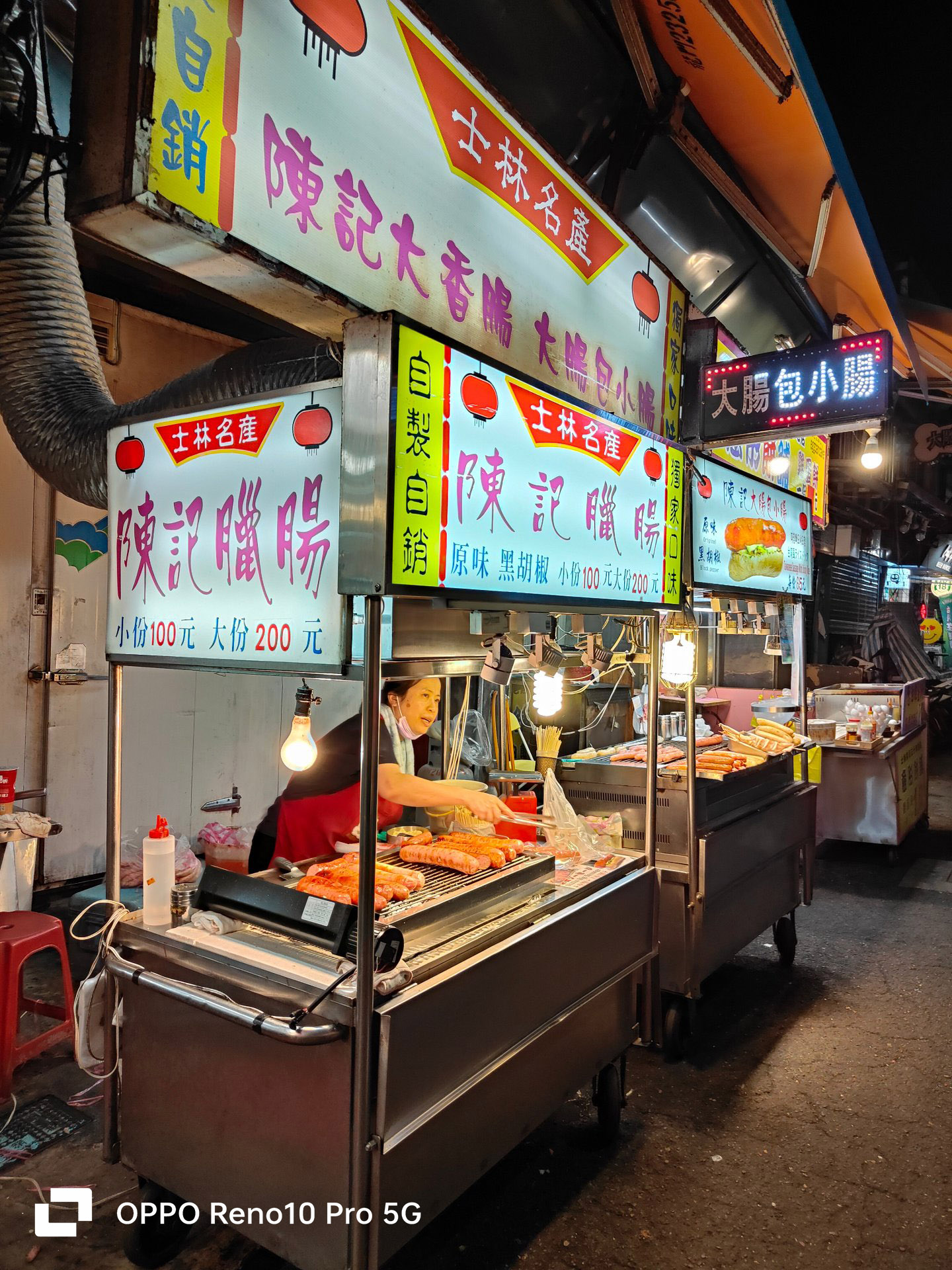
Meanwhile, Ximending Night Market is meant for those who are into branded goods with a slash on price tags. It’s also a place to explore unique restaurants, cafés, milk tea shops, or snack stalls.
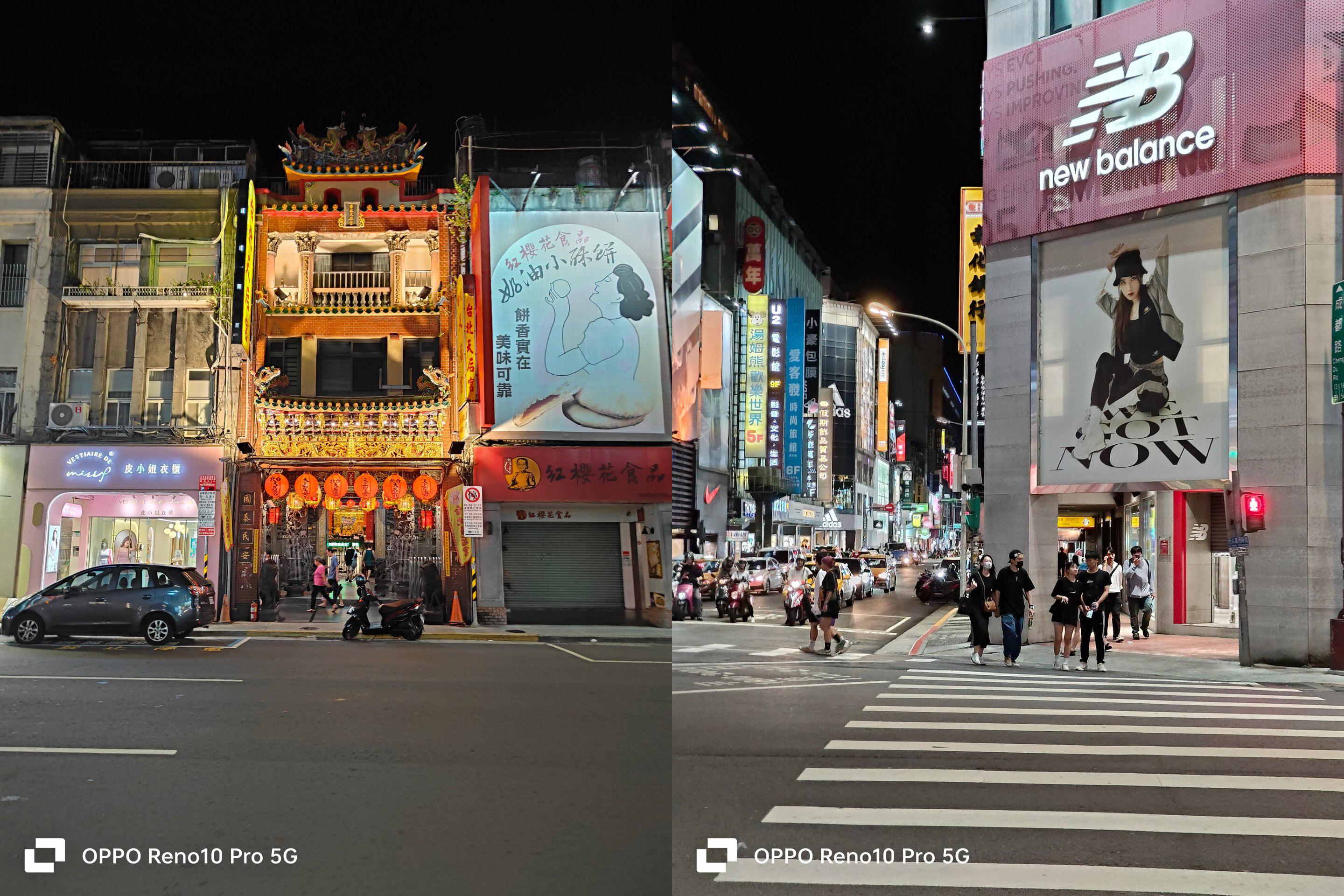

I opted not to shoot portraits as we already have a special feature about that using the Reno10 Pro+ 5G, but here’s a stolen shot of me taken by my friend as we enjoy gulping our fruit teas while munching that popular and extra large Hot Star chicken on the other.
Full on Food
Ending this write-up with my favorite part — and it’s none other than food!
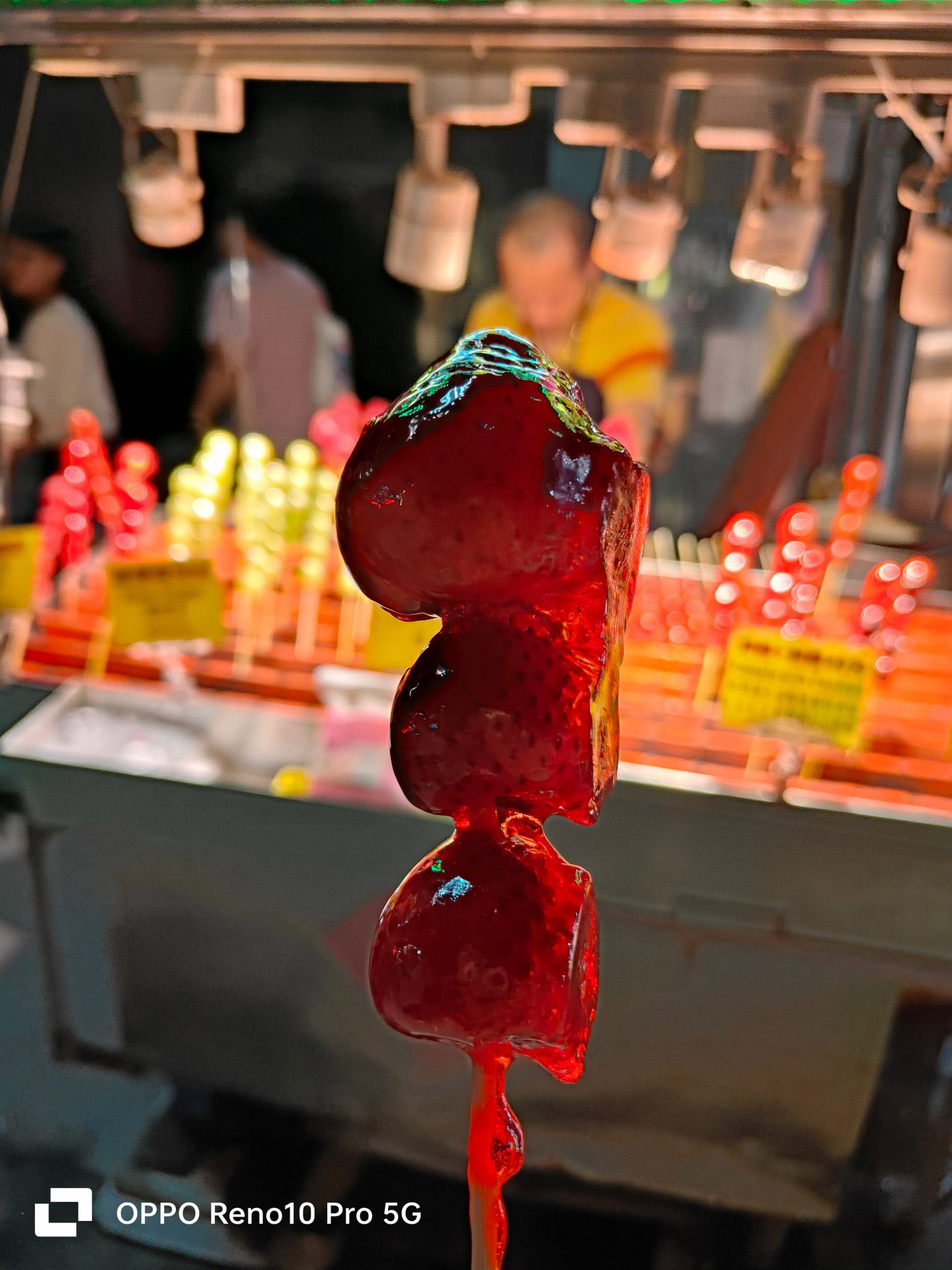
I discovered this sweet treat from Northern China called “Tanghulu” through Reels. It’s essentially berries in a bamboo skewer coated in hardened sugar syrup. It’s delicious but the remnants are just ultra-sticky. Glad I was able to try one though.
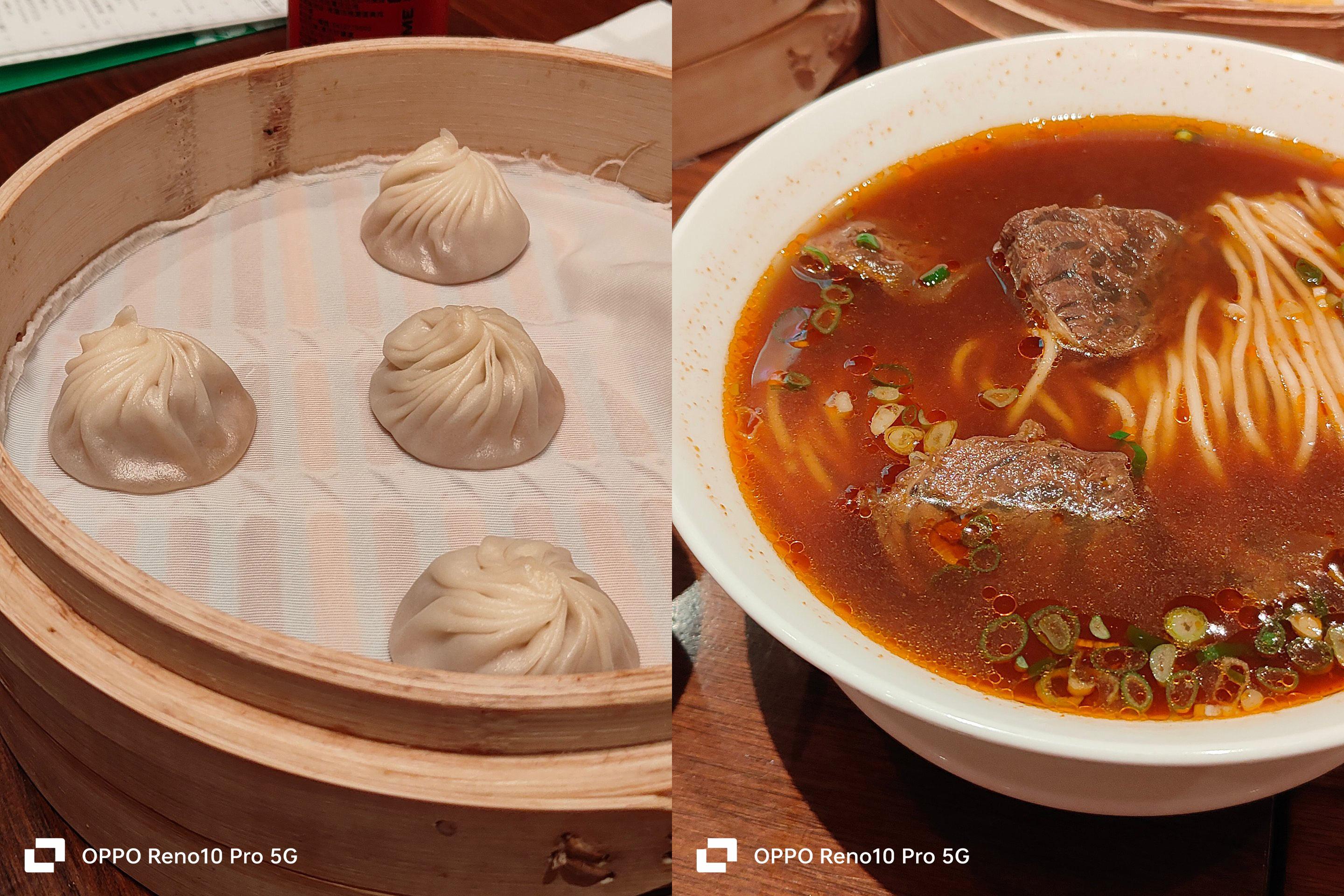
Of course, trying and lining up for Din Tai Fung is a must in Taiwan because it’s a homegrown brand. While we have it back in the Philippines, what makes it very special is that it was actually my first time trying it — and it did not disappoint at all!
The Xiao Long Bao (whether pork, chicken, choco), dumplings, golden lava and choco buns, braised beef noodles, and even the fried rice are all to die for.
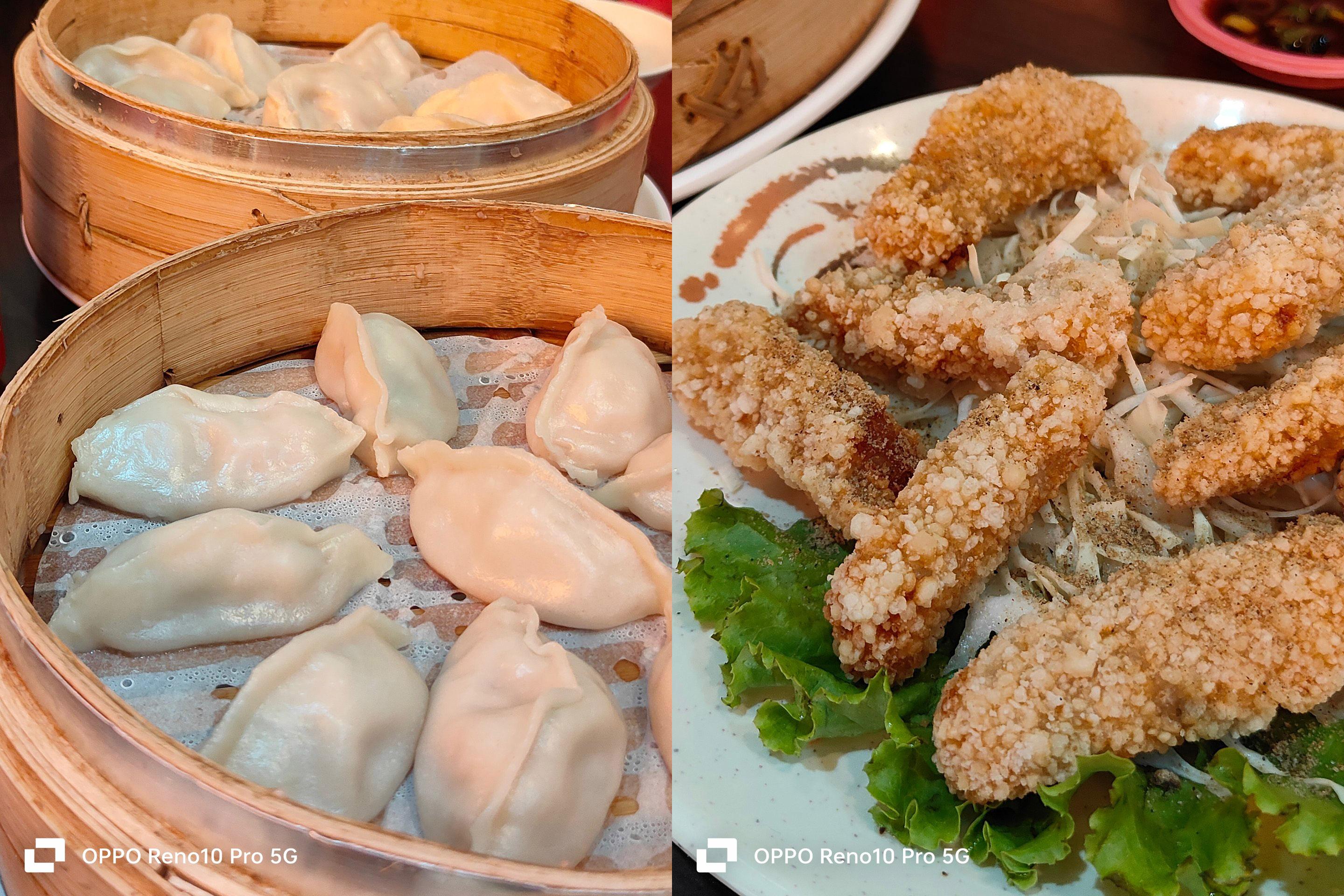
Even in small, underrated stalls, devouring these Taiwanese picks will still make you drool and full.

If you’re not fond of Asian cuisine, there are lots of food choices in Taiwan that cater to your cravings — such as this Bacon Pesto Pasta or the large AF Signature Burger from McDonald’s below.

Heck! Another first time here was eating South Korea’s staple Army Stew (부대찌개 / Budae Jjigae) in one food court near Taoyuan HSR Station.
It’s basically what Koreans ate during the end of the Korean War where food supply is scarce and the only option they have are American Army supplies (Spam, sausages, cheese) as well as what they possess (kimchi, noodles, meat/seafood, vegetables, gochujang, and gochugaru).

Phew! What a fusion and crossover of culture.
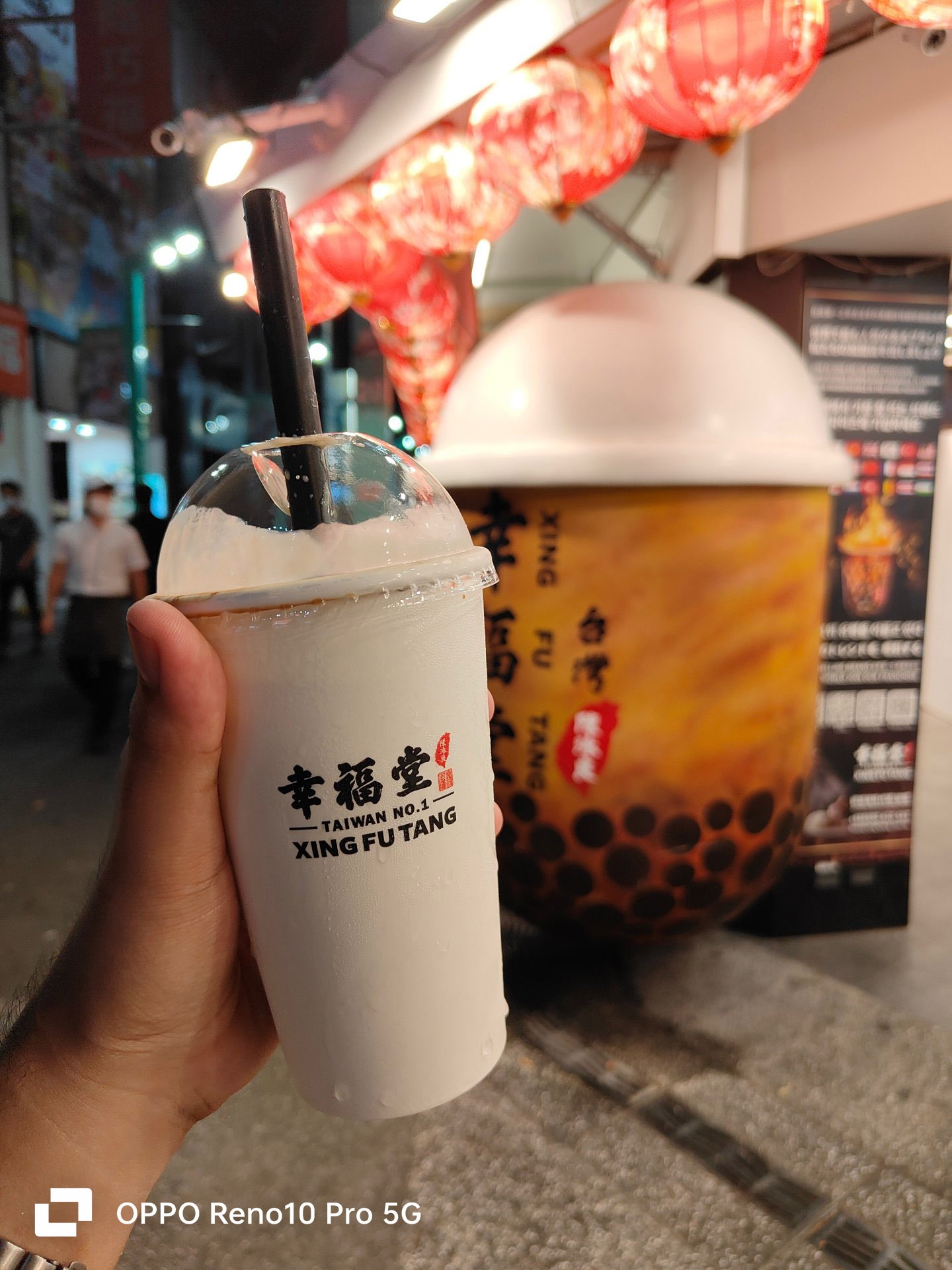
Last but definitely not the least, this rich and creamy brown sugar milk tea from the signature milk tea brand Xing Fu Tang to satisfy my sweet tooth.
Great camera versatility
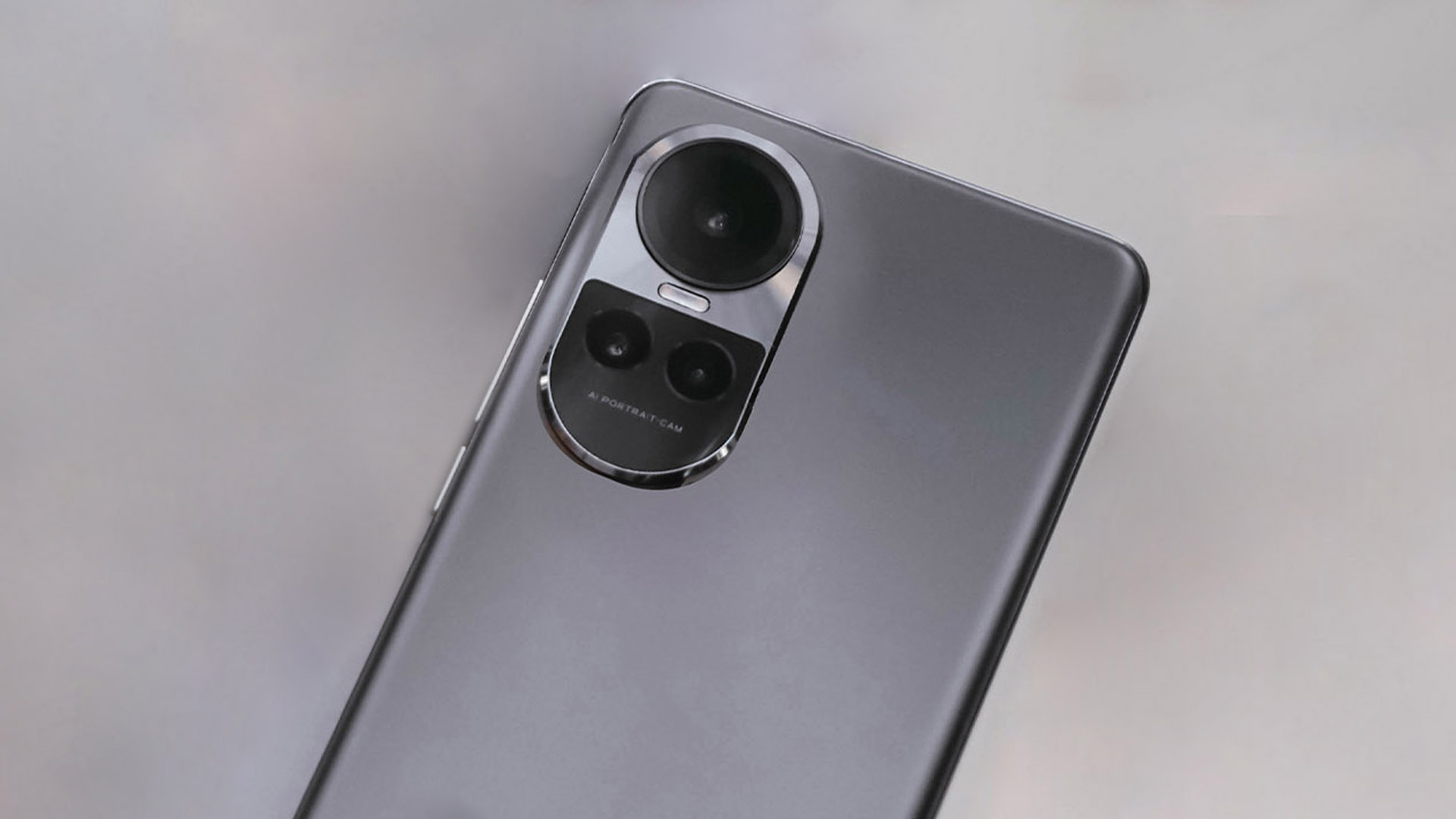
What irks me when using midrange phones are those unnecessary camera sensors (*coughs* macro/depth/portrait) they place at the back just to say the phone has more than two cameras.
Fortunately, OPPO did the right thing by placing all the rear camera essentials on the Reno10 Pro 5G — which also applies to the Reno10 5G and Reno10 Pro+ 5G.
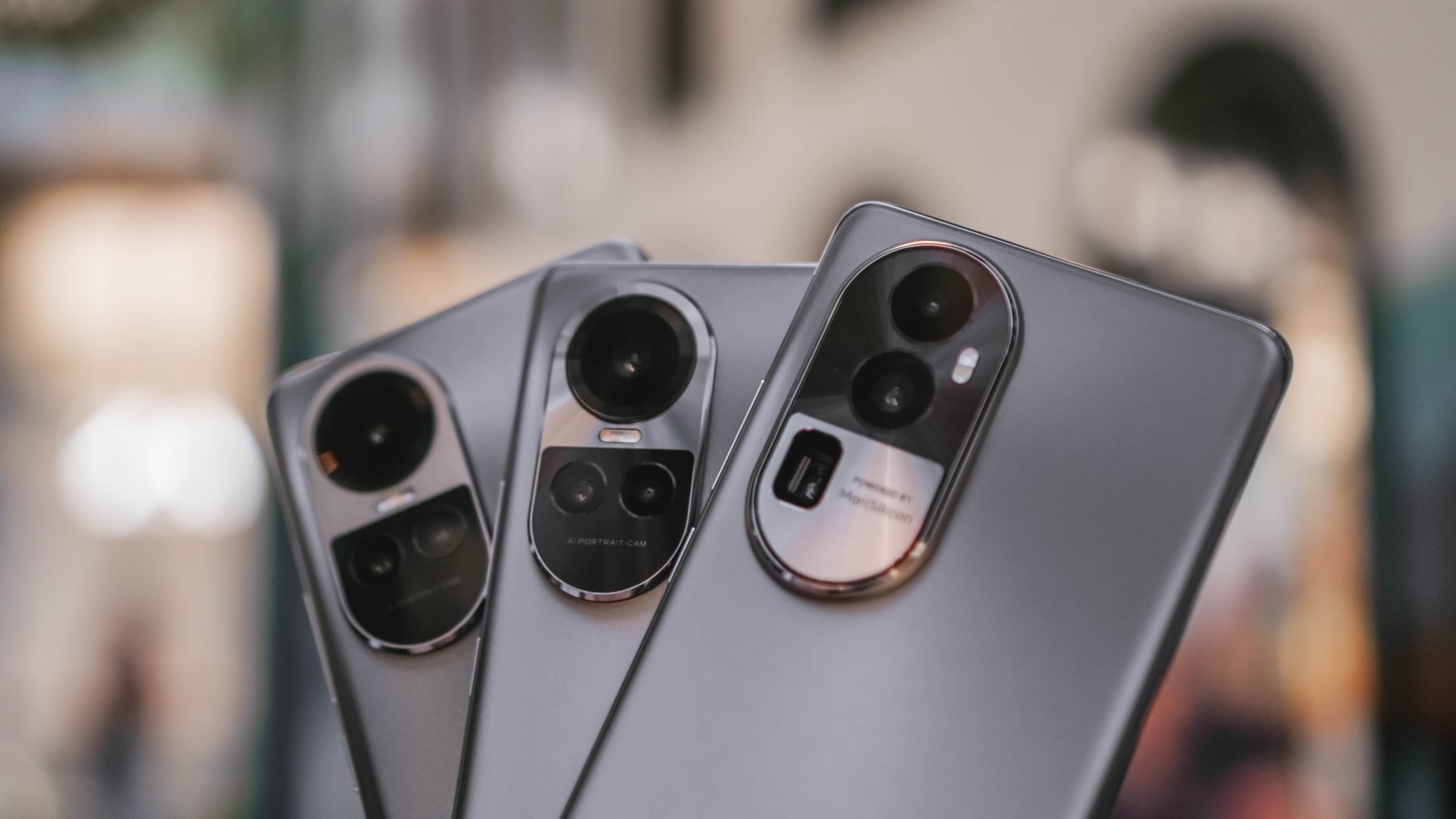
Despite not being the “best in the class” smartphone for mobile photography, using its camera was easy and enjoyable. And as someone who’s very keen to photography, I appreciate how OPPO delivered “pro-level” snaps that don’t look too processed after being taken — something I despise when using other phones, even the flagship ones.
While I haven’t used the additional features, you can also be extra creative by applying filters too and enjoy other modes too such as night, panorama, and most especially, its powerful portrait mode!
SEE ALSO: OPPO Reno10 Pro+ 5G: Portrait Pro
Slim yet full of power
I love how I never needed a powerbank when I used the OPPO Reno10 Pro 5G during this trip as it was able to give me a full-day of charge all thanks to its very sufficient 4600mAh battery — that’s despite having a slim and light chassis with a thickness (or should I say thinness) of just 7.9mm and 185 grams in weight.
That’s also with the consideration that I inserted a Taiwanese SIM and made the phone our portable 5G hotspot so my three other friends can also use the internet while we’re out and about.
In one instance, the phone ran out of juice after we reached our hotel around 10PM and I fell asleep quickly. Good thing there’s a bundled 80W SuperVOOC charger that tops up the phone in as quick as thirty minutes — very helpful when I forgot to charge it overnight and we’re already in a hurry going towards our first itinerary the next morning.

Moreover, I didn’t worry much about snapping a lot of photos as its base storage of 256GB is more than enough for my mobile photography needs. Usual midrange smartphones offer the usual 128GB storage or even a measly 64GB one.
And if you use third-party photo-editing apps, this extra storage space will also be handy especially when saving color-graded and/or post-processed photos that are quite bigger in size. There will be plenty of space for the #TravelGoals Stories you’ve edited and posted on Instagram as well!
A midranger that doesn’t feel like one
Stereotypes about midrange smartphones play around the word “middle” — having a so-so chipset, just enough battery capacity, tiny base storage, and mediocre cameras that may include senseless sensors just to say it has triple or quad camera system.
The snappy shutter, natural-looking image quality, plentiful camera modes, and camera flexibility between switching ultra-wide, wide, and telephoto zoom all deliver good shots that are post-worthy.
Plus the extra-handy features of having a big battery, super fast charging out of the box, and more than sufficient storage all contribute to the greatness of the OPPO Reno10 Pro 5G even if it’s “just a midranger”.
For its price and category, the OPPO Reno10 Pro 5G is and should be the standard of what a midrange smartphone should be like in 2023 and beyond.
The OPPO Reno10 series is available at its concept stores, official online store, Lazada, and Shopee for the following prices:
- Reno10 Pro+ 5G: PhP 39,999
- Reno10 Pro 5G: PhP 29,999
- Reno10 5G: PhP 23,999
This feature is a collaboration between GadgetMatch and OPPO Philippines.







Features
Why the OPPO Reno15 5G series is a creator’s essential
4K Ultra-Steady, 50MP groufies, and AI edits in one device.


There are two kinds of travel essentials: the ones you pack because you have to, and the ones you pack because they make the story better.
Often, we feel forced to choose between traveling light and bringing the bulky gear necessary to document the trip properly.
On your next trip, the OPPO Reno15 5G Series eliminates that compromise. With a thoughtful mix of hardware and software, it becomes your pocket-sized production crew, ready to capture life as it unfolds.
The crew in your pocket
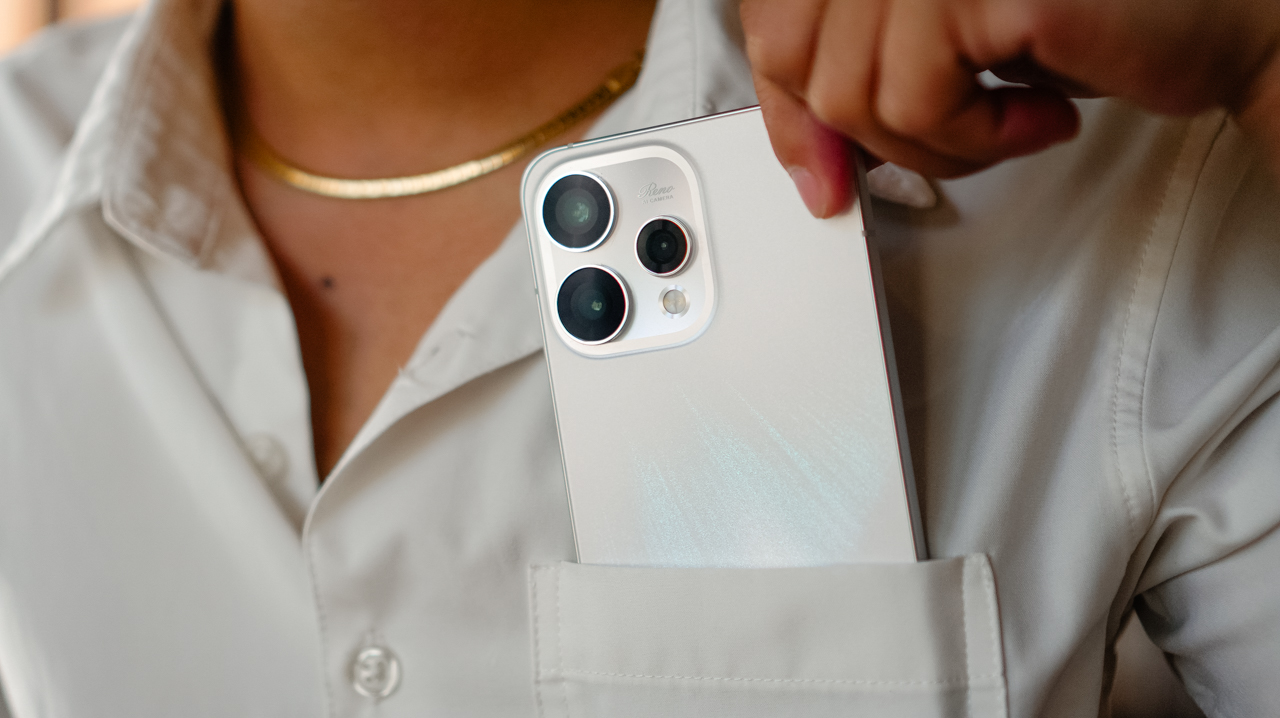
The first rule of travel is to keep things light, but for a creator, “light” cannot mean lower quality.
Whether you are navigating crowded night markets or chasing the golden hour on a steep, adventurous rooftop, the 4K Ultra Steady feature ensures your footage looks composed even when the environment is chaotic.
View this post on Instagram
This stabilization changes the energy of a travel vlog, turning handheld montages into polished, cinematic clips that are ready for a Reel the moment you hit save.
View this post on Instagram
Capturing everything and everyone
Travel stories are built on shared memories, but too often, the person behind the lens is left out.

Group shots often become a messy scramble to squeeze everyone into a tight frame. The 50MP Selfie Camera changes that outcome with its 0.6x ultra-wide-angle mode
It captures the entire group with sharp detail across the frame, ensuring no one is relegated to the blurry edges.
Even if you need to crop the image later for a specific social media layout, faces remain clear and the background stays defined.
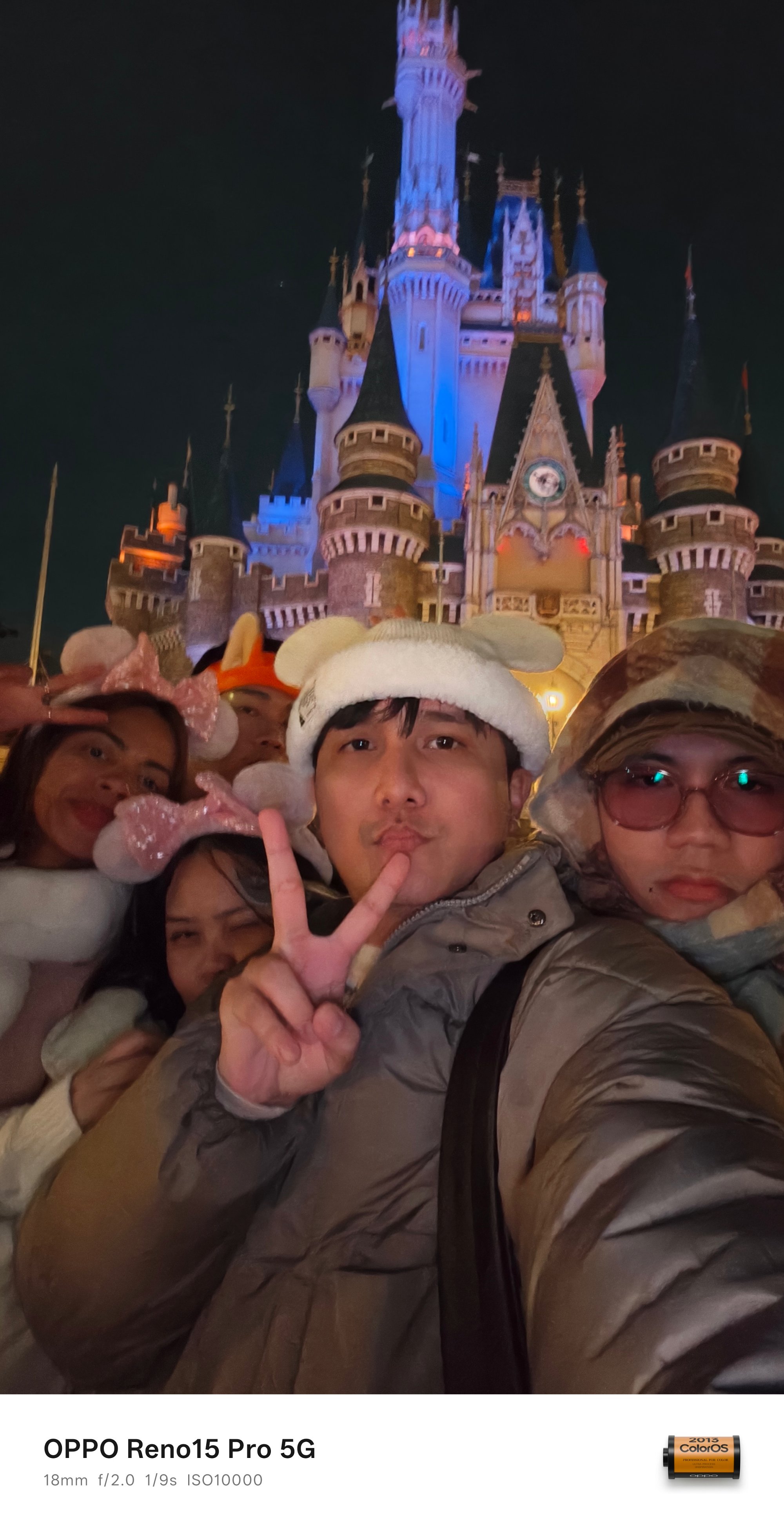


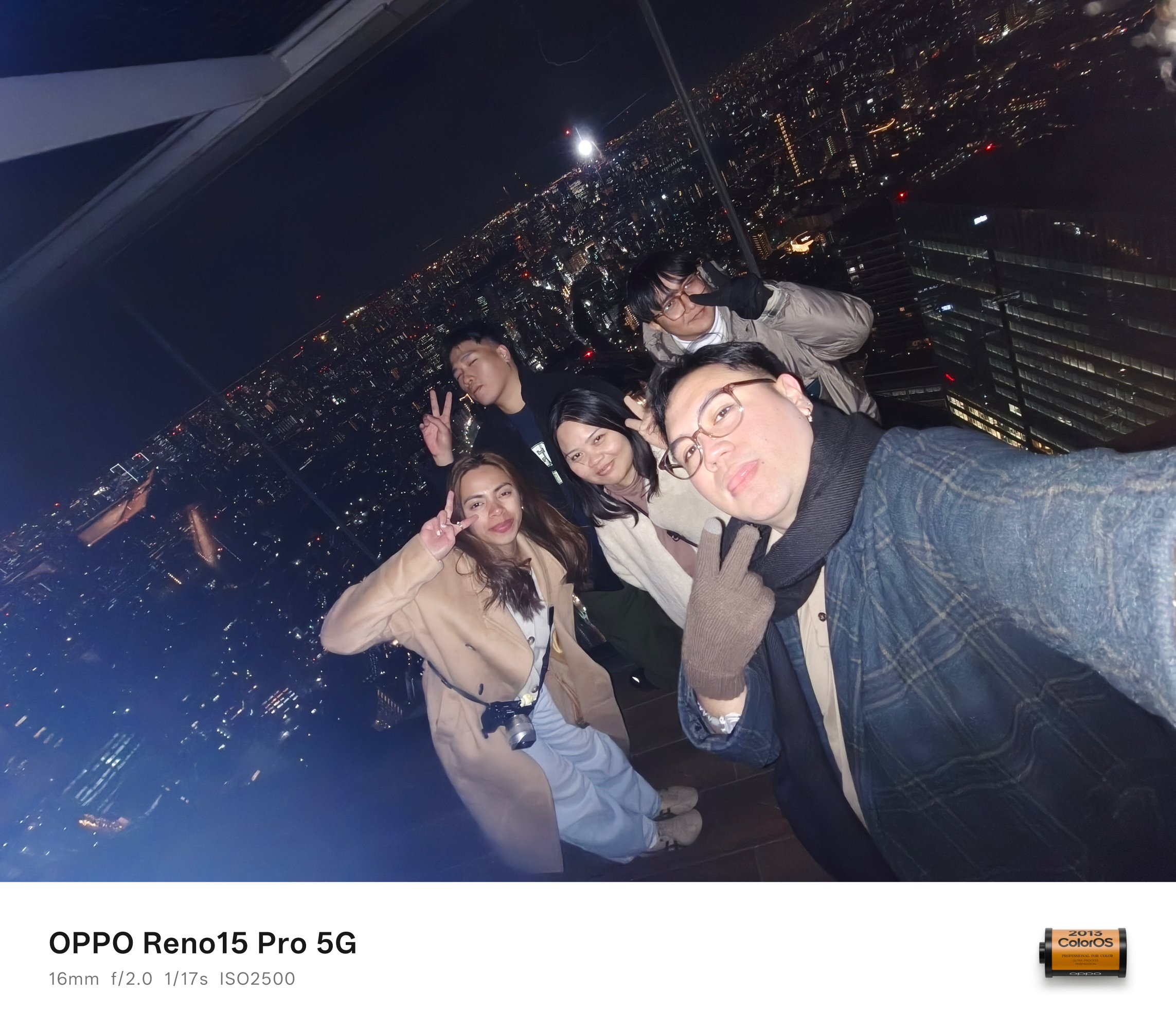


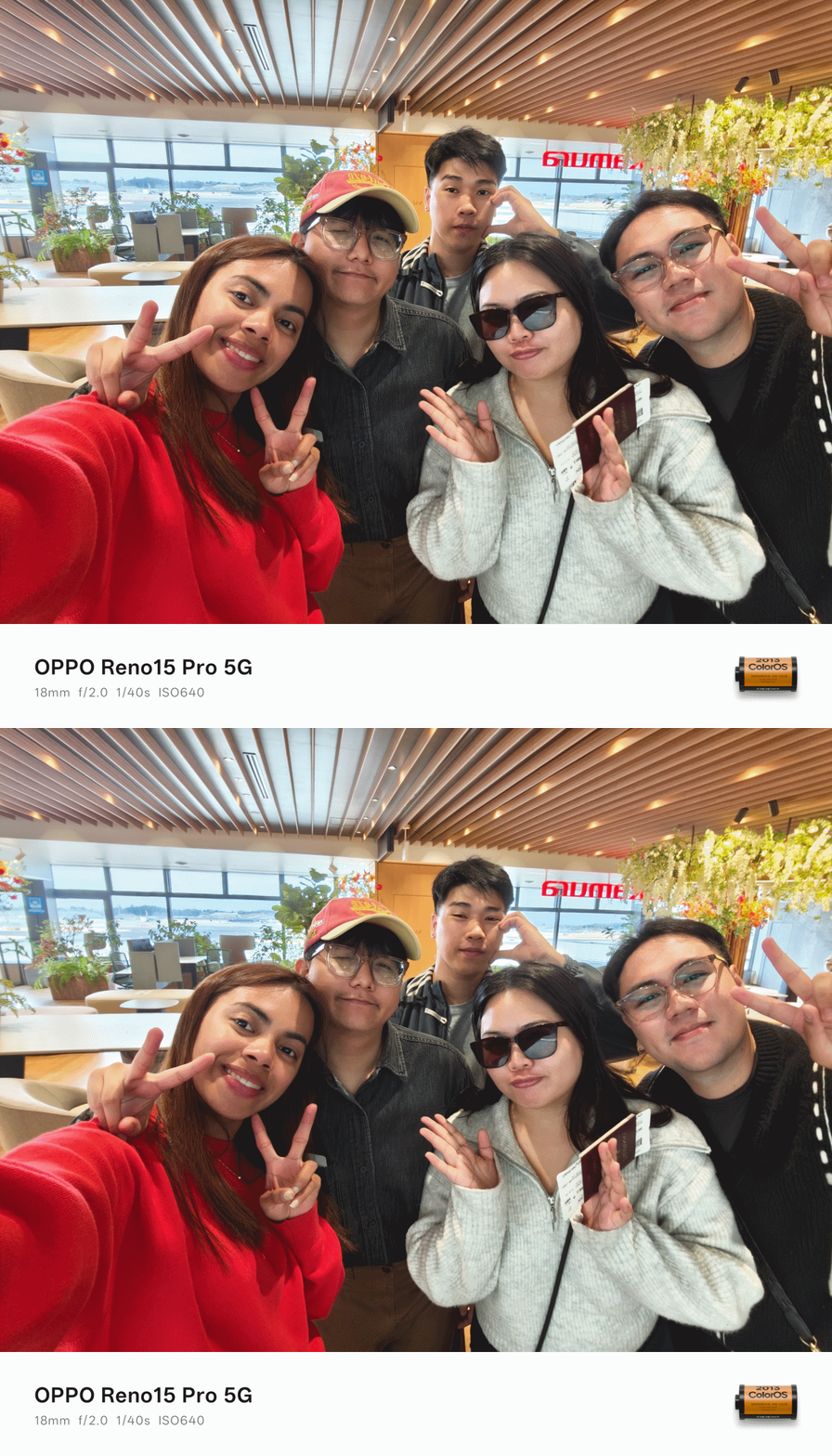


The result is a “groufie” that feels complete and professional
Scroll-stopping memories
We often summarize our trips through collages: layered photos that tell a single story.

The AI Motion Photo Popout tool brings a new dimension to these memories. With a few taps in the Gallery, the subject separates from the background to create a sophisticated, layered effect.




These edits serve as the perfect foundation for Instagram Story covers, Reel thumbnails, or high-quality personal wallpapers.
It’s a subtle digital adjustment that makes a visible difference in how your audience experiences your journey.
Reliability for the modern creator.
A smartphone is no longer just a gadget; it is a creative partner. The OPPO Reno15 Series 5G features a sleek design that looks at home beside a passport or a boarding pass.

It’s light enough for long days of exploration but polished enough for high-end city trips. The reliable battery life supports early flights, full-day itineraries, and even late-night uploads.




You’ll spend less time searching for an outlet and more time capturing the moments that matter.
Which OPPO Reno15 Series 5G is your GadgetMatch?
The series offers variants designed to fit your specific creative style.
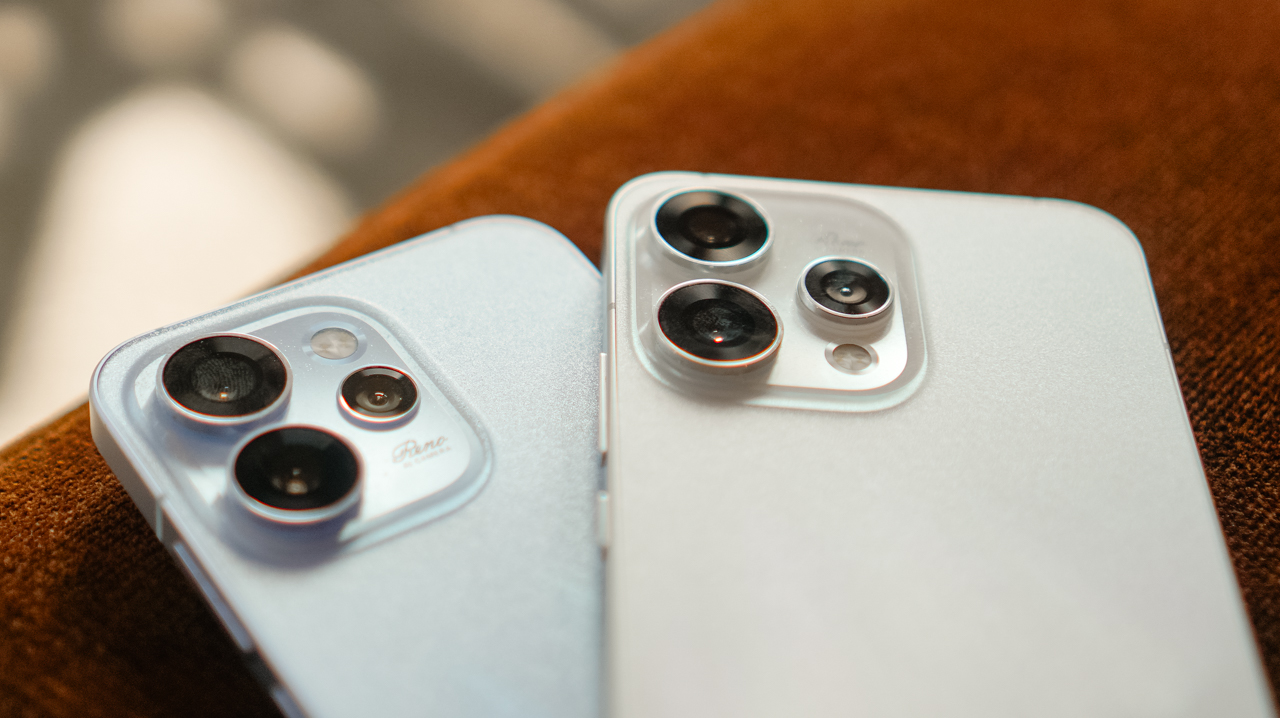
Pick the OPPO Reno15 5G if you want a balanced everyday companion, and if you want flexibility and reliability without overcomplicating the process.
There’s the OPPO Reno15 Pro; the choice for creators where photography and videography are the main event, offering enhanced tools in a compact form.

But if you’re a value-conscious traveler who wants a practical entry point that provides core camera and AI features, then the OPPO Reno15 F 5G is your GadgetMatch.
Whichever you choose, the series proves that a travel accessory can do more than complement an outfit. It preserves your stories because it doubles as a content creator’s must-have tool.
The OPPO Reno15 Series 5G is now available in OPPO stores nationwide and the OPPO Online Store.
SEE MORE: The art of being in and behind the frame | OPPO Reno15 Pro: Camera Review

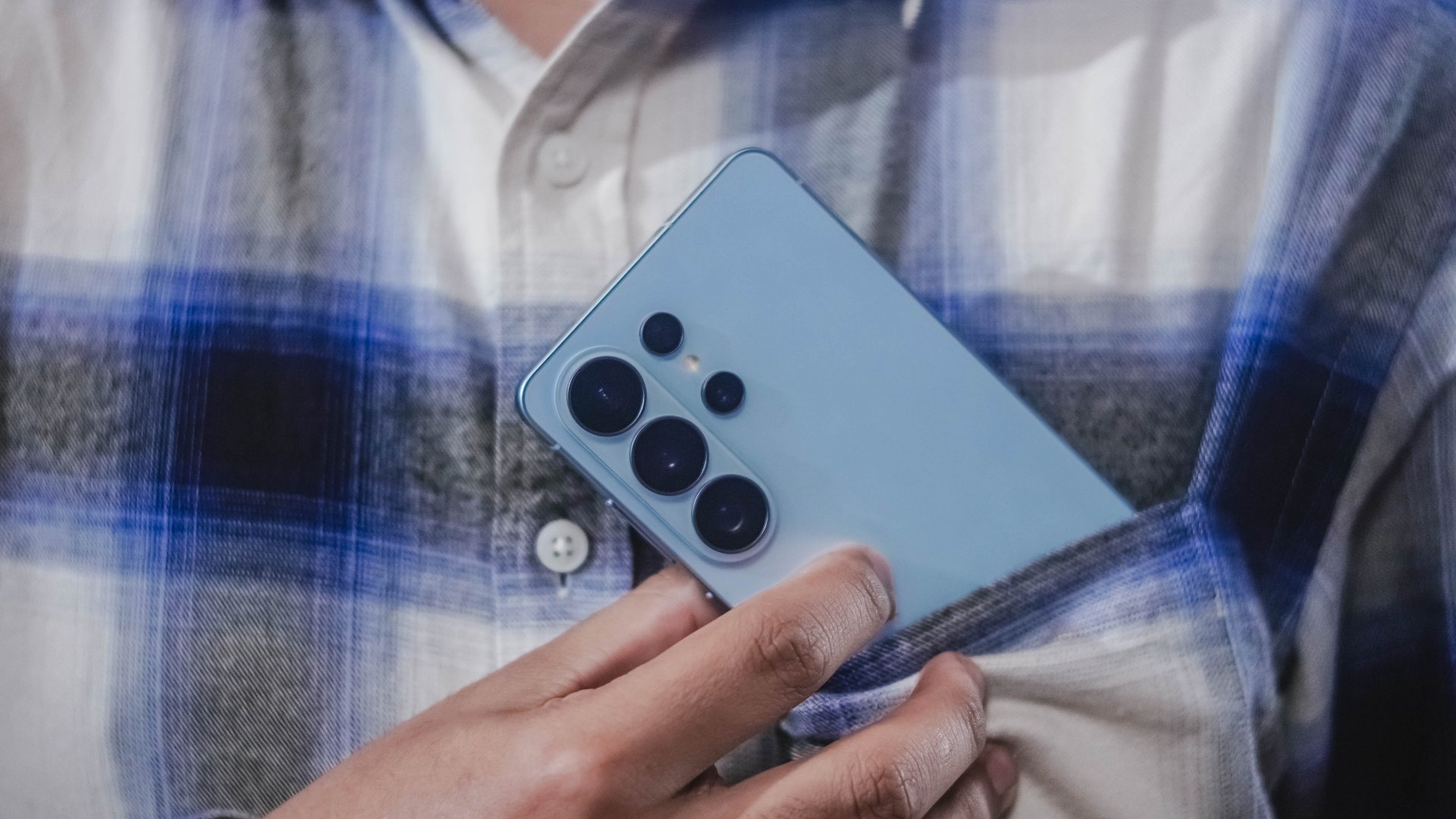
@gadgetmatch A phone that does more… so you can focus more on the moments that matter. The Galaxy S26 Ultra lets Galaxy AI handle the small stuff so you can stay present for the moments that matter. Also great for the occasional KPop concert video. Pre-order until March 17 and get double storage worth up to PhP 14,000. https://www.samsung.com/ph/smartphones/galaxy-s26-ultra/buy/ #GalaxyS26Ultra #EverydaywithGalaxyAI @samsungph ♬ original sound – GadgetMatch
Here’s the dream: a phone that helps you stay on top of things, so you can focus more on what matters.
That’s basically the idea behind Galaxy AI on the Samsung Galaxy S26 Ultra.
Instead of adding more things to do, the phone helps take care of the small stuff for you. Things like reminding you what’s next, or surfacing the information you need right when you need it.
So you spend less time digging through apps and more time actually doing the things you planned to do.
Editing photos is easier too. With Photo Assist, you can just describe the change you want… and Galaxy AI fills in the rest.
And if you’re cleaning up a video, Audio Eraser can reduce background noise — even from clips on third-party apps like Instagram or YouTube.
The point isn’t to make your phone the center of attention. It’s to make it helpful enough that you can forget about it for a while. Until something worth capturing happens.
And when things get a little chaotic — like concerts, street performances, or just life moving fast — Super Steady Video helps keep your shots level.
That’s definitely coming with me to the next K-pop concert.
The Galaxy S26 Ultra. Smarter phone. Slightly less stressed me.
Pre-orders are open now — with double storage for early buyers, plus additional discounts and installment offers from participating banks.
Which is great… because apparently I shoot way too many videos.
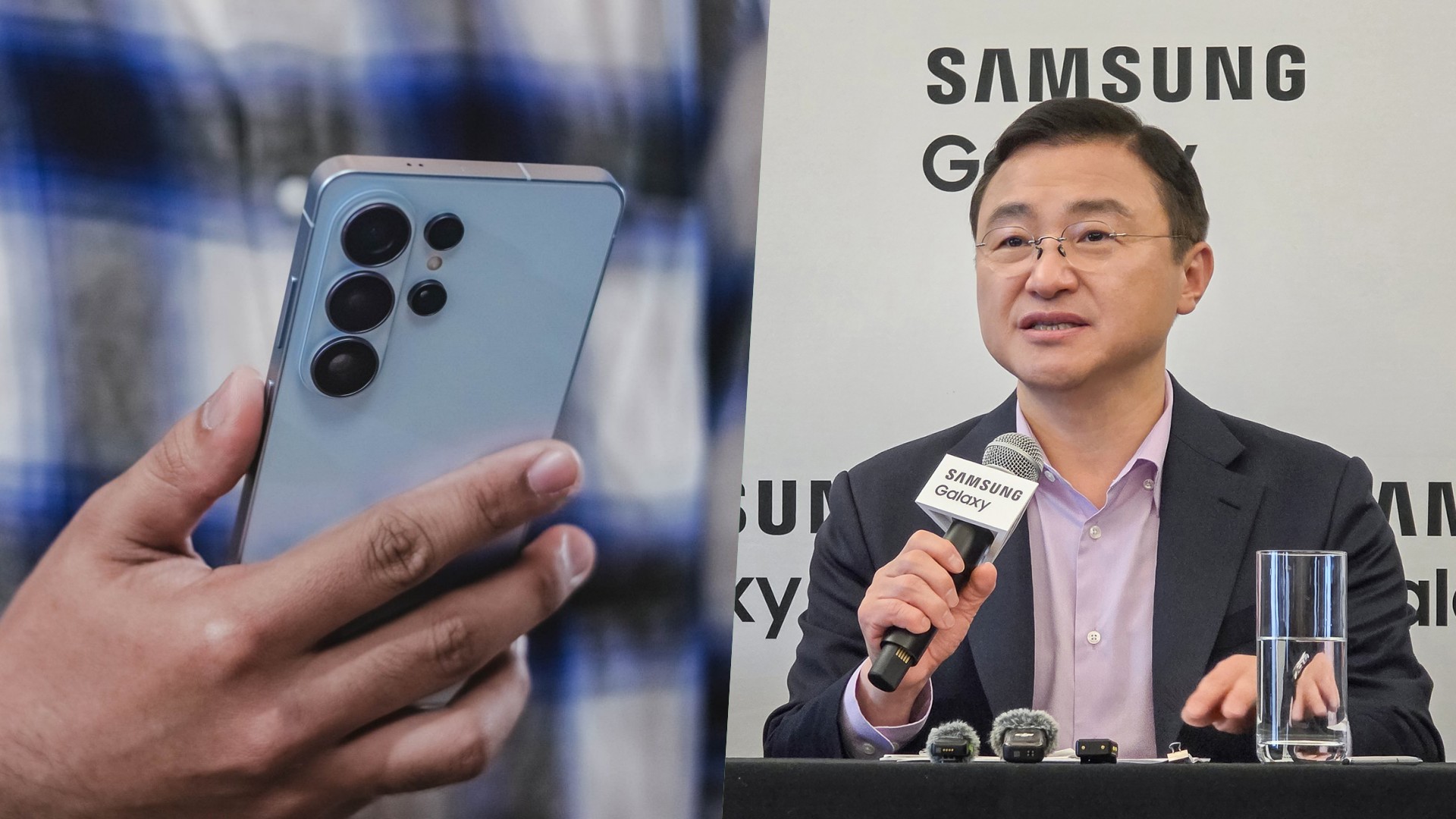
For more than a decade, the smartphone industry has been defined by a familiar race. More megapixels. Faster processors. Bigger batteries. Thinner designs. Being first. Being the most. And being the fastest.
The industry rewarded brands that appeared to be chasing specs. Bigger numbers meant progress. At least on paper.
But if you ask Samsung, the days of chasing specs may no longer define the future of Galaxy smartphones.
During a regional roundtable following the launch of the latest Galaxy devices, I asked TM Roh how the company decides when it’s time for a major hardware upgrade if it isn’t simply chasing specs.
His answer revealed how Samsung now approaches the future of its flagship smartphones.
According to Roh, hardware upgrades are increasingly tied to how well they support Galaxy AI.
“To make Galaxy AI run smoothly, it must be backed by strong hardware,” Roh said during the session, speaking through a translator. He added that Samsung develops its hardware, software, and AI capabilities together — and that major upgrades tend to arrive only when the company reaches what he described as the “desired level of excellence.”
(Quotes are approximate translations.)
“To make Galaxy AI run smoothly, it must be backed by strong hardware.”
(Approximate translation from TM Roh during the roundtable)
In short, Samsung says it’s no longer chasing specs for the sake of winning spec-sheet battles. Not anymore.
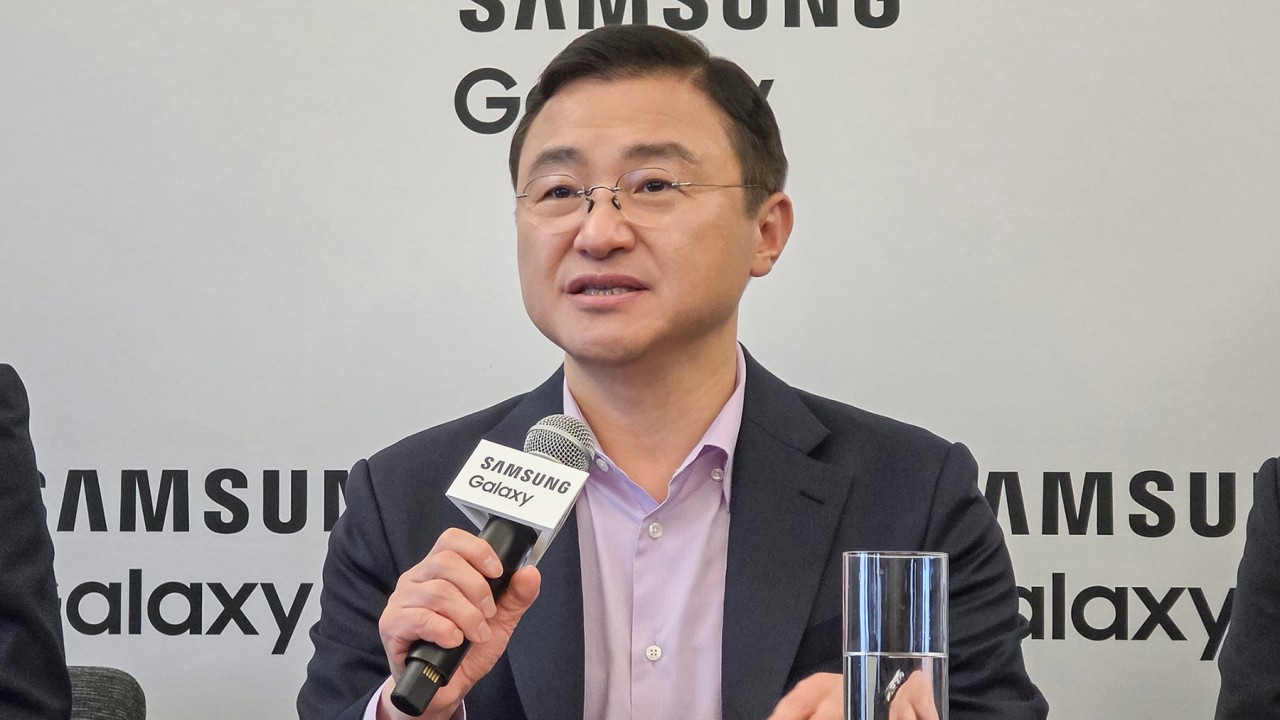
Samsung CEO TM Roh answering questions at a media roundtable in San Francisco
When hardware stops chasing numbers
Hardware innovation still matters. But Samsung increasingly frames those improvements as tools that enable smarter software experiences.
During the roundtable, Roh pointed to Samsung’s custom application processors, which now include stronger neural processing capabilities designed to handle AI workloads more efficiently. Dedicated hardware is also being introduced to strengthen privacy and security — including technologies embedded directly into the display. (See: Privacy Display)
Even cameras, historically one of the biggest battlegrounds for smartphone innovation, are evolving in the same direction.
Roh noted that while sensors and lenses remain important, modern smartphone photography now relies heavily on AI-powered image processing working alongside the hardware. This could also explain why, as of writing, Samsung has resisted the extra telephoto lens accessories that is prevalent with other brands.
The shift is subtle but important. Instead of emphasizing bigger numbers on spec sheets, Samsung positions hardware upgrades as part of a broader system designed to support intelligent software.

Why Samsung gets dunked on online
That philosophy, however, exists in tension with how smartphones are often discussed online.
In a landscape driven by benchmark charts and viral comparisons, incremental refinement rarely generates the same excitement as dramatic hardware leaps. Over the past few years, the Galaxy S series has occasionally become an easy target for criticism — especially as rival Android manufacturers compete to deliver the biggest numbers, the fastest charging speeds, or the thinnest designs.
The temptation in tech media, particularly on platforms like YouTube, is often to dunk on Samsung rather than examine the nuance behind its approach. Spectacular upgrades and dramatic spec sheets make better thumbnails.
Yet listening to Samsung executives across multiple briefings reveals something interesting: the messaging is remarkably consistent. Whether discussing cameras, processors, or ecosystem features, the company repeatedly returns to the same principle. Hardware innovation matters most when it unlocks a better overall experience.
A company that knows its role
That consistency suggests Samsung knows exactly who it is in the smartphone industry.
As the largest Android smartphone manufacturer globally, Samsung occupies a position where competitors often measure themselves against it. Many brands differentiate by pushing aggressive specifications or experimenting with bold hardware changes.
In many ways, everyone else is punching up.
Scale changes priorities. When you’re building devices for hundreds of millions of users, the focus shifts toward reliability, ecosystem integration, and increasingly, AI-powered experiences that work consistently across products.
Why Southeast Asia matters in Samsung’s AI strategy
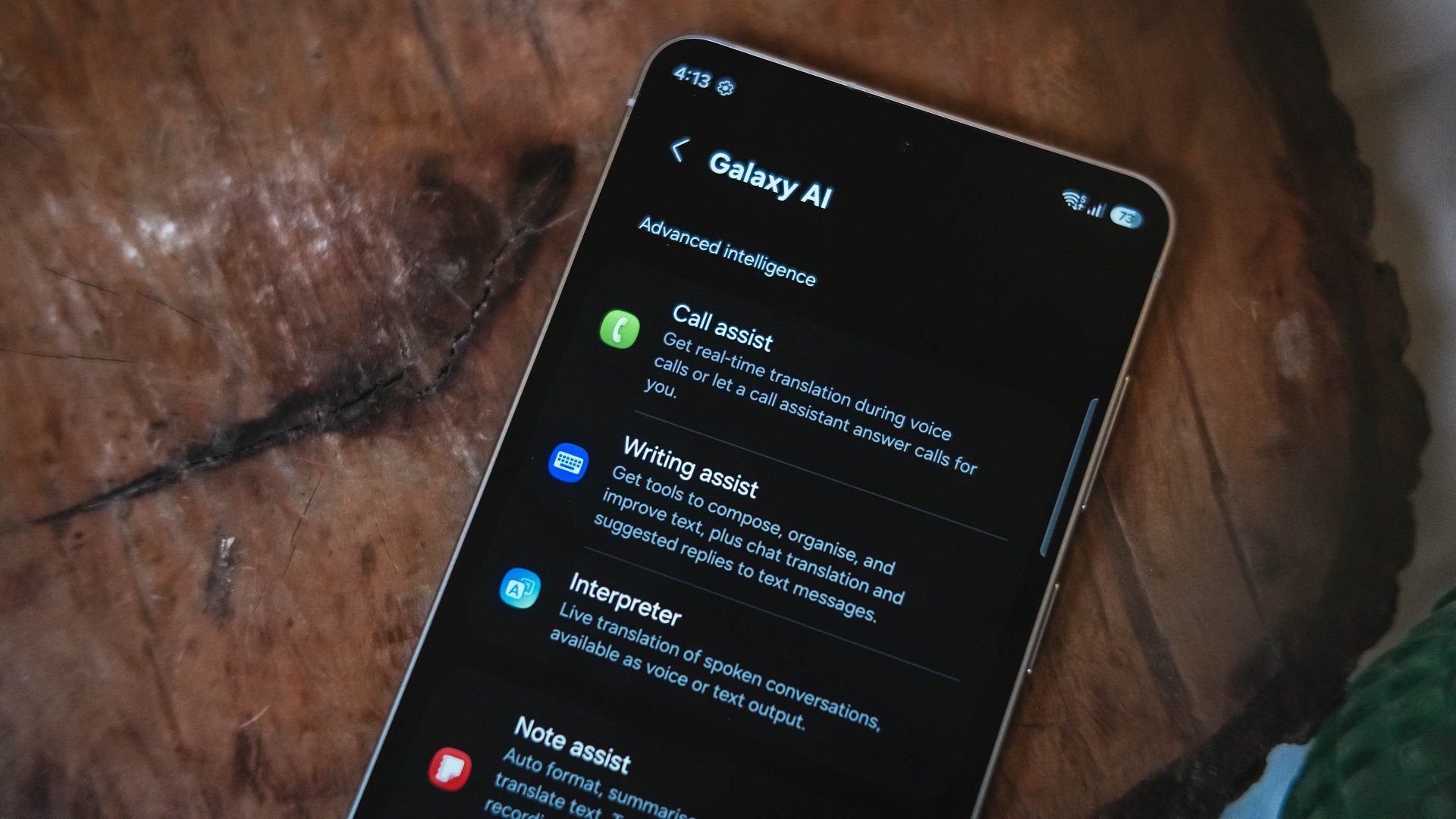
During the roundtable, Roh also emphasized the importance of Southeast Asia and Oceania to Samsung’s AI strategy.
According to the company’s internal research, the region ranks among the most receptive markets for AI-powered mobile features. Younger demographics and heavy social media usage are driving adoption.
In markets where smartphones are central to communication, content creation, and digital services, AI-powered tools — from translation features to image editing — have found strong traction.
That context helps explain why Samsung continues to position AI as the defining layer of its next-generation devices.
Is the smartphone spec race ending?
For years, smartphone makers built their identities around chasing specs.
Bigger numbers meant better phones. Faster chips meant progress.
Samsung, it seems, is chasing something else.
Whether that bet ultimately reshapes the smartphone experience remains to be seen. But if Roh’s comments are any indication, the next major leap in Galaxy hardware won’t happen simply because the numbers can go higher.
It will happen when Samsung believes the experience — not the spec sheet — is ready to move forward.
-

 Reviews4 days ago
POCO X8 Pro Max review: A new beast from the far east
-

 News4 days ago
POCO X8 Pro Series: Price, availability in the Philippines
-

 Laptops1 week ago
Apple MacBook Neo Review
-

 Computers2 weeks ago
GIGABYTE collaborates with Capcom for RE Requiem custom PC
-

 Apps1 week ago
Google Maps is finally getting a 3D mode
-

 Entertainment1 week ago
The internet is thirsting over the One Piece Season 2 cast
-
 News2 weeks ago
Globe postpaid opens pre-orders for Samsung Galaxy S26 series
-

 Features1 week ago
Galaxy AI on the Samsung Galaxy S26 Ultra