
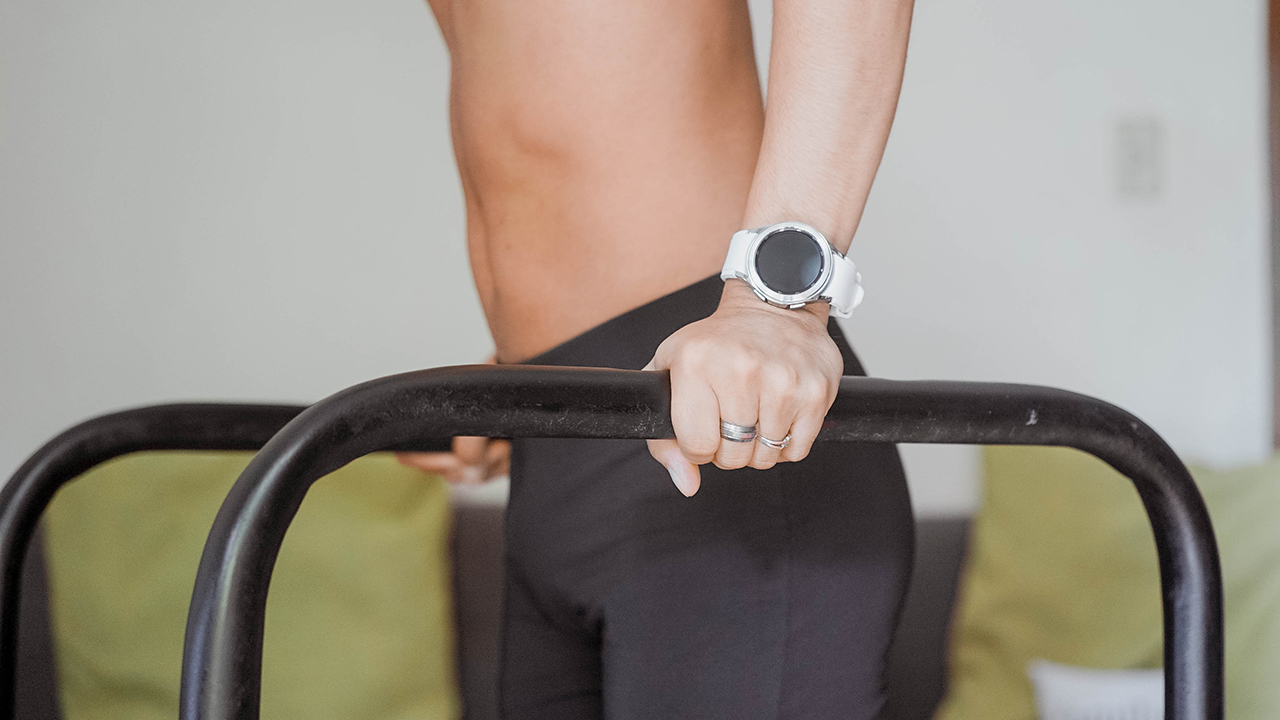

Smartwatches rarely stay on my wrist for a long period of time. Not because I don’t like them, but because I have to test wearables every month or so.
Having a job that requires you to test different smartwatches from several brands might be a dream come true for some people, but I find it highly cumbersome especially when I’m still trying to build the lifestyle that I want.
After I reviewed the Huawei Watch 3, I decided to slap the Samsung Galaxy Watch4 Classic on my wrist. Permanently. After all, I’m neck-deep in the Samsung ecosystem. It makes so much sense to use a smartwatch that will work with all my other devices.
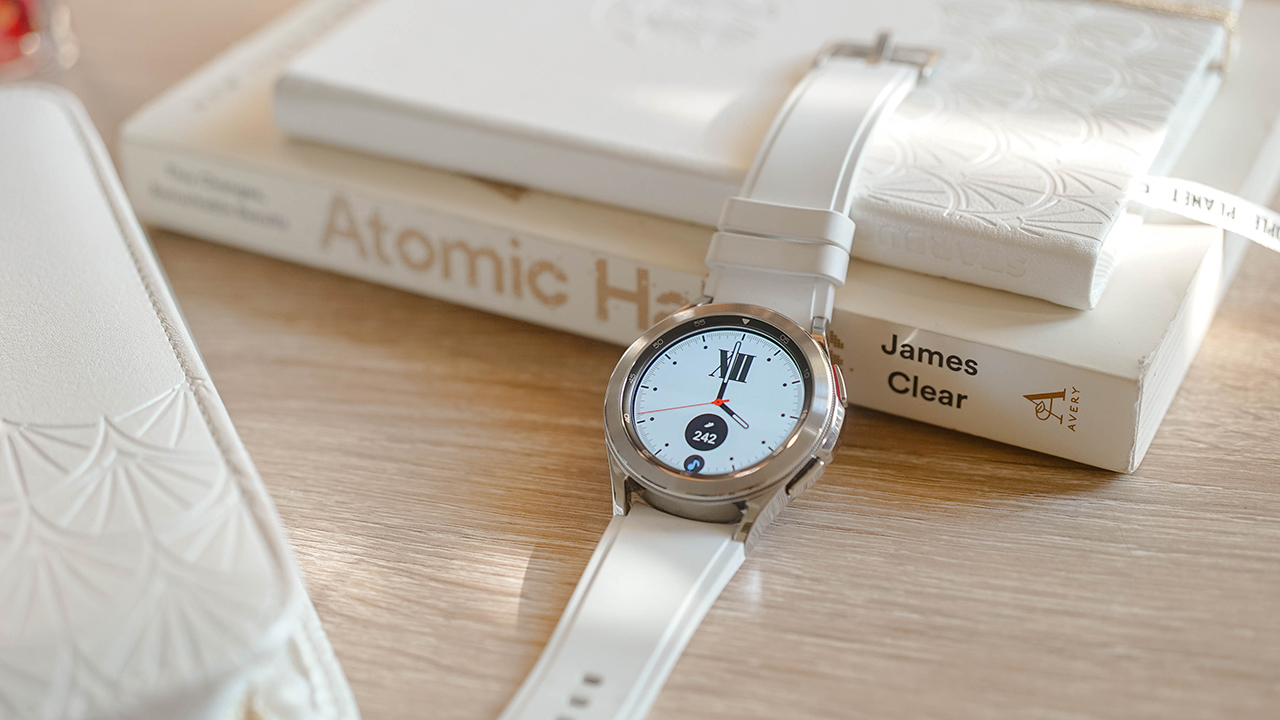
Breaking and building habits
For a quarter, I made a pact to myself that I will build the lifestyle that I want. And boy, after months of using Samsung’s latest smartwatch, I realized I turned my life around using a small, functional accessory.
I never realized I’ve been changing my habits — which I consider the building blocks of a lifestyle, based on what I learned from a transformative book called Atomic Habits — through this nifty device.
If you’re reading this, you’re probably curious why I keep blabbering about turning my life around with just a wearable. And you’re probably skeptical, thinking I’m just selling an idea. But, trust me, this is a personal account of my transformation.
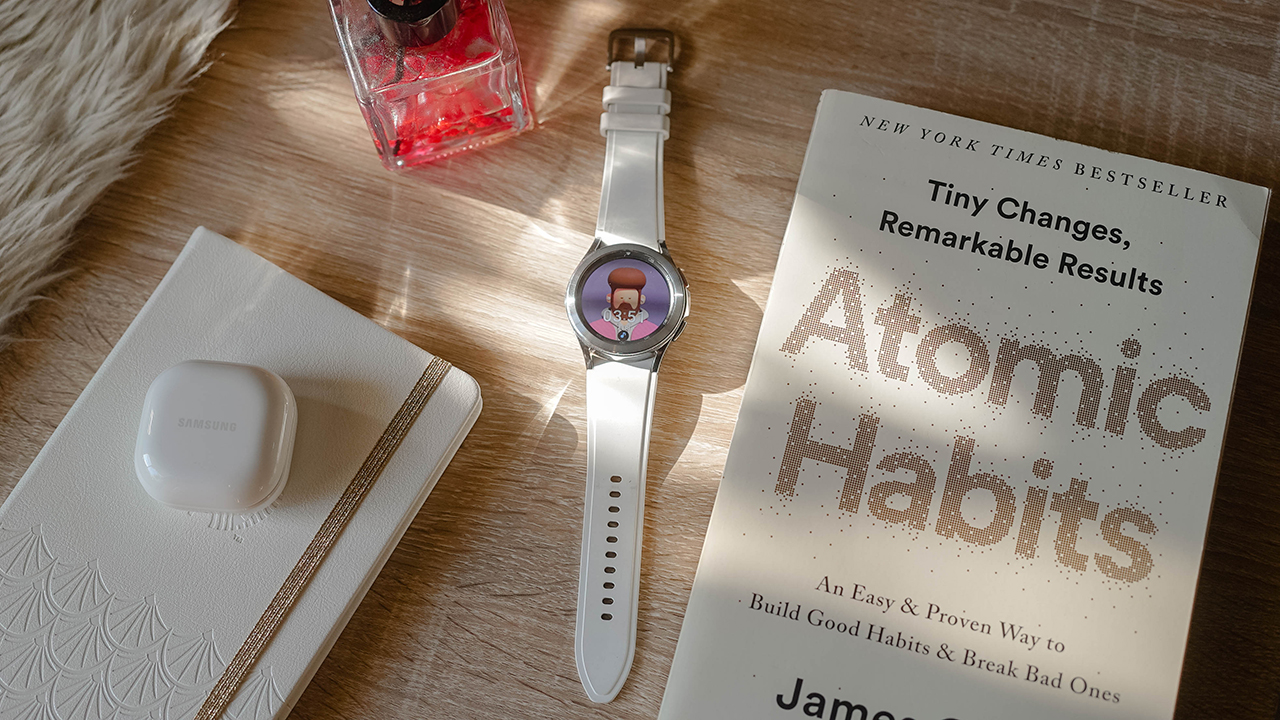
While changing my beliefs, mindset, habits, and learning more about myself are the main factors to consider, having a smartwatch helped me attain my goals in little, simple ways.
And based on Atomic Habits, change starts in the little things you do within yourself and your surroundings. (I won’t spoil you, so go ahead and read the book. It will change your life.)
Using my smartphone less
Like many young adults, I struggle with using my smartphone too much. With a job revolving around the latest gadgets, particularly these high-tech slates, it’s easy to fall into the rabbit hole of building an automated life.
But everything’s within your reach, right? Yes. Except I also deal with cranky mornings dashed with a little rush from all the emails and messages. I’m certain I’m not the only one bombarded with notifications as soon as connecting to the Wi-Fi. On top of that, I’m exposed to too much blue light — smartphones, tablets, laptops, televisions, and portable gaming consoles.
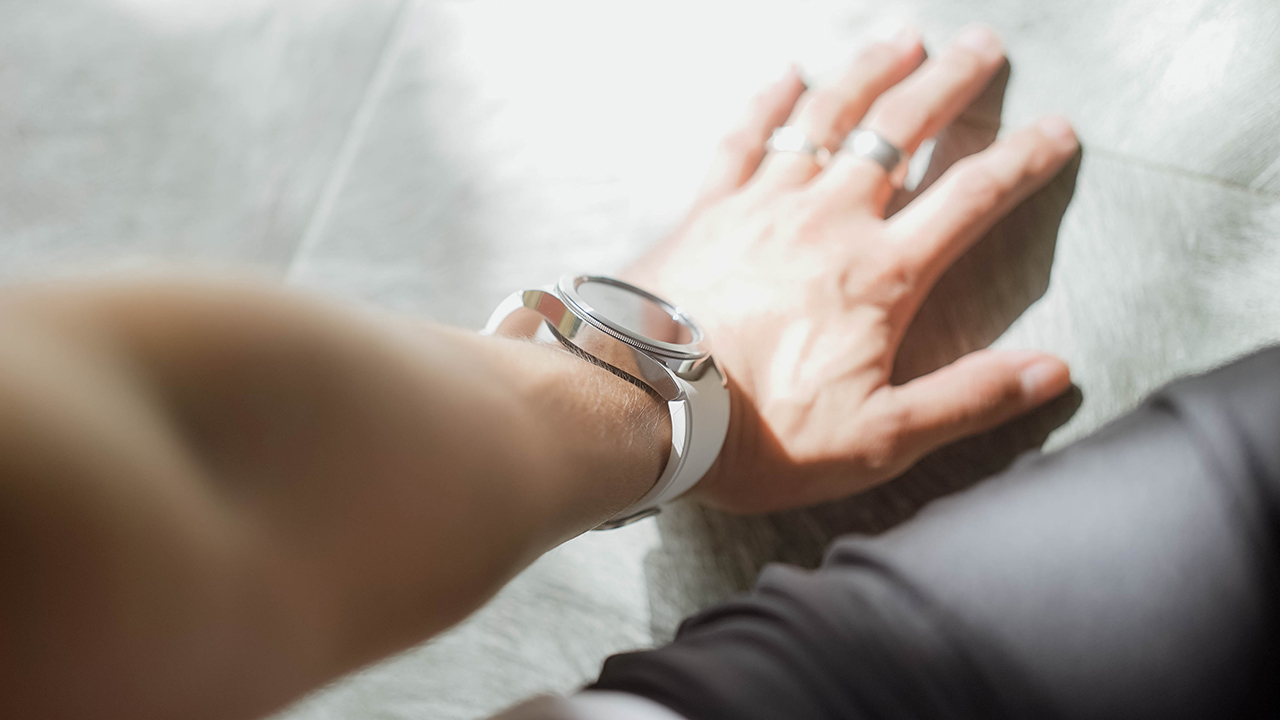
The dream is to lessen the time spent holding my smartphone and create a balanced life of being connected through my devices while being in tune with my physical surroundings.
Streamlining reliance on gadgets
Having had the Samsung Galaxy Watch4 Classic for more than a quarter now, I found appreciation for its basic features, especially when they all work seamlessly without delays. I answer calls, respond to chats, and check important messages at a glance.
I stopped using my smartphone for alarms, and instead of reverting to an old-school alarm clock, I just customized the smartwatch to ring and vibrate in a way that would really wake me up.
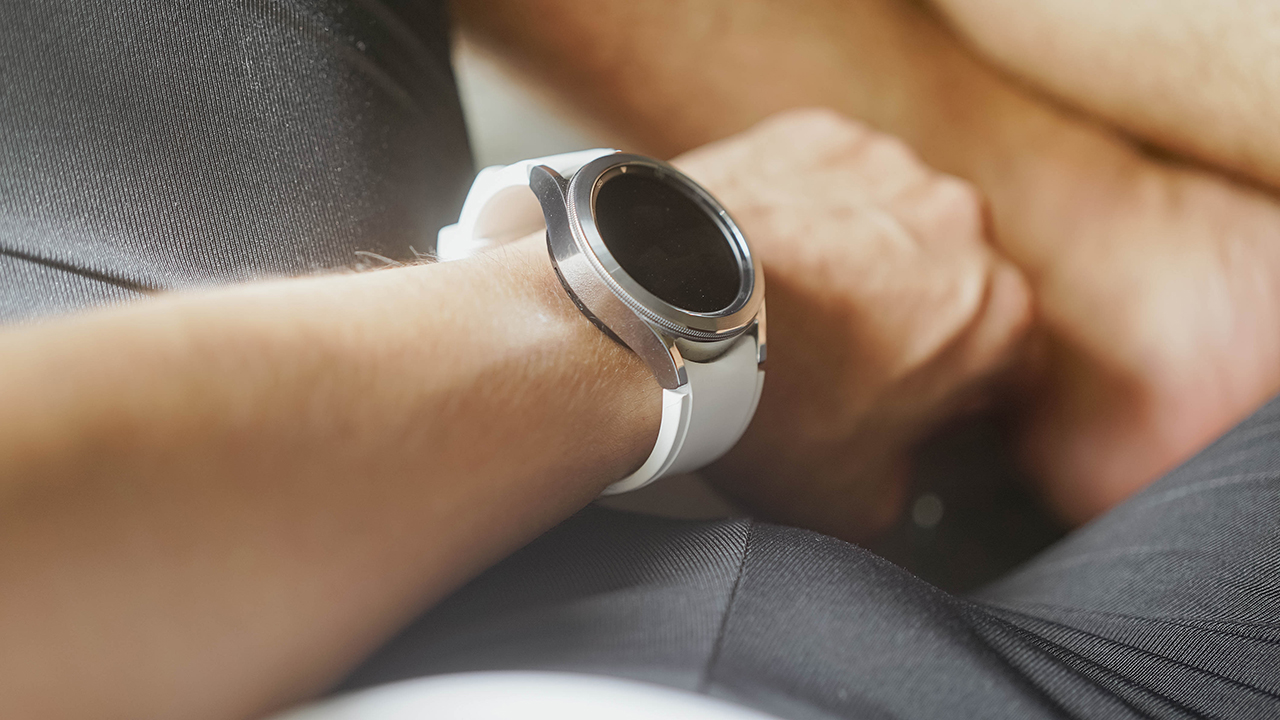
And there are a lot more features to enjoy; things we take for granted because we don’t know how to incorporate these features in our lifestyle simply because we don’t have to.
Years of covering smartwatches made me realize that these wearables are already advanced and have everything we need. People just really don’t know how to maximize these features to make their lives more efficient. And I, regretfully, fell in the same trap despite being able to test the latest smartwatches regularly.
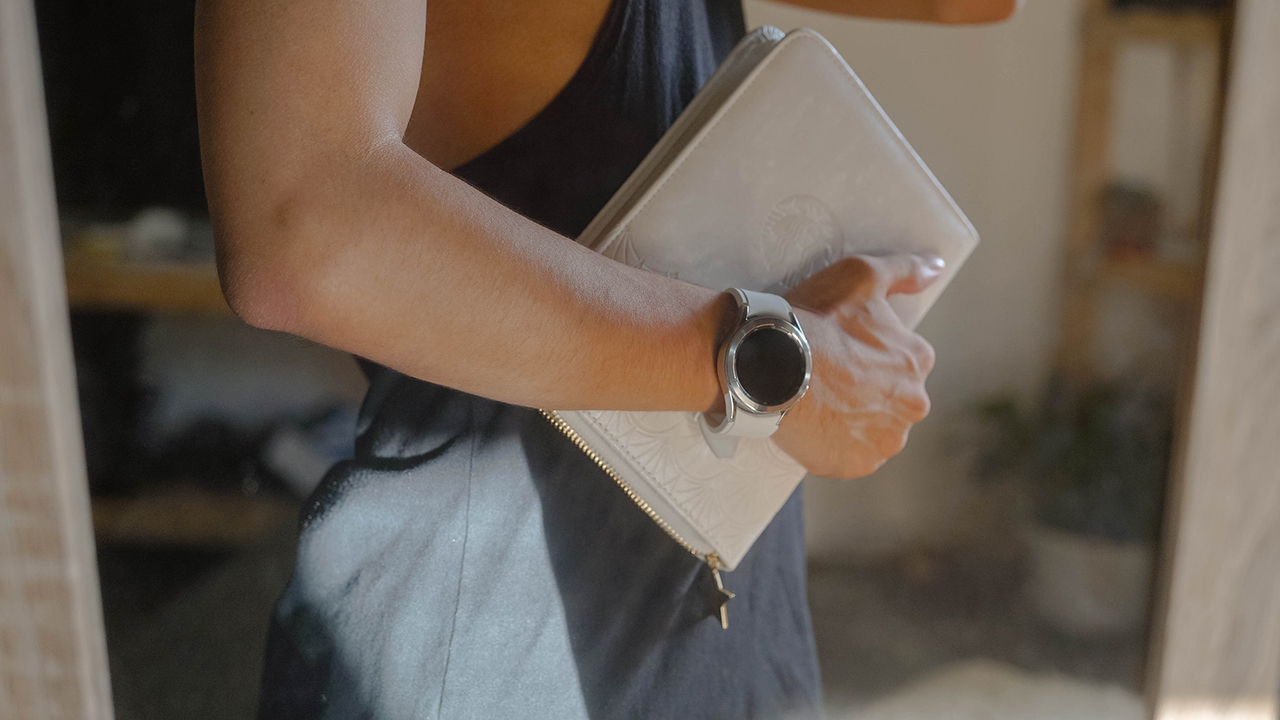
Nevertheless, the Samsung Galaxy Watch4 Classic still stood out among the smartwatches that came across my wrists, especially in 2021.
To reserving my brainpower for more fruitful activities in life
Change my mind: Google makes navigating your digital life easier, especially if you’ve been with the Android ecosystem for years. This is why I still prefer using Samsung over Huawei — especially with the loss of Google Mobile Services. Surely, the Galaxy Watch4 Classic is the perfect Android smartwatch right now.

I’ve had my fair share of Huawei’s smartwatches (Yes, I do love them), and while they all pack unique tools in a robust build with flagship-rated power and a long-lasting battery that lasts for several days — they still require brainpower to seamlessly integrate the smartwatch to your devices and your day-to-day life.
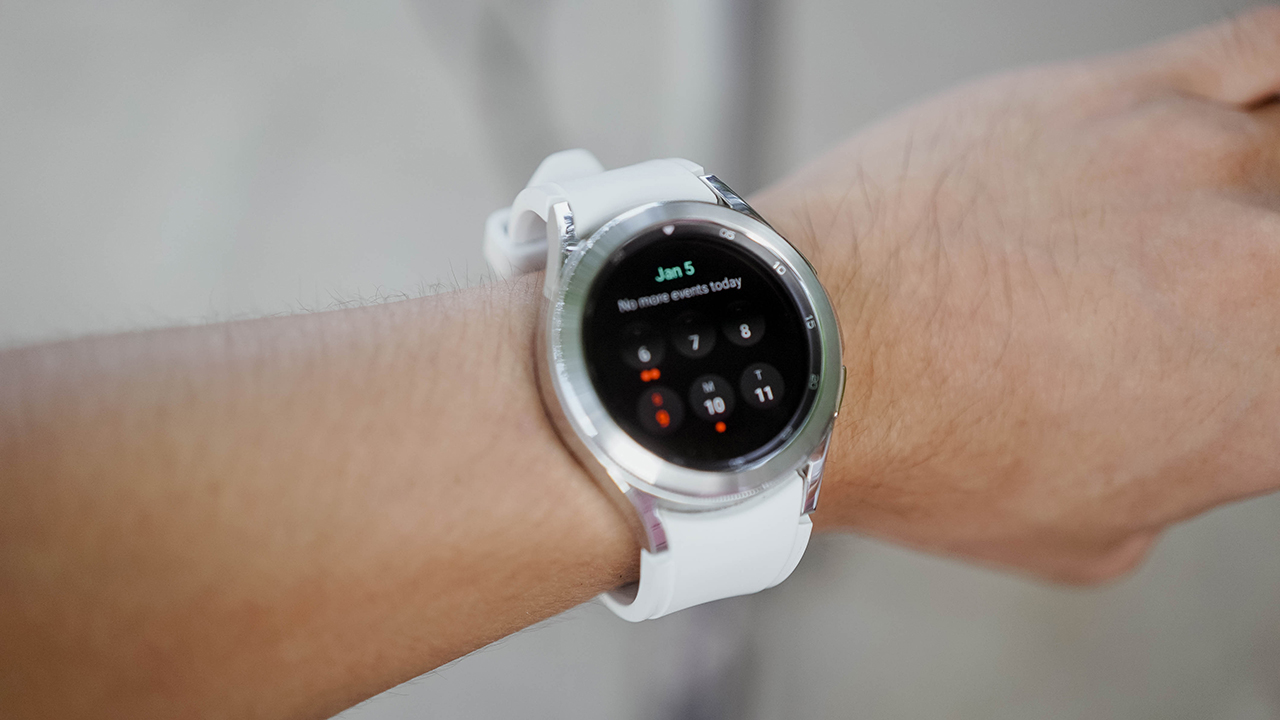
And that isn’t something I don’t want to welcome in my life, moving forward. I prefer to make things simple and efficient. I prefer to use the last of my brain cells by doing things that are meaningful to me e.g. reading a book, playing a strategy game, doing more architectural sketches and gouache paintings, and learning new hobbies that make life more exciting.
If a device calls itself smart, it should be able to figure things out on its own so I can live my life to the fullest without worrying about how things work.
Compatibility is so important — in relationships or smartwatches
The experience with Galaxy Watch4 Classic, as compared to Huawei’s flagship Watch3 and Watch GT3, is much easier for someone with only three brain cells left functioning. One instance is when connecting the device and using the Samsung Health app — even on a non-Samsung device.
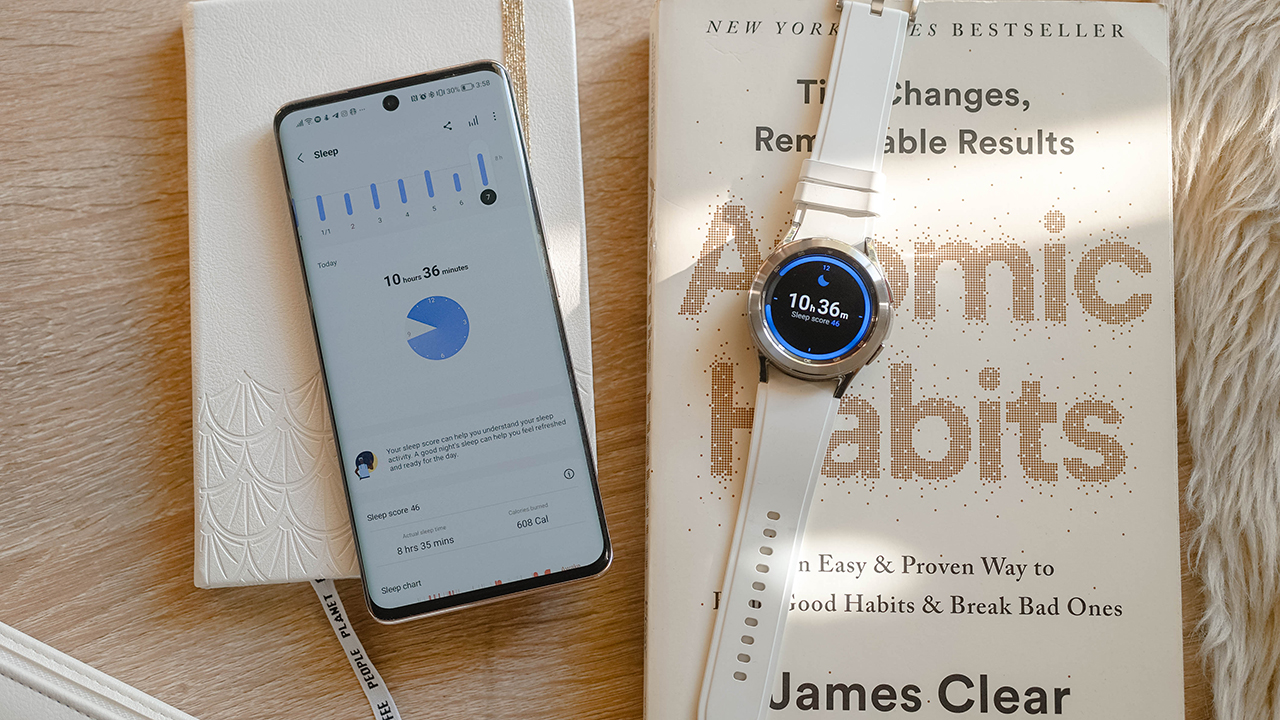
I’ve had trouble navigating Huawei’s Health app and connecting the devices to various smartphones, even with the likes of Honor 50. Meanwhile, the Galaxy Watch4 Classic works well with any smartphone. Although to maximize the device to the fullest, it’s best to use a Samsung smartphone — even if they’re old like the Galaxy S8 or an affordable one like the Galaxy A52.
Using apps that are appropriate for my lifestyle and compatible with my devices
One reason why we believe the Apple Watch is still considered the gold standard when it comes to smartwatches is because of its ecosystem, plethora of compatible apps, and plenty of straps and designs that match different personalities and lifestyles.
While the Galaxy Watch4 series isn’t enough to rival the Apple Watch, Samsung holds the crown when it comes to Android smartwatches.
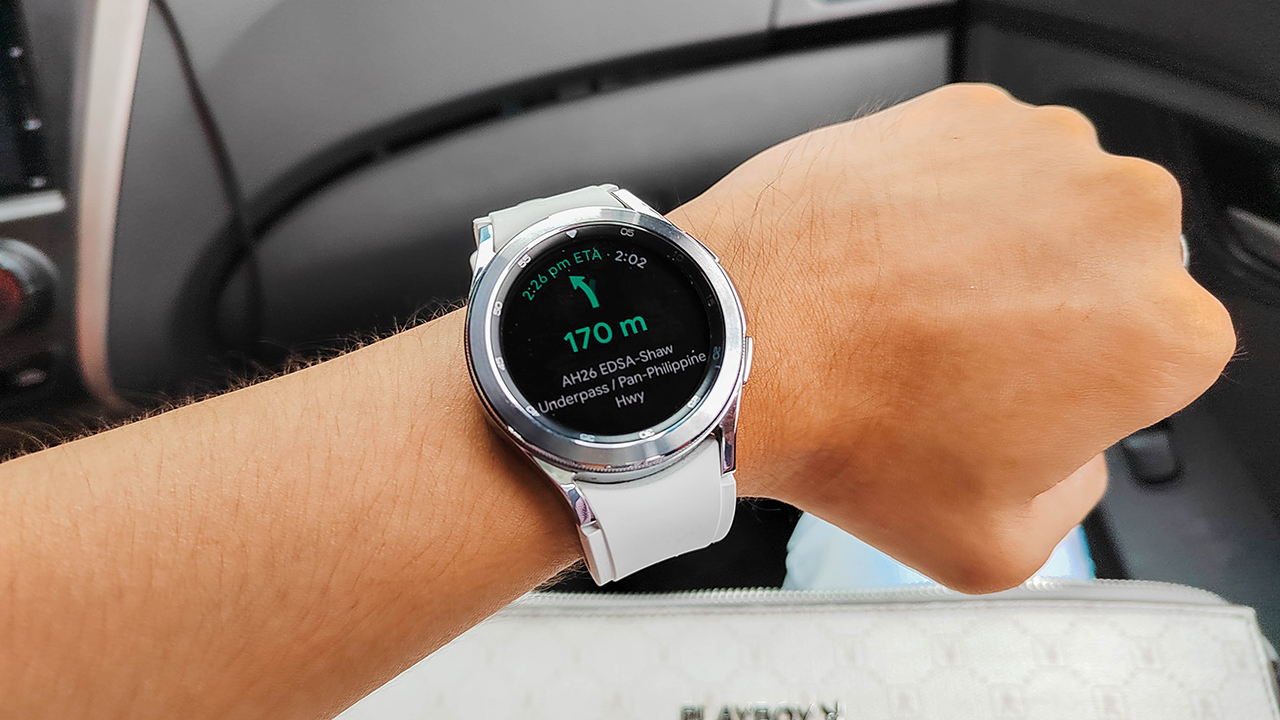
Samsung really did it right, collaborating with Google for WearOS. Now, I get to route my map before heading out for a drive using Google Maps. And everything I download on my smartphone, if compatible with the smartwatch, gets automatically downloaded.
I get to respond to annoying Viber messages, control my music playback on Spotify or YouTube Music, and even use apps that help me continue the fitness journey that I started a year ago.

The Galaxy Watch4 Classic lets me track my progress during my Indoor Climbing session at Climb Central Manila
And there’s a reason why most of my friends use the Galaxy Watch4 series as well. It’s compatible with fitness apps we deem important in our lives. There’s Google Fit, Strava for my cyclist friends, adidas Running app for those who have a lot of will to run, Calm for my meditative chicas, and myFitnessPal which I also use for tracking my nutrition intake.
Overcoming the love-hate relationship with fitness
I used to have a love-hate relationship with smartwatches when they used to look like workout gears. It made it impossible to wear it in casual settings, which is counter-productive for those who aim to make fitness their lifestyle.
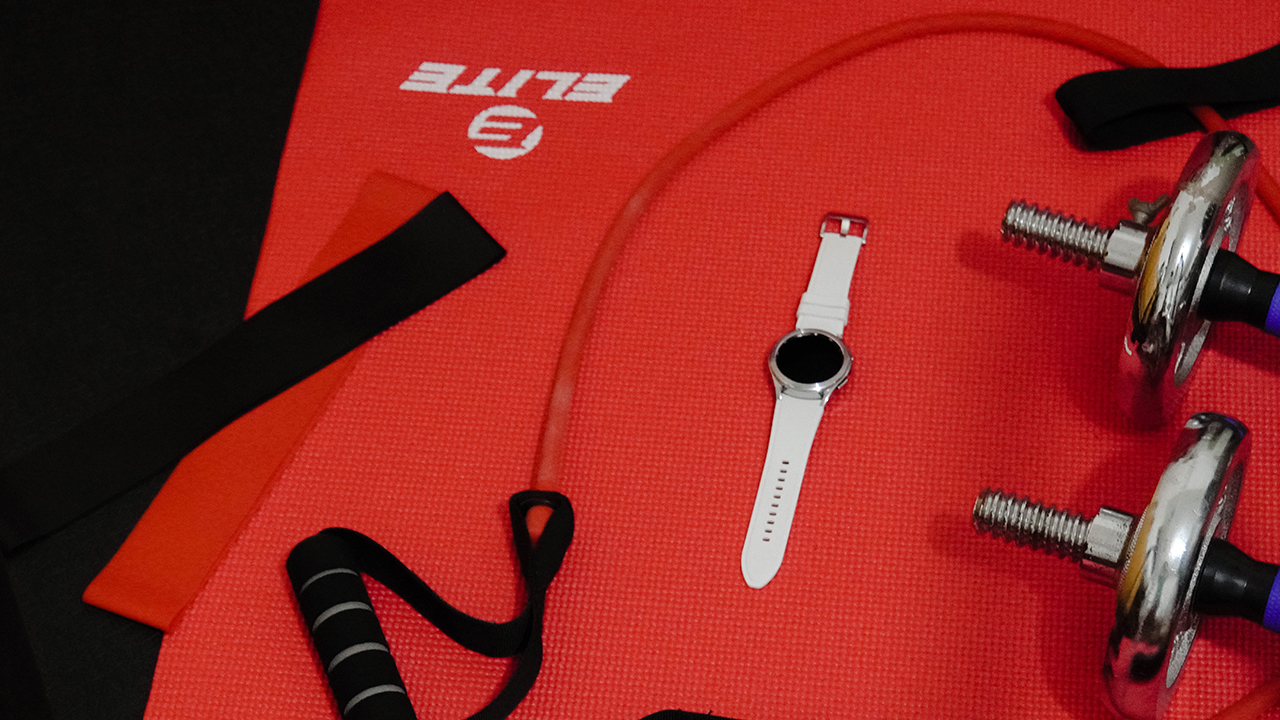
When I was still training with my coach, we came to a conclusion that it’s easier to make fitness a lifestyle when your space, clothes, and accessories are all workout-ready. I had to install dip bars, make the exercise ball and dumbbells visible right when I wake up and use a rubber mat to create a conducive space for my physical activities.

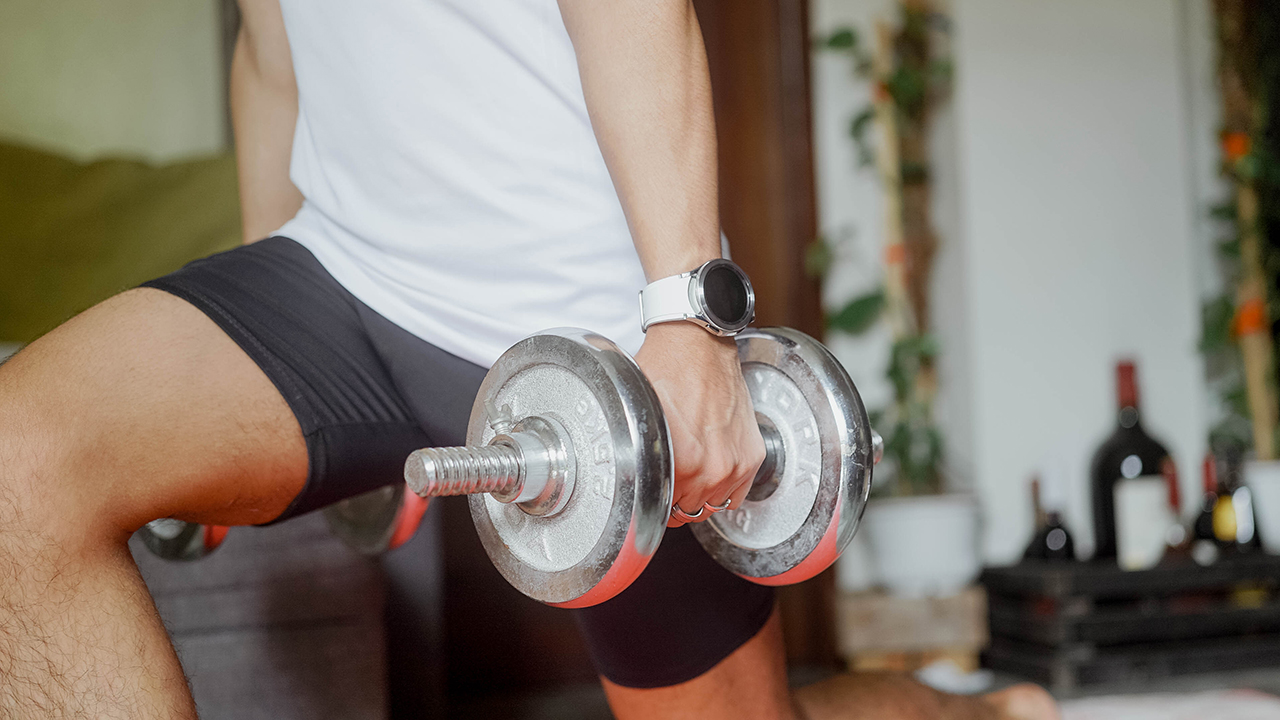
In the same way, the Galaxy Watch4 Classic was always ready to join me in my conquests. Aside from the health and fitness features it possesses, I like how it’s unassumingly a fitness-oriented device since I can sport it while wearing a dress shirt. And when used to accompany me in my workouts, it brims with features that will make the most out of your workout.
Living an active lifestyle
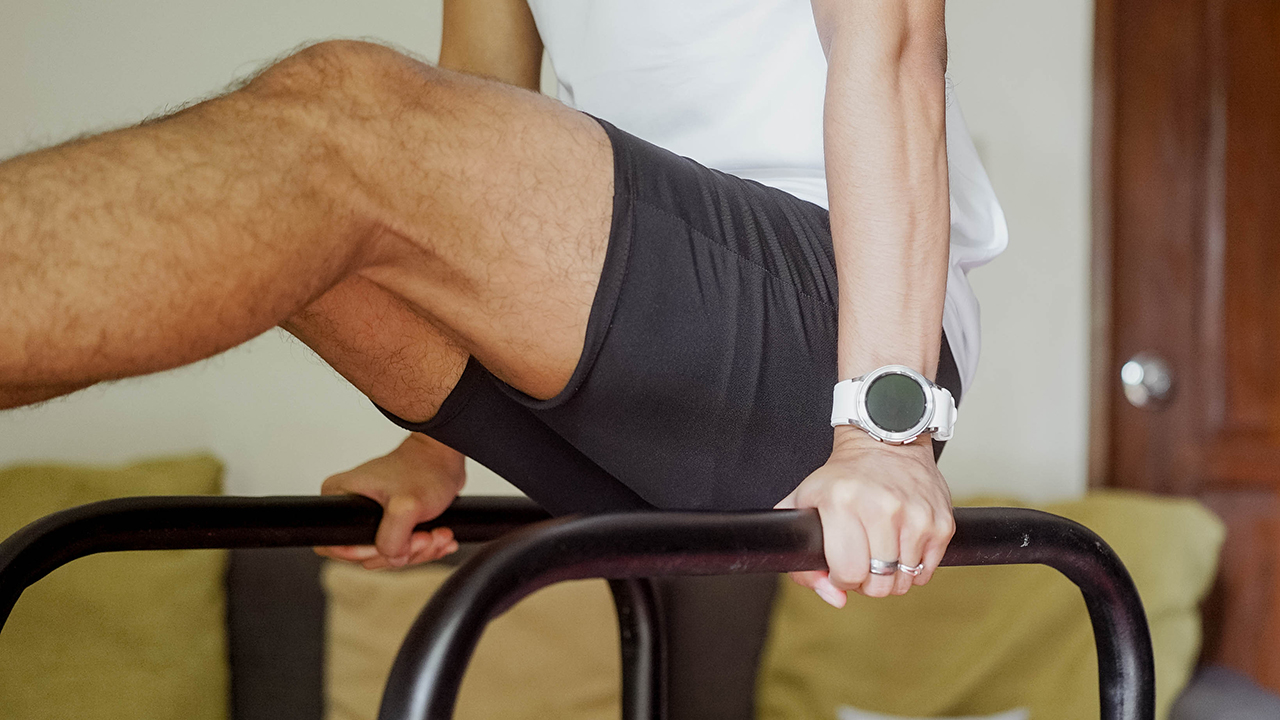
While it’s hard to be consistent when you live in an erratic, hectic schedule, the Galaxy Watch4 Classic reminded me to stay active. It asks me to move around, or perform stretches while I’m working consistently, sitting for hours. Even without its alerts, subconsciously, I get reminded to choose situations that will require me to be active.

Morning runs with my celebrity best friend
I used to take my electric scooter to move around the neighborhood, or use the car even when going to run my errands — which are sometimes within a kilometer or two away from home.
I struggled, of course, but the visibility of a lifestyle companion made me walk despite the unbearable, scorching heat. That, or I take the bicycle.

When I forget to choose the walking mode among the workout options, the Galaxy Watch4 Classic is smart enough to record your movements, and automatically switches to workout mode.
My forgetfulness is somehow saved by the highly perceptive sensors found on the smartwatch. And that high-tech functionality is what I welcome in my life.
Paying more attention to my health
I’m no stranger when it comes to a smartwatch’s health features. Every smartwatch I’ve tested has the same monitoring features to help you pay more attention to your health.
With my experience working with smartwatches, it’s the last habit I have to change. I’ve been paying more attention to my health ever since I slapped a smartwatch on my wrist.
But it’s still worth mentioning how you can solidify the habit you’ve started. It’s easy to forget stuff when you’re overwhelmed — tracking your health included.

The Galaxy Watch4 Classic’s rotating bezels made it easier for me to monitor my health. You can customize the tiles depending on your priority, but from the get-go, they have the necessary features presented accordingly.
At a glance, you can check the steps you’ve taken, the minutes you’ve been active, and the calories you’ve burned. I know, you’re already familiar with this one. These data are also accessible depending on your watch face.
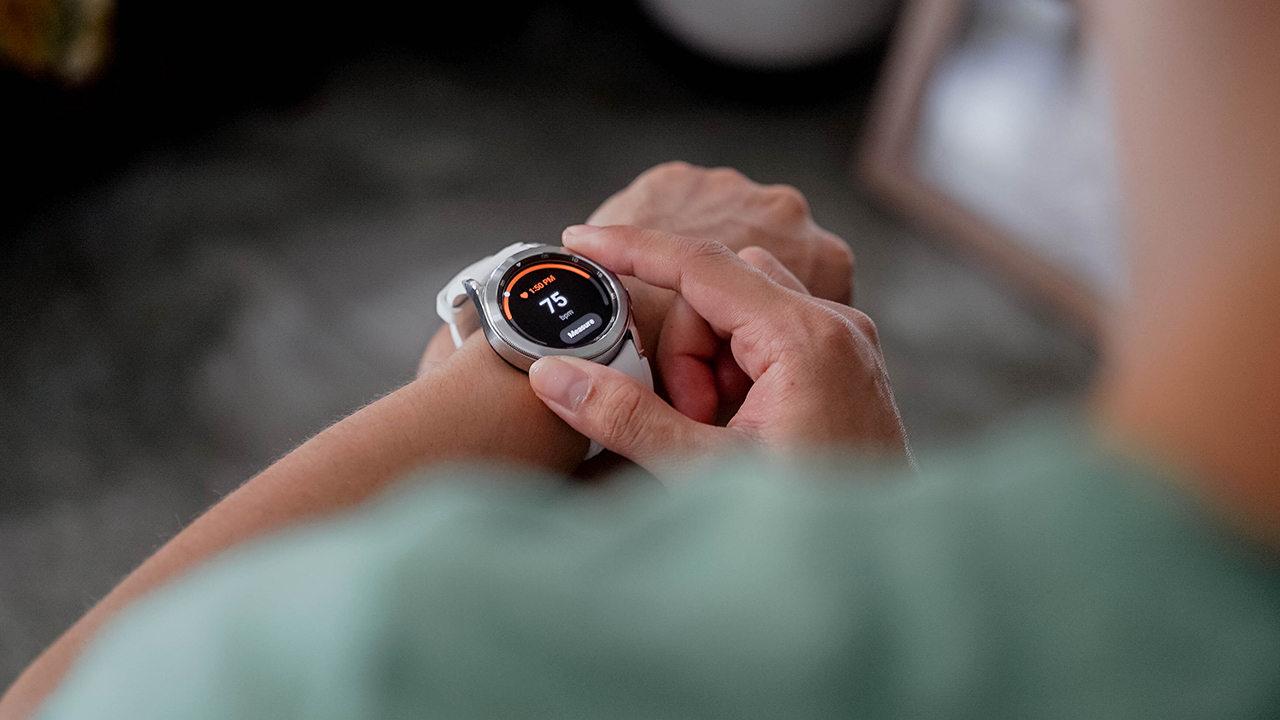
Then, there are also tiles for heart rate monitoring, blood oxygen, stress levels, food and water intake, and even cycle tracking for women. Having easy access to these important data made me more aware of what changes I need to do.
To better night routines
There’s also Sleep Tracking which also coordinates with your phone, tracking your sleep through the snore or sound you make. Sometimes, I forget to wear my watch and leave it charging on the dock
There are days where you just really hit the snooze button and shut down from the world. Those times made my smartwatch and smartphone work together to record my sleep.
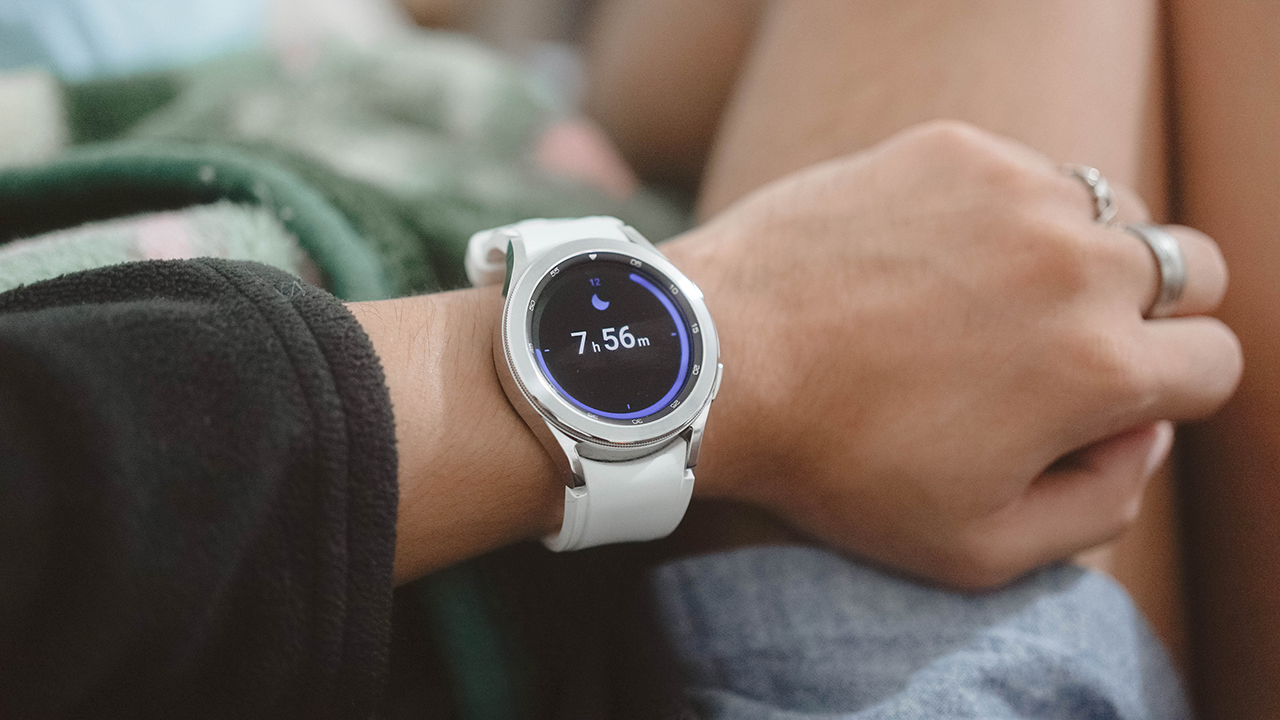
It won’t be able to check my pulse though. This is why I learned to take my smartwatch off when I’m taking a shower and doing my night routine. I get to pamper myself while my smartwatch recharges, so it’s ready to monitor my sleep and heart rate when I’m asleep.
That may be the only thing I didn’t like about the Samsung Galaxy Watch4 Classic. The shorter runtime could’ve been longer so I don’t need to recharge time and time again.
Anyhow, it helped me to really make an effort to perform a self-care routine. Even when I’m dead tired from a long day at work.
Working on my ideal body
It’s also worth mentioning how the Galaxy Watch4 Classic takes the spotlight with its body composition tool.
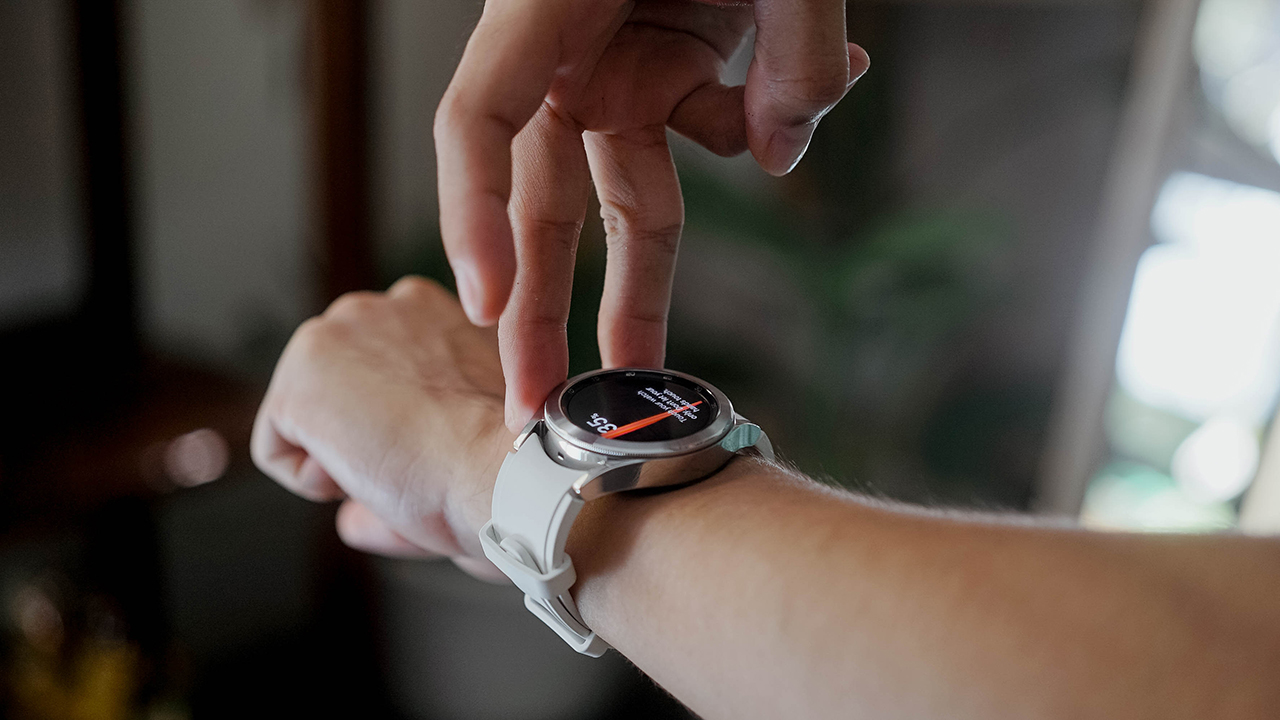
The new feature uses a technology called Bioelectrical Impedance Analysis (BIA). They’re basically little charges shot through your body to tell how much is fat and how much is skeletal muscle.
When you’re working on your dream body, knowing your body composition is essential to understand what changes you should make to your fitness program and diet.
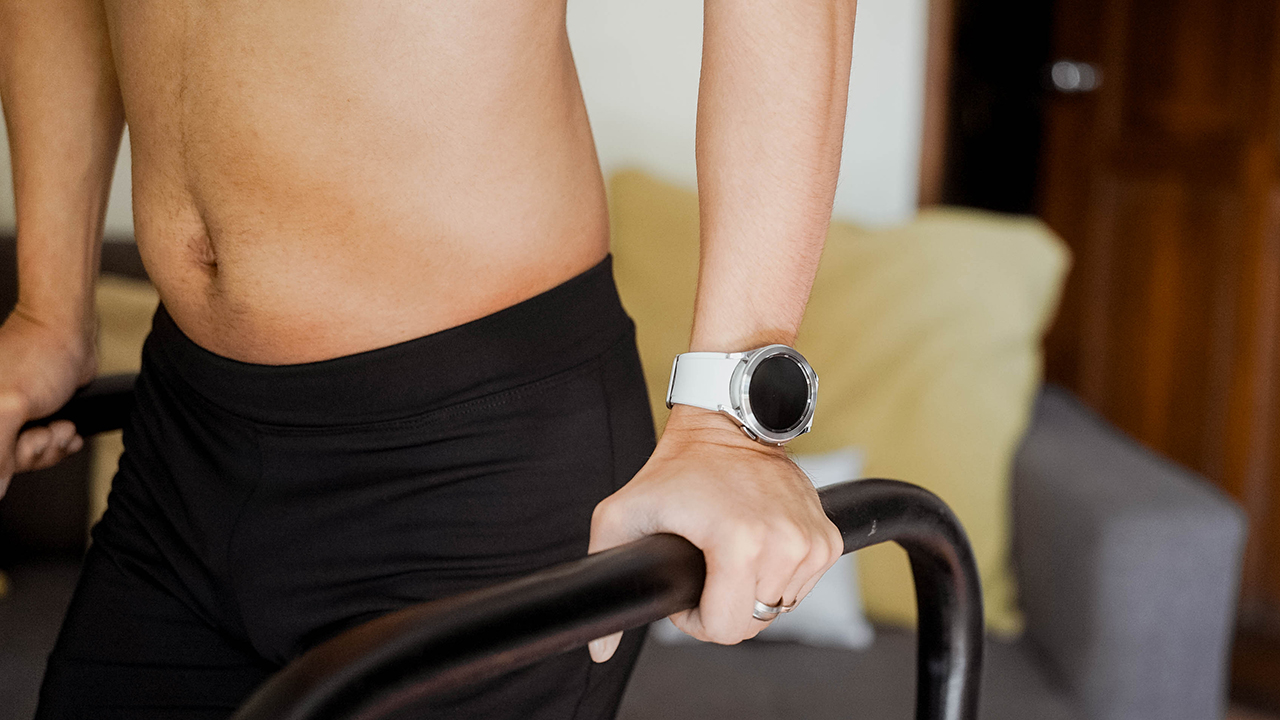
Weekly, I check my body composition through the tool. It helps me decide how to adjust my lifestyle so I can reach my body goals. It can be tiresome to stay on this journey, but I’ve committed to taking better care of myself. And I’m elated that the smartwatch is well-rounded enough to accompany me in everything I wanted to do.
Designing the lifestyle I’ve been dreaming of
Frankly, I know I’m not yet there — living the life I’ve always dreamt about. A routine that works perfectly with my activities and schedule. A body that I can confidently flaunt across the cameras.
I’m still susceptible to the big changes in life that can shake my foundations, or push me back to square one and revert to my old, bad habits.

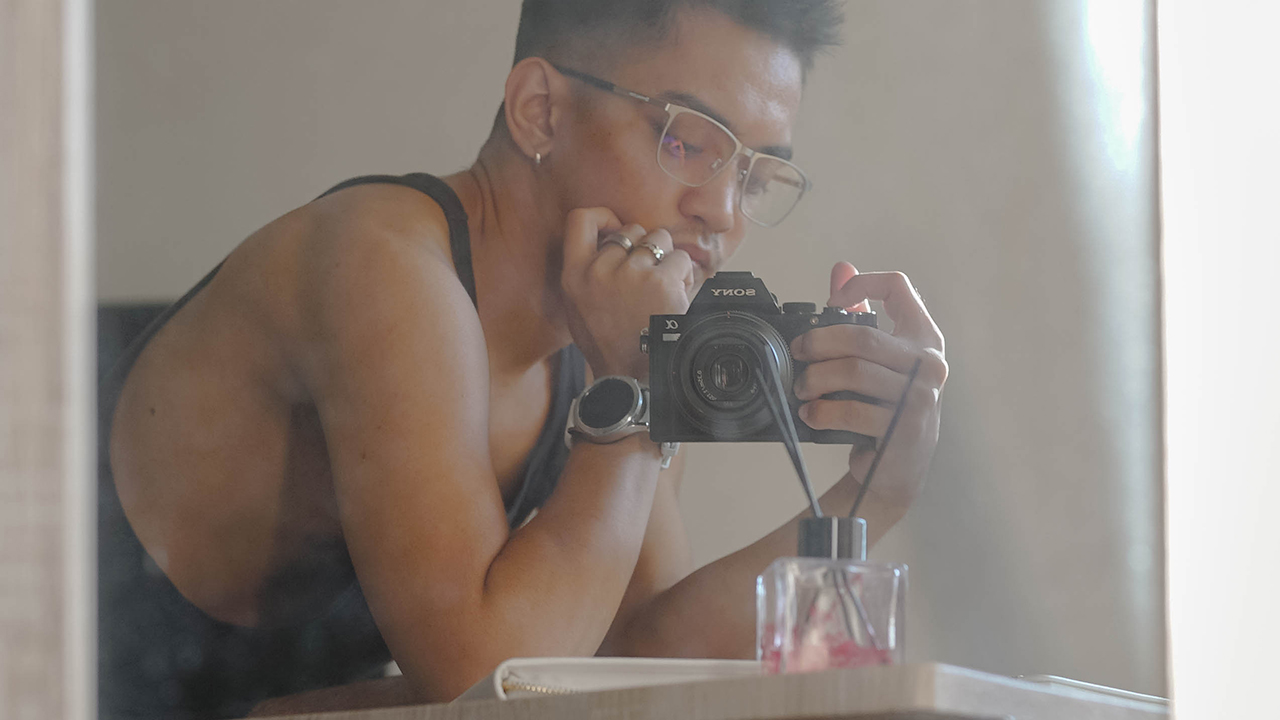
But I know I’m also far from where I’ve been. When I look in the mirror, I see a new version of myself. I jokingly state how I’m now in my version 2.4.9 as if I was a smartphone update. Although, it’s also true that I do get better over time. Because that’s what I intend to do with my life.
When you recognize the habits you want to change and take necessary actions to improve, you’ll get the results. Anything can be a tool to accompany you, as long as it fits the lifestyle you want to work for.

It just happens to be the Samsung Galaxy Watch4 Classic. And I’m happy to have it on my wrist and stay with me as long as it works.
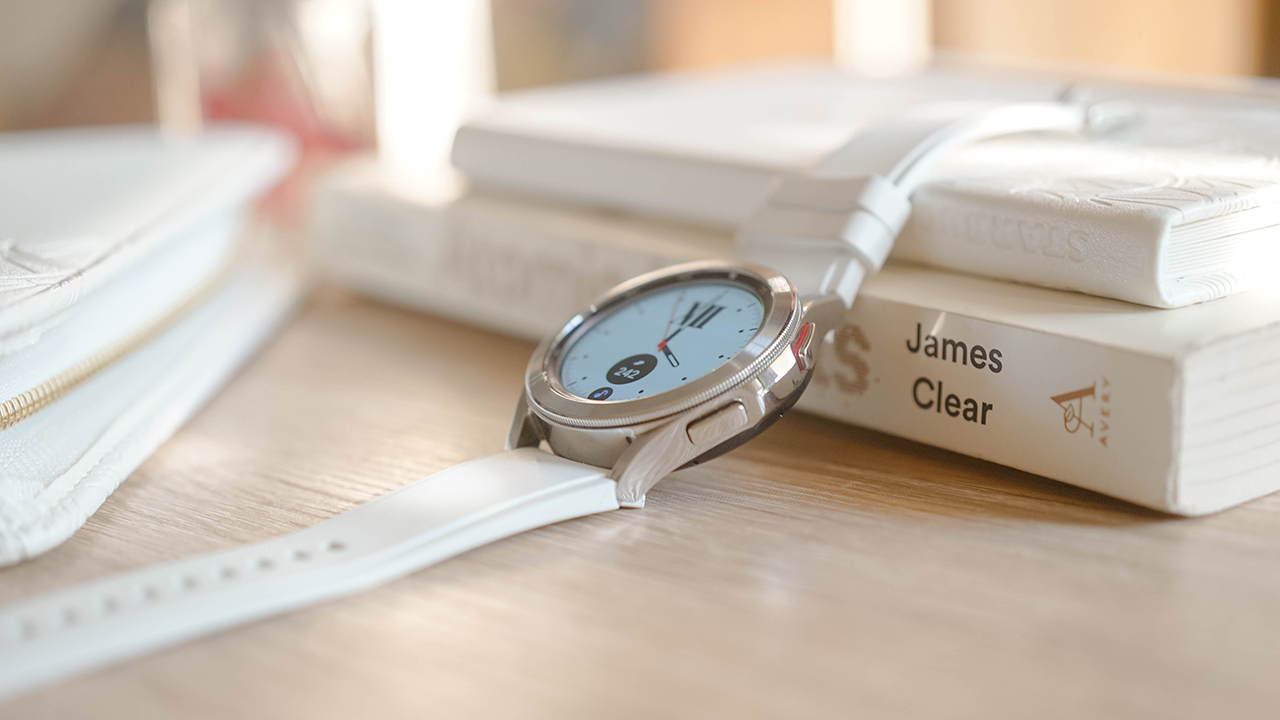
The Samsung Galaxy Watch4 Classic retails for PhP 17,990 for the 42mm variant, and PhP 19,990 for the 46mm variant. Both sizes are available in Black or Silver colorways. You can purchase it in Samsung’s Online Store, official stores, and authorized retailers nationwide.





Accessories
Father’s Day gift guide: Gadgets for every kind of dad
Dad deserves a gift that won’t collect dust after Father’s Day

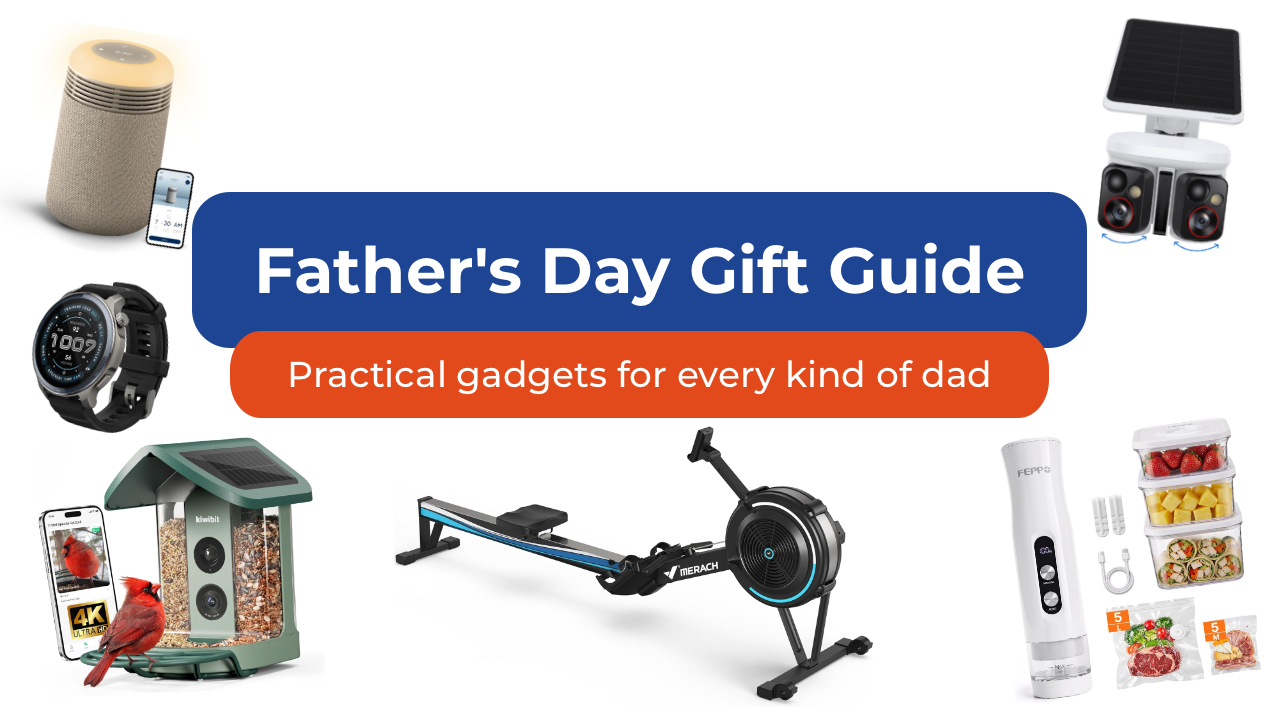
As we get older, Father’s Day shopping gets a lot easier when you stop thinking about the typical dad gifts. Especially since it’s not always your dad you’re shopping for anymore. It could be your grandfather who insists he doesn’t need anything. Maybe it’s your brother who just became a dad and is running on three hours of sleep. Maybe it’s your father-in-law.
Whoever it is, here are some of my favorite picks to give them this year. Spoiler alert: there are no “World’s Best Dad” mugs included in this list.
For the dad who wants a smarter home
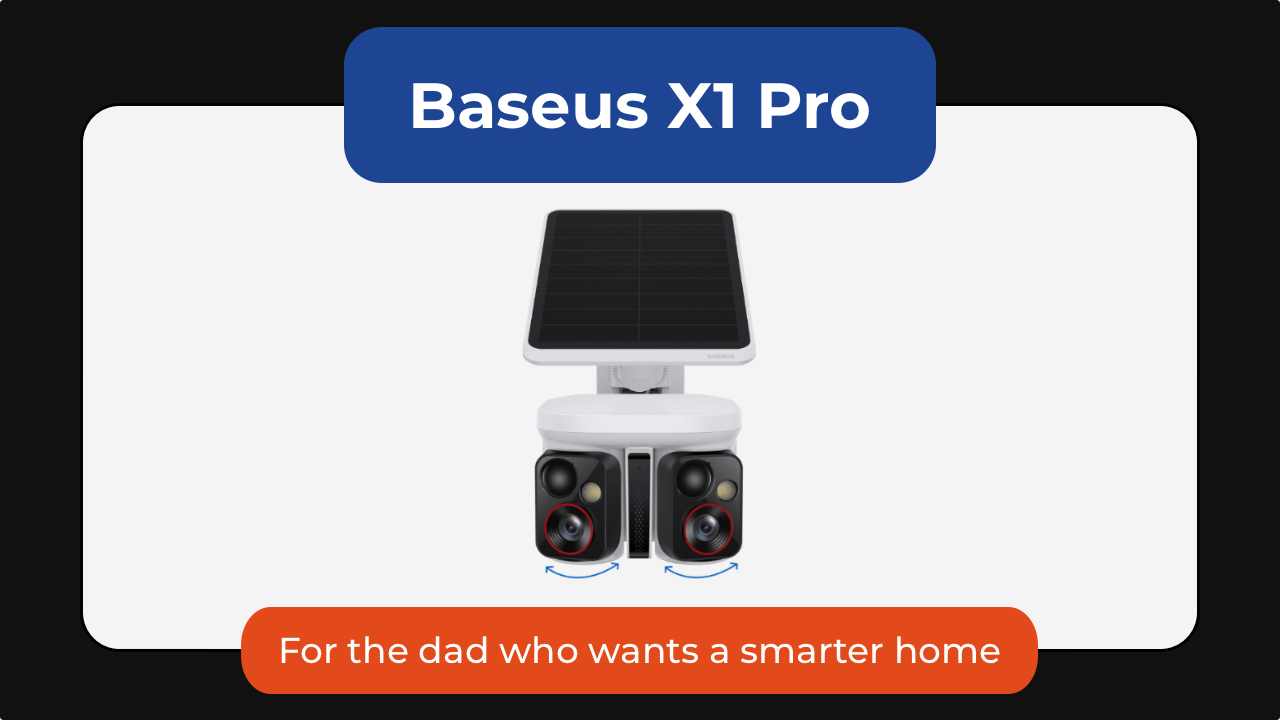
Some of the best tech is the kind you stop noticing because it just runs in the background. The Baseus X1 Pro dual security camera is one of those. It combines a dual-lens design with a wide 210-degree field of view and 300-degree motion tracking, allowing it to cover areas that would normally require multiple cameras.
What makes it stand out is its ability to track two subjects at the same time. Unlike traditional security cameras that can lose sight of one person while following another, the X1 Pro’s dual-lens system can independently follow both, creating a more complete picture of what’s happening around his home.
Its dual 3K cameras capture plenty of detail during the day, while color night vision and 8x zoom make it easier to identify visitors, vehicles, and other activity after dark.
The included solar panel means less maintenance for dad. As little as 20 minutes of direct sunlight can provide enough power for a full day of operation. It’s also got local storage with no monthly subscription fees.
You can get the Baseus X1 Pro for as low as US$119.99 using the code X1PROPRNO1 until June 30th.
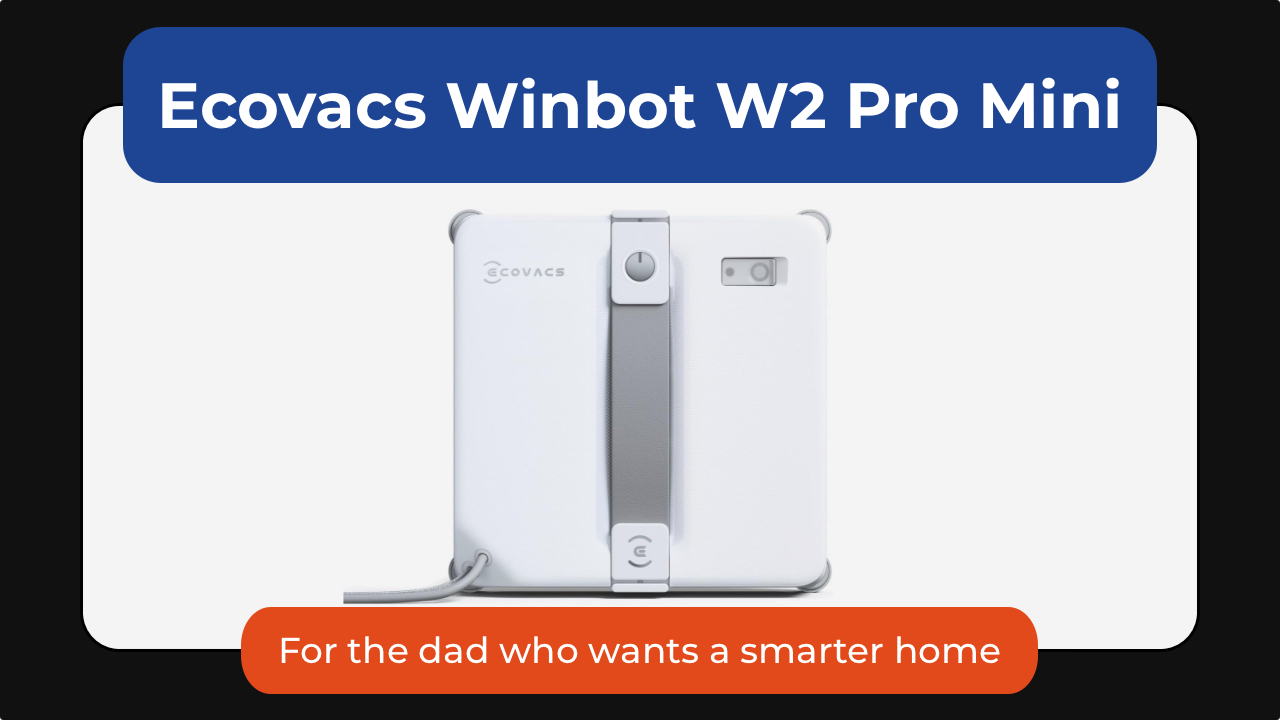
And then there’s the Ecovacs Winbot W2 Pro Mini, which solves one of the most ignored chores in any home: cleaning windows. Dad can attach it, let it run, and something everyone’s been avoiding for months just disappears from their mental checklist.
From large glass panels to smaller apartment windows, the compact robot cleaner uses intelligent WIN-SLAM 4.0 navigation to map out the most efficient cleaning path and avoid missed spots. Multiple cleaning modes let you choose between a quick refresh, deep cleaning, edge cleaning, or targeted spot cleaning depending on what the glass needs.
Hard-to-reach windows become less intimidating for dad to clean. Whether it’s a second-story window, a glass door, or a large mirror, the Winbot stays securely attached while it works, turning a tedious chore into a hands-free task.
You can get the Ecovacs Winbot W2 Pro Mini for just under US$240.
For the dad who’s always in the kitchen
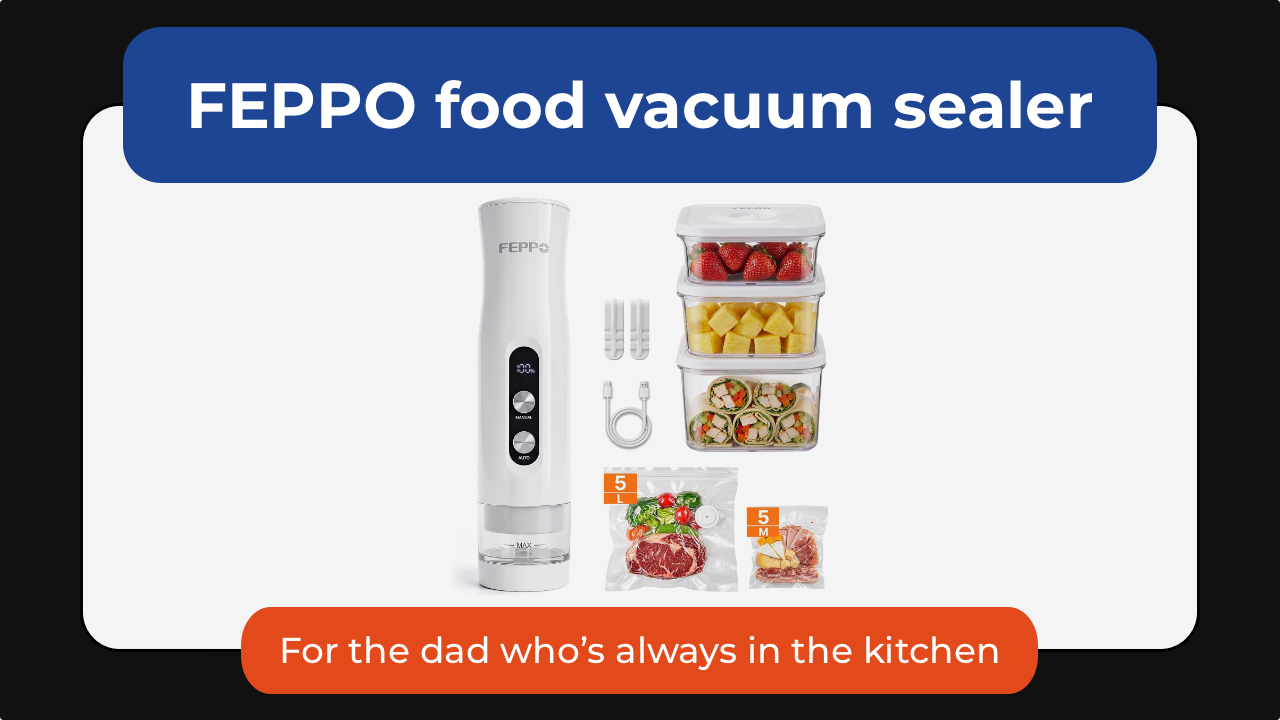
Every family has someone who treats grocery shopping like strategy. If that sounds like your dad, then the FEPPO compact food vacuum sealer is a great addition to the family.
It keeps food fresher longer, makes bulk buying from Costco more practical, and turns freezer storage a lot more organized.
Unlike traditional countertop vacuum sealers, the FEPPO is compact, cordless, and rechargeable, making it easy to store when not in use. Despite its size, it delivers strong suction and can seal food in just a few seconds with a single button press.
The included kit comes with 10 reusable BPA-free vacuum bags and three storage containers. The bags and containers are washable and reusable, s not only are you saving space in the fridge or freezer, you’re also helping reduce waste.
I also like that FEPPO designed it with a detachable water tank that collects excess moisture during the sealing process, making cleanup simpler and helping keep the machine running smoothly over time.
It doesn’t look exciting on paper, but once it’s part of dad’s kitchen routine, they’ll wonder how they managed without it, and thank you later.
Get the FEPPO Compact Vacuum Sealer for Food for under US$70.
For the dad who needs any excuse to be outdoors

Some dads are indoors dads. Others will take any excuse to be outside. The OGERY F21 camping fan is one of those small upgrades that makes outdoor time noticeably more comfortable—not just for them but for the whole family. Whether it’s camping trips, backyard BBQs, RV adventures, or just surviving peak summer heat, it’s a gift dad would surely appreciate.
What makes it stand out is its versatility. The adjustable tripod lets it work as either a floor fan or desktop fan, while the massive 20,000mAh battery can keep air moving for days on lower settings. It also doubles as an LED lantern and emergency power bank, perfect for camping camping and even power outages.
Dad will love the wide-angle oscillation and the included remote control so he can sit back and relax while cooling down.
The OGERY F21 Camping Fan is available for US$89.99.
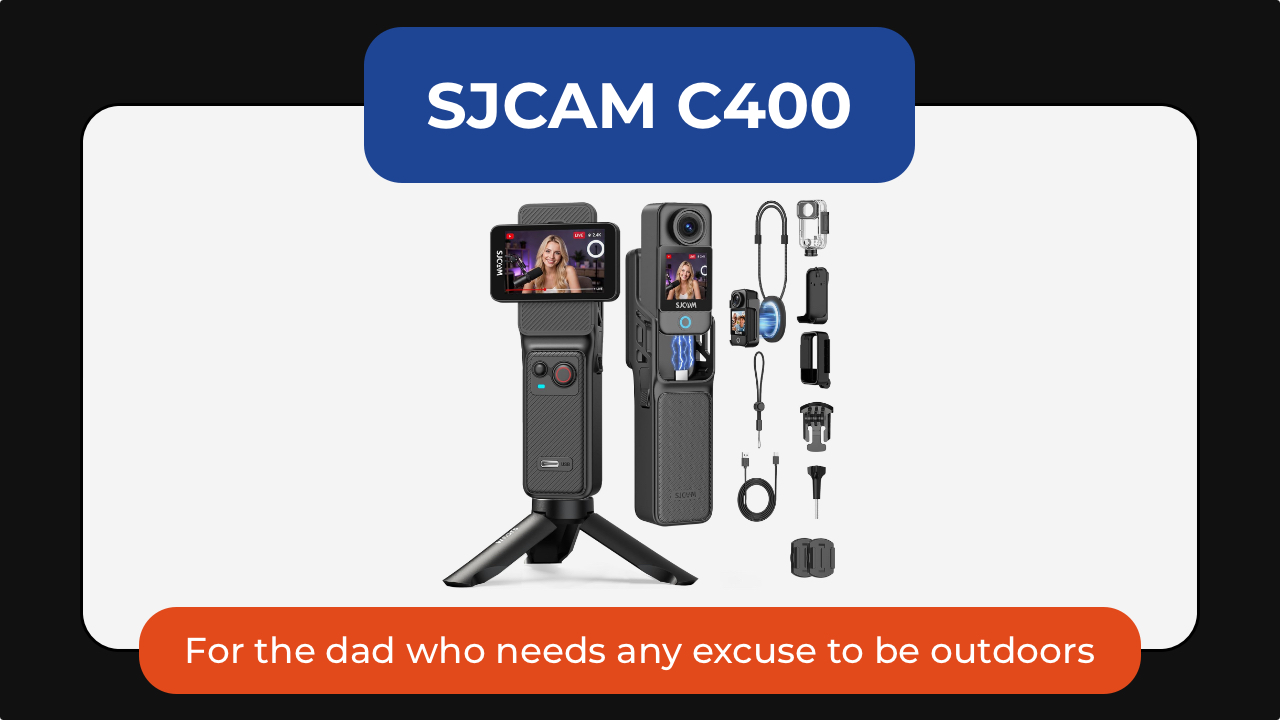
The SJCAM C400 action camera is for the dad who is always doing something worth remembering: biking, fishing, hiking, skiing, traveling, or just being the unofficial family photographer.
It captures 4K video through a wide 154-degree lens, making it easy to record everything from scenic landscapes to fast-moving action. Built-in 6-axis image stabilization helps keep footage smooth even when the camera is mounted to a bike, helmet, or backpack. Its battery life is rated to last up to seven hours so his adventures get documented before needing a top up.
The C400 also supports features like slow motion, time-lapse, and wireless app control, making it equally useful for adventure loving dads or one who simply wants a hands-free way to capture family memories.
Get the SJCAM C400 Action Camera for US$179.99.
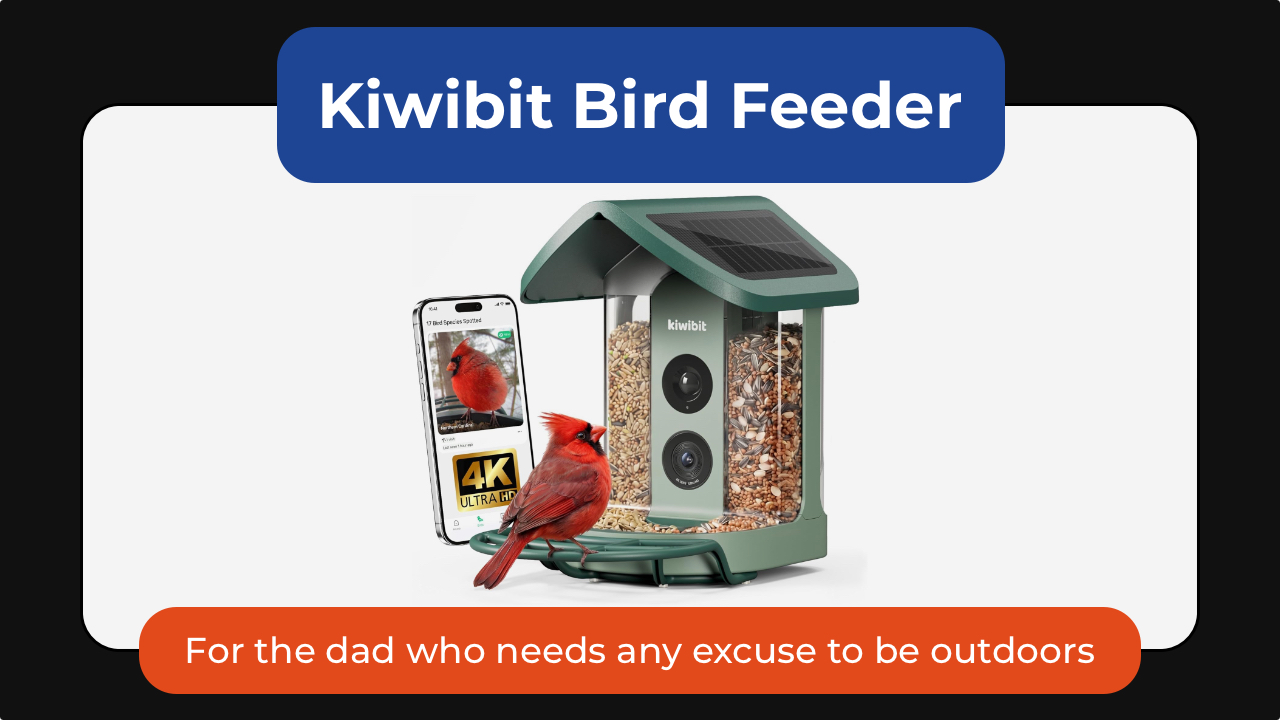
And the Kiwibit smart bird feeder turns into something unexpectedly addictive. It’s the perfect gift for the dad who enjoys slowing down and appreciating the little things.
The built-in camera captures 4K video and 8MP photos through a wide-angle lens, allowing you to watch visiting birds up close and even check in after dark with infrared night vision. Two-way audio also lets you listen in on the activity happening outside.
For dads who enjoy learning, Kiwibit’s AI can identify more than 10,000 bird species and send alerts whenever a new visitor arrives. The companion app automatically creates galleries and summaries, making it easy to keep track of backyard regulars.
The feeder itself is thoughtfully designed, too, with a solar-powered roof, removable battery, and a dual-compartment seed hopper that can attract a wider variety of birds. It’s the kind of gift that would keep delivering small moments of joy long after Father’s Day is over.
For the dad who treats his car like a second home

Cars collect everything. The FEPPO cordless vacuum handles the everyday mess: crumbs, dust, snack debris, pet hair, and whatever else somehow finds its way into the car. Powered by a brushless motor, it delivers strong suction while remaining cordless and easy to maneuver around tight spaces like dad’s car.
What makes it particularly useful for busy households is its thoughtful design. The anti-tangle brush helps prevent hair from wrapping around the roller, while a multi-stage HEPA filtration system captures fine dust and allergens before recirculating cleaner air.
Long battery life means it’s ready for quick cleanups without constantly needing a recharge. The different attachments make it easy to clean around the house or car.
The best part is you can get the FEPPO Cordless Vacuum Cleaner for under US$200.
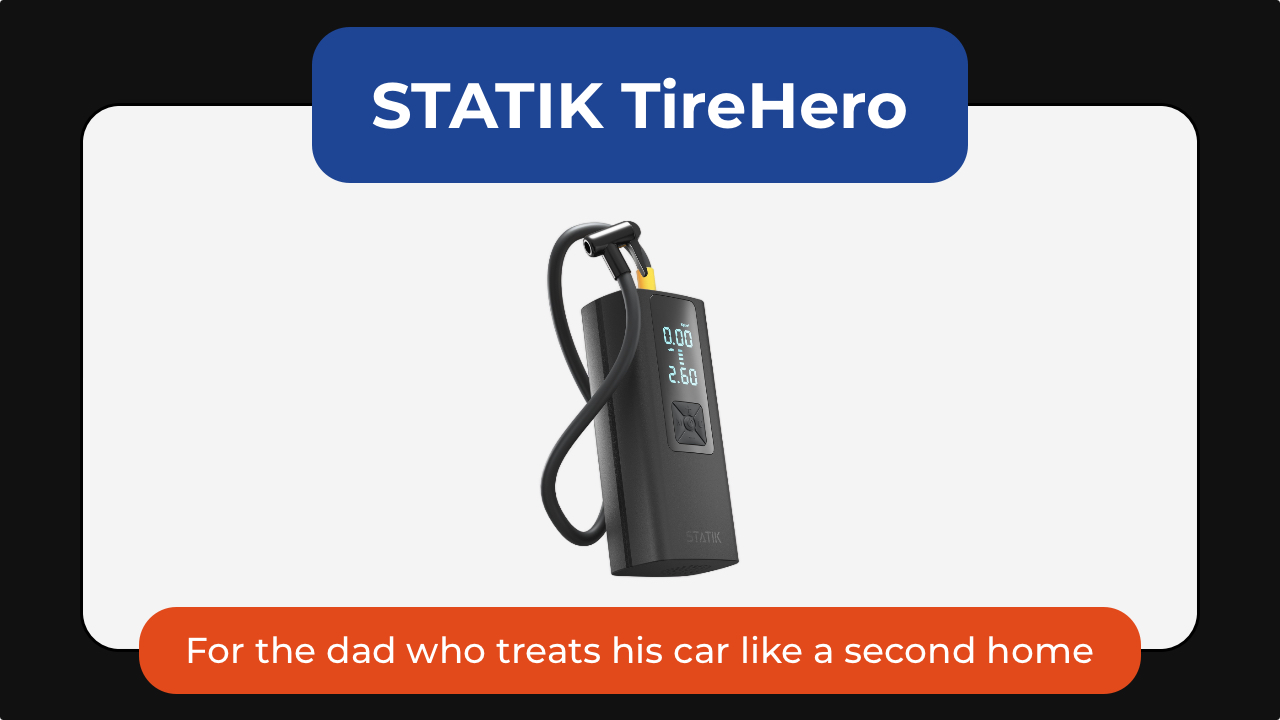
The STATIK TireHero tire inflator is the tool you never think about until you reallyy need. It lives in the glove box until the exact moment it saves you from a low-pressure warning, a road trip delay, or a late-night stop at a gas station air pump.
Beyond inflating car tires, it can also handle bike tires, sports balls, paddleboards, air mattresses, and other inflatables, making it surprisingly versatile for road trips, camping, and family outings. It even doubles as a portable power bank for charging a phone in an emergency and includes a built-in flashlight for nighttime use.
It’s a practical gadget that may not feel exciting when dad unwraps it, but becomes invaluable the first time he actually needs it.
The STATIK TireHero is available for US$59.99.
For the dad who brings people together
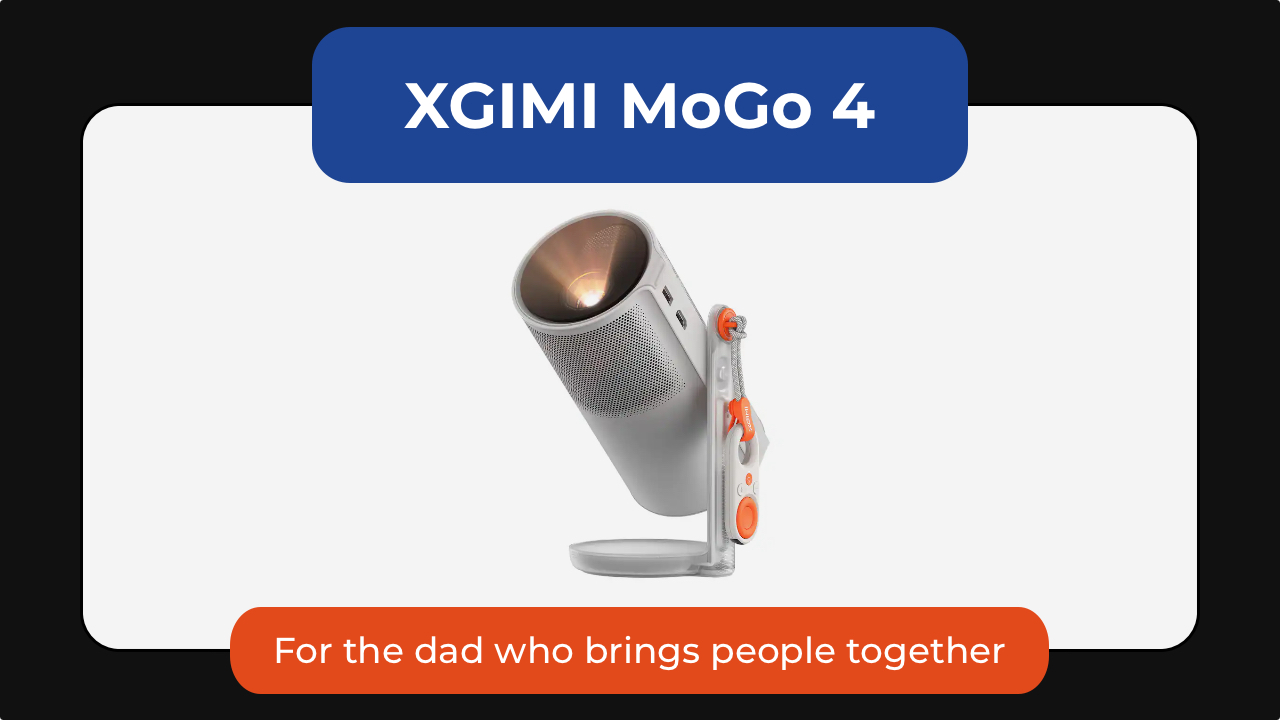
Some of the best gifts will keep on giving. The XGIMI MoGo 4 portable projector turns any blank wall into a movie screen. Dad can set up backyard movie nights, World Cup watch parties, or casual weekend hangouts without needing a dedicated entertainment room.
What makes the MoGo 4 special is how portable it is. About the size of a tumbler, it’s easy to toss into a bag for camping trips, vacations, or visits with family. The built-in battery provides up to 2.5 hours of viewing time so you can enjoy a movie without needing to plug it in. It’s also got a 360-degree adjustable stand and automatic image correction to make setup almost effortless.
Despite its compact size, it delivers Full HD 1080p visuals, built-in Harman Kardon speakers, and Google TV with licensed Netflix support.
The XGIMI MoGo 4 is now US$469.

The Liiton American Peaks whiskey decanter set is for dads who have had a stressful year. It helps them slow down, unwind, and appreciate the ritual of pouring a drink at the end of a long day.
Inspired by some of the most iconic mountain ranges in the US, the set includes a crystal decanter and four whiskey glasses featuring detailed 3D mountain impressions molded into the base. Beyond looking beautiful on a bar cart, the mountain design helps chill and aerate the drink. Place the glass in the freezer and in just 18 seconds he gets a drink that stays cold until the last sip, thanks to its proprietary X1 Crystalline Chill Charge System.
Made from heavy lead-free crystal with a weighted base, the glasses feel substantial in the hand and elevate everything from bourbon to tequila. The included gift-ready presentation box also makes it feel like a truly special Father’s Day gift.
And because the set includes four glasses, it’s just as much about sharing a drink with friends and family as it is enjoying a quiet moment alone.
The American Peaks Whiskey Decanter Set is available for under US$130.
For the dad who likes to express himself
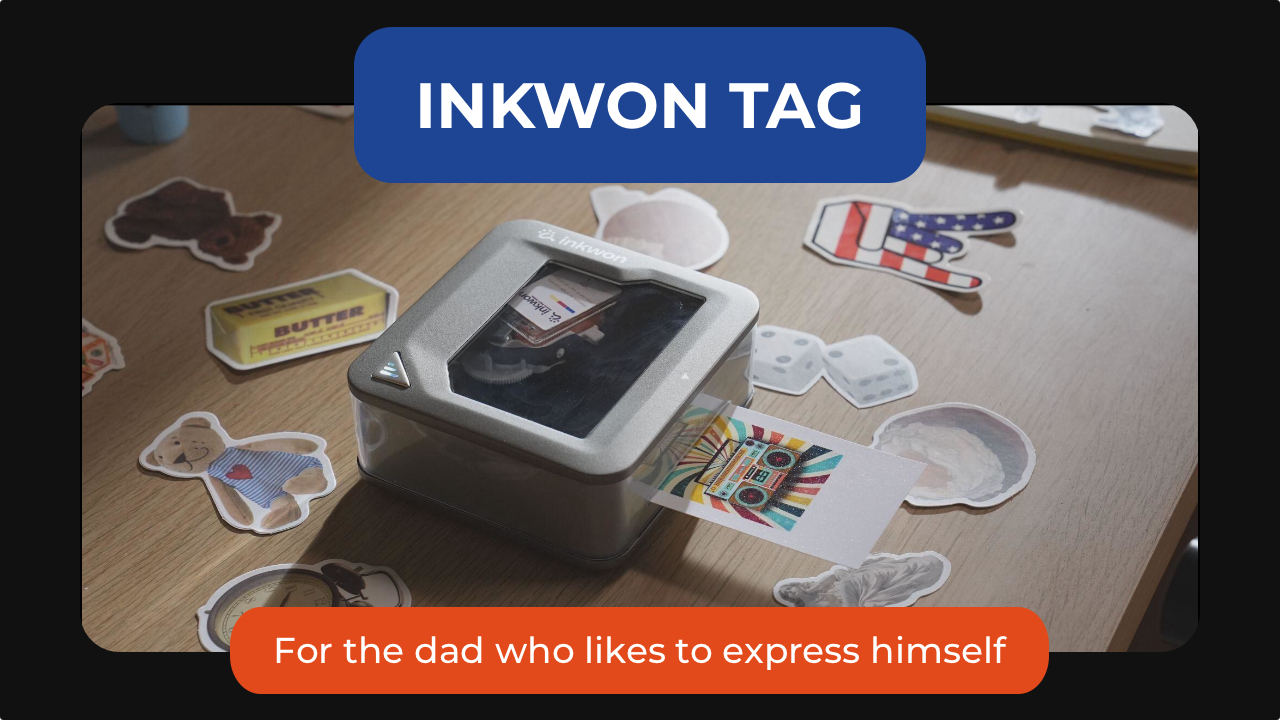
The INKWON TAG is probably the most unexpected product in this entire list. This pocket-sized printer can create stickers, temporary tattoos, iron-on transfers, and photos directly from a smartphone. Paired with the INKWON app, it can turn almost any image into something physical within minutes.
That’s where it gets fun. One day it might be custom stickers for a water bottle. Another day it’s temporary tattoos for his kids. It can even be used to create personalized shirts, tote bags, and keepsakes. For dads who enjoy making things, it’s the kind of gadget that sparks creativity long after Father’s Day is over.
The INKWON TAG starts at US$199.
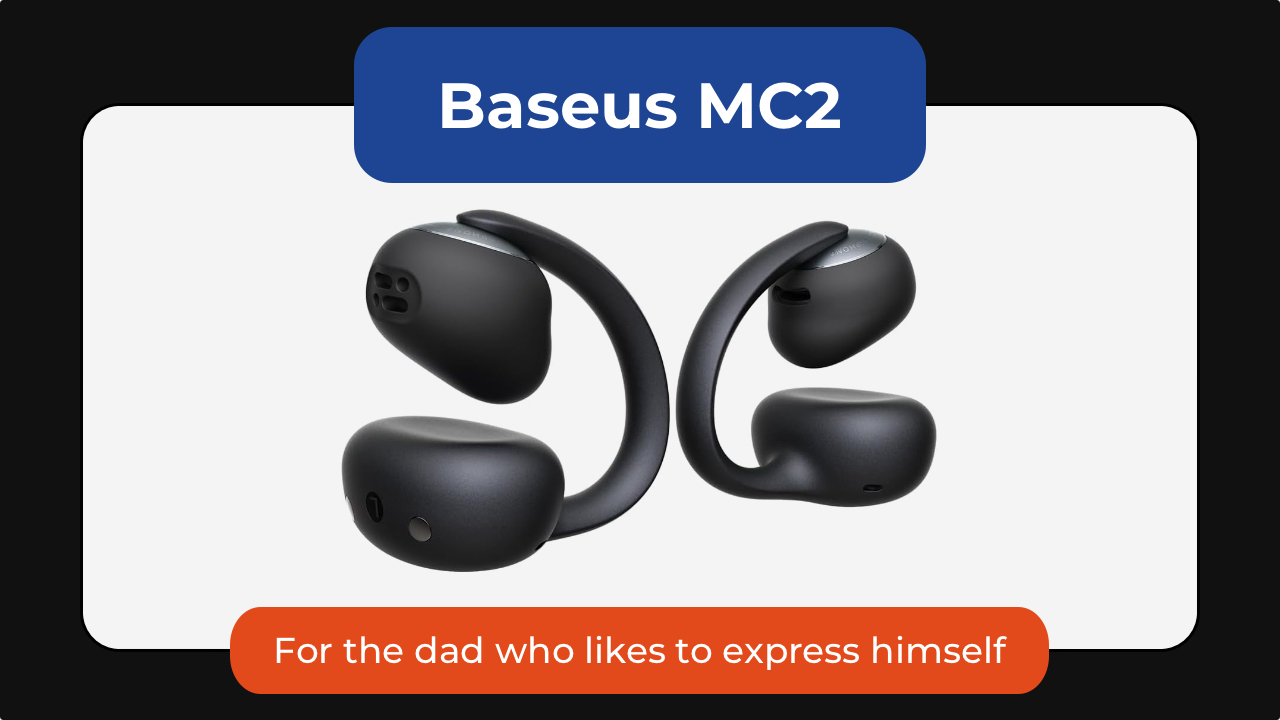
Not every gift needs to change someone’s routine. Some just make it slightly better.
The Baseus MC2 open-ear earbuds are for dads who always have something playing in the background. Unlike traditional earbuds, the open-ear design lets them enjoy music, podcasts, or audiobooks while staying aware of traffic, conversations, and everything happening around them.
They’re lightweight enough to wear for hours, offer impressive battery life, and deliver surprisingly rich audio despite their compact clip-on design.
Get the Baseus MC2 open-ear earbuds for US$49.99 using the code MC2OWSPR.
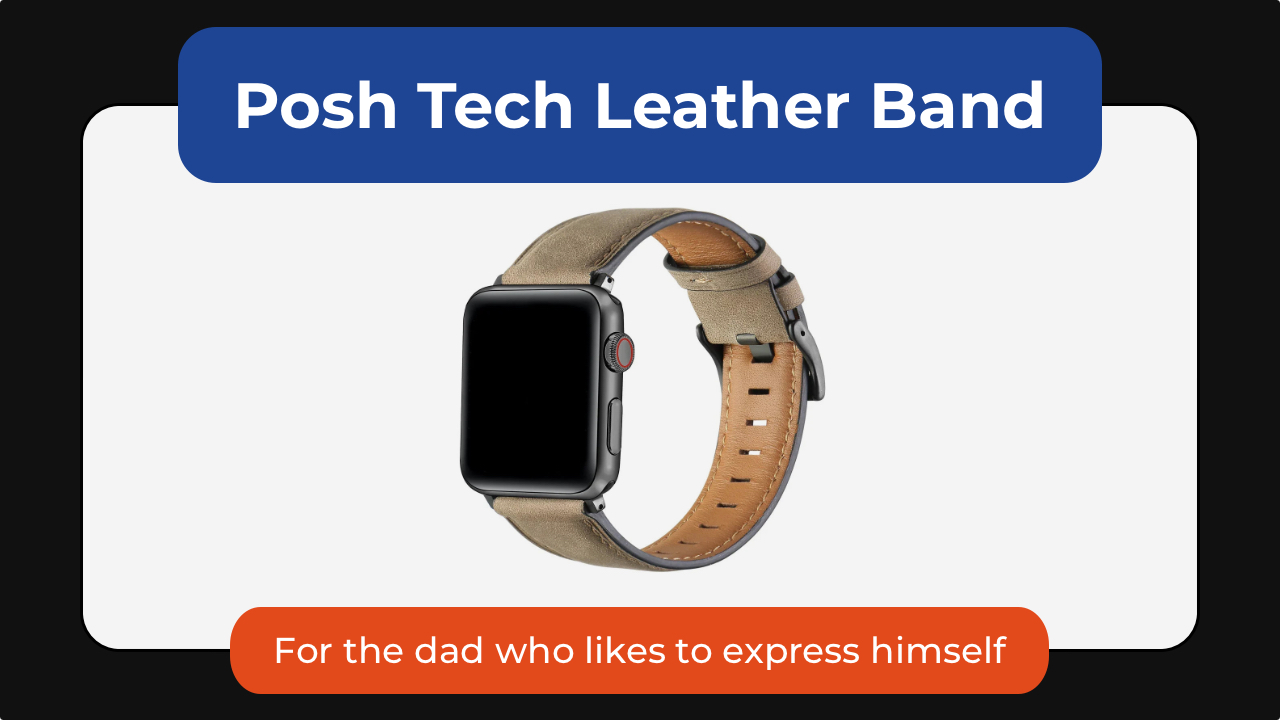
Then there’s the Posh Tech Hunt distressed leather Apple Watch band, which transforms one of the most common pieces of tech into something with a little more character.
Made from genuine distressed leather, it develops a worn-in look over time that feels more personal. It’s a simple upgrade, but one that can make an Apple Watch feel less like a gadget and more like an everyday accessory. It’s available for US$35.
For the dad who’s focused on staying well
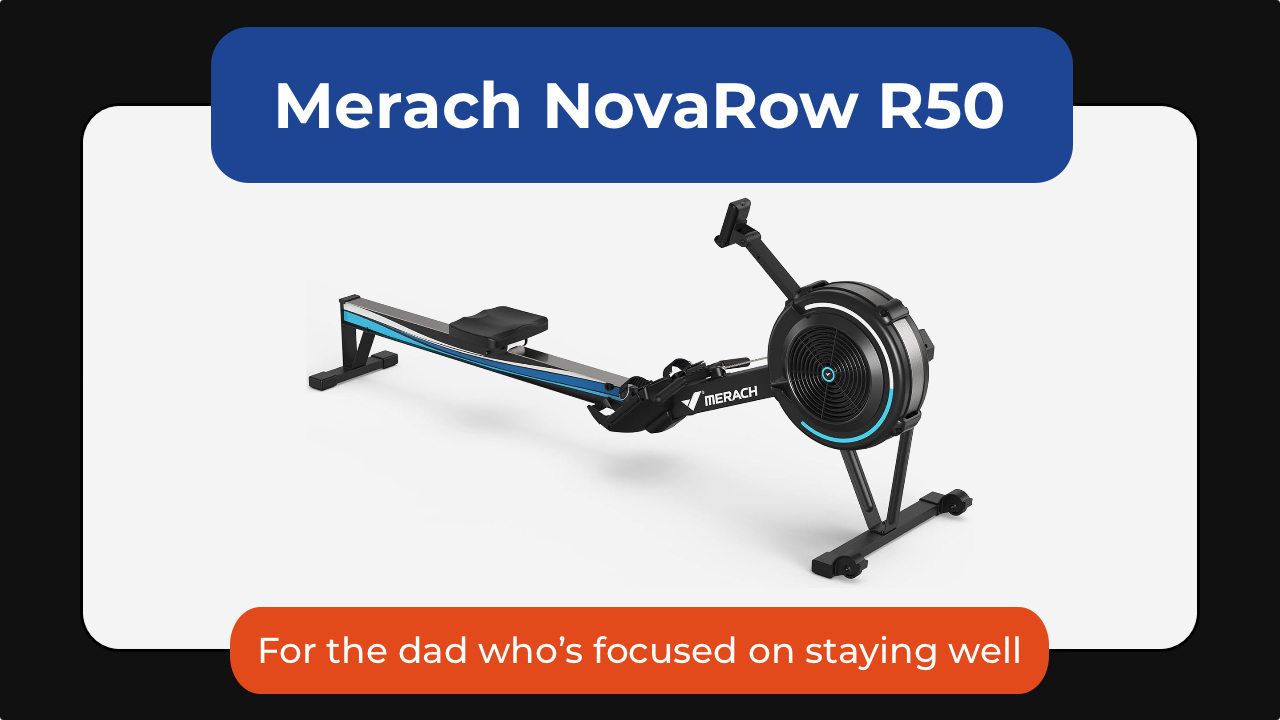
The Merach NovaRow R50 rowing machine is one of the best examples of low-impact fitness that can stick. It’s a full-body workout that engages his legs, core, back, shoulders, and arms, all while being easier on his joints than running or other high-impact exercises.
What makes it work isn’t intensity; it’s consistency. The movement is smooth, the setup is simple, and the Merach app adds guided workouts, performance tracking, and scenic rowing routes that make it easier to show up again tomorrow.
With 10 levels of air resistance, it can grow alongside dad’s fitness journey, whether he’s just getting started or looking for a more challenging workout. It also folds for easier storage, making it a practical option for apartments and home gyms alike.
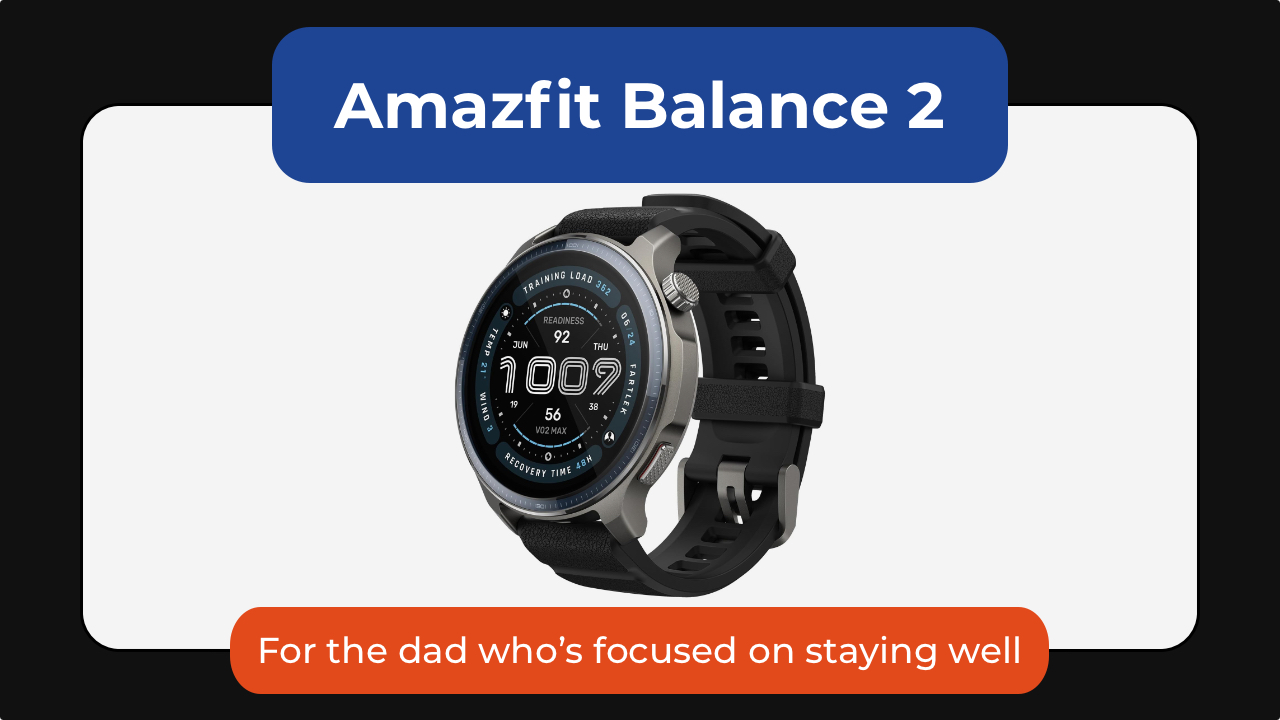
The Amazfit Balance 2 is one I gave to my dad, who’s almost 70. He’s not training for anything nor is he tracking performance. What the smartwatch has done is he is paying a little more attention to himself.
He checks how much he’s moved. He looks at his heart rate. He notices patterns he wouldn’t have thought about before.
At the same time, it scales up for someone who is more active. With over 170 sport modes, recovery insights, golf mapping, scuba support, and up to 21 days of battery life, it’s a great smartwatch no matter the recipient’s fitness level.
Get the Amazfit Balance 2 for US$299.99.
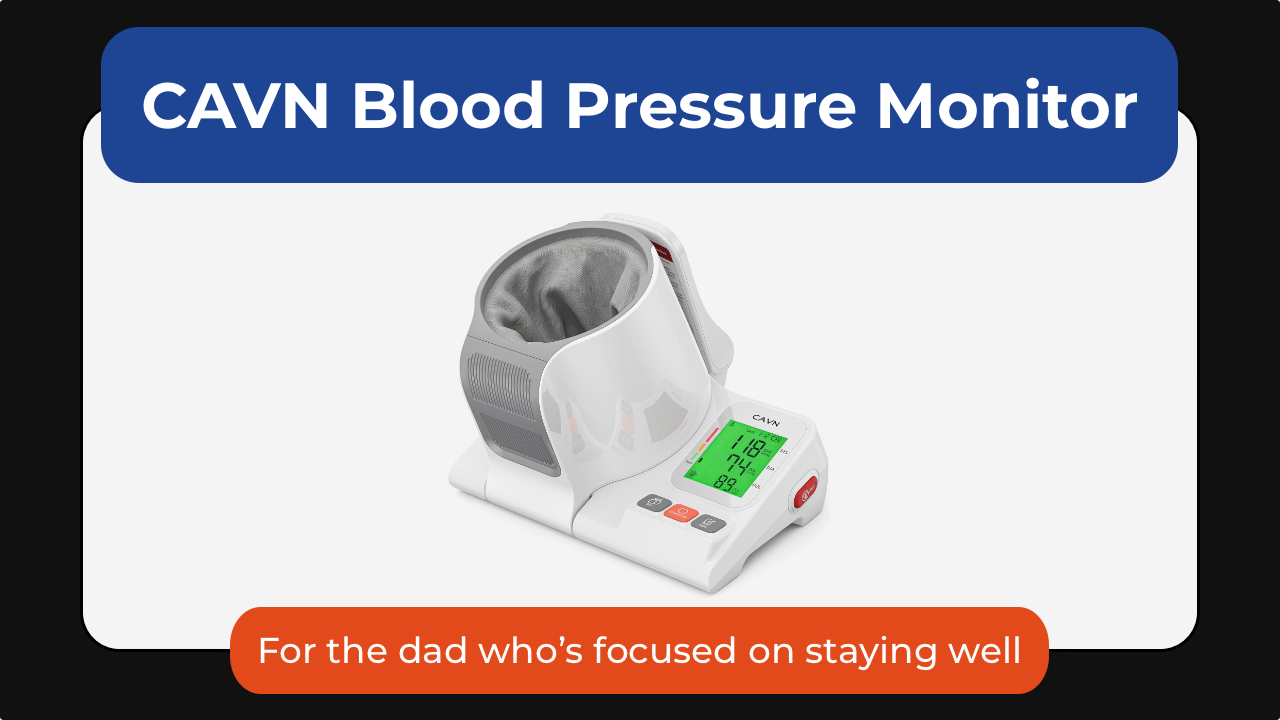
And then there’s the CAVN blood pressure monitor.
Instead of being intimidating or clinical, it’s designed to be simple enough for everyday home use. It’s got a barrel-style design with one-touch operation that removes the hassle of wrapping a cuff properly. Dad can just slide his arm in, press a button, and it does the rest.
It also supports multiple users, stores readings over time, and makes it easier for families to track trends. The large display and color indicators also make it more accessible for older users, too.
The CAVN Blood Pressure Monitor is available for US$179.99.
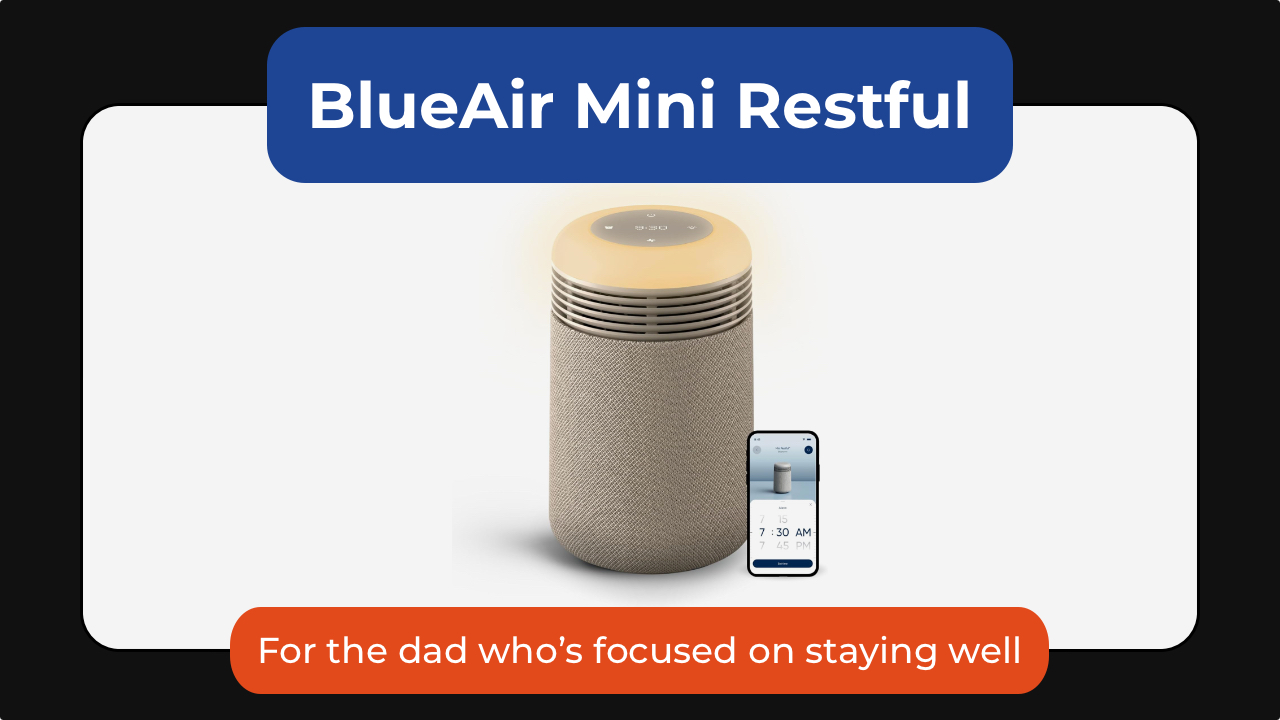
The Blueair Mini Restful sunrise clock air purifier takes a different approach to wellness by improving the environment dad sleeps in.
It combines a medical-grade air purifier, warm evening lighting, and a sunrise-style alarm clock into a single bedside device. Blueair’s HEPASilent filtration technology removes airborne particles like dust, pollen, pet dander, and smoke while operating quietly enough not to disturb sleep.
In the evening, the warm amber lighting helps create a more relaxing wind-down routine, while the sunrise alarm gradually brightens before wake-up time to make mornings feel less abrupt.
Thoughtful extras like soothing wake-up sounds, app controls, and a built-in USB-C charging port make it an easy addition to any nightstand. It’s an all-in-one device for cleaner air, better sleep, and calmer mornings.
The BlueAir Mini Restful is available in Coastal Beige and Midnight for US$199.99.
Health
Spring reset: Growing more at home with Auk Mini
From kitchen counter experiment to everyday habit
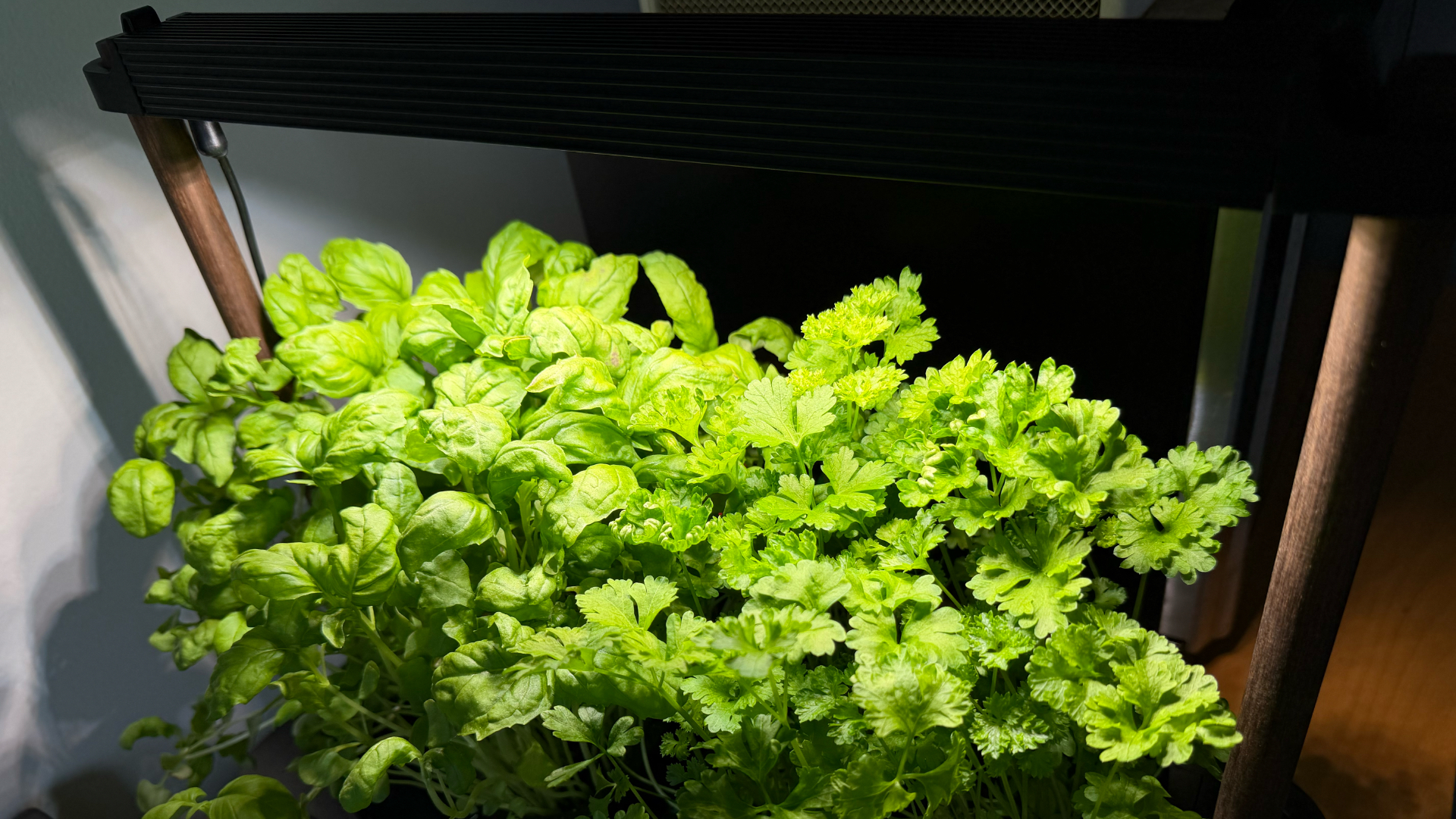
Spring and summer rolling around almost always makes me want to reset something in my routine.
A few years ago, it was growing broccoli sprouts in a jar. Getting the Auk Mini over Christmas felt like the natural next step.
From sprouts to something more
Starting with sprouts was easy. After having them at a family gathering, it clicked that I could actually grow something, even in our small apartment. Anyone, including my husband can do it on the kitchen counter, and upkeep takes less than a minute a day. Watching something grow and actually eating it made me realize how nice it is to have fresh greens around all the time.
The Auk Mini builds on that. Instead of just one thing in a jar, now I have herbs growing consistently at home.
Getting started was easy
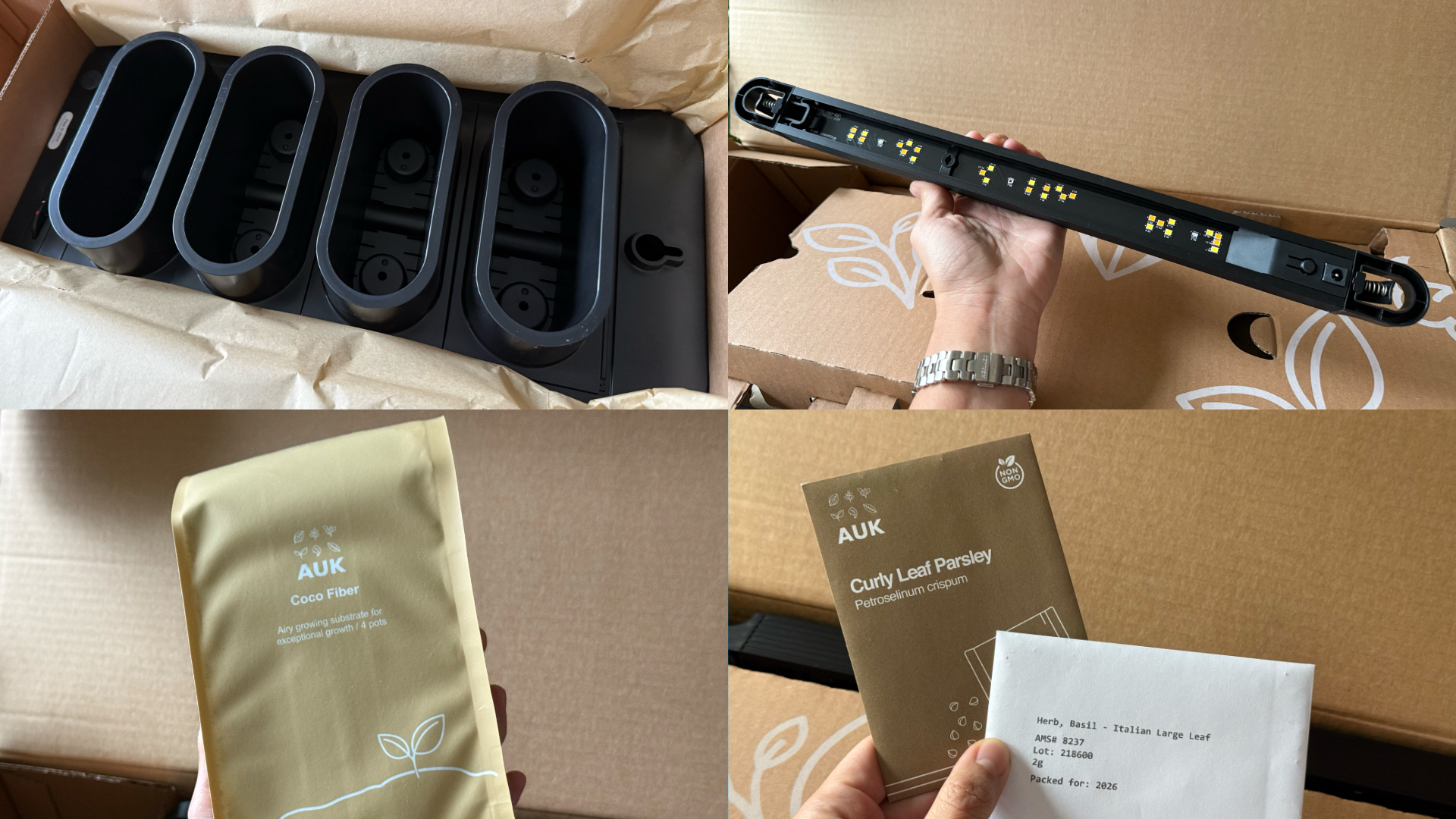
This was the part I was most unsure about, but it ended up being very straightforward. Setup took a few minutes, the instructions were clear, and nothing felt overly technical. The kit comes with everything you need to start: Auk Mini itself, seeds for planting, coco fiber, and nutrients that you add to the water to support both growth and flavor.
Once it’s up and running, it mostly takes care of itself. The lighting system handles what the plants need throughout the day, and the watering system keeps everything consistent. I have been away on trips, and I still come home to herbs that are healthy and fresh, waiting to be trimmed and added to my food.
It fits real life and small spaces

Fresh herbs growing beside my microwave
Living in a New York apartment, space is limited. While there are community gardens I could participate in, it’s not as convenient as having access to your own, especially when you’re in the middle of a snowstorm or a heatwave.
The Auk Mini sits beside my microwave, on a table that used to be my desk. It doesn’t feel like I added a new project to my life – it just blends in. I have the black and walnut version, which works well with the rest of my space, but it also comes in white, with oak or cork as other finishes, if you want something lighter.
Watching and competing
My husband and I set it up together and turned it into a challenge: who would harvest first?
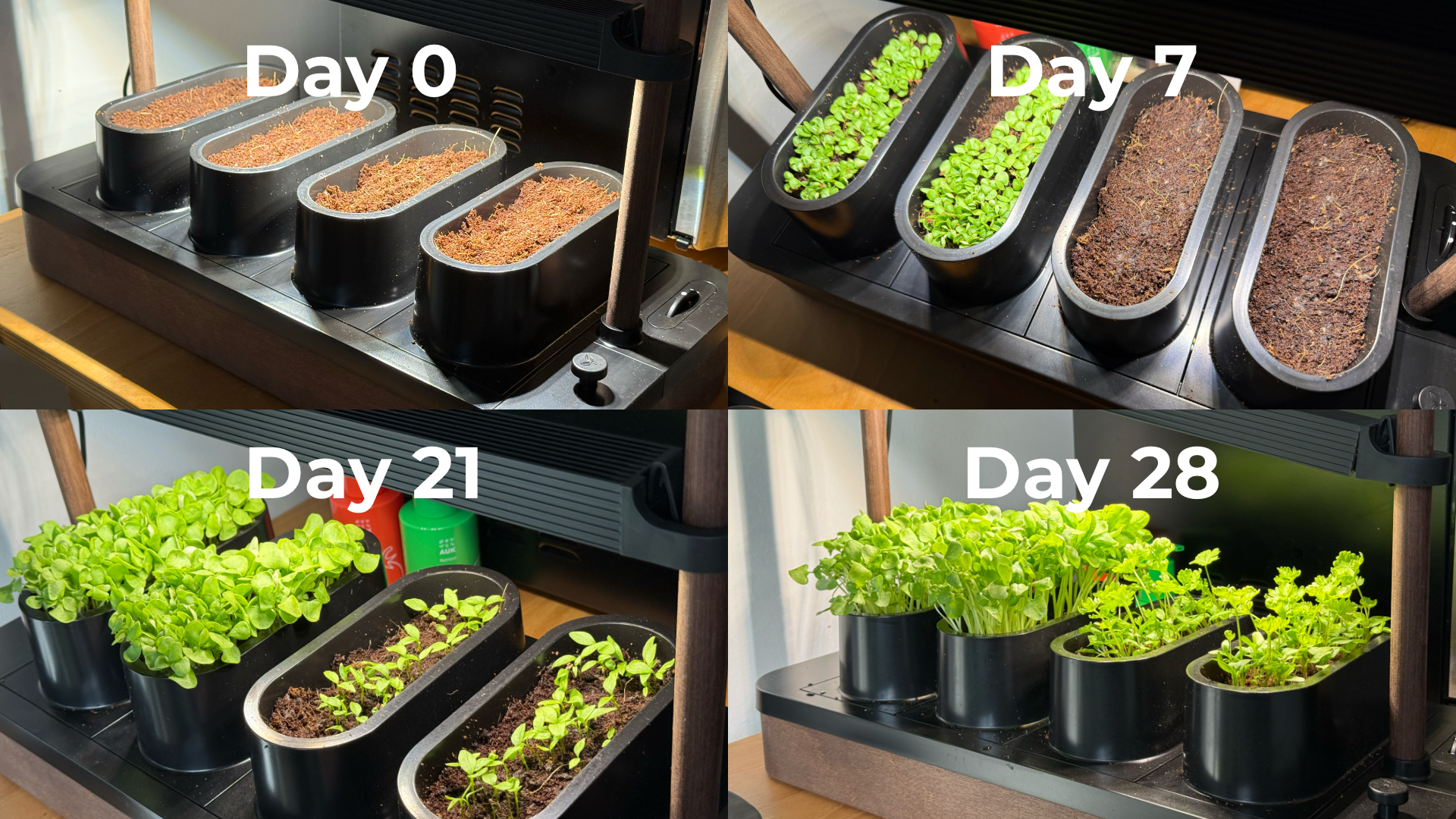
Our kit came with basil and parsley. He planted basil, which sprouted first. I took on parsley, which grew much slower and wasn’t ready for harvest until a little over six weeks later. The competition was a small thing, but it made the whole process more fun. We started paying attention to growth day by day, and it’s satisfying when you finally get to use what you grew.
One thing we learned pretty quickly is that different plants grow at different speeds, which can make lighting placement a little tricky in a shared setup like the Auk Mini. Since the basil grew faster and taller, we had to angle the light unevenly so it wouldn’t burn the basil while still giving the parsley enough exposure to catch up.
It changed how I use herbs
Basil and parsley used to be something I added as garnish. Now I’m using them all the time because they’re right within arm’s reach.

Learned to be creative and made pasta from scratch, made better with fresh herbs
I’ve been making sauces, marinades, pesto, even building meals and cocktails around them. It’s expanded the flavors we use in home cooking, and forced me to experiment instead of defaulting to our go-to recipes inspired by East Asian cooking. In fact, the biggest hurdle I’ve encountered is not having enough recipes in my repertoire that use herbs.
Even when a dish doesn’t call for it, I’ll cut some and add it anyway. Every time I did, it made the dish better. When something is always available and always fresh, you naturally start using more of it. And if you trim it properly, it just keeps growing back. It doesn’t go bad or get forgotten in the fridge.
You can grow anything you want
One of my favorite things about Auk Mini is that it’s not a proprietary system. They do offer other kits like a chili and tomato set or an Italian cuisine mix, but you can also grow your own choices.
I joined a Facebook group of Auk growers, and it’s been inspiring to see how others are using and expanding their indoor gardens. It makes me excited to try things that are harder to find or expensive in the U.S., especially vegetables and herbs I grew up with, like pechay, moringa, lemongrass, pandan, and kangkong.
A small step toward something bigger

Constant fresh herbs within reach
Growing herbs indoors reminds me of something from years ago. In university, I did an immersion program in a low-income community. We recommended sustainable food systems for the stay-at-home moms we met — including hydroponics systems — both as a source of extra income and fresh food.
That experience stayed with me, but I never acted on it. This feels like a small, techie version of that idea: a hydroponic system that works in real life, in a small space, and is easy to keep up with.
Is the Auk Mini your GadgetMatch?
Starting with sprouts showed me I could easily grow something. The Auk Mini showed me I can keep going and expand it. Now I have fresh greens ready whenever I need them.
It starts at $259, which isn’t the cheapest way to get into hydroponics. If you don’t use herbs on the daily like I do, the cost is even harder to justify. But that’s also why I recommend it even more. It’s convenient, it’s fresh, and at the same time it challenges you to be more creative with food.
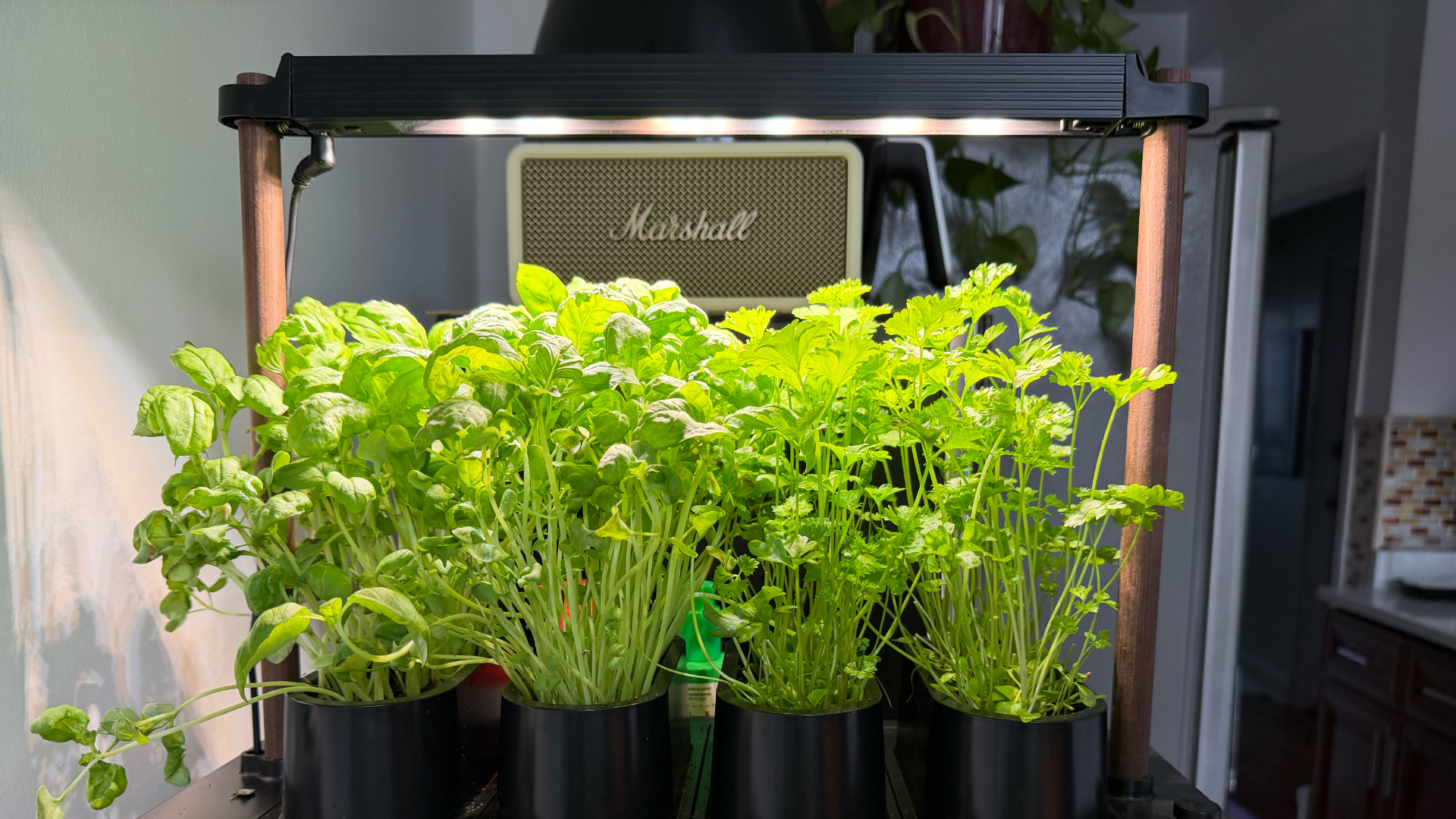
Basil and parsley keep growing in the Auk Mini after multiple harvests
Auk Mini’s ease of setup and maintenance, and flexibility make it worth it, especially if you don’t know where to start. It was a great hobby to start the year with, and an even better habit I’ve kept building on five months on. It’s given me confidence I can grow my own food for the rest of my life, one way or another.
Editor’s Note: Since this article was first published, Auk has updated the name Auk Mini to Auk Mini 1. They also announced the Auk Mini 2, currently on preorder starting at $199. This newer model has a smaller footprint, redesigned lighting, new colorways, and the ability to use larger plant pots.
Health
AIA Philippines rethinks what it actually means to be healthy
Move from just thinking about wellness to actually doing something about it

AIA Philippines recently hosted its first-ever Rethink Healthy Influencer Summit, bringing together over 200 creators, health experts, and advocates to flip the script on traditional wellness.
The goal was to prove that being healthy isn’t about extreme lifestyle overhauls, but about the small, brave choices we make every day.
The summit follows a recent study by AIA Philippines which shows that Filipinos are becoming more proactive. We are moving away from “enduring” health issues and toward a “ready” approach, understanding that our responsibility to our families starts with taking care of ourselves.

Breaking the “enduring” cycle
One of the biggest hurdles in local healthcare is the tendency to delay care until it becomes an emergency.
MediCard CEO Julian Mengual pointed out that many people wait until a health scare happens before they take action. This “enduring” habit doesn’t just hurt our bodies; it creates a massive financial burden later on.
AIA Life Planner Grace Quinto emphasized that having a plan — whether it’s an emergency fund or insurance — is actually an act of love for your family. It gives you the freedom to seek help early without the fear of draining your savings.

Real talk on mental wellness and burnout
The conversation got vulnerable during the mental wellness session with brand ambassador Wil Dasovich, MindNation co-founder Cat Triviño, and psychologist Dr. Francine Bofill. They tackled the reality of being “high-functioning” while struggling internally.
Wil shared that his most meaningful connections happen when he shows his setbacks, not just his highlight reel. The takeaway was clear: you don’t have to wait until you hit rock bottom to ask for help.
Mental wellness should be a regular maintenance thing, not a last resort.
Authenticity over perfection
Celebrity couple Nico Bolzico and Solenn Heussaff joined TikTok’s Charissa Kow to discuss how online content shapes our habits.
Solenn noted that real influence comes from honesty, while Nico reminded everyone that the “perfect” lives we see online are exhausting and, frankly, not real.

By being authentic about their own health journeys, they hope to inspire a culture where people feel empowered to express themselves without the pressure of being flawless.
Strength is about showing up
To close out the summit, Physical: 100 winner Amotti shared a grounded perspective on fitness.
For him, strength isn’t about being the most extreme person in the gym; it’s about consistency. By building simple routines for waking up, eating, and moving, health becomes a natural rhythm rather than a chore.

At the end of the day, the Rethink Healthy movement is about giving you the confidence to start. As AIA Philippines Chief Marketing Officer Melissa Henson put it, the focus is on turning intention into action.
Health is within reach, you just have to take that first brave step.

realme C100: Enduring and durable in spite of entry-level realities
Enough power but needs more agility


The ASUS ExpertBook Ultra wins you over
The laptop sneaks up on you


vivo X300 Ultra review: A “Whole Different Animal”
Got the beast (finally) unleashed!

Sony launches IER-M500 in-ear monitors
realme C100: Enduring and durable in spite of entry-level realities

Microsoft dictates that a new Fallout game is coming

New York becomes first state to ban smart glasses

HoYo FEST 2026 details announced; tickets on sale from July 16

Buyer’s Guide: TECNO SPARK 50 Pro vs SPARK 50 5G

TECNO’s SPARK 50 Pro is the latest budget smartphone battery beast

DJI Osmo Pocket 4P launches with dual lenses and a 1-inch sensor
vivo X300 Ultra review: A “Whole Different Animal”

Lenovo says RAM prices are not coming back down again


-
 Cameras2 weeks ago
DJI Osmo Pocket 4P launches with dual lenses and a 1-inch sensor
-
 News2 weeks ago
Lenovo says RAM prices are not coming back down again
-
 News1 day ago
New York becomes first state to ban smart glasses
-
Laptops1 week ago
The ASUS ExpertBook Ultra wins you over
-

 Gaming1 week ago
PlayStation goes all-digital in 2028
-

 Gaming1 week ago
Xbox might get rid of physical discs too
-

 Laptops1 week ago
ASUS launches the ExpertBook Ultra
-

 Enterprise1 week ago
Google ordered to pay EUR 4.1 billion in fines