
News
Android can automatically change your phone’s vibration strength
It’s called Adaptive Vibration


Vibration alerts are meant to be discreet. However, if your phone is on a hard surface, the formerly gentle buzz can turn into a jump scare. Now, as part of the ongoing developments for Android 15, Google is experimenting with a new feature called Adaptive Vibration.
Earlier this week, I/O 2024 introduced a host of features coming to Android 15. The most notable of which is an easier way to secure a device after it’s stolen. Days after the conference, the company is still introducing more features coming to this year’s major update.

As the name suggests, Adaptive Vibration will automatically adjust your phone’s vibration strength. Of course, even without the update, you can already manually adjust the strength per notification. In that way, you can easily tell what you’re getting, based on the strength of the vibration.
Adaptive Vibration works differently. The feature will use the phone’s microphone and other sensors to automatically determine the perfect vibration strength for where it is. For example, the phone will lower the strength if it detects that it’s on a table. Likewise, it will increase the strength if it’s on a soft couch.
To be clear, this feature is different from adaptive alert vibration. The latter turns down vibration strength if the phone is facing up. Adaptive Vibration, on the other hand, uses more context to determine strength.
The feature debuted in Android 15 Beta 2. Only testers will have access to the feature for now.
SEE ALSO: Android is making it harder for snatchers to steal your phone







News
Two new Xiaomi audio wearables join REDMI Note 15 Series
The Mijia Smart Audio Glasses and REDMI Buds 8 Lite


Xiaomi has launched two new audio wearables on the same day it launched the REDMI Note 15 in the Philippines.
These two wearables are the Mijia Smart Audio Glasses and the REDMI Buds 8 Lite.
The two new offerings expand Xiaomi’s ecosystem, bringing innovative features in different form factors to users.
Mijia Smart Audio Glasses
The Mijia Smart Audio Glasses house a speaker system and four built-in microphones in a stylish eyewear design.
This enables users to stay aware of surroundings while enjoying crystal-clear audio and 4.5m/s wind noise reduction.
It is an ideal accessory for city walks, outdoor travel, and even more discreet scenarios like meetings and calls with a new privacy mode.
This mode leverages a custom algorithm to ensure clear audio while significantly reducing sound leakage.

Inside the glasses are non-coaxial steel-cased batteries. Full charging takes just about an hour, and fuels up to 13 hours of music playback.
Users can connect the wearable to the Xiaomi Glasses app for greater customization and control.
The Mijia glasses are available in three styles: Titanium, Pilot-Style, and Browline. All lenses can be replaced with prescription ones if needed.
In addition, the Browline and Titanium come with up to 25% blue light protection lenses while the Pilot-Style features up to a 99.99% UV light blocking rate.
Pricing:
- Browline and Pilot-Style: Starts at PhP 10,999
- Titanium: Starts at PhP 12,999
REDMI Buds 8 Lite
On the other hand, the REDMI Buds 8 Lite are built for those who seek practicality and crystal-clear sound at the same time.
The buds house large 12.4mm titanium-diaphragm drivers for clear sound and rich detail. They support Bluetooth 5.4 connection for AAC and SBC audio codecs for high-quality audio across a wide range of devices.
Moreover, the REDMI Buds 8 Lite feature up to 42dB hybrid active noise cancellation, on top of a Transparency Mode.
The ANC uses a combination of talk and feedback microphones to effectively detect and suppress ambient noise.
And with the Xiaomi Earbuds app, users can tailor-fit the sound better to their liking with five pre-installed EQ modes and the option to customize EQ tuning.
The Buds 8 Lite is available in Black, White, and Blue starting at PhP 1,199.
Joining the two new Xiaomi audio wearables are other AIoT devices that are now available at online and offline Xiaomi stores: the Mijia Smart Air Purifier Max, Xiaomi Electric Scooter 6, and 6 Lite.
News
REDMI Note 15 Series unveiled: Price, availability in the Philippines
4 models available starting at PhP 9,999
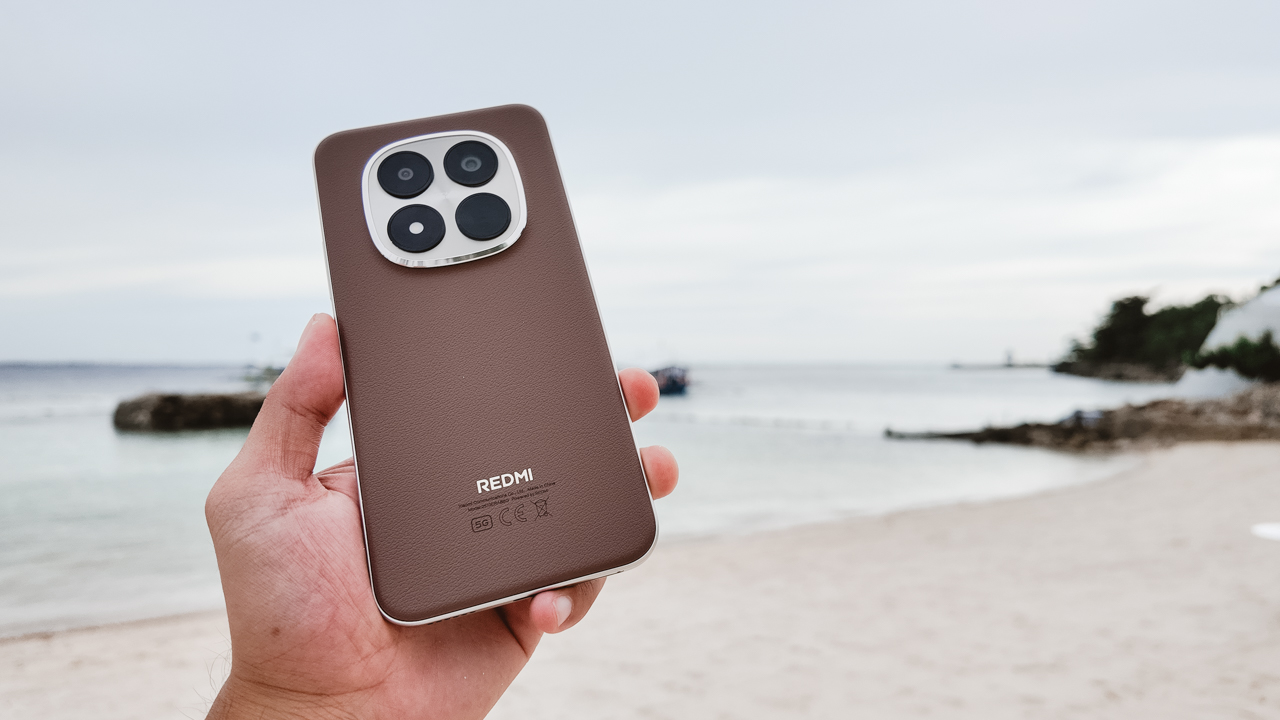
The REDMI Note 15 Series has been officially launched in the Philippines. It comes in four variants: the Note 15 Pro+ 5G, Note 15 Pro 5G, Note 15 5G, and Note 15.
Featuring “REDMI Titan Durability”, the lineup highlights long-lasting battery performance, reinforced drop resistance, and enhanced dust and water protection.
Alongside these physical upgrades, the REDMI Note 15 Series also comes with enhanced imaging capabilities, reliable performance, and a seamless overall user experience.
Xiaomi also introduced the Mijia Smart Audio Glasses and REDMI Buds 8 Lite, among others, expanding their ecosystem.
The top-of-the-line variants, the REDMI Note 15 Pro+ 5G and REDMI Note 15 Pro 5G, feature 6,500mAh batteries with 100W HyperCharge.
Making its REDMI Note Series debut, the Silicon-Carbon battery technology enables higher energy density within a compact form factor.
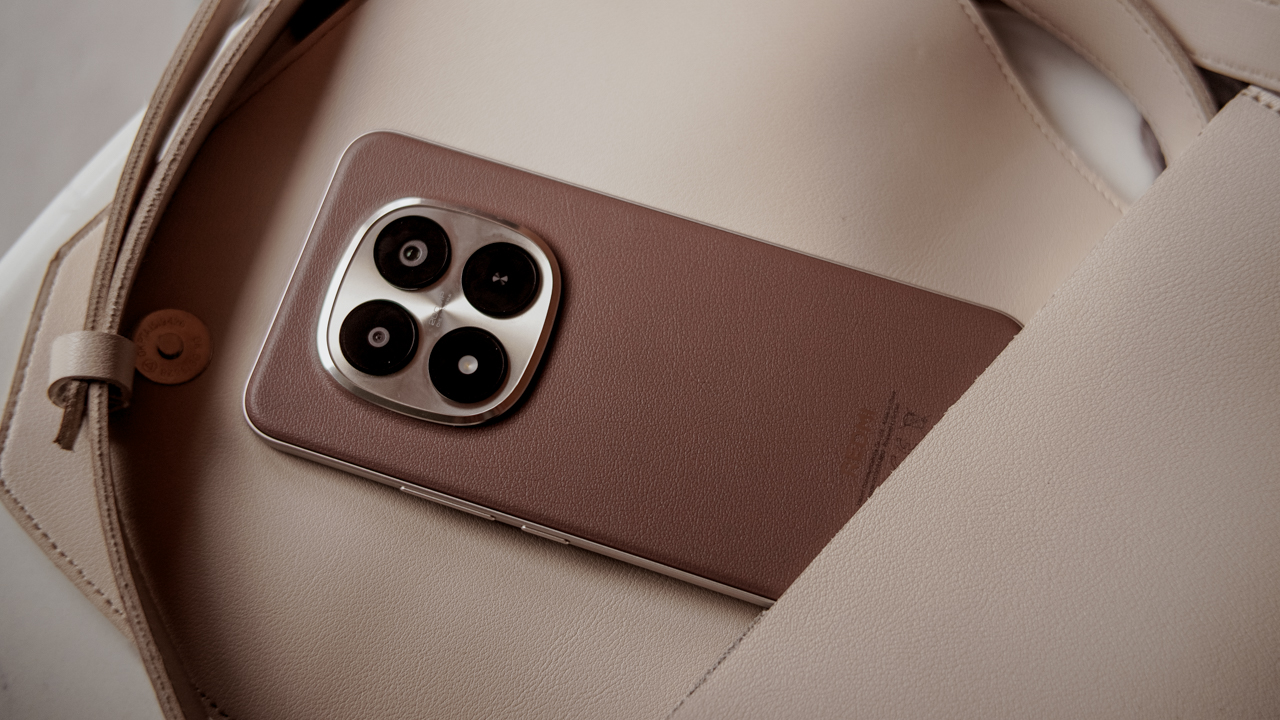
The Pro variants also come with better protection, with the Pro having a Corning Gorilla Glass Victus 2 and the Pro+ having a tough fiberglass back panel.
In addition, the Pro+ comes with IP66, IP68, IP69, and IP69K dust and water resistance ratings.
Meanwhile, the REDMI Note 15 5G and REDMI Note 15 house 5,520mAh and 6,000mAh batteries, respectively. These two models also have SGS Comprehensive Shock and Drop-Resistance certifications.
Cameras
Onto the series’ cameras, both Pro models boast of a new 200MP ultimate-clarity camera, along with the global debut of a 200MP HPE image sensor.
This large, 1/1.4-inch sensor backs 2x and 4x optical-level in-sensor zoom, triple-focal length DAG HDR, and advanced AI processing. This way, users can get detailed and true-to-life images across in various lighting conditions.
The two Note 15 variants, meanwhile, come with 108MP main cameras. These offer up to a 3x optical-level telephoto experience.
Creative and AI-powered tools complement the shooting experience. There’s ultra-clear portrait algorithm, Dynamic shots 2.0, and AI Creativity Assistant on the Pro models.
Across the entire lineup are everyday creativity features like AI Remove Reflection and AI Beautify.

Upgraded performance, smarter connectivity
The REDMI Note 15 Series also delivers balanced performance in the segment. Powering the Note 15 Pro+ 5G is a Snapdragon 7s Gen 4 mobile platform and introduces the Xiaomi IceLoop cooling system.
The entire lineup also come with new generation Snapdragon and MediaTek chipsets for faster performance and smoother graphics.
All models support Google Gemini and Circle to Search with Google out of the box. The Pro+ also integrates Xiaomi HyperAI for a more personalized and intelligent experience.
And for enhanced connectivity, the Pro models support Xiaomi Offline Communication which allows for voice transmission even without network coverage.
Immersive audiovisual experience
In front, the series offers an upgraded viewing experience. The Pro models have 6.83-inch displays, while the base models have 6.77-inch screens.
These have up to 3,200 nits brightness and triple eye-care certifications. Complementing these are up to a 400% volume boost capability.
Price, availability

The REDMI Note 15 Pro models retail for the following prices:
- Note 15 Pro+ 5G: PhP 27,999 (Mocha Brown, Glacier Blue, Black)
- Note 15 Pro 5G: Starts at PhP 19,999 (Mist Purple, Black)
Early bird purchases (January 16 to 29) include a PhP 2,000 savings, Xiaomi Smart Band 10, and Black Box Gift Set.
From January 30 to February 8, the same freebies (minus the discount) are still available to claim.
On the other hand, the REDMI Note 15 base models are available for:
- Note 15 5G: Starts at PhP 14,999 (Glacier Blue, Mist Purple, Black)
- Note 15: Starts at PhP 9,999 (Glacier Blue, Purple, Black)
Customers can grab an additional PhP 1,000 off, REDMI Buds 8 Lite, and Xiaomi Black Backpack until January 29, with the two freebies available for purchases made until February 8.
Other perks include:
- 4-year battery replacement warranty
- 2-year liquid damage coverage
- 2-year front & back cover replacement
- 3 months Spotify Premium
- 3-month 100GB cloud storage
All models are now available across Lazada, Shopee, TikTok Shop, and mi.com.
Accessories
Sony ships its LinkBuds Fit Hatsune Miku edition to the United States
It will come with the special acrylic stand.

Hatsune Miku is finding her way everywhere. Last year, the pop icon built partnerships where you might have least expected one. Now, a recent collaboration has made it to new shores. Sony is shipping its recent partnership with Hatsune Miku in the United States.
In the middle of last year, Sony released a limited edition of the LinkBuds Fit featuring Hatsune Miku. Inside, the special variant is indistinguishable from the original series. However, it will have special colorway options, including the icon’s signature green.
Now, the limited edition is now available in the United States. It will be available for US$ 249.99.
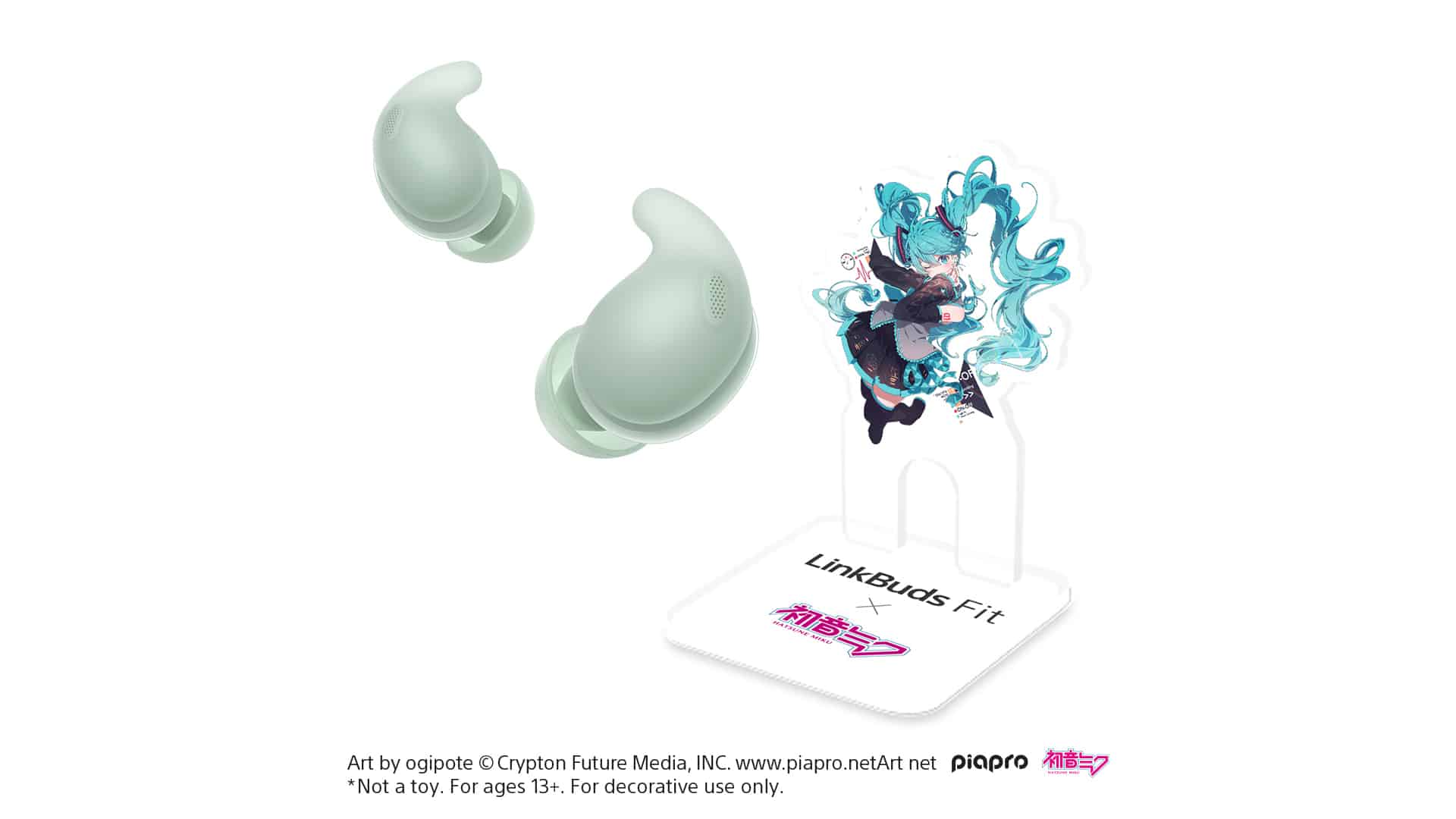
Like the first launch, buying the special edition of the earbuds will give fans a limited-edition acrylic earbud stand featuring newly illustrated artwork by Ogipote. It also features two original HoloModels of the character.
Further, those who purchased the device will get access to a special campaign song called “BELIEVE DAY” and an animated performance of the same song. Fans need only to register their product and install the HoloModels app.
SEE ALSO: Sony PH offers limited-time LinkBuds Fit x Hatsune Miku bundle


Mijia Smart Audio Glasses review: Immerse yourself in the music
Here's a unique way to listen to music.


POCO M8 Pro review: Goin’ loco over this POCO
POCO starts 2026 with some bang


HONOR Magic8 Pro Stage Mode at a TWICE concert
Good… with room to grow

Two new Xiaomi audio wearables join REDMI Note 15 Series

REDMI Note 15 Series unveiled: Price, availability in the Philippines
Mijia Smart Audio Glasses review: Immerse yourself in the music
POCO M8 Pro review: Goin’ loco over this POCO

Spotlight: ASUS Zenbook at CES 2026

Razer teams up with BLACKPINK for limited-edition gear

The Razer BlackShark V3 Pro might be the comfiest headphones I’ve tried

OPPO Find X9 review: Super Swipe material!

2025 GadgetMatch Approved Devices

HONOR WIN headlines the first 10,000mAh smartphone with built-in fan


-

 News6 days ago
HONOR X9d 5G launches in the Philippines: Price, preorder, availability
-

 Reviews2 weeks ago
OPPO A6 Pro: Adequate tool, no definitive punch
-

 Reviews1 week ago
HONOR Magic8 Pro review: What sorcery is this?
-
Camera Walkthrough1 week ago
HONOR Magic8 Pro Stage Mode at a TWICE concert
-

 CES 20261 week ago
The ROG Flow Z13-KJP brings your Death Stranding dreams to life
-

 CES 20261 week ago
First Look: Samsung Galaxy Z TriFold
-

 CES 20261 week ago
Lenovo Legion Pro Rollable Concept was possible thanks to TCL
-

 CES 20262 weeks ago
Samsung thinks AI works best together