
Lifestyle
How to disinfect your tech from the coronavirus
Here are a few tips to live by

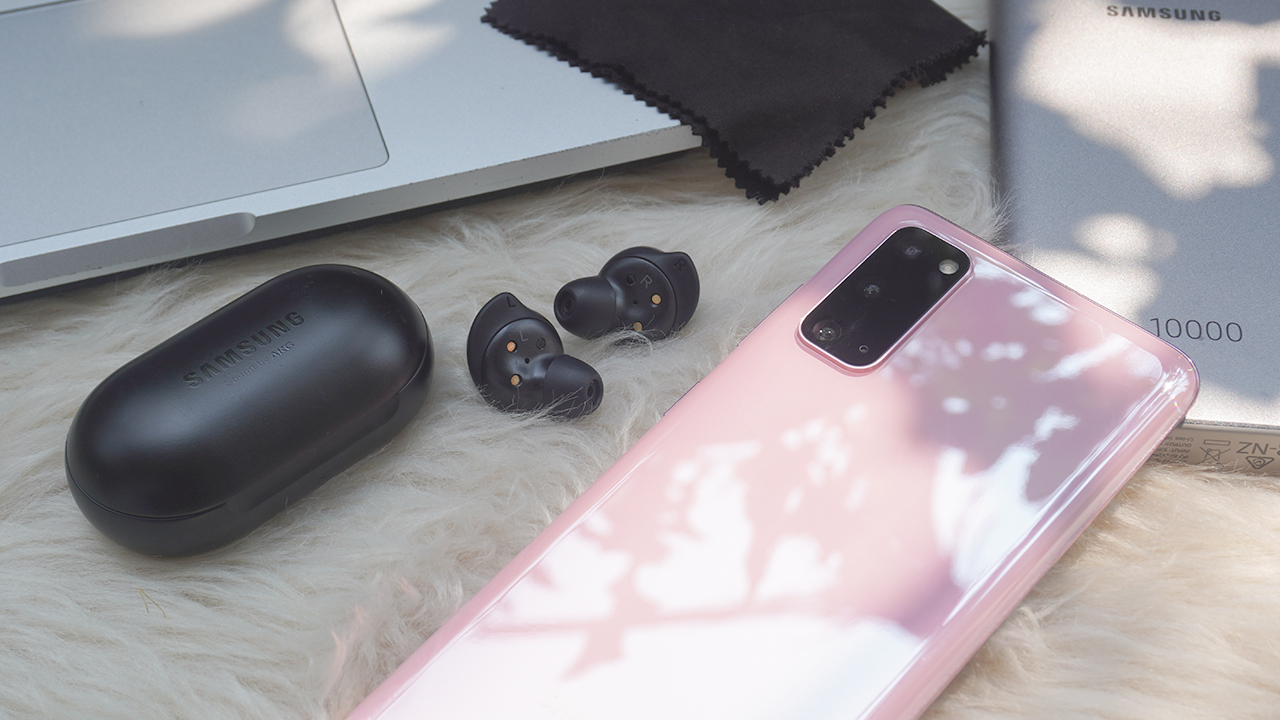
Time for a good boy and girl check! Have you been washing your hands for 20 seconds? Rubbing your hands raw with dollops of hand sanitizer? Covering every cough and sneeze? In today’s risky times, keeping yourself and others safe from the coronavirus is of paramount importance.
That said, for all the safety precautions hammered into us today, you’re likely missing one of the dirtiest, nastiest, and most bacteria-infested objects we use every single day: our smartphones. For dozens of moments every day, smartphone users fiddle with their screens with potentially unclean fingers, speak and spit into the microphone, and lend them to our friends and family.
Once a surface is contaminated with a disease, it can survive on that surface for several days to more than a week, according to this study of different coronaviruses. Our smartphones are gross.
The same even applies to other technology we use today: headphones, laptops, wearables. Given how serious we’re taking our own health, it’s time to finally lay the smackdown on those disgusting diseases plaguing our technology. Here are a few tech tips to sanitize your technology against viruses.
Wipe your phones.
Naturally, the simplest way to keep your phones clean is to wipe them clean. Of course, if you’ve read the backs of smartphone-cleaning cloths and solutions, you’ll know that wiping your phones isn’t as easy as wiping a smear from a window. Using the wrong material can damage your delicate daily drivers.
First off, use a cloth, especially those tailored for screens. Though phones are usually scratch resistant today, a coarser cleaning material — like a paper towel or a rougher cloth type — can cause small abrasions on your pristine screen or leave damaging residue. The same goes even more for third-party screen protectors, which aren’t rated for abrasions

Secondly, use the right solution. Abrasions aren’t the only thing you have to worry about. Most smartphone brands advise against alcohols because it ruins protective films on the phone. However, for our current situation, viruses constitute a greater threat than smartphone damage. You can use 70 percent isopropyl alcohol for the job, as Apple has suggested.
If you want a compromise between maintaining the intricacies of your phone and dealing with the virus, go for warm water and soap. Alternatively, you can use disinfecting wipes to save the trouble of wetting cloths.
Regardless of which you choose, wet your cloth with the solution and wipe thoroughly but lightly. You don’t want to break your phone from exerting too much pressure. Likewise, be careful around more delicate parts, like the camera lenses and open ports.
Clean your supplementary tech.
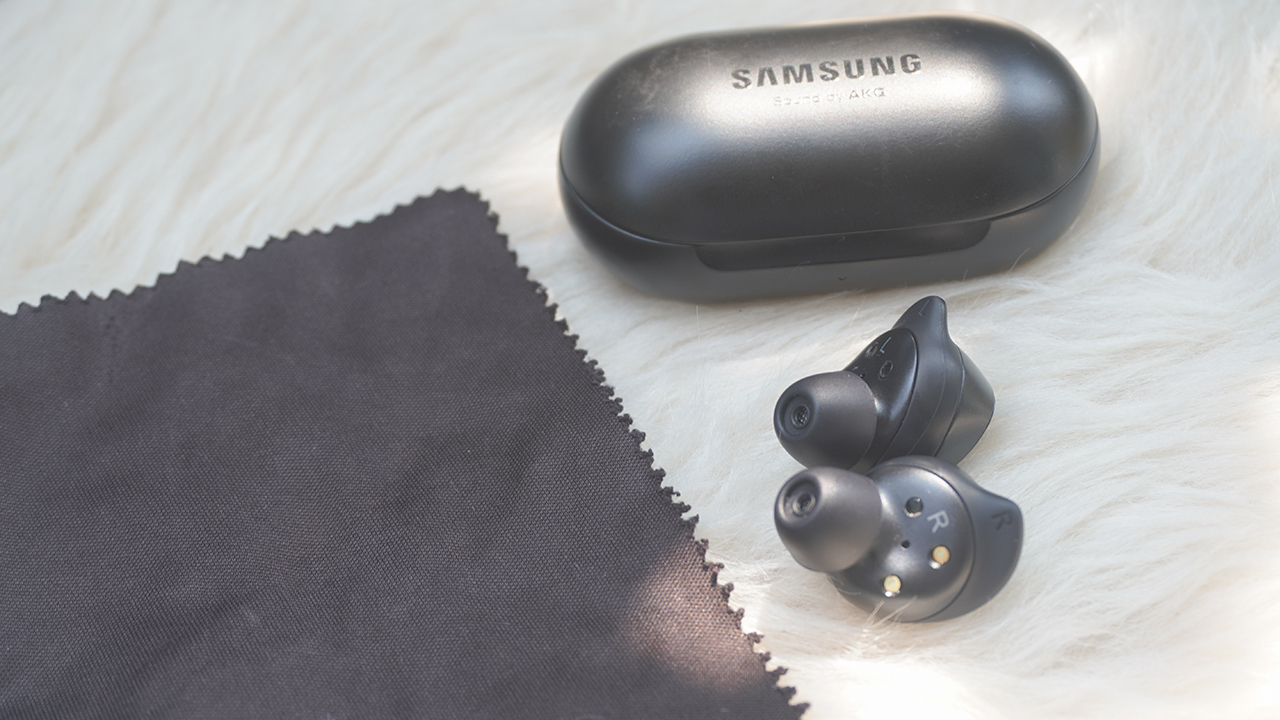
Smartphones are nasty. Your other devices are just as nasty. Consider the earphones that you stick into your eardrums every day. Or the smartwatch that catches all your sweat from the gym. Or the Amazon smart ring that nestles on your hand as you go through our daily routine.
As you wipe your daily drivers, your other devices could be festering nastier things from your dried bodily functions. Apply the same amount of caution to your other devices, especially after use.
If you take your wearables and earphones to the gym, wipe them down as you would the bench you used. Your sweat (and other people’s sweat, for that matter) can harbor disease. This includes the canals on your budded earphones or underneath your watch. However, as you did on your phone, take care over sensitive areas, like your watch’s screen or the wires of your earphones.
Keep wipes handy for public tech.
Now, let’s talk about the tech that you don’t own. Even today, it’s perfectly normal to use public computers, laptops, or chargers. If you’re in school or in an office, using these devices is probably even a requirement. If your institution hasn’t implemented telecommuting yet, you might be forced to use them at the risk of infection.
That said, keep a cleaning item handy when you’re out in public. You’ll never know when you’ll handle items touched by someone else. Most disinfecting procedures today only encompass doorknobs and stairways. Unfortunately, other items might be at risk as well.
On the other side of things, avoid lending your devices to other people during this time. In less trying times, device lending is a common thing. Unfortunately, with dangerous infection rates, having other people — even those you know — might not be a good idea.
Don’t spread misinformation from your devices.
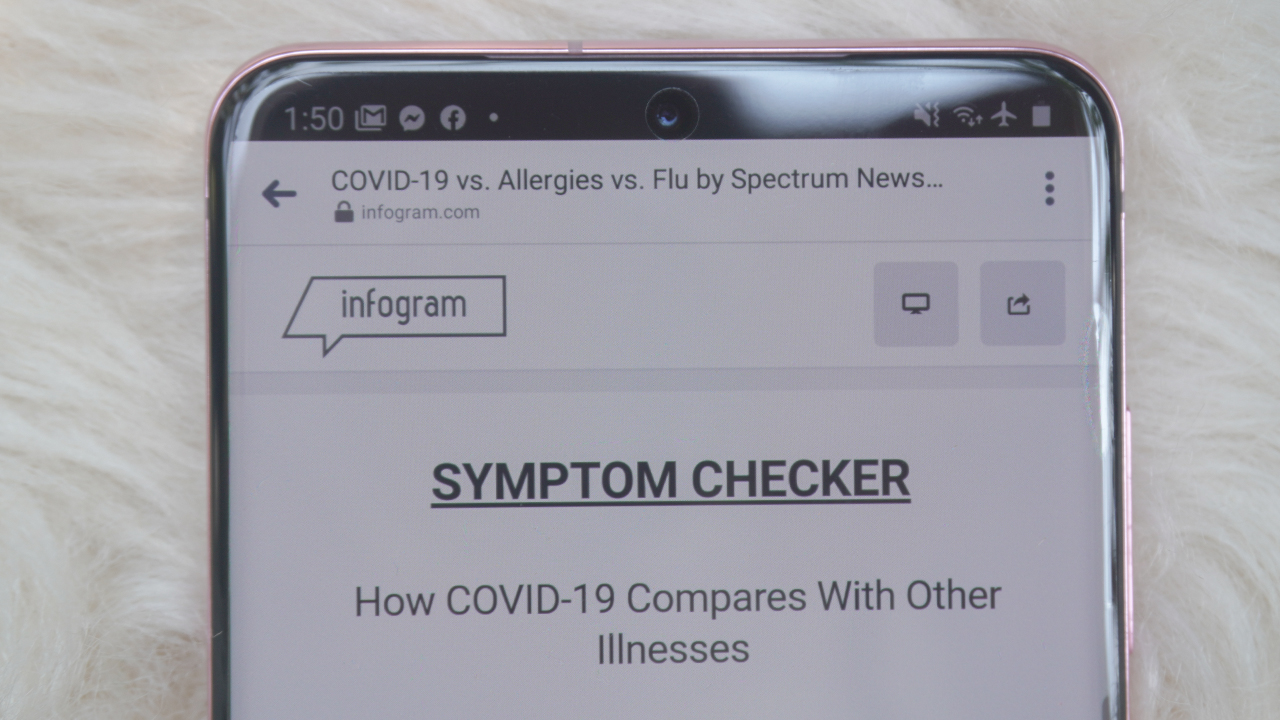
Unfortunately, the most damaging thing today, apart from the coronavirus itself, is the misinformation infecting social media today. As important as physical disinfection is today, it’s also important to keep the insides of your phone free from the terrible disease of misinformation.
While it’s tempting to share every coronavirus-inspired post on every single chat group you belong to, consider how accurate the information is first. Was the information written by an expert? If not, was there adequate research involved? Is it proposing an all-too-radical position contrary to what experts are saying?
Caring for others is, of course, one of the hallmarks of being human in the face of crisis. Sadly, care itself can be misguided with fabricated and hyperbolic truths. While you care enough for your fellow human being, misinformation can cause more harm than good. Fortunately, along with care, rational discernment is also part of what makes us human. For all the steps listed above, the coronavirus isn’t our only enemy in this dreadful time. We need to fight misinformation, too.
We are now in the middle of tough times when even our devices can become our enemies. It’s time to rise up higher as a species. Though we can’t work on a cure or a vaccine ourselves, we can do our part by making sure we’re clean both for ourselves and others. While we’re at it, let’s make sure that the right information reaches the right people.
SEE ALSO: 5 things to do while stuck indoors | PhoneSoap Go: A portable device that will sanitize your smartphone
As general rules, the CDC or The Centers for Disease Control and Prevention listed these to help with preventing the spread of COVID-19:
- Stay home when sick
- Cover coughs and sneezes
- Frequently wash hands with soap and water
- Clean frequently touched surfaces





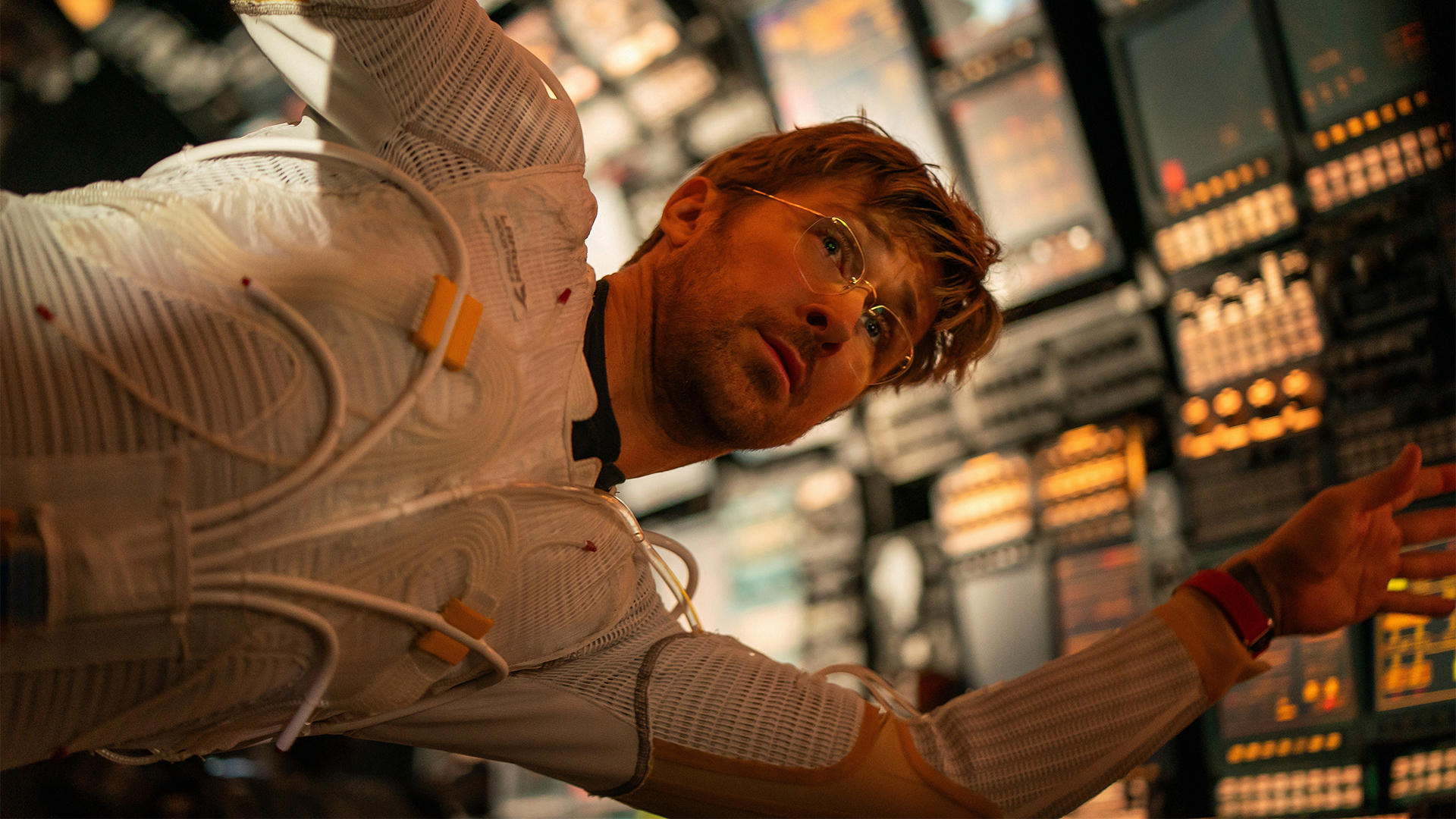
To be honest, I didn’t expect to like Project Hail Mary. I assumed that the decision to reveal the book’s biggest plot twist in the trailer was a mistake. I thought that the two-and-a-half-hour runtime might be too long. I worried that a hard sci-fi story like this one would be hard to translate into a feature-length film. Thank goodness I was wrong.
Project Hail Mary adapts Andy Weir’s novel of the same name. Indeed, that’s the same Andy Weir who wrote The Martian. Ryland Grace (Ryan Gosling), a molecular biologist, wakes up in an interstellar ship without his memory. With everyone else on board dead, he must find the answers to two questions on his own: who he is, and why he’s far away from Earth.
Though a soul-searching mystery might be entertaining in its own right, it wouldn’t be an Andy Weir story if it didn’t have some MacGyvering in space. Grace’s mission is apparently one of global importance. When a spacefaring virus starts to feed on the Sun and other surrounding stars, Earth sends a mission — that is, Ryland Grace and his deceased crewmates — to Tau Ceti, a faraway star somehow immune to the so-called astrophages.
Less problem solving, more emotion wrangling
Despite Weir’s tendencies to throw his protagonists into problem after problem, Phil Lord and Christopher Miller, who directed the adaptation, offers a more emotional story. Now, make no mistake; the original novel is already a tearjerker, but the film ups this even further by masterfully adapting the story’s most iconic character, Rocky.
Upon reaching Tau Ceti’s orbit, Grace realizes that he’s not alone. He isn’t the first visitor to the mysterious star. An alien spaceship is already orbiting the star. However, far from visions of War of the Worlds, this particular alien has a single mission: to save their own star from the same astrophages.
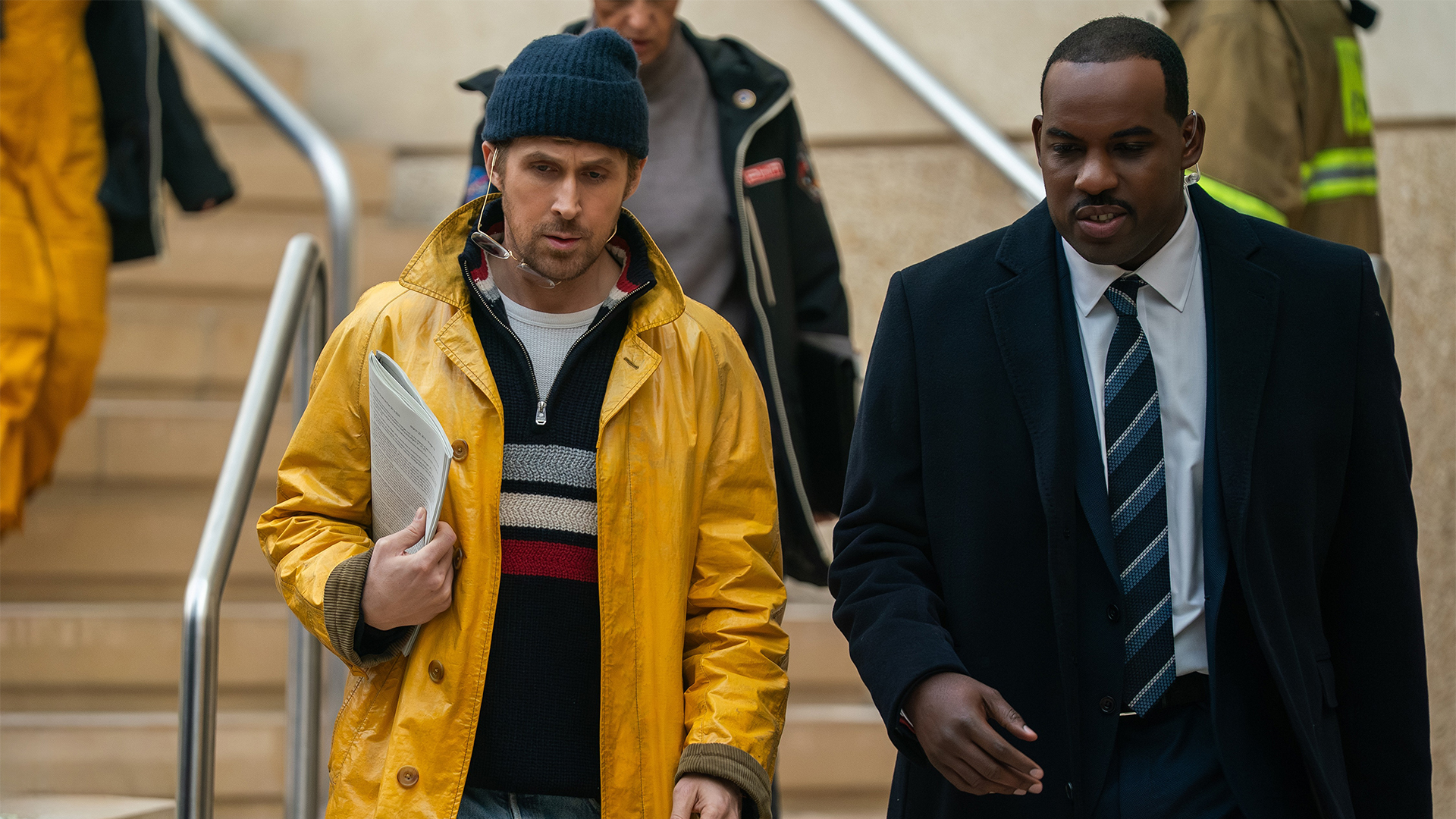
Rocky, as Grace calls them, looks like a living rock. Initially unable to communicate with the alien, Grave eventually builds a friendship with Rocky by translating the latter’s chirps to human words.
In the book, Rocky communicates with Grace (and the reader) through the broken English from a translating software. Naturally, the film adaptation offers more creative freedom. Instead of just text, Rocky gets a voice, thanks to James Ortiz, who offers a friendly-but-snarky character to the alien. As a result, Rocky feels more like a sidekick than just a (literally) alien entity.
Though it comes at the cost of some science-filled problem solving, Rocky’s slight change is more cinematic and can tug tighter at the heartstrings.
A healthy dose of humor
Rocky’s voice isn’t the only change. Despite the long runtime, the adaptation already prunes or shortens plot beats from the novel.
To be fair, all these changes don’t detract from the essence of the novel. Sometimes, they simplify. Other times, Lord and Miller infuse their trademark humor, which can be jarring for those expecting a more technical sci-fi story. But again, the novel’s spirit is still intact.
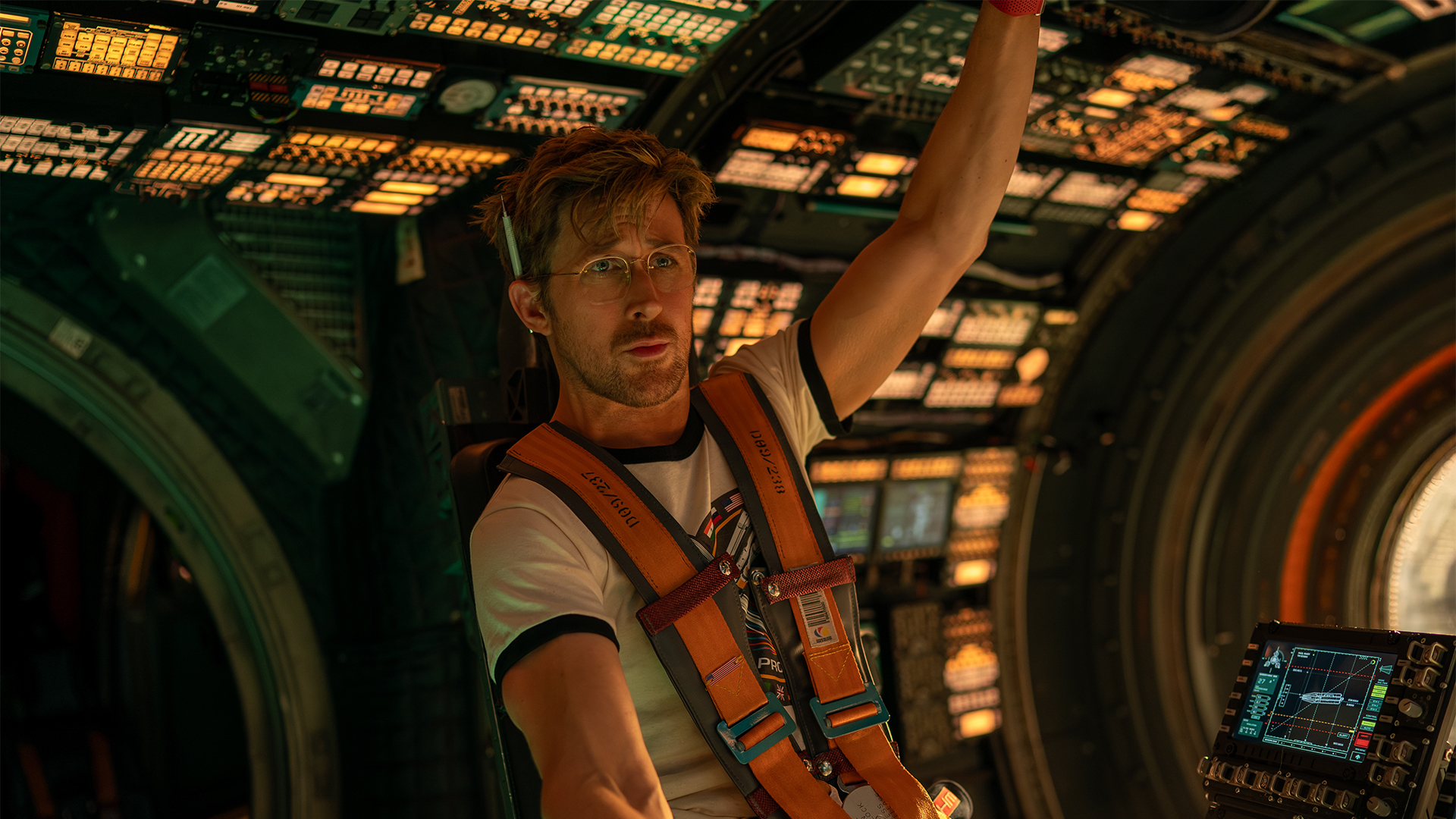
If anything, the added humor keeps the film entertaining throughout two-and-a-half hours. Now, if you’re tired of the so-called “Marvel humor,” there are moments of slapstick and snark sarcasm that pushes the limits of typical movie tropes. It’s just the price that an adaptation like this has to pay. Project Hail Mary’s plot is too complex to condense into the archetypal 90-minute window.
As someone who read and loved the original novel, it was difficult to see stitches between the book’s story and the screenplay’s changes. And I think that’s what makes the adaptation work so well.
Should you watch Project Hail Mary?
Project Hail Mary is as faithful as an adaptation can be. It doesn’t change the story for the sake of Hollywood. All the changes you’ll see are just ways to keep audiences engaged because of the long story. If you loved the book, there’s no way you wouldn’t love the adaptation, too.
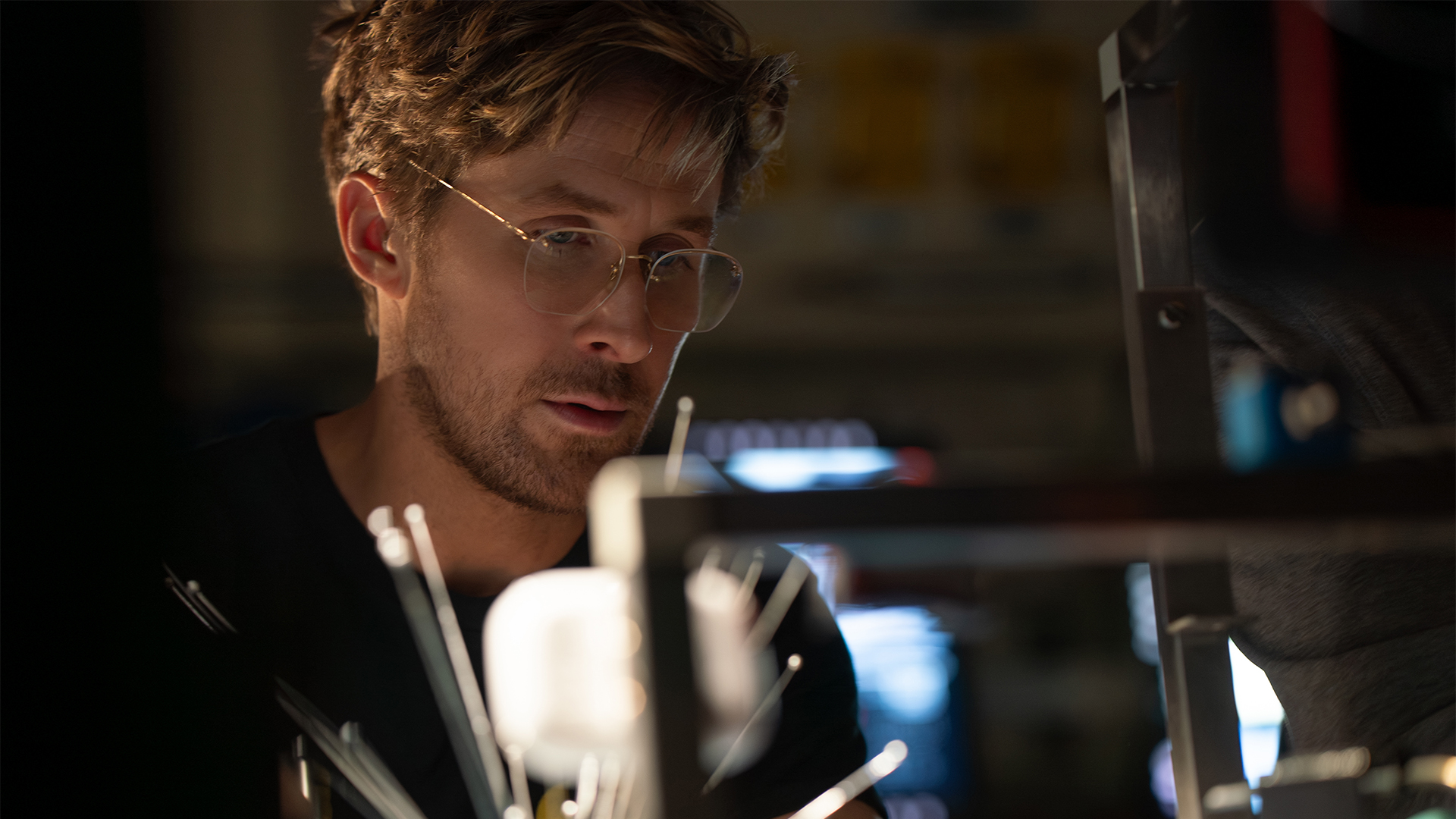
Now, if you haven’t read the book, firstly, you’ll still love this movie. It’s a highly compelling story with high stakes and an emotional rollercoaster. Secondly, read the damn book. It’s a masterpiece of science fiction.
Entertainment
KPop Demon Hunters is officially getting a sequel
Maggie Kang and Chris Applehans will return to write and direct.

This feels like a formality at this point. Netflix and Sony have officially confirmed that KPop Demon Hunters is getting a sequel.
If you feel like you’ve read this exact title before, then you’re not alone. Since its massive success last year, the hit animated film constantly spawned talks of a potential franchise. It probably helped that the title quickly became Netflix’s most-watched film of all time. From the last we’ve heard of the rumors, Netflix was reportedly eyeing a 2029 premiere for the sequel.
Now, it’s official. As posted by Netflix itself, KPop Demon Hunters will get a sequel soon. Even better, the follow-up will be written and directed by the same duo, Maggie Kang and Chris Applehans.
Kang, who celebrated the first movie’s ability to tell a Korean story, says that there’s a lot more to explore in the film’s universe. “There’s so much more to this world we have built and I’m excited to show you. This is only the beginning,” she said.
Right now, the plot’s sequel is still unknown, especially since the Saja Boys were defeated in the first film.
Given how big the original movie got, the sequel is no surprise. Besides bagging the top spot on Netflix’s charts, the film also got an eventual release in theaters. KPop Demon Hunters is up for a potential Oscars win after it was nominated for Best Animated Feature. Its hit song, “Golden,” is also nominated for Best Original Song.
SEE ALSO: KPop Demon Hunters is now Netflix’s most-watched movie
Accessories
Bringing Care-a-Lot to my daily carry
This is why my gizmos and workspace finally feel like a warm hug!

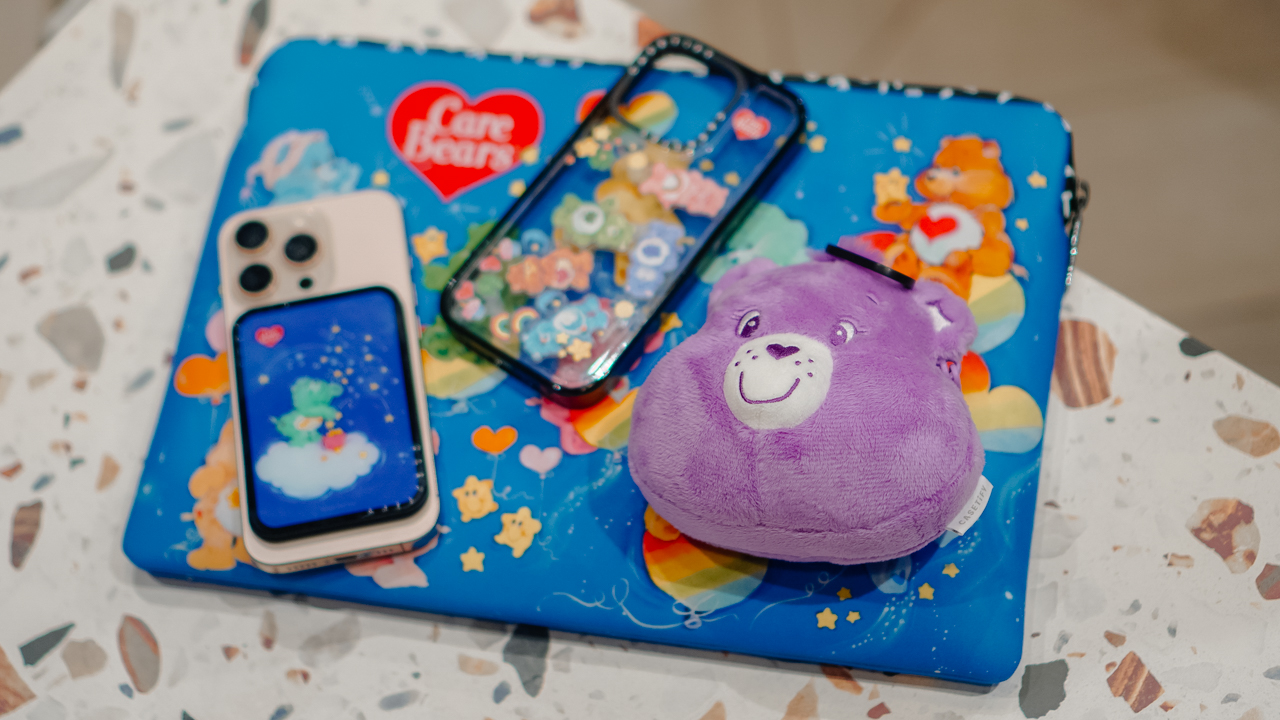
Growing up, the Care Bears taught us that sharing was a superpower and that every emotion had a color.
For many of us, the Care Bears weren’t just characters on a screen; they represented a language of kindness and colorful dreams.
Bringing the CASETiFY x Care Bears collection into my daily rotation feels like carrying a small piece of that “Care-a-Lot” magic wherever I go.
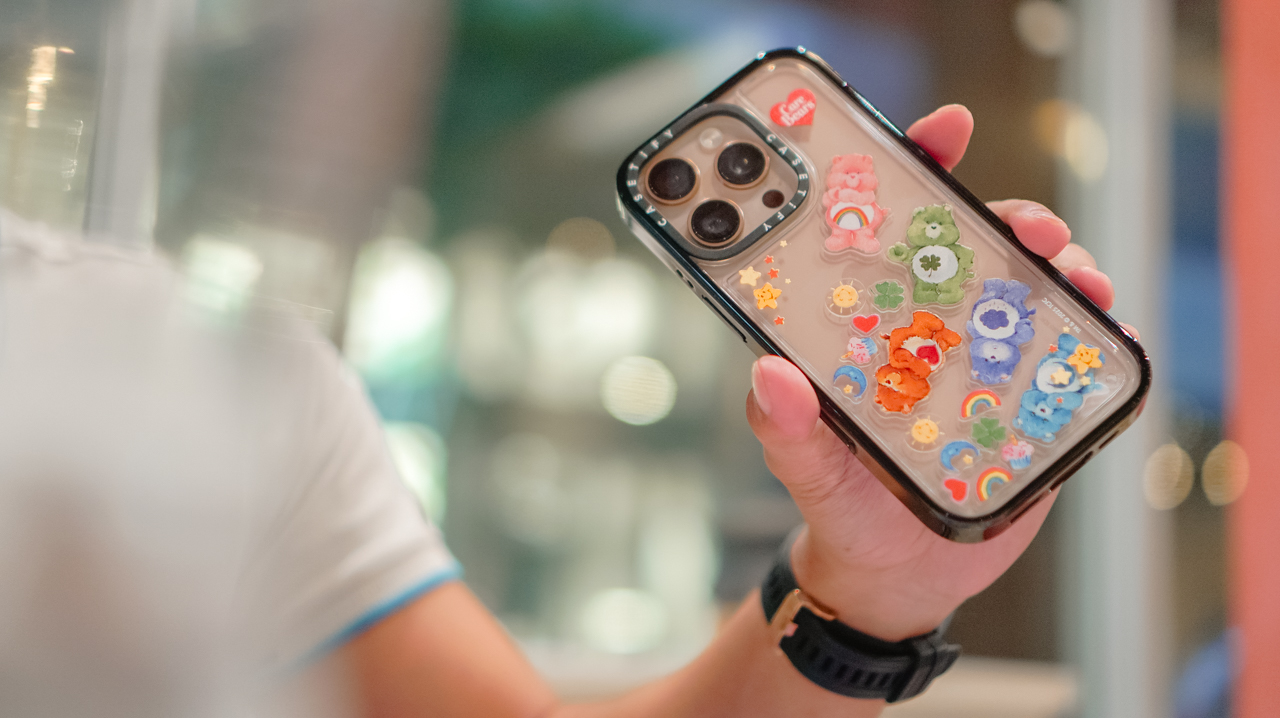
My iPhone 16 Pro now lives in the Care Bears Shake Shake Case (PhP 3,990). It’s a tactile reminder of playfulness in the middle of a busy workday.
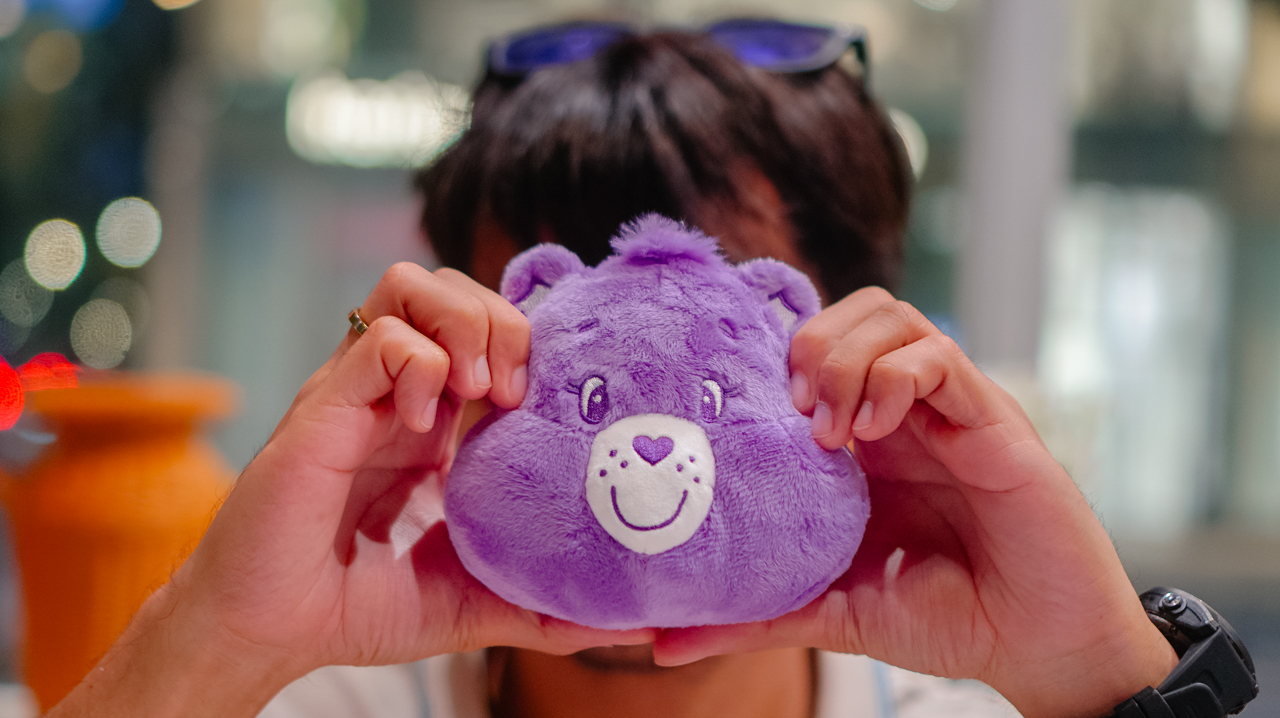
When I’m heading out, the Share Bear Earbuds Pouch (PhP 2,990) clips onto my bag. It keeps my music close while reminding me of the value of sharing. It’s surprisingly versatile, too, fitting my Shokz OpenFit 2+ or even the bulkier case of the JBL Sense Pro.
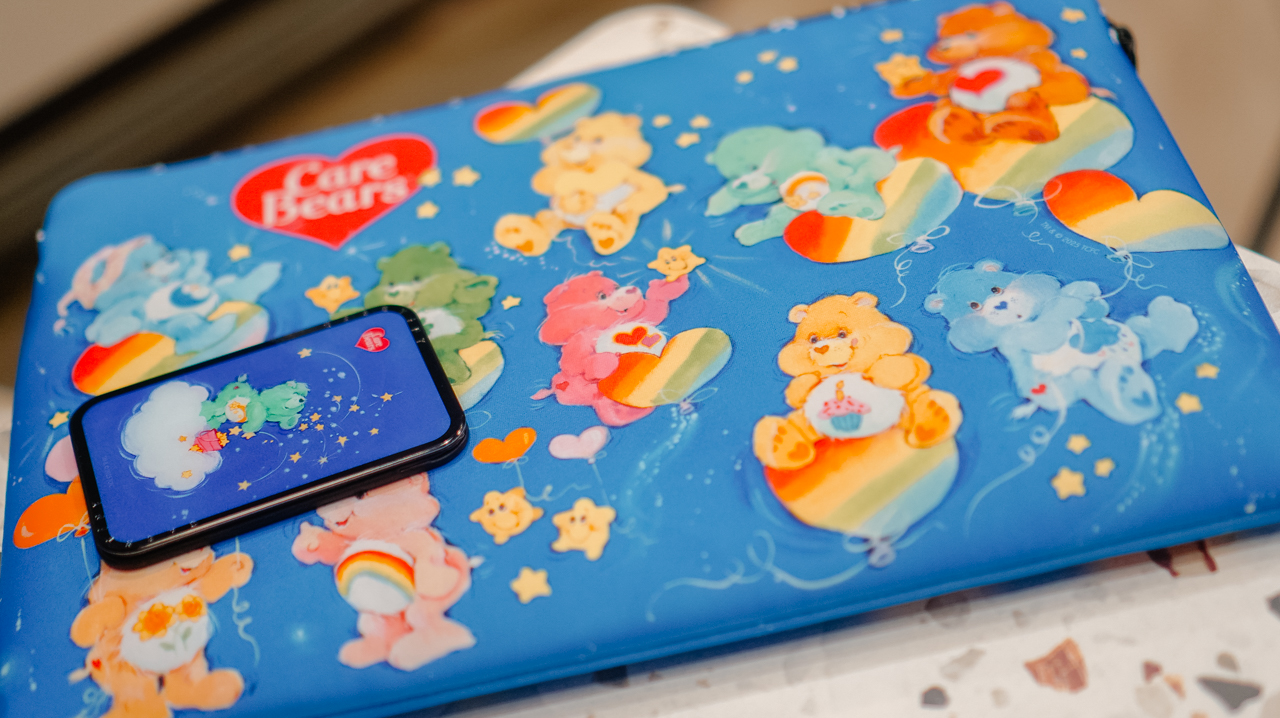
When I switch to a different MagSafe case, the Starry Night Snappy Cardholder Stand (PhP 2,490) magnetically attaches to the back of my phone, adding a bit of celestial whimsy to my day
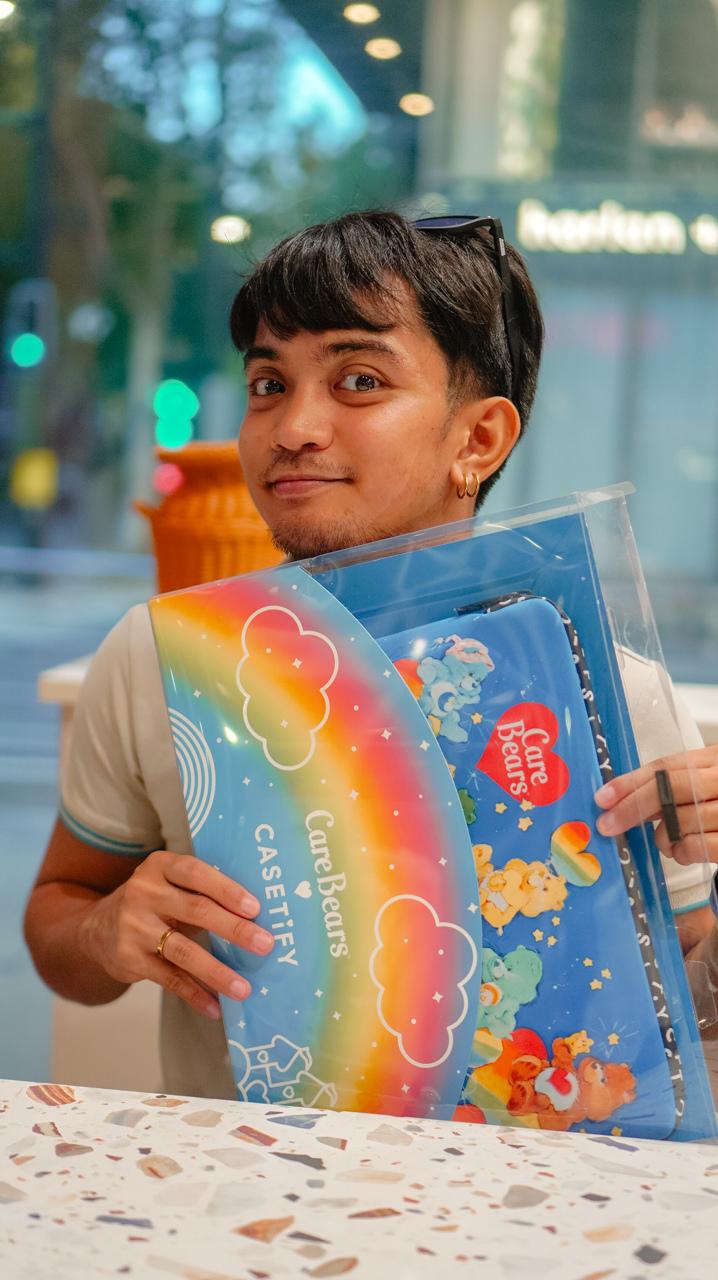
Even my workspace has a new glow. The Twilight Dreams Laptop Sleeve (PhP 3,090) fits my 13-inch MacBook perfectly, wrapping my most important work tool in nostalgic, soft-toned illustrations.
We often look for tech that performs, but we rarely look for accessories that hugs back. This collection does both.
It turns my everyday essentials into a canvas for positivity, proving that even in a digital world, there’s always room for a little more care.


Now Playing: Project Hail Mary

Zenless Zone Zero Version 2.7 available on March 24

Infinix expands SEA footprint with more official MLBB tourney partnerships

Samsung Galaxy S26 Ultra review: A phone you live with

DJI’s Inspire 3 Basic Package make 8K aerial filmmaking more accessible


-
 Reviews2 weeks ago
TECNO CAMON 50 Ultra review: End of an era?
-
 MWC 20262 weeks ago
Infinix NOTE 60 Ultra makes a motorsport-inspired debut
-
 MWC 20262 weeks ago
TECNO launches the all-new CAMON 50 series
-
 MWC 20262 weeks ago
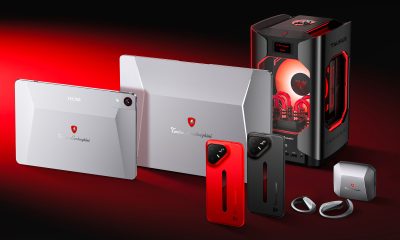
TECNO unleashes Tonino Lamborghini collection
-

 Computers2 weeks ago
AMD announces Ryzen AI 400, AI 400 PRO series at MWC 2026
-
 MWC 20262 weeks ago
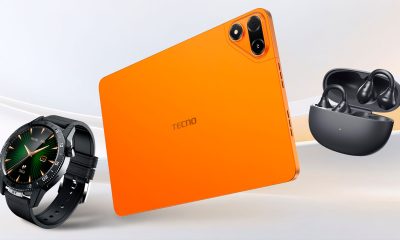
TECNO debuts latest devices, HiOS 16, upgraded Ella at MWC 2026
-

 Automotive2 weeks ago
Xiaomi Vision Gran Turismo makes global debut at MWC 2026
-

 Reviews1 week ago
The Xiaomi 17 shoots Leica dream