
News
Huawei opens its first DIGIX Lab in Singapore to empower developers
They’re serious about getting more developers onboard


Huawei has announced a US$ 40 million regional center in Singapore that’ll help developers to test their apps and services for smartphones. Dubbed a “DigiX Lab”, equipped with AR, VR, AI, HMS Core kits and other open technological capabilities to offer an offline support ecosystem for the developer community.
It’s a one of its kind investment in the Asia-Pacific region and is located at Changi Business Park. Choosing Singapore as its first location for the lab is a signal from the company about its changing preferences globally. Amid American sanctions, the Chinese phone maker has massively struggled in the last two years.

The most important point is, Huawei wants developers to feel at home with Huawei Mobile Services (HMS), an alternate to Google Mobile Services (GMS). Due to the American sanctions, Huawei can’t leverage Google Play Services, depriving it of essential Android apps like Google Play Store and other attached services.
The company is actively trying to create its own ecosystem in the software space and has ramped up developing its own operating system — Harmony OS. For years, Huawei has stressed its “1+8+N” seamless AI Life strategy that includes smartphones and the Internet of Things (IoT). For this, Huawei needs to encourage developers to adopt its stack and deliver end-services across all devices.
The DIGIX lab consists of an Experience zone where visitors can seamlessly try Huawei’s ecosystem of products. This includes tablets, PCs, smart wearables and VR smart glasses. Adding to this, even third-party supporting Huawei HiLink shall be available.
It’ll also have a Engage and Enable zone which will consist of training rooms to support community building. Developer programmes such as trainings, workshops, industry and networking events will be held here. Most importantly, it’ll have three meeting rooms where developers who are facing challenges while making an app can meet with Huawei technicians or business teams to get hands-on support.







What comes next after the smartphone? For years, brands hunted for an answer. Apple, for example, placed its bet on the Vision Pro, a wager that hasn’t paid off yet. Samsung, on the other hand, is betting on a different horse: augmented reality.
In a new earnings call (via Seeking Alpha), Samsung’s Seong H. Cho, the brand’s head for mobile marketing, confirmed that they will experiment more with “diverse form factors such as next-generation AR glasses.”
Samsung has been teasing a pair of glasses for a while now. However, with an impressive lineup already in the works (including the brand’s first trifold smartphone), it’s understandable that hype for the teased glasses took a bit of a backseat.
But, with an official word now about the wearable, the game is once again on to create an impressive pair of smart glasses.
The only question here is the “next-generation” part. Since Samsung doesn’t really have a pair out in the market right now, it’s a bit difficult to determine what the next generation might mean.
Of course, it could simply be a marketing term that implies smart glasses are the next generation of technology. If it pertains to what’s already out in the market, it could mean a pair that comes with a camera or even a display. Of note, most smart glasses today (or, at least, those accessible to most users) use only audio for its smart functionalities.
SEE ALSO: Samsung teases anti-shoulder surfing privacy feature
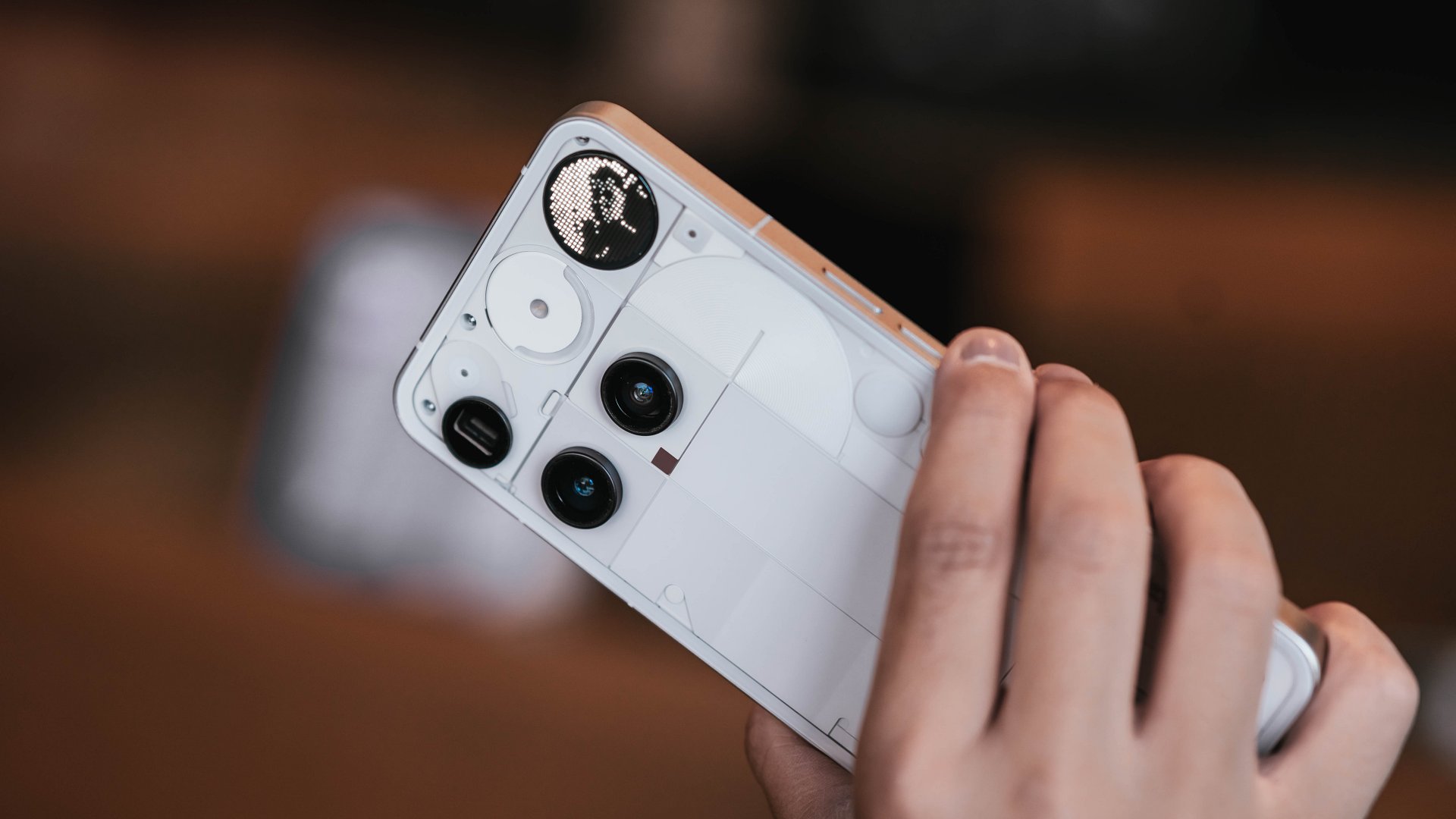
Last year, Nothing offered a worthy alternative to the usual flagship brands. Though the Phone (3) edged closer and closer to flagship-level prices, the smartphone is still a decent performer through and through. This year, however, a Phone (4) is not in the works.
Through a new YouTube video, Nothing’s Carl Pei has confirmed that the brand will not release a Phone (4) this year. The Phone (3) will still be the brand’s flagship option throughout 2026.
Pei did not reveal any explicit reason why they couldn’t make a new flagship this year. However, he does say that he wants every upgrade to be meaningful.
Despite the lack of a flagship, Nothing’s work will continue through the (a) series. The brand will release the new Phone (4a), for which Pei is promising a revolution. He says that there will be significant upgrades which will push the series closer to a flagship-like experience. It will also have new designs.
Unfortunately, the new phone might not come cheap. Along with the phone’s announcement, Pei confirmed that prices might increase this year, as a response to spiking RAM prices. It’s unclear how much it’s changing, though.
At the very least, the (a) series is usually priced competitively. However, if the increases affect the entire lineup, the flagship’s prices might go up to even more concerning levels.
SEE ALSO: Nothing will no longer lock screen ads on the Phone (3a) series
Computers
3D printing made accessible: Bambu Lab moves closer to everyday consumers
Empowering consumers to create tangible objects

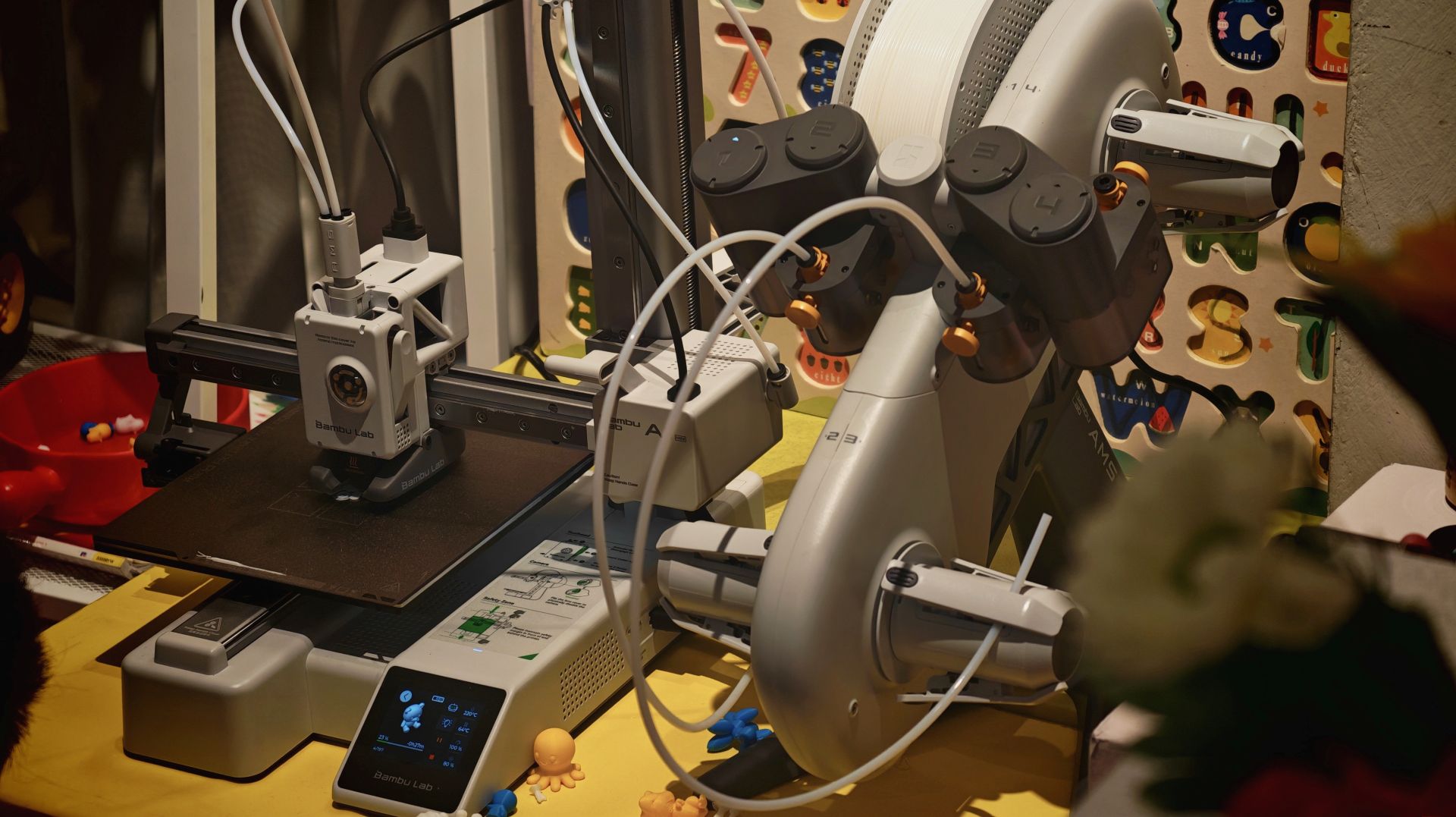
China-based brand Bambu Lab makes an effort to move closer to everyday consumers in the Philippines with a new retail partner by holding a media and creators roundtable in the Philippines. This was a bid to reshape how consumers perceive and use 3D printing technology.
Established in Shenzhen, China in 2020, Bambu Lab aims to make 3D printing more accessible, practical, and relevant to daily life through printers and other supplies.
The goal is to support practical home use, creative hobbies, product design, and even specialized tools, while putting emphasis on ease of use.
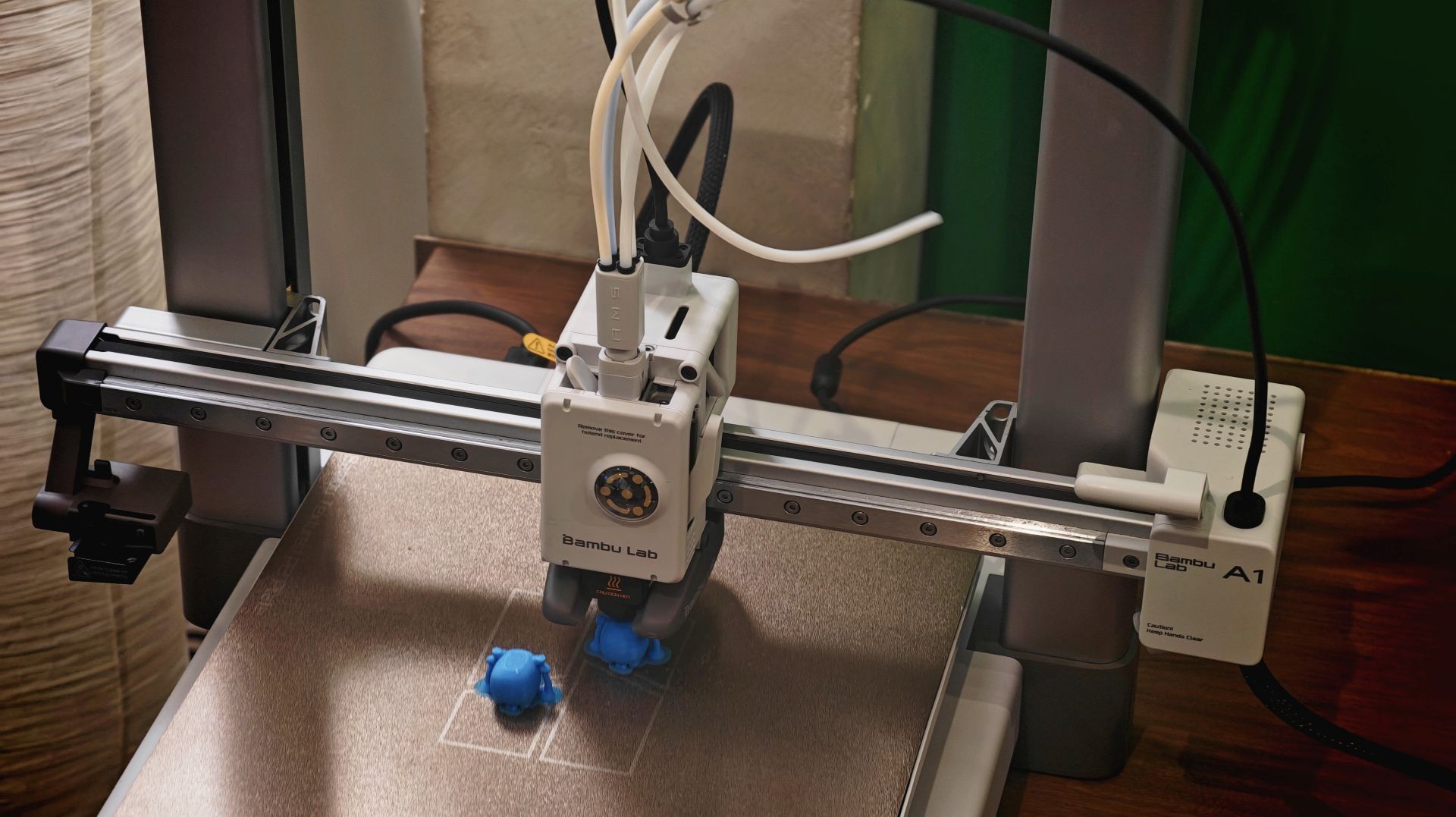
With such optics, Bambu Lab is trying to make consumers feel that there is less deep technical knowledge required and that they can actually create physical objects with 3D printing.
One of their products is the entry-level Bambu Lab A1 mini, which is compact enough to fit on a small desk.
The brand also has more advanced models which are capable of printing multiple colors and materials on a single run.
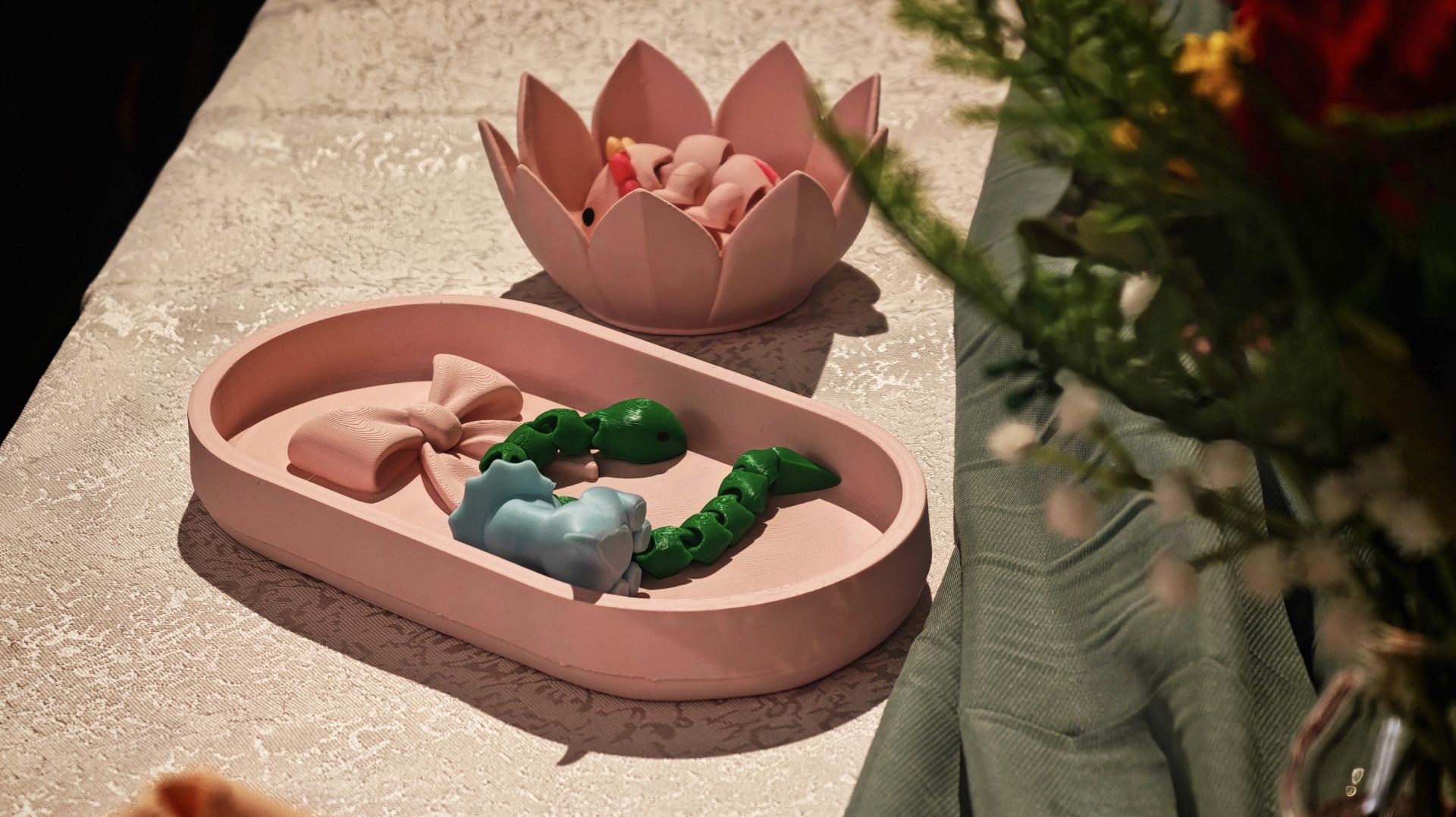
To complement the hardware ecosystem, Bambu Lab’s open platform MakerWorld lets users browse, select, and print from an extensive library of shared 3D designs directly from their own desktops.
The platform features a wide variety of objects across multiple categories. There’s household items, DIY tools, children’s toys, props, and educational materials.
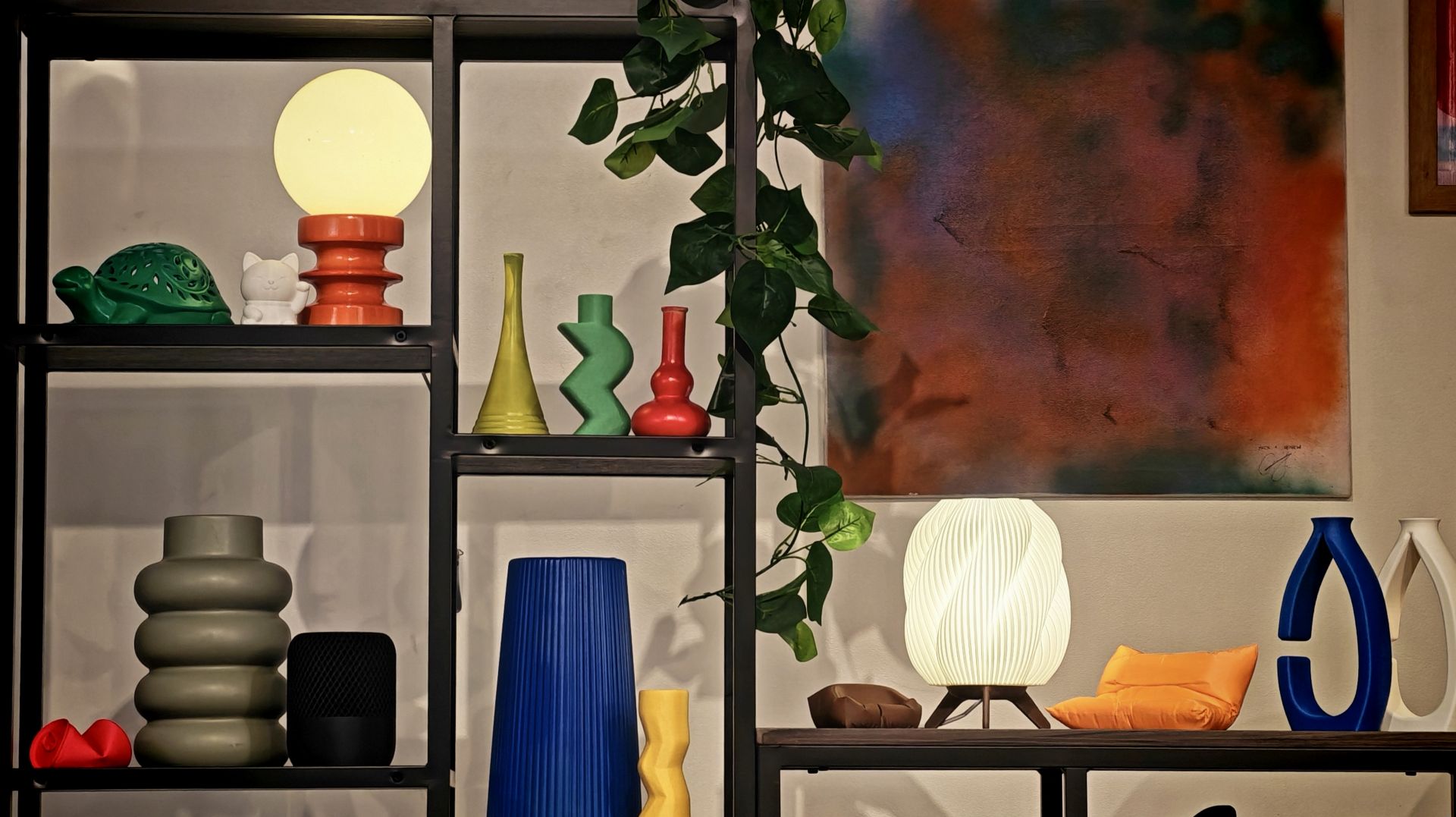
In the Philippines, Bambu Lab will open its first concept store at One Ayala, Makati City. The concept corner will give mallgoers the opportunity to see the range of 3D printers and consumables firsthand.


Now playing: Final Fantasy VII Remake INTERGRADE on Switch 2
Final Fantasy VII Remake, handheld again

HONOR X9d 5G review: Tougher, more long-lasting and optimized
Beyond all the marketing, it's a compelling all-around smartphone that actually works well


Redmi Note 15 Pro+ 5G review: The midrange fashion piece
Work-ready and style-friendly!

Samsung is teasing smart glasses again

Nothing will not release a Phone (4) this year

VinFast updates battery subscription policy for large upfront savings

Xiaomi SU7 Ultra makes Gran Turismo 7 debut

3D printing made accessible: Bambu Lab moves closer to everyday consumers

HONOR X9d 5G launches in the Philippines: Price, preorder, availability

POCO M8 Pro review: Goin’ loco over this POCO

OPPO A6 Pro: Adequate tool, no definitive punch

Infinix NOTE Edge debuts: High-end features for accessible pricing

HONOR Magic8 Pro review: What sorcery is this?


-
 News2 weeks ago
Infinix NOTE Edge debuts: High-end features for accessible pricing
-
 Features2 weeks ago
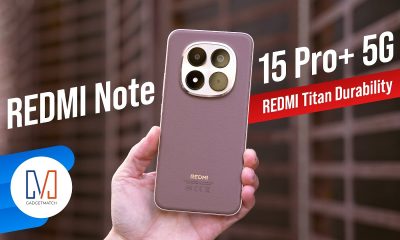
Can the REDMI Note 15 Pro+ 5G Survive?
-
Reviews1 week ago
HONOR X9d 5G review: Tougher, more long-lasting and optimized
-

 Gaming2 weeks ago
Civilization VII coming to Apple Arcade this February 5th
-

 Automotive1 week ago
BYD expands PH presence with entry of DENZA luxury EVs
-

 News2 weeks ago
HONOR slaps the iPhone Air with the all-new Magic8 Pro Air
-

 News1 week ago
Beyond the Box, Digital Walker turn over Tesla Model Y to iPhone 17 raffle winner
-
Gaming1 week ago
Now playing: Final Fantasy VII Remake INTERGRADE on Switch 2