
Reviews
Huawei P50 Pocket review: Glass cannon-esque bombshell
She’s a beauty and a beast, but with reservations

The Tiger is out! Huawei’s daring new smartphone has marked its advent outside China, bringing a form factor and experience we’ve all seen coming.
Meet the Huawei P50 Pocket — the newest addition to the P-series, only it folds like your familiar flip phones. It’s got a clamshell form factor, an exquisite design, a picture-perfect camera system, and perhaps, a similar flagship Huawei experience we’ve come to love.
The Tiger will rise again
Huawei is no stranger to the foldable experience. In 2019, it went toe-to-toe with Samsung’s Galaxy Fold, starting a foldable war we’ve kept tabs in. Alas, Huawei somehow lost during its brouhaha in the United States against the former president Donald Trump. The loss of Google Mobile Services severely affected the market share, despite Huawei’s brilliance in producing excellent hardware.
Three years in, the Chinese company is making strides in pushing its own operating services and ecosystem. The HarmonyOS has been widely marketed in China and beyond. In some way, people are easing up to their new experience with Huawei. (It gets easier, people!)
That’s why there’s no wonder Huawei hopped in with a clamshell phone to match Samsung once more, which seemed to be unchallenged in the category. The P50 Pocket is the Chinese company’s fourth attempt at a foldable smartphone, albeit at a clamshell design. Away from the X-series that rivals the likes of the Galaxy Fold.
A piece of luxury
I received the Premium Edition of the Huawei P50 Pocket, which, frankly, stunned me with its box. It’s got a packaging featuring a pattern of glossy and hollow cuts, probably to tell us there’s a cutting-edge technology waiting.
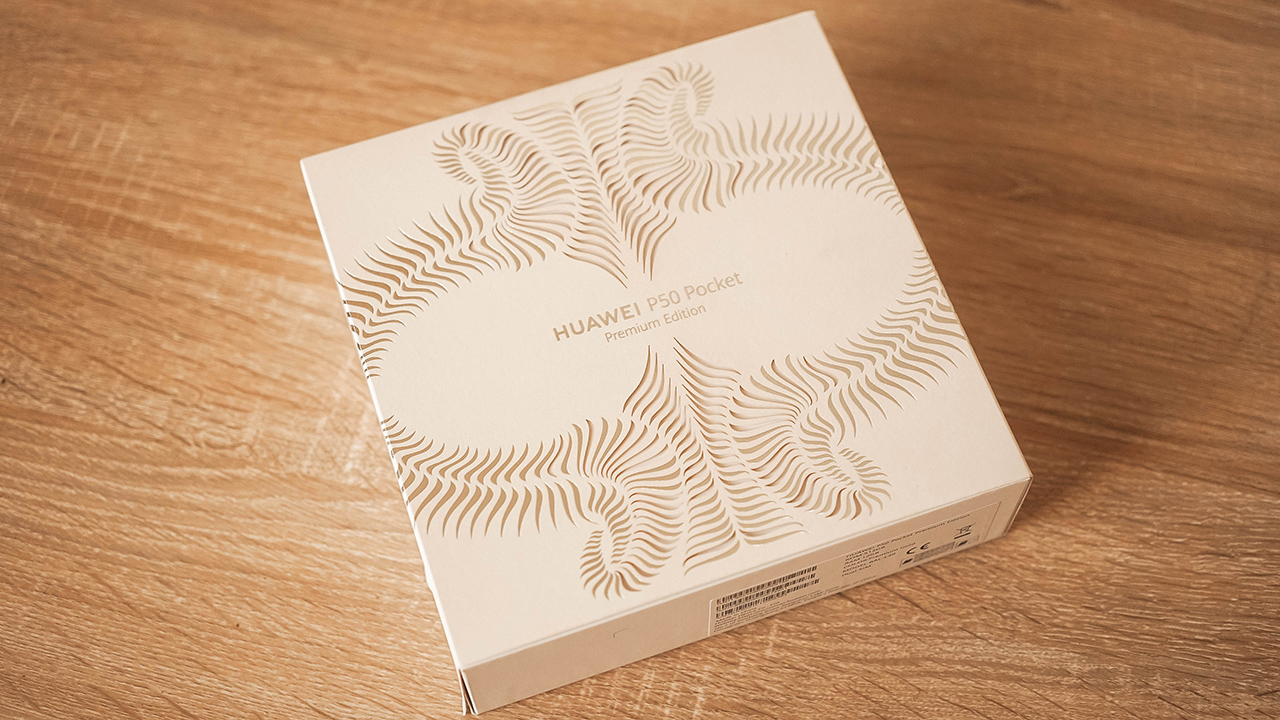
Opening the box, you’ll find the Huawei P50 Pocket laid out like your regular slate. However, let’s skip past it and check what else’s inside.
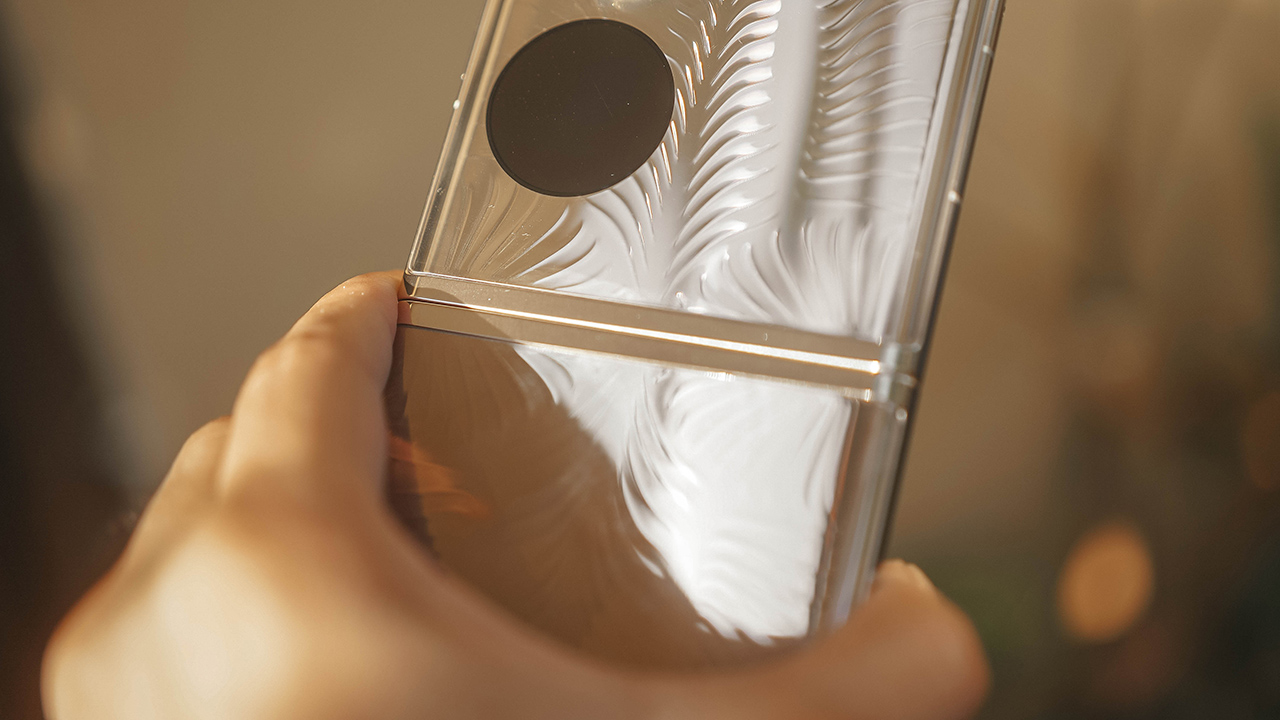
Underneath, there is a thin layer of a board with the same design as the cover, paying homage to the world-renowned haute couture designer Iris Van Herpen, who co-designed the Premium Gold colorway.

It comes with a cable and an adapter, unlike most flagship smartphones nowadays. They come in white, though, in case you’re expecting the accessories to be coated in gold, much like the phone.
So golden
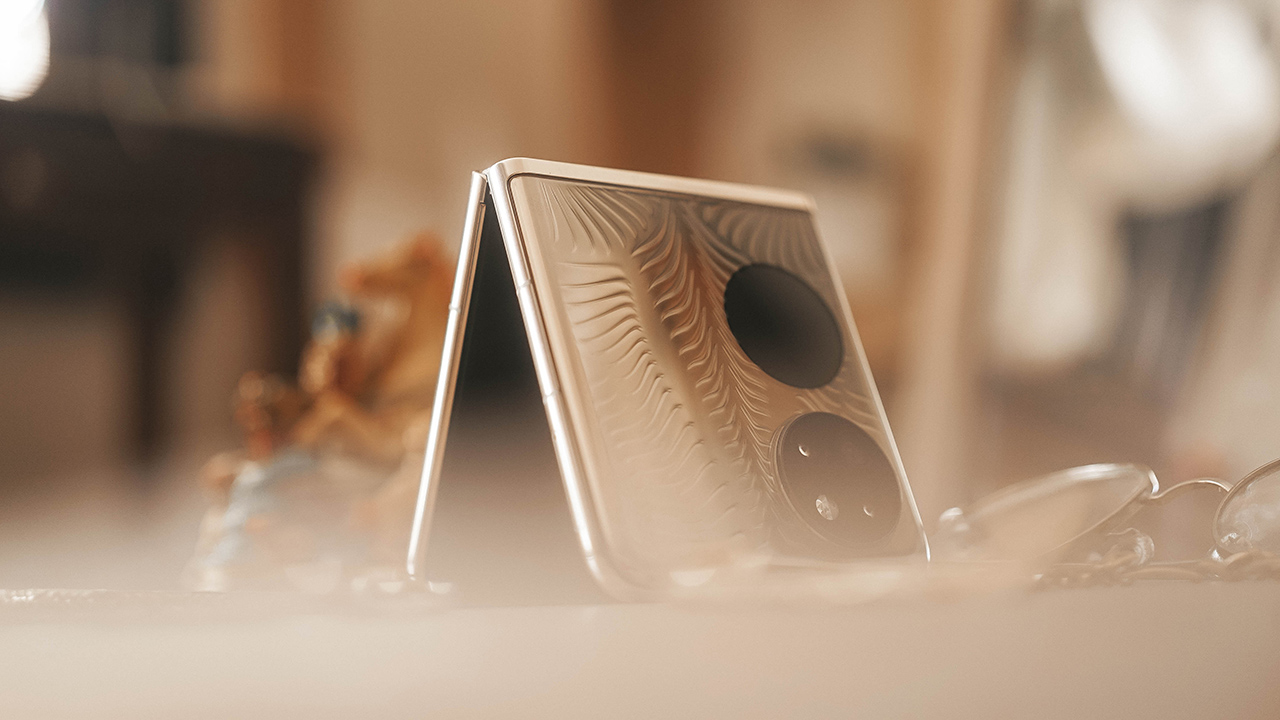
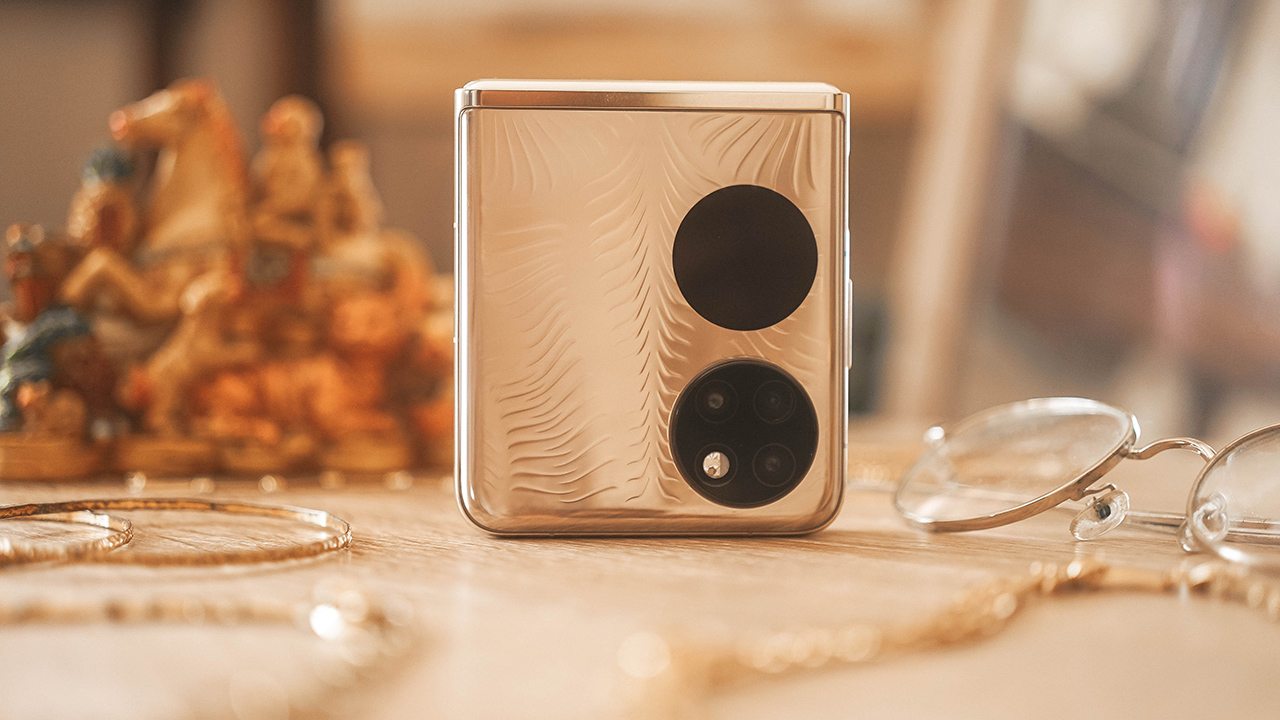
One look at the Huawei P50 Pocket Premium Edition, or P50 Pocket for brevity, and you’ll probably get the same, initial impression. It’s elegant.

The sculpted patterns, guided by the principle of symbiosis presenting the fusion of technology and nature, add depth to the body. Iris Van Herpen’s touch turned everything into gold, literally and figuratively. The design changed the look and feel of the P50 Pocket as compared to its White colorway, which focuses on the brilliance of shining, shimmering diamonds.

I remember the year 2016 when most smartphones painted their colors in gold. I bought the Huawei P9 simply because it’s coated in that magnificent color. One can say gold is an outdated color to paint for smartphones in this age, but I digress. The right texture, shade, and material can reorient its aesthetics.
Devil is in the details, babe
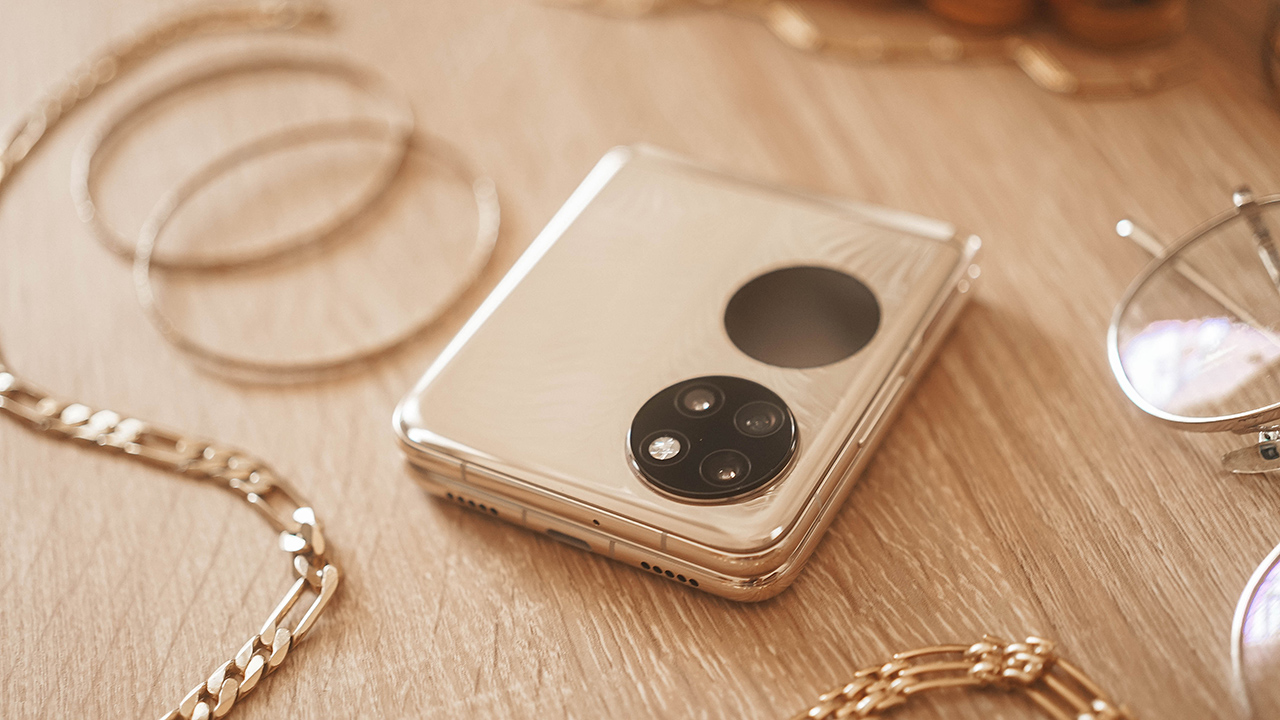
There’s more to the P50 Pocket than its exquisite clamshell design. I like how it’s thin, slender, and perfectly symmetrical to my eyes. It’s comfortable to hold — folded or unfolded.
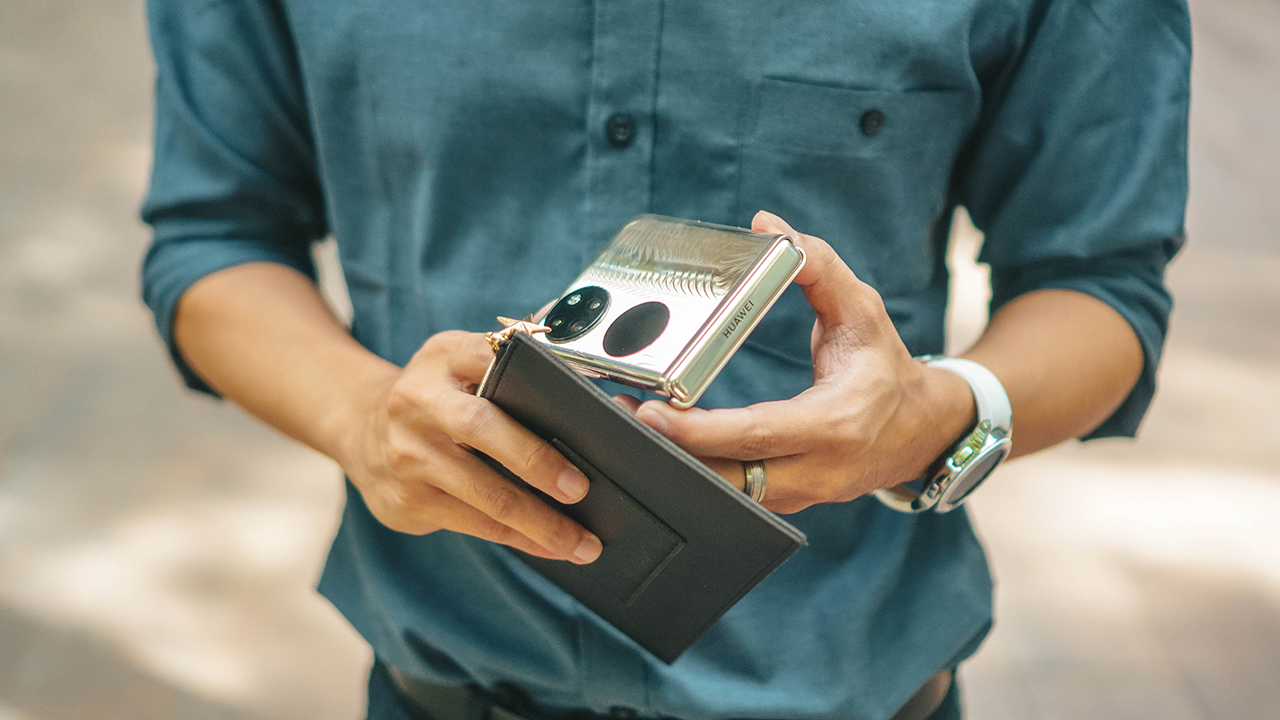
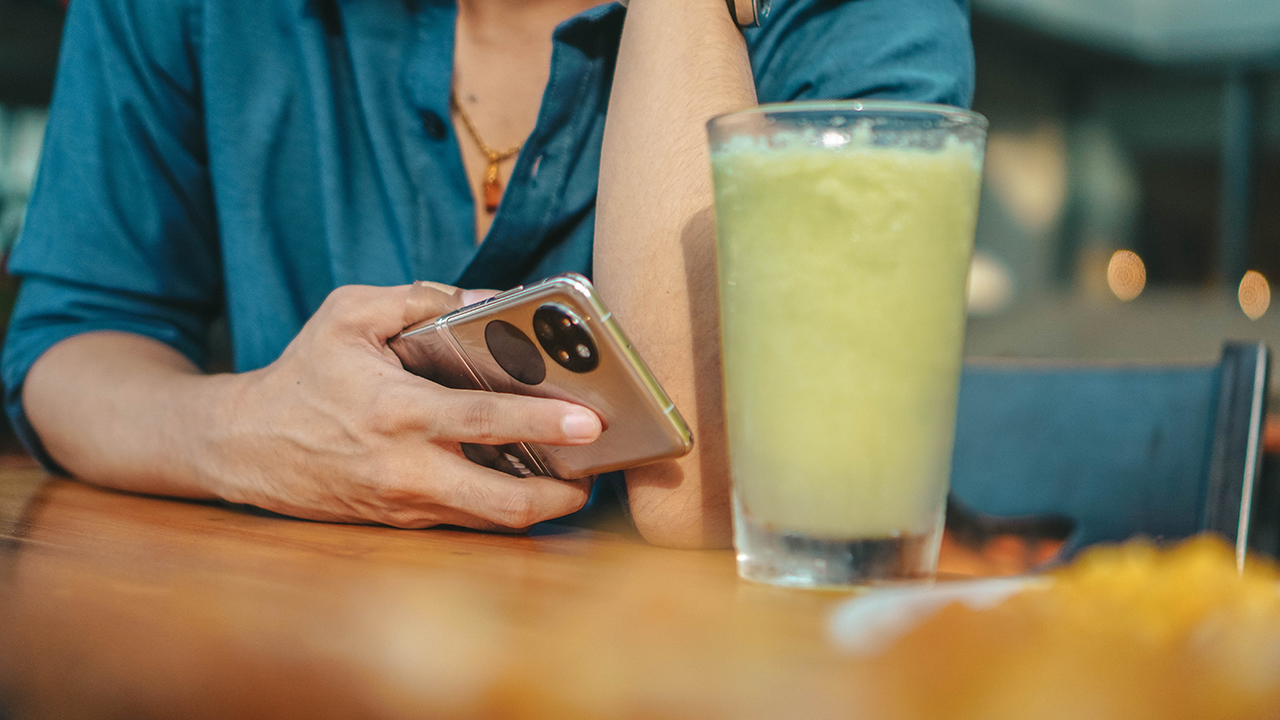
When folded, the size is enough to caress on your palms à la Sylvie Grateau on Emily in Paris. It opens smoothly any way you want it, thanks to its hinge’s mechanism. And its heft when folded didn’t feel like I’m going to drop it accidentally.
My only gripe is how the screen made a creaking sound whenever I shut the clamshell phone, even if I do it gently. It made me uneasy.

On another note, using it as a slate gave me mixed feelings. For starters, it’s taller than the Samsung Galaxy S21 FE and the Honor 50 — smartphones I recently enjoyed.
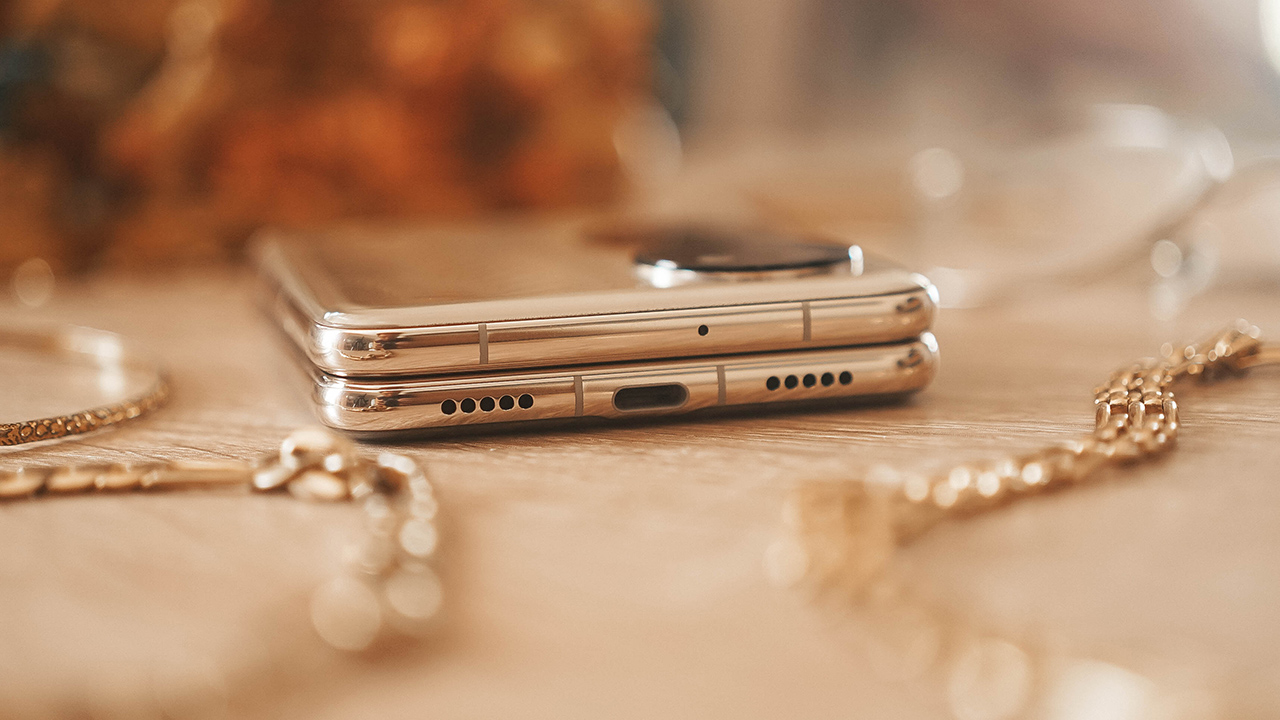
I used the unfolded P50 Pocket with my two hands, and thankfully, the fingerprint scanner is within reach. The volume rockers are a bit higher so it’s quite difficult to adjust the sound during music playback. But that might just be me and my tiny hands.

Nevertheless, I thoroughly enjoyed the engineering know-how and the careful thought that this phone went through. I personally enjoyed the slim silhouette, and the lighter weight when unfolded which Huawei calls a Multi-Dimensional Lifting design.
Sheep in wolf’s clothing
The P50 Pocket is stacked with all the essential features a foldable phone should have. It has a tough hinge which, according to Huawei’s claims, employs materials like a Zirconium-based liquid metal.
I can’t vouch for the durability and the mechanism’s reliability. But what I do know is it feels different as compared to my experience with the Galaxy Z Flip3 5G. The P50 Pocket doesn’t offer any resistance when opening and closing. The hinge might be far too smooth that I can open it with just one hand.
I’d feel more secure if I always have to open it with my two hands. More importantly, it doesn’t come with any IP rating to give me peace of mind.
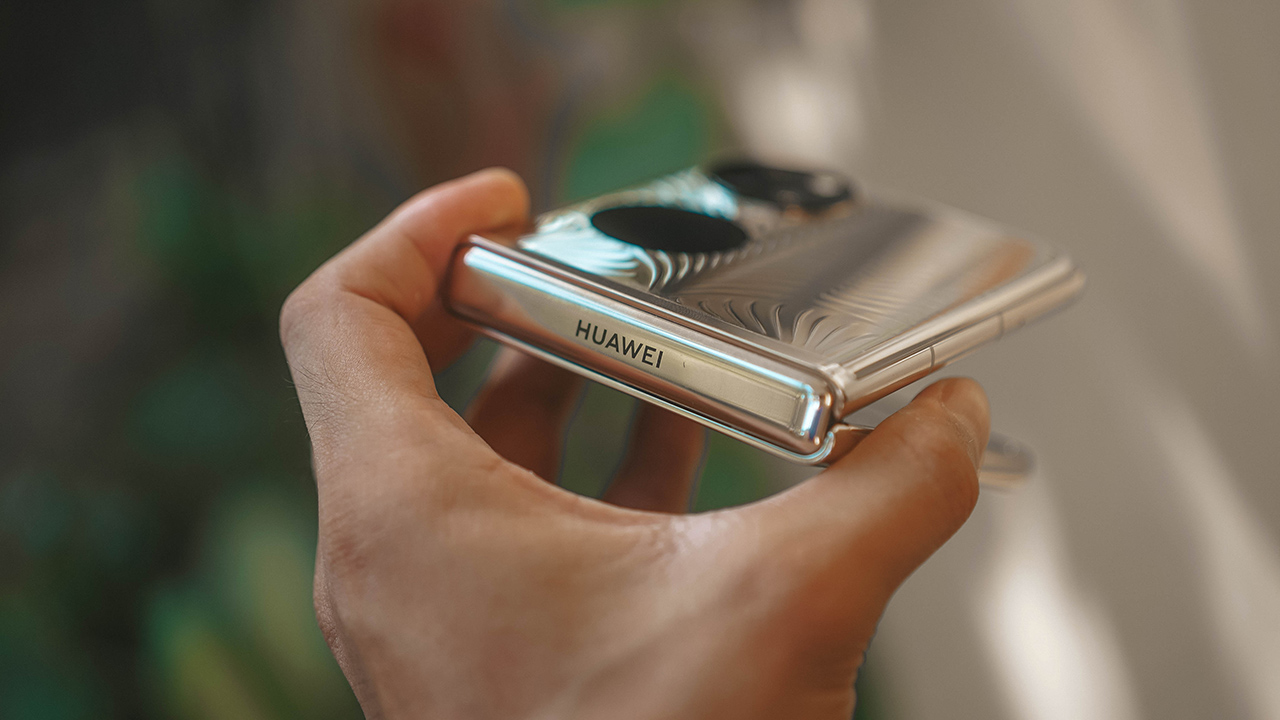
Sure, you’re not supposed to dip your devices into a pool or drop them into the dirty ground. But foldable phones look and feel fragile enough, and if it doesn’t have any dust or water resistance — the general population would be too iffy to consider a foldable phone no matter how gorgeous they look.
Enchanting visuals
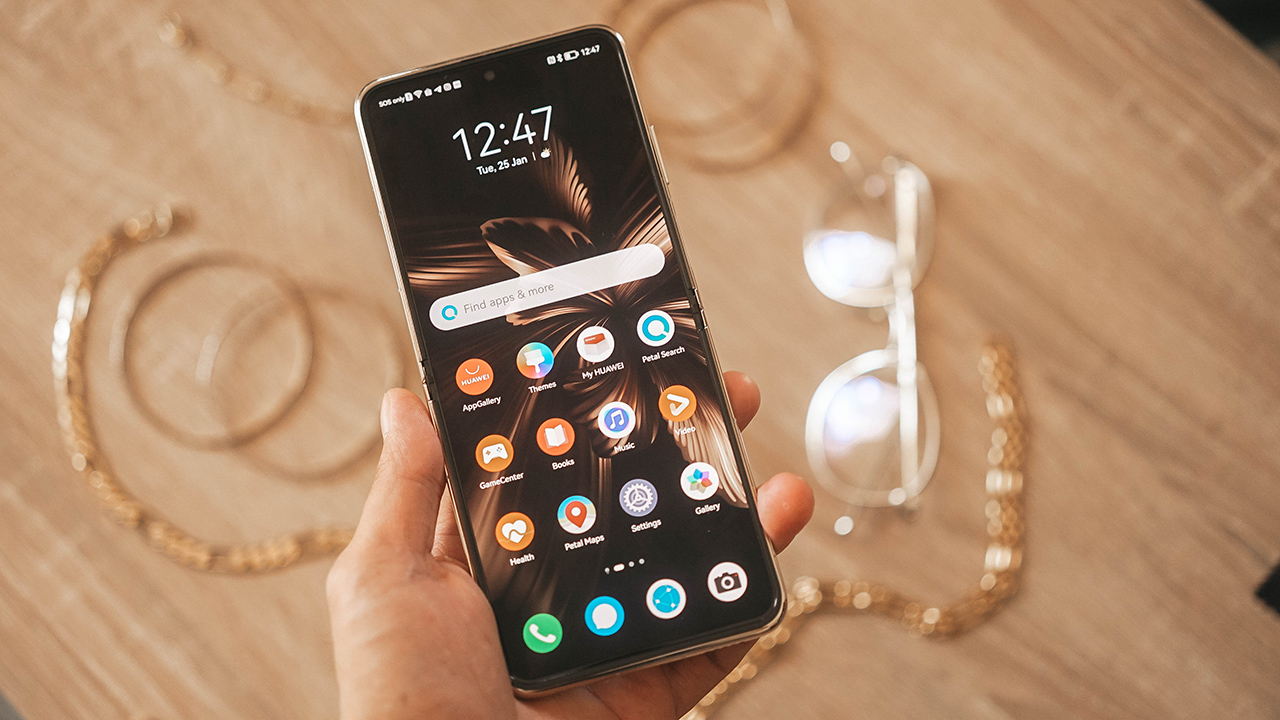
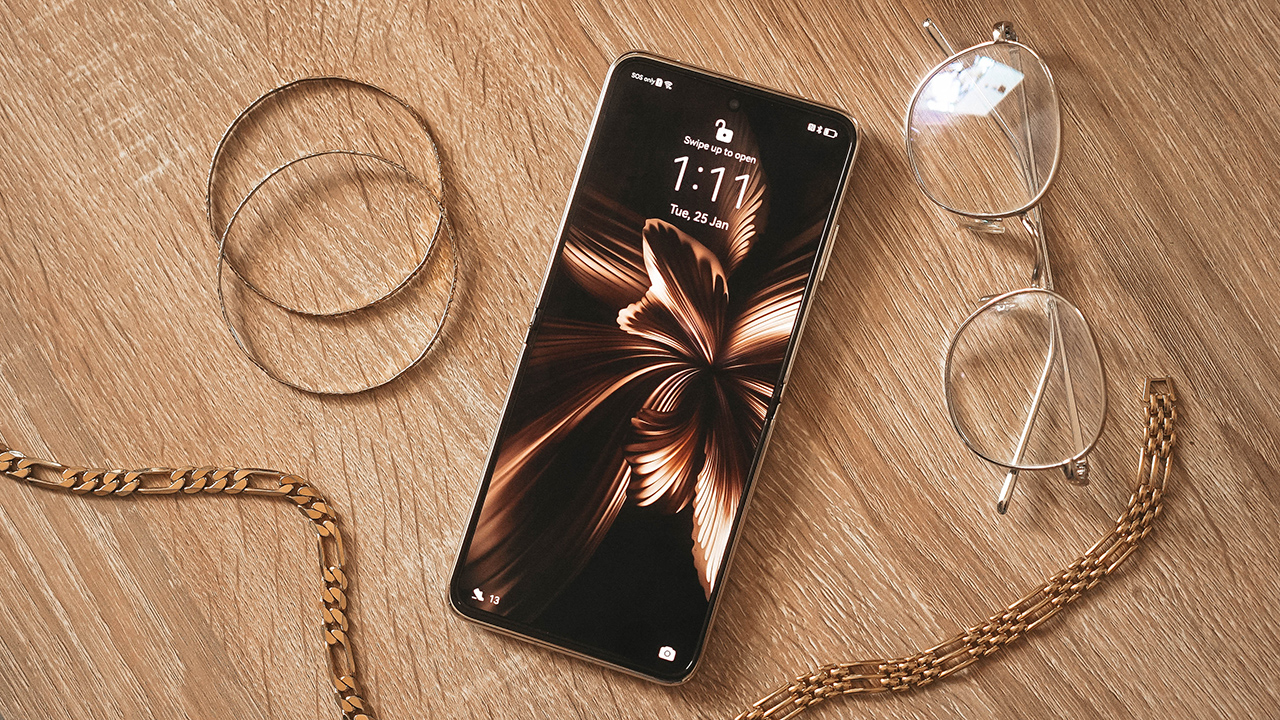
Nevertheless, using the P50 Pocket as a slate can be quite marvelous. It uses a 6.9-inch flexible OLED panel with a 21:9 aspect ratio — making it perfect for watching cinematic videos or scrolling through your favorite apps.
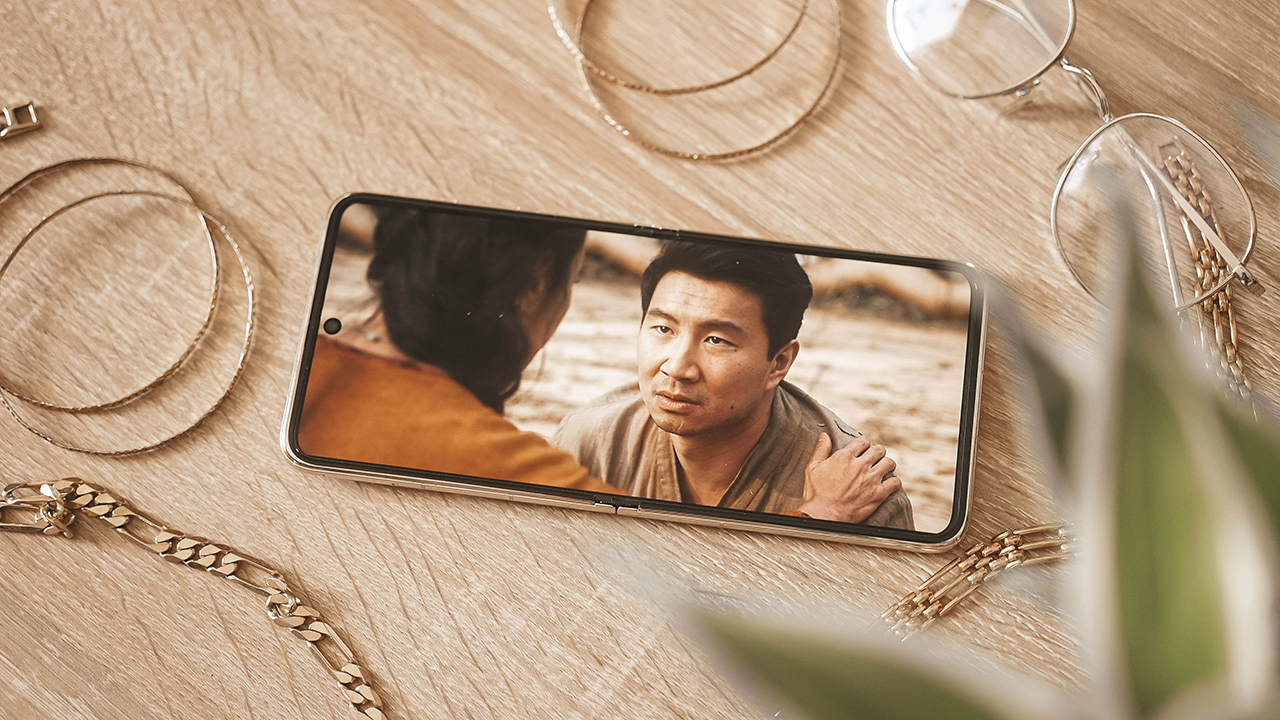
I watched Shang-Chi and the Legend of the Ten Rings on the P50 Pocket, and I’m glad I didn’t strain my left arm — thanks to the phone’s lightweight design.
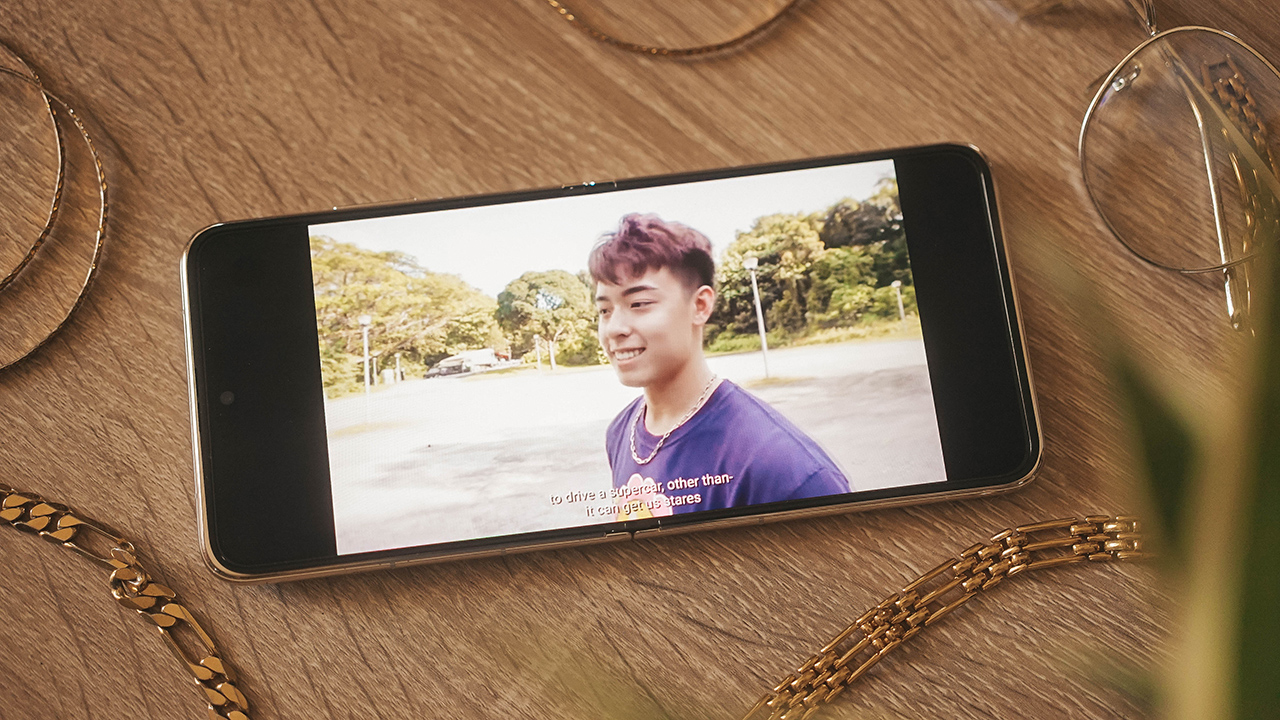
The dreaded crease becomes unnoticeable unless you look at the screen at a very low angle. You can feel it when you scroll in the middle, but you’ll grow into it over time.

While I’ve learned to settle back into compact phones, the unfolded P50 Pocket lets me delight in any content I want to consume with its taller screen. It has a 120Hz refresh rate so you can enjoy a smooth motion when multitasking, browsing on social media, or even playing games.
Jacked up with power and insane heat

Speaking of games, I played Honkai Impact to showcase the P50 Pocket’s power and performance. It is exceptional. After all, it’s still a flagship smartphone — just donning a different form factor.
My Premium Gold unit came with 12GB RAM and 512GB of internal storage, equipped with a Qualcomm Snapdragon 888 4G processor. That might be one of the dealbreakers, especially for Huawei loyalists considering this foldable. In this age, we’ll need a 5G-capable smartphone for future-proofing.

On another note, the P50 Pocket tends to heat up easily. Whether it’s because of the games I played, the environment I was in (like going outside on one hot, sunny day), or when charging up its battery. The heat is just insane.
Still, Huawei’s prominent long-lasting battery life is evident in the P50 Pocket. Even with a 4000mAh battery capacity, I didn’t have to worry about my phone draining easily even if I’m constantly playing music.

I managed to last a day even with heavy use — and I didn’t even bring my power bank. With its 40W Huawei SuperCharge, you only need an hour to get it back to a hundred percent.
Cover screen
Ah, the cover screen. It’s much like the Galaxy Z Flip3 5G’s cover display — only round and bigger. It gives you access to important notifications that you can preview at a glance, as well as widgets you might deem important in your everyday life.

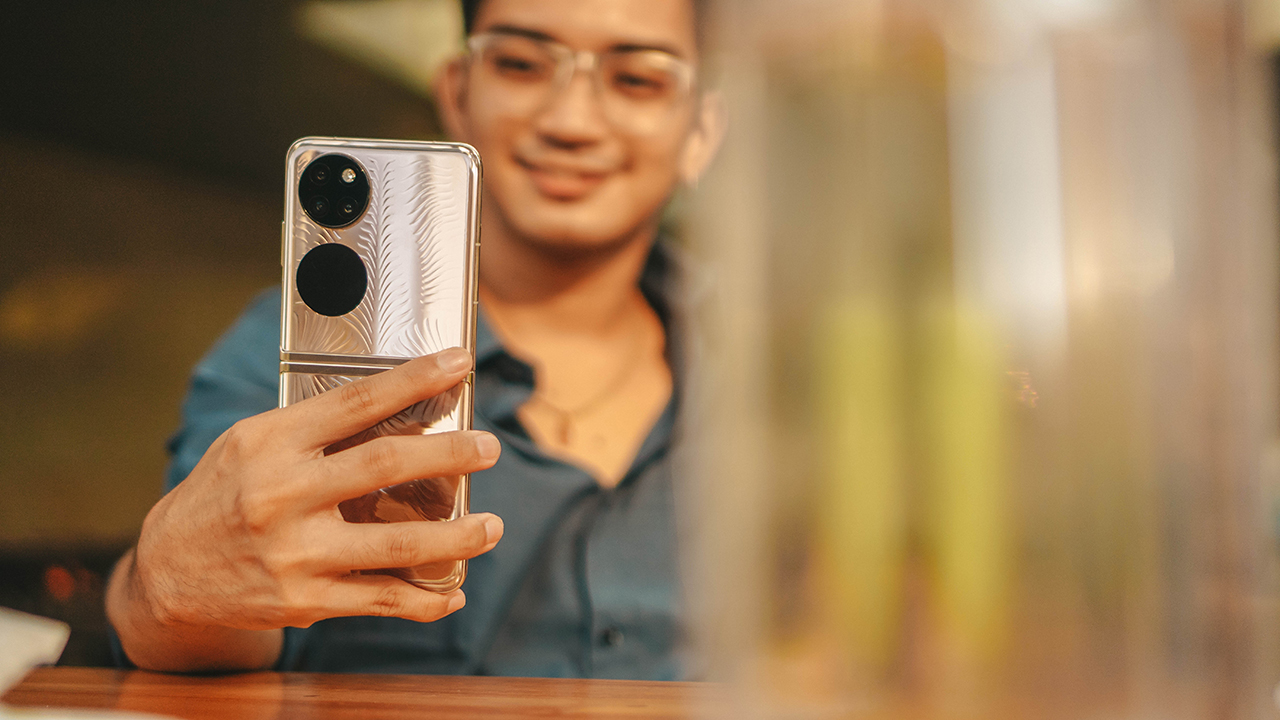
But what I do like about it the most is its cameras. Taking selfies on the cover screen will require the P50 Pocket to use its rear cameras: a 40-megapixel True-Chroma camera, a 13-megapixel Ultra-wide-angle camera, and a 32-megapixel ultra spectrum camera.
I like how the selfies turned out, and I honestly enjoyed taking them than the selfie camera situated on the punch-hole, which only uses a 10.7-megapixel ultra-wide-angle lens.
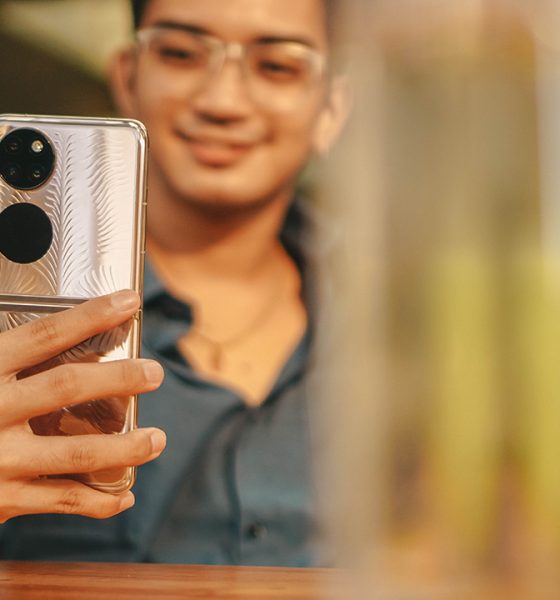
Just look at these cover-screen selfies.


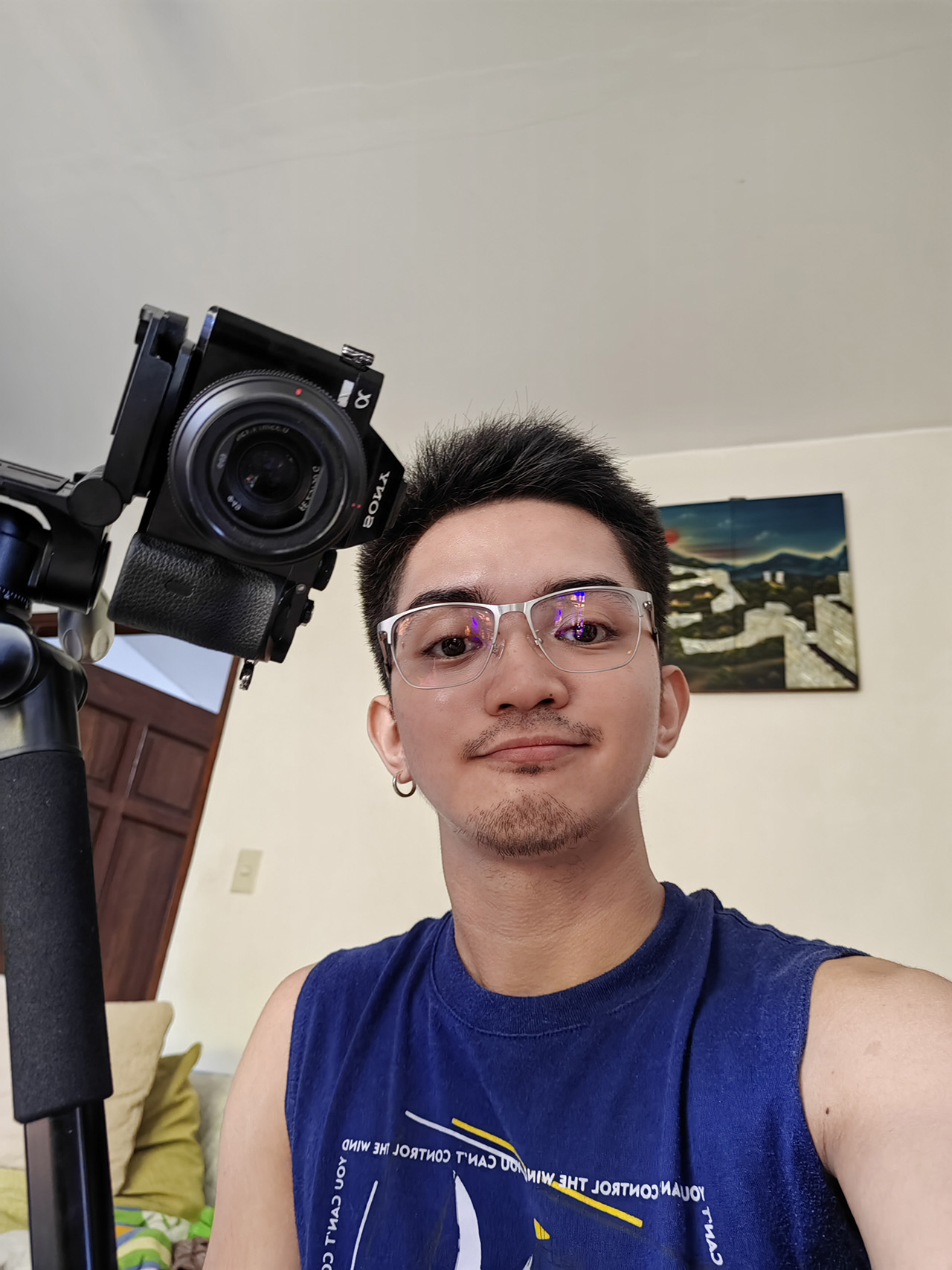
Now, look at these selfies taken using the front-facing camera found on the punch-hole.



They’re warm, a little bit saturated for my liking, and create unnecessary smoothening that blurs some details.
Continuing the P-series’ legacy
Back at the rear cameras, we know how well-revered the P-series is. For years, Huawei’s camera hardware continues to excel and improve. And we’re certain you’ll love how much the phone captures plenty of details.
Portrait

1x




2x




5x


10x


UWA




Macro


Lowlight



Flagship experience we’re familiar with
If you haven’t used one of the Huawei phones released from 2020 to the present, then you might find it difficult to transition to a new interface with a different setup. In China, the P50 Pocket runs on HarmonyOS 2.0. Outside, it uses EMUI 12. But one thing’s clear, there are no Google Mobile Services.
There are plenty of workarounds that we’ve detailed in the past, but it still seems daunting to try to navigate a Google-less smartphone experience when most of our lives, we’ve been reliant on it.
Despite the struggles, the AppGallery — in lieu of Google’s Play Store — is aggressively working on bringing more apps that most people use.
APKPure, which we use to install third-party apps, doesn’t need to be searched on the browser anymore. When you search the apps you like in the AppGallery and discover they’re not yet available, the store will offer the right link to an APK that you can install.
For what it’s worth, the Huawei flagship experience is still the same. It’s got the power, speed, and performance you’d expect out of a flagship smartphone — foldable or not. You just need to tinker a little bit since it’s made easier now, and if you’re up for the adventure, using the P50 Pocket will be a breeze.
Is this your GadgetMatch?
The Huawei P50 Pocket is an exquisite attempt for a flip phone, and it poses a magnificent promise. There are plenty of pros and cons that you might want to consider. It’s gorgeous, sure, but there’s something more to the P50 Pocket than its looks.
You can call it a beauty and a beast, but with reservations for reasons we already know. These are the GMS issue, a seemingly fragile hinge mechanism, and the lack of dust and water resistance.
For the package it offers, it might not be enough to break your wallets for a smartphone that perfectly fits your pocket. The P50 Pocket (8GB/256GB) retails for EUR 1,299 while the P50 Pocket Premium Edition (12GB/512GB) retails for EUR 1,599.
If you have some extra money lying around, by all means, go ahead and buy it. It can be a premium item that you can add to your collection. But when compared to the foldables out in the market, the Galaxy Z Flip3 5G is still the smarter choice.
For those looking for the same experience such as better cameras, premium design, and flagship experience — you might be better off with a Huawei P50 Pro.

The Huawei P50 Pocket is expected to roll out internationally across key markets from Asia Pacific, Middle East, Africa, Europe, and Latin America.



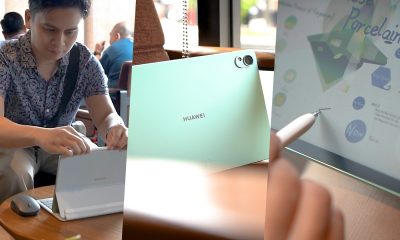

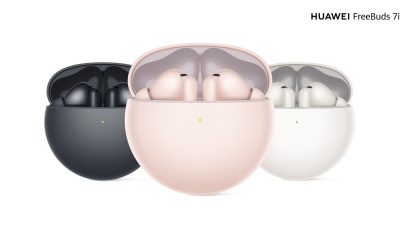


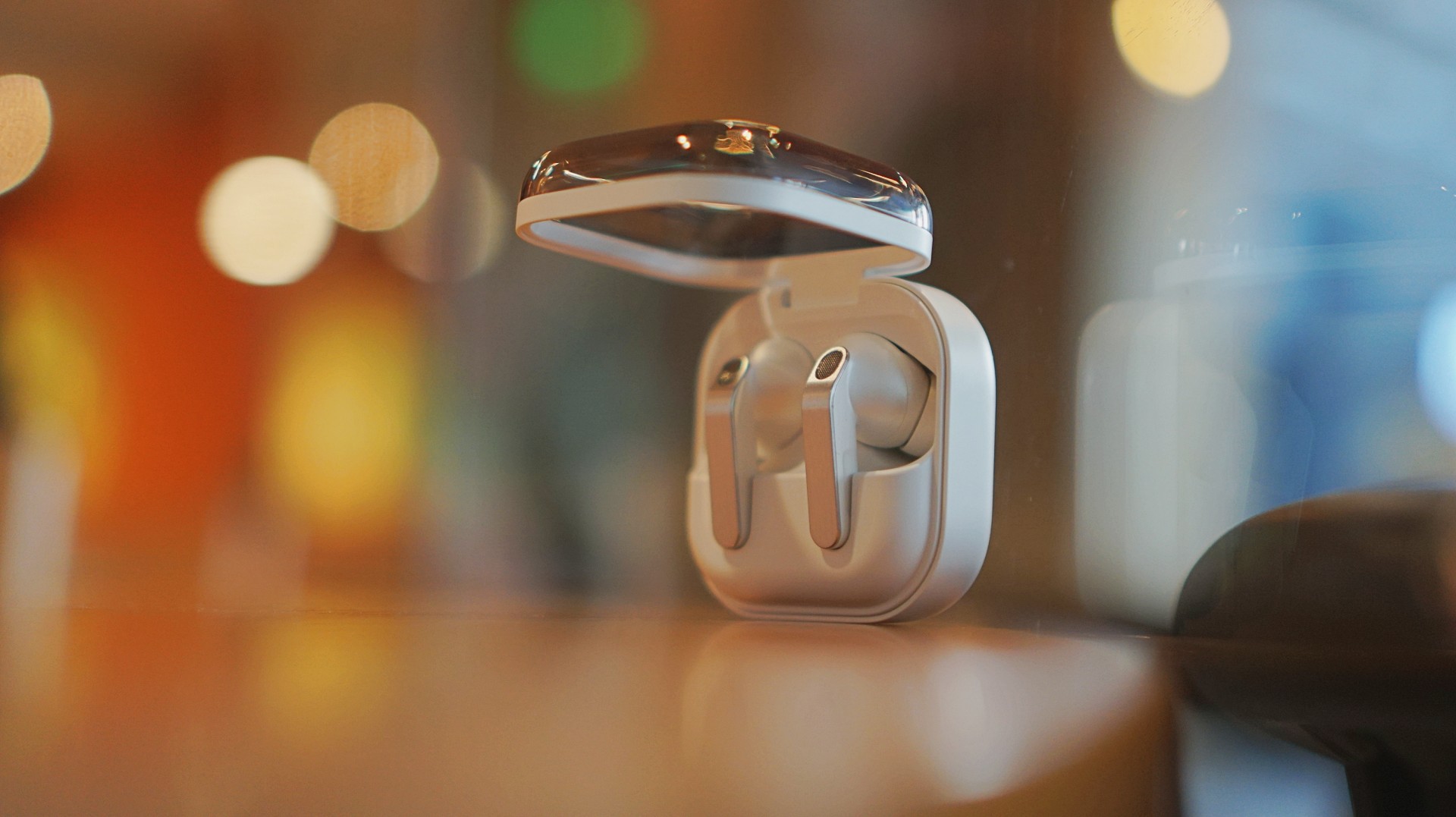
I thought I was done with in-ear headphones. Then the Galaxy Buds4 Pro entered my atmosphere.
I was never truly comfortable with in-ear headphones. That’s why I leaned toward over-ear pairs. But I still wanted something compact for days when I wanted a lighter loadout.
Then came the Shokz OpenDots One. A clip-type, open-ear pair that felt like a game changer. It sounded good enough. It kept me aware of my surroundings. I used it to preview reels while out on coverage, while walking around the neighborhood, and even on quick trips to the barber.
I was ready to write off in-ears completely.
Good thing I didn’t.
A surprise I didn’t expect
I went into the Galaxy Buds4 Pro a little skeptical. I already liked the Galaxy Buds3 Pro, but comfort was never its strongest suit for me.
Then I wore the Buds4 Pro.
Right away, it felt different. More comfortable. More natural. I thought it was just new gadget novelty. But even after a week, that feeling didn’t fade.
That’s when it clicked. These are different. They don’t just sound good. They fit into your day better.
Finally looks like its own thing
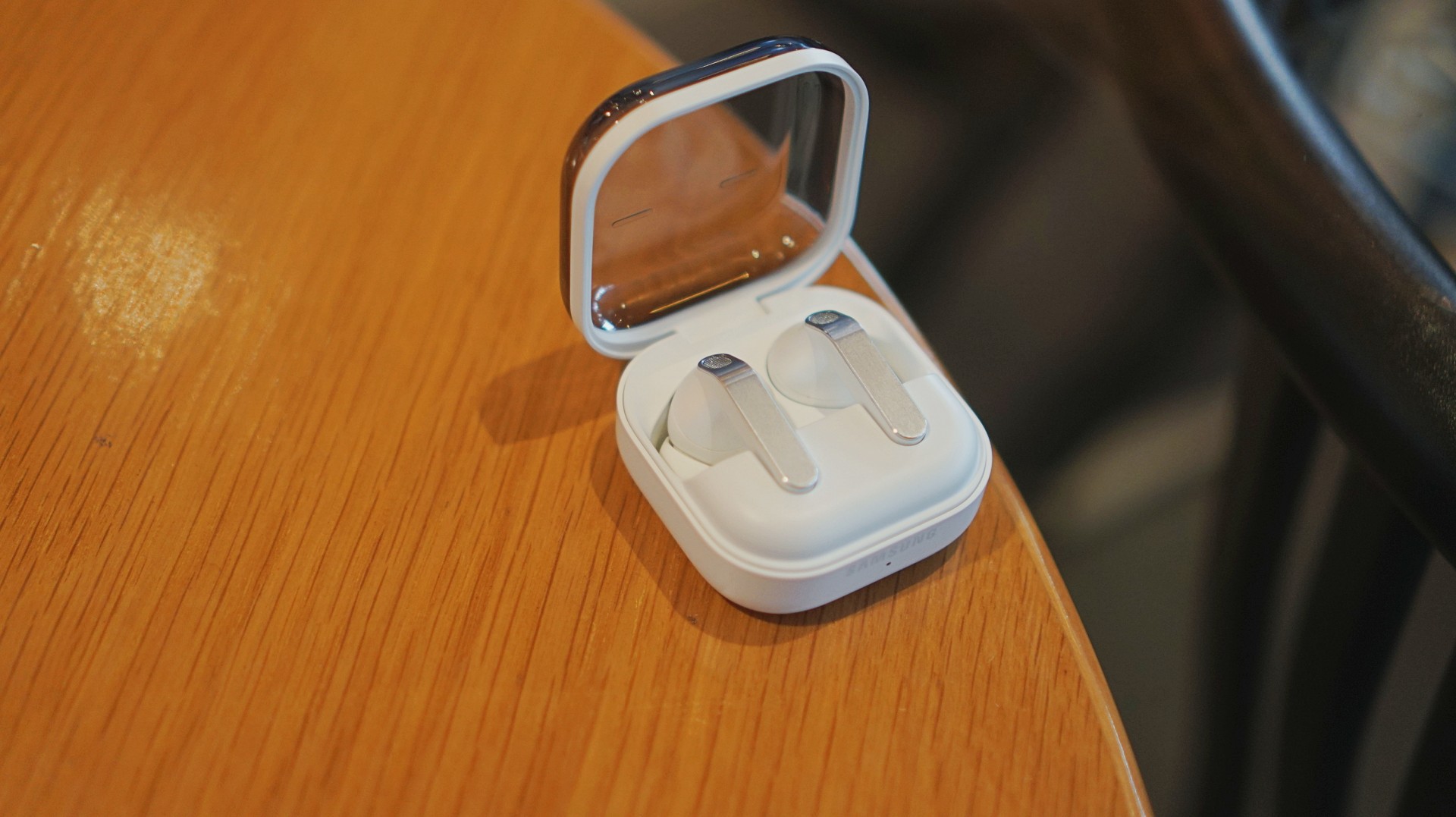
The first thing I loved? It doesn’t look like AirPods anymore.
The Galaxy Buds3 Pro looked a little too familiar. I didn’t hate it, but it didn’t feel like me. I like using tech that reflects a bit of individuality, and that design always felt a little tacky.
The blade design on the Galaxy Buds4 Pro fixes that.
It looks cool. Straight up.
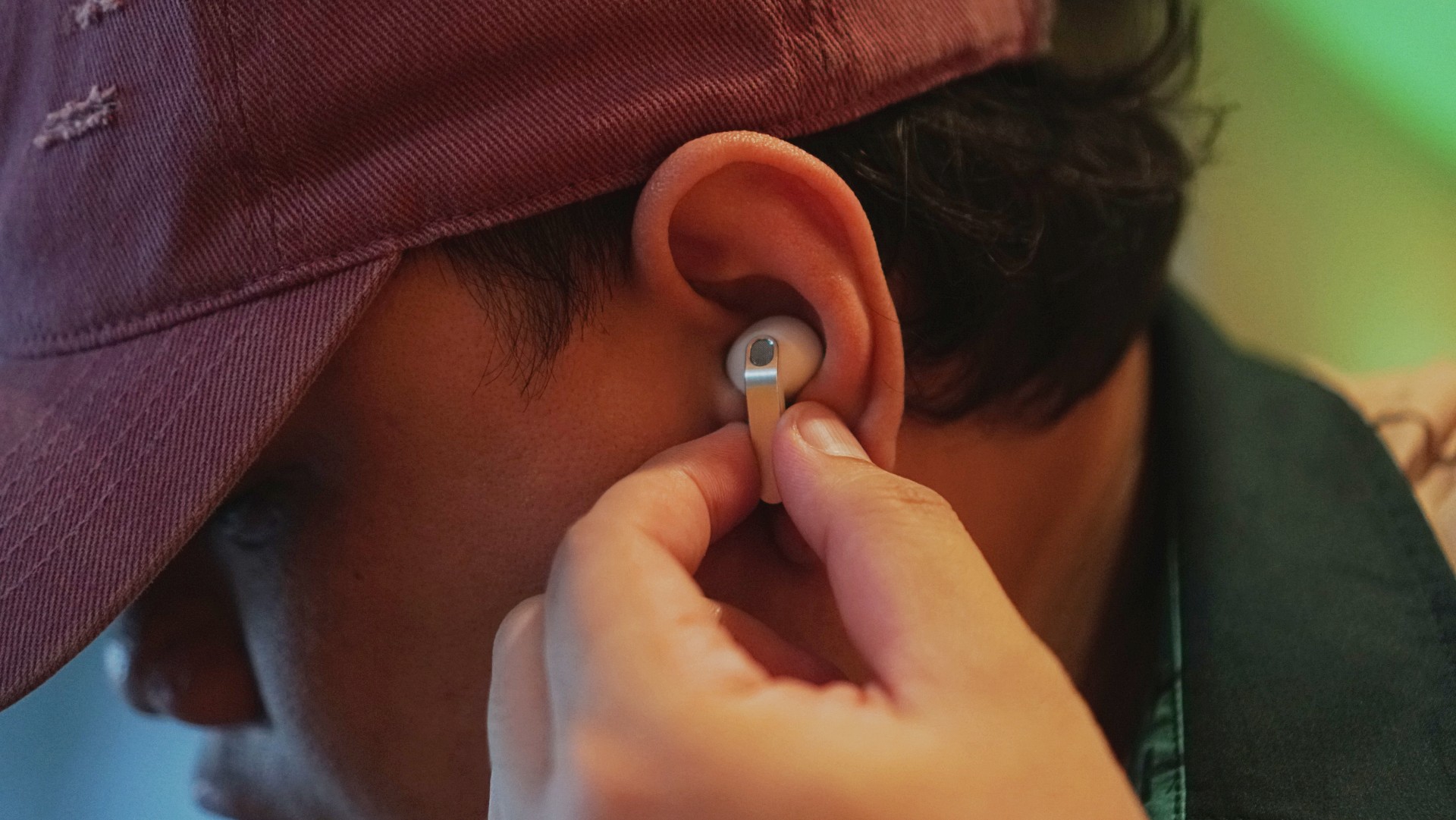
More importantly, it feels more like Samsung finally finding its design language again instead of borrowing from someone else. It’s not just aesthetic either. The shape makes controls easier to find and use.
It’s a small thing on paper. In practice, it changes how you feel about using it every day.
Controls feel easier too. Pinch to pause/play, slide up/down in the same pinching position if you want to adjust volume. It just works.
Comfort changes everything
This is the biggest upgrade for me.
With the Buds3 Pro, I loved the features but didn’t always enjoy having them in my ears. With the Buds4 Pro, that problem is gone.
It’s not that you don’t feel them at all. You do. But not in a way that makes you want to take them out.

I’ve worn them for four straight hours while working in a café. Writing, replying to emails, just sitting there with music on. No urge to remove them. No fatigue that breaks your flow.
They stay in place, too. Even during brisk walks.
For someone who almost gave up on in-ears entirely, that alone is a massive win.
Rich, full, and now more layered
If you’ve used the Galaxy Buds3 Pro, you already know the sound is good. The Buds4 Pro takes that and pushes it one step higher. Rich, warm, full, and surprisingly layered. The difference hit me immediately.
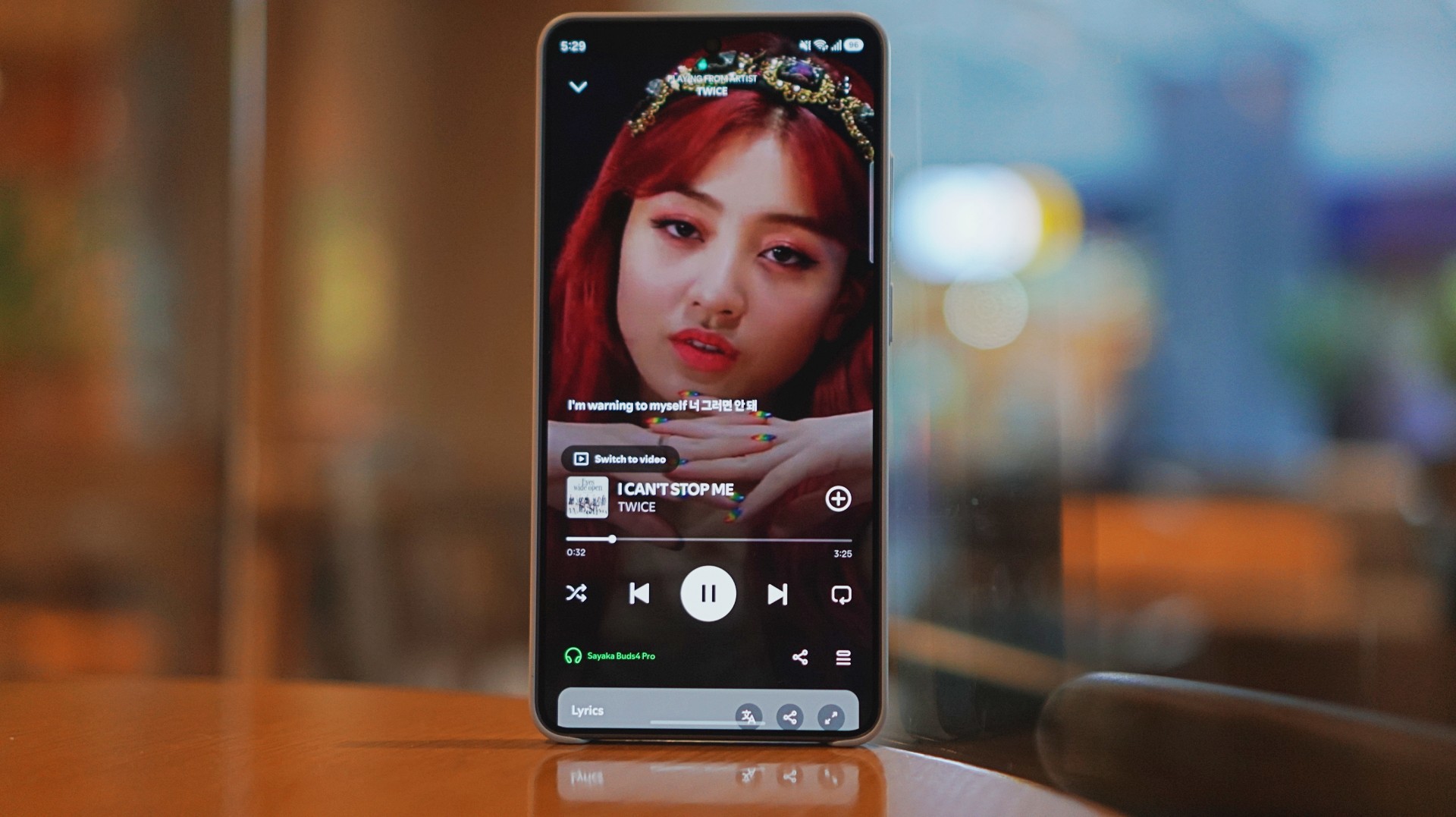
I was listening to Spotify on the Galaxy S26 Ultra and started hearing details I don’t usually notice. It reminded me of the first time I heard lossless tracks on Apple Music with a really good pair of headphones.
And this is just on Spotify. Hell yeah, it makes Spotify feel good enough.
Hearing the little things
I listen to a mix of K-pop, KRNB, OPM, pop rock, and alternative rock. Across all of it, one thing stood out: separation. It’s easier to isolate sounds if you’re into that.
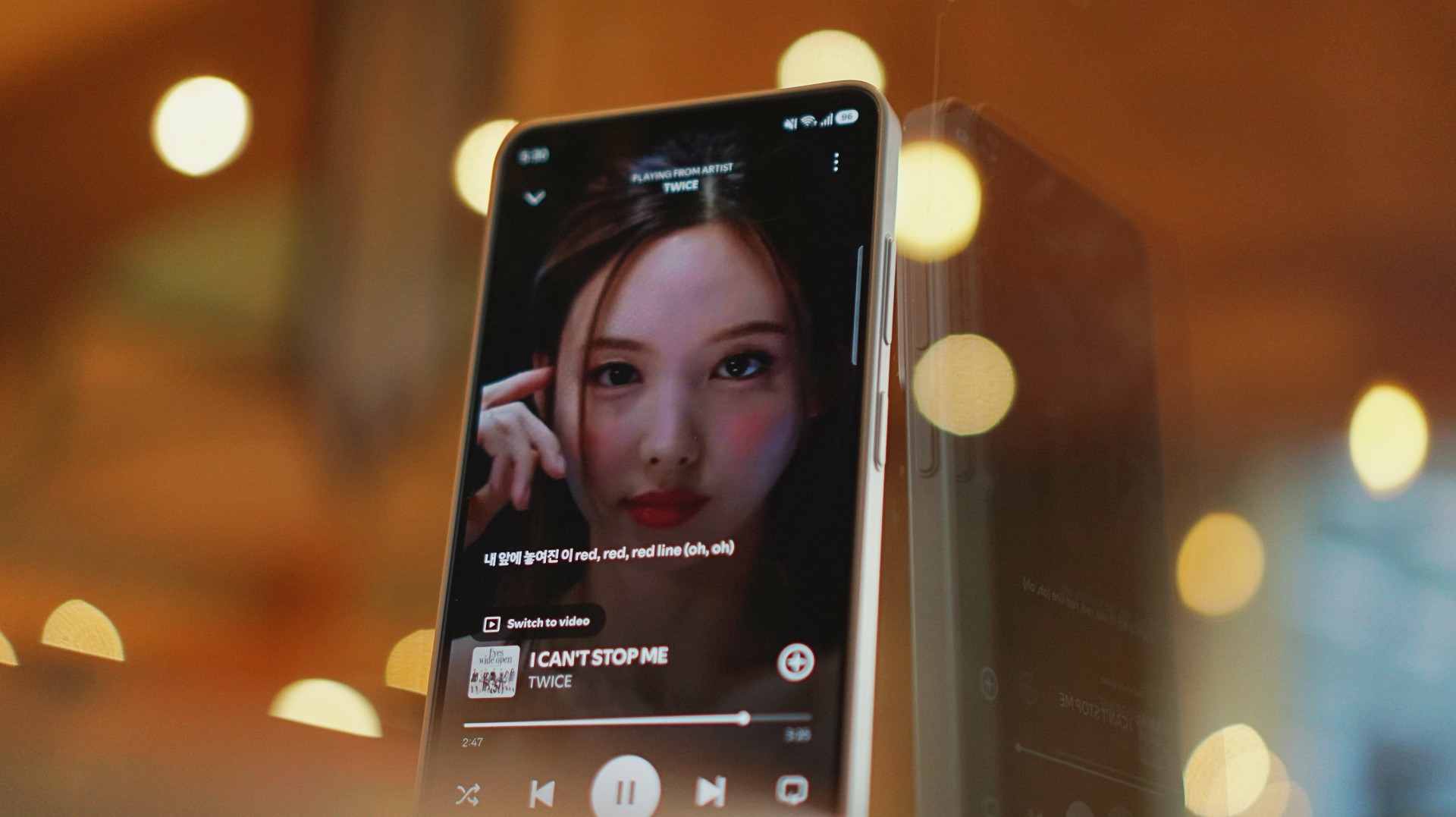
With TWICE tracks, I started picking up vocal riffs and runs from Jihyo and Nayeon that don’t always stand out on other setups. They’re not overpowering. Not distracting. They just sit there, completing the track.
It feels… intentional. Like everything has its place. It doesn’t just sound better. It makes music you already love feel new again.
A quick reality check
At one point, I forgot to charge the Buds4 Pro and switched to the HONOR Earbuds 4. Same track. Same app. Night and day difference.
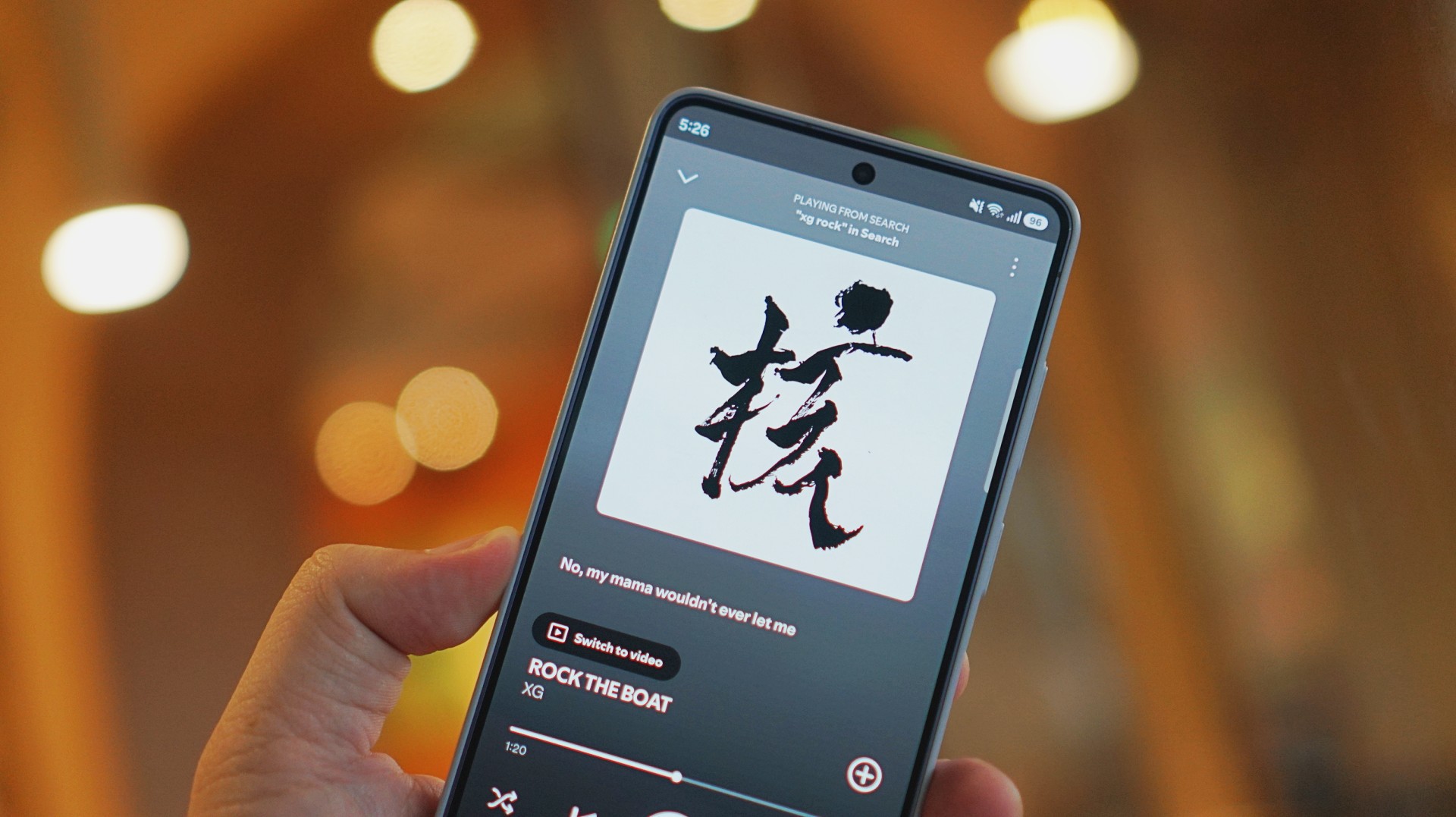
I was listening to “Rock the Boat” by XG when I made this switch.
The Galaxy Buds4 Pro sounded rich, warm, and full. The HONOR Earbuds 4 felt a few steps behind across the board. To be fair, they’re in different price brackets. But that moment still validated everything I was feeling about the Buds4 Pro.
ANC that gets the job done
Let’s set expectations.
The ANC is not Sony WH-1000XM6 level. But nothing is.
If Sony is an 11/10, this sits comfortably at around an 8.5.
And honestly? That’s more than enough.
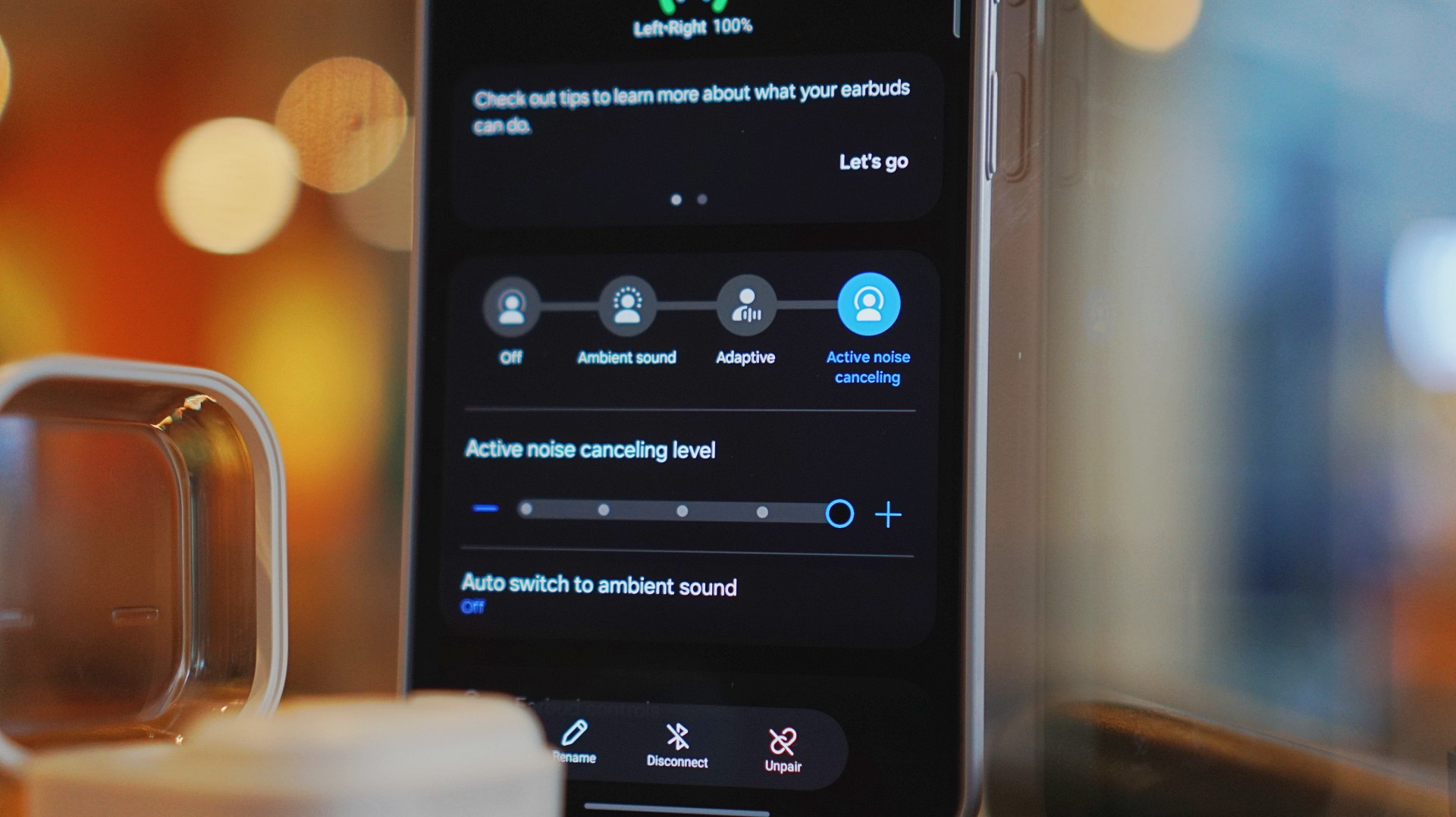
On a 12-hour flight from San Francisco back to the Philippines, I had these on almost the entire time. Engine noise was significantly reduced. There’s still a faint hum if you really listen for it, but it never got distracting.
In cafés, even when seated right next to the speaker, it blocks out enough noise for you to stay locked in.
It locks you in. You feel like the music is inside your head while still giving you elite sound, some spatial awareness, and surprising comfort.
That balance matters more than chasing perfection.
Adaptive ANC still needs patience
I default to turning ANC on manually. Adaptive ANC and EQ are there, but in my experience, they take a bit of time to kick in. Sometimes a minute or two.
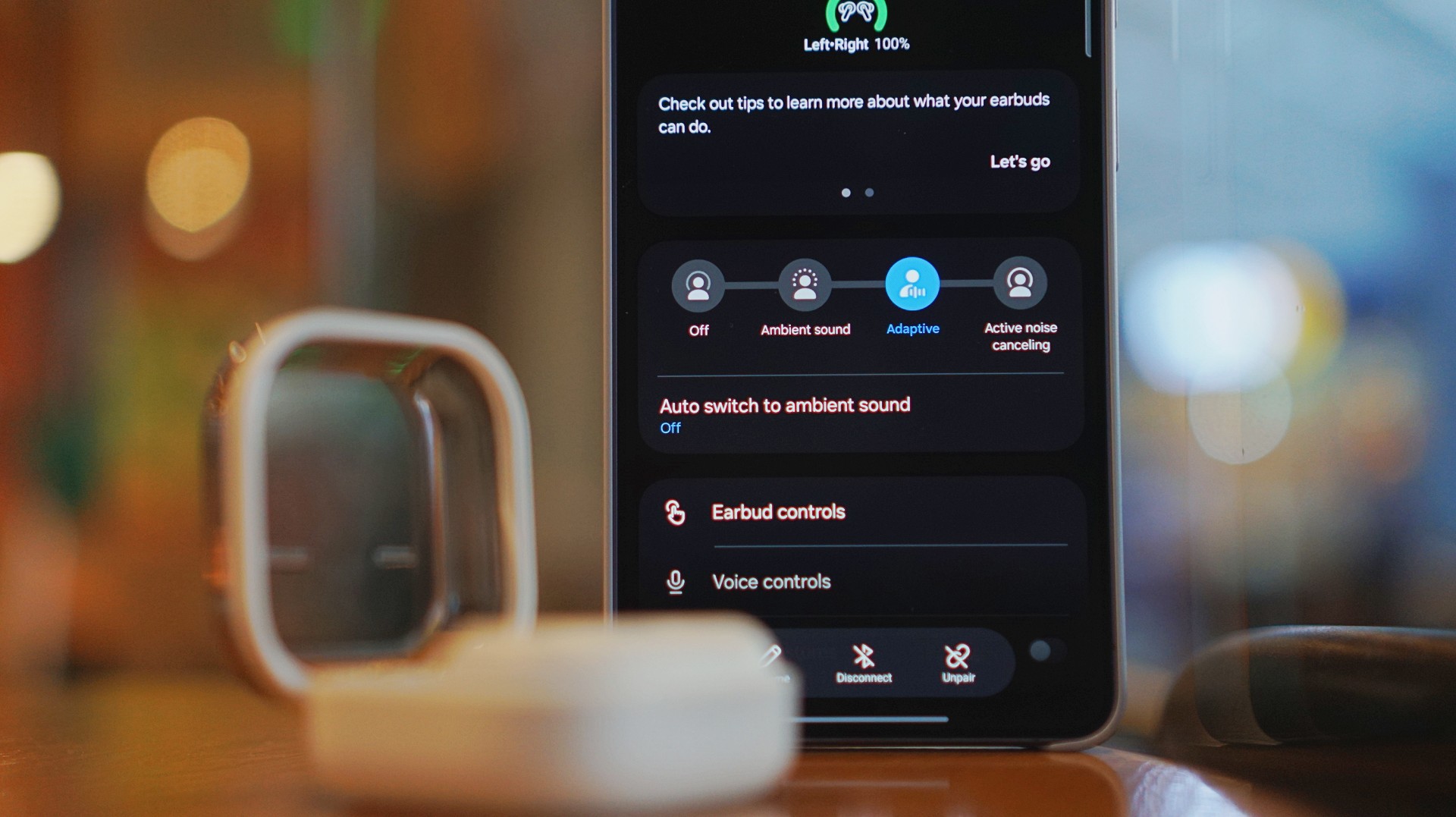
Because of that, I’ve built the habit of switching modes myself depending on where I am.
It works. It’s reliable. But I’d like to see this feel faster and more seamless over time.
Just fits into your day
This is the kind of device you don’t think about. I reach for it every time I step out. Walks, errands, quick food runs.

It’s perfect when you’re waiting in line and scrolling through reels. No accidental loud audio. No awkward moments. It just fits. That’s probably the best compliment I can give it.
Galaxy ecosystem still wins
Pairing is seamless. Controls are responsive. Everything works the way you expect it to. If you’re using a Galaxy device, this is a no-brainer.
Even outside the ecosystem, it still holds up. But you definitely get the best experience when you stay within it.
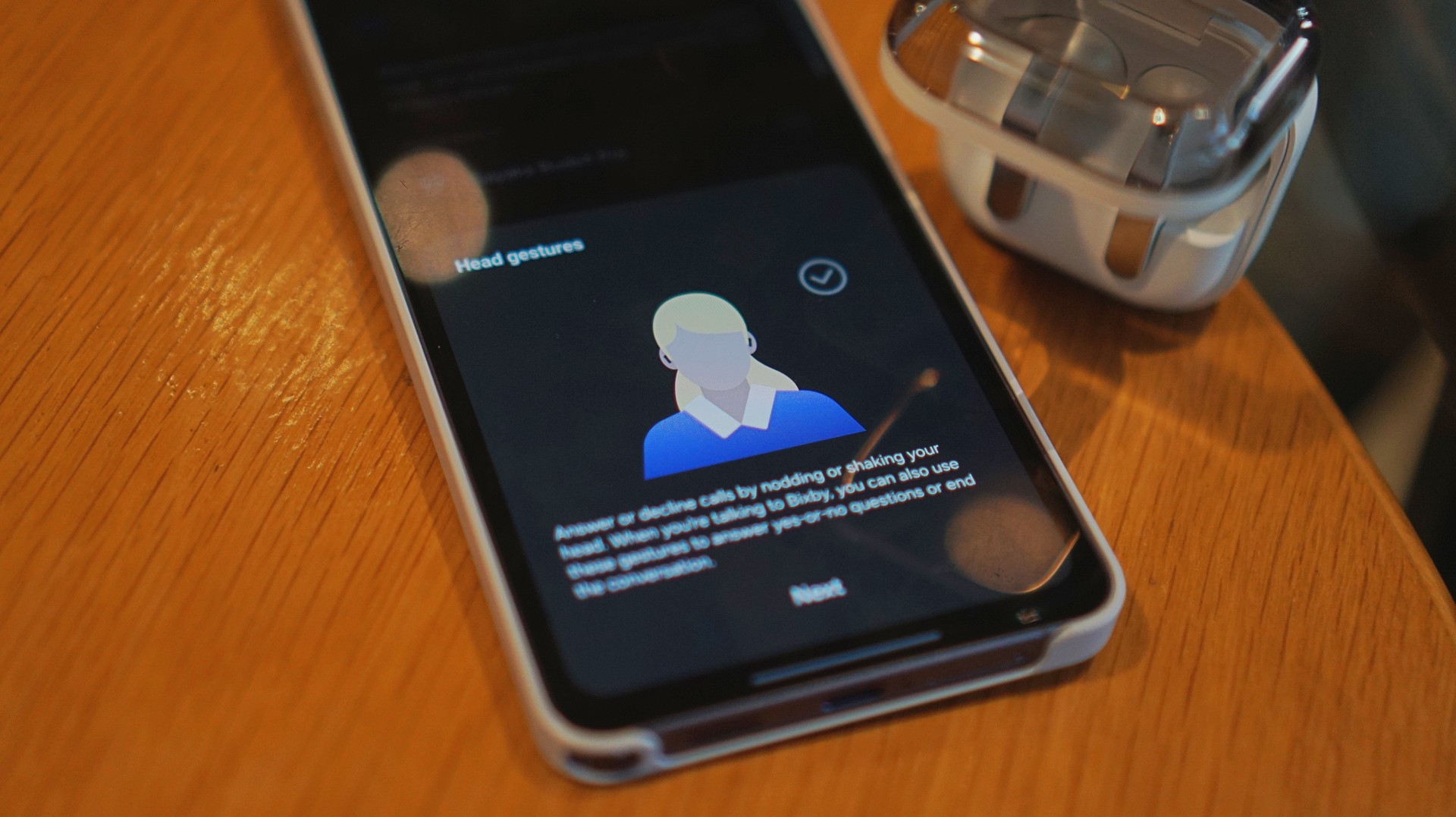
What still doesn’t matter (yet)
Features like AI Translate are still in that “nice to have” category for me. They’re promising. They’ll probably get better. But they’re not why you buy this.
You buy this for the sound, the comfort, and the everyday usability. And those are already excellent.
Is the Galaxy Buds4 Pro your GadgetMatch?
If the Galaxy Buds3 Pro was Samsung’s best so far, the Galaxy Buds4 Pro is that — made better. A meaningful refinement.
This is my default recommendation now.
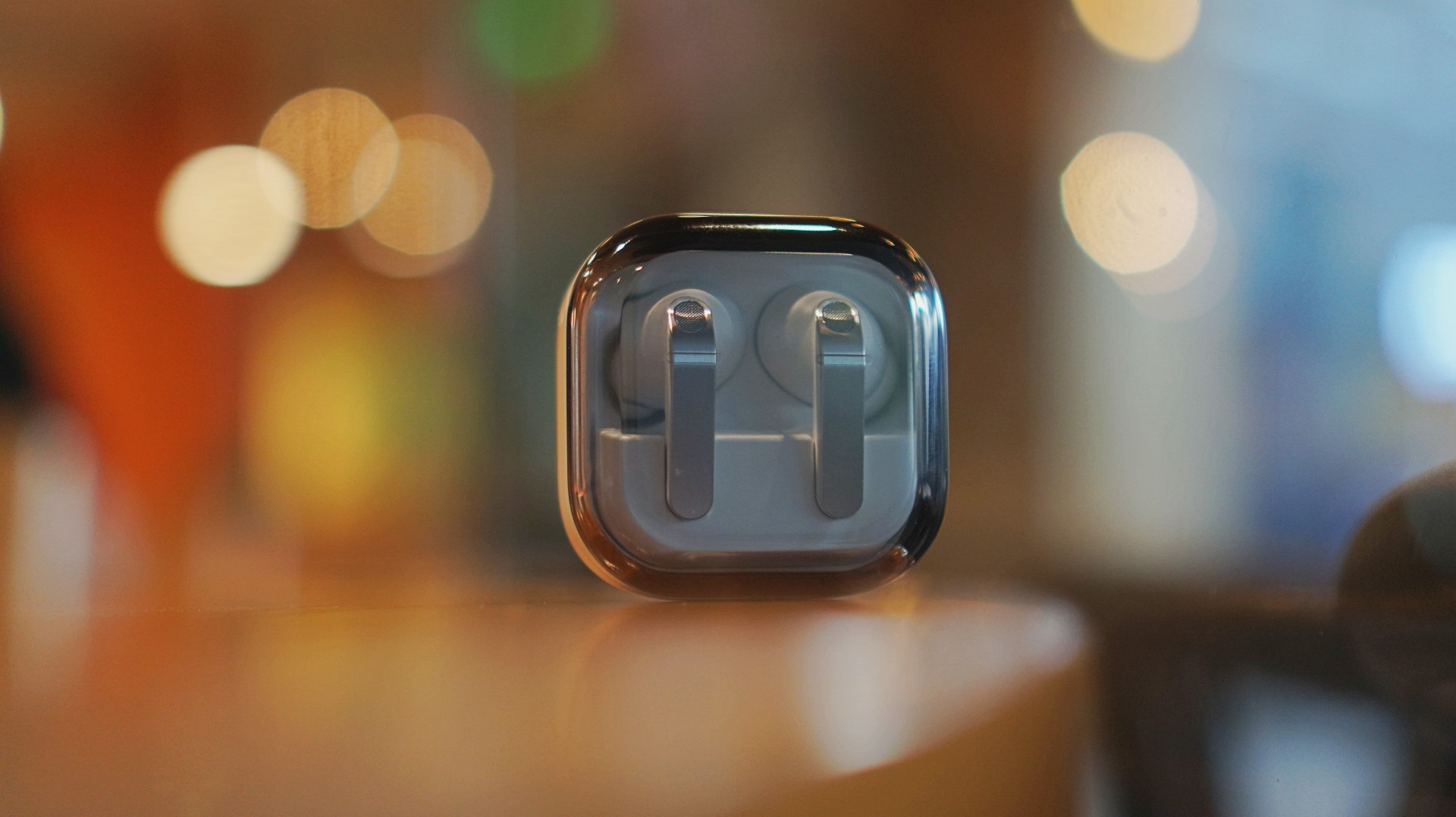
The Galaxy Buds4 Pro is for people who want to get the best sound in a compact, easy-to-carry audio buddy to their smartphones.
If you’re coming from older earbuds, this is an easy upgrade.
If you’re coming from the Buds3 Pro, you can probably hold off — unless comfort and design matter a lot to you.
And if you’re deep in the Galaxy ecosystem?
This Buds4 you. Swipe up. No questions asked.
Gaming
WWE 2K26 lets you live out all the fantasy matches you could want
But you have to play for hours and hours to unlock everyone.


The old SmackDown vs. RAW games were some of the most fun I’ve had as a teenager. Though I didn’t own a PlayStation 2 or 3 then, I had a PlayStation Portable and the series’ corresponding version. Sure, it didn’t have the then-advanced graphics, but the games kept me company for many a day and night. And it all revolved around a simple premise: letting wrestling fans live out their fantasy matches.
Now, with over 400 playable characters on launch, WWE 2K26 hopes to rekindle that magic. Previously, 2K’s take on the wrestling simulator never really captivated me as much as the SvR series did. Though players still had a similarly large roster throughout the years, the series felt too homogenized, too riddled with microtransactions. This year, the series got me thinking again: Can sheer numbers singlehandedly usher a new renaissance for WWE gamers?
The good: Four hundred superstars under one banner
WWE 2K26 touts over four hundred playable characters on launch. With unannounced DLCs still on the horizon, this number will surely balloon further. Even for a dedicated WWE fan, having over four hundred playable characters is insane. Where else can I pit Joe Hendy against Andre the Giant and create my own WrestleMania III moment?

The only catch, however, is that the game did some stat padding to get to this enormous number. Besides having multiple personas for a single wrestler (and CM Punk alone has ten of these), the roster includes a platoon of fictional MyRISE characters, which comes off as distracting if you don’t particularly engage with the MyRISE mode.
Ironically, the game didn’t even need to pad its stats this way. For the first time in the series, the launch roster includes Superstars from the current WWE roster, TNA, AAA, and the Hall of Fame. I could spend hours just feeding a litany of Superstars to TNA legend Abyss. That’s something I could never have done in the old SvR days.
The good: A more fluid fighting system
It also helps that WWE 2K26’s fighting system is the most fluid that the series has been. Wrestlers no longer feel like wooden animatronics skipping from one animation to the next. Each punch flows smoothly into a clothesline, a grapple, a carry, or a finisher.
It is, of course, at the expense of a more complex control scheme where each input combination corresponds to its own move. A stray waggle of the right joystick, for example, can have your wrestler careening towards their opponent in ways you never intended.

It takes some time to get used to. Every time I get a WWE 2K game, I always need a refresher course for the controls. Plus, each entry introduces something different. This year introduces rushing opponents to the corner and carrying opponents in different ways.
Another new addition is the new third-person camera which follows your character, rather than being locked to the ring. To me, this was a welcome feature. The original camera can often betray you by having various elements (other wrestlers, the ring itself) block your view of the action, thus preventing you from reacting correctly to your opponent. The dynamic third-person camera solves this and makes the fight more immersive.

That said, the camera necessarily changes the controls a bit because you need the right joystick to look around. Because of that, I had to revert back to the original camera after a while. Regardless, this is a step in the right direction.
The improved fight scheme is also a step in the right direction. WWE 2K26 is the franchise’s most immersive entry to date because of how fluid the action plays out.
The meh: Iterative game modes
Every yearly sports simulator falls prey to the curse of iteration. Because it’s an annual release, every game needs to add something new for players. At the same time, the same game can’t iterate too much, or it might end up alienating fans of the previous title. Each WWE 2K title has to be the same but also a bit different.
WWE 2K26 goes through the same rigamarole. Most of the game’s different modes don’t offer a lot of improvements from last year. So, if you loved last year’s MyRISE, MyGM, and Universe Mode, you’ll likely find this year’s iteration inoffensive.

“Inoffensive,” however, isn’t the best way to sell a new game. At the very least, MyFACTION gets interesting improvements. For a mode I historically dislike every year, WWE 2K26’s MyFACTION ended up being the one I loved the most this year.
This year, the layout feels more intentional. Though it still lacks the exciting animations of NBA 2K, opening a pack no longer looks like a PowerPoint presentation. There’s also more ways to fight offline with the addition of a challenging World Tour mode. Plus, with intergender support and team chemistry, this feels like the update that MyFACTION needed.

In another twist of fate, Showcase Mode ended up being the loser this year. WWE 2K26 rehashes last year’s schtick of having the star rewrite their history. Last year, this worked with Paul Heyman, a notorious bad guy. It doesn’t really stick with this year’s star, CM Punk, the so-called voice of the voiceless.
Punk could have shined with the traditional style of laying their commentaries over their past matches, especially with his shoot style. Instead, we got a series of what-ifs with practically no commentary. It’s just not what I expected from a firebrand like CM Punk.
The bad: The Ringside Pass
For the first time in the series, WWE 2K26 has a battle pass called the Ringside Pass. Like battle passes in other games, the Ringside Pass unlocks more content as you play through the game. However, unlike today’s standard which revolves mostly on cosmetics, this version locks a treasure trove of playable wrestlers behind an experience gate.
Even if you already paid for the game, WWE 2K26 asks you to play an inordinate number of hours just to unlock the best wrestlers in the game.
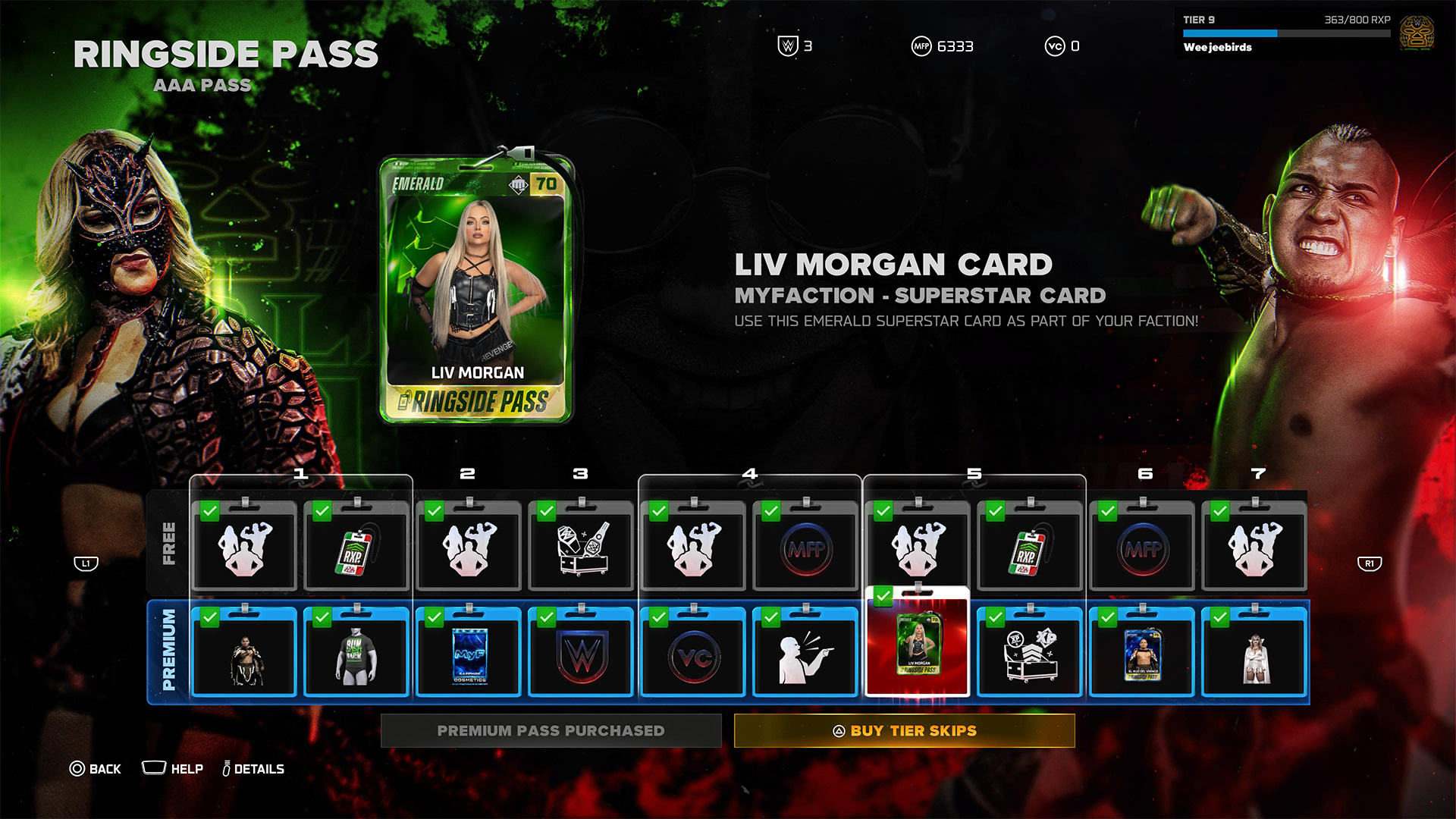
To be fair, it’s not all bad. Right out the gate, the game already gives you access to heavy hitters like CM Punk, Shawn Michaels, and John Cena. However, a lot of favorites are still unplayable including Bret Hart and Kurt Angle. This even includes the strongest version of Bray Wyatt, who’s locked under the last tier of the current pass.
Gaining experience isn’t an easy feat, either. After playing for hours and hours, I still haven’t unlocked more than half of the tiers. At the very least, there is no time limit, so I can play the game at my own pace.
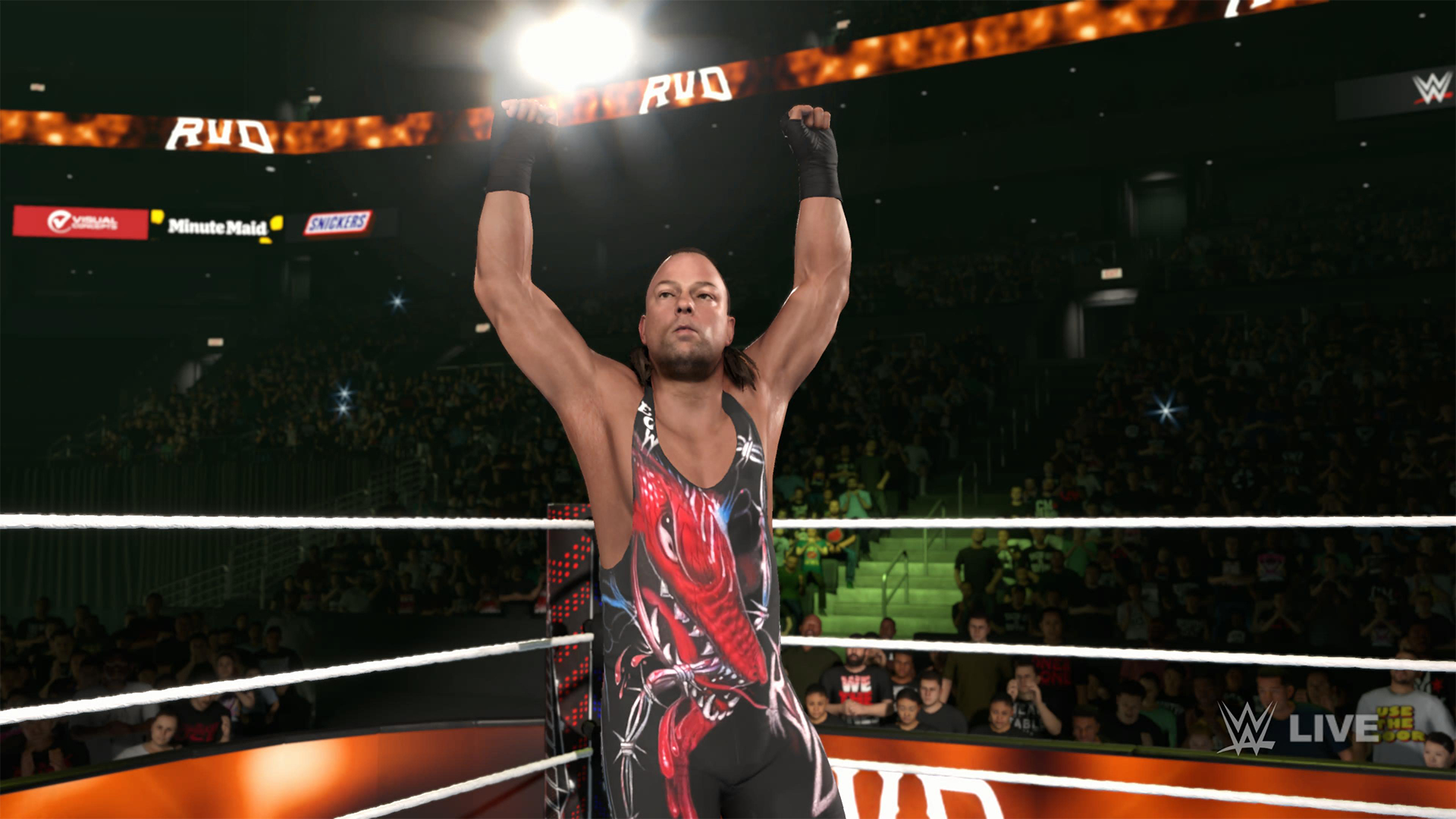
Props to WWE 2K26 for making its battle pass have fulfilling rewards, but it’s still unfortunate that significant elements of the game are locked behind hours and hours of playtime.
The gameplay loop is real and repetitive. And it all circles back to how iterative the game modes are. If only the game modes ended up being as exciting as they were last year, then it would have been exciting to play over and over again. Instead, WWE 2K26 prevents you from engaging in greatest strengths: an exciting roster and a fluid fighting system.
Is WWE 2K26 your PlayMatch?
Last year’s WWE 2K25 was an exciting period for the series. Though this year’s version keeps most of what made the previous game so exciting, WWE 2K26 also adds features, especially the Ringside Pass, that ultimately detract from the entire experience. It’s a small step back, which can hopefully be rectified next year, if not in future updates.

WWE 2K26 is a Swipe Left if you didn’t love last year’s game anyway. The game doesn’t add anything that might change your mind.
However, it’s a Swipe Right if you missed the pure joy of creating dream matches. The game’s massive roster allows for so many impossible matchups to happen, even if only in the digital realm. Just get ready to grind for a long time.
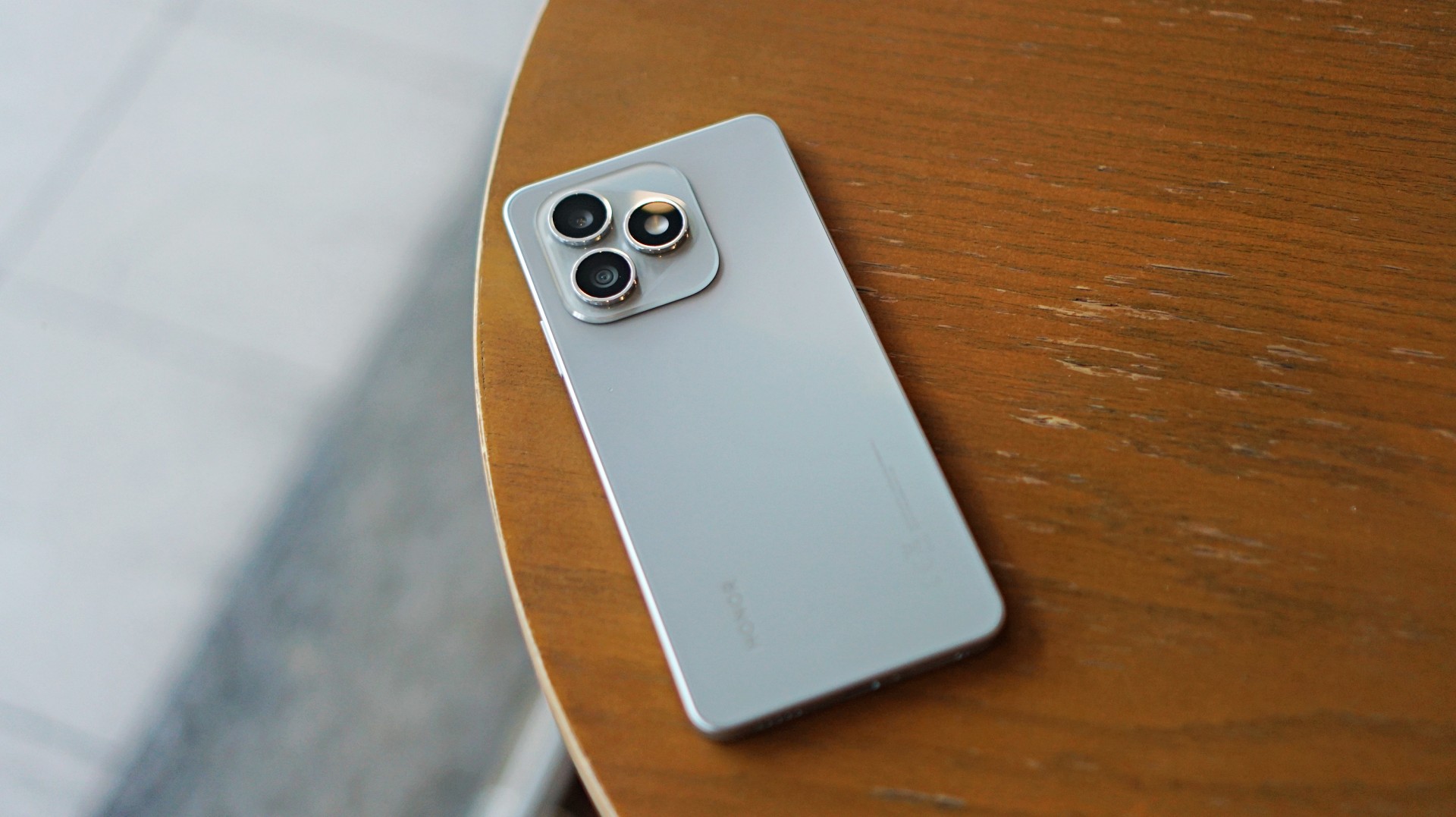
Some smartphones aim to stand out. Others just aim to work. The HONOR X8d falls squarely into the second category.
In day-to-day use, it presents itself as a device that focuses on the essentials. It’s functional, predictable, and easy to understand—but also a reminder of how noticeable the gap can be once performance and responsiveness start to lag behind.
A design-first approach
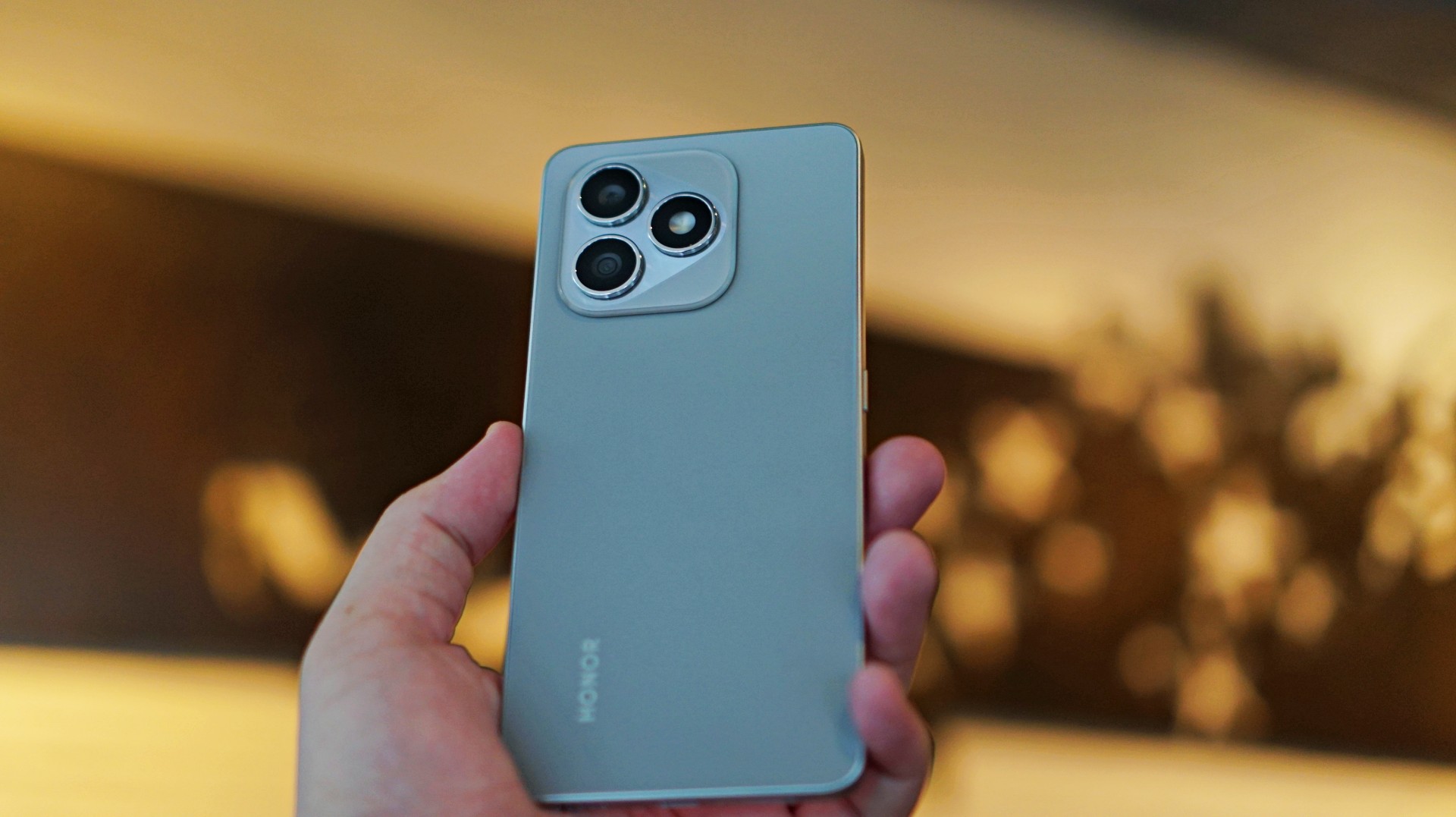
The HONOR X8d makes a decent first impression. It’s slim, relatively lightweight, and easy to hold despite packing a large battery. The flat sides and smooth back give it a clean, modern look, while the camera module adds a bit of visual identity.
It’s available in Light Blue, Velvet Black, and Velvet Grey—options that lean into its youthful positioning. The device also feels sturdy in hand, backed by SGS certification for drop and crush resistance, along with IP65-level protection against dust and splashes.
For a device in this category, the HONOR X8d delivers a build that feels dependable enough for daily use.
Display and media: Bright and usable
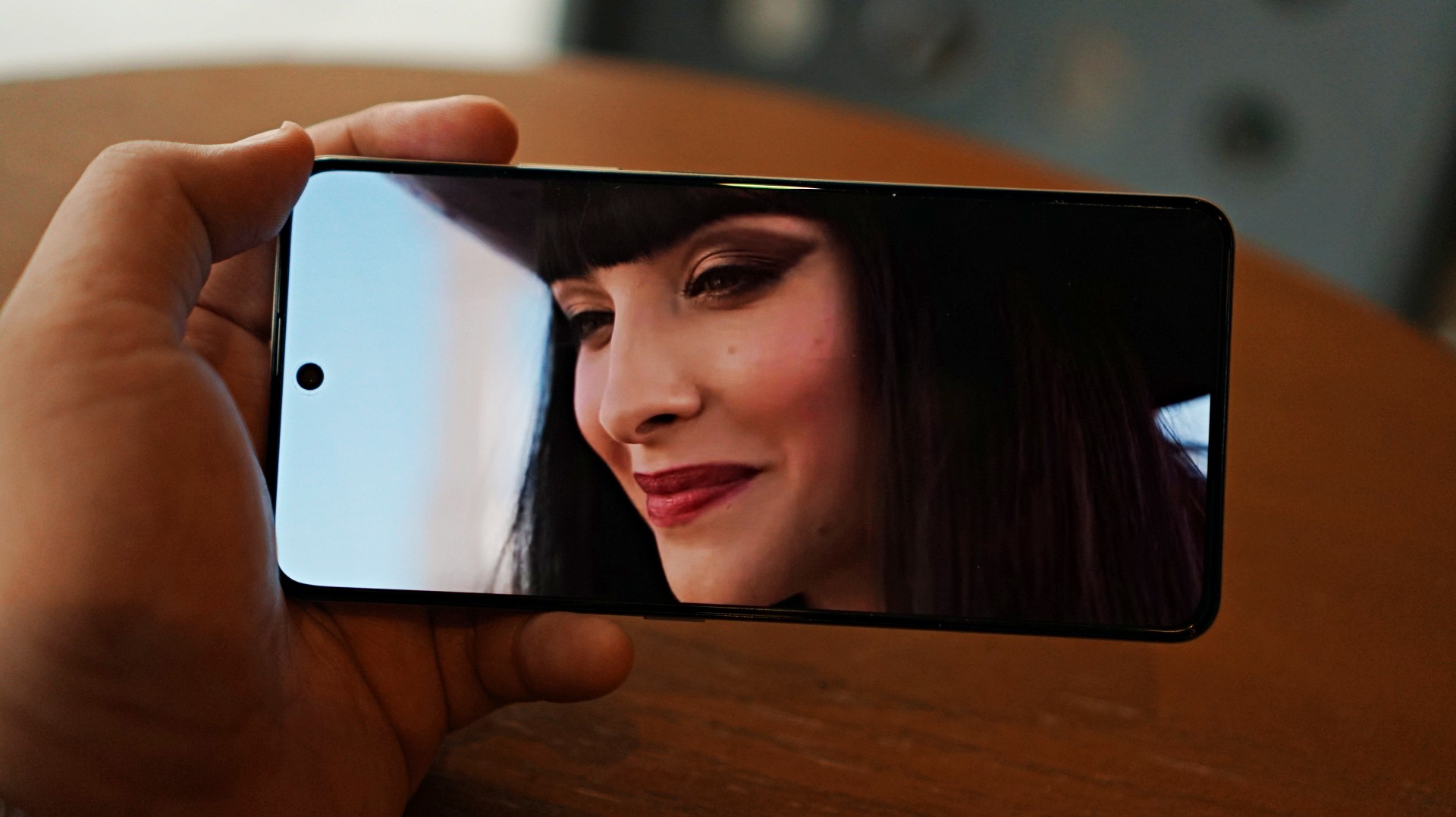
Miss All Sunday makes everything look good
Up front, the HONOR X8d features a 6.77-inch AMOLED display with a 120Hz refresh rate and up to 3000 nits peak brightness. Colors are vibrant, and the panel supports 100% DCI-P3, which helps content look lively.
For casual viewing, the experience is serviceable. Watching shows or videos feels comfortable, and the high brightness ensures visibility even under harsh lighting. Features like 3840Hz PWM dimming and E-Book mode also help reduce eye strain during extended use.
Now Playing: One Piece Season 2
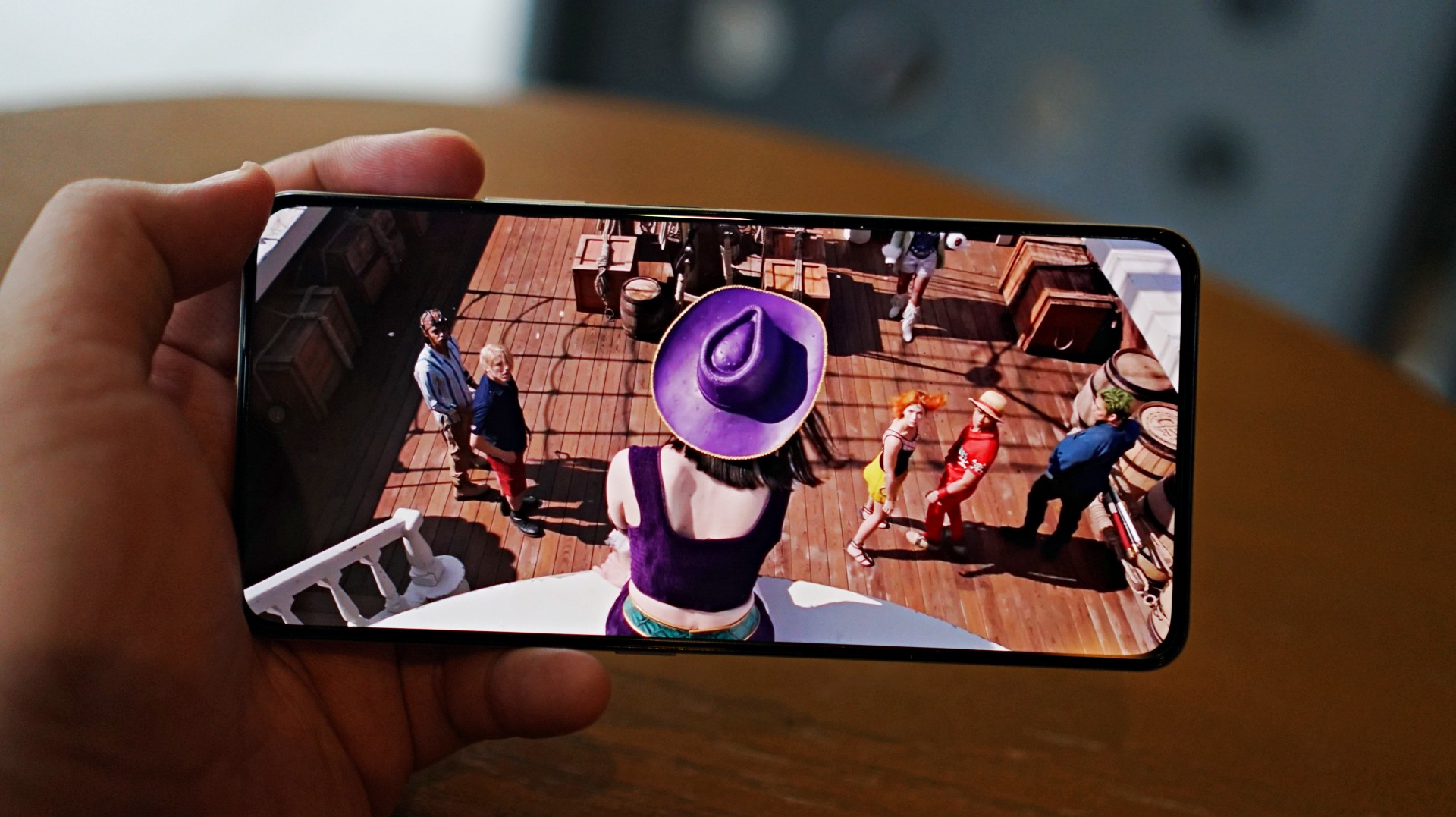
I skimmed through a few episodes of the One Piece Season 2 live action on Netflix and again it was… alright. Nothing here will blow you away but it serves its purpose.
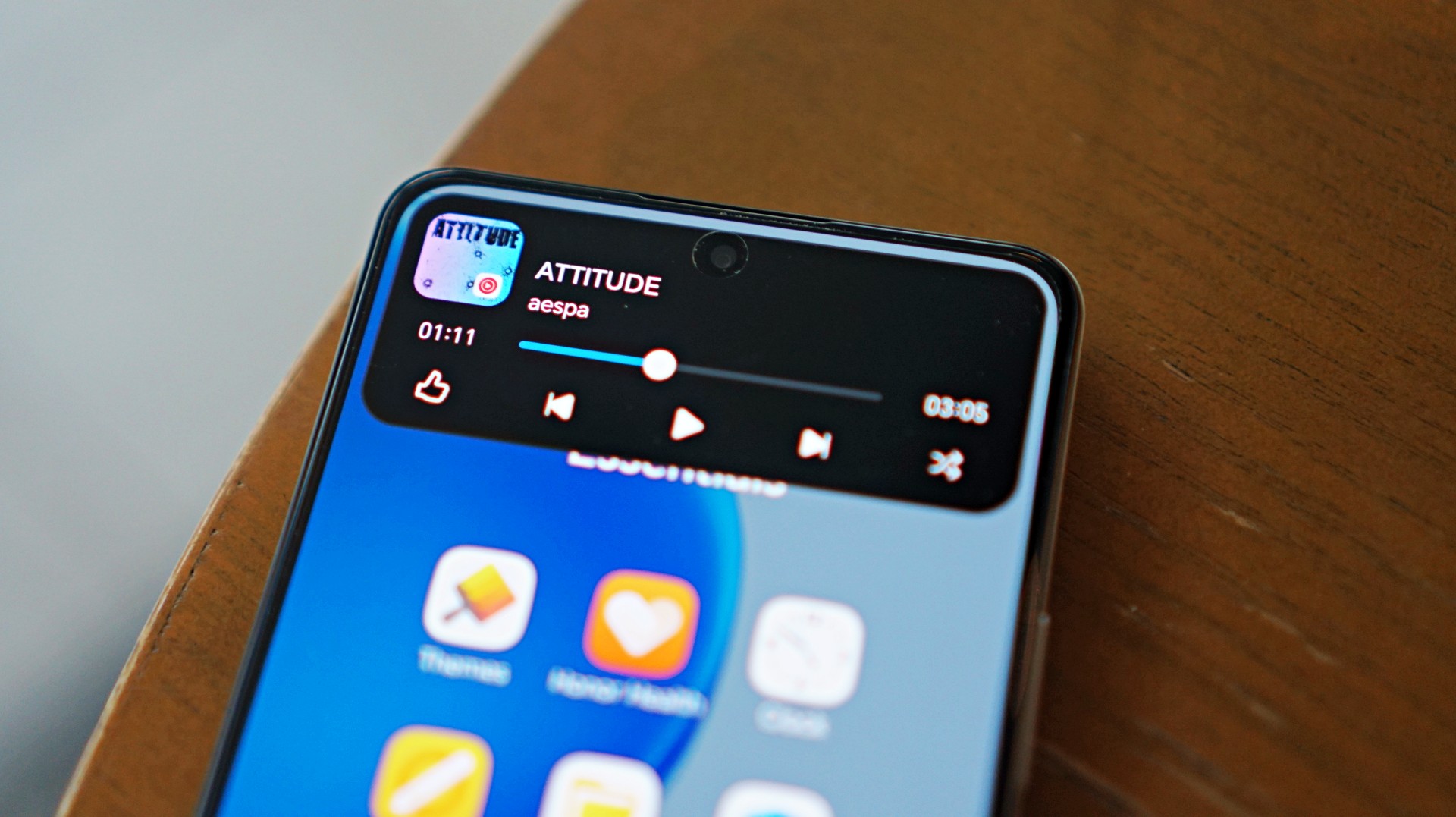
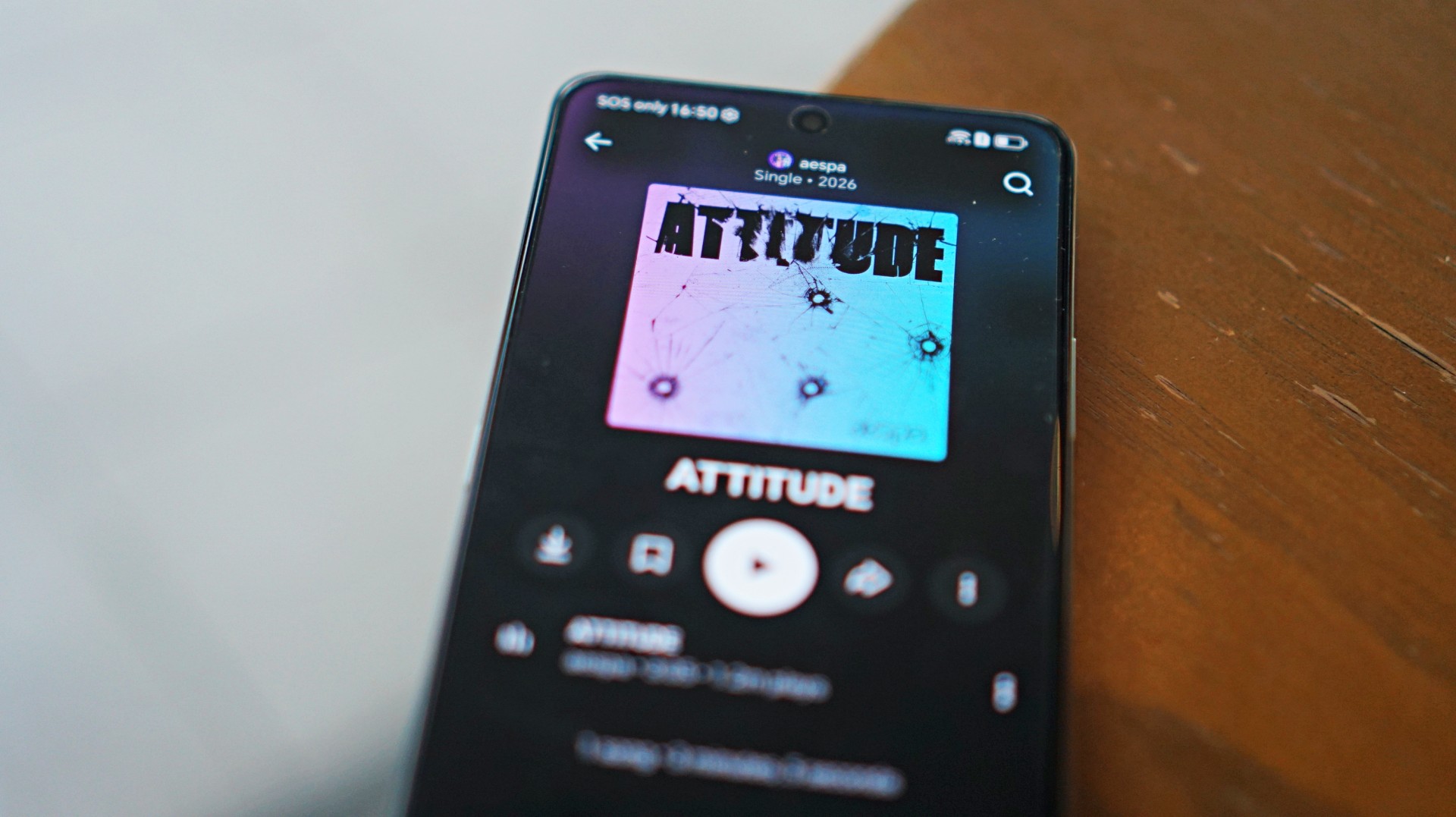 I also listened to “Attitude” by aespa on YouTube music and it just echoes the general feeling of the phone – serviceable.
That said, the overall experience remains straightforward. It delivers what you need for day-to-day media consumption without going much further.
Performance is where compromises show
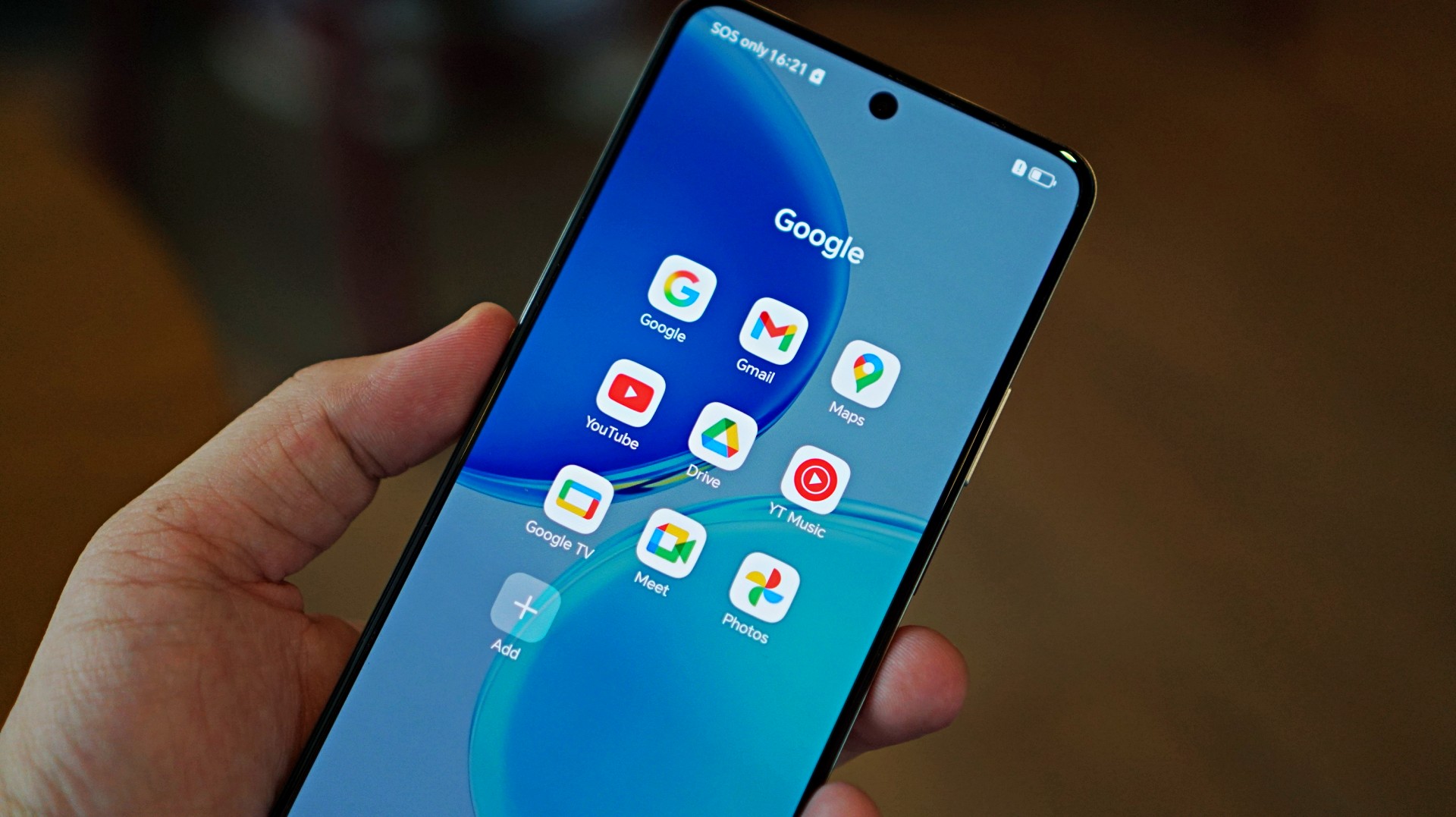
The HONOR X8d runs on the Snapdragon 6s 4G Gen 2 paired with 8GB of RAM. On paper, it’s positioned for everyday tasks, but in practice, performance leans on the modest side.
Basic interactions like switching between apps or scrolling through feeds can feel slower than expected. There’s a noticeable delay at times, even during simple tasks, which affects the overall flow of the experience.
This extends to camera usage as well, where responsiveness can occasionally feel a step behind. The device remains usable, but the pacing may feel dragging depending on what you’re used to.
Cameras are reliable in good light
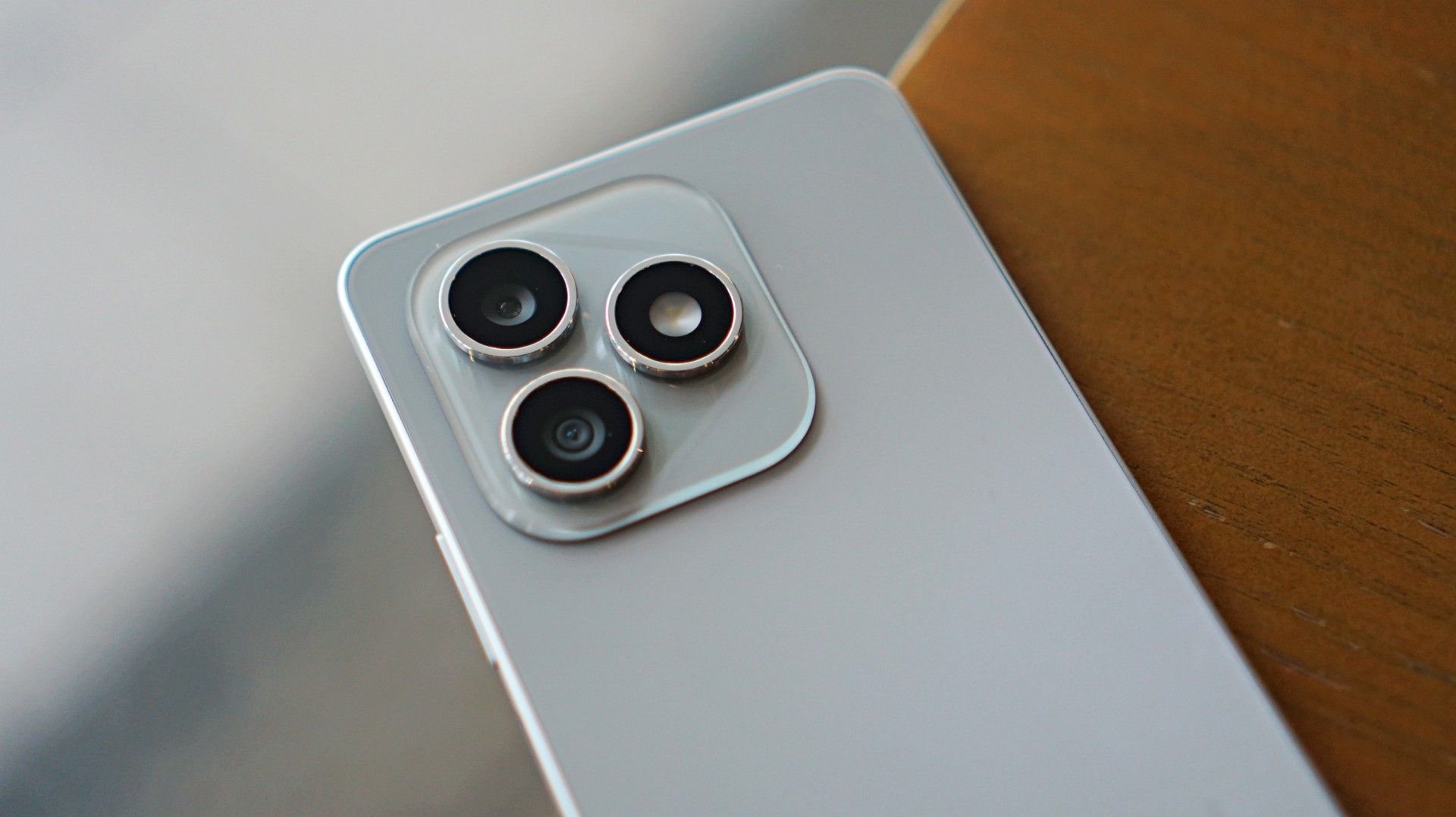
The HONOR X8d is equipped with a 108MP main camera alongside a 5MP wide camera, with a 16MP shooter up front.
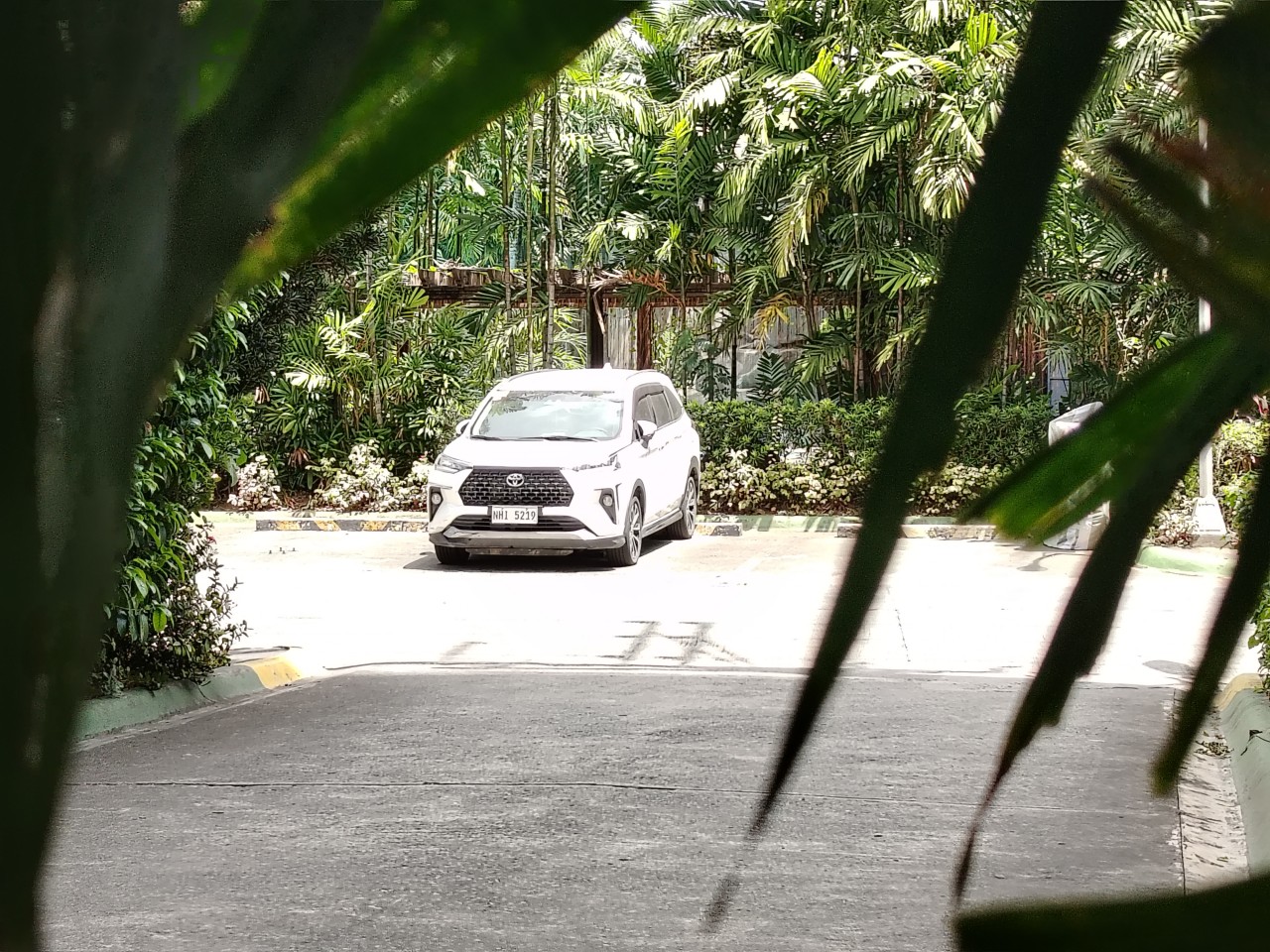
In good lighting conditions, the phone produces decent images. Shots are clear enough, with acceptable detail and color for social media sharing. The camera system also benefits from a suite of AI tools such as AI Eraser, AI Cutout, and AI Upscale, which add flexibility when editing photos.
Zoom options at 1x, 2x, and 3x remain usable, though results are best when lighting is favorable. Overall, the camera system is dependable for casual snaps.













Software and AI: familiar, feature-filled
Running on MagicOS 10 based on Android 16, the HONOR X8d comes with a feature-rich software experience. It includes tools like AI Translate, AI Writing, AI Notes, and AI Recorder, alongside features such as Magic Portal and Circle to Search.

Like many Android skins today, MagicOS follows a design approach that will feel immediately familiar. The layout, navigation, and overall structure borrow heavily from the iOS-inspired blueprint that most brands have adopted. It’s easy to get into, even for less experienced users.
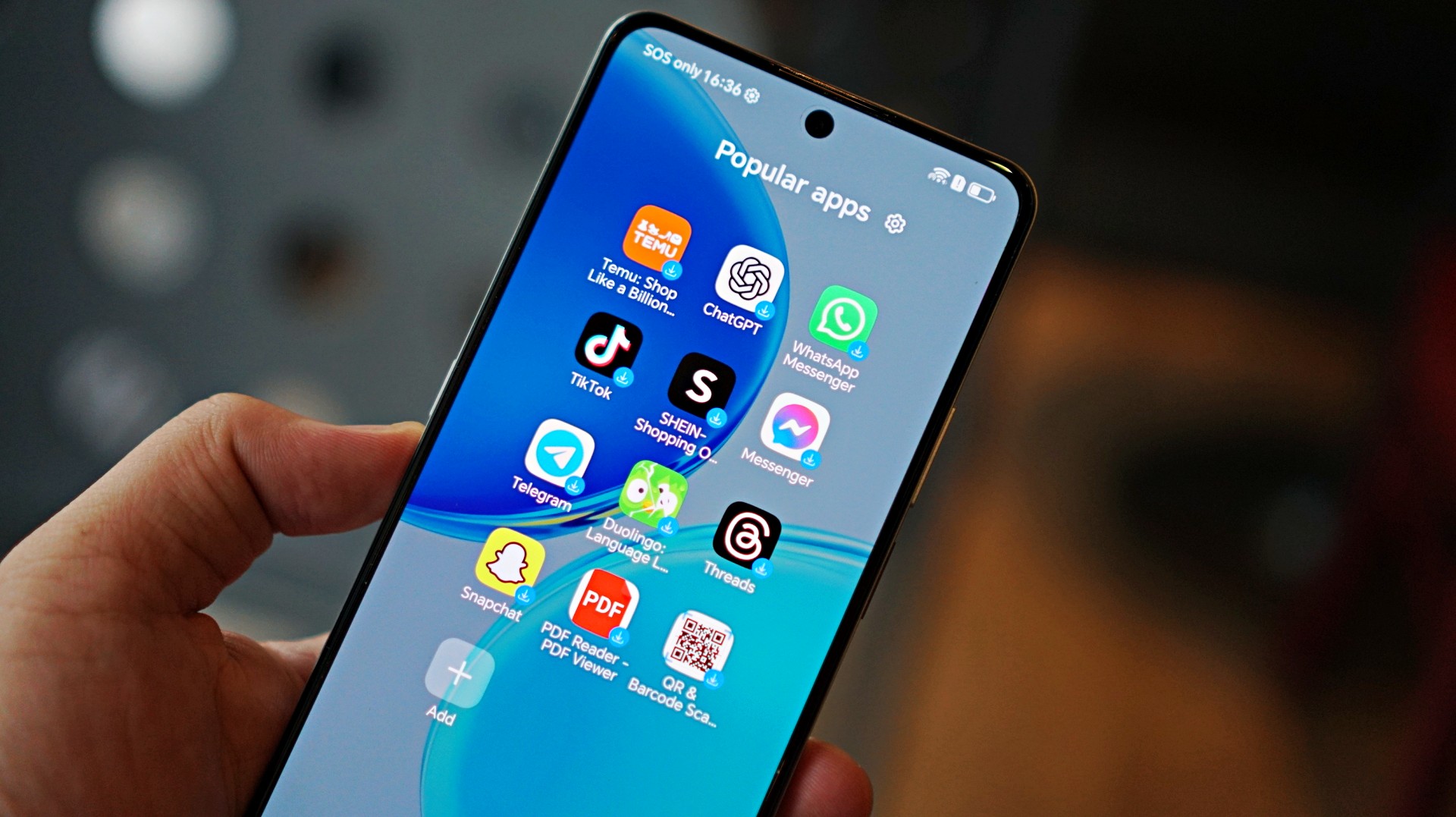
Typical of entry-level smartphones, the device also includes app recommendations out of the box. Thankfully, these aren’t overly intrusive, and many of the suggested apps are ones users would likely install anyway.
The software helps add depth to the overall package, even if the hardware limits how smooth everything feels in actual use.
Battery and everyday use is a clear strength
One of the standout features of the HONOR X8d is its 7000mAh battery. It’s designed to last through extended use, whether for streaming, browsing, or everyday communication.
Paired with 45W HONOR SuperCharge, topping up the device remains relatively quick. For users who prioritize longevity over speed, this is easily one of the more reliable aspects of the phone.
Is the HONOR X8d your GadgetMatch?
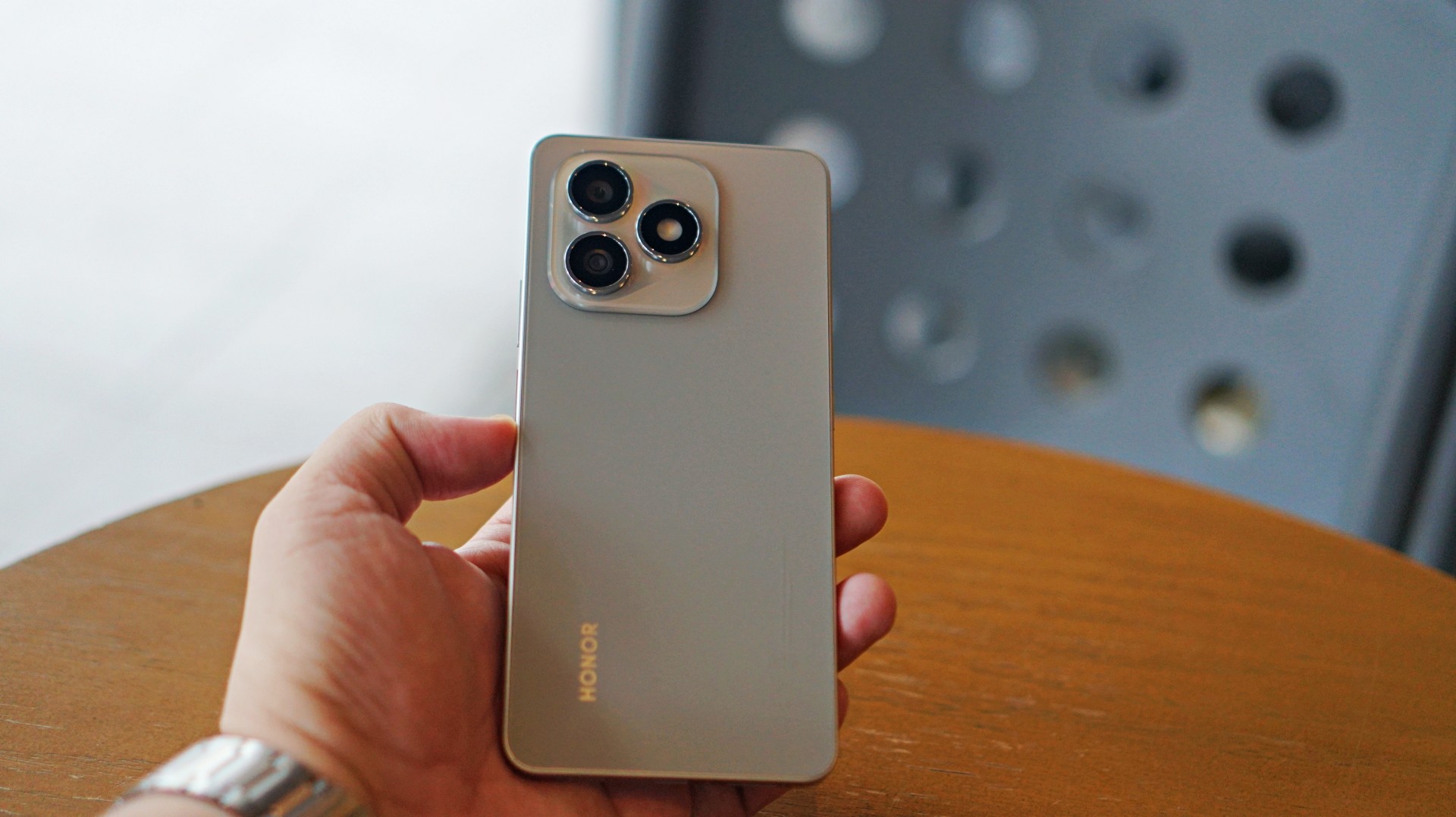
When HONOR Philippines was first teasing the phone it was positioned as something for students. But if I were a parent, I’m pretty sure I’d like my kid to have some kind of advantage and not have to deal with a device that might not be able to keep up with them.
After learning that it’s priced at PhP 15,999 my verdict just became much clearer. This is a Swipe Left.
Add a few more to that price and you can get an excellent smartphone at its early bird price.
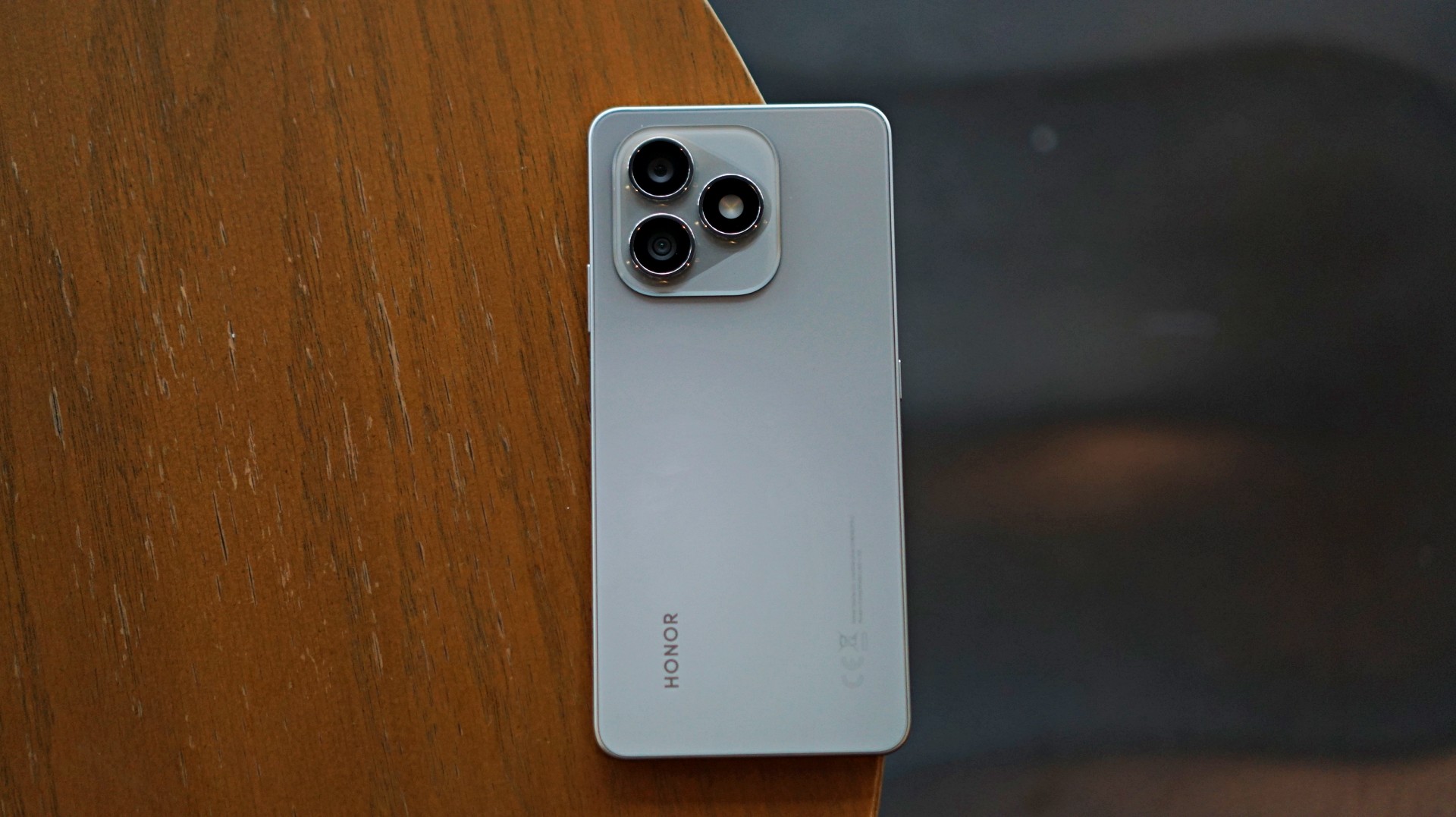
The HONOR X8d focuses on delivering the basics—design that works, a large battery, and a feature-filled software experience.
However, the overall experience depends heavily on what you prioritize. For users who simply need a phone that can get through daily tasks, the X8d does enough to hold its ground. For those who value speed and responsiveness, it may feel a step behind.
Whether it fits your needs ultimately comes down to how much you’re willing to trade performance for battery life and features.


Galaxy Buds4 Pro review: I thought I was done with in-ears
This Buds4 you


WWE 2K26 lets you live out all the fantasy matches you could want
But you have to play for hours and hours to unlock everyone.

The HONOR X8d is serviceable
Steady but slow?

Life is Strange: Reunion now available on consoles and PC

Why this AI-powered eye health exam is the only reading you need this season

DJI officially launches the Avata 360 with 8K immersive imaging

The Changan Eado Plus officially lands in the Philippines

PLDT Home, Samsung team up for exclusive entertainment deals


-
 Reviews1 week ago
POCO X8 Pro Max review: A new beast from the far east
-

 News1 week ago
POCO X8 Pro Series: Price, availability in the Philippines
-

 Reviews1 week ago
POCO X8 Pro Iron Man Edition review: Midrange phone in superhero armor
-

 Automotive1 week ago
VinFast extends free unlimited charging in 3 markets amid rising fuel prices
-
 Reviews2 weeks ago
Samsung Galaxy S26 Ultra review: A phone you live with
-
Philippines1 week ago
The HONOR X8d is serviceable
-
 News1 week ago
POCO introduces X8 Pro Series with Dimensity 9500s
-

 Gaming2 weeks ago
NVIDIA’s DLSS 5 can turn your favorite AAA game into AI slop