
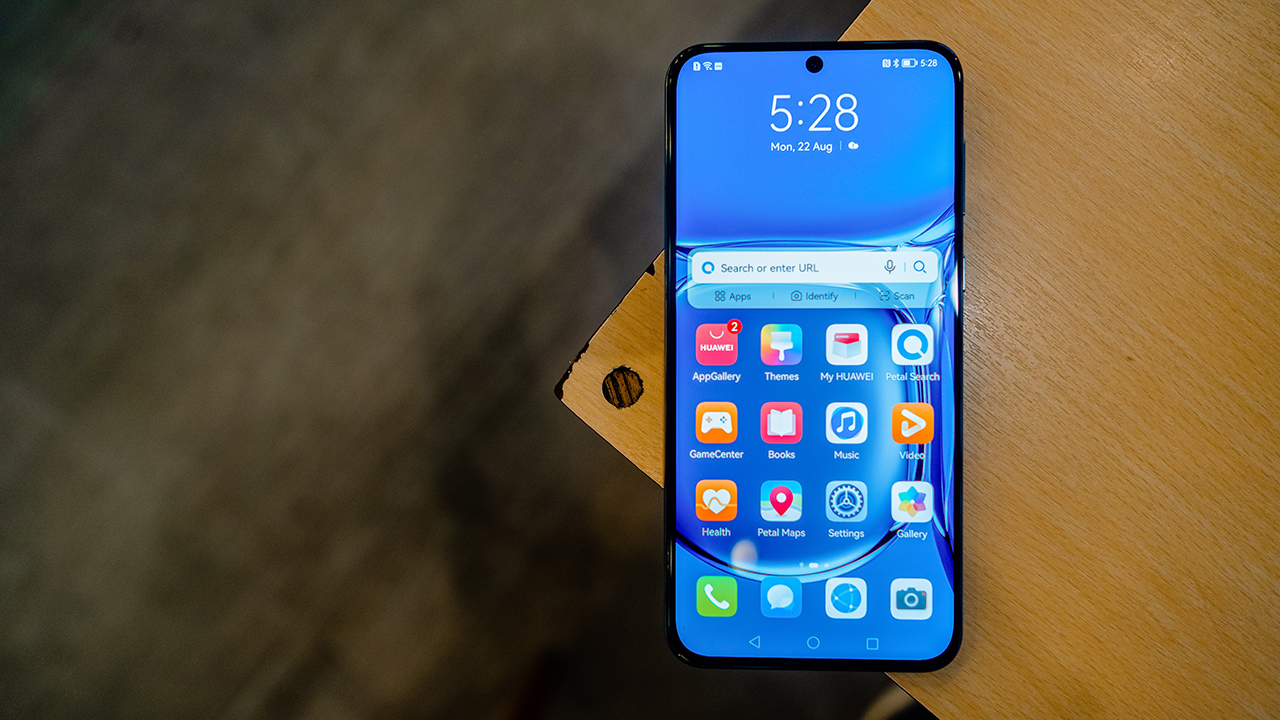


Dating, more than going on dinners and hanky panky, is a practice of assessing green flags and red flags. Whether we like it or not, every person we’re going to try to date will come with pros and cons. Nobody’s perfect. Entering a long term relationship is a matter of deciding whether we’re willing to live with the cons in favor of the pros. Sounds a lot like buying a smartphone, right?
Karlo, will you be my smartphone?

That’s because dating in the hopes of being in a long term relationship is a lot like buying a smartphone. Smartphones aren’t cheap. They’re investments that require plenty of thought and analysis before making a purchase. That’s why while reviewing the Huawei P50, I asked myself…
Is this a smartphone I can commit to in the long run?
Let’s find out by studying the green flags and the red flag of the Huawei P50.
Green Flag #1: Looks that will make you blush
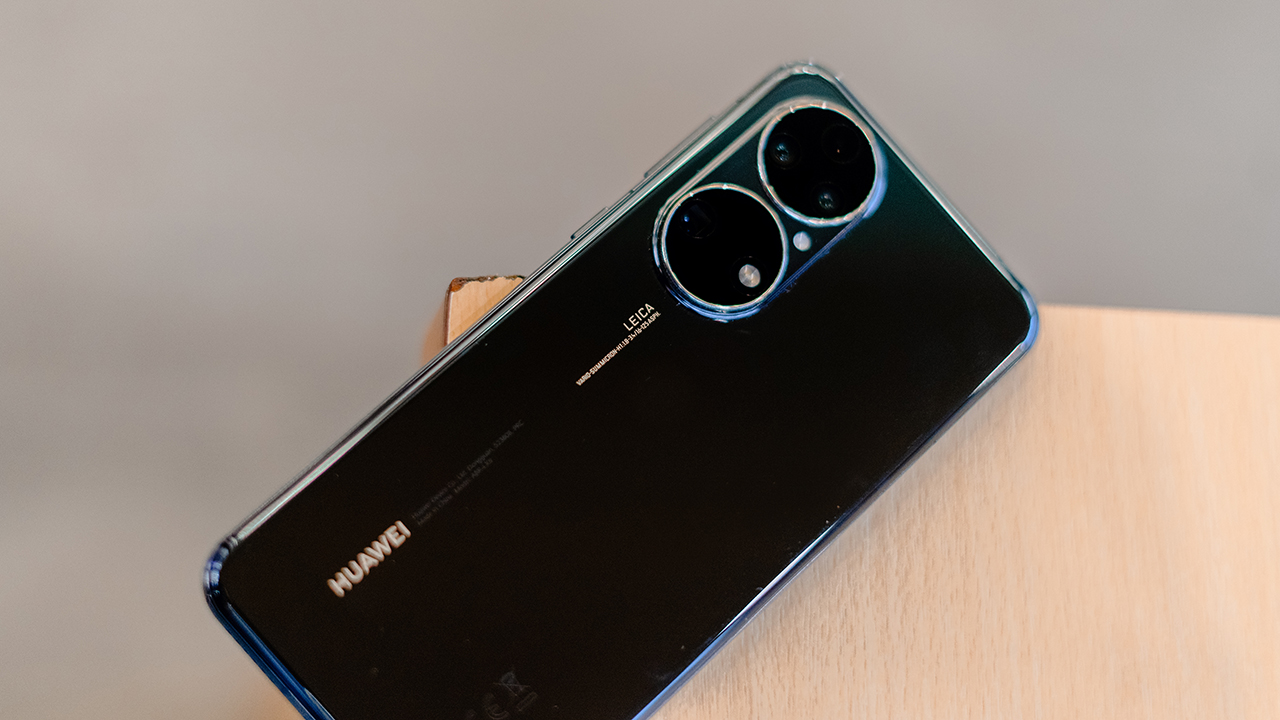
You should never judge a book by its cover, but it’s still important to have a good cover nonetheless. Standing out in the smartphone world in 2022 matters. Thankfully, the Huawei P50 is a device that did not skimp on its looks.
The phone comes with your punch hole design upfront, which is a standard at this point.

What makes the P50 unique is its camera design at the back, with two large circles that house its triple camera setup. It may be polarizing for some, but it’s undeniably a look that will stand out in an ultra competitive flagship market. Completing its look is a glass back that screams premium.
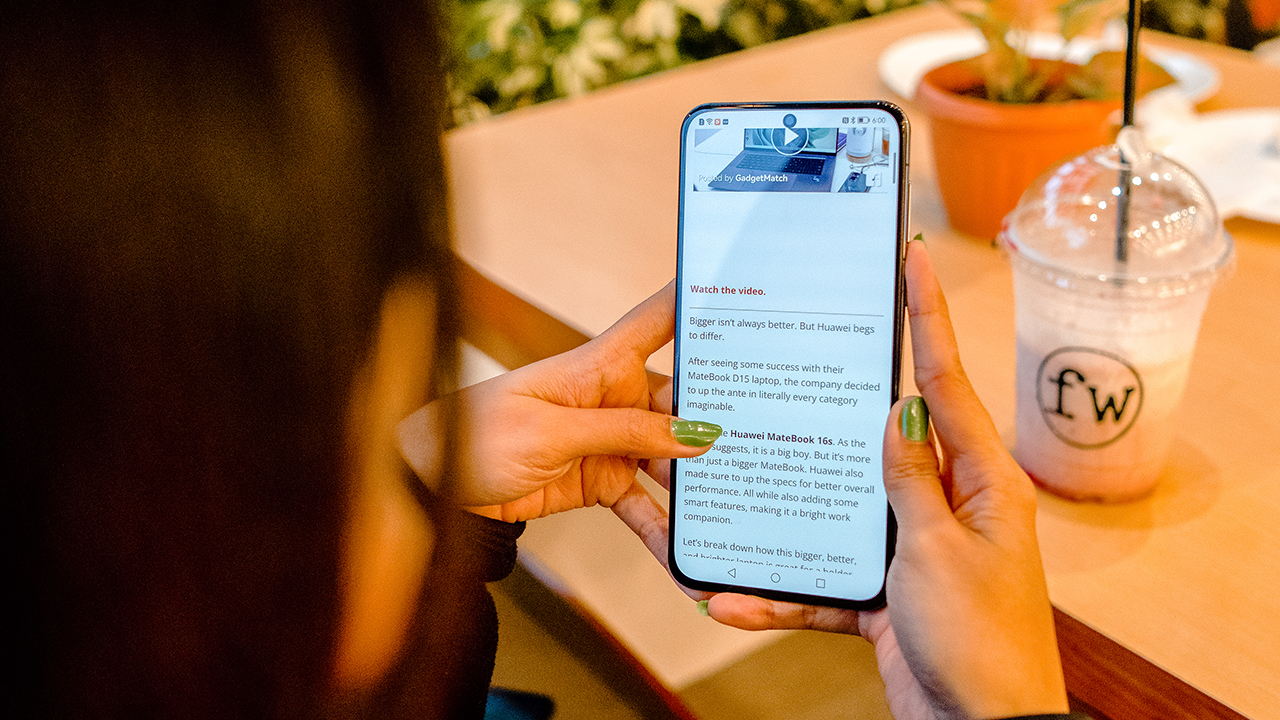
Huawei’s P50 is also a delight to use in the hand. It carries enough weight that it feels premium but it isn’t heavy to the point of discomfort. It’s a comfortable everyday device that you can easily carry around in your pockets.
Green Flag #2: Performance that just works

As a corporate man who travels for leisure, I didn’t get a chance to test the complete power of the device. Instead, I assessed its performance based on how it felt according to my everyday lifestyle. In a sentence: The Huawei P50 just works.
Barely any stutters were felt during the review process, even when exposed to various everyday scenarios. It held itself well as a hotspot device during a remote work day and it performed smoothly during a trip to Balesin Island.
You won’t have any problems running multiple social media apps and even Spotify on the P50. While others may complain that its performance is too bland, sometimes you just need a device that sticks to the basics and remembers the primary function of a smartphone: a multimedia communication device. That in itself is already a win.
Green Flag #3: A camera that competes with the best

Cameras can make or break a flagship smartphone. That’s why while testing the P50, I took the opportunity to do a blind smartphone camera test between Huawei’s flagship and one of 2022’s top smartphones (let’s call this Smartphone N).
The results were interesting.
A = Huawei P50
B = Smartphone N

A = Smartphone N
B = Huawei P50

A = Huawei P50
B = Smartphone N

A = Smartphone N
B = Huawei P50

A = Smartphone N
B = Huawei P50

Surprisingly, considering how highly touted Smartphone N’s camera is, Huawei won 3 out of the 5 blind tests I shared on my Instagram page.


It won daylight shots by a landslide and the selfie blind camera test was neck and neck. It lost out on the night mode test, however, but not by much. While blind smartphone camera tests aren’t the best way to assess a phone’s camera, it’s at least a more objective way of comparing shots done by opposing rivals based on the personal interests of the consumer.


Most consumers like brighter shots with colors that pop. In this case, the P50’s main camera does that well in good lighting conditions while also showcasing some good dynamic range. Some shots can look too saturated, but never to the point that you’d dislike its results.



The same goes with its selfie camera, however with a bigger caveat. Since its selfie sensor isn’t as good as the setup on the back, the saturation is much more evident. Details are a bit more washed out, which can bother at least pixel peeping consumers. For most consumers, however, they’ll be perfectly fine with its selfie stills.


There are other things to nitpick with the P50’s camera, however, First is how its tendency to saturate shots hurts its night mode stills.

Night shots are tricky. While you want as much light as possible to come in, you don’t want your stills to come out with unnatural looking results. This is where the P50 struggled as it brightened up night shots too much, to the point where the processing looked very evident.


Another is its choice of wide angle lens. While it does come out with great results, it doesn’t capture enough compared to the wide angle shots of other cameras. It’s a shame this was the case, given how good its shots were.
Nitpicking aside, this is a superstar camera that can compete with the best of the best. In fact, its camera alone could have catapulted it close to phone of the year territory. But its red flags forced me to rethink that thought.
Red Flag #1: Lack of Google Services
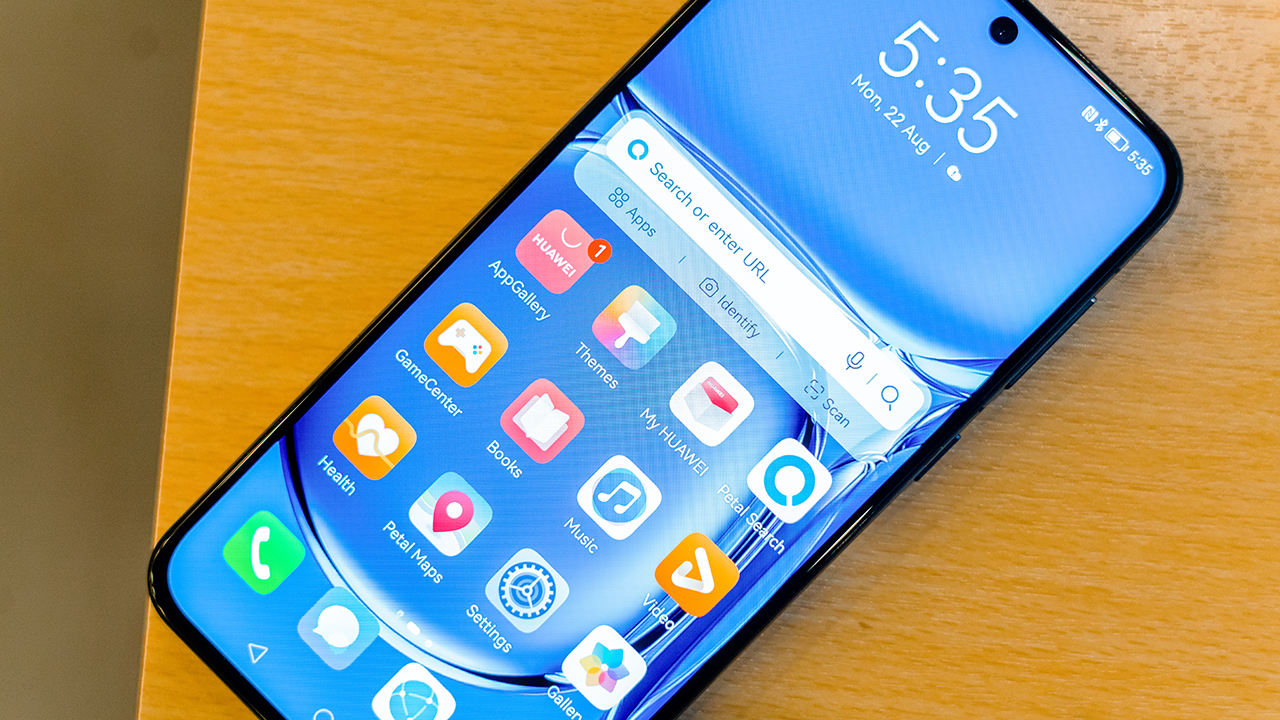
You likely knew it was coming, but we need to mention it either way. It’s the biggest red flag the entire Huawei brand faces today and the promising P50 is held back by its lack of Google Services.
The Google ecosystem is something that’s ingrained into the lifestyles of most consumers. The commitment to the ecosystem varies per person. But just having yourself be dipped to a part of this system is already a big deal with your overall tech experience.
There are two parts to this experience which are especially important to the casual tech consumer.
Red Flag #2: Incomplete media consumption experience
Smartphones, aside from being a communication device, are tools we use to consume media. There are a number of apps that work on the P50 such as Spotify and Netflix, but it misses out on a very important app: YouTube.
It may just be one app, but it’s the app that is the most universal across all consumers. Losing out on YouTube feels like losing out on an entire media consumption experience. Sadly, given Huawei’s current predicament concerning Google Services, it’s an important app that can’t be enjoyed on the P50.
Red Flag #3: Incomplete work stream offered

Smartphones embody the saying, Work Hard, Have Fun. If the fun comes from multimedia, the working hard comes from the work tools smartphones offer.
Unlike media consumption, there are only a select number of apps that run widely-used work applications. One of the top tools happens to be part of the Google ecosystem: GSuite.
You can’t use Gmail , Google Sheets, Docs, or any other apps that are a part of this system. This was especially difficult for me, as my employer uses GSuite as part of its workstream. This made it difficult for me to use the P50. When I’d go mobile, Huawei’s flagship was limited to being a hotspot source while I used Smartphone N for work-related tasks.
Is this your GadgetMatch?

It feels like there’s an overarching, unanimous answer to this question, but like most relationships, this question needs to be answered with more nuance.
Committing to the Huawei P50 — priced at PhP 39,999 — is a gargantuan task. It’s especially difficult for users whose daily lives center around Google Services. If you’re a heavy user of at least one Google app, I’d recommend you steer clear of purchasing this device. The trade-off may not be worth it.
However, if Google apps aren’t a big part of your day-to-day life, then purchasing the P50 wouldn’t be the worst thing in the world. You’re getting a smartphone that feels good on the hand, looks very good, performs well, and has a camera that competes with the best of the best.
Nuance matters in this discussion. But there’s that part of me that can’t help but say, “If only this phone didn’t have those red flags.”
We can’t live with the ifs. We have to live with reality. This is the reality Huawei faces and it’s up to tech consumers whether they can commit and say ‘I Do’ to the P50 as their GadgetMatch.







Gaming
Now playing: Final Fantasy VII Remake INTERGRADE on Switch 2
Final Fantasy VII Remake, handheld again


There are two ways I ended up playing Final Fantasy VII Remake Intergrade on the Switch 2: handheld, and docked. And in many ways, that split mirrors what this release is really about—flexibility, familiarity, and a little bit of re-learning.
Relearning muscle memory
Let’s get the small friction point out of the way first. Button prompts. Even after all this time, my brain still defaults to PlayStation glyphs. Triangle means something very specific to me in Final Fantasy VII Remake, and retraining that muscle memory on a Nintendo layout took a bit longer than expected. That’s not the game’s fault—it’s just the reality of revisiting something you’ve deeply internalized on another platform. And honestly, it’s something I’ll just have to get used to as more of these previously PlayStation-first titles land elsewhere.
Once that adjustment period passed, the bigger surprise came quickly—especially in handheld.
Midgar in the palm of your hand

Without even stacking it up against the PS4 or PS5 versions, the Switch 2 version already looks impressive on its own. In fact, it looks really good. There’s a moment of quiet disbelief when you realize you’re holding Midgar in your hands, running locally, and still retaining that sense of scale and atmosphere the remake is known for.
I’ve played Final Fantasy VII Rebirth on devices like the ROG Ally and Legion Go, and the feeling here is similar. Not in raw power comparisons, but in that same sense of admiration—Square Enix managing to package something this dense, cinematic, and emotionally loaded into a handheld experience without it feeling compromised at first glance. That same awe of seeing this classic reimagined is still intact, even on a smaller screen.
Living with 30fps

Performance-wise, the most noticeable limitation is the 30fps cap. It’s there, and anyone coming from a 60fps playthrough will notice it immediately. That said, it never felt like a dealbreaker to me.
Command inputs still land cleanly, combat remains responsive, and nothing about the experience felt sluggish. If you’re sensitive to frame rate shifts, this might take some adjustment. But in motion, and especially in handheld, it rarely pulls focus away from the game itself.
Streamlined progression, real relief

One feature that quietly made a big difference for me is the new Streamlined Progression option. Being able to start with maxed-out stats, unlimited resources, and reduced friction is a genuine quality-of-life win—especially for players who’ve already finished the game once and don’t necessarily want to grind their way through Midgar again.
It turns Intergrade into a smoother re-experience, letting you focus on the story beats and combat flow rather than progression systems you already know by heart.
The storage reality check
The less glamorous reality check comes with storage. At roughly 90GB, this is a heavy install, particularly if—like me—you lean heavily toward digital purchases. I had to delete three games just to make room.
If you have the option to go physical on Switch 2, that might be the more practical route, especially as more large-scale ports make their way onto the platform.
A familiar journey, made portable

Contextually, this release matters beyond just another port. Final Fantasy VII Remake Intergrade arriving on Switch 2 is part of Square Enix’s broader push to bring the entire remake trilogy to more platforms, with the final entry already in development.
It also reinforces Intergrade as the most accessible entry point into the series—bundling the main campaign with the Yuffie-led EPISODE INTERmission, and now offering features that lower the barrier for newcomers while respecting returning players’ time.
At US$39.99, it lands at a price that feels fair. Whether you’re completely new to Final Fantasy VII Remake or just want a portable version of a game you already love, this is an easy recommendation—storage caveats aside.

Overall, this is an impressive Switch 2 port. Not perfect, not trying to outmuscle the PS5 version, but confident in what it is. Seeing Final Fantasy VII Remake Intergrade run this well, this comfortably, on a handheld still feels a little surreal—and that alone makes it worth playing again.
If you’re looking for deeper technical breakdowns and direct comparisons with the PS4 and PS5 versions, Digital Foundry continues to do excellent work on that front. But as a lived-in experience, this one already earns its place on the Switch 2.
Reviews
HONOR X9d 5G review: Tougher, more long-lasting and optimized
Beyond all the marketing, it’s a compelling all-around smartphone that actually works well


If you’re planning on getting the HONOR X9d 5G, do me a favor: don’t throw it on purpose. Don’t drop it on the floor or in water, nor do anything reckless to it.
For one, it will void your standard warranty. The point is, you don’t need to subject the phone to those bizarre stress tests you see online.
Just know that if you’re unlucky enough at some point, it will likely survive accidental drops, splashes, and more mishaps.
Beyond all the marketing, the X9d simply works like a well-oiled machine — so far. That’s what HONOR’s latest entry to its popular and best-selling X series midrange line is meant to deliver.
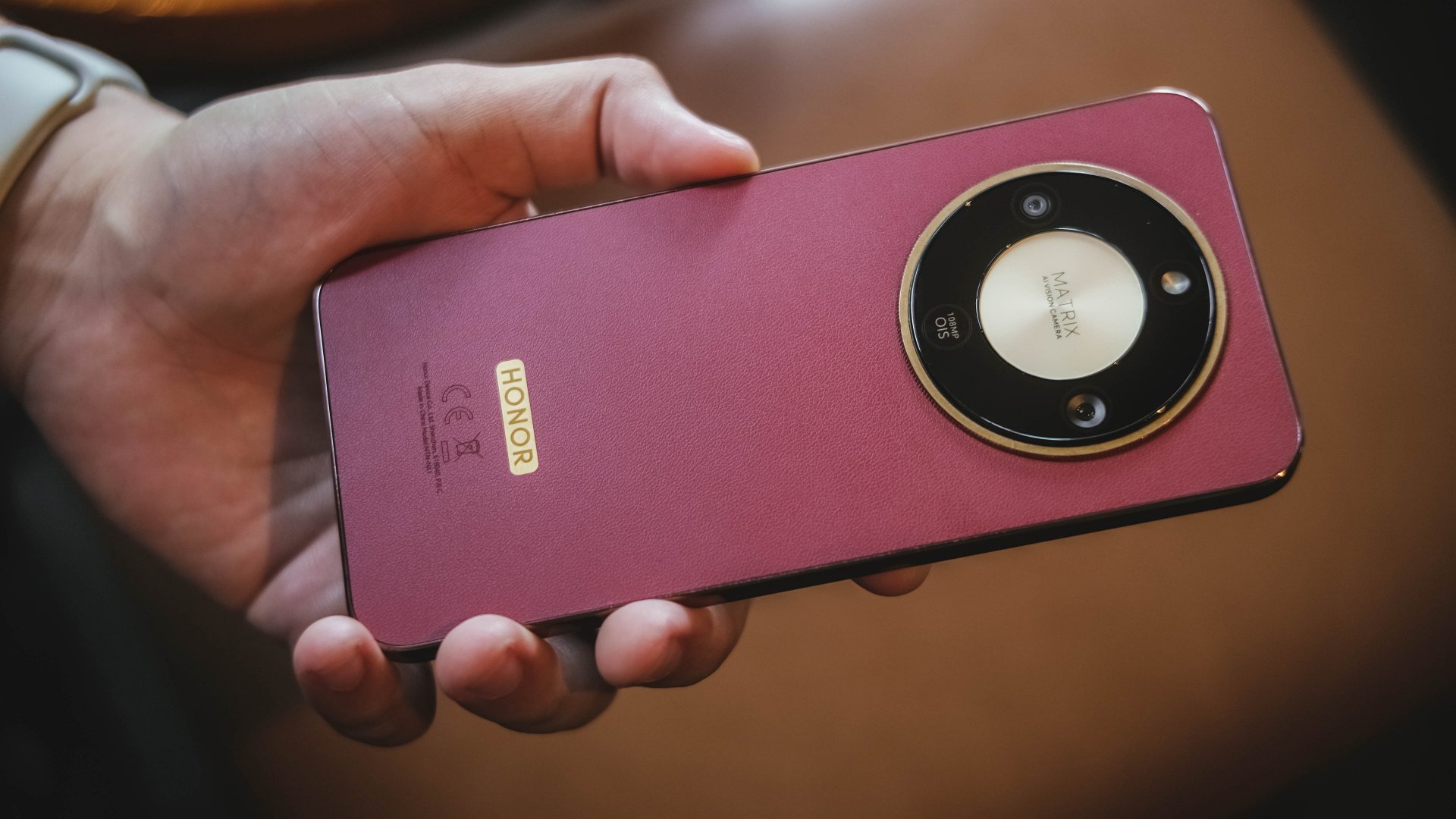
And all things considered, it has the makings of a compelling all-around device in its segment. Let’s dissect further.
Tough, durable, more water-resistant
It’s only fair to get the toughness part out of the way first. On paper, the HONOR X9d 5G boasts drop resistance of up to 2.5 meters. Pretty darn good.
Our team even used the back panel as a makeshift chopping board, and it resisted scratches.
The biggest upgrade: quadruple IP66, IP68, IP69, and IP69K ratings for water and dust resistance.
This level of protection is now becoming standard across Android releases, and HONOR has kept up well.

It’s reassuring to know it can withstand spills, hot liquids, and even stronger splashes or full submersion. Again, hopefully only by accident.
Think of all this as insurance you’re paying for. If nothing bad happens during the X9d’s lifetime, then consider yourself fortunate.
Performance: No major hiccups
The HONOR X9d 5G runs on a Snapdragon 6 Gen 4 processor. It promises a “significant jump” in performance.
In the two weeks I’ve had the device, that claim felt true compared to my experience with the X9c last year.

The device just feels more responsive for swipes and touches. It loads apps quickly, and navigates smoothly overall.

I’ve already edited blogs and played back FHD videos on YouCut without issue. Rendering shortform videos for social media posting was equally seamless. Here are a few.
@manilaconnoisseur There really are those days na gusto mo lang pumirme sa bahay and make your own ramen noodles. Buti na lang may JIN ramen from @otokiph to help you satisfy those cravings! #JINuinelyRamen #CheesyGoodness #JinCrediBowlChallenge
@manilaconnoisseur May sarili na ngang 3-in-1 Coffee si Angel’s Pizza tapos may FREE Angel’s Pizza Membership Card! 10 sachets na, 99 pesos lang, with lifetime APC Card na key to Buy 1 Take 1 pizza FOREVER plus 25% off on all pizza purchases. @angelspizzaph #AngelsPizza #AnghelKape #3in1Coffee #Buy1Take1Pizza #CreamySpinach
Gaming wise, the device holds up well for Mobile Legends: Bang Bang and Call of Duty Mobile.
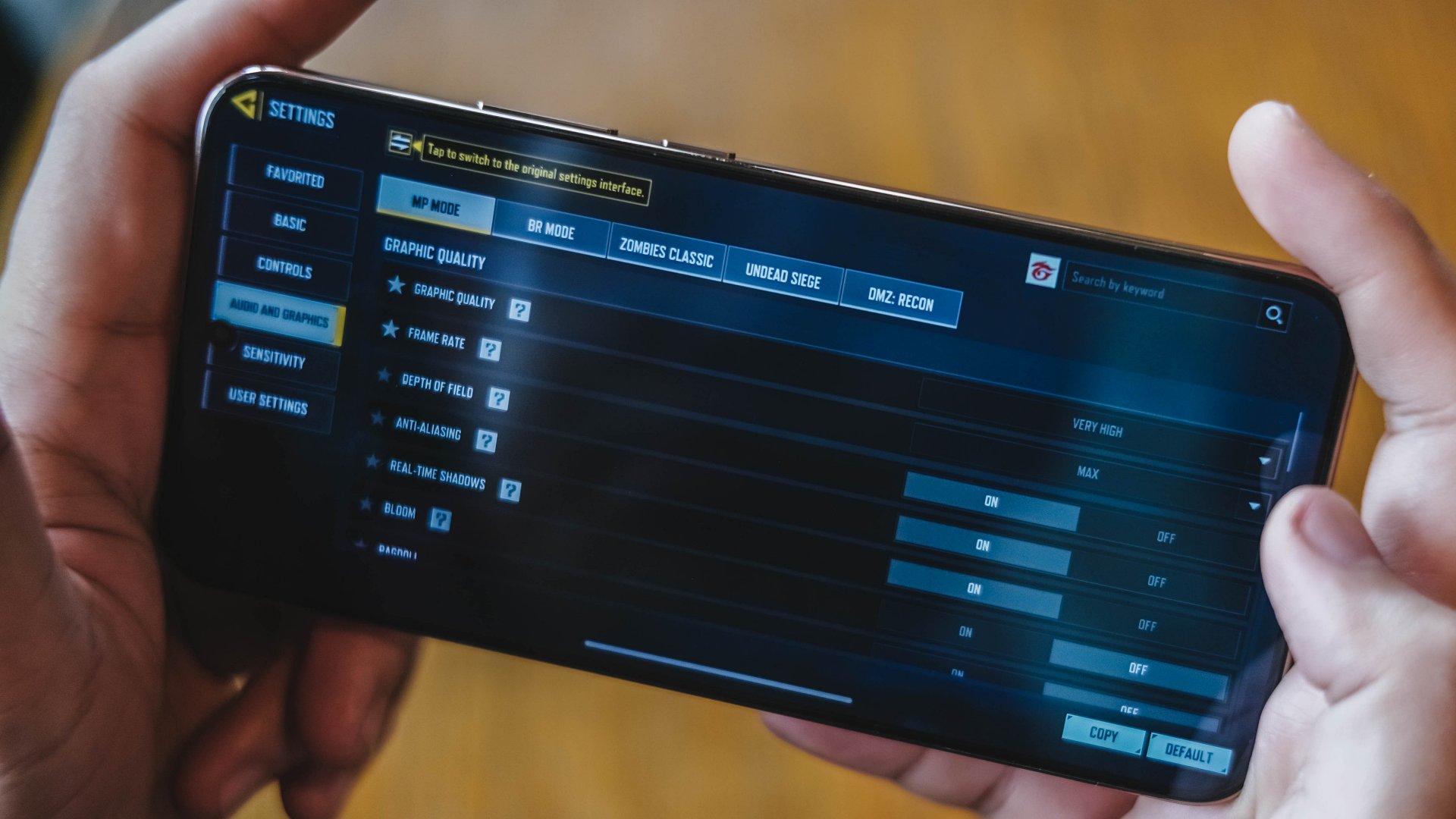
These titles aren’t only “playable” per se, but also enjoyable even at high graphics. A dedicated panel also provides quick gaming-related controls.

Particularly, in CODM, panning felt very natural, without tweaking settings. The touch response was balanced and not overly sensitive so you don’t overcompensate.
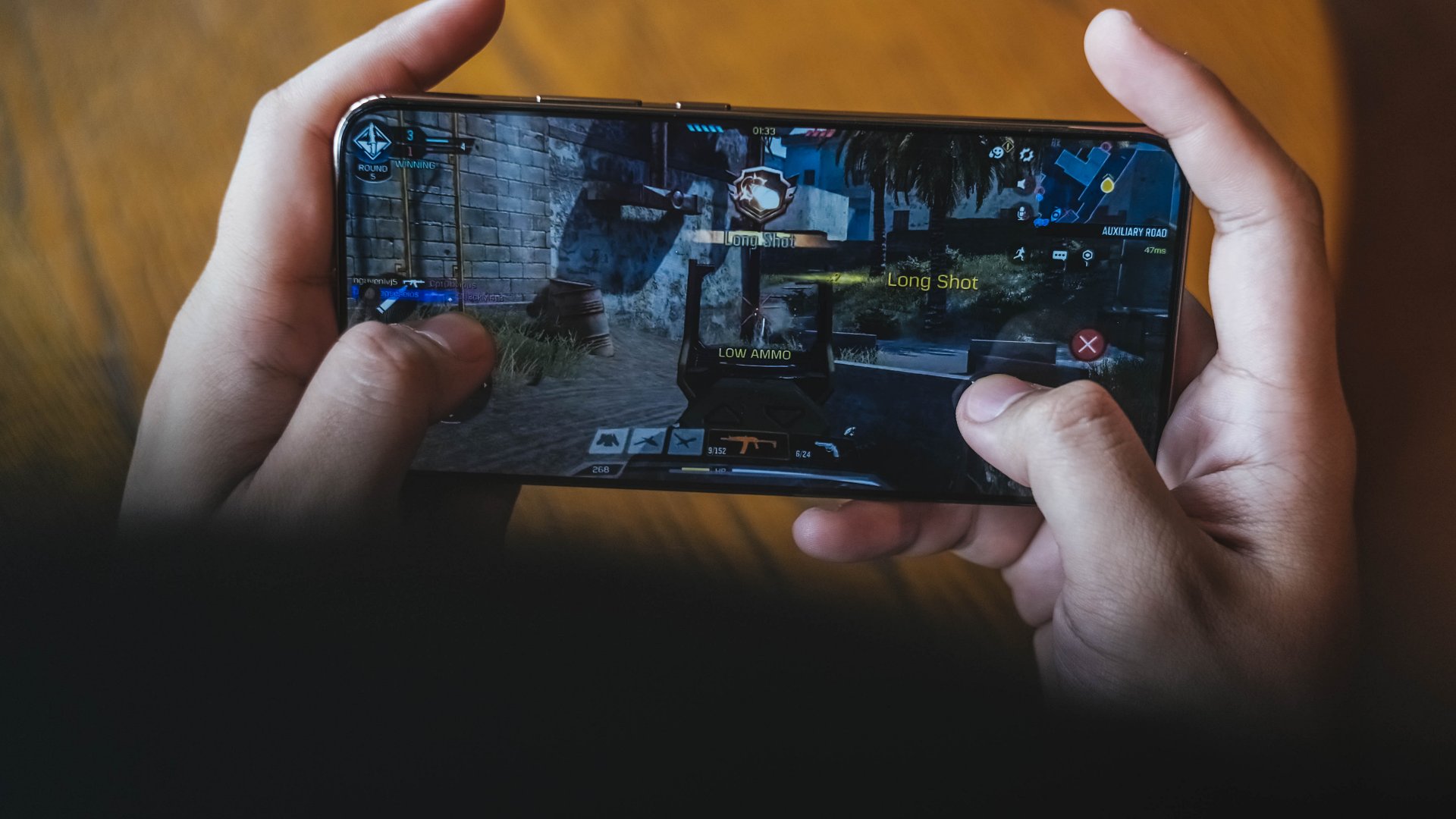
Admittedly, I didn’t push it with more demanding titles, but how well it handled editing, multitasking is clearly a legitimate strength.

The only slowdown came after taking photos continuously for about half an hour during its launch date.
But it tells you modern handsets allocate resources heavily toward camera processing.
Ample audiovisuals
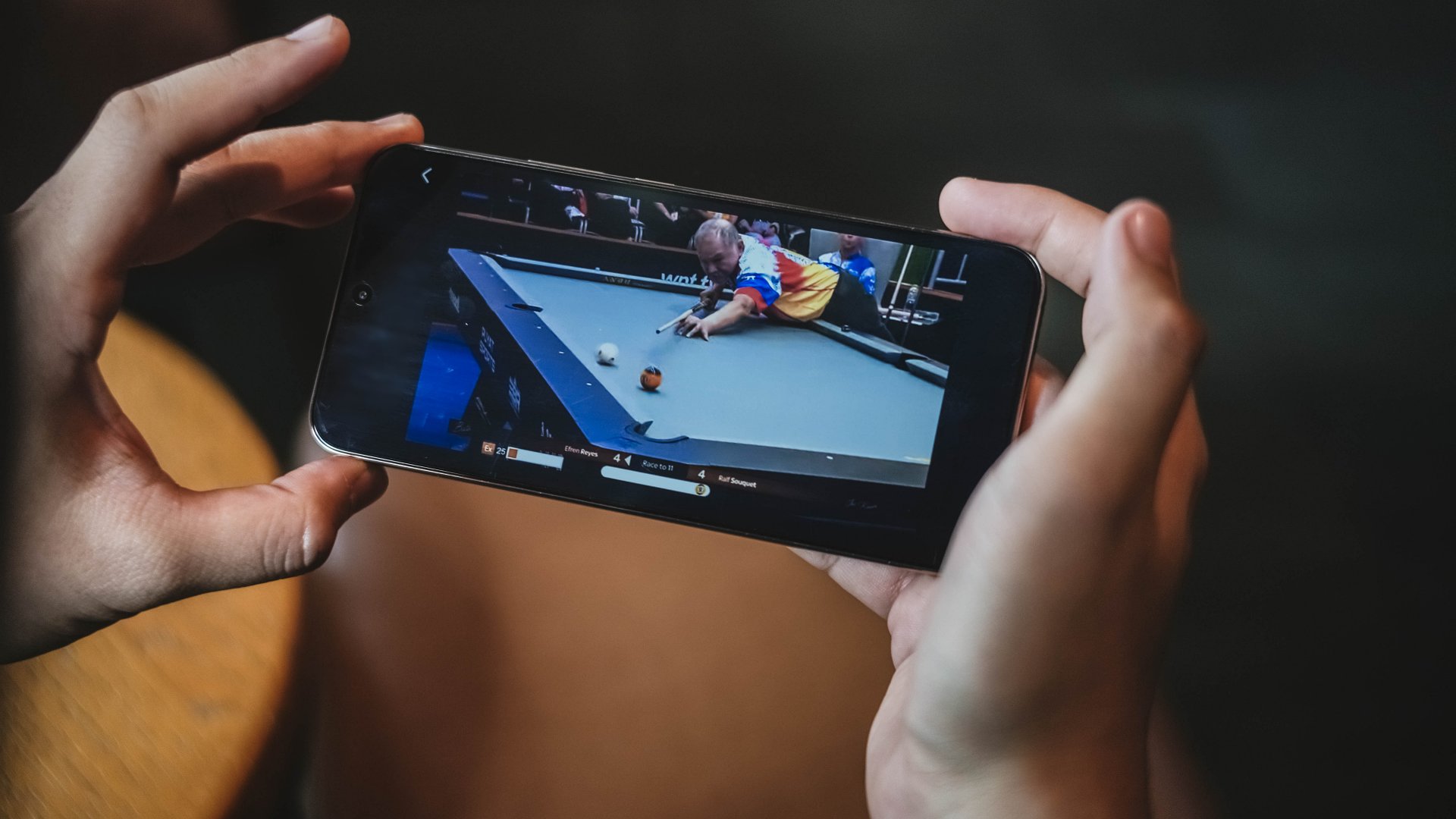
What’s great about the HONOR X9d is it delivers clear and sharp visuals whether gaming, editing, filming, or simply consuming content.
It features a 6.79-inch FHD+ AMOLED display with up to 6,000 nits of brightness. But the real deal here is the 427 ppi pixel density, making visuals look even more vivid and crisp.

This display makes reviewing photos and videos convenient — useful for content creators or for quick double-checking before posting on social media.

Watching sports highlights or casual clips in between also feels more immersive with consistently high-quality visuals.
Battery life
The biggest jump from the X9c, unarguably, is the battery capacity. The X9d packs an 8,300mAh LiPo battery.
It lasts easily two days with casual at-home use. Outdoors, it still has juice by midnight for long days.
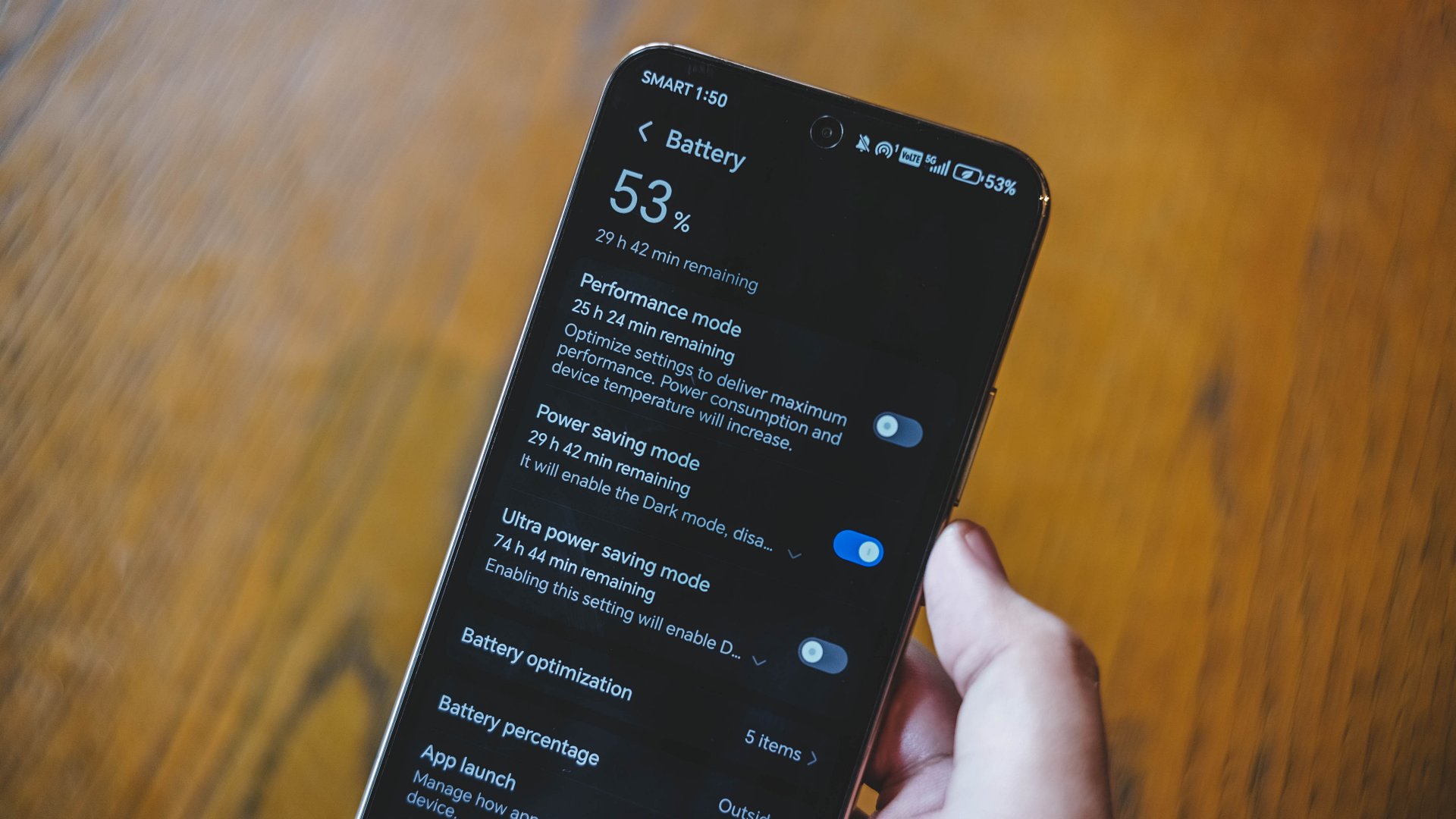
That’s with mobile data and location on, and even using the phone as hotspot for other devices. Other tasks include browsing, watching, using the camera occasionally, and editing short-form videos.
Gaming for an hour consumes just about 10% battery life, compared to 15% for most competitor devices.
The extra endurance pays off at the end of the day when you need entertainment or connectivity.

My only gripe is the device heats up significantly with hotspot turned on. Sometimes, it shuts itself off. That interrupts whatever you’re doing on connected devices.

Anyway, charging is surprisingly optimized. Despite the huge capacity, the 66W charging can refuel it back from 30% to full in just over an hour.
I do not wait for my phone to drain too much, but it should normally take just about 90 minutes from 1% to full.
Camera performance: Par for the course
Furthermore, the HONOR X9d 5G once again excels when with its camera performance.

The 108MP main camera delivers sharp and clear shots at up to 3X zoom with good lighting. Colors lean toward vivid and lively, so you don’t have to post-process a ton.
Some samples:




















But for such, HONOR’s camera app includes a generous lineup of pre-built filters that are actually useful, similar to those on the 400 and 400 Pro.
Night Mode brightens scenes with its own preset, while portraits can be smooth from different focal lengths.






Video recording at 1080@60 is generally smooth with OIS. Results are vlog-ready, and parallax shots don’t experience much jitters either.
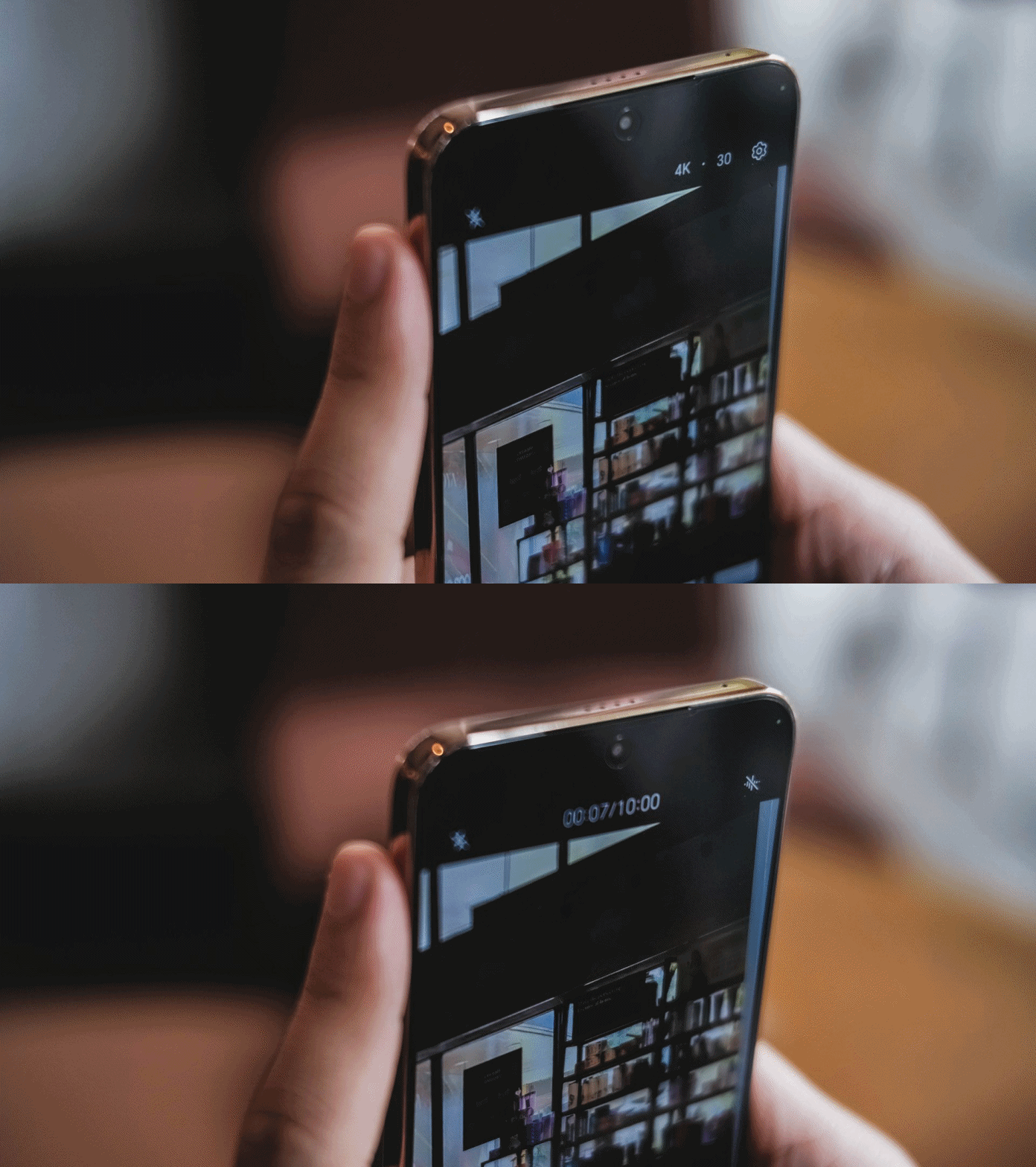
The selfie camera holds up pretty well too with detail, while portrait mode actually adds depth.





Though video lighting can be tricky at times. After too many shots, the shutter occasionally lags too.
But overall, there isn’t anything too bad to say. The system is arguably one of the most pleasing in its class.
Especially in this segment, camera systems can make or break the midrange device’s value proposition.
I enjoyed using the device’s camera for both stills and videos. The responsiveness is straightforwardly quick for spontaneous moments too.
More photos:








Design
I’m glad HONOR ditched the curved sides in favor of a flat display with rounded corners.

Thankfully, the UI is optimized so content isn’t cut off at the corners nor seams. The razor-thin bezels keep you focused on the panel.

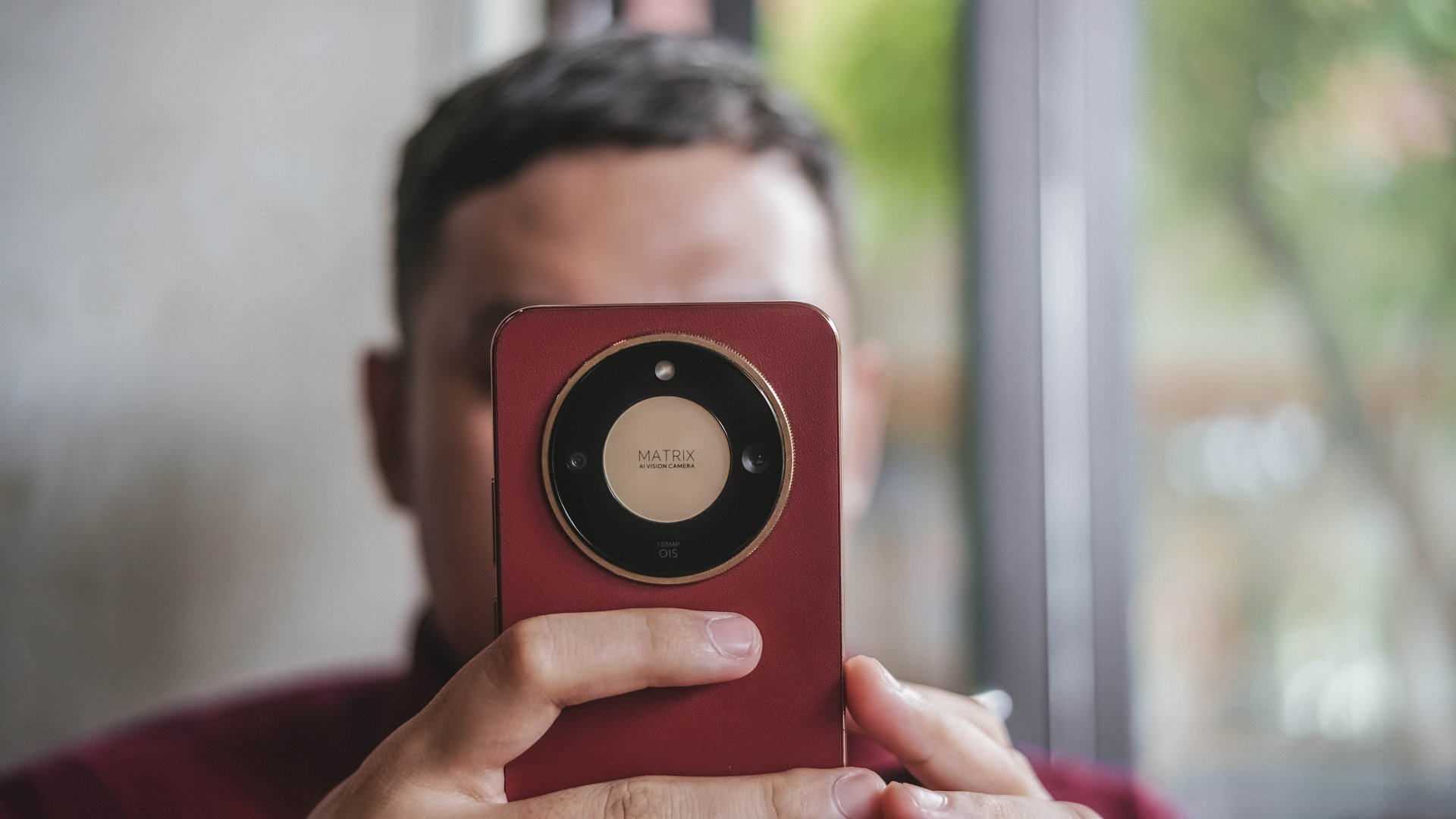
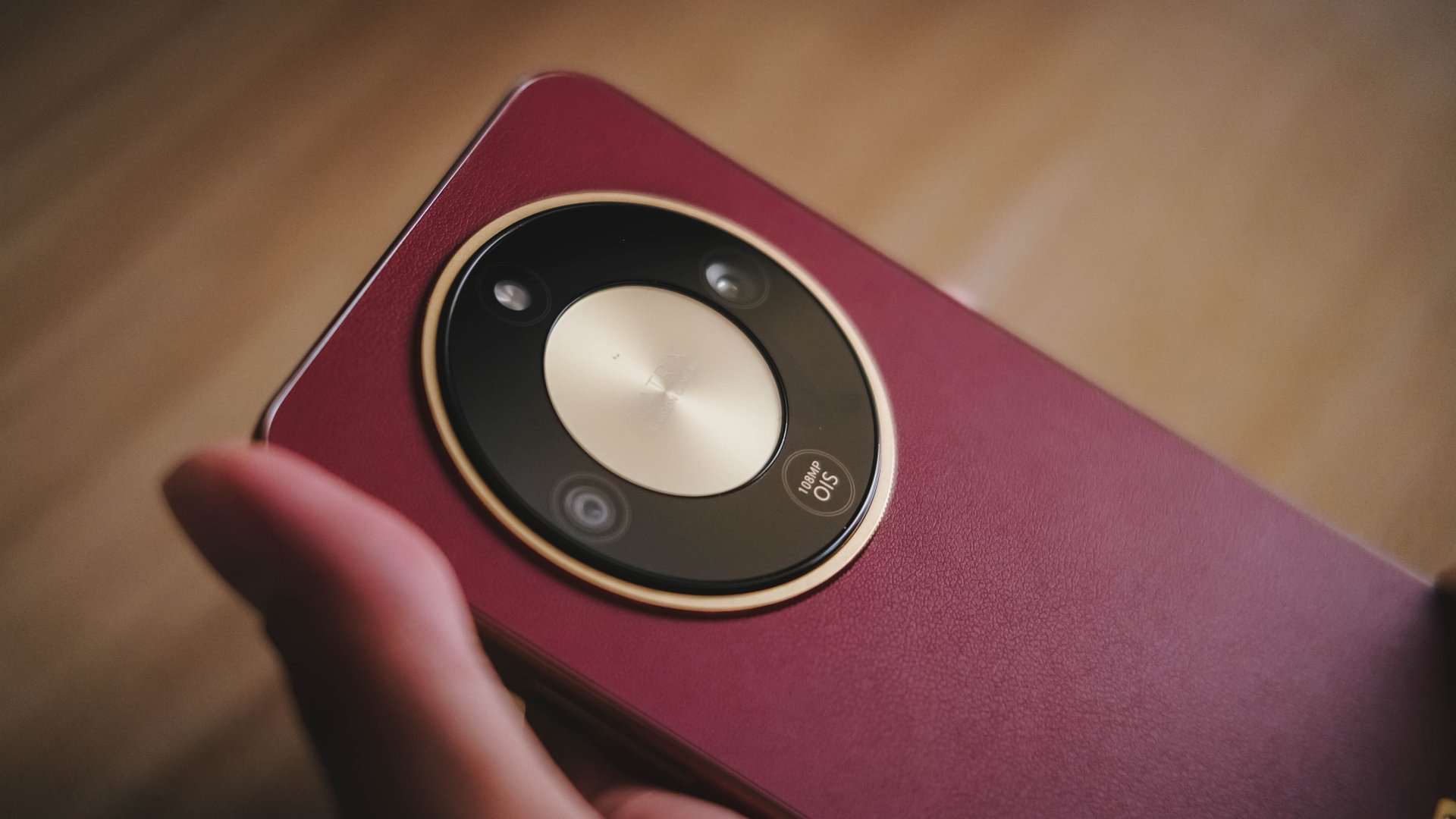
The backside of the Reddish Brown variant does resemble the HUAWEI Mate XT at first glance, which is understandable. But it still stands out with its own identity and style.

HONOR’s camera system retains the signature watch face look, paired with a gold plate-like logo at the bottom third.

The HONOR X9d runs on MagicOS 9.0 out of the box, and the UI looks neat overall and easy to tinker with.
There’s AI features here and there, but from the home screen, AI Suggestions actually help you pick up from where you left off.
Optimized connectivity
In relation to its aesthetic, the choice to have a plastic frame, instead of an aluminum one, benefits connectivity.
Wi-Fi connection felt more stable. On mobile data, though still signal strength-dependent, the phone can provide reliable network speeds.
Naturally, congestion and challenging spots can choke performance. Competitors do have ways of optimizing network selection better, which could be what HONOR works on next.
Is this your GadgetMatch?
The HONOR X9d 5G earns a solid Swipe Right. It’s a durable and reliable mid-ranger offered at a fair price of PhP 18,999 (12GB+256GB).
I understand why some suggest opting for cheaper, niche-specific devices, especially for gaming.
But the X9d posits itself as a formidable all-around contender, and for the most part, it checks all the right boxes.
With proper usage, maintenance, and care, it carries the aura of the device that can confidently last four to five years.


Lately, I’ve been trying to move through life with more intention.
I dress a little more thoughtfully before heading out and pay attention to how things fit together, from clothes to accessories to how my bag is packed. It makes ordinary days feel a touch more polished, even when I am rushing between errands.
That shift has changed how I consider what I bring with me every day. My smartphone is no longer something I grab as an afterthought.
It’s something I want to feel comfortable holding; something that should look at home beside a composed outfit; and something dependable when the day inevitably moves faster than planned.
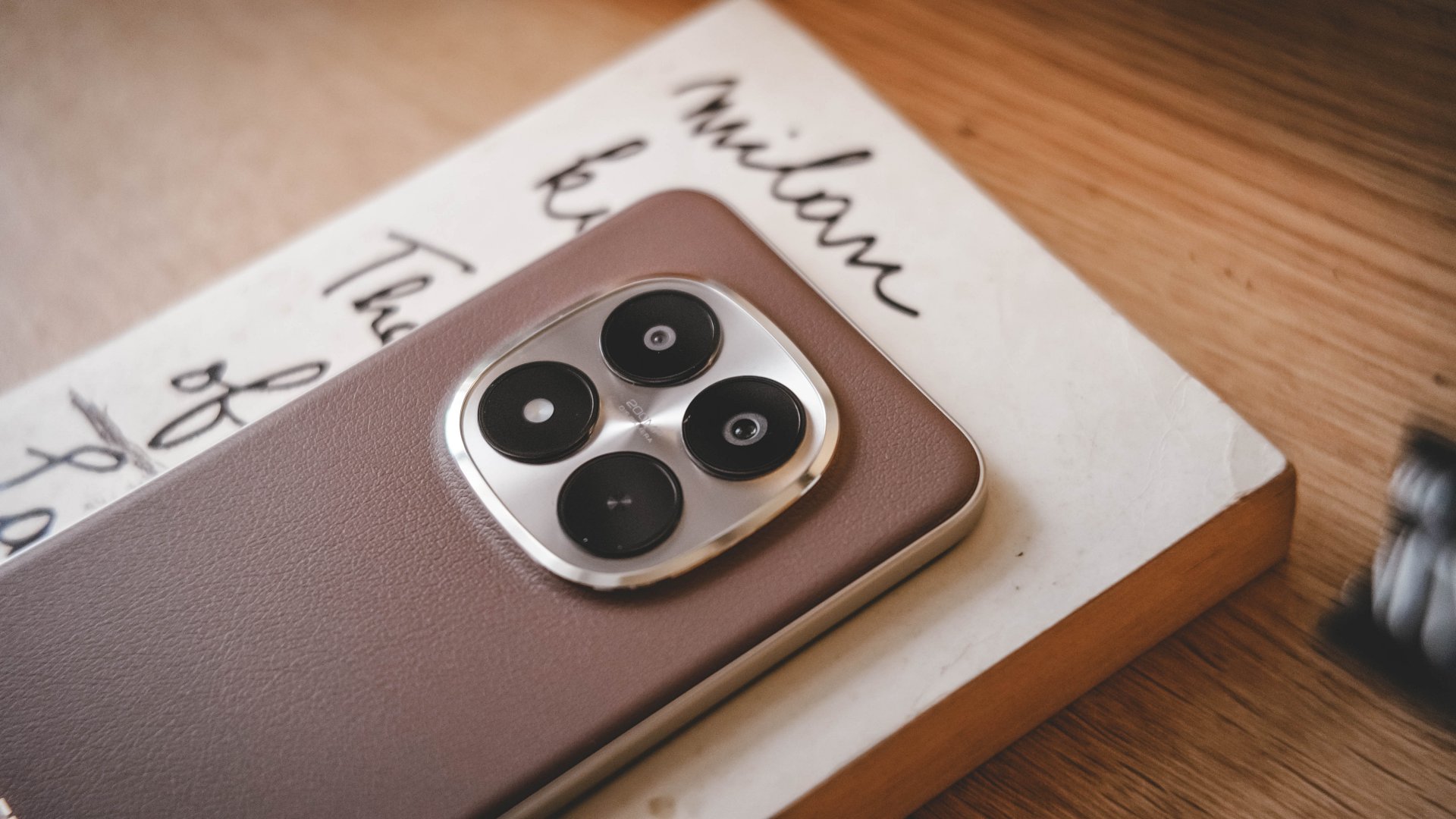
It was in that season that I met the Redmi Note 15 Pro+ 5G in Mocha Brown which felt less like a piece of technology and more like an accessory chosen on purpose.
The faux leather finish feels refined and warm, with the kind of understated elegance that makes you want to build a look around it rather than hide it behind a case.
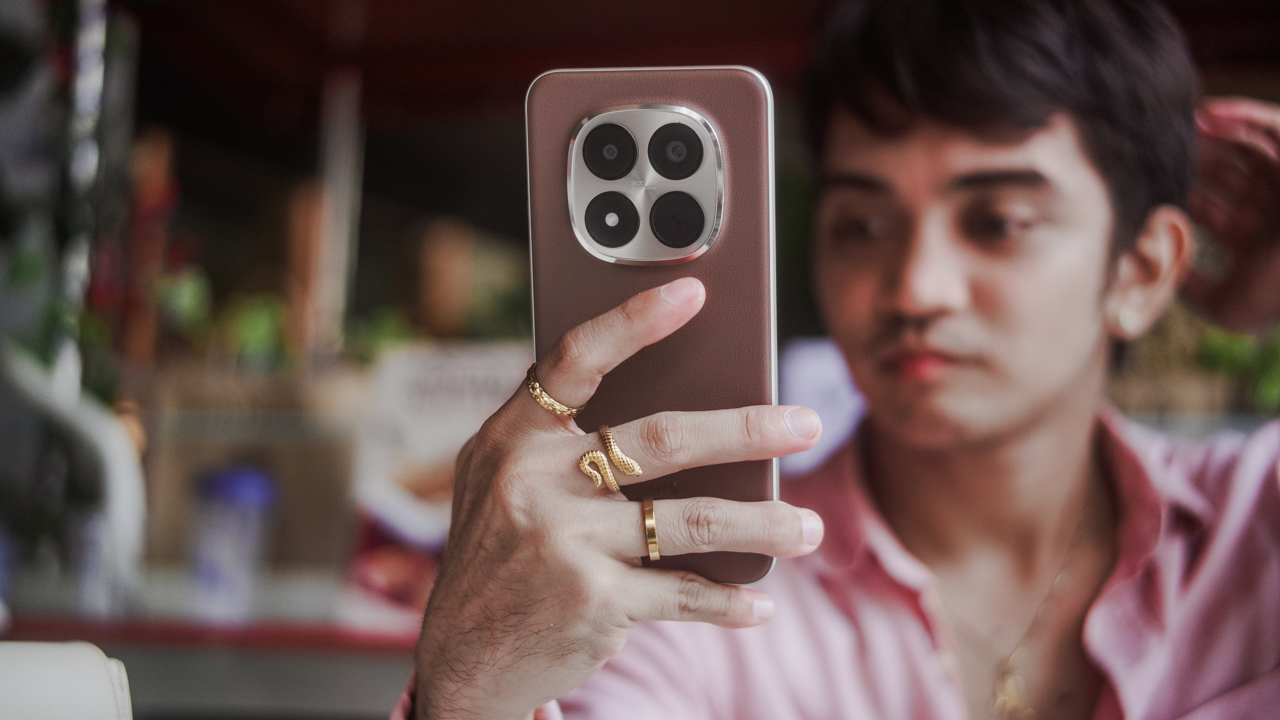
A study in texture and taste
Mocha Brown belongs in the same universe as a well-made leather bag or a dependable pair of polished loafers. It has that beautiful tension between simplicity and richness that makes fashion personal.
The faux leather back introduces texture and warmth. The clean lines and slim profile bring a sense of restraint. And then there are the gold sides and camera island — a gentle nod to discrete luxury.
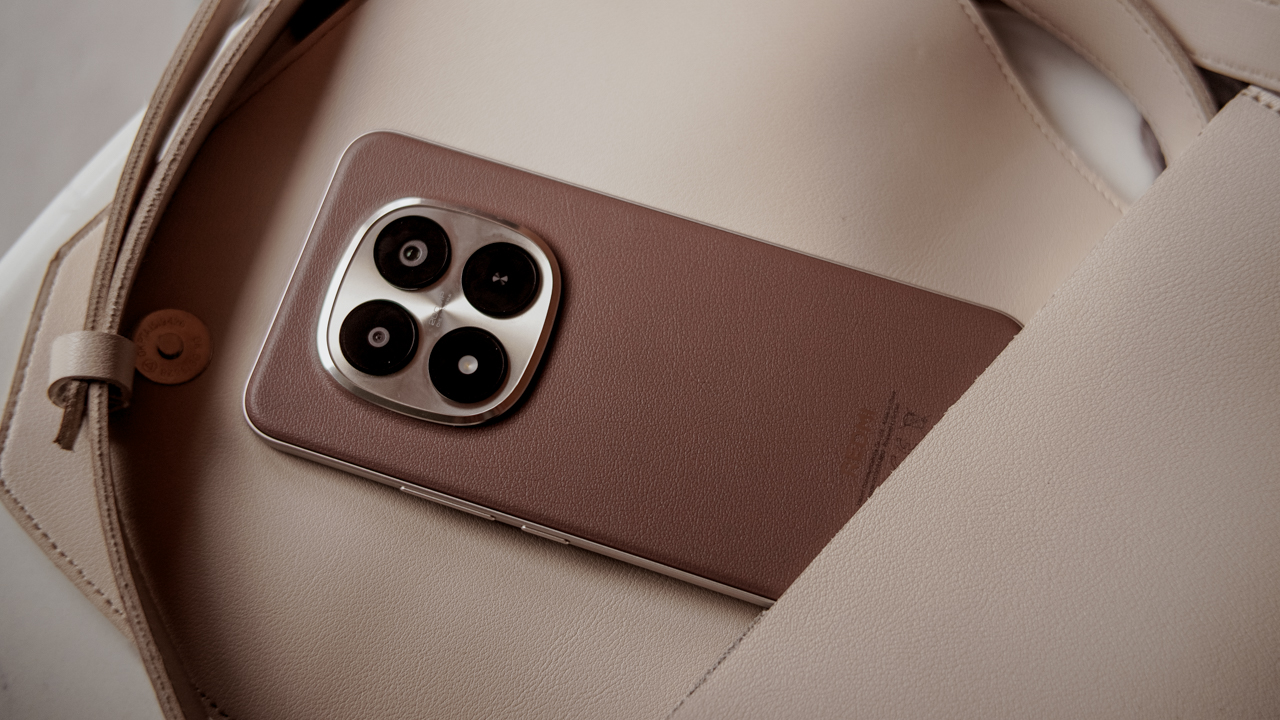
Placed on a café table, held in a mirrored elevator, or tucked into a structured bag, the Redmi Note 15 Pro+ 5G looks like it belongs.
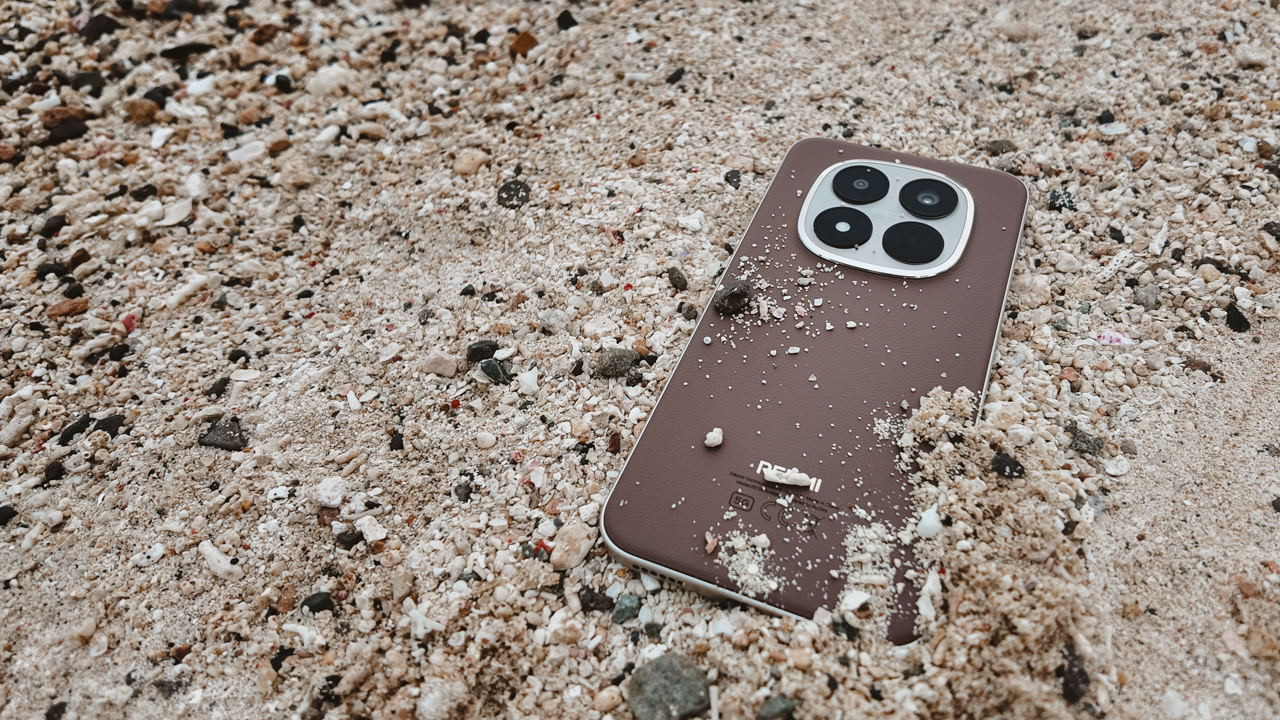
The design’s appeal doesn’t end with looks. Beneath the refined exterior is Redmi’s Titan Durability, a reinforced build that protects against drops, pressure, and everyday wear without disturbing the silhouette.

It looks elegant and feels considered rather than delicate. And it is built to last, even when life is anything but gentle.
Built like your favorite designer bag
As a lifestyle journalist, Titan Durability sounds like a clever way of making toughness chic.
As someone who also works in marketing, I appreciate messaging that distills strength and longevity into one cohesive idea.
On paper, the Redmi Note 15 Pro+ 5G carries IP66, IP68, IP69, and IP69K ratings, making it one of the most water-resistant smartphones available today. IP6X protection keeps out fine particles.
Translated into real life, it simply means peace of mind.

Fashion rarely accounts for the least glamorous moments, yet those moments make up most of our day. I bring my smartphone into the bath, to the sink while washing dishes, and to the kitchen while prepping meals.
I even bring it through mud during obstacle courses, which is my sport. Frankly, I will not deny that I am glued to my phones.
The Redmi Note 15 Pro+ 5G kept up even when my fingers were wet and soiled. The display responded and the buttons worked.
The speakers stayed clear after dealing with dirt and sand. More importantly, the charging port remained unaffected — something I wish I could say of my iPhone.
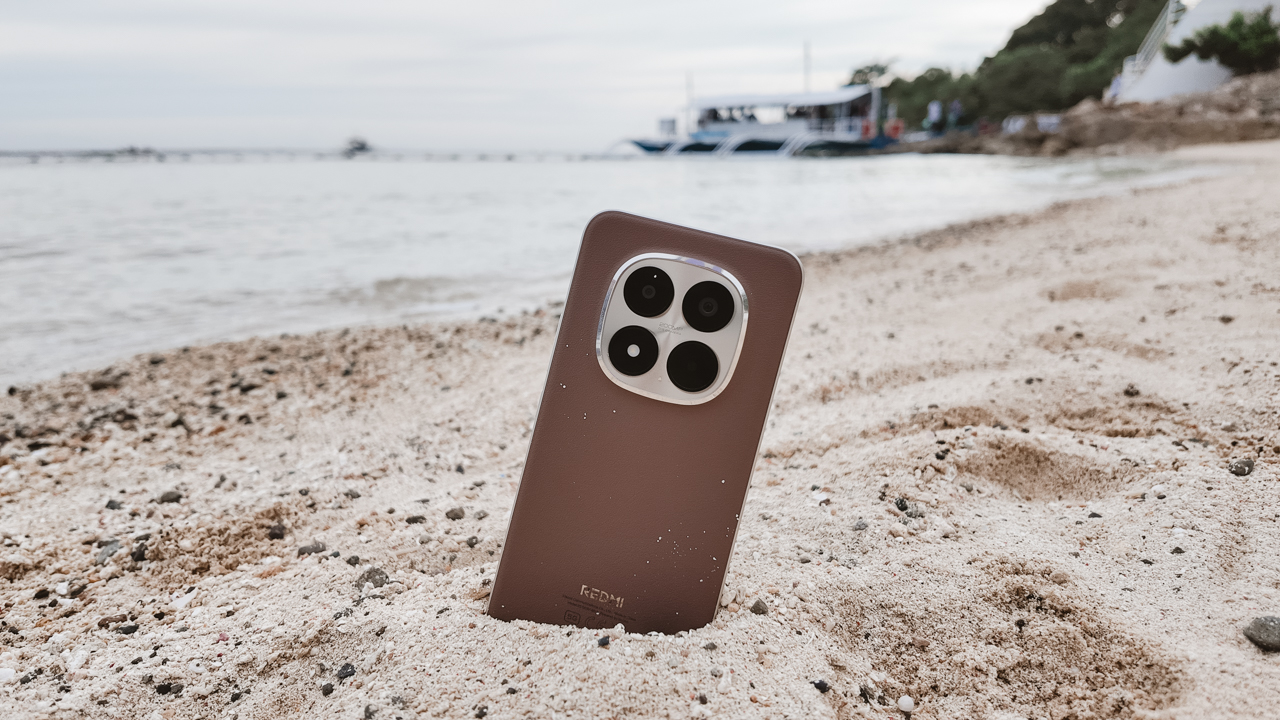
Durability also means not flinching at drops. Titan Durability includes a high-strength motherboard, a strengthened midframe, and Corning Gorilla Glass Victus 2 on the front.
The phone can withstand drops from up to 2.5 meters onto smooth granite and remain intact.
I saw that firsthand when we brought the Redmi Note 14 Pro+ 5G to an outdoor gym last year. It survived everything without theatrics.
A year later, and the Redmi Note 15 Pro+ 5G keeps that resilience, only this time more refined and even stronger.
With this kind of durability, you stop bracing for impact. You simply pick it up and keep going.
The luxury of not worrying about battery
With our days stitched together by notifications, playlists, messages, and endless streams of content, battery life becomes less about numbers.
The Redmi Note 15 Pro+ 5G’s 6500mAh silicon-carbon battery delivered two full days of use — impressive for someone who treats his phone as both companion and workhorse.
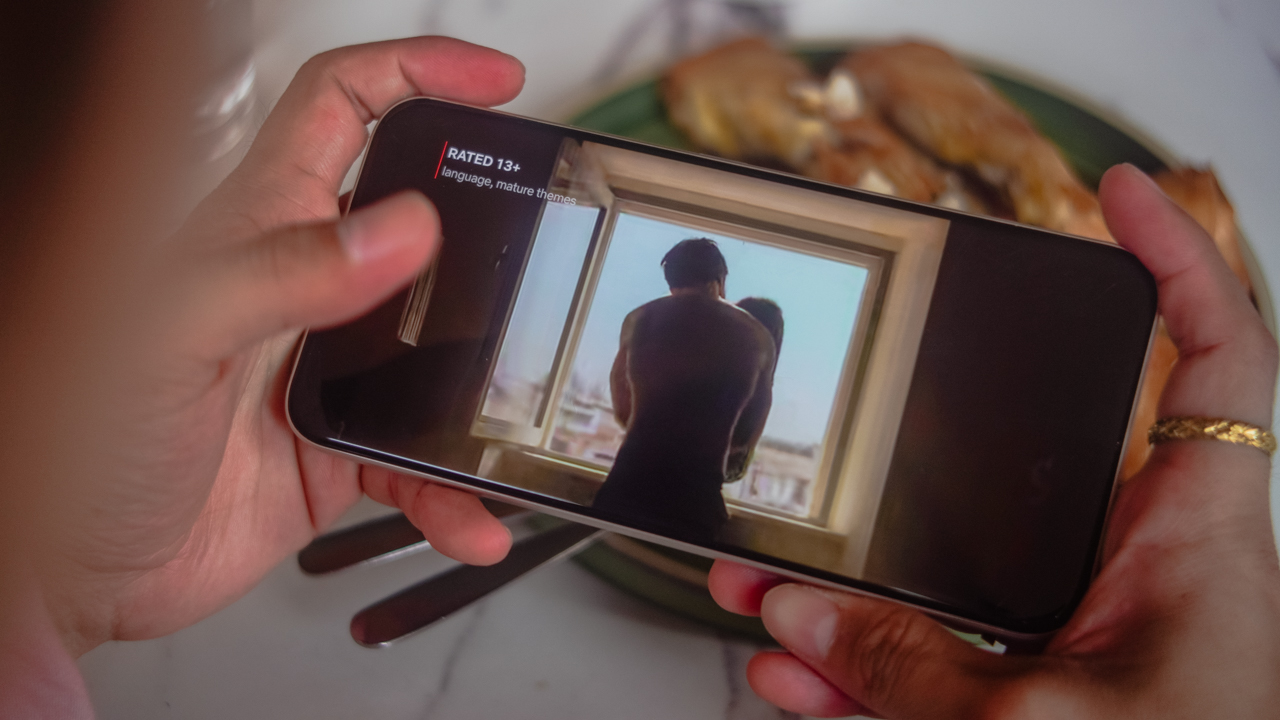
My morning begins with TikTok streaks and Olivia Dean on Spotify, transitions into message threads, “research” tabs, and campaign decks, and ends with Netflix and guilty-pleasure reality shows. It lasted through all of it without anxiety or the constant search for sockets.
Even a full binge-watch barely made a dent, and I finished Netflix’s Emily in Paris Season 5 without glancing at battery percentage every twenty minutes or so.
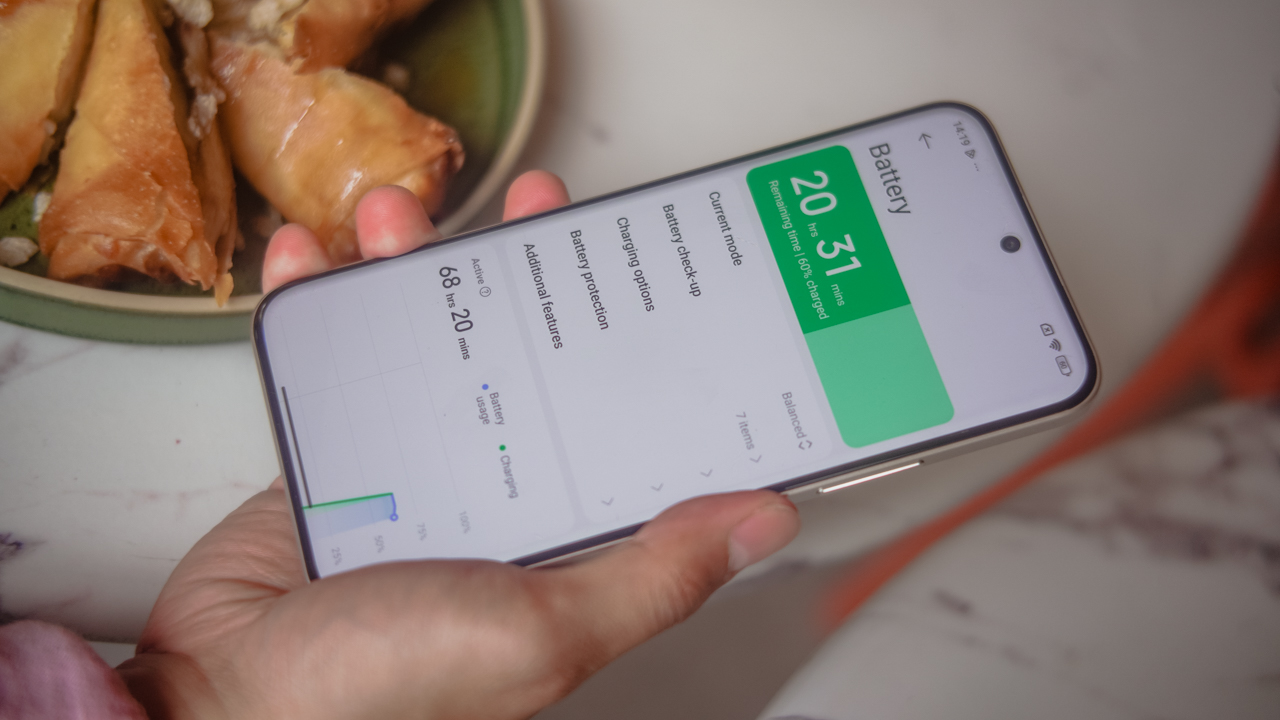
When power finally ran low, the 100W HyperCharge restored it in under an hour — 40 minutes with boost mode, to be exact.
With Xiaomi’s Surge Battery Management retaining at least 80% capacity after 1600 charge cycles, longevity extends beyond trends and seasons.
And with a battery this large, the 22.5W wired reverse charging was surprisingly useful for powering tiny accessories during long days out.
Now Playing: Emily in Paris Season 5
I have a soft spot for shows that blend glamour with a messy life, and there are few that do it as playfully as Emily in Paris.
The series feels like a whimsical mirror of my own world, not in couture or runway theatrics, but in the puzzle of pitching ideas, building campaigns, and keeping clients excited.
In my case, the settings are less Fendi and more coffee shops, restaurants, and meeting rooms, with deadlines tucked between lunch breaks and dinners that double as strategy sessions.

Season 5 charmed me with its exploration of becoming: Emily balancing ambition, romance, and her place in the world, choosing herself and her dreams with a conviction that felt quietly familiar.
Growth rarely arrives fully accessorized. It shows up in small decisions and the uncomfortable honesty of knowing what you want. It was fun to watch that unfold onscreen while trying to do the same offscreen.

The Redmi Note 15 Pro+ 5G’s All-Around Liquid Display made the experience feel indulgent. The 6.83-inch screen and 3,200 nits of peak brightness meant that Parisian drama and Roman escapades played beautifully even as I sunbathed on my balcony.
Dual stereo speakers and a 400% volume boost brought every soundtrack moment to life, though I will admit that some of Mindy Chen’s covers fall short of the earlier seasons. “Mon Soleil” is still undefeated. “Espresso” was fine, but let’s not pretend it was iconic.

If you are in your millennial era of preferring ambience over noise, the 400% boost can feel like wearing platform heels to brunch–fun in theory, aggressive in practice — though very useful when you need to drown out the world.
Tailored for the day’s demands
My unit came with 12GB of RAM and 512GB of internal storage, which meant I had more than enough room to capture photos and record videos for Instagram Reels without ever worrying about space.
Powered by Xiaomi HyperOS and the Snapdragon 7s Gen 4 mobile platform, everyday performance feels reliable and smooth.
Multitasking is easy and apps load without hesitation. Moving between work, content creation, social media, and streaming never felt taxing.
Xiaomi HyperAI adds another layer to the experience, with features like AI Writing, AI Speech Recognition, AI Interpreter, AI Search, and AI Dynamic Wallpapers.

The Dynamic Wallpapers, in particular, stood out to me. They add a sense of personality, and they make the device feel more personal when you take the time to customize it.
Well dressed, but slightly unfinished
Performance is not only about speed and capability. It’s also about how it feels to use something every day. For a phone that presents itself as a statement piece, the user experience doesn’t quite match the couture-level confidence of its exterior.
HyperOS functions well, yet it rarely feels elegant. Finding themes that feel refined requires effort, and the overall interface leans more practical than polished.
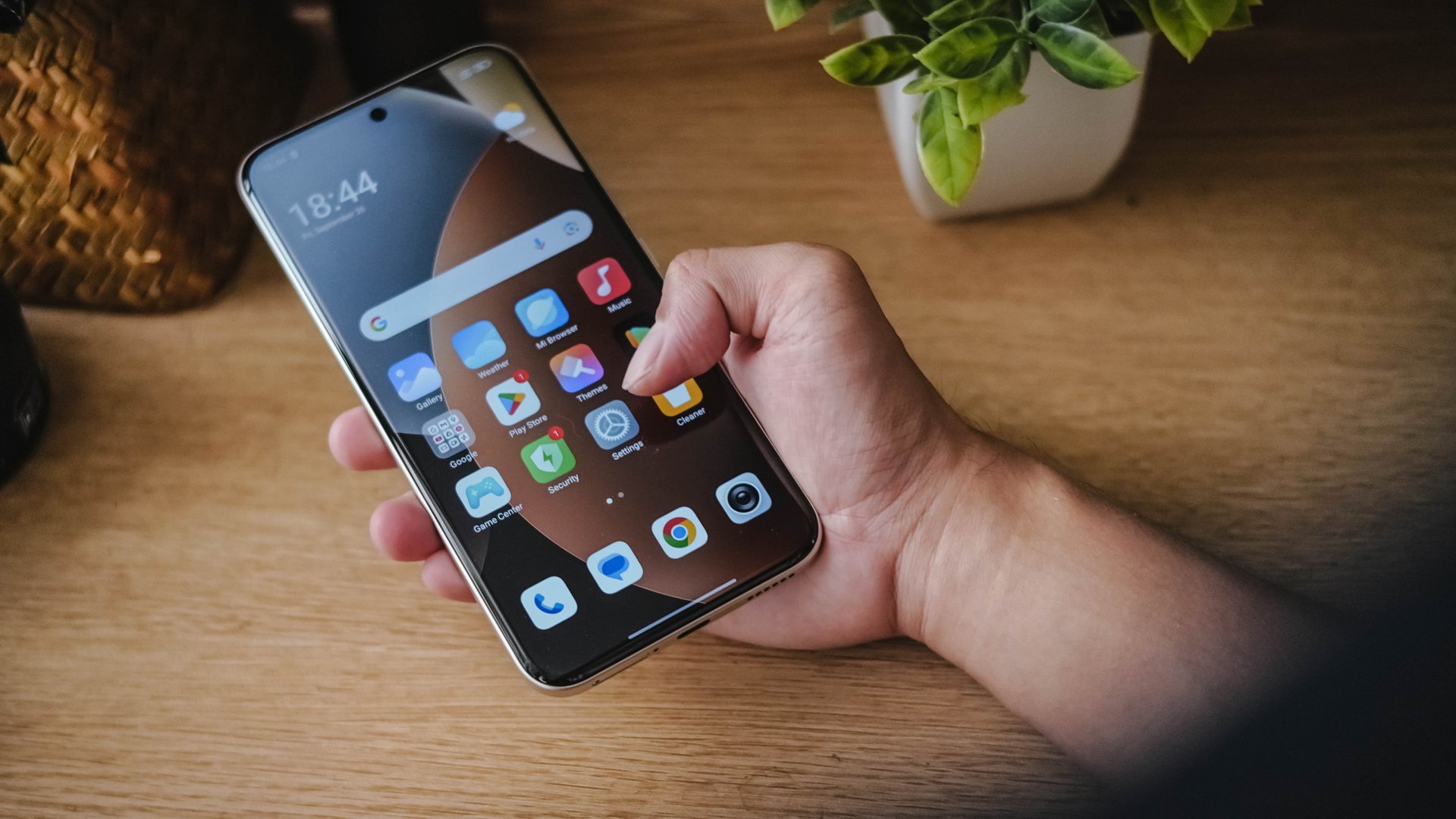
The presence of bloatware is another friction point. From the moment the phone was turned on, several pre-installed apps appeared that I didn’t need or ask for.
They weren’t disruptive enough to break the experience, though they did distract from an otherwise composed first impression.
When you decide to glow up, it should go beyond appearances. Performance is part of that transformation. The screen is what we interact with all day, not the back of the phone, and the interface plays a big role in whether a device feels joyful to use.
You enjoy something more when you genuinely like how it performs and how it presents itself.
Thankfully, the Redmi Note 15 Pro+ 5G is a very capable midrange smartphone at its core. Its performance is dependable and its power is, surely, unquestionable.
With a more refined user interface and fewer distractions, it would feel as elevated on the inside as it looks on the outside.
When life becomes a lookbook
The Redmi Note 15 Pro+ 5G comes with a 200-megapixel camera system supported by a 200-megapixel AI Engine, which is safe to say it’s well-suited for slice-of-life storytelling.
It turns ordinary days into scenes worth remembering, capturing meals, places, outfits, and fleeting romance with clarity that looks beautiful on Instagram Stories.

That is something Emily Cooper would appreciate: the art of noticing, and the belief that even mundane things deserve to be romanticized.
I brought the Redmi Note 15 Pro+ 5G with me through my usual rituals and a short island escape. It handled golden hour and mirror selfies with equal charm. Night time? Not so much unless you do it in Pro Mode.
Even so, details held up even when I cropped generously for Stories, and colors stayed true enough to feel editorial without being overstyled.
























Is the Redmi Note 15 Pro+ 5G your GadgetMatch?
The Redmi Note 15 Pro+ 5G feels like it was made for everyday affairs and misadventures.
There’s a confidence that comes from its Titan Durability, capable cameras, and an enduring battery; you worry less about keeping your phone pristine and you focus more on living.
If there is anything that betrays the illusion of luxury, it’s the software experience, which felt less polished than the hardware deserved.
For a device styled as fashionably as the Mocha Brown edition, I found myself wishing the UI and UX felt equally couture.
Swipe Right if you want a midrange phone that understands lifestyle as much as performance and can keep pace with intentional living.

Swipe Left if you need specialized power–better cameras or serious gaming, par exemple — and cannot compromise on those fronts.
For the rest of us, who value a mix of design, durability, and everyday capability at an accessible price, it’s a Super Swipe.

Because with everything it got, the Redmi Note 15 Pro+ 5G earns the GadgetMatch Seal of Approval.
The Redmi Note 15 Pro+ 5G retails for PhP 27,999. For the online-exclusive 12GB/256GB variant, it retails for PhP 25,999.
It comes in Mocha Brown, Glacier Blue, and Black. Along with the rest of the Redmi Note 15 series, it’s currently available on mi.com and across e-commerce platforms such as Shopee, Lazada, and TikTok Shop.
Promotional offers
The Redmi Note 15 series comes with added peace of mind through a comprehensive ownership package.
Buyers receive a 4-year battery replacement warranty, 2-year liquid damage coverage, and 2-year front and back cover replacement, all covered under a 2-year overall warranty.
The Redmi Note 15 series is also available via 0% interest installment plans through Home Credit. Monthly payments start at PhP 1,199 for up to 18 months.
From January 16 to 29, buyers can enjoy PhP 2,000 off the Redmi Note 15 Pro and Pro+ 5G. It comes with a free Xiaomi Smart Band 10 and a Black Box Gift Set. From January 30 to February 8, the free gifts continue even as the cash discount ends.
Every purchase also includes three months of Spotify Premium and a three-month 100GB cloud storage plan.


Now playing: Final Fantasy VII Remake INTERGRADE on Switch 2
Final Fantasy VII Remake, handheld again


HONOR X9d 5G review: Tougher, more long-lasting and optimized
Beyond all the marketing, it's a compelling all-around smartphone that actually works well


Redmi Note 15 Pro+ 5G review: The midrange fashion piece
Work-ready and style-friendly!

VinFast updates battery subscription policy for large upfront savings

Xiaomi SU7 Ultra makes Gran Turismo 7 debut

3D printing made accessible: Bambu Lab enters Philippine market

OBSBOT launches AI-powered 4K Tiny 3 series webcams

Soundtrack for the city: HIDDEN.NY x AIAIAI TMA-2 headphones

HONOR X9d 5G launches in the Philippines: Price, preorder, availability

POCO M8 Pro review: Goin’ loco over this POCO

OPPO A6 Pro: Adequate tool, no definitive punch

Infinix NOTE Edge debuts: High-end features for accessible pricing

HONOR Magic8 Pro review: What sorcery is this?


-
 News2 weeks ago
Infinix NOTE Edge debuts: High-end features for accessible pricing
-
Reviews2 weeks ago
Redmi Note 15 Pro+ 5G review: The midrange fashion piece
-
 Features2 weeks ago
Can the REDMI Note 15 Pro+ 5G Survive?
-
Reviews1 week ago
HONOR X9d 5G review: Tougher, more long-lasting and optimized
-

 Gaming2 weeks ago
Civilization VII coming to Apple Arcade this February 5th
-

 Automotive1 week ago
BYD expands PH presence with entry of DENZA luxury EVs
-

 News2 weeks ago
HONOR slaps the iPhone Air with the all-new Magic8 Pro Air
-

 News1 week ago
Beyond the Box, Digital Walker turn over Tesla Model Y to iPhone 17 raffle winner