

Automotive
A glimpse on the future of motorcycles
Lycan takes on its ambitious desire to bring the first Filipino smart motorcycle

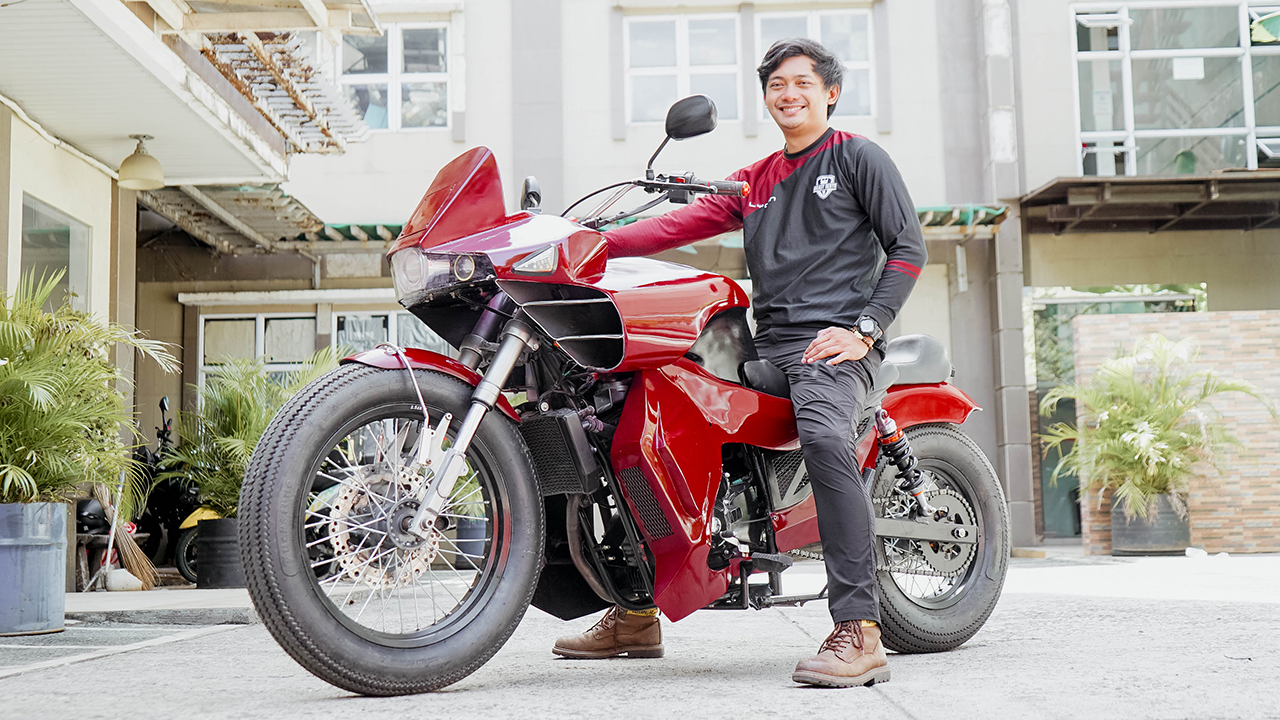
It was like a scene straight out of a sci-fi movie. A futuristic motorbike greets me as I enter the garage of Lycan, the first all-Filipino independent motorcycle and technology company.
The sound of the welding machine fusing the parts of an avant-garde motorbike echoes like a chant in a campaign rally. It was invigorating, filling my body with effervescence; enthusiastic to meet the people behind Lycan in their headquarters in Quezon City.
The promise of a connected tomorrow
A few weeks ago, I caught a glimpse of what could be the future of motorcycles in the Philippines. GadgetMatch had a sit-down with Jaggy Gangat, Chief Executive Officer (CEO) of Lycan Motors, and JM Grefaldo, the company’s Chief Technology Officer (CTO).
Gangat vividly remembered how Lycan started; a custom garage understanding what the market needs. Gangat was certainly part of the market, being a rider before more than an entrepreneur. With his background in business, strategic thinking, love for motorcycles, and desire to create an impact — Gangat was filled with idealism as he birthed Lycan.

Jaggy Gangat, CEO of Lycan Motorcycles, standing in front of the G6 prototype. | Photo by MJ Jucutan, GadgetMatch
But it wasn’t a simple, spontaneous plan that abruptly came to fruition, like those enacted in the movies. Gangat knew having a Filipino-made motorcycle isn’t enough.
Grefaldo came into the picture to make Lycan stand out. The answer was technology, or rather, making motorcycles smart. “Lycan wouldn’t be Lycan without technology and JM,” says Gangat as he vehemently introduced his CTO.
Gangat and Grefaldo believe in putting Filipinos one step closer to the future. The two shared the promise of a connected tomorrow; their eyes flickering with excitement like a star-eyed emoji as they discussed what they were about to bring in the nearest future.
From futuristic experiences of showcasing their motorcycles to a modern approach to purchasing a vehicle — Lycan wants to use technology to propel the Filipinos to a better tomorrow.
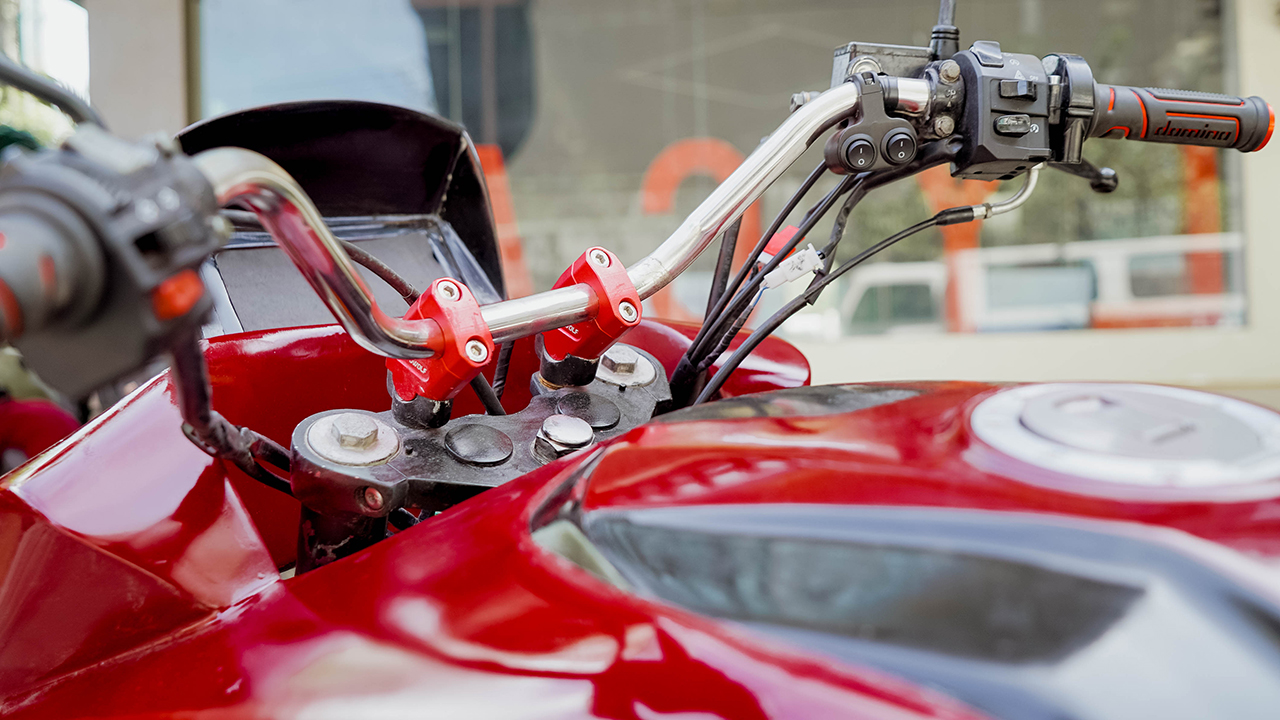
Photo by MJ Jucutan, GadgetMatch
Artificial intelligence (AI) at Lycan’s core
Ah, artificial intelligence. That tech jargon usually gets lost in translation. Lycan believes most people don’t fully understand or grasp the concept of AI. I agreed ardently. People fear what they don’t understand.
But artificial intelligence is found in almost every device we have now. It makes so much sense to see a motorcycle applying the same computer system to make it smart. As a matter of fact, life got easier in terms of communication, social interaction, and doing business — thanks to our smartphones employing AI properly.
In the same way, Lycan aspires to use AI to deliver convenience and ensure safety. The Filipino start-up is working on a proprietary voice assistant akin to Siri and Alexa, dubbed Luna.
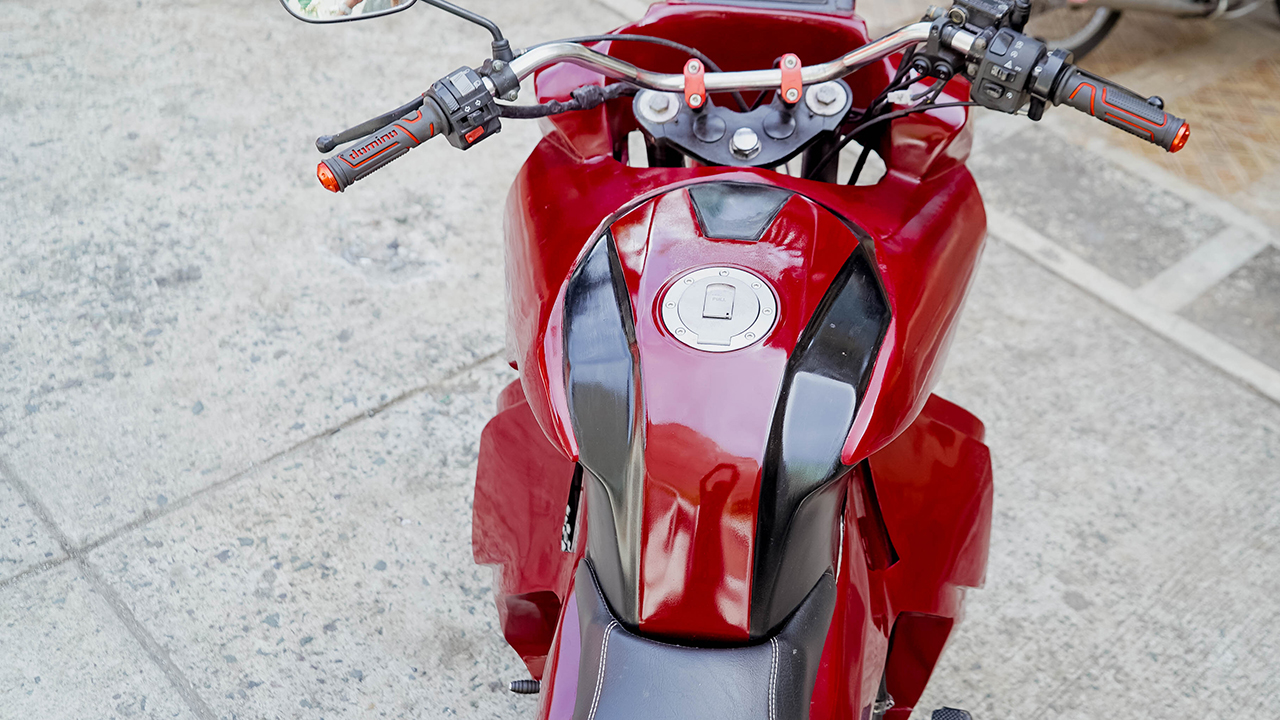
Photo by MJ Jucutan, GadgetMatch
Luna AI is expected to give commands. With machine learning, it aims to hold a conversation with the rider to prevent distracted driving.
It’s bound to be paired with a smart helmet, making Luna the ears and mouth to help operate the system. With one command, Lycan’s motorcycles can activate without throttle assist.
In the nearest future, as Luna takes a more tangible shape after its development, the voice assistant will help navigate maps, exhibit the important statistics from the dashboard, integrate the data between the smartphone and mobile app, access remote diagnostics, and check the overall performance and condition of the motorcycle.
Gangat hopes to make the technology as solid as it can, like Elon Musk’s TESLA. Eventually, hopefully, the CEO dreams of a future where the motorbike can be smart enough to predict a situation, and hopefully, keep more bodies safe.

Photo by MJ Jucutan, GadgetMatch
An integrated experience
Lycan is also developing its own operating system called LmoS. In full, it’s called Lycan Motorcycles Operating System, functioning as the brain of its motorcycles, and eventually, the system for Luna AI.
Aside from the smart motorcycle, the company is developing a mobile app slated to be launched later this year alongside the G6. The app will be integrated into the motorcycle and is expected to work seamlessly with the smart helmet — operated by Luna AI and connected via Bluetooth and/or WiFi connectivity.
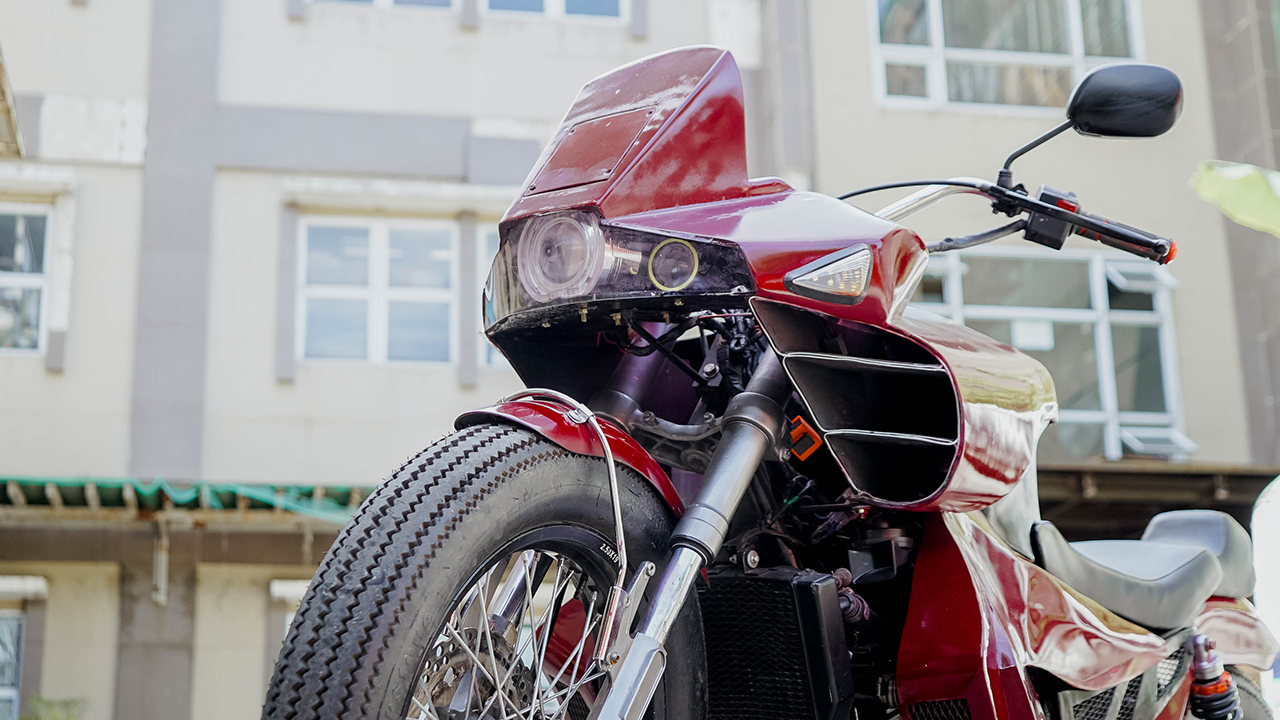
Photo by MJ Jucutan, GadgetMatch
For security purposes, Lycan is considering blockchain as a foundation to safeguard its users and the technology.
Helmet like Iron Man’s
The smart helmet is Lycan’s answer to the problem of distracted driving. A split second of taking your eyes off the road can unravel endless possibilities; one of which could be accidents happening in the blink of an eye.
While still under development, the smart helmet promises an Iron Man-like experience. The visor will have a heads-up display to give an overview of the riding experience, and to communicate with fellow smart helmet users.
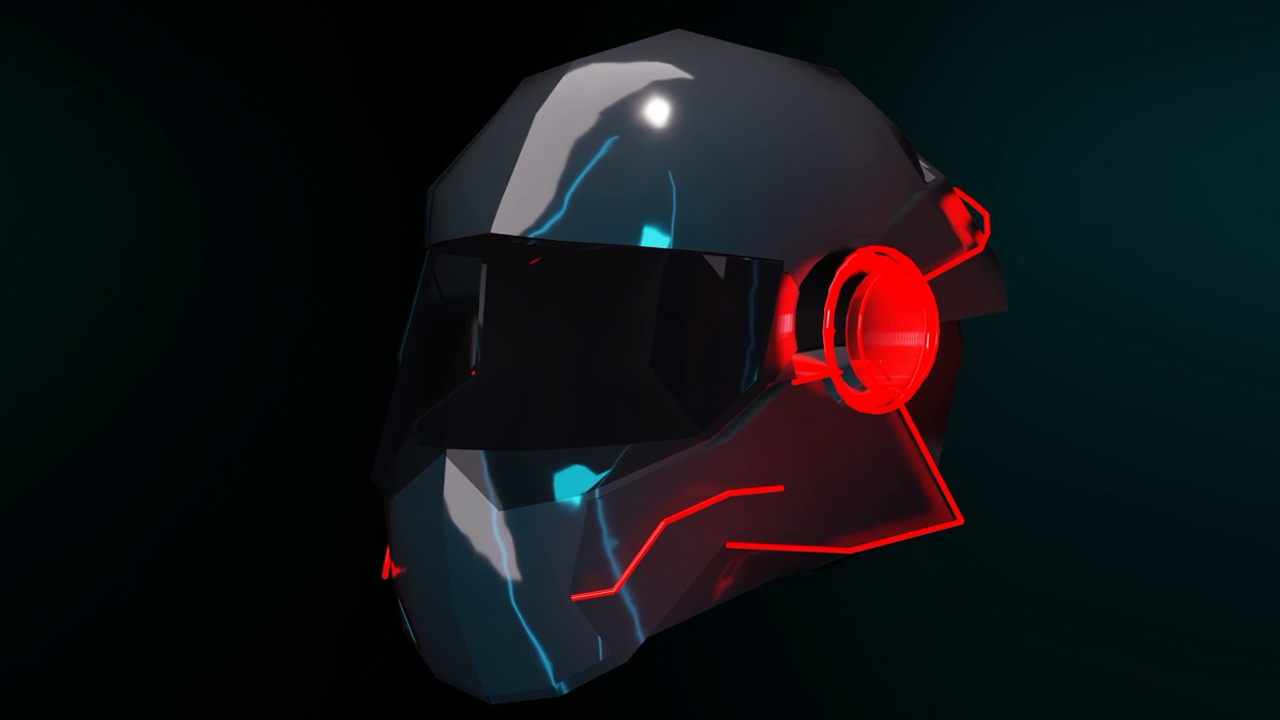
Sensors are equipped inside the helmet, measuring your pulse and heart rate while communicating with the mobile app. One important thing would be its unique Smart Helmet Crash Detection technology. The helmet’s impact sensors will assess the kind of fall and the gravity of the impact.
Different levels will determine the next course of action, whether Luna will update Lycan, alert a local LGU — if the company gets to partner for emergency dispatch — or simply ask the rider about his/her/their current condition.
Personalize your motorcycles
Apart from the infusion of artificial intelligence and the application of Internet-of-Things on its products, Lycan prides itself on another innovative platform. Called BuilderX, the online configurator gives people the ability to design their motorcycles and get them personalized.
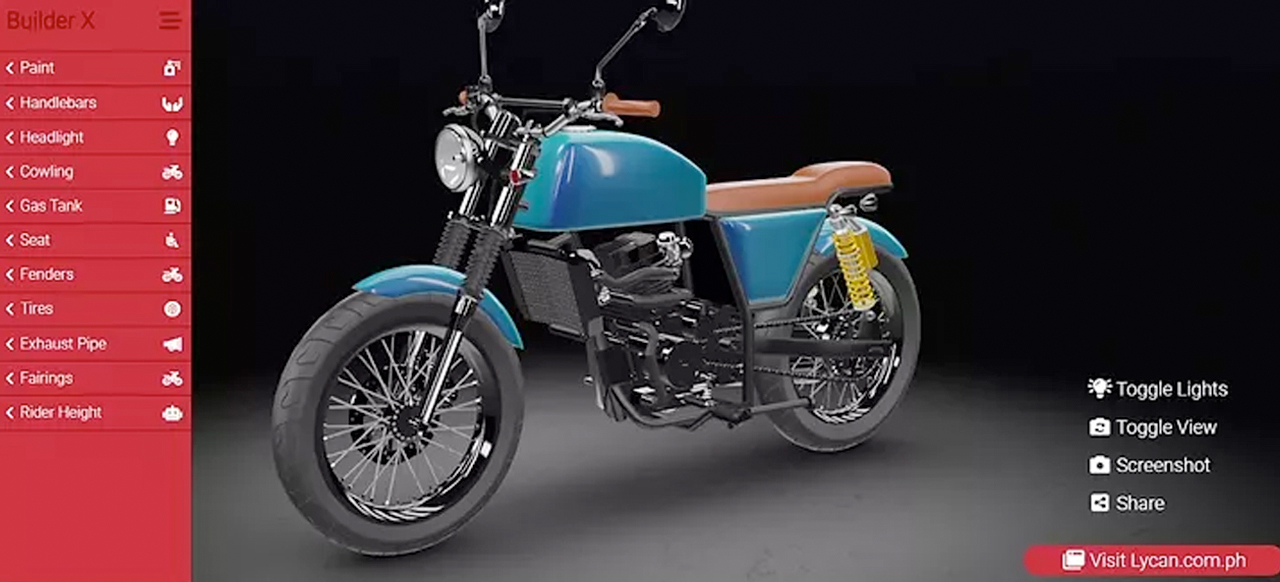
The platform aims to let people customize, save their designs, download, and place their orders. Lycan aspires to make purchasing their vehicles simpler, taking cues from the booming e-commerce platforms. The company promises to make it easy even for non-tech savvy individuals, making the process as easy as three steps: designing, ordering, and receiving.
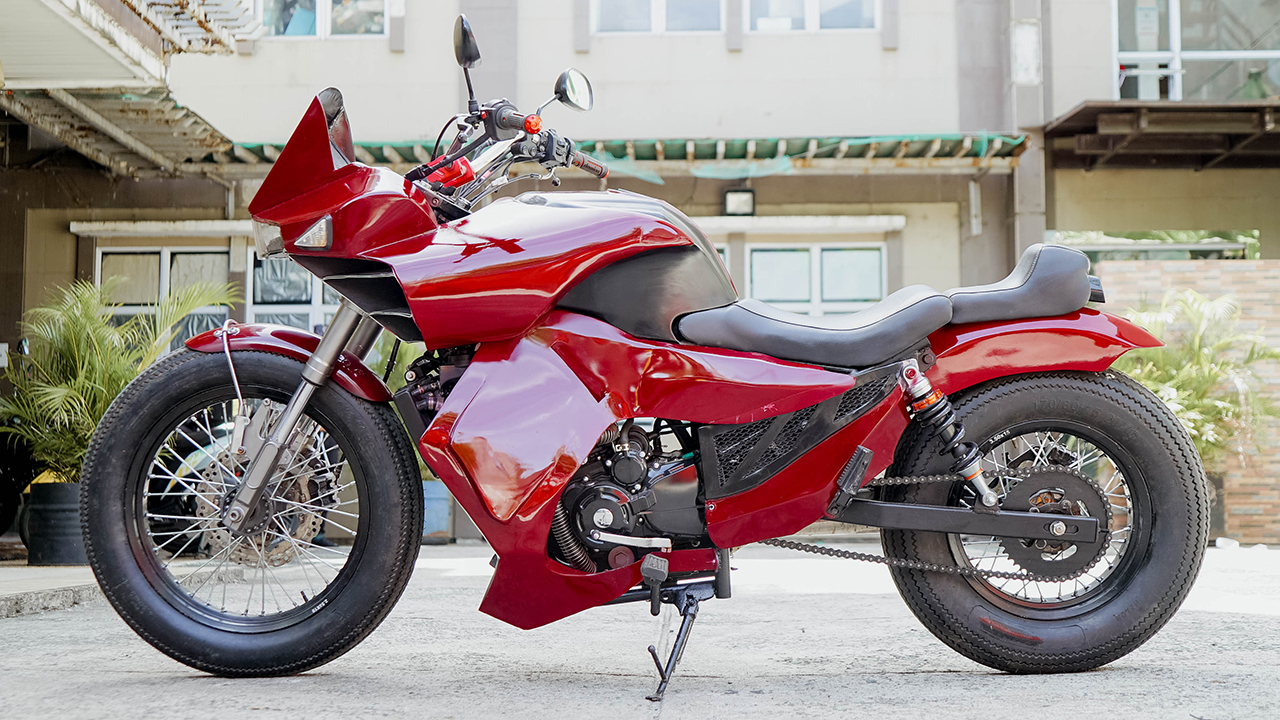
Photo by MJ Jucutan, GadgetMatch
There will also be an option to pick up the motorcycle or receive it at home. The platform was backed by Gangat’s background in customizing motorcycles, reducing costs by tapping into e-commerce instead of opening up several dealerships, and answering people’s desire for a more personalized motorcycle — shying away from designs brought by foreign brands.
Reducing carbon footprint

Photo by MJ Jucutan, GadgetMatch
Like any company of tomorrow, Lycan wants to help in reducing its carbon footprint. Currently, the motorcycles are available in gasoline and hydrogen fuel-cell versions. Moving forward, Lycan is looking into a hybrid engine using hydrogen fuel cells and petroleum for internal combustion and eventually transforming into a pure hydrogen vehicle.
Concurrently, Lycan is developing batteries and engines to prepare for an EV variant. The company is looking into a 5000-kilowatt battery for high-speed electric vehicles.
A company that listens
As a start-up, Lycan offers one thing most motorcycle companies don’t: two-way communication with its consumers. Aside from the service and technology, Lycan aims to listen intently to the market. One way to prove this is the retail price that its market can afford (and potentially disrupt the industry).
The 400cc G6‘s MSRP is PhP 179,999 and reservation starts at PhP 9,850. Meanwhile, the 650cc GC6‘s MSRP is PhP 294,999 and reservation starts at PhP 19,720. Prices are subject to change.
Aside from being the company’s consumers, interested investors can take part in the growth of Lycan. See investment opportunities and be part of history as a shareholder.

Automotive
BYD says that way better EV batteries are coming next year
Solid-state batteries will debut with higher-end models in 2027.


With gas prices reaching the edges of believability, electric and hybrid vehicles are turning into worthy upgrades. That said, the more casual consumer still has a lot of questions about going electric, primarily about the durability of the battery and range anxiety. Well, a major battery technology upgrade is coming in the next few years, and BYD has just committed to it for next year.
Via the Spanish outlet Carwow, BYD EVP Stella Li confirmed that the company will launch its first vehicle with a solid-state battery in 2027. Now, if you’re a regular consumer, a solid-state battery probably doesn’t make much sense to you. But here’s the basics: it’s smaller, safer, and can last longer on a single charge.
If you’re fine with technical explanations, a solid-state battery uses more solid components, as opposed to the liquid solution used by the current standard of lithium-ion batteries. Because it’s more solid, it has better energy density. Higher energy density means a smaller size is needed to achieve the same battery capacity as modern batteries. In turn, this means that a vehicle can pack more batteries inside, allowing for better capacity. Oh, and let’s not forget that these batteries are generally safer and less prone to incidents.
In the same interview, BYD says that the first model will arrive next year. Unfortunately, because of the battery’s cost to produce, the component will likely debut with the company’s higher-end models. Still, it’s an exciting sight to behold. The electric and hybrid market is already quite the temptation for users, so an even better battery will further push the segment to better heights.
SEE ALSO: BYD adds the facelifted Seal 5 DM-i to its hybrid sedan lineup
Accessories
70mai launches the A900 series with 4K front, rear recording
Two new 4K dual-channel dash cams, both with 4G
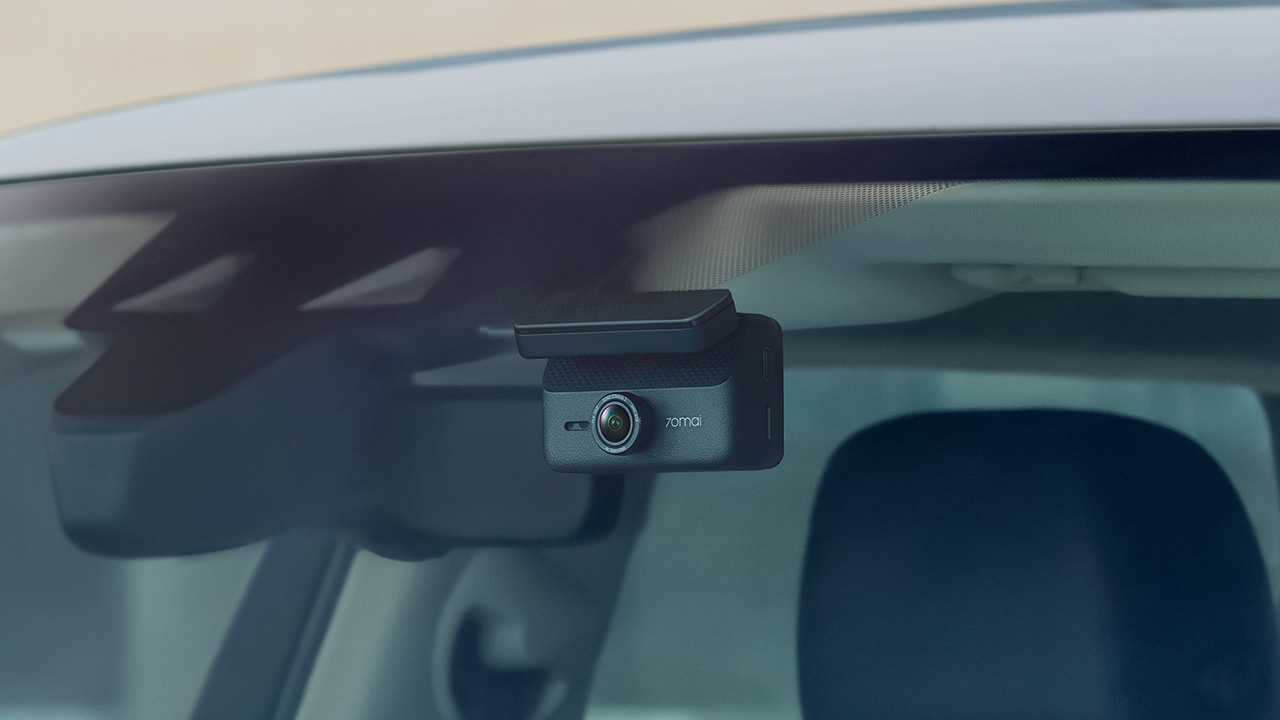
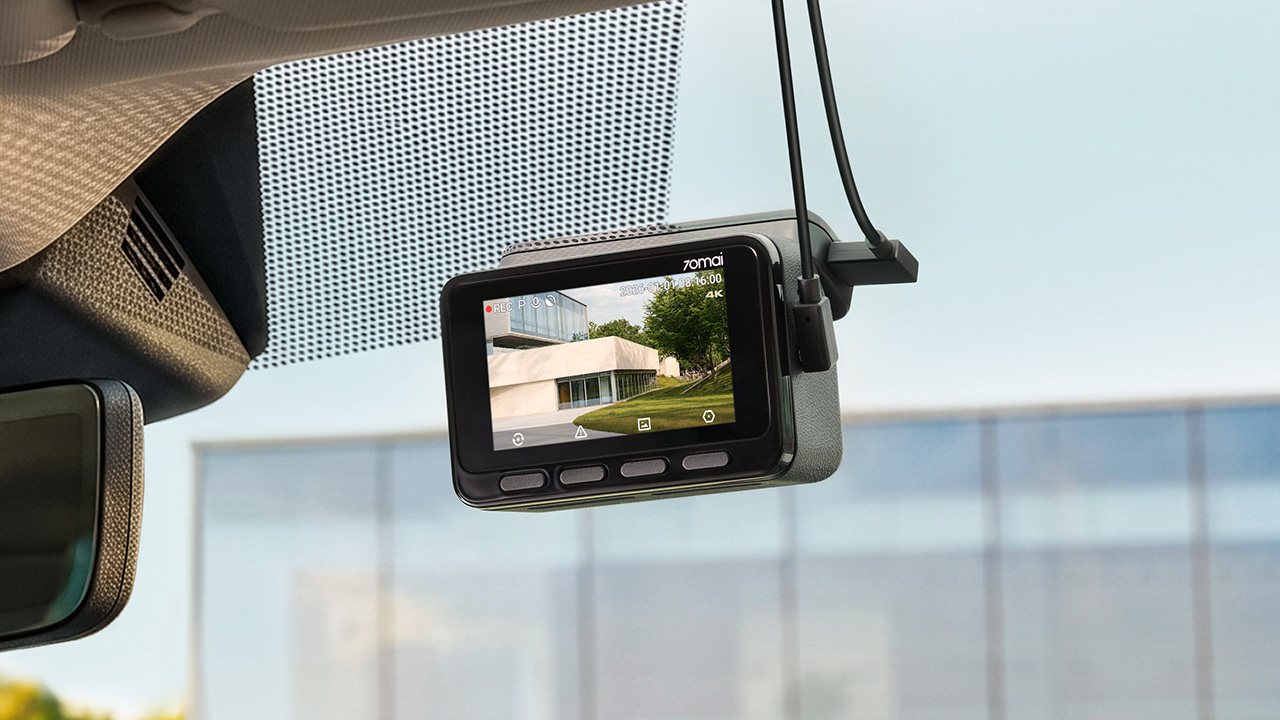
70mai has launched the A900 Series, led by the flagship 70mai Dash Cam 4K A900 Ultra, with the 70mai Dash Cam 4K A900 joining it in the lineup.
Both models record in 4K from the front and rear cameras, and both support 4G, so your footage stays reachable from your phone even when you’re away from the car.
4K recording from both cameras
The A900 Ultra uses dual Sony STARVIS 2 IMX678 sensors to capture clear 4K footage from both directions. As a result, details like license plates and road signs remain sharp.
Smart HDR balances bright and dark areas under shifting light. Users can also adjust color tones and contrast. To keep feeds synced, the rear camera uses LVDS digital transmission. This tech sends a lossless 4K feed with just 20ms of latency.
Handling changing light
Driving into a tunnel or under the shadow of a tall building changes the lighting quickly, and 70mai built three imaging technologies into the A900 Ultra to deal with it.
MaiColor Vivid+ Solution 2.0 is meant to give more natural colors and finer detail, along with smarter scene adaptation. Night Owl Vision 2.0 reduces noise and glare to help with nighttime clarity.
Lumi Vision is made for parking surveillance in near-total darkness, where it automatically adjusts exposure and gain and applies noise reduction. 70mai says this produces clear, full-color footage in extremely low light.
Parking mode and remote access
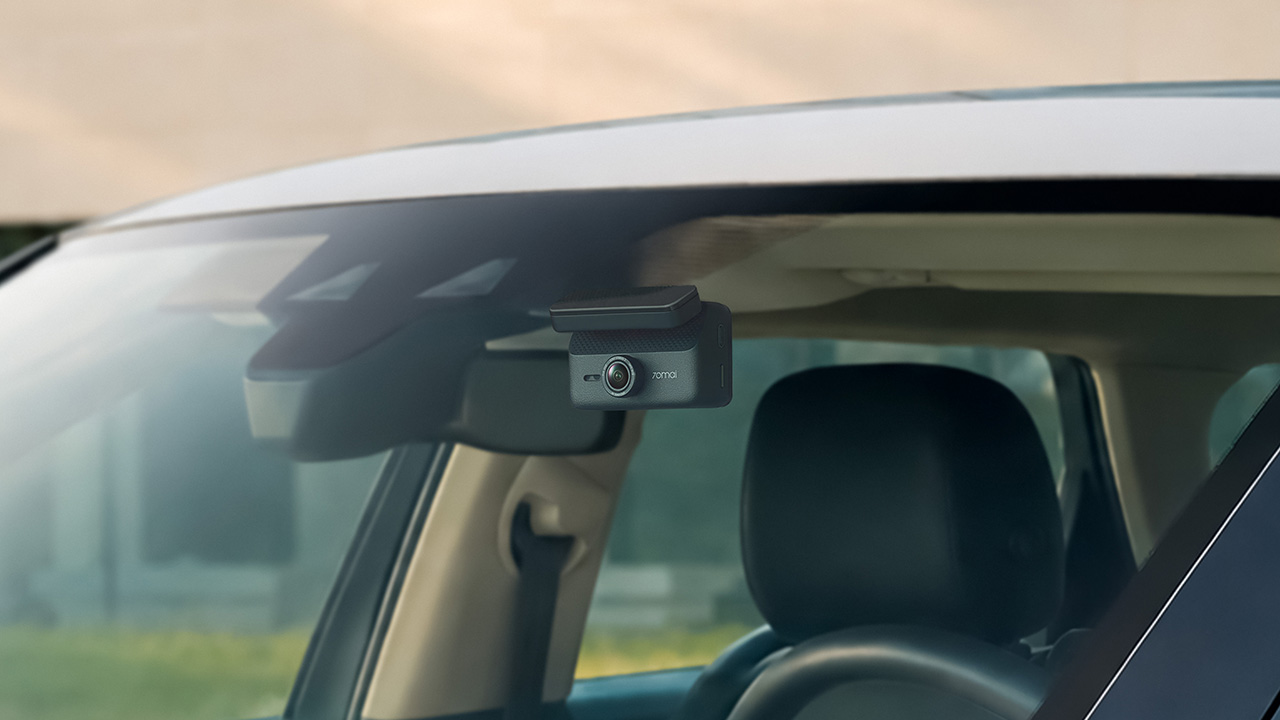
Smart Parking Guardian Mode 2.0 protects your vehicle while parked. It combines AI motion detection, dual-channel collision detection with pre-recording, and time-lapse options.
The system draws just 5mA on standby to prevent battery drain. For extended coverage, the optional 70mai Battery Pack Mini powers surveillance for up to 30 days.
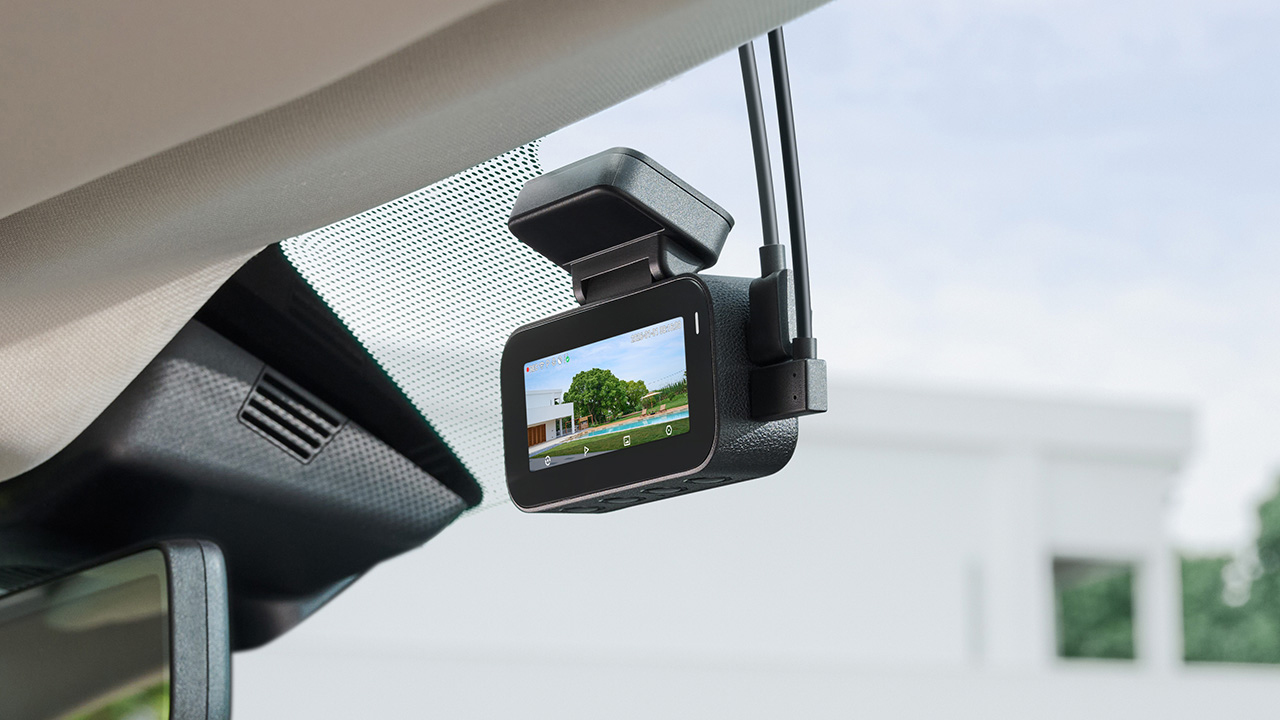
In photo: A900
Pairing the camera with the 4G Hardwire Kit unlocks 70mai 4G Cloud+ 2.0 features on the app. Enhanced Buffered Emergency Recording saves up to 190 seconds before an incident and 30 seconds after.
It automatically uploads this footage to the cloud for immediate remote viewing.
The 70mai Dash Cam 4K A900
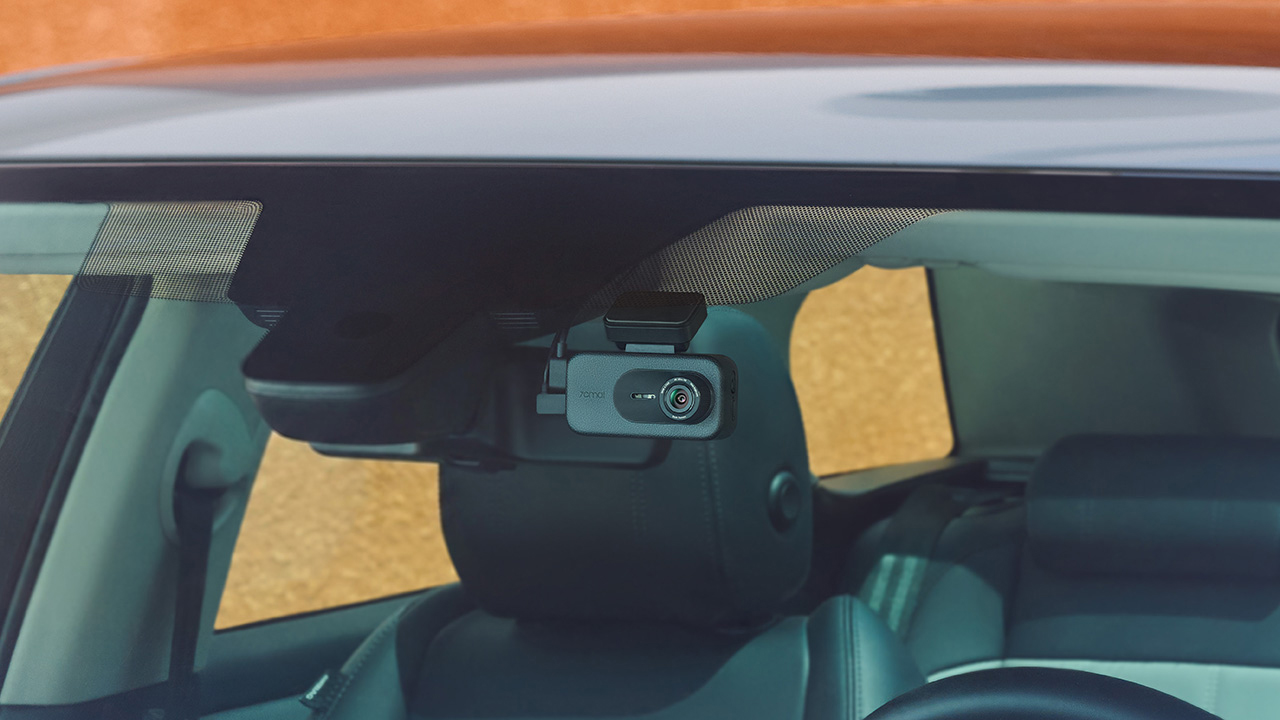
In photo: A900
The A900 sits alongside the Ultra as the more accessible option. It records True 4K HDR at 30FPS from both the front and rear cameras, and Smart HDR can be scheduled to turn on at set times.
Its f/1.55 aperture is meant to help in low light, and 4G Cloud+ 2.0 keeps the dash cam connected to the 70mai App. It’s the model for drivers who want dual-channel recording and 4G connectivity at a lower price.
The 70mai Dash Cam 4K A900 Ultra retails for US$ 300, available for pre-order at US$ 240. Meanwhile, the A900 is priced at US$ 200, currently 20% off at US$ 170.
Automotive
The Kia EV3 brings gallery-worthy design in a compact electric form
The 2025 World Car of the Year turns daily driving into functional art.
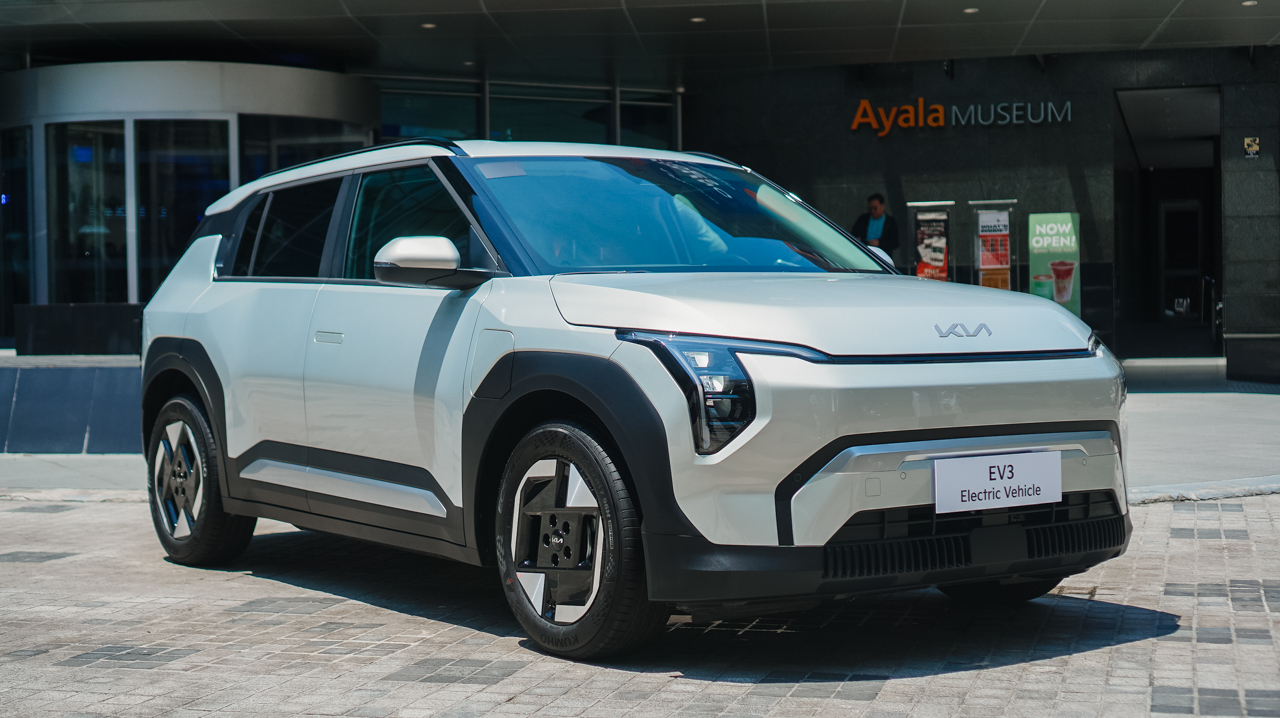
The all-new Kia EV3 officially debuted against the architectural backdrop of the Ayala Museum.
Named the 2025 World Car of the Year, the compact electric SUV redefines daily driving as functional art. It also holds prestigious Red Dot “Best of the Best” and iF Design awards.
Sculpted like a modern piece of design
The EV3 shares the forward-thinking design philosophy of the acclaimed EV5 and EV9.
Its exterior features an evolved Digital Tiger Face paired with signature LED lighting. Sculpted geometric surfaces and flush door handles maintain a smooth silhouette.
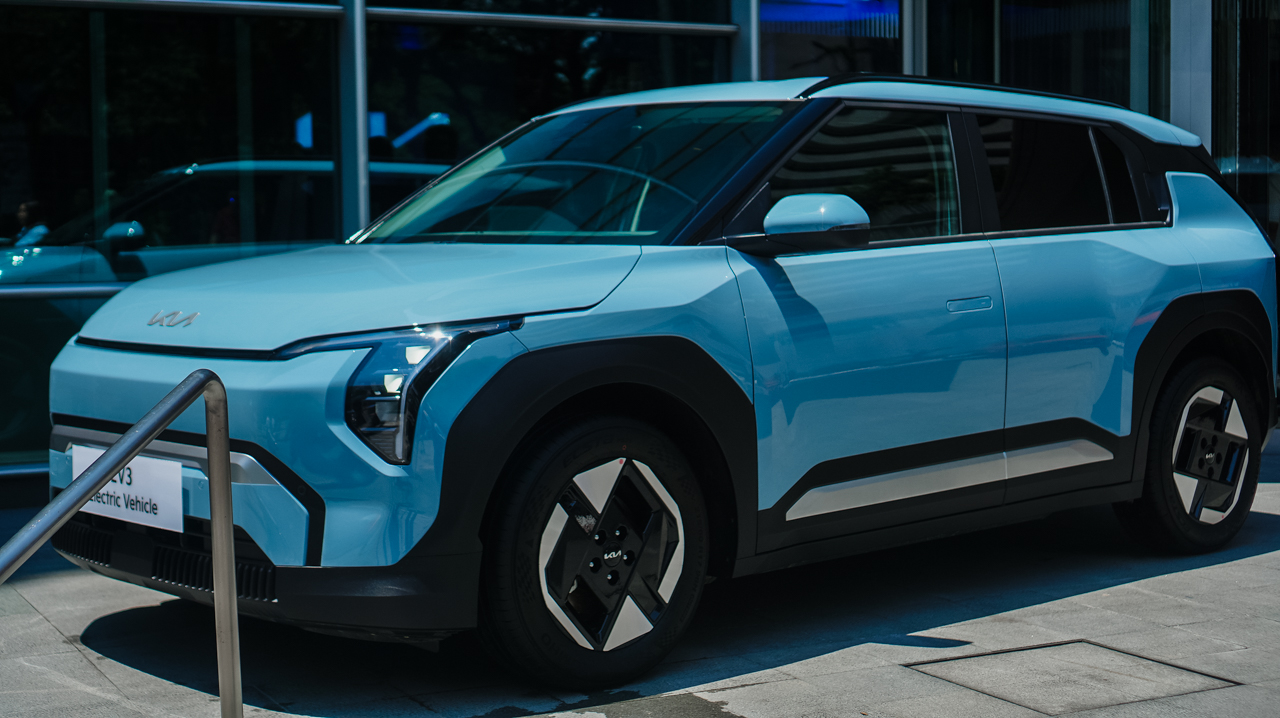
A tailored rear spoiler, roof rails, and 17-inch alloy wheels complete the profile. The result looks composed and elegant, especially when parked outside a contemporary gallery.
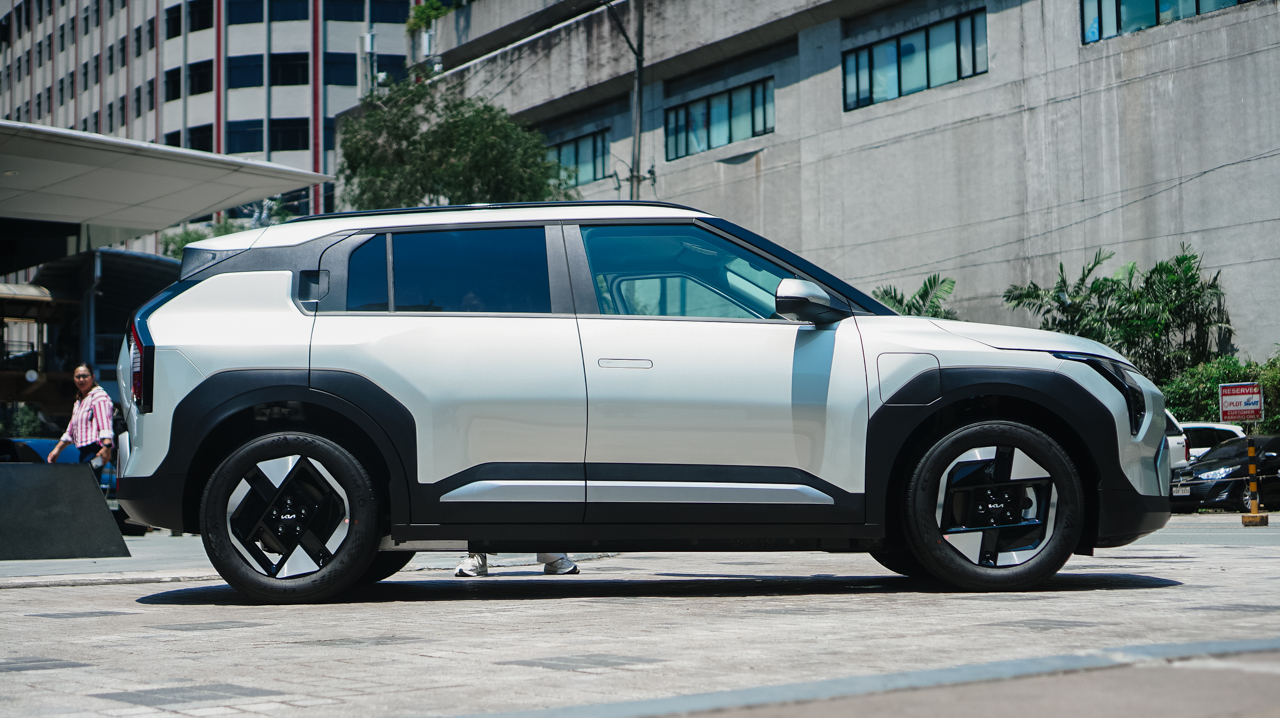
Beneath its sculpted skin lies instant, whisper-quiet electric power. A front-mounted motor generates 204 PS and 283 Nm of torque.
A 58.3 kWh battery delivers up to 511 kilometers of range on a single charge (NEDC). Replenishing energy fits seamlessly into a busy lifestyle.
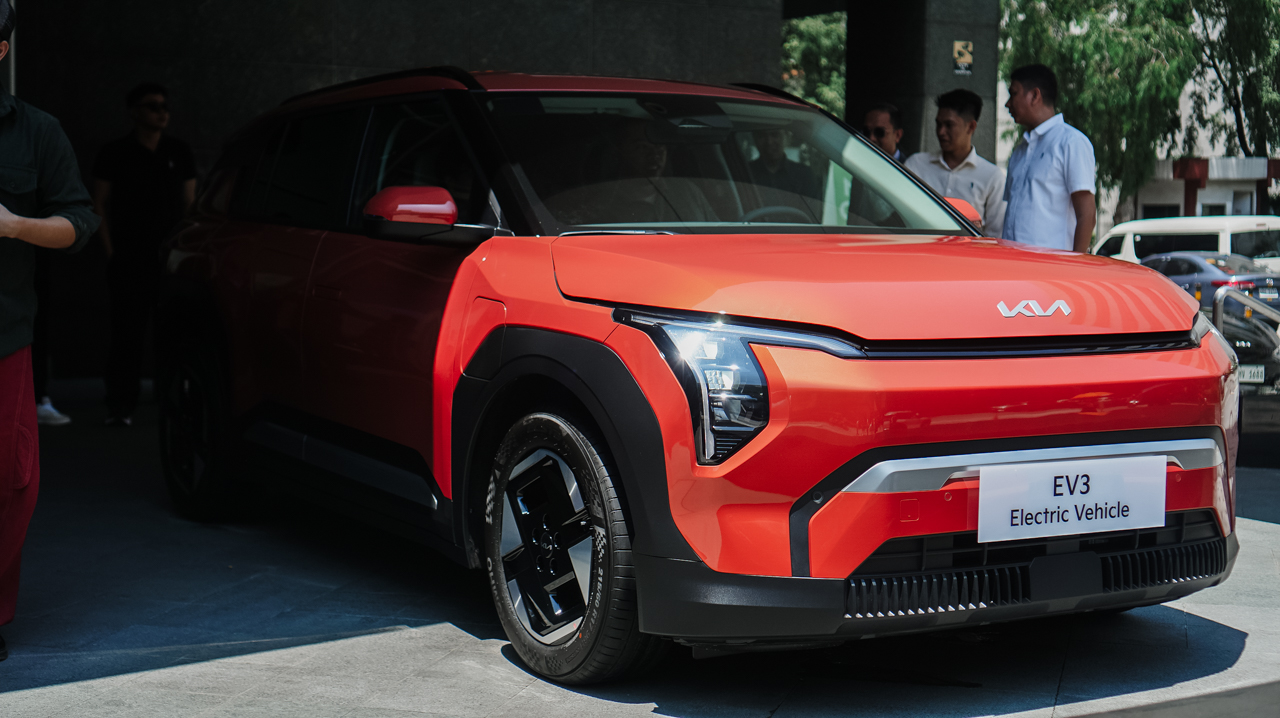
Standard 11 kW AC charging goes from 10 to 80 percent in roughly 5 hours and 20 minutes. Meanwhile, 350 kW DC Fast Charging restores the same charge in just 29 minutes.
A digital sanctuary, literally
Inside, the cabin opens into a clean, modern sanctuary.
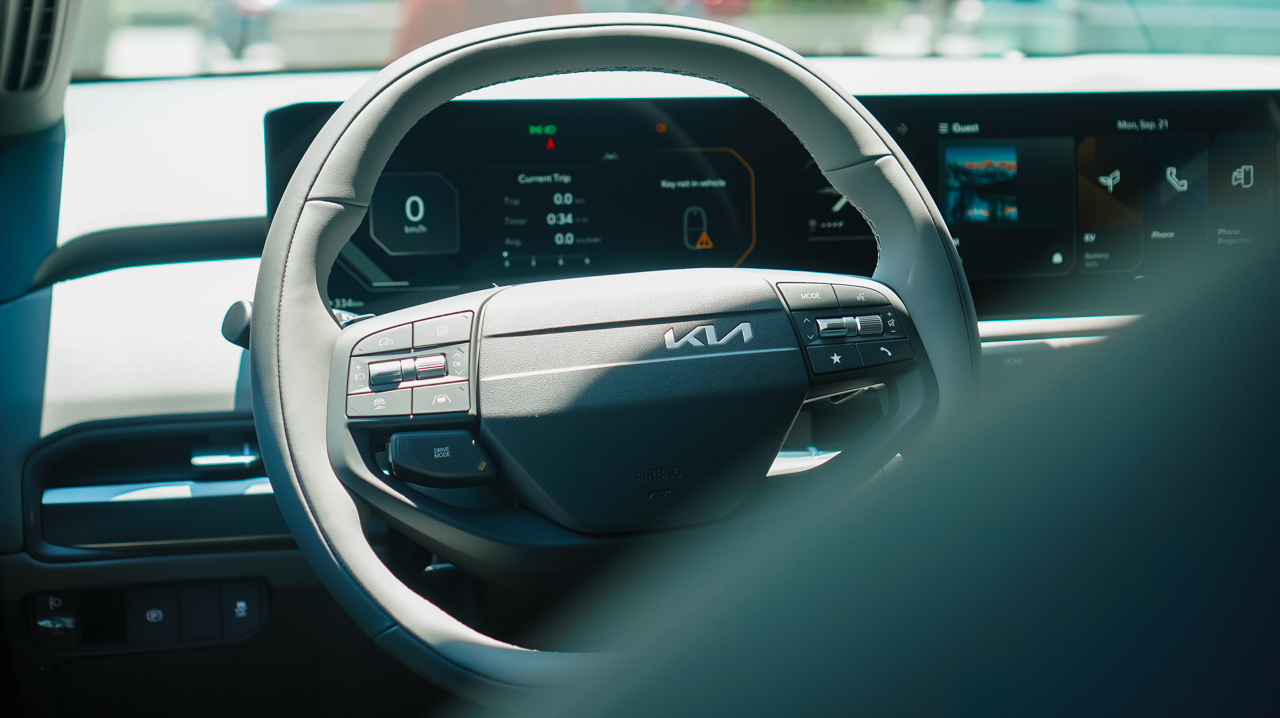
A striking 30-inch Triple Panoramic Display centers the dashboard. It unifies the instrument cluster, climate settings, and infotainment beneath one sweeping glass surface.
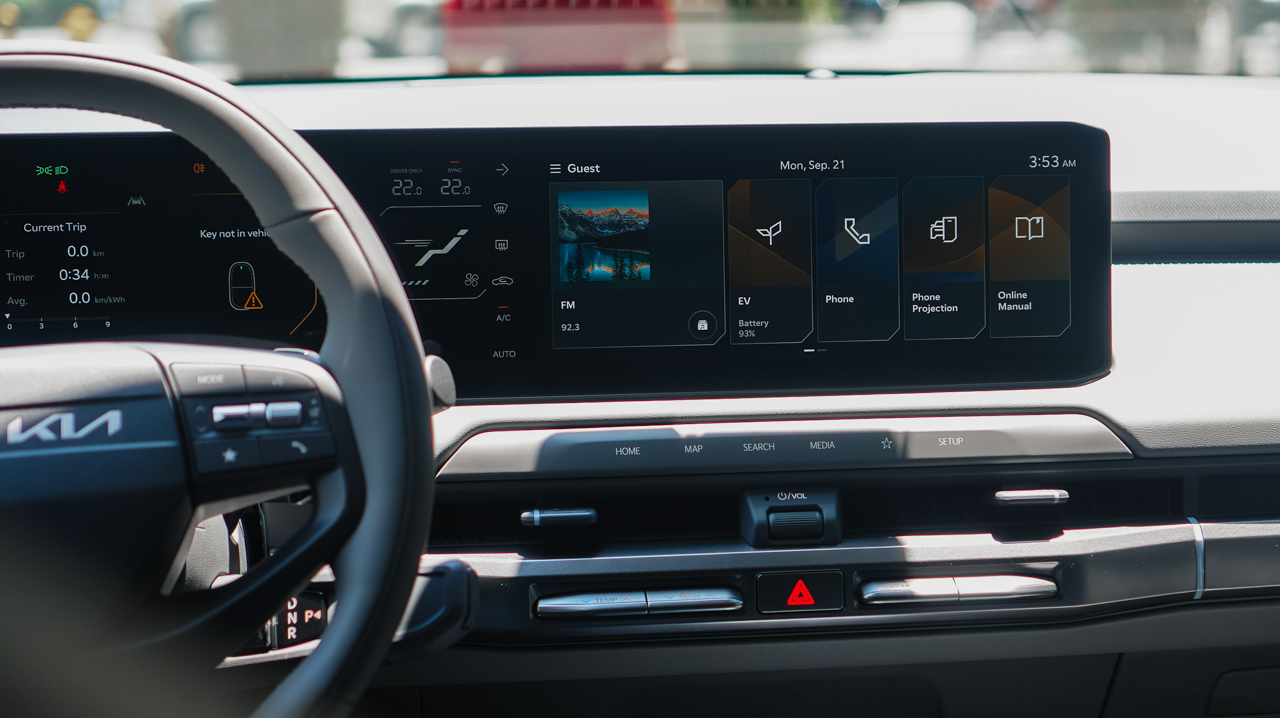
Leather upholstery and an eight-way power driver’s seat prioritize comfort, and the power lumbar support ensures relaxed driving on longer journeys.
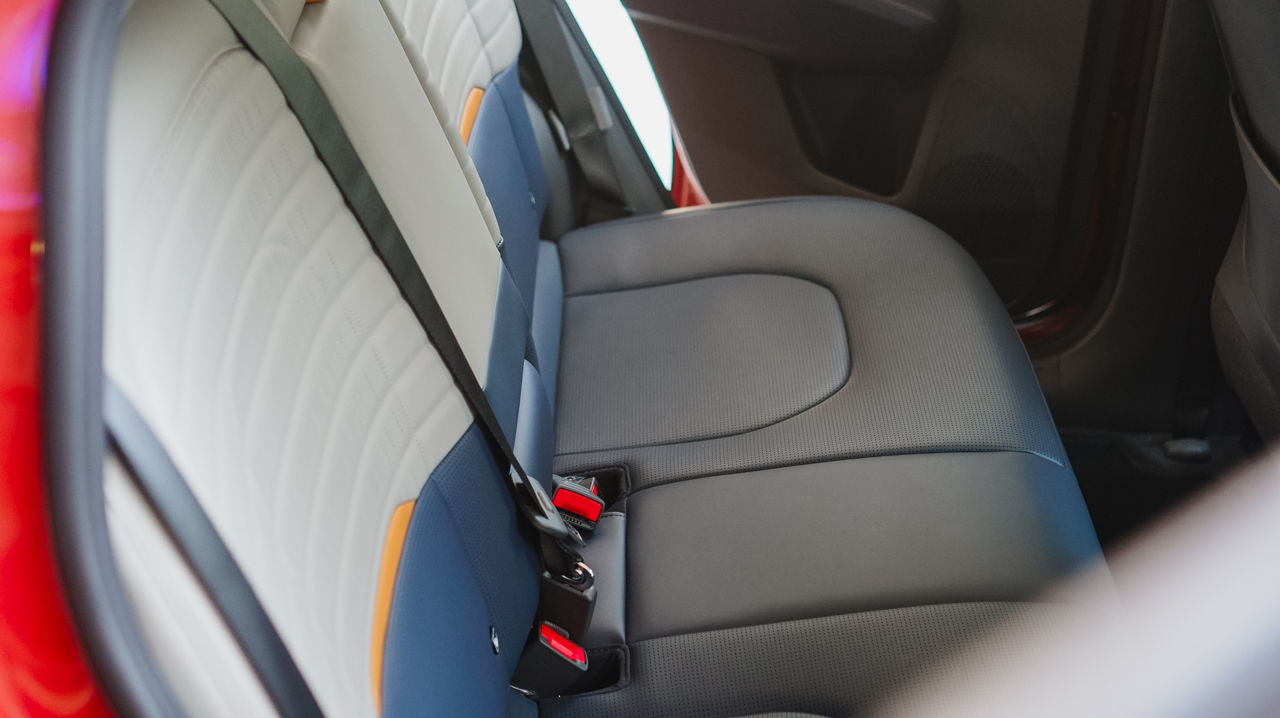
There’s also a sliding central console tray that creates an adaptable workspace on the go. On another note, connectivity remains effortless throughout the interior space. The system supports wireless Apple CarPlay and Android Auto.
Additionally, dual wireless charging pads, five USB-C ports, and six speakers keep devices powered and entertained. For weekend getaways, 60:40 split-folding rear seats easily expand cargo capacity.
Intuitive safety
Intelligent peace of mind comes standard through the Kia DriveWise suite.
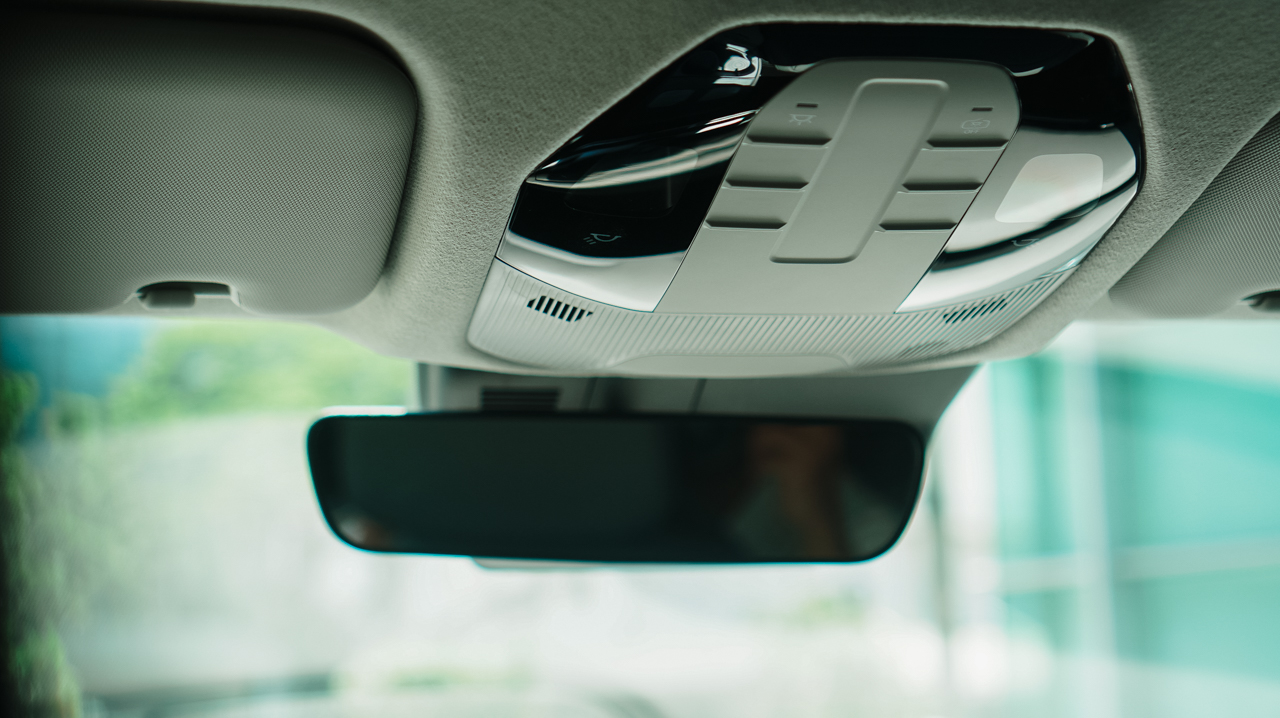
Active features include Advanced Smart Cruise Control and Forward Collision Avoidance with Autonomous Emergency Braking.
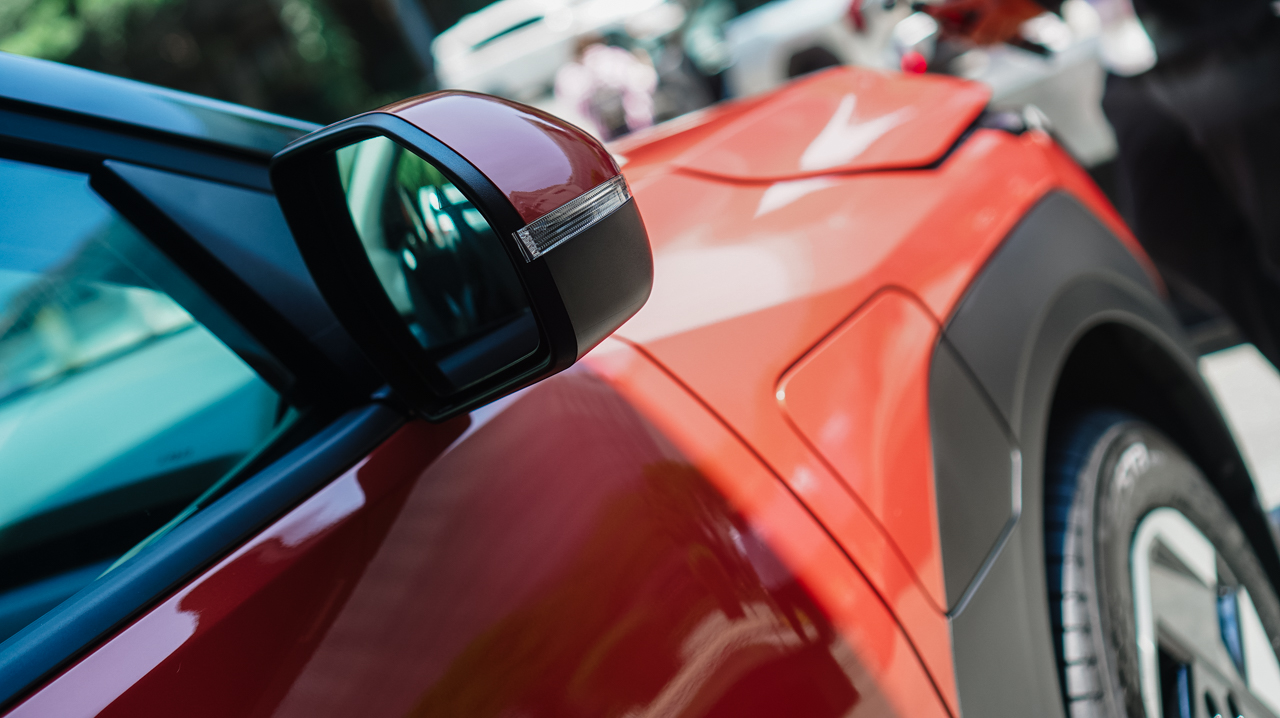
Lane Keeping Assist, Lane Following Assist, Blindspot Safety Warning, and Rear Cross Traffic Safety assist at every turn.
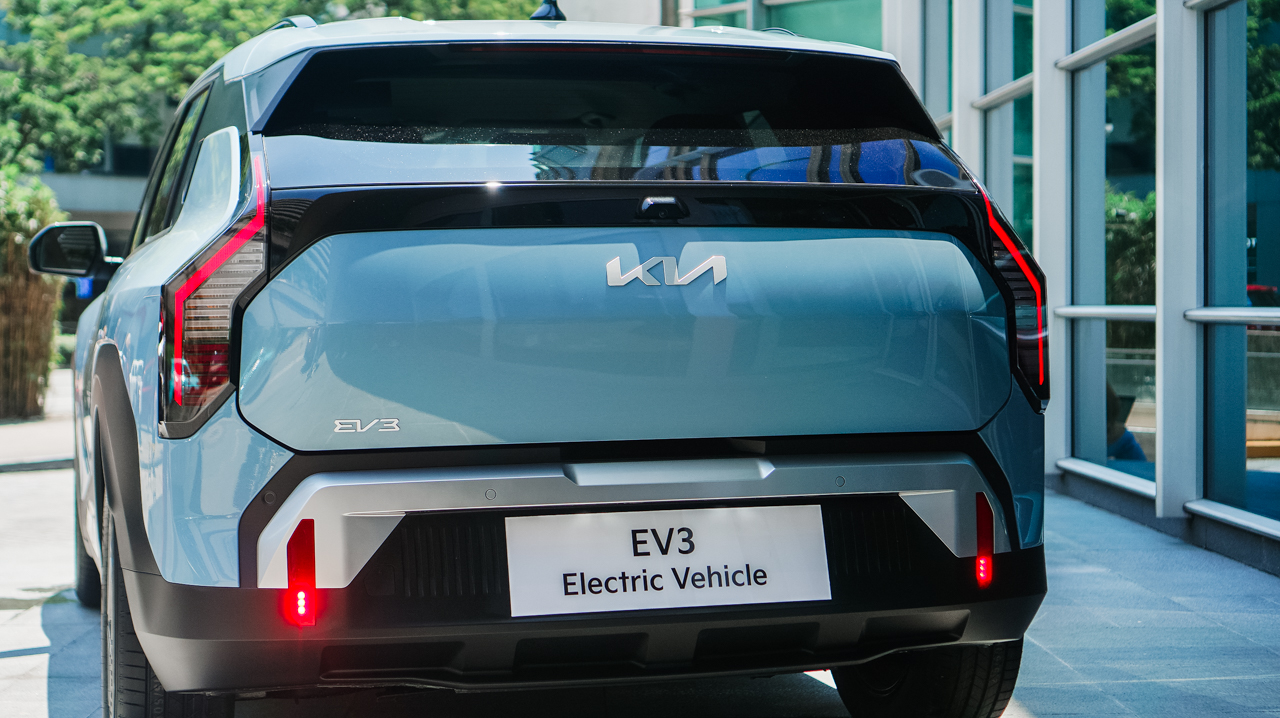
Seven airbags protect the front, side, and curtain areas. Electronic Stability Control, Hill-Start Assist, parking sensors, and a rear-view camera complete the protective core.
Price, availability
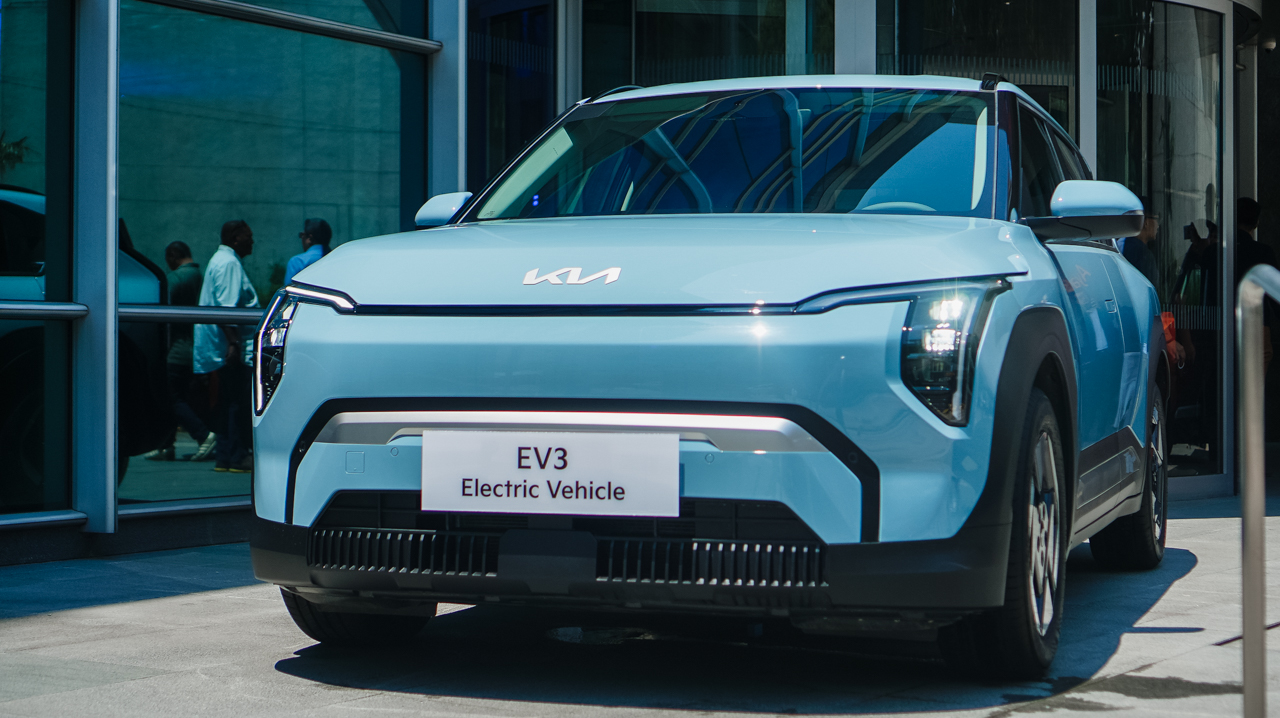
The Kia EV3 starts at PhP 1,898,000, inclusive of a home wall charger. An introductory offer reduces the price to PhP 1,868,000, saving early buyers PhP 30,000. Reservations also include five years of free Preventive Maintenance Service.
Kia provides a five-year or 160,000-kilometer vehicle warranty. The high-voltage battery carries an eight-year or 160,000-kilometer warranty.
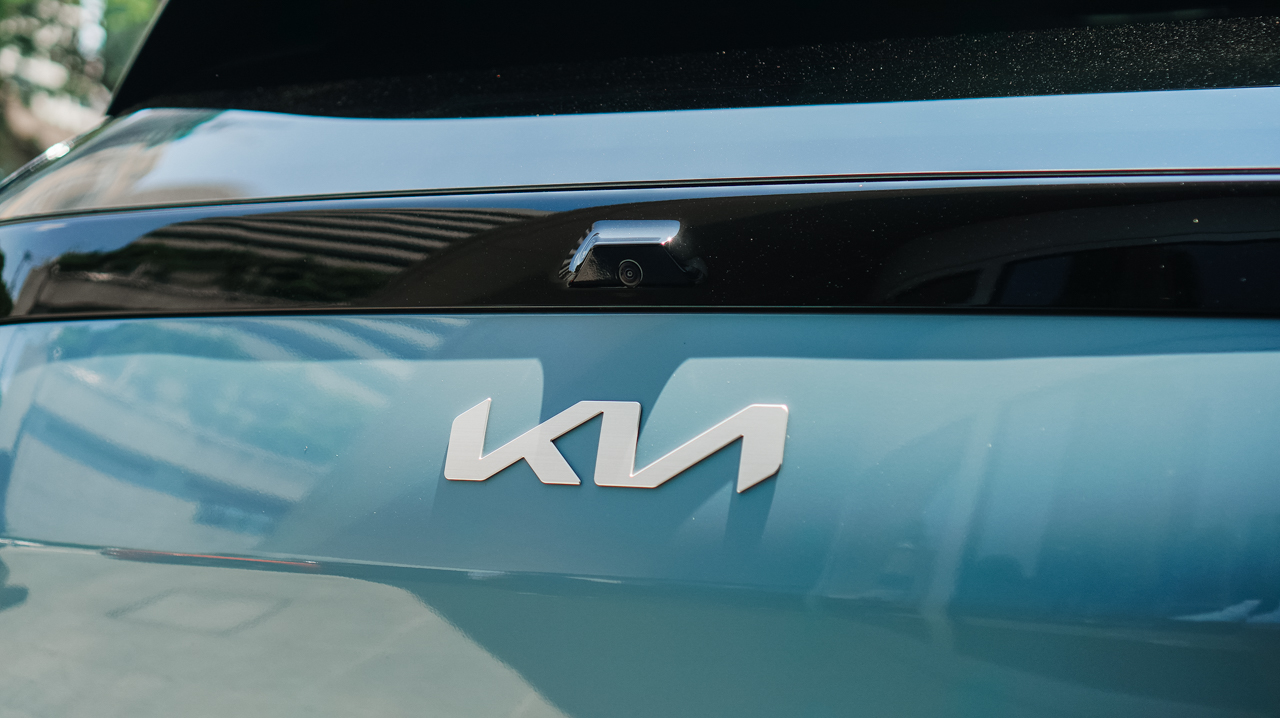
The EV3 comes in seven curated exterior colors. Options include Aventurine Green, Snow White Pearl, Aurora Black, Terra Cotta, Frost Blue, Shale Grey, and Ivory Silver.


Now Playing: ACE Combat 8: Wings of Theve
A refreshing change of pace

TECNO POVA 8 Pro Tonino Lamborghini review
Truly a rare gem in 2026


DJI Lito X1 review: Is this the best lightweight drone for creators?
Making a strong case as a travel companion and a capable B-cam!

HONOR Magic9 Pro Max launches in China with ARRI-powered imaging

TECNO and Angélica Dass visit the Philippines next for its grand portrait project

BYD says that way better EV batteries are coming next year

Globe records fastest average download speed of 2026 in August
Now Playing: ACE Combat 8: Wings of Theve

HUAWEI Pura X View is 2026’s first WIDE slab-type smartphone

The CAMON Slim 5G is TECNO’s latest ultra-slim smartphone

iPhone 18 Pro series: Price, availability in the Philippines

DJI Osmo 360 II review: Going all-in on the ecosystem

iPhone 18 Pro series: Price, availability in Singapore


-
 News1 week ago
vivo X500 Series launches with major imaging upgrades
-

 News6 days ago
OPPO Find X10 Pro Max is the first phone with a triple 200MP camera system
-

 Reviews2 weeks ago
REDMI Note 17 Pro Max review: A new breed born from AI greed
-

 Singapore1 week ago
Epson Lifestudio Grand Plus EH-LS970B with 4K projection, more launches
-

 News1 week ago
vivo introduces OriginOS 7 with smarter multitasking and AI features
-
Drones2 weeks ago
DJI Lito X1 review: Is this the best lightweight drone for creators?
-

 Philippines2 weeks ago
REDMI NOTE 17 Series: Price, availability in the Philippines
-

 Gaming2 weeks ago
Valve unveils price of the Steam Frame