
Enterprise
Microsoft wins the right to acquire Activision Blizzard
The UK is its last hurdle


Microsoft’s national nightmare is over. After a length deliberation in court, Microsoft has successfully defended its case against the Federal Trade Commission (FTC). At least in the United States, the company is now free to pursue its plans to acquire Activision Blizzard.
For weeks, Microsoft found itself in the courtroom in a tenacious defense against the FTC’s case. According to the FTC, the company’s deal to acquire Activision Blizzard goes against the spirit of competition in the gaming industry. Today, California Judge Jacqueline Scott Corley ruled out the FTC’s preliminary injunction request. Microsoft is free to complete the deal.

1/We're grateful to the court for swiftly deciding in our favor. The evidence showed the Activision Blizzard deal is good for the industry and the FTC’s claims about console switching, multi-game subscription services, and cloud don’t reflect the realities of the gaming market.
— Phil Spencer (@XboxP3) July 11, 2023
Contrary to the FTC’s claims, the court found that the deal actually fostered competition. However, it still emphasizes the importance of questioning such mergers especially at this caliber. According to the judge’s statement, the court’s investigations laid bare some practices that ultimately helps the industry. For example, it’s now known that Activision penned deals with Sony and Nintendo for rights to the Call of Duty franchise on their respective platforms for at least ten years.
Besides the arguably beneficial results of the investigations, other juicy tidbits also emerged during the trial. For example, Microsoft, wittingly or unwittingly, spoiled some details about Sony’s future consoles. Sony, for its part, also retaliated by saying that the Xbox was good only because of the Call of Duty franchise.
Now, though Microsoft’s American tribulations are over, the company is still facing some scrutiny across the Atlantic. The United Kingdom is also seeking to block the deal from closing. The European, which also sought after the company, already gave a go signal for the deal.
SEE ALSO: A PlayStation 5 Slim might launch this year, Microsoft says



Enterprise
realme is reportedly going back to being an OPPO sub-brand
All scheduled phones will still launch on time, though.
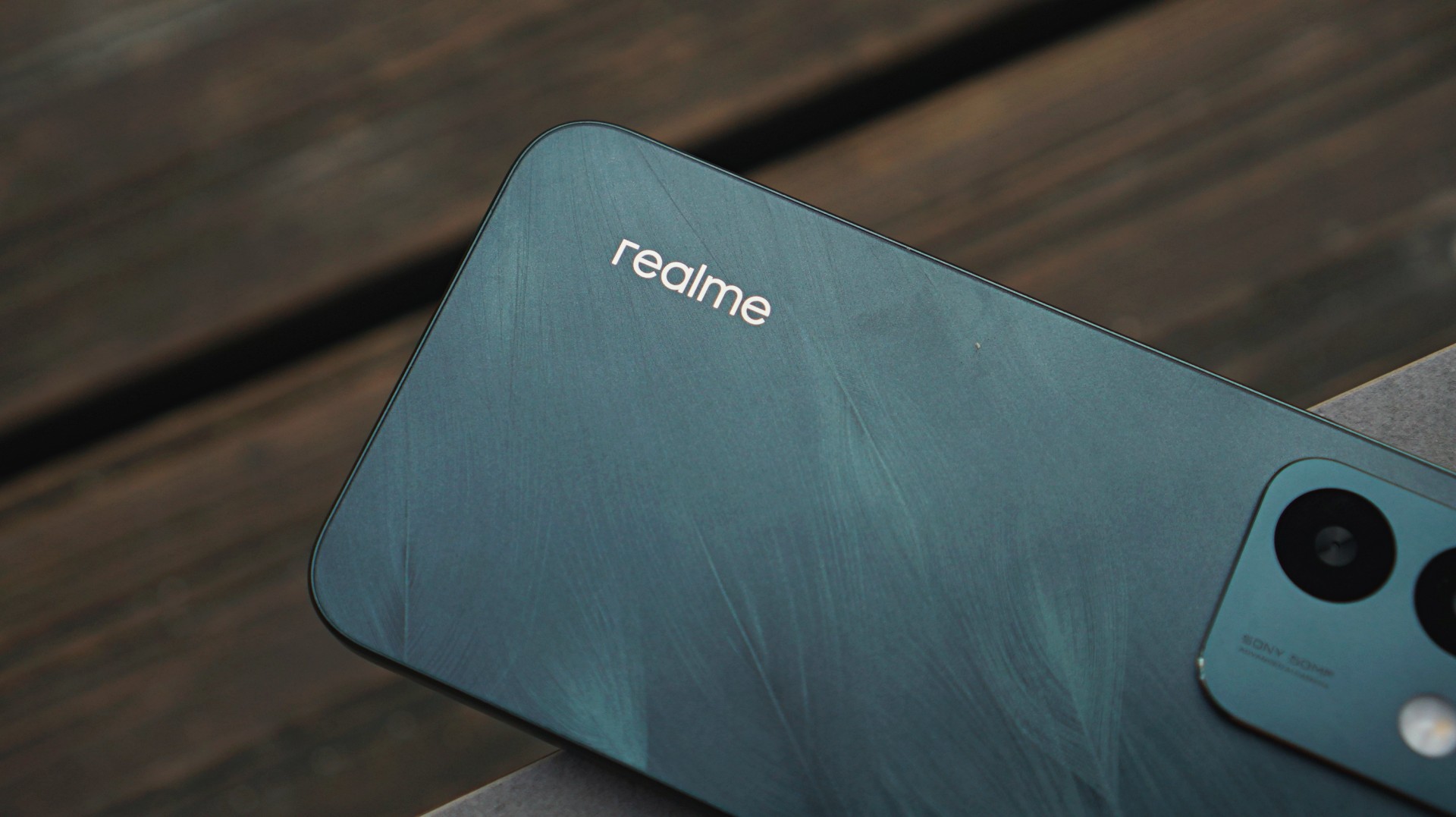
A popular story among Chinese smartphone brands is whenever a sub-brand spinning off into its own independent entity. A less common one is when an independent entity suddenly merges back into the main entity. And yet, that’s the story we have today. realme is reportedly going back to being a sub-brand of OPPO.
If you don’t remember realme’s time as a sub-brand, then it’s hardly your fault. It’s been a long while since realme was considered a sub-brand. In 2018, the brand spun off on its own to form one of the most popular names in the Chinese smartphone space.
Today, via Leiphone, realme will return to OPPO as a sub-brand. Current realme CEO Sky Li will still retain his responsibilities heading the brand. Plus, all products on the current release schedule will still come out as planned.
However, starting this year, realme will start reintegrating back into OPPO, particularly through the latter’s after-sales programs. OnePlus will also follow the same structure going forward.
Currently, realme has not officially announced the move. That said, we also don’t know how the brand will address the reported change. It’s possible that the shift is just internal and has no effect on how the brand faces the public. For now, only time will tell.
SEE ALSO: realme C85 with 7000mAh battery, 5G connectivity officially launches
The big story late last year was the skyrocketing prices of chips. Analysts are predicting that the demand for RAM will cause the entire industry to experience hikes this year. Some users, especially in the PC building scene, are already feeling the burn. PCs won’t be the only victims, though. Xiaomi is already expecting hikes across the board. Now, Samsung is adding its voice to the growing list of warnings about price increases.
During CES 2026, Wonjiun Lee, Samsung’s global marketing chief, confirmed that the memory shortages are, in fact, real (via Bloomberg). Moreover, the company is now evaluating whether more price hikes are needed this year for its products. Though Lee expressed regret over pushing the prices to consumers, the state of the industry might force the company’s hand.
Samsung’s opinion has a lot of weight. While other brands have also voiced out their opinions lately, Samsung itself is a producer of chips. If a chip supplier is already warning users of prices affecting them, the effect will likely cascade even more when it comes to device manufacturers.
The ongoing shortage of chips is a result of the overwhelming demand from companies looking to build and bolster AI-based servers. The business-to-business demand is notably different from how regular consumers, who will soon find it hard to buy their own devices, see it.
At the very least, Samsung has not confirmed any price increases yet. However, all eyes are on the next Galaxy Unpacked, when Samsung will launch its newest Galaxy products. Will prices increase or stay the same?
Enterprise
TikTok finally gets a buyer in the United States
The deal targets a closing date in late January.
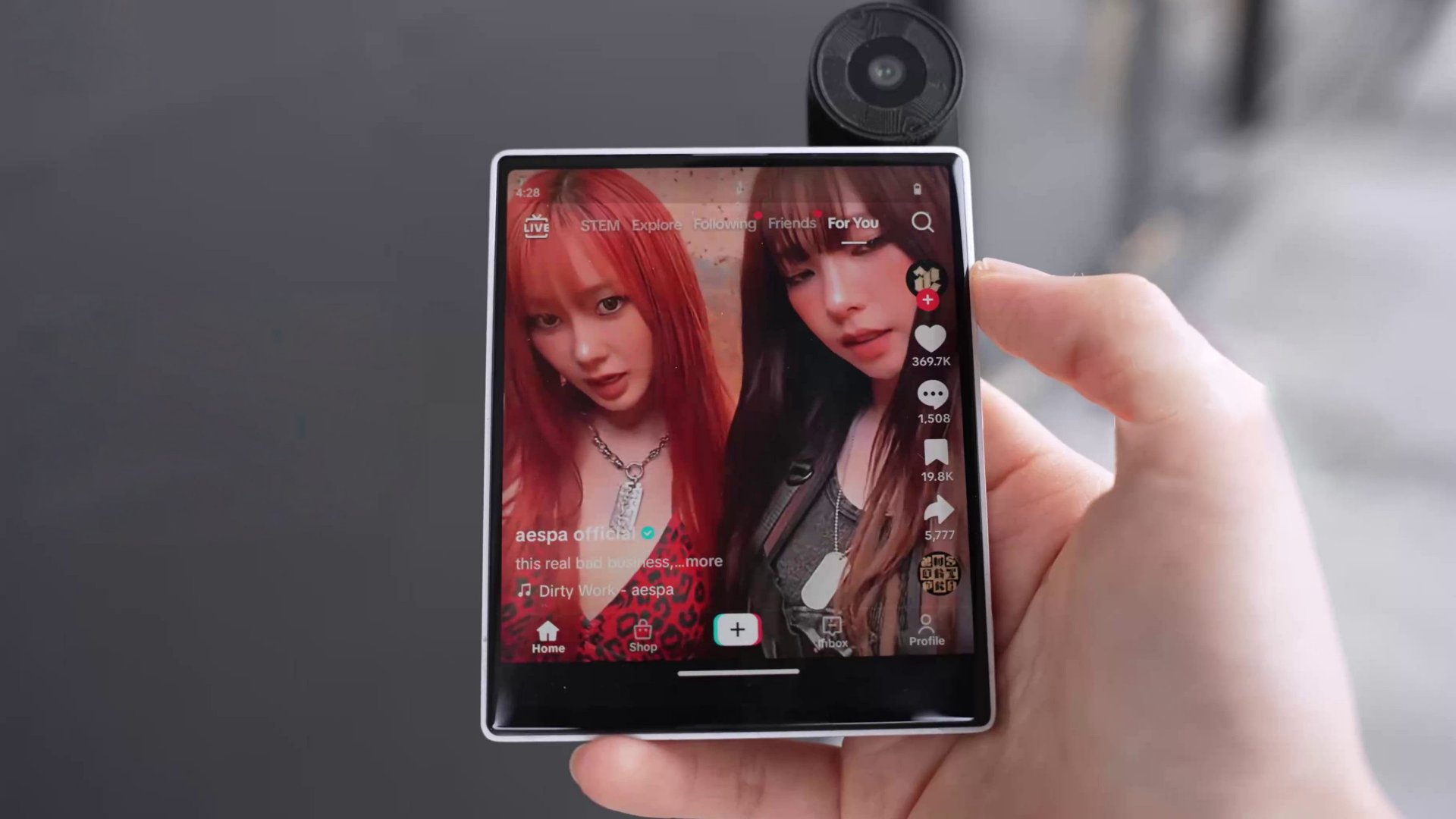
The year started with a ban. A day before Donald Trump started his second term, TikTok went dark, in anticipation of an impending ban. The platform quickly went back online, leading to an ultimatum that saw TikTok hunt for an American buyer to full stave off a definitive ban in the United States. Now, as the year ends, a buyer is finally here.
Via CNBC, TikTok has reportedly inked a deal to finalize a deal in the United States, as stated in an internal memo from CEO Shou Zi Chew. The memo, which was sent just this week, details a plan that will see the deal close by January 26, 2026.
Fifty percent of TikTok’s newly restructured U.S. arm will be held by a collection of American investors including Oracle, Silver Lake, and MGX. Meanwhile, already existing investors of TikTok will hold 30.1 percent. Finally, ByteDance will retain 19.9 percent.
Additionally, TikTok’s algorithm in the United States will be retrained with American data. The American arm will also handle the country’s “data protection, algorithm security, content moderation, and software assurance.” Oracle will be the “trusted security partner” in charge of making sure the company keeps within regulations in the country.
With a deal pushing through, the long-running TikTok saga in the United States might finally come to a close.


HONOR X9d 5G review: Tougher, more long-lasting and optimized
Beyond all the marketing, it's a compelling all-around smartphone that actually works well


Redmi Note 15 Pro+ 5G review: The midrange fashion piece
Work-ready and style-friendly!


Mijia Smart Audio Glasses review: Immerse yourself in the music
Here's a unique way to listen to music.
HONOR X9d 5G review: Tougher, more long-lasting and optimized

G-DRAGON is CASETiFY’s first ever Global Brand Ambassador

Razer fully unwraps these limited BLACKPINK Edition gaming gear

Ubisoft cancels Prince of Persia remake, five other games

Sony and TCL eye joint future for BRAVIA TVs

Razer teams up with BLACKPINK for limited-edition gear

HONOR WIN headlines the first 10,000mAh smartphone with built-in fan

HONOR X9d 5G launches in the Philippines: Price, preorder, availability

Xiaomi 17 Ultra debuts as 2025’s last full-fledged flagship

OPPO A6 Pro: Adequate tool, no definitive punch


-
 News2 weeks ago
HONOR X9d 5G launches in the Philippines: Price, preorder, availability
-
 Reviews2 weeks ago
HONOR Magic8 Pro review: What sorcery is this?
-
 Reviews1 week ago
POCO M8 Pro review: Goin’ loco over this POCO
-

 Camera Walkthrough2 weeks ago
HONOR Magic8 Pro Stage Mode at a TWICE concert
-
 Gaming2 weeks ago
The Switch 2 is getting its first Joy-Con color variant
-
Reviews6 days ago
Redmi Note 15 Pro+ 5G review: The midrange fashion piece
-

 CES 20262 weeks ago
Anker, eufy, soundcore unveil next-gen products at CES 2026
-
Reviews1 week ago
Mijia Smart Audio Glasses review: Immerse yourself in the music