


Nokia is refusing to throw in the towel as the company tries to keep its footing, at least in the budget segment. This year, the Nokia G21 found its way to the Philippines, promising a stock Android experience without breaking the bank. But will it deliver?
Robust build
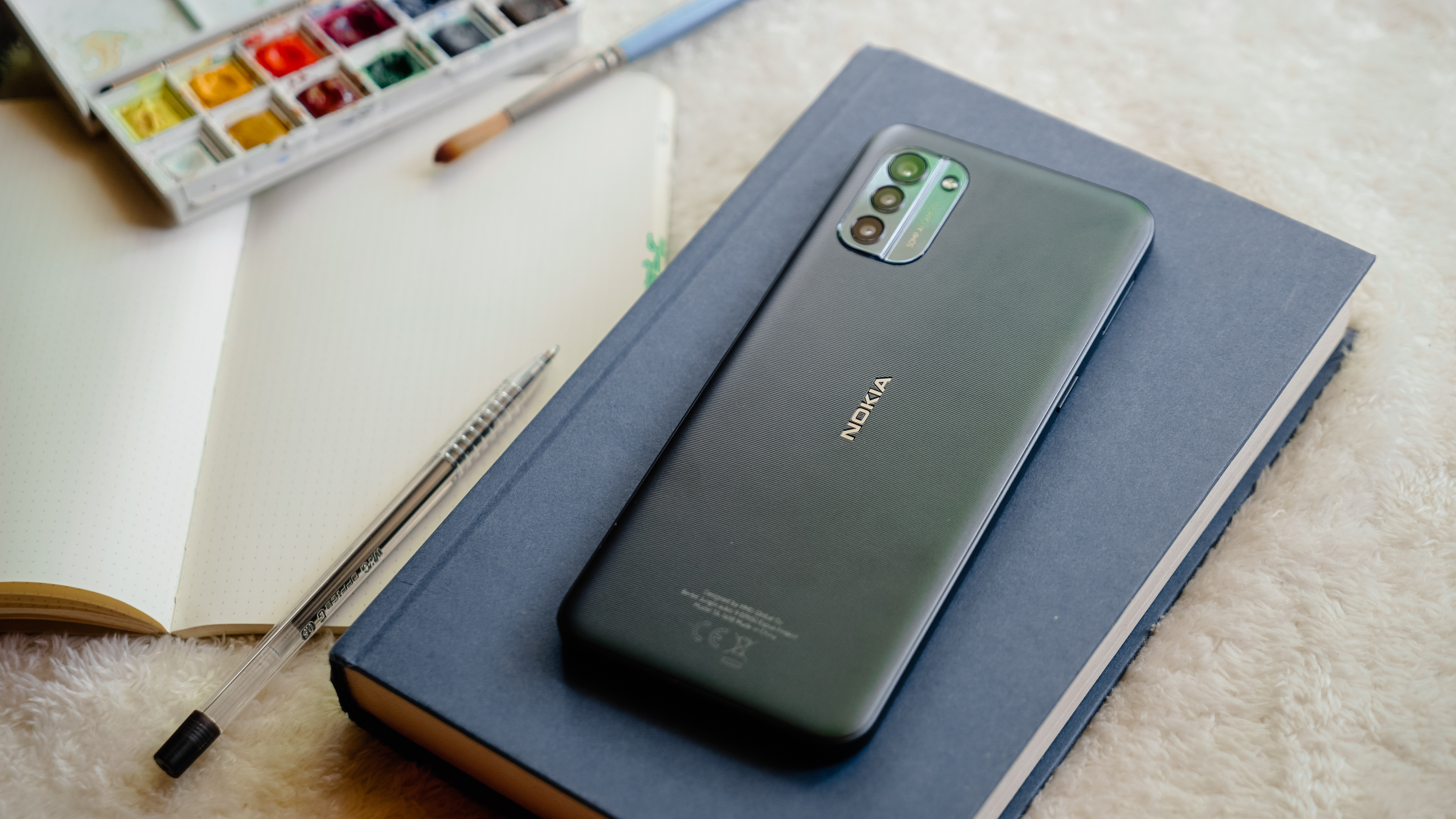
Nokia brings in what it’s good at — a robust design with a penchant for durability. The Nokia G21 looks and feels sturdy, although I’m sure it isn’t as strong as Nokia’s phones from two decades ago.

It’s painted in Nordic Blue, which seems Navy to me, and at certain lighting conditions, appears green-ish. There’s a striking, horizontal pattern that adds texture when you hold the phone and touch its rear.
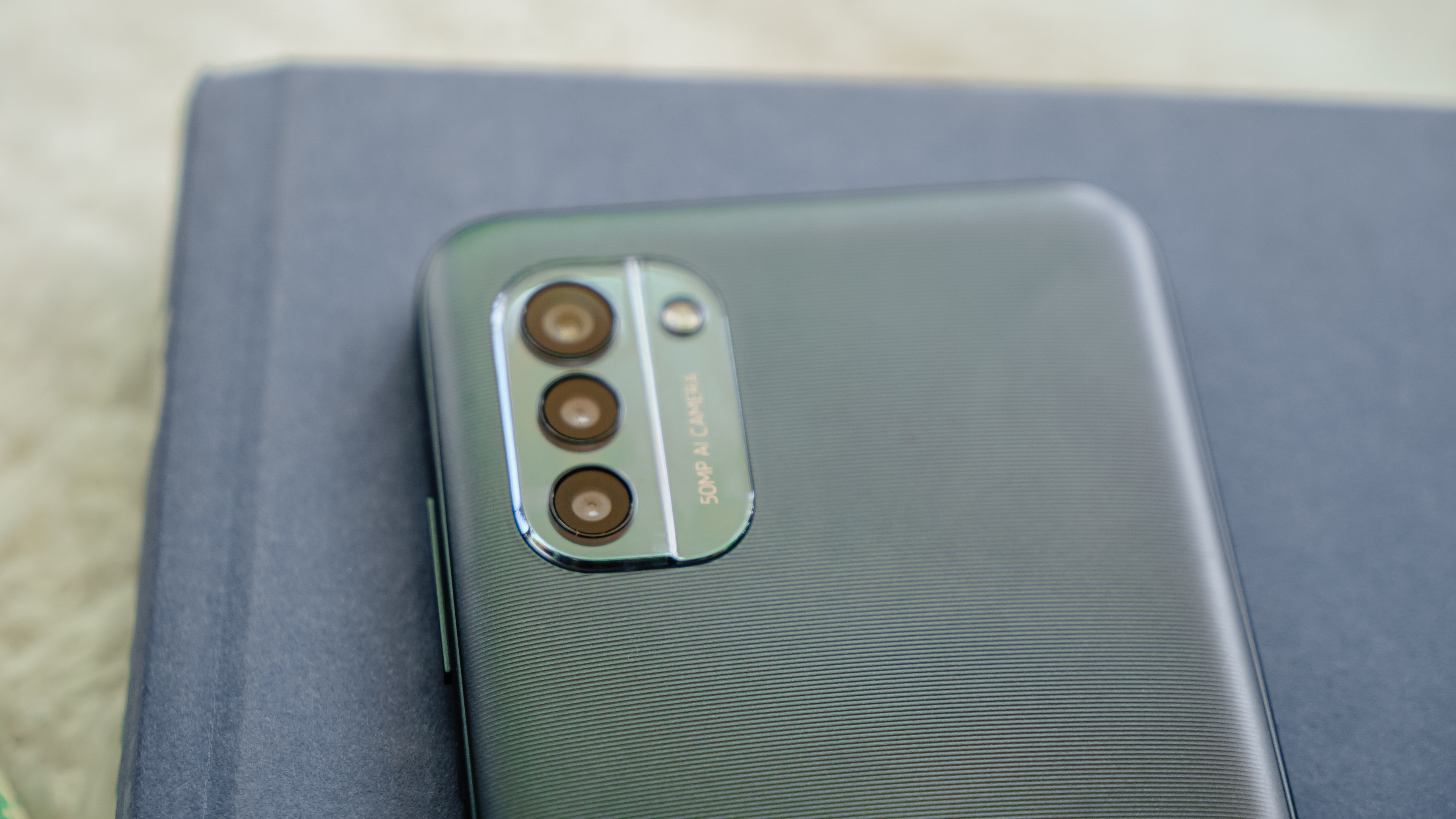
The camera island is a little bit embossed, but it doesn’t protrude that when you place the phone on a flat surface, it’s almost even. The disparity isn’t noticeable.
More importantly, the heft is quite tolerable, even for those who have tiny, frail hands like yours truly. But when compared to other budget smartphones, it’s a bit light.
Comfort features
What most people enjoy about budget phones is their comfort features — stuff you’ve always wanted to stay in a smartphone.
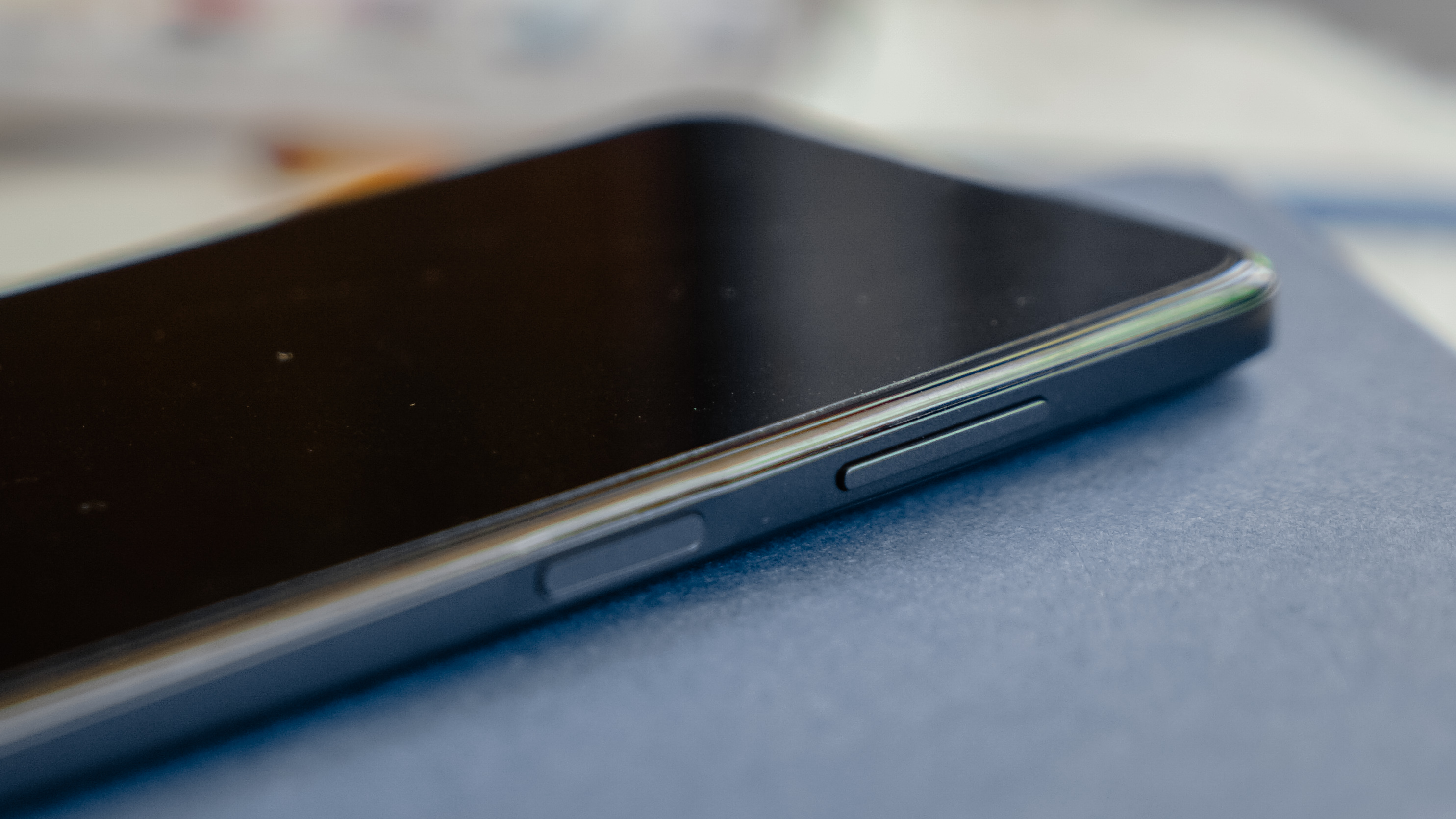
On the right, you can find the volume rockers above the fingerprint scanner which doubles as a power button.
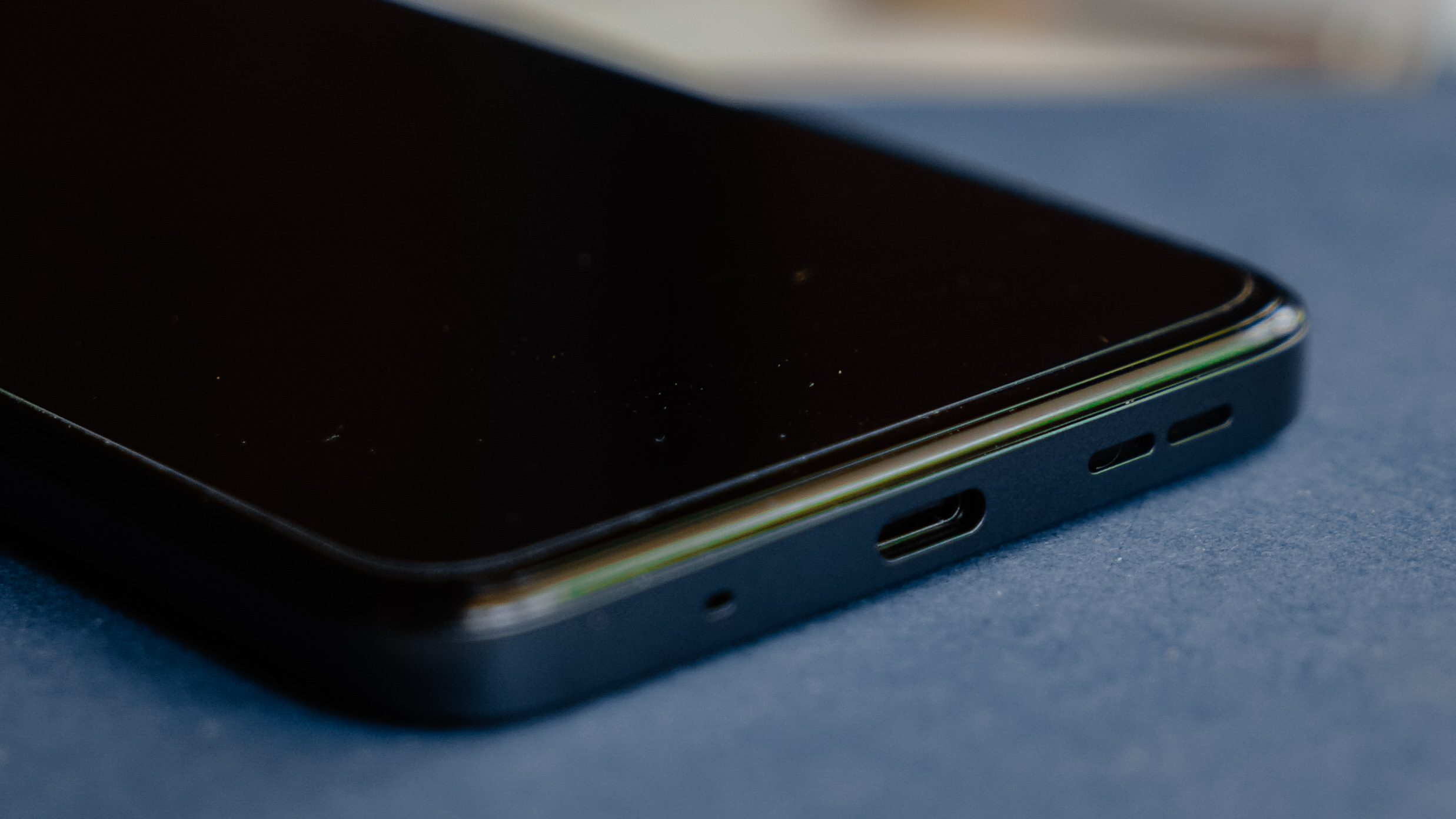
At the bottom, you’ll be glad to see a USB-C port along with the speaker grilles.
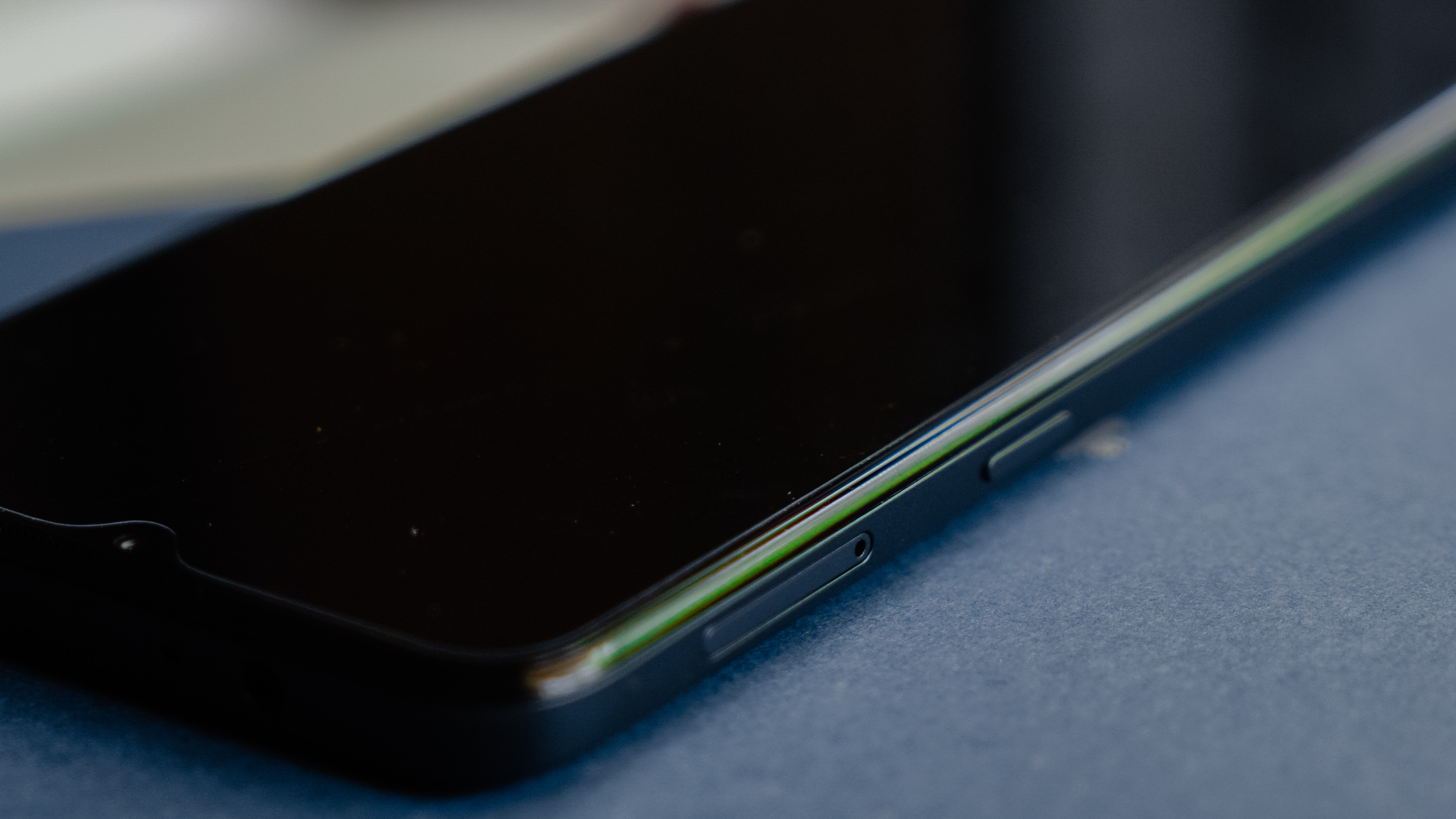
On the left side, you can find the SIM tray slot along with a quick button for Google Assistant. Up top, there’s a 3.5mm audio jack.
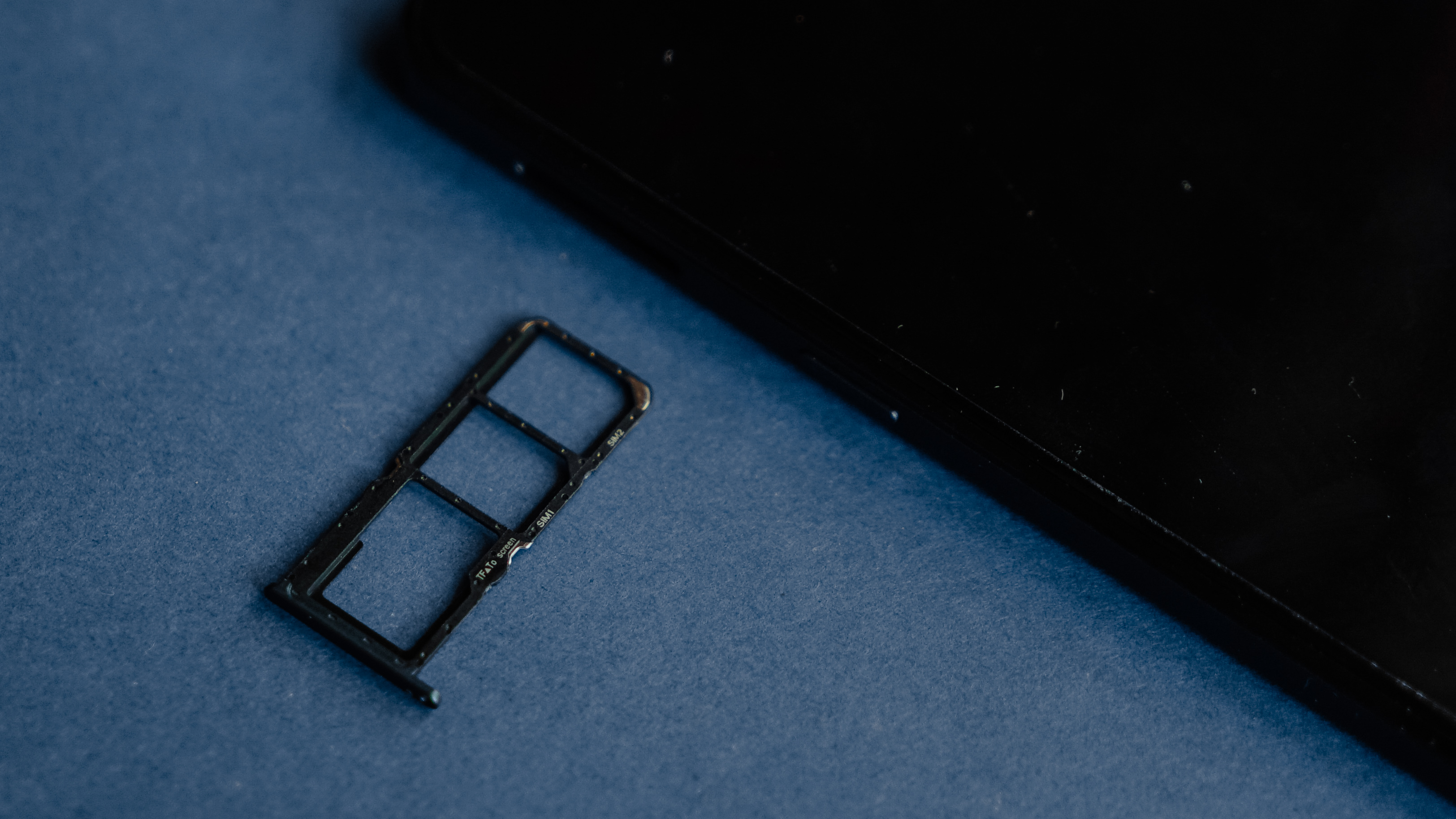
The tray offers an option for a single or dual SIM, along with a dedicated microSD card slot.
The upsides
Running on Android One, the Nokia G21 exhibits a near-stock version of Android with few modifications. It puts a focus on Google services, housing essential apps you might need for your connected lifestyle while still running on Android 11. The operating system might be a bit late considering how Android 13 started rolling out.
Nevertheless, there’s still relief in knowing that a budget phone like this — which usually doesn’t get favorable treatments from smartphone manufacturers — will get two years of OS updates and three years of security updates. After all, running on Android One means Nokia gets the updates straight from Google.

Frankly, I missed seeing the cleanliness of Android One. It’s simple and efficient — easy to the eyes and to the user experience. Every app you’ll use is basically under Google. For instance, checking images would prompt you to check Photos app because there’s no Gallery. Gmail automatically becomes your mailing app. Chrome is the default browser. Entender?

Surprisingly, it comes with the Netflix app built in so you can enjoy worthwhile content when YouTube gets tedious for you. Furthermore, you can watch your favorite shows or continue using the smartphone from day to night with its humongous 5050mAh battery. It might take a while for it to fully charge though, given that the unit ships with a 10W charger. Although, the G21 can handle up to 18W of charging. If you have a third-party Power Delivery (PD) charger, it’s high time you use it.
At the very least, let the phone charge while you sleep. Think of it as the two of you bonding by recharging through the night.
The downsides
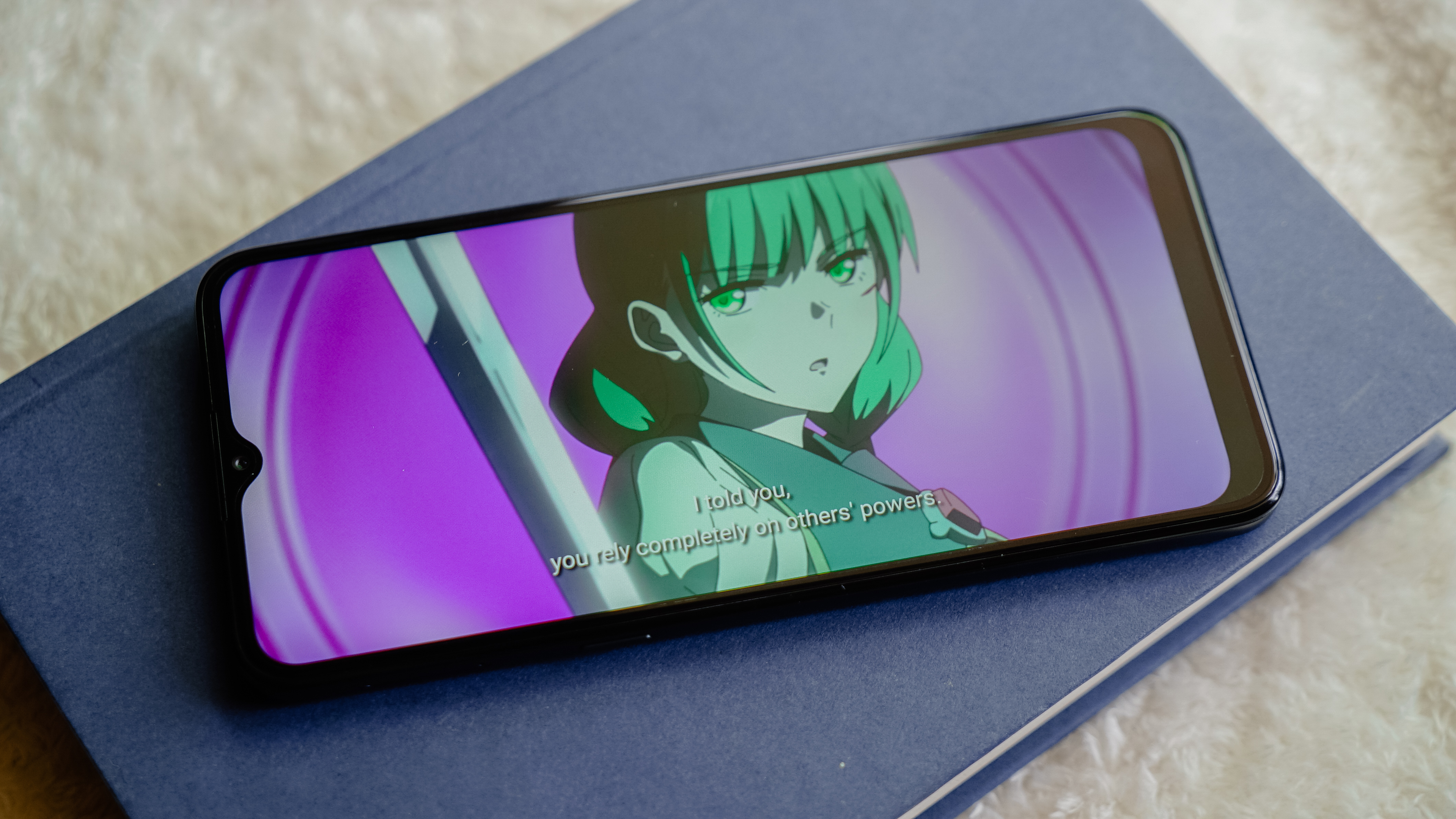
The Nokia G21 sports a 6.5-inch IPS LCD display with a 90Hz refresh rate. With a 20:9 ratio, you can enjoy your favorite shows albeit the waterdrop cutout can get distracting when watching on full-screen mode.
I was catching up with The Rising of the Shield Hero and the experience is as budget as it gets. Nothing stellar, just a smartphone delivering what’s expected out of it. Visuals aren’t vibrant and audio isn’t as loud as most smartphones in the same category.
At the very least, this smartphone is totally acceptable for anyone looking for an affordable smartphone that they can use as a daily driver.
In terms of gaming and even multitasking, the G21 struggles. It runs on a Unisoc T606 chipset, an octa-core CPU inside, and a Mali G57 Mp1 GPU. The configurations for the smartphone are 3GB/64GB, 4GB/64GB, and 4GB/128GB.
IMO, even if you get the 128GB variant, it won’t be enough. There’s a considerable delay in accessing the phone after unlocking it with facial recognition or other security measures. The same goes for the fingerprint scanner, which you’d think is the faster option among all unlocking methods.
Opening the apps usually takes a while since the phone flashes the app’s logo for a second or two before it shows the interface. While the delay is minuscule for most people, it’s still puzzling since the slow, laggy experience happens even when I haven’t consumed most of the storage.
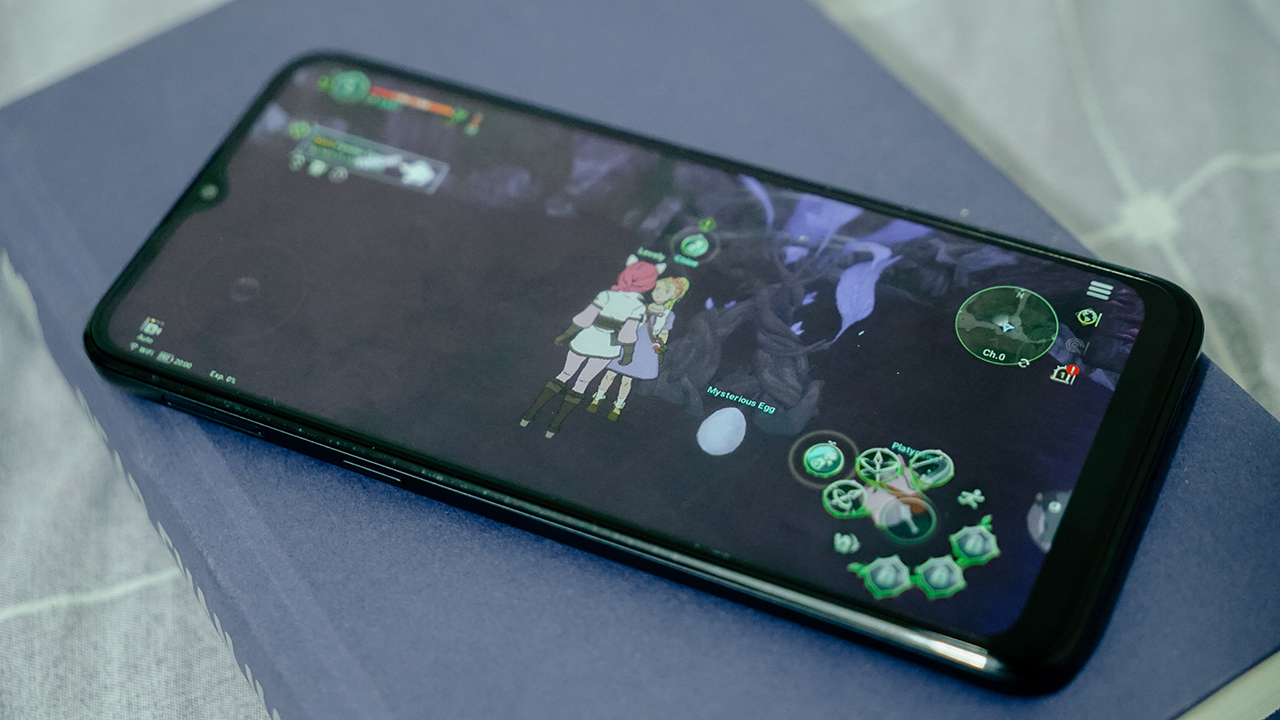
I only installed Roblox and Ni no Kuni to test the device and of course, get a dose of my favorite games. Playing Ni no Kuni is a real challenge, especially with its graphics-intensive setting.
I was able to play, of course, but it comes with annoyances when it doesn’t load as quickly as I would like it to be. I’d recommend not playing on this device unless you have the patience to deal with the inevitable delays.
Hit-or-miss cameras
Let’s get this out of the way. The Nokia G21 is equipped with a 50-megapixel primary camera, a 2-megapixel macro lens, and 2-megapixel depth sensor. Its selfie camera houses a single 8-megapixel wide lens. Here are some samples we’ve taken for you to peruse:









Is this your GadgetMatch?
The Nokia G21, by any means, can’t be considered a daily driver worth buying. It’s something you’d probably get if it’s the only phone available in the nearest stores and you badly need one. After all, it retails for PhP 9,990 and is available in a Nordic Blue colorway.
Its saving grace is the promise of OS and security updates, thanks to its Android One program. There’s a guarantee that Google will extend its lifespan as long as it can.
Ideally, there are different budget options you can get for under PhP 10,000. There’s the Redmi Note 11, the vivo T1X, and even the Infinix Note 12.
On the off chance that you already have a primary phone, the Nokia G21 has plenty of use cases as a secondary phone. For one, its long battery life and robust build give me the peace of mind that I can rely on it as a companion when I drive a motorcycle. It’s durable and can last longer when needed.
Just because it’s a budget phone with plenty of compromises doesn’t mean there are no use cases for it at all.



Hands-On
The Xiaomi Watch S5 proves you don’t have to take it off
Elegant enough for dinner. Tough enough for Spartan.
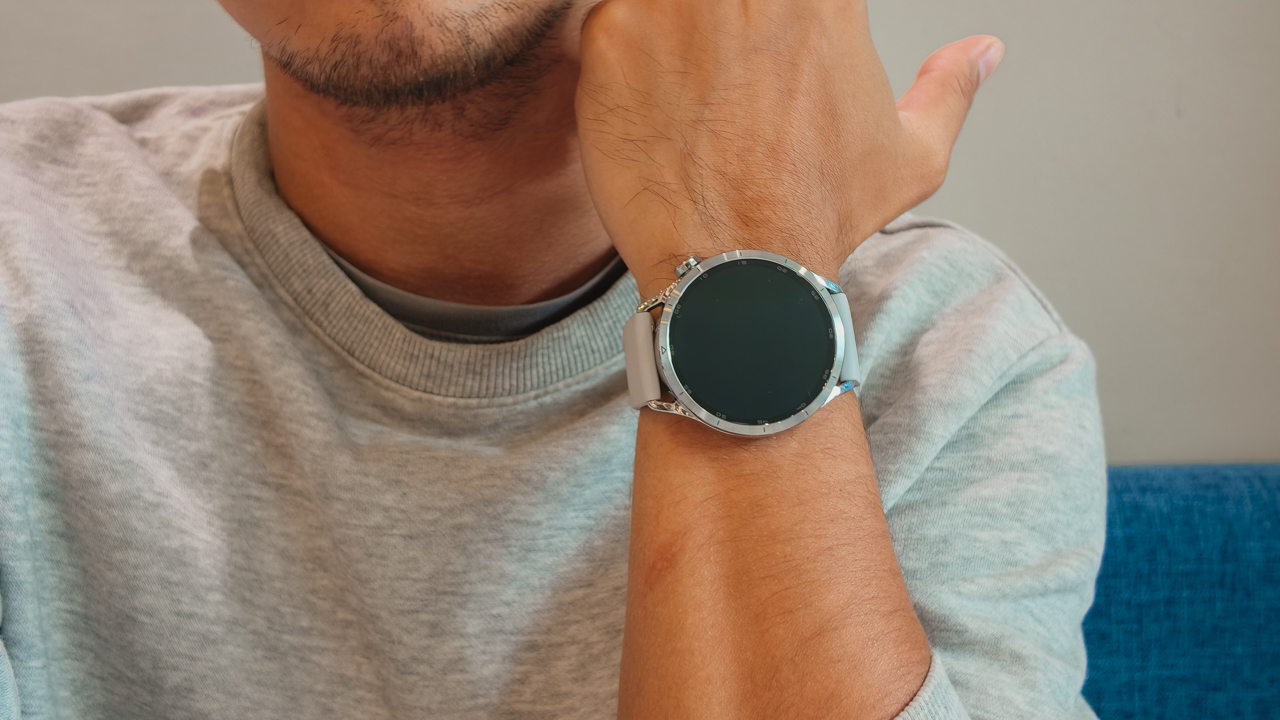
Picture this: one night, I’m dressed for a sophisticated gala in a carefully curated look. The following morning, less than twelve hours later, I’m standing at the starting line of a Spartan Trail 10K in Arden Botanical Estate with dirt on my shoes.
I’ve always struggled with smartwatches (or other timepieces) because they tend to ask you to choose a side. For instance, a classic timepiece looks right with tailoring, dinner jackets, and occasions where dress codes actually matter.
Meanwhile, a sports watch belongs in training kits, race bibs, and muddy obstacle courses. I’ve spent years switching between both, often leaving my smartwatch behind whenever the outfit called for something more refined.
Then, the Xiaomi Watch S5 arrived and challenged that whole routine. For once, I didn’t feel like I had to pick between looking polished and being athletic. I didn’t feel like I had to separate one part of my life from another.
A wardrobe investment
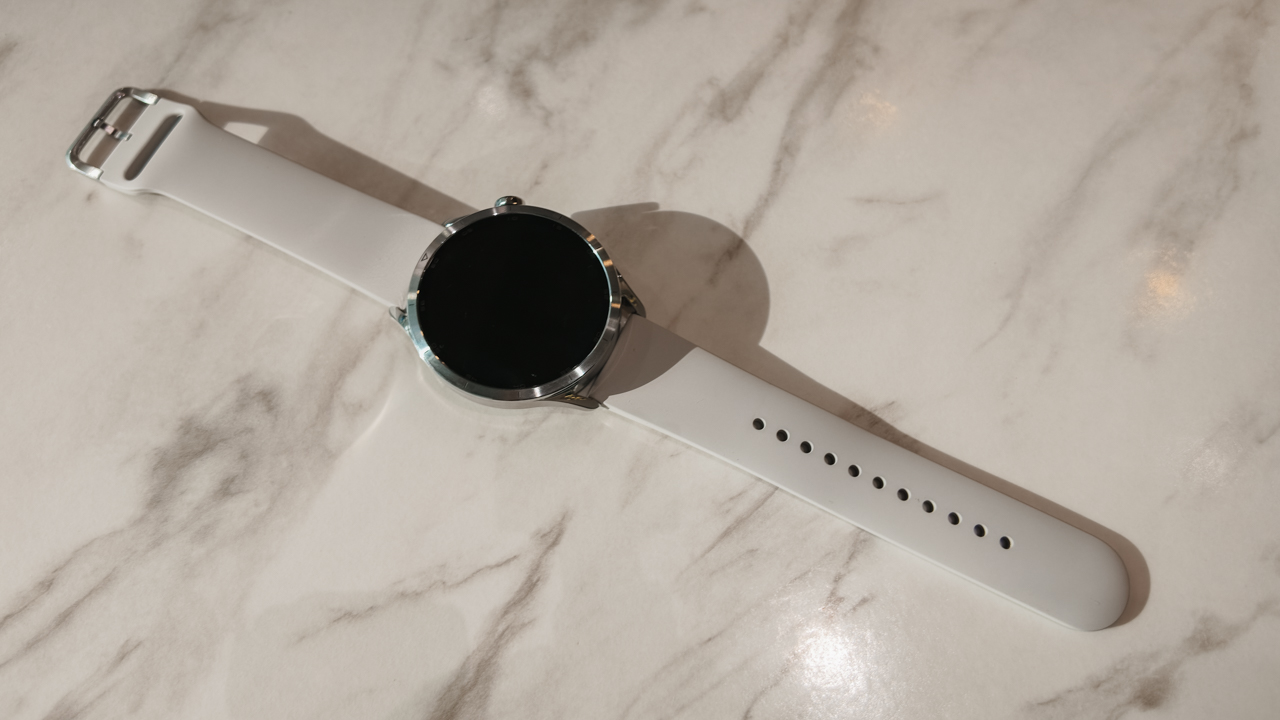
The Xiaomi Watch S5 immediately felt sleek. The upgraded stainless steel frame gives it the weight and polish of a traditional luxury watch. It looks expensive in the way a great accessory does.

It slips easily under a cuff, works with tailoring, and doesn’t compete with the rest of what you’re wearing. That mattered to me because I wore it to an evening event, styled like any proper watch would be.
Then the next morning, I wore it at a Spartan Race — at 6:00 AM, I was running the Spartan Trail 10K during a sudden downpour. Heavy rain poured over the course. Mud thickened under every step.
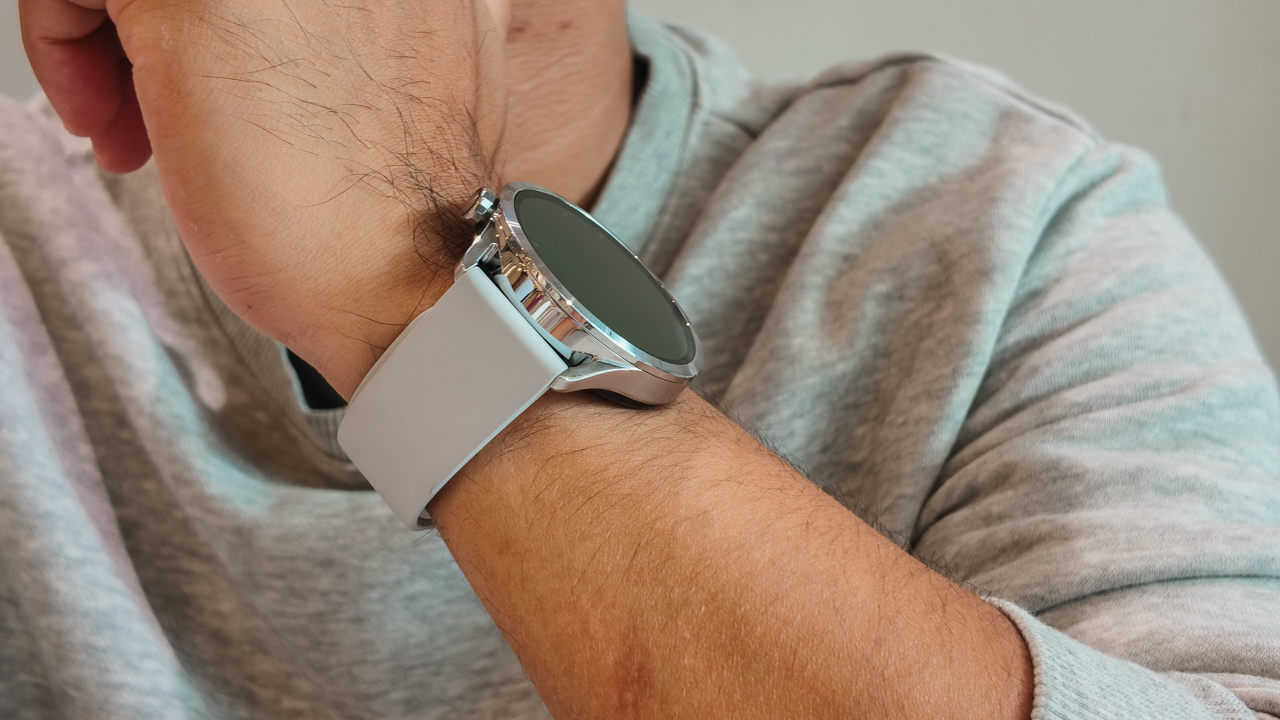
A few hours later at 9:30 AM, I was back on the course for the Spartan Sprint Open under the complete opposite conditions. Bright sun, harsh heat, and definitely no shade. By the time I crossed the finish line, I had visible sunburn.
I wore the Watch S5 across back-to-back races in completely different conditions. When it rained, the 5ATM water resistance handled it and allowed me to finish the Spartan Trail 10K with 350m elevation gain in 1 hour, 20 minutes.
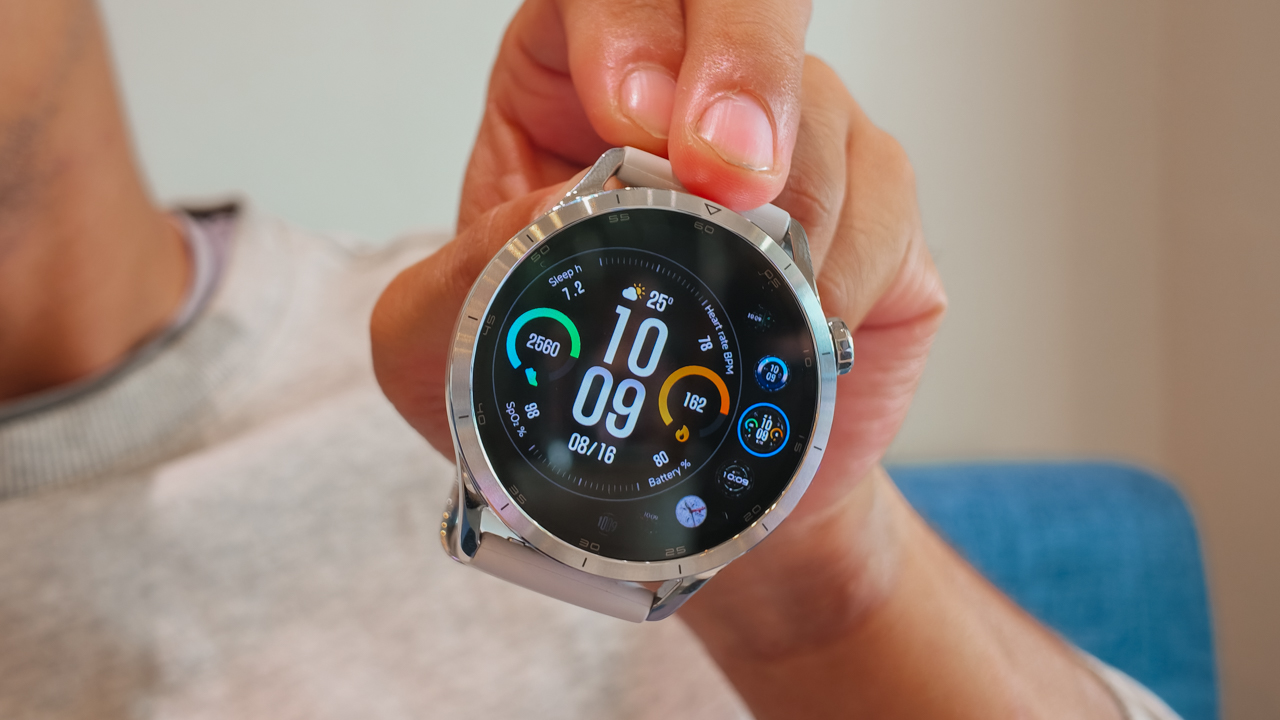
And even in full sun, the 2500-nit AMOLED display was bright enough for me to check my pace and metrics without squinting through sweat.
In a way, that is the whole point of versatility. You don’t have to look good in one setting. You just survive all of it.
High-fashion navigation on a sample sale budget
I love gear that performs. I love it even more when it doesn’t cost as much as a plane ticket.
My Garmin epix Pro (Gen 2) — which I had since 2023 — remains my benchmark for race-day navigation. It’s dependable and incredibly capable. It also costs enough to make me stare at my credit card statement in silence.
The Xiaomi Watch S5 gave me a surprisingly similar sense of confidence with built-in offline maps at a much more approachable price.
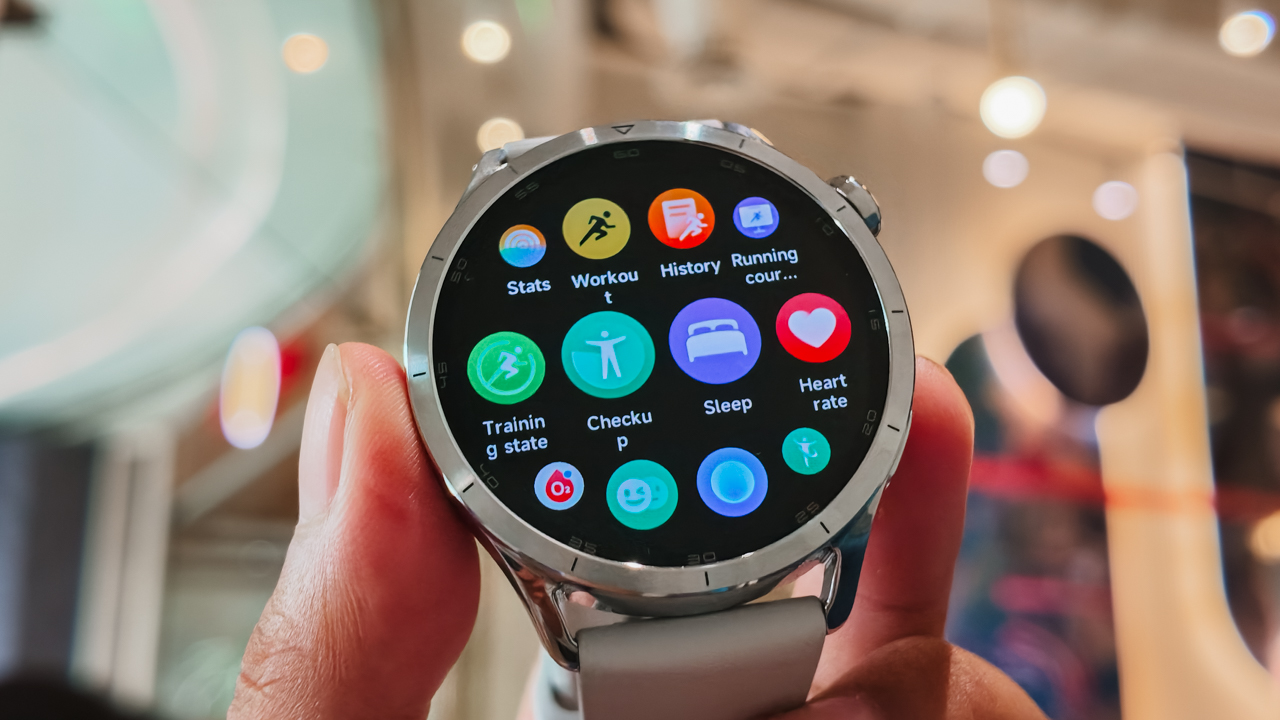
For trail races where routes are usually marked, that feature becomes less about finding your way and more about peace of mind.
Knowing you can navigate technical terrain without reaching for your phone feels reassuring, especially when weather conditions change fast — and on race day, mine certainly did.
One moment I was climbing through rain. A few hours later I was baking under direct sunlight wondering how my shoulders had already turned red.
The Watch S5 handled both like it was no big deal.
Keeping pace with a social butterfly’s calendar
A wearable becomes part of your wardrobe when you stop thinking about it. That’s where battery life matters.
The Xiaomi Watch S5 runs up to 14 days on normal use, which means I wore it across workdays, training sessions, events, recovery days, and race weekend without needing to obsess over charging it overnight.
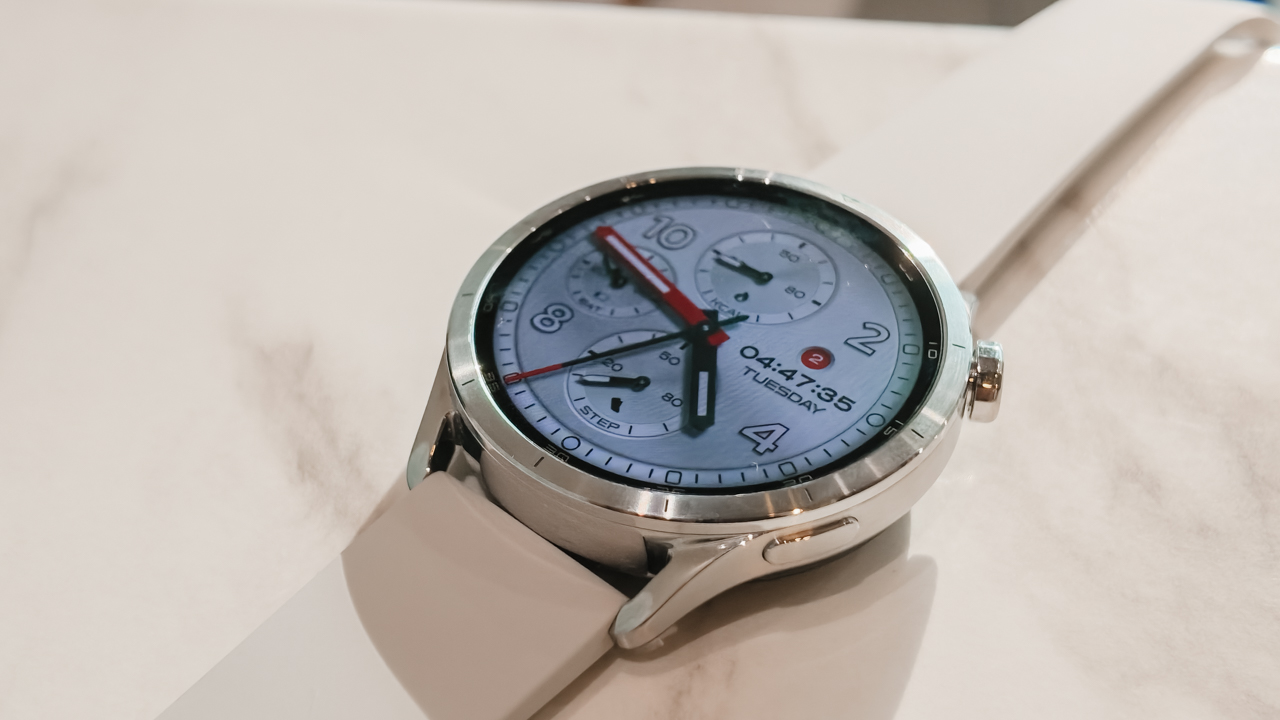
It outlasted my phone, my laptop, and possibly my emotional stability somewhere between the last aid station and the fire jump.
Once I finally got home, showered off layers of mud and sunscreen, and collapsed into bed with sore legs and sunburn, the Watch S5 kept doing its job in the background.
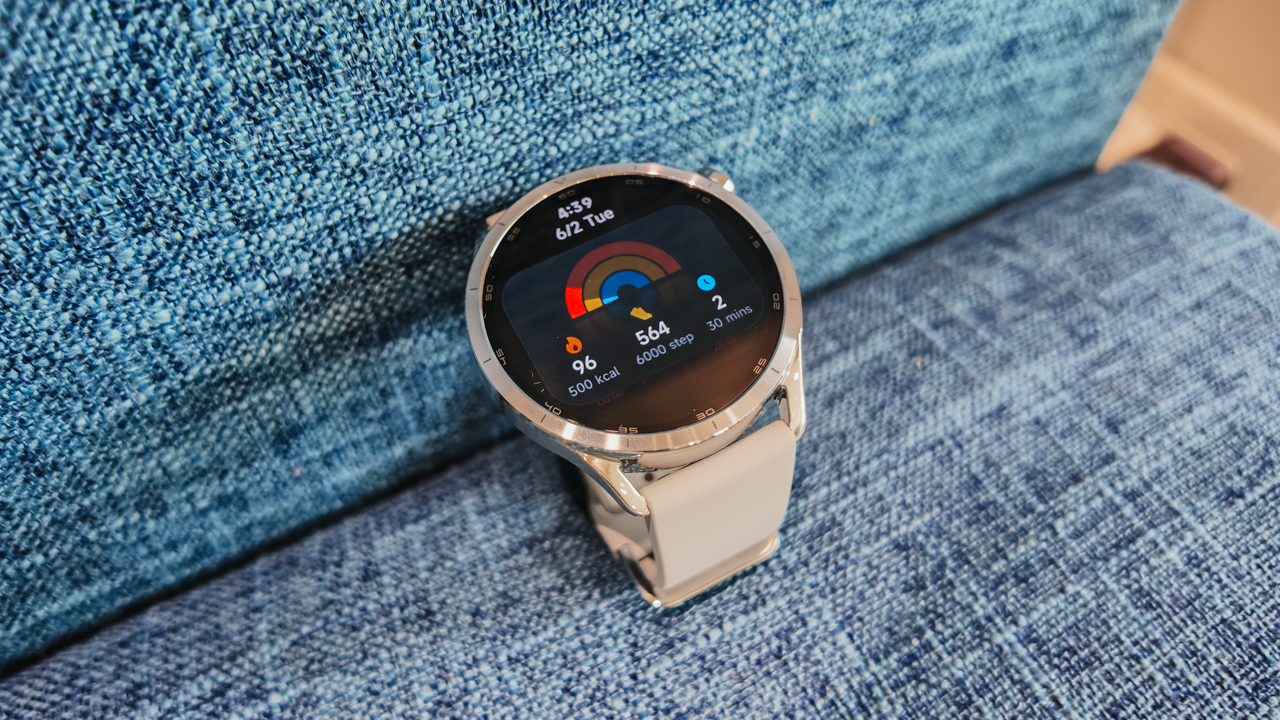
Sleep tracking, recovery insights, and wellness metrics all quietly continued while I did absolutely nothing.
Is the Xiaomi Watch S5 your GadgetMatch?
What I like most about the Xiaomi Watch S5 is that it doesn’t force a choice. It doesn’t ask you to pick between being sporty or polished. There’s no need to separate performance from style.
It looks elegant enough for formalwear, and tough enough for weathering the elements. For me, it went from chic events to an action-packed Spartan Race day without feeling out of place. And maybe, that’s the best way to describe it.
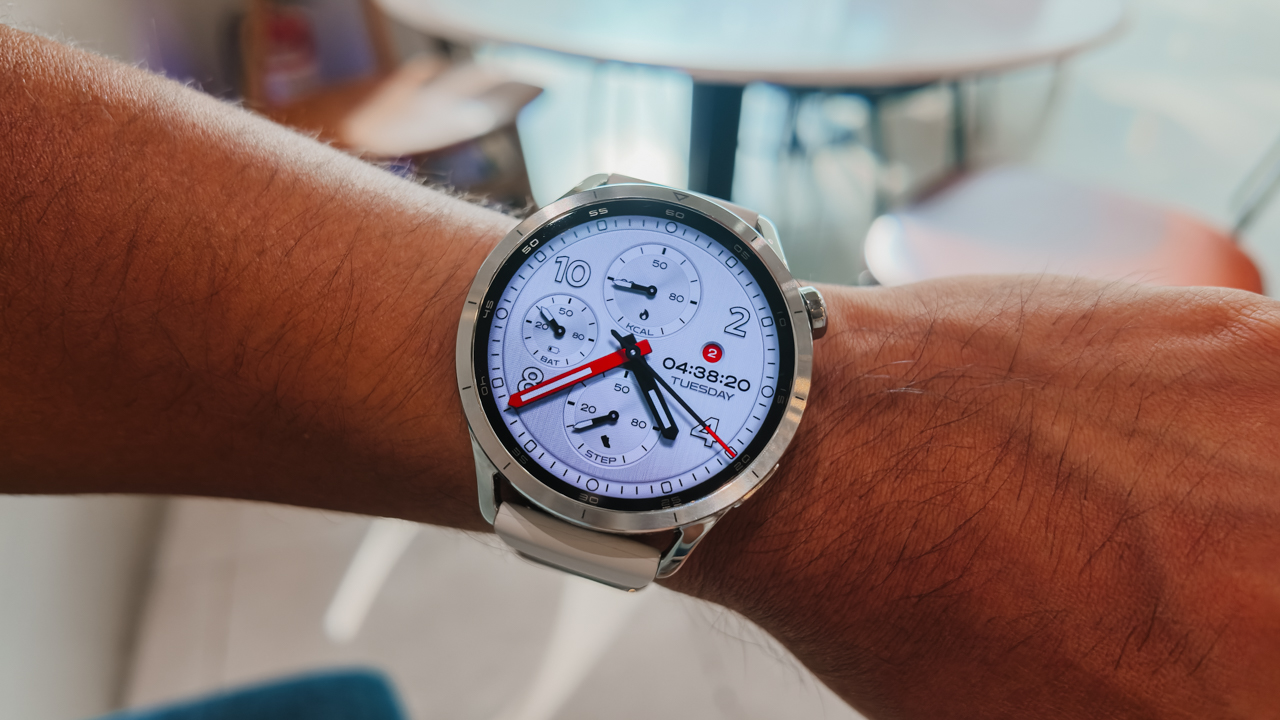
Swipe Right if you want a smartwatch that can keep up with both your calendar and your training schedule. The Xiaomi Watch S5 feels right at home with tailored looks, yet it’s durable enough for muddy race courses, sudden downpours, and long hours under the sun.
This is for the people who go from dinner reservations to race day without warning.
Swipe Left if you want highly advanced training analytics or a deeply specialized multi-sport watch for serious race preparations. Athletes who rely heavily on performance metrics may still prefer something more purpose-built.
For PhP 10,999, the Xiaomi Watch S5 46mm feels more like a wardrobe investment. One that happens to track your sleep, navigate a trail course and survive the elements, and still look good at dinner.
The Xiaomi Watch S5 46mm comes with an early-bird price of PhP 10,229 and a free strap. The Special Edition retails for PhP 11,999, with an early-bird price of PhP 11,159 and a free strap.


The HONOR Earbuds 4 deliver useful everyday features, though the sound quality may not impress audio enthusiasts.
The HONOR Earbuds 4 arrived alongside the HONOR MagicPad4, naturally becoming the audio companion for much of my testing.
That meant hours of music while working, videos during breaks, and plenty of movie watching once the workday was done.
After spending some time with them, I’ve come away with a fairly simple conclusion: the HONOR Earbuds 4 are practical everyday earbuds. They get a lot of things right. Unfortunately, the one thing I care about most in a pair of earbuds leaves me wanting more.
Comfortable and easy to live with
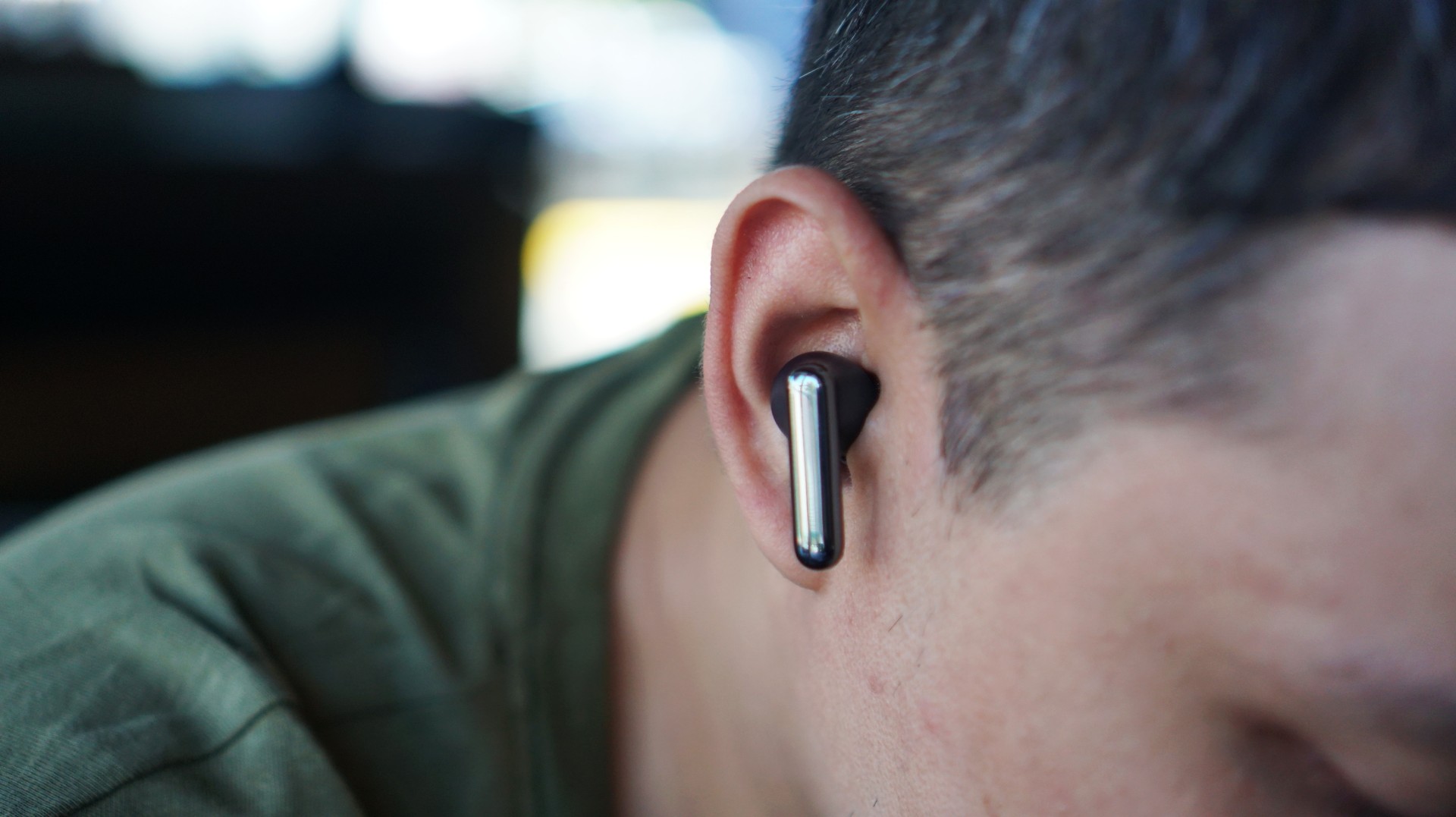
First impressions are generally positive.
The earbuds feature a lightweight design, weighing just 5.3g per earbud. They’re comfortable enough for extended listening sessions and never felt fatiguing during long workdays. The fit felt secure, whether I was sitting at my desk, moving around the house, or watching videos in bed.
HONOR also gave them an IP54 rating for dust and water resistance, which adds some peace of mind for daily use.
The charging case is compact enough to slip into a pocket, and the overall design feels clean and understated. Nothing flashy, but nothing offensive either.
ANC does the heavy lifting
If there’s one feature that stands out immediately, it’s the active noise cancellation.
The HONOR Earbuds 4 feature up to 50dB Tri-Mic Hybrid Active Noise Cancellation, along with multiple ANC modes and an Awareness Mode that lets outside sounds pass through when needed.
While working, I found myself relying on ANC more than anything else.
Whether I was answering emails, drafting notes, or simply trying to focus, the earbuds did a good job reducing background distractions. They’re particularly useful for creating a small bubble of concentration when you’re working in a busy environment.
Call quality is another area where the earbuds perform well. HONOR’s Tri-Mic AI Call Noise Cancellation helps keep voices clear during calls, even when there are competing sounds in the background.
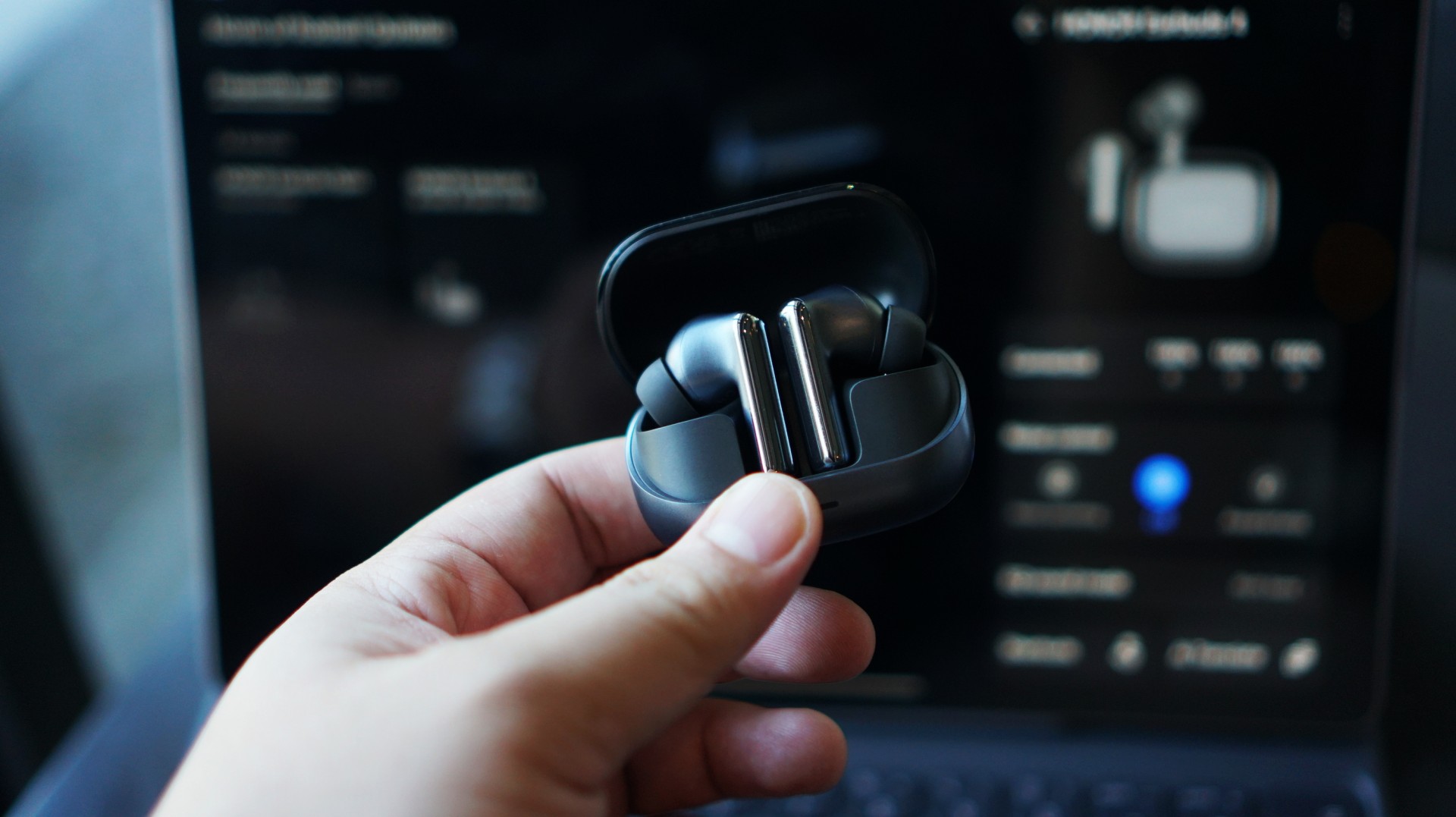
The sound never quite clicked
The HONOR Earbuds 4 feature a dual-driver setup consisting of an 11mm low-frequency driver and a 6mm high-frequency driver. HONOR says the arrangement is designed to deliver better separation between lows and highs while maintaining clarity across the frequency range.
On paper, that sounds promising.
In practice, however, the audio experience never really wowed me.
To be fair, I may not be the target audience.
Most of the earbuds I use regularly sit well above the US$200 mark. My daily rotation includes products like the Galaxy Buds4 Pro, which admittedly sets a fairly high bar.
Switching between the HONOR Earbuds 4 and the Galaxy Buds4 Pro while listening to the exact same track on the same music app made the difference immediately obvious.
It wasn’t subtle.
The HONOR Earbuds 4 sound fine. Music remains enjoyable, vocals come through clearly enough, and casual listeners will probably find little to complain about.
But compared to more premium options, the presentation lacks some of the detail, depth, and refinement I’ve grown accustomed to.
And if sound quality is your top priority, there are other options I’d personally explore first.

Strong battery life rounds things out
Thankfully, the Earbuds 4 do well in areas that matter for everyday convenience.
Battery life reaches up to 46 hours when combined with the charging case, while a quick 10-minute charge can provide up to three hours of playback.
Features like pop-up pairing, touch controls, and wear detection also help make the experience feel seamless. They’re the kinds of conveniences you don’t think about until they’re missing.
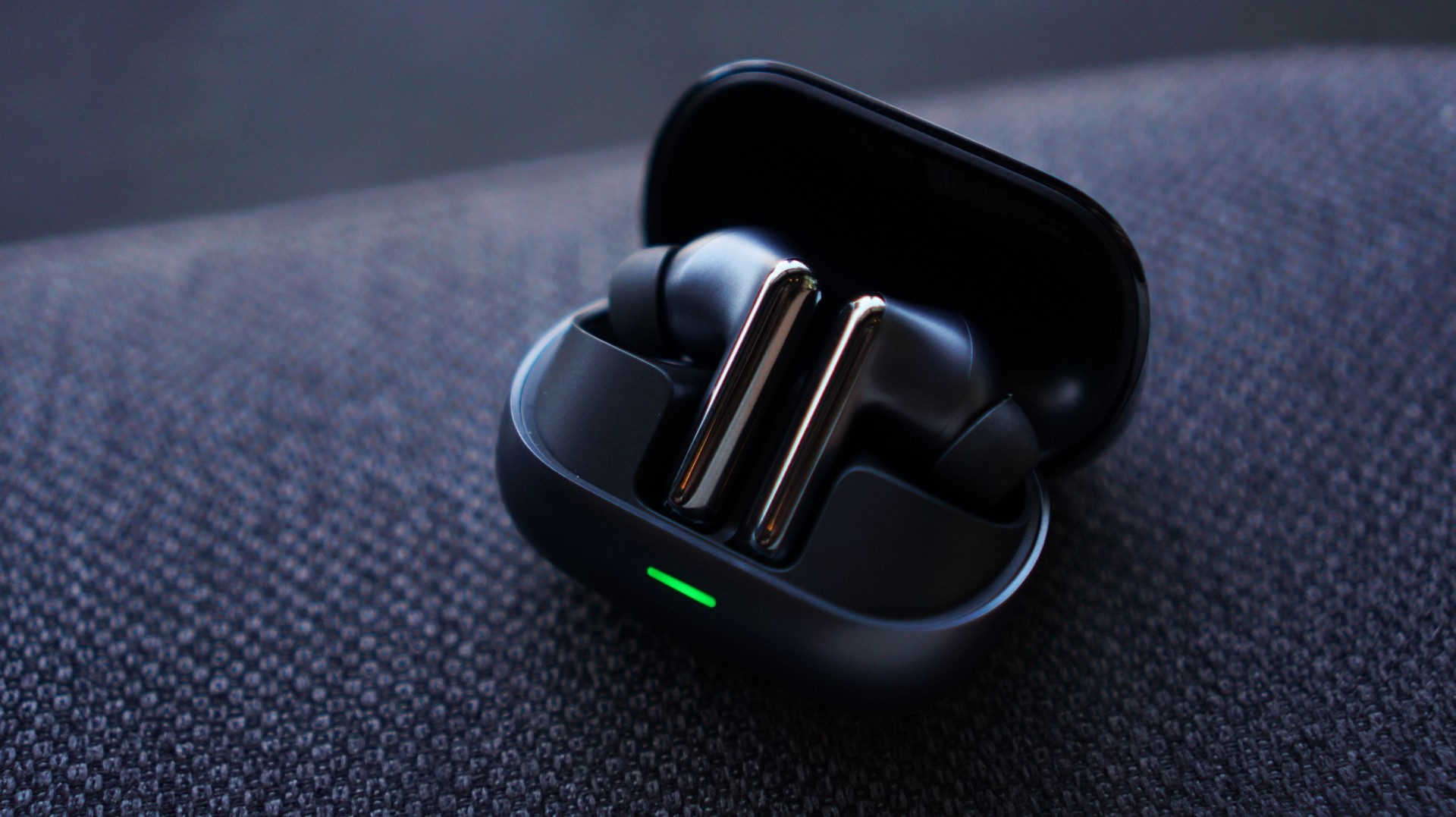
A practical everyday companion
The HONOR Earbuds 4 do a lot of things right.
They’re comfortable, offer useful ANC, provide solid battery life, and include the features most people expect from a modern pair of wireless earbuds.
For everyday listening, commuting, work calls, and casual entertainment, they’ll get the job done.
The problem is that sound quality remains the biggest reason I reach for a pair of earbuds. And in that department, the HONOR Earbuds 4 never managed to stand out.
They’re easy to recommend as a practical companion for daily use.
Just don’t expect them to become your next favorite pair of earbuds.
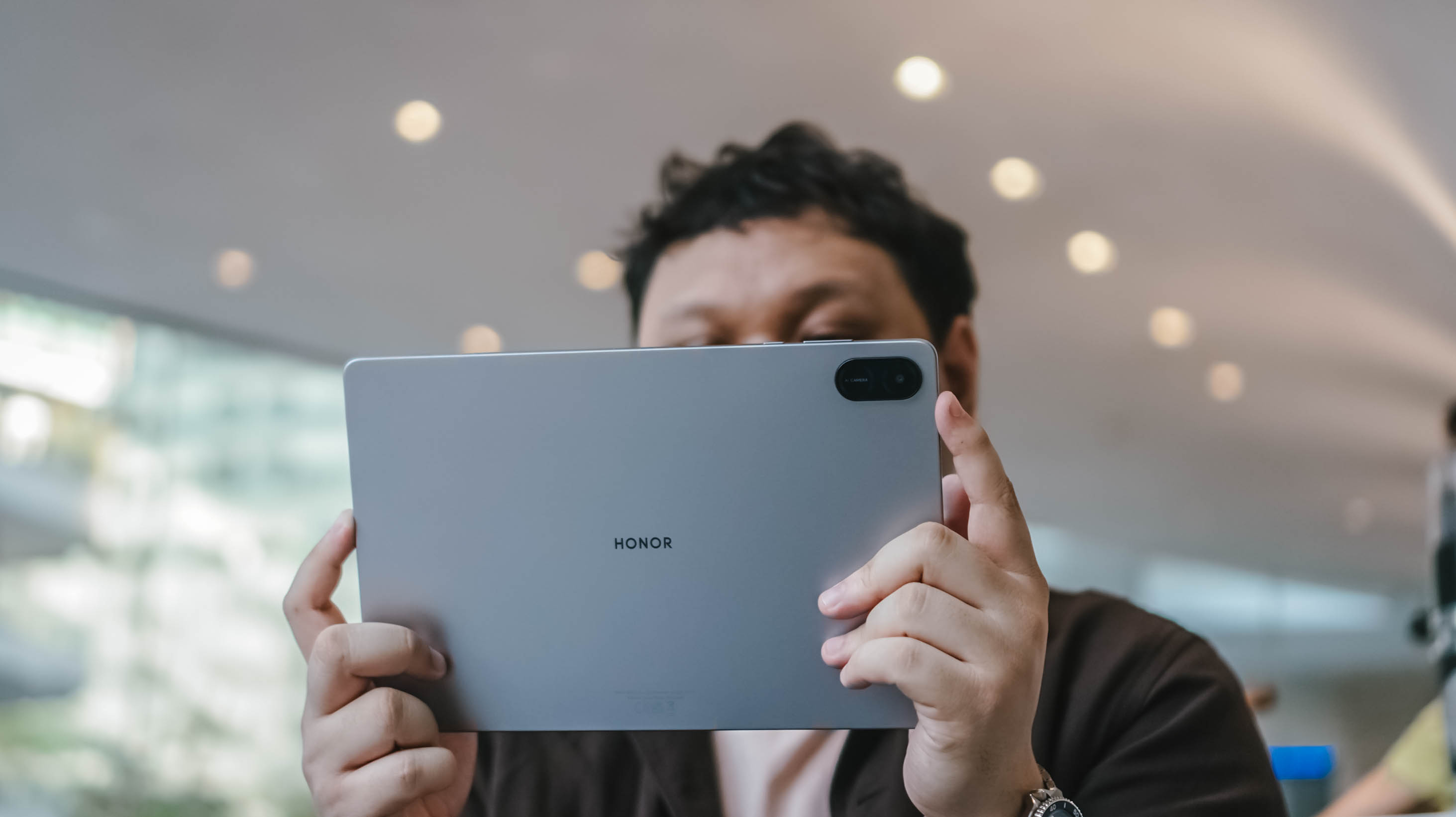
Not every tablet needs to win you over in the first five minutes.
Some are just meant to ease you in—to see if having a bigger screen actually changes how you use your tech day to day.
Instead, it feels like it’s asking a quieter question: Do you even need a tablet?
That’s the space the HONOR Pad X8b seems to occupy. Not a productivity machine. Not a performance-first device. But something that lets you test the waters—see if a tablet fits into your everyday routine at all.
And for a lot of people, that might be exactly the point.
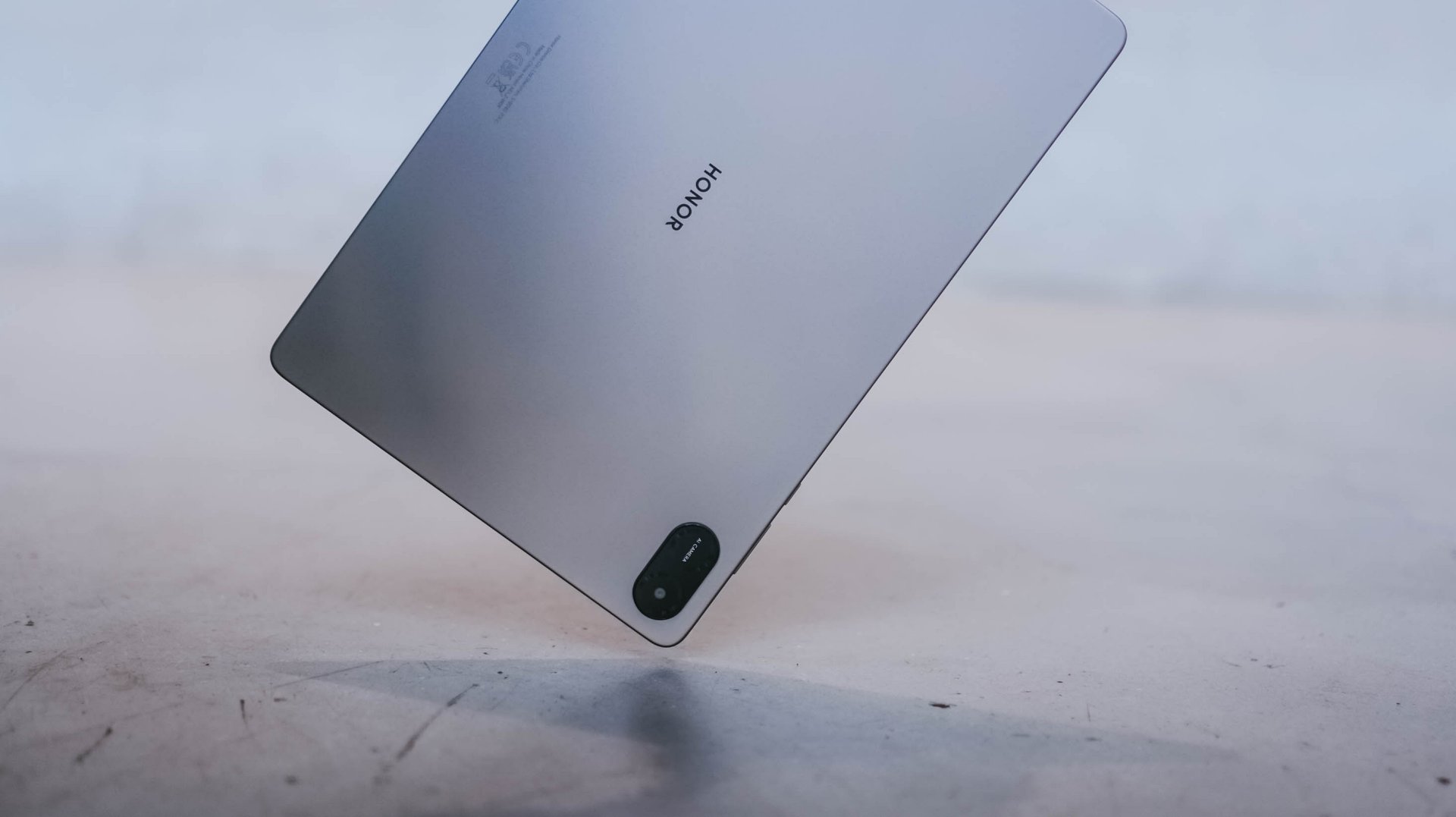
It’s positioned as a “Tablet Made Tough,” and that framing makes a lot of sense here. Because if you’re just starting out, or buying for someone who’s still getting used to tech, you don’t want something fragile. You want something you can be a little careless with—throw in a bag, hand to a kid, leave on a table—and not worry too much about it.
And that’s exactly the kind of role this tablet is trying to fill.
Who this is really for
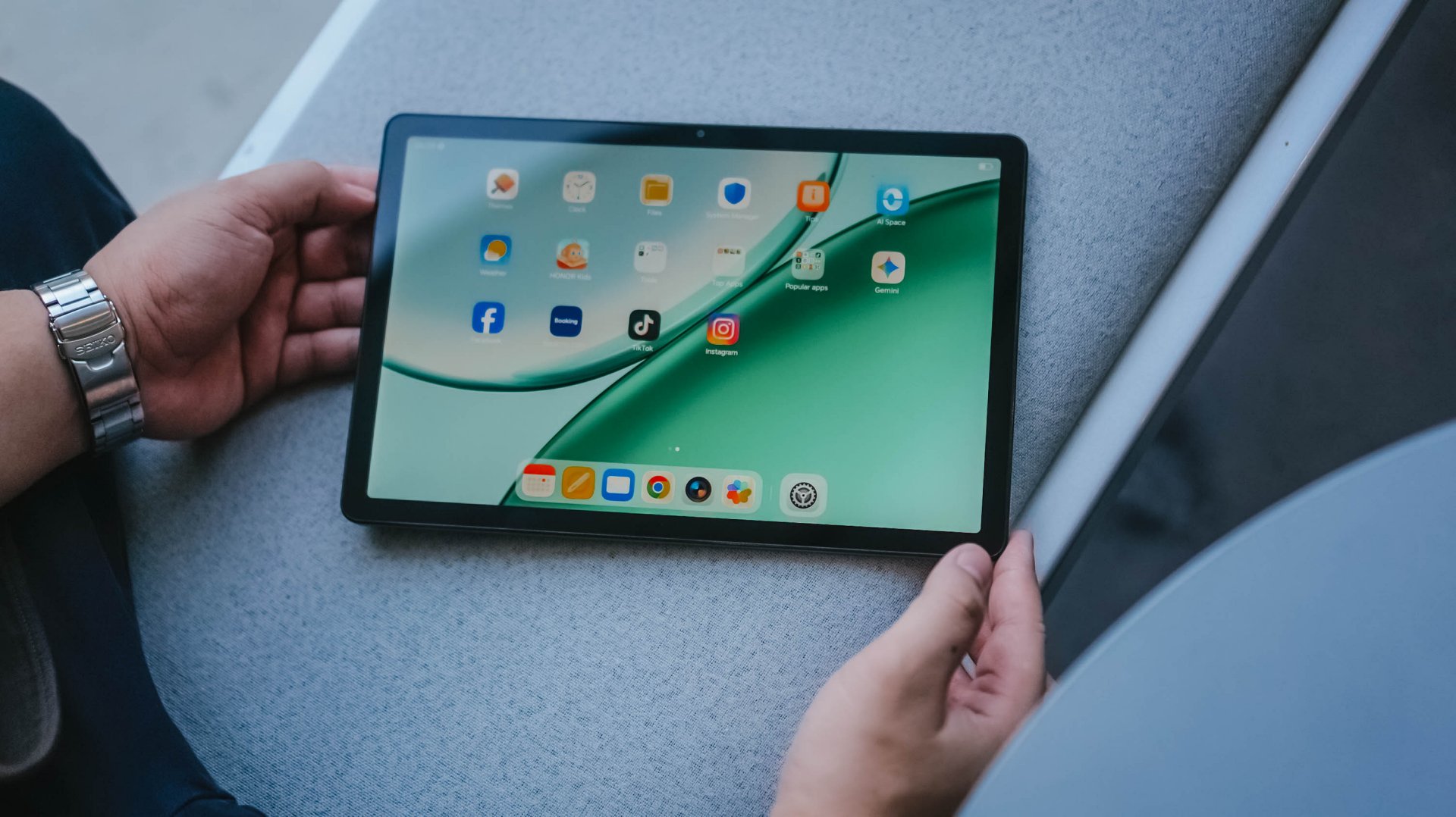
You can feel pretty quickly who this tablet is designed for.
Kids are an obvious fit. Something they can use in short bursts—for watching videos, light learning, or just getting familiar with tech without handing them a more expensive device. The durability angle plays a big role here too. It’s the kind of tablet you won’t panic over every time it slips or gets handled a bit roughly.
But it’s not just for kids.
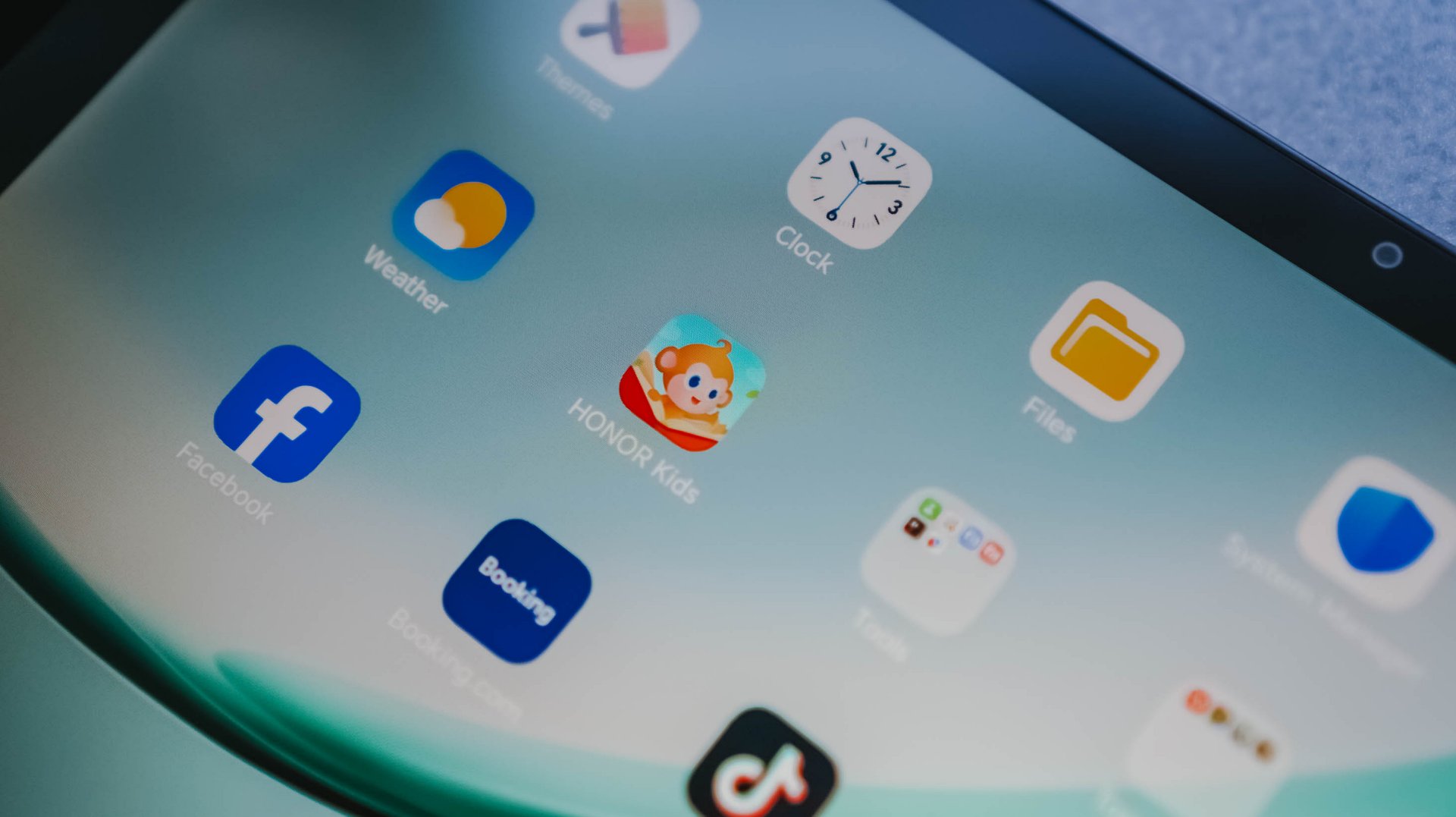
This also makes sense for first-time tablet users in general. If you’ve never owned one, or you’ve always wondered if a tablet fits somewhere between your phone and laptop, this feels like a low-commitment way to find out.
Not a big investment. Not a big adjustment. Just something to try.
Built for watching, not pushing

Julie freaking Han
Most of that experience revolves around media consumption.
The display is… nice enough. It gets the job done. Colors are decent, viewing is comfortable, and for videos, it holds up better than expected.
Case in point: I watched KISS OF LIFE’s “Who is She” music video on this—mostly for miss freaking Julie Han, if we’re being honest—and it looked good.
That may not be what you want your kids watching. But for actual use, it gives you a good sense of what this screen can deliver.
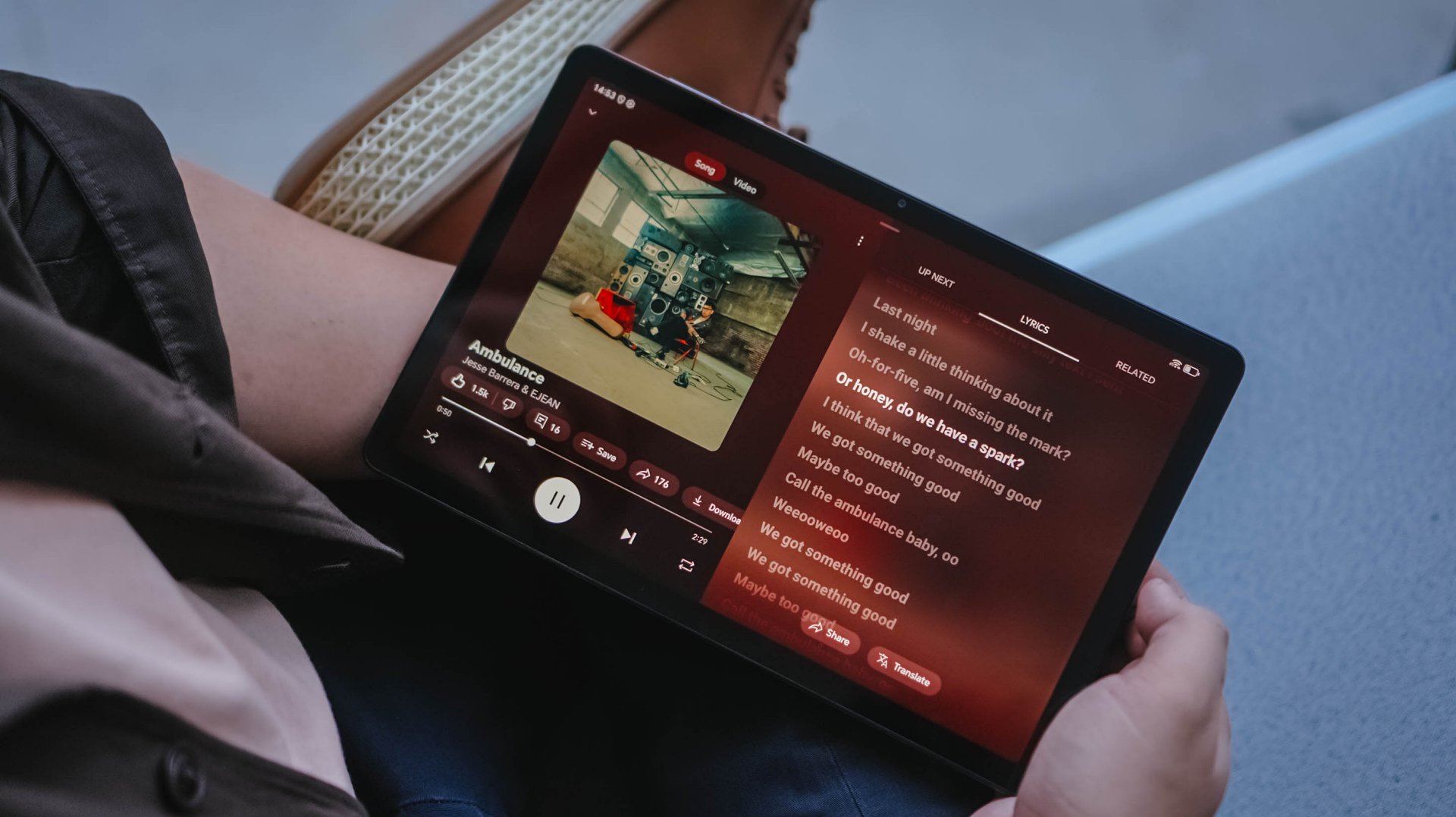
This has been on consistent rotation lately
Audio is also decent. Not groundbreaking, but not thin either. I ran AMBULANCE by Jesse Barrera and EJEAN through it, and it had enough body to feel enjoyable without immediately reaching for headphones.
Put those together, and you get a tablet that’s easy to pick up for Netflix, YouTube, or Spotify. The kind of device that lives on a coffee table or bedside, ready when you just want a bigger screen for casual viewing.
Where you feel the limits

But it doesn’t take long before you notice where things slow down.
Even just swiping around the interface, there’s a certain lack of fluidity. Nothing completely breaks, but it’s not the kind of experience that disappears into the background either. You feel it.
Apps open fine. Navigation works. But everything carries a slight hesitation that reminds you this isn’t built for speed.
And that’s really the trade-off.
This tablet leans heavily into light use—watching, browsing, maybe some casual apps. The moment you expect more responsiveness or try to push it harder, the limits start to show.
What you’re actually getting
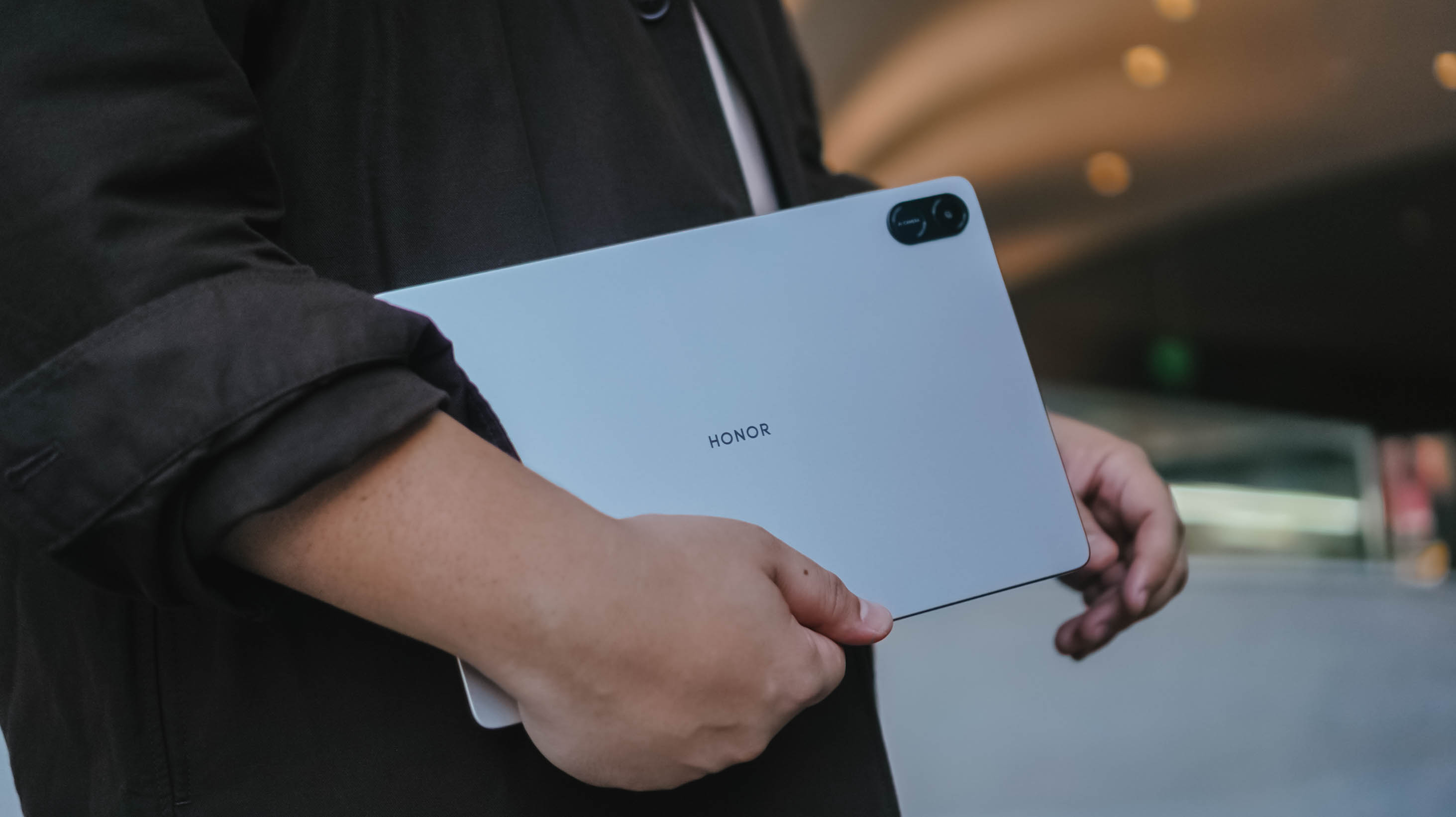
Before we get into pricing, here’s a quick look at what the HONOR Pad X8b brings on paper:
- 11-inch HONOR Eye Comfort FullView display
- 10100mAh battery (up to multiple days of light use)
- Qualcomm Snapdragon 680 processor
- Quad-speaker system
- Storage options up to 256GB with RAM expansion
- Metal body with drop and crush resistance focus
- MagicOS 10 (Android-based)
- HONOR Kids Edition with parental controls
It’s a spec sheet that prioritizes the basics—big screen, long battery, and durability—over outright performance.
So where does it land?

At PhP 9,999 (special TikTok shop price in the Philippines, the HONOR Pad X8b lands exactly where it needs to. Not cheap enough to ignore—but accessible enough to try.
At the end of the day, this isn’t trying to be more than it is. It’s a starting point. A way to figure out if a tablet fits into your routine.
If you’re curious about tablets, this tells you real quick if it’s for you.





Crunchyroll Anime Expo announcements: Solo Leveling, Ghost of Tsushima, more

Demon Slayer: Kimetsu no Yaiba Infinity Castle I coming to Crunchyroll

PlayStation declares AI as “foundational piece” in future

Not even Nokia phones are safe from AI features

The Kia Carnival Hybrid is a gentle giant

TECNO’s POVA 8 5G is both futuristic and future-ready

Buyer’s Guide: Xiaomi Pad 8 Series

HONOR Magic V6 review: The best version of a book-style foldable?

TECNO’s SPARK 50 Pro is the latest budget smartphone battery beast

Buyer’s Guide: TECNO SPARK 50 Pro vs SPARK 50 5G


-
 Cameras1 week ago
DJI Osmo Pocket 4P launches with dual lenses and a 1-inch sensor
-
 News1 week ago
Lenovo says RAM prices are not coming back down again
-
 Camera Shootouts2 weeks ago
Camera Shootout: HONOR 600 Pro vs OPPO Reno15 Pro
-

 Singapore2 weeks ago
Xiaomi opens largest Singapore store yet at VivoCity
-
 News1 week ago
The vivo X Fold6 is the first foldable to support teleconverter lens
-

 Apps2 weeks ago
HONOR, Xiaomi are working on their own Privacy Displays
-
 Smartphones2 weeks ago
HONOR continues APAC expansion, to launch 600 series in Taiwan
-

 Laptops2 weeks ago
Apple raises the prices of iPad and MacBook lineups