
News
POCO F8 Series: Price, availability in PH
POCO’s premium smartphones have arrived

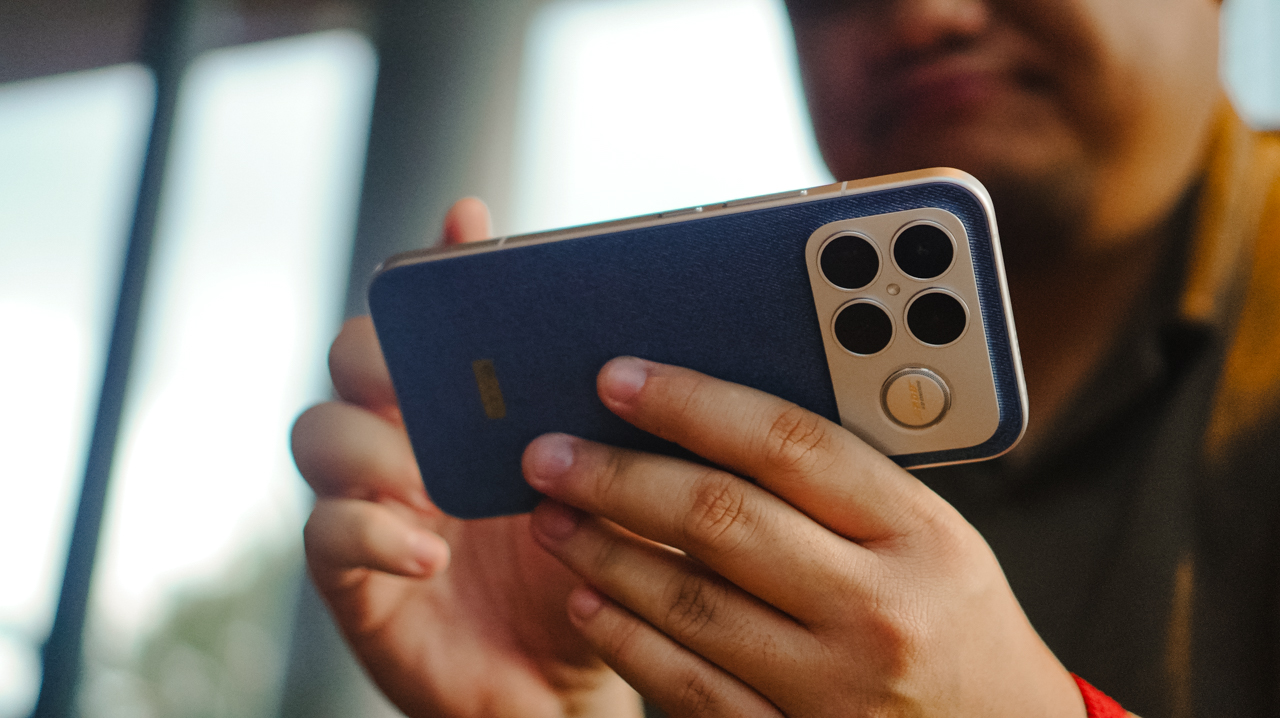
The POCO F8 Series is now official, with the brand unveiling the dual flagship devices via a global launch event in Bali, Indonesia.
The new smartphones are available in the POCO F8 Ultra and POCO F8 Pro variants; POCO has already made both variants available in the Philippines, for the following prices:
POCO F8 Ultra — Denim Blue, Black (Lazada exclusive)
- 12GB+256GB: PhP 39,999 (early bird: PhP 34,999)
- 16GB+512GB: PhP 42,999 (early bird: PhP 37,999)
POCO F8 Pro — Titanium Silver, Blue, Black
- 12GB+256GB: PhP 29,999 (early bird: PhP 26,299)
- 16GB+512GB: PhP 31,999 (early bird: PhP 28,299)
The early bird prices above are available for purchases made from November 26 to December 9. Customers can also score limited PhP 500 vouchers for the F8 Pro.
The launch marks POCO’s entry into the premium flagship segment — the brand’s boldest step yet while maintaining its mantra of value through high-performance technology.
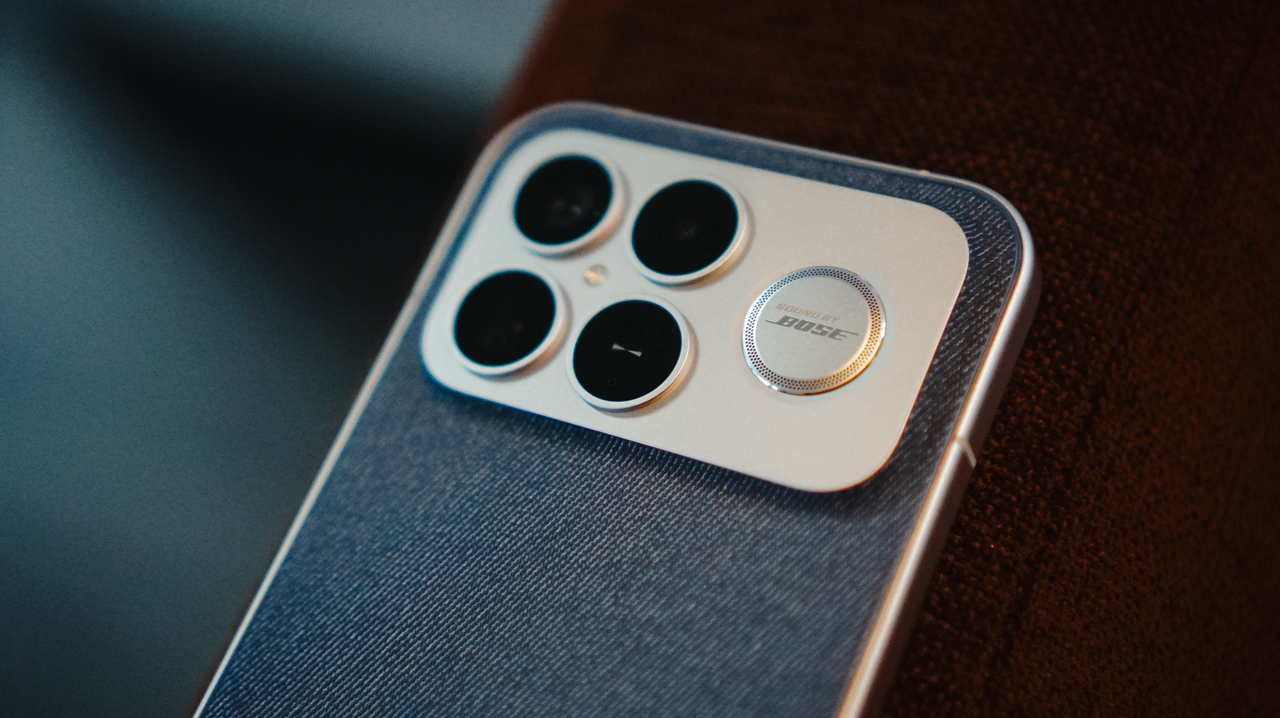
During the event, POCO also formally announced its partnership with audio company Bose, bringing Sound by Bose technology to both F8 smartphones.
Ultimate flagship statement
The series headliner, the POCO F8 Ultra defines what a next-generation flagship should be. It is powered by a Snapdragon 8 Elite Gen 5 processor and an upgraded VisionBoost D8 chipset.
This dual-chipset architecture unlocks the device’s full performance potential. Users can expect Smart Frame Rate up to 120fps, Super Resolution up to 1.5K, and Game HDR.
Meanwhile, the POCO F8 Pro runs on the Snapdragon 8 Elite mobile platform.
Both phones introduce AI Super Resolution through a new GEX module, specifically optimized for five titles, including Call of Duty: Mobile and Honkai: Star Rail.
Speaking of gaming, WildBoost Optimization also fine-tunes CPU and GPU load distribution for lower power consumption and less heat.
All of these are complemented by LiquidCool Technology which features a 3D dual-channel, dual-layer IceLoop system.
Both F8 series devices run on Xiaomi HyperOS 3 for intelligence and connectivity. Features include Xiaomi HyperIsland, Xiaomi HyperConnect for cross-device interconnectivity, and Xiaomi HyperAI for advanced tools for productivity.
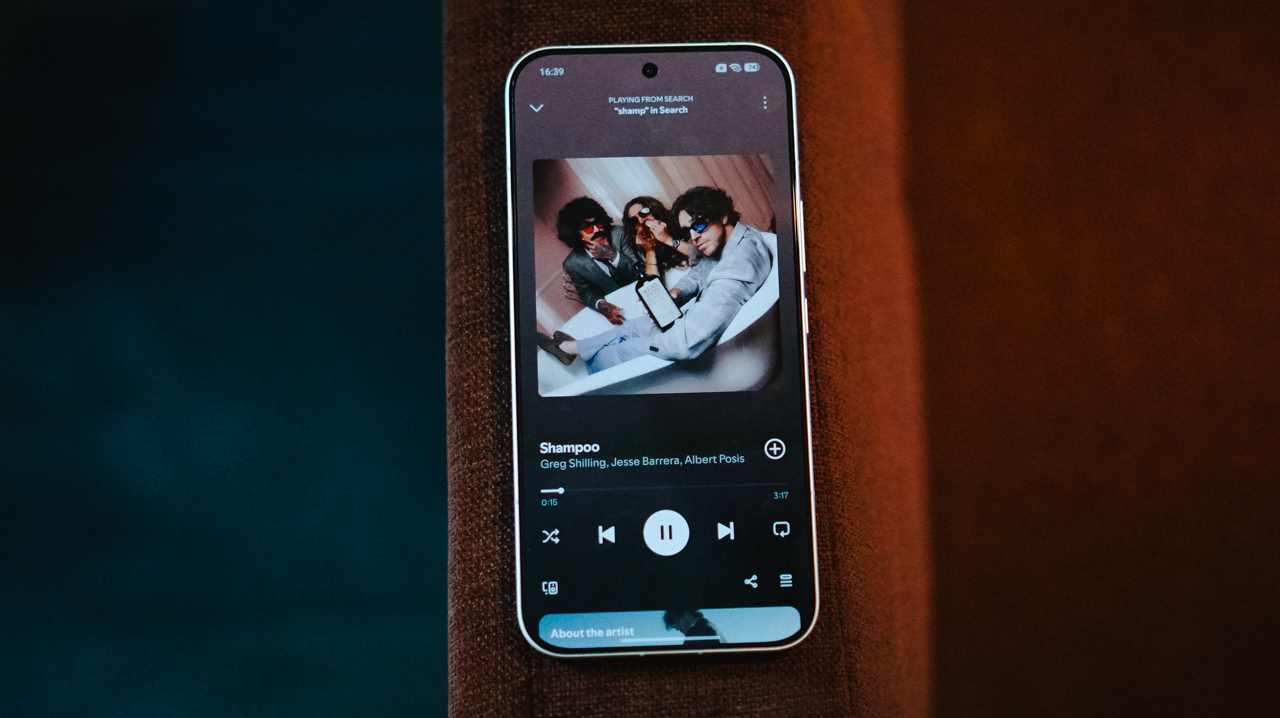
Shampoo by Greg Shilling, Jesse Barrera, and Albert Posis
Mobile audio experience redefined
Meanwhile, Bose helped develop a premium triple-speaker acoustic system for the F8 Ultra to enable rich bass, detailed sound, clear vocals, and an immersive soundstage.
On the visuals side, the F8 Ultra debuts the POCO HyperRGB display. Unlike traditional 2K OLED displays, the 6.9-inch panel adopts a full RGB subpixel structure where red-green-blue subpixels are fully used.
This system allows for 19.5% lower power consumption compared to the POCO F7 Ultra. On the other hand, the F8 Pro has a 6.59-inch display with the same features for up to 22.3% lower power consumption.
Ultra-grade photography
Bringing pro-level photography to the segment as well, the POCO F8 Ultra features a 50MP Light Fusion 950 sensor with OIS.
With a large 1/1.31-inch sensor, the main camera has 43% better light sensitivity. The system also reduces lens flare and glare, with its 1G+6P lens setup and precise multi-coating process.
Software enhancements include 1440p ultra-clear dynamic shots with EIS and HDR enhancement.
The F8 Ultra likewise comes with a 50MP 5x periscope telephoto lens for up to 5x optical zoom, 10x in-sensor zoom, and up to 20x Ultra Zoom.
Rounding out the triple 50MP camera setup is a 50MP ultra-wide shooter. In front, meanwhile, is a 32MP selfie camera.
Not to be left behind, the POCO F8 Pro has a 50MP 2.5x telephoto camera and a 50MP Light Fusion 800 main camera with OIS.
New POCO Pads also released
In addition to the new POCO F8 Series, POCO has also launched two new tablets: the POCO Pad X1 and POCO Pad M1.
The Pad X1 is powered by a Snapdragon 7+ Gen 3 and delivers stable 120fps in the most demanding scenarios.
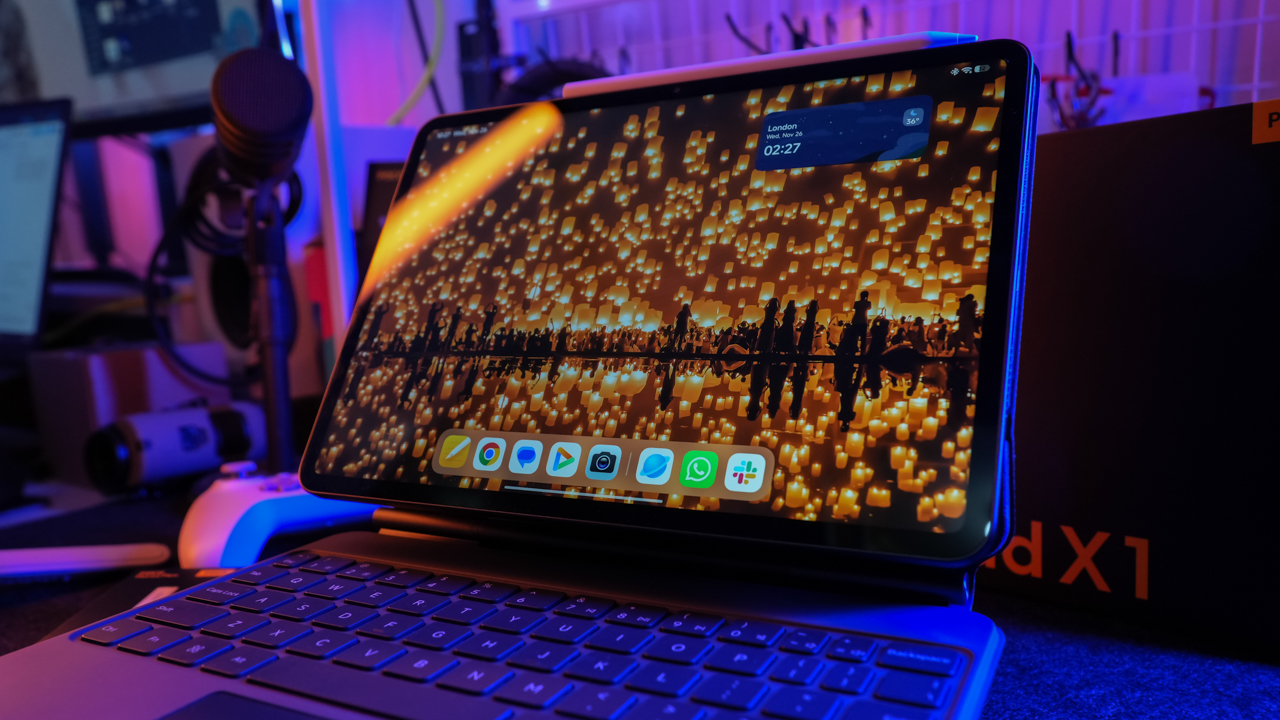
It has an 11.2-inch 3.2K display with up to 144Hz refresh rate and a 8850mAh battery with 45W turbo charging. The quad speakers are fine-tuned with Dolby Atmos and supports 200% volume boost.
For a larger screen, the POCO Pad M1 has a 12.1-inch 2.5K display with up to 120Hz refresh rate. It likewise has a quad-speaker system with Dolby Atmos, and a massive 12000mAh battery.
This slate is powered by a Snapdragon 7s Gen 4 and runs on Xiaomi HyperOS as well.





News
REDMI Note 15 Series named Presenting Partner for Spartan Race Philippines 2026 season
Titan Toughness takes center stage!

Being a Spartan athlete for five years has taught me that endurance isn’t just about physical strength; it’s about the mental grit to keep moving when your body begs you to stop.
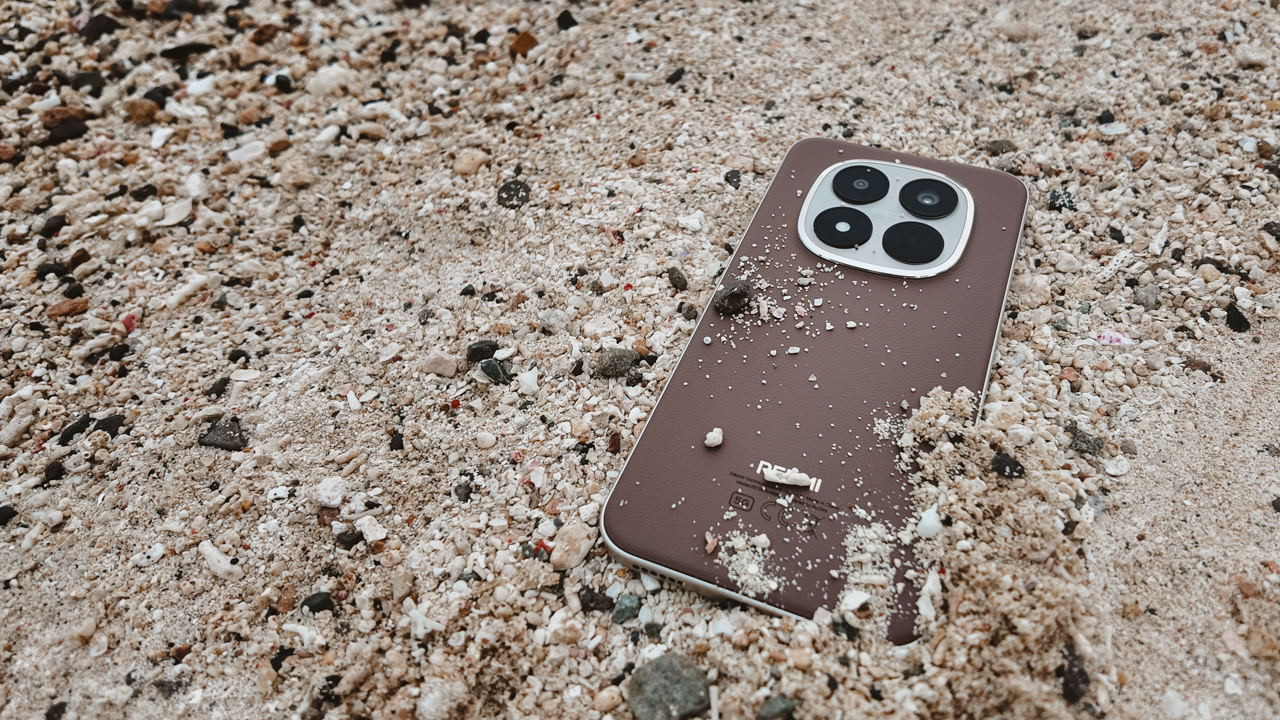
In this world, “toughness” becomes more than just a marketing buzzword. Now, it’s a requirement for survival. That’s why the partnership between Spartan Race Philippines and the REDMI Note 15 Series feels like a shared philosophy.
Partner for a tough course
Starting March 21, 2026, at Parklinks, Pasig City, the REDMI Note 15 Series officially joins the Spartan circuit.
For someone who has navigated these obstacles for years, I know that technology usually doesn’t belong in the mud. But the “Titan Tough” promise of the REDMI Note 15 is built for this exact routine.
It’s designed to be there for the moments that matter. For capturing the raw, unpolished triumph of the finish line; for surviving the grit of the course so you can focus on the next hurdle; and for finding the device at the heart of the festival area and the winner’s circle, mirroring the resilience of the athletes themselves.
Join the journey
Whether you are a seasoned elite racer or stepping into your first Open heat, this season is about testing your limits.
To help you get to that starting line, you can use the discount code REDMINOTE15 to get 10% OFF on all Spartan Race OCR, Spartan Kids Race, and Hurricane Heat events.
See you at the starting line. AROO!
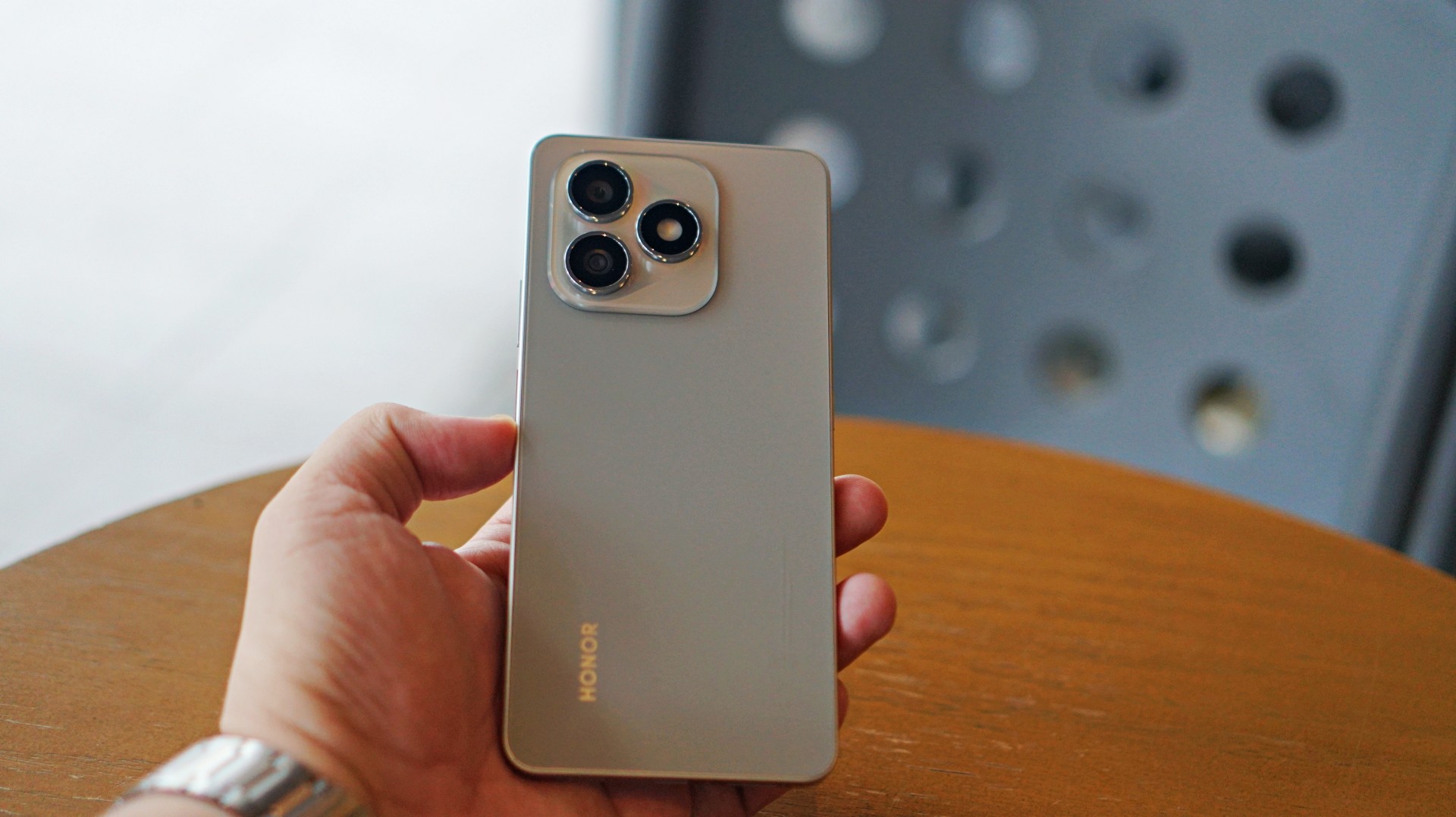
HONOR Philippines has launched its latest mass-market smartphone entry that caters to students and the youthful market in general: the HONOR X8d.
The budget smartphone is priced at PhP 15,999 and is available in Blue, Velvet Black, and Velvet Grey colors.
As part of launch offers, those who pre-order until March 27 can get a free accessory and can also avail of 0% installment plans via credit cards and Home Credit.
Customers can get the device through Lazada, Shopee, and HONOR stores.
REVIEW: The HONOR X8d is serviceable
The HONOR X8d is powered by a Snapdragon 6s 4G Gen 2 processor and comes with 8GB of RAM (plus 8GB expansion) and 256GB of storage.
It has a large 7,000mAh battery which supports 45W charging, making it a very long-lasting daily value companion.
The device features a 6.77-inch 120Hz display which has up to 3,000 nits of brightness, making it useful for practical situations.
The handset comes with usual display certifications and protections, including 3840Hz PWM dimming, E-Book mode, SGS drop resistance, and an IP65 rating.
For its cameras, the X8d has a 108MP main camera, plus a 16MP front camera. The main shooter can capture decent quality at 1x, 2x, and 3x zoom ranges.
There are also handy AI editing tools like AI Eraser, AI Cutout, and AI Upscale.
Out of the box, the HONOR X8d runs on MagicOS 10 based on Android 16. It also has staple productivity tools like AI Translate, AI Writing, AI Notes, and AI Recorder, alongside features such as Magic Portal and Circle to Search.
Deals
GoTyme Bank, Visa partner for FIFA World Cup 2026 raffle giveaway
Win an all-expense-paid trip to the World Cup with your GoTyme Visa Debit Card

GoTyme Bank and Visa have officially teamed up for a FIFA World Cup 2026 raffle giveaway.
This gives Filipino football fans the chance to win an all-expense-paid trip to attend either the World Cup Group Stage or Final in the United States.
The partnership marks GoTyme Bank’s growing presence not only in the market but also in the global stage. Recently, the digital bank has grown to over 9 million customers in the Philippines, and 20 million worldwide.
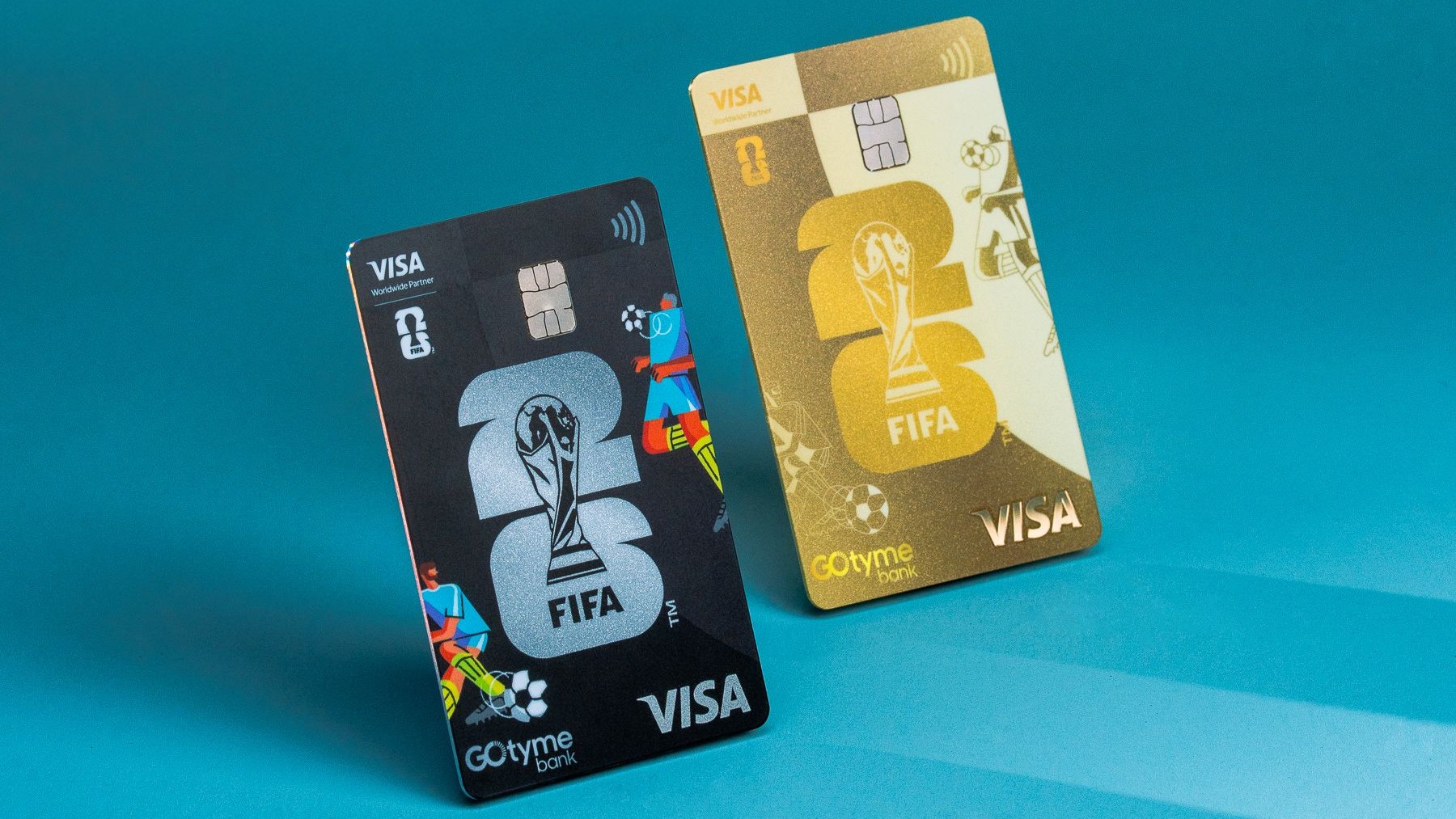
Under the partnership, GoTyme Bank and Visa have released new limited-edition FIFA World Cup 2026-themed Visa Debit Cards.
These are available in two designs: Pitch Black and Trophy Gold. Both are designed by Filipino artist Ross Du, who incorporated the iconic tournament’s iconic trophy.
The latter, in particular, has some rarity as there will only be 20,000 copies printed in GoTyme Bank kiosks nationwide. Customers can have them printed starting March 23.
Print, Spend, Score
To join the raffle, cardholders simply have to spend at least PhP 1,000 for a raffle entry. That’s using the Classic or Pitch Black card.
Overseas spending also comes with a 3x multiplier, meaning three entries for every PhP 1,000 spent abroad.
Two winners — one Classic and one Pitch Black cardholder — will each win an all-expense-paid trip for two to attend the FIFA World Cup 2026 Group Stage in Los Angeles.
But even better, those who get the exceptionally rare Trophy Gold card will automatically get a raffle entry for the grand prize raffle draw — with no minimum spend required.
One Trophy Gold cardholder will win an all-expense-paid trip for two to attend the World Cup Final in New York City. This includes roundtrip business class seats as well.
In addition to the major prizes, 10 customers will receive exclusive FIFA World Cup 2026 Visa Premium merchandise.
The fly-off promo runs until May 7 for the Classic and Pitch Black cardholders and until June 10 for the Trophy Gold cardholders.




Hermès launches a $5,000 MagSafe charger

REDMI Note 15 Series named Presenting Partner for Spartan Race Philippines 2026 season

Stylish, student-friendly HONOR X8d launches

The HONOR X8d is serviceable

Why the OPPO Reno15 5G series is a creator’s essential


-

 Reviews2 weeks ago
The Xiaomi 17 shoots Leica dream
-

 Reviews3 days ago
POCO X8 Pro Max review: A new beast from the far east
-

 News3 days ago
POCO X8 Pro Series: Price, availability in the Philippines
-

 Computers2 weeks ago
GIGABYTE collaborates with Capcom for RE Requiem custom PC
-

 Laptops1 week ago
Apple MacBook Neo Review
-

 Apps1 week ago
Google Maps is finally getting a 3D mode
-

 Entertainment1 week ago
The internet is thirsting over the One Piece Season 2 cast
-
 News2 weeks ago
Globe postpaid opens pre-orders for Samsung Galaxy S26 series