
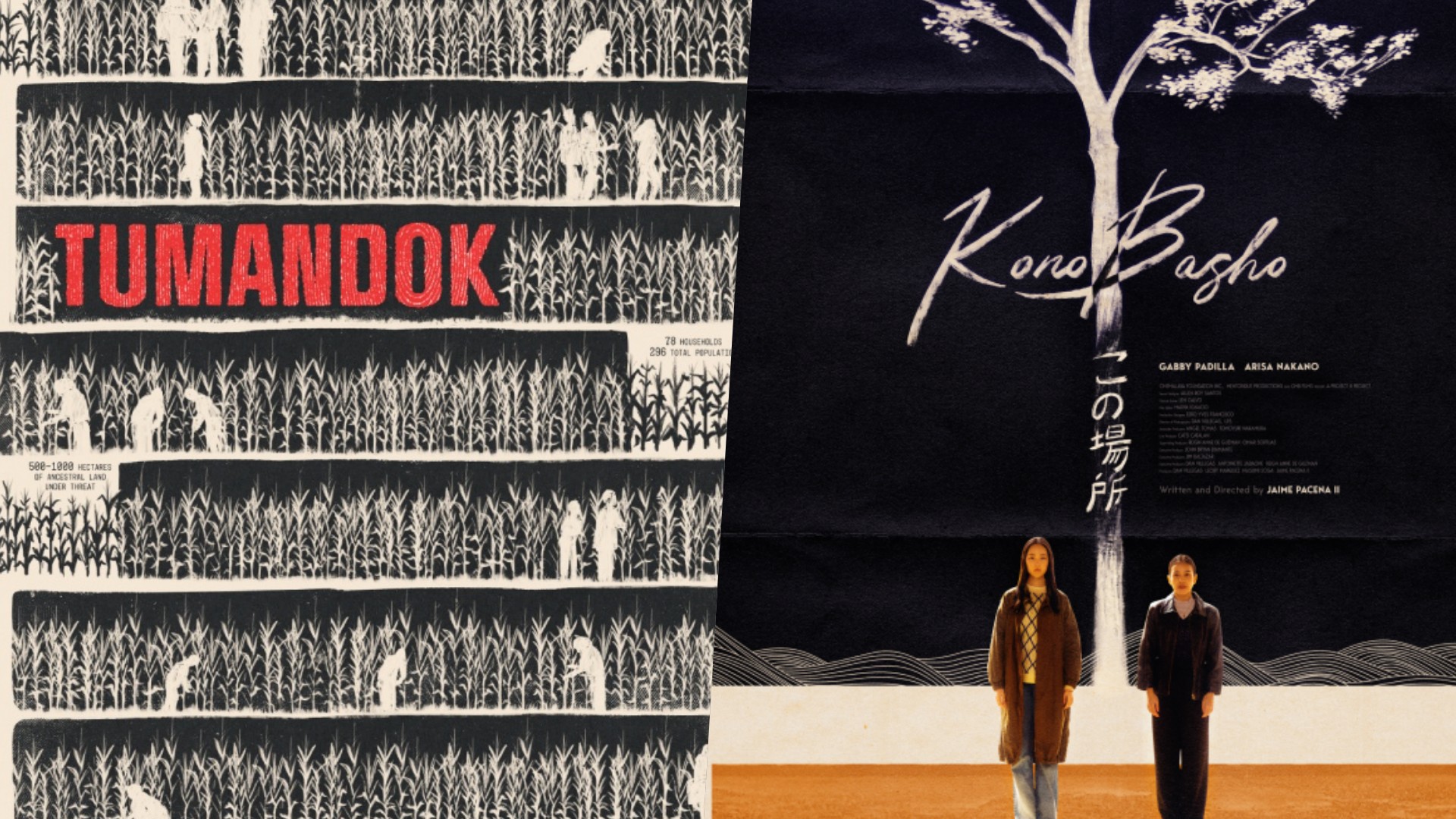


The Cinemalaya Film Festival had just concluded, and it finished boldly with a very strong lineup.
This year’s festival felt different; most of the filmmakers weren’t really aiming for the awards. At least, that’s how it seemed to me. They want to be heard, and invite people to take action. Each film had its own advocacy strong enough to cement the premier independent film festival’s two-decade celebration.
Overall, I watched six out of the 10 full-length entries in this year’s Cinemalaya. Here are my quick takeaways from each film:
Alipato at Muog by JL Burgos review
Alipato at Muog is the only documentary entry to the full-length competition of Cinemalaya XX. I was hesitant to watch it at first, because I tend to get very emotional for stories about real, unsolved cases. I’m glad I gave this a chance. This is a story that deserves to be known by the general public.
As we go on about our daily lives, Alipato and Muog is a reminder that there are big struggles of the Filipino people that we could only imagine. In this case — there are families of victims of enforced disappearances (called desaparecidos) in the Philippines, and they are still grieving up to this day. The saddest part is, the families haven’t received closure decades later.
A very powerful watch — more so that the director and writer is the brother of the desaparecido in the film.
An Errand by Dominic Bekaert review
Initially, I liked the approach of this film. An Errand — a driver (played by Sid Lucero) makes his way to Manila all the way from Baguio City in the wee hours of night. I love long rides myself, and the story has an interesting narration. We get a glimpse of the characters’ backstory through different outtakes.
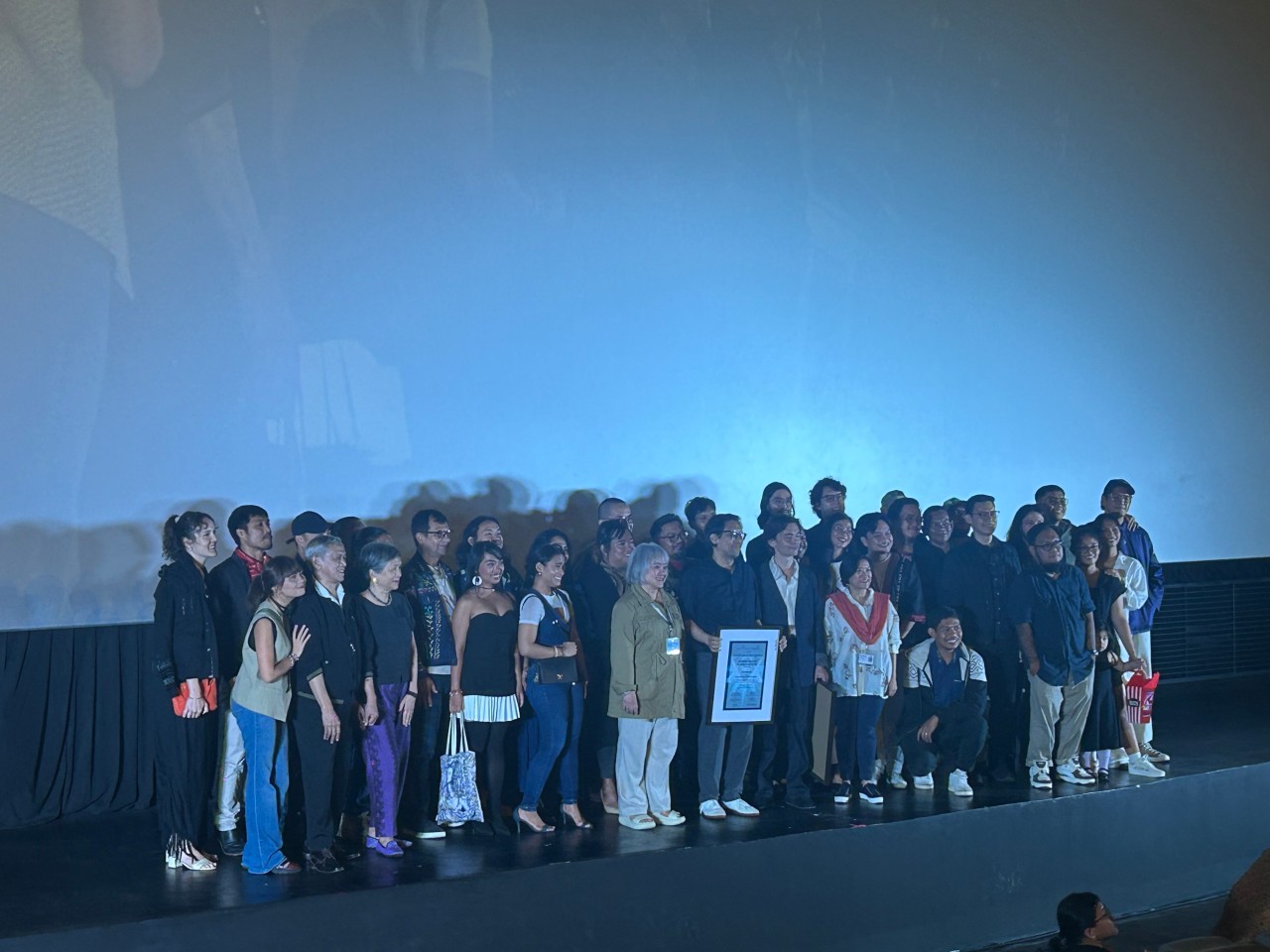
The cast and crew of An Errand during the Cinemalaya gala and talkback screening
However, I felt like the film was a bit long and dragging. But maybe that is the main message of the film — a metaphor of the long, exhausting hours endured by the working class, only to be exploited by the capitalists over personal (mostly absurd) gains.
Balota by Kip Oebanda review
Six Cinemalayas ago, I cried during the closing remarks of a film at Tanghalang Nicanor Abelardo in CCP. The film was Liway, based on a true-to-life story about a political detainee during the martial law era. It was directed by Kip Oebanda, son of the said detainee.
Six years later, Oebanda returns with a new film with another compelling theme. This time, it’s about the Philippine elections.
The film’s story centers around election season in a small provincial town, and how a public school teacher (played by Marian Rivera) navigates the “dirty” and messy system. She reminds me of my aunt who is a public school teacher, and growing up, I would watch her brave the gruelling system during the elections as a poll watcher.

The cast and crew of Balota during the Cinemalaya gala and talkback screening
Compared to Liway, the film has a mainstream feel to it (it is co-produced by GMA Pictures). Although, I think it’s a smart move – especially the decision to cast Marian Rivera as lead, and include social media personalities like Sassa Gurl and Esnyr to target the general audience.
Overall, Balota serves as a great voters education film that deserves to be shown in the mainstream cinema.
Gulay Lang, Manong by BC Amaparado review
Out of all the entries this year, Gulay Lang, Manong may have the lightest approach. While it still deals with sensitive and relevant topics like police brutality and social injustice, the film is sprinkled with dark humor and comedic skits. It drew laughs inside the cinema, thanks to its fun cast ensemble. No wonder it got the Audience Choice award.
Gulay Lang, Manong reminded me so much of the 2018 Filipino film, “Pangarap Kong Holdap” which similarly tackles social issues with a satire comedy approach. There were a lot of easter eggs in this film, and towards the end, it leaves you questioning some of your beliefs about certain issues. In my case, it made me read up on research about medicinal benefits of marijuana.

The cast and crew of Gulay Lang, Manong during the Cinemalaya gala screening
I was present during the gala night and I felt the fun energy of the cast and the audience. Farmers from Pampanga were also there in the gala screening, and you can tell from the vibe that the production team had fun in creating this story. The cast even gave out free tupig (Filipino rice cake) outside the cinema, which is a relevant symbol in the film.
Kono Basho by Jaime Pacena II review
Starting with the opening credits, I knew Kono Basho would be a visual feast. Its director, Jaime Pacena is actually a virtual artist, and it is very evident throughout the film.
The story’s main theme is grief, and how people navigate its complexities. The Japanese production style is very evident while watching Kono Basho, but somehow the story is injected with Filipino values.
Overall, Kono Basho is simple and straightforward, and what really made it stood out is the beautiful cinematography (director Dan Villegas really nailed it), plus the great acting of the two lead actresses.
Tumandok by Richard Jeroui Salvadico & Arlie Sweet Sumagaysay review
My personal favorite from the lineup this year, Tumandok is told in such a way that it doesn’t impose its audience on what to feel. It simply tells a story. While the subject matter is heavy, the filmmakers managed to make it hopeful.
Tumandok is very raw and genuine — and the main reason is that the actors are the real indigenous people themselves.

The cast and crew of Tumandok during the Cinemalaya gala screening
This film has touched my heart and opened my mind about the struggles of our indigenous people. There are important issues brought in this film like social class, politics, and capitalism, among others, but the story was narrated in the most genuine and human way.
The film was five years in the making, and I say it is worth the wait.




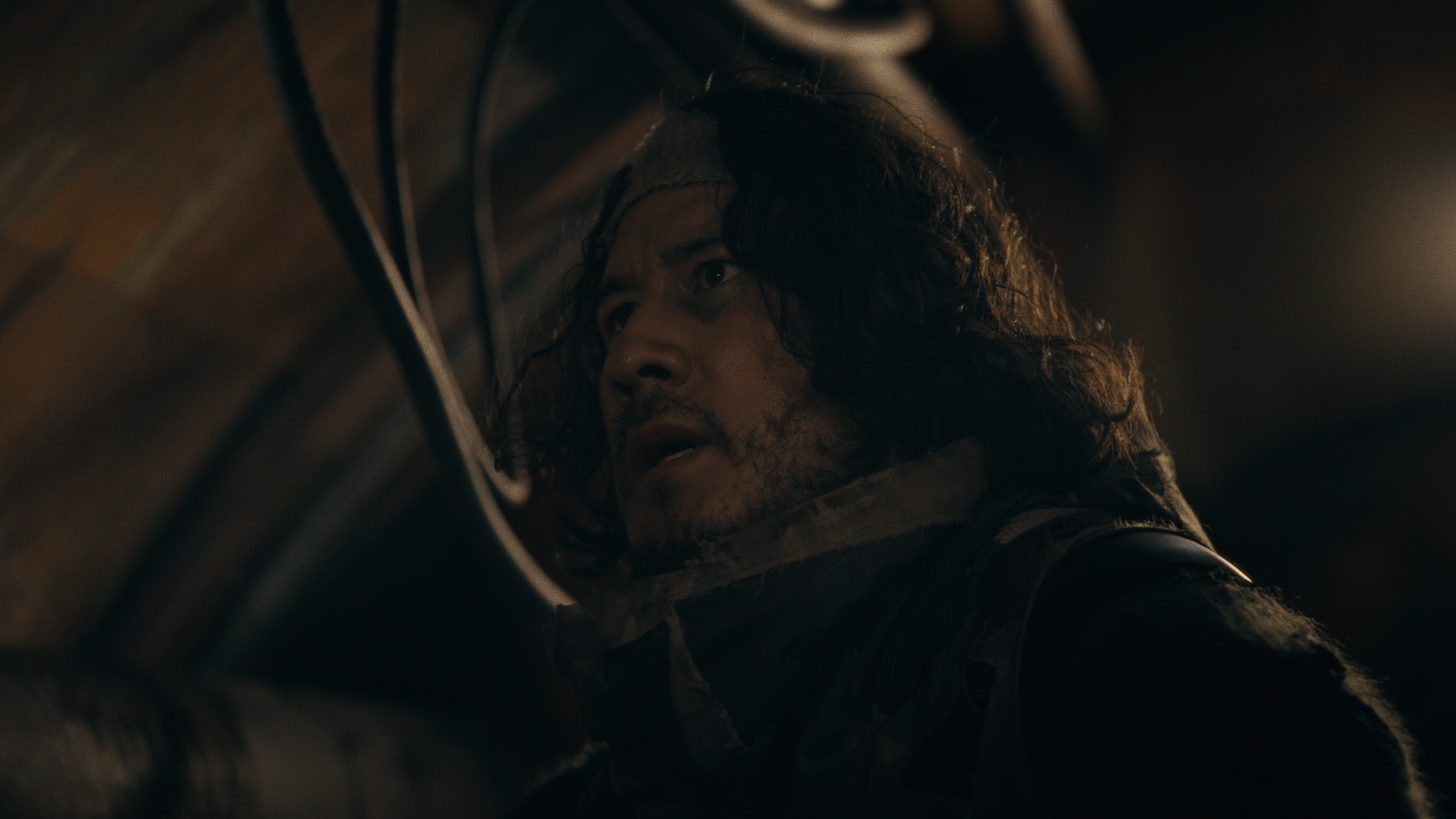
I’m starting to think that cosmic horror is near-impossible to adapt to the big screen. Often, the point of this subgenre of horror is to showcase the unfathomable, a horror so unknowable that it’s impossible to describe. Now, for a medium that thrives on “show, don’t tell,” a full-length movie doesn’t seem like the best format for this type of horror. I’ve seen so many cosmic horror films, and a majority of them fail to land the satisfaction of a more traditional horror film.
Iron Lung, directed by and starring Markiplier, takes a stab at this elusively complex genre.
After the sudden disappearance of stars and planets in the universe, a lone space station explores a nearby moon to search for a way to save humanity. The catch is that the entire moon is covered in an ocean of blood. A convict, played by Markiplier, is tasked with exploring the moon in a one-man submersible, in exchange for his freedom.
Naturally, an ocean of blood isn’t the best place to be. The moon’s ocean hides mysteries and monsters beneath all the gore.
On the impossibility of cosmic horror
Though a movie is all about showing and not telling, Iron Lung navigates through these intricacies by not showing anything.
Because everything is just blood outside, the submarine needs a special camera that takes only grainy photos directly in front of the submersible. There’s always a sense of claustrophobic dread. What’s outside the submarine? What were those sounds? Did the camera really take a photo of something alive?
The film’s premise alone is a perfect source of horror. This is where cosmic horror thrives: on the questions, on the tiny sneak peeks of a monster lurking around the corner.

But, then again, this is also where the subgenre can paint itself into a corner. Eventually, audiences ask for more. They need to see and know the beast for real. Think Cloverfield, when the massive alien finally shows its face, or The Nun with… well, The Nun.
It’s an unwritten rule in horror films that the monster must make an appearance. It becomes a paradox for cosmic horror because the beast must also be unknowable.
When the beast finally shows up in Iron Lung, the audience never learns an understandable reason why it’s stalking the submarine. It’s not hungry, it doesn’t want revenge, and it doesn’t want to take over the world. It just is.
Is that a satisfying enough conclusion? If you’re a fan of cosmic horror, then it’s par for the course. However, if you’re more used to the more traditional horror film, it might leave you wanting more.
On madness
A mysterious monster isn’t the only thing that cosmic horror is known for. It’s also about madness and how the protagonist goes insane after seeing the unknown.
It’s apropos, then, that the convict starts hallucinating right after seeing a glimpse of the ocean’s beast. He starts to lose track of what’s real and what’s not.
In other movies, madness is an effective tool in subverting expectations and amplifying the horror. For example, in The Lighthouse, Winslow, the protagonist, also loses his sanity and questions reality. The film is all about this descent into madness and the questionable actions as a result from it. In Shutter Island, madness is a punchline, a plot twist that invites the audience to revisit the entire film and question their own perception.
Iron Lung, however, is neither a complete descent nor a plot twist. Rather, it’s a clear third act stemming from the convict’s encounter with the monster.
Since it’s clearly delineated in the third act, it’s hard to empathize with the convict’s plight. There’s a sense of vertigo moving from a creature feature into, in the convict’s own words, “alien shit” where you’re not sure of what’s real. Likewise, it’s not a plot twist either. You don’t reevaluate whether the entire movie was a hallucination.
Madness is understandably a major plot point of the original game that the movie is based on. However, its translation into film isn’t the smoothest. It’s both too short and too long.
But is it a good film?
Despite its struggle with the format, Iron Lung is still a spirited attempt at a one-room horror film. Markiplier melds into his role and doesn’t just showcase his on-screen YouTube personality.

The premise is, at once, frightening. It’s eerie and creepy. There is always a pervasive need to figure out what comes next. That’s pretty much what you want from a movie anyway. Yes, the ending might be polarizing, especially to those more used to the usual horror film, but the journey is still worth the price of admission.
And, at the very least, the film got me interested in watching Mark’s original playthroughs.
Entertainment
Netflix does the unthinkable: Mayweather-Pacquiao II set for September
Streaming globally on the app

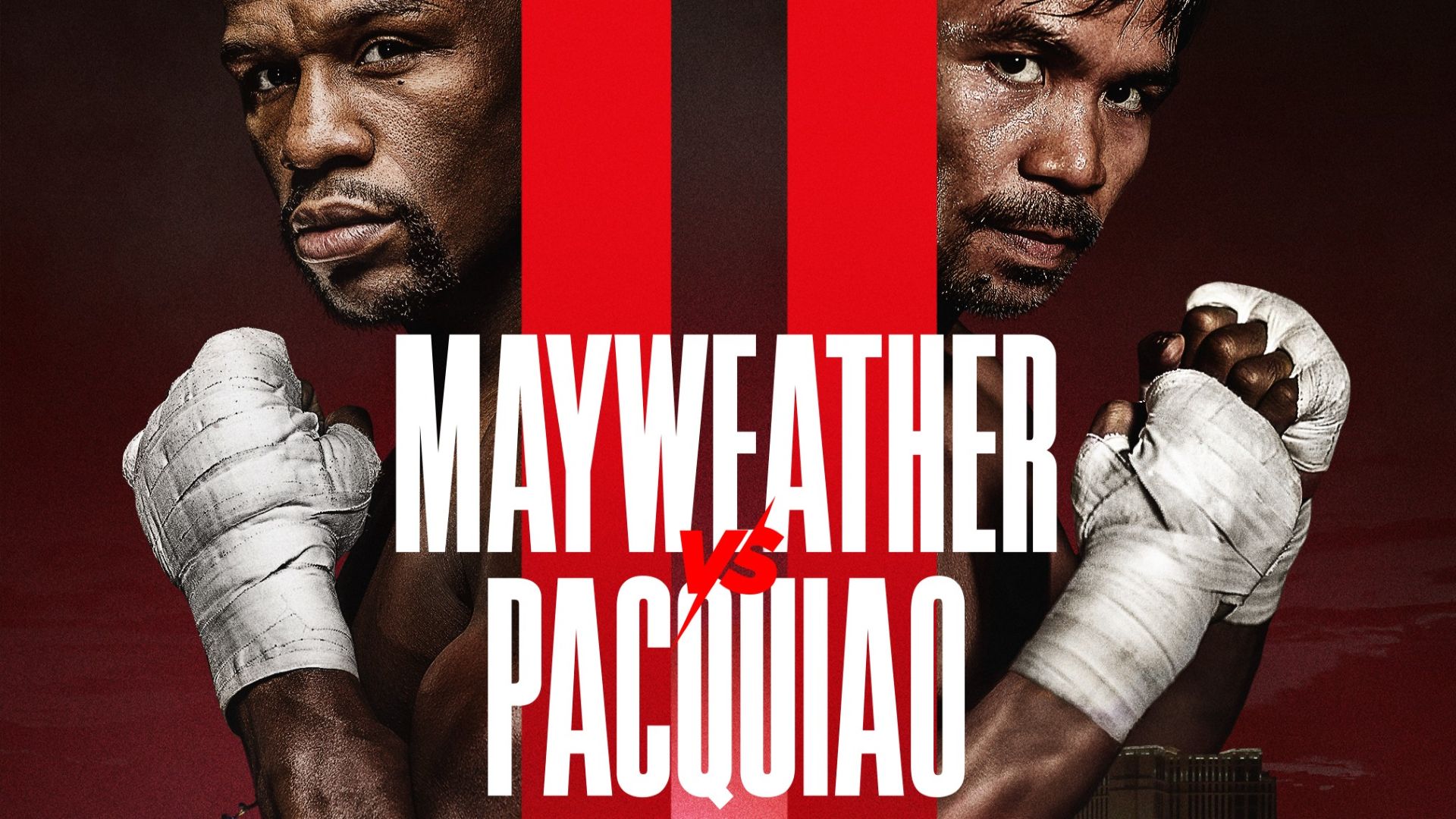
Netflix has done the seemingly impossible: a Floyd Mayweather-Manny Pacquiao mega fight rematch is set for September 19. It will stream globally on Netflix with no additional cost for standard subscribers.
The historic bout will be the first-ever boxing match to be held at The Sphere, the 20,000-seater modern indoor venue in Las Vegas known for its immersive, 16K wraparound LED display.
Arguably two of the greatest icons in boxing history, Floyd “Money” Mayweather (50-0, 27 KOs) and Manny “Pac-Man” Pacquiao (62-8-3, 39 KOs), will square off in an official, professional rematch.
The development comes on the heels of Mayweather announcing coming out of retirement an almost decade-long hiatus.
Meanwhile, it will be Pacquiao’s first professional fight since July 2025 when he and Mario Barrios fought to a majority draw. At the time, he also came out of a four-year retirement.
During the span, both fighters have been active in exhibition boxing matches. Notably, Mayweather fought against Tenshin Nasukawa and Logan Paul, whose brother Jake popularized novelty exhibition boxing matches. Pacquiao, for his part, fought against DK Yoo and Rukiya Anpo.
Interestingly, both Mayweather and Pacquiao
The upcoming rematch follows the two protagonists’ 2015 “Fight of the Century” wherein Mayweather outpointed Pacquiao via a unanimous decision.
A rematch had been sought for so long, especially with both fighters having encounters with each other numerous times.
Full details regarding undercard and ticket availability will be announced in the coming weeks.
Netflix taking over sports broadcasts
The Mayweather-Pacquiao rematch comes just a few days after Netflix announced a Ronda Rousey-Gina Carano MMA super fight.
This match is a collaboration between the streaming giant and MVP promotions, which is co-founded by Jake Paul and Nakisa Bidarian.
On the other hand, the upcoming boxing slate in September is primarily more of a broadcast for Netflix.
The platform has actively been getting into broadcasting premier sporting events, including the Canelo Alvarez-Terence Crawford fight last year.
Unlike pay-per-views (PPV), Netflix does not require extra payment for viewers to be able to watch such sporting events. A standard subscription to their platform is already enough.
Entertainment
Neon Genesis Evangelion is getting another anime series
Nier’s Yoko Taro is helming the project.


For an anime franchise that surely belongs in greatest-of-all-time lists, Neon Genesis Evangelion seems to thrive on controversy. From the polarizing ending of the original series to the controversial introduction of Mari Makinami in the Rebuild trilogy, there’s a lot to talk about between Evangelion fans. Now, the series has something new coming. Neon Genesis Evangelion is getting yet another series.
Most recently, the Rebuild of Evangelion completed its arc of rebooting the entire franchise with a more conclusive ending. It was a near conclusion, especially for those who grew dissatisfied with the previous attempts’ endings. Now, an upcoming series might take the franchise to new grounds.
To celebrate the franchise’s 30th anniversary, Neon Genesis Evangelion is getting a new series helmed by Nier’s Yoko Taro, which you might also know as the guy who wears a creepy moon on his head. Kazuya Tsurumaki, who directed the Rebuild films, will return to direct some episodes. Series creator Hideaki Anno is, unfortunately, not writing this story.
Right now, no one knows what story the series will tell. The franchise is notorious for retelling the same story over and over but with different endings. It’s unclear whether the upcoming series will do the same, tell an entirely new story, or pick up where the series left off.
SEE ALSO: Crunchyroll Winter 2026 anime season lineup and schedule


Now Playing: Iron Lung
The premise will leave you wanting for more.


Infinix NOTE Edge: Stellar at street photography
Despite trailing in other specs, the Infinix NOTE Edge was built for point-and-shoot photography.


OPPO Reno15 Pro: Camera Review
Why is this even considered a "Reno"?

Smart opens pre-orders for Samsung Galaxy S26 series
Now Playing: Iron Lung

TECNO resurrects modular phones with this new concept

Privacy Display | Galaxy S26 Ultra

Audio Eraser now works on third-party apps | Galaxy S26 Ultra

Breaking up with Adobe Photoshop after 20 years

TECNO will showcase the CAMON 50 and POVA 8 series at MWC 2026

PlayStation, LE SSERAFIM Chaewon team for the ‘Love of Play’ campaign

VinFast updates battery subscription policy for large upfront savings

Xiaomi SU7 Ultra makes Gran Turismo 7 debut


-

 Reviews2 weeks ago
The art of being in and behind the frame
-

 Gaming2 weeks ago
God of War Greek trilogy remake in development, Sons of Sparta out now
-

 India2 weeks ago
TECNO POVA Curve 2 5G packs an 8000mAh battery
-

 Accessories2 weeks ago
Sony WF-1000XM6 is out now: Price, availability
-

 Gaming2 weeks ago
New Resident Evil Requiem trailer teases a return to the RPD
-

 Accessories2 weeks ago
Apple AirTag 2 Review
-

 Gaming2 weeks ago
John Wick, Kena sequel, more new games showcased at State of Play
-

 Cameras1 week ago
Osmo Pocket 4 makes a surprising appearance in public