
Entertainment
GadgetMatch Reacts: Netflix’s Start-Up
Not your usual K-drama?


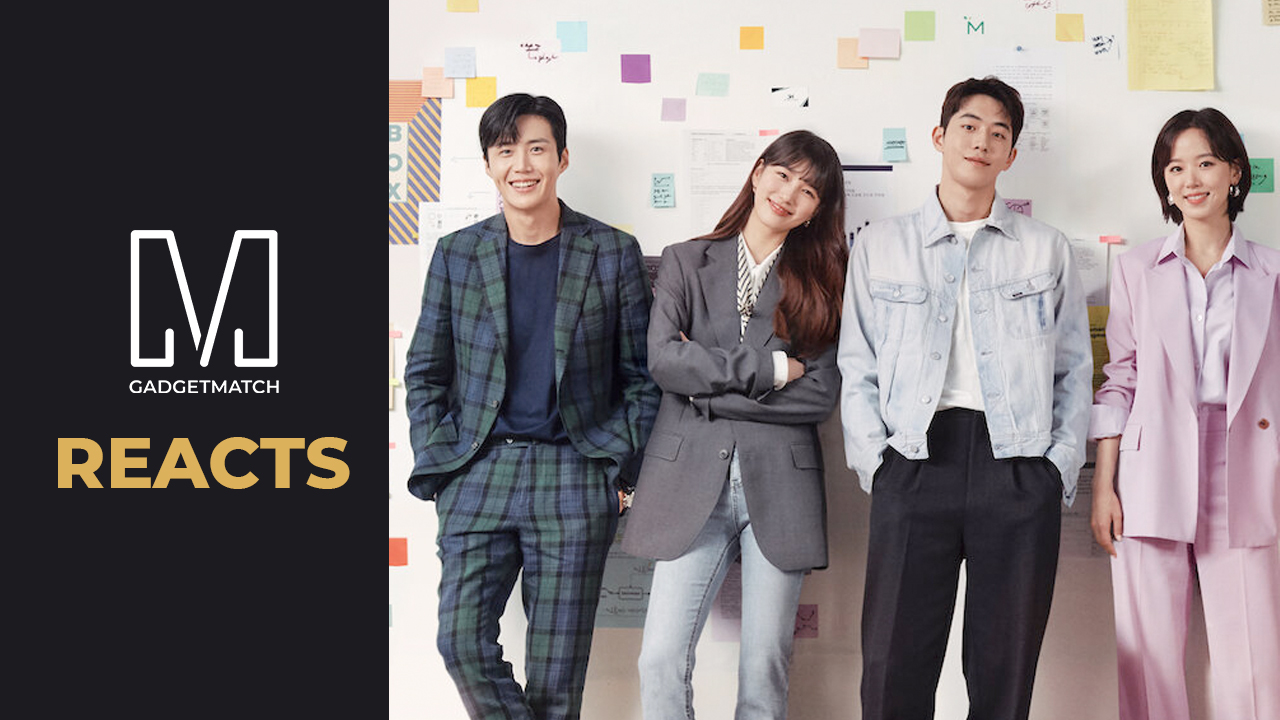
Spoiler Alert: If you haven’t seen Start-Up, please read with caution.
Start-Up has been the talk of the town for quite some time. And there’s a reason why people are enamored with the K-Drama and its cast. It showcases the struggles of starting a business and discusses the technology we have now and about to have in the future.
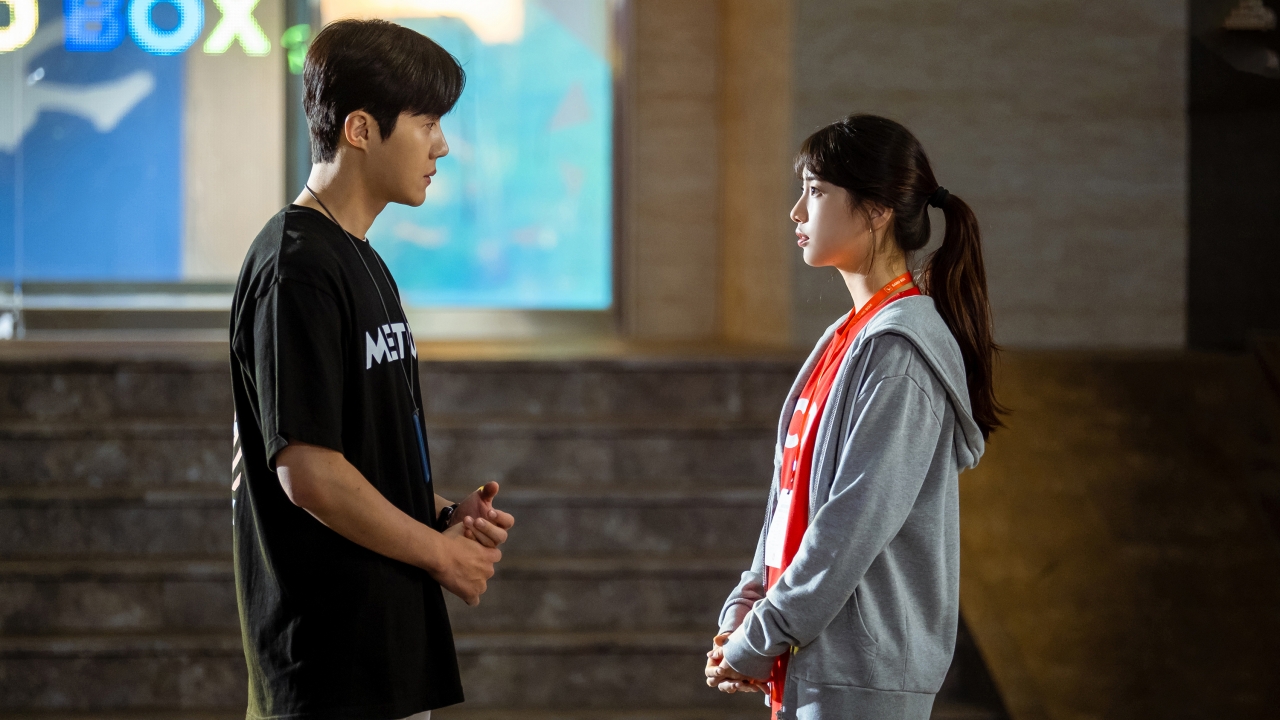
But more importantly, people are giggling over Seo Dal-mi (Bae Suzy) and her chemistry with Nam Do-san (Nam Joo-Hyuk) and Han Ji-Pyeong (Kim Seon-Ho).
Of course, everyone has their own opinions and thoughts about the show. Such is the case for the GadgetMatch team. Find out what their thoughts are about Start-Up in this GadgetMatch Reacts episode.
“A generally feel-good watch.”
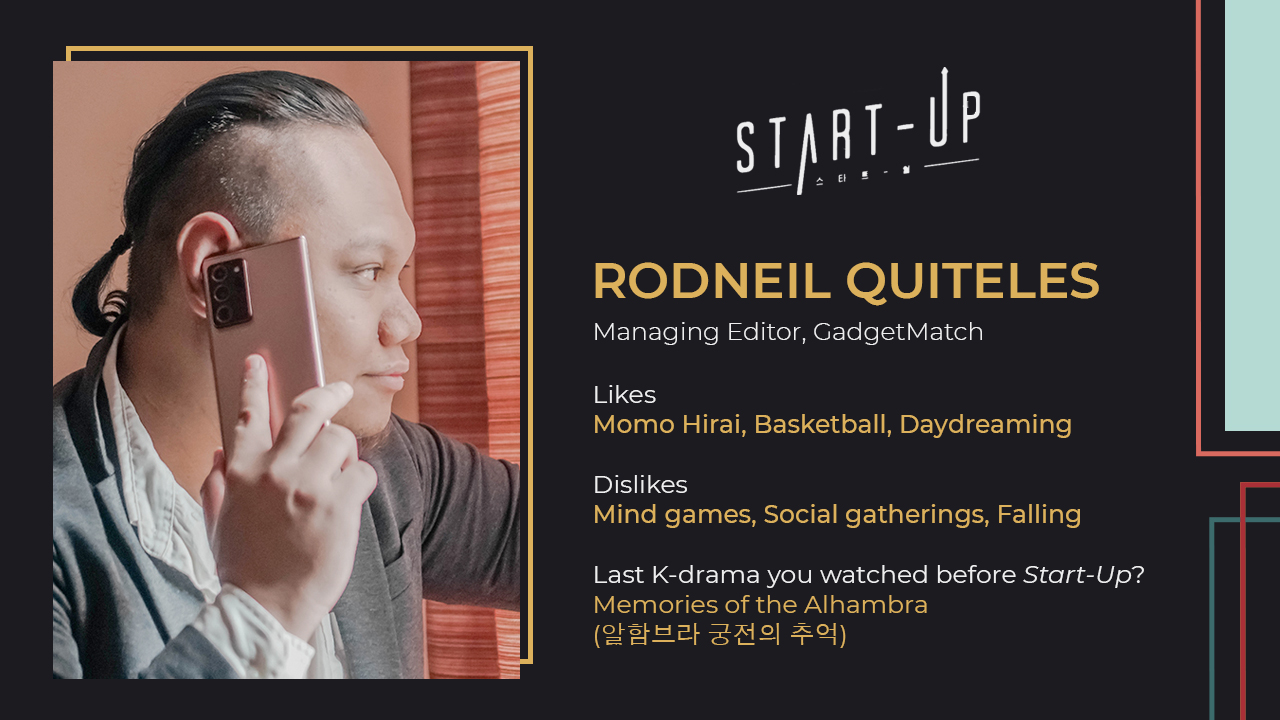
Instagram: @rodneil
Why did you watch Start-Up?
Suzy. Bae.
Which character is the most relatable for you?
In a way I kinda related to both the male leads. With Do San, I remember my younger years being indecisive and mostly unsure of myself. But overall, it’s really Ji Pyeong that I saw myself in the most.
My role at work now requires me to think fast, be knowledgeable, and make quick, smart decisions all on the fly. I also take a while to make a move on women I like. Lol. Although, unlike Good Boy, my tongue isn’t as sharp and I look absolutely nothing like him — which is pretty tragic.
Your honest thoughts about the series?
I just thought it was a really fun, lighthearted watch. I didn’t really put too much thought into how accurate the portrayals of running a start-up and what not. I’m already too busy and too stressed running a team to put myself through all that trouble.
For me, it was a reward every weekend. The dynamic between the characters was fantastic and just a joy to watch.
If I had to point something out, it was how the smartphones/gadgets they were using didn’t really reflect the three-year time skip. But this, along with the other potential inconsistencies didn’t really takeaway from my overall experience of the drama.
Which love team are you rooting for?
#TeamGoodBoy only because I saw myself acting the way he did more.
Would you recommend Start-Up?
100%. As I kept mentioning, this is a thoroughly enjoyable drama and one I would likely rewatch over the holidays, assuming I’m able to squeeze in a break.
“Could’ve explored more about business and technology”

Instagram: @marcusjaie
Why did you watch Start-Up?
I was on the verge of quitting my plans to set up the passion project I planned five years ago. As a show about business and technology, Start-Up piqued my curiosity.
Which character is the most relatable for you?
I was leaning towards between Seo Dal-mi, Jung Sa-ha, and Won In-Jae. In terms of aspirations, I’m as ambitious and idealistic as Seo Dal-mi, and I like taking risks in my career and other opportunities. Won In-Jae’s commanding persona is what I also wear on most days.
Although, my friends and I claim I’m more of a Jung Sa-ha — Looks presentable, composed, unbothered, and has high self-esteem and self-worth. Like her, I’m also a designer.

Your honest thoughts about the series?
Start-Up, for the most part, gave the average people a sneak peek on how start-ups, the business world, and technology industry work. I liked it when the show presented the female leads as technology entrepreneurs, as opposed to the usual male CEOs.
However, the show focused more on the usual K-drama tropes — emotional moments and romantic scenes — instead of exploring character developments and showcasing teamwork and other ingredients needed to succeed in work and life.
Frankly, we could’ve at least watched Morning Group’s downfall, Won Sang-Su and the twin developers suffering the consequences, the Seo sister’s eomma standing up for herself, and more.
Which love team were you rooting for?
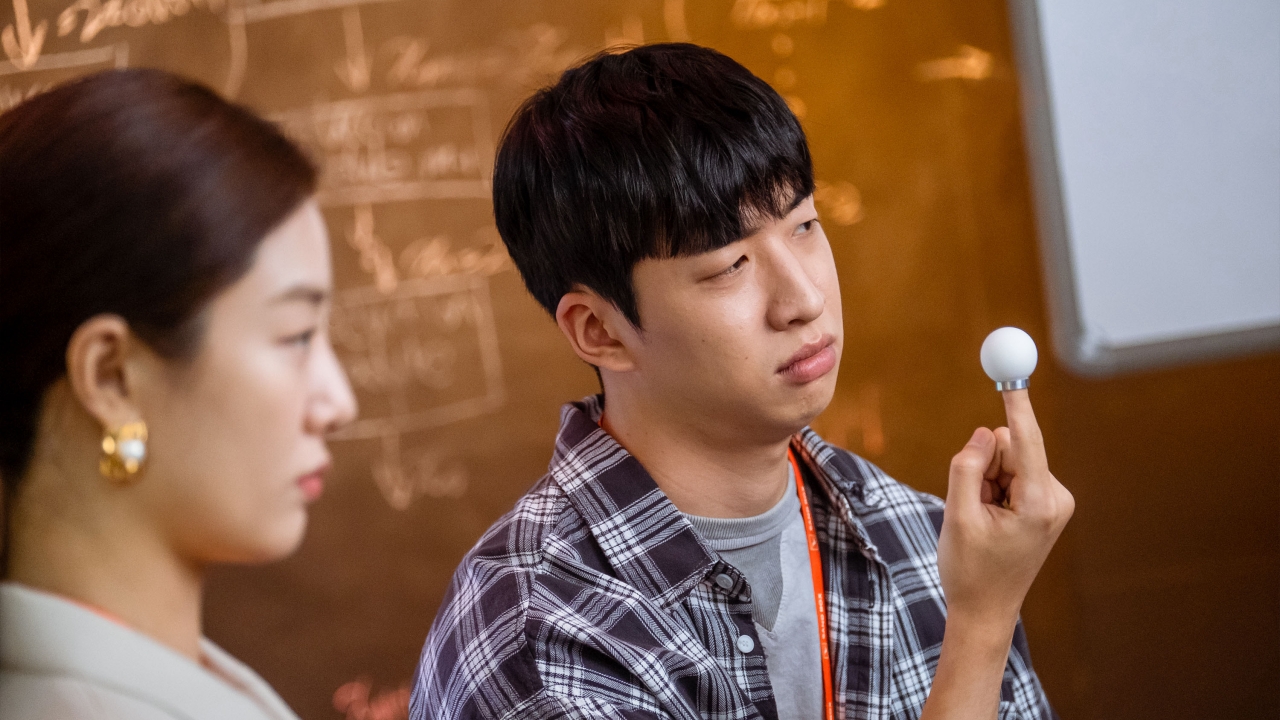
Jung Sa-ha and Lee Chul-san. Their development was more exciting than Seo Dal-mi’s relationships. Also, their love team showcased a proper example of setting boundaries and appreciating someone’s efforts.
Would you recommend Start-Up?
Absolutely. It’s full of lessons, kilig moments, and has a lot of episodes that left me awestruck with its cinematography, lovely music, and heartbreaking lines that will make you realize a lot of things that you can apply in your life.
“Should’ve been 21 episodes, not just 16.”
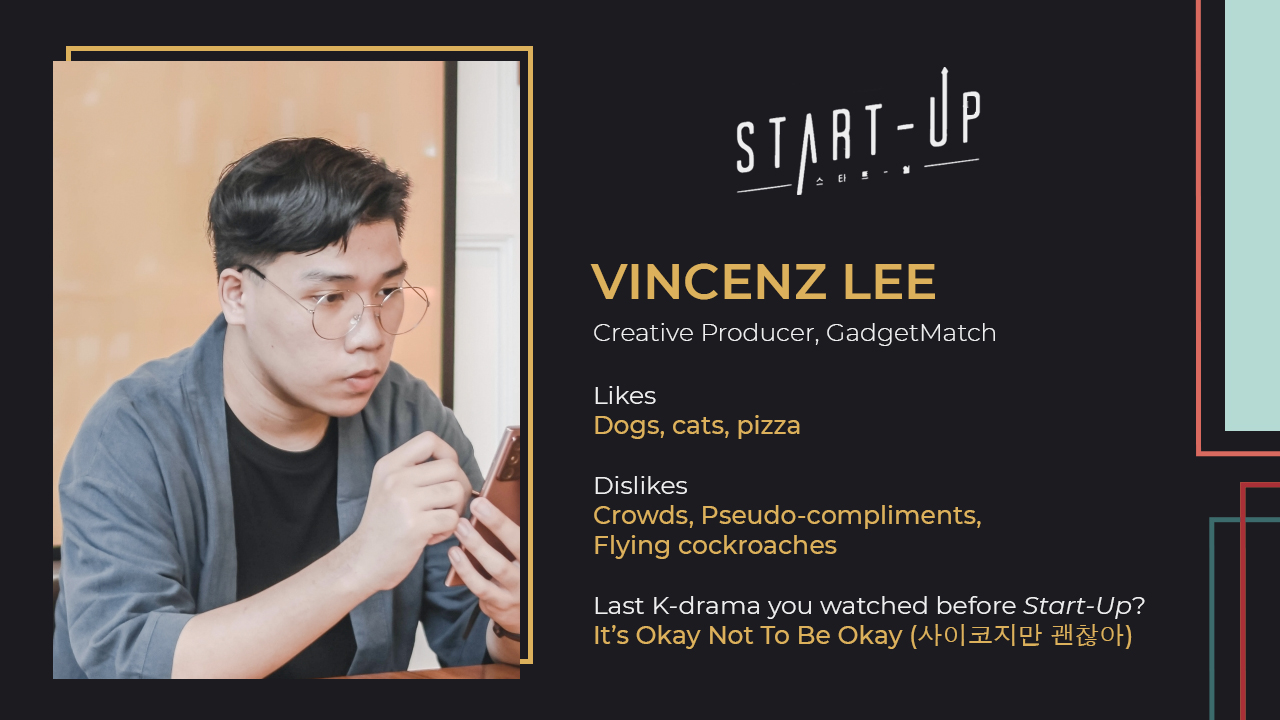
Instagram: @vincenzlee
Why did you watch Start-Up?
Although I’m very much aware that (my) Bae Suzy is one of the prominent K-actresses around, I honestly didn’t even know she’s part of the cast at first as I was really interested seeing the drama’s synopsis revolving around tech and start-ups more than the cast themselves.
Which character is the most relatable for you?
As much as I want to be as successful and charismatic as Han Ji-pyeong, I can say I can relate to Nam Do-san more especially with his lack of self-esteem and worth, plus the struggles in finding his dreams and not being able to move forward because of that baggage he carried for so long.
Your honest thoughts about the series?
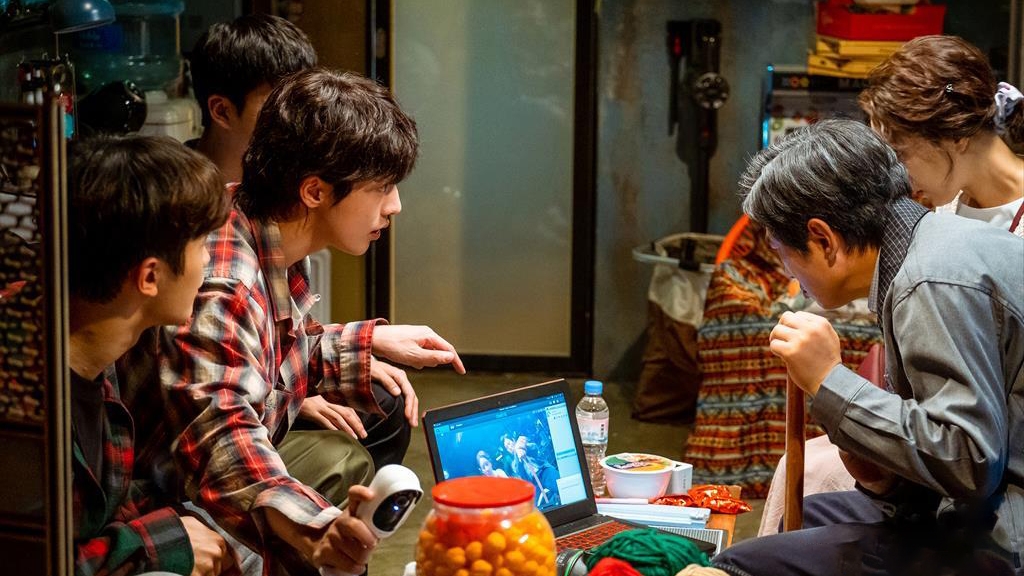
It’s hard to sum it up in one sentence but it’s really a must-watch K-drama not just because I’m a Hallyu fan and a tech junkie, but mainly because we can learn from each character’s struggles that most of us encounter in our mid-20s.
Which love team were you rooting for?
Spoiler Alert: Although I barely believe in the saying “first love never dies”, I honestly rooted for Dal-mi and Ji-pyeong more but the drama made their relationship awkward when the real “Do-san” got discovered — but of course, I expected the ending to be that way because I clearly know the writer loves Second Lead Syndrome and I have no hard feelings with Start-Up’s ending (unlike what I felt in Reply 1988) because Do-san is also a decent guy.
Would you recommend Start-Up?
I’m neither from IMDb nor Rotten Tomatoes but it’s definitely one of the best (if not the best) K-Dramas I’ve watched this 2020 especially for the life lessons — and this series also proves that technology is rapidly shaping the future.
“Escapism while brushing up on your tech jargon.”

Instagram: @almostdiplomatic
Why did you watch Start-Up?
The plot was interesting and I thought I’d learn a bit more about start-ups in general. I did. A bit.
Which character is the most relatable for you?
In-Jae for her drive and ambition. Ji-Pyeong for how direct he can be even if it hurts. Honesty all the way, baby. There were also days when I also wanted to high-five Sa-Ha while going ‘yaaas sis!’.

Your honest thoughts about the series?
I really enjoyed the series and would even stay up late just to see what happens next right away. I started out as a card-bearing member of Team Good Boy but found Dal-Mi’s character annoying mid-way in the series. Admittedly, I was staying on for Ji-Pyeong and Do-San who’s also really likeable.
I think Start-Up ended in the best possible way. Spoiler alert: I love that they didn’t force pairings for the second leads just to tie up loose ends in the finale, showing that while romantic love is great and all, there are other ways to find fulfillment in life.

Which love team were you rooting for?
Dal-Mi can have Do-San because it’s Carol and Ji-Pyeong all the way for me. He reminds me of my husband sometimes. *giggles like a school girl*
Would you recommend Start-Up?
Totally. It’s one of my favorites this year and there have been a lot of good ones so far. It’s light and something that would really make you feel good after a long, stressful day.
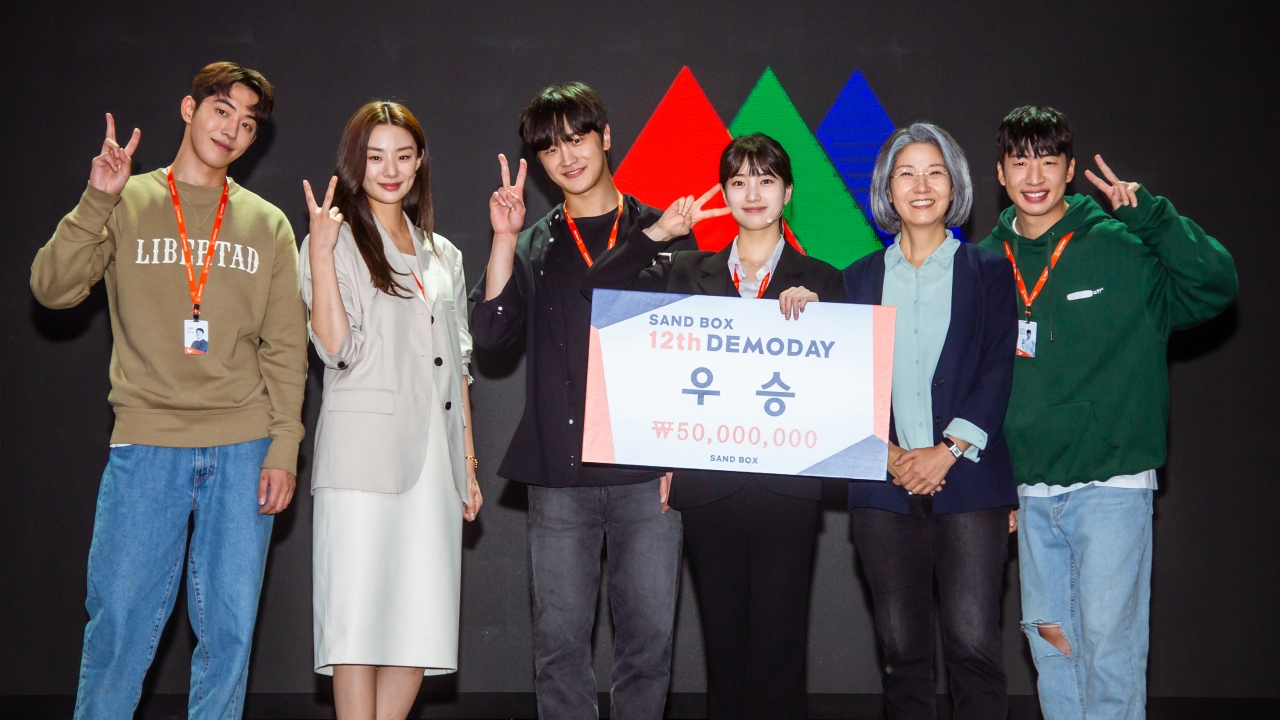
GadgetMatch Reacts is a series where the GadgetMatch team from all over the world pool together to share their love, hate, and other commentaries about the show they’re currently raving.






Entertainment
Now Playing: Resident Evil
Horror and comedy join forces in Zach Cregger’s latest masterpiece.


The intersection between horror and comedy is separated by a thin wall of air. In modern times, we’ve seen comedy legends, such as Jordan Peele and John Krasinski, make the successful jump into horror. Some have theorized that laughter is a pain response, which links it to the adrenaline-filled thrill of experiencing horror. Personally, I believe that mastering comedic timing also complements the timing of scary moments in horror. Comedy-trained directors just get it. That’s why the melding of the two genres is always something to look for, and that’s why Zach Cregger’s Resident Evil is a must watch.
Coming from last year’s Weapons, Cregger established himself in the annals of horror history, despite learning the art of filmmaking from cult comedy classics like Miss March and The Whitest Kids U’Know. Weapons (and Barbarian before it) expertly balances the essentials of horror with dark comedy. If you’ve seen either of these movies, then you know what you’re in for with Resident Evil.
Based on the games or the past movies?
Resident Evil is tagged as second reboot of the movie franchise after 2021’s disastrous attempt, starring Kaya Scodelario, which barely registered a hiccup in the oeuvre of Resident Evil films. However, like 2021’s failure, Cregger’s take bases itself primarily on the events of the games, specifically around the plot of Resident Evil 2.
Bryan, a medical courier played by Austin Abrams, is tasked with delivering a top-priority package to Raccoon City. Unbeknownst to him, the way leading into Raccoon City (and the fabled city itself) is already overrun with mutated monstrosities.
And so, Bryan, a courier inexperienced with combat (much less surviving against zombies), must fight his way into the city to deliver his charge.
A worthy protagonist
Over the years, the franchise has seesawed between capable action heroes, like Leon Kennedy, and those who can barely survive, like Biohazard‘s Ethan Winters. On that scale, Bryan falls deeply into Winters’s side of the spectrum. He’s ill-equipped to survive a zombie apocalypse. He even admits that his barebones knowledge of guns comes from videogames. He attempts to shoot locks, thinking they’d work as they do in games. He is not a character you’d want to follow if you’re looking for a gruff man gunning down hordes of zombies with a machine gun.

But that’s exactly what makes this horror film worth watching. Bryan is us. Though there were times I was screaming at the screen because he wouldn’t do the obviously logical thing of running away from blatant traps, our fragile protagonist mimics how we would all react in a horrific situation: a deer in the headlights stuck staring.
Every situation feels more frightful. You don’t know how you’d react. He doesn’t know how he’d react. We’re just stuck trailing along for his ride. If he lingers too long looking at a zombie about to bite him, you have no choice but to look along with him. As a horror protagonist, he’s perfect.
When a camera does the work
Of course, inept protagonists aren’t new to horror. Practically all good horror films will feature a helpless hero standing up to the monster. See: the “final girl” era of horror.
Resident Evil elevates this trope by allowing the camera to do the heavy lifting. The film’s expert transitions into first-person perspectives and over-the-shoulder ones amp up the frights. When Bryan sweeps a room with a gun, the camera takes you down to the muzzle. You become the one sweeping along with him. You see the darkness as he does. The style creates an impressive layer of immersion that brings you into his trauma. Plus, if we’re going with comparisons, the transitions feel like a game taking you from a cutscene back into control of your character.
And it’s not just the perspectives, too. The film mimics several tense moments oft found in horror games, like gingerly creeping through a thin ledge when one false move can mean plummeting to your death. Resident Evil also has scenes in a dark tunnel, the sewers, and an overrun hospital. It’s a veritable who’s who of horror settings. But they all just work. It’s like you’re in a Resident Evil game.
When goofy becomes scary
But that’s enough of how the movie was made. How scary is it?
Taking them from their respective contexts, each monster is goofy. There’s an infirm zombie spewing acid bile that Bryan just bullies around. There’s a seemingly innocent young girl with a tentacle foot. There’s a zombie katamari.
And if that’s not enough, the casting is filled with masters of comedic timing like Paul Walter Hauser, Zach Cherry, and Austin Abrams himself. The first two play bumbling representatives of Umbrella Corporation, people who are too incompetent to do their job. Abrams is the bumbling everyman who can’t make heads or tails of what’s happening. Comedy is a living, breathing presence in this film.
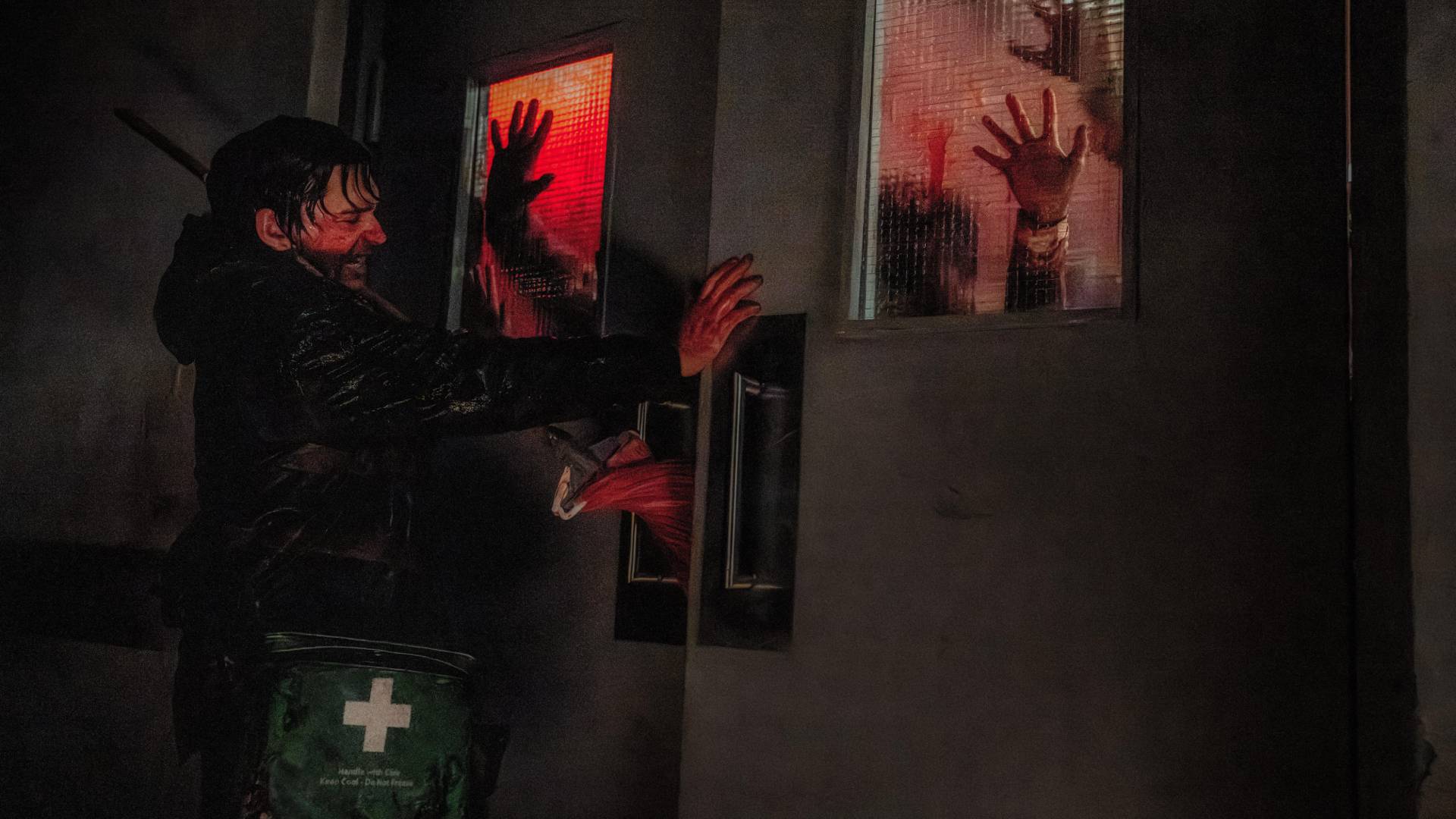
But that’s not to say that this is a comedy film. The horror is still top notch. Cregger just knows how to time everything right.
Unlike modern films today, like in The Conjuring universe, Resident Evil is not a scare-a-minute film. It will not bombard you with jumpscares.
Now, to be fair, there are a fair bit including fakeouts. In fact, under normal circumstances, I’d dislike how many there are. But here, each jumpscare comes with a lengthy period to catch your breath. The film gives you time to relax, to laugh, and, eventually, lower your guard for the next scare. It’s a balanced pace that’s kept up throughout the entire film.
This is exactly how you should pace a horror movie.
Should you watch Resident Evil?
Even with its uniquely comedic style, Resident Evil is one of the most faithful adaptations of a video game I’ve ever seen. Like a game, Cregger’s pacing knows when to let you, the viewer, breathe and when to thrust you back into its monstrosities.
Humor will always go hand in hand with horror. Though the responses to these two categories are technically different, they’re both genres about facing the unexpected. On the box, Resident Evil says that it’s a horror film, but it’s so much more. If you want to laugh, cry, and cower in fear all in the same movie, this is the movie to watch.
Entertainment
Max vs 100 will feature Max Verstappen race against 100 go-karters
The live event will stream at midnight on September 17.
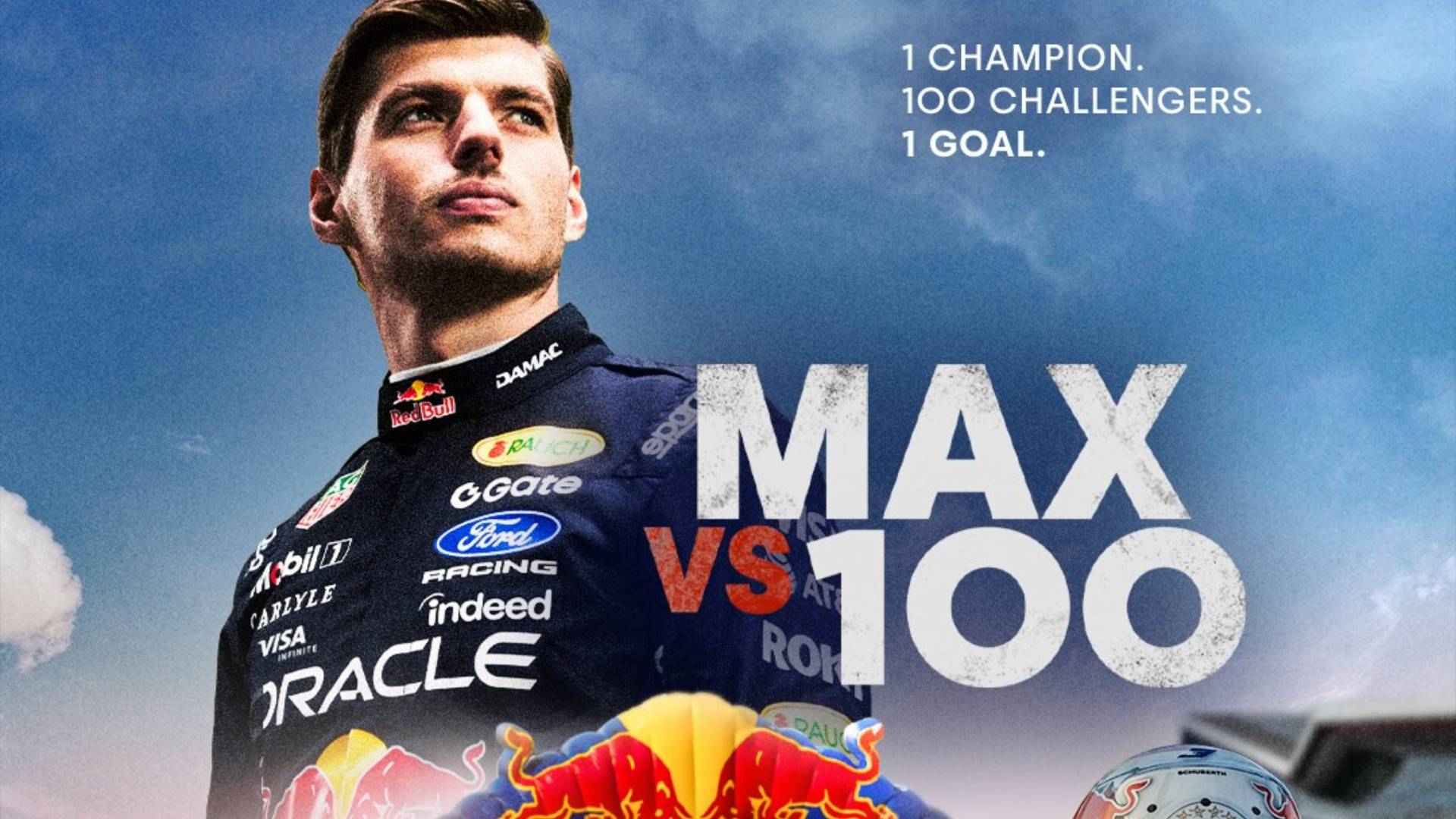
As a child, one of my favorite thought experiments is to imagine who would win in a fight between my favorite characters at the time and a number of other random beings. For example, will Superman prevail against 100 Magnetos? Those are the ways I kept my young mind occupied. Now, as a former child, I still do the same thing but with more realistic people, like imagining if Steph Curry can win against 100 high schoolers. This week, ESPN and Disney+ are making one of those imaginary fights real: Formula 1 legend Max Verstappen versus 100 go-karters.
In an upcoming live event streaming exclusively on Disney+, Max vs 100 will pit the four-time world champion against 100 go-karters from everywhere in pop culture. This gaggle of 100 will include popular content creators such as Twitch streamer ExtraEmily, car photographer Larry Chen, and NBA shooting coach Chris Matthews.
All 101 drivers will race around one of the most iconic tracks in Formula 1 history, Silverstone in England. The track will be reconfigured to match the special race.
Of course, this is more than just a parade of go-karts. Max Verstappen will start at the back of the grid, meaning he has to overtake all 100 racers to win. Now, the Dutch driver is no stranger to winning from the back. In 2024, he won the Sao Paulo Grand Prix despite starting from P17 (out of 20 racers). Max vs 100, though familiar for the driver, presents a different challenge. Can he overtake 100 times to win the race?
Max vs 100 will stream live through Disney+ on September 17, 12:00am PHT.
Entertainment
PH to celebrate 1st ever National Cinema Day; movies start at less than $2
Watch a movie on September 12 for a fraction of the cost
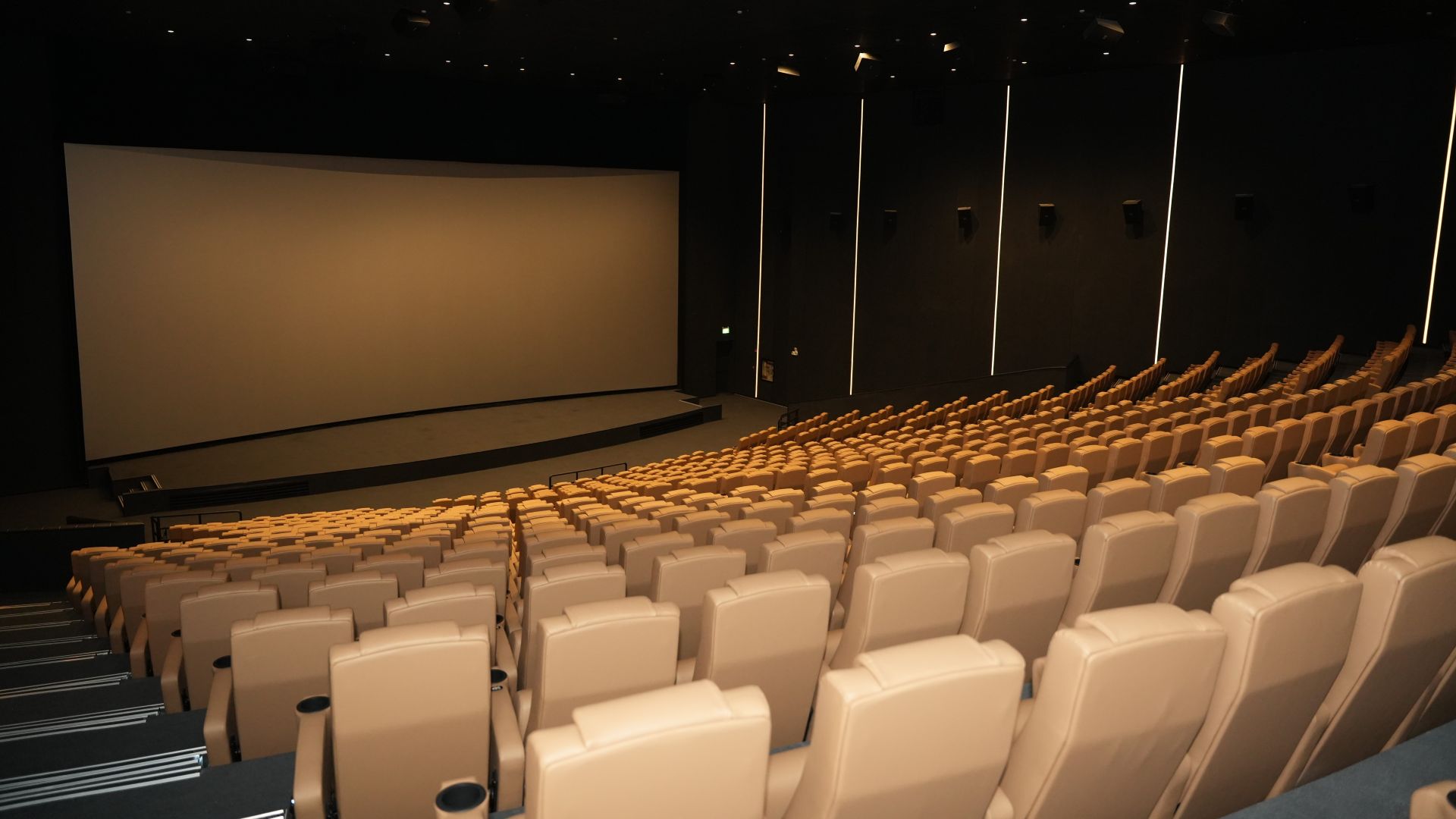
The Philippines will be celebrating its first ever National Cinema Day on September 12. On this day, movie tickets will go for as low as PhP 100 (US$ 1.60) at regular 2D cinemas.
The campaign aims to make moviegoing more accessible to audiences. This includes families, friends, students, and cinephiles in general.
Such initiative has been a staple in other countries, like the United States, United Kingdom, Spain, Germany, Australia, New Zealand, and more. The same concept applies, with movie tickets going on sale for a lot less.
What’s great about the celebration is that all movies scheduled for exhibition on September 12, whether local or international, shall get the special admission price.
Advanced tickets sales have already begun. Customers can purchase through participating box offices, official websites, mobile apps, and authorized platforms.
Tickets will be sold on a first-come, first-served basis and remain subject to theater capacity. Prices vary for other viewing formats like Director’s Club or IMAX, for instance.
The campaign is organized by the Cinema Exhibitors Association of the Philippines (CEAP), along with industry and government partners.
The initiative is supported by the Film Academy of the Philippines (FAP), Film Development Council of the Philippines (FDCP), Movie and Television Review and Classification Board (MTRCB), and the Metro Manila Film Festival through the MMDA.
Participating cinemas include Ayala Malls Cinemas, SM Cinemas, Robinsons Movieworld, CityMall Cinema, Megaworld Cinemas, and more.
-

 News2 weeks ago
HUAWEI Pura X View is 2026’s first WIDE slab-type smartphone
-

 News2 weeks ago
The CAMON Slim 5G is TECNO’s latest ultra-slim smartphone
-

 News1 week ago
iPhone 18 Pro series: Price, availability in the Philippines
-

 IFA 20262 weeks ago
TECNO’s POVA 8 Pro gets a stealthy makeover
-

 Automotive2 weeks ago
Ford’s new Everest lineup brings V6 engine to the top, tech down the line
-

 Singapore1 week ago
iPhone 18 Pro series: Price, availability in Singapore
-

 Gaming2 weeks ago
Now Playing: Elden Ring Tarnished Edition
-

 Philippines2 weeks ago
Smart cuts 5G Home WiFi price