
First Look
realme GT Master Edition: Unboxing and First Impressions
Does it remind you of a suitcase?


realme has a new phone — the realme GT Master Edition — and we’re gonna take it out of the box. We’ll also tell you what we initially think because these are the only things we’re allowed to do. For now.
The company is using all their favorite buzzwords again to generate… well… buzz for the phone. Words like disruptive, game changer, flagship experience — the works. It gets too hypey, but that’s what you gotta do to standout in an industry dominated by the likes of Apple and Samsung. I digress.
Take a look at the realme GT Master Edition specs before we proceed with the unboxing:
- Display — 6.43″ AMOLED, 120Hz refresh rate
- Processor — Qualcomm Snapdragon 778G 5G
- RAM — 8GB + up to 5GB DRE (Dynamic RAM Extension)
- Storage — 128GB and 256GB
- Battery — 4,300mAh, Dual-cell design, 65W SuperDart charging
- Rear Cameras — 64MP f/1.8 main camera, 8MP f/2.3 119° ultra-wide lens, 2MP f/2.4 macro lens
- Selfie Camera — 32MP
- OS — Android 11, realme UI 2.0
- Color Options — Voyager Grey, Daybreak Blue
It came in this cool tiny travel suitcase. It’ll be a recurring theme.
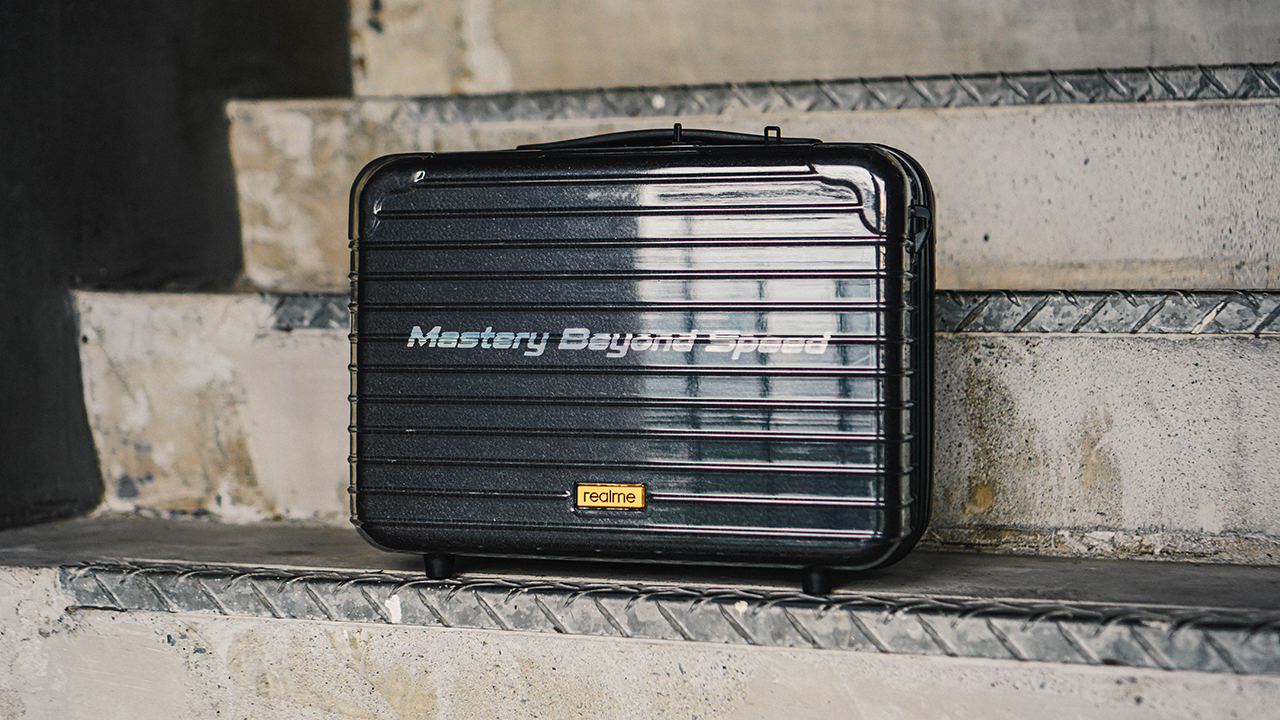
Opening it reveals two boxes safely tucked in between foams for shock absorption.

The left box, as you can see, is just black with the trademark yellow realme logo. On the right side is the box of the actual phone itself.
The left box is filled with different realme items.
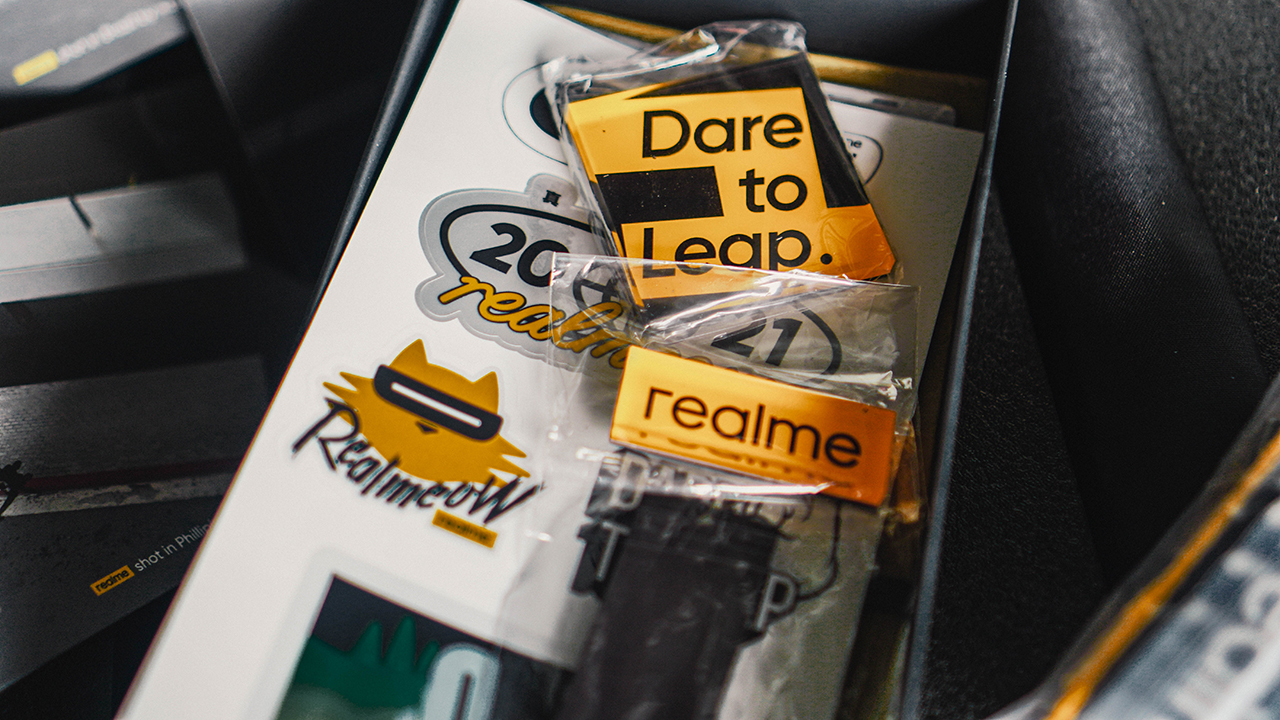
Some stickers, keychains, and more.
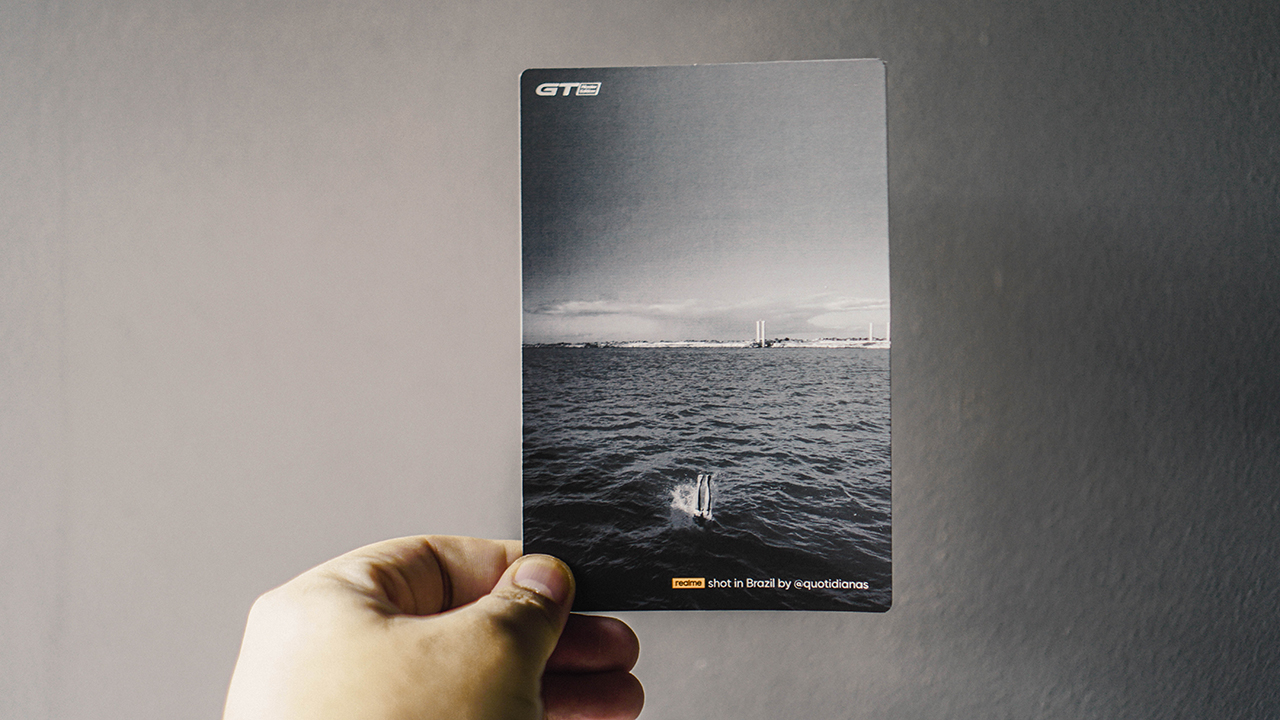
It also has printed pictures of shots taken using the realme GT Master Edition.

Now, onto the main event — the box of the phone itself.

Opening the box, you’ll see this warm welcoming message.

Inside this, you’ll find the usual documentation — warranty, manual, all that good stuff.
Lift that and you’ll be greeted by the realme GT Master Edition.
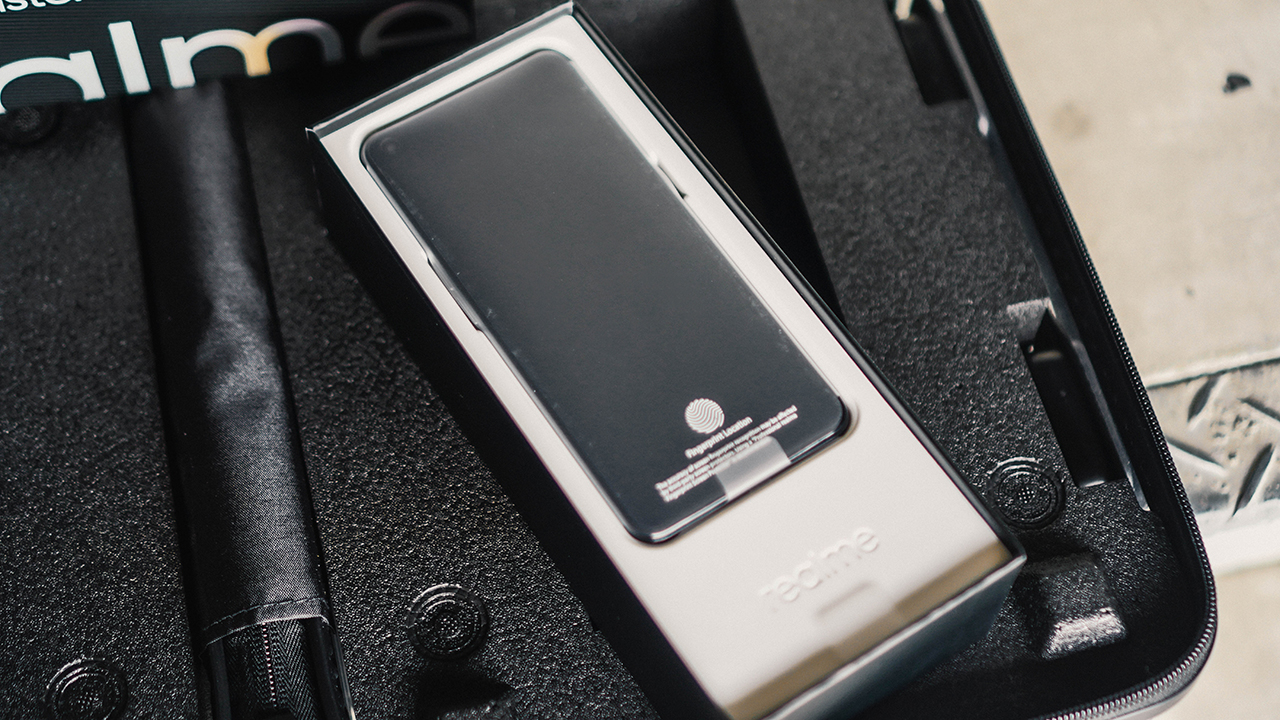
Wrapped in plastic with an indicator of where the in-display fingerprint sensor is located.
Lift that layer where the phones and you’ll find the plasticky case.
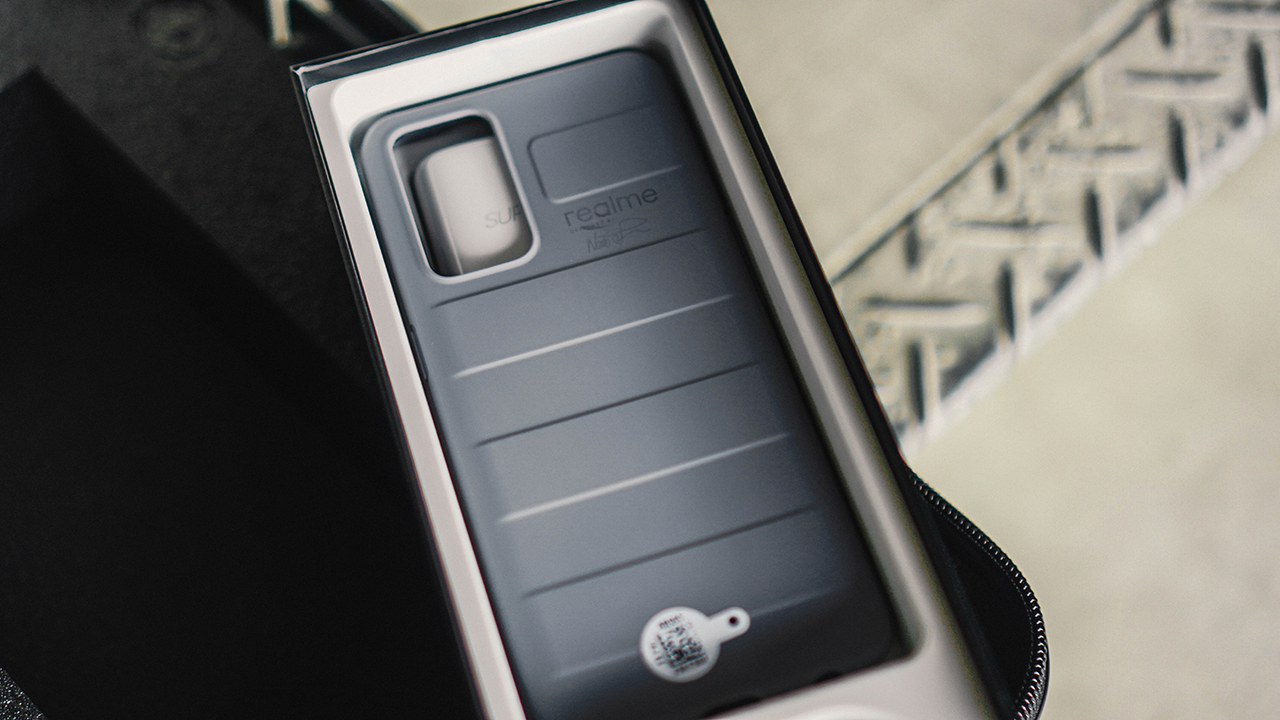
It looks exactly like the back of the phone except it’s a shade lighter and doesn’t feel quite as good.
Underneath it is the USB Type-C cable.

And as you may have gleaned from the photo above, the SIM tray ejector tool lies under it.

When you life the case, you’ll see the 65W SuperDart power brick.
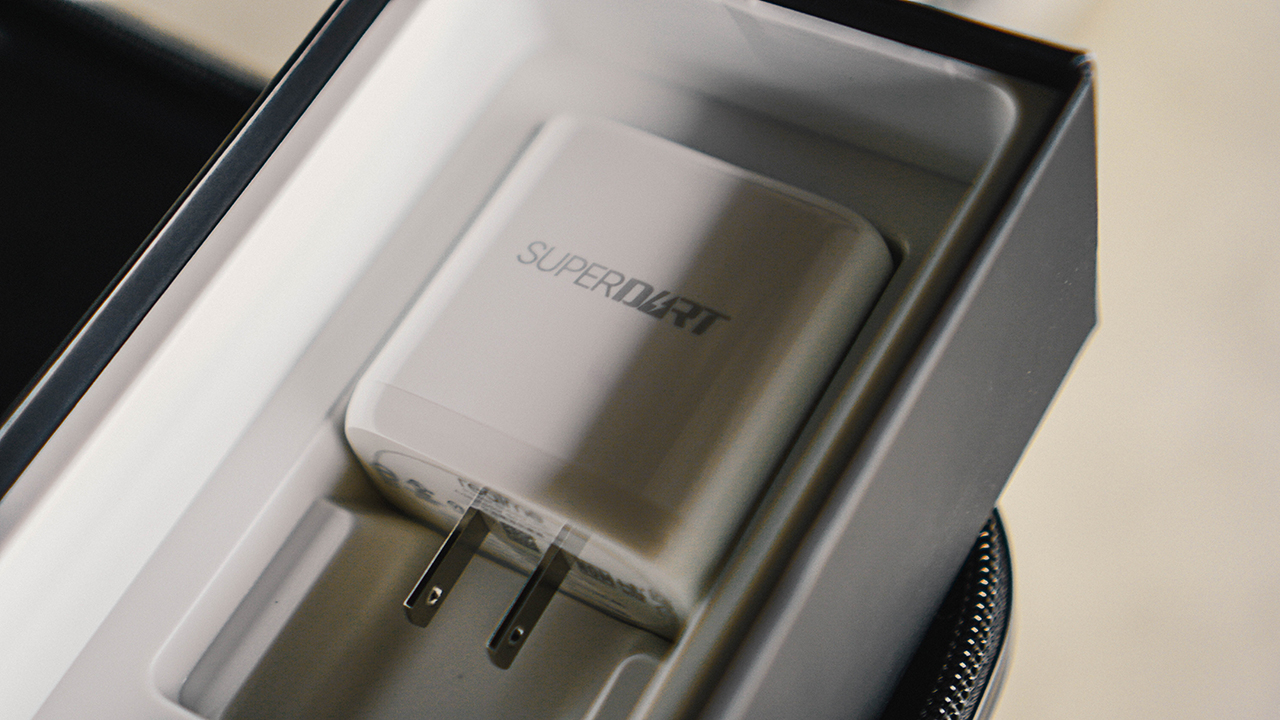
That’s it for everything inside the box. Now let’s look at the phone.
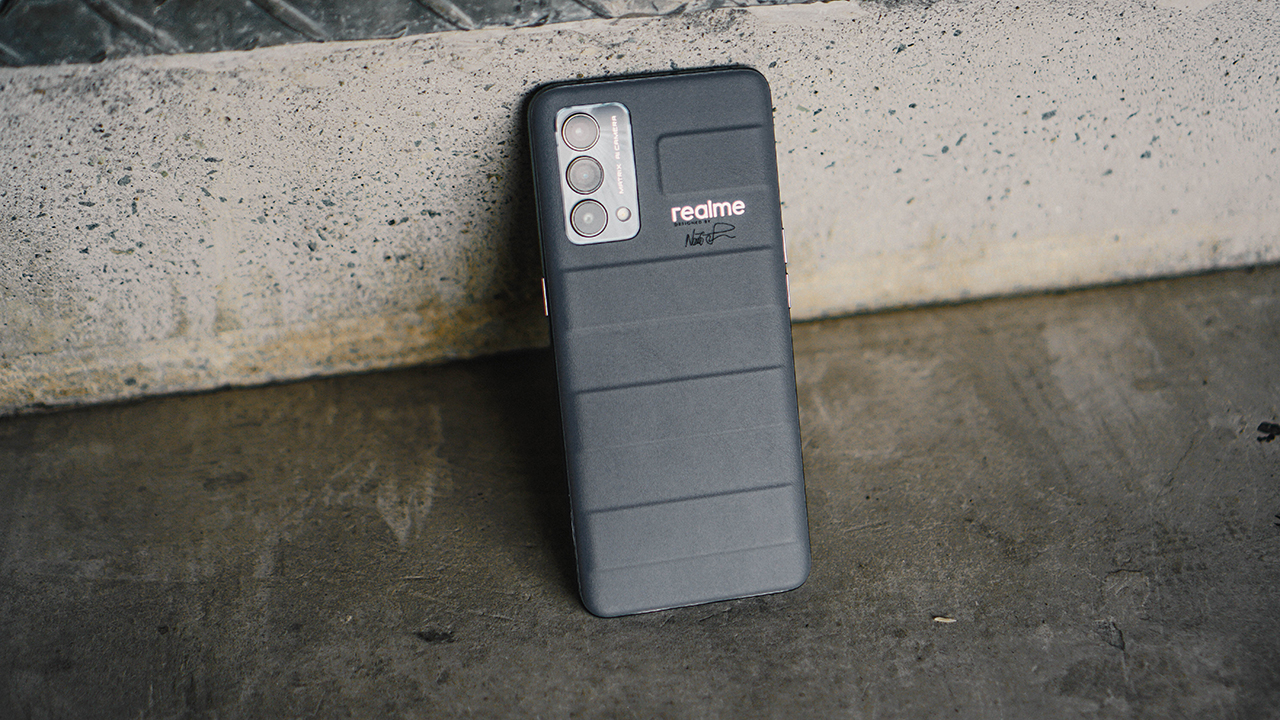
Here’s a good look at the back of the realme GT Master Edition.
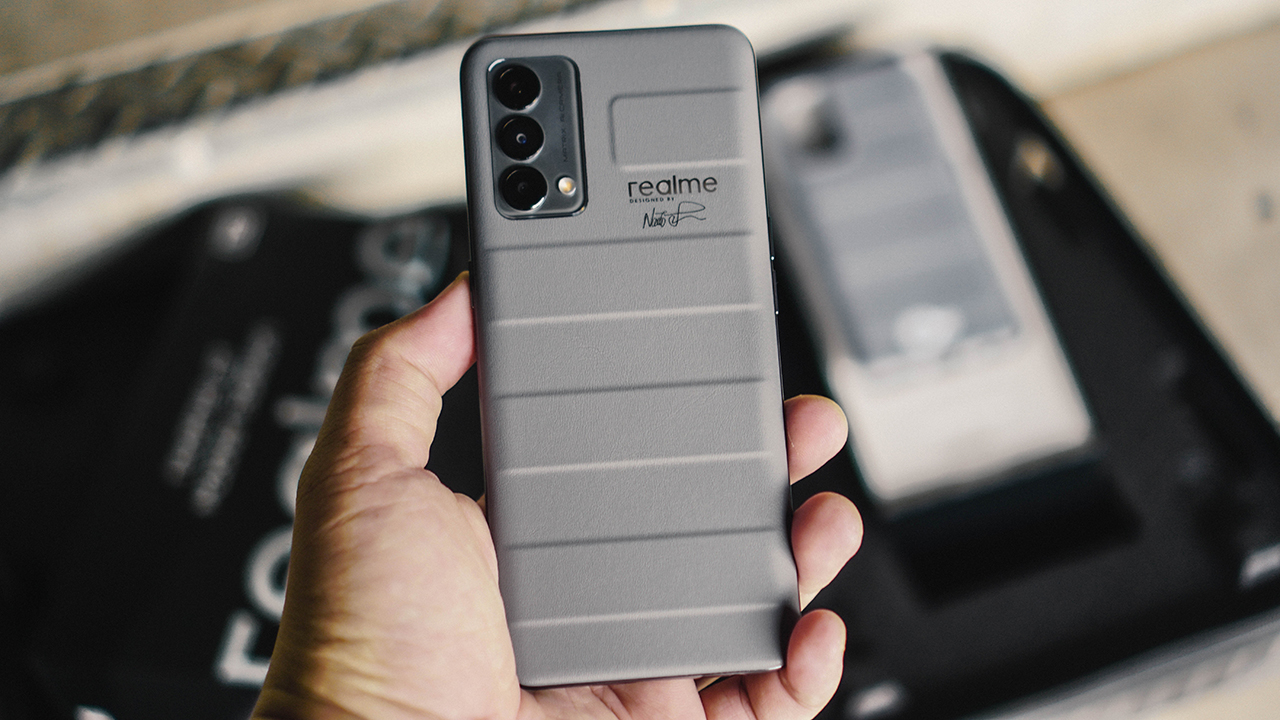
As mentioned earlier, the whole suitcase and travel thing is the main theme of this phone’s design. The horizontal grids were meant to replicate the look of a suitcase to trigger the thought of travel. It’s kind of cruel given the general travel restrictions still imposed on us because of the pandemic. But maybe that’s just me.
Signed by Naoto Fukasawa.
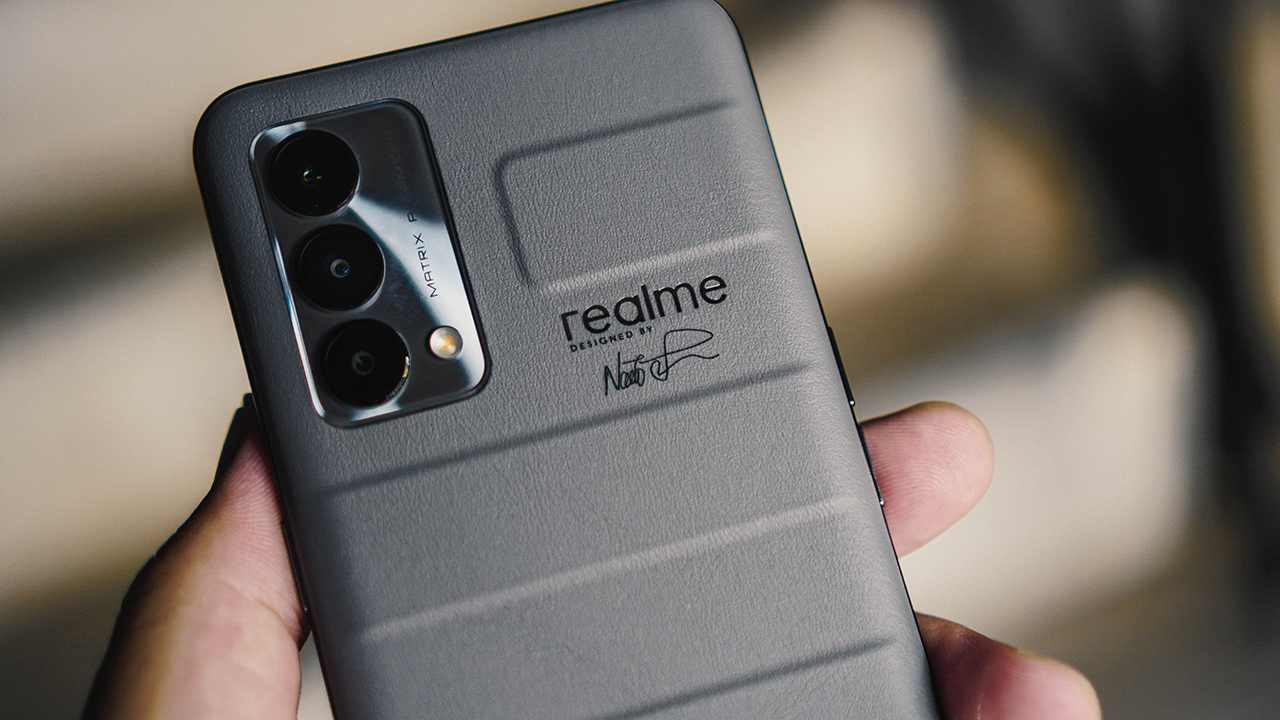
Responsible for the design is Naoto Fukasawa. He even signed the thing on the back. It’s a puzzling move to say the least. I’m fairly certain 90 percent of the people who will end up purchasing this phone will have zero idea who Fukasawa is. But congrats, you have his autograph now!
Fukasawa is a Japanese industrial designer. He is most known for his works with retail company MUJI. Now, I’m sure a lot of you will be familiar with MUJI. Even then, I don’t think the idea of a renowned designer’s signature being on your phone’s back is something you’ll find thrilling or enticing.
realme continues to make these wild choices for back designs. It’s brave and bold which is in keeping with their whole approach. Personally, these aren’t things I find appealing. Then again, an oldie like me is likely not their target market. I just wanted to get that off my chest.
Looks aside, that back feels great
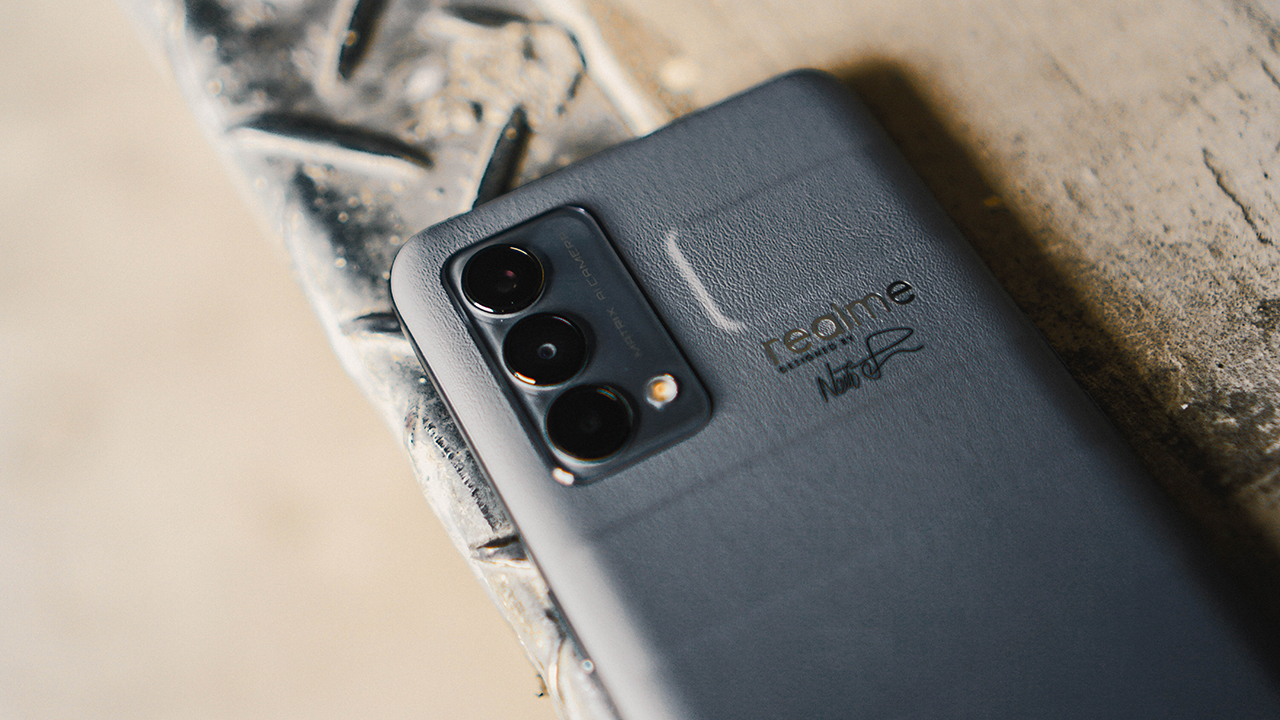
realme says it’s called the concave vegan leather — the first of its kind in the smartphone industry. I’m not gonna pretend to understand the whole process so here’s an excerpt from realme’s infosheet explaining the thing:
“realme has adopted a more challenging way – the polymer material is turned into an initial three-dimensional shape through the injection molding process, and then use the hot pressing process to synthesize the vegan leather with the substrate, and finally achieve the integrated concave vegan leather shape.”
Did you get that? Basically, all of that was needed to achieve the uneven finish with the feel of leather. It’s a lot to take in but all you need to know is that it feels great to touch and isn’t slippery at all.
Bottom: Speaker grille, USB-C port, and suprise — 3.5mm headphone jack.
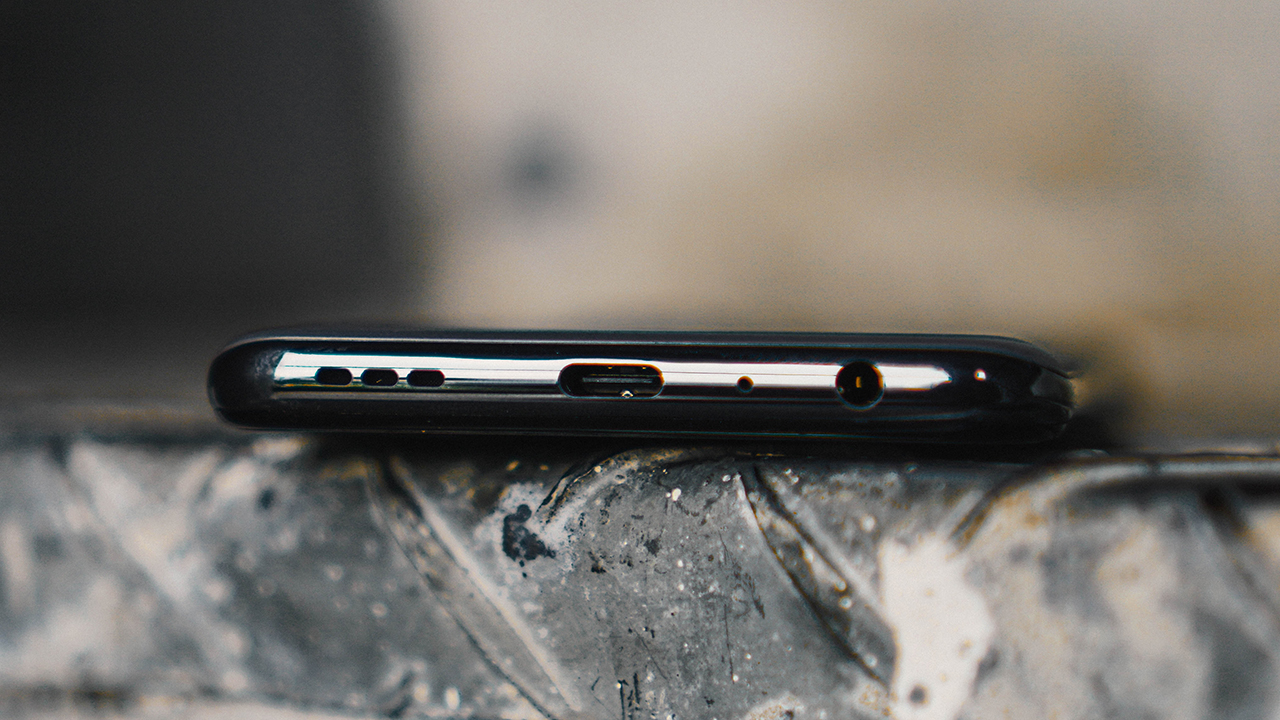
Button placements are your usual. Power button on the right side and the volume buttons as well as the SIM card tray on the left side.
Here’s the realme GT Master Edition with the case on.
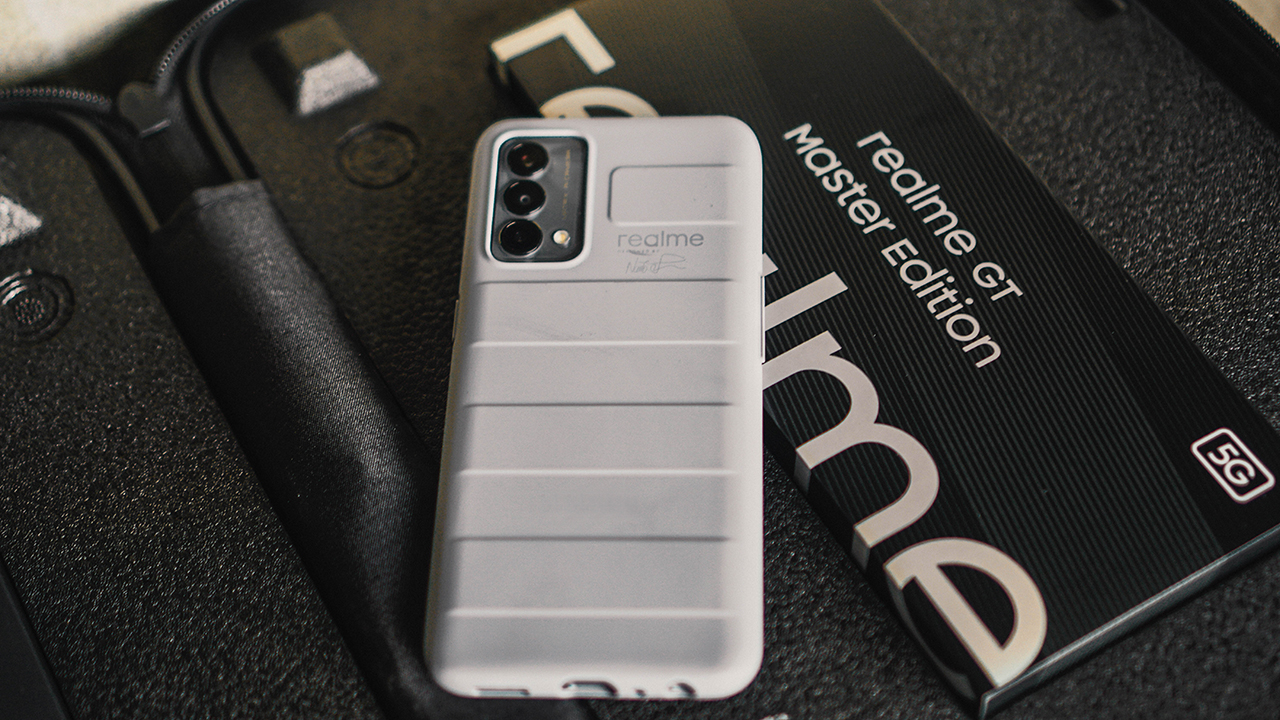
It mimics the look of concave vegan leather but feels nowhere near it. I cannot, in good conscience, recommend using this case if you want to preserve that leather feeling. Really wish realme came up with vegan leather case too.
The phone’s wallpaper looks like a pavement.

Points for consistency, I guess? It’s running Android 11 with a coat of realme UI 2.0. If you’re an OPPO user, this UI going to feel familiar. It’s almost like ColorOS which isn’t a bad thing. The whole UI feels clean and easy to navigate.
What’s surprising are the overwhelming number of apps pre-installed. Sure, you have ones that you’ll likely install like Facebook, Messenger, and Netflix. But for every one of those useful apps, there’s a couple more that’s just flat out bloatware. There are also incessant notifications about apps you can download from their App Market. I know “disrupting” is their thing but maybe not like this?
Cameras to die for?
realme made a big deal about the back design and just as much as they did, they also said the cameras on this thing are fantastic. Hence, the inclusion of printed photos taken with it in this special unboxing package. We have no samples to show you just yet. We’ll take a step outside, observing health and safety protocols of course, to see if we can come up with stunning images ourselves.
The realme GT Master Edition (that’s a mouthful) is a decently-sized smartphone with concave vegan leather for its back that feels absolutely fantastic. It has an overall clean UI that’s bogged down a little bit by bloatware. We’ll explore its performance and camera prowess in the review. By that time, we’ll also know how its price so watch out for it.





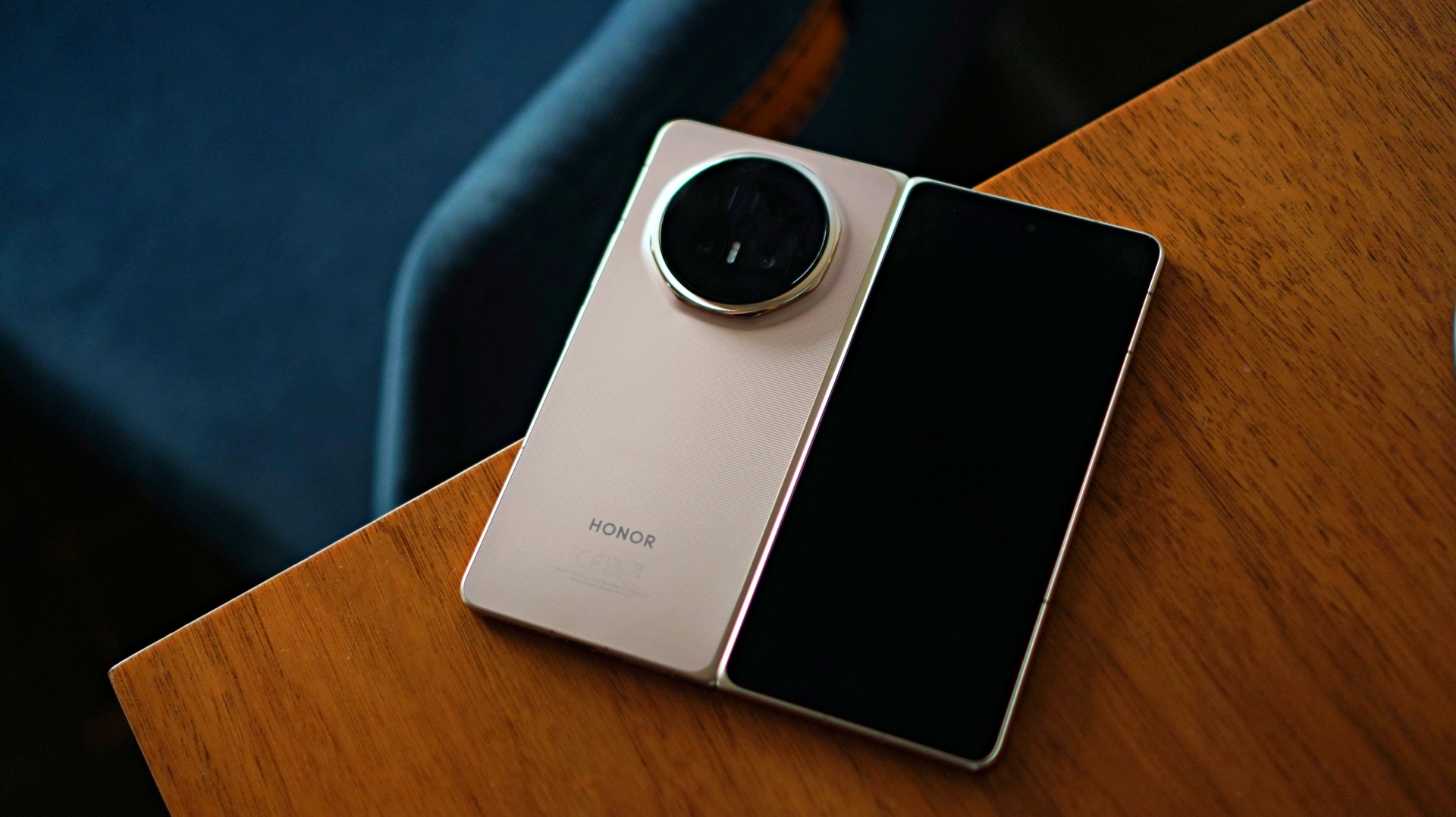
The HONOR Magic V6 doesn’t immediately scream “massive leap” — and that’s not necessarily a bad thing.
If you’ve used the Magic V5, this feels familiar. The silhouette. The proportions. The confidence of an ultra-thin foldable that doesn’t feel like a science experiment. At first glance, it’s evolution, not revolution.
But spend a few minutes with it, and the refinements start to show.
Better ergonomics, lighter feel
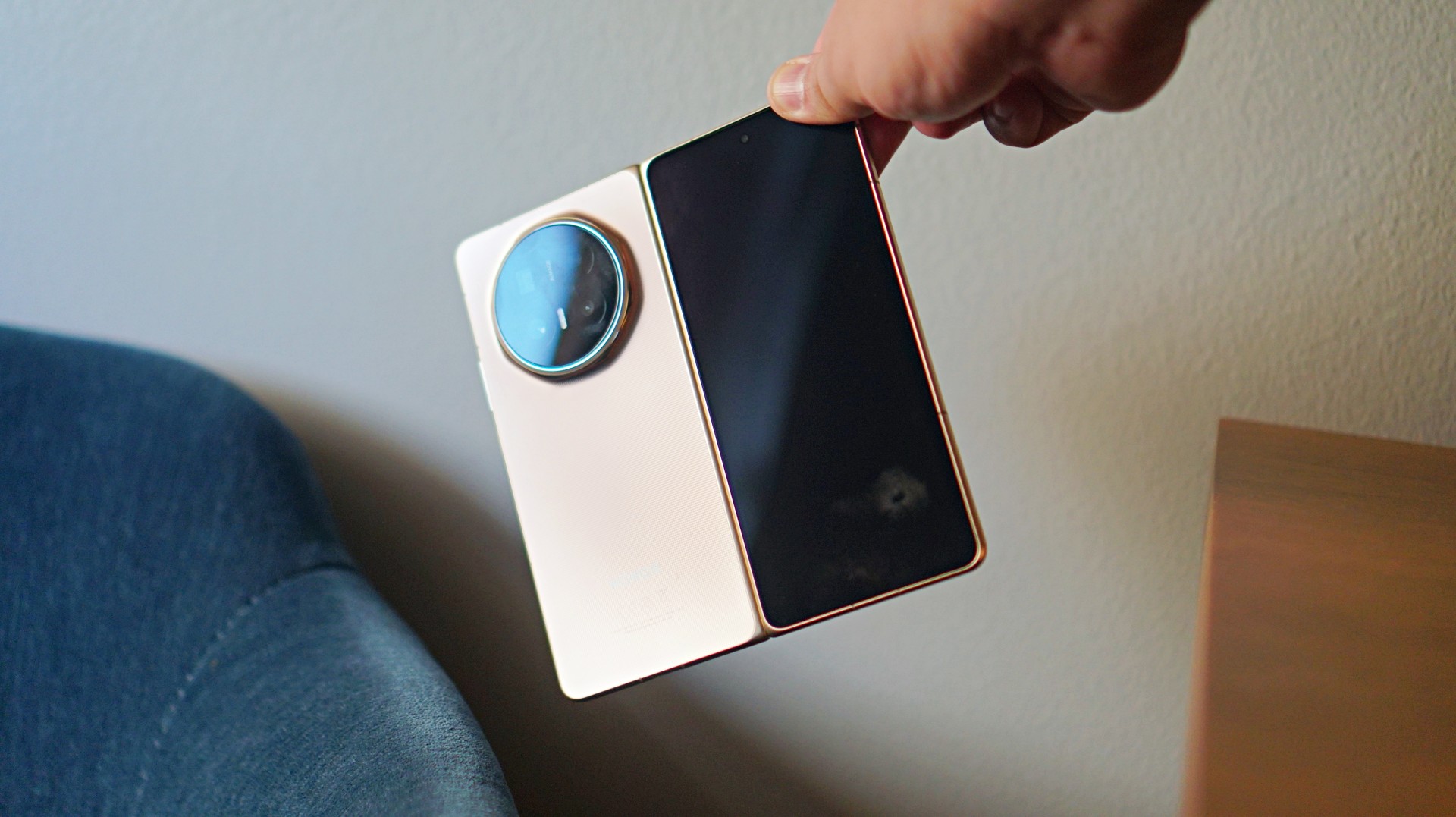
The first thing I noticed? The buttons.
On the Magic V5, the power and volume keys sat slightly too high on the right side. Not unusable — just not ideal. On the Magic V6, they’re perfectly placed. It’s a small change, but it immediately improves one-handed usability when folded.
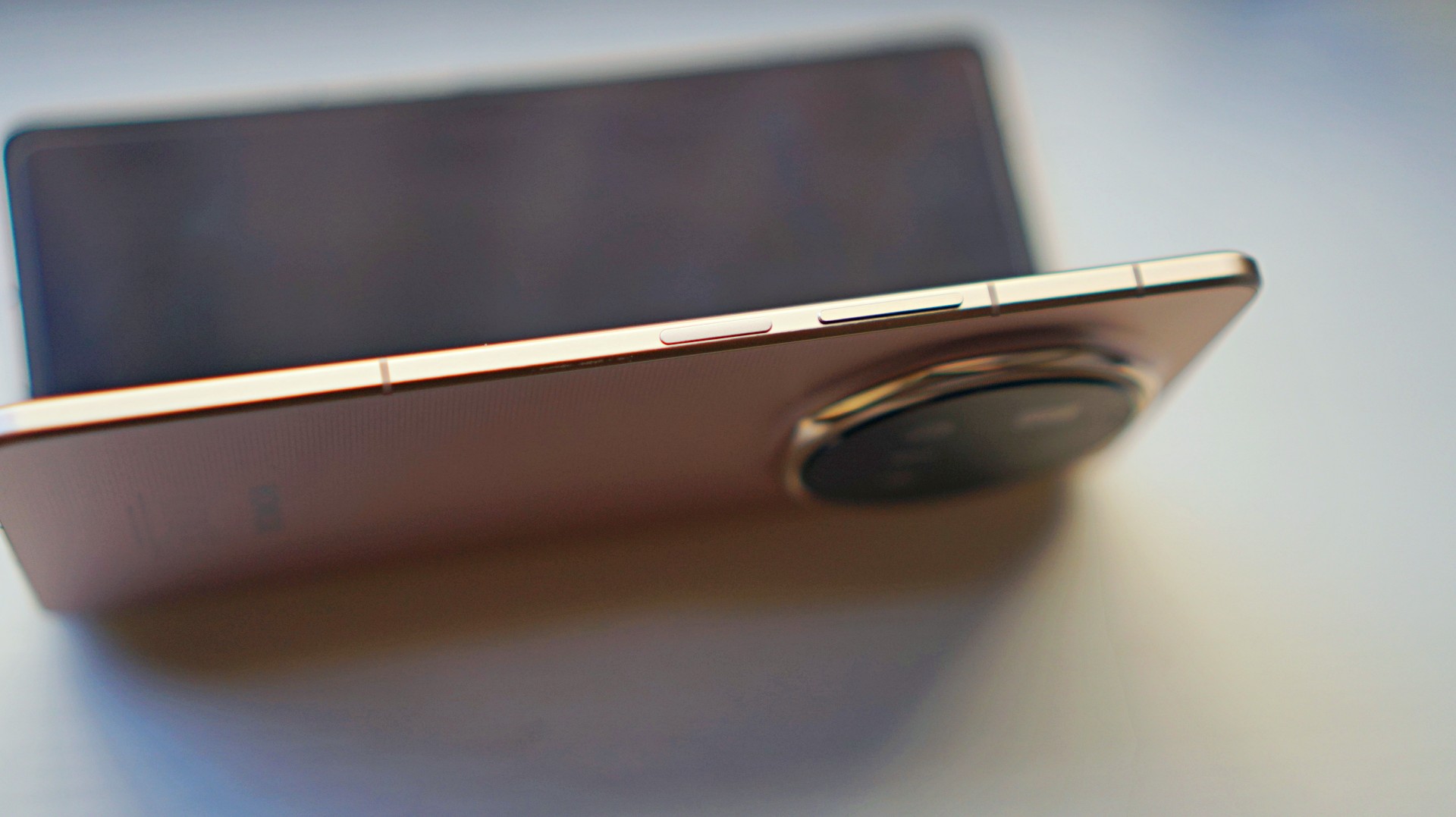
It also feels lighter. Not dramatically so, but enough that you notice it when moving between folded and unfolded states. That balance is important for a device that constantly shifts form.
HONOR continues to push the “ultra-thin meets ultra-light” philosophy, and in hand, the Magic V6 genuinely doesn’t feel like a tablet folded in half. It feels like a proper flagship phone that just happens to unfold into something bigger.
All the flagship boxes checked
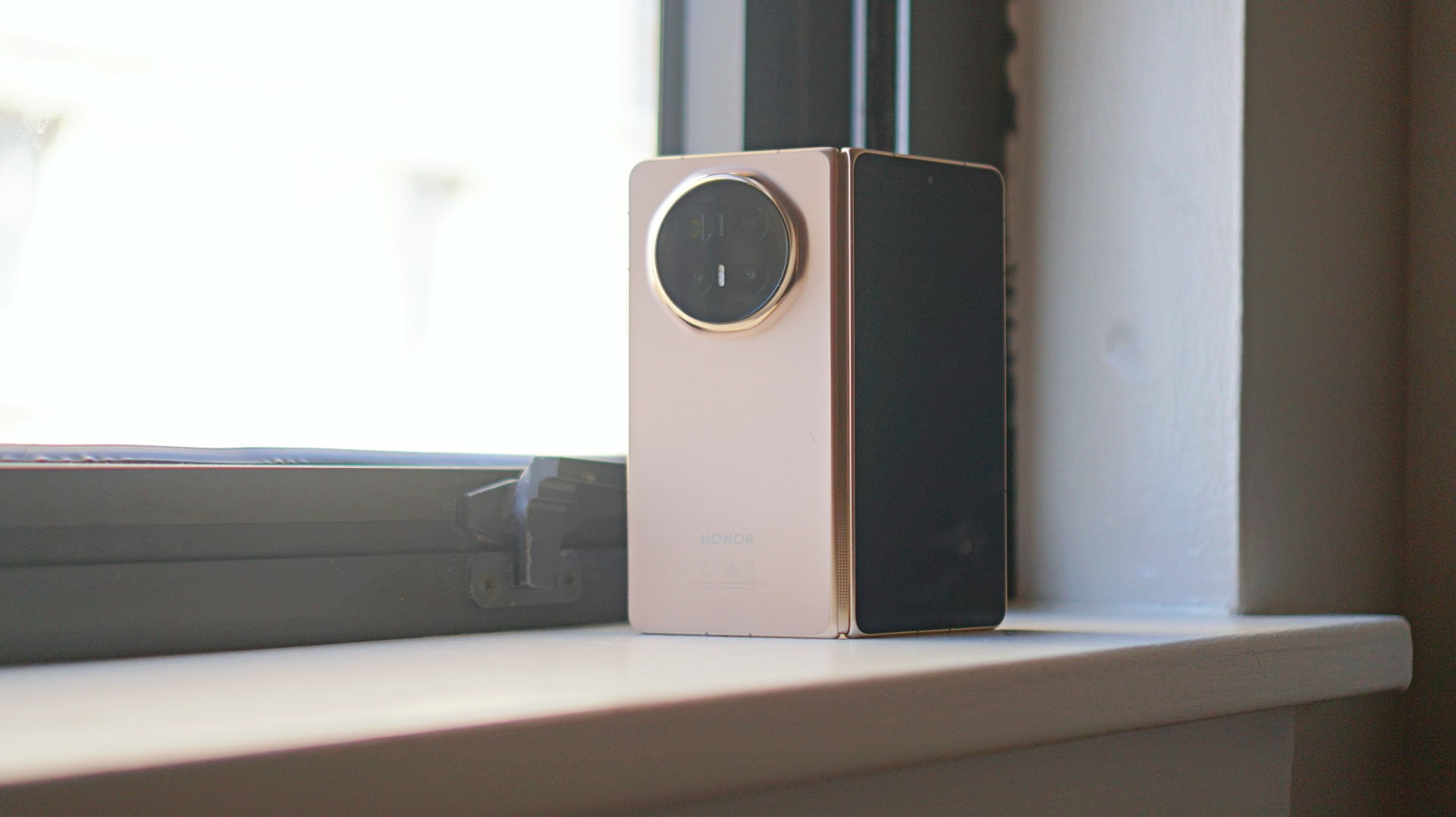
Spec-wise, this is firmly top-of-the-line foldable territory.
You get dual LTPO AMOLED displays:
- 6.52-inch outer display (1–120Hz, up to 6,000 nits HDR peak)
- 7.95-inch inner display (1–120Hz, up to 5,000 nits HDR peak)
Under the hood, it runs on the Snapdragon 8 Elite Gen 5, paired with flagship-grade memory and storage configurations. Performance shouldn’t be a question mark here.
Battery is one of the headline features. HONOR is packing what it claims is the largest battery in a foldable, using next-gen silicon-carbon tech with 25% silicon content. It supports:
- 80W wired charging
- 66W wireless charging
- Wireless reverse charging
Durability is also heavily emphasized:
- Super Steel Hinge rated for hundreds of thousands of folds
- IP68 + IP69 dust and water resistance
- UTG inner display with reduced crease depth
- NanoCrystal Shield outer glass
On paper, it reads like a no-compromise foldable.
The gold finish stands out
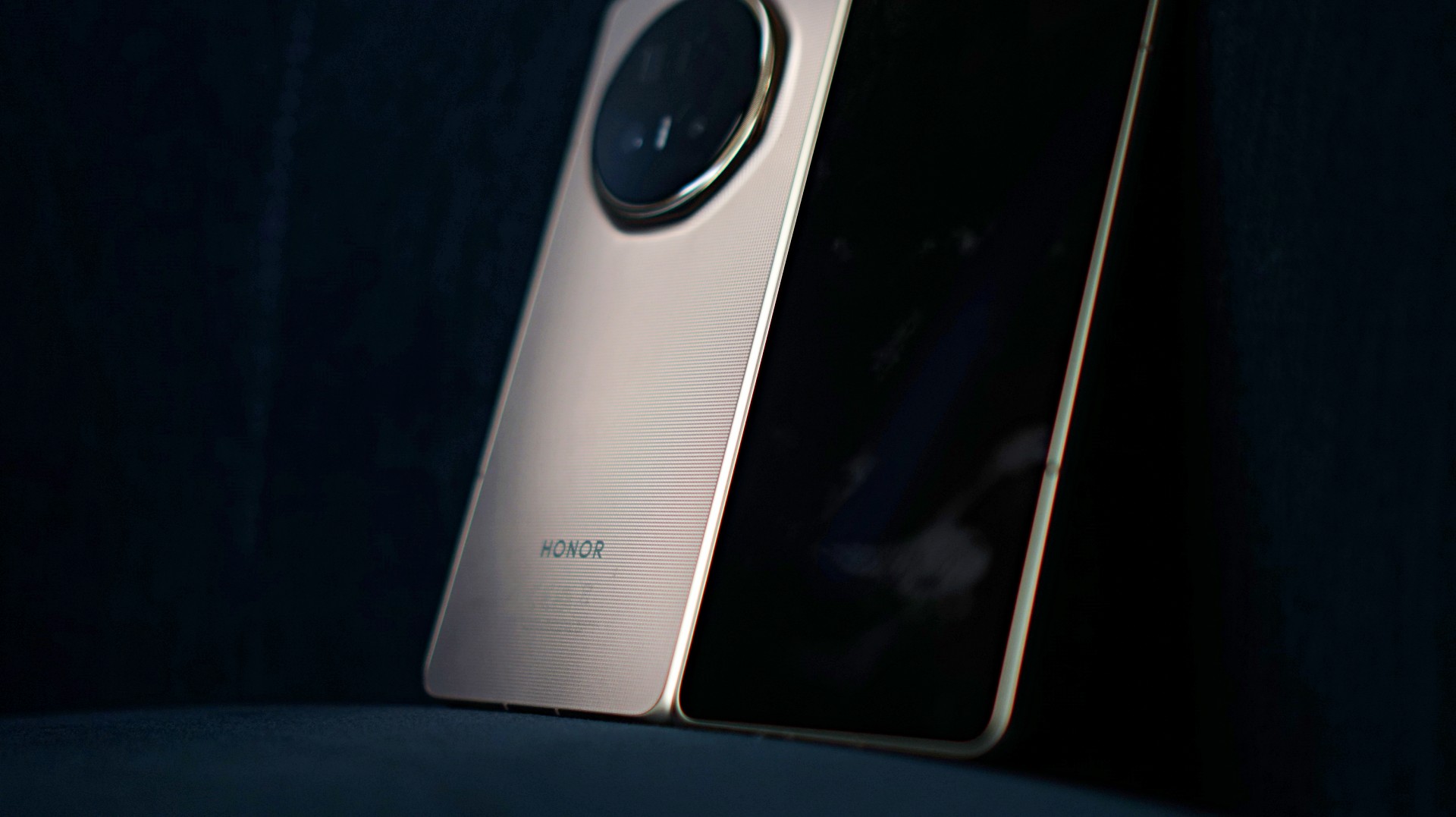
The Gold colorway is eye-catching without being loud. It has depth and texture that make it feel deliberate, not flashy.
Bonus points: it comes with a protective case out of the box that actually complements the device. That’s rare. Usually, included cases feel like an afterthought. Here, it feels cohesive with the overall design language.
Cross-platform curiosity
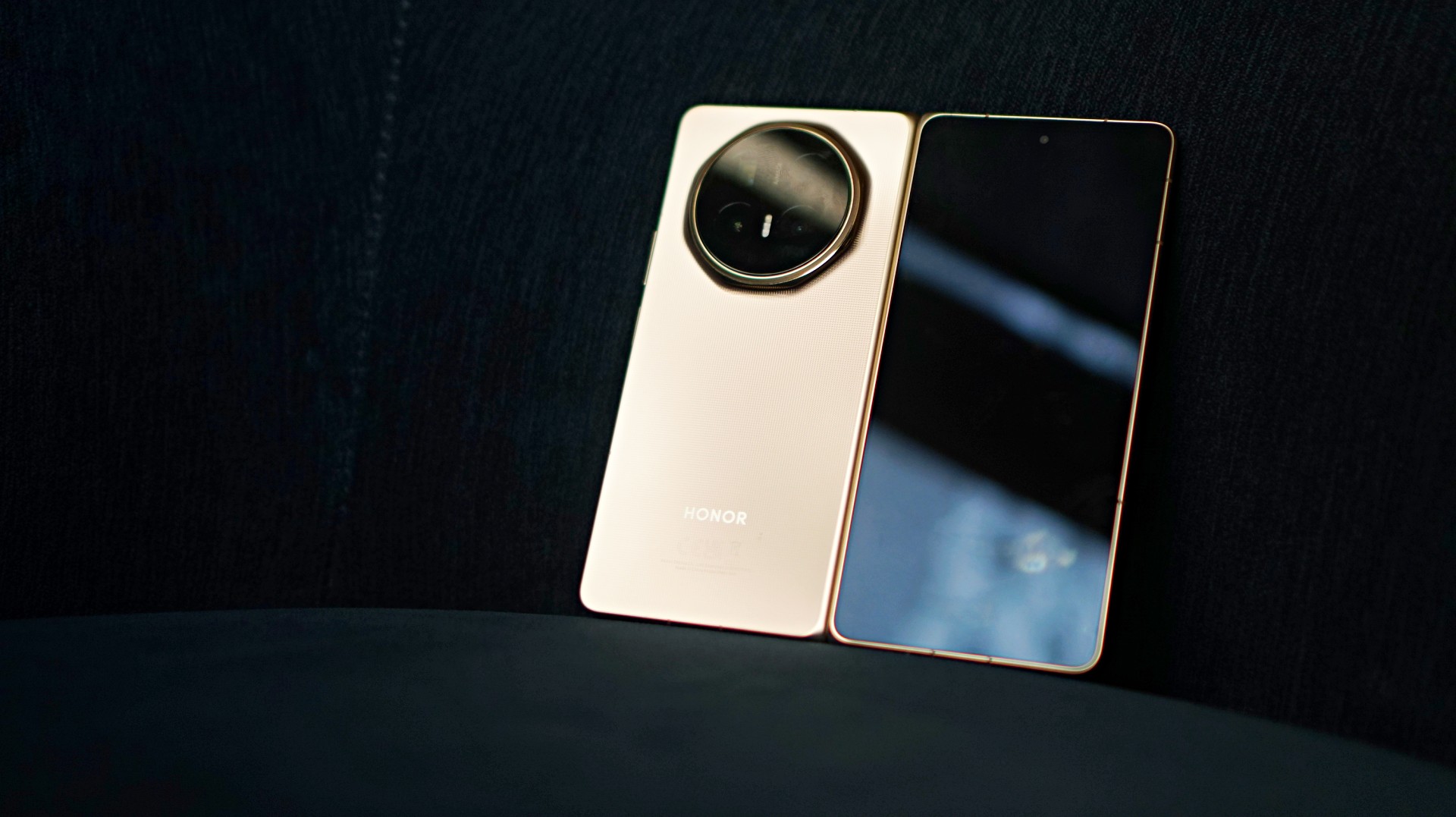
One interesting angle is its Apple-ready positioning.
Through HONOR Connect and HONOR WorkStation, the Magic V6 can sync notifications with iPhone and iPad, share files with a Mac, and even act as an extended screen for macOS.
For users who live in multiple ecosystems, that’s a meaningful pitch. It’s less about replacing your other devices and more about fitting into them.
This is something we’ve yet to fully test and will definitely explore more for the full review.
So… what is it, really?
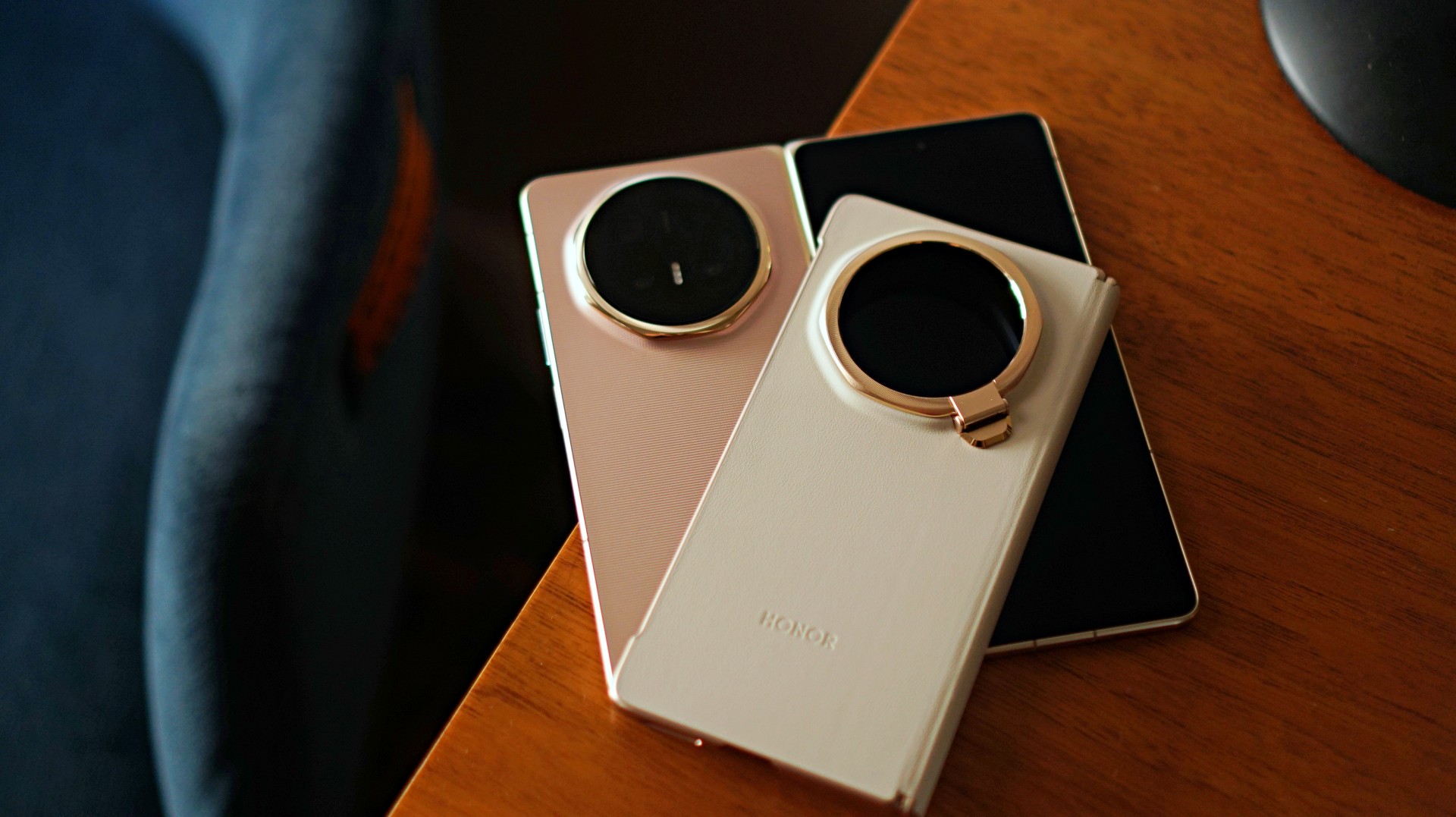
Right now, the HONOR Magic V6 feels like an incremental update over the Magic V5.
Refined ergonomics. Slightly lighter feel. Stronger durability claims. Bigger battery ambitions. A more polished ecosystem story.
What’s curious is the timing. It’s been announced less than a year since the global release of the Magic V5. That makes this feel less like a generational shift and more like a rapid optimization cycle.
Early impression? It doesn’t reinvent HONOR’s foldable formula, itt sharpens it.
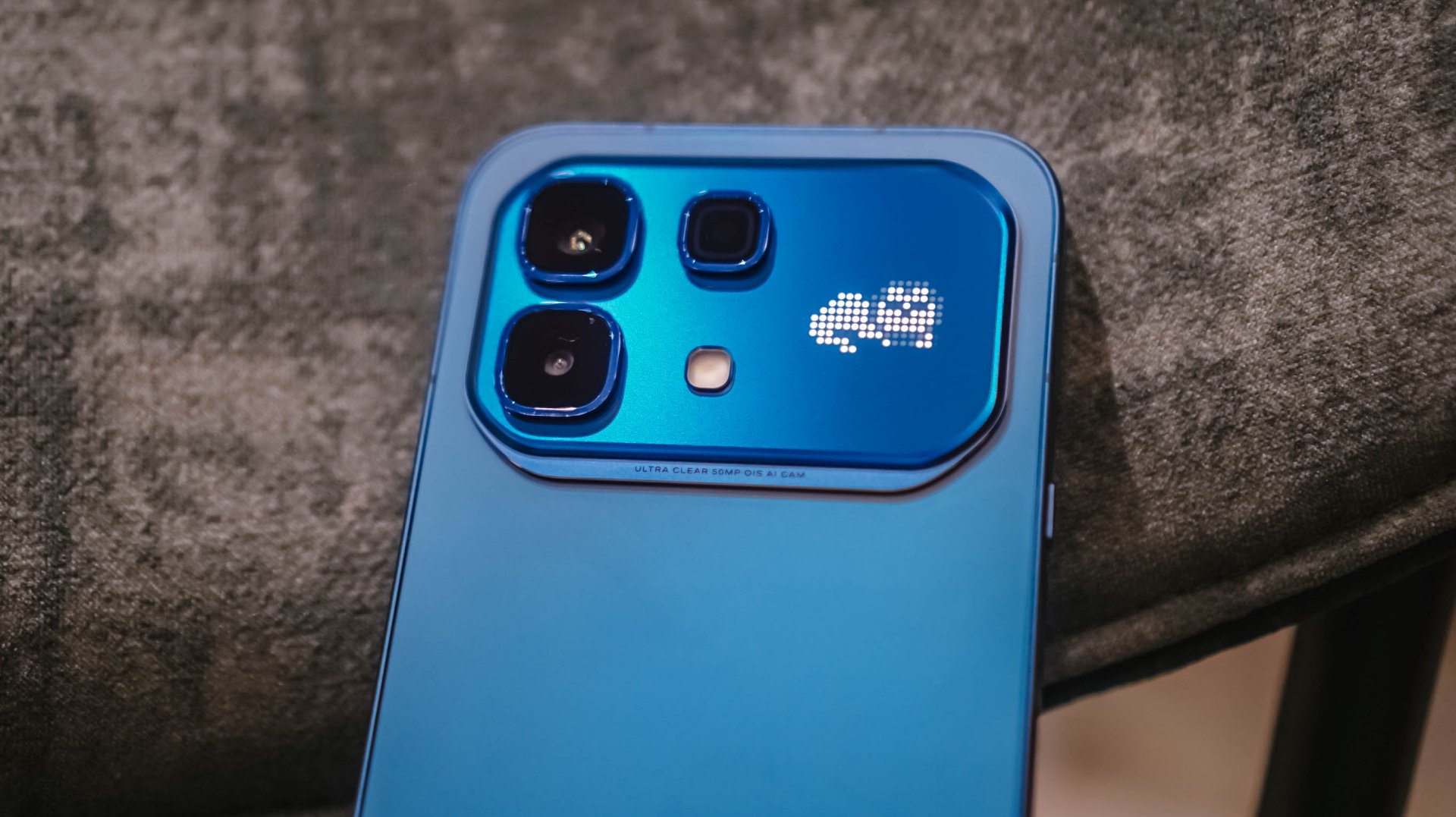
We’ve only just started seeing the Infinix NOTE 60 Pro, and I have to be honest — this one didn’t walk into the room quietly.
Sometimes you go on a first date and immediately think, “You remind me of someone.” That’s the NOTE 60 Pro for me.
So in this edition of Match Pulse, here’s what stood out so far — the good, the questionable, and the things I’m still figuring out.
First Look
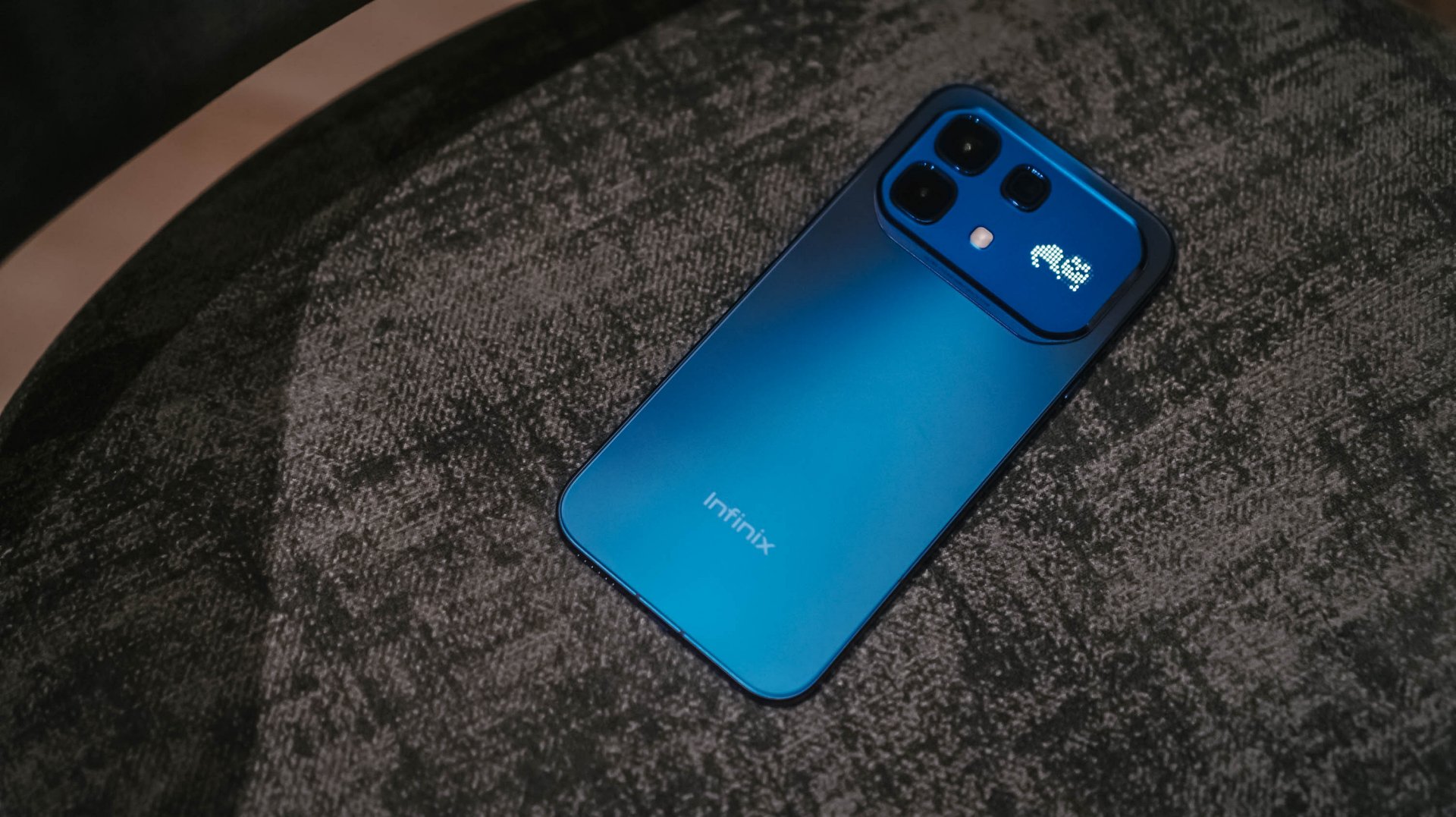
Let’s address the elephant in the room.
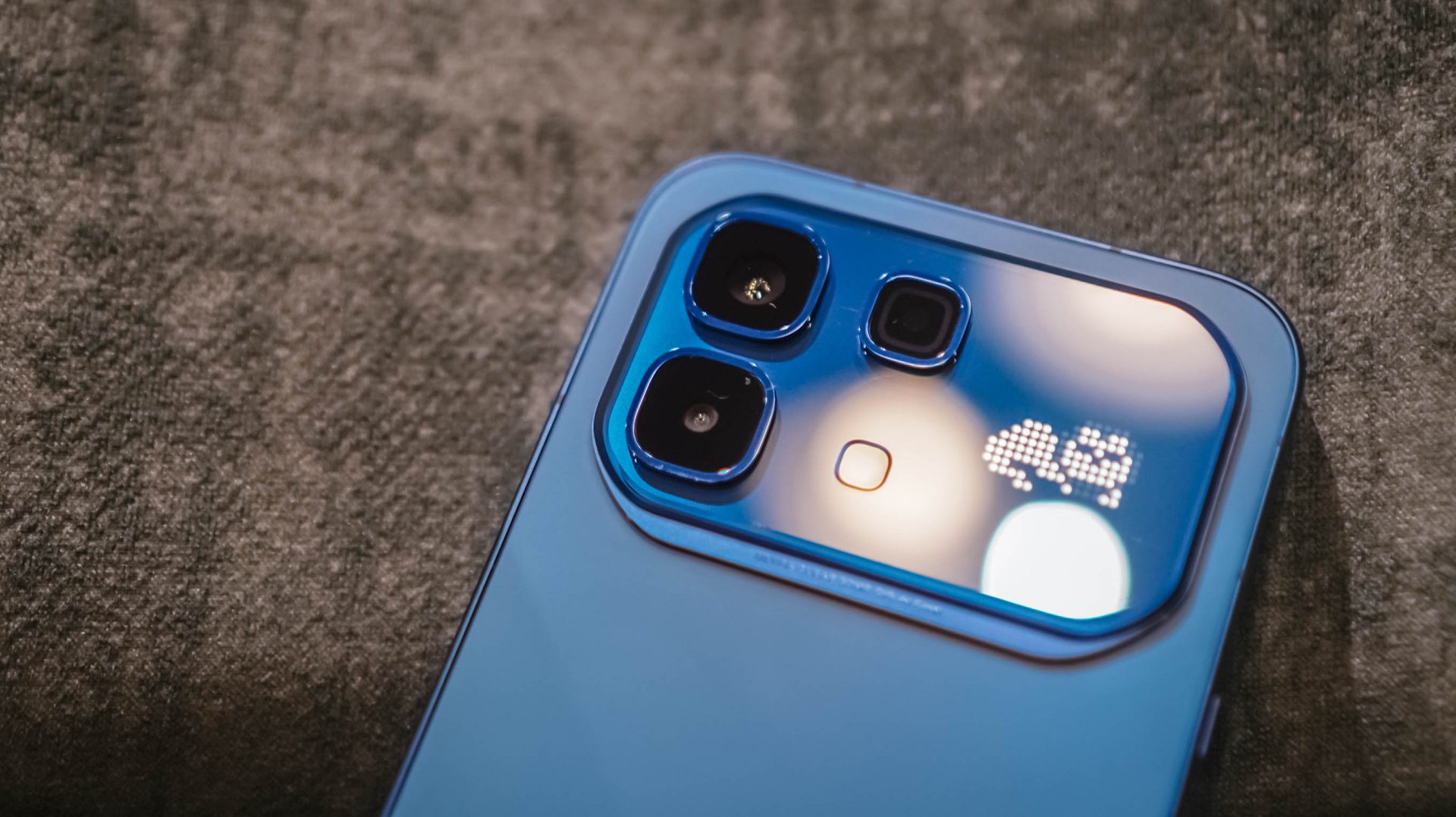
The back design pulls heavily from the iPhone playbook. The camera layout, the proportions — even the default lock screen aesthetic feels familiar. And not in a subtle way.
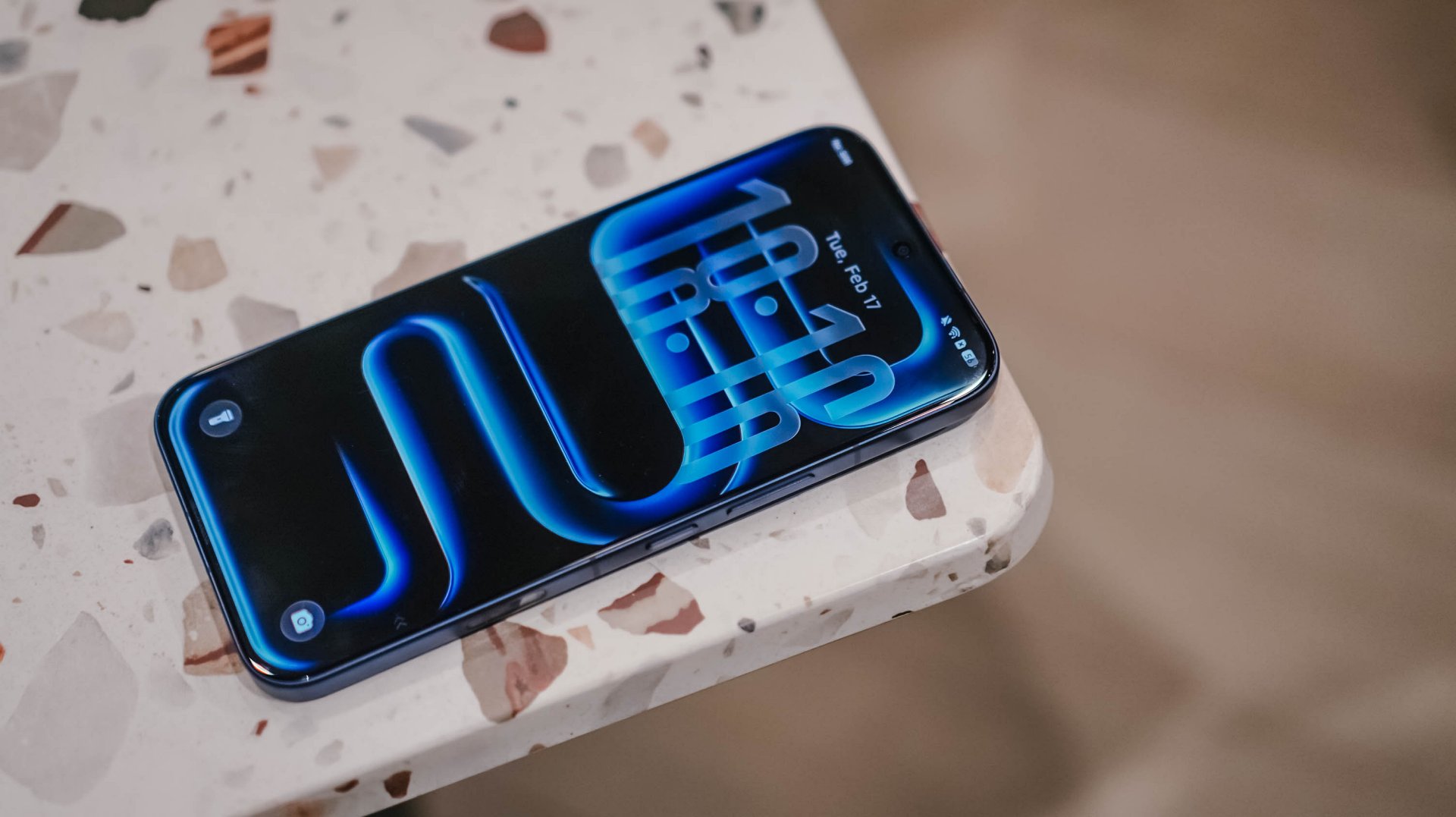
To be fair, Infinix isn’t alone here. A lot of Chinese smartphone brands borrow from Apple’s design language. But there’s always a fine line between inspiration and imitation. When it leans too close to the latter, it can feel a little tacky.
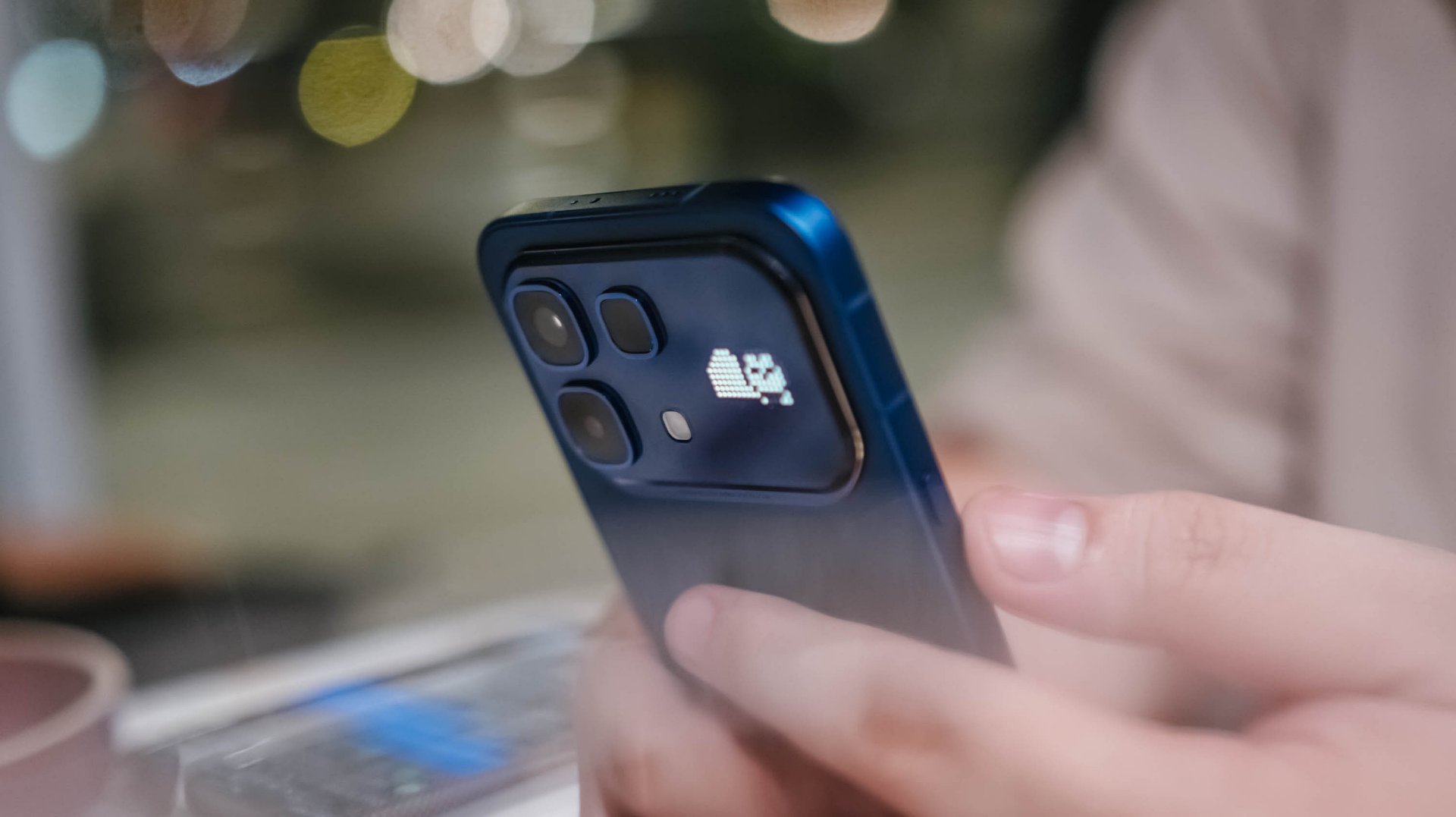
To its credit, Infinix tries to differentiate the NOTE 60 Pro with its Active Matrix Display. It’s an interactive LED strip embedded across the camera module that lights up for notifications, shows the time, and even runs small animations and pixel pets.
It’s cute and playful.
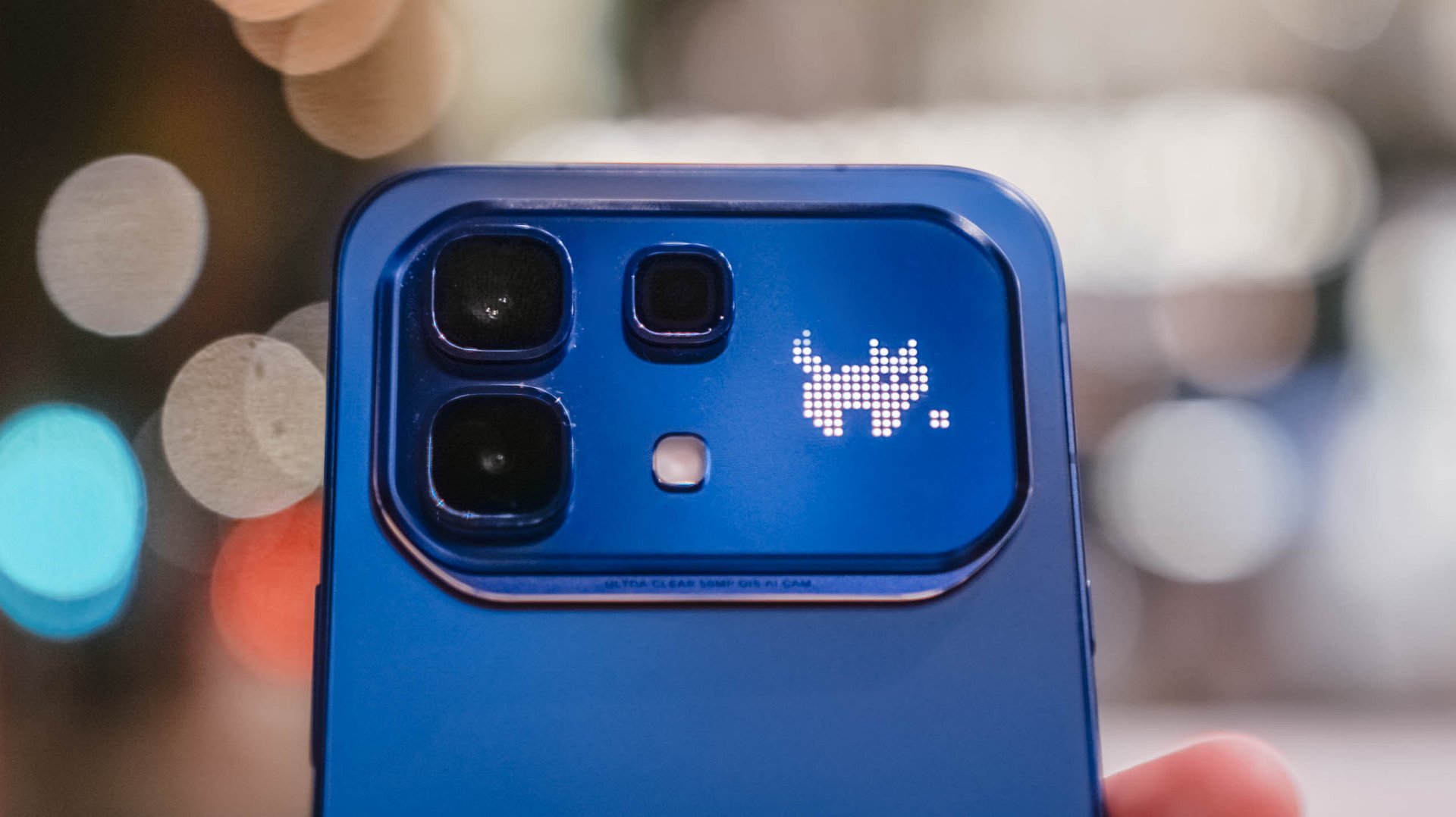
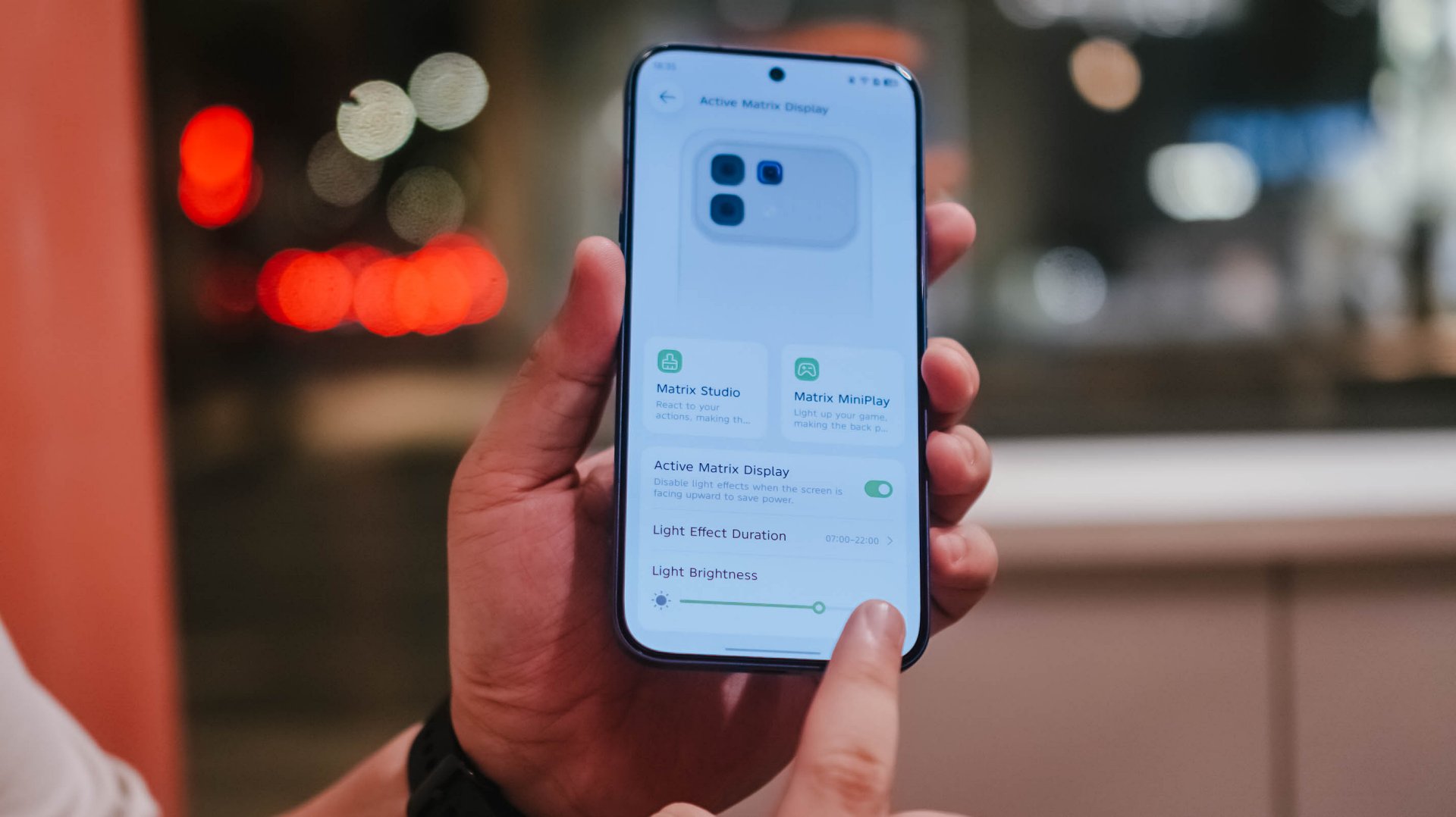
Right now, though, it feels more like a gimmick than a defining feature. I haven’t spent enough time with it to know whether it becomes genuinely useful or something you admire once, then forget about.
In hand, the phone feels… fine.
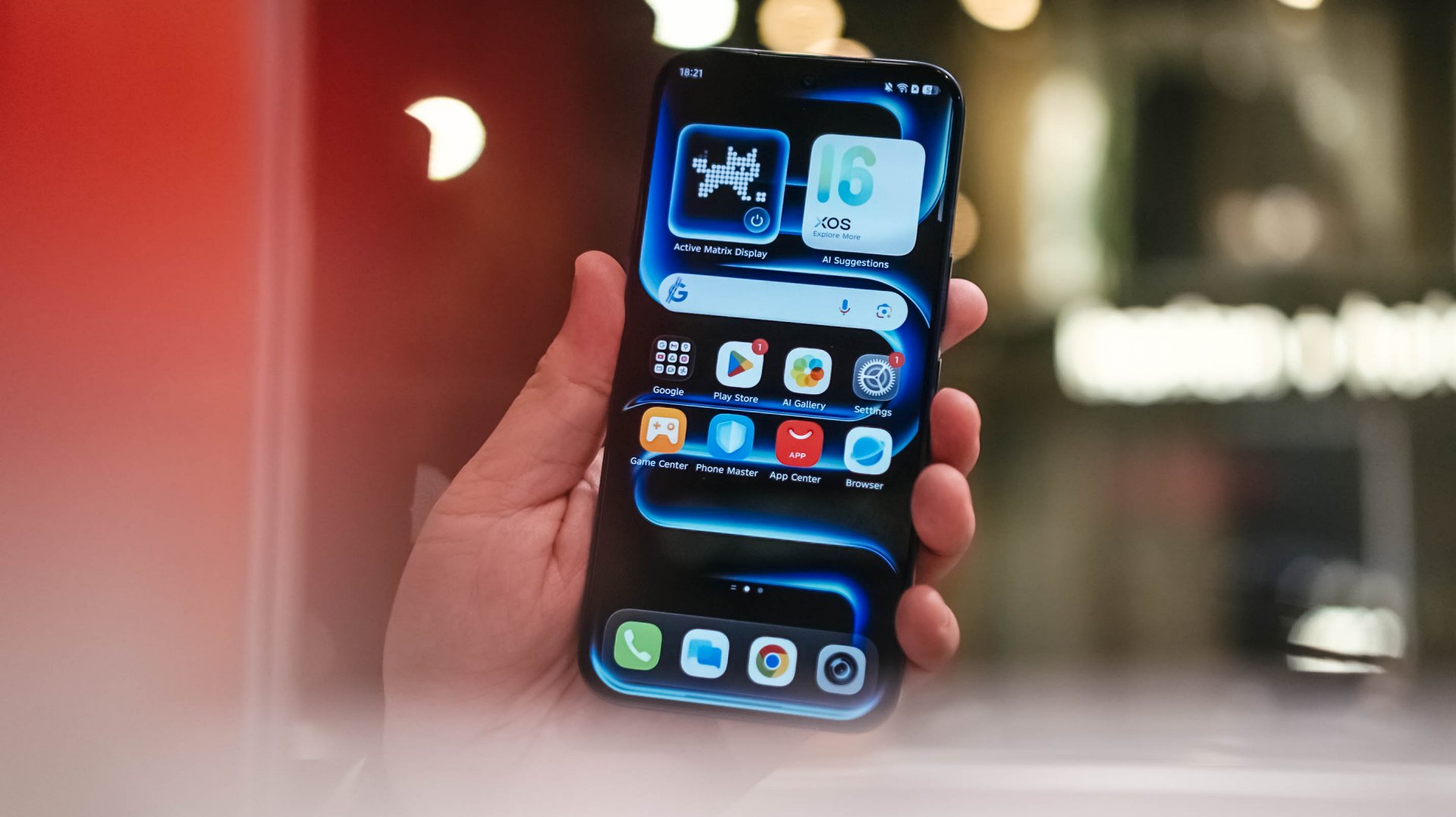
Not bad. Not exceptional. Just firmly midrange. The metal frame and contoured edges help, but the overall feel doesn’t quite cross into premium territory. It’s comfortable, inoffensive, and familiar — which is both its strength and its limitation.
There are also more buttons than usual. An extra button sits on the right side, echoing what we’ve seen from Apple and even devices like the HONOR Magic8 Pro. On the left, another button triggers Infinix’s AI assistant, Folax, with a long press.
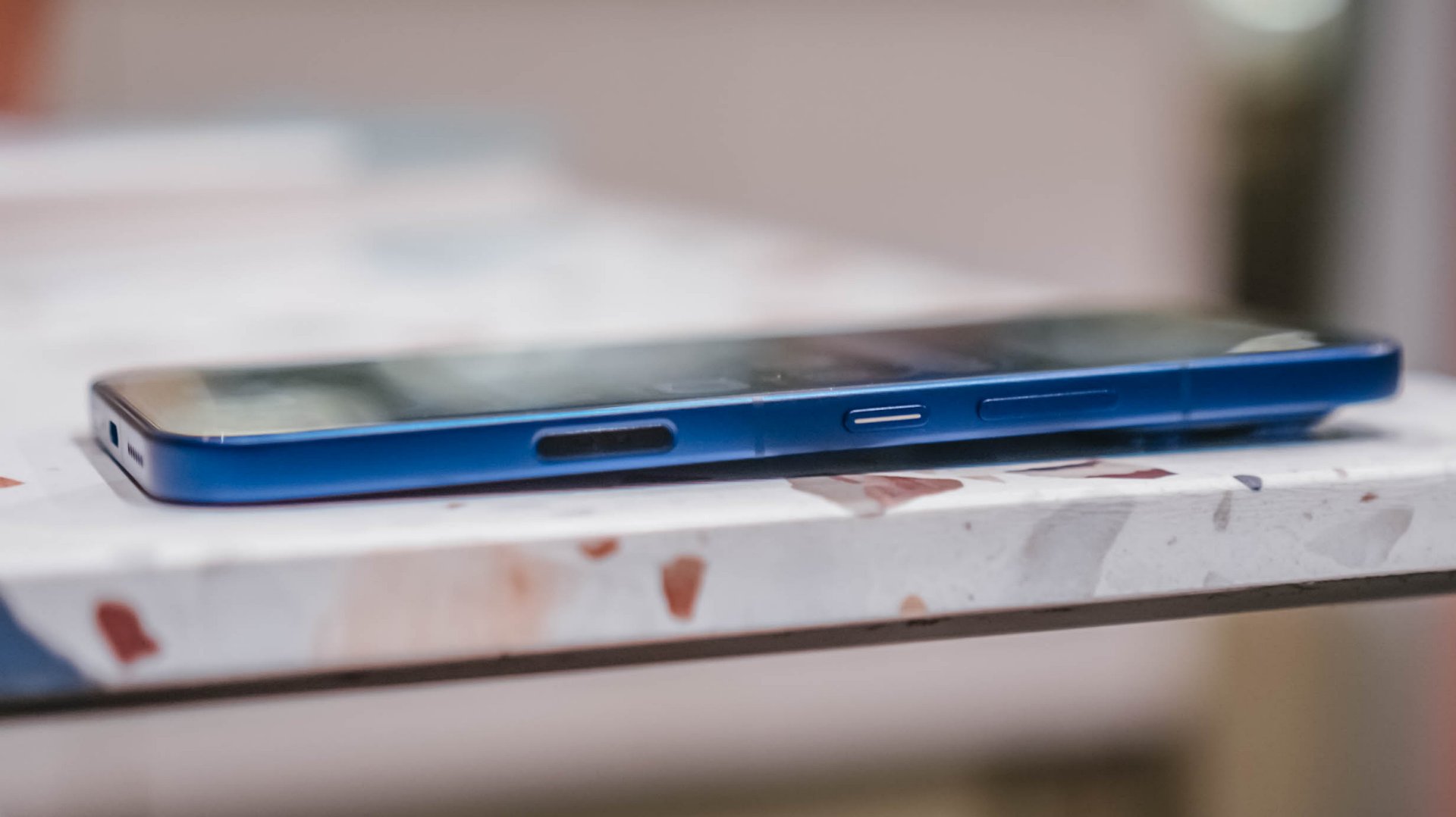
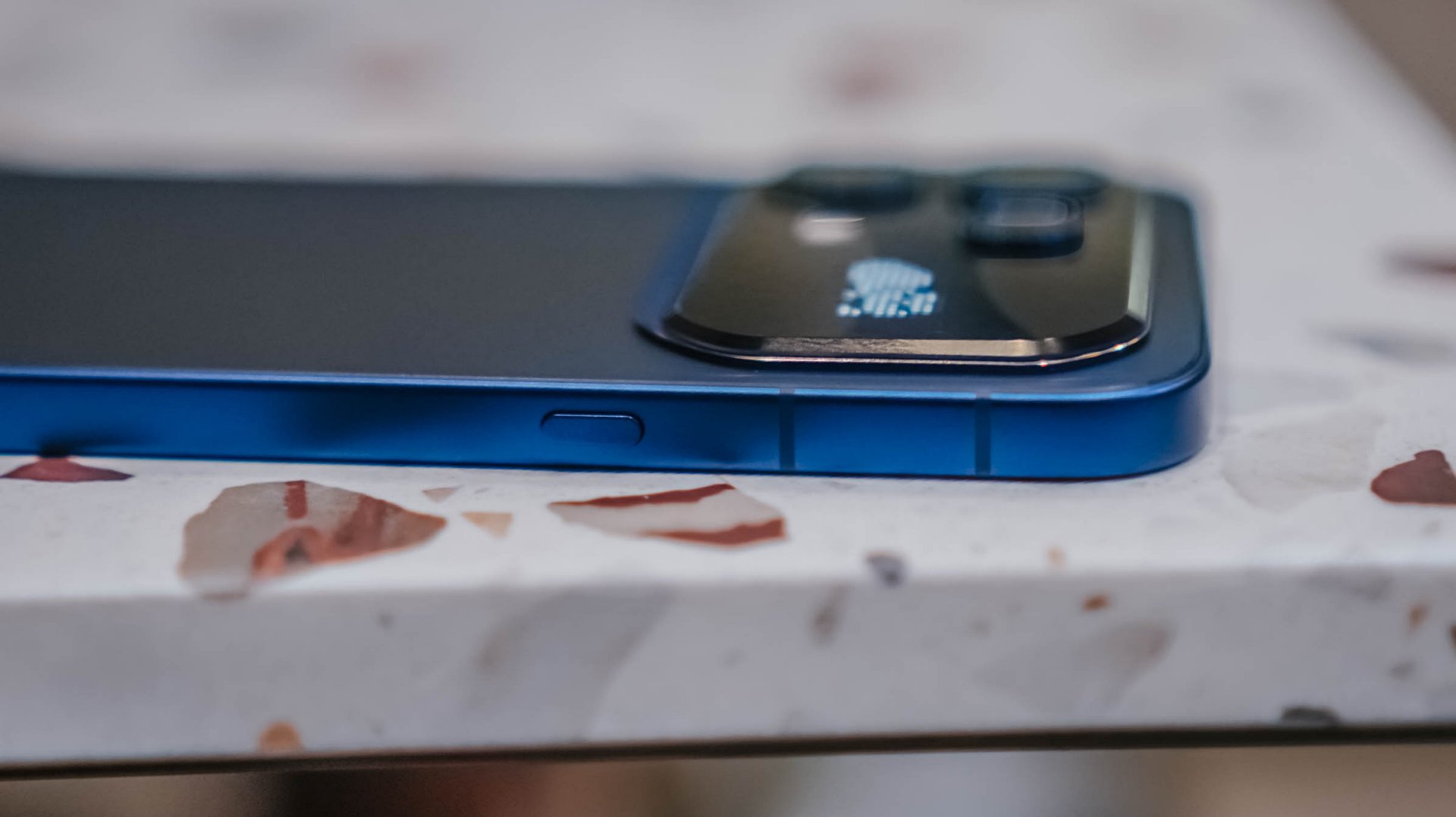
It’s a lot of physical shortcuts. Whether that translates to convenience or clutter will depend entirely on how much you lean into them.
First Date
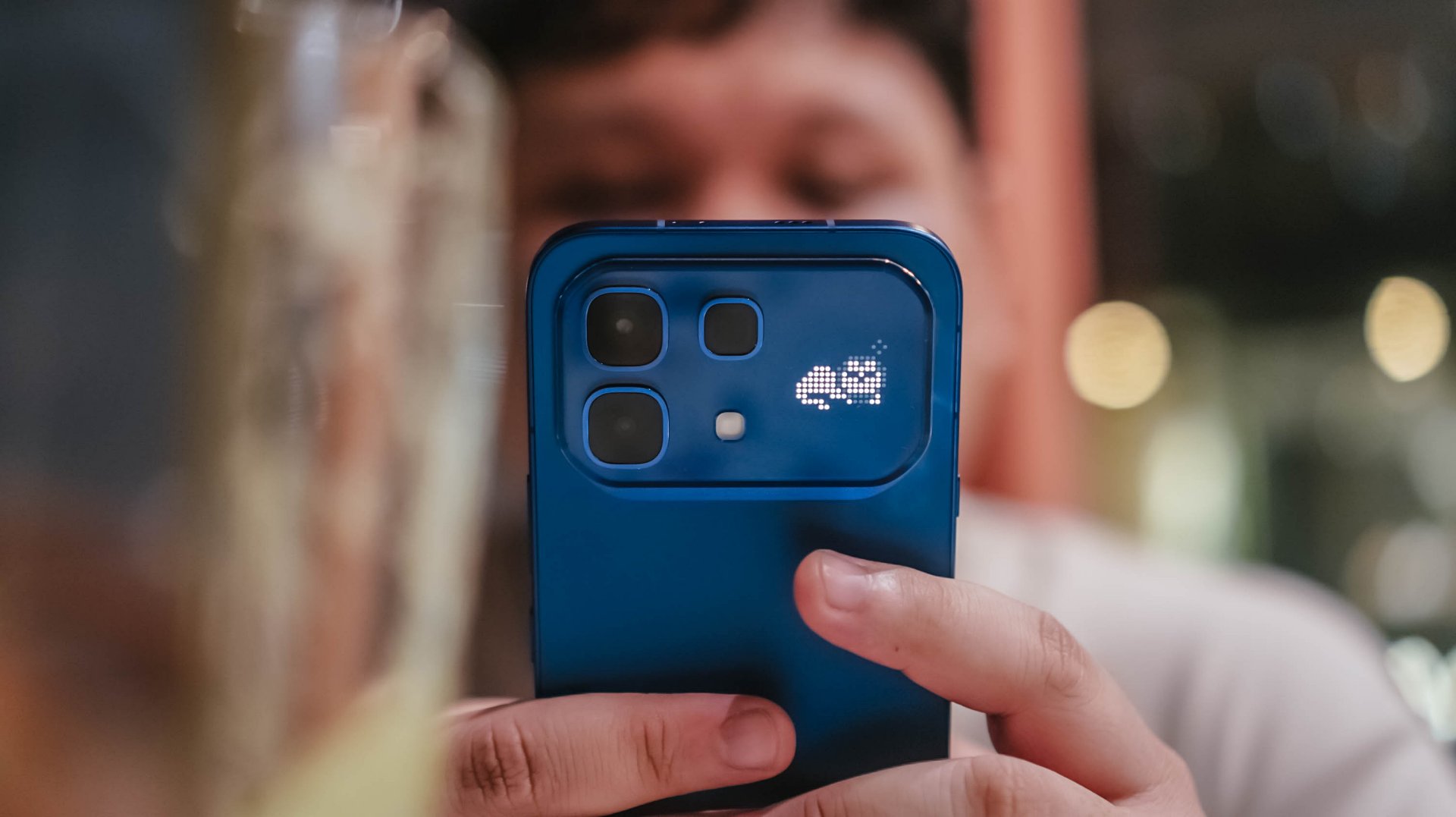
This is the first Infinix phone powered by the Snapdragon 7s Gen 4 5G, and that’s a notable shift for the brand.
In use, the phone feels quick and stable. Apps launch without hesitation, multitasking is smooth, and the system holds up well even when you start doing more than one thing at a time. CPU and GPU improvements are clearly there, and the phone is tuned to support up to 120FPS gaming in titles like Mobile Legends: Bang Bang.

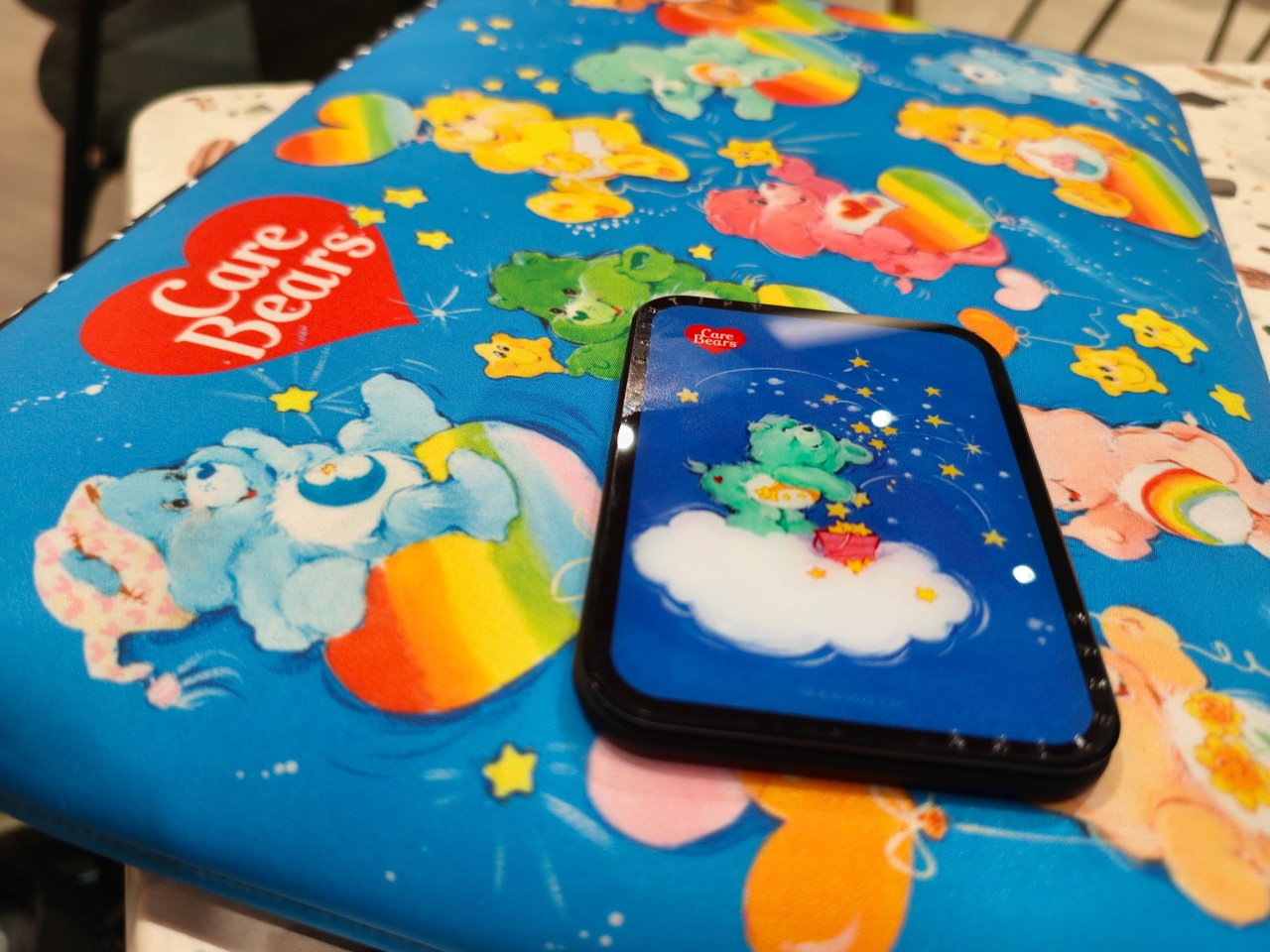
Brigida on the Infinix NOTE 60 Pro’s screen.
The 144Hz 1.5K display is one of its strongest traits. It’s bright, fluid, and genuinely enjoyable for content consumption. Brigida showed up on screen in one of our shots, and the clarity immediately stood out — sharp details, lively colors, no distractions. It’s an easy panel to appreciate.

Paired with JBL-tuned stereo speakers, the NOTE 60 Pro makes a solid case for itself as a media-first phone. If you watch a lot, scroll a lot, or play a lot, this is where it shines most confidently.
The cameras are less compelling.
The 50MP main camera tends to lean bright. Images come out clean but a little flat, often brighter than my personal taste would prefer. It’s perfectly usable, but it doesn’t feel particularly expressive or memorable.





Battery life, at least on paper, looks promising. A large capacity battery paired with aggressive wired charging and even wireless charging suggests endurance won’t be an issue. But that’s something that needs time to really validate.
First Impressions
So, is there a spark?
I’m still undecided.
The Infinix Note 60 Pro feels ambitious. It wants to offer high refresh rates, gaming-ready performance, flashy design elements, and features you don’t always expect in this segment — all at once.
That ambition is admirable. But right now, it also feels like a phone still searching for its clearest identity.
Is it about performance?
Is it about visual flair?
Is it about borrowing familiar design cues and remixing them with playful extras?
Maybe it’s a bit of everything.
At the moment, the Note 60 Pro feels like a first date that tries very hard to impress. There’s a lot to like, a few things to question, and just enough intrigue to warrant a second look.
We’ll need more time to see where this goes.
Infinix NOTE 60 Pro specs
| Category | Details |
|---|---|
| Display | 6.78-inch 1.5K Ultra HDR Display |
| 144Hz refresh rate | |
| Up to 4500 nits peak brightness | |
| Corning® Gorilla® Glass 7i | |
| Processor | Snapdragon 7s Gen 4 5G |
| Cooling | 3D IceCore Vapor Chamber Cooling |
| Rear Camera | 50MP Night Master Main Camera (OIS) |
| 8MP Ultra-Wide | |
| 4K video recording (30fps) | |
| Front Camera | 13MP |
| Audio | JBL-tuned dual stereo speakers |
| Battery | 6500mAh or 6000mAh (market dependent) |
| Charging | 90W wired fast charging |
| 30W wireless charging | |
| Bypass charging support | |
| Operating System | XOS 16 (based on Android 16) |
| Software Support | 3 years OS updates |
| 5 years security updates | |
| Connectivity | 5G, LTE |
| Wi-Fi | |
| Bluetooth | |
| eSIM support (region dependent) | |
| Durability | IP64 splash and rain resistance |
| Frame | Metal frame |
| Special Features | Active Matrix Display (rear LED interface) |
| Halo Light status indicator | |
| One-Tap multifunction button | |
| Advanced health monitoring | |
| IR Blaster | |
| Dimensions | 162.36 × 77.17 × 7.36mm (Torino Black) |
| 162.36 × 77.17 × 7.45mm (other colors) | |
| Weight | 201.7g |
| Colors | Torino Black (Pininfarina edition) |
| Frost Silver | |
| Mist Titanium | |
| Deep Ocean Blue | |
| Solar Orange | |
| Mocha Brown |

Believe me or not, I only had one encounter with an OPPO Reno phone, and it was the Reno10 Pro from 2021. However, my time with it was very short.
Almost five years in, I was finally given the chance to hold the Chinese brand’s latest and greatest Reno.
Without beating around the bush, here’s my first time with the OPPO Reno15 Pro.
First Look
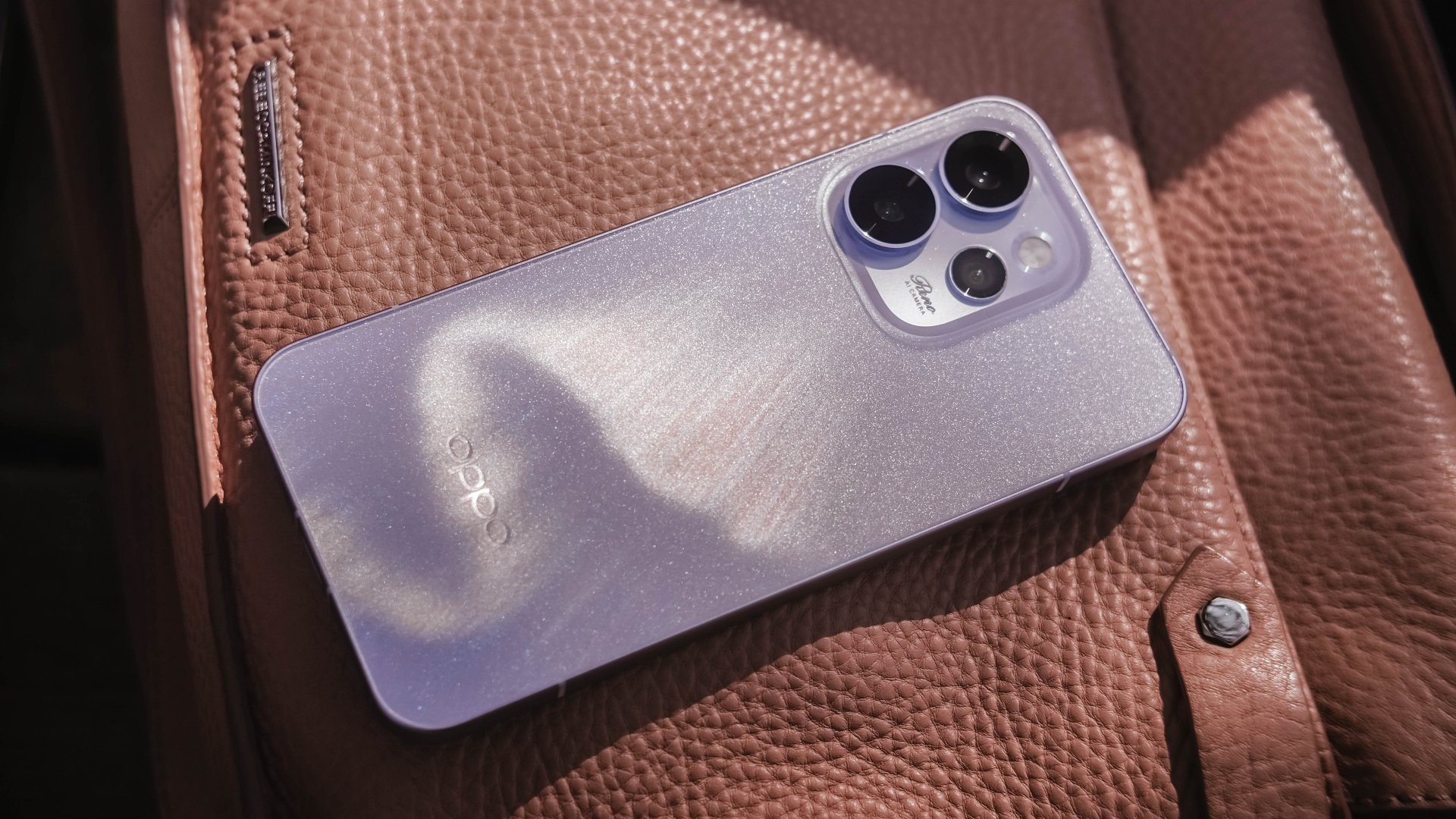
The moment I unsealed its sturdy packaging, the OPPO Reno15 Pro greeted me in this shining, shimmering blue backing.
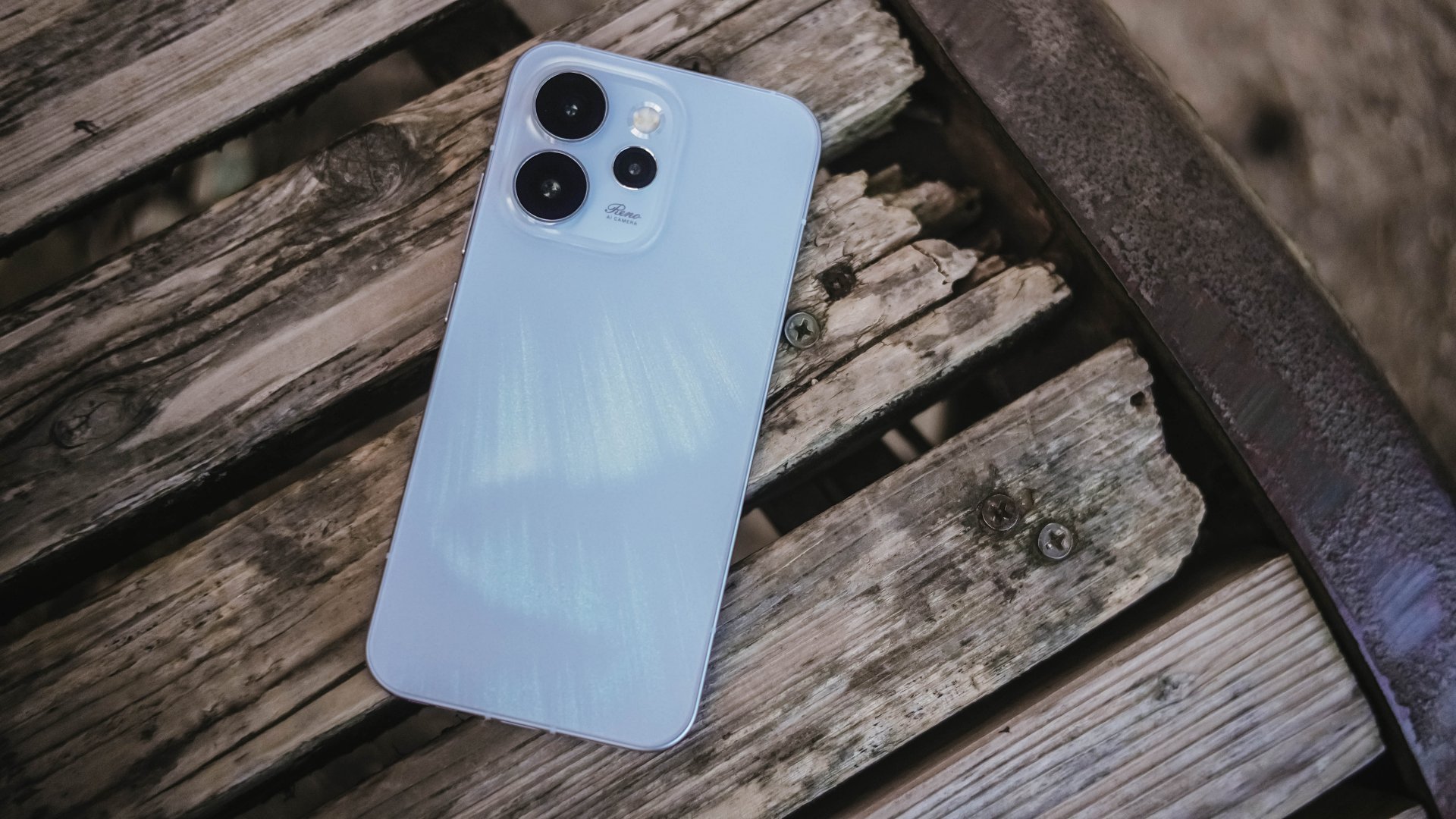
Dubbed as the “Aurora Blue” colorway, it instantly reminded me that I’m still not over that Aurora Borealis scene in the latest hit K-Drama “Can This Love Be Translated?” starred by Kim Seonho and Go Younjung.
I said it before and I’ll say it again, flashy finishes are the least of my options when choosing for a new phone. Still, this finish wins over the less impressive Dusk Brown shade.
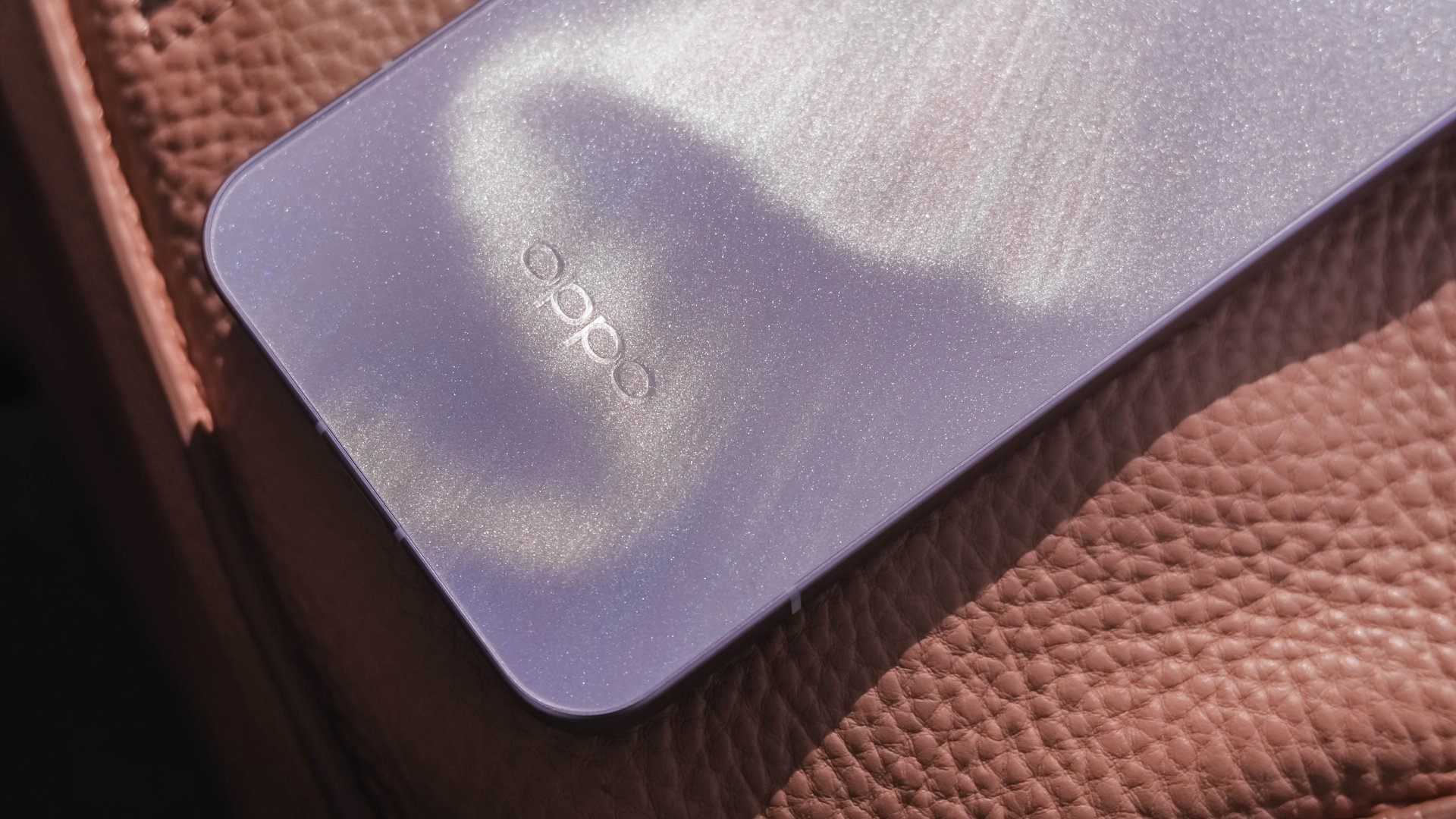
Just like that dazzling northern lights, the Reno15 Pro shows off its aurora accents depending on how the sun hits it.
In the faintest of light, that aurora simply vanishes. Even so, the OPPO Reno15 Pro still shines through with its specks of glitter.
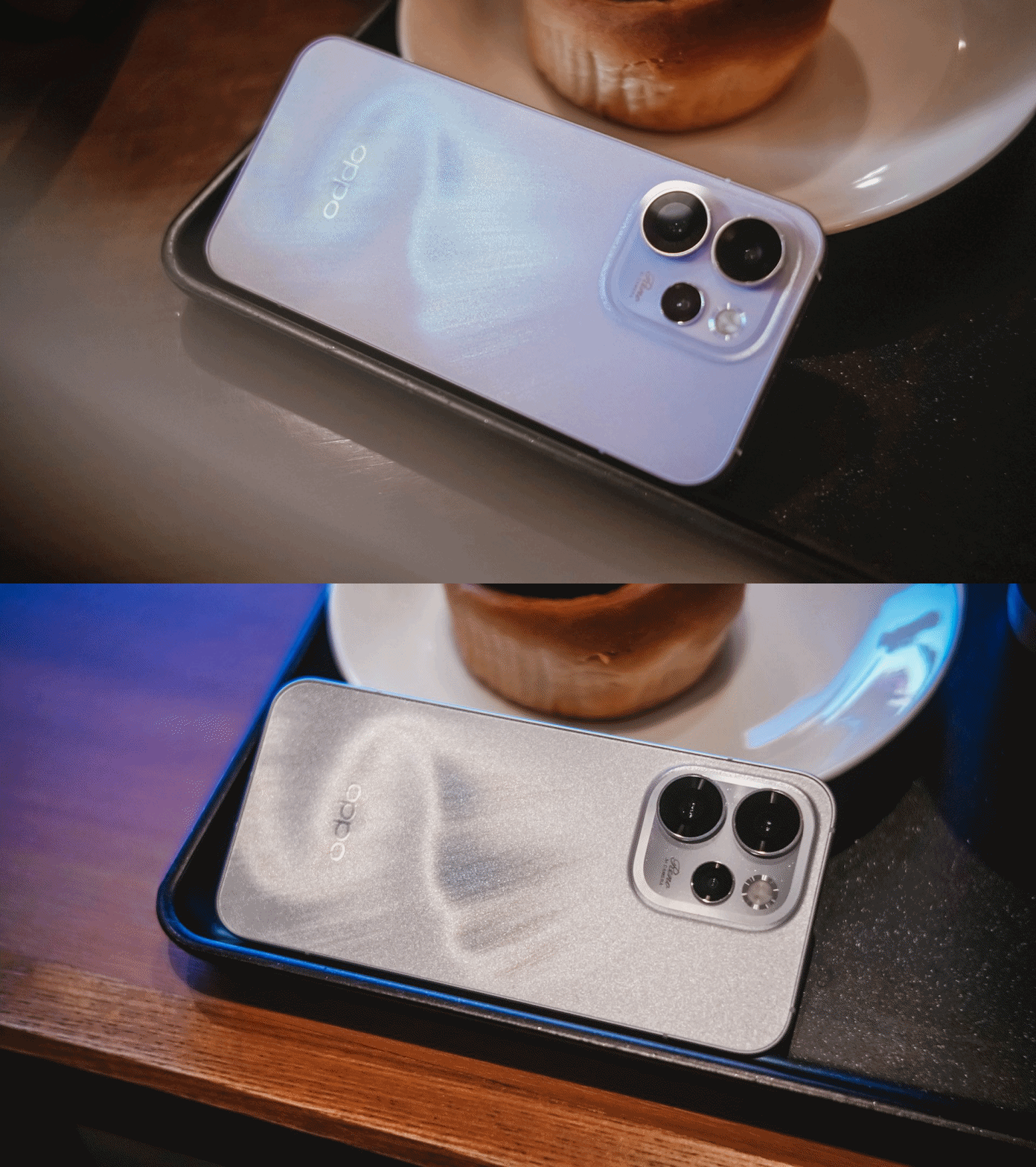
That’s more evident when you bring the OPPO Reno15 Pro indoors — be that your cool room (literally) or a warmly-lit café.
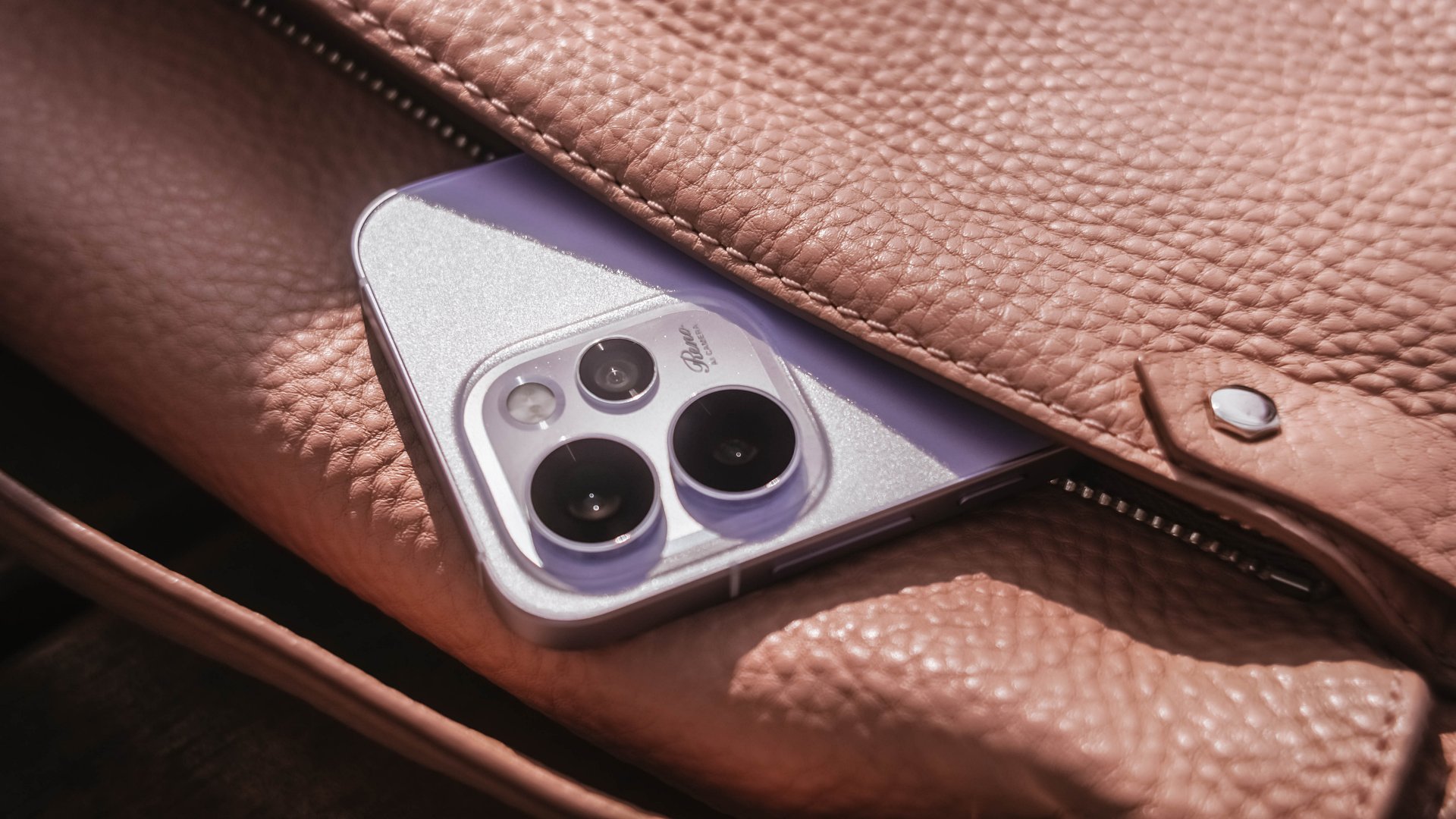
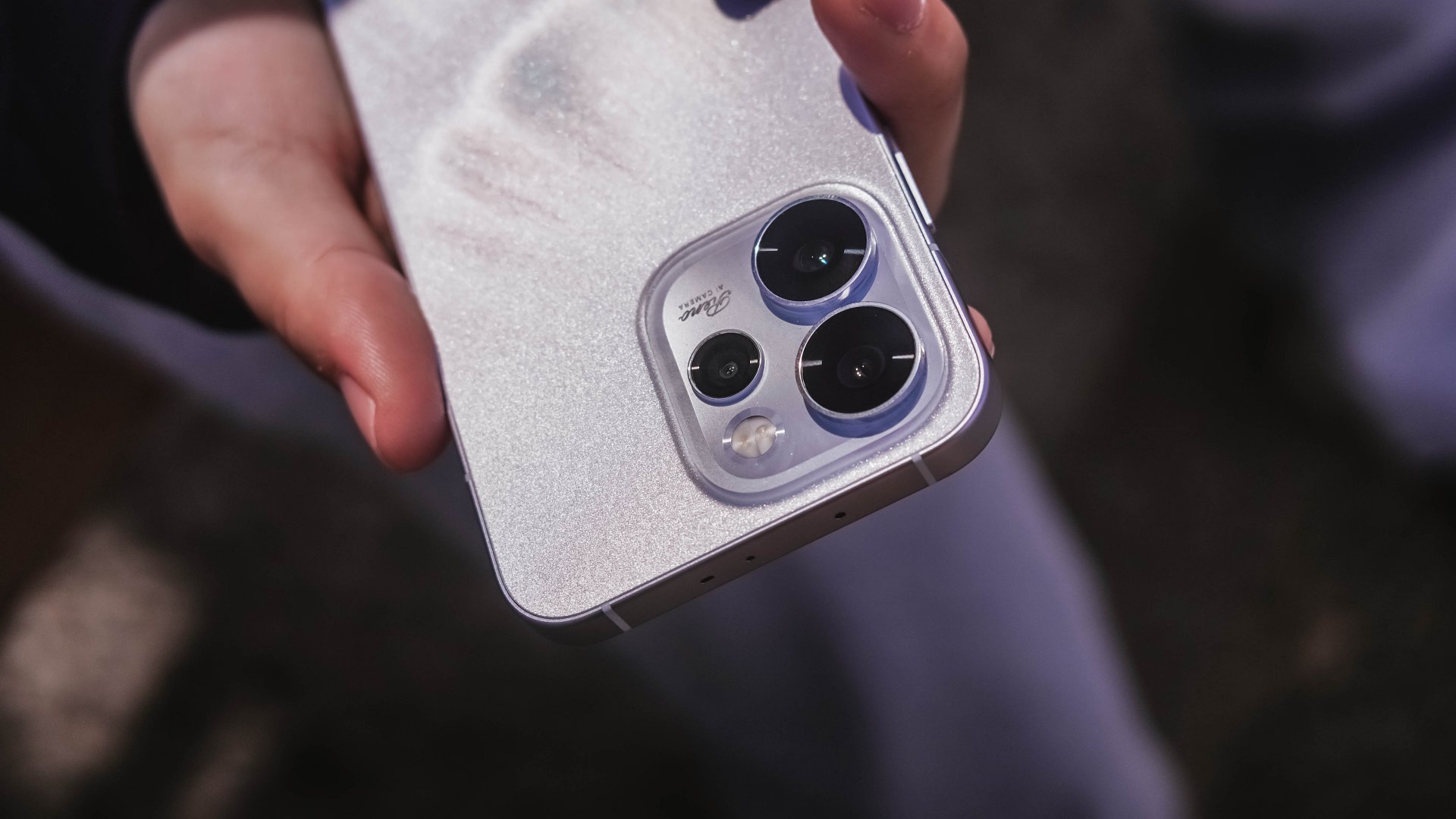
Its camera cutout may not be the most unique out there, but it’s uniformed enough to look clean. After all, a phone’s camera arrangement isn’t what defines the overall performance of its cameras.
First Date
Although 8.13mm isn’t “thin” in today’s standards, holding and keeping the OPPO Reno15 Pro for prolonged periods never felt a sore. Its aerospace-grade aluminum frame may just be one among many factors.

One after another, that 6.32-inch AMOLED 120Hz display is a huge complement to the hands. It fits my huge palms, more so, pockets of all sorts. This sweet screen size is also a breath of fresh air in a vast world of large slabs.
When hit by that harsh sunlight, it’s more than bright– up to 3600 nits of peak HDR brightness if I must insist. And, no matter what kind of content I consume, it’s truly crisp, clear, and even color-accurate.

Being powered by MediaTek’s Dimensity 8450 SoC alongside OPPO’s ColorOS 16 is what made me stuck longer. It honestly felt like I’m in a smooth ride without any road traffic.
The OPPO Reno15 Pro has a great harmony between its software snappiness and fluidity. Animations flow without feeling rushed — much like enjoying date nights without being pressured to catch the last bus trip back home.
Speaking of staying out late for a date, the Reno15 Pro lasted me more than enough. And, despite its petite form, it managed to fit in a 6200mAh battery inside.
The screen size to battery ratio is just a perfect match. Not only it fits in most (if not all) hands and pockets, it also meant being able to squeeze in more battery to make the most out of your day, night, and even midnight.
If juice gets squeezed out, its 80W SuperVOOC charging will truly save the day!

That doesn’t even end there. With triple IP ratings (IP66, IP68, IP69), you’re more than assured that it’s durable enough in occasional (and accidental) phone drops.
First Impressions
The OPPO Reno15 Pro, despite being categorized as a midrange device, already feels like a solid vanilla flagship.
Much like any other first dates, its overall appearance is just on the surface level. What made me invested more to know the Reno15 Pro further are none other than its intrinsic qualities.

That includes that screen size (or form factor) on the sweet spot plus oh-so-fluid ColorOS. Moreover, its powerful core paired with a humongous battery that will truly last you long.
While I may not have included any photo sample in this early look, I can already assure you that it has one of the greatest camera performers for its class. And actually, it is for another story 😉.

My first time with an OPPO Reno smartphone not only made me impressed. This phone also enticed me to consider switching to the OPPO system when another review opportunity arises.


Galaxy Buds4 Pro review: I thought I was done with in-ears
This Buds4 you


WWE 2K26 lets you live out all the fantasy matches you could want
But you have to play for hours and hours to unlock everyone.

The HONOR X8d is serviceable
Steady but slow?

Logitech G debuts PRO X2 SUPERSTRIKE with faster click tech

More iPhone switchers this year than Android switchers, report says

Marvel’s Wonder Man greenlit for a rare second season

Apple’s WWDC 2026 will be from June 8 to 12
Galaxy Buds4 Pro review: I thought I was done with in-ears


-
 Reviews1 week ago
POCO X8 Pro Max review: A new beast from the far east
-

 News1 week ago
POCO X8 Pro Series: Price, availability in the Philippines
-

 Laptops2 weeks ago
Apple MacBook Neo Review
-

 Features2 weeks ago
Galaxy AI on the Samsung Galaxy S26 Ultra
-

 Apps2 weeks ago
Google Maps is finally getting a 3D mode
-

 Entertainment2 weeks ago
The internet is thirsting over the One Piece Season 2 cast
-

 Reviews1 week ago
POCO X8 Pro Iron Man Edition review: Midrange phone in superhero armor
-
 Gaming2 weeks ago
Valve is embroiled in a lawsuit with New York over loot boxes