
Features
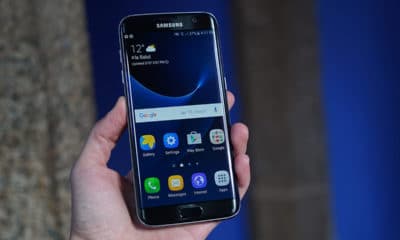
Samsung Galaxy S7, S7 Edge Hands On – Better than eyes can see


Two months of collective restraint from the world’s most powerful smartphone companies have led up to this day in Barcelona. If this were Hollywood, today would be the Oscars, maybe even more exciting. Today, tightly guarded secrets finally see the light of day, leaks that couldn’t wait to be revealed are confirmed, and expectations that have kept the tech industry at a standstill are either quenched or met with utter disappointment.
In a span of just two years, Korean smartphone giant Samsung has been on the receiving end of both criticism and praise. Its 2014 smartphone the Galaxy S5, with its plasticky build and faux leather stylings was a big miss while its 2015 attempt the glass and metal Galaxy S6 was for the most part, everything its demanding user base clamoured for.
Today as they unveil their latest Pièce De Résistance or as the Spanish say the Plato Fuerte, Samsung hopes for a repeat of last year’s performance.
I’ve seen and held the new Galaxy S7 and its curvier big brother the Galaxy S7 Edge – both are great phones, not blow your mind phones, but phones that deliver a certain level of contentment and satisfaction.
Call it managing expectations. For sure, a smartphone on the bleeding edge is what we tech journalists seek out. But at its core, if you strip away the pomp and hyperbole of a smartphone launch, see beyond the marketing speak, and allow enough time for the hype to die down, you’ll find that what everybody really wants is a smartphone they can be content with.
The Samsung Galaxy S7 is one of those phones.
COMEBACK
Two key themes mark the design of the Galaxy S7 and S7 Edge (from hereon out collectively referred to as the S7 unless otherwise stated) – giving back what was surreptitiously taken away, and improving on what has already been done right.
Like the S5 of two years past, the S7 has an IP68 rating that guarantees survival under fresh or pool water up to depths of 1.5 meters for 30 minutes. The only orifices on the phone are a micro USB charging port and headphone jack, both remain exposed but protected thanks to a new cap-less design.

The hybrid SIM tray on the S7 and S7 Edge takes two nano SIM cards or one SIM and on microSD card.
The only removable part is its SIM card tray, lined with rubber stoppers to keep water out. The hybrid tray has two slots, one for a nano SIM, and the other for a micro SD (or a second nano SIM) card of up to 200GB in case the phone’s internal storage is not enough (32GB or 64GB depending on your region). The latter should appease critics who decried the absence of the expandable memory on the S6, and gives Samsung a leg up on Apple whose never made external cards an option on the iPhone.
One feature not making a comeback is user replaceable batteries. Instead Samsung is giving the S7 and S7 Edge batteries with larger capacities. Up to 3000 mAh on the S7 and 3600 mAh on the S7 Edge. Both phones also support fast wired and wireless charging and take 95 minutes and 115 minutes (wired) and 130 and 150 minutes (wireless) respectively to charge from 0 to 100%.
DESIGN
If you’ve seen the S6 then the S7 won’t look dramatically different. The S7 is still mostly made up of glass and metal but now has slightly more rounded corners, a slightly more squarish home button, and a display that’s even more flushed against its sides.

Both the S7 and S7 Edge are curvier than last years models thanks to new 3D glass.
The biggest design change can be seen and felt once you turn the phone around. The back of the of S7 now curves outward on both ends made from what Samsung calls 3D glass. It’s a simple but practical design change that’s made the phone less boxy, more ergonomic, and one that feels thinner than it actually is.
CAMERA
Samsung also improved the highly regarded camera of the S6.
While its shaved down the unsightly camera bump, everything else is bigger and better, including a faster f/1.7 lens and larger 1.4um pixel size.

On paper the Galaxy S7 and S7 Edge have one of the best cameras seen on a smartphone ever.
The company is touting a new feature called dual pixel technology, something seen on high end professional cameras from Canon but never on a smartphone. The promise is even better low light performance and even faster focus speeds, up to 4x faster than its predecessor in low light.
Samsung is also making a bold move this year, cutting down on megapixels from 16 on the S6 to only 12 on the S7. In lieu of more megapixels you get larger pixels, a tradeoff that theoretically should deliver better looking photos across lighting conditions.
Double pressing on the home button still launches the camera app, and launch time is as fast as ever. From within the camera app Samsung has added a new Motion Panorama mode and made improvements to its Hyperlapse feature bringing down file sizes significantly so that it can be shared easily on the web.
Similar to what Apple did with the iPhone 6S, the S7’s selfie camera gets fill flash, not an actual front facing flash, but a sudden burst of light from your smartphone display.
POWER
Depending on where you are in the world the S7 will be powered by different processors, either an octa-core processor from Samsung (Exynos 8890) or a quad-core processor from Snapdragon (Snapdragon 820), both are promised to be up to 58% faster than last year’s models.
Memory-wise, 4GB of RAM is standard across the board.
Gamers will enjoy a new feature called Game Tools that allow you to take screenshots, record game play, turn off notifications while in game, and the ability switch to a power saving mode that reduces performance but saves on battery life. The phone also supports Vulcan API so game developers can tap into even more power saving and performance driving features in tandem with the phone.
S7 EDGE
Last year Samsung introduced two innovative new smartphones with curved screens, the 5.1-inch S6 Edge and 5.7 inch S7 Edge Plus. Both models have been consolidated into one product this year the 5.5-inch Galaxy S7 Edge. The change might sound confusing at first but it is a smart move that clearly defines Samsung’s top-of-the-line smartphone offerings which in 2016 are the Galaxy S7 (5.1 inches) Galaxy S7 Edge (5.5 inches) and Galaxy Note 5 (5.7 inches with a bundled stylus), none of which compete with each other in both feature set and screen size.

Tasks Edge on the Galaxy S7 Edge allows users to set shortcuts to tasks within certain asks, soon even 3rd party ones
Edge functionality on the S7 Edge has been expanded – the edge display is now two columns wide. The extra screen real estate means more space for 3rd party widgets. On top of “People Edge” (contact shortcuts) and “Apps Edge” (app shortcuts) Samsung is adding a third edge screen called “Task Edge” which allows you to create shortcuts to specific tasks within apps. For example you create a shortcut to launch the selfie camera, or compose a new SMS message. For now its Samsung apps only but the company is opening up Task Edge to third party developers so soon you should also be able to also create shortcuts for posting photos to Instagram and composing Tweets.
AVAILABILITY
It’s only been a few hours since the launch of the S7, not enough time to crown it the next best thing. In a week or so after this hype has died down, I should be able to assess how I truly feel about the device and determine whether or not it is a phone that delivers contentment. But by then the phone could already be in your hands.
In an effort to be the first flagship smartphone in stores this 2016, Samsung is pushing for an aggressive worldwide release. Both phones will be available in the United States on March 11th. The Philippine release is scheduled for March 19th, with gold and black 32GB variants of the S7 and S7 Edge retailing for Php 34990 and Php 39990 respectively.
[irp posts=”2481″ name=”Singapore is getting a taste of Samsung’s pink-gold Galaxy S7 phones”]



Features
Why the OPPO Reno15 5G series is a creator’s essential
4K Ultra-Steady, 50MP groufies, and AI edits in one device.

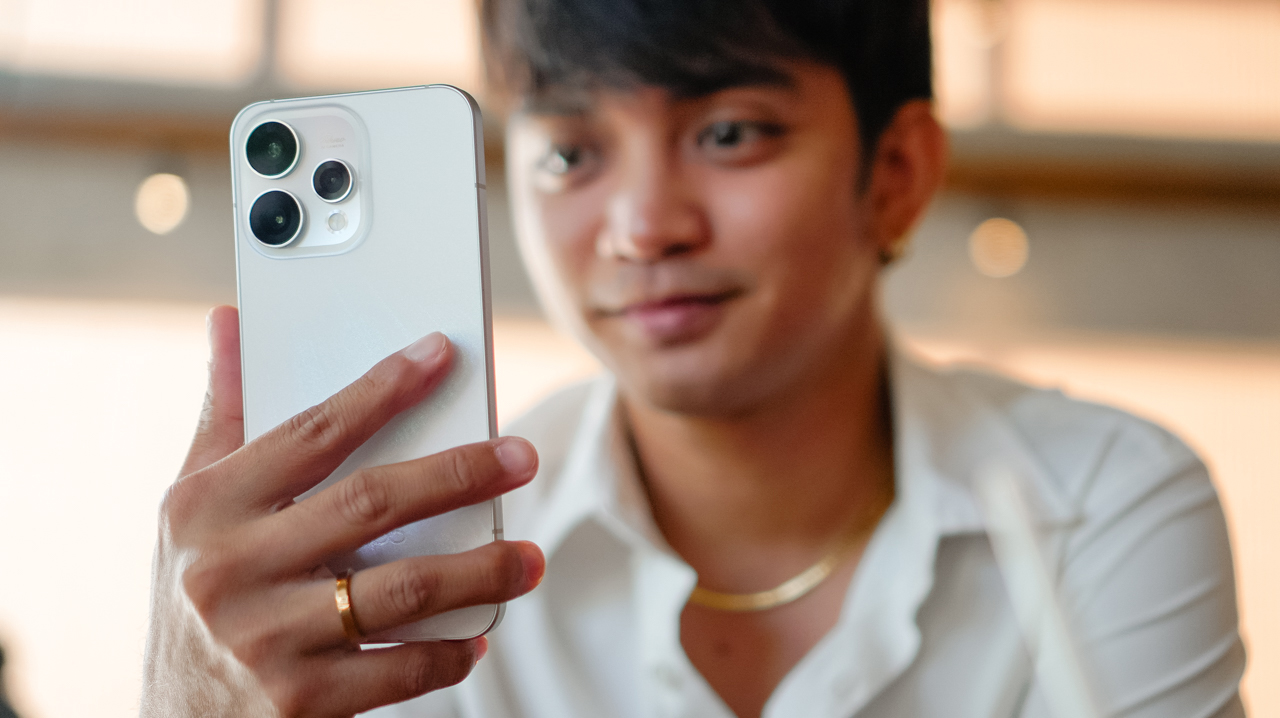
There are two kinds of travel essentials: the ones you pack because you have to, and the ones you pack because they make the story better.
Often, we feel forced to choose between traveling light and bringing the bulky gear necessary to document the trip properly.
On your next trip, the OPPO Reno15 5G Series eliminates that compromise. With a thoughtful mix of hardware and software, it becomes your pocket-sized production crew, ready to capture life as it unfolds.
The crew in your pocket
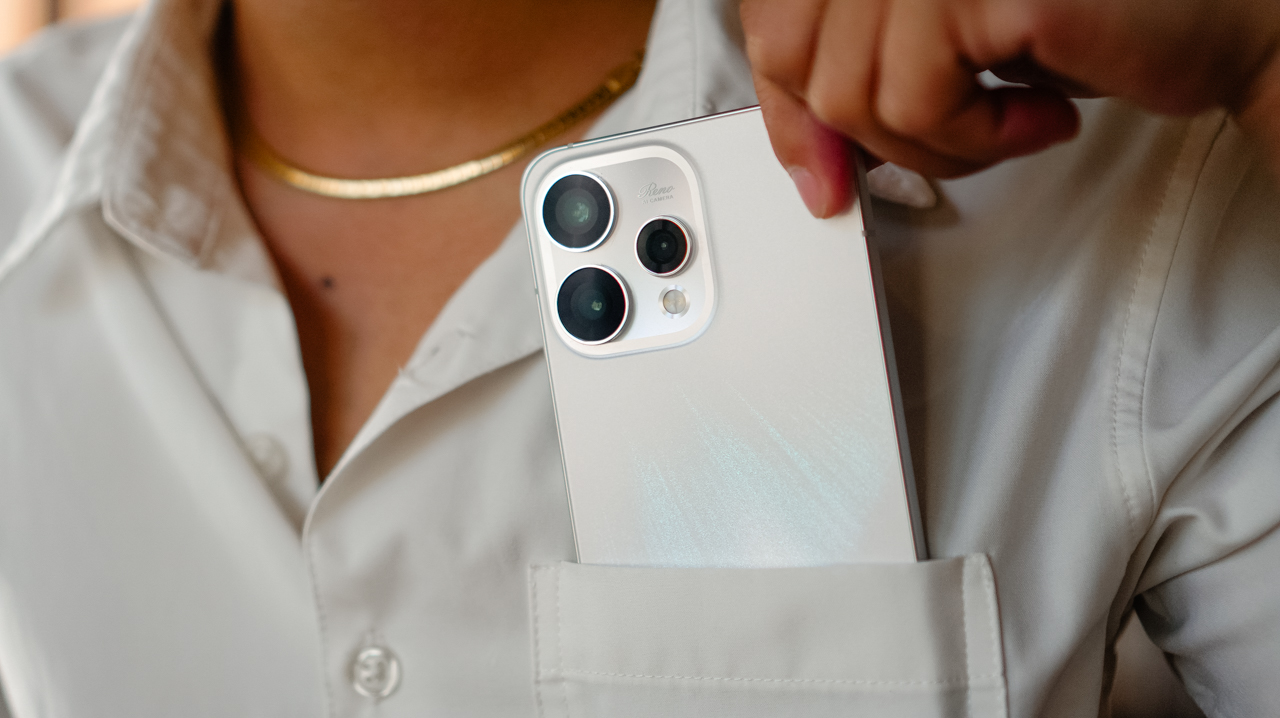
The first rule of travel is to keep things light, but for a creator, “light” cannot mean lower quality.
Whether you are navigating crowded night markets or chasing the golden hour on a steep, adventurous rooftop, the 4K Ultra Steady feature ensures your footage looks composed even when the environment is chaotic.
View this post on Instagram
This stabilization changes the energy of a travel vlog, turning handheld montages into polished, cinematic clips that are ready for a Reel the moment you hit save.
View this post on Instagram
Capturing everything and everyone
Travel stories are built on shared memories, but too often, the person behind the lens is left out.
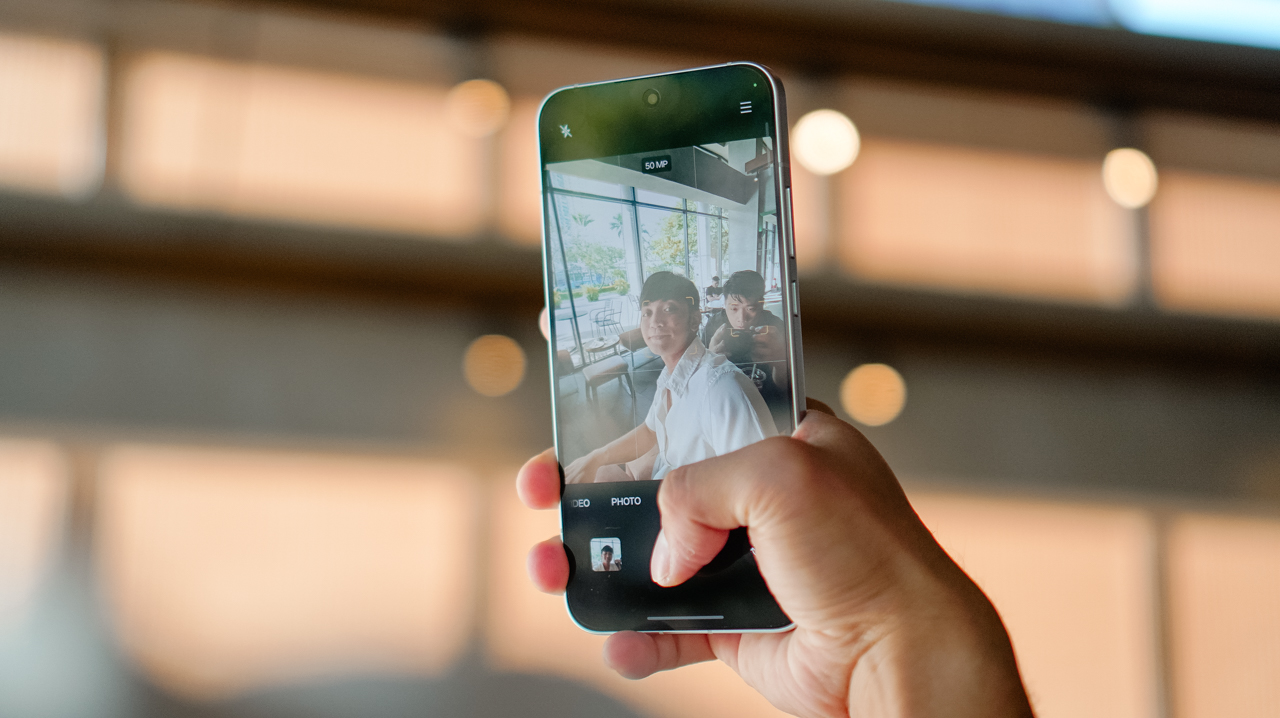
Group shots often become a messy scramble to squeeze everyone into a tight frame. The 50MP Selfie Camera changes that outcome with its 0.6x ultra-wide-angle mode
It captures the entire group with sharp detail across the frame, ensuring no one is relegated to the blurry edges.
Even if you need to crop the image later for a specific social media layout, faces remain clear and the background stays defined.
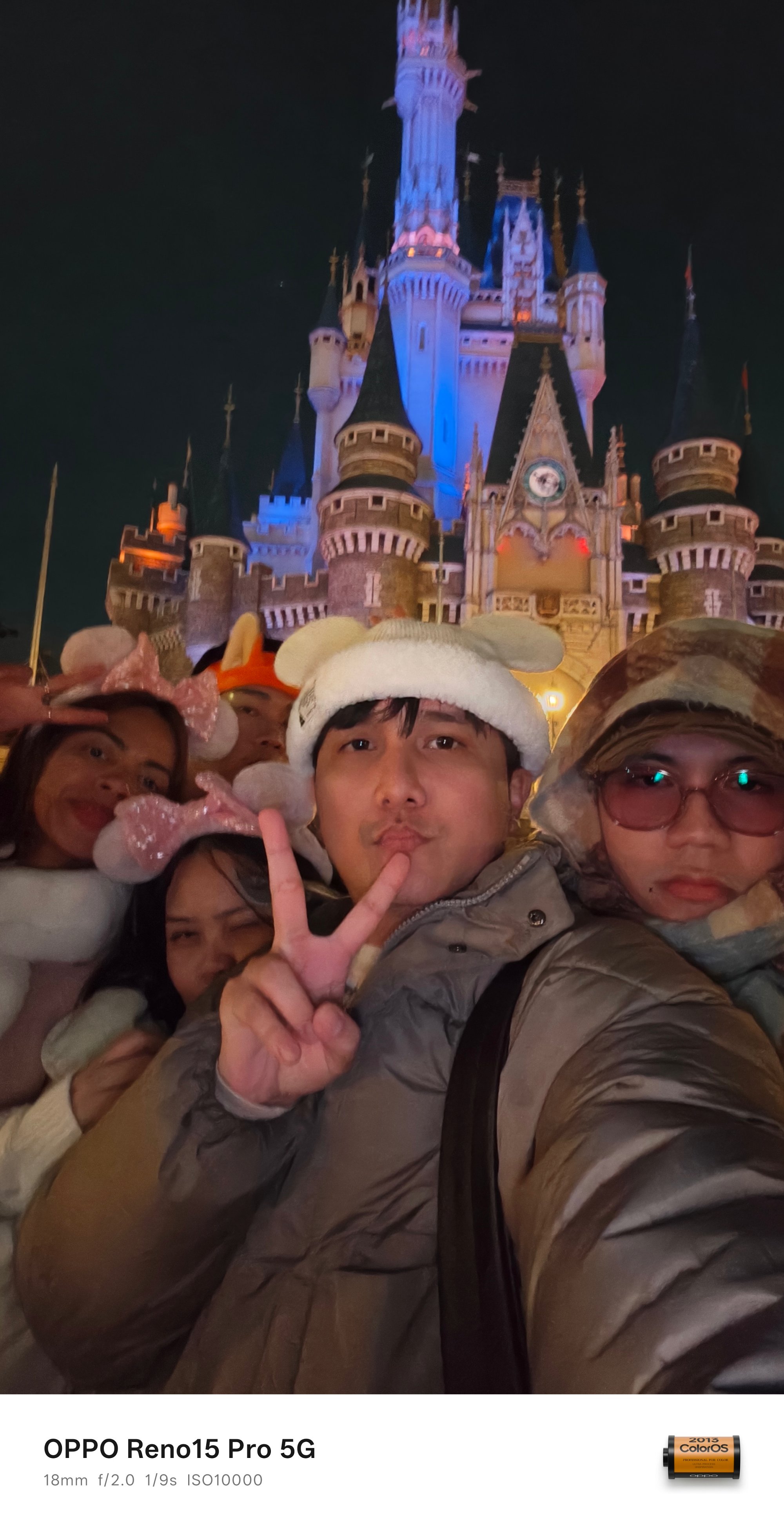


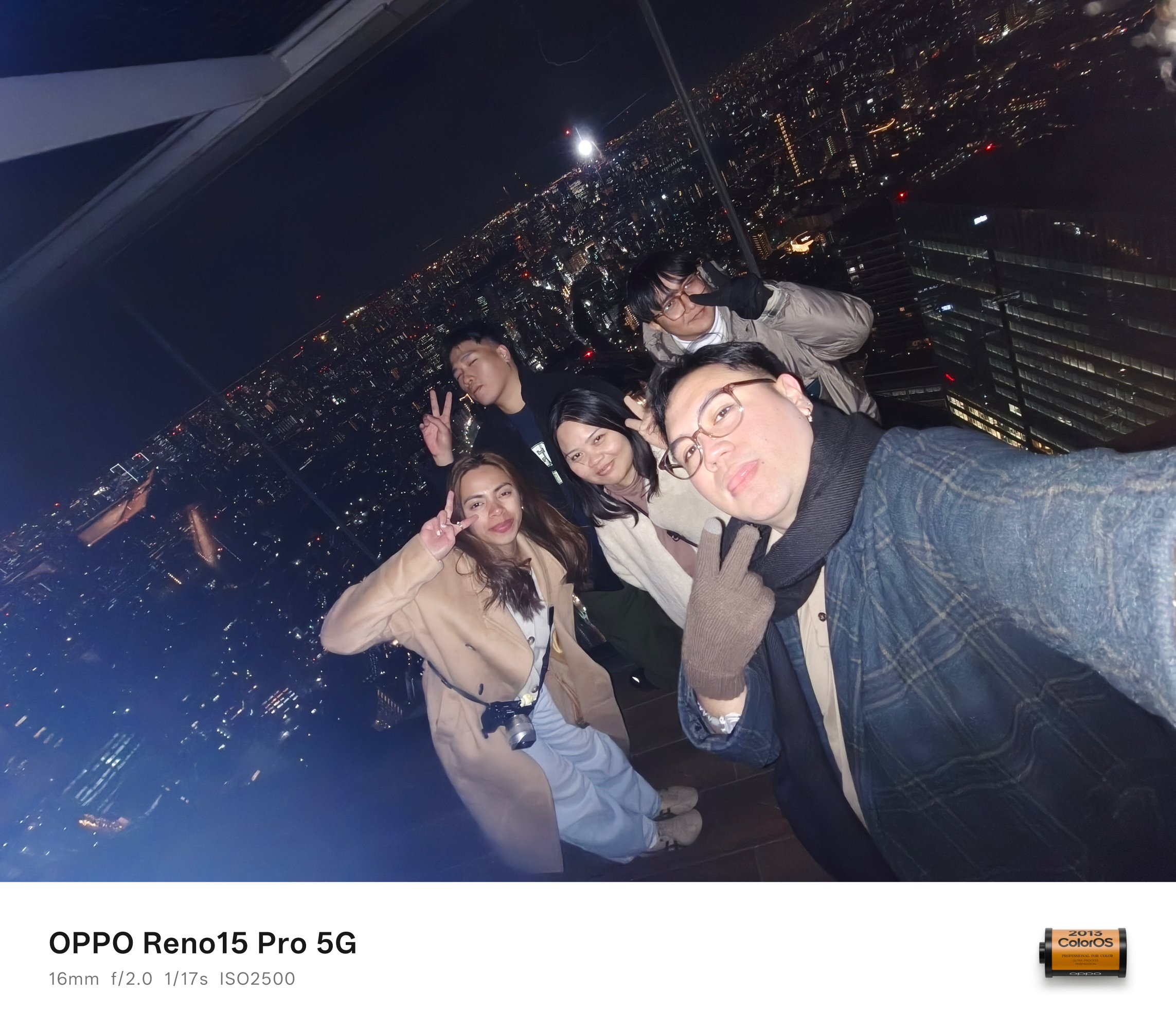


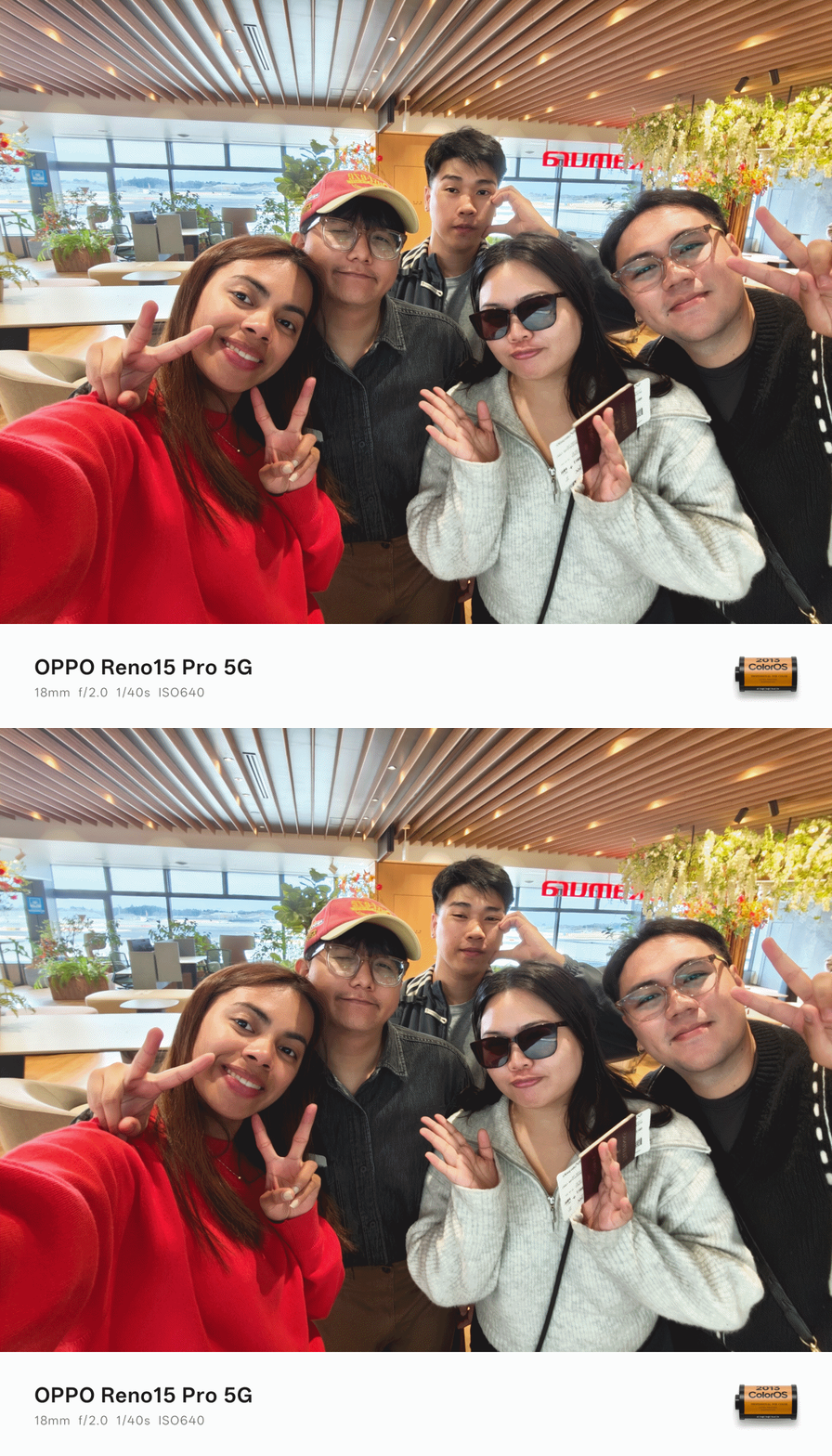


The result is a “groufie” that feels complete and professional
Scroll-stopping memories
We often summarize our trips through collages: layered photos that tell a single story.
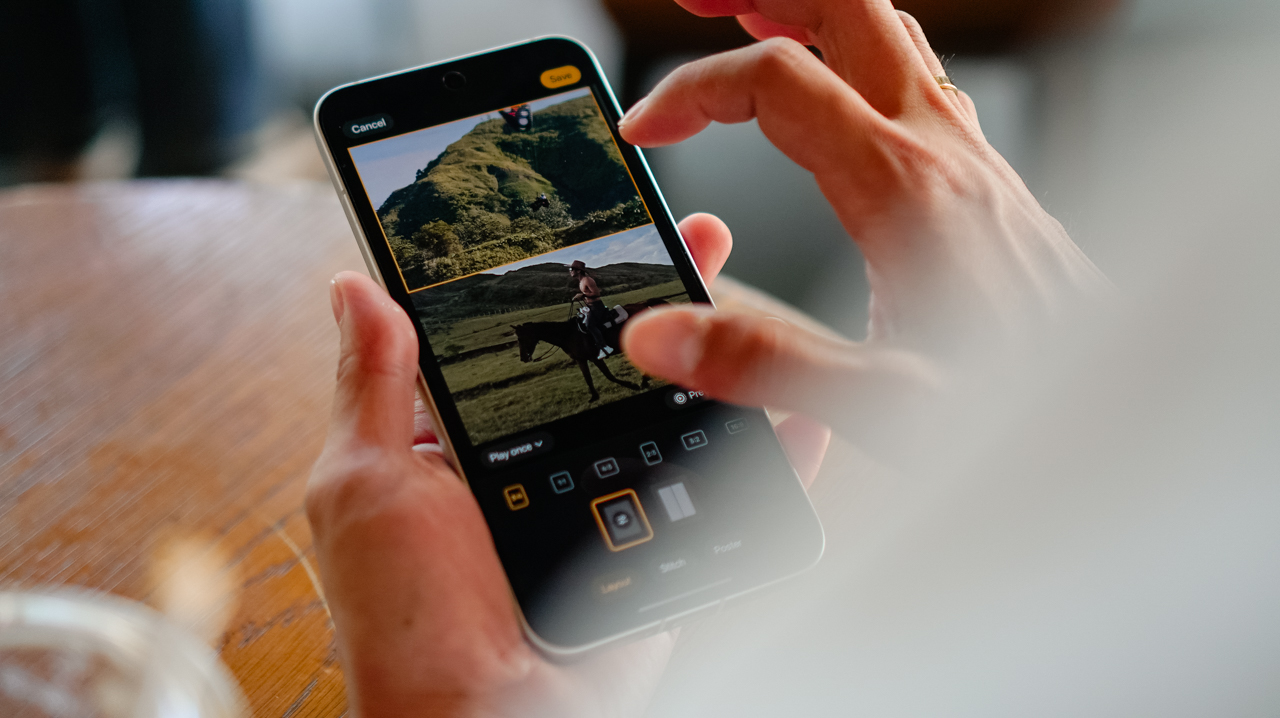
The AI Motion Photo Popout tool brings a new dimension to these memories. With a few taps in the Gallery, the subject separates from the background to create a sophisticated, layered effect.




These edits serve as the perfect foundation for Instagram Story covers, Reel thumbnails, or high-quality personal wallpapers.
It’s a subtle digital adjustment that makes a visible difference in how your audience experiences your journey.
Reliability for the modern creator.
A smartphone is no longer just a gadget; it is a creative partner. The OPPO Reno15 Series 5G features a sleek design that looks at home beside a passport or a boarding pass.

It’s light enough for long days of exploration but polished enough for high-end city trips. The reliable battery life supports early flights, full-day itineraries, and even late-night uploads.




You’ll spend less time searching for an outlet and more time capturing the moments that matter.
Which OPPO Reno15 Series 5G is your GadgetMatch?
The series offers variants designed to fit your specific creative style.
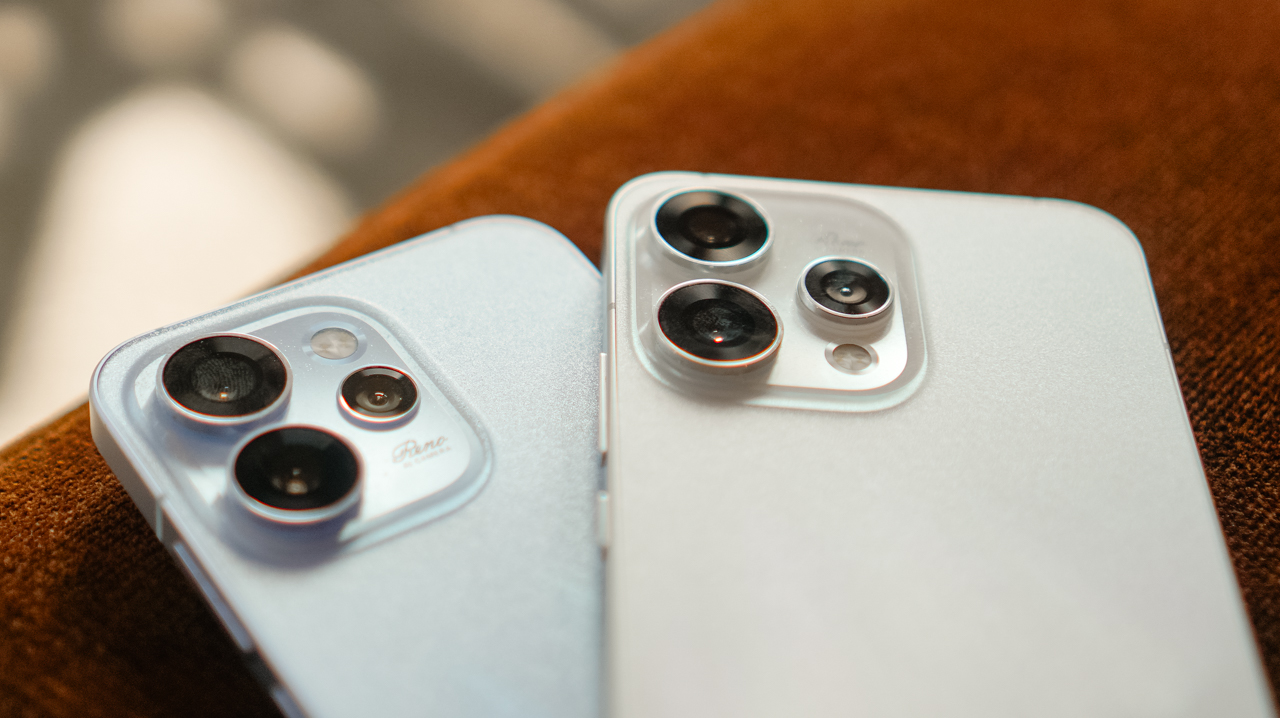
Pick the OPPO Reno15 5G if you want a balanced everyday companion, and if you want flexibility and reliability without overcomplicating the process.
There’s the OPPO Reno15 Pro; the choice for creators where photography and videography are the main event, offering enhanced tools in a compact form.

But if you’re a value-conscious traveler who wants a practical entry point that provides core camera and AI features, then the OPPO Reno15 F 5G is your GadgetMatch.
Whichever you choose, the series proves that a travel accessory can do more than complement an outfit. It preserves your stories because it doubles as a content creator’s must-have tool.
The OPPO Reno15 Series 5G is now available in OPPO stores nationwide and the OPPO Online Store.
SEE MORE: The art of being in and behind the frame | OPPO Reno15 Pro: Camera Review

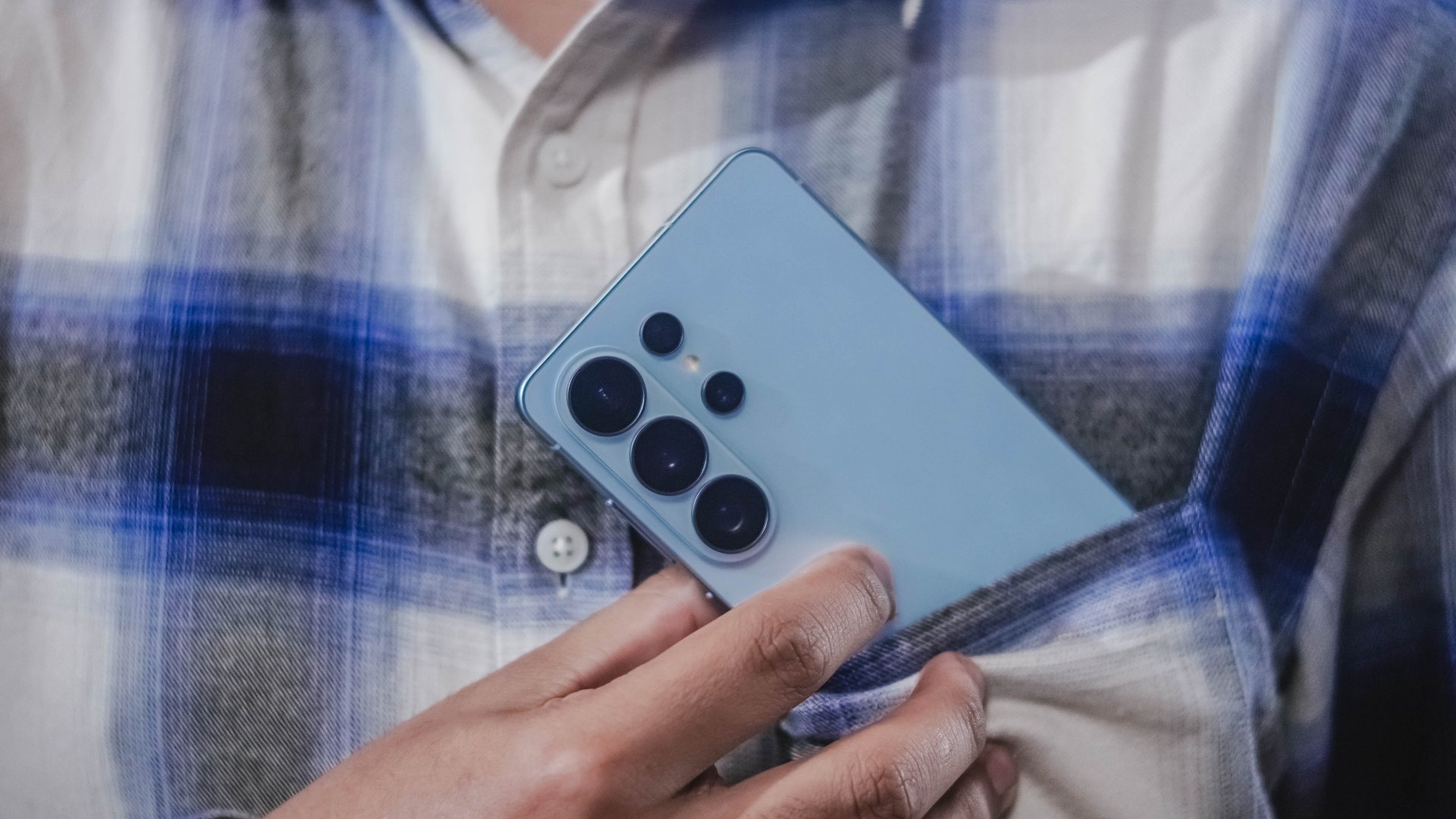
@gadgetmatch A phone that does more… so you can focus more on the moments that matter. The Galaxy S26 Ultra lets Galaxy AI handle the small stuff so you can stay present for the moments that matter. Also great for the occasional KPop concert video. Pre-order until March 17 and get double storage worth up to PhP 14,000. https://www.samsung.com/ph/smartphones/galaxy-s26-ultra/buy/ #GalaxyS26Ultra #EverydaywithGalaxyAI @samsungph ♬ original sound – GadgetMatch
Here’s the dream: a phone that helps you stay on top of things, so you can focus more on what matters.
That’s basically the idea behind Galaxy AI on the Samsung Galaxy S26 Ultra.
Instead of adding more things to do, the phone helps take care of the small stuff for you. Things like reminding you what’s next, or surfacing the information you need right when you need it.
So you spend less time digging through apps and more time actually doing the things you planned to do.
Editing photos is easier too. With Photo Assist, you can just describe the change you want… and Galaxy AI fills in the rest.
And if you’re cleaning up a video, Audio Eraser can reduce background noise — even from clips on third-party apps like Instagram or YouTube.
The point isn’t to make your phone the center of attention. It’s to make it helpful enough that you can forget about it for a while. Until something worth capturing happens.
And when things get a little chaotic — like concerts, street performances, or just life moving fast — Super Steady Video helps keep your shots level.
That’s definitely coming with me to the next K-pop concert.
The Galaxy S26 Ultra. Smarter phone. Slightly less stressed me.
Pre-orders are open now — with double storage for early buyers, plus additional discounts and installment offers from participating banks.
Which is great… because apparently I shoot way too many videos.
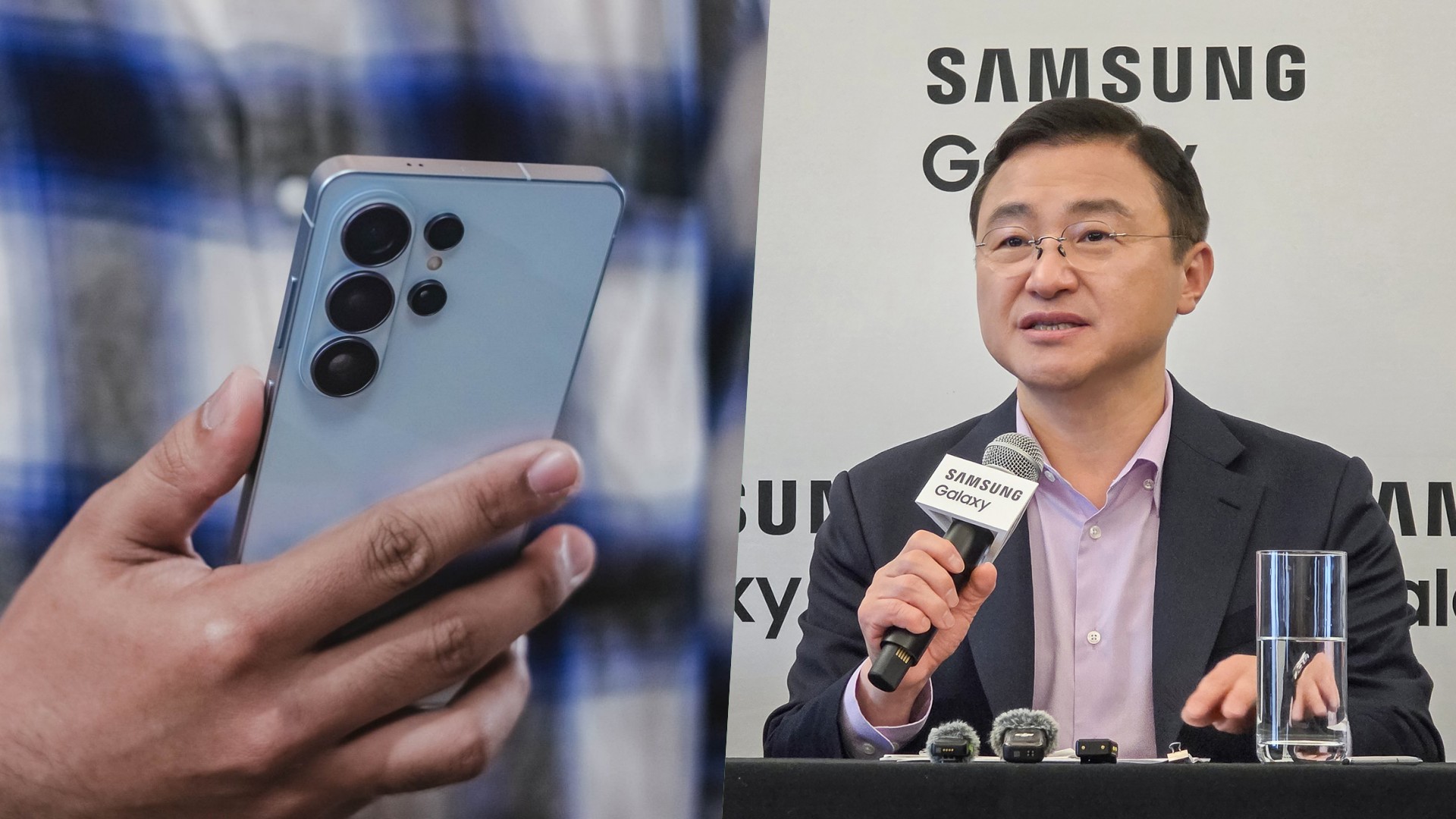
For more than a decade, the smartphone industry has been defined by a familiar race. More megapixels. Faster processors. Bigger batteries. Thinner designs. Being first. Being the most. And being the fastest.
The industry rewarded brands that appeared to be chasing specs. Bigger numbers meant progress. At least on paper.
But if you ask Samsung, the days of chasing specs may no longer define the future of Galaxy smartphones.
During a regional roundtable following the launch of the latest Galaxy devices, I asked TM Roh how the company decides when it’s time for a major hardware upgrade if it isn’t simply chasing specs.
His answer revealed how Samsung now approaches the future of its flagship smartphones.
According to Roh, hardware upgrades are increasingly tied to how well they support Galaxy AI.
“To make Galaxy AI run smoothly, it must be backed by strong hardware,” Roh said during the session, speaking through a translator. He added that Samsung develops its hardware, software, and AI capabilities together — and that major upgrades tend to arrive only when the company reaches what he described as the “desired level of excellence.”
(Quotes are approximate translations.)
“To make Galaxy AI run smoothly, it must be backed by strong hardware.”
(Approximate translation from TM Roh during the roundtable)
In short, Samsung says it’s no longer chasing specs for the sake of winning spec-sheet battles. Not anymore.
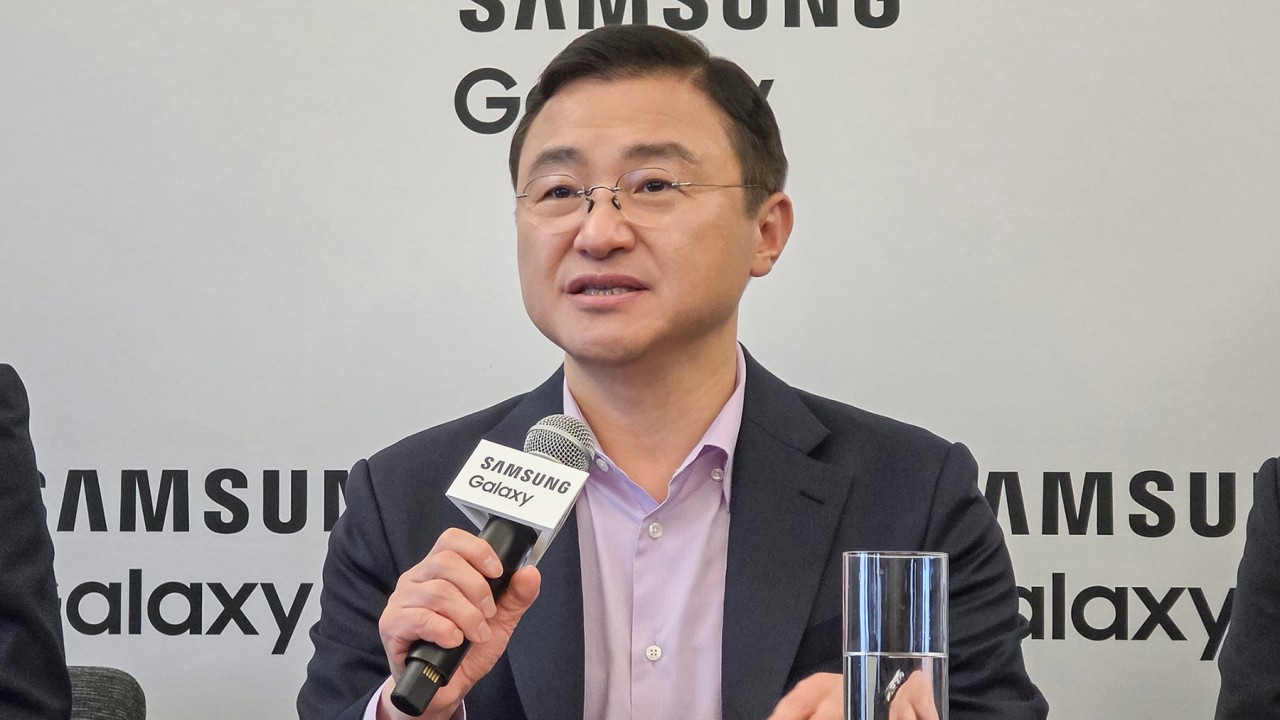
Samsung CEO TM Roh answering questions at a media roundtable in San Francisco
When hardware stops chasing numbers
Hardware innovation still matters. But Samsung increasingly frames those improvements as tools that enable smarter software experiences.
During the roundtable, Roh pointed to Samsung’s custom application processors, which now include stronger neural processing capabilities designed to handle AI workloads more efficiently. Dedicated hardware is also being introduced to strengthen privacy and security — including technologies embedded directly into the display. (See: Privacy Display)
Even cameras, historically one of the biggest battlegrounds for smartphone innovation, are evolving in the same direction.
Roh noted that while sensors and lenses remain important, modern smartphone photography now relies heavily on AI-powered image processing working alongside the hardware. This could also explain why, as of writing, Samsung has resisted the extra telephoto lens accessories that is prevalent with other brands.
The shift is subtle but important. Instead of emphasizing bigger numbers on spec sheets, Samsung positions hardware upgrades as part of a broader system designed to support intelligent software.

Why Samsung gets dunked on online
That philosophy, however, exists in tension with how smartphones are often discussed online.
In a landscape driven by benchmark charts and viral comparisons, incremental refinement rarely generates the same excitement as dramatic hardware leaps. Over the past few years, the Galaxy S series has occasionally become an easy target for criticism — especially as rival Android manufacturers compete to deliver the biggest numbers, the fastest charging speeds, or the thinnest designs.
The temptation in tech media, particularly on platforms like YouTube, is often to dunk on Samsung rather than examine the nuance behind its approach. Spectacular upgrades and dramatic spec sheets make better thumbnails.
Yet listening to Samsung executives across multiple briefings reveals something interesting: the messaging is remarkably consistent. Whether discussing cameras, processors, or ecosystem features, the company repeatedly returns to the same principle. Hardware innovation matters most when it unlocks a better overall experience.
A company that knows its role
That consistency suggests Samsung knows exactly who it is in the smartphone industry.
As the largest Android smartphone manufacturer globally, Samsung occupies a position where competitors often measure themselves against it. Many brands differentiate by pushing aggressive specifications or experimenting with bold hardware changes.
In many ways, everyone else is punching up.
Scale changes priorities. When you’re building devices for hundreds of millions of users, the focus shifts toward reliability, ecosystem integration, and increasingly, AI-powered experiences that work consistently across products.
Why Southeast Asia matters in Samsung’s AI strategy
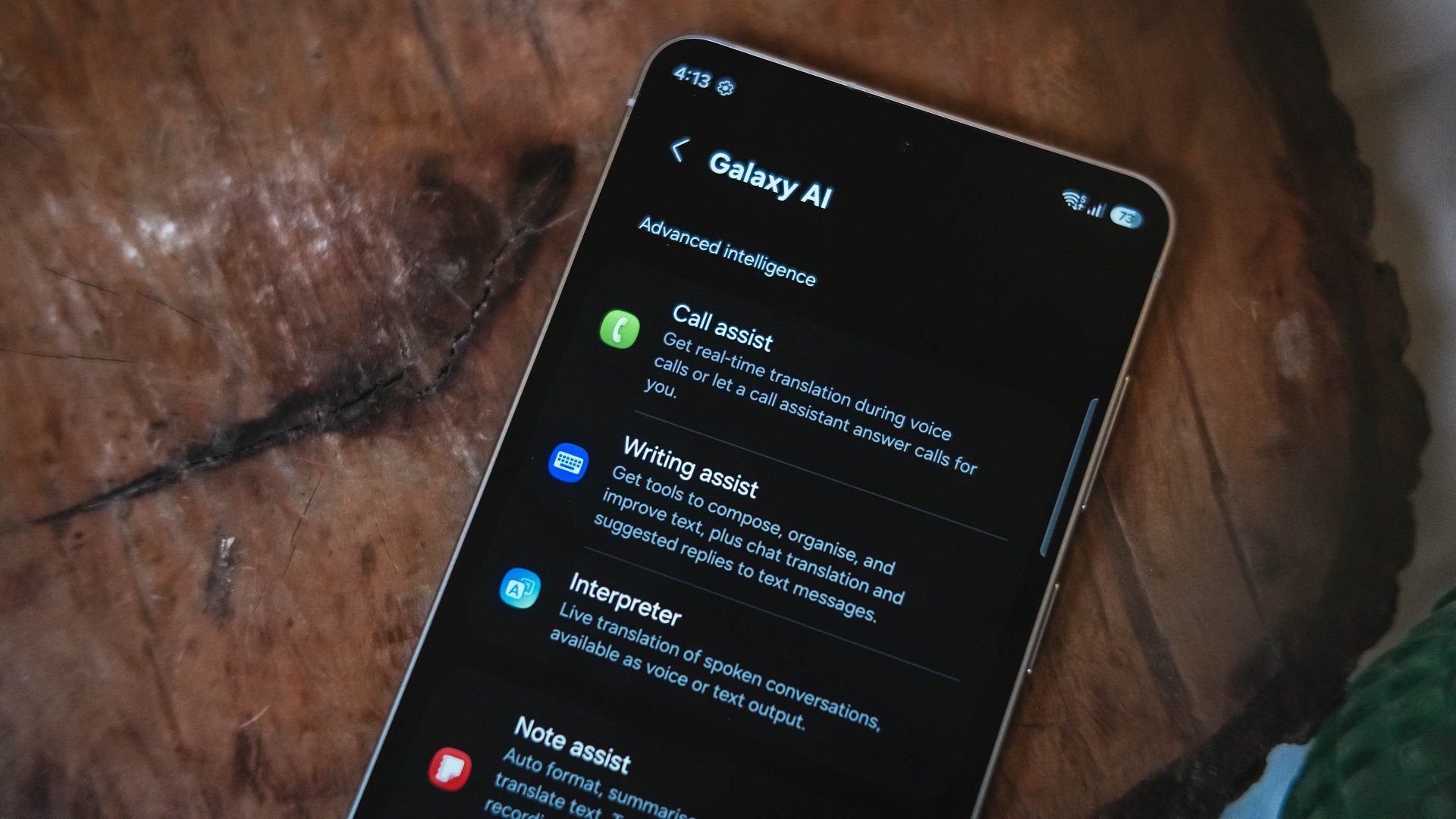
During the roundtable, Roh also emphasized the importance of Southeast Asia and Oceania to Samsung’s AI strategy.
According to the company’s internal research, the region ranks among the most receptive markets for AI-powered mobile features. Younger demographics and heavy social media usage are driving adoption.
In markets where smartphones are central to communication, content creation, and digital services, AI-powered tools — from translation features to image editing — have found strong traction.
That context helps explain why Samsung continues to position AI as the defining layer of its next-generation devices.
Is the smartphone spec race ending?
For years, smartphone makers built their identities around chasing specs.
Bigger numbers meant better phones. Faster chips meant progress.
Samsung, it seems, is chasing something else.
Whether that bet ultimately reshapes the smartphone experience remains to be seen. But if Roh’s comments are any indication, the next major leap in Galaxy hardware won’t happen simply because the numbers can go higher.
It will happen when Samsung believes the experience — not the spec sheet — is ready to move forward.




Jackery SolarSaga series: Free power for small devices

UGREEN adds new Nexode Pro power bank, charger to lineup

nubia to launch new Neo 5 series gaming phones on March 28

SHINOBI: Art of Vengeance’s SEGA Villains Stage out on April 3

AMD poised to lead agentic AI era with high-performance CPUs


-
 Reviews5 days ago
POCO X8 Pro Max review: A new beast from the far east
-

 News5 days ago
POCO X8 Pro Series: Price, availability in the Philippines
-

 Laptops1 week ago
Apple MacBook Neo Review
-

 Computers2 weeks ago
GIGABYTE collaborates with Capcom for RE Requiem custom PC
-

 Apps1 week ago
Google Maps is finally getting a 3D mode
-

 Entertainment1 week ago
The internet is thirsting over the One Piece Season 2 cast
-

 Features1 week ago
Galaxy AI on the Samsung Galaxy S26 Ultra
-

 Automotive2 weeks ago
BYD is reportedly considering an F1 team