
News
Samsung shipped more phones than Apple, profit surges
The semiconductor shortage still hounds them though


South Korean giant Samsung has posted its first-quarter results for this year, marking a whopping 46 percent rise in profits. It’s the company’s most successful quarter since 2018 amid the Coronavirus-led pandemic.
Samsung made a profit of 9.4 trillion won (US$ 8.48 billion) in the January-March period, primarily due to healthy smartphone sales. In fact, according to Canalys, Samsung overtook Apple to ship the most phones in the first quarter, clocking more than 76 million units and a 22 percent market share. Apple trailed second with 52.4 million units and a 15 percent share.
The global market has an overwhelming demand for smartphones amid the pandemic as people shift to the work-from-home model. Phones, laptops, appliances, and accessories are among the most sought, and Samsung being an electronics giant, was uniquely able to take maximum advantage of it.
The smartphone department witnessed a standalone growth of 66 percent, thanks to kick-ass phones like the Galaxy S21 series and other affordable options in developing markets.
Chip shortage is an issue
Although, the company has warned that it’ll be difficult to continue the trend next quarter due to an acute shortage of semiconductors. Its chip-making business is severely hit as the facility in Austin, Texas, was done due to the winter storm. It’s facing similar challenges in the System LSI division, which is responsible for designing chips.
Samsung and Apple both perfectly grabbed the opportunity offered by the pandemic and are leading the race. The American phone maker also posted mind-boggling results for the quarter, raking in more than US$ 23 billion in profit.
Unfortunately, not all companies have been able to make a similar statement. Despite the sudden rise in demand, LG couldn’t sustain its dragging smartphone division and had to call the quits last month. Though, the company continues to make top-notch appliances that give Samsung’s products neck-to-neck competition.
Samsung Galaxy S21 Review
Samsung Galaxy S21 Ultra Review






News
iPhone 17 Pro Max is somehow the most traded-in phone today
All of the recent Pro Max models are sitting at the top, too.

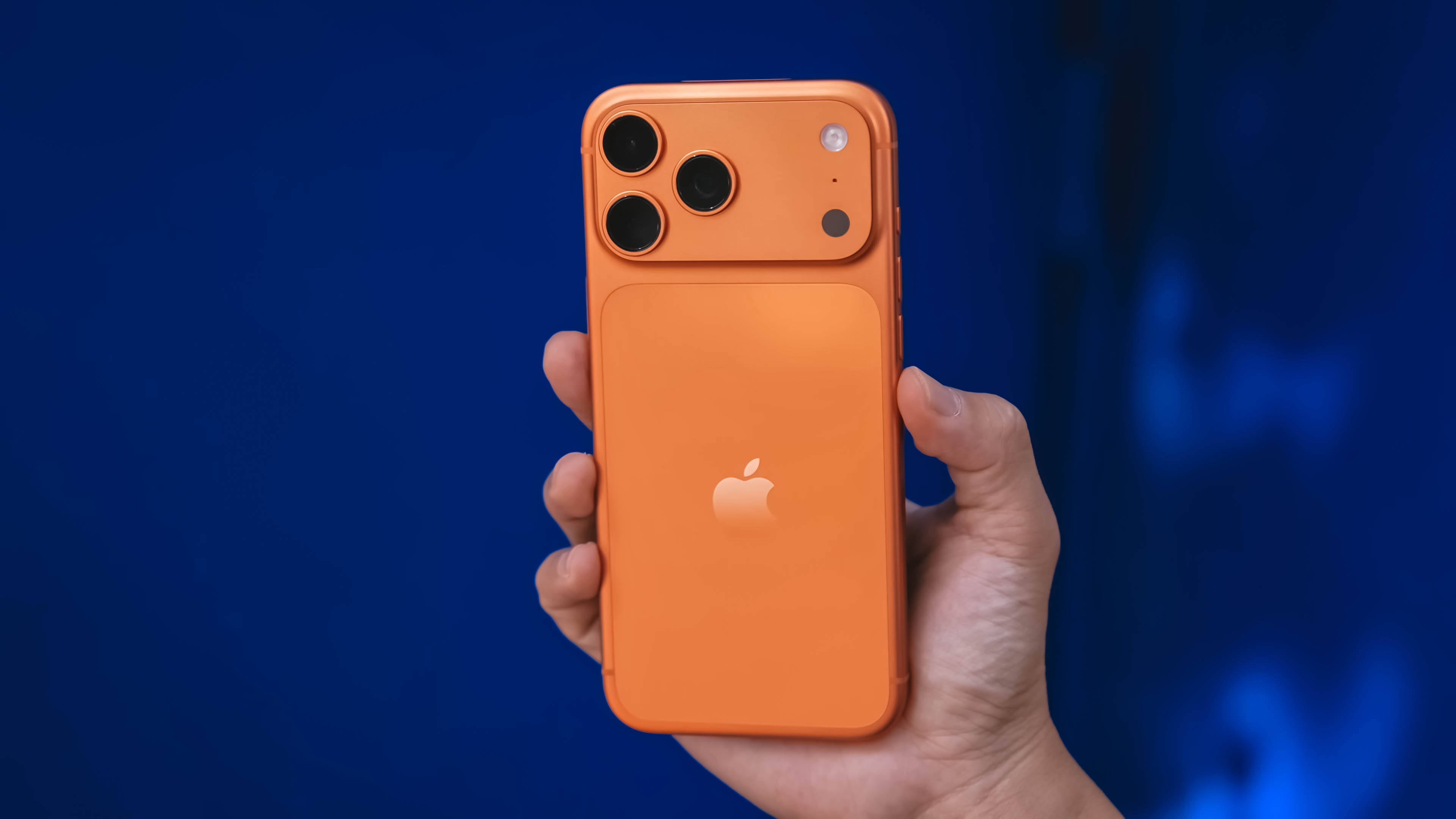
For a lot of people, reselling or trading-in is the natural end of their time with an iPhone. After all, an iPhone is too expensive to leave lying stagnant in a drawer. Now, this usually happens years after a phone fully lives out its usefulness. However, the new iPhone 17 Pro Max has somehow claimed the top spot as the most traded-in phone today.
According to reports organized by SellCell, a surprising number of people are reselling their iPhone 17 Pro Max. Today, 11.5 percent of trade-ins are of the current generation’s most premium model. The next models, the iPhone 14 Pro Max to the iPhone 16 Pro Max, all sit between 7.2 percent and 7.3 percent apiece. This is a staggering growth, as the iPhone 17 Pro Max was sitting at only 5.1 percent of trade-ins in late November.
There’s no confirmed reason as to why people are trading their premium models so early into the model’s lifecycle. However, if it’s any indication, the iPhone 17 Pro Max has the lowest depreciation for a premium iPhone model, when compared to its predecessors in the same time frame.
Given that the resale value of a new iPhone 17 Pro Max is still pretty high today, it’s possible that users aren’t completely satisfied with the model and opted to trade in their new phones for something more manageable. After all, the new phone is as premium as they come. It’s also as large as they come.
That said, it’s certainly an odd tidbit that the most premium iPhone is the one that people are dumping the most.
SEE ALSO: Xiaomi 17 Pro Max takes a jab at Apple’s iPhone 17 Pro Max
News
vivo V70 launched globally, introduces 4K 60fps, OriginOS 6, more
Comes with powerful ZEISS Super Telephoto Camera

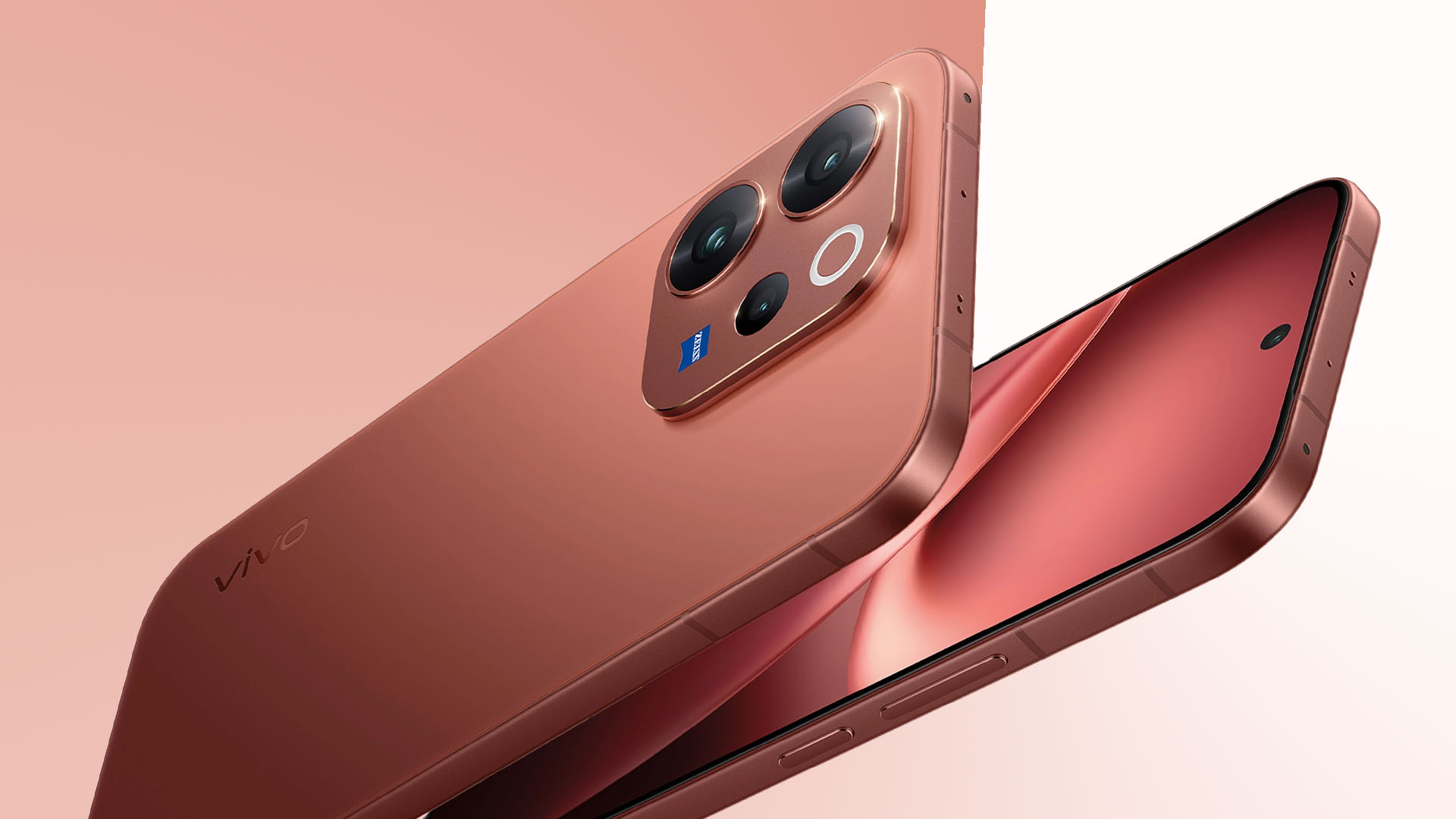
The vivo V70 has officially been launched globally, and will soon roll out gradually across Southeast Asia, the Middle East, Europe, and other markets.
The company’s latest V series mid-ranger features helpful tools for travel, concerts, and other occasions, with its familiar 50MP ZEISS Super Telephoto Camera, AI Stage Mode, 4K 60fps video, and AI-powered editing tools.
A refined design also features aerospace-grade aluminum alloy frame, rounded corners, and a flat 6.59-inch 1.5K OLED display in front. The back, meanwhile, has AG glass for scratch resistance.
Available colors are Golden Hour, Alpine Gray, Sandalwood Brown, Canary Yellow, and Authentic Black.
In addition, the vivo V70 debuts the new OriginOS 6 out of the box for enhanced performance and security.
Pro-grade telephoto camera
The vivo V70’s 50MP ZEISS Super Telephoto Camera has a pro-grade, 1/1.95-inch sensor and OIS for sharper shots in low-light and challenging conditions.
Its advanced periscope design also allows for higher zoom levels without adding bulk.
This shooter is coupled with a 1/1.56-inch 50MP ZEISS main camera. There is also an 8MP ZEISS ultra-wide angle camera and a 50MP ZEISS Group Selfie Camera.
The new device comes with a new AI Stage Mode, tuned for stage photography.
Shots are enhanced by AI Image Portrait Enhancement Algorithm and AI Style Portrait Technology.
This way, users can achieve 10x zoom for crisp stage photos.
As with previous iterations of the V series, the latest handset is also equipped with ZEISS Multifocal Portrait, along with options like 85mm ZEISS Sonnar Style Bokeh or 100mm Close-Up Portrait in ZEISS Planar Style.
And for the first time in the V series, the phone introduces 4K 60fps video for cinematic and smooth captures.

AI Audio Noise Eraser, meanwhile, offers an additional layer of creative control fo post-editing.
Other AI-powered editing tools include AI Magic Weather, AI Magic Landscape, AI Retouch, AI Erase, AI Magic Move, AI Image Expander, and AI Color Adjustment.
The cameras are arranged in a flagship metallic camera module for a smooth, clean, and understated look.
Smarter, more intuitive
Powered by OriginOS 6, the V70 brings a smarter performance through deep AI integration.
Along with a fully rebuilt infrastructure and Origin Smooth Engine, the system looks, feels, and stays smooth while allowing multi-scenario connectivity.
The OS also introduces Origin Island, a dynamic capsule at the top of the screen.
The phone also supports cross-device transfer, including with supported iPhone models.
Inside is a 6,500mAh BlueVolt battery with 90W FlashCharge. Other features include Dual-Bridge Signal Concurrency for optimized network even in congested environments.
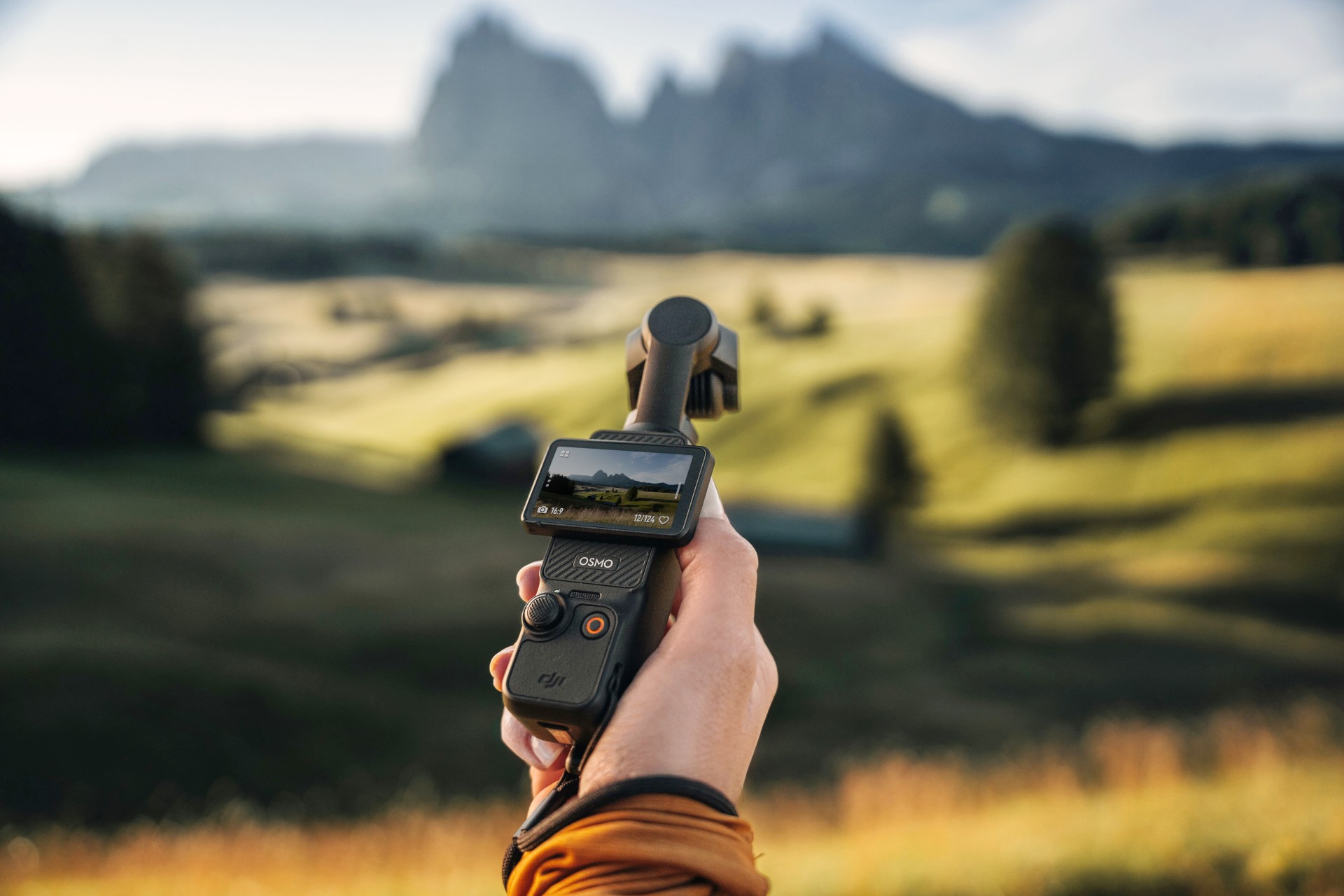
The DJI Osmo Pocket 3 might be the most popular camera in recent history. The tiny action camera constantly sells out, thanks to creators and would-be vloggers. Because of the current generation’s popularity, everyone is looking forward to the next-generation Osmo Pocket 4. Though it’s still unannounced, the new camera has suddenly made a surprising appearance out in the wild.
The leak shockingly comes from an authorized DJI retailer in Kuala Lumpur. Supposedly, a customer entered the store with what they claimed was an Osmo Pocket 4. The store, DronesKaki, even shot a now-deleted video of the unannounced camera, rescued by New Camera.
Based solely on the short video, the Osmo Pocket 4 looks and feels very familiar to those who’ve already used the Pocket 3. The three-axis gimbal system still keeps shots in place for taking videos while on the move. The 2-inch rotating screen looks identical to the current one, especially because of intuitive settings and controls.
However, the biggest standout is the built-in LED light sitting atop the camera. Despite how convenient and easy to use it is, the Pocket 3 doesn’t exactly shine in low-light conditions, prompting users to always bring an external flash. If the leak is true, the Osmo Pocket 4 cures this issue to some extent. (Built-in flashes aren’t usually standout solutions, but they can work in a pinch.)
Still, take the leak with a grain of salt. Though the store could have deleted the video because of a request from DJI, they could have also deleted it because it’s not the Osmo Pocket 4. At this point, we won’t know, but current rumors speculate that the camera is launching soon.
SEE ALSO: DJI Osmo Action 6 review: An adventurer’s best friend


iPhone 17 Pro Max is somehow the most traded-in phone today

vivo V70 launched globally, introduces 4K 60fps, OriginOS 6, more

Osmo Pocket 4 makes a surprising appearance in public

Google launches the Pixel 10a

ACMobility Launches ChargeFleet: Seamless solution for businesses

HONOR X9d 5G review: Tougher, more long-lasting and optimized

Now playing: Final Fantasy VII Remake INTERGRADE on Switch 2

Breaking up with Adobe Photoshop after 20 years

Razer fully unwraps these limited BLACKPINK Edition gaming gear

Forza Horizon 6 launches on May 19


-

 News1 week ago
TECNO will showcase the CAMON 50 and POVA 8 series at MWC 2026
-

 Laptops2 weeks ago
TECNO MEGABOOK K16s 13th review: No-frills beneath those grills
-

 Features2 weeks ago
HUAWEI MatePad 11.5 S 2026: The better-than-ever 4-in-1 productivity tablet
-

 Gaming1 week ago
Now Playing: Yakuza Kiwami 3 & Dark Ties
-

 Gaming2 weeks ago
Valve is delaying the launch of the Steam Machine
-

 Reviews6 days ago
The art of being in and behind the frame
-

 Gaming2 weeks ago
Horizon Hunters Gathering is an upcoming co-op roguelite spinoff
-

 Gaming2 weeks ago
No new NVIDIA GPUs this year, report says