
CES 2026
When home AI stops waiting for you
Samsung’s take on Home AI

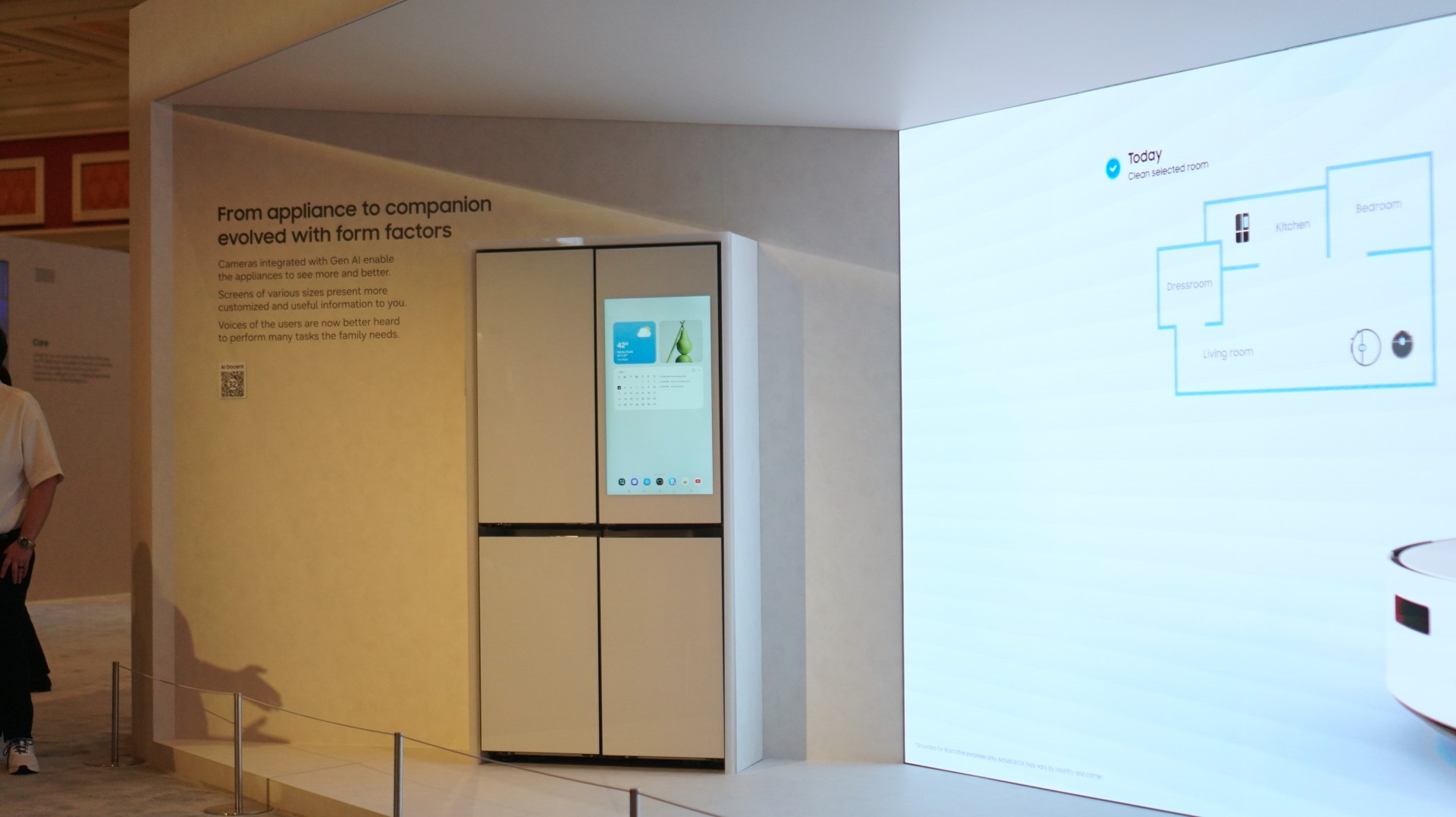
At CES 2026, AI is everywhere. But the real question is no longer how smart it is. It’s whether it knows when to act — and when to stay out of the way.
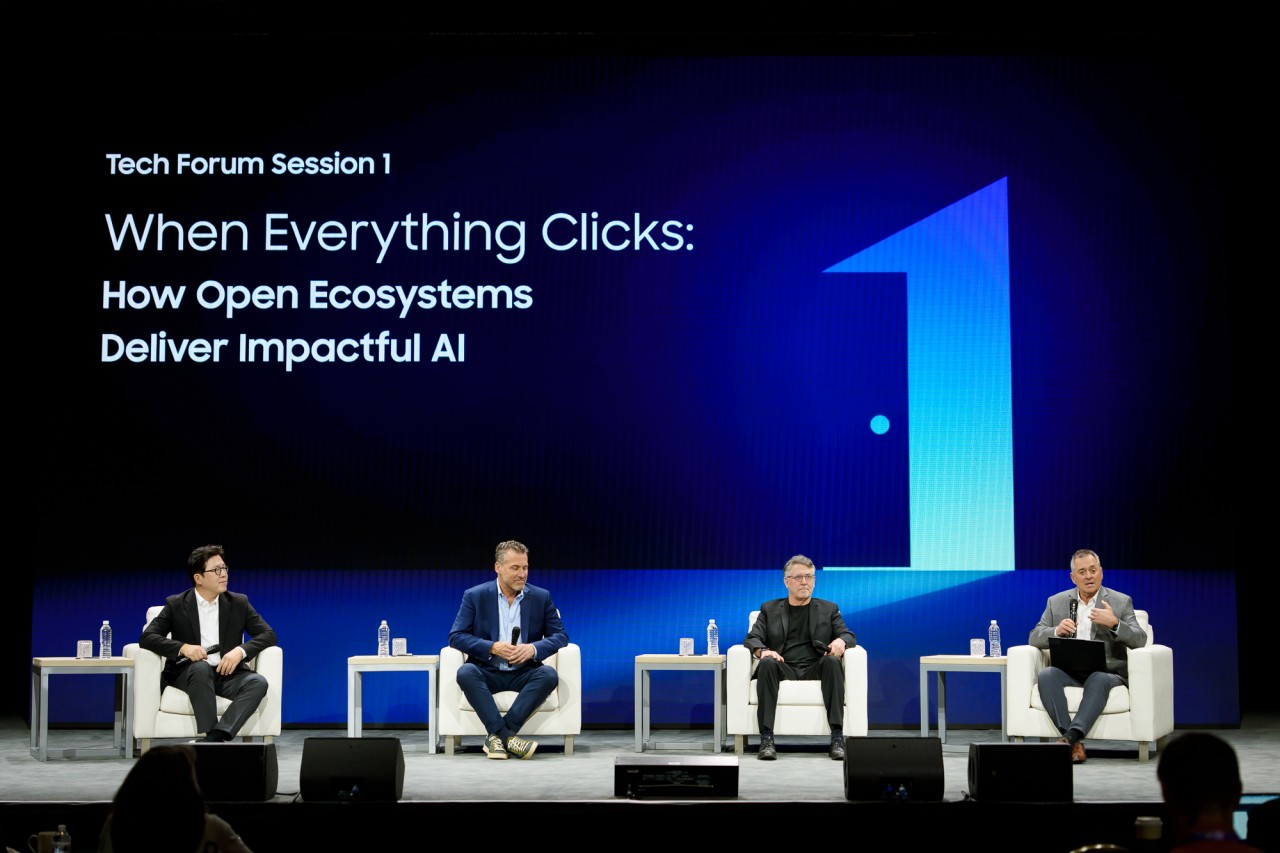
That was the core idea behind Samsung’s first Tech Forum panel at CES this year. Titled “When Everything Clicks: How Open Ecosystems Deliver Impactful AI,” the discussion moved past flashy demos and focused on something far more practical: building home AI that works ahead of the user, not after a command.
The shift is subtle but important. Reactive AI responds when you ask. Predictive AI understands context, habits, and risk — then steps in before problems happen. For Samsung, that difference defines the future of the connected home.
From smart features to smart decisions
For years, smart homes have been good at reacting. You open an app. You tap a button. You tell a device what to do.
But as AI becomes more ambient, the goal changes. Instead of managing devices, the system starts managing outcomes — saving time, reducing waste, preventing damage.
One example discussed during the panel was food waste. It’s an everyday problem that rarely feels “high-tech,” yet it’s one of the most measurable places where AI can help. By understanding what’s inside the refrigerator, how often food is used, and how the kitchen connects to other home systems like water and energy, AI can move from reminders to prevention. Not just telling you what’s expiring, but shaping habits over time.
This kind of intelligence only works when systems talk to each other. Not just within one brand, but across appliances, services, and platforms.
Why openness matters at home
Samsung repeatedly emphasized that home AI cannot thrive in closed ecosystems. Homes don’t work that way. They’re made up of devices from different brands, services from different industries, and routines that don’t fit into a single app.
Open standards allow AI to see the home as one system instead of a collection of features. That’s how it becomes useful without becoming intrusive.
Yoonho Choi, President and Chair of the Board of the Home Connectivity Alliance and Head of Strategic Alliances at Samsung Electronics, noted that the home is the most personal space people have. Any AI that operates there has to earn trust quietly, through value that’s felt rather than announced.
Interoperability, in this context, isn’t a technical flex. It’s how the home stops feeling fragmented. It’s how routines get simpler instead of more complicated.
Predictive AI and the case for trust
Prediction requires data. And data requires trust.
A major part of the discussion centered on how smart home systems can use information responsibly — without exposing personal details or crossing privacy boundaries. The idea isn’t to watch users, but to understand patterns well enough to prevent losses.
Samsung highlighted its partnership with Hartford Steam Boiler (HSB) as an example. By using simple, consent-based datapoints from connected homes, AI can predict risks like water leaks or fire hazards before they become expensive disasters. The benefit isn’t just peace of mind. It can translate into tangible savings, including insurance-related advantages.
This is where predictive AI becomes practical. It doesn’t wait for something to go wrong. It quietly works in the background to make sure it doesn’t.
Homes that help you stay longer
One of the more understated ideas from the panel was longevity. Not of devices, but of living spaces.
Predictive home AI can help people stay in their homes longer by reducing friction and risk. Detecting issues early. Automating safety responses. Supporting daily routines without constant interaction.
When the technology fades into the background, adoption becomes easier. People stop thinking about whether their home is smart and start noticing that it simply works better.
AI that fits, not interrupts
Across the discussion, one message stayed consistent: home AI shouldn’t feel like a system you manage. It should feel like a companion that understands when to act and when to stay silent.
That means less voice prompting. Fewer alerts. More intelligence built into the flow of daily life — cooking, relaxing, entertaining, caring for family.
Samsung’s approach at CES 2026 wasn’t about adding more AI moments. It was about reducing the need for them altogether.
When everything clicks, the smartest homes aren’t the ones that demand attention. They’re the ones that quietly make life easier, safer, and more predictable — before you even realize you needed help.






THE Michael Josh just got back from the Consumer Electronics Show (CES) in Las Vegas — the annual tech event that attracts all the biggest tech brands.
One of which is none other than ASUS, Taiwan’s biggest computing giant. They have launched the first wave of Windows laptops for 2026. There’s a full lineup — models for everyday folks, creators, and gamers.
However, we are focusing on these Zenbooks favorites the show: the updated 2026 Zenbook DUO and Zenbook A14, as well as a bigger Zenbook A16 model.
Eager to know more about them? Here’s our Spotlight on the three power-packed ASUS Zenbooks at CES 2026.
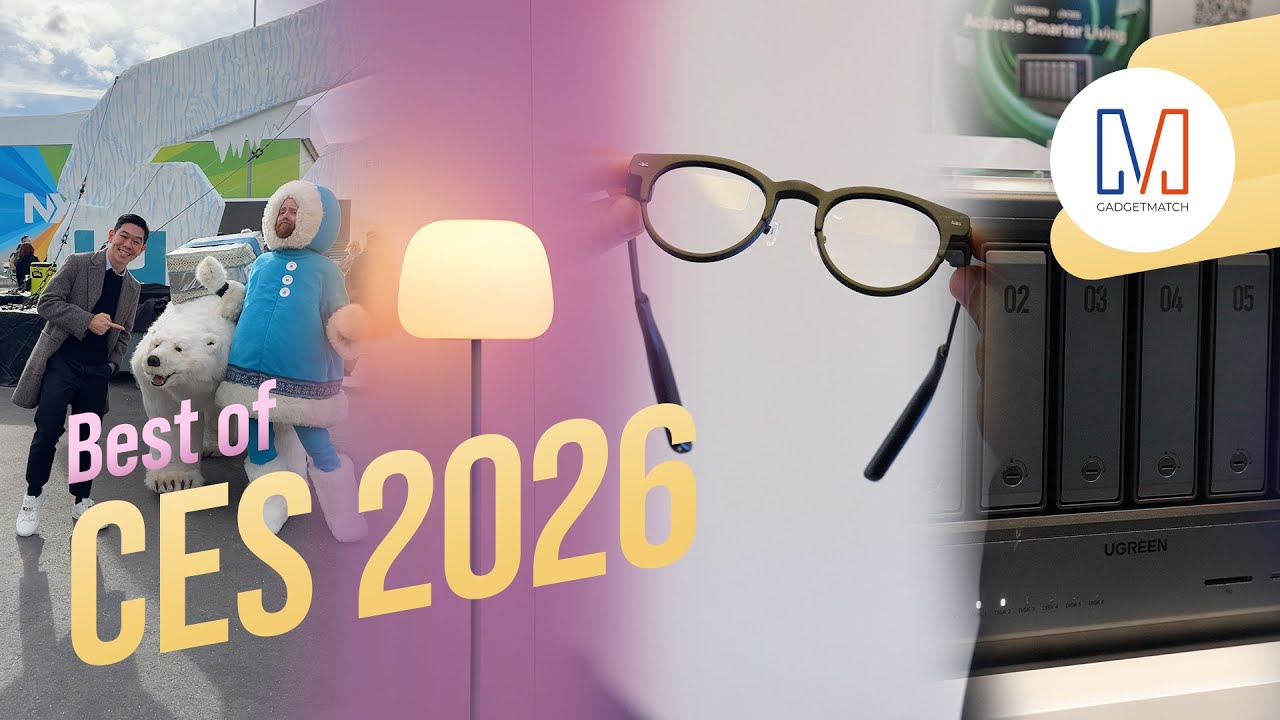
AI, displays of many different kinds, and a whole bunch of cool gadgets — that’s what CES is all about.
And just like we do every year, we’re in Las Vegas to check them out.
Head over to our Best of CES 2026 video to find out which gadgets made the cut.
MemoMind https://bit.ly/4qOJ9jq
XGIMI at CES https://bit.ly/49zE4oa
Euhomy https://bit.ly/3N89T01
Pre-order IceLeopard: https://bit.ly/3Nd1cl2
Govee’s new products in 2026 https://bit.ly/goveeces2026
UGREEN NAS iDX! Reserve with $30 and save up to $1040: https://nas.us.ugreen.com/CLeXc6
UGREEN’s new products in 2026: https://official.ugreen.com/PPcJvF
CES 2026
Anker, eufy, soundcore unveil next-gen products at CES 2026
Lineup includes Innovation Awards honorees

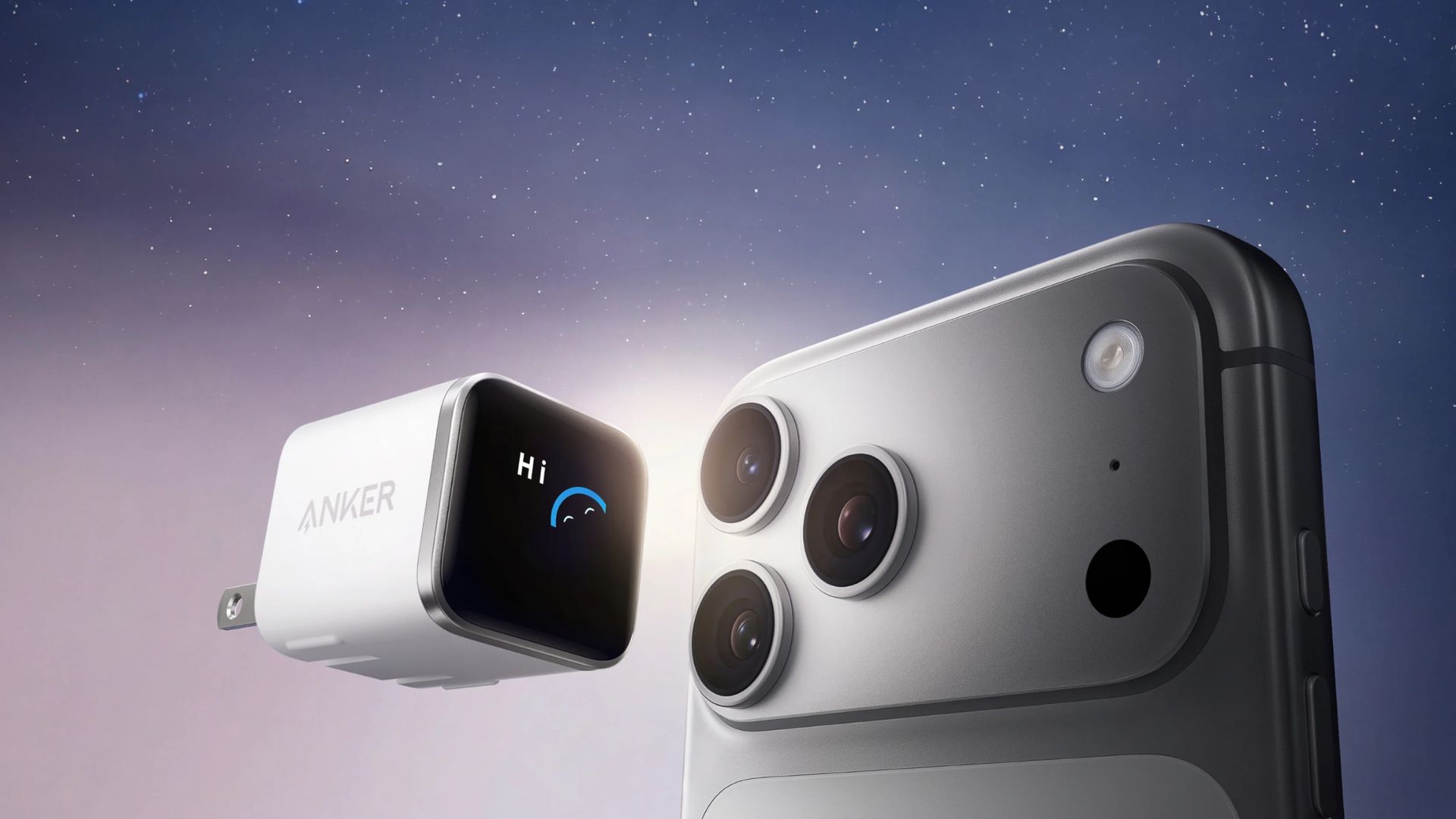
Anker Innovations released a full slate of next-generation products at CES 2026, including the latest offerings under their brands Anker, eufy, and soundcore.
Key products that the company premiered at the event include these CES 2026 Innovation Award honorees:
- Anker Prime Charger (160W, 3 Ports, Smart Display)
- Anker SOLIX C1000 Gen 2
- eufy Robot Vacuum Omni S2
- soundcore AeroFIt 2 Pro
The Anker brand focused on introducing a next-generation portfolio of charging solutions. These come with smarter device recognition, speed, and efficiency, as well as smarter visual interfaces, faster Qi2 25W wireless performance, and AnkerSense View and ActiveShield 5.0.
Leading the lineup is the Anker Nano Charger which identifies the iPhone model in seconds. It packs 45W fast charging in a compact design, and features TÜV–Certified Care Mode.
This model is priced at US$ 39.99 and will be available in late January.
There’s also the Anker Prime Wireless Charging Station, delivering up to Qi2 25W high-speed wireless charging for iPhones in a compact, 3-in-1 foldable design. Its Airflow cooling system ensures stable, efficient charging for multiple devices.
This offering is priced at US$ 149.99 and will be available in Q1 2026.
In addition, there’s the Anker Nano Docking Station which is a 13-in-1 tool with a Triple Display and built-in 6-in-1 removable hub. It delivers up to 4K resolution on a single display, up to 100W upstream charging, and 10Gbps data transfer.
This specific product is now available for US$ 149.99.
Anker also previewed the Anker SOLIX E10 smart hybrid whole-home backup solution.
eufy
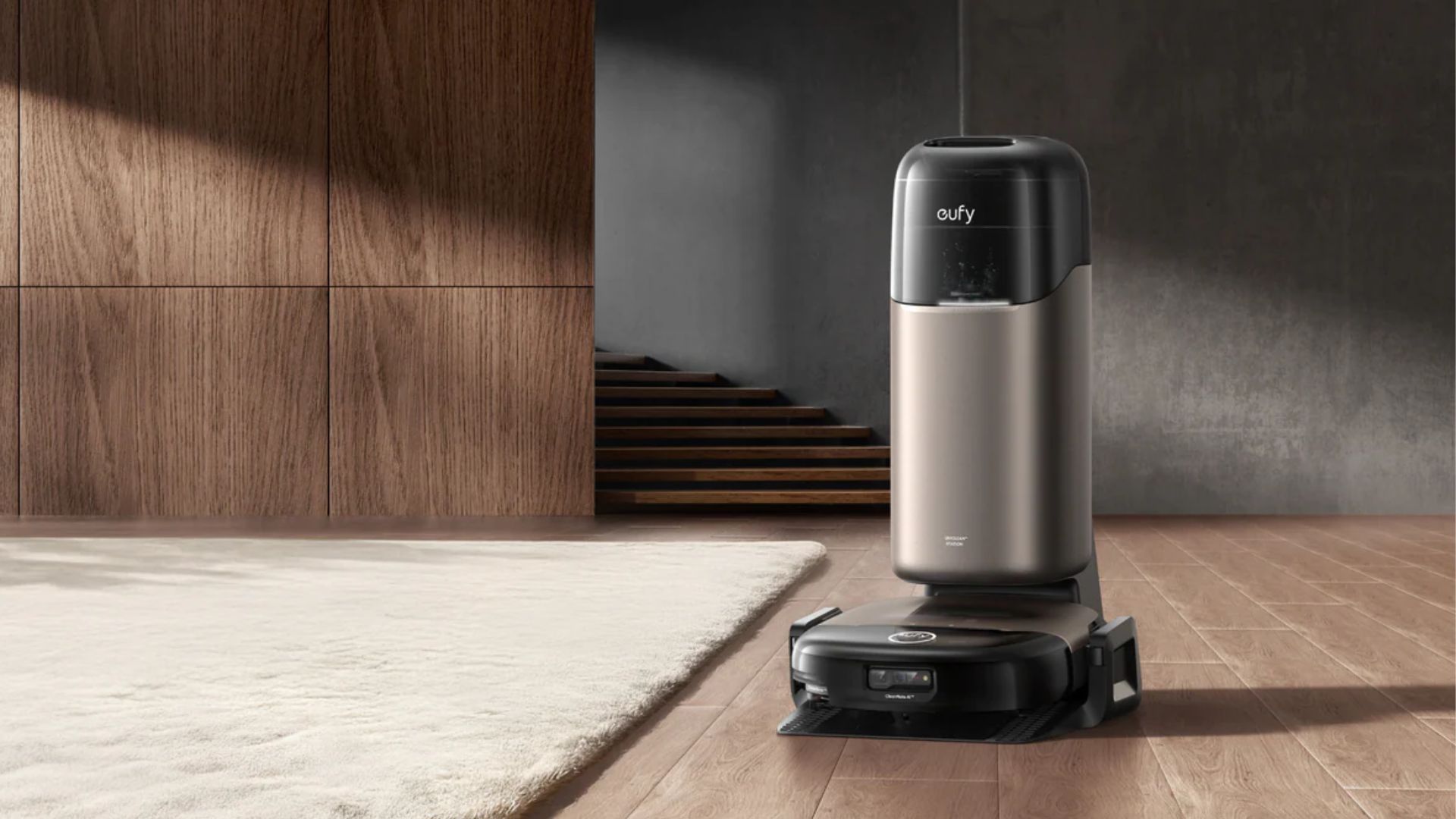
On the other hand, the eufy Robot Vacuum Omni S2 comes with the brand’s HydroJet mopping tech and a long-lasting 30kPa AeroTurbo suction.
The S2 introduces CleanMind AI, which can identify floor types and room layouts to automatically adjust cleaning mode, suction, scrubbing force, and even wheel height.
The smart home cleaning solution generates a hypochlorous acid and ozone water solution right in the water tank as well. Plus, with a built-in air freshener, three interchangeable scents release fresh fragrance to areas.
The product officially launches on January 20 for US$ 1,599.99 via Amazon and the eufy website.
Other products under eufy that were launched include:
- eufy Bottle Washer S1 Pro: US$ 469.99, available from February 9
- eufy Video Doorbell S4: US$ 279.99, available Q1 2026
- eufy Solar Wall Light Cam S4: US$ 199.99, Q1 2026
- eufy Smart Lock E40: US$ 299.99, Q1 2026
soundcore

Lastly, soundcore has launched the AeroFit 2 Pro, the first dual-form earbuds that enable both open-ear listening and active noise cancellation in a single design.
The earbuds support two distinct modes: Open-Ear Form and ANC Form. Users can switch from these modes, depending on the situation.
It is now available on soundcore.com for US$ 179.99.
The brand also unveiled the Sleep A30 Special, which features a triple noise reduction system. It combines ANC, passive isolation, and adaptive snore-masking technology to reduce disruptions across multiple frequency ranges.
This offering is in collaboration with Calm, supporting free sleep stories directly through the soundcore app.
It is priced at US$ 199.99 and is now available for preorder.
Other offerings include:
- soundcore Boom Go 3i speaker: US$ 79.99, available between early February to mid-March 2026
- soundcore Nebula P1i projector: US$ 369, available early 2026
- soundcore Nebula X1 Pro theater station: US$ 4,999
- Nebula X1 Pro with 200-inch inflatable screen bundle: US$ 6,998, available Spring 2026


Apple iPhone 17e review
Everything you need for US$ 599?

Infinix NOTE 60 Ultra: Not bad for a flagship push
It's definitely got the looks, though.

JBL Sense Pro review
My daily driver met a loud and capable rival in this quest for a superior training companion.

Why a dedicated mattress vacuum is the allergy season upgrade you need

Apple’s iPhone Fold reportedly hits engineering delays

PlayStation can now scan you and put you inside a game

Grab moves beyond the ride to become a companion for the life in between
Apple iPhone 17e review


-

 News2 weeks ago
nubia Neo 5 series launches in the PH, starts below PhP 12K
-

 Gaming2 weeks ago
Razer Blade 16 (2026) packs more cores, faster memory
-

 Automotive2 weeks ago
The Changan Eado Plus officially lands in the Philippines
-

 Gaming2 weeks ago
Nintendo will make it cheaper to buy digital games than physical
-

 Gaming2 weeks ago
Life is Strange: Reunion now available on consoles and PC
-
 News1 week ago
vivo X300 Ultra wants to beat the iPhone 17 Pro Max in pro video
-
 Accessories2 weeks ago
Razer sharpens its competitive edge with Viper V4 Pro and Gigantus V2 Pro
-

 Luxury Smart Home2 weeks ago
Sony brings cinema home with new BRAVIA 3 II TV, BRAVIA Theatre lineup