
Gaming
Civilization VII review: Reinventing the wheel to make it better
Play how you want


Civilization VII is the latest entry in a strategy game series that has existed for decades. As with every entry, the new game reinvents the wheel by introducing new systems and streamlining old ones from the past. If you’re a fan of the series or are curious about all the commotion surrounding this game (especially after the announcement of Jose Rizal as playable leader), Civilization VII is an absolute must-play, and this is why.
What’s new in Civilization VII?
The Civilization franchise is all about building a chosen civilization from the ancient times all the way to the modern period. It’s all about rewriting history to favor yours. However, unlike previous games, Civilization VII is not a straight shot to the finish.
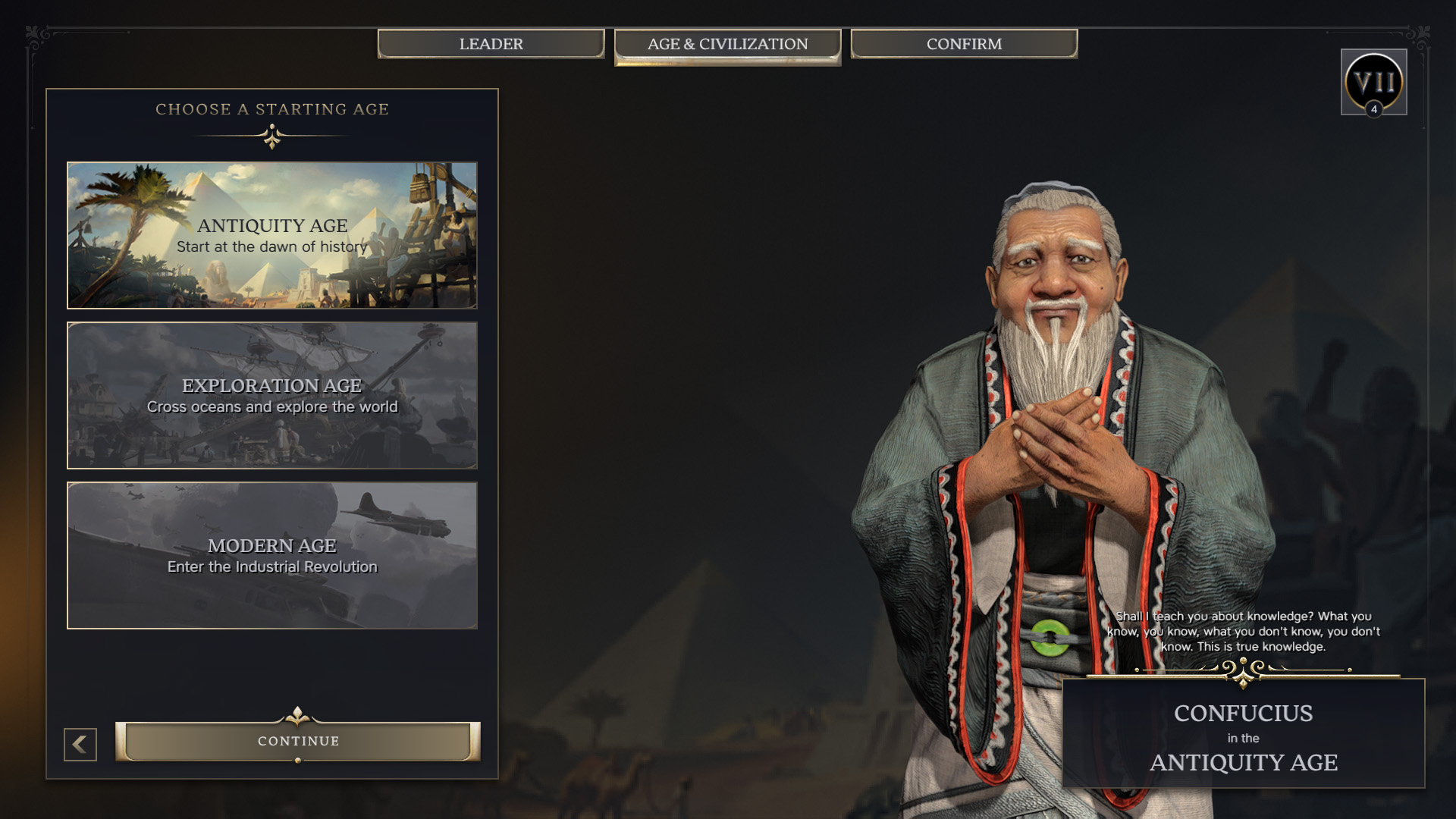
Traditionally, the end of each era flows seamlessly into the next, creating a flowing tapestry across one game. Civilization VII breaks the game into three distinct eras: Antiquity, Exploration, and Modernity. These ages do not flow into one another, though they build each other up. The end of each age comes with its own report. You can take each era as its own game, ending only with victory conditions during the Modern Age.
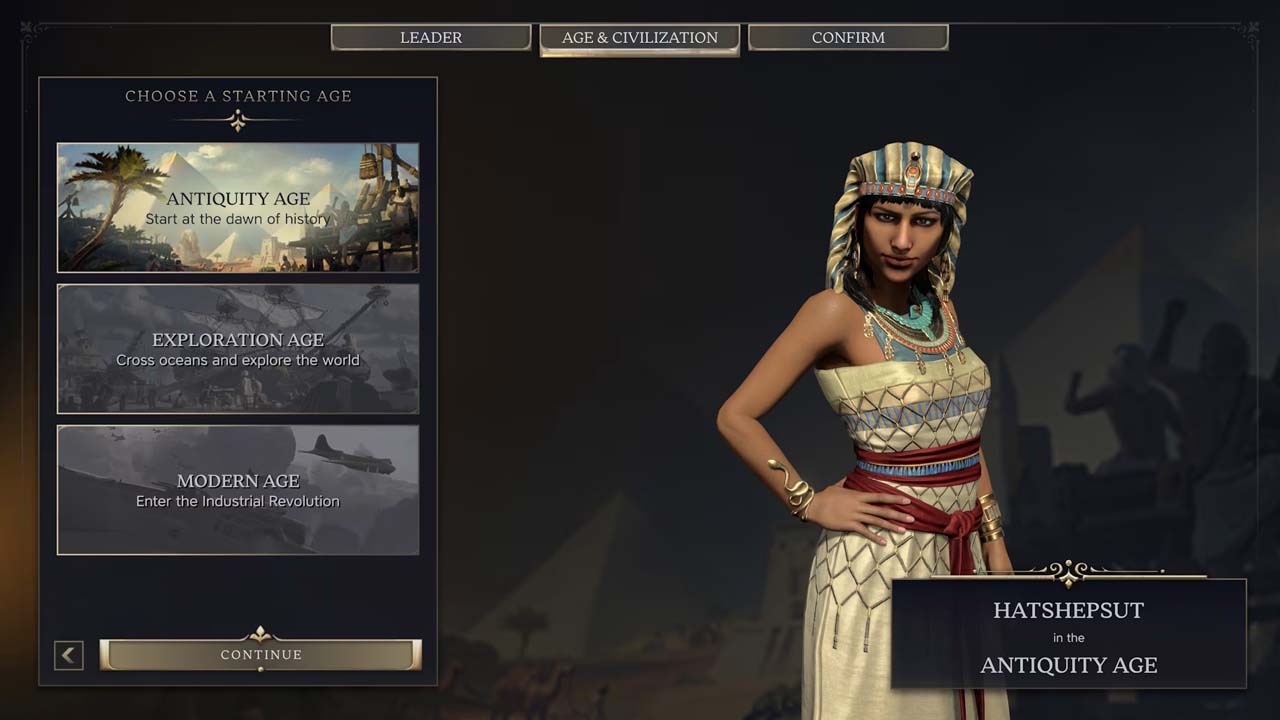
At the start of a game, you pick a leader, which won’t change after every age. However, you also pick a Civ separately, which does change after an age. This allows for a lot of mixing and matching, depending on your playstyle.
Of course, you can always keep it historical. For example, you can pick three historical dynasties from China through a whole game. You can, however, go in different directions. One of my Jose Rizal runs, for instance, had the Filipino hero lead Native Americans for the first two ages before transitioning into the French Empire for the final one.
Are the Ages a good system?
A common reaction to the new Ages is comparing the system to Humankind, a strategy game that also got inspiration from the Civilization franchise. Personally, it’s hardly a comparison. The new system parses down an absurdly long game into bite-sized chunks I can take one at a time.
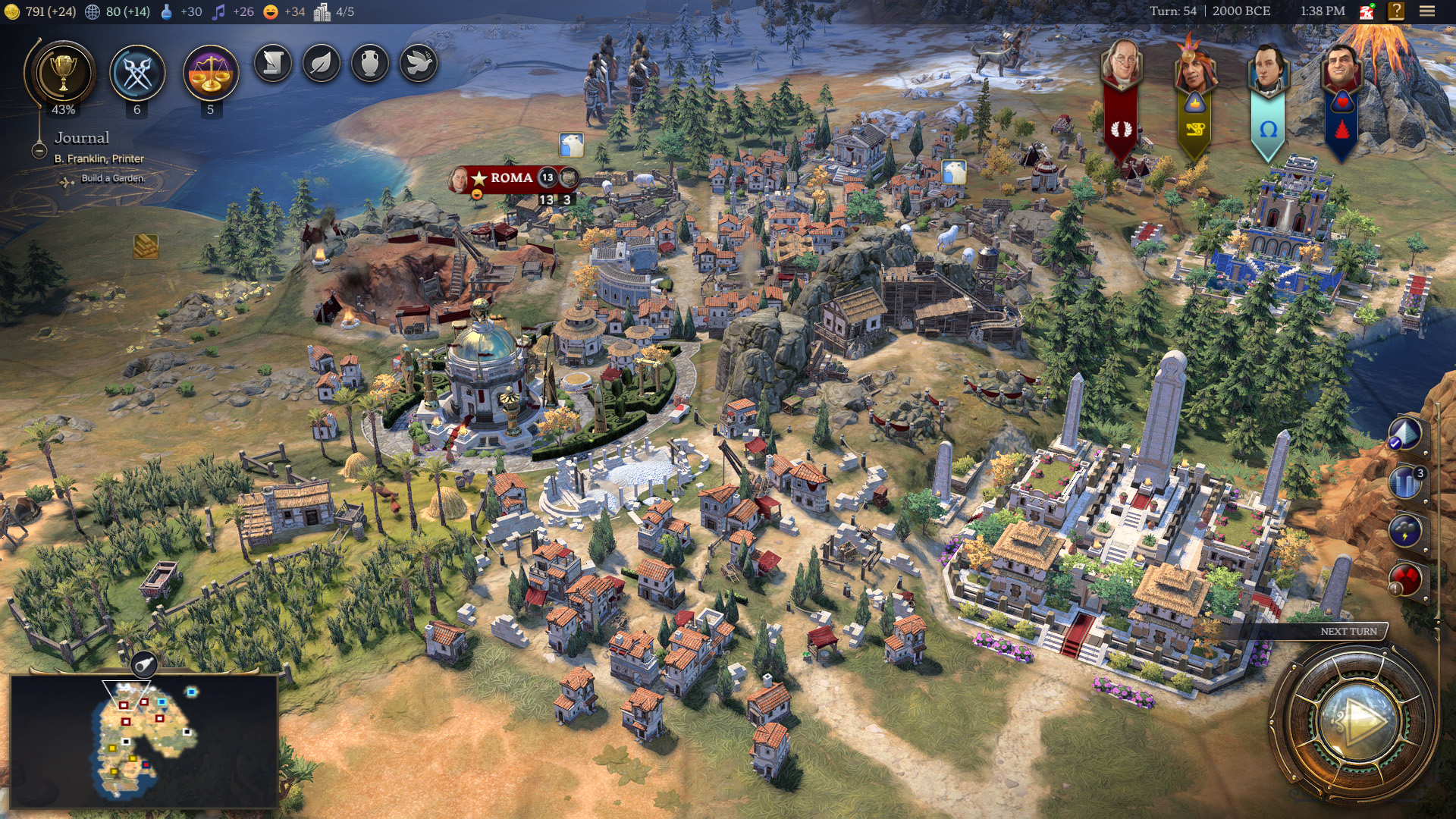
Each age also feels like its own game. They all focus on different things. Longtime fans of the franchise will likely find the most familiarity with the Antiquity Age. The goal is to build your Civ in all the traditional ways: founding starting settlements, researching the most tech, and building the biggest army.
Everything changes starting the Exploration Age, though. The game really wants you to engage as a colonial power.
For context, the game has four Legacy Paths: Cultural, Economic, Military, and Scientific. Fulfilling a Path in the first two ages grant significant boons for the next age. On the other hand, fulfilling a Path during the last age unlocks the respective victory condition. Conversely, failing to do anything significant for a Path at the end will result in a corresponding dark age and a boon that comes with a drawback.
Because each Path has a success condition, it follows that there are ways to win. Unfortunately, this can turn into a limiting factor for some playstyles. For example, two out of four Paths in the Exploration Age rely on colonizing distant lands. If you prefer playing an isolationist, you’re forced to succumb into a dark age for the Modern Age.
It pays to explore and fight
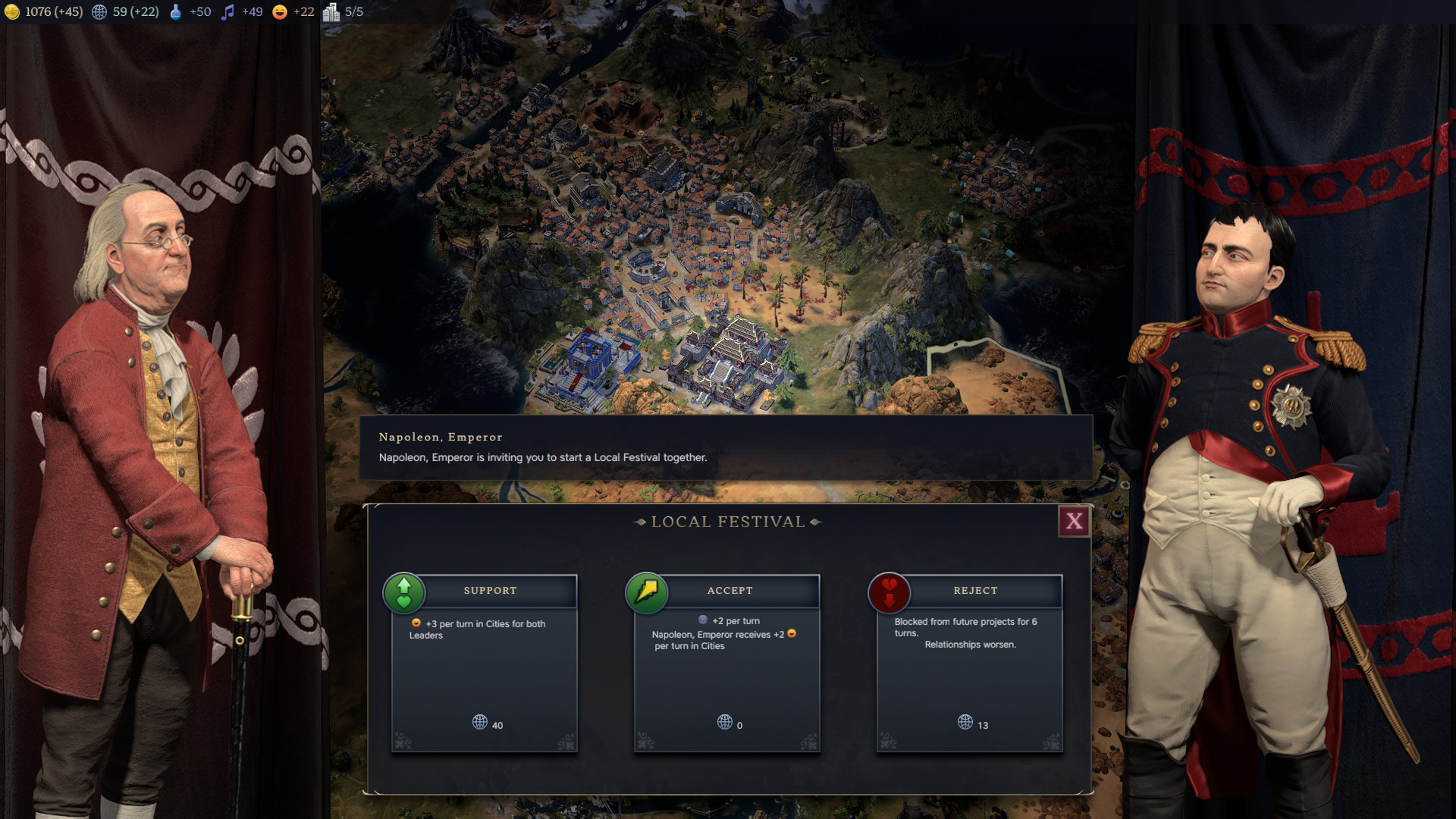
That said, it is a lot of fun to engage in the different systems of Civilization VII. Capturing settlements in distant lands is fun. Managing resources in colonies is fun. Evangelizing your religion to other continents is fun.
Though it feels limiting that turtling playstyles aren’t as incentivized as confrontational ones, it doesn’t feel like a chore to become a warlord or a colonial power. It also helps that the combat has been reworked.
While you can still throw as many units as you can towards a desired settlement, the key to achieving military greatness in Civilization VII is by using trainable army commanders. A replacement for Civilization VI’s Great Generals, the army commander is a unit that can grant bonuses to surrounding units. It is also the only type of unit that can earn experience. Therefore, a seasoned commander provides better bonuses.
Unit and commander placement become necessary strategic options. It’s not enough to completely surround a city. You need to have the right commanders surrounding the right units.
Additionally, war weariness is no longer an afterthought. A poorly supported war results in crippling unhappiness penalties which can (and will) turn your cities against you. Entering a war is now takes more involvement.
Traditionally, I prefer peaceful playstyles. But the complexity of warfare in Civilization VII makes it worthwhile to engage in wars if the time is right.
It also pays to stay and build
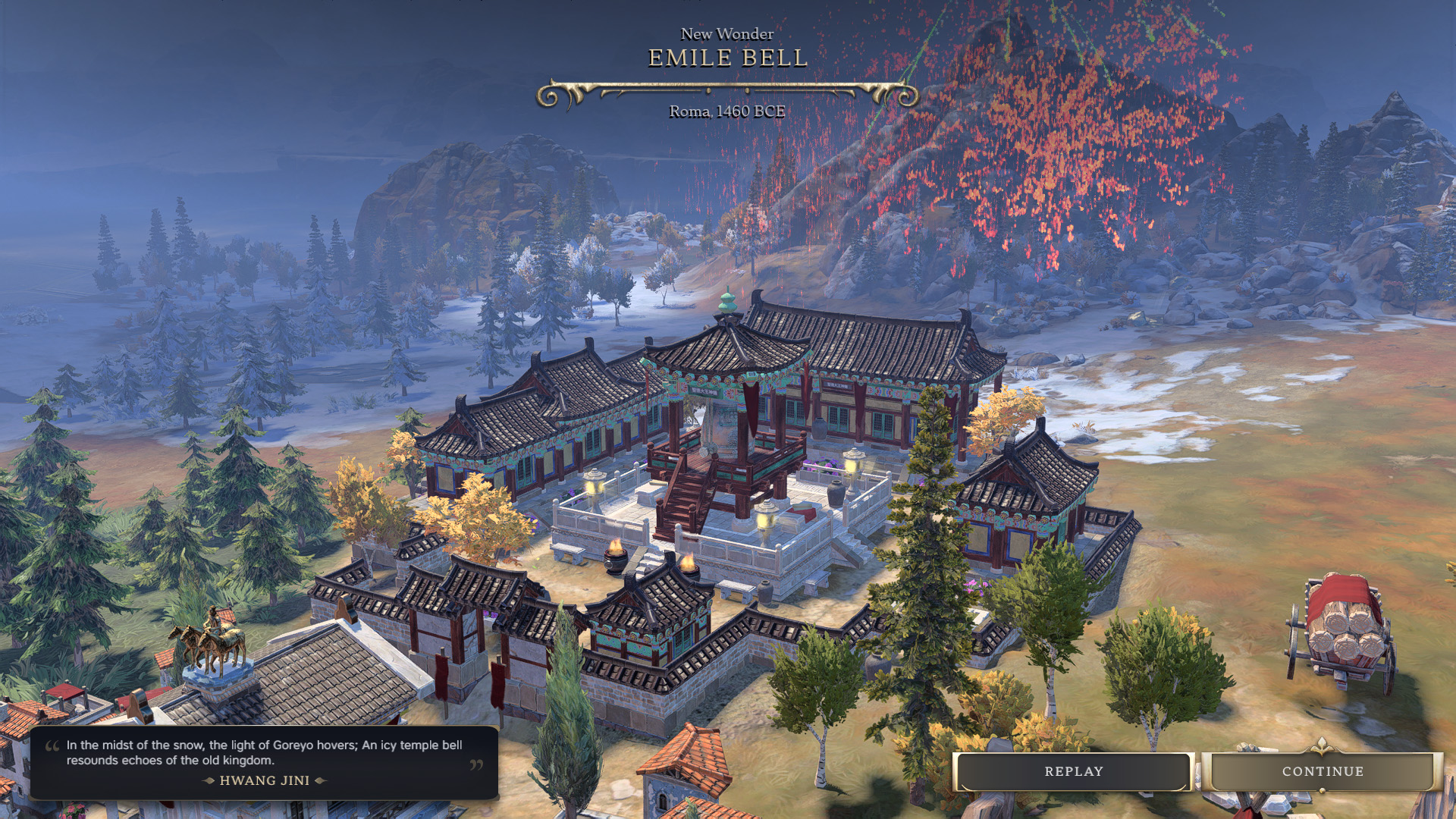
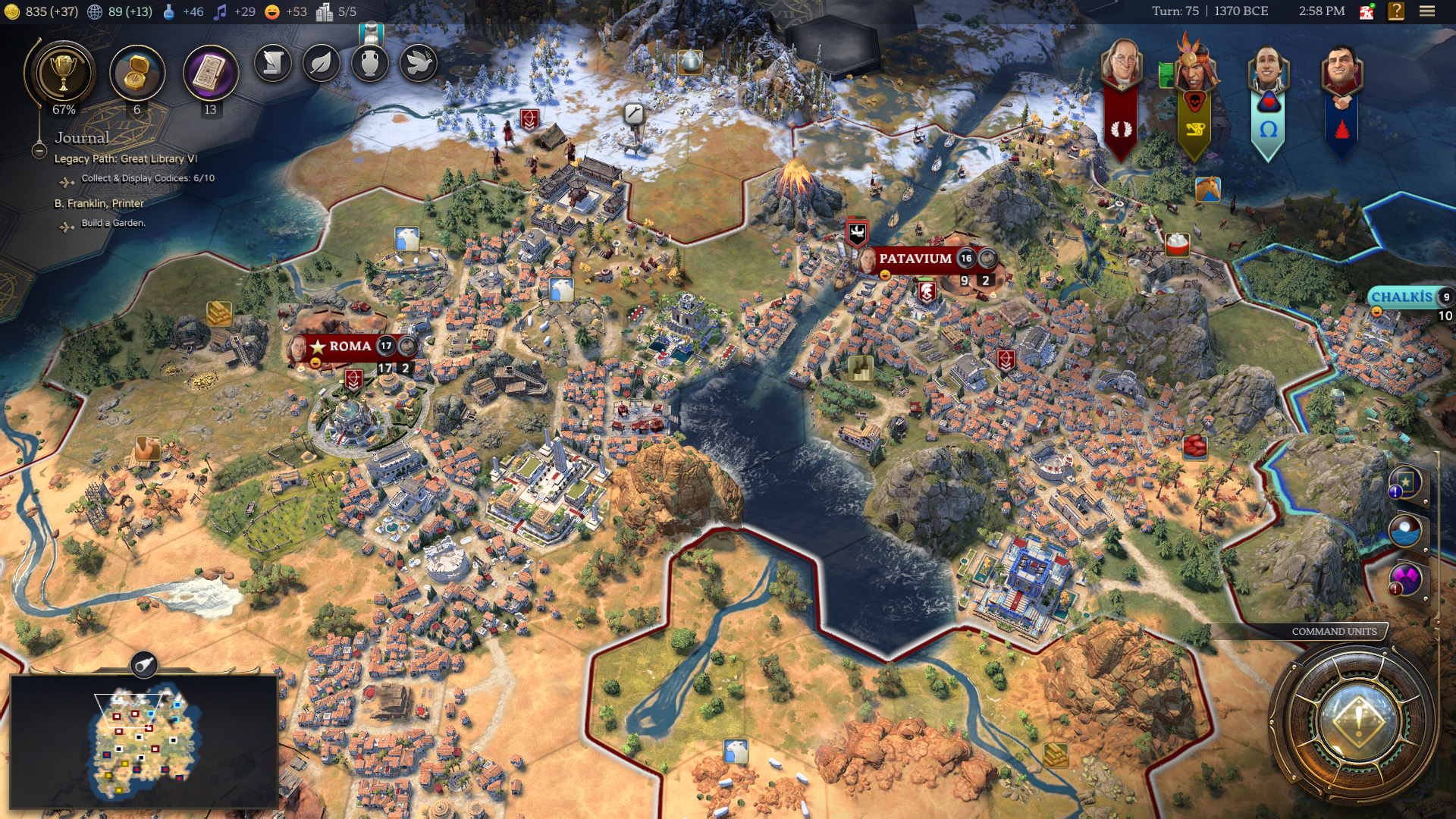
Now, city management also takes more involvement. In the past game, it was all about district placement. In Civilization VII, building placement is still important but you can maximize your yields more by managing how your citizens grow.
For me, this is a much better system, as it forces you to actually look at how your city is growing. Is it maximizing its land area? Should you sacrifice rural growth for urban specialists. Does your city look aesthetically pleasing? It does feel like growing more with your cities, rather than just placing districts for maximized outputs.
A race to the finish
On to the Modern Age. Contrary to the more confrontational Exploration Age, the Modern Age balances it all out with more peaceful ways to win. Except for the Military Legacy Path, all of the Paths don’t need wars to finish.
However, the pace does become frenetic. The game turns into an all-out race to finish a single victory condition. The other players will spam explorers to accumulate enough artifacts for a cultural victory. You’ll need to counter their efforts with your own explorers or rush to get a scientific victory by launching the first manned spaceflight. Alternatively, an economic victory needs a lot of city management, so you’ll need to focus on only that if you’re going for a win in that way.
Regardless, warfare becomes a foregone conclusion. Differing ideologies are the primary causes of war in the Modern Age. A warmongering AI with a different ideology from yours will easily paint you as a military target.
Excited for the future
On its own, Civilization VII is a well-made game. Each age lets different playstyles breathe and have their time in the sun. However, I do wonder if this is the end.
It feels odd that the victory conditions in the Modern Age are chronologically distant. In previous entries to the series, winning a science victory means launching the first mission to an exoplanet. Late game wars also ended with deadly nukes and even death robots.
Civilization VII, on the other hand, does not have nukes. A science victory also stops at sending a manned spaceflight.
All these oddities feel like a foreshadowing for more content and more ages. Currently, the studio has not announced plans for such, but it does make me excited for future updates.

Is Civilization VII your GameMatch?
As a long-time Civilization fan, it’s a no-brainer to suggest this game to other fans of the franchise. However, is it appealing to newcomers?
My answer is yes! Because of the new Legacy Paths, it’s never been easier to get into the franchise. It points players towards the right direction to make the most out of the game’s intricate systems.
Swipe left if you don’t particularly like strategy games. The genre requires a lot of commitment and learning, so those who are more used to plug-and-play mechanics, a Civilization game might not be for you.
Swipe right if you’re looking to sink your teeth into your very first strategy game. Learning labyrinthine systems is rewarding in its own right. Pair it with the feeling of ruling your own kingdom throughout history, and you have a match made in heaven.
Super swipe if you’re a fan of the Civilization franchise and 4X games. Civilization VII is the latest refining of a formula tried and tested for decades. There’s so much familiar with this new game, but there’s also a lot of new mechanics to understand and love.





Gaming
Project Helix is Xbox’s next console, and it plays PC games
It might be as powerful as a modern PC.

Among all the platforms in today’s generation of consoles, the Xbox has to be biggest loser. Compared to the PlayStation 5 and the Switch 2, the Xbox Series X|S isn’t as memorable. To rectify its position in the rankings, Xbox is heavily teasing its next console codenamed Project Helix.
As was hinted before, Xbox is trying something different with its next-generation console. Rather than just a simple iteration over the current-generation console, the upcoming one will reportedly double as a PC. Today, the company itself has confirmed that this is the case for Project Helix.
Through a post on X, Xbox CEO Asha Sharma said that the console will “lead in performance and play your Xbox and PC games.”
Great start to the morning with Team Xbox, where we talked about our commitment to the return of Xbox including Project Helix, the code name for our next generation console.
Project Helix will lead in performance and play your Xbox and PC games. Looking forward to chatting about… pic.twitter.com/Xx5rpVnAZI
— Asha (@asha_shar) March 5, 2026
There are two things to unpack here. Firstly, Project Helix will aim to bridge the perilous divide between console players and PC players. Unlike the past, there will be a way to play both platforms on both devices… except for games exclusive to the PlayStation and the Switch, that is.
Secondly, a “lead in performance” seems to indicate that this isn’t just a mini-PC. Most recently, Valve announced the Steam Machine. Though it offers a convenient way to play Steam games in one device, it doesn’t have the best specs. Project Helix, if Sharma’s words are to be believed, might be as powerful as a modern PC.
Xbox won’t wait long before revealing more details about the console. Sharma, who only recently started her post as CEO, will be at next week’s Game Developers Conference to explain Project Helix more.
SEE ALSO: AMD teases next-gen Xbox coming in 2027
Gaming
Ubisoft confirms Assassin’s Creed: Black Flag remake
It’s officially called Assassin’s Creed: Black Flag Resynced.
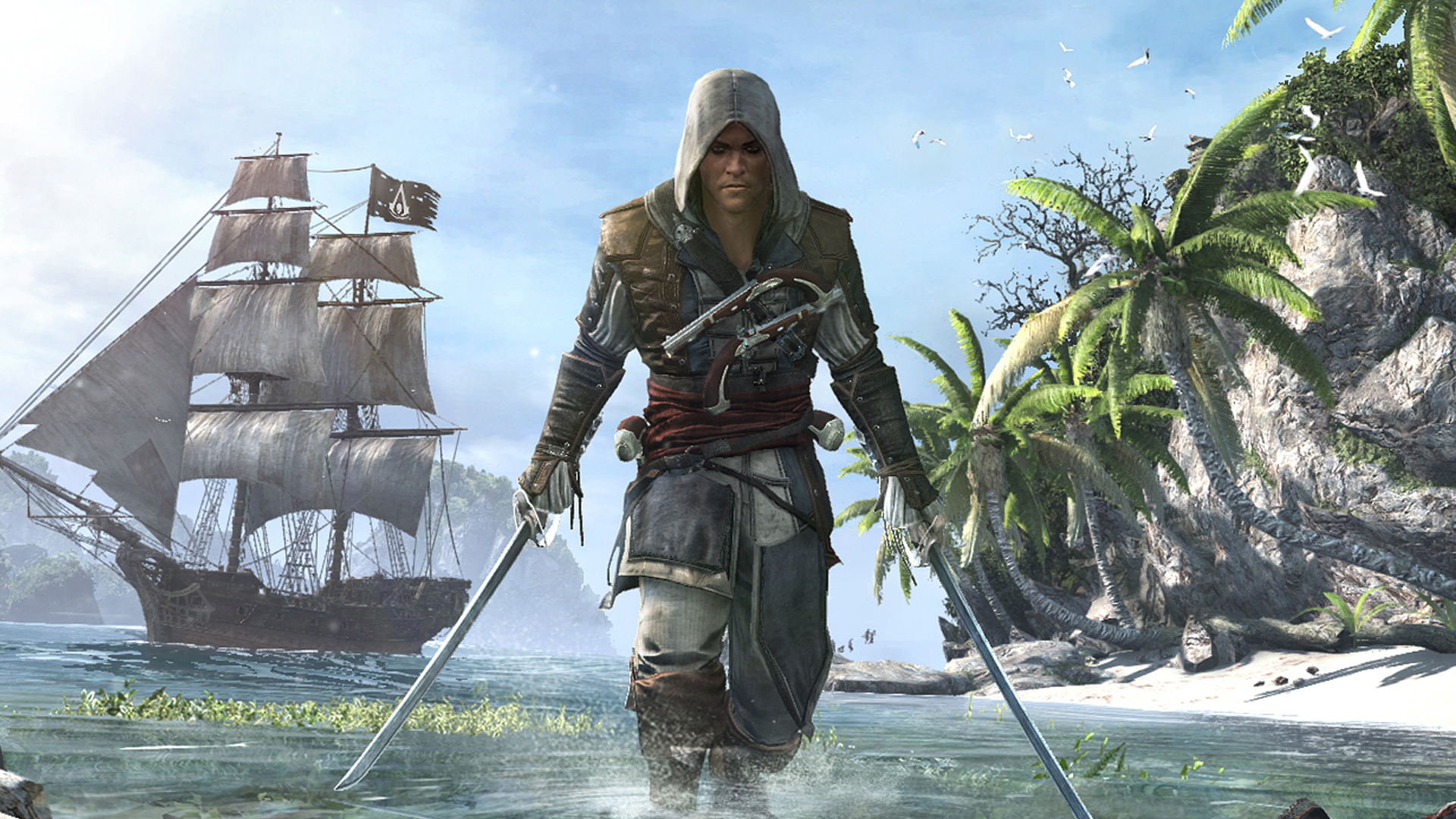
If you ask an Assassin’s Creed fan what their favorite game of the series is, Assassin’s Creed: Black Flag will likely be one of the top contenders. Because of its reputation, gamers are constantly asking for a remake of the popular pirate simulator. Now, the dream is finally here. Ubisoft has confirmed that a remake, called Assassin’s Creed: Black Flag Resynced, is coming.
Released in 2013, Assassin’s Creed: Black Flag saw the journey of Edward Kenway, a vagabond pirate haplessly thrust into life as part of the Assassin Brotherhood against his will. The critically acclaimed game was something that all gamers have been clamoring for since Sid Meier’s Pirates: a true pirate simulator. It was no surprise that the game got as popular as it did.
Today, through an official roadmap shared by the company, Ubisoft has confirmed that Assassin’s Creed: Black Flag Resynced is real, and it might launch later this year. The company also released the first concept art for the remake.
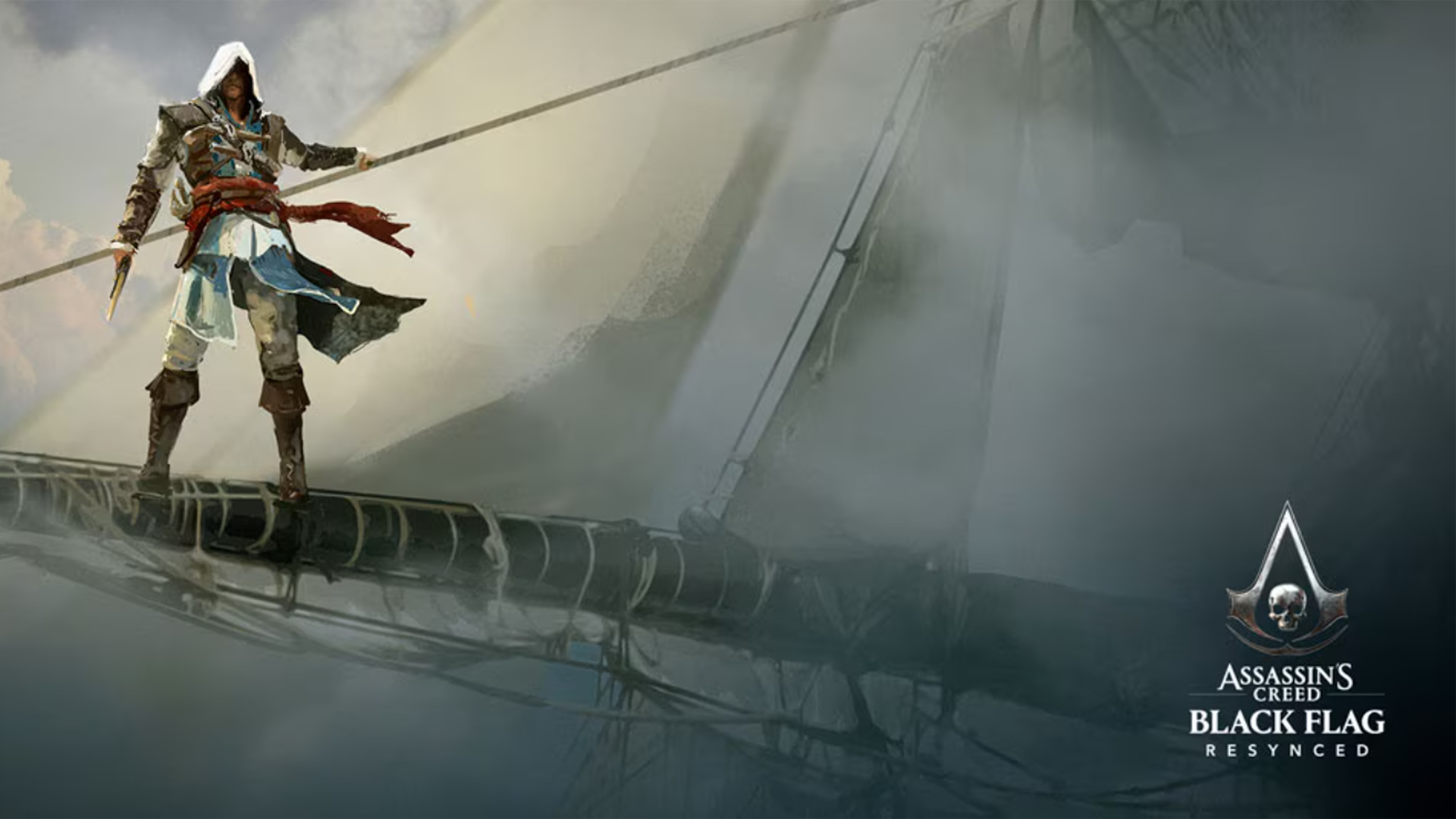
Currently, there’s no official word as to how Ubisoft is remaking the game. At the very least, we can expect significant graphical upgrades to put it up to par with the modern games. We wouldn’t be opposed to more stories and missions too.
Now, though the Black Flag remake is already a big deal, the same roadmap also emphasizes that Codename Hexe, the next mainline title, is still coming. Ubisoft hasn’t confirmed the actual timeline yet, but the game will depict “a pivotal moment in history.” With post-launch development for the ongoing Shadows winding down, efforts to launch Codename Hexe should be ramping up soon.
SEE ALSO: Assassin’s Creed Shadows gets Attack on Titan-themed content
Gaming
PlayStation will stop releasing its games on PC
A new reports suggests that Sony is going back to console exclusives.
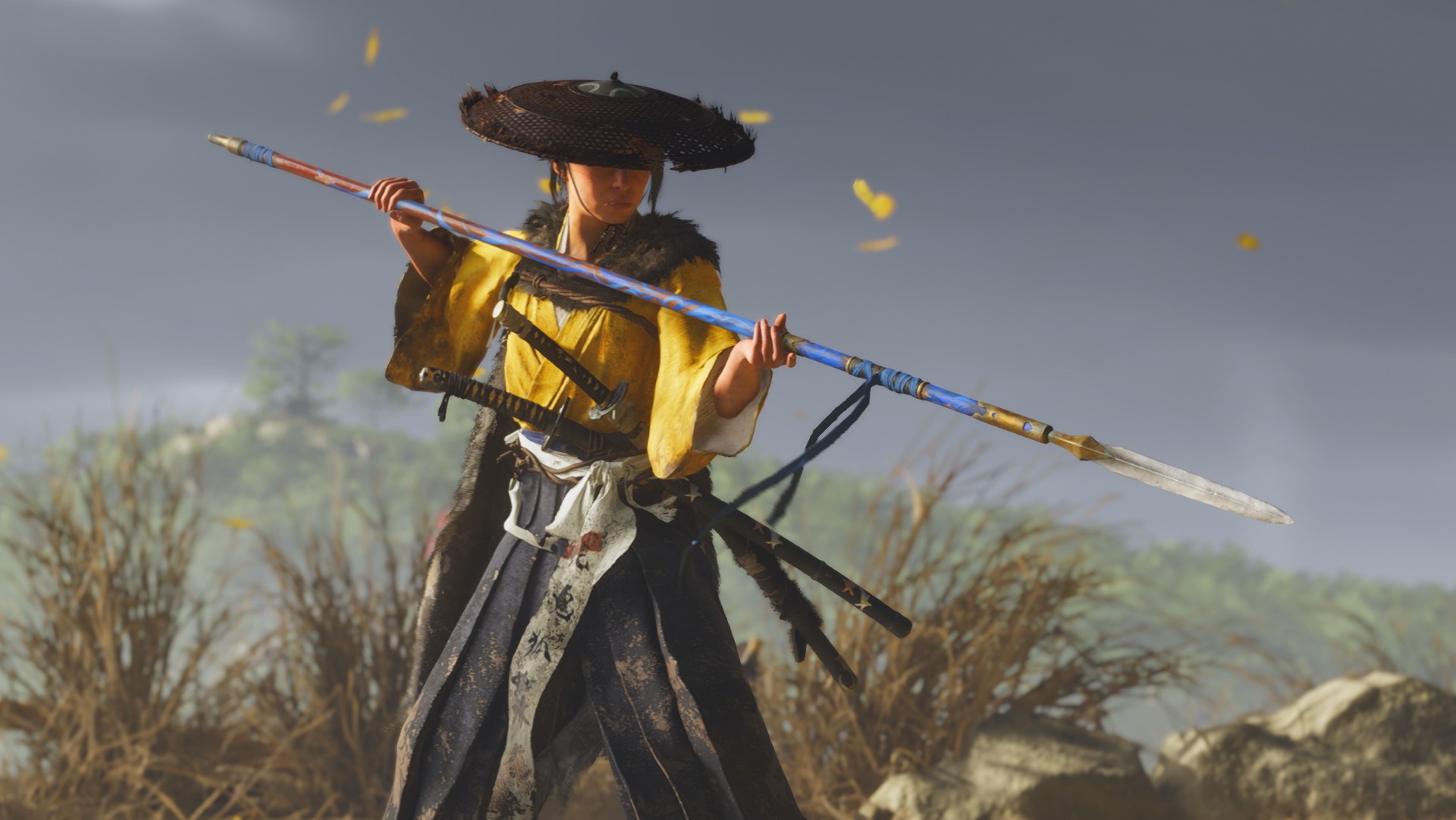
PC-only gamers have been eating well for the past few years. The formerly exclusive PlayStation library opened its gates and released worthy ports for PC. Unfortunately, Sony is putting an end to this short-lived era of openness to PC gamers. According to a new report, the company is once again making first-party PlayStation games exclusive to the console.
During the pandemic, Sony started releasing its critically acclaimed first-party games on PC. The new wave saw gamers get the ability to play titles such as Horizon Zero Dawn, The Last of Us, Marvel’s Spider-Man, and God of War on another platform. Even now, players are still eagerly awaiting the PC launch of Death Stranding 2, due out later this year.
However, as reported by Bloomberg’s Jason Schreier, Sony has just had a change of heart and will no longer release any more games on the PC, beyond those already confirmed for future launches.
This will mean that last year’s Ghost of Yotei and the upcoming Saros will remain PlayStation exclusives for the foreseeable future.
It’s a big change to Sony’s direction. However, it’s not without its precedents. For one, Microsoft has started to compete in the non-exclusive market. The company is already set to launch Fable and Forza Horizon 6 on other platforms, including PC and PlayStation, concurrently with the Xbox launch. To compare, PlayStation still waits a long time before launching exclusive games on PC.
Also, now that rumors have begun to speak of a fabled PlayStation 6, Sony might want to keep things close to its chest for now. After all, selling the console might be its top priority for now.
SEE ALSO: PlayStation 6 reportedly delayed to 2029 because of RAM shortage


EastWest rolls out Google Pay access for debit cardholders

Globe postpaid opens pre-orders for Samsung Galaxy S26 series

The Xiaomi 17 shoots Leica dream

Nintendo sues the United States

OPPO Reno15 F 5G hands-on

Xiaomi 17 Ultra is now available outside China

TECNO will showcase the CAMON 50 and POVA 8 series at MWC 2026

The art of being in and behind the frame

HUAWEI MatePad 11.5 S 2026: The better-than-ever 4-in-1 productivity tablet

TECNO MEGABOOK K16s 13th review: No-frills beneath those grills


-
 News1 week ago
Xiaomi 17 Ultra is now available outside China
-

 MWC 20266 days ago
TECNO showcases cool concepts at MWC 2026
-

 MWC 20261 week ago
TECNO resurrects modular phones with this new concept
-

 MWC 20265 days ago
TECNO launches the all-new CAMON 50 series
-

 Reviews1 week ago
Xiaomi Pad 8 review: Slab that slaps!
-

 Reviews5 days ago
TECNO CAMON 50 Ultra review: End of an era?
-

 MWC 20264 days ago
Infinix NOTE 60 Ultra makes a motorsport-inspired debut
-

 Reviews1 week ago
Forget the Phone: Xiaomi 17 Ultra Is A CAMERA!