
News
Smartwatches are doing even worse than expected


We already mentioned the current state of smartwatches as a big, fat miss in our recent year-ender compilation, but now, things are looking even bleaker for 2017.
Based on a report done by eMarketer, the research firm expected a smartwatch usage growth of more than 60 percent among adults in the US this year. Instead, the forecast has changed to only 24.7 percent, which is clearly a huge drop.
This translates to 39.5 million American adults using an internet-connected watch this year, as opposed to the original estimate of 63.7 million users. Making the situation worse is a penetration rate of just 21.1 percent by the year 2020 — not good at all.
Reasons for the slump are obvious, but still worth noting. There just isn’t enough reason to use a smartwatch on top of a smartphone, and while phones are improving in the cost-friendly segments, smartwatches are still maintaining exuberant prices.
eMarketer analyst Cathy Boyle had this to say:
They [consumer surveys] also reported high price-sensitivity. Without a clear use case for smartwatches — which have more features than fitness trackers, but significant overlap with smartphone functionality — the more sophisticated, expensive devices have not caught on as quickly as expected.
Ouch.
With news of the next generation of Android Wear being delayed until early 2017 — and the likes of Moto pulling out of the platform completely — we don’t see high-tech watches taking off, either. It doesn’t help that Samsung, who’s one of the leading brands in this category, relies on its own operating system, and not Android Wear.
Adding to the flames is Apple suspiciously hiding its latest sales numbers for both generations of the Apple Watch, as well as the well-loved Pebble brand being bought out by fitness tracker giant Fitbit for less than $40 million.
Still, there’s hope in hybrid smartwatches. With smart functionality in traditional watch designs, they last for months on battery power while retaining fitness tracking and handset connectivity features. We went as far as listing the Fossil Q Hybrid Smartwatch in our Holiday Gift Guide.
[irp posts=”8312″ name=”Here’s why you won’t see a new Moto smartwatch anytime soon”]
Sources: eMarketer, Business Insider



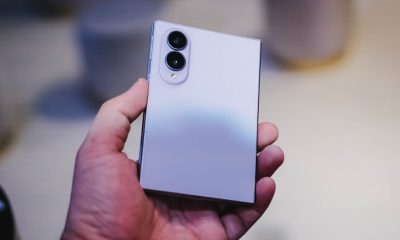


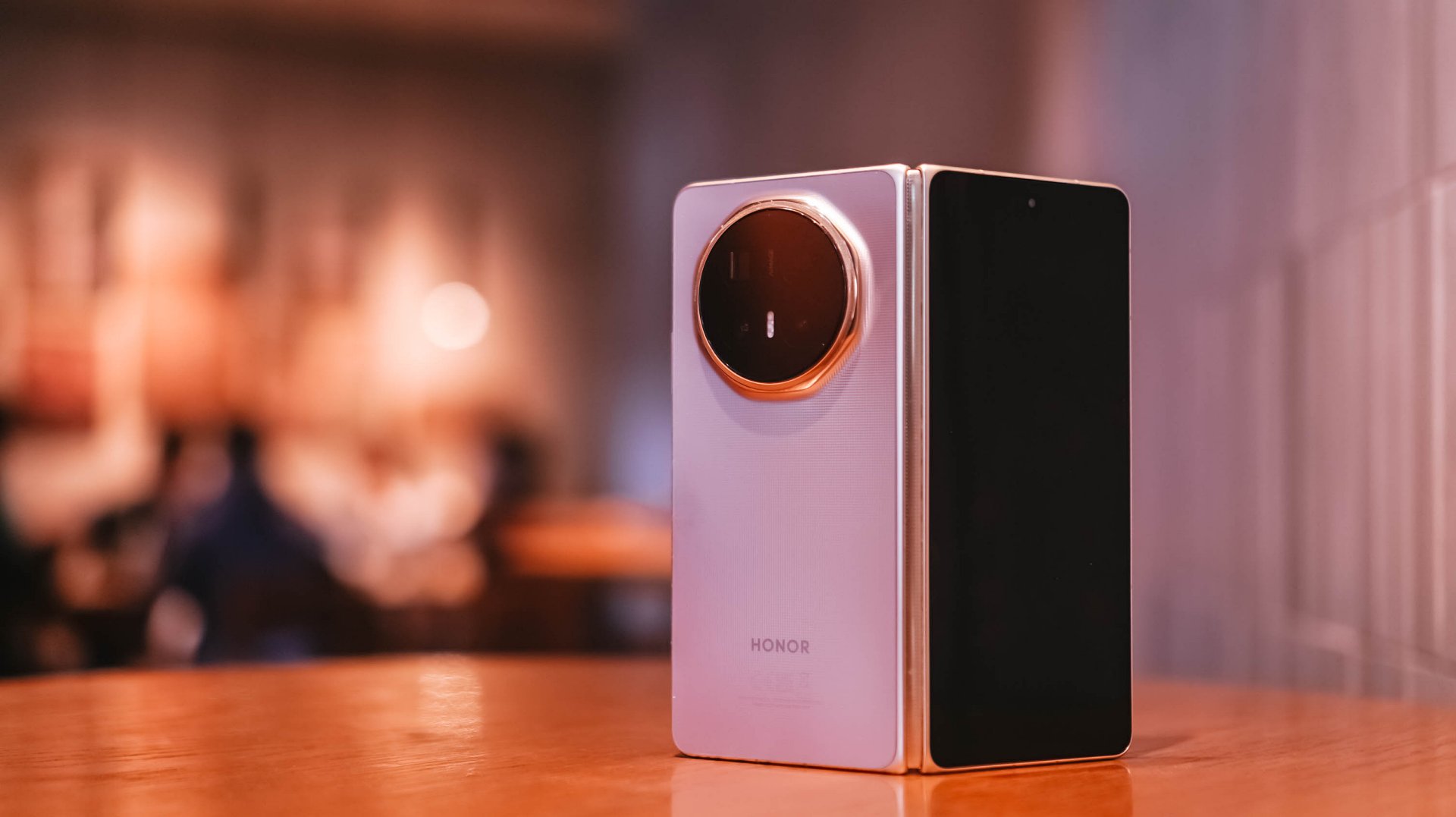
HONOR has officially launched the Magic V6 in the Philippines, bringing its latest book-style foldable to the local market.
The HONOR Magic V6 is now available for pre-order at PHP 119,999. Pre-orders run from August 25 to September 4, 2026 through HONOR Experience and Partner Stores, as well as HONOR’s online store.
Customers who pre-order during the promotional period will also receive a free HONOR Pad X8b worth PHP 12,999 when they claim their purchase on September 5.
That makes the Magic V6 one of the more premium foldable options available locally. But after spending considerable time with the device for our full review, I found that its appeal isn’t simply about packing flagship hardware into a foldable.
The Magic V6 gets remarkably close to feeling like a regular flagship smartphone when folded, while still delivering the larger-screen experience that makes a book-style foldable useful.
Read our full HONOR Magic V6 review
Thin, light, and built to last
The Magic V6 measures just 8.75mm when folded and 4.0mm when unfolded on the White version. It weighs around 219 grams, giving it a surprisingly familiar feel in the hand.
That’s something I called out in my review. Despite being a foldable, the Magic V6 doesn’t feel like a tablet folded in half. It feels much closer to a traditional flagship smartphone.
HONOR also equipped the foldable with its Super Steel Hinge, which has a claimed tensile strength of 2,800MPa. An AI-assisted bionic cushioning system helps distribute impact from accidental drops and everyday use.
The Magic V6 also carries IP68 and IP69 ratings for water and dust resistance.
Its inner display uses UTG flexible glass, while the outer display gets HONOR’s Anti-scratch NanoCrystal Shield. The latter uses up to 5,600 layers of silicon nitride coating to improve scratch resistance, durability, and reflectivity.
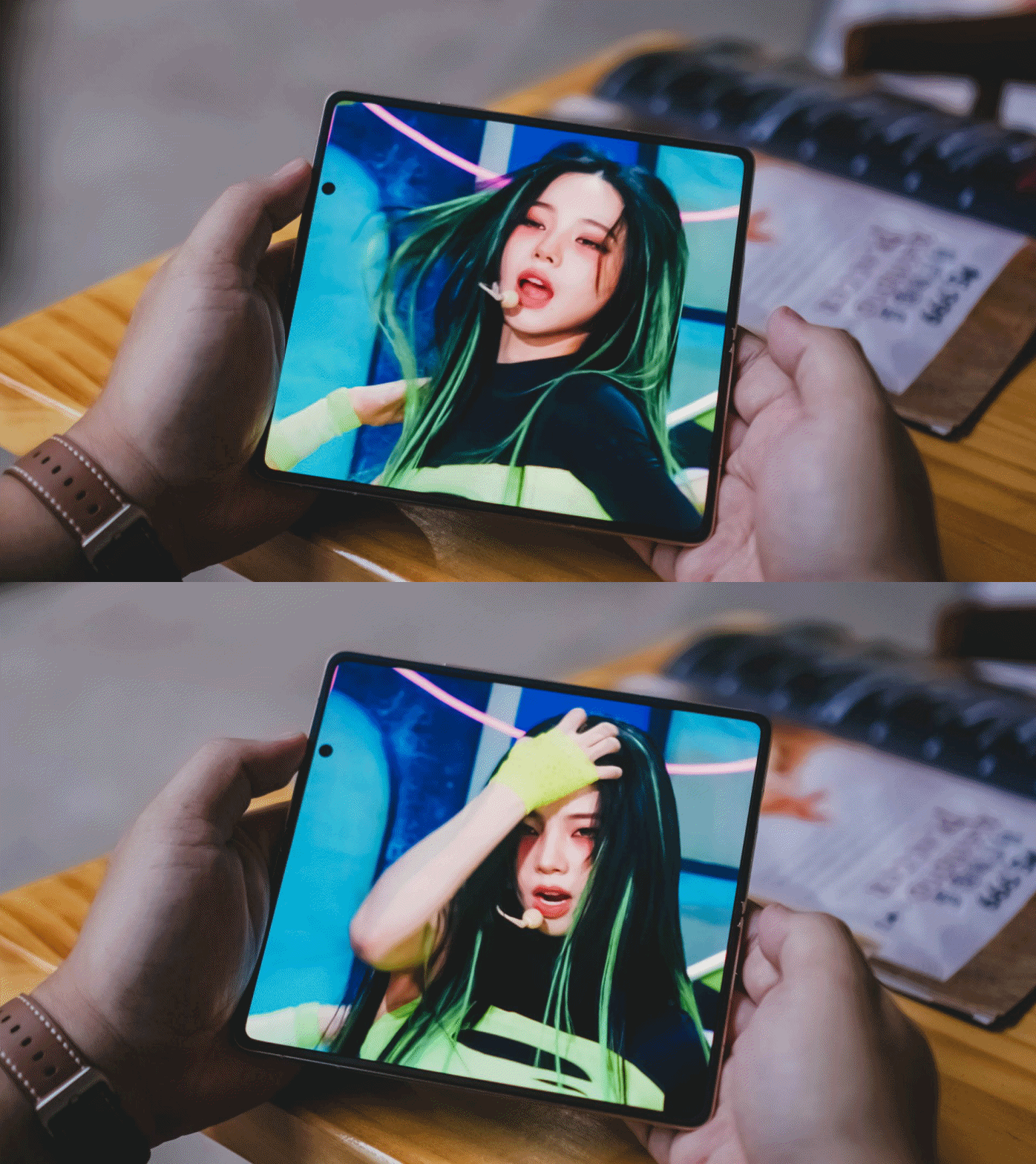
The two displays measure 6.52 inches externally and 7.95 inches internally. Both support adaptive refresh rates from 1Hz to 120Hz.
The outer screen reaches up to 6,000 nits peak brightness, while the inner display reaches 5,000 nits. Both also support 4320Hz PWM dimming for eye comfort.
A 6,660mAh battery in a foldable
One of the Magic V6’s biggest selling points is its battery.
It packs a 6,660mAh HONOR Silicon-carbon Battery, which HONOR calls the largest battery ever fitted into a foldable smartphone.
The battery uses roughly 25 percent silicon content and reaches an energy density of 921Wh/L. Despite the capacity, HONOR managed to keep the device’s body remarkably thin.
It also supports 80W wired and 66W wireless HONOR SuperCharge, along with wireless reverse charging.
In my review, battery life became one of the Magic V6’s biggest strengths. I found myself worrying less about the battery the longer I used the device. Even when using the phone unfolded, taking photos, multitasking, and going through a regular workday, I felt confident that it would get me through the day.
Under the hood, the Magic V6 runs on the Snapdragon 8 Elite Gen 5 Mobile Platform, paired with LPDDR5X RAM and UFS 4.1 storage.
Cameras and productivity
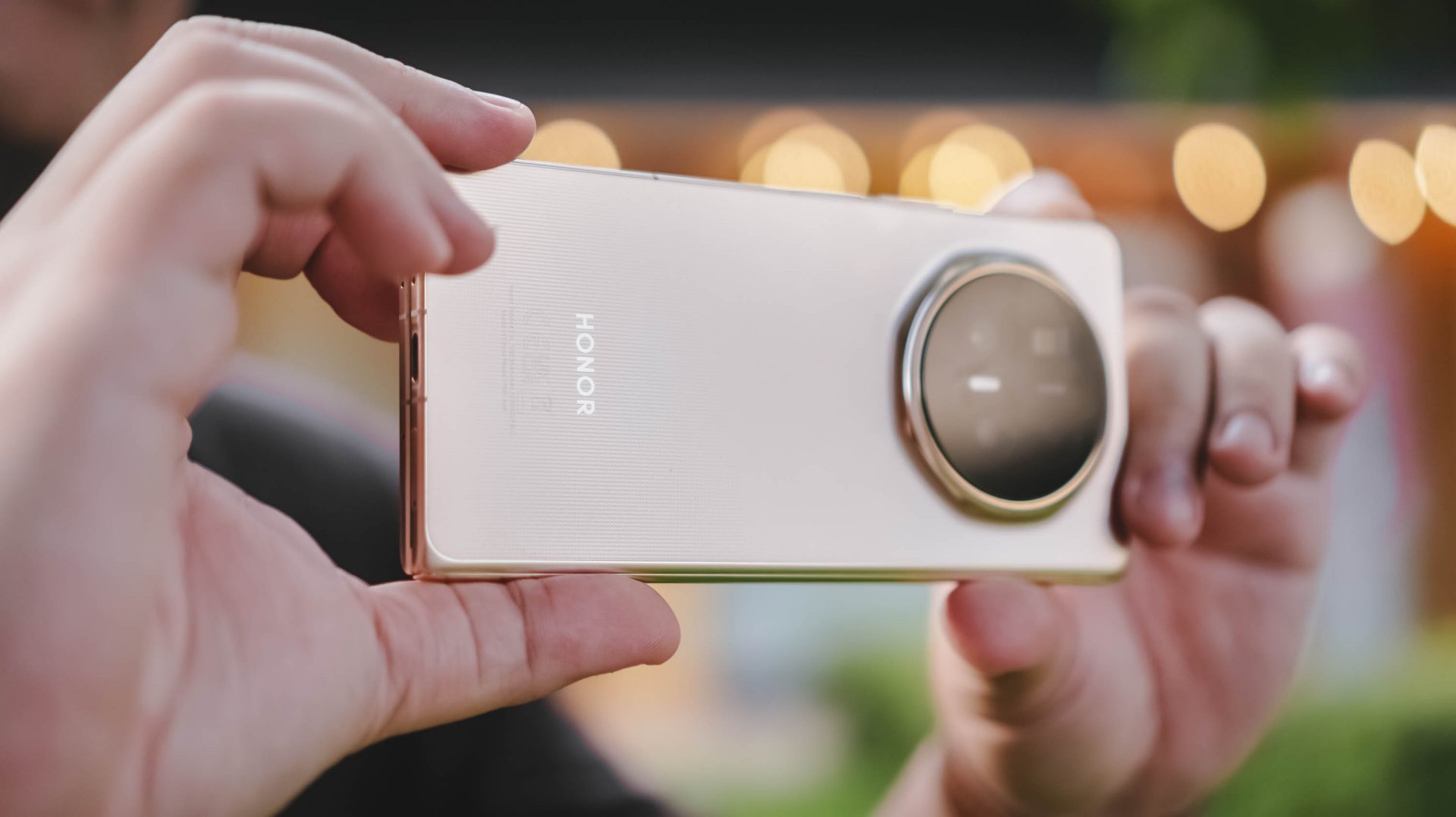
The Magic V6 uses a triple-camera system consisting of a 50MP main camera, 64MP periscope telephoto, and 50MP ultra-wide camera.
The telephoto camera uses a 1/2-inch sensor and supports CIPA 6.5-stop image stabilization. HONOR also includes AI-powered imaging features such as AI Color Engine, Magic Color 2.0, Magic Video Color, and AI Image to Video 2.0.
I found the camera system to be one of the standout features of the Magic V6. It takes photos that I wouldn’t hesitate to post immediately on social media, although I still noticed some limitations once I went beyond 6x zoom.
The foldable also runs MagicOS 10, with HONOR AI Agents covering tasks such as settings, photos, suggestions, and contextual actions.
For productivity, HONOR adds Fast Flex for quickly activating split-screen mode and Multi-Flex for running up to three apps simultaneously on the inner display.
Works with Apple devices
HONOR is also positioning the Magic V6 as a cross-platform device.
It can connect with iPhone, Mac, AirPods, and Apple Watch through HONOR Share for file transfers, notification sharing, and Mac workflows. The Magic V6 also supports Quick Share for easier file transfers between Android and compatible Apple devices.
This isn’t just a theoretical feature, either. I regularly used the Magic V6 to move files between the phone and my MacBook Pro M4 during my review.
HONOR has also integrated Google Gemini, including Gemini Live interactions using text, voice, or images.
Buyers get a three-month Google AI Pro trial, which includes access to additional Gemini features, Flow, NotebookLM, video generation powered by Veo 3.1, Nano Banana Pro, and 5TB of cloud storage.
HONOR Magic V6 Philippines price and availability
The HONOR Magic V6 costs PHP 119,999 in the Philippines.
It is available in Red, Gold, and White.
Pre-orders run from August 25 to September 4, 2026, through HONOR Experience and Partner Stores and online.
Customers who pre-order can claim a free HONOR Pad X8b worth PHP 12,999 on September 5.
The local launch gives Philippine buyers access to one of HONOR’s most ambitious foldables yet. And based on our time with it, the Magic V6 delivers on the core promise of a book-style foldable: a phone that feels surprisingly normal when folded, then becomes a much larger productivity tool when you need it.

Shokz has launched two new open-ear audio products designed for active lifestyles and everyday use.
The OpenRun Air 2 is a bone conduction sports headphone built for running, cycling, hiking, and outdoor training. The OpenFit Air 2 is a true wireless earbud designed for workouts, commuting, and all-day wear.
Both products keep the ear canal open. This lets users listen to music and take calls while staying aware of their surroundings.
OpenRun Air 2 gets smaller and lighter

The OpenRun Air 2 weighs 26.4 grams. It is also more than 9% smaller than the OpenRun.
Shokz redesigned the ear hooks to follow the natural curve of the ear. The new design distributes pressure more evenly. A forward-shifted center of gravity also helps reduce bounce during movement.
The ear hooks and neckband use a durable memory alloy. This helps keep the headphones secure during activities.
The headphones use Shokz’s PremiumPitch 3.0 bone conduction technology. Its upgraded driver uses an all-metal, dual-coil, dual-reed structure. Shokz says this delivers richer bass, clearer vocals, and a more balanced sound.
Users can also adjust the sound through the Shokz App. It offers four preset EQ modes and two custom EQ profiles.
The OpenRun Air 2 offers up to 10 hours of listening time. That’s 25% longer than the OpenRun. A five-minute Quick Charge can also provide up to two hours of playback.
An IP67 rating protects the headphones from dust and water. The device also uses USB-C charging and physical controls.
For calls, the OpenRun Air 2 uses an AI-powered noise reduction microphone. Shokz says it helps keep calls clear even in windy conditions.
The headphones come in Black and Ice Blue. Both colors are available in Standard and Mini sizes.
OpenFit Air 2 is the lightest OpenFit

The OpenFit Air 2 weighs 7.2 grams per earbud. Shokz says it is the lightest product in the OpenFit lineup.
The new charging case is 10.5% smaller than the previous generation. The earbuds and case together are also 17.6% lighter.
Shokz redesigned the ear hook with a 0.75mm nickel-titanium alloy frame. This balances flexibility and support during workouts and everyday use.
The open-ear design also reduces pressure and heat buildup inside the ear canal.
For audio, the OpenFit Air 2 uses Shokz’s Bassphere driver and OpenBass 2.0 algorithm. The system uses a dual-driver setup to improve low-frequency performance.
A 30-degree angled speaker directs sound toward the ear. DirectPitch technology also helps reduce sound leakage.
Like the OpenRun Air 2, the OpenFit Air 2 supports four preset EQ modes and two custom profiles through the Shokz App.
The earbuds provide up to eight hours of listening time on a single charge. The charging case extends total battery life to up to 36 hours. A 10-minute quick charge provides up to three hours of playback.
The earbuds also use pressure-sensitive controls designed to reduce accidental inputs from sweat, water droplets, or hair.
Other features include dual microphones with AI noise reduction, IP55 sweat and water resistance, Bluetooth 6.1, Multipoint Pairing, Fast Pair, Swift Pair, customizable controls, and Find My Earbuds through the Shokz App.
The OpenFit Air 2 comes in Black, White, and Ice Blue.
Pricing and availability
The Shokz OpenRun Air 2 and OpenFit Air 2 will be available starting August 27 through Shokz.com and select retailers.
Both products are priced at $129.95 USD and $169.95 CAD.


Smart Communications, Inc. (Smart) has been recognized by Ookla for delivering the Best Mobile Video Experience in the Philippines for the second consecutive year.
Based on Ookla’s Speedtest Intelligence data for the first half of 2026, Smart posted a Video Score of 72.82. It was the highest score among mobile operators in the country.
The award measures real-world video streaming quality across three equally weighted factors: video start time, uninterrupted playback, and Full HD resolution.
According to Ookla’s methodology, the Video Score measures how often users start videos in less than two seconds. It also considers uninterrupted playback and 1080p or higher resolution in most video sessions.
For Smart and TNT customers, this translates to faster-loading videos, smoother playback, and clearer high-definition streaming. This applies to livestreams, short-form videos, series, and live sports.
Smart continues 5G push
Smart said the recognition comes as it continues to expand and optimize its nationwide 5G network.
“From expanding coverage in underserved communities to increasing capacity in high-demand areas, every enhancement is driven by our commitment to delivering the best possible mobile experience for our customers,” said Debbie M. Hu, First Vice President and Head of Wireless Networks at Smart.
Smart also pointed to the growing role of video in Filipinos’ digital lives.
“Video has become an essential part of everyday digital life for Filipinos, and our customers expect their mobile network to perform consistently wherever they go,” said Lloyd R. Manaloto, First Vice President and Officer-in-Charge for Smart.
As of the end of June 2026, Smart had 12.5 million 5G-capable individual devices on its network.
That figure represents a 30% increase and accounts for 21% of individual devices on the network.
Smart said its network investments focus on optimization, targeted rollouts, and wider adoption of 5G-enabled devices. These efforts aim to support rising demand for video streaming and other data-intensive services.
The company said the investments also support the PLDT Group’s goal of delivering reliable digital services to Filipinos. They also contribute to the country’s digitalization agenda and the United Nations Sustainable Development Goal No. 9 on Industry, Innovation, and Infrastructure.

TECNO MEGAPAD 2 review: Eyes on the size
The MEGA pad for two base users


30 days with the DJI Osmo Pocket 4P
This is the camera that made solo travel filmmaking finally feel possible.


MARVEL Tōkon: Fighting Souls review: Easy to pick up, hard to put down
Welcomes casual and experienced fighting game players

HONOR Magic V6: Price, availability in the Philippines

Shokz launches lighter OpenRun Air 2 and OpenFit Air 2

Smart wins best mobile video experience again

Match Pulse: Boya Notra Neo

Tesla involved in recalling over 4 million electric cars

VinFast debuts two-wheeler models, opens 21 e-motorcycle showrooms

OnePlus officially leaves the United States and Canada

REDMI Note 17 Series focuses on long-term reliability

Xiaomi debuts SkyNomad Series featuring new Kunlun platform
TECNO MEGAPAD 2 review: Eyes on the size


-
 Singapore1 week ago
REDMI Note 17 Series focuses on long-term reliability
-
Reviews3 days ago
TECNO MEGAPAD 2 review: Eyes on the size
-
 News1 week ago
realme 16T to come with 8,000mAh battery, 7-year battery health guarantee
-
 Gaming2 weeks ago
Marvel Wolverine Limited Edition PS5 bundle SEA pricing
-
 Reviews2 weeks ago
Samsung Galaxy Z Fold8 Review
-

 Accessories6 days ago
Jackery expands Explorer Series portable power stations
-

 Entertainment2 weeks ago
Box office: Brand New Day set to surpass US$ 2 billion, drives Marvel’s Spider-Man 2 resurgence
-
 News2 weeks ago
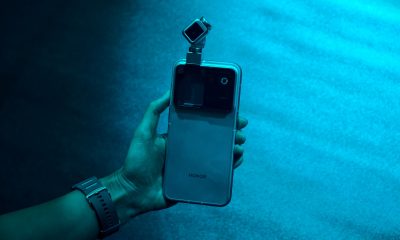
HONOR Robot Phone officially launches after its MWC debut