
Cameras
The Sony A7S III is a low light video beast
And then some

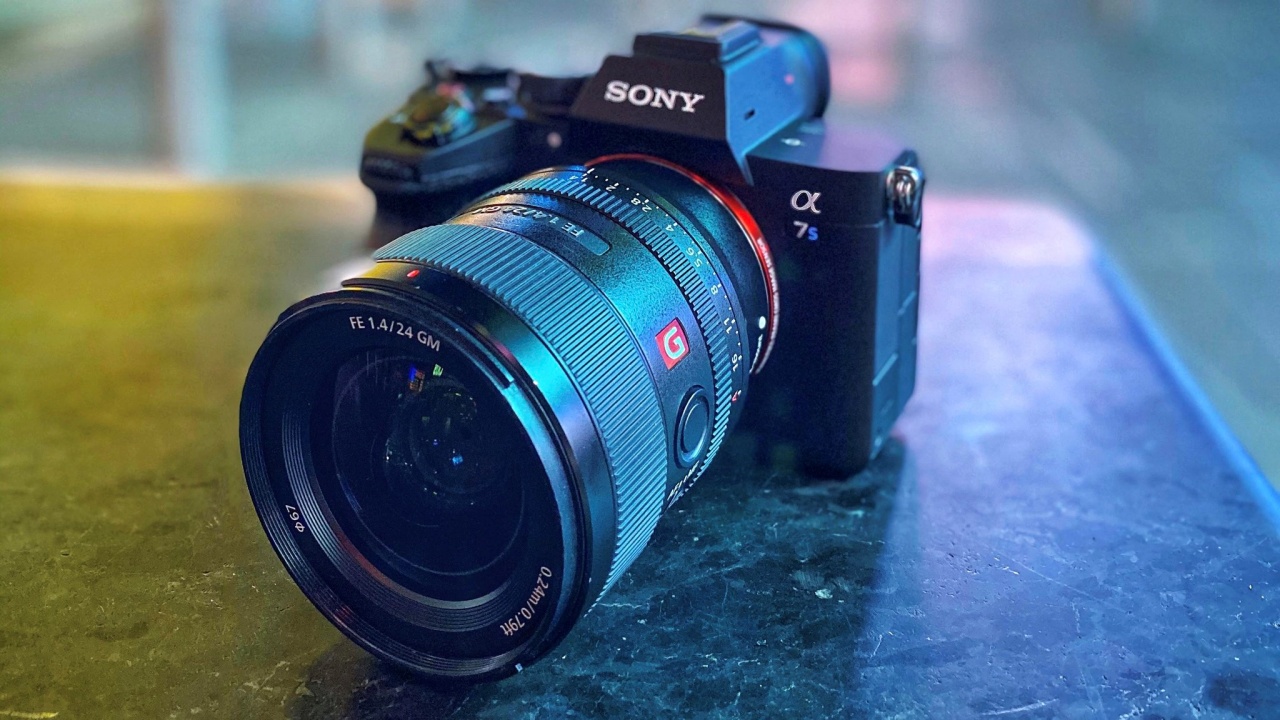
Finally! After years of waiting, we now have the successor to Sony’s video-centric mirrorless camera — the Sony A7S III.
It’s been six years since the release of the Sony A7S II, and its successor carries on the many features that made it an absolute must-have for videographers both amateur and professional.
Taking professional video further
The A7S III offers in-camera 4K recording up to 120 frames per second(1), 10-bit depth and 4:2:2 color sampling. It has a more flexible and efficient post-production workflow with a variety of advanced movie recording modes such as All-Intra and MPEG-H HEVC/H.265 coding (XAVC HS).
If you’re worried about a mutli-cam production, the Sony Alpha team has taken that into account as well. It has three color gamut settings S-Gamut, S-Gamut3, and S-Gamut3.Cine that make it easy to match with footage shot with other cameras.
Footage taken with the camera is also ready to go as is. The S-Log3 gamma curves as well as support for HLG (Hybrid Log-Gamma) picture profile produces footage with a minimal need for post-production.
The A7S III also allows up to 4K 60p 16-bit RAW output to an external recorder via HDMI Type-A connector, offering additional post-production flexibility.
BIONZ XR for better image quality
The A7S III is equipped with the new CMOS image sensor and BIONZ XR image processing engine. This all in the service of producing that legendary S-Series sensitivity with significantly enhanced color reproduction and texture renderings for improved overall image quality.
The base ISO has been lowered to 80, resulting in a normal range of 80-102,400 (expandable to 80-409,600 for video and 40-409,600 for stills). This provides more flexible ISO plus wide dynamic range with low noise at all settings.
It also improves AWB (Auto White Balance) performance with a new “Visible light + IR Sensor” that helps to achieve more precise white balance under artificial lighting.
Advanced AutoFocus
AutoFocus (AF) has been one of the features that Sony just has been absolutely good at and that carries over to the A7S III. It offers Fast Hybrid AF by combining phase-detection and contrast-detection AF.
This means it can track subjects over a wide area with outstanding speed, precision and smoothness, even when using a narrow depth of field. This is further enhanced by Sony’s e-mount lenses capable of Fine focus expression.
For environments with a lot of movement, Real-time Tracking and Real-time Eye AF are available to maintain constant focus on the intended subject.
Sony’s advanced Real-time Eye AF improves detection performance by 30% over the previous system. It ensures accurate, reliable detection, even when the subject’s face looks away.
The A7S III is now touch screen so real-time tracking can be done in that manner. Real-time Eye AF is automatically initiated when an eye is detected.
The camera includes several AF features for professional users including AF Transition Speed in seven settings. It has rack-focus transitions and five AF Subject Shift Sensitivity settings to customize how easily AF will switch or stay with the locked-on subject.
It’s now also possible to Touch Focus during manual focus mode on the LCD screen or remotely from the Imaging Edge Mobile application.
Better cooling implemented
Naturally, this much power will generate plenty of heat. The A7S III’s design takes this into consideration.
A newly developed unique heat dissipating structure keeps the image sensor and image processing engine temperatures within their normal operating ranges. This keeps things cool even during extended continuous recording sessions at 4K 60p 10-bit 4:2:2 video lasting an hour or more.
The new heat-dissipating structure requires no fan or cabinet vents allowing Alpha 7S III to maintain dust and moisture resistance.
Maximum stability
A camera built video can’t be without proper stabilization.The Sony A7S III is the first Alpha series camera to include Active Mode with 5-axis optical in-body image stabilization to support especially difficult handheld movie shooting.
It’s the first Alpha series E-mount body to feature a side-opening vari-angle rear screen. It’s perfect for gimbal-mounted shots, complicated angles, handheld operation and more.
The screen rotates sideways, up and down, and features a 3.0 type 1.44 million-dot (approx.) touch panel LCD monitor, for optimal visibility even in bright outdoor environments. FINALLY.
Not a slouch in photography
Just because it’s video-focused, doesn’t mean it neglected still images. The A7S III has a fast Hybrid AF system with 759 phase-detection AF points covering 92% of the image sensor.
Users can continuously shoot more than 1,000 uncompressed RAW images at up to 10fps, or up to 8fps in live view mode, with either the mechanical or electronic shutter.
High speed transfer, redesigned menu
The A7S III features two CFexpress Type A compatible media slots. These support UHS-I and UHS-II SDXC/SDHC cards for high write-and-read speeds while keeping the camera body compact.
CFexpress Type A cards are ideally suited to high-speed continuous RAW still image shooting as well as 4K 120pi movie recording at high bit rates.
High-speed data transfer to a PC is possible at about 1.7 times faster than that of SD card. The dual slots can be set to relay mode for extended continuous recording of even the highest bit rate data as well as simultaneous recording and sort by format type recording.
The menu system, which some have noted to be somewhat of a black hole, has been redesigned for easier navigation. Switching to video mode automatically prioritizes video settings. Same is true for the various photo modes.
Pricing and Availability
The new Sony A7S III Full-frame Interchangeable Lens Camera will be available in September 2020 for approximately US$3,499.99. It will be sold at a variety of Sony’s authorized dealers throughout North America.
In Singapore and the Philippines, it will be available in October 2020. Pricing will be announced soon.






Cameras
DJI’s Inspire 3 Basic Package make 8K aerial filmmaking more accessible
A streamlined kit for independent filmmakers!


DJI has officially introduced the Inspire 3 Basic Package, a streamlined kit designed to lower the barrier of entry for professional aerial cinematography.
Since its debut in 2023, the Inspire 3 has established itself as the primary choice for studio film and television productions.
This new package provides a cost-effective path for independent filmmakers to integrate 8K aerial imaging into their workflow or for production houses to scale their existing fleet.
Cinema-grade performance in a portable form factor
The Inspire 3 remains a revolutionary all-in-one drone, built to handle the rigorous demands of high-end sets.
At the core of the package is the Zenmuse X9-8K Air Gimbal Camera, which features dual native ISO and more than 14 stops of dynamic range.
These specifications translate to high-fidelity footage that retains authentic colors and accurate skin tones, even when filming in challenging urban environments or varying lighting conditions.
By utilizing the DJI Cinema Color System (DCCS) and the O3 Pro transmission system, the drone acts as a reliable partner in movement, ensuring that technical performance supports the creative vision without the need for overly complex setups.
Essential tools for modern production
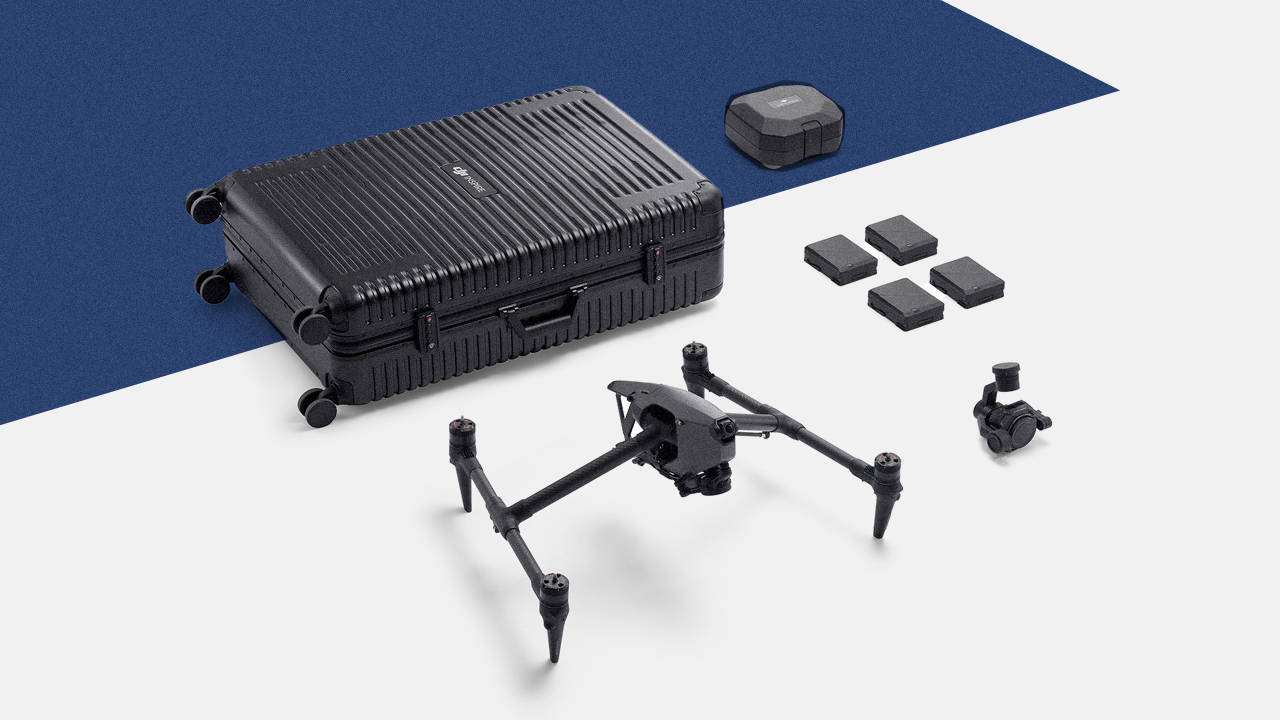
The Basic Package is curated to include the core hardware necessary for professional use while allowing for modular expansion. The kit features:
- The Inspire 3 Aircraft and Zenmuse X9-8K Air Gimbal Camera
- Four TB51 Intelligent Batteries to support extended shooting schedules
- Specialized storage solutions, including the Inspire 3 Trolley Case and Gimbal Camera Case
Filmmakers who require the full ecosystem can still purchase key peripherals separately, such as the RC Plus remote controller, allowing the gear to grow alongside their specific project needs.
Price, availability
The DJI Inspire 3 Basic Package is available starting today through authorized retailers and the official DJI store. The package retails for PhP 615,049.
This release reinforces the philosophy that while technology provides the tools, the focus remains on the life and stories captured through the lens.

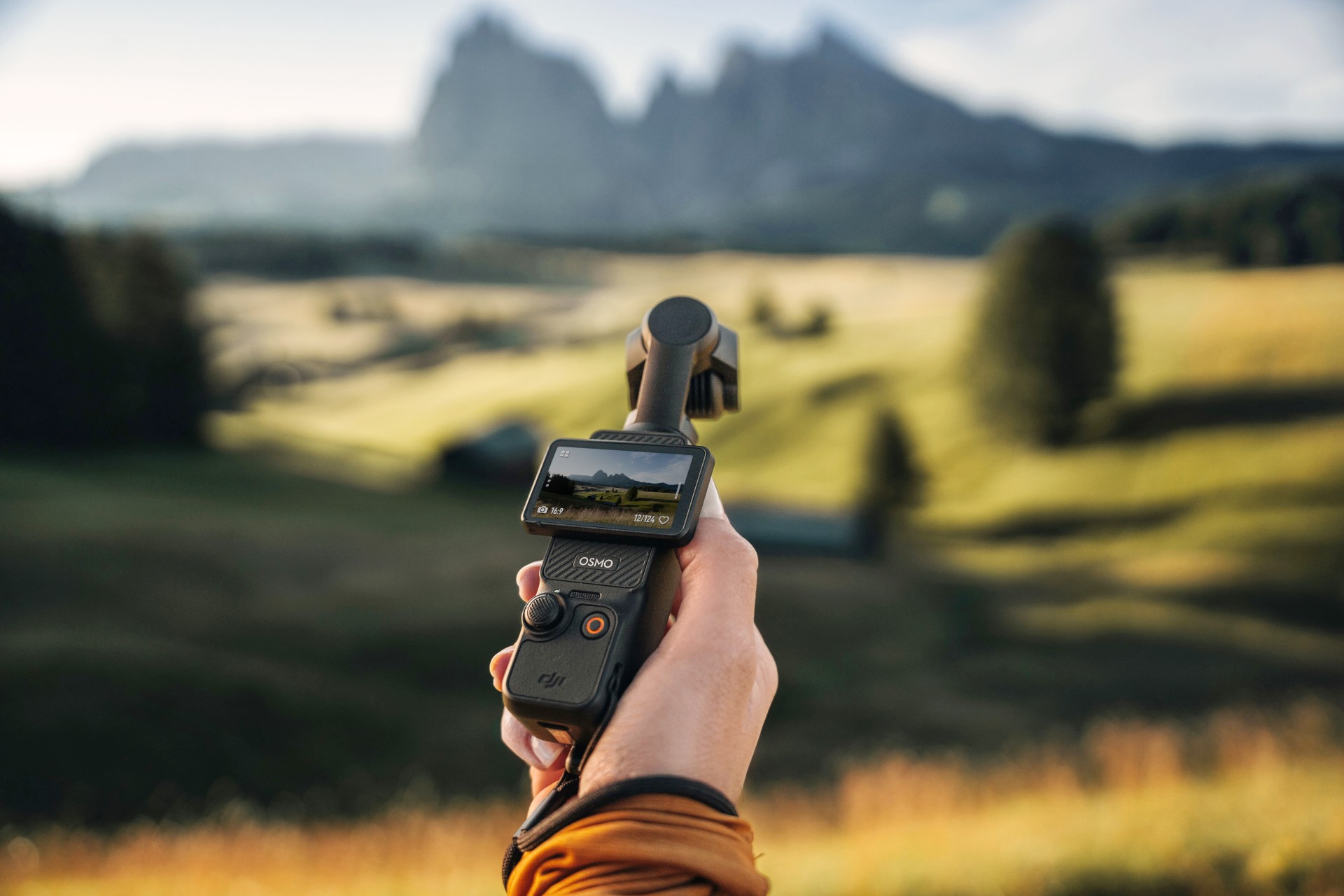
The DJI Osmo Pocket 3 might be the most popular camera in recent history. The tiny action camera constantly sells out, thanks to creators and would-be vloggers. Because of the current generation’s popularity, everyone is looking forward to the next-generation Osmo Pocket 4. Though it’s still unannounced, the new camera has suddenly made a surprising appearance out in the wild.
The leak shockingly comes from an authorized DJI retailer in Kuala Lumpur. Supposedly, a customer entered the store with what they claimed was an Osmo Pocket 4. The store, DronesKaki, even shot a now-deleted video of the unannounced camera, rescued by New Camera.
Based solely on the short video, the Osmo Pocket 4 looks and feels very familiar to those who’ve already used the Pocket 3. The three-axis gimbal system still keeps shots in place for taking videos while on the move. The 2-inch rotating screen looks identical to the current one, especially because of intuitive settings and controls.
However, the biggest standout is the built-in LED light sitting atop the camera. Despite how convenient and easy to use it is, the Pocket 3 doesn’t exactly shine in low-light conditions, prompting users to always bring an external flash. If the leak is true, the Osmo Pocket 4 cures this issue to some extent. (Built-in flashes aren’t usually standout solutions, but they can work in a pinch.)
Still, take the leak with a grain of salt. Though the store could have deleted the video because of a request from DJI, they could have also deleted it because it’s not the Osmo Pocket 4. At this point, we won’t know, but current rumors speculate that the camera is launching soon.
SEE ALSO: DJI Osmo Action 6 review: An adventurer’s best friend
Cameras
Canon PhotoMarathon returns, introduces video, open categories
Happening on April 18 in BGC, Taguig


The Canon PhotoMarathon is officially returning this year and is introducing more categories for enthusiasts to join in.
The 2026 edition, the 19th in the Philippines, will happen on April 18 at the BGC Amphitheater in Taguig City.
For the first time, Canon is opening the competition to non-Canon users. Even those with just smartphones can register. The brand has also added a video category.
Here’s a quick breakdown of the contest categories and their corresponding prizes:
Main Category (Photo)
- Open to Canon users only
- Prize: Canon EOS R6 Mark III with RF24-105mm f/4-7.1 IS STM
Open Category (Photo)
- Open to all camera brands
- Prize: Canon EOS R8 with 24-50mm
Video Category
- Open to all camera brands
- Canon Prize winner: Canon EOS R50 V
- Non-Canon Prize winner: Canon Powershot V1
The full mechanics will be announced on the day of the competition itself to make it even more challenging for those taking part.
To join, simply download the Canon PH Delightful app, create an account, go to the Events tab and select the Canon PhotoMarathon banner. Registration is already open.
To build up hype for the upcoming event, Canon will host photowalks, school tours, and regional tours leading up to the PhotoMarathon.
These are designed to engage photographers at every skill level. Admission is free and open to all digital camera users.


Galaxy Buds4 Pro review: I thought I was done with in-ears
This Buds4 you


WWE 2K26 lets you live out all the fantasy matches you could want
But you have to play for hours and hours to unlock everyone.


The HONOR X8d is serviceable
Steady but slow?

More iPhone switchers this year than Android switchers, report says

Marvel’s Wonder Man greenlit for a rare second season

Apple’s WWDC 2026 will be from June 8 to 12
Galaxy Buds4 Pro review: I thought I was done with in-ears
WWE 2K26 lets you live out all the fantasy matches you could want


-

 Reviews1 week ago
POCO X8 Pro Max review: A new beast from the far east
-

 News1 week ago
POCO X8 Pro Series: Price, availability in the Philippines
-

 Laptops2 weeks ago
Apple MacBook Neo Review
-

 Apps2 weeks ago
Google Maps is finally getting a 3D mode
-

 Features2 weeks ago
Galaxy AI on the Samsung Galaxy S26 Ultra
-

 Entertainment2 weeks ago
The internet is thirsting over the One Piece Season 2 cast
-

 Automotive2 weeks ago
BYD is reportedly considering an F1 team
-

 Gaming2 weeks ago
Resident Evil Requiem will get a story expansion