
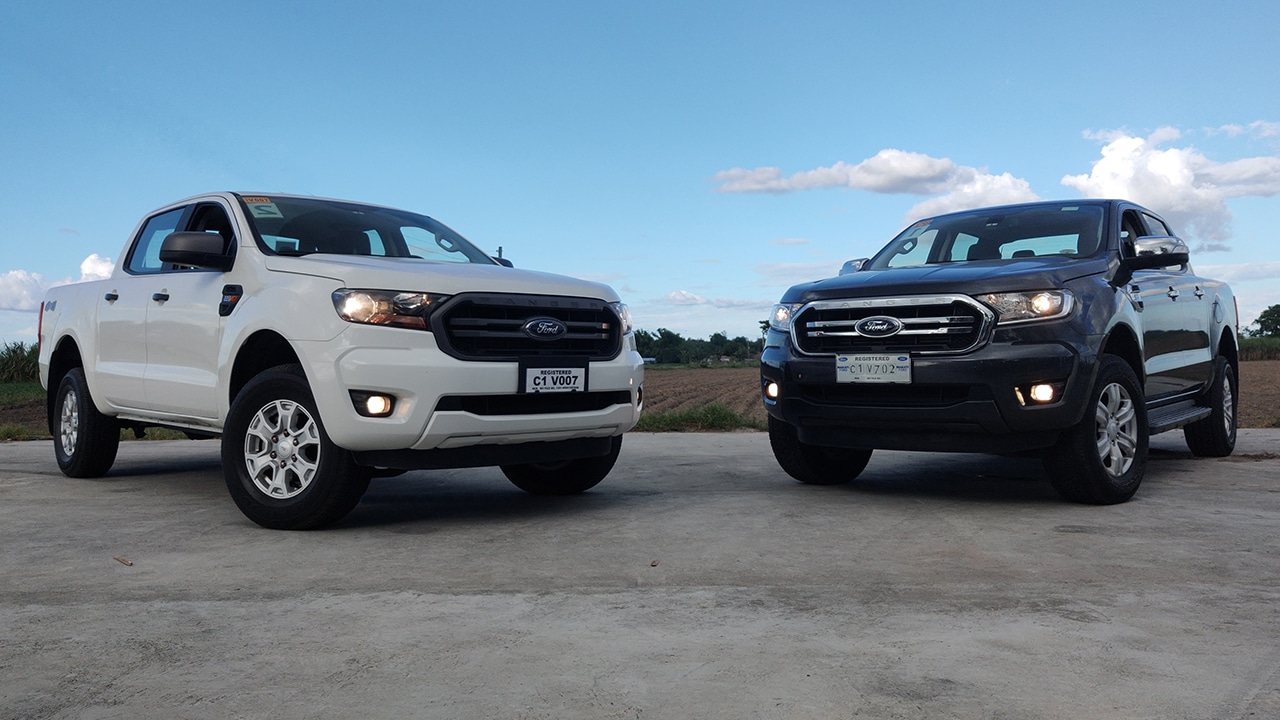


When you’re on the market looking to buy a new vehicle, going for the top-of-the-line variant benefits you with the latest features, a more powerful engine, and probably added accessories on its body.
The thing is, one doesn’t always need the best model. Sometimes, you just need something that’s capable, reliable, and tough. This is where Ford’s more affordable Ranger models come into play. The Ranger XLS and XLT variants are characterized by a utility-inspired design with features and capabilities reflecting its hard-working personality.

We took them on a road trip outside the metro to experience how they would fare when used as a utilitarian vehicle for a business owner’s needs.
Here’s a glance on what it offers:
- Powertrain – The Ranger XLS and XLT variants are powered by Ford’s 2.2-liter TDCI engine. Coupled with a six-speed manual or automatic transmission, it delivers 160PS and 385Nm of torque to suit performance demands.
- Water-wading – Since it targets customers with workhorse and utility needs, the Ranger XLT and XLS variants boast an 800mm water-wading capabilities.
- Towing and payload – The Ranger XLS 4×2 variant has a towing capacity of 2,500 kilograms, while the XLS 4×4 manual variant ups the ante to 3,500 kilograms. All variants of the Ranger XLT 4×2 have a towing capacity of 2,500 kilograms. Meanwhile, all Ranger XLS and XLT variants have a 1,200-kilogram payload capacity.
- Features – Both models are equipped with Ford’s Driver Assist Technologies that ensure a safe and comfortable drive whether on- and off-road. These include an adjustable speed limiter, ABS with EBD, childproof door locks, cruise control, front driver and passenger airbags, and front seatbelt pre-tensioners.
Putting the Ranger XLS and XLT to the test

Our first stop was at a hardware store for construction materials. We loaded one Ranger with almost one ton of dry cement and delivered it to a nearby site. The Ranger performed the task easily and without any hiccups, as expected.

Additionally, while at the site, an architect shared a short testimonial of how her very own Ford Ranger not only helped her transport materials in and out of the city, but it was also able to reliably haul her workers around when needed.
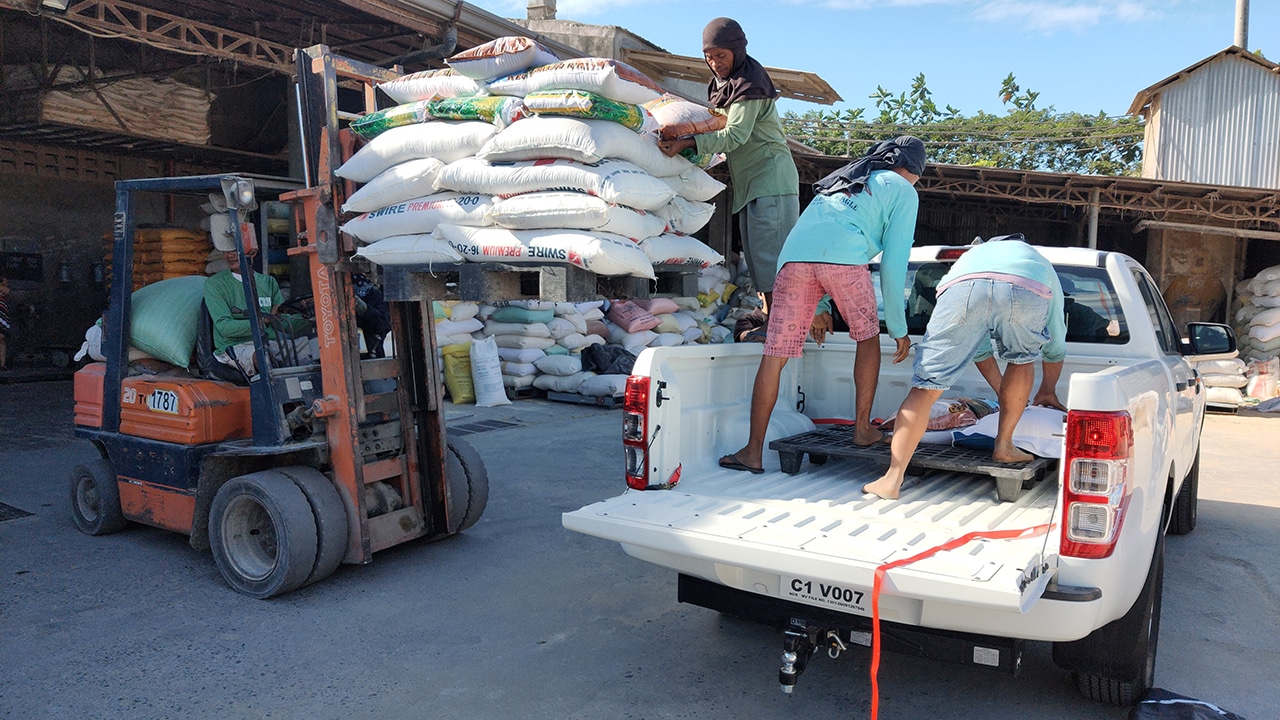
After a short break, we hopped back in the Ranger and drove off to our next destination. This time it was in a milling plant and we loaded the truck with a combination of rice and corn totaling to 800kgs.
I personally drove the loaded Ranger and was surprised at how well it handled the task. I knew it could take on all that load but I was expecting its engine to struggle a bit. But in reality, it was like I wasn’t lugging around almost 1,000kg of payload.
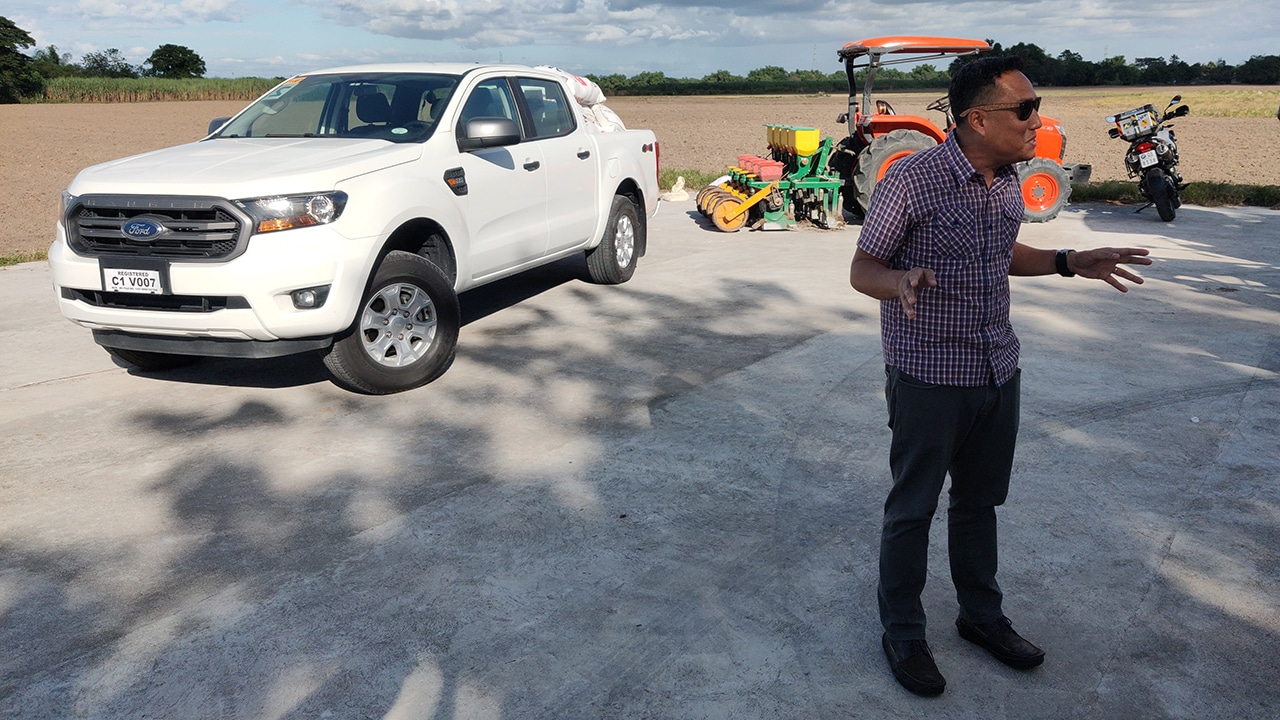
We brought the sacks of corn and rice to a nearby farm and its owner gave another short talk enumerating how the Ford Ranger contributed to the success of his family business. From all its features, what stands out to the successful business owner is the 800mm water-wading capabilities of the truck. Because of it, he’s never afraid of taking on floods which is common in some areas that he’s in.
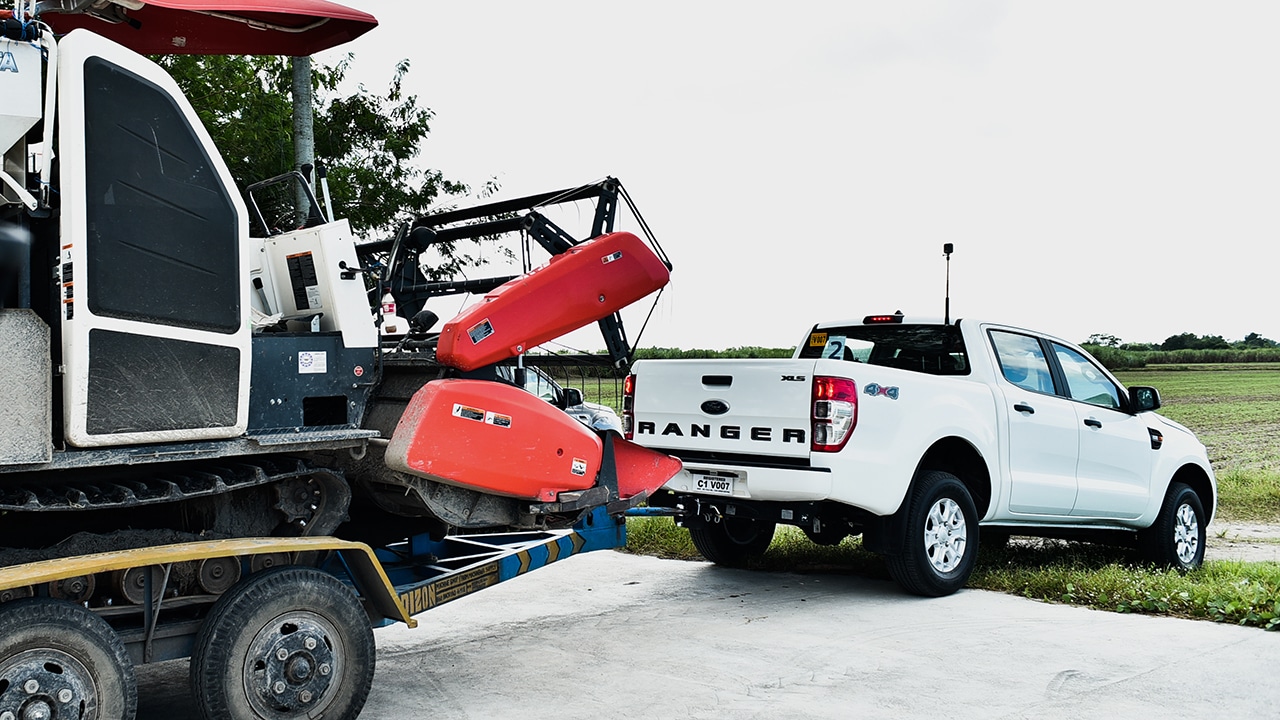
The Ranger XLS 4×2 offers a towing capacity of 2,500 kgs
While we were here, Ford wanted to show off more of what the Ranger can do. Next thing we know, the XLS variant was towing a tractor which was quite impressive to see in person.
Built Ford Tough
This activity further established the company’s promise that its vehicles are built tough. Though these were not the top of the line models, they proved to be as capable as their more expensive siblings and a reliable daily workhorse. Plus, with the base model priced below PhP 1 million, it’s a perfect choice for business owners who want to try out the advantages of owning a pickup truck.
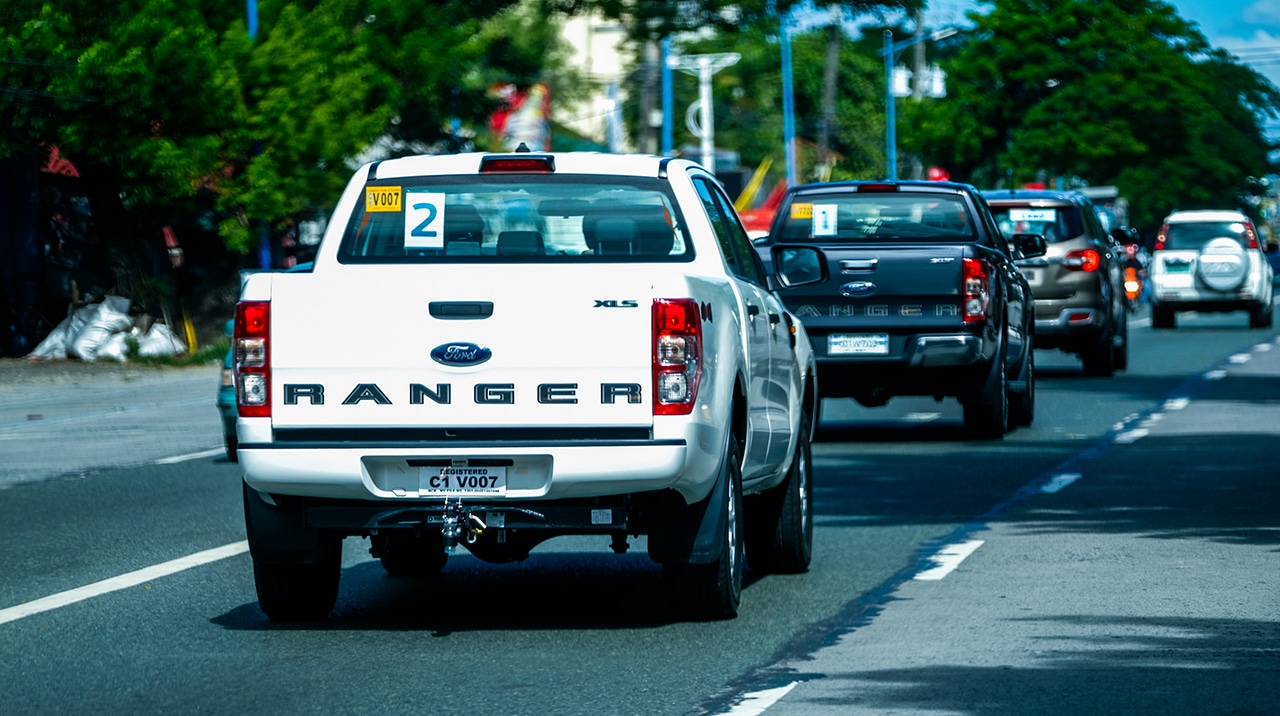
Pricing for the Ranger 2.2L XLS 4×2 MT is at PhP943,000, while the Ranger 2.2L XLT 4×2 AT and MT variants now come with a cash discount of PhP 125,000.
Ford is currently offering this exclusive deal until December 31, 2019. For more information on the promo, you may visit Ford’s website.




Automotive
Psst! You can test drive BYD and DENZA EVs for free this week, but not for long
Four days of EV displays, test drives, and a first look at the DENZA Z9 GT.


BYD Cars Philippines and DENZA Philippines are opening Super Experience Week to the public starting October 8, 2026.
The event runs until October 11 and gives visitors a hands-on look at the brands’ latest EVs and plug-in hybrids, along with test drives and a few previews. Admission is free.
BYD brings its plug-in hybrids and safety program
BYD’s showcase at the BGC Amphitheater will feature the Sealion 6 DM-i and the Tang DM-i. The brand’s full lineup will be on display at the BGC Garden, where visitors can also take the cars out for test drives.
BYD is also running its “Drive Electric, EV Safety Program” at the event. It’s aimed at helping new and prospective owners learn more about EV use as the community in the Philippines continues to grow. BYD says visitors can also get exclusive offers on all of its models, but only during Super Experience Week.
DENZA shows its premium lineup and a first look at the Z9 GT
DENZA is the centerpiece of the event. The brand is displaying its D9, B5, and B8, positioned as premium smart mobility with an emphasis on design, in-car tech, electrified performance, and comfort.
The main draw is an exclusive preview of the DENZA Z9 GT. The Philippine launch is targeted for the first quarter of 2027, and reservations are already open for customers who want to register their interest before it arrives.
The weekend moves to 5th Avenue
On October 10 and 11, the event expands to 5th Avenue, which will host a dedicated performance and advanced mobility showcase. A special exhibition will feature YANGWANG models, BYD’s ultra-luxury new energy vehicles.
The DENZA B5, DENZA B8, and BYD Shark 6 DMO will also be on show in a street exhibition throughout the weekend.
Test drives across both the BYD and DENZA lineups will be available for the duration of the event, so visitors can check out the tech, performance, and comfort of each model firsthand.
Automotive
Electric luxury reimagined: XPENG launches next-gen EV lineup
XPENG’s PH lineup spans the X9 MPV and the L03, with prices starting at PhP 1,548,000

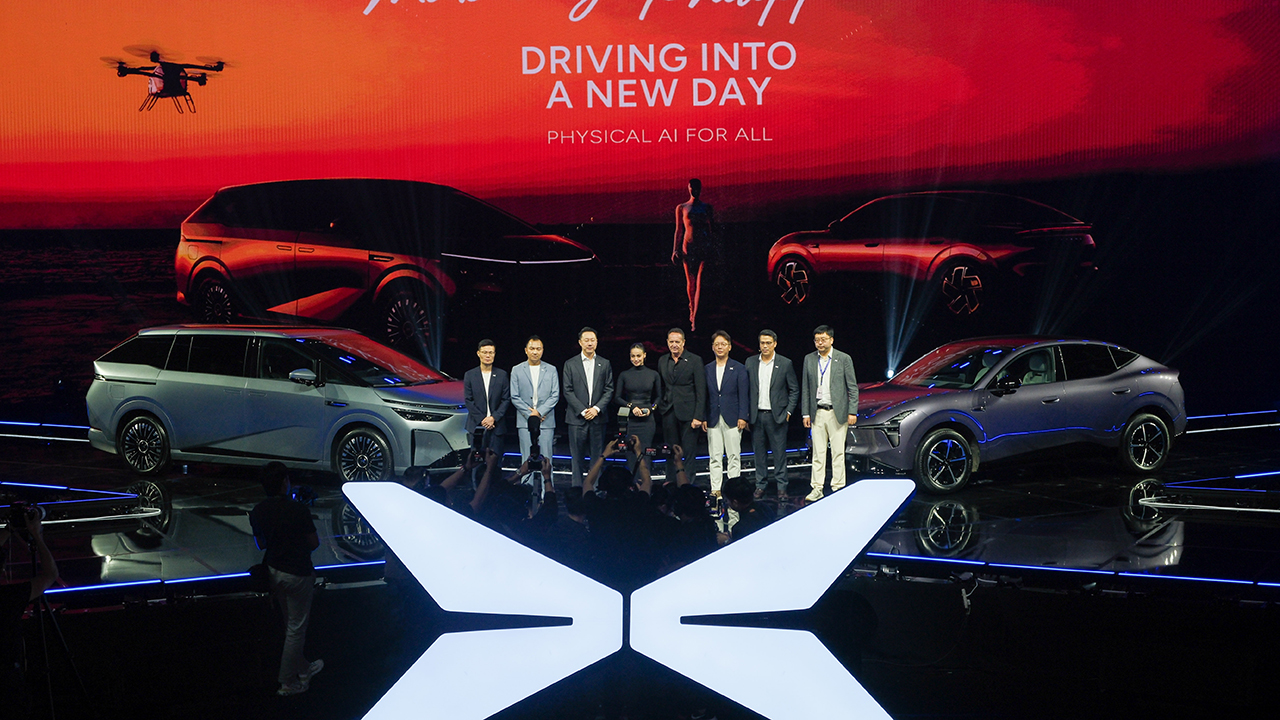
XPENG has officially entered the Philippine EV market. Over 3,000 guests attended the brand’s grand local debut. During the launch event, the automaker introduced a six-variant lineup.
The lineup features the flagship X9 MPV and the sleek L03 SUV Coupé. Prices start at an accessible PhP 1,548,000.
Brand ambassador Anne Curtis joined the celebration on stage, while XPENG showcased its X2 Flying Car and IRON Humanoid Robot. These futuristic displays highlighted the company’s “Physical AI” vision.
XPENG X9: First-class travel for seven
The XPENG X9 serves as the brand’s flagship seven-seater MPV.
It turns luxury mobility into a private lounge experience. Buyers can choose between two Long Range variants. The base X9 Long Range costs PhP 3,858,000. It features zero-gravity second-row seats with a central aisle. This layout ensures quick access to the third row. The Premium Seat Package costs PhP 4,058,000.
It upgrades the middle row to individual captain’s chairs. These chairs feature four-way powered headrests and 16-point massage.
Both variants share identical mechanical hardware. A front-wheel-drive motor produces 235 kW and 450 Nm of torque. A massive 110 kWh battery provides up to 615 km of range.
A compatible DC fast charger boosts power from 10 to 80 percent in 12 minutes. Active rear-wheel steering delivers a tight 5.4-meter turning radius. Dual-chamber air suspension ensures maximum ride comfort.
A powered third row folds completely flat beneath the floor. Color options include Midnight Black, Arctic White, Matte Gray, and Silver Frost. Inside, buyers can select Meteorite Black or Coffee.
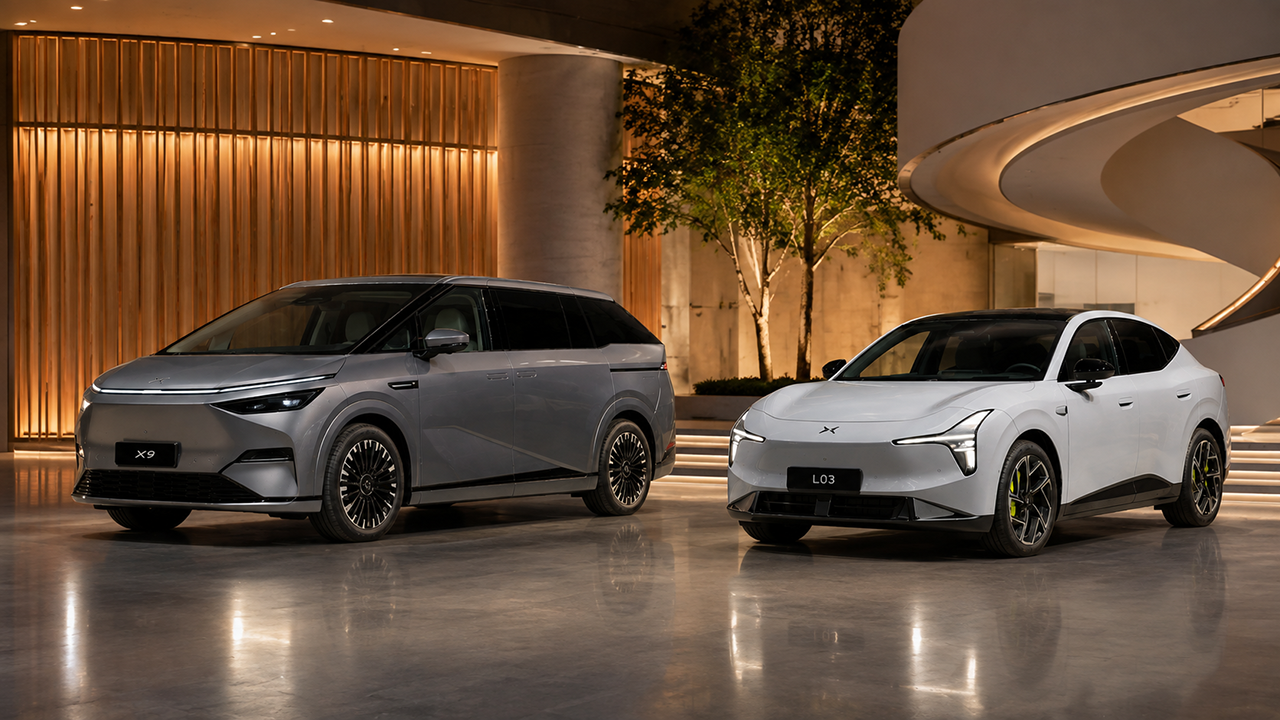
XPENG L03: Sleek versatility meets electric freedom
The L03 SUV Coupé blends striking aesthetics with daily utility. XPENG offers four distinct variants. Three models use pure battery-electric powertrains. One model features a range-extended electric setup (REEV).
The L03 EV Standard Range costs PhP 1,548,000. Its 58.3 kWh battery delivers up to 445 km of range. The L03 EV Long Range costs PhP 1,698,000 and offers up to 520 km.
The top-tier Long Range Ultra costs PhP 2,058,000 with 480 km of range. This Ultra trim adds front-seat massage, upgraded audio, and intelligent driving tech.
The L03 REEV costs PhP 1,598,000. It uses an onboard gas engine as an electric generator. Its 37.2 kWh battery delivers 215 km of pure electric driving. Total WLTP combined range reaches up to 1,017 km.
All L03 models feature rear-wheel drive. Fast charging takes roughly 20 minutes to reach 80 percent. Every model includes a 15.6-inch touchscreen and 539 liters of cargo space.
Available colors include Arctic White, Midnight Black, Rock Gray, Silver Frost, and Phantom Purple.
Ownership packages, reservation details

XPENG pairs each model with generous ownership perks. X9 buyers receive five years of free preventive maintenance. The package includes five years of roadside assistance.
XPENG adds a five-year bumper-to-bumper warranty. An eight-year warranty covers the battery and motor. X9 buyers also receive a complimentary 7kW wall charger.
L03 buyers receive two years of free preventive maintenance. The L03 includes identical roadside, bumper-to-bumper, and battery warranties. L03 EV buyers get a 7kW wall charger. The REEV variant comes with a 3.5 kW portable charger.
Reservations cost PhP 25,000 for the X9 and PhP 10,000 for the L03. Buyers can reserve through @xpengphilippines on social media.
XPENG showrooms in Greenhills, Makati, North EDSA, and Cebu are accepting reservations now. Local customer deliveries will begin in the fourth quarter.
Automotive
BYD says that way better EV batteries are coming next year
Solid-state batteries will debut with higher-end models in 2027.


With gas prices reaching the edges of believability, electric and hybrid vehicles are turning into worthy upgrades. That said, the more casual consumer still has a lot of questions about going electric, primarily about the durability of the battery and range anxiety. Well, a major battery technology upgrade is coming in the next few years, and BYD has just committed to it for next year.
Via the Spanish outlet Carwow, BYD EVP Stella Li confirmed that the company will launch its first vehicle with a solid-state battery in 2027. Now, if you’re a regular consumer, a solid-state battery probably doesn’t make much sense to you. But here’s the basics: it’s smaller, safer, and can last longer on a single charge.
If you’re fine with technical explanations, a solid-state battery uses more solid components, as opposed to the liquid solution used by the current standard of lithium-ion batteries. Because it’s more solid, it has better energy density. Higher energy density means a smaller size is needed to achieve the same battery capacity as modern batteries. In turn, this means that a vehicle can pack more batteries inside, allowing for better capacity. Oh, and let’s not forget that these batteries are generally safer and less prone to incidents.
In the same interview, BYD says that the first model will arrive next year. Unfortunately, because of the battery’s cost to produce, the component will likely debut with the company’s higher-end models. Still, it’s an exciting sight to behold. The electric and hybrid market is already quite the temptation for users, so an even better battery will further push the segment to better heights.
SEE ALSO: BYD adds the facelifted Seal 5 DM-i to its hybrid sedan lineup





Garmin Enduro 4 promises up to 320 hours of battery life

Spotlight: Marshall Heston 60

Apple sets home-themed event on October 13

ASUS Zenbook 14 lineup expands with new colors and processors

OPPO Find X10 Series launches globally October 21

vivo X500 Series launches with major imaging upgrades

OPPO Find X10 Pro Max is the first phone with a triple 200MP camera system

BYD says that way better EV batteries are coming next year

TECNO CAMON Slim 5G: Price, availability in the Philippines

HONOR Magic9 Pro Max launches in China with ARRI-powered imaging


-
 Automotive2 weeks ago
BYD says that way better EV batteries are coming next year
-
 Philippines1 week ago
TECNO CAMON Slim 5G: Price, availability in the Philippines
-
 News2 weeks ago
HONOR Magic9 Pro Max launches in China with ARRI-powered imaging
-
 Reviews1 week ago
TECNO CAMON Slim 5G review: Slim on size, big on surprise
-

 Smartphones2 weeks ago
TECNO CAMON Slim 5G teases an ultra-slim design ahead of launch
-
 Reviews2 weeks ago
TECNO POVA 8 Pro Tonino Lamborghini review
-
 Smartphones2 weeks ago
When TECNO-logy meets Tonino Lamborghini legacy
-

 News1 week ago
Apple wants to release new iPhones more regularly