
Automotive
VinFast EVs to enter Philippine market
The Philippines gets another EV player


The Philippines will soon have another player in the electric vehicle category. VinFast, a Vietnamese EV company backed by parent Vingroup, is set to enter the Philippine market. The manufacturer already has presence in Canada, Indonesia, and the United States. Expanding to another Southeast Asian neighbor would mean boosting its global footprint further.
Making the move much easier is Vingroup, VinFast’s highly capable backer which draws most of its revenue from real estate and EVs. In 2023, those products and services accounted for US$ 6.5 billion of Vingroup’s revenue, combined. Moreover, VinFast recently received a US$ 1 billion pledge from Vingroup founder Pham Nhat Vuong.
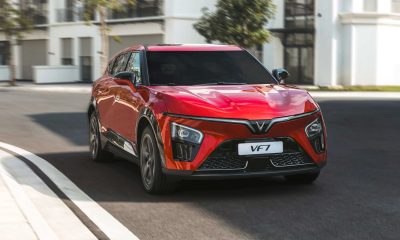
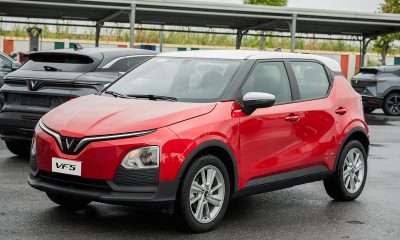
Some of VinFast’s existing offerings in the United States include the VF8 and VF9, which are both electric SUVs. Soon, it will be releasing the VF6 and VF7, which look like upgrades of the two SUVs, respectively.
Comprehensive technological ecosystem
Thanks to Vingroup, VinFast benefits not only from financial support but a comprehensive technological ecosystem that can be felt by owners of their EV offerings.
The ecosystem includes VinBigData, which delivers products like the ViVi voice assistant and an AI camera. In partnership with VinAI, VinFast also introduced VinFast MirrorSense, a CES 2024 Innovation Award winner.
The MirrorSense feature is the world’s first AI-driven automatic mirror adjustment technology. Using various sensors, it detects the driver’s head and eye position automatically, adjusting accordingly for safety and convenience. It also incorporates facial recognition.
Other components of the ecosystem include VinCSS for cybersecurity, VinHMS for tech products, and VinBrain for AI solutions. VinFast is also in the process of developing more advanced features for its upcoming vehicles as part of in-house collaborations with its parent company, all of which are armed at making the company’s EVs the future of mobility.
Once VinFast successfully makes its Philippine debut, it will be challenging the likes of Jetour, BYD, MG, Kia, and Nissan.




Automotive
VinFast extends free unlimited charging in 3 markets amid rising fuel prices
Customers in India, Indonesia, and the Philippines to enjoy 3 years of free unlimited charging

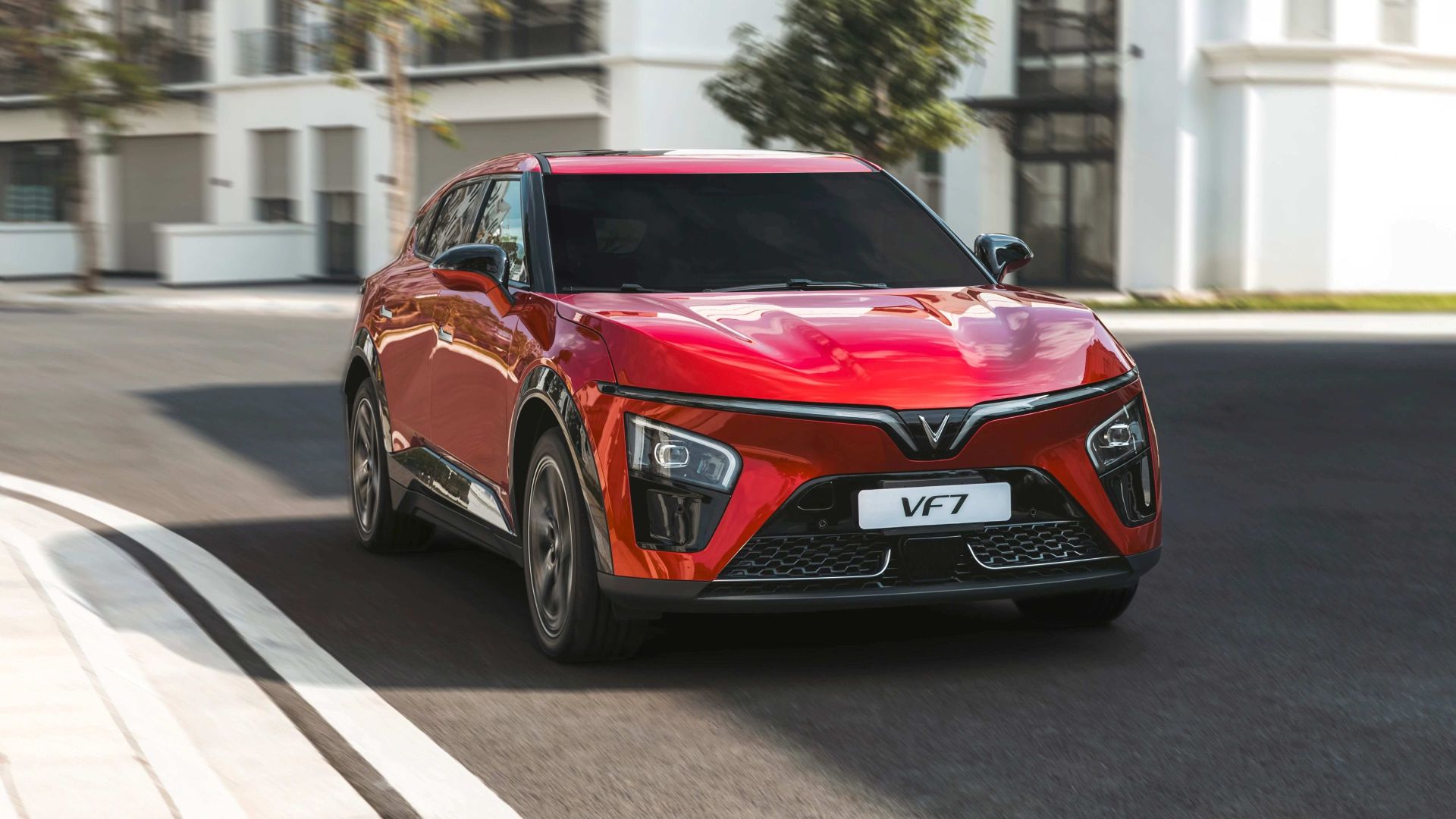
VinFast has announced the extension of its free unlimited charging program in three key Asian markets: India, Indonesia, and the Philippines.
Customers purchasing electric vehicles (EVs) in these countries (or currently own a VinFast EV) can enjoy the zero-fuel-cost advantage for three years, or until March 31, 2029.
This is amid the rising fuel costs in these countries, primarily due to the U.S./Israel-Iran war. Under the new policy, customers can charge for free at authorized V-Green charging stations.
By removing one of the largest operating costs of driving, VinFast aims to help motorists experience the economic advantages of electric vehicles (EVs) while supporting the countries’ transitions toward more sustainable mobility.
The program will be extended broadly to all customers, including both existing owners and future buyers. It will cover both private customers as well as those using their vehicles for transportation services, like the Green GSM EV taxi service network.
Alongside the free charging policy, the charging network developed and operated by V-Green is continuously expanding across the markets where VinFast operates.
This expansion helps create favorable conditions for consumers to confidently transition to greener and more sustainable transportation.
In addition to the free charging incentive, VinFast is already implementing multiple policies to promote the green transition in key Asian markets.
These include a battery subscription program that lowers upfront investment cost, a resale value guarantee policy, flexible payment options, and market-leading warranty coverage.

BYD is lighting up the electric vehicle segment. For a while now, the Chinese automotive brand has been offering affordable alternatives to the so-called giants of the market, in turn becoming a giant itself. The company has since entered other segments, including the luxury market, through its sub-brands Denza and Yangwang. Now, it’s reportedly considering an all-new venture: the world of Formula One.
The new Formula One season saw the debuts of Audi and Cadillac to the racing grid, proving that the sport isn’t averse to expanding beyond the usual ten teams. Naturally, entering the sport is not an easy process, but for the right brand, it could be a very lucrative opportunity.
According to a source from Bloomberg, BYD is currently evaluating an entry into Formula 1. Right now, the Chinese company has not made a decision, but it is an idea floating around.
Besides the rigorous entry process, owning an independent racing team can cost BYD hundreds of millions of dollars per year. It’s not a cheap sport.
That said, there are other ways for the brand to enter the grid. One of the more cost-effective options is to become a title sponsor of an existing team by providing funding and technical expertise without the stress of managing a team directly.
Alternatively, the brand can also skip the red tape by buying an existing team. Audi, for example, entered the current grid by buying the team from Sauber. Of the current grid, Alpine is reportedly considering putting the team up for sale, making it a potential target for newcomers.
Outside of F1, BYD might also have an easier time entering other competitions including the FIA World Endurance Championship.
SEE ALSO: This BYD car is now the world’s fastest car in the market
Automotive
Xiaomi Vision Gran Turismo makes global debut at MWC 2026
Tech giant becomes first technology brand in Vision GT program

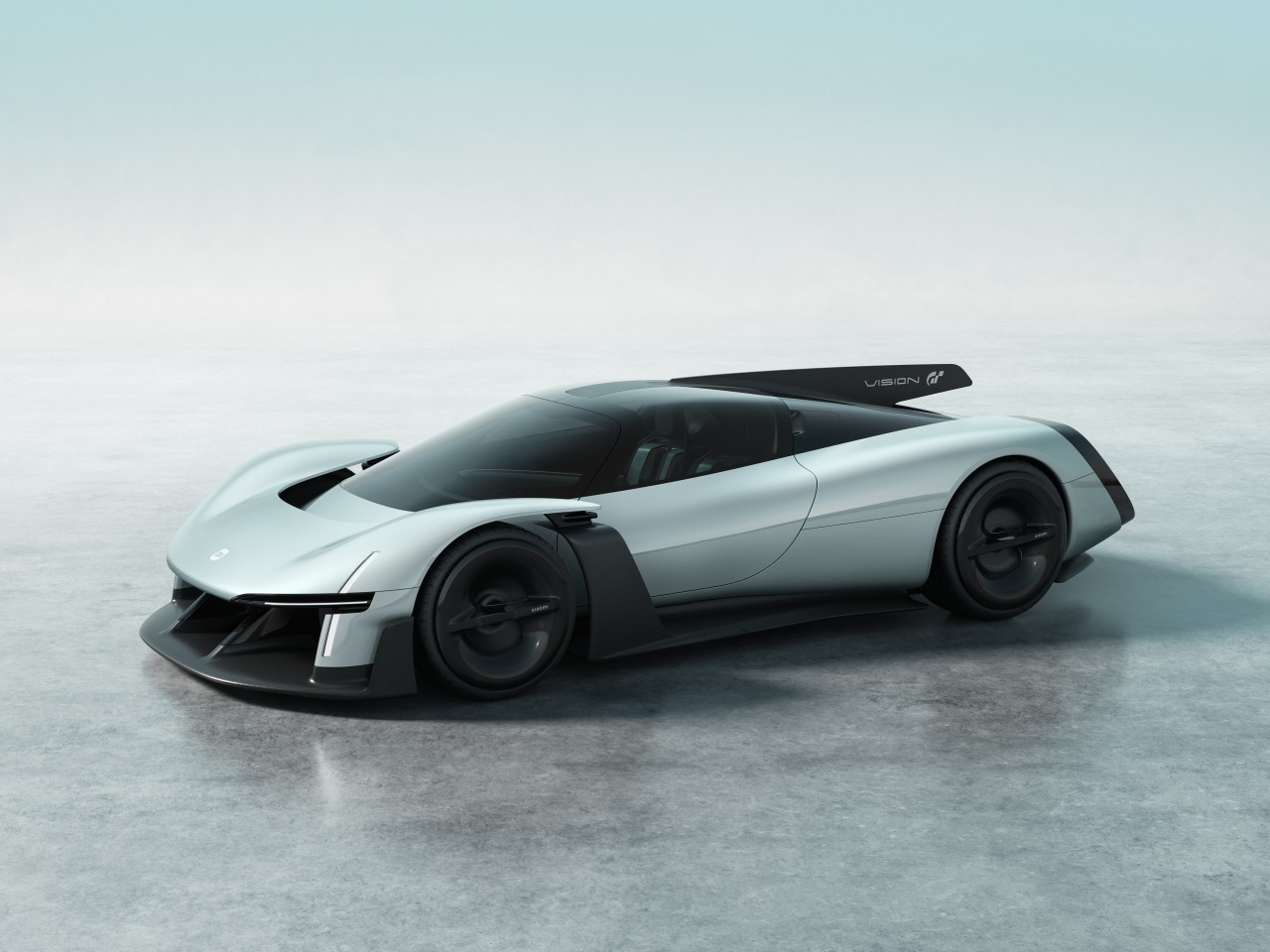
Xiaomi has unveiled the full-scale concept model of the Xiaomi Vision Gran Turismo or Xiaomi Vision GT at MWC 2026 in Barcelona, Spain. This marks the company’s official entry into the elite Vision Gran Turismo project.
Created for the legendary Gran Turismo franchise, the electric hypercar concept represents the first time a technology company has been invited to participate in the Vision GT program. Xiaomi now joins a select group of global automakers, becoming the 36th brand to take part and the creator of the 51st Vision Gran Turismo concept overall.
The project began at the GT World Series in London, where series producer Kazunori Yamauchi personally invited Xiaomi to design its own Vision GT car. For Xiaomi’s global EV design team, the opportunity meant rethinking hypercar development from a technology-first perspective, blending advanced aerodynamics with AI-driven intelligence.
Sculpted by the wind
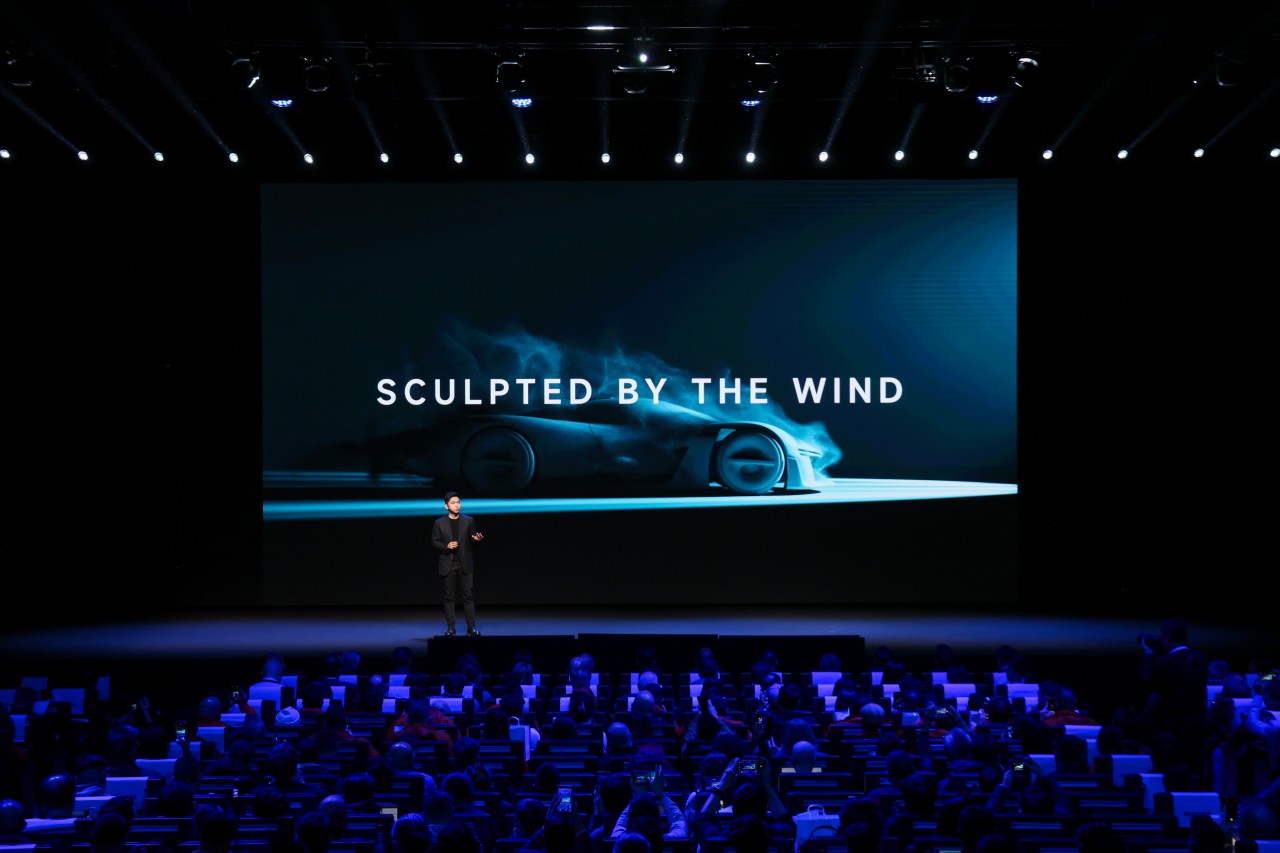
At the core of Xiaomi Vision Gran Turismo is aerodynamic balance. Instead of chasing extreme low drag or maximum downforce alone, Xiaomi pursued efficiency between the two.
The concept follows a “Sculpted by the Wind” philosophy. Its teardrop cockpit silhouette, integrated air ducts, and airfoil-shaped structural elements guide airflow seamlessly from front to rear. The body avoids excessive add-ons, relying instead on built-in aerodynamic solutions.
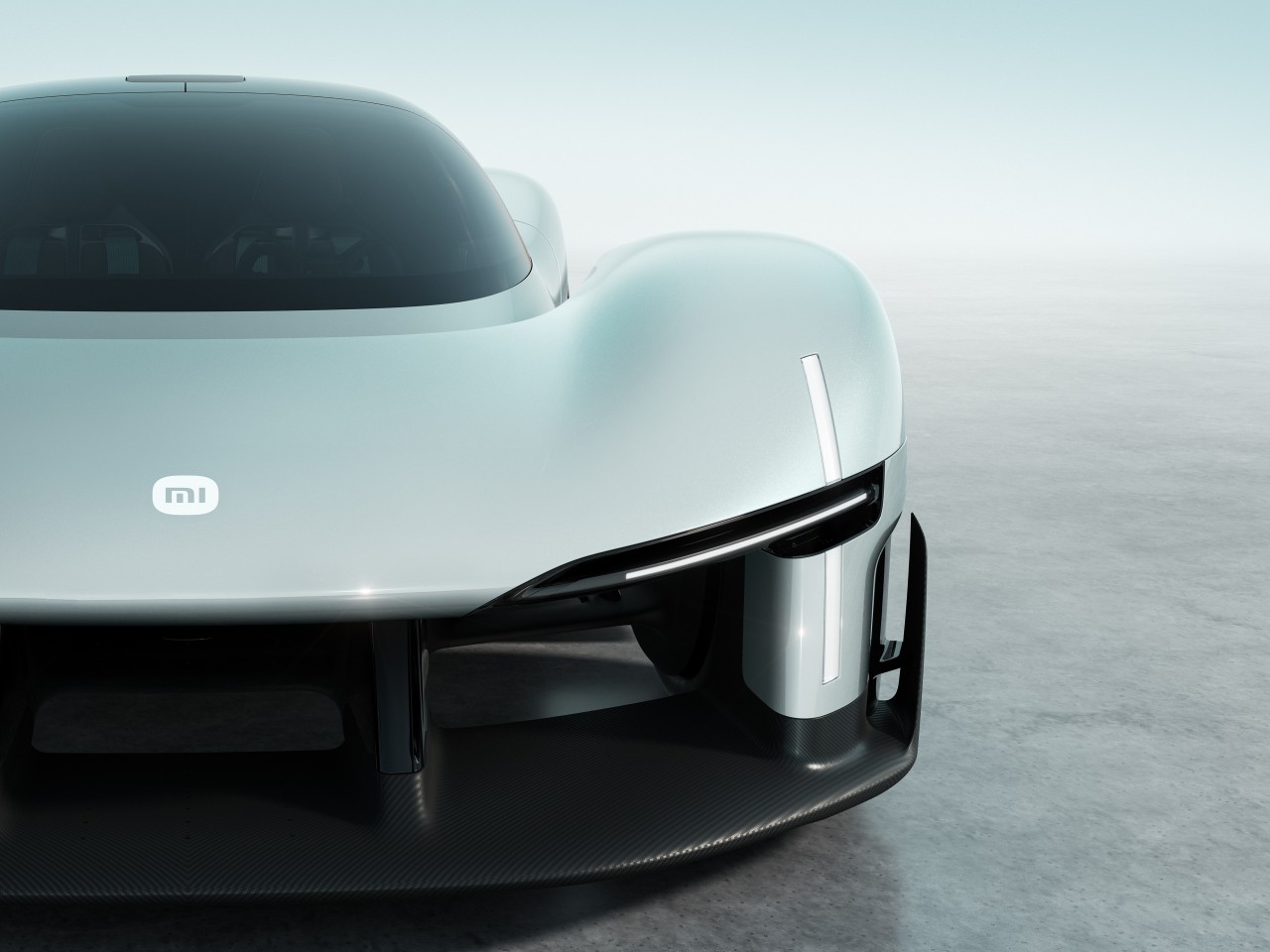
Signature design elements serve dual purposes. Cross-shaped headlights integrate into the airflow system, while the halo-shaped taillight sits within a massive rear air outlet. An Active Wake Control System surrounds the rear with micro-perforations that manage turbulent air using real-time speed and angle data.
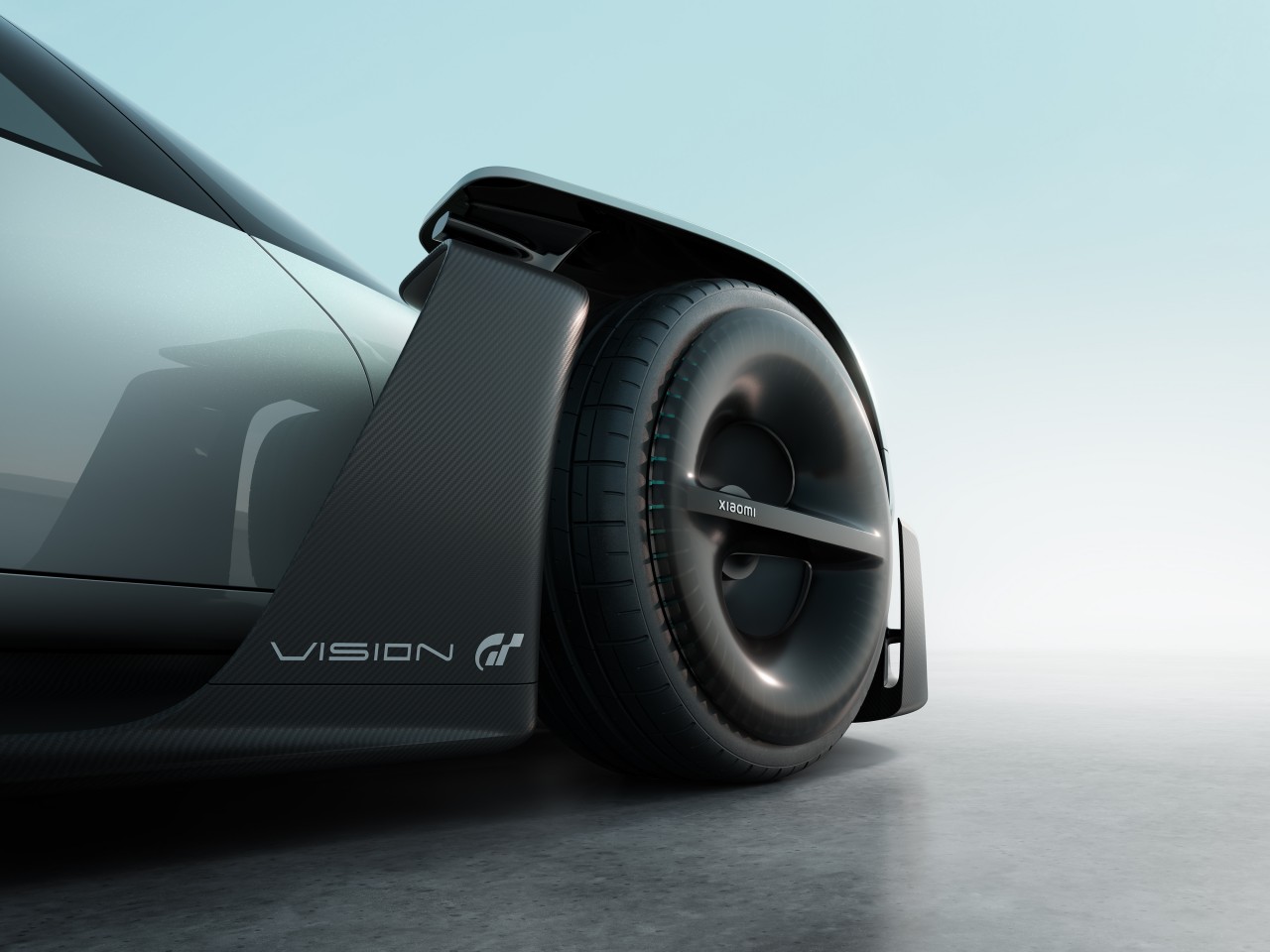
The Accretion Rims feature vortex-style wheel covers that remain visually stationary while the car is in motion, reducing drag from rotating surfaces. Internal turbine fins help cool the brakes during operation.
Through iterative simulation testing, Xiaomi says the concept achieves a drag coefficient of 0.29, downforce of negative 1.2, and an aerodynamic efficiency rating of 4.1 — figures that highlight balance rather than extremes.
A “sofa racer” interior
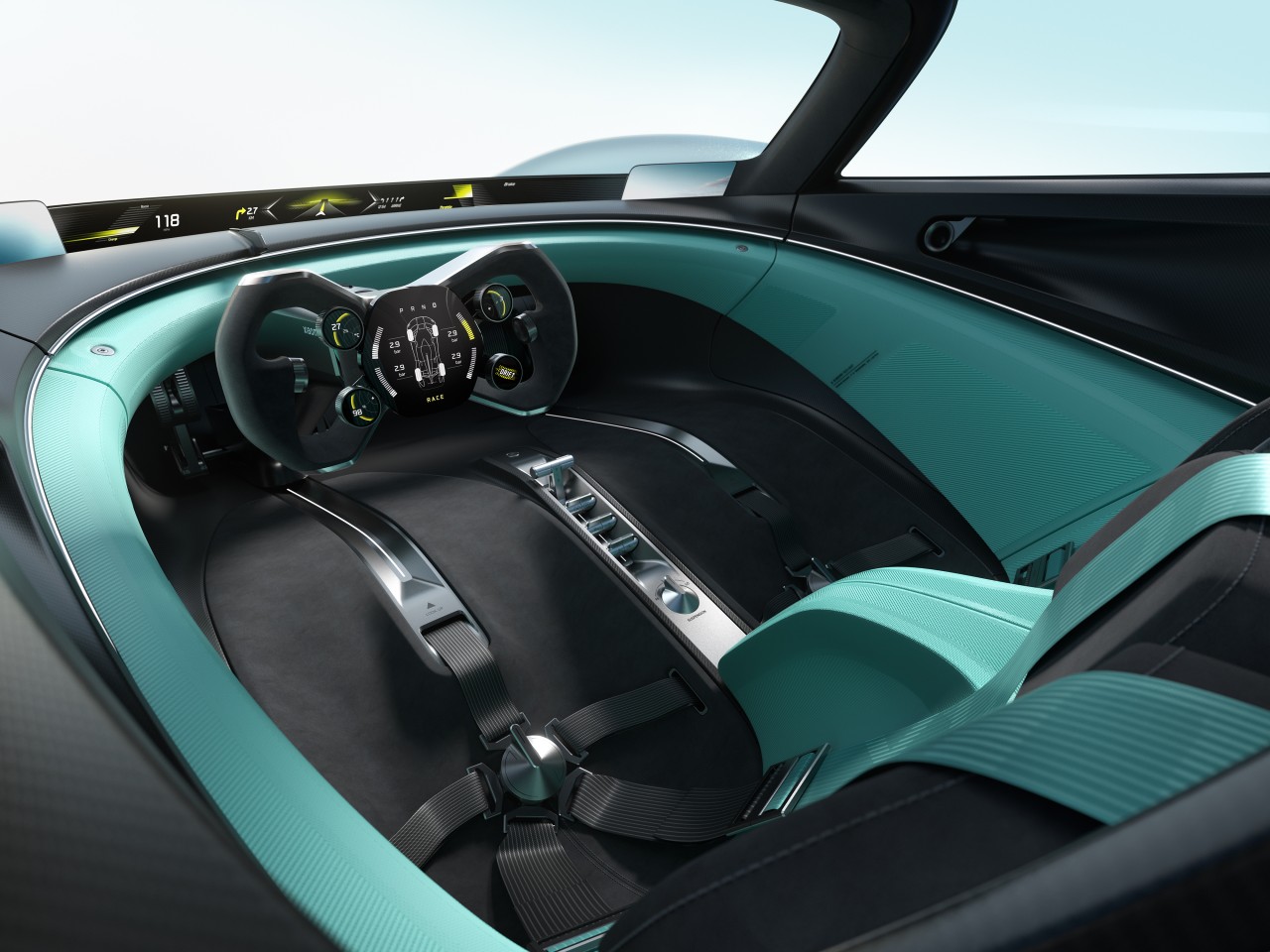
Inside, Xiaomi departs from the rigid, track-focused cabins typical of hypercars. The “Sofa Racer” concept emphasizes comfort without sacrificing control.
A ring-shaped cockpit architecture wraps around the driver, blending dashboard, doors, and seats into one continuous structure. Breathable 3D-knitted fabric materials aim to provide both support and warmth.
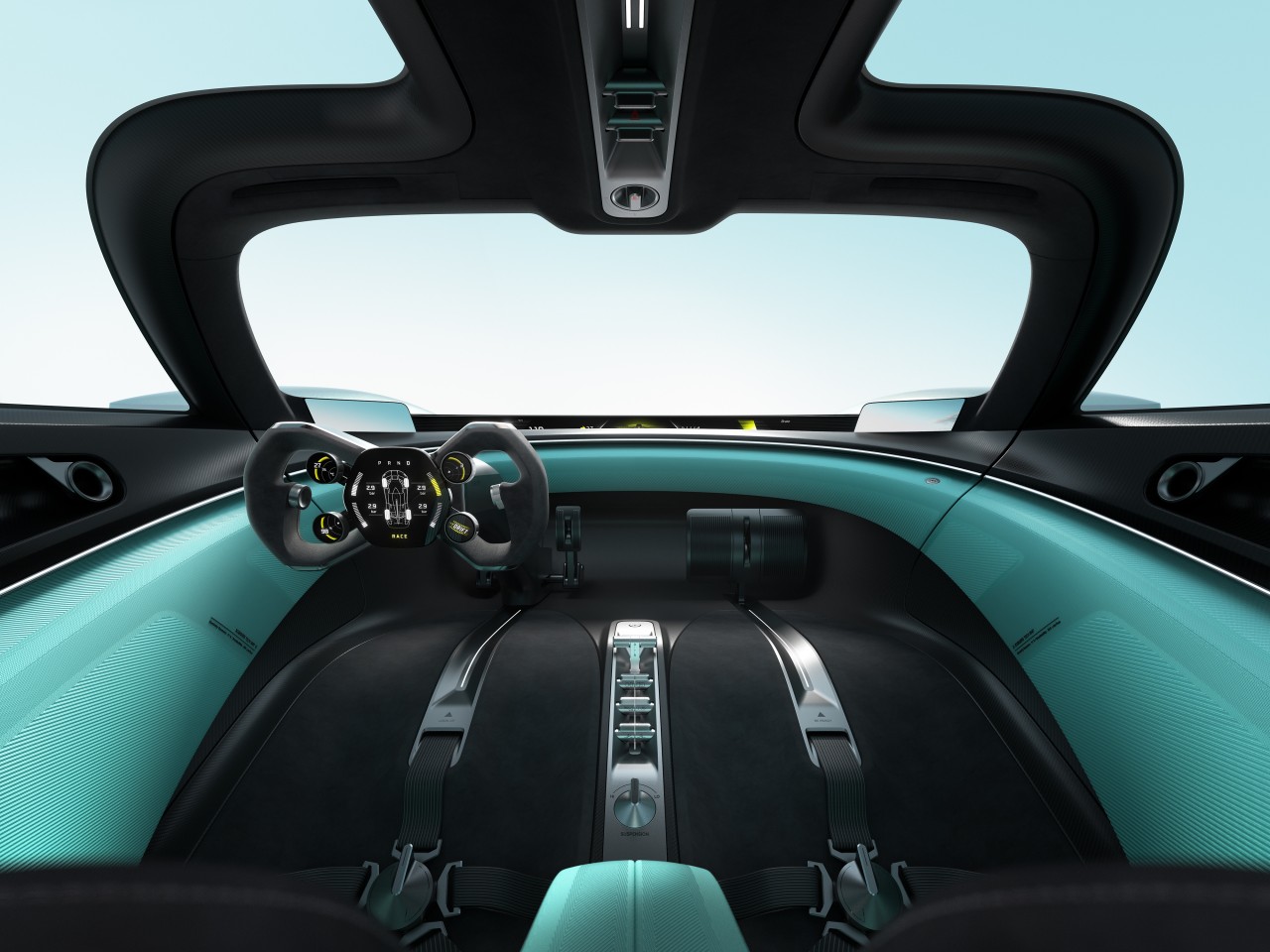
At the center is Xiaomi Pulse, an intelligent assistant integrated into the dashboard. Working alongside Xiaomi HyperVision and the company’s HyperOS platform, the system adapts displays and interactions based on driving mode and environmental data. Physical controls remain tactile and precise, including an infinite-shaped steer-by-wire wheel.
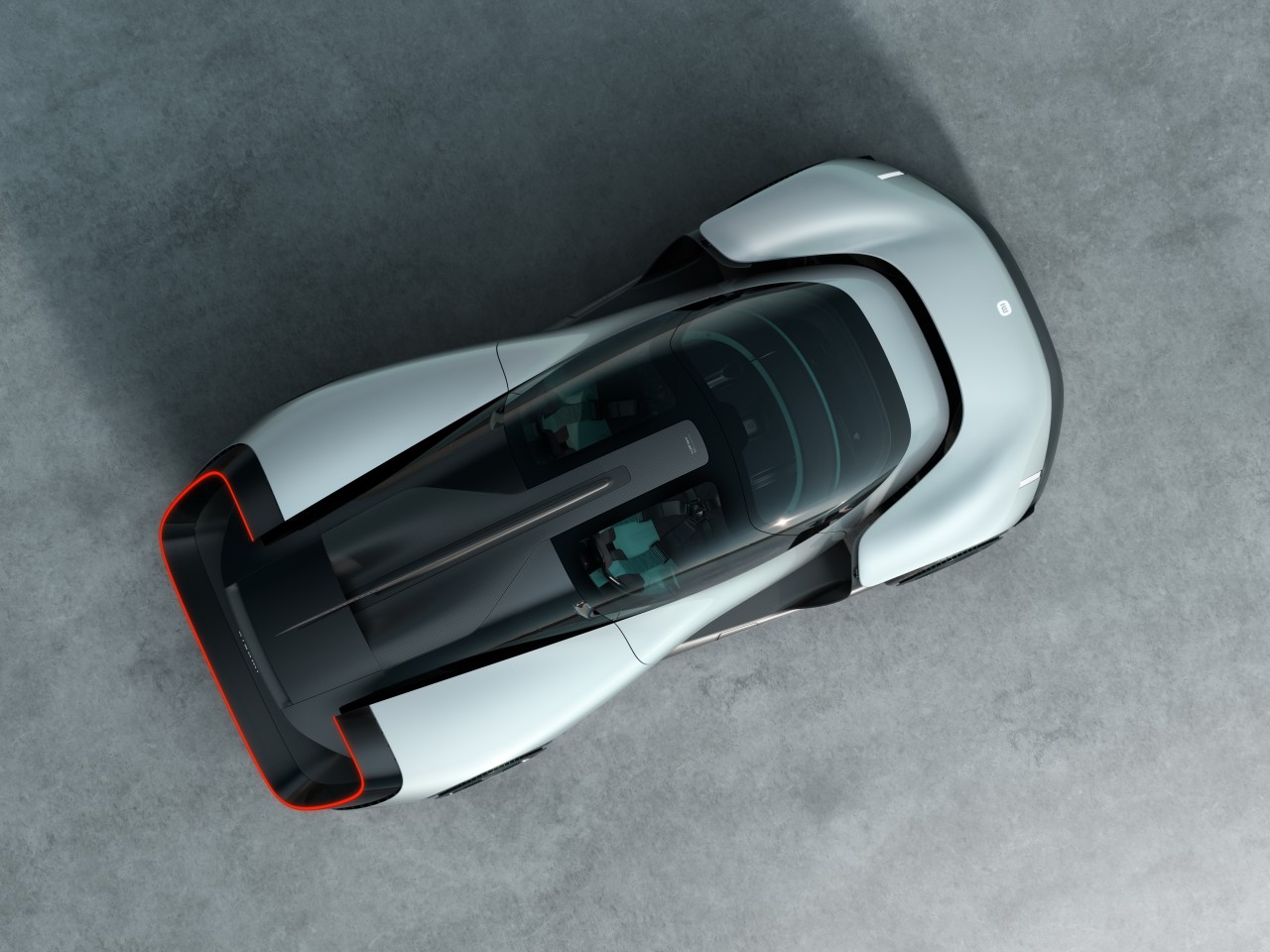
The concept also integrates into Xiaomi’s broader “Human × Car × Home” ecosystem. Powered by XiaoAi AI Assistant and the Xiaomi MiMo foundational model, the car connects with personal devices and smart home products, positioning itself as part of a unified digital lifestyle.
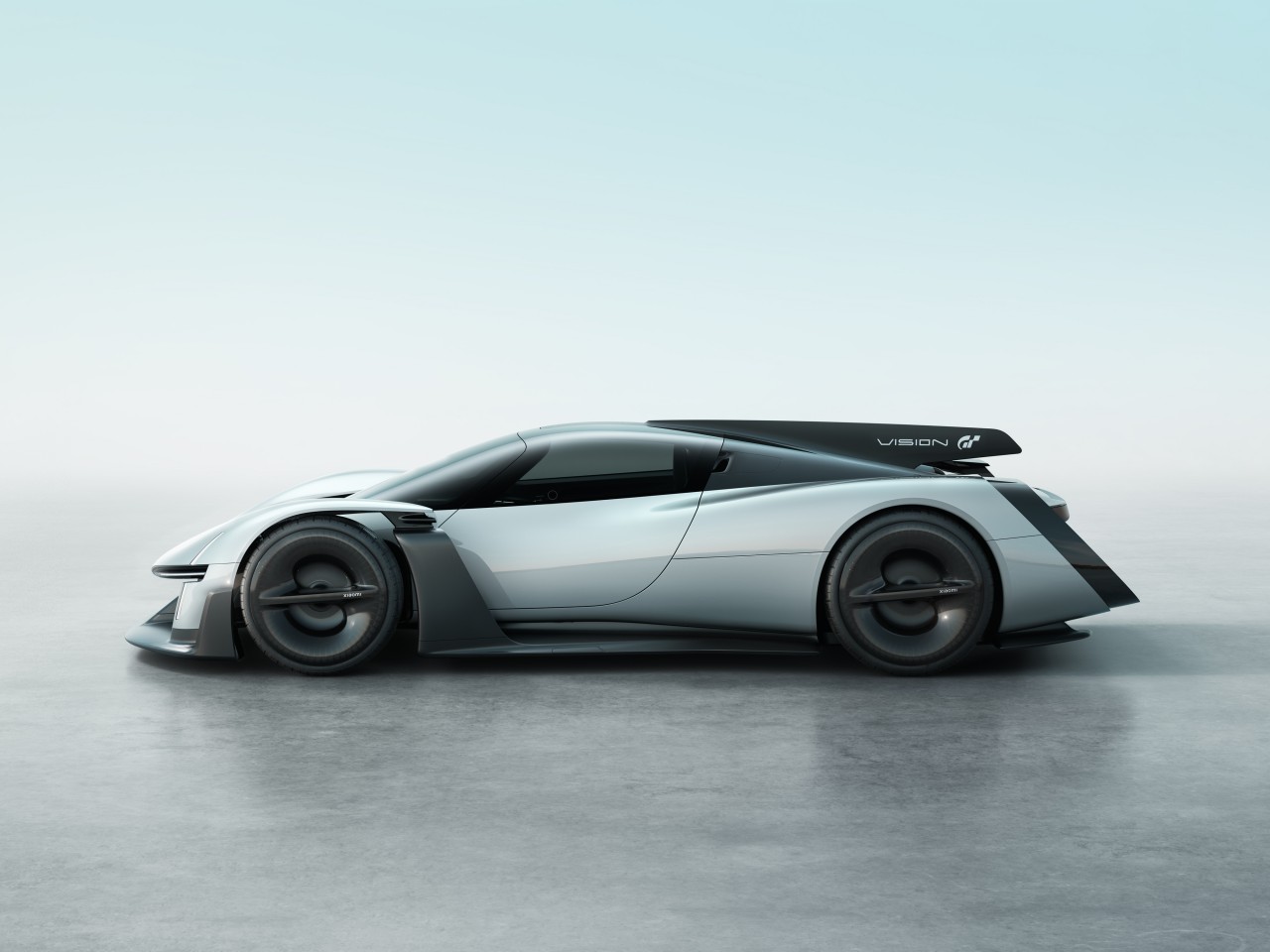
Xiaomi has also envisioned a companion driving simulator designed as furniture for the home, extending the Vision Gran Turismo experience beyond the vehicle itself.
Yamauchi praised the project, noting how the design successfully resolves the tension between low drag and high downforce. Further details about the car’s arrival in Gran Turismo 7 will be announced at a later date.
With its Vision Gran Turismo debut, Xiaomi signals a broader ambition: redefining the electric hypercar through AI integration, ecosystem connectivity, and aerodynamic precision.




REDMI Note 15 Series named Presenting Partner for Spartan Race Philippines 2026 season

Stylish, student-friendly HONOR X8d launches

The HONOR X8d is serviceable

Why the OPPO Reno15 5G series is a creator’s essential

The hunt begins: The Witcher in Concert hits Manila with surprises in tow


-

 Reviews2 weeks ago
The Xiaomi 17 shoots Leica dream
-

 Hands-On2 weeks ago
OPPO Reno15 F 5G hands-on
-

 Gaming2 weeks ago
Project Helix is Xbox’s next console, and it plays PC games
-

 Computers2 weeks ago
GIGABYTE collaborates with Capcom for RE Requiem custom PC
-

 Reviews2 days ago
POCO X8 Pro Max review: A new beast from the far east
-

 Laptops1 week ago
Apple MacBook Neo Review
-

 News3 days ago
POCO X8 Pro Series: Price, availability in the Philippines
-

 Entertainment1 week ago
The internet is thirsting over the One Piece Season 2 cast