
Finance
Visa unveils new digital payment solutions
Addressing the needs of businesses, merchants, and consumers


The way people paid for purchases have changed vastly throughout the past few years. To keep up with the times and expand its offerings, Visa is announcing a suite of new products and services that shall be available in the Asia Pacific. These solutions will revolutionize the card and address the future needs of businesses, merchants, and consumers alike.
Here are the following products that shall be rolled out later this year across the APAC region:
Visa Flexible Credential
Visa Flexible Credential will allow a single card product to toggle between payment methods. This will let consumers easily set parameters or choose between debit, credit, “pay-in-four,” or Buy Now, Pay Later. They may even pay using rewards or points using the same credential.
This solution is currently available in Hong Kong, Japan, the Philippines, Singapore, Thailand, and Vietnam. Visa will launch this service in more markets later this year.
Tap to Everything
This year, Visa will be adding new ways to “tap” using just a mobile device, giving users many convenient options to pay both in-person and online, as well as sending money to loved ones or managing e-wallets.
- Tap to Phone: Use any device as a POS
- Tap to Confirm: Easily authenticates identity when shopping online
- Tap to Add Card: Enhanced security when adding card into a wallet or app
- Tap to P2P: Send money between family and friends
Visa Payment Passkey Service
Built on the latest Fast Identity Online (FIDO) standards, the Visa Payment Passkey Service enables a consumer to verify and authenticate their identity. This is to authorize online payments with a quick scan of their biometrics like face or fingerprint using the tools available on their device.
Passkeys replace the need for passwords or one-time codes, streamlining secure transactions. Visa plans to roll out the service gradually in the coming years.
Click to Pay
Click to Pay will eliminate manual verification processes which can be cumbersome for guest checkouts. The solution enables customers to complete transactions by selecting which of their pre-enrolled Visa cards they’d like to pay with.
Additionally, Visa will partner with issuers across many APAC markets to enable Click to Pay on new Visa cards. This will reduce the manual entry of card details and passwords from the moment the card arrives.
Data Tokens
Visa has been adding security to the payments ecosystem for the last decade. One of their moves is tokenizing payments, which is done by removing sensitive cardholder account information from the payment flow. Using a tokenization infrastructure powered by AI, Visa will continue to offer a new way for people to control their data and receive better shopping experiences.
With data tokens, participating banks can enable an experience where a merchant can request consent from the consumer to get more personalized offers as they shop. If a consumer agrees, Visa will issue a private data token to the merchant behind the scenes, complete with AI-generated insights based on the consumer’s transaction data.
This data token can be used with the merchant’s AI models to deliver real-time recommendations for the shopper. Visa will also pass the data token to the consumer’s bank to capture where the data has been shared. This way, the client can review where it has been shared and revoke access if they choose to.



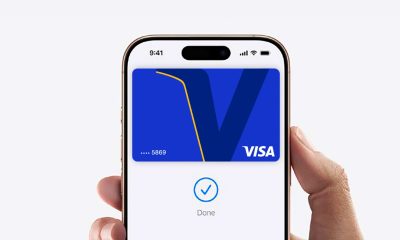




Visa’s latest report shows growing interest in digital remittances and stablecoins in the Philippines. However, many Filipinos still lack confidence in using stablecoins to send or receive money.
The Money Travels: 2026 Digital Remittances Adoption report surveyed more than 45,000 remittance senders and receivers across 20 markets. It found that 45% of Filipino respondents received money from overseas in the past 12 months, making the Philippines the most receiver-led market among the six Asia-Pacific markets surveyed.
The report also found that 72% of Filipino respondents send or receive money multiple times a year, while around 35% do so monthly. Many rely on remittances to cover essential expenses and support family members.
Filipinos turn to digital remittances
Digital channels are becoming an important way for Filipinos to receive money from overseas.
According to Visa, 44% of Filipino respondents said mobile wallets provide the fastest access to transferred funds, with money arriving instantly. Direct bank transfers followed at 31%, while debit or credit card transfers through apps or websites came in at 20%.
By comparison, only 18% said in-person transfers through banks, money transfer agents, or stores provide instant access to funds.
The report also found that 27% of respondents struggle to make transactions outside normal banking hours. Only 19% reported using physical money transfer agents or stores.
These findings highlight the appeal of digital remittances for Filipinos who want convenient access to money sent from overseas.
Stablecoin awareness grows, but trust remains low
Visa’s report examined consumer awareness and perceptions of stablecoins for the first time.
Stablecoins are digital assets designed to maintain a relatively stable value, often by being tied to a currency such as the US dollar. Unlike cryptocurrencies with highly volatile prices, stablecoins aim to minimize price fluctuations.
The report found that 42% of Filipino respondents have some awareness of stablecoins. However, only 38% trust stablecoin transfers. That figure falls well below trust in digital remittances at 79% and cash remittances at 81%.
Despite this gap, 79% of respondents want to learn more about stablecoins and how they work.
The government emerged as the most trusted entity for handling digital currencies, with 70% of respondents expressing trust. Global payment networks such as Visa followed at 68%.
These findings suggest that consumer education alone may not be enough to encourage adoption. Payment providers must also build confidence in the security and reliability of stablecoin transfers.
Visa explores stablecoins for cross-border payments
Visa is exploring stablecoins as part of its efforts to improve cross-border money transfers.
The company launched Visa Direct more than a decade ago to facilitate money transfers and payouts. In the Philippines, it partnered with USSC in April 2025 and RCBC in August 2025 to expand its money movement services.
Visa Direct enables participating financial institutions, remittance providers, and businesses to send funds to bank accounts, cards, and digital wallets.
Stablecoins could help financial institutions fund and settle international payouts. This approach could make it more efficient to move money between markets while allowing recipients to receive funds in their local currency, depending on how the service operates.
However, faster settlement between financial institutions does not automatically mean lower fees or faster access to money for consumers. The actual benefits will depend on how providers implement these services and whether they pass any savings on to customers.
“Visa continues to be at the forefront of shaping global money movement and enabling faster as well as more secure and seamless money transfers will help build trust in emerging digital remittance methods and technologies such as stablecoins,” said Jeffrey Navarro, Country Manager for Visa Philippines.
Navarro added that Visa would continue working with regulators, banks, and fintech partners to make money transfers more responsive to the needs of Filipino consumers.
Can stablecoins improve remittances for Filipinos?
Remittances remain an important source of financial support for Filipino households. Visa found that respondents primarily send or receive money to cover essential expenses (34%) and fulfill family or cultural obligations (33%). Another 30% cited gifts for holidays or special occasions.
Stablecoins could offer another way to move money across borders, particularly if they help payment providers settle transactions more efficiently. However, Visa’s findings reveal a gap between consumer awareness and confidence in the technology.
For now, the results point to an opportunity for payment providers to explain how stablecoins work and how they compare with existing remittance options.
Whether stablecoin-based transfers can meaningfully reduce costs, speed up payments, or improve access to funds for Filipino families remains to be seen.
The Money Travels 2026 study was conducted by Morning Consult on behalf of Visa from February 24 to March 2, 2026. It surveyed more than 45,000 remittance senders and receivers across 20 markets. The findings are based on self-reported responses and reflect consumer awareness, attitudes, and stated intentions rather than actual adoption or operational availability.
Finance
HONOR, Fidesmo partner for contactless payments across Europe, Middle East
Enabling contactless payments on the HONOR Watch 6


HONOR and Fidesmo have partnered to launch contactless payments across Europe and the Middle East on the HONOR Watch 6.
Powered by Fidesmo Pay, the integration enables users to connect an existing Mastercard or Visa card to their watch and complete contactless transactions directly from the wearable device.
This brings Fidesmo’s network of over 900 banks and financial institutions to HONOR’s customers. Users can connect an existing card to the HONOR Watch 6 instantly through the HONOR Health App, which installs a unique token directly onto the watch.
Acting as a secure reference to the payment method, this token allows customers to pay without storing their actual payment details on the device. Once installed, users can tap the watch at any
contactless terminal to pay, just as they would with a card or phone.
HONOR joins a group of device partners that already includes Swatch, Polar, and Mondaine as Fidesmo continues to build momentum across categories.
Features
Getting the latest Samsung Galaxy Z Flip8 at 0% Interest with Maya Mini Payments
What convinced me to upgrade and how Maya Mini Payments made paying for it easier~

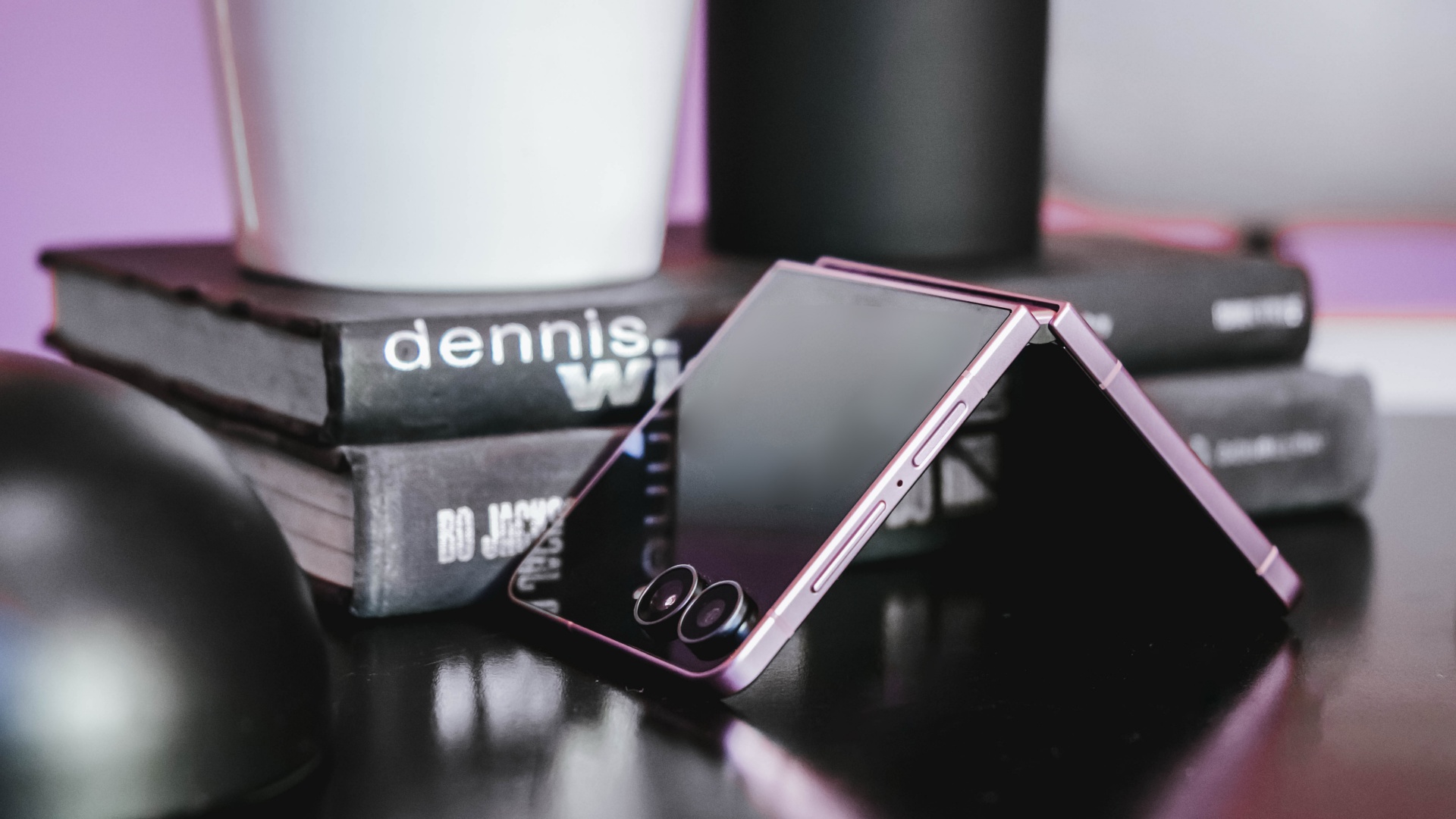
I don’t upgrade simply because there’s a newer model on the shelf.
Last year, I upgraded to the Samsung Galaxy Z Flip7 after spending three years with the iPhone 13 as my daily driver.
Even then, the decision wasn’t about chasing the latest release. It was about finding a device that better matched how I work.
I’m a firm believer that every upgrade has to earn its place in my pocket, especially when there are already perfectly capable phones sitting on my desk.
So when I decided to pre-order the Samsung Galaxy Z Flip8, the decision wasn’t simply about getting the newest device.
It came down to two questions: Is this a smart upgrade? And if it is, what’s the smartest way to own it?
The first question was answered by the device itself. The second is where Maya Mini Payments entered the conversation.
For me, the Flip8 addresses the reasons to upgrade. Maya Mini Payments addresses one of the biggest reasons people hesitate: big purchases that could be paid in 3, 6, 9 or 12 monthly payments.
Changing how I shoot and use my phone
I spend most of my day switching between shooting, editing, and posting, sometimes all within the same hour.
One of the biggest reasons the Galaxy Z Flip8 caught my attention is the cover screen. It’s finally useful enough that I can shoot, preview, and interact with content without constantly opening the device.
That may sound like a small change, but it makes a difference when you’re trying to capture candid moments before people notice a camera pointed at them.
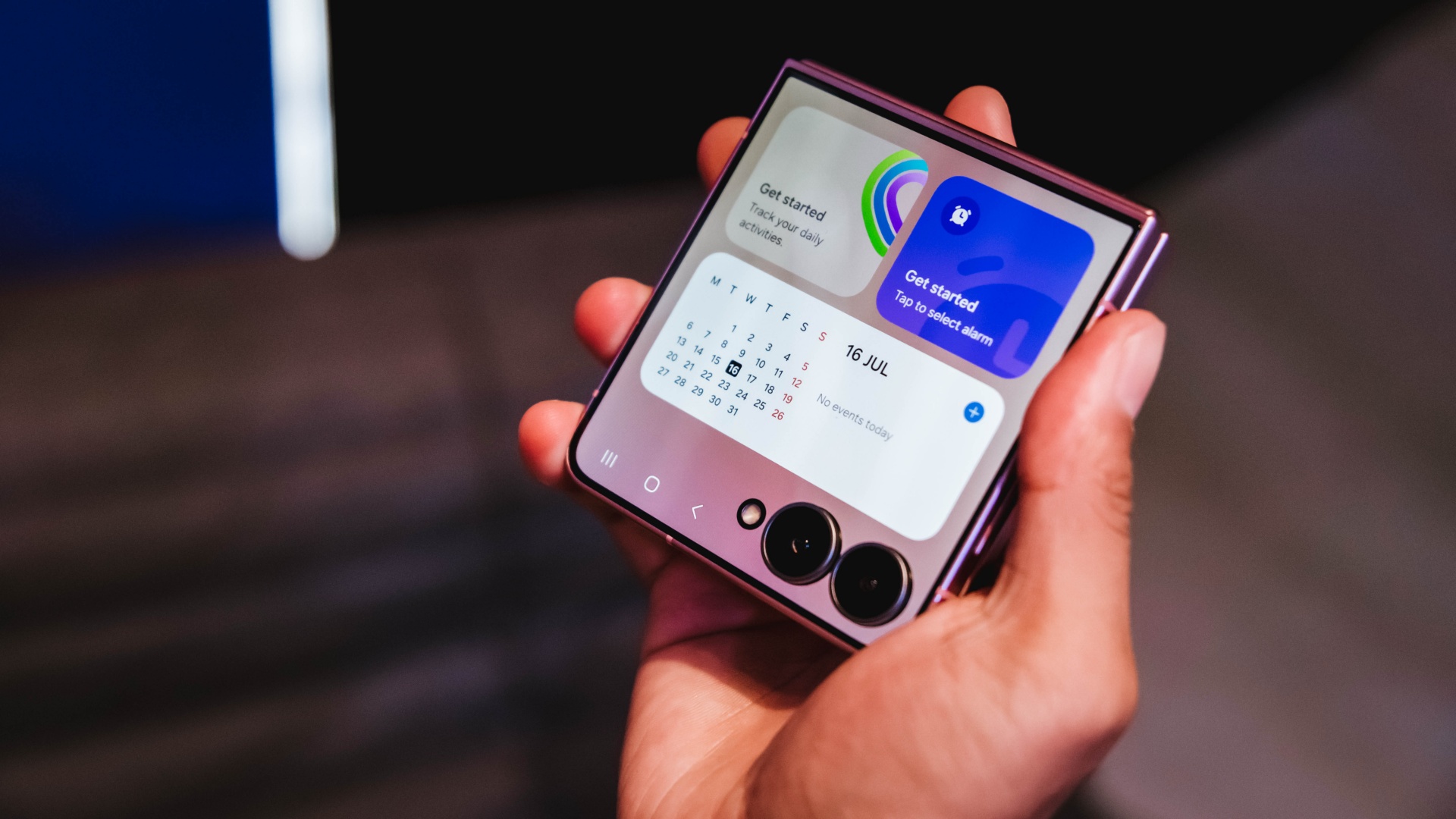
It also makes everyday tasks easier. I can check a script, review a shotlist, reply to messages, or glance at notifications without unfolding the phone every few minutes.
For years, foldables often felt like they required some compromise. You gained a unique form factor and flexibility, but sometimes gave up a little on the camera experience. The Flip8 feels like it’s closing that gap.
Samsung’s improvements in low-light performance and stabilization are especially noticeable for the kind of run-and-gun content I create.
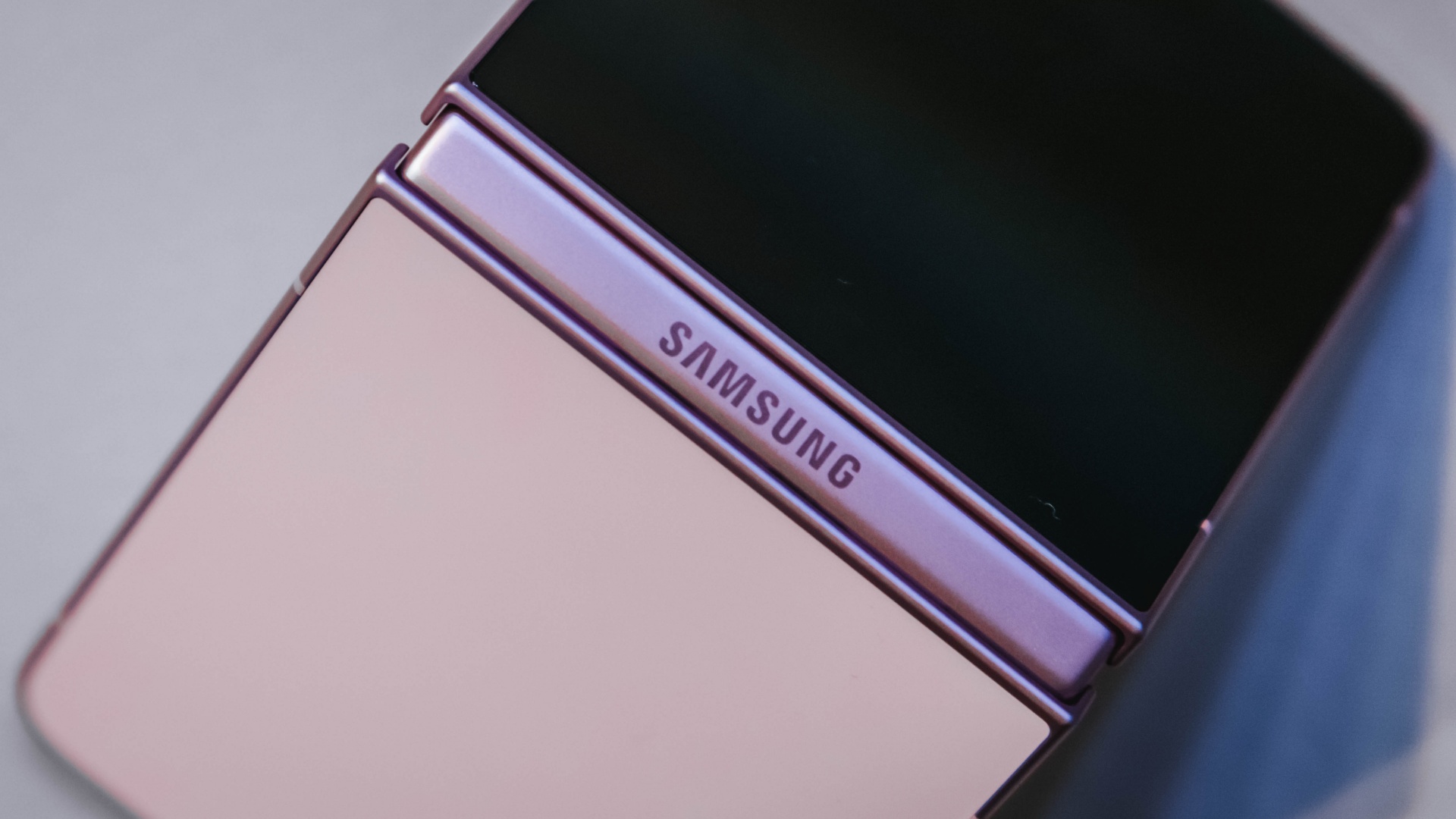
I haven’t spent enough time with it to call this a full review yet, but my first impressions have been positive. The experience feels more refined and more dependable than previous generations.
Features alone don’t convince me to upgrade. They have to solve a real problem. The more useful cover screen, the improved camera experience, and the overall refinement were the first signs that the Flip8 was offering something I’d actually use every day rather than another feature to add to a spec sheet.
The battery and multitasking finally match my day
The less exciting reason I’m upgrading is also the one that affects me the most.
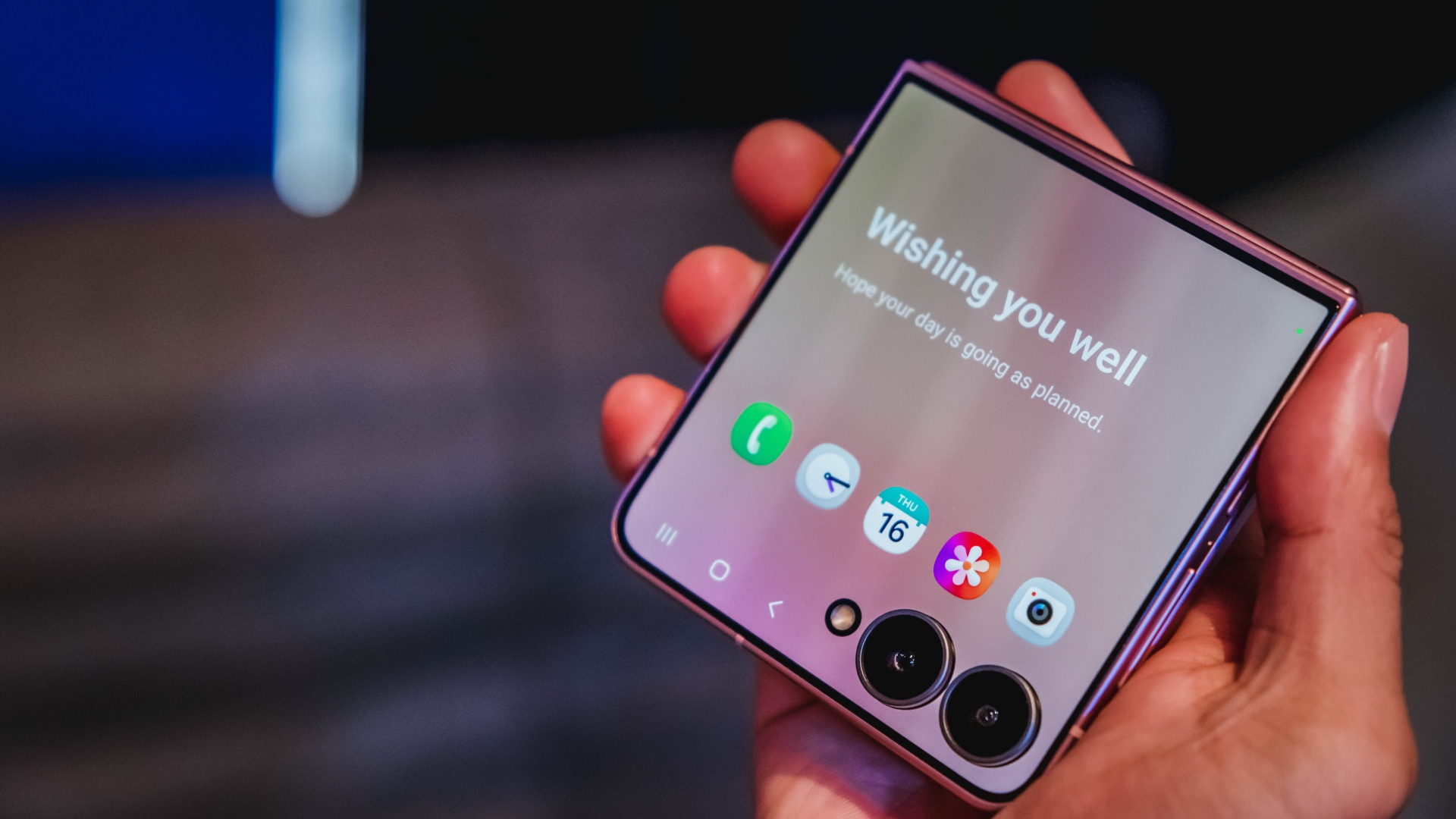
Between filming, reviewing footage, answering emails, coordinating campaigns, and managing social media, my phone is constantly working.
My old device usually drops into battery-saving territory before dinner. It gets the job done, but I spend too much time thinking about charging instead of working.
The Galaxy Z Flip8 feels better equipped for that reality. The battery efficiency is improved, and multitasking feels more natural when juggling multiple apps throughout the day.
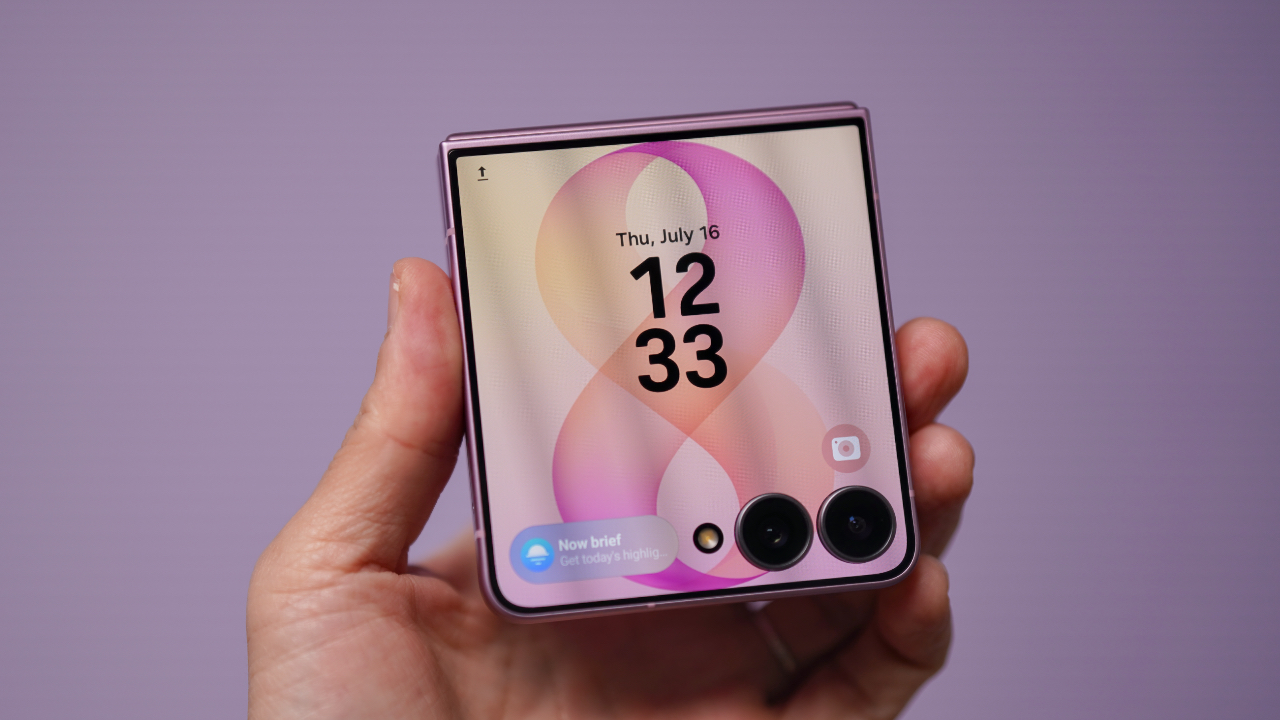
Those aren’t flashy features, but they’re the kinds of upgrades that quietly improve everyday productivity. They’re also the features that convinced me this wasn’t simply a want. It was an upgrade I could actually justify.
Once I was convinced the Flip8 was worth upgrading to, I realized the decision wasn’t really over. A smart upgrade also deserves a smart way to pay for it.
Making a big upgrade more manageable
Of course, deciding a device is worth upgrading to is only half the equation. The other half is figuring out how to pay for it.
The Galaxy Z Flip8 is a premium device, and for most people, the upfront cost is what gives them pause. That’s often where upgrade decisions get delayed, even when the device itself makes sense.
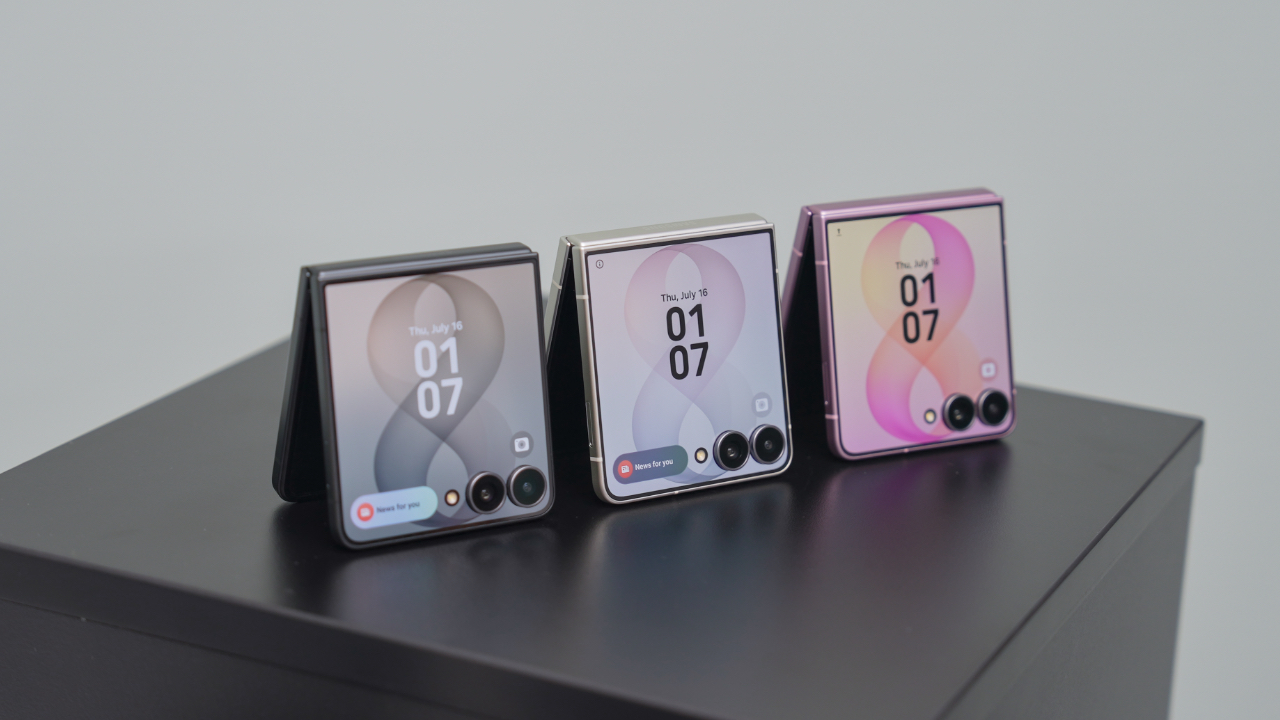
That’s why Maya Mini Payments stood out to me. Any Samsung purchase paid with a Maya Credit Card can be converted into Mini Payments directly through the Maya app, making it easier to spread the cost into monthly installments instead of paying for everything upfront in one go.
You can choose installment plans of up to 12 months at a fixed monthly add-on interest rate of 1%.
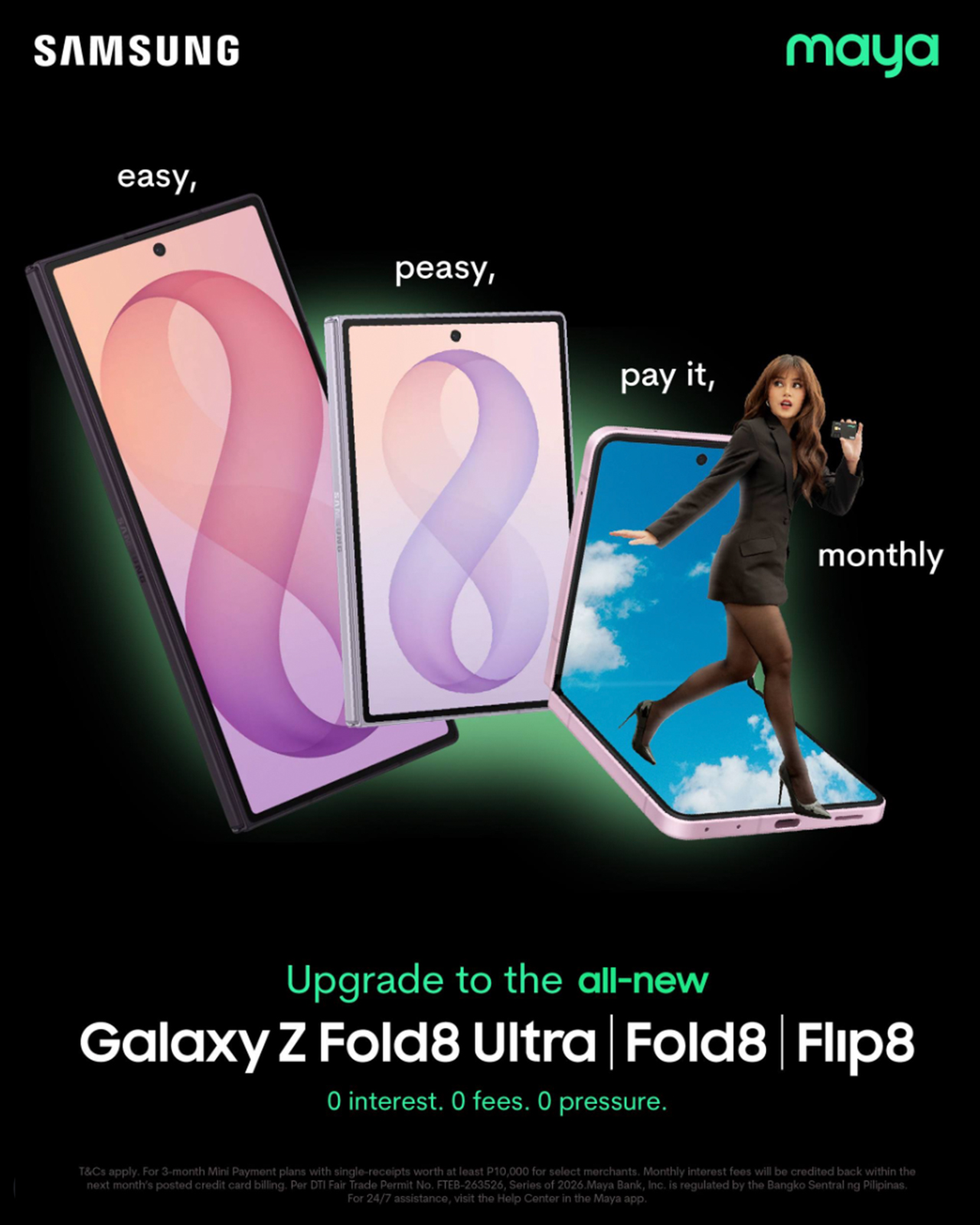
For Samsung Galaxy Z Fold8 and Galaxy Z Flip8 purchases, cardholders can enjoy a 3-month Mini Payment plan at 0% interest, making the upgrade more manageable without additional interest costs on the installment plan.
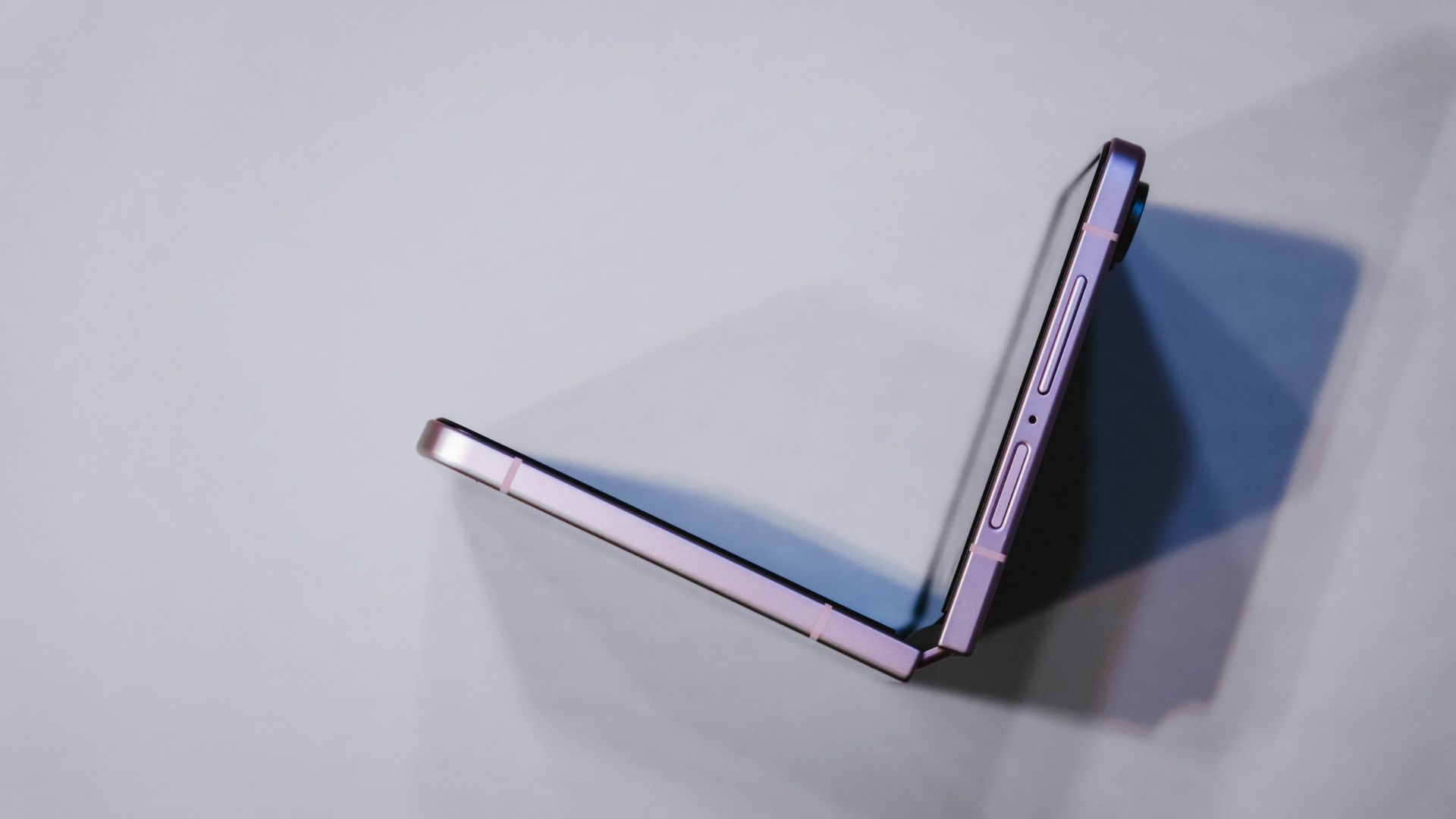
What I like about the concept is that it mirrors the reason I like the Flip8 itself.
The Flip8 makes it easy for me to shoot, edit, communicate, and multitask throughout the day. Maya Mini Payments makes it easy to purchase by turning one large expense into a payment plan that fits more naturally into a monthly budget.
Both are practical solutions to real-world problems. Also, the entire process can be managed directly within the Maya app, making it easy to track and manage installment conversions without additional paperwork.
View this post on Instagram
Still on the fence?
The Samsung Galaxy Z Flip8 feels like one of the strongest cases yet for upgrading to a foldable.
For me, the cover screen is more useful, the camera experience feels more capable, and the battery and multitasking improvements better match how I actually work every day.
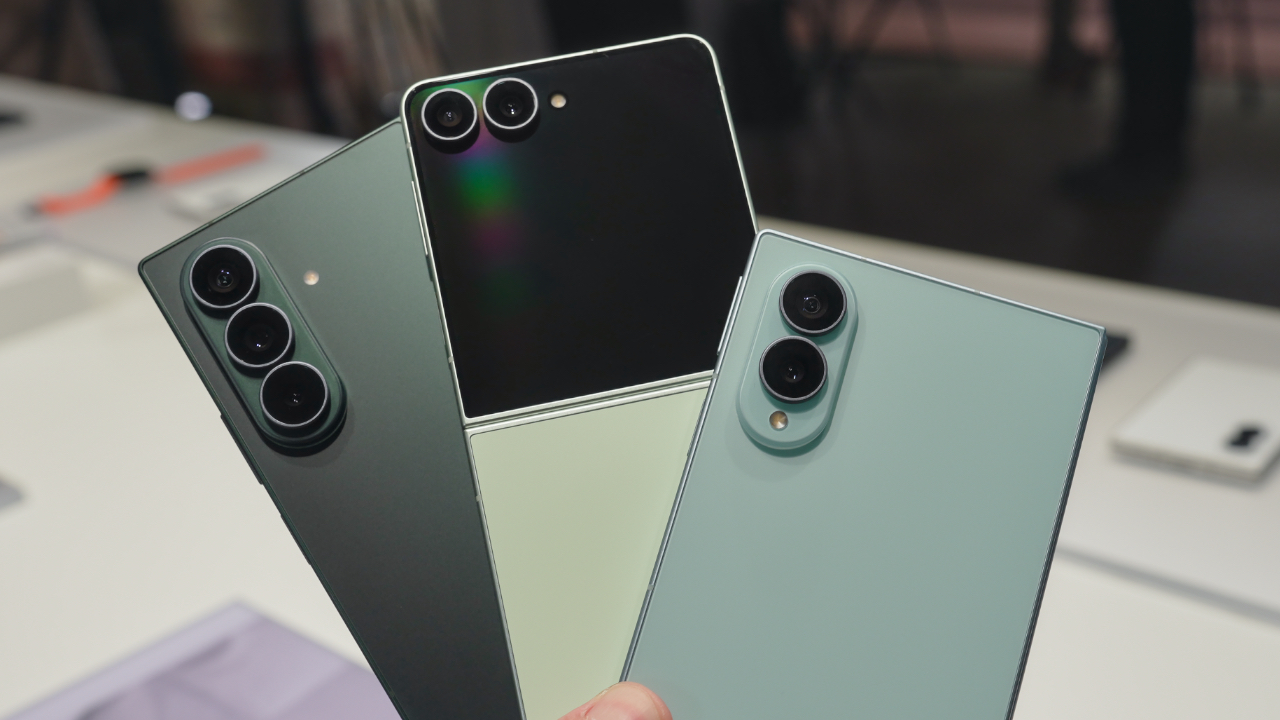
If you prefer a larger screen for productivity, the Samsung Galaxy Z Fold8 follows the same philosophy while giving users even more room to multitask and create.
If you’ve already decided Samsung’s latest foldables are your next devices, there’s also a smarter way to make that upgrade happen.
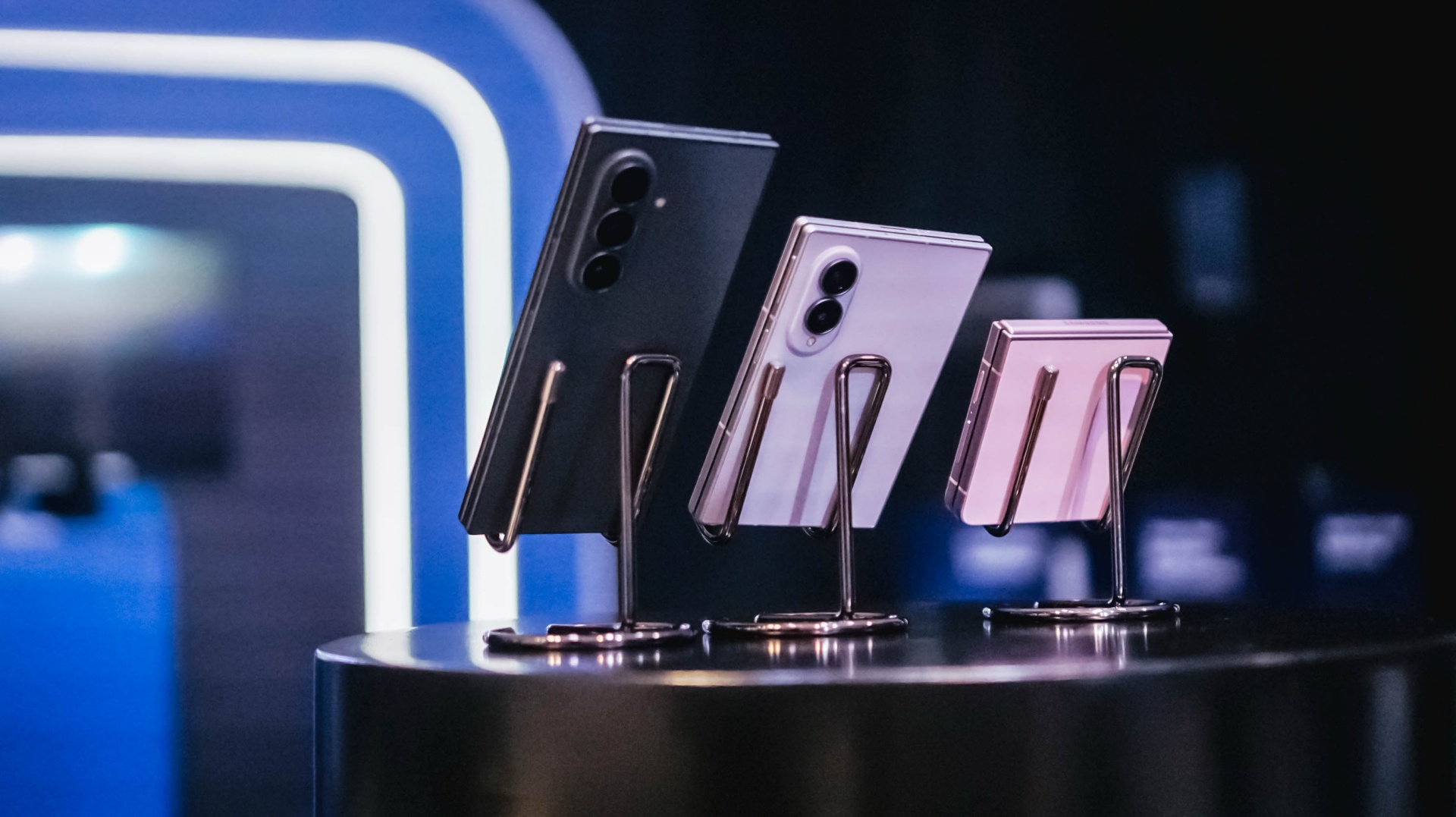
All your Samsung purchases made using a Maya Credit Card can be converted into a 3-month Mini Payment plan at 0% interest, with zero processing fees until September 30, making it easier to enjoy Samsung’s latest innovations without one big upfront payment.
Pre-orders run until August 13, with devices available in-store beginning August 14.


ROG G700 review: The best prebuilt PC you can get off the shelf
This PC will make you stop worrying about specs.


HP OMEN Max 16 review: Gamer-maxxing in deep black
Peripherals deemed necessary to max this out


vivo V80 review: Good phone, tough sell
A capable travel companion

4 new nutribullet kitchen essentials to make holiday hosting easier

Inside Infinix’s first global concept store in Bali

Wild Rift Patch 7.3, celebrates K/DA comeback

LG showcases its latest AI TVs in the Philippines

Your coffee nook is getting a makeover with Starbucks’ holiday collections


-

 News2 weeks ago
OPPO Find X10 Series: Price, availability in the Philippines
-

 Cameras2 weeks ago
DJI Osmo Pocket 4P Pearl White now available globally
-
 Lifestyle2 days ago
Your coffee nook is getting a makeover with Starbucks’ holiday collections
-

 News2 weeks ago
OPPO Find X10 Series: Price, availability
-
Gaming2 weeks ago
HP OMEN Max 16 review: Gamer-maxxing in deep black
-

 Entertainment2 weeks ago
Cyberpunk: Edgerunners 2 now streaming, Cyberpunk 2077 update coming
-

 Lifestyle4 days ago
Sticker season is back, and so is the planner your ~friends~ might fill in for you
-

 Laptops2 weeks ago
ASUS ProArt P14, P16 laptops with NVIDIA RTX Spark now available