
News
vivo X Fold5 now in the Philippines for PhP 109,999
1st foldable from vivo to become available in Southeast Asia


The vivo X Fold5 is now officially in the Philippines for PhP 109,999. It is the first foldable smartphone from vivo to become available in Southeast Asia.
The device promises pro-level photography, exceptional performance and power, and more features on a book-style form.
The launch bundle includes the following:
- vivo Watch GT (worth PhP 7,099)
- vivo VIP Card pre-loaded with PhP 7,000
- vivo Life Bag (worth PhP 1,299)
Flexible payment options via Home Credit and major credit cards at 0% interest are also available.
As of posting time, there aren’t any postpaid plans available yet via network providers like Globe and Smart.
Light and strong
The vivo X Fold5 comes in a sleek Titanium Gray finish and is equipped with 16GB of RAM and 512GB storage.
It weighs just 217 grams and has a display that has been tested to withstand 600,000 folds.
The inner screen measures 8.03 inches when unfolded, while the outer screen is 6.53 inches. The phone also comes with four IP ratings: IP5X, IPX8, IPX9, and IPX9+.
READ: vivo X Fold5 breaks some records for a foldable
Pro-level ZEISS imaging
The X Fold5 comes with a professional-grade, triple ZEISS-powered camera system with ZEISS T* coating and AI image processing:
- 50MP Sony IMX921 Ultra-Sensing VCS Bionic Main Camera
- 50MP Sony IMX882 ZEISS Telephoto Camera with 3X Optical Zoom, up to 100X HyperZoom
- 50MP Ultra Wide-Angle Camera with 120° FOV
The outer and inner displays, meanwhile, each have a 32MP selfie camera.
For non-stop days
Furthermore, the device houses a 6,000mAh BlueVolt battery with support for 80W Dual-Cell Flash Charge and 40W Wireless FlashCharge.
Inside the X Fold5 is a Snapdragon 8 Gen 3 chipset, promising 30% faster CPU performance, 25% faster GPU performance, and 20% improved power efficiency.
Also built for professionals and creators, the X Fold5 comes with AI-powered tools like:
- Origin Workbench
- vivo DocMaster
- Smart Call Assistant
- AI Transcript Assist
- Google Gemini







Gaming
Nintendo will make it cheaper to buy digital games than physical
Physical releases will have the same price.

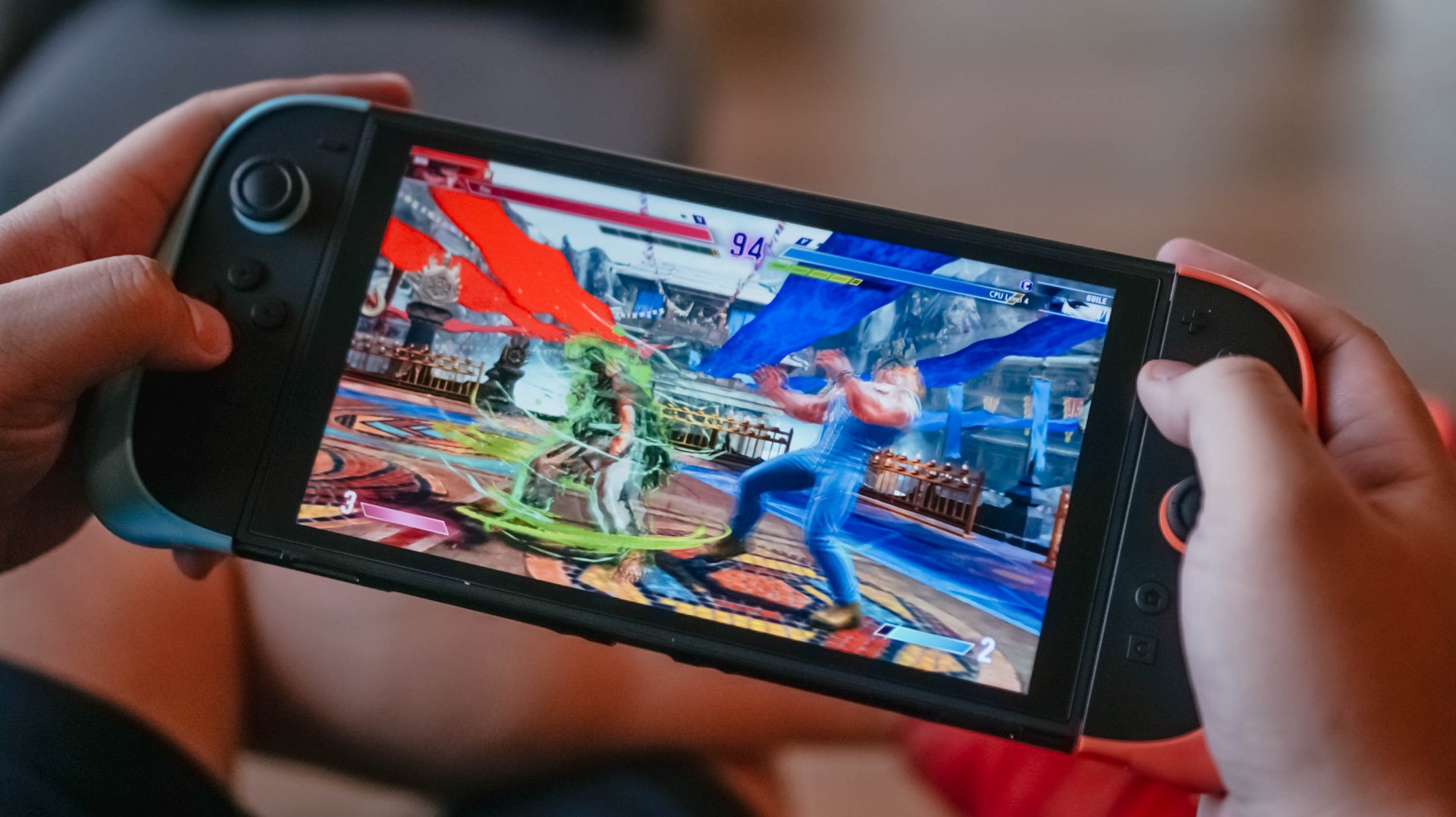
The days of lining up for a newly released game are well and truly over. Though some games still experience shortages in brick-and-mortar stores, such as the widely successful Pokémon Pokopia, gamers can get their titles digitally. Now, Nintendo is making digital releases more enticing by offering a tempting discount on the eShop.
Starting in May, Nintendo will start charging different prices for the physical and digital releases of first-party games. While physical releases will still have the same prices going forward, digital releases via the eShop will enjoy a discount.
The discount, of course, will likely depend on the title itself. Nintendo has already given the upcoming Yoshi and the Mysterious Book as the first example. The new platformer will cost US$ 70 from retailers. However, it will cost only US$ 60 on the digital eShop.
The company says that the new pricing scheme “simply reflects the different costs associated with producing and distributing each format.” With the prices of chips skyrocketing, it’s no surprise that the physical release is more expensive than the digital one.
To be more technical about it, Nintendo has started skipping a physical game card for a while now. The physical release of Pokémon Pokopia, for example, has only a game-key card or a code to download the game. In this format, physical releases are just pretty cases you can display on your shelf.
Also, digital releases do carry the added risk of getting delisted on the whims of the developers, the publishers, or Nintendo itself. It is, however, still a cheaper option, especially in a world where getting any discount is a welcome thought.
SEE ALSO: Nintendo sues the United States
Luxury Smart Home
Sony brings cinema home with new BRAVIA 3 II TV, BRAVIA Theatre lineup
Full cinema-style experience


Sony is expanding its home entertainment push with a new range of BRAVIA Theatre audio products and the BRAVIA 3 II TV. The lineup aims to make a full cinema-style experience more accessible. That’s true whether you’re starting with a soundbar or building a complete surround setup.
Soundbars designed to fill the room
Leading the audio lineup is the BRAVIA Theatre Bar 7, a compact yet powerful soundbar built with nine speaker units. It includes up-firing and side speakers. These work alongside Sony’s 360 Spatial Sound Mapping to create a wider, more immersive sound field from a single unit. Room calibration further optimizes audio based on your space. There are also optional subwoofers and rear speakers unlock deeper bass and fuller surround.
For a more accessible option, the BRAVIA Theatre Bar 5 offers a 3.1-channel setup with a wireless subwoofer. It focuses on delivering clear dialogue and strong bass, using S-Force PRO Front Surround and Vertical Surround Engine to simulate a three-dimensional listening experience.
Both soundbars support Dolby Atmos and DTS:X, integrate with compatible BRAVIA TVs for unified control, and can be managed via the BRAVIA Connect app.
Expanding the surround experience
Sony is also introducing a set of optional speakers designed to complete the home cinema setup. The BRAVIA Theatre Sub 9 and Sub 8 deliver deep, room-filling bass, with the Sub 9 featuring dual opposing drivers to reduce distortion. Notably, the lineup now supports dual subwoofer configurations for the first time.
Meanwhile, the BRAVIA Theatre Rear 9 adds height and depth to rear channels through its up-firing speaker. This helps create a more convincing surround environment when paired with compatible soundbars.
A bigger screen to match
Alongside the audio products, Sony is rolling out the BRAVIA 3 II, a mid-tier TV available in sizes up to 100 inches. Powered by the XR Processor and XR Triluminos Pro, it aims to deliver natural colors, strong contrast, and refined detail.
The TV supports Dolby Vision, Dolby Atmos, and DTS:X, and is also positioned as a capable gaming display. It comes with 4K at 120Hz and four HDMI 2.1 ports. Sony is also introducing a new Inclusive Remote with improved button layout and a Remote Finder feature for easier accessibility.
Price and availability
In Singapore, the BRAVIA Theatre Bar 7 will be available starting May 2026. Suggested retail price is SGD 1,299. Meanwhile, the BRAVIA Theatre Bar 5 follows in June 2026 at SGD 599.
The BRAVIA Theatre Sub 9, Sub 8, and Rear 9 will arrive in July 2026, priced at SGD 1,099, SGD 799, and SGD 899, respectively.
The BRAVIA 3 II TV will be available from June 2026 in sizes ranging from 43 inches to 100 inches, with pricing starting at SGD 1,499.
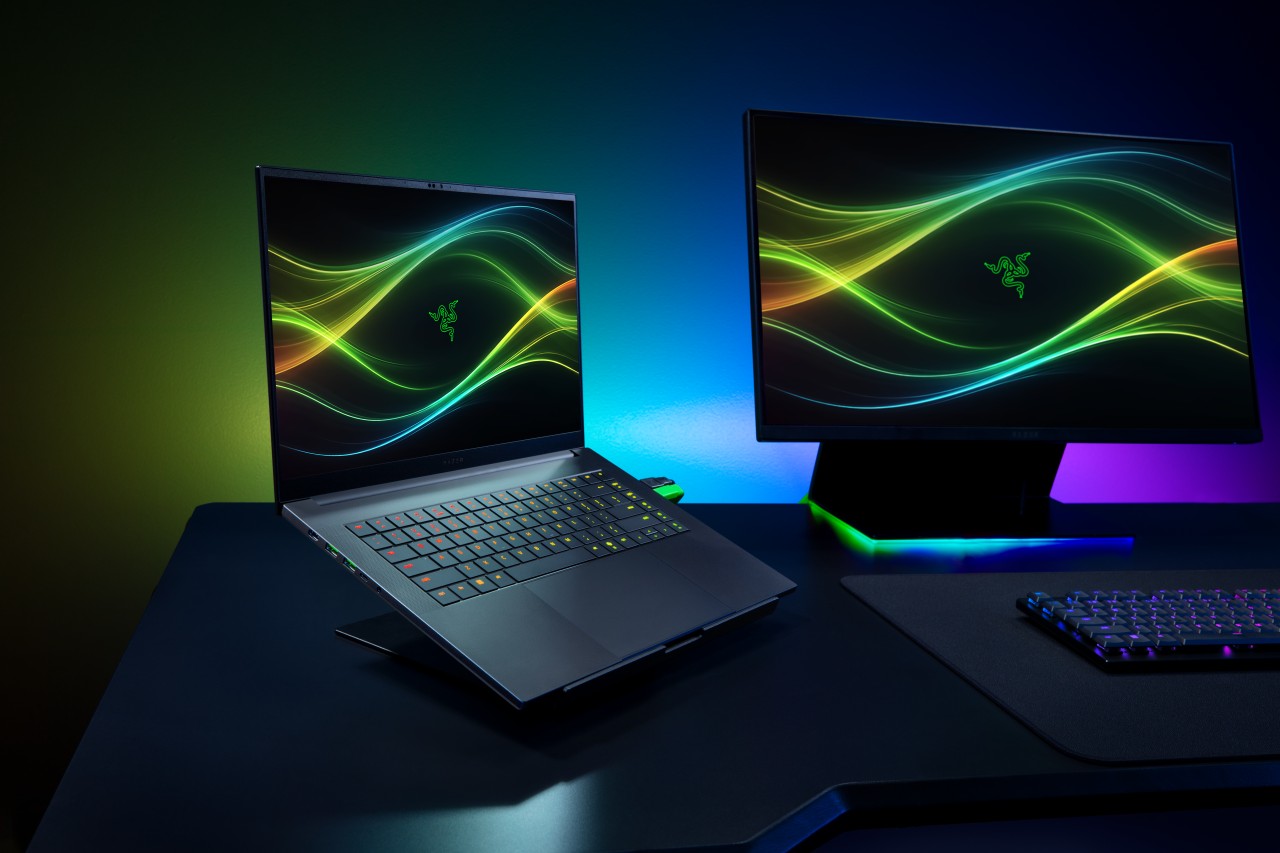
Razer has officially unveiled the 2026 version of its Blade 16, doubling down on what it does best: squeezing high-end performance into an ultra-slim chassis.
This year’s refresh focuses on meaningful internal upgrades. That includes a new Intel Core Ultra 9 processor, faster LPDDR5X memory, and NVIDIA’s latest RTX 50 Series laptop GPUs — all while keeping the Blade 16 as the thinnest gaming laptop in Razer’s lineup.
Performance gets a serious bump
At the core of the new Blade 16 is the Intel Core Ultra 9 386H, featuring 16 cores and up to 4.9GHz boost clock. Razer claims a 33% increase in core count versus the previous generation, translating to stronger performance across gaming, content creation, and AI workloads.
There’s also an integrated NPU capable of up to 50 TOPS, enabling faster on-device AI tasks like image generation and live translation.
Memory gets a notable upgrade too. The Blade 16 now supports up to 64GB of LPDDR5X-9600MHz RAM, which Razer positions as the fastest available in a laptop today. The result: quicker responsiveness for heavy multitasking, creative apps, and AI-assisted workflows.
On the graphics side, NVIDIA’s GeForce RTX 50 Series (Blackwell architecture) brings DLSS 4 and enhanced AI capabilities for both gaming and creator use cases.
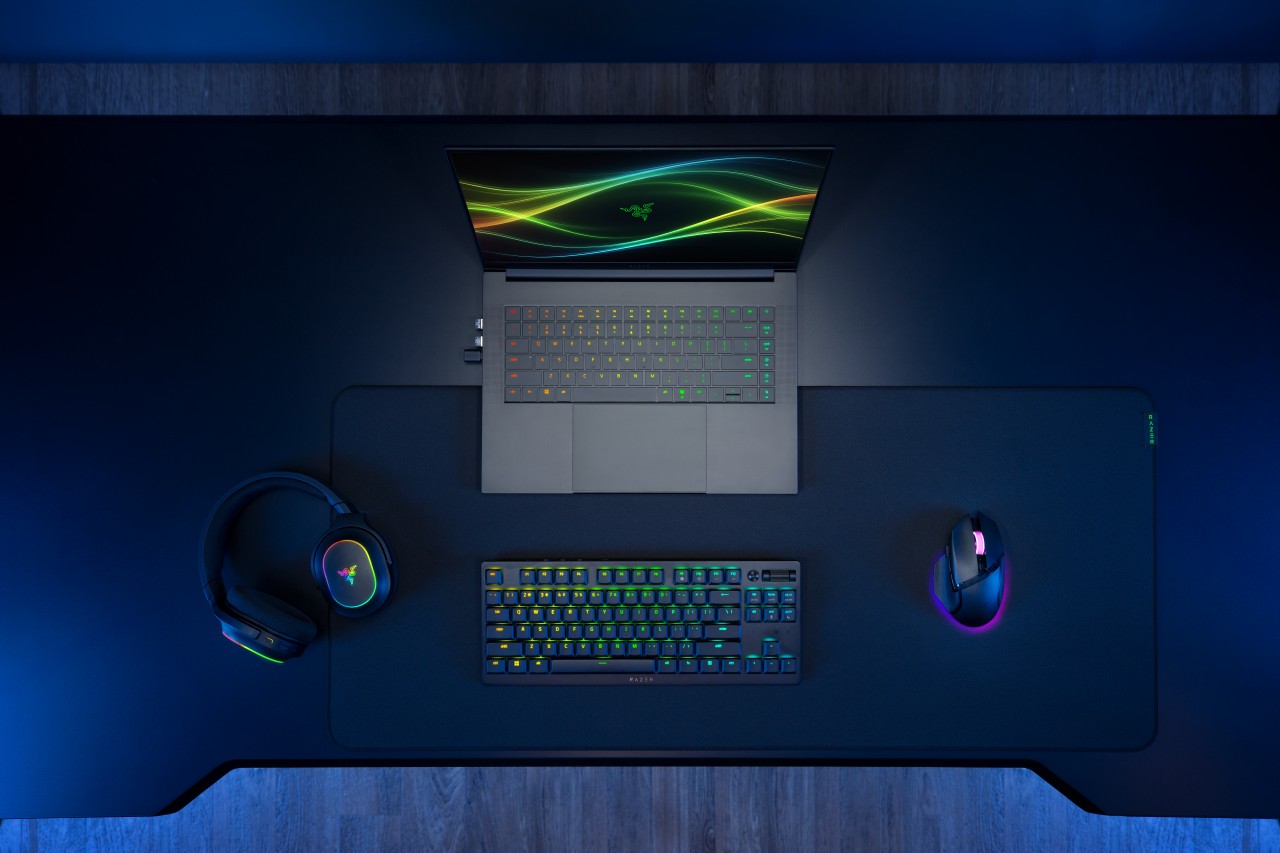
Display and design stay premium
Razer isn’t fixing what isn’t broken. The Blade 16 retains its signature CNC-milled aluminum chassis, measuring just 14.9mm thick and weighing around 2.14kg.
The display remains a highlight. You get a 16-inch QHD+ OLED panel with a 240Hz refresh rate, now brighter and certified for VESA DisplayHDR TrueBlack 1000. It supports full DCI-P3 coverage, Calman calibration, and NVIDIA G-SYNC, making it just as suited for creators as it is for competitive gaming.
Battery life and efficiency improve
Despite the performance gains, Razer is also pushing efficiency. Thanks to Intel’s newer architecture and system-level optimizations, the Blade 16 can hit up to 13 hours of productivity use and up to 15 hours of video playback under ideal conditions.
That’s a notable improvement for a machine in this class, especially given its slim form factor.
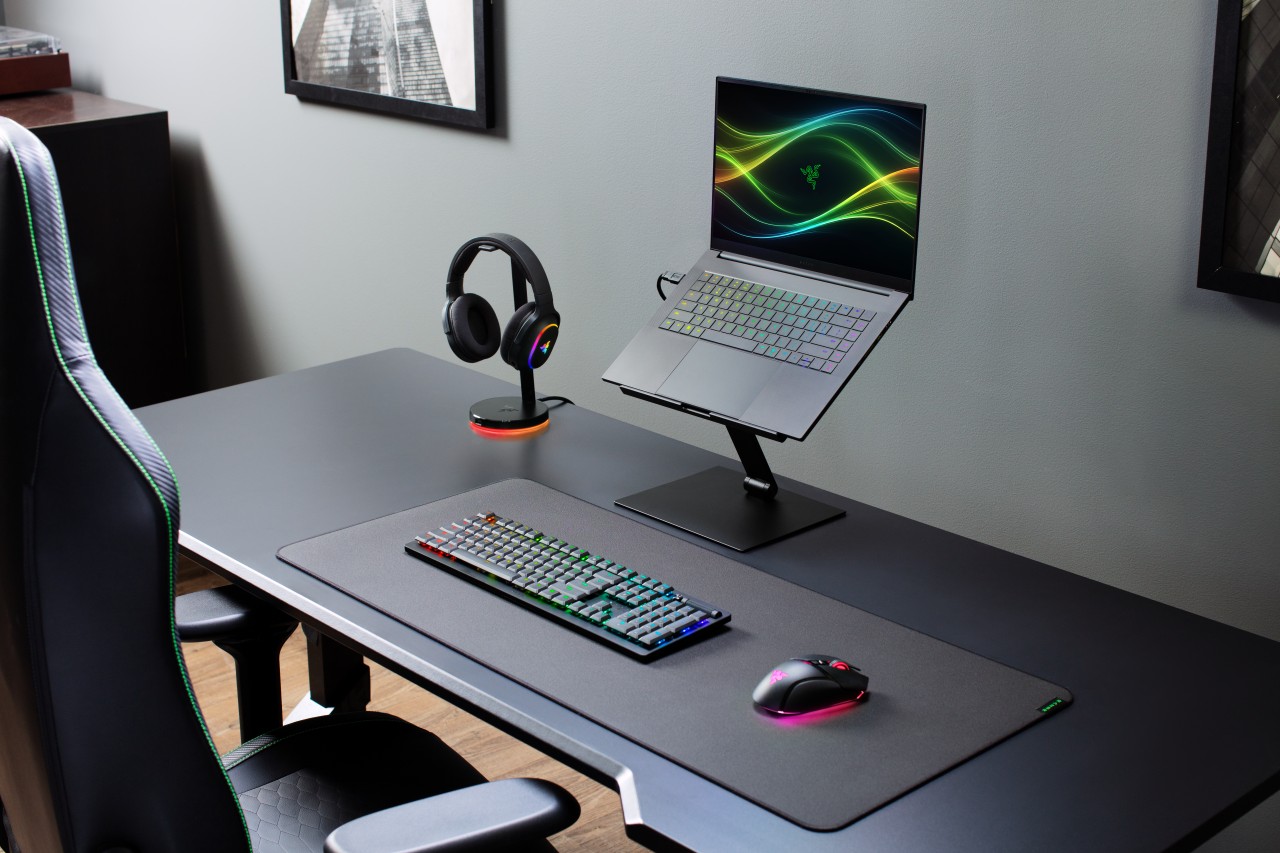
Connectivity and audio step up
The 2026 Blade 16 gets a future-ready connectivity suite, including Thunderbolt 5, Wi-Fi 7, and Bluetooth 6.0. There’s also a full set of ports, from USB-A to HDMI 2.1 and an SD card reader.
Audio gets an upgrade too. The six-speaker system now supports THX Spatial Audio+ with virtual 7.1.4 surround, aiming to deliver more immersive sound both on speakers and headphones.
Price and availability
The Razer Blade 16 configured with an NVIDIA GeForce RTX 5080 (16GB VRAM) and 32GB LPDDR5X-9600MHz RAM is priced at US$3,499.99 / €3,599.99 MSRP.
It is available now, exclusively via Razer.com and select RazerStores worldwide.
Still the Blade, just sharper
At a glance, the 2026 Blade 16 doesn’t reinvent the formula. But under the hood, it pushes performance, memory speed, and efficiency forward in ways that matter.
It’s still the same idea: a no-compromise gaming laptop that looks like it belongs in a minimalist workspace — just faster, smarter, and a bit more future-proof this time around.


Galaxy Buds4 Pro review: I thought I was done with in-ears
This Buds4 you


WWE 2K26 lets you live out all the fantasy matches you could want
But you have to play for hours and hours to unlock everyone.


The HONOR X8d is serviceable
Steady but slow?

Nintendo will make it cheaper to buy digital games than physical

Sony brings cinema home with new BRAVIA 3 II TV, BRAVIA Theatre lineup

Razer Blade 16 (2026) packs more cores, faster memory

Forgotten Island is an upcoming film based on Filipino culture

Razer sharpens its competitive edge with Viper V4 Pro and Gigantus V2 Pro


-

 Reviews1 week ago
POCO X8 Pro Max review: A new beast from the far east
-

 News1 week ago
POCO X8 Pro Series: Price, availability in the Philippines
-

 Features2 weeks ago
Galaxy AI on the Samsung Galaxy S26 Ultra
-

 Apps2 weeks ago
Google Maps is finally getting a 3D mode
-

 Reviews1 week ago
POCO X8 Pro Iron Man Edition review: Midrange phone in superhero armor
-
 Reviews1 week ago
Samsung Galaxy S26 Ultra review: A phone you live with
-

 Gaming1 week ago
NVIDIA’s DLSS 5 can turn your favorite AAA game into AI slop
-

 News1 week ago
POCO introduces X8 Pro Series with Dimensity 9500s