


2018 will be the year of the notched, bezel-less display. Along with it comes a new number that not everyone knows what to make of yet — the 18:9 aspect ratio.
Smartphones are quickly adapting the new 18:9 standard. However, since the ratio is still in its relative infancy, you might have heard more about its smaller variant, 16:9. Since the invention of widescreen TVs, everyone took in 16:9 as the industry standard. With 18:9 just on the horizon, should we care that our phones are getting taller?
What is aspect ratio?
First, let’s define what an aspect ratio is. The two numbers describe how big a device’s screen or a piece of media is. Specifically, it compares how wide your screen is relative to its height. The larger number is its height, while the smaller is its width.

For example, the square photos on Instagram have an aspect ratio of 1:1. As it gets taller or wider, its corresponding number on the ratio increases. It can vary from the old 4:3 to the ubiquitous 16:9 to the new 18:9.
Where did it come from?
The history of aspect ratios has always been intimately linked to the movie industry. The art of experimenting with aspect ratios began as cinematographers trying to perfect their film’s vision. With every new experiment, a new aspect ratio is born. Sometimes, their experiments become popular enough to become an industry standard.
The world’s first documented aspect ratio, 4:3, is also one of the world’s most popular ones. Remember those bulky CRT monitors you used to have? Those used the 4:3 ratio, which was adapted from old-school cinema. The first films used the film negative’s perforations (or holes) to measure their screens. In 4:3’s case, the screen was three perforations tall and four perforations wide.

When television was invented, the world of cinema faced tremendous competition. At the time, TVs also started off with a 4:3 display. Naturally, the homely convenience of a TV placed it at an advantage over the inconvenience of driving to a movie theater. The film industry had to compete.
Going head-to-head with the TV, cinematographers invented wider and taller aspect ratios. From this era, we saw the invention of the 70mm film. These huge ratios could fit more content on the screen. They became so popular that 70mm is still a standard that’s used today.
Our old friend, 16:9, arrived shortly after this boom. With aspect ratios popping out of nowhere, there came a need for a standard that everyone could follow. For this, Dr. Kern Powers, an expert at the craft, proposed the 16:9 format, a compromise between the industry’s most used ratios. With this format, you can watch either a TV show or a movie with minimal letterboxing (or the black rectangles on the edges of your screen).

Its flexibility skyrocketed the ratio into ubiquity. A lot of screens adapted the ratio as a result. Years later, almost every device prior to 2017 used a 16:9 display. Even now, the ratio that we’re most familiar with is 16:9.
Now, if 16:9 so effective, where did 18:9 come from?
The birth of 18:9
Because of the massive popularity of 16:9, 4:3 displays became obsolete. Today, finding a 4:3 device involves a trip to the nostalgia store. 16:9 began as a compromise. Since everyone adapted the compromise, it became a norm. The feud now was between HDTVs and cinemas.

Hence, the gap between portable 16:9 screens and cinema’s 70mm still exists. The next logical step is to create a compromise between 16:9 and the current 70mm cinema standard.
In 1998, cinematographer Vittorio Storaro solved this by inventing the Univisium film format, or what we know now as 18:9. Seeing the need for a new standard, he saw 18:9 as a standard that can make both cinemas and TVs happy.
At the time of his invention, only a handful of films used his new standard. In fact, most of them like Exorcist: The Beginning were his own films. Univisium would lay low for over a decade.
The rise of 18:9
In 2013, Univisium entered a renaissance with hit streaming show House of Cards, which was shot in the format. Having found a new home, Univisium crawled its way into other shows like Stranger Things and Star Trek: Discovery. In some circles, 18:9 was already known as the “streaming ratio.”

With the effectiveness of 18:9 proven, devices started adopting the new ratio. In 2017, the LG G6 and the Samsung Galaxy S8 launched with 18:9 in tow. (The S8 would use a slightly adjusted 18.5:9.)
After the trendsetters, more phones started getting into the trend. Google, OnePlus, and Huawei would soon adapt the new ratio. Even the Apple iPhone X uses a taller ratio: 19.5:9.
Should you get an 18:9 phone?
As it’s still in its infancy, the usefulness of 18:9 isn’t as apparent. However, the ratio already carries a flurry of benefits for early adopters.
Firstly, getting an 18:9 phone ensures future-proofing for a standard that’s quickly gaining traction. More shows are using 18:9. Even Hollywood is already testing the waters. 2015 film Jurassic World used the ratio.
Secondly, Univisium optimizes existing smartphone features like split-screen view. With more real estate, two apps can easily share the screen for a true multitasking experience. Even without the feature, phones can display more content in one screen without scrolling.
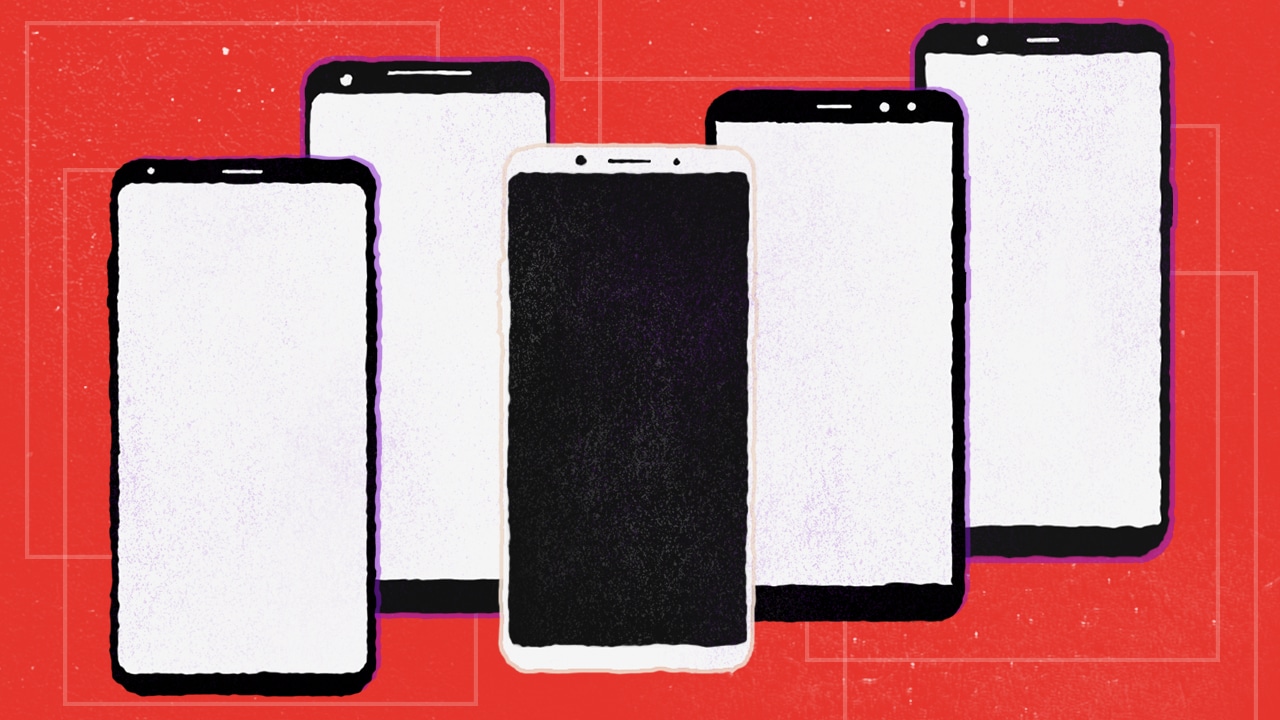
It’s likely that you won’t see the benefits until further down the line. The shows that use 18:9 are still too few to call it a true standard. When you watch a contemporary video on an 18:9 screen, you’ll still notice letterboxing. Despite their flexibility, some apps might even have trouble stretching to 18:9.
The vision of 18:9 is still in the future. It will have its growing pains. Critics will even put it down as a fad. However, the new ratio shows a lot of promise in uniting content under one pleasing ratio.


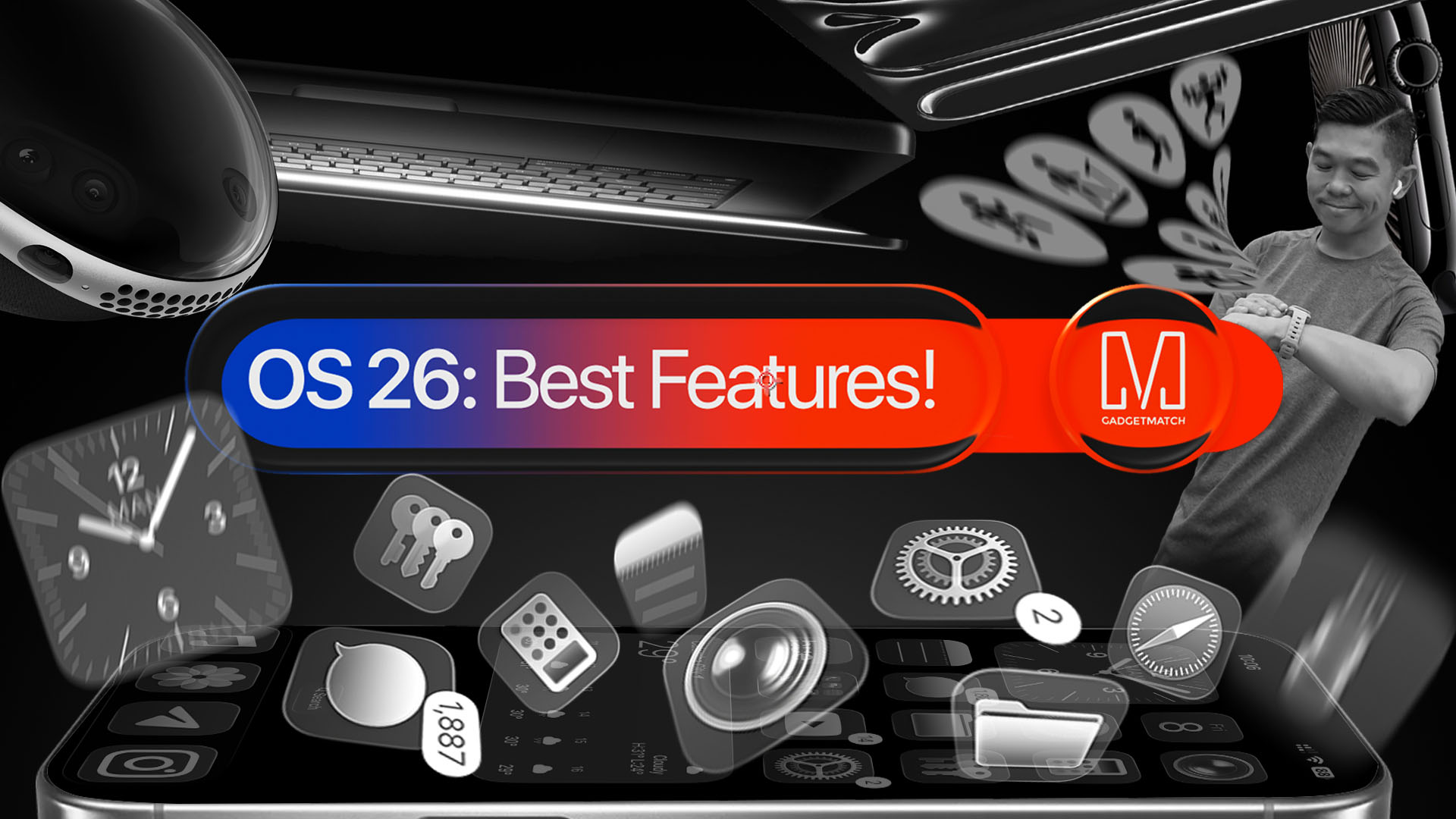
With a huge change in naming scheme, Apple promises a big leap ahead.
The all-new Liquid Glass design isn’t just breath of fresh air — it’s a bold redesign ever since the iOS 7 came out.
It’s not limited just to the iPhone. It’s coming to the iPad, Mac, and even the Apple Watch!
And with latest Public Beta now available across all devices, now is the perfect time to try ’em out.
Here are our favorite features, design updates, and hidden gems in Apple’s latest OS 26 series of software updates.
Namely iOS 26, iPadOS 26, watchOS 26, visionOS 26, and macOS Tahoe.
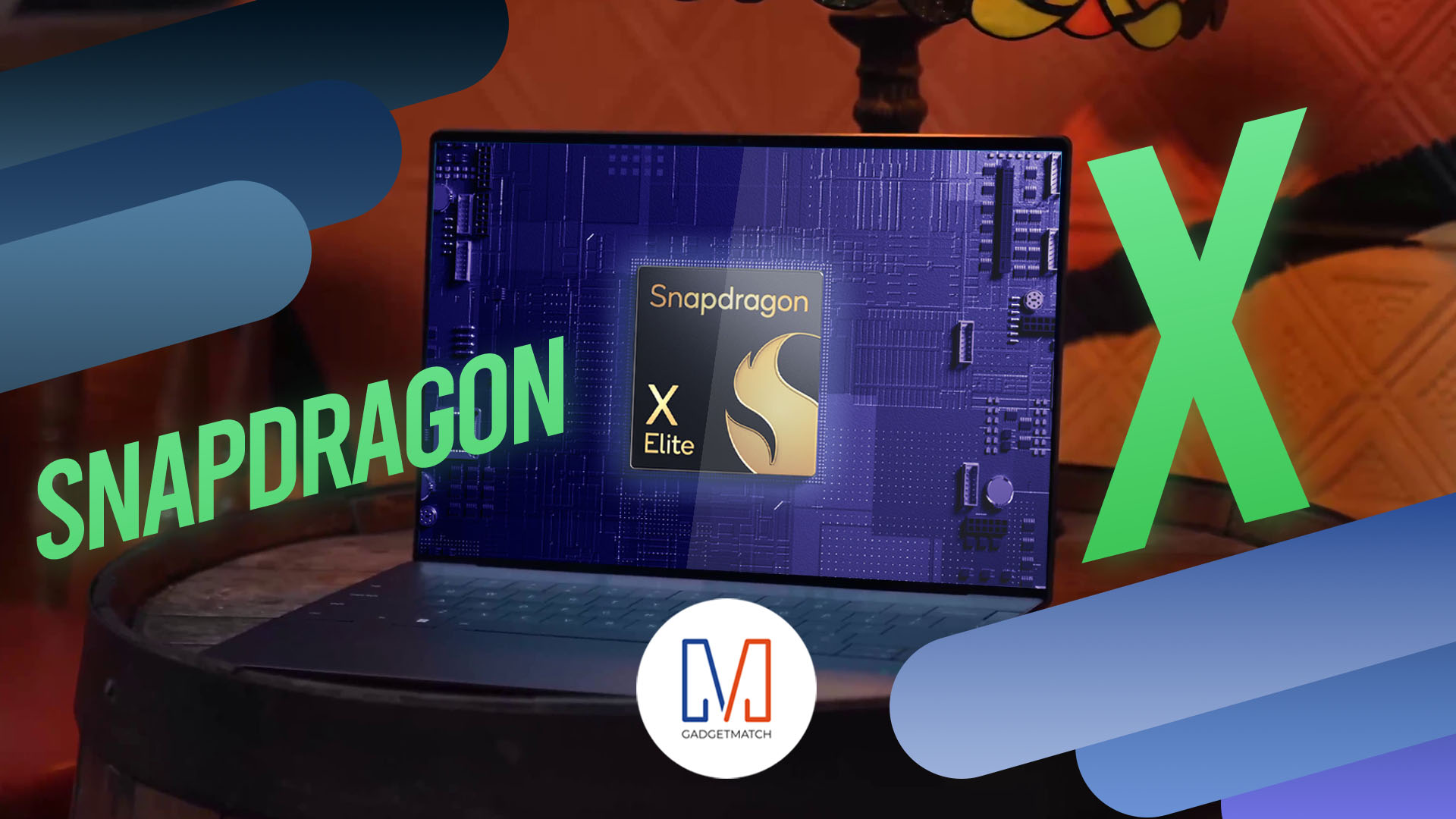
Shopping for a new Windows laptop?
With so many choices out there, it can be tough to know where to start.
Should you prioritize performance, battery life, or portability? Can you find something affordable and premium-looking?
In this video, we break down everything you need to know about the new Snapdragon X Series laptops — a new category of Windows PCs that promise power, efficiency, and sleek design in one package.
Whether you’re a student, creative, or just looking to upgrade, this buyer’s guide will help you decide if a Snapdragon X Series laptop is right for you.

Apple dropped a ton of surprises in this year’s WWDC — and there’s more than just the Liquid Glass redesign.
From Workout Buddy, to game-changing Apple Intelligence features.
All the way to collaborative visionOS updates, and the next generation of iOS 26, macOS 26, and iPadOS 26.
Watch to see the top announcements NEED to know from the WWDC 2025 keynote!
Here are Michael Josh’s biggest takeaways from WWDC 2025 in one video — with the help of some TechTuber friends!


EastWest rolls out Google Pay access for debit cardholders

Globe postpaid opens pre-orders for Samsung Galaxy S26 series

The Xiaomi 17 shoots Leica dream

Nintendo sues the United States

OPPO Reno15 F 5G hands-on

Xiaomi 17 Ultra is now available outside China

TECNO will showcase the CAMON 50 and POVA 8 series at MWC 2026

The art of being in and behind the frame

HUAWEI MatePad 11.5 S 2026: The better-than-ever 4-in-1 productivity tablet

TECNO MEGABOOK K16s 13th review: No-frills beneath those grills


-
 News1 week ago
Xiaomi 17 Ultra is now available outside China
-
 MWC 20266 days ago
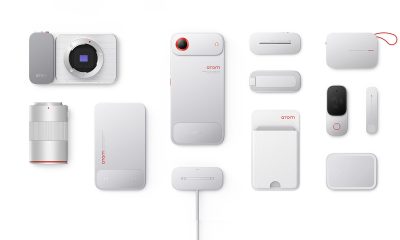
TECNO showcases cool concepts at MWC 2026
-

 MWC 20261 week ago
TECNO resurrects modular phones with this new concept
-
 MWC 20265 days ago
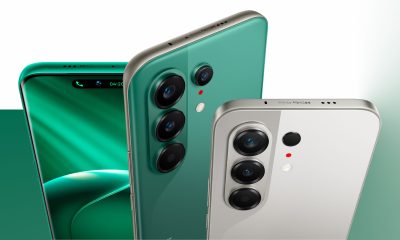
TECNO launches the all-new CAMON 50 series
-

 Reviews1 week ago
Xiaomi Pad 8 review: Slab that slaps!
-
 Reviews5 days ago
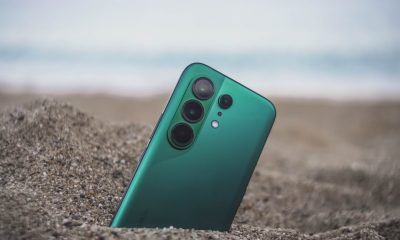
TECNO CAMON 50 Ultra review: End of an era?
-
 MWC 20264 days ago
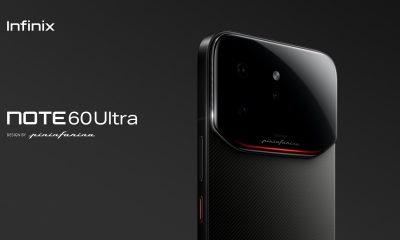
Infinix NOTE 60 Ultra makes a motorsport-inspired debut
-

 Reviews1 week ago
Forget the Phone: Xiaomi 17 Ultra Is A CAMERA!