


Xiaomi is going all in on their partnership with Leica making it the headliner even in the “T” editions of their flagships. The company is flexing it even more with the Xiaomi 13T Pro and the Xiaomi 13T.
The extra push is warranted. Just ask my colleague Vincenz who has refused to let go of the Xiaomi 13 ever since being handed the unit for review. Even myself was enamored with the photo-taking capabilities of the flagship released earlier this year. The thing made me look like a pro when I took it around Barcelona.
The Xiaomi 13T Pro isn’t that much different. You still get to choose between Leica Authentic or Leica Vibrant when you first launch the camera app. Don’t fret though as the choice isn’t final. You can easily toggle the selection by tapping on the upper-right area of the screen when using the camera app.
You also get the Leica custom photographic styles that add so much character to your shots when used appropriately. There’s plenty to choose from with the Leica BW NAT, F-50, and Gold Vibes being some of my personal favorites.
But talk is cheap. So, enjoy some of these photos taken over the past few days.
Leica Authentic



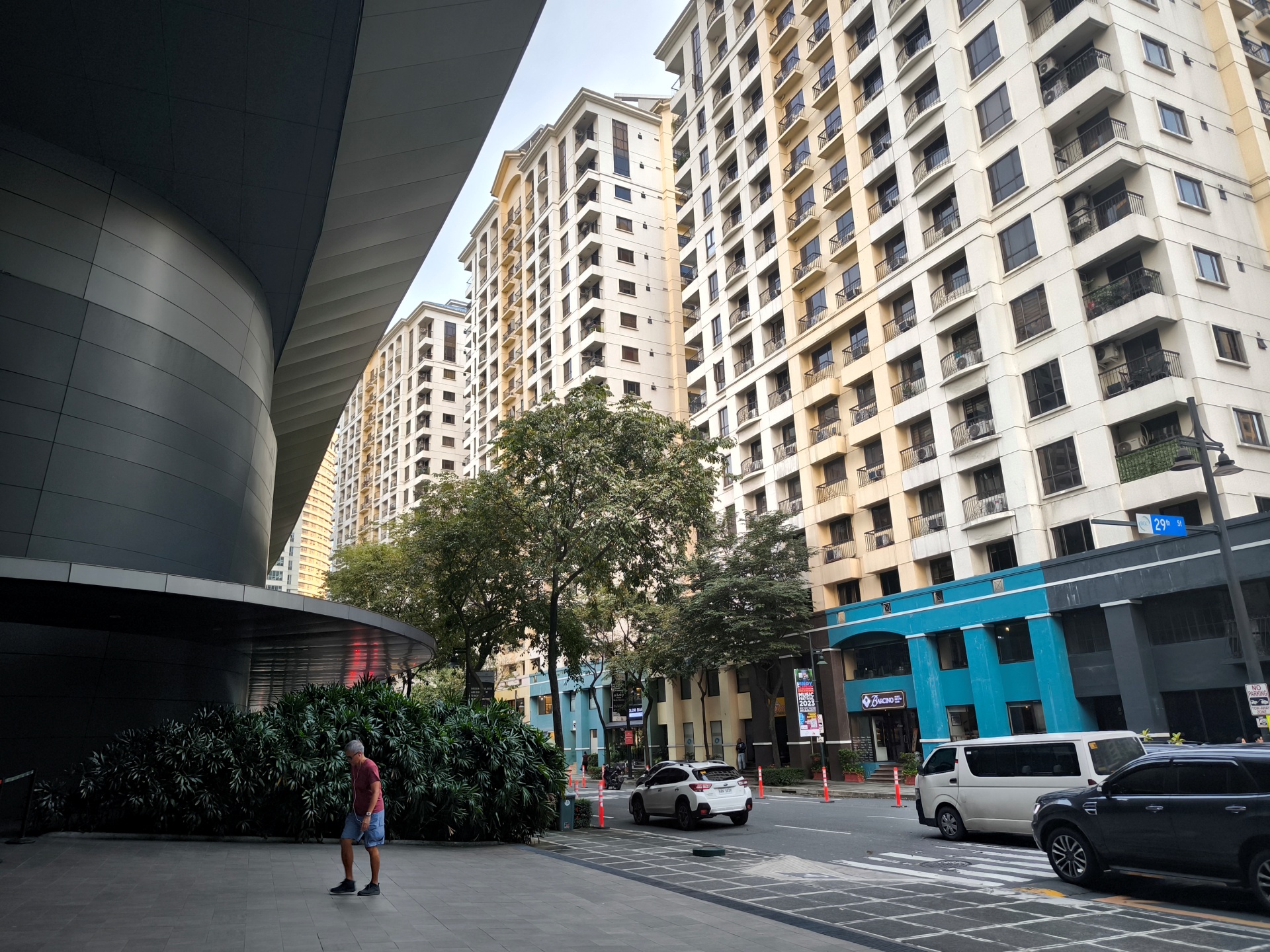

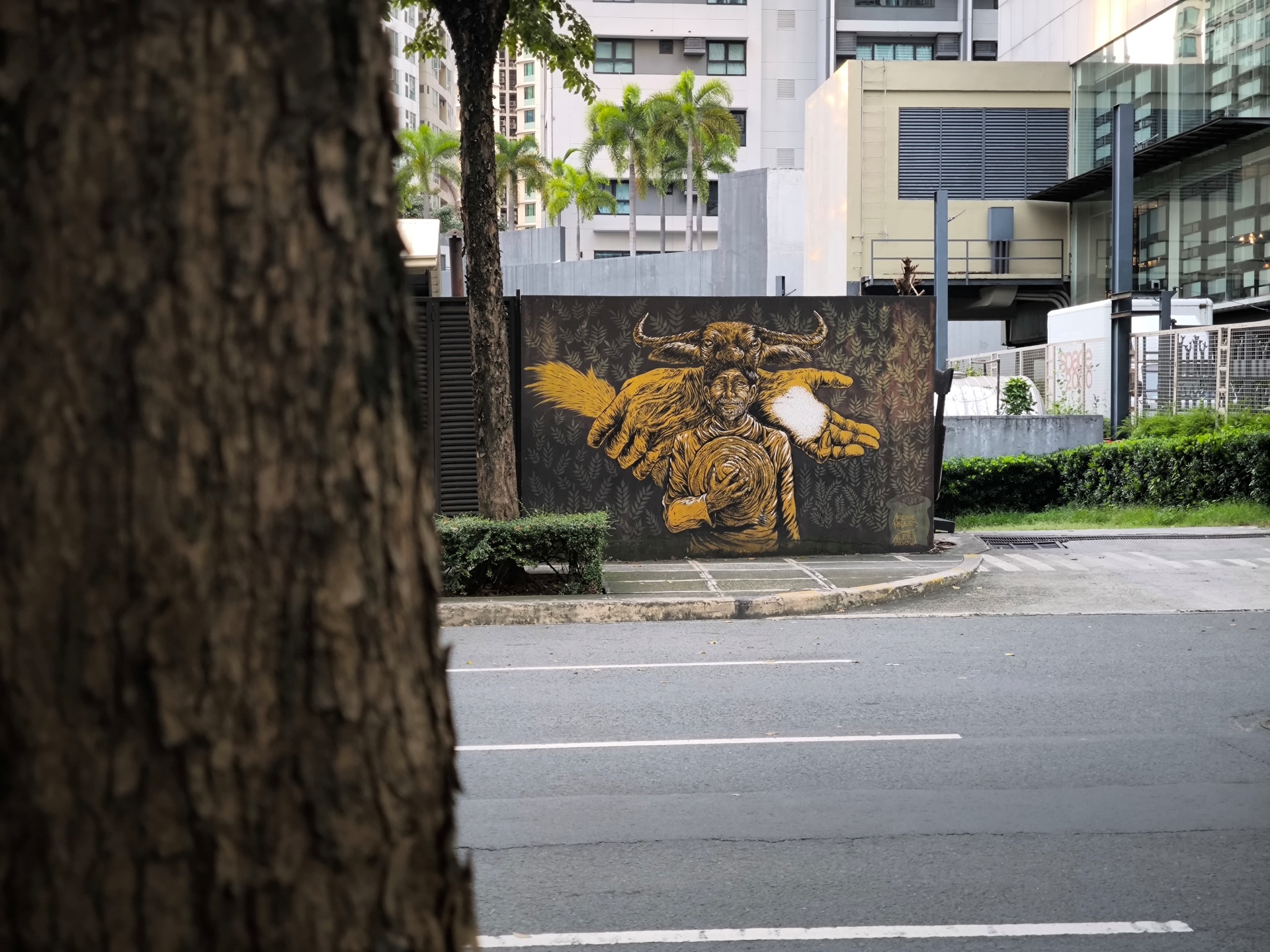
Filtered




Portraits




Photo-taking experience
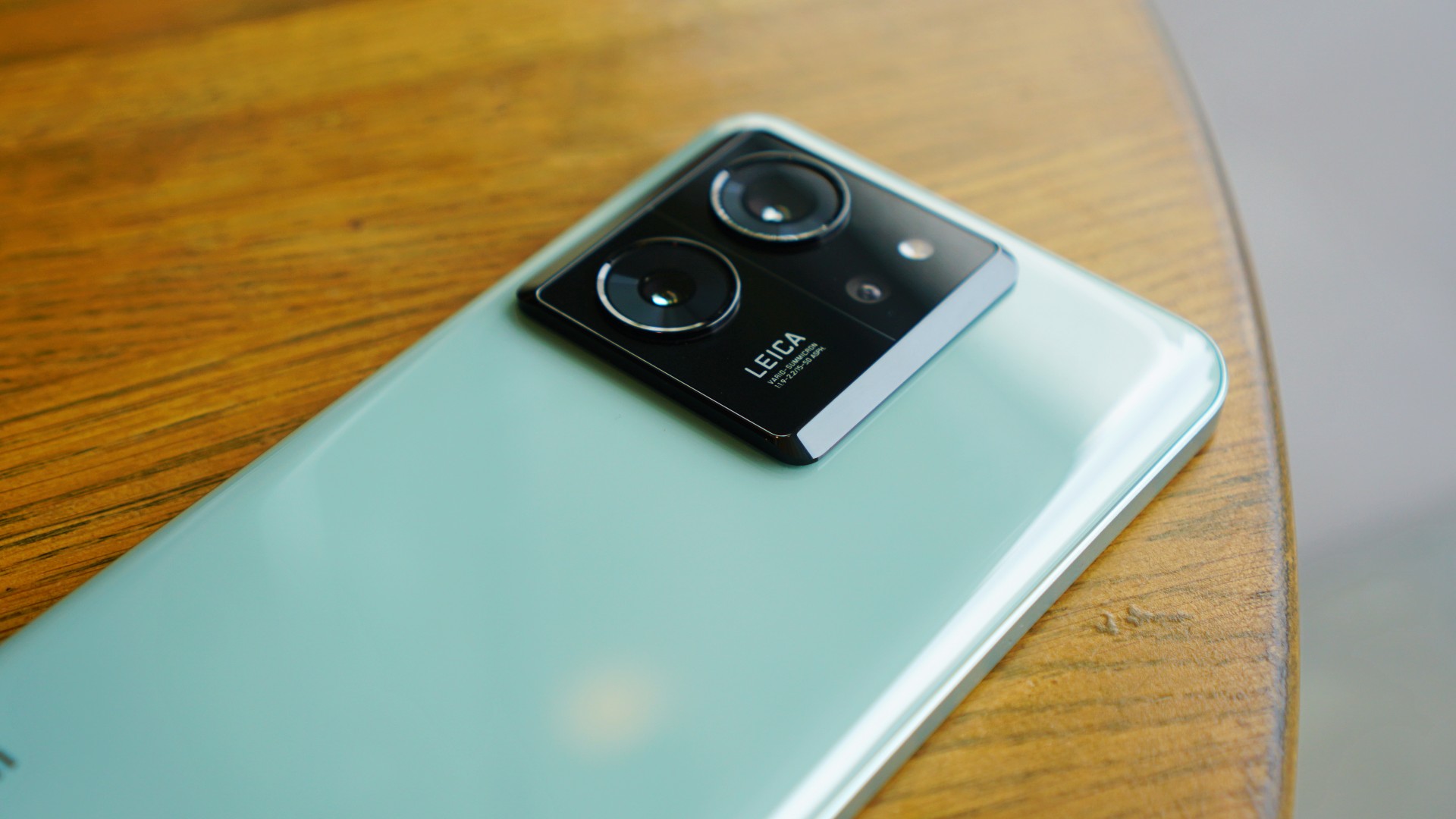
You don’t have to think much when using the Xiaomi 13T Pro to take photos. Even after just a few days with it, I can say it delivers some of the best photos from the many smartphones I’ve tried this year.
It makes things easy too. The color science applied by Xiaomi and Leica does a lot of the heavy lifting. All you have to do is to learn how to compose better shots and you’ll look almost like a pro in no time.
Incredibly smooth

One of the first things I noticed when I started using the Xiaomi 13T Pro is how incredibly smooth the display is. The 144Hz refresh rate on paper delivers without fail. It’s super evident especially since I’ve been splitting my time between this and another smartphone. Although, to be fair, that one’s an upper mid-ranger that doesn’t have this high of a refresh rate.
It makes doom scrolling feel extra fine. Yes, the world is burning on the Internet but hey, you’re seeing it through a Full HD AMOLED Display that slides effortlessly each time you scroll. It’s all good. I guess.
I also watched my fair share of short videos on this thing. Particularly, some fancams from TWICE’s Ready To Be Tour that happened over the weekend in Bangkok. I’ve yet to watch any HDR-capable content, but I can say the general viewing experience is enjoyable. It helps that the speakers aren’t too shabby either. The sound is clean and does not distort even when pushed to maximum.
The audio was enjoyable too when listening to my favorite tracks. One night I put Yena’s “Love War” on repeat and I was jamming to it until I fell asleep. I also listened to some of my favorite hoop podcasts on the Xiaomi 13T Pro. And well, no complaints here. I got my NBA fix through The Lowe Post and The Hoop Collective all while playing them on the phone.
Battery and charging
It’s only been a few days so I can’t say anything definitive here. Plus, my usage varied so much and I haven’t been keeping track of it completely. I can say I felt the 5,000mAh capacity drained faster than I expected, especially after a night of intense doom scrolling.
However, topping it up was fast and easy. With 32% left, I watched a couple of anime episodes on TV and found the thing already fully charged after.
Between upper-midrange and flagship build

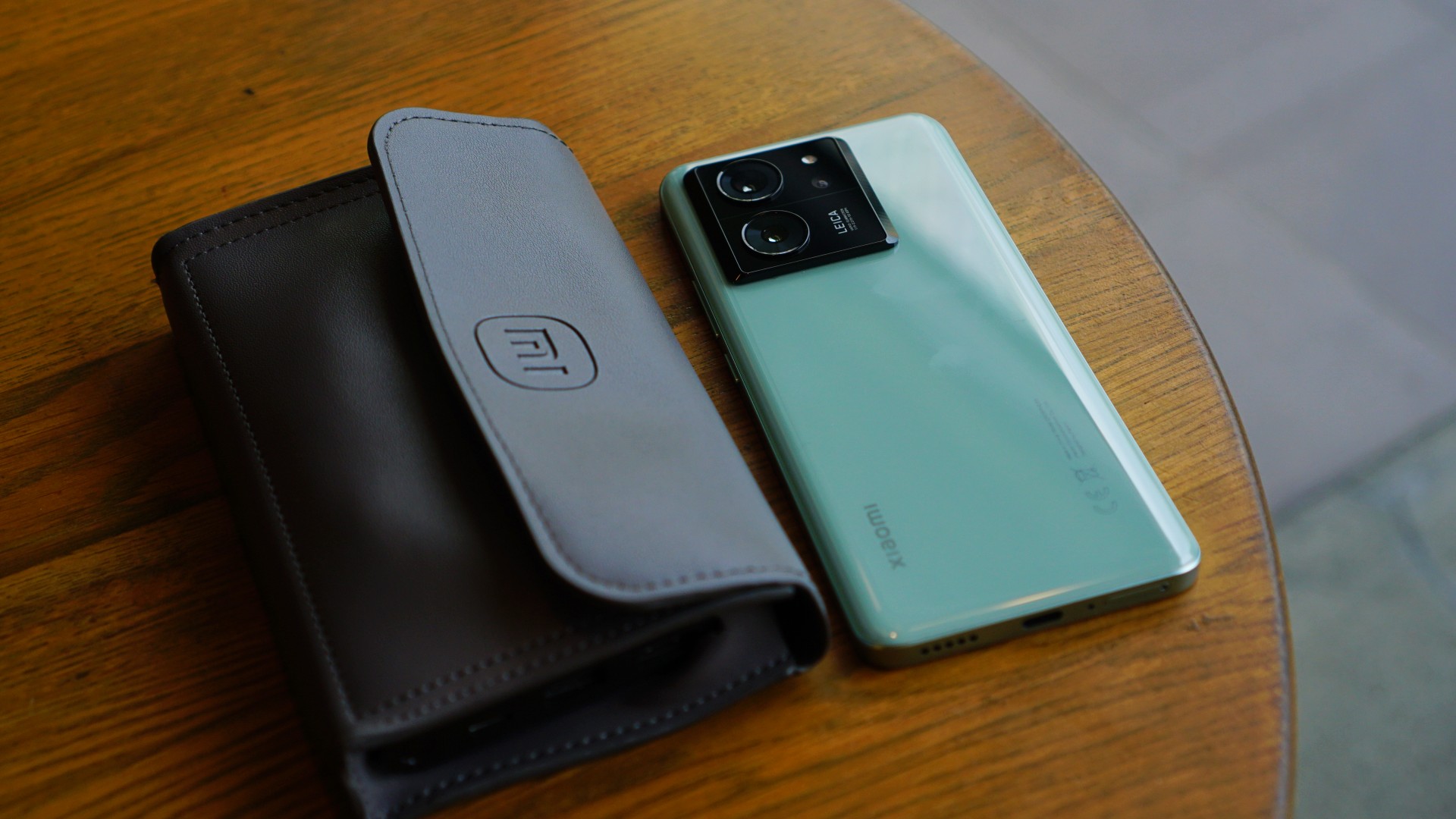
The unit we have in particular is the Meadow Green that has a glossy finish. And while it’s slightly heavier than its Alpine Blue sibling, it still felt so much lighter than what I’m used to using. For context, I rock an iPhone 14 Pro Max, Samsung Galaxy S23 Ultra, and HONOR Magic5 Pro when I’m not reviewing a smartphone.
I’m personally not a fan of the glossy finish and that’s a fact for any smartphone. It’s not completely a smudge magnet but you’re probably better off using a case with this one. I’ve been rocking it in its birthday suit since it feels tough enough on its own. But if you’re forking out your hard earned cash on a smartphone, my general advice is to always use protection.
Experience Leica

The main draw of the Xiaomi 13T Pro, without a doubt, is how it lets you experience a Leica camera without it costing you an arm and a leg. We all know how expensive Leica cameras are but Xiaomi is giving you the chance to experience it at a fraction of the cost. Now, I’m not saying you get the exact same photo quality. But output-wise, this is about as close as you’re going to get.
Elsewhere, the Xiaomi 13T Pro is also a winner. The silky smooth display catches your attention immediately, and its general size and overall build makes you feel secure. You just have this peace of mind that what you’re holding is made with care and won’t break easily. There’s also something about it that’s hard to describe or quantify. You just know, you’re using a device that’s better than most.
Xiaomi 13T Pro Specs
Display — 6.67″ FHD CrystalRes AMOLED display. Up to 144Hz refresh rate, Pro HDR, Dolby Vision, HDR10+
Processor — MediaTek Dimensity 9200+
RAM+ Storage — 12GB+256GB, 12GB+512GB, 16GB+1TB
Battery and Charging — 5,000mAh, Xiaomi 120W HyperCharge
OS — MIUI 14 based on Android 13
Connectivity — Dual SIM, Wi-Fi7, NFC9, Bluetooth 5.4, 5G
Cameras:
LEICA VARIO-SUMMICRON 1:1.9-2.2/15-50mm ASPH.
24mm Leica main camera
- 50MP wide angle camera
- 1/1.28” sensor size
- 1.22μm pixel size, 2.44μm 4-in-1 Super Pixel
- f/1.9, 7P aspherical lens, OIS
- Supports HDR10+ video recording for up to 4K at 30fps
- Supports 8K video recording at 24fps
- 10-bit LOG video recording, supports LUT import
50mm Leica telephoto camera
- 50MP
- f/1.9, 5P aspherical lens
15mm Leica ultra-wide camera
- 12MP
- f/2.2, 5P aspherical lens
20MP front camera
- f/2.2, 5P aspherical lens
- Night mode
- Portrait mode
- HDR
Price and availability
The Xiaomi 13T Pro retails for PhP 37,999 for the 12GB+512GB variant and PhP 39,999 for the 16GB+1TB variant.





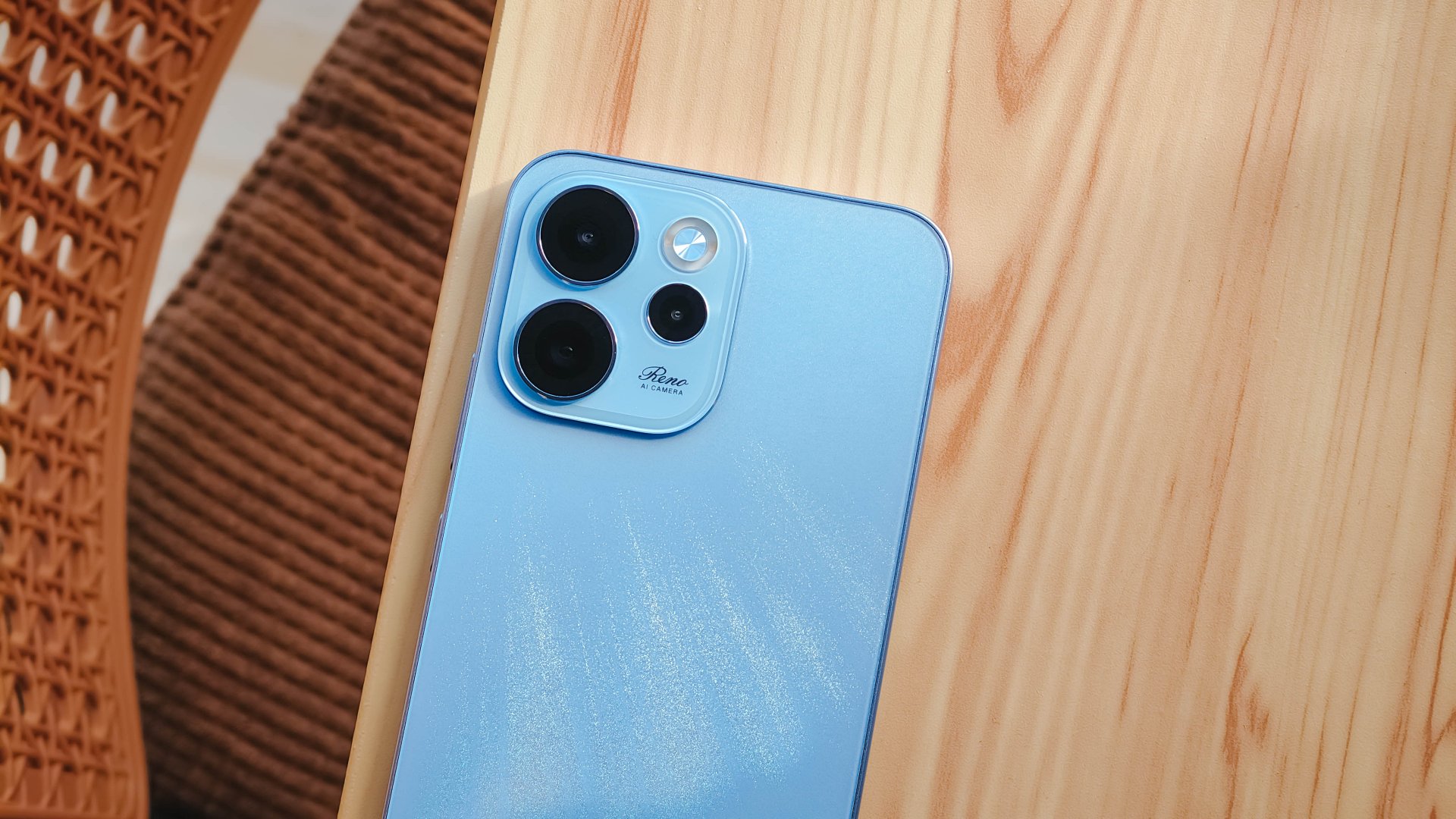
The OPPO Reno15 Series 5G made its way to the Philippines last month, and reception has been pretty great so far.
With a powerful camera package, AI, and a slew of upgrades, there’s a lot to love and not much negative to say. But that’s with both the standard and Pro models.
On the other hand, with the Reno15 F 5G — the series’ supposed budget-friendly “lite” variant —there were more question marks than exclamation points.
I attack this piece once more from a consumer standpoint: shelling out PhP 23,000 to PhP 26,000 for a midrange smartphone that feels and performs like it’s a few notches below its segment doesn’t sound too pleasant.
Performance
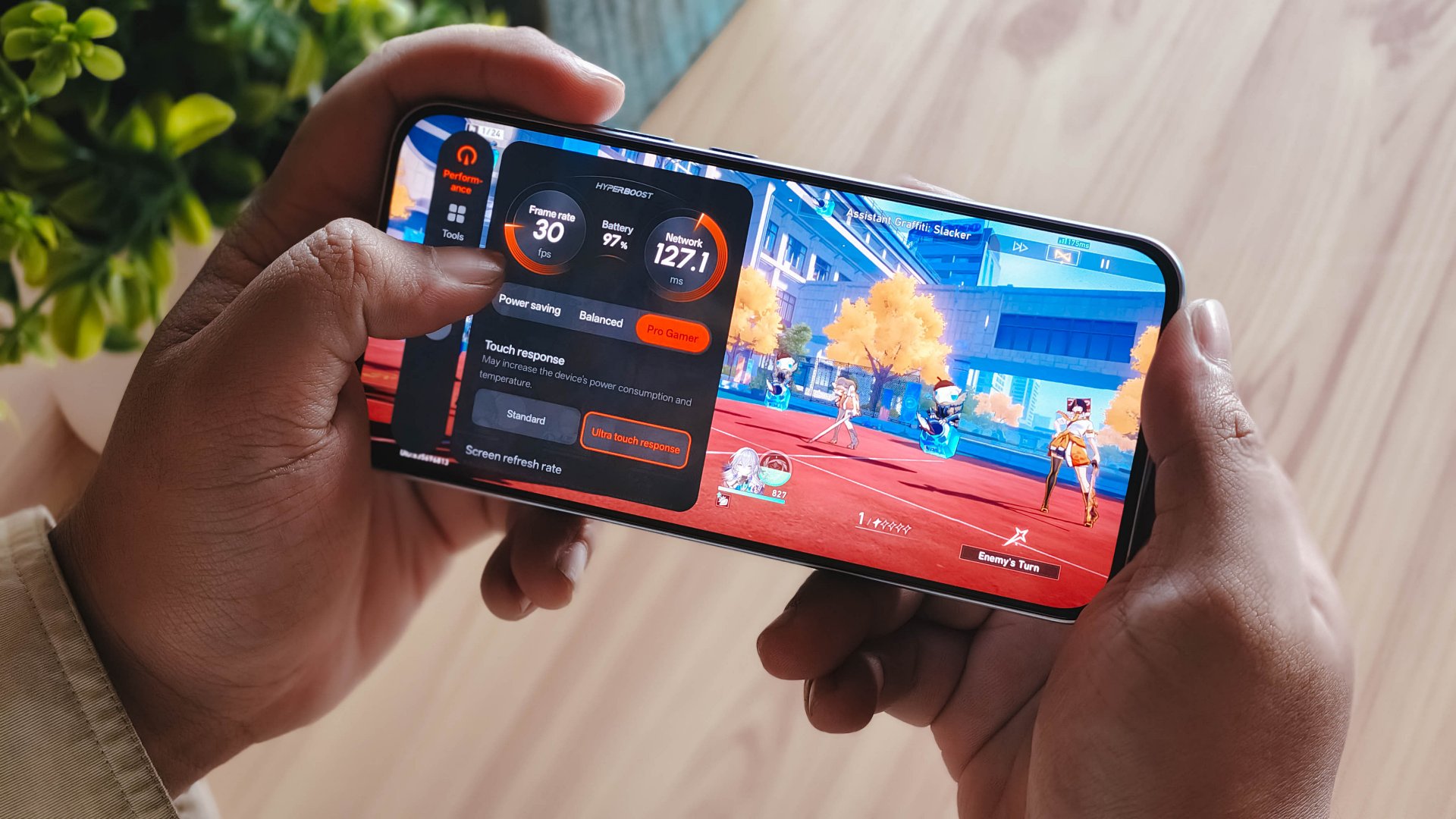
With a Snapdragon 6 Gen 1 processor, the OPPO Reno15 F performs pretty much like any sub PhP 20,000 mid-ranger. It’s acceptable, but does not punch above its weight as expected.
No major hiccups for light and casual usage. But performance struggles a lot for demanding video games.
It also heats up significantly just 10 minutes into a title like Honkai: Star Rail. This is a stark contrast to the marketed 25℃ and up to 10 hours straight of smooth gameplay.
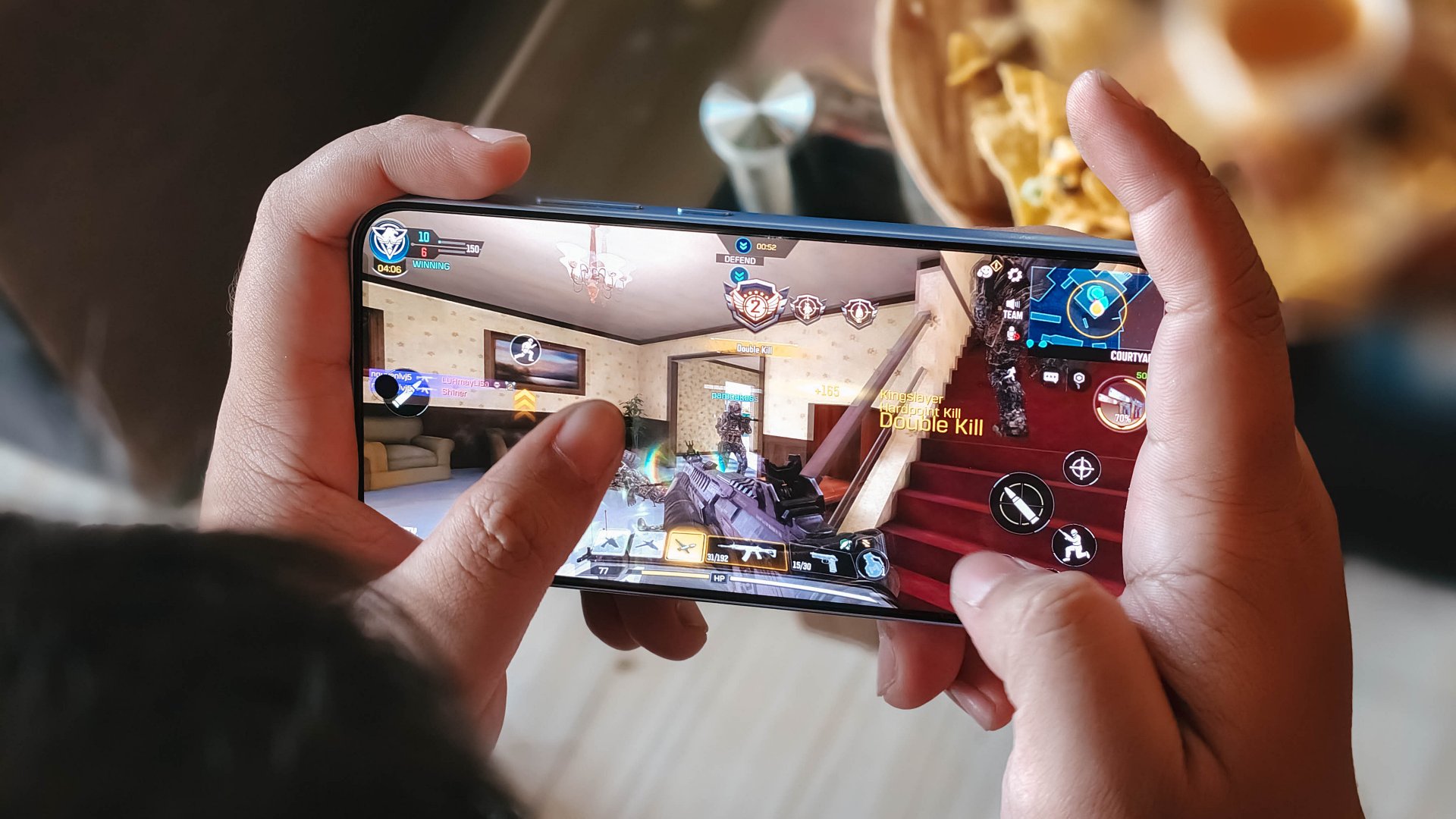
Although, the experience was still enjoyable with several wins and MVP runs in Call of Duty Mobile. It only means the F variant remains a more camera-centric phone rather than an a hard-hitting all-arounder.
As with other devices, the 7000mAh battery with 80W SUPERVOOC is a strong suit. You’re fueled from dawn ’til dusk, with much to spare. Recharging takes a breeze, too.
Display
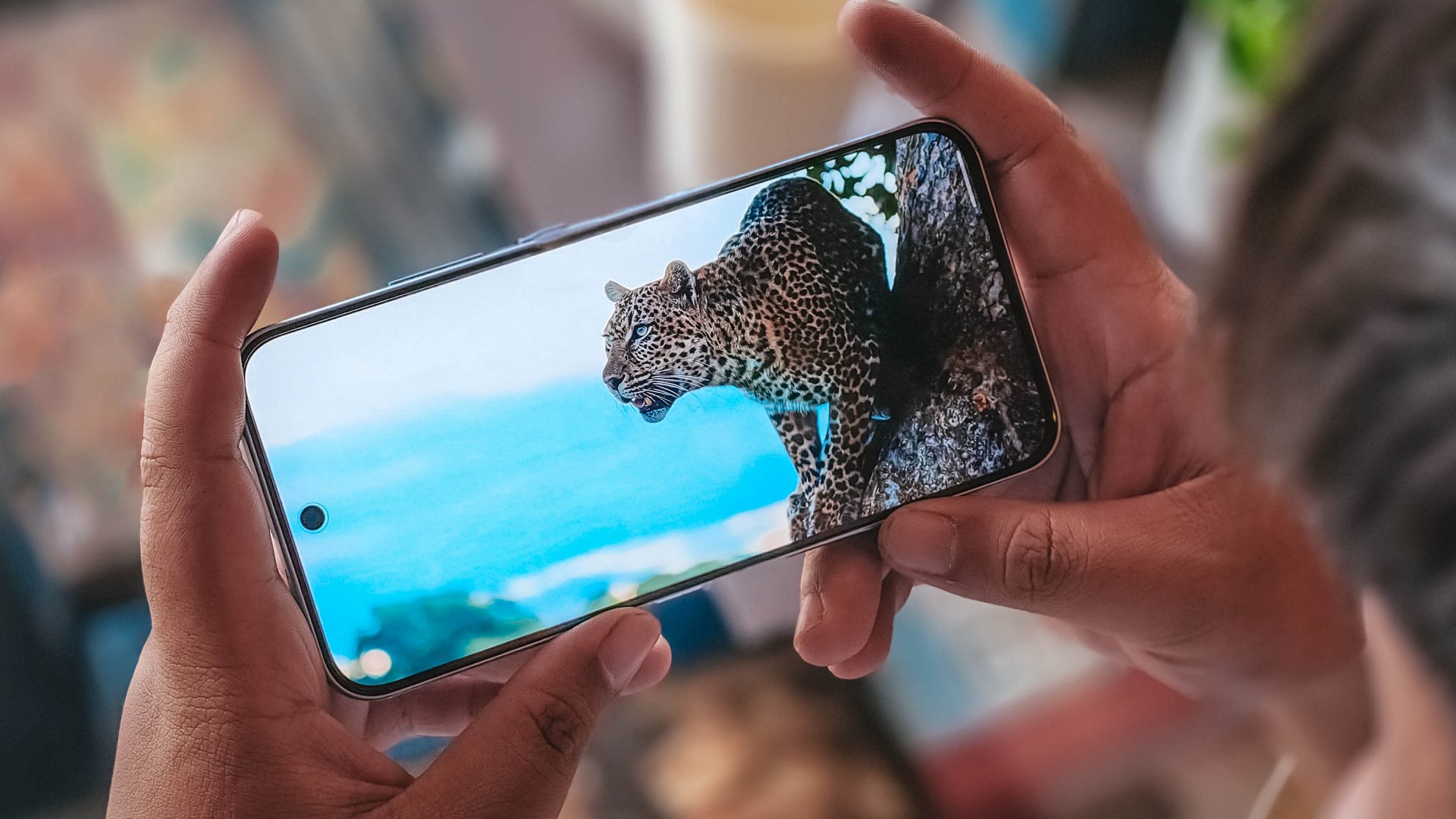
The OPPO Reno15 F has a 6.57-inch 120Hz display, with a 92.8% screen-to-body ratio. At least, that allows you to focus on content on the screen.
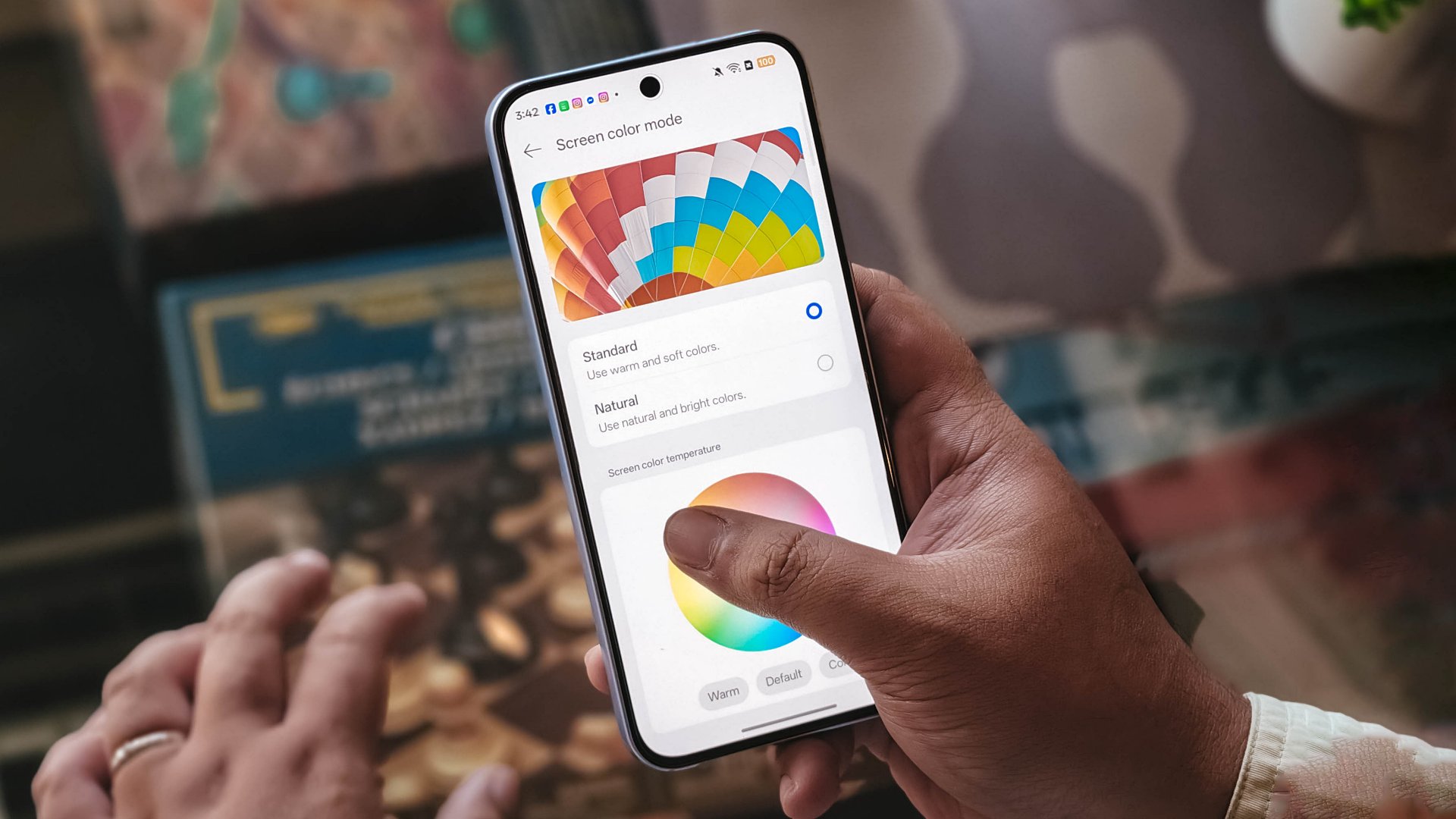
Content leans more towards the cooler tone, so you’ll have to adjust it manually if you want a warmer or more vivid look.
The 397ppi pixel density is fine to ensure sharper visuals, while the 1400 nits peak brightness is helpful outdoors.
Camera
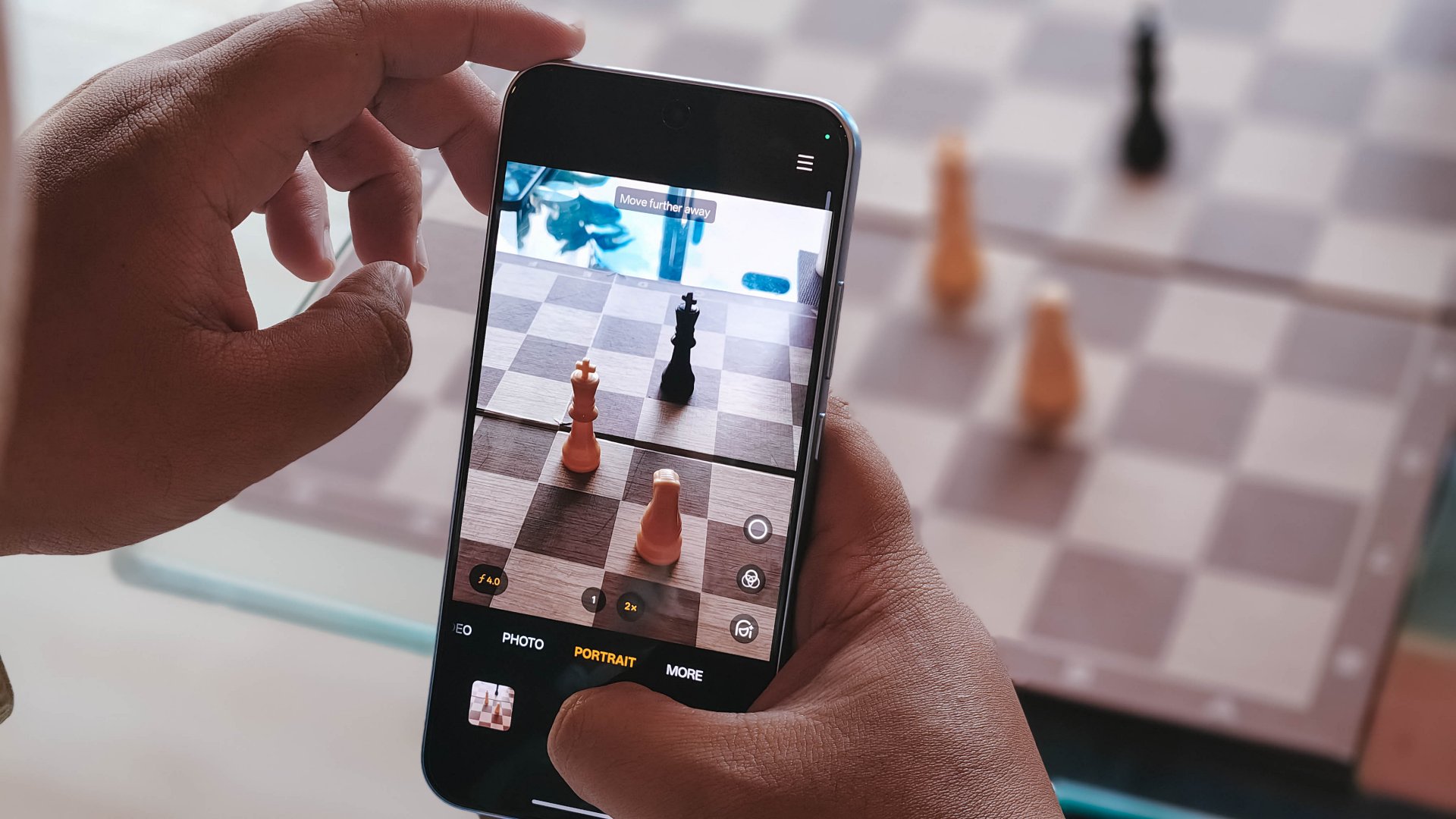
The device’s 50MP main camera captures decent quality. The color science leans on being natural anew, without being too dull nor washed out. You can pull off smooth portraits too.
I hardly used the phone for stills as I focused on videos, but here are some samples, on the occasions I was able to take the handset with me:








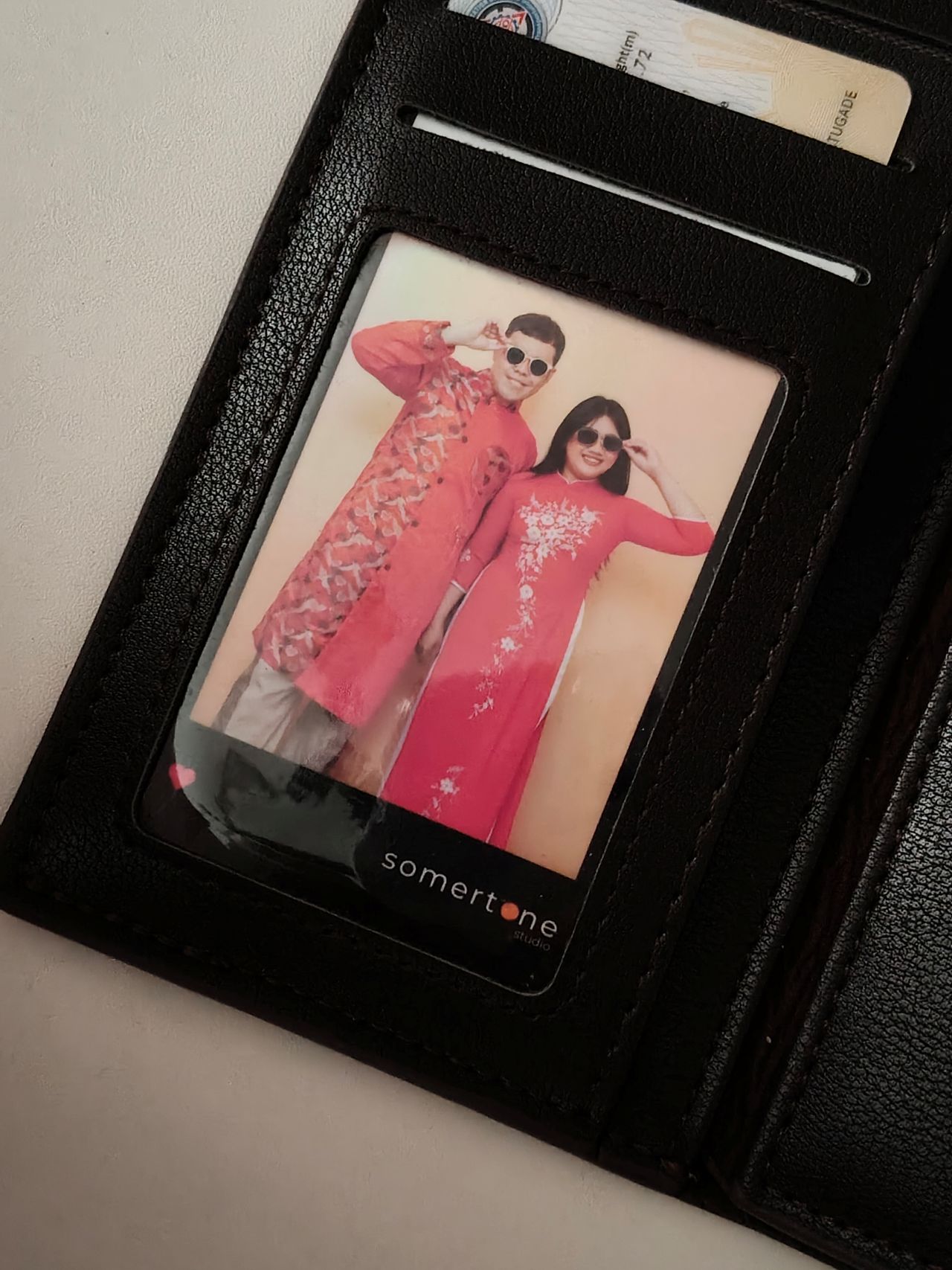



The 50MP front camera is an intriguing add-on, as it is capable of up to 4K video and a wide 100° field of view.
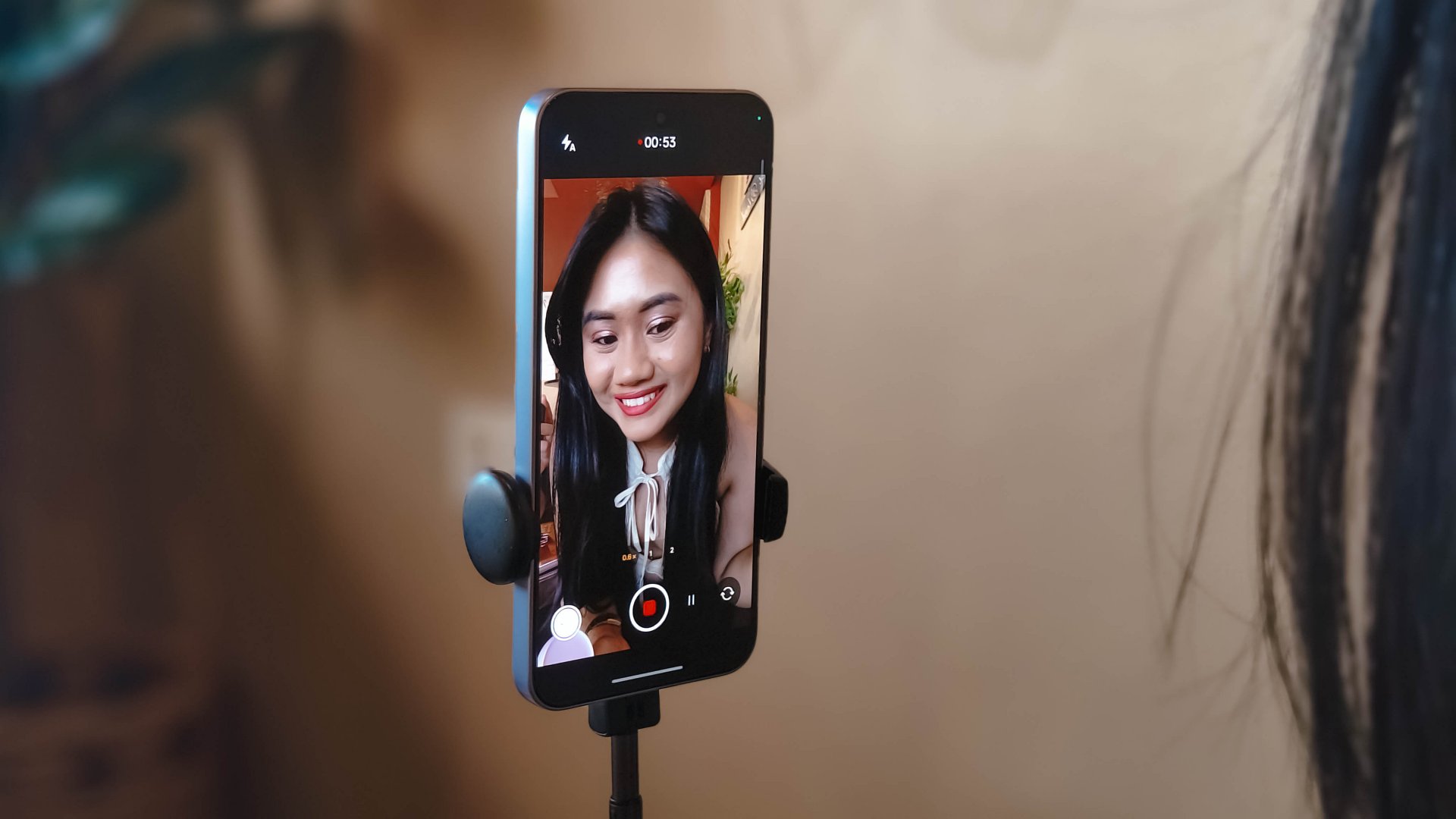
What this does is it essentially removes the need to flip your phone for the popular “0.5” shots. And the quality doesn’t get compromised given the pixel count.
Here are some selfies from different focal lengths:




To its credit, filming with the back camera at 60fps does look and feel smooth, although it can be improved.

Same with the front camera; and the zoom range can be switched from 0.6 to 2x without cutting the recording.
Although, it’s still best to use a selfie stick or small tripod if you’re just after talking head videos.
Speaking of which, here are a few I’ve made with just this device:
@manilaconnoisseur Naka 99 pesos pala ‘yung large Golden Milk Tea ni @highlandscoffeeph until February 28! Oolong base, cream, and okay pala ang chickpeas as sinker along with red jelly. #highlandscoffee #goldenmilktea #oolongmilktea #freeupsize
@manilaconnoisseur Laging sold out ‘yung fun run? Try The Conqueror Virtual Challenges. Stay motivated in your running era, make every run count, and get cool medals after every completed challenge. You can even get a free run or discounted bundles! @theconquerorchallenges #virtualrun #funrun #runningera #staymotivated
But for travel and on-the-go captures, as OPPO markets for the series in general, even the Reno15 F can cover a lot of background along with your or your groups’ faces.
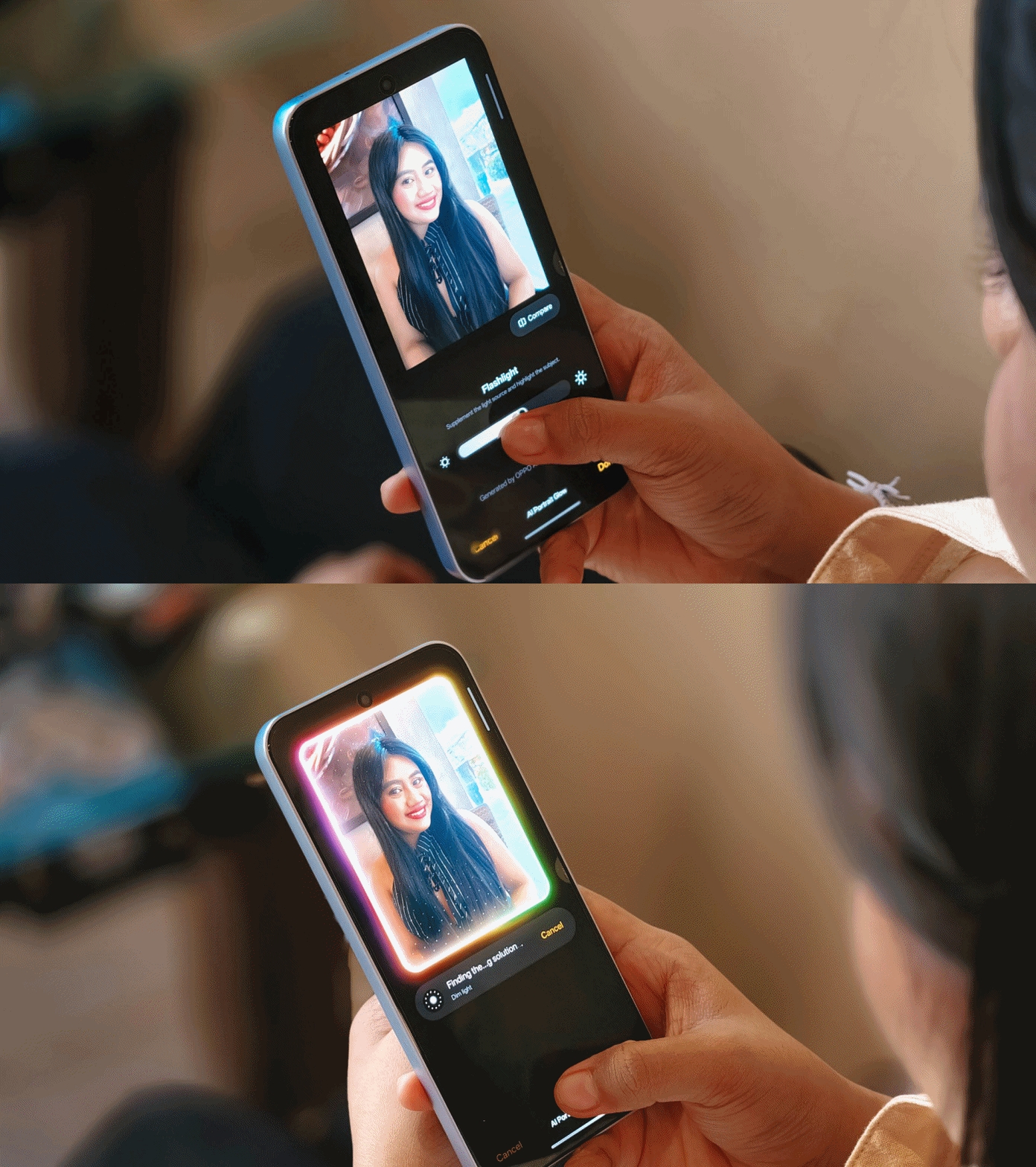
Make no mistake, there are some useful AI editing features here. In particular, AI Portrait Glow gives your raw capture an effect to make it look it was taken with flash.
I do not recall the device heating up as well when taking many photos or videos, so you can say it’s more optimized for that task rather than gaming.
Connectivity issues
Meanwhile, AI LinkBoost 3.0, as in the case of the OPPO A6 Pro, doesn’t seem to punch above its weight either.
Once, I also played Mobile Legends: Bang Bang and the session opened to a jittery start despite being on Wi-Fi and having a stable connection. I don’t know what triggered this.
Design, feel
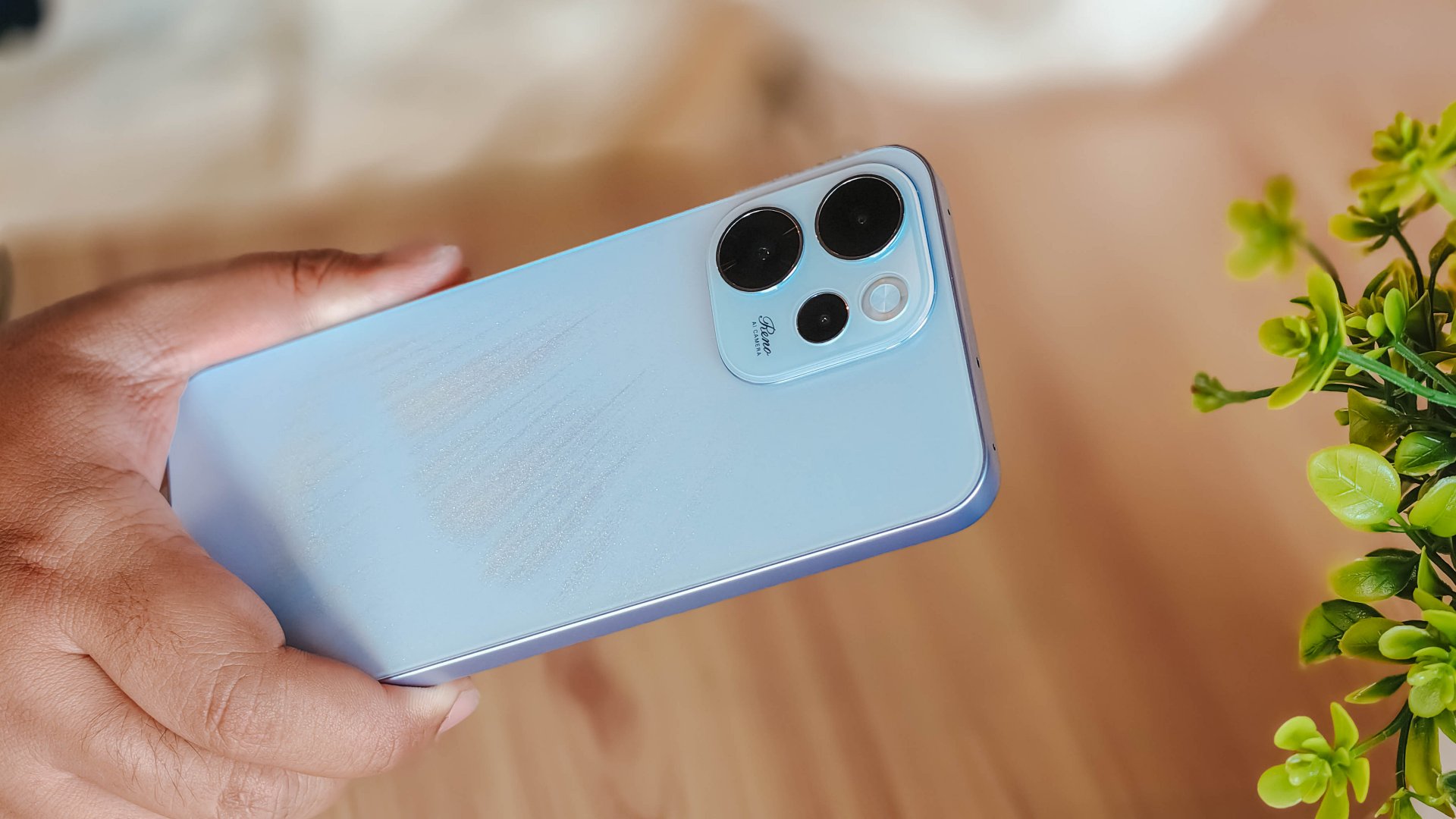
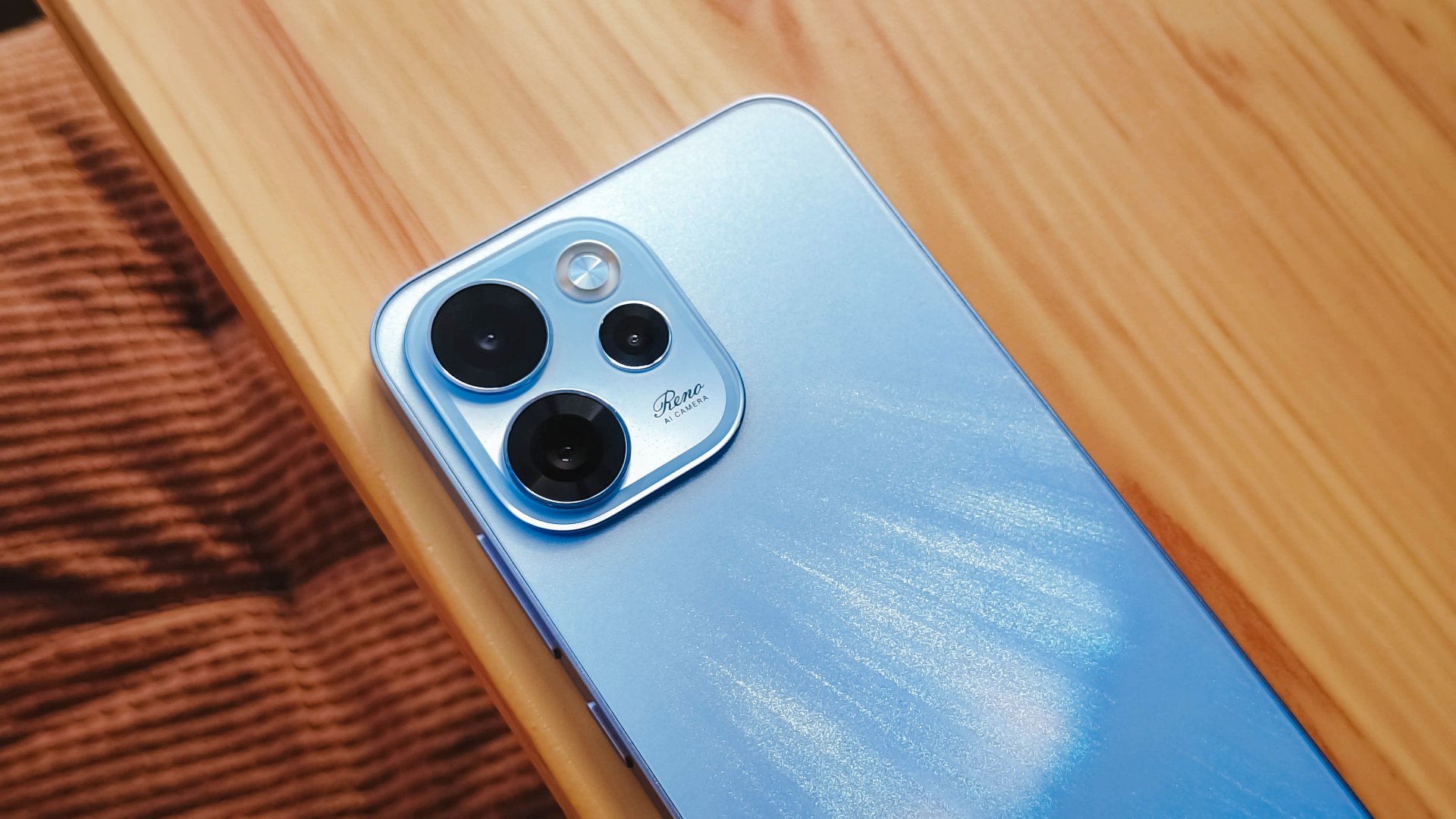
We got the Aurora Blue variant which does kind of resemble the northern lights when you tilt the phone a certain way and when light hits its back panel.
The cursive “Reno” on the large, protruding camera island gives it more style.
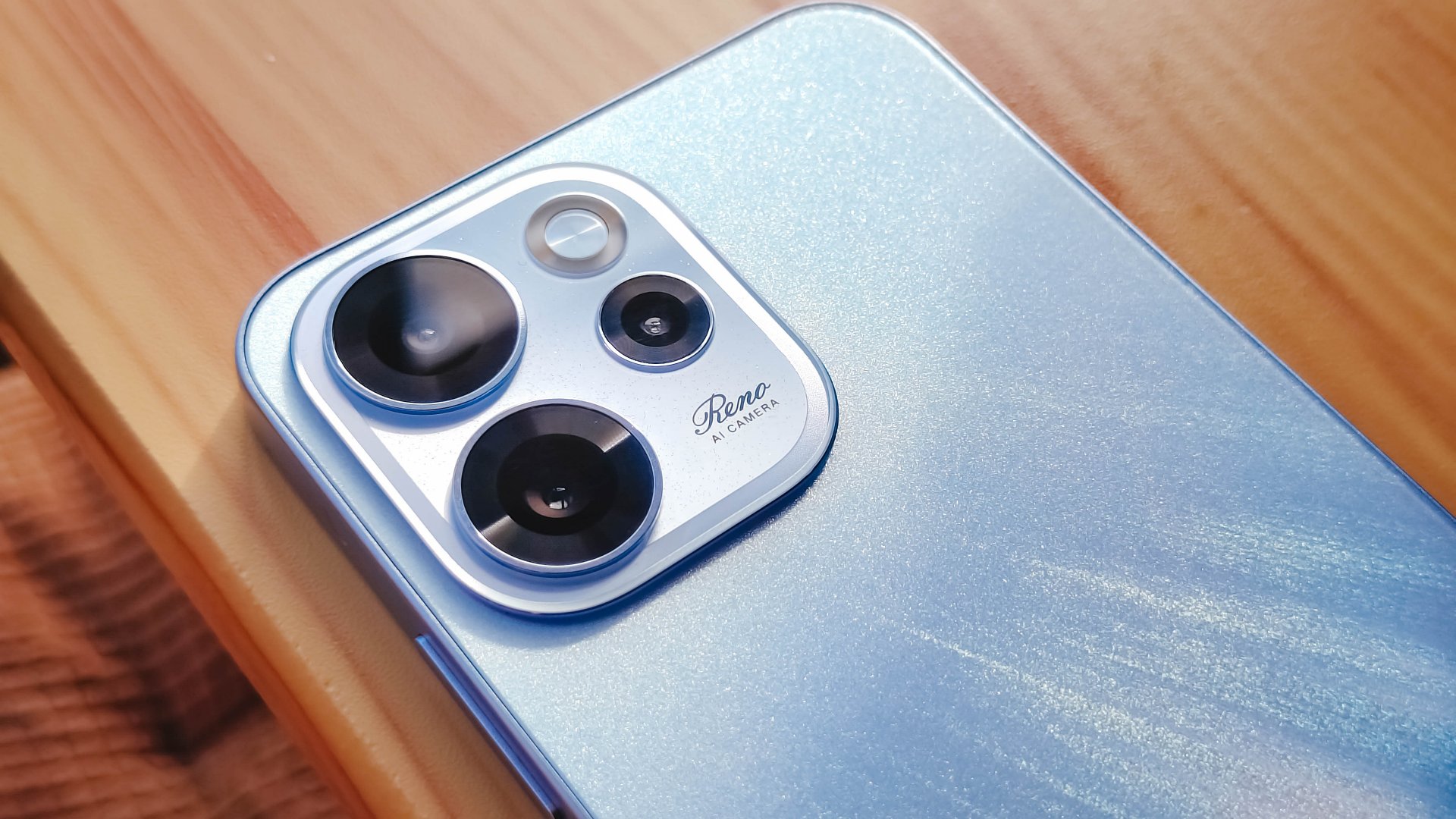
However, it’s all just aesthetics. On the downside, the phone is all sorts of slippery.

I couldn’t hold it properly without think of it slipping away from my hands; nor could I put it on my lap with confidence.
So I guess it’s good that it has structural integrity and waterproofing, because you’ll need that.
oplus_16
The 6.57-inch body does have a good balance between being too compact and too large, like ultras and pro maxes.
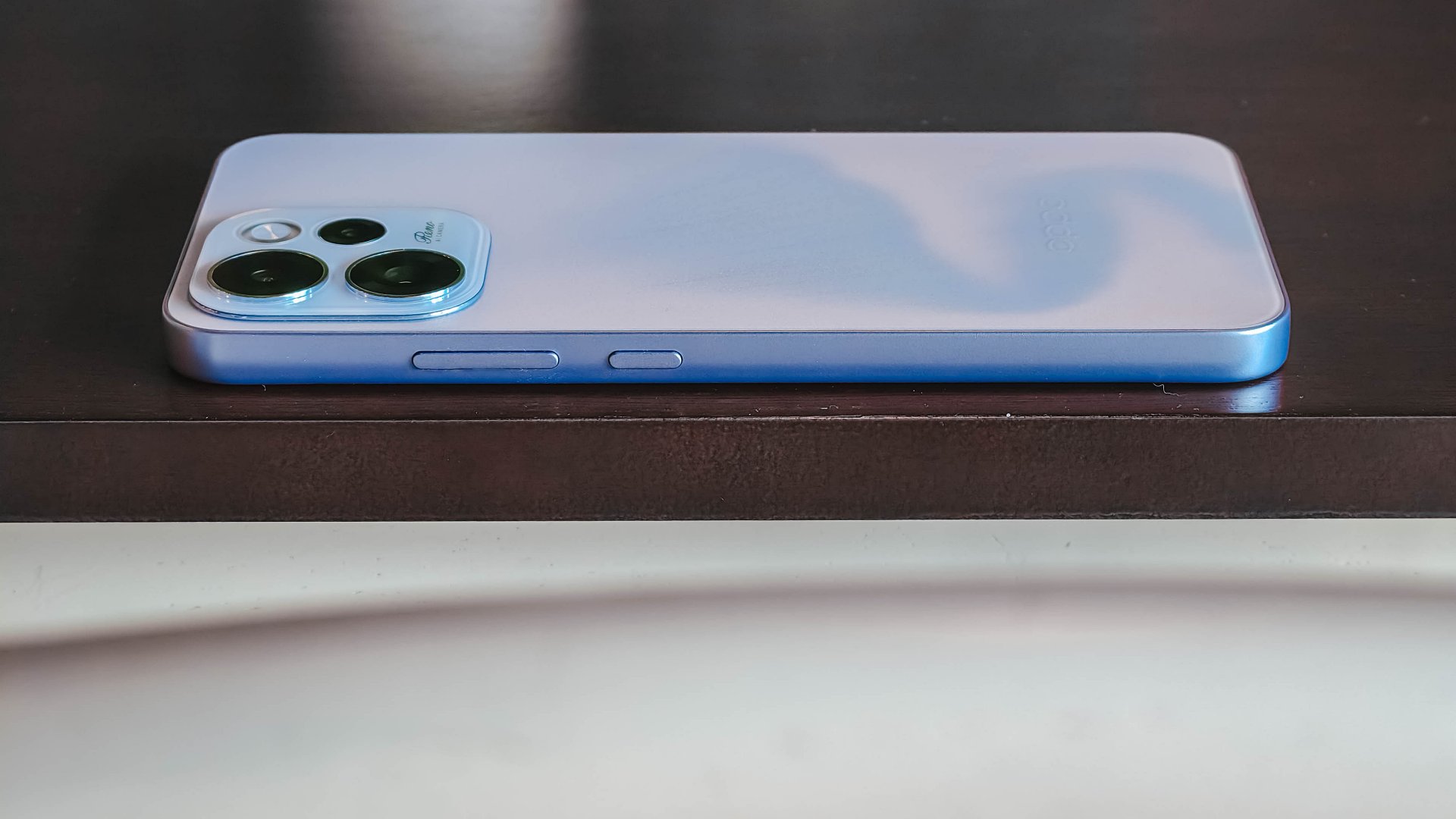
It has a squarish body and has already adapted to the premium, aluminum frame look from the sides.

Is this your GadgetMatch?
Sadly, the OPPO Reno15 F 5G is a Swipe Left unlike its bigger, more capable siblings. There are plenty of plus points for the camera package but take that away, and I don’t see much difference between the Reno15 F and something like the A6 Pro.
Granted, the asking price of this phone will drop significantly in a few months. But throw in a little more, and you’ve got a legitimate mid-ranger that’s more on the premium side rather than the cheap end of the spectrum.

Did Samsung push forward or play it safe with the Samsung Galaxy S26 Series? Well, it’s a little bit of both.
Here’s our Hands-on with the new Samsung Galaxy S26 series to find out.
PRE-ORDER and SAVE up to $900 with enhanced trade-in credit:
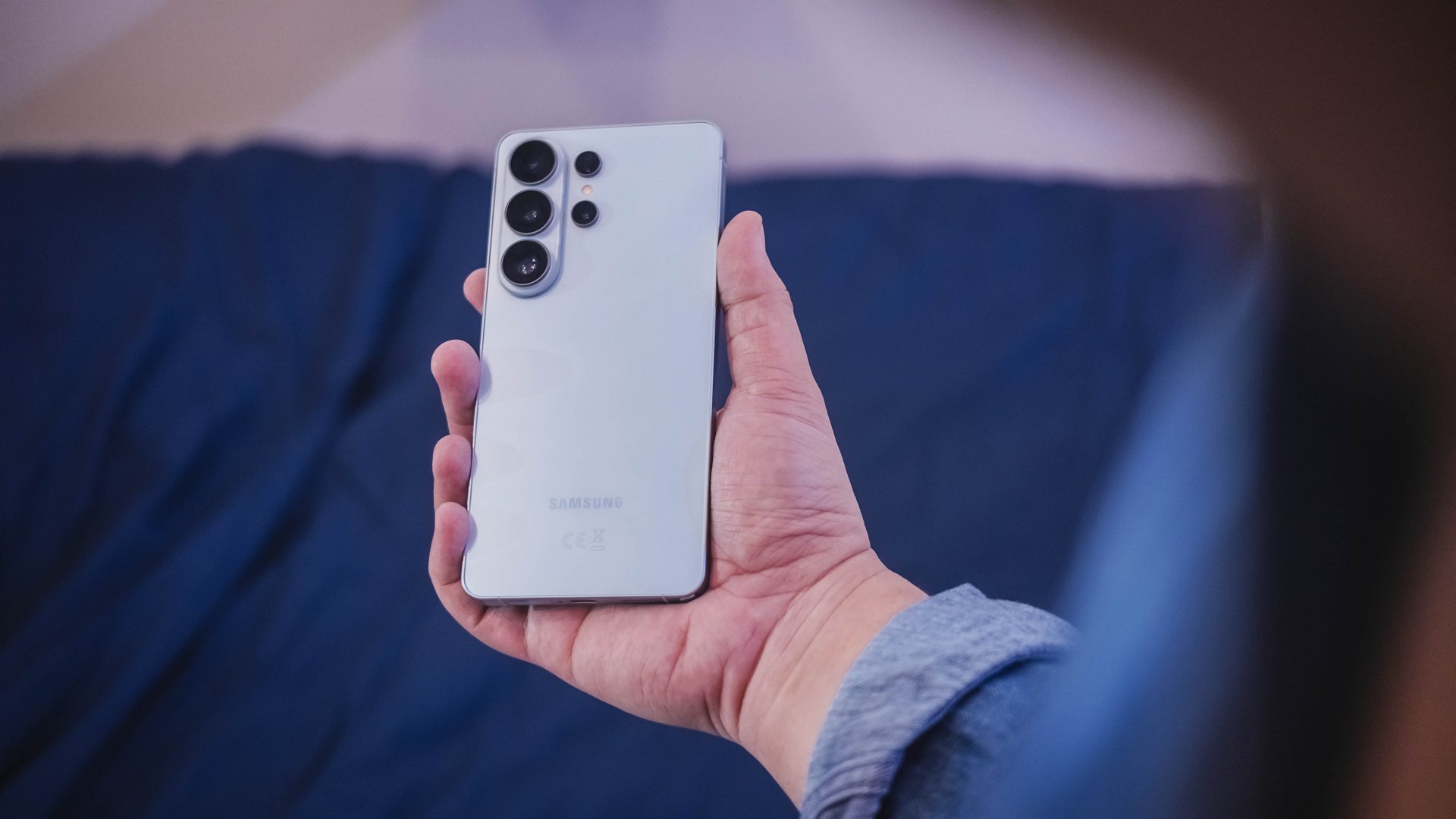
“Our philosophy has never been about chasing specs.”
That line from Samsung’s presentation captures the Galaxy S26 Series better than any spec table.
This isn’t a year of radical hardware shifts. Battery capacities remain unchanged. Megapixel counts are familiar. The design language evolves rather than transforms.
But incremental doesn’t automatically mean irrelevant.
The S26 Ultra feels like Samsung refining its priorities — usability, privacy, and AI integration — instead of pursuing headline-grabbing numbers.
Hardware refinement, not reinvention
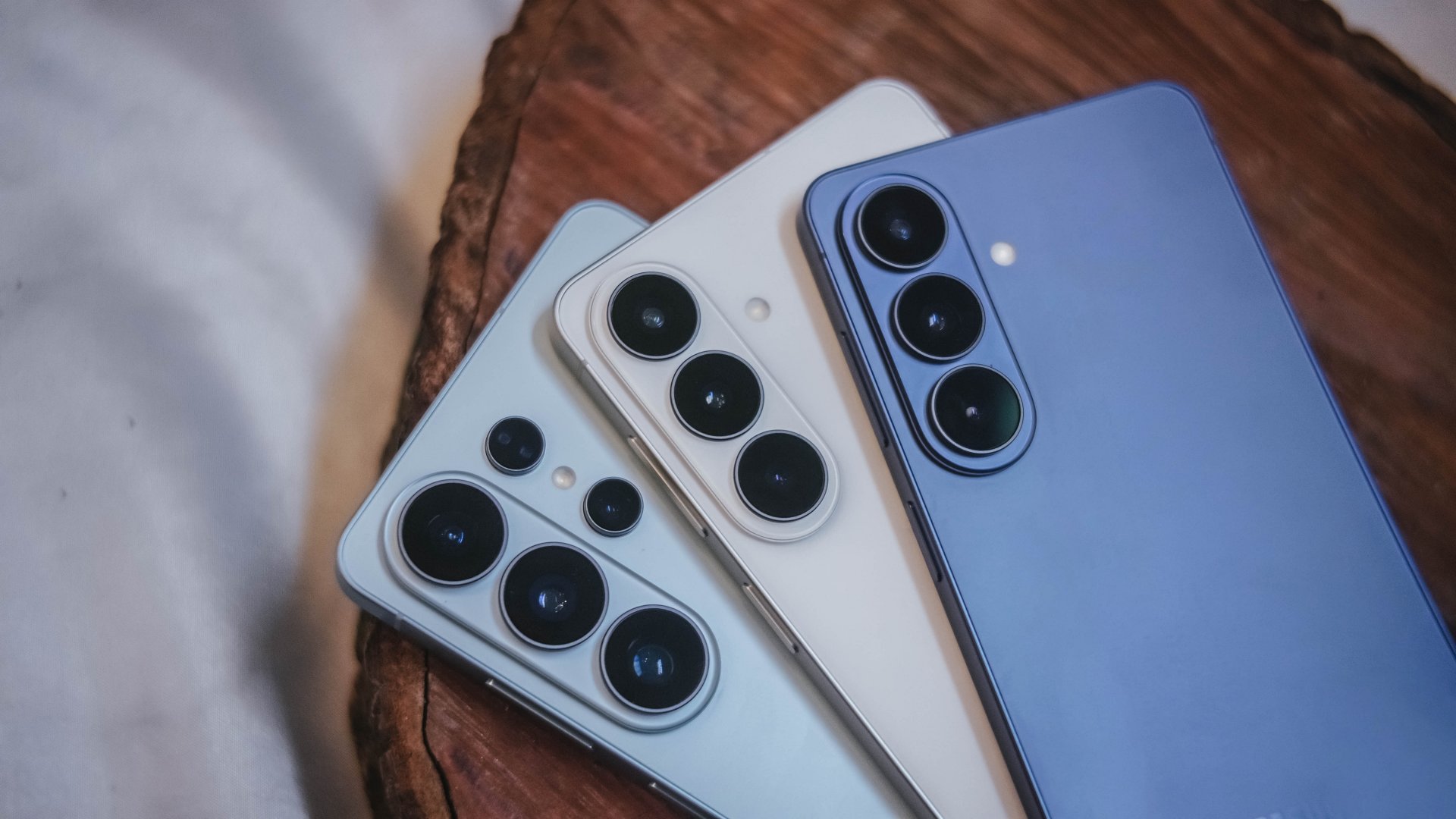
The Galaxy S26 series looks more unified. All three models now share the same corner radius, creating a consistent visual identity. The Ultra no longer stands apart with sharper edges. It’s a small change, but it makes the lineup feel cohesive.
The camera module sits on a more defined island rather than blending into the rear panel. It’s subtle, but noticeable in person.
Samsung also trimmed weight and thickness on the Ultra. At 7.9mm and 214 grams, it handles slightly better than last year’s model. The company switched to Light Armor Aluminum, which it claims improves heat dissipation and weight. The difference in hand isn’t dramatic, but it’s appreciated during extended use.
Charging finally moves forward. The Ultra supports 60W wired charging, up from 45W. Samsung says you can reach 75 percent in around 30 minutes. That’s a meaningful improvement for quick top-ups.
However, 60W isn’t industry-leading in 2026. Competing brands have offered similar or faster speeds for years. This feels less like Samsung setting a new benchmark and more like closing a gap.
Battery capacity remains 5,000mAh. That’s consistent with previous models. While fast charging helps daily convenience, endurance gains will depend on software optimization and real-world usage.
AI and software remain the headline
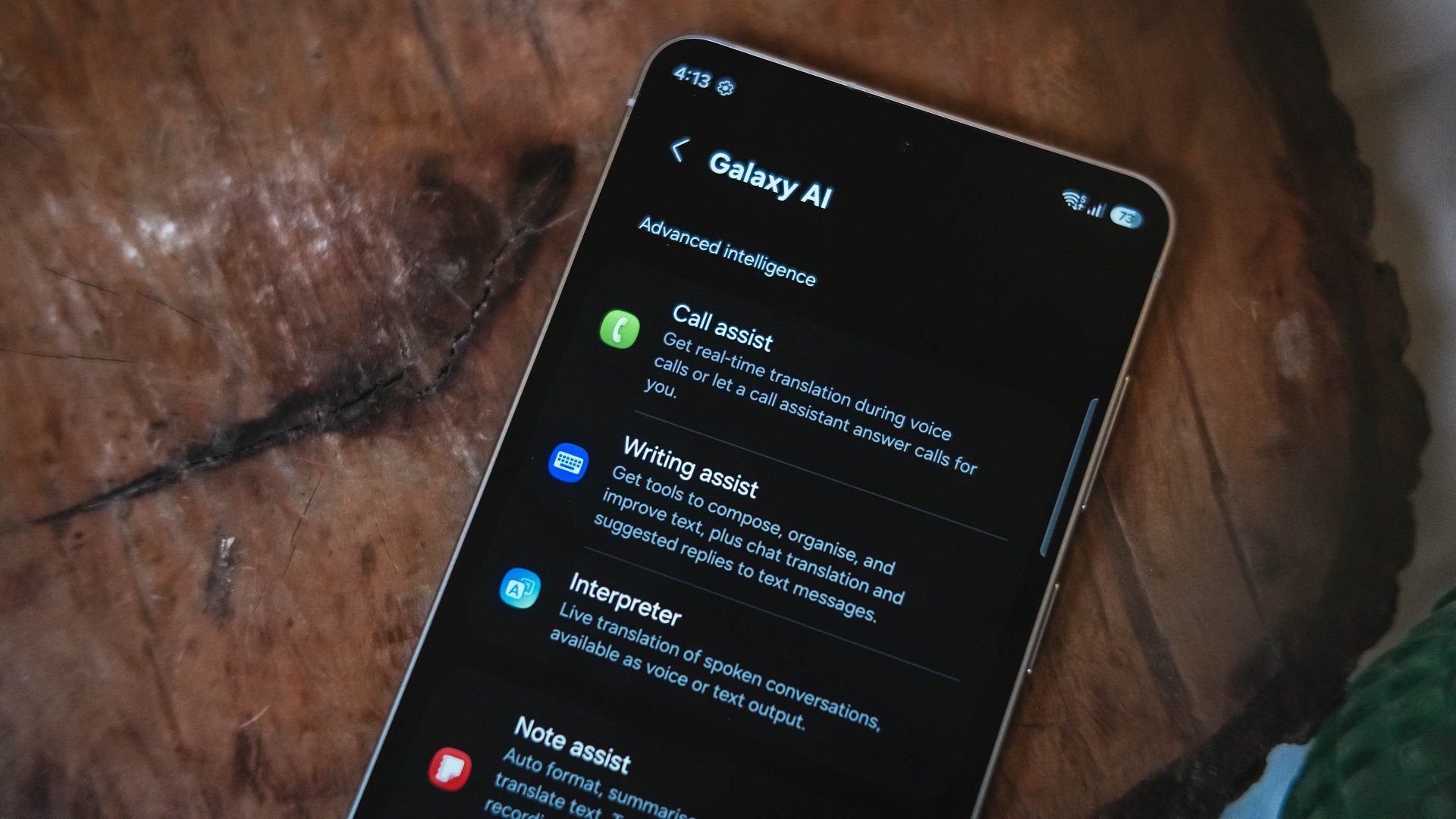
Like recent Galaxy generations, the S26 Series leans heavily on software features.
Privacy Display is one of the more practical additions. It restricts viewing angles at the pixel level, functioning like a built-in privacy filter. If you’re using your phone in public spaces, people nearby will struggle to see what’s on screen.
You can toggle the feature or enable it only for specific apps. That flexibility matters. It allows privacy protection for sensitive apps while keeping general use unaffected.
This addresses a real-world problem. Public screens are inherently visible. Privacy Display doesn’t eliminate that risk, but it reduces casual glances and unwanted observation.
Audio Eraser also gets an upgrade. It now works across third-party apps. We tested it on a noisy K-pop fancam from YouTube, and the background noise reduction was noticeable without destroying audio quality.
It’s not perfect. Overprocessing can occur in extreme cases. But for cleaning up shared videos or reducing ambient noise, it proves useful.
AI Photo Assist introduces text-prompt editing directly inside the Gallery app. Users can describe edits in natural language — remove objects, expand backgrounds, or modify elements — without exporting images to external tools.
This isn’t groundbreaking technology. Similar generative edits exist in other AI platforms. The difference is integration.
By embedding generative tools inside the Gallery, Samsung turns them into part of the default workflow. Photo editing becomes more accessible rather than requiring specialized knowledge or separate apps.
That shift is meaningful. It signals that generative AI editing is becoming a standard smartphone feature rather than an experimental add-on.
Cameras: computational evolution
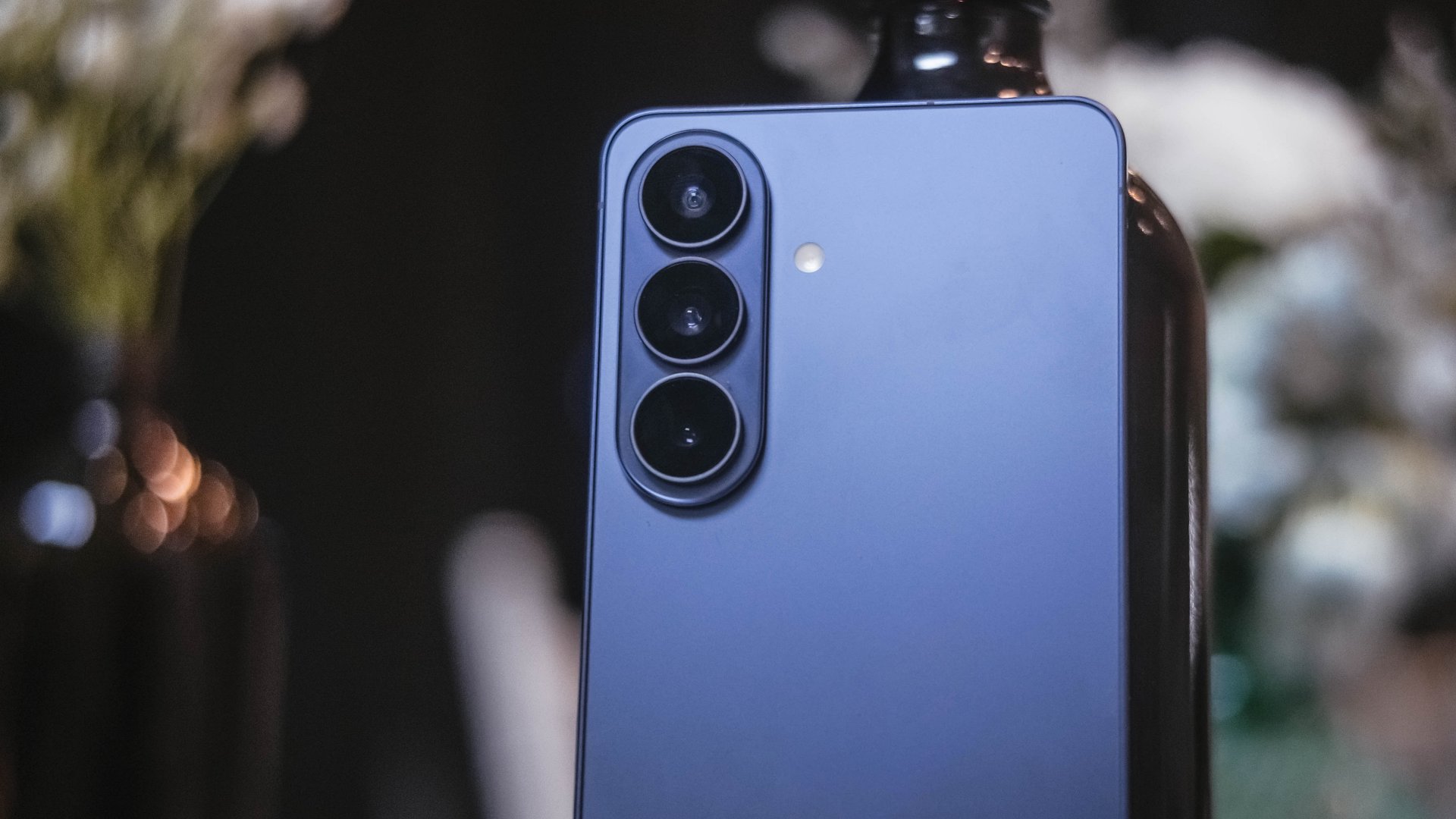
The camera hardware remains familiar. The Ultra continues with a 200MP main sensor and telephoto configurations similar to last year.
Improvements focus on computational photography.
Samsung widened apertures to allow more light. Stabilization has been refined. AI sharpening and Nightography processing aim to produce cleaner images with reduced noise.
From samples shown during the presentation, low-light shots appear brighter and cleaner. However, the processing can feel aggressive. Details sometimes look overly smoothed, and textures can appear artificial.
This reflects Samsung’s long-standing approach — prioritize computational enhancements over megapixel increases. The S26 continues that philosophy.
For video creators, APV (Advanced Professional Video) enables 8K recording with minimal quality degradation during edits. Super Steady Video also improves handheld stabilization.
These features cater to content creation workflows rather than casual snapshots.
Incremental but intentional

The Galaxy S26 Ultra doesn’t try to shock. It doesn’t reinvent Samsung’s design language or introduce dramatic hardware leaps.
Instead, it refines existing ideas.
Privacy Display addresses public visibility concerns. Audio Eraser improves real-world video cleanup. AI Photo Assist integrates generative editing into everyday photo workflows. Charging speeds improve without industry-leading ambitions.
Even the design changes — unified corner radii, a defined camera island, lighter materials — emphasize cohesion.
This strategy resembles the broader shift in the smartphone industry. Hardware innovation has slowed. Software and usability improvements drive differentiation.
Samsung appears comfortable with that reality.
Of course, first impressions only tell part of the story. We still need extended testing for battery life, thermal performance, camera consistency, and AI reliability.
The S26 Ultra may not represent a revolution. But refinement can matter — especially when it targets usability and practical features.
Samsung will have to make significant hardware upgrades eventually. But for now, it feels like the company is doubling down on incremental progress. Not flashy. Not radical. But purposeful.
Whether that strategy resonates will depend on real-world performance.
Samsung Galaxy S26 Series – Specs
| Feature | Galaxy S26 Ultra | Galaxy S26+ | Galaxy S26 |
| Display | 6.9″ Dynamic AMOLED 2X
|
6.7″ Dynamic AMOLED 2X
|
6.3″ Dynamic AMOLED 2X
|
| Rear Camera: Ultra Wide | 50MP, F1.9, 0.7 µm | 12MP, F2.2, 1.4 µm | 12MP, F2.2, 1.4 µm |
| Rear Camera: Wide | 200MP, F1.4, 0.6 µm | 50MP, F1.8, 1.0 µm | 50MP, F1.8, 1.0 µm |
| Optical Quality 2x | |||
| Rear Camera: Telephoto 1 | 10MP, F2.4, 1.12 µm | 10MP, F2.4, 1.0 µm | 10MP, F2.4, 1.0 µm |
| 3x optical zoom | |||
| Rear Camera: Telephoto 2 | 50MP, F2.9, 0.7 µm
|
— | — |
| Front Camera | 12MP, F2.2, 1.12 µm | 12MP, F2.2, 1.12 µm | 12MP, F2.2, 1.12 µm |
| Processor | Snapdragon® 8 Elite Gen 5 for Galaxy (3 nm) | Exynos 2600 (2 nm)* | Exynos 2600 (2 nm)* |
| Memory (RAM) | 12GB / 16GB | 12GB | 12GB |
| Storage | 256GB / 512GB / 1TB | 256GB / 512GB | 128GB / 256GB / 512GB |
| (Micro SD: N/A) | |||
| Battery | 5,000 mAh | 4,900 mAh | 4,300 mAh |
|
|||
| Dimensions | 78.1 x 163.6 x 7.9 mm
214 g (Sub6/mmWave) |
75.8 x 158.4 x 7.3 mm
190 g (Sub6/mmWave) |
71.7 x 149.6 x 7.2 mm
167 g (Sub6) |
| Colors | Standard: Cobalt Violet (Hero), Sky Blue, Black, White
Online: Silver Shadow, Pink Gold |
Standard: Cobalt Violet (Hero), Sky Blue, Black, White
Online: Silver Shadow, Pink Gold |
Standard: Cobalt Violet (Hero), Sky Blue, Black, White
Online: Silver Shadow, Pink Gold |

EastWest rolls out Google Pay access for debit cardholders

Globe postpaid opens pre-orders for Samsung Galaxy S26 series

The Xiaomi 17 shoots Leica dream

Nintendo sues the United States

OPPO Reno15 F 5G hands-on

Xiaomi 17 Ultra is now available outside China

TECNO will showcase the CAMON 50 and POVA 8 series at MWC 2026

The art of being in and behind the frame

HUAWEI MatePad 11.5 S 2026: The better-than-ever 4-in-1 productivity tablet

TECNO MEGABOOK K16s 13th review: No-frills beneath those grills


-
 News1 week ago
Xiaomi 17 Ultra is now available outside China
-
 MWC 20266 days ago
TECNO showcases cool concepts at MWC 2026
-

 MWC 20261 week ago
TECNO resurrects modular phones with this new concept
-
 MWC 20264 days ago
TECNO launches the all-new CAMON 50 series
-

 Reviews1 week ago
Xiaomi Pad 8 review: Slab that slaps!
-

 Reviews1 week ago
Forget the Phone: Xiaomi 17 Ultra Is A CAMERA!
-

 Reviews4 days ago
TECNO CAMON 50 Ultra review: End of an era?
-
 MWC 20263 days ago
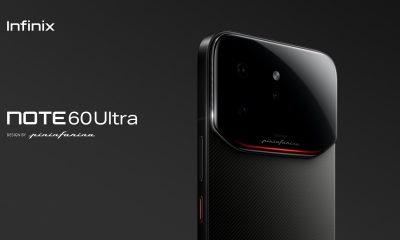
Infinix NOTE 60 Ultra makes a motorsport-inspired debut