
News
Xiaomi gets in security camera issue, quickly responds
The service has been suspended


When you install a security camera in your home, you can usually expect one thing: complete surveillance over your abode. Coupled with a smart home system, you have a controllable security system from the luxury of a mobile device.
However, last year introduced an inevitable side effect of maintaining a smart home system: third parties snooping on your private life. Facebook, Google, and Apple have already stuck their fingers in the cookie jar. You’ll never know who’s watching or listening in.
Adding to this mire, Xiaomi is currently dipping into the same controversy. A Reddit user has reportedly walked in on a disturbing scene on their Google Nest Hub. As with every diligent smart home owner, the user installed a smart security camera — the Xiaomi Mijia — to their Nest Hub.

Image source: Reddit | u/Dio-V
Naturally, pulling up the camera feed on the system should open up only one thing: their own camera feed. Unfortunately, it didn’t go that way. Allegedly, instead of their own camera feed, the system pulled up random feeds from other people’s homes. The black-and-white feeds include empty living rooms, an infant sleeping in a crib, and an elderly man lounging on a couch. Even stranger, the feeds are glitchy, highlighting the situation’s weirdness.
A security camera spying on another security camera is a major security infraction. Even without a clear culprit yet, the situation adds to the mire surrounding invasive smart technology.
Xiaomi’s response
Being alerted on the matter, Xiaomi immediately looked into the issue and took action. Here’s the statement Xiaomi sent to GadgetMatch:
“Upon investigation, we have found out the issue was caused by a cache update on December 26, 2019, which was designed to improve camera streaming quality. This has only happened in extremely rare conditions. In this case, it happened during the integration between Mi Home Security Camera Basic 1080p and the Google Home Hub with a display screen under poor network conditions.
We have also found 1044 users were with such integrations and only a few with extremely poor network conditions might be affected. This issue will not happen if the camera is linked to the Xiaomi’s Mi Home app.
Xiaomi has communicated and fixed this issue with Google, and has also suspended this service until the root cause has been completely solved, to ensure that such issues will not happen again.”
It’s good to see companies reacting quickly on matters like this. Xiaomi has apologized and reiterates that they “always prioritized our users’ privacy and information security.”
SEE ALSO: How to identify counterfeit Xiaomi products
Editor’s Note: Xiaomi’s statement on the matter was added to this article on January 4, 2020







Enterprise
Paramount wins bid for HBO Max, plans to merge streaming apps
It’s all part of the deal to acquire the Warner Bros. library.

Last year ended with the bombshell announcement that Netflix might buy the entire Warner Bros. library. However, after some finagling and a rocky start, Paramount has now emerged as the main suitor for the lucrative library.
At the end of last year, it seemed all but confirmed that the gigantic Warner Bros. library was coming to Netflix as part of a huge buyout deal. This became even clearer when Warner Bros. Discovery rejected Paramount’s initial bid to counter Netflix. However, Paramount recently revised its offer to an astounding US$ 110 billion, or US$ 31 per share, which Warner Bros. Discovery signed off on. Netflix passed on the opportunity for a counteroffer, making Paramount the sole bidder.
Today, Paramount has announced that, if the deal pushes through, they will merge Paramount+ and HBO Max into one streaming service. This means that Paramount’s CBS, Comedy Central, and MTV will be under the same roof as DC, Game of Thrones, Harry Potter, and Mission: Impossible.
The value of the above names alone makes this into one of the most lucrative deals for Paramount. However, it’s not without its drawbacks. The combined entity will reportedly carry US$ 79 billion in net debt for both purchasing Warner Bros. and refinancing the newly purchased property.
Currently, the deal is expected to go through regulatory approval ending in the second half of 2026.

Globe is extending targeted roaming support to customers in key Middle East countries, following the evolving situation in the region.
The company said the initiative aims to help Filipinos abroad stay connected with loved ones and access essential services during uncertain times. The relief measures include complimentary roaming packages in select markets, along with credit or bill adjustments where needed.
Free roaming package in select countries
Globe is offering a complimentary roaming package to eligible Prepaid, TM, and Postpaid customers in the following countries:
- Saudi Arabia – via STC and Zain
- United Arab Emirates – via Du and e& (Etisalat)
- Bahrain – via Batelco and Zain Bahrain
- Qatar – via Ooredoo and Vodafone
- Kuwait – via Ooredoo Kuwait and stc Kuwait
The roaming relief package includes 1GB of all-access data, 15 minutes of calls, and 15 SMS credits valid for seven days. Globe designed the offer to support critical communication needs during this period.
The company will automatically activate the package for eligible customers. No registration is required. Recipients will receive a confirmation message once the service is active and ready to use.
To enjoy the benefit, customers must connect to Globe’s preferred roaming partners in each country. These networks are listed in Globe’s global roaming partner directories as primary operators in the region.
Additional support for customers in Iran
For customers in Iran, Globe is providing load support or bill adjustments to help offset roaming costs. The assistance will be administered through account credit adjustments, based on usage patterns while connected to roaming partners such as MTN Irancell.
“We recognize the importance of connection especially when circumstances are unpredictable. These measures represent Globe’s commitment to supporting our customers abroad, keeping them reliably linked to family and critical communication even in challenging contexts,” said Paula Rivera-Castillo, Head of Globe International Business.
Globe said it continues to monitor conditions in the region and work closely with international partners to ensure seamless connectivity and timely support for affected subscribers.
Accessories
Xiaomi launches latest ecosystem devices: Watch 5, Redmi Buds 8 Pro, more
Smart, on-the-go products debut

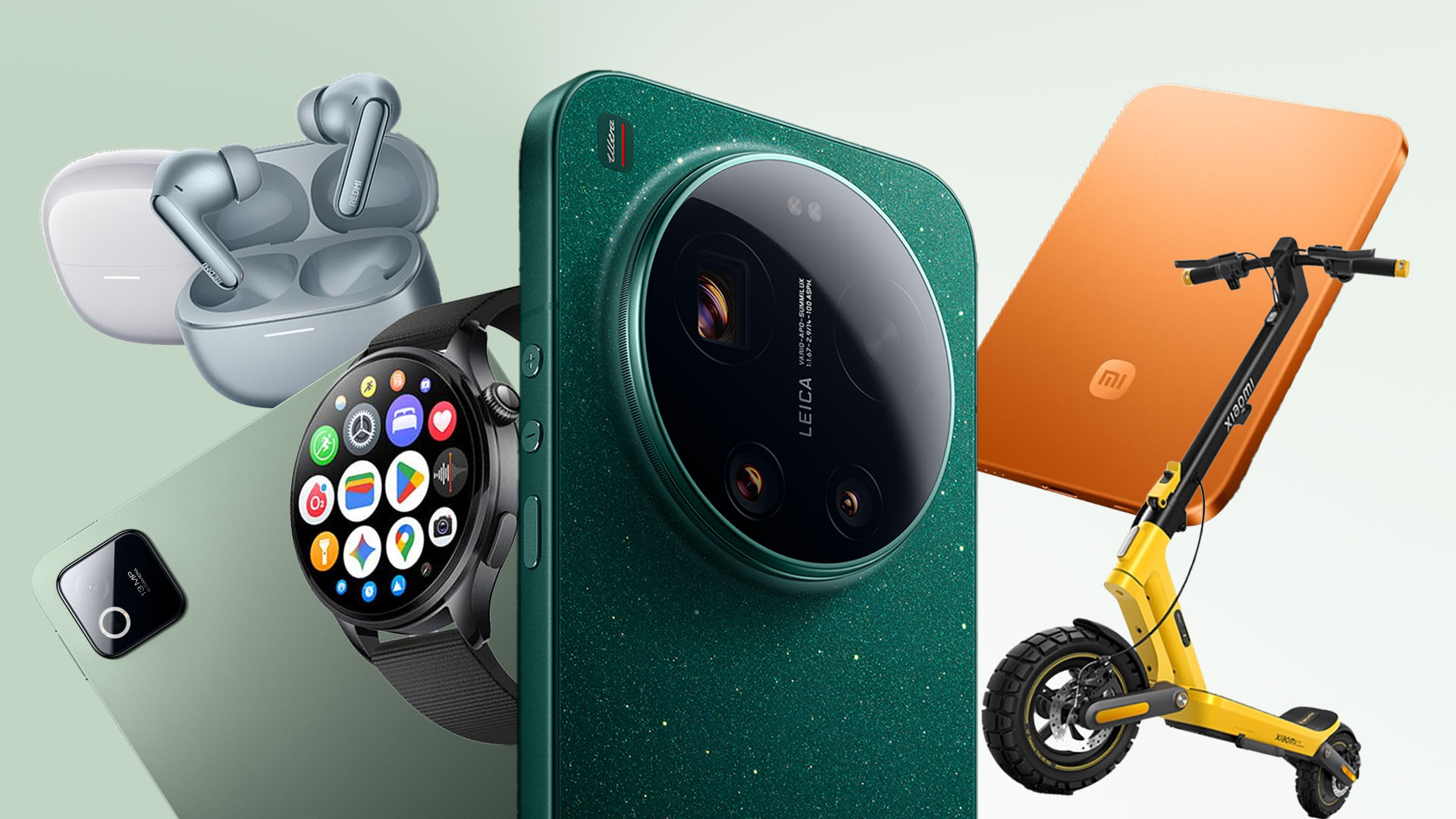
Xiaomi has launched an entire slate of smart, on-the-go devices as part of their major first quarter ecosystem release.
These products, ranging from smartwatches to earbuds to smart home devices and electric scooters, were introduced alongside the flagship Xiaomi 17 series smartphones and Xiaomi Pad 8 series tablets.
All are now available in the Philippines. Here’s a quick rundown.
Xiaomi Watch 5
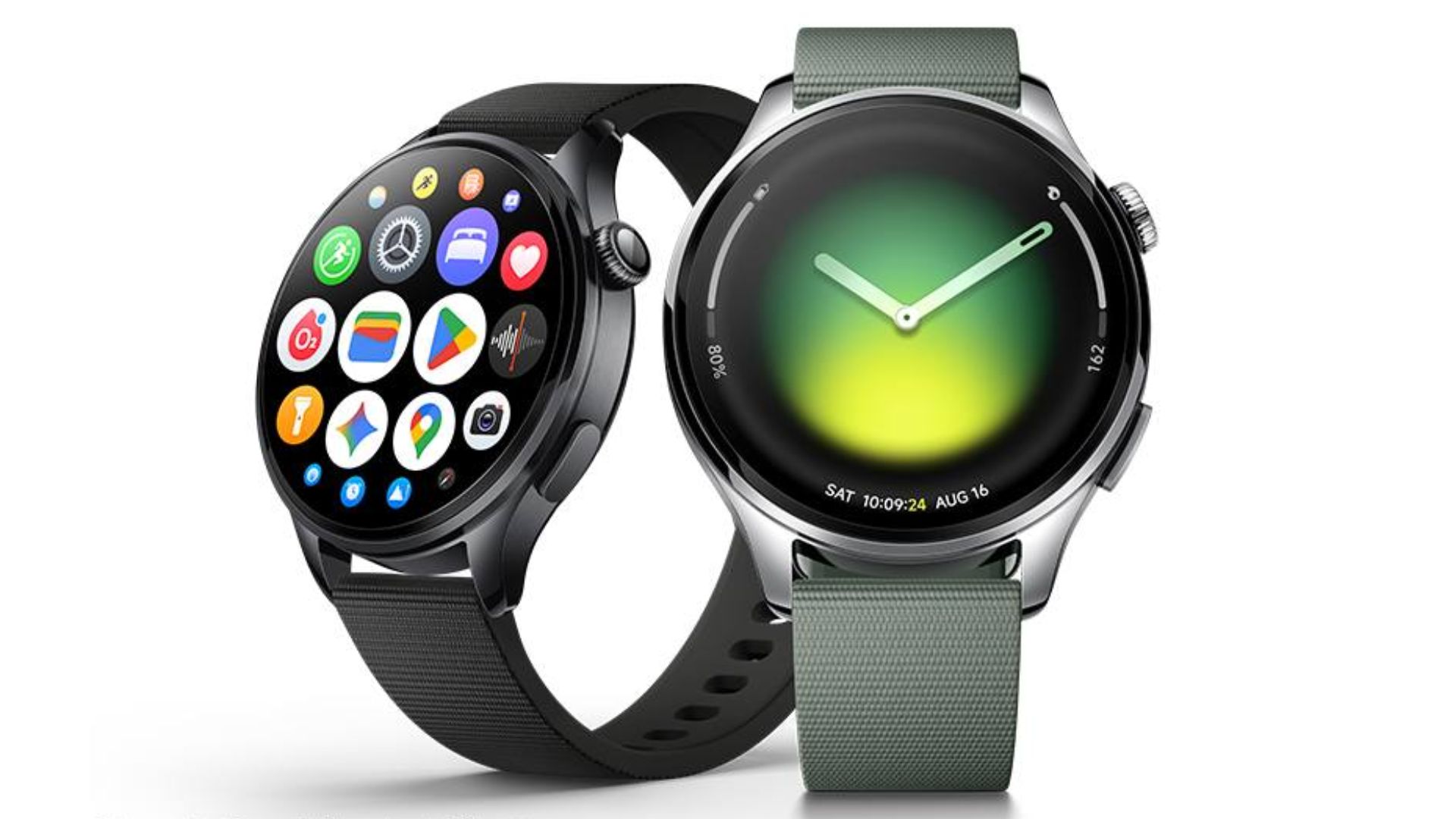
Price: PhP 18,999
The Xiaomi Watch 5 runs on Wear OS by Google. It has a large 1.54-inch display reinforced by strong sapphire glass.
The watch has a stainless steel middle frame, and a flagship dual-chipset design. Inside are the Snapdragon W5 Gen 1 and BES2800 low-power processor.
Users can leverage quick gestures with EMG, IMU, and PPG sensors for essential actions. Such can execute tasks like dismissing calls, silencing alarms, launching workouts, and more.
As usual, there are several sport modes, and advanced health monitoring features, which have been refined to deliver a better experience.
Redmi Buds 8 Pro

Price: PhP 3,999
The wearable leverages a 3-mic system with up to 12 m/s wind noise cancellation and up to 55dB ANC.
Inside are coaxial triple drivers for rich sound complemented by Dolby Audio. There are three color options: Obsidian Black, Cloud White, and Glacier Blue.
Users can enjoy up to 33 hours of playback along with its charging case.
As a quick addition, a Xiaomi Tag is available for PhP 899 for a single piece or PhP 2,799 for the four-pack.
This tool is compatible with Apple Find My or Google Android Find Hub, working within a user’s chosen OS ecosystem.
Xiaomi UltraThin Magnetic Power Bank 5000
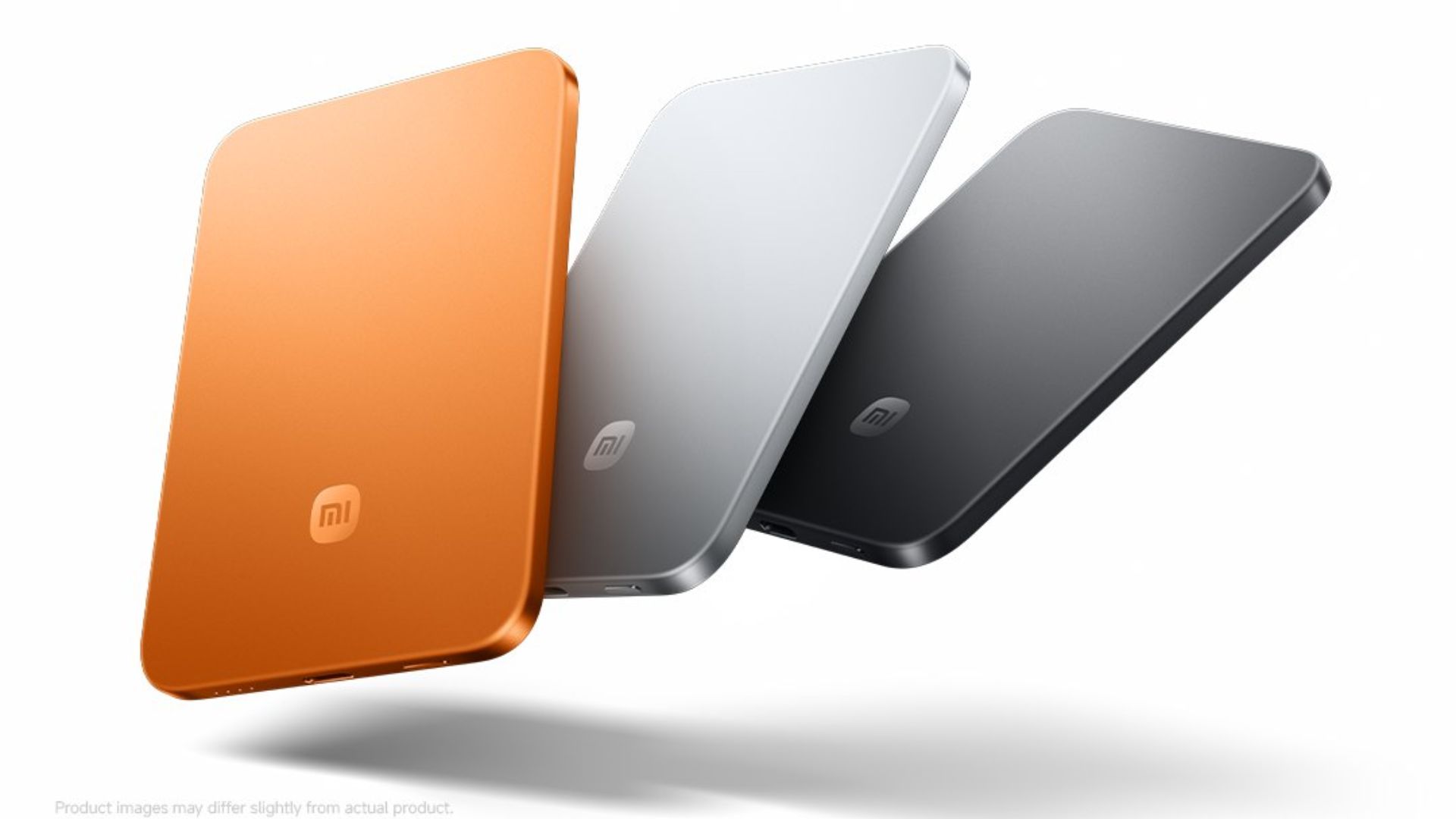
Price: Php 3,699 (Black and Silver) | PhP 3,899 (Radiant Orange)
Furthermore, Xiaomi’s latest power bank supports simultaneous charging of two devices while sporting a slim and portable look.
It is capable of up to 15W of wireless charging, and 22.5W of USB-C fast charging.
Xiaomi Smart Dehumidifier
Price: PhP 14,999 | PhP 9,499 (Lite)
For smart home devices, the company’s latest dehumidifier has 5 noise-reduction designs for as low as just a 35.8dB ambient noise.
It features smart dehumidification, an external drainage, and three modes, including a clothes drying mode.
Xiaomi Electric Scooter 6 Ultra

Price: PhP 46,999
Lastly, Xiaomi’s latest electric scooter is all about upgrades. It has improved front and rear disc brakes, as well as 12-inch tires.
The e-scooter comes with dual swing-arm suspension for better support, an ergonomic design, and a 3-inch display for the rider.
It also has a 1200W peak power with Boost mode, which is vital for uphill climbs or quick acceleration.
On a full charge, the ridable is capable of a 75-kilometer range, making it fit for casual commutes around the city and quick trips.
Other variants include the Electric Scooter 6 Lite and Electric Scooter 6 to suit
All the aforementioned Xiaomi AIoT devices are available at Xiaomi Authorized Stores nationwide, as well as Lazada and Shopee.



Paramount wins bid for HBO Max, plans to merge streaming apps

The razr fold enters motorola into the book-style foldable market

The quirky Legion Go Fold stole the show at MWC 2026

Globe extends roaming assistance to customers in the Middle East

CASETiFY relaunches Evangelion collab for 30th anniversary

Xiaomi 17 Ultra is now available outside China

TECNO will showcase the CAMON 50 and POVA 8 series at MWC 2026

PlayStation, LE SSERAFIM Chaewon team for the ‘Love of Play’ campaign

The art of being in and behind the frame

HUAWEI MatePad 11.5 S 2026: The better-than-ever 4-in-1 productivity tablet


-
 News3 days ago
Xiaomi 17 Ultra is now available outside China
-

 Camera Walkthrough1 week ago
OPPO Reno15 Pro: Camera Review
-
 First Look2 weeks ago
Match Pulse: Infinix NOTE 60 Pro
-

 Cameras2 weeks ago
Osmo Pocket 4 makes a surprising appearance in public
-

 Gaming2 weeks ago
LG unveils UltraGear evo, redefines 5K gaming with AI Upscaling
-

 News2 weeks ago
iPhone 17 Pro Max is somehow the most traded-in phone today
-

 News2 weeks ago
HUAWEI launches Mate X7, MatePad 11.5 S 2026, FreeClip 2
-

 Gaming2 weeks ago
PlayStation 6 reportedly delayed to 2029 because of RAM shortage