
News
The Redmi K Pad punches the iPad mini in the guts
The “Pro” Android counterpart of the iPad mini


Android manufacturers have slowly caught up with their flagship-grade tablets that rival the likes of Apple’s iPad Pro.
However, some users want an even smaller tablet that’s similar to the iPad mini. Well, Xiaomi (or Redmi) came up with an idea that directly punches the mini tablet in the guts.
Lo and behold, the Redmi K Pad.
iPad Pro mini?!
The “Redmi K Pad” naming may sound lousy and basic, but inside, it packs a real punch.
Powered by the latest and greatest Dimensity 9400+ 3nm SoC, it promises powerful performance for such as a tiny tablet — with a very unusual center placement.
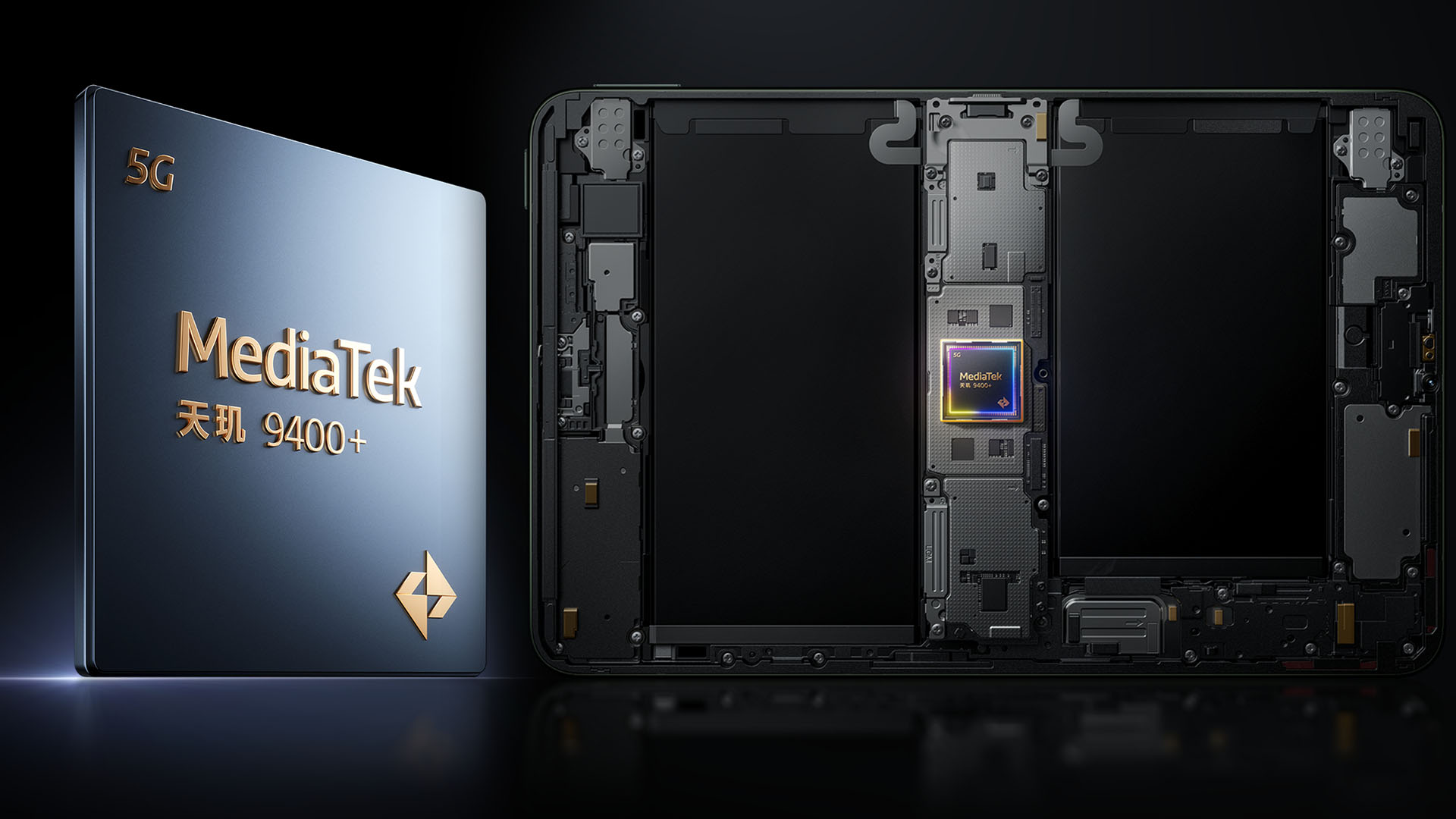
Graphics by Vincenz Lee | GadgetMatch
For context, it’s the same processor found in 2025 flagship phones such as the vivo X200s, as well as the OPPO Find X8s and X8s+.
That’s in contrast to the latest-gen iPad mini that runs the A17 Pro — which also shares the same chip as the 2023’s Phone 15 Pro series.
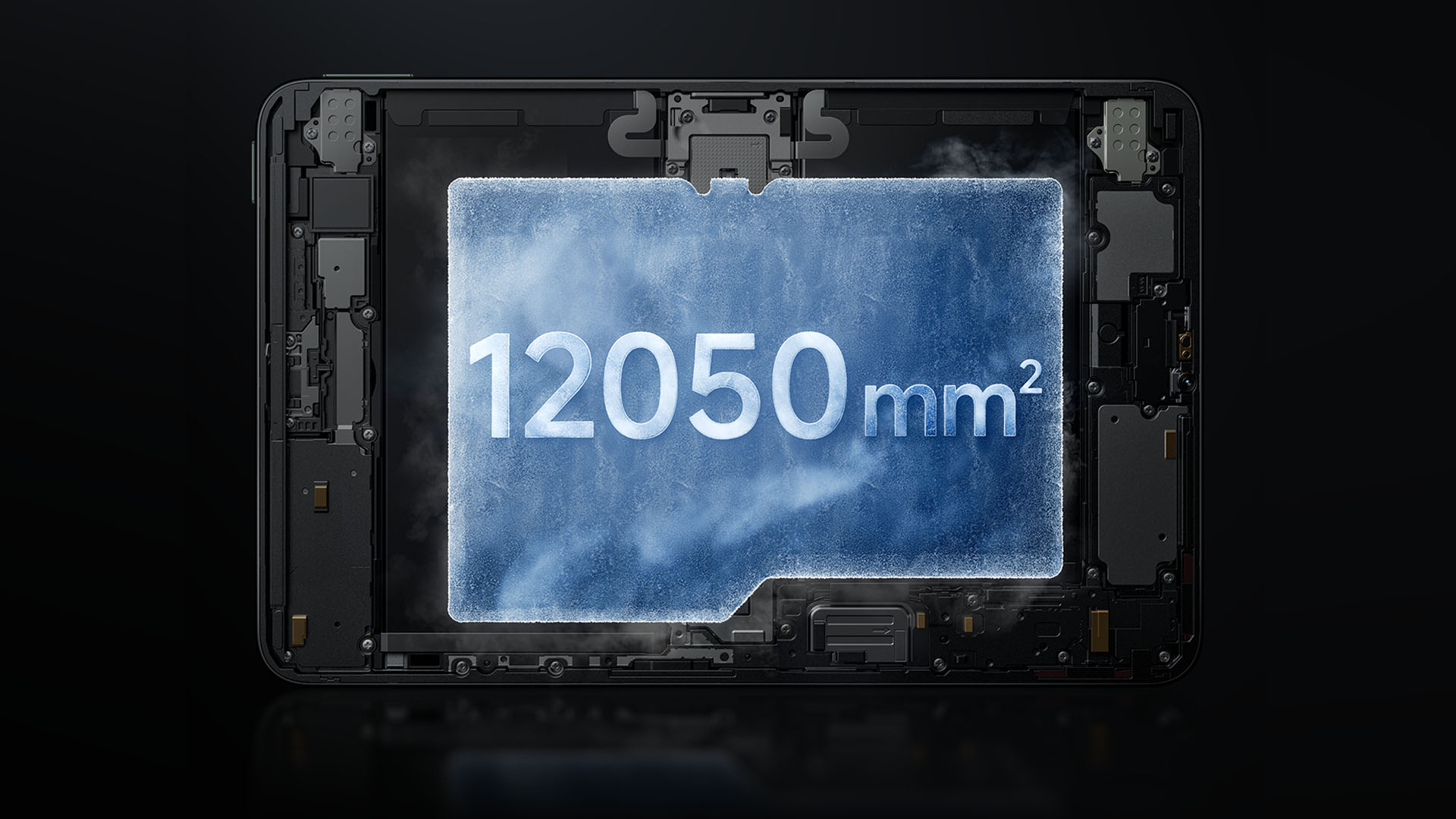
The large 12,050mm² Aluminum Alloy VC (Vapor-Cooling) Chamber definitely helps cool the tablet down by 25ºC when playing graphics-intensive titles.
Case in point: Xiaomi boldly claims that it can run Genshin Impact stably around 60fps.
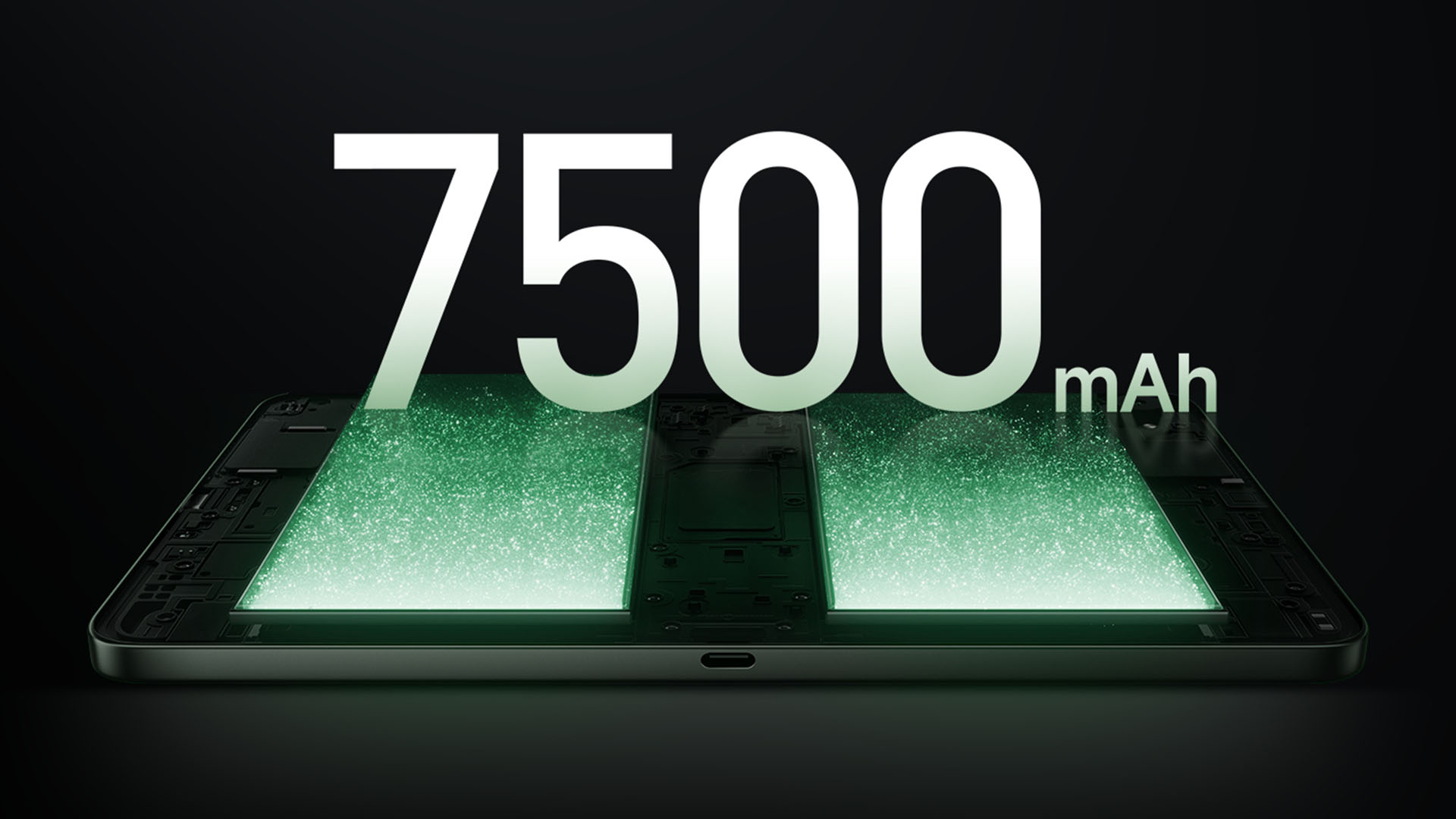
It also boasts a 7500mAh battery with 67W Xiaomi HyperCharge support. The iPad mini has a smaller 5210mAh battery with slower 20W charging speeds.
Bigger and better
The Redmi K Pad is not bigger by footprint, but by screen size.
It has a bigger 8.8-inch LCD display (compared to the 8.3-inch display of the iPad mini).
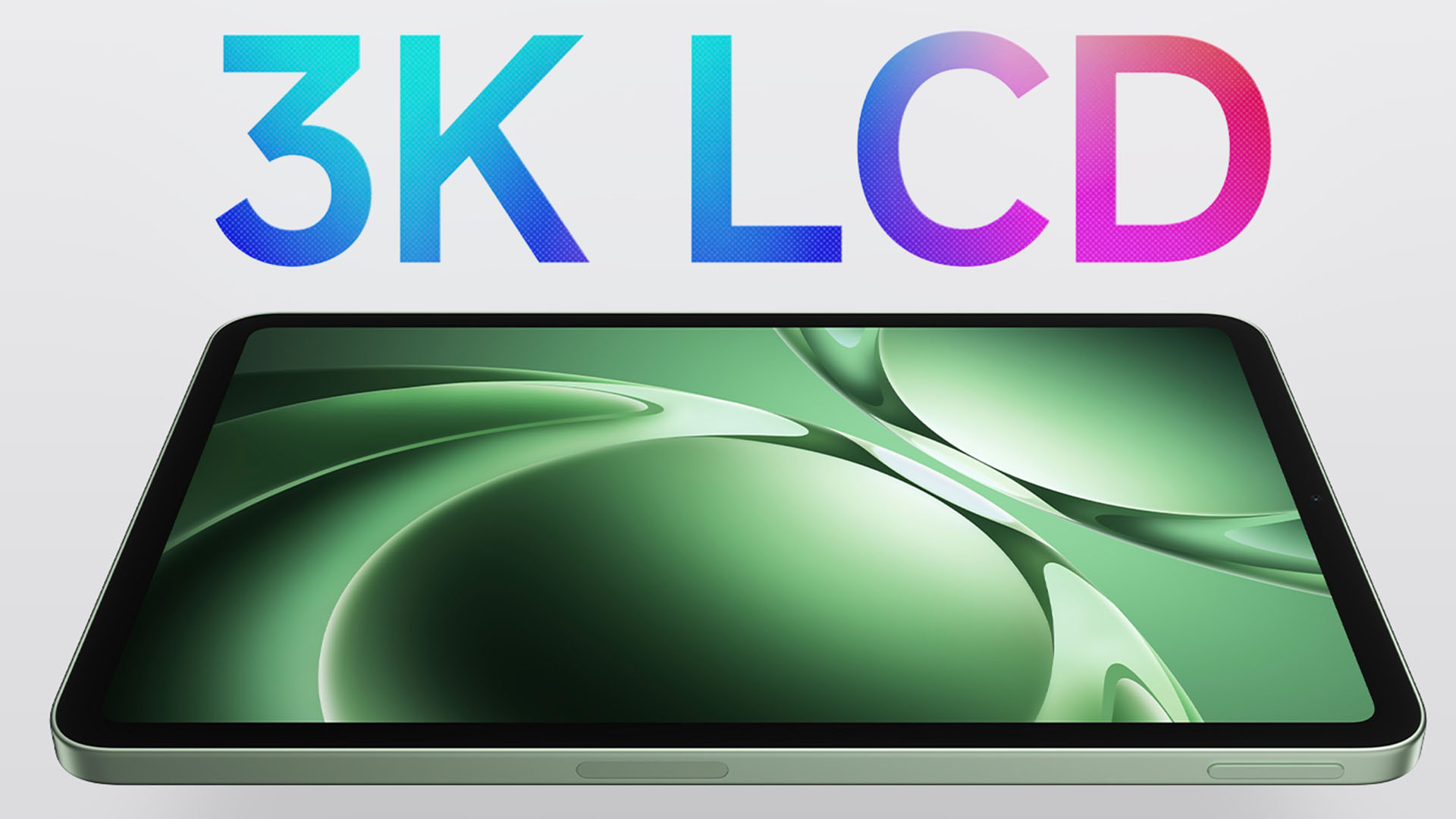
Bezels are noticeably slimmer, making way for a better overall StB (Screen-to-Body) ratio.
It doesn’t stop there! The display has 165Hz refresh rate (vs 60Hz), clearer 3K Display Resolution (vs 2.2K), Pixel Density of 403ppi (vs 362ppi).
Pricing and Availability
The Redmi K Pad is available in three colorways: Smoky Purple, Deep Black, and Spruce Green (except for the base variant).
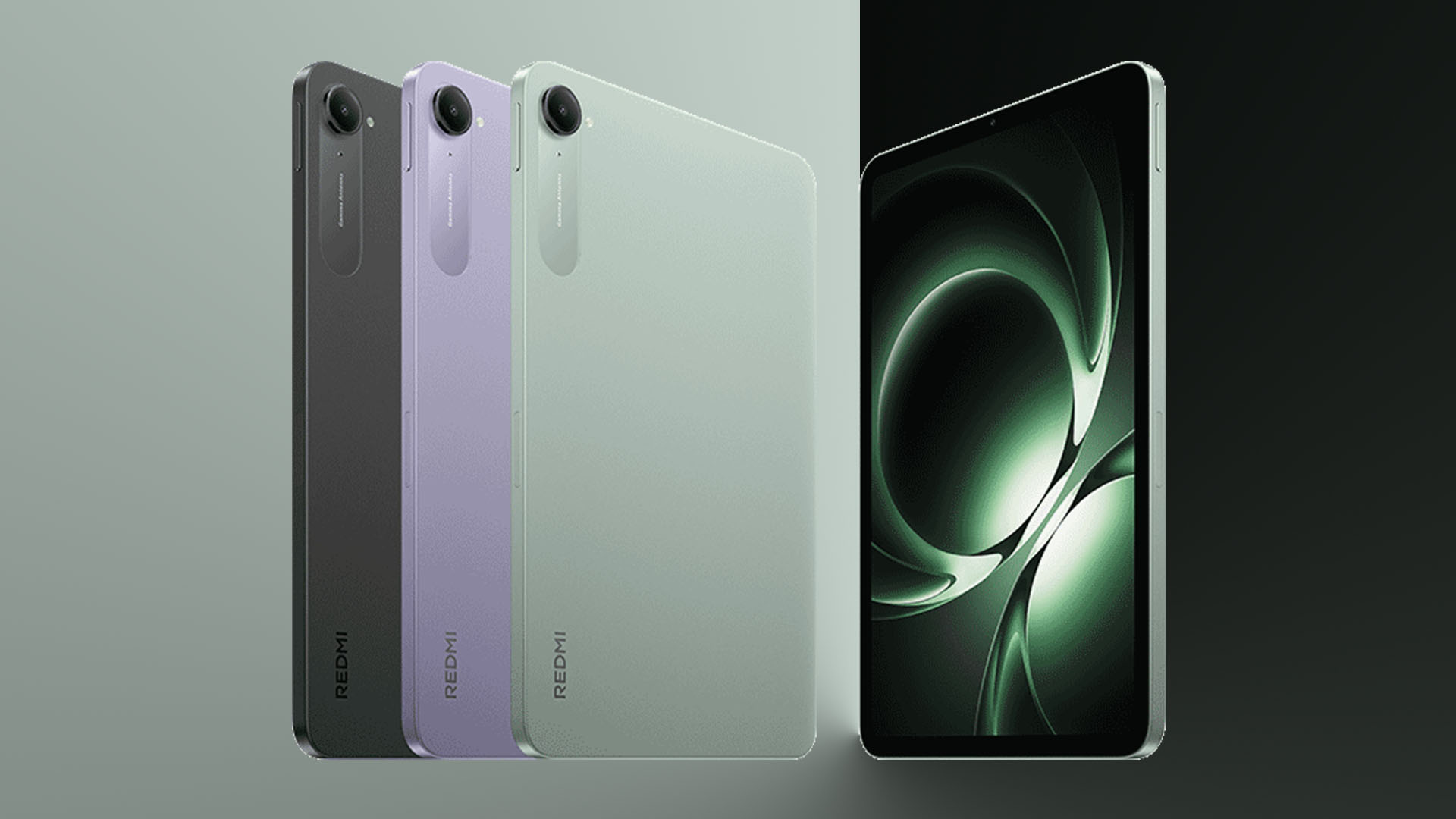
Graphics by Vincenz Lee | GadgetMatch
There are a plethora of configuration options in China to choose from:
- 8+256GB = CNY 2799 (US$ 390 / EUR 340 / GBP 290 / SG$ 500 / PhP 22,285 / INR 33,570)
- 12+256GB = CNY 3099 (US$ 430 / EUR 375 / GBP 320 / SG$ 555 / PhP 24,675 / INR 37,165)
- 12+512GB = CNY 3399 (US$ 475 / EUR 410 / GBP 350 / SG$ 610 / PhP 27,060 / INR 40,765)
- 16+512GB = CNY 3599 (US$ 500 / EUR 435 / GBP 370 / SG$ 650 / PhP 28,660 / INR 43,160)
- 16+1TB = CNY 4199 (US$ 585 / EUR 505 / GBP 430 / SG$ 750 / PhP 33,430 / INR 50,360)
We have to wait if Xiaomi decides to bring this pocket-friendly Redmi tablet outside the mainland.






News
More iPhone switchers this year than Android switchers, report says
Only the Google Pixel might be exempt from a global Android dip.

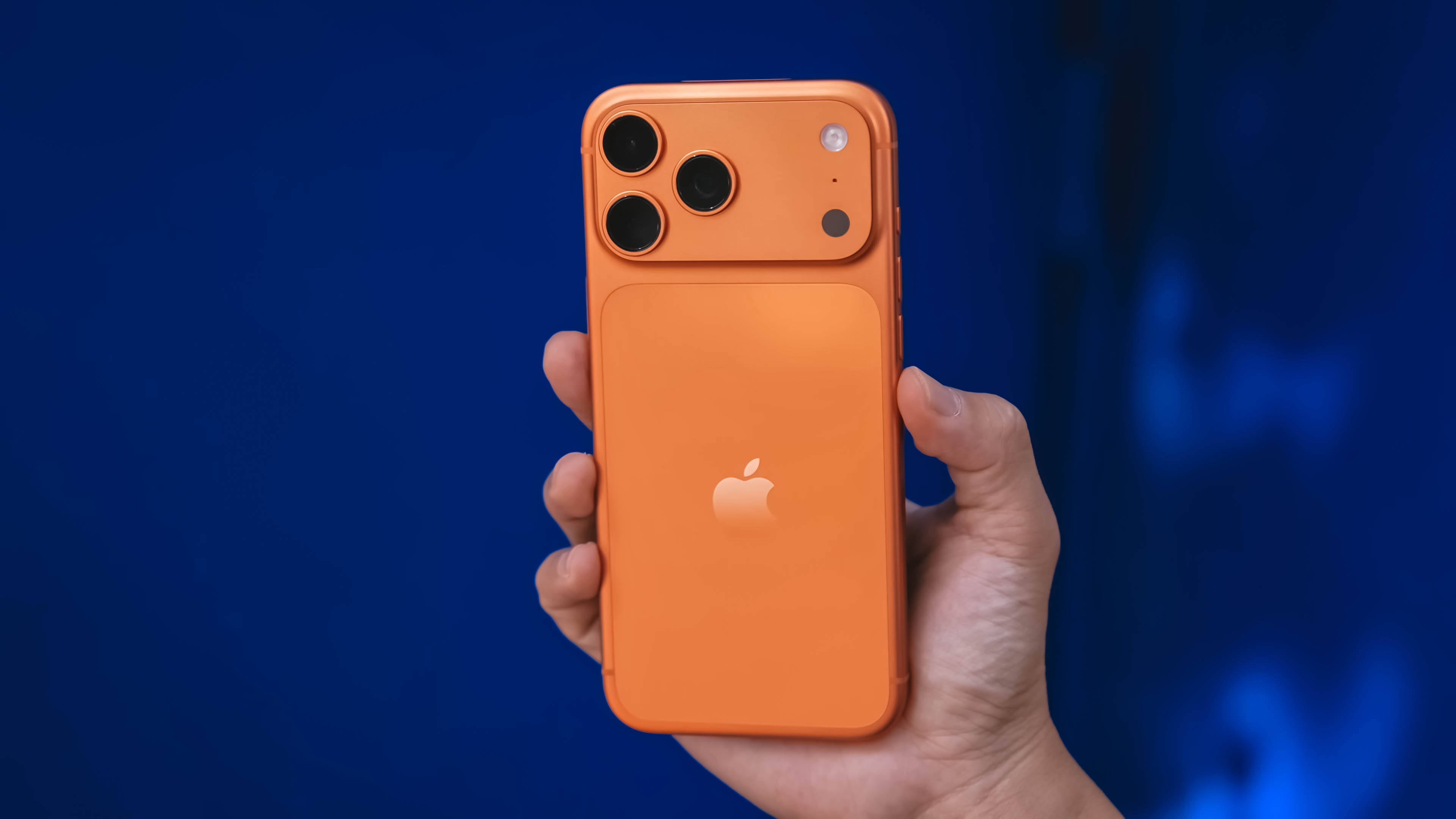
With the prices of chips skyrocketing this year, the commonly held rule of thumb is to hold on to your devices for as long as possible. Of course, the dip in demand will also translate to a dip in supply. According to new reports, users this year might favor switching to an iPhone over an Android phone.
As early as late last year, smartphone makers have already warned consumers that the prices of new devices might go up to anticipate the rising prices of RAM. For now, the prices are still manageable, but forecasts don’t look too kindly on the future.
According to a Morgan Stanley report via Investing.com, the shipments of Android phones might drop by as much as 15 percent this year, compared to the last. This encompasses all brands using the platform.
However, there is one notable holdout: the Google Pixel. According to the same report, the lineup will still enjoy some modicum of growth heading into their release schedule this year.
More notably, though, Apple might be the biggest winner this year. Though iPhone shipments might still drop by 2 percent, it’s nothing compared to the former’s 15 percent drop. When comparing the two, that should translate to a growth in Apple’s share of the pie this year. In other words, more people might switch to Apple, compared to people switching to any phone running on Android.
Now, to be fair, these are all just predictions. Anything can still happen, but it looks like Apple might be heading to a stellar performance later this year.
SEE ALSO: Hands-on: NEW iPhone 17e, iPad Air, MacBooks, Studio Displays
Entertainment
Marvel’s Wonder Man greenlit for a rare second season
The first season holds a 91% rating on Rotten Tomatoes.

Is the Marvel Cinematic Universe back? After years of floundering through Phases Four and Five, Marvel Studios is poised to get its mojo back from a flurry of much-awaited Phase Six projects this year, including the second season of Daredevil: Born Again, Spider-Man: Brand New Day, and Avengers: Doomsday. And it all started this year with the critically acclaimed Wonder Man. Now, after the success of that series, a second season is officially in the works.
When its first trailer came out, Wonder Man did not look like anything that Marvel Studios has worked on before. For one, it was incredibly grounded, perhaps overshadowed only by Daredevil: Born Again. Second, it was about the reboot of a fictional superhero movie, itself called Wonder Man.
Actor Simon Williams (played by Yahya Abdul Mateen II) wants to energize his career by performing in the upcoming Wonder Man revival from acclaimed director Von Kovak (Zlatko Burić). Helping the former is the returning Trevor Slattery (Ben Kingsley), who you might remember as the fake Mandarin from Iron Man 3.
Despite how different it looks compared to previous Marvel Studios projects, the series is one of the most acclaimed, currently holding a 91 percent approval rating on Rotten Tomatoes. Because of this, Wonder Man has received the green light for a second season, via Variety.
A second season is relatively rare for Marvel Studios with its history of one-and-done series. There are some exceptions, though. Loki, for example, ended its run with a second season. Daredevil: Born Again will air its second season very soon (with a third one potentially in the works already).
SEE ALSO: Marvel’s Wolverine gets a release date
Apple changed the script by launching the iPhone 17e earlier this month. Now, after leaving history for a bit, the company is ready to go back to its originally scheduled programming. WWDC 2026 is now officially confirmed from June 8 through 12.
The Worldwide Developers Conference is an annual event to give the stage to Apple’s software developments. If you’re more familiar with Google’s scheduling, this is the equivalent of the annual Google I/O.
Today, Apple announced that the annual WWDC 2026 will take place from June 8 to 12. As always, it’s expected that Apple’s upcoming slate of major software updates will debut at the event. This includes iOS 27, macOS 27, iPadOS 27, watchOS 27, and visionOS 27.
However, besides the expected platforms, Apple has also confirmed that the event will present the company’s latest in “AI advancements”.
For Apple fans, those announcement should come with some excitement. Compared to its competitors, the company has notoriously been left trailing in the AI department. Upgrades to Apple Intelligence and a Siri revamp has been in the pipeline for quite a while now.
If you’re interested in the new developments, WWDC 2026 will, like every year, broadcast its major keynote presentation and a plethora of other showcases for free on Apple’s website and on YouTube.
SEE ALSO: Apple unveils the iPhone 17e


Galaxy Buds4 Pro review: I thought I was done with in-ears
This Buds4 you


WWE 2K26 lets you live out all the fantasy matches you could want
But you have to play for hours and hours to unlock everyone.

The HONOR X8d is serviceable
Steady but slow?

More iPhone switchers this year than Android switchers, report says

Marvel’s Wonder Man greenlit for a rare second season

Apple’s WWDC 2026 will be from June 8 to 12
Galaxy Buds4 Pro review: I thought I was done with in-ears
WWE 2K26 lets you live out all the fantasy matches you could want


-

 Reviews1 week ago
POCO X8 Pro Max review: A new beast from the far east
-

 News1 week ago
POCO X8 Pro Series: Price, availability in the Philippines
-

 Laptops2 weeks ago
Apple MacBook Neo Review
-

 Apps2 weeks ago
Google Maps is finally getting a 3D mode
-
 Features2 weeks ago
Galaxy AI on the Samsung Galaxy S26 Ultra
-

 Entertainment2 weeks ago
The internet is thirsting over the One Piece Season 2 cast
-

 Automotive2 weeks ago
BYD is reportedly considering an F1 team
-

 Gaming2 weeks ago
Resident Evil Requiem will get a story expansion