
News
The next big thing in wireless audio is ultrasound
Introducing the Cypress from xMEMS

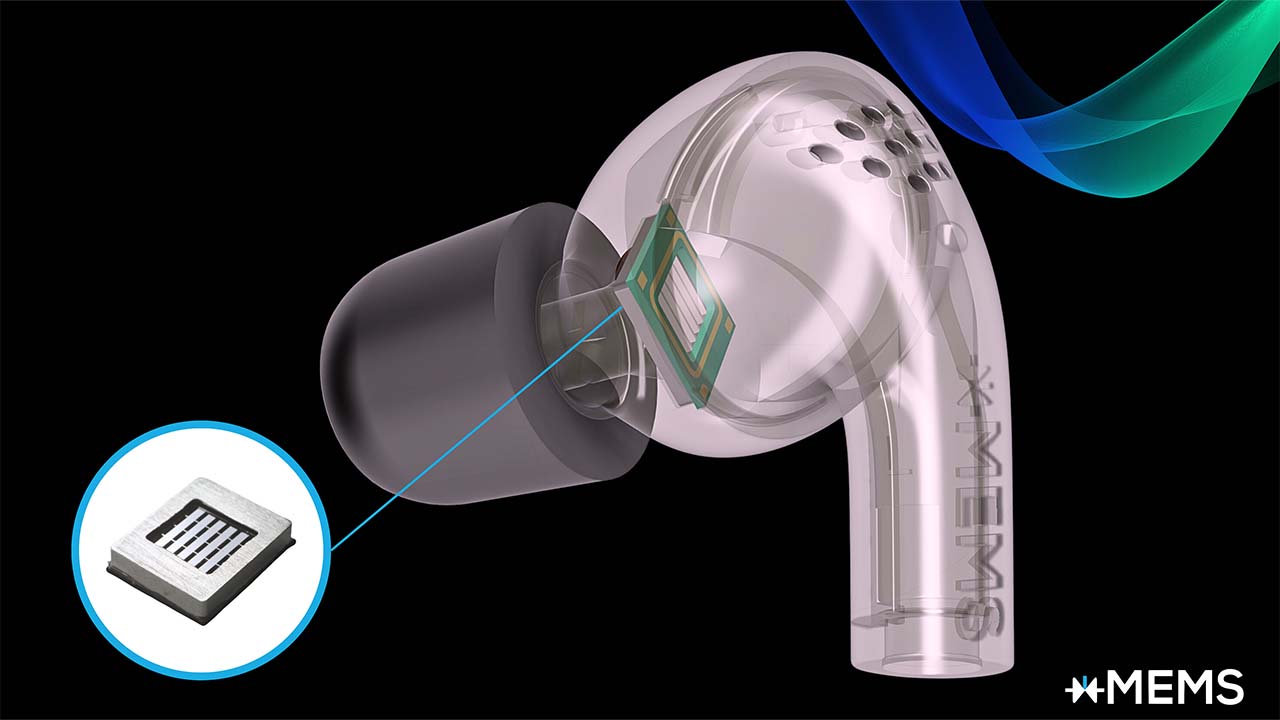
Though the technology has already progressed quite a bit over the years, wireless audio is still catching up with the quality of wired audio. We’re getting close, though. As time passes, new advancements are building better wearables in smaller form factors. Now, the next big thing is coming — ultrasound.
Continuing a thread of innovations from earlier this year, audio technology company xMEMS are back with a new solid-state speaker called Cypress. The new speaker will once again use solid-state technology, pushing the boundaries of audio reproduction.
However, unlike the Cowell unveiled months ago, the Cypress adds an ultrasonic amplitude modulation transduction principle. In terms of audio reproduction, the speaker does an immaculate job. In a personal demonstration featuring only 3D-printed prototypes of the speaker, the Cypress played music significantly better than my own Sony WF-1000XM4 earbuds.
The Cypress uses ultrasonic waves to reproduce audio more accurately. Because of the inherent nature of ultrasound, sound reproduction goes further down the range. xMEMS touts “an exact acoustic copy” coming from these speakers.
Now, besides audio reproduction, the Cypress is also promising a lot for active noise cancelation. They can produce sound pressure levels greater than 140dB, a threshold much greater than what mainstream products can do today. Because of that, ANC is purportedly much better in devices with the Cypress speakers. xMEMS specifically says that they can cancel out heavy construction work or the shrill cry of a baby.
This technology comes in a tiny 6.3 x 6.5 x 1.65mm package, allowing manufacturers to either make lighter earbuds or pack more features in existing form factors. Right now, it’s hard to see what manufacturers can do with the speaker. xMEMS forecasts that mass production will only start in late 2024.

Automotive
Tesla involved in recalling over 4 million electric cars
China is banning a feature found on most Teslas.
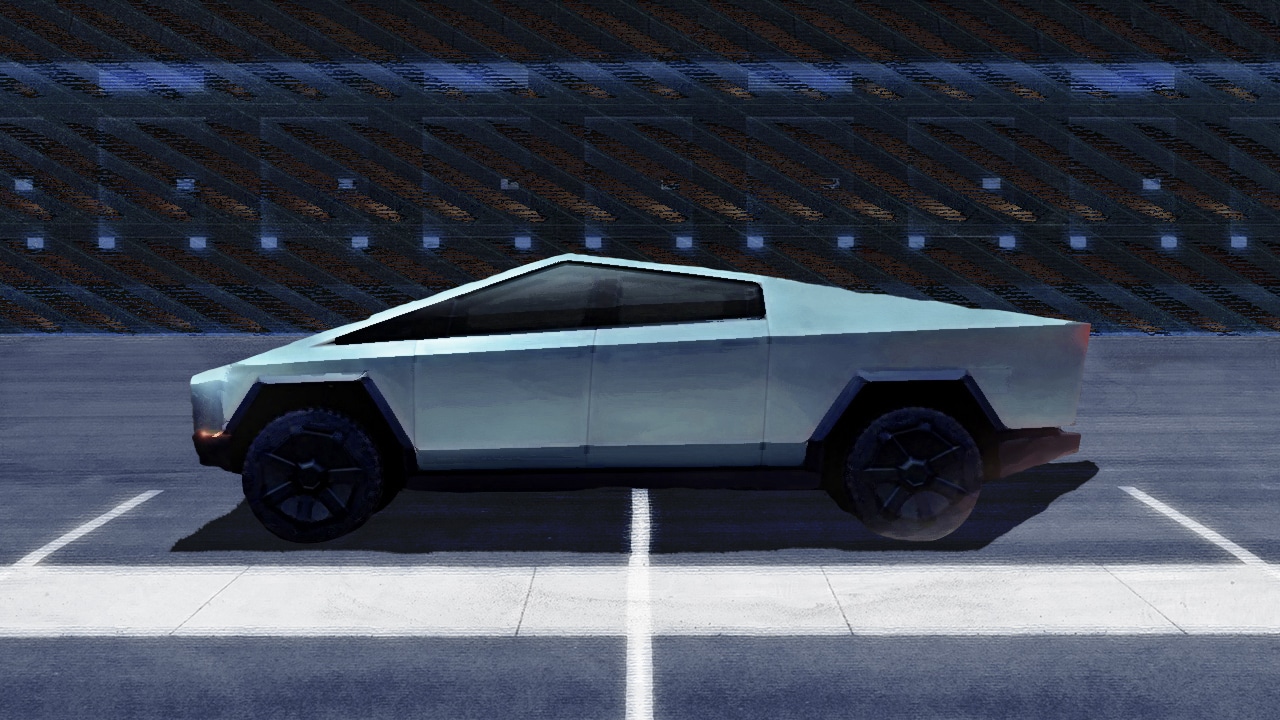
Electric vehicles have been simmering in some hot water for a while now, but it’s not because of a reason you might be thinking of. Instead of its performance or even its reliability, the world’s modern vehicle is fretting over its door handles. Over the feature’s potential risks in a life-or-death situations, carmakers in China, including Tesla, are recalling around 4.3 million vehicles in the country.
When it comes to door handles, electric vehicles today are known for creating hidden ones that sit flush on a car door. These handles appear only when needed and automatically retract into the door when not in use.
For a while now, governments have been worried about them, citing concerns that they don’t offer easy exits during threatening scenarios. There have been incidents when the handles don’t pop up while a car is on fire, preventing both the car’s occupants and rescuers from opening the door.
Today, via Reuters, nine carmakers, including Tesla, are recalling 4.3 million vehicles from the country over these same door handles. Moreso than domestic brands, Tesla finds itself leading this pack with almost 3 million units. The other eight brands include Xiaomi and Geely.
This recall is responding to China’s latest regulation to ban hidden door handles starting 2027. Other measures include installing mechanical releases. Some brands are also rolling out software updates which automatically lower the car’s windows in case of an emergency, offering another exit for trapped occupants.
SEE ALSO: BYD Atto 2 launches with EV, plug-in hybrid options
News
HUAWEI Pura X View is 2026’s first WIDE slab-type smartphone
2026’s first non-foldable WIDE smartphone makes its surprising debut

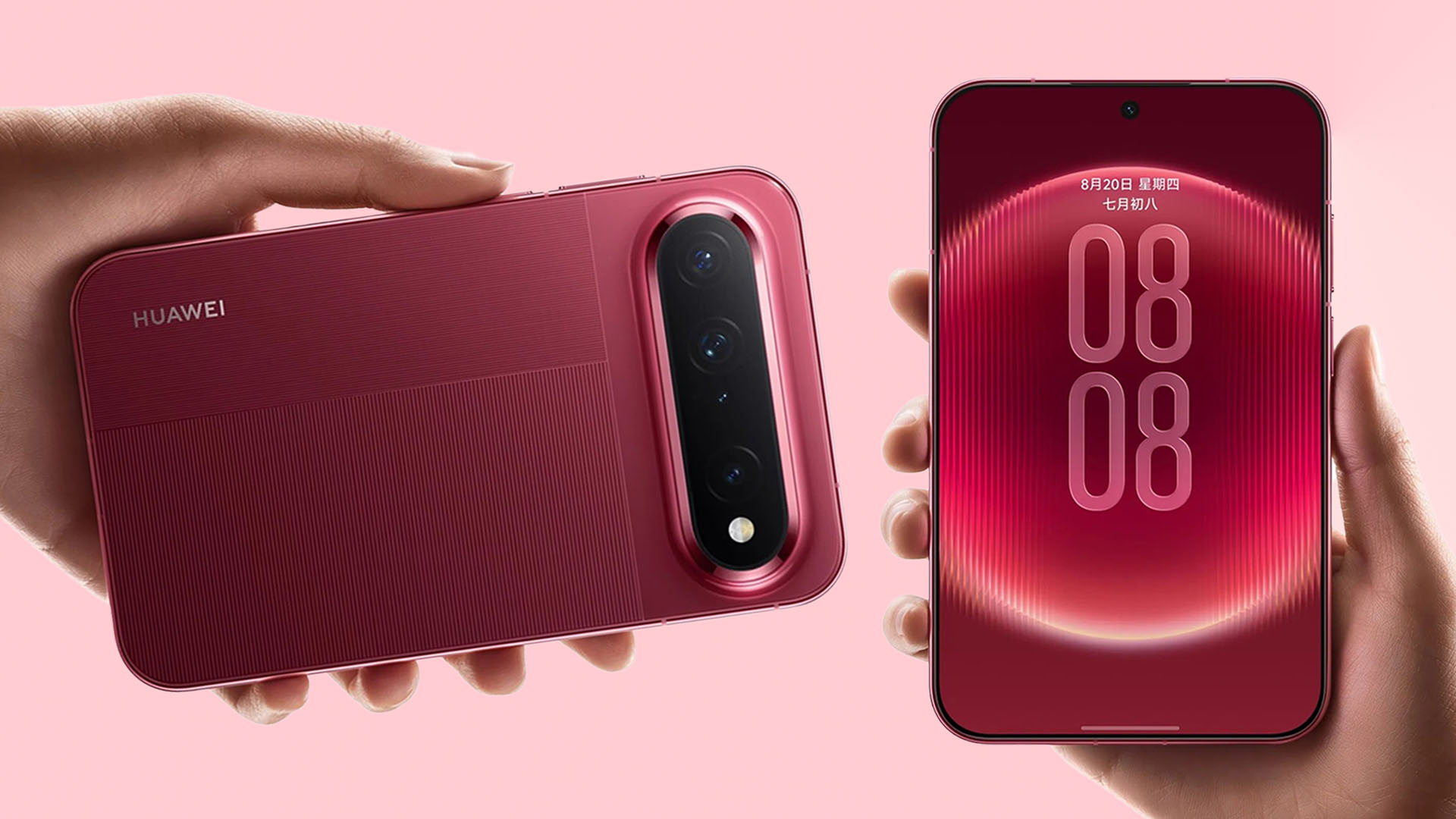
It seems like the WIDE smartphone craze is getting out of hand.
Surprise, surprise! Out of nowhere, HUAWEI reveals the Pura X View — 2026’s first WIDE smartphone that does not fold at all.
Tied to WIDE
With the massive success of HUAWEI’s Pura X Max as well as the newly-released Samsung Galaxy Z Fold8, it’s hard to ignore the sudden trend behind WIDE smartphones. Let alone, Apple’s much-awaited iPhone foldable (dubbed the “iPhone Ultra”) will be announced in less than a month.
Graphics by Vincenz Lee | GadgetMatch
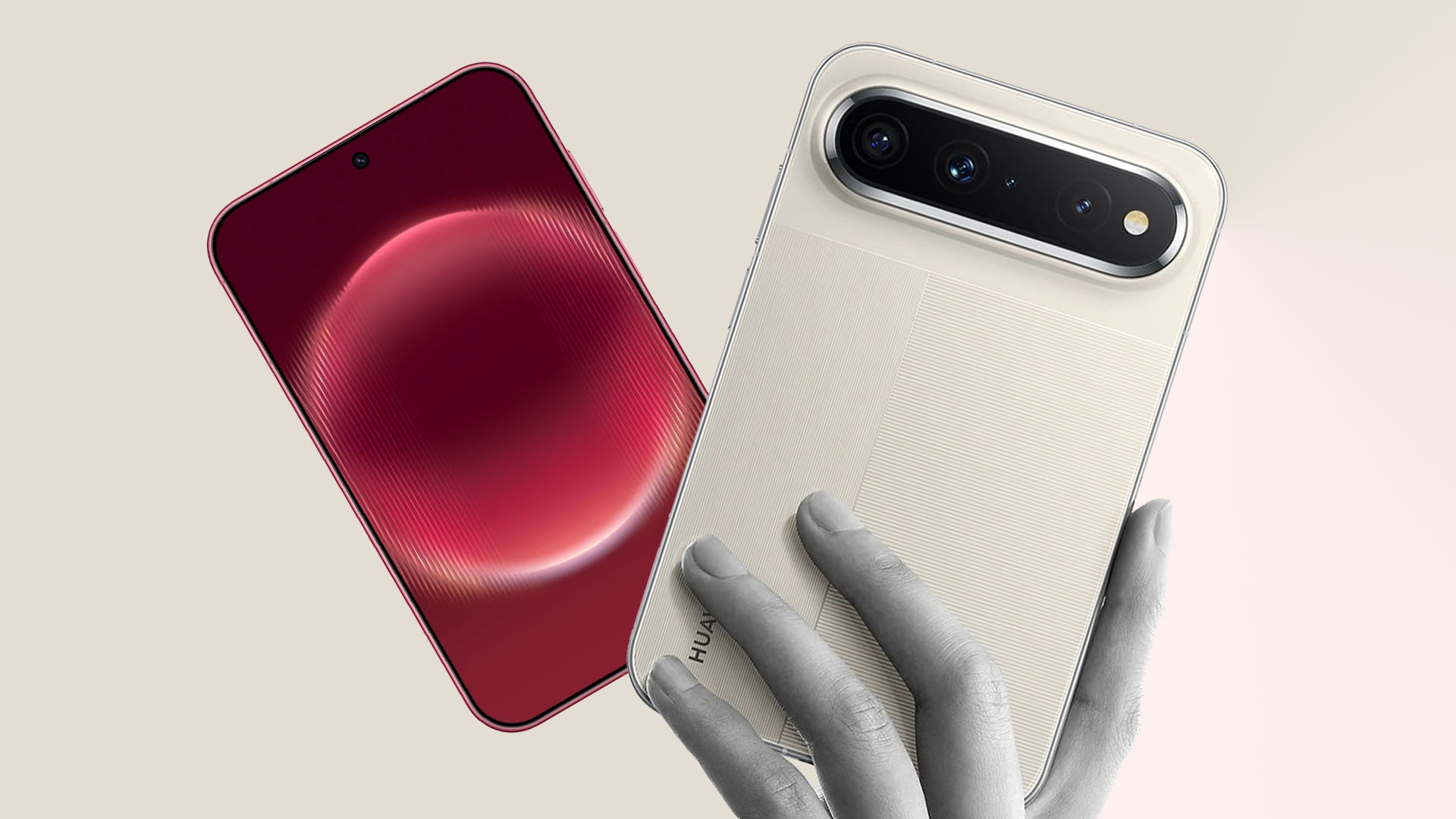
Opposed to the usual tall and narrow form factor, the Pura X View comes in a wider body with a 16:9.5 aspect ratio. Display bezels are extremely narrow too at just 1.09mm and StB (Screen-to-Body) ratio reaches a whopping 96.1%.
This wider than usual body means better ergonomics with better content consumption — from images, books, documents, all the way to movies and shows, as well as games.
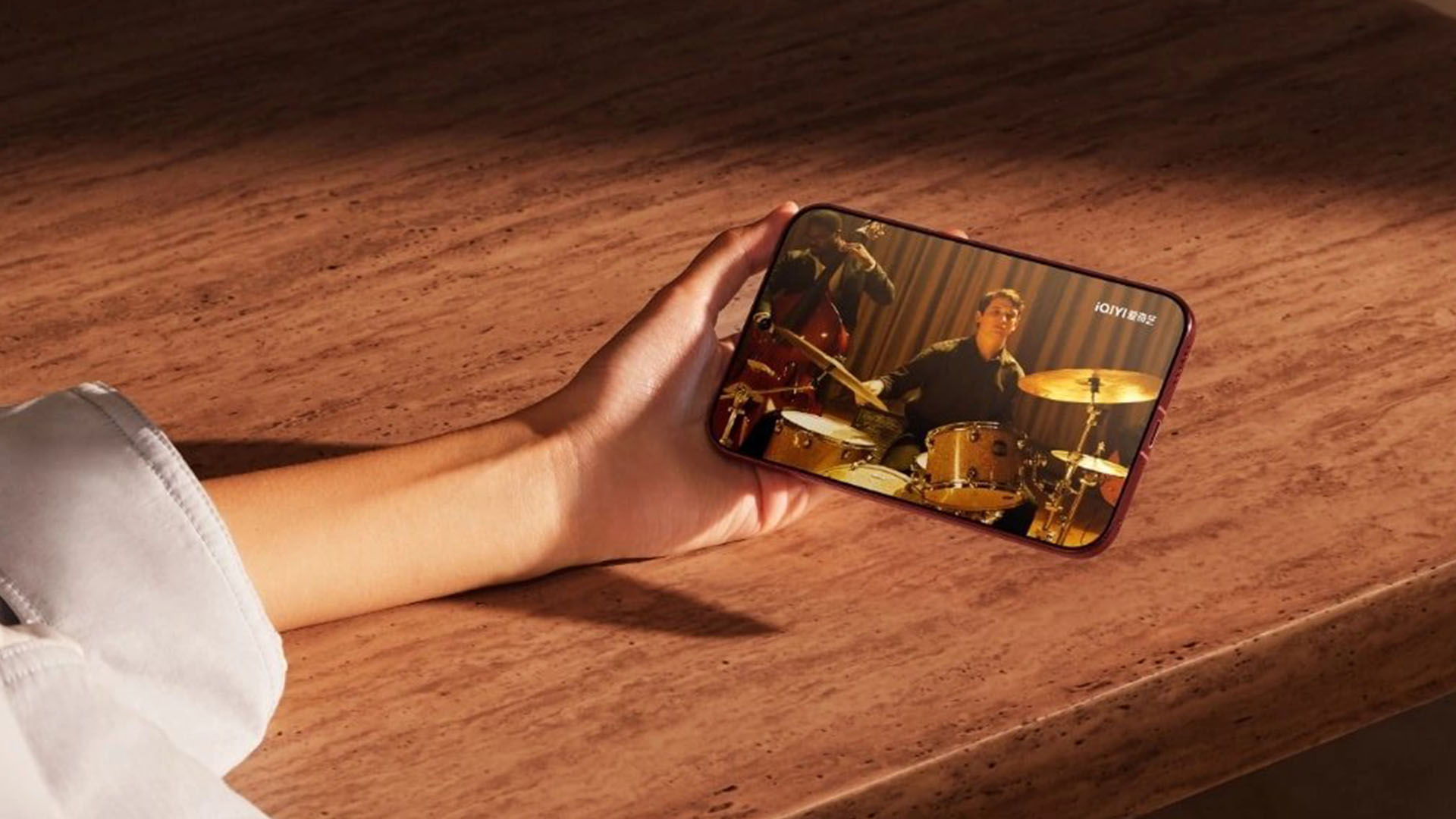
While it has a smaller 6.39-inch display, the Chinese electronics giant says it has greater content area compared to 6.9-inch flagship smartphones.
Other display feats include a 2160Hz PWM Dimming, resolution of 2232 × 1320, and max brightness of up to 6500 nits.
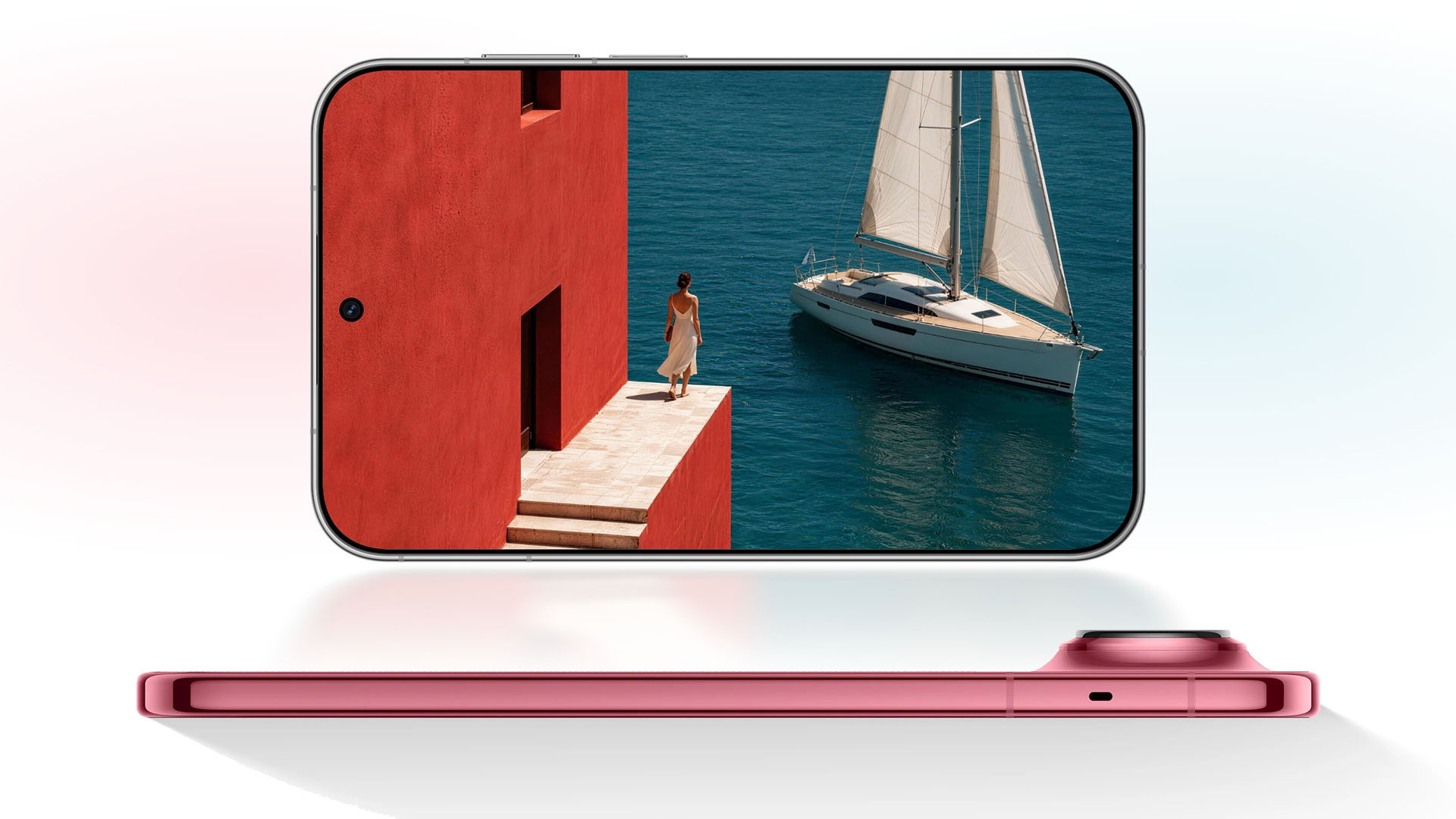
Graphics by Vincenz Lee | GadgetMatch
Despite all these, HUAWEI still managed to put a monstrous 7000mAh battery capacity inside its super slender 6.68mm chassis — which also happens to be lightweight at only 201 grams.
Unfortunately, at the time of this writing, HUAWEI did not reveal every bit of spec on their website.
Pricing and Availability
The HUAWEI Pura X View comes in four colorways: Illusion Dark Night, Zero-degree White, Leap Shadow Red, and Linen Ash.
It’s currently open for pre-orders in China alongside three configurations:
- 12+256GB
- 12+512GB
- 12+1TB
Just like its unrevealed specifications, HUAWEI did not reveal the exact pricing of the Pura X View.
Make GadgetMatch.com your daily habit so you don’t miss out on these updates!
News
Samsung might launch the Galaxy S26 FE next week
A new event is hinting at the smartphone’s debut.

It wasn’t too long ago when Samsung launched the new Galaxy Fold and Flip series. Historically, the brand is done for the year after two major Galaxy Unpacked events. However, if you’re still hankering for a few more morsels of Galaxy devices, Samsung is hosting another event next week, which might mean the debut of the Galaxy S26 FE.
This week, Samsung has just released an official invite for a Galaxy Event on August 27. The invite itself looks like a tray with two glasses of matcha and a coaster in between them. It’s visually similar to a modest camera setup, hinting at a new smartphone coming during the event.
Because Samsung has already filled its usual quota of flagships and foldables, it’s highly likely that the event is meant for the Galaxy S26 FE. The Galaxy FE series is Samsung’s way of extending the life cycle of the current generation of Galaxy phones, while also catering to another segment of the market.
As for what the Galaxy S26 FE might hold, it looks like AI might be a prime focus. Samsung confirms that the invite graphic has AI-generated images. The text accompanying the graphic also indicates that AI will be a part of the event.
It’s only a week left before the August 27 event, so we’ll get to know more about everything soon.
SEE ALSO: Samsung Galaxy Z Fold8 Review

TECNO MEGAPAD 2 review: Eyes on the size
The MEGA pad for two base users


30 days with the DJI Osmo Pocket 4P
This is the camera that made solo travel filmmaking finally feel possible.


MARVEL Tōkon: Fighting Souls review: Easy to pick up, hard to put down
Welcomes casual and experienced fighting game players

Tesla involved in recalling over 4 million electric cars
TECNO MEGAPAD 2 review: Eyes on the size
30 days with the DJI Osmo Pocket 4P

UNDERTALE: The Determination Symphony gets two more shows

HUAWEI Pura X View is 2026’s first WIDE slab-type smartphone

VinFast debuts two-wheeler models, opens 21 e-motorcycle showrooms

OnePlus officially leaves the United States and Canada

Xiaomi debuts SkyNomad Series featuring new Kunlun platform

REDMI Note 17 Series focuses on long-term reliability

ROG STRIX G16 Review: Building for the moment


-
 Singapore1 week ago
REDMI Note 17 Series focuses on long-term reliability
-

 News1 week ago
realme 16T to come with 8,000mAh battery, 7-year battery health guarantee
-

 Laptops2 weeks ago
30 days later with the ASUS ExpertBook Ultra: Like seeing an ex
-
 Gaming2 weeks ago
Marvel Wolverine Limited Edition PS5 bundle SEA pricing
-
Reviews2 days ago
TECNO MEGAPAD 2 review: Eyes on the size
-

 Reviews1 week ago
Samsung Galaxy Z Fold8 Review
-

 Entertainment2 weeks ago
Box office: Brand New Day set to surpass US$ 2 billion, drives Marvel’s Spider-Man 2 resurgence
-

 Accessories5 days ago
Jackery expands Explorer Series portable power stations