
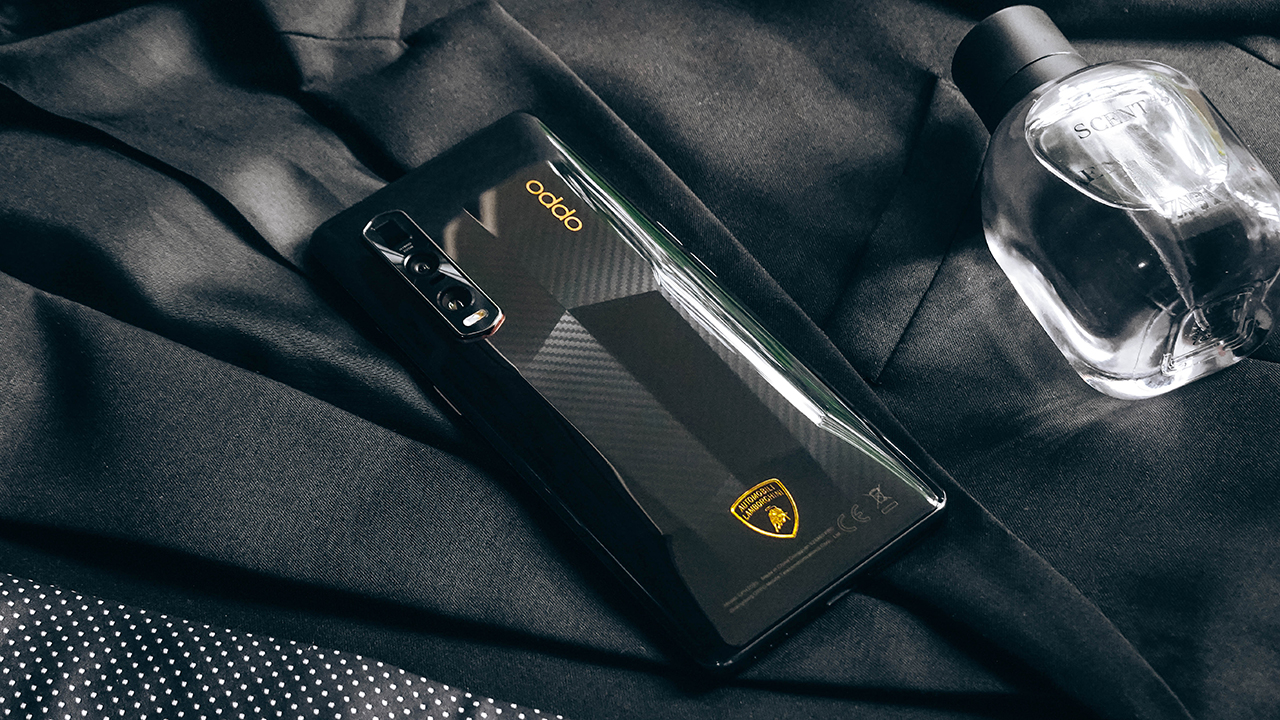
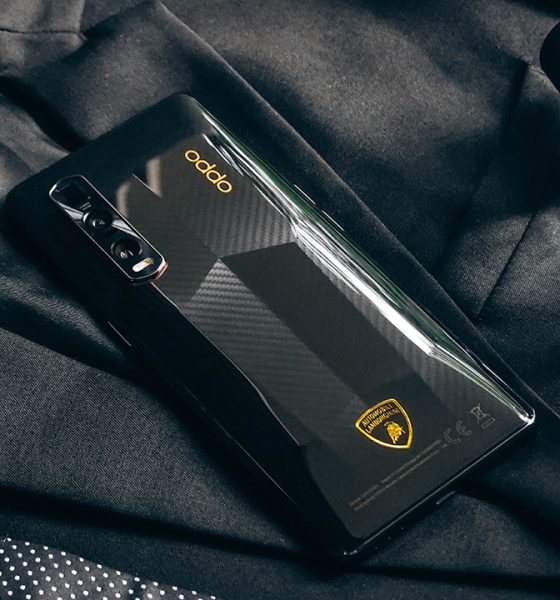

Sleek, classy, and powerful — these are the words I think of whenever I see Lamborghini. The Italian luxury carmaker has always been associated with grandeur and power. It has etched itself as a desirable experience one can dream of. You can even call it a beauty and a beast; evident in their supercars, SUVs, and e-bikes.
Brimming with such finesse, no wonder it partnered with OPPO’s finest phone which similarly carries the same epitome: a beauty and a beast.
Back in 2018, OPPO and Lamborghini already collaborated. The OPPO Find X Lamborghini Edition — worth almost US$ 2000 — was a remarkable luxury device. In 2020, OPPO brings the same lavish experience albeit more sophisticated.
An exquisite unboxing
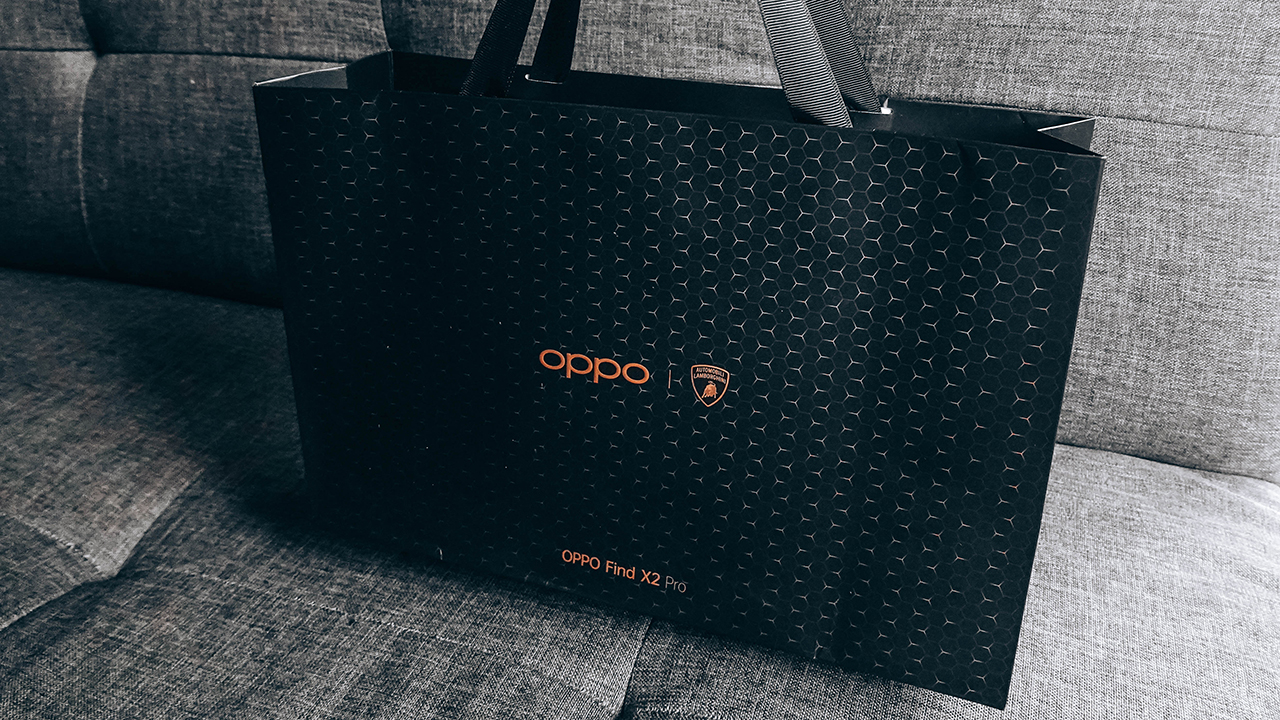
Before we start, let’s call the OPPO Find X2 Pro Lamborghini Edition as Find X2 Pro Lambo. This luxurious handset came in a sexy, black paper bag.
Both OPPO and Lamborghini’s symbols were embossed in striking gold color, shining reflectively. Lamborghini’s signature patterns were embellished to present an exquisite and noble look.


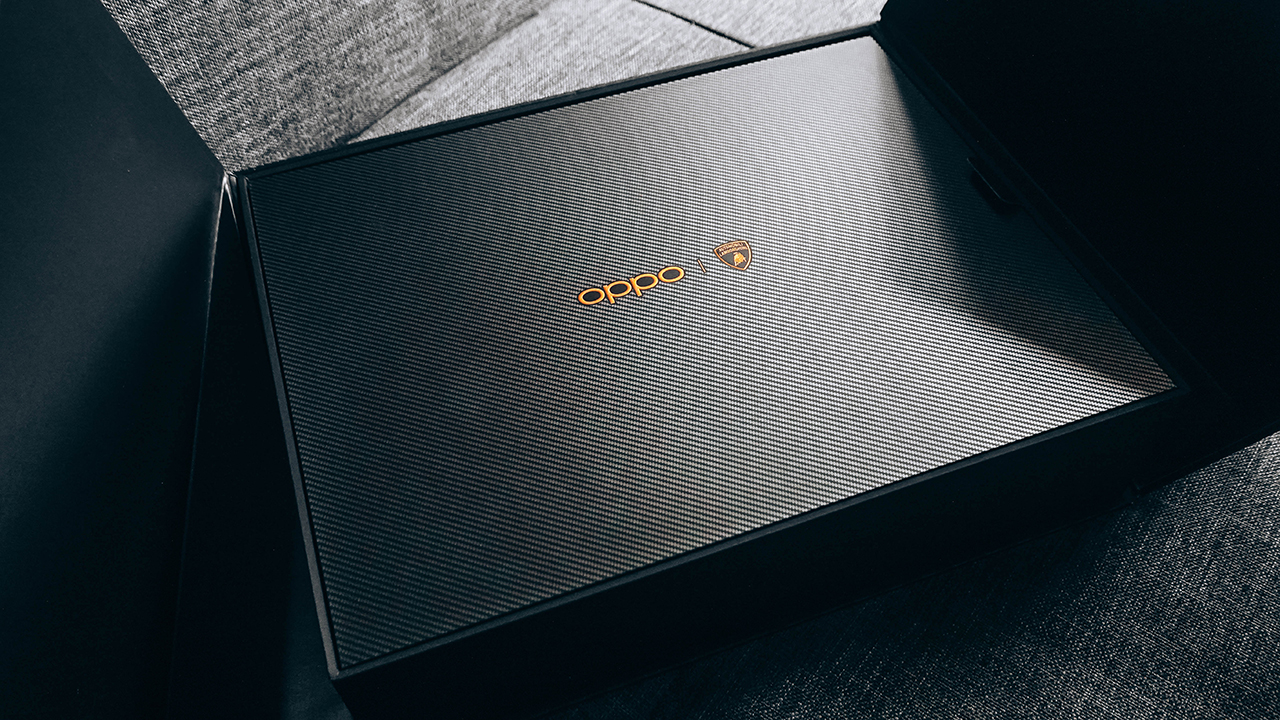
The posh and upscale weight possessed by the ornate box was conspicuous all throughout. First, its design was reminiscent of Lamborghini’s distinct scissor doors.
You can open the box outwards like you’re about to enter your own Lamborghini Aventador SVJ Roadster — the inspiration for this special edition phone. In essence, it felt like a regal experience.
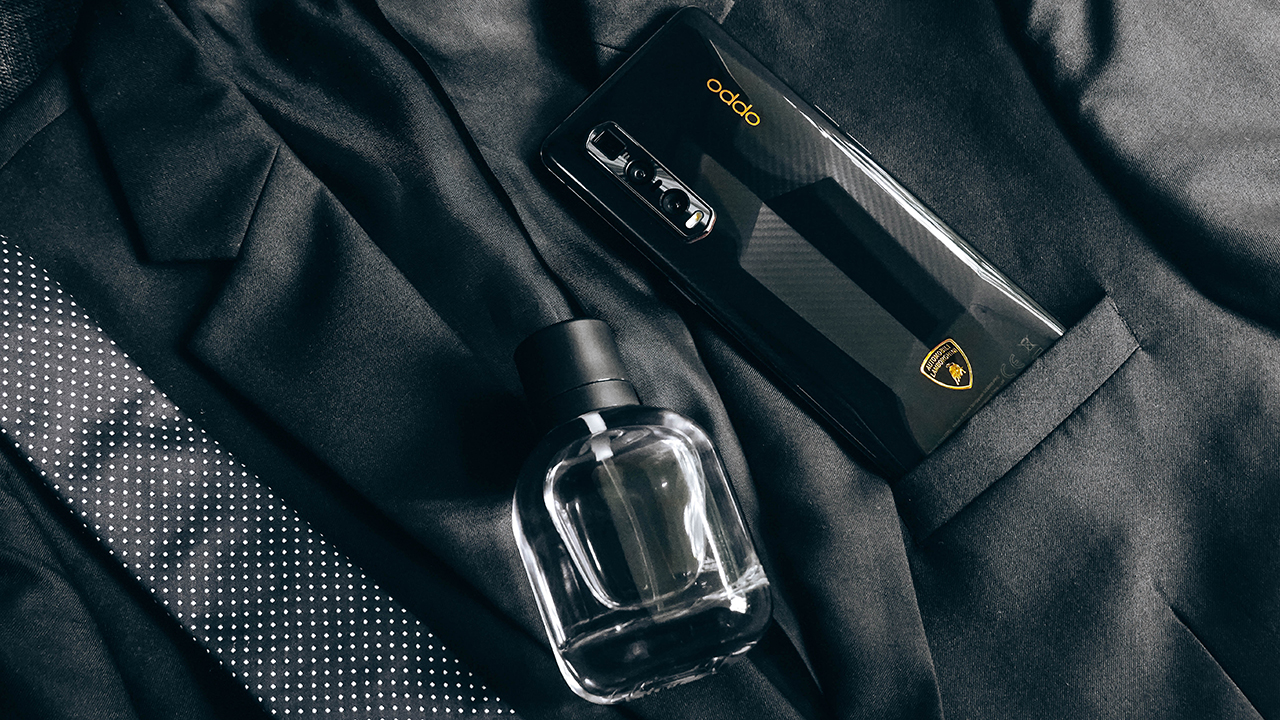
Of course, the Find X2 Pro Lambo edition came in a protective case, but I took it out to marvel at its magnificence standing out against my black coat. In certain angles, it reveals subtle patterns that make it look dapper.
But let’s forget about the phone for a while, and let’s proceed to see what else is inside the box.
The marriage of aesthetic and performance
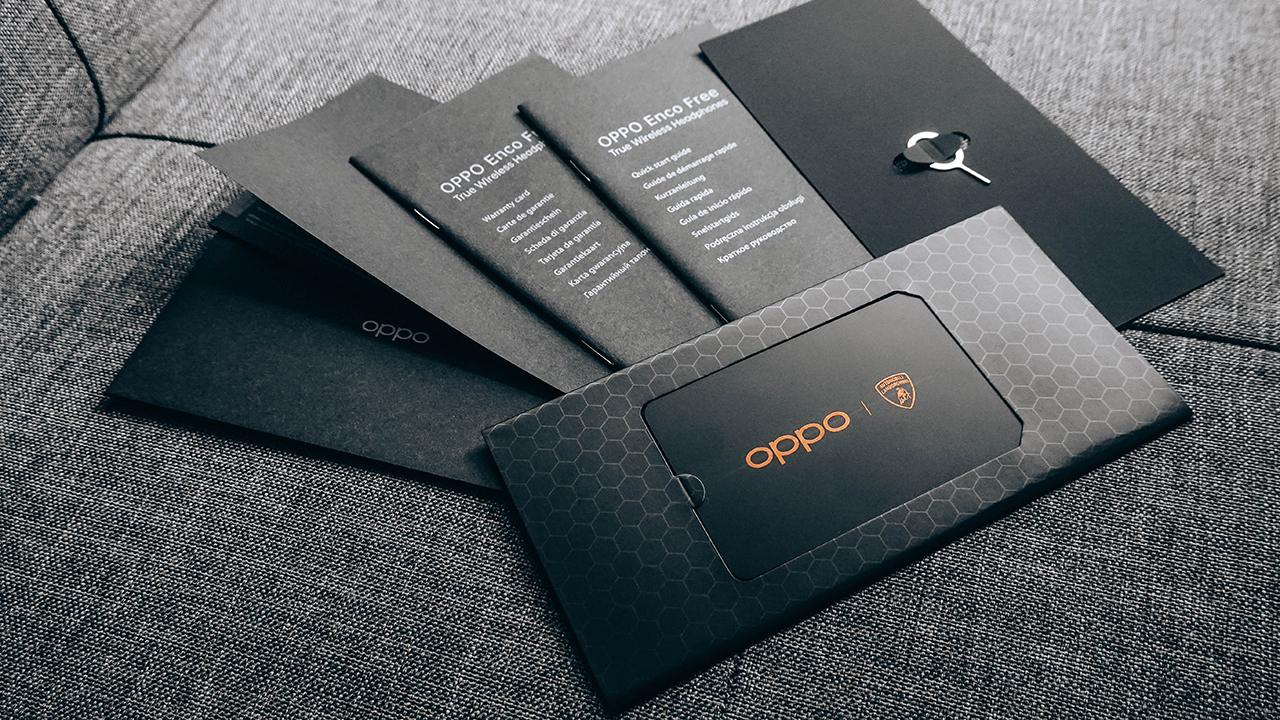
Inside the thick layer where the phone sat houses the manuals written in a bunch of black papers, a premium-looking warranty card with stamped insignias, and a SIM ejector tool.

At the deep-end of the box, you can find the elegantly-designed accessories. If there’s one thing I can commend OPPO about, it’s the meticulous presentation of an opulent device. Those who will attempt to do special edition boxes can learn a thing or two from how OPPO and Lamborghini did it.
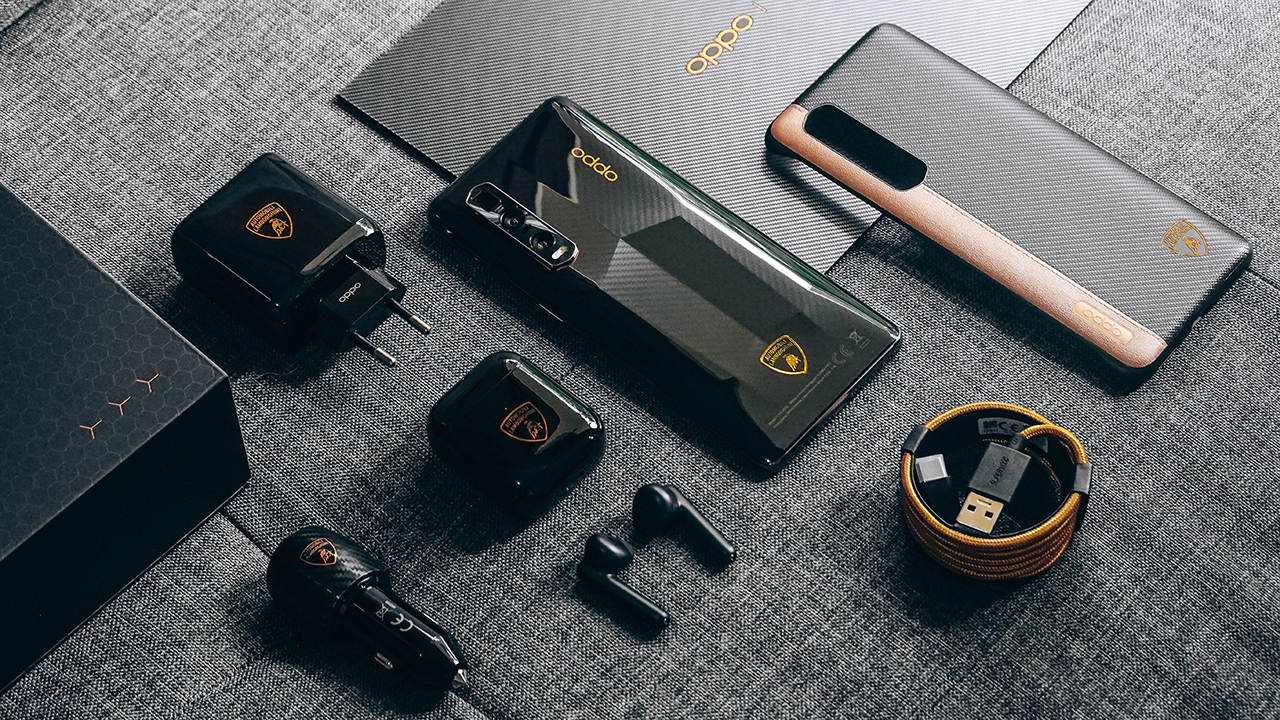
It’s complete with accessories produced cohesively, conveying the marriage of performance and aesthetics. Lamborghini’s design language was written all over these peripherals, how can you not love it?
There’s a SuperVOOC 2.0 charger, a golden braided USB-C to USB-A cable (and a shorter, black one), a car charger, an exclusive phone case, and OPPO’s true wireless earphones — the OPPO Enco Free.
Hey there, handsome!
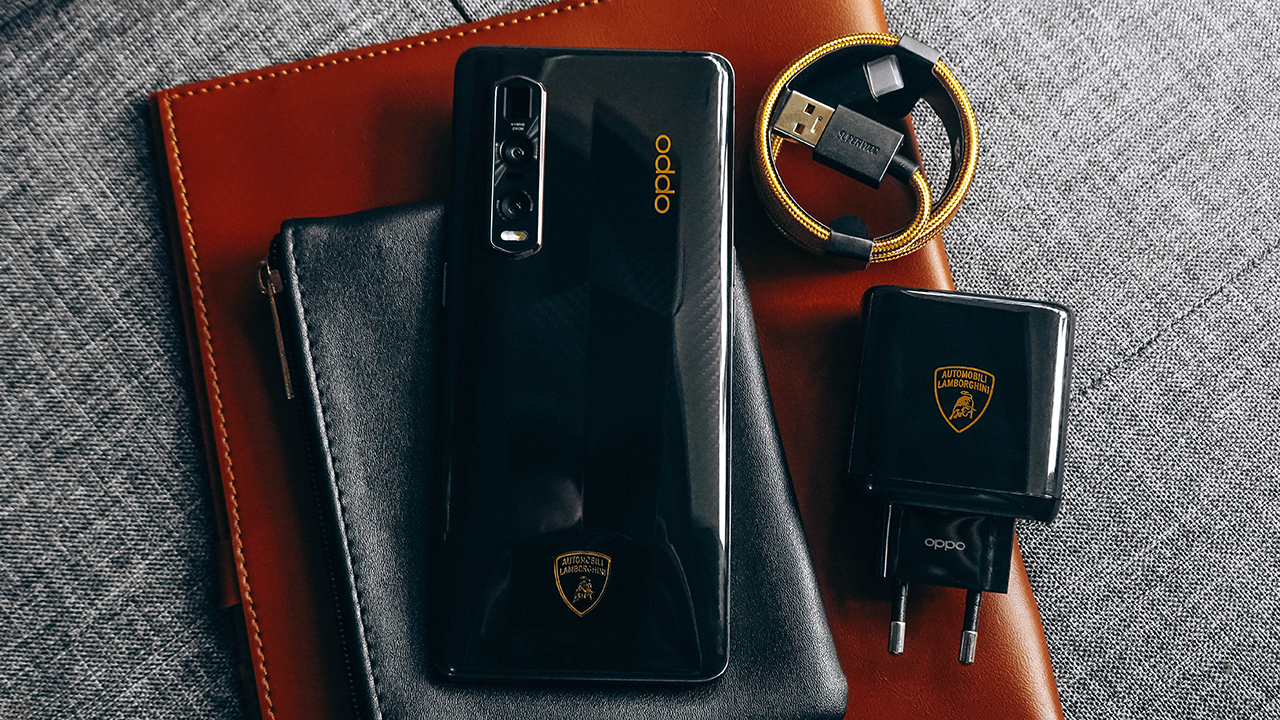
The Find X2 Pro Lambo edition has a unique and stunning exterior. It’s composed of a four-layer overlaid carbon-fiber texture similar to the Aventador SVJ Roadster, coated with a forged glass revealing simulated patterns and curves you’ll definitely love.
Compared to the original Find X2 Pro (which we associated with Hermès), the Lambo edition fashioned a hexagonal, edgy camera module in lieu of the rounded frame. It also stuck to the Lamborghini branding, applying gold and metallic accents to the phone and its accessories.
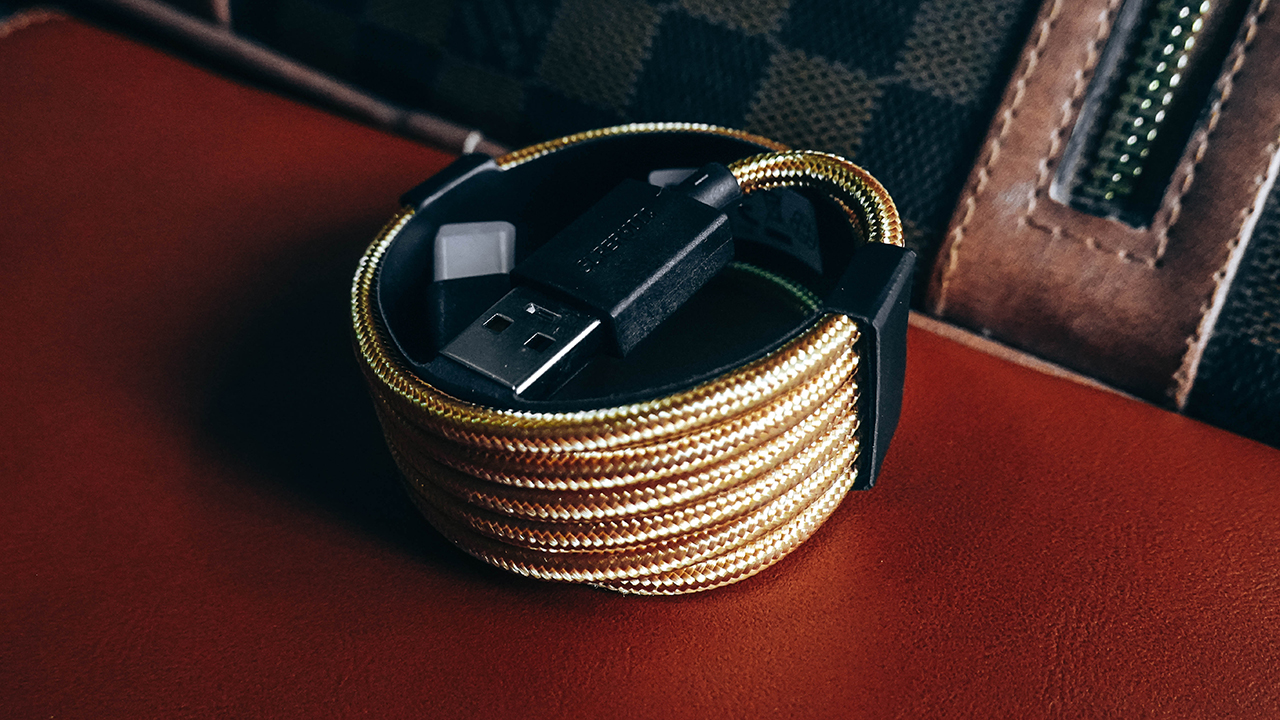
What I loved the most is the golden braided cable. It’s similar to my favorite cable from the HP Spectre X360 13, which looks suave!
The beauty to your beast

Naturally, a luxurious, special edition phone should come with an exclusive case to make its users feel special. Gratefully, OPPO packed a hand-stitched two-toned case: black carbon fiber and a metallic copper leather exuding a certain oomph when you glide your fingers.
This phone will suit your style if your aesthetic is a mix between black and varying shades of leather brown. Par exemple, this fancy phone complemented my faux leather brown organizer and Louis Vuitton vacation bag.
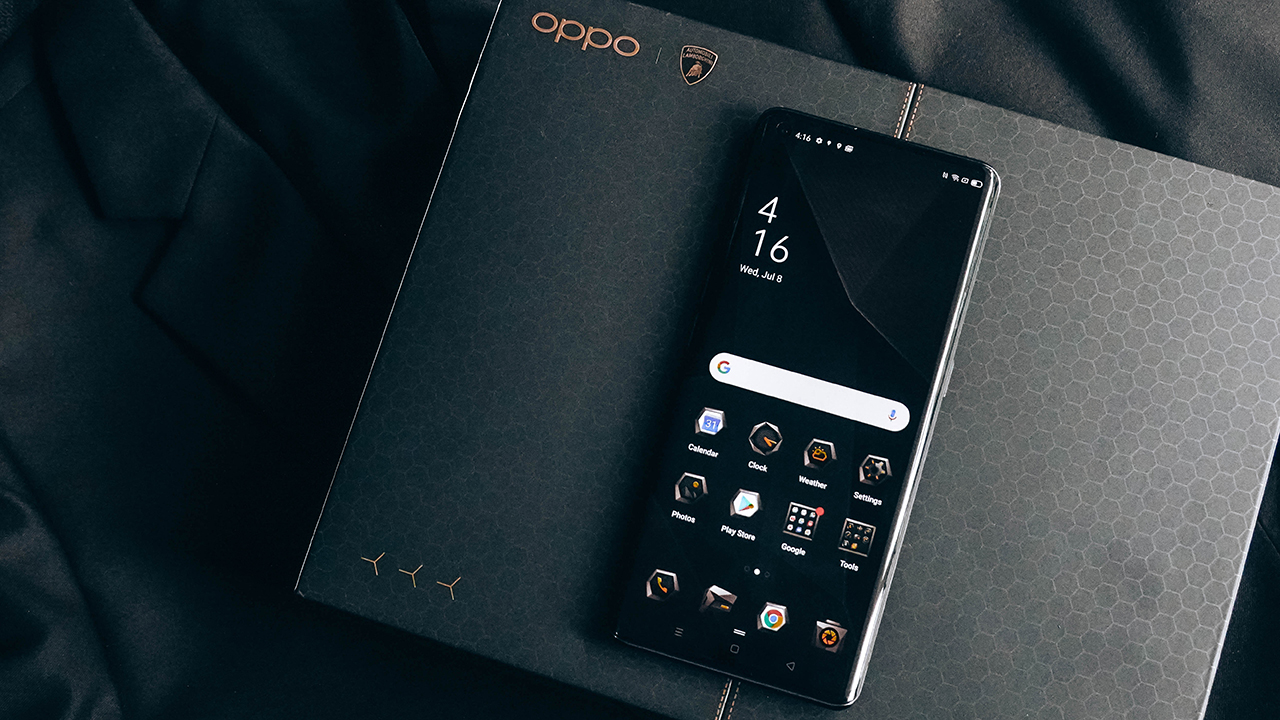
Moving to its front, the Find X2 Pro Lambo edition runs a custom Lamborghini Color OS 7.1 theme. This handset brims with the same power and performance.
It still has the same 6.7-inch OLED display with HDR10+ support and 120Hz refresh rate. The same processor, memory configuration, and battery capable of OPPO’s proprietary 65W fast charging support — which you can enjoy on the Find X2 Pro — are also housed in the Lambo edition.
A splendid, special edition experience
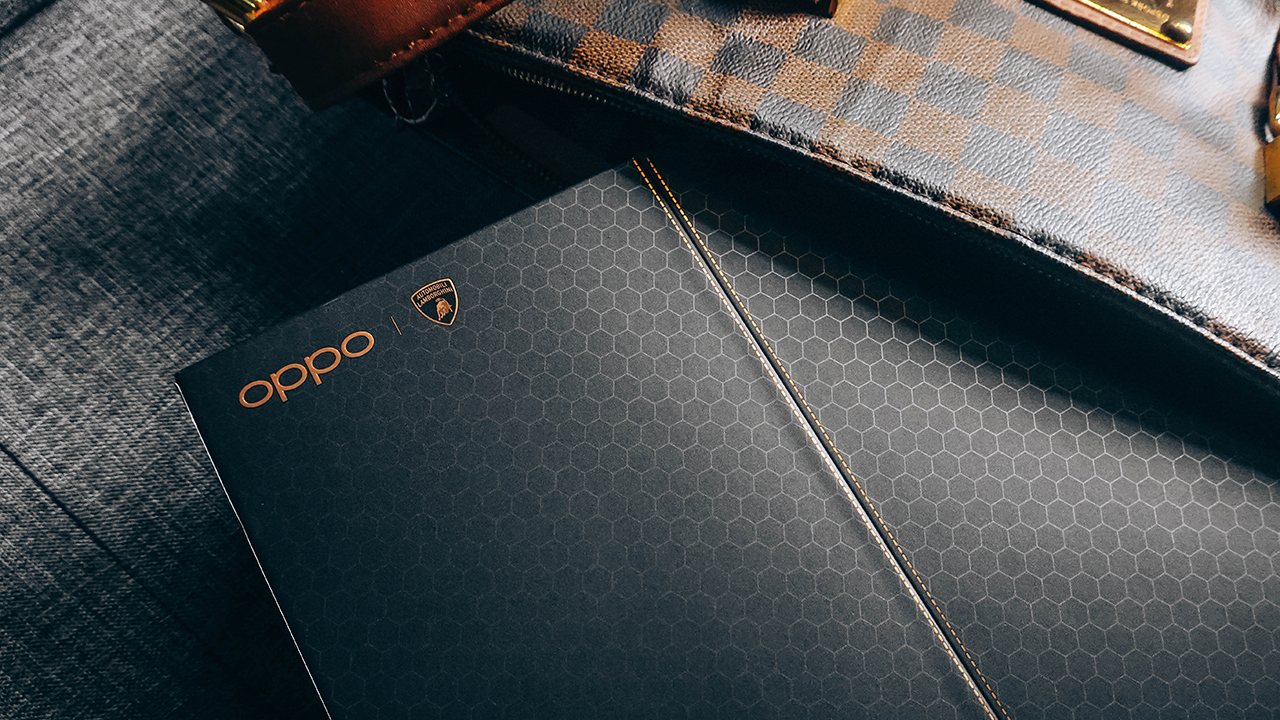
Certainly, the partnership between OPPO and Lamborghini is a fine example of special edition phones done right. It offers the lavish experience every Lamborghini car owner and fan can delight on, at a staggering price.
The OPPO Find X2 Pro Automobili Lamborghini Edition retails for CNY 13,000 (US$ 1,900 / PhP 92,000). For a luxury special edition phone, the price tag isn’t something that Lambo owners worry about. However, the phone is only available in China.
Meanwhile, the Find X2 Pro retails for CNY 7,000 (PhP 65,990). In the Philippines, telco providers offer the handset as part of their postpaid plans.
SEE ALSO: OPPO Find X2 Pro Unboxing and Review | Find X2 Pro review: OPPO’s finest





Features
Getting the latest Samsung Galaxy Z Flip8 at 0% Interest with Maya Mini Payments
What convinced me to upgrade and how Maya Mini Payments made paying for it easier~
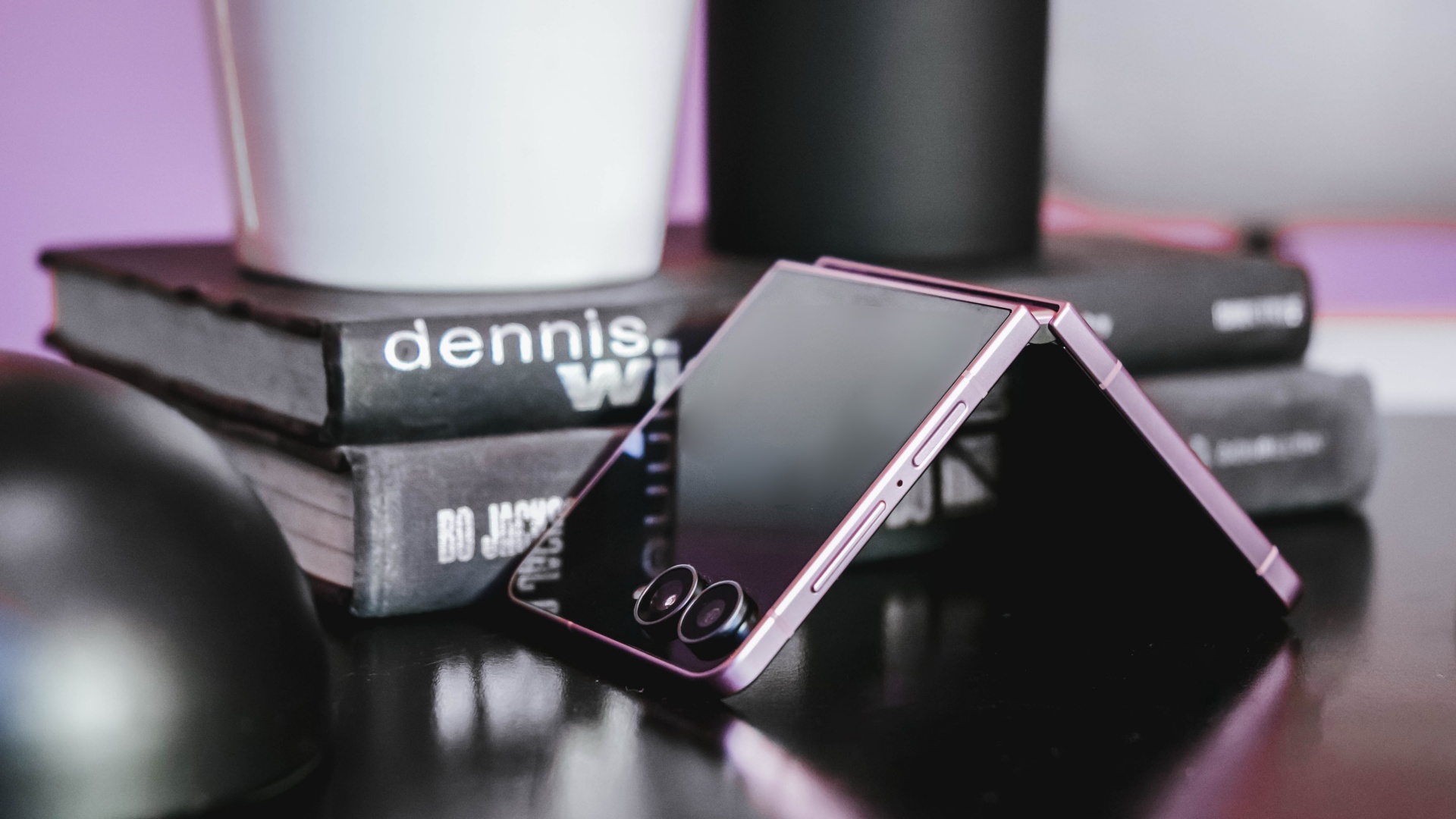
I don’t upgrade simply because there’s a newer model on the shelf.
Last year, I upgraded to the Samsung Galaxy Z Flip7 after spending three years with the iPhone 13 as my daily driver.
Even then, the decision wasn’t about chasing the latest release. It was about finding a device that better matched how I work.
I’m a firm believer that every upgrade has to earn its place in my pocket, especially when there are already perfectly capable phones sitting on my desk.
So when I decided to pre-order the Samsung Galaxy Z Flip8, the decision wasn’t simply about getting the newest device.
It came down to two questions: It came down to two questions: Is this a smart upgrade? And if it is, what’s the smartest way to own it?
The first question was answered by the device itself. The second is where Maya Mini Payments entered the conversation.
For me, the Flip8 addresses the reasons to upgrade. Maya Mini Payments addresses one of the biggest reasons people hesitate: big purchases that could be paid in 3, 6, 9 or 12 monthly payments.
Changing how I shoot and use my phone
I spend most of my day switching between shooting, editing, and posting, sometimes all within the same hour.
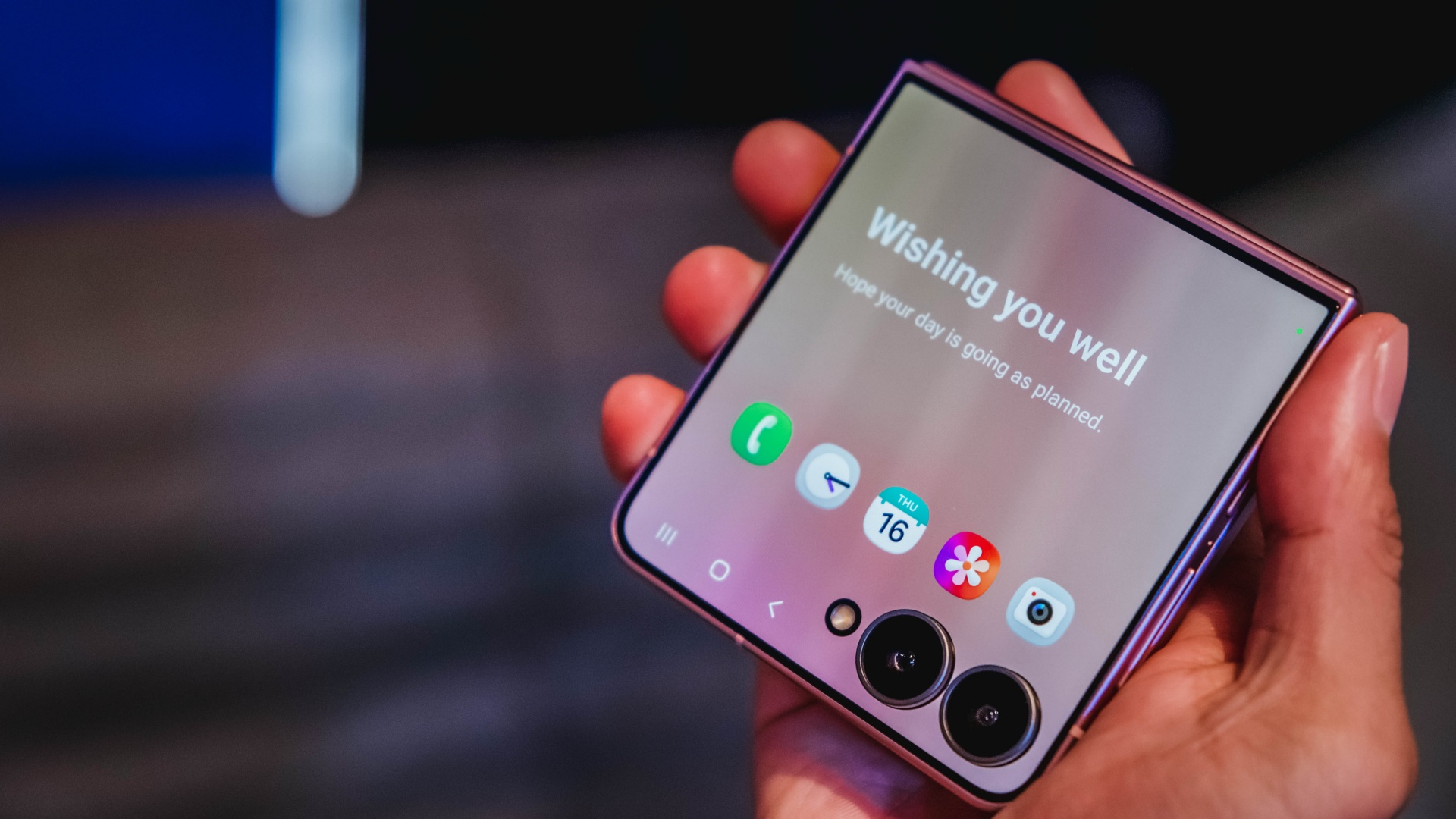
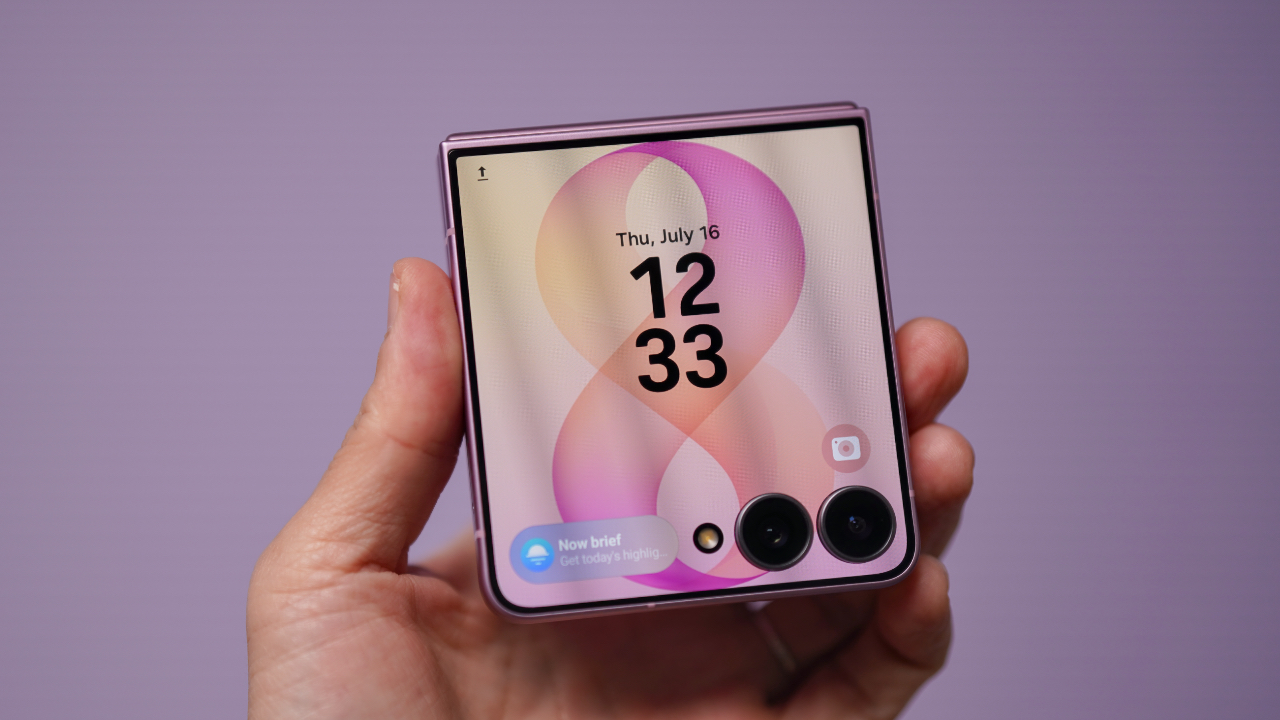
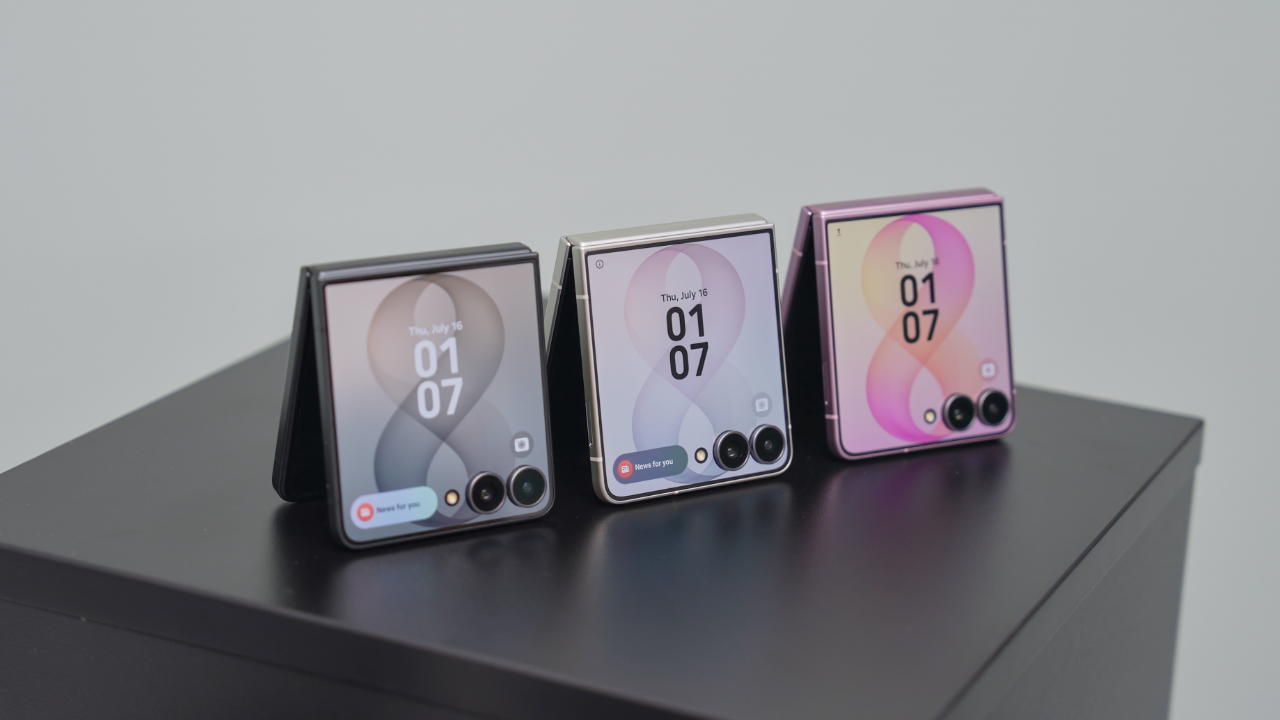
One of the biggest reasons the Galaxy Z Flip8 caught my attention is the cover screen. It’s finally useful enough that I can shoot, preview, and interact with content without constantly opening the device.
That may sound like a small change, but it makes a difference when you’re trying to capture candid moments before people notice a camera pointed at them.
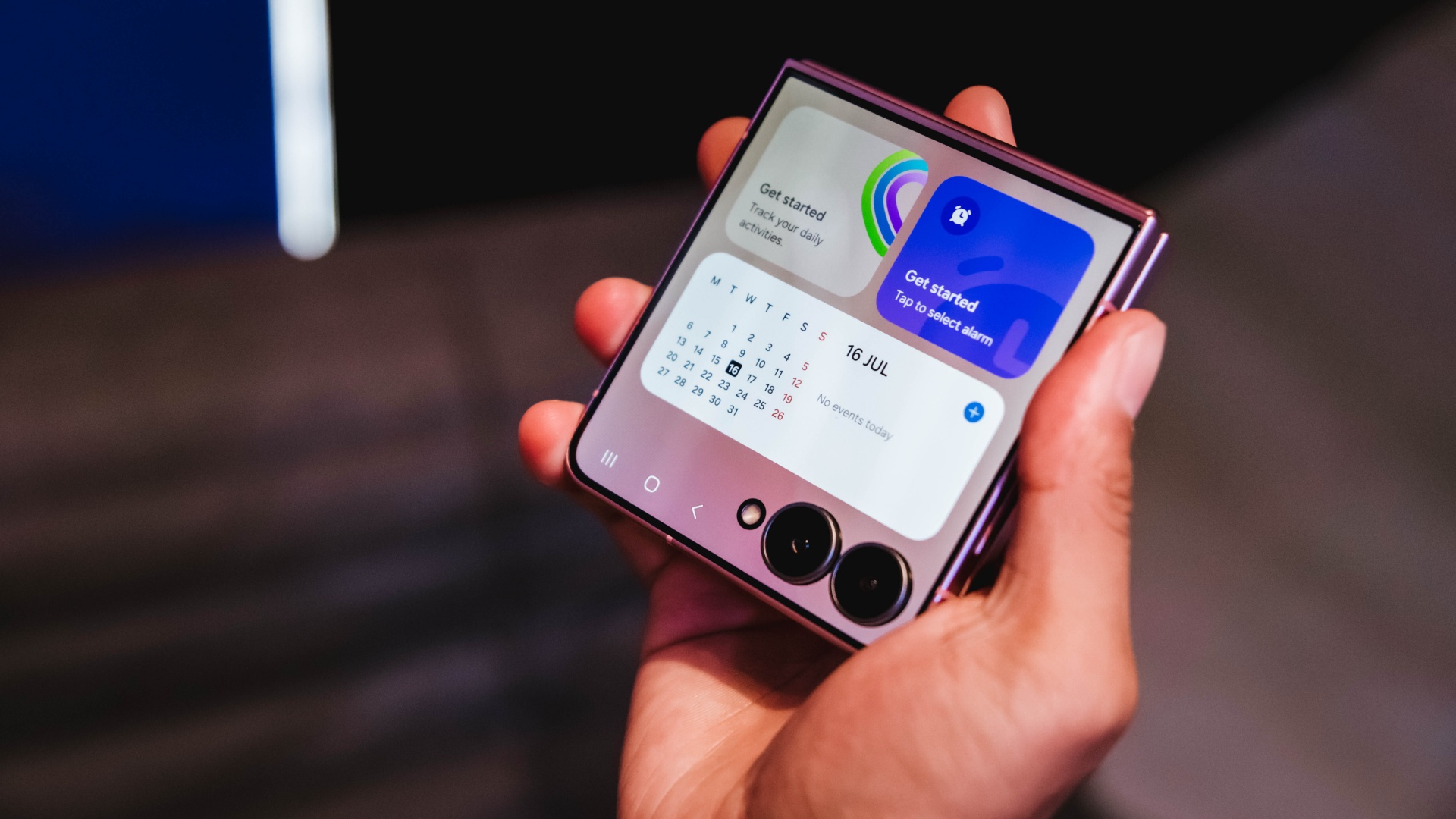
It also makes everyday tasks easier. I can check a script, review a shotlist, reply to messages, or glance at notifications without unfolding the phone every few minutes.
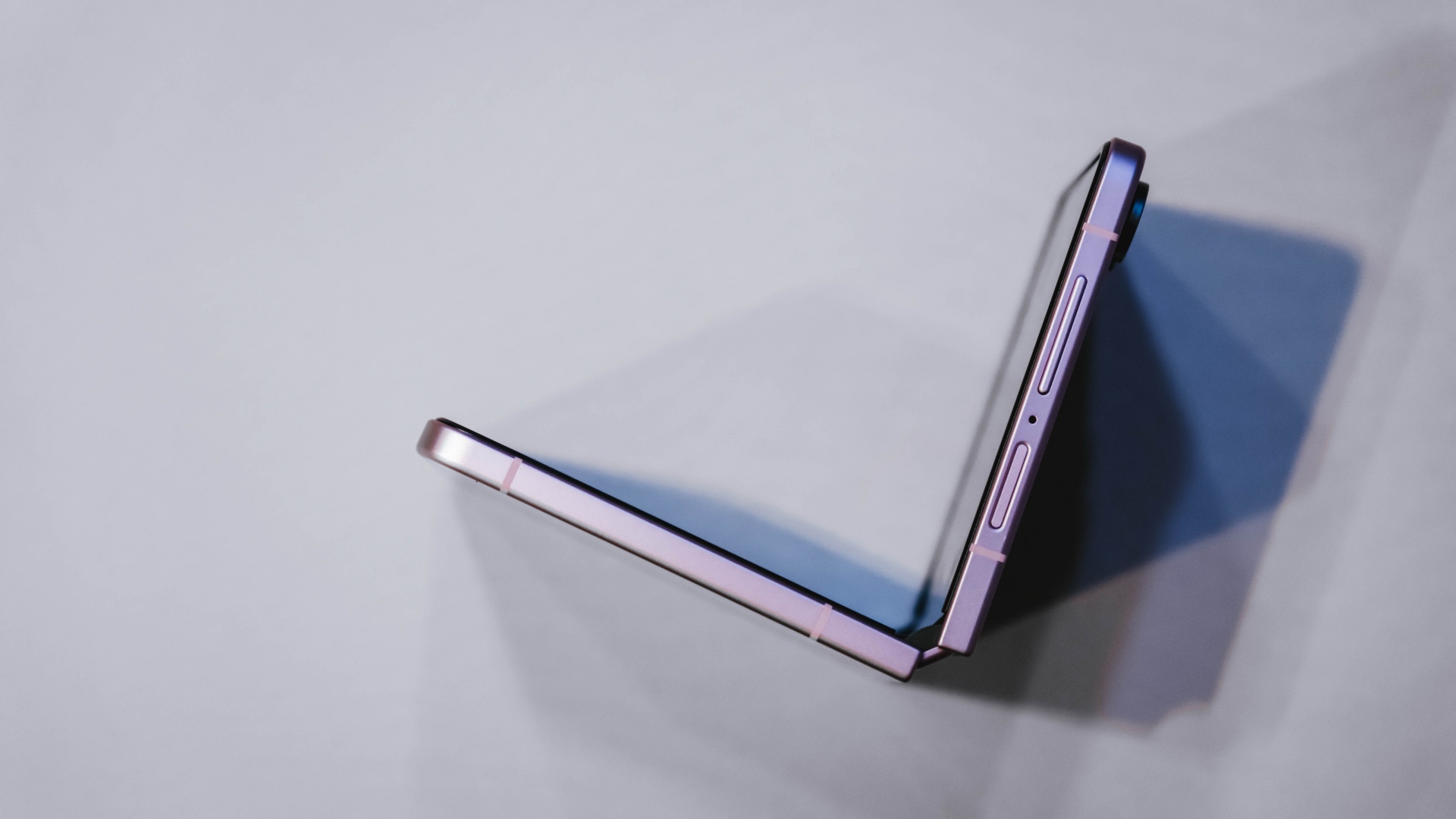
For years, foldables often felt like they required some compromise. You gained a unique form factor and flexibility, but sometimes gave up a little on the camera experience. The Flip8 feels like it’s closing that gap.
Samsung’s improvements in low-light performance and stabilization are especially noticeable for the kind of run-and-gun content I create.
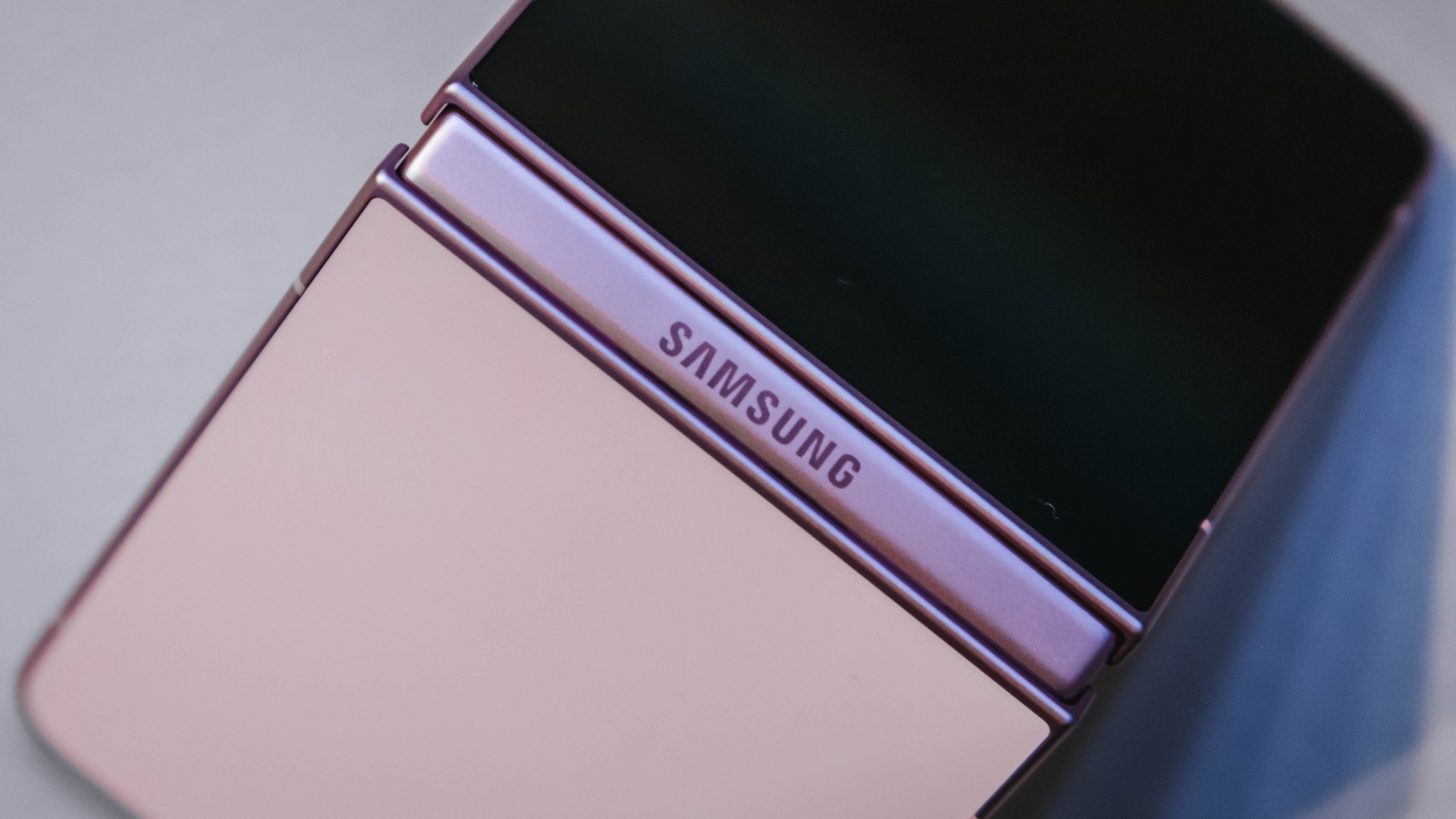
I haven’t spent enough time with it to call this a full review yet, but my first impressions have been positive. The experience feels more refined and more dependable than previous generations.
Features alone don’t convince me to upgrade. They have to solve a real problem. The more useful cover screen, the improved camera experience, and the overall refinement were the first signs that the Flip8 was offering something I’d actually use every day rather than another feature to add to a spec sheet.
The battery and multitasking finally match my day
The less exciting reason I’m upgrading is also the one that affects me the most.
Between filming, reviewing footage, answering emails, coordinating campaigns, and managing social media, my phone is constantly working.
My old device usually drops into battery-saving territory before dinner. It gets the job done, but I spend too much time thinking about charging instead of working.
The Galaxy Z Flip8 feels better equipped for that reality. The battery efficiency is improved, and multitasking feels more natural when juggling multiple apps throughout the day.
Those aren’t flashy features, but they’re the kinds of upgrades that quietly improve everyday productivity. They’re also the features that convinced me this wasn’t simply a want. It was an upgrade I could actually justify.
Once I was convinced the Flip8 was worth upgrading to, I realized the decision wasn’t really over. A smart upgrade also deserves a smart way to pay for it.
Making a big upgrade more manageable
Of course, deciding a device is worth upgrading to is only half the equation. The other half is figuring out how to pay for it.
The Galaxy Z Flip8 is a premium device, and for most people, the upfront cost is what gives them pause. That’s often where upgrade decisions get delayed, even when the device itself makes sense.
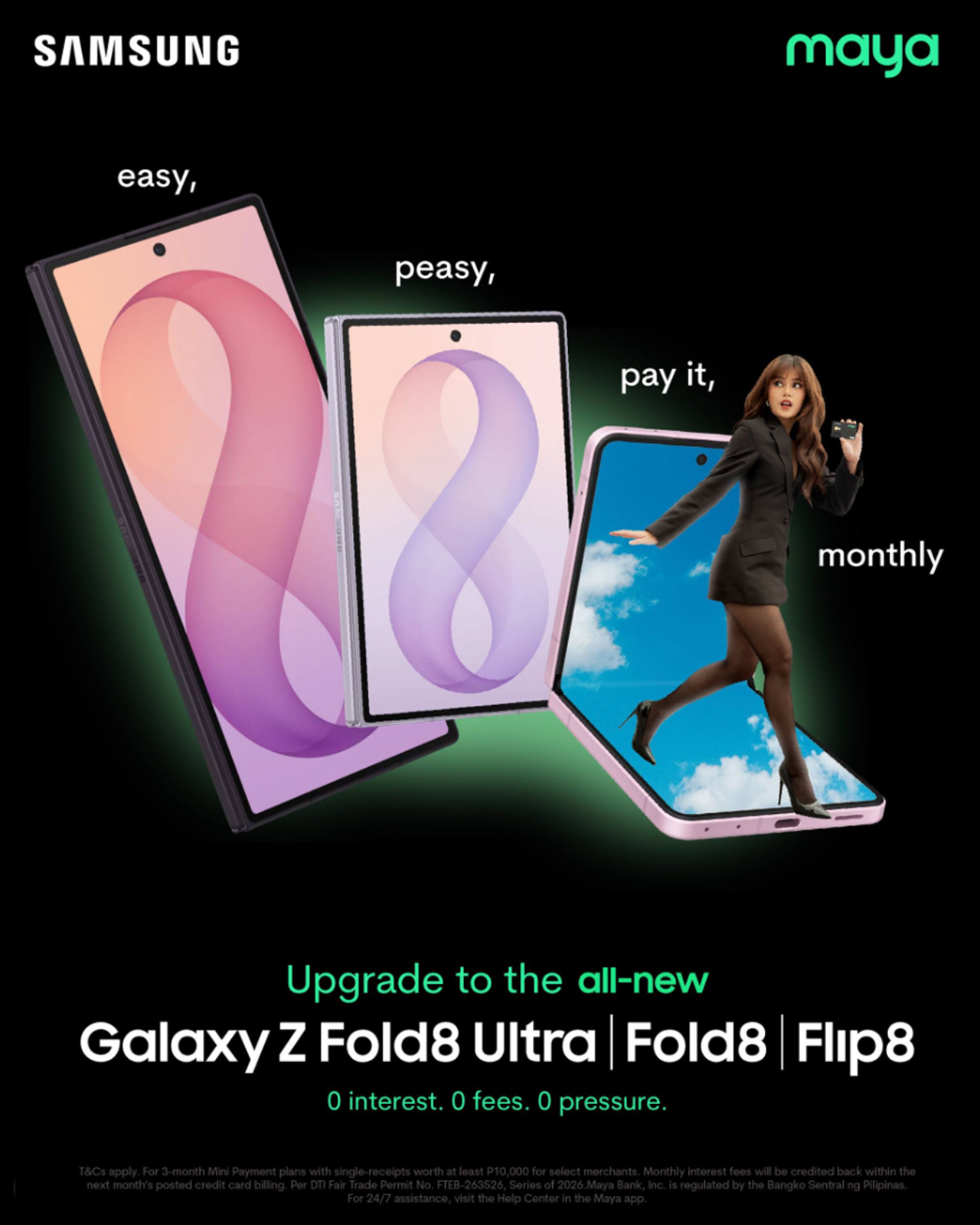
That’s why Maya Mini Payments stood out to me. Any Samsung purchase paid with a Maya Credit Card can be converted into Mini Payments directly through the Maya app, making it easier to spread the cost into monthly installments instead of paying for everything upfront in one go.
You can choose installment plans of up to 12 months at a fixed monthly add-on interest rate of 1%.
For Samsung Galaxy Z Fold8 and Galaxy Z Flip8 purchases, cardholders can enjoy a 3-month Mini Payment plan at 0% interest, making the upgrade more manageable without additional interest costs on the installment plan.
What I like about the concept is that it mirrors the reason I like the Flip8 itself.
The Flip8 makes it easy for me to shoot, edit, communicate, and multitask throughout the day. Maya Mini Payments makes it easy to purchase by turning one large expense into a payment plan that fits more naturally into a monthly budget.
Both are practical solutions to real-world problems. Also, the entire process can be managed directly within the Maya app, making it easy to track and manage installment conversions without additional paperwork.
View this post on Instagram
Still on the fence?
The Samsung Galaxy Z Flip8 feels like one of the strongest cases yet for upgrading to a foldable.
For me, the cover screen is more useful, the camera experience feels more capable, and the battery and multitasking improvements better match how I actually work every day.
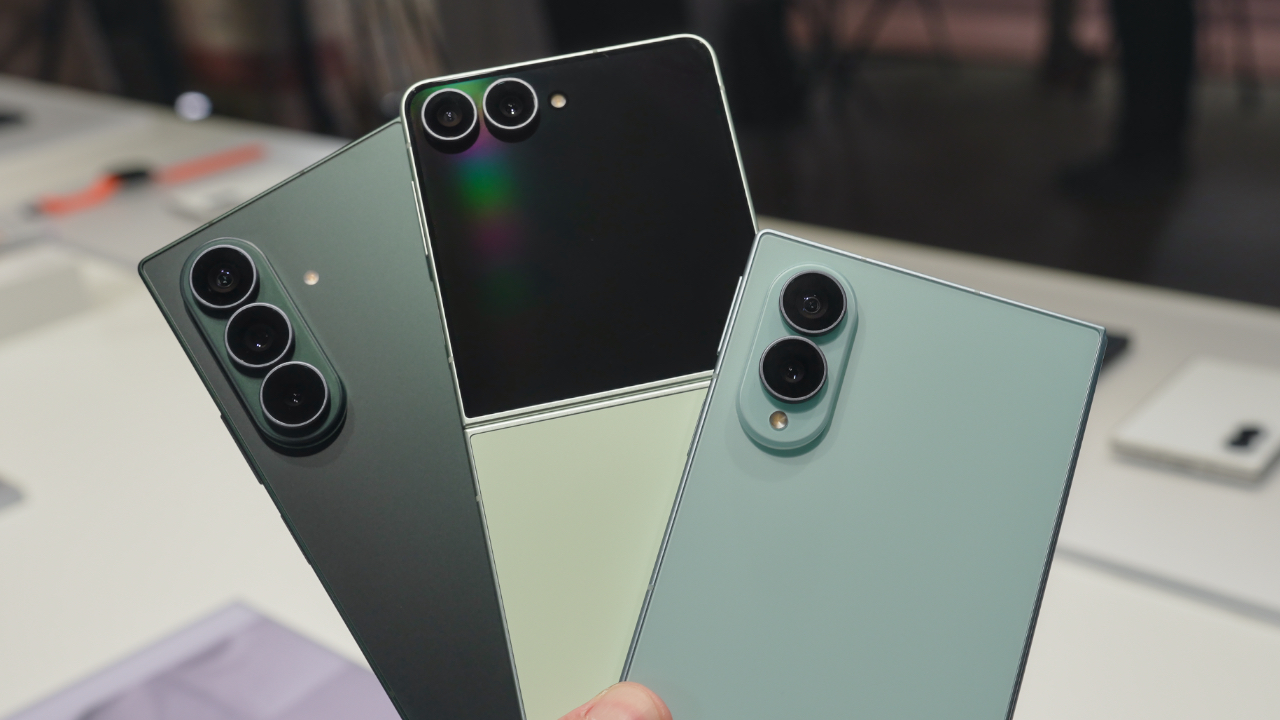
If you prefer a larger screen for productivity, the Samsung Galaxy Z Fold8 follows the same philosophy while giving users even more room to multitask and create.
If you’ve already decided Samsung’s latest foldables are your next devices, there’s also a smarter way to make that upgrade happen.
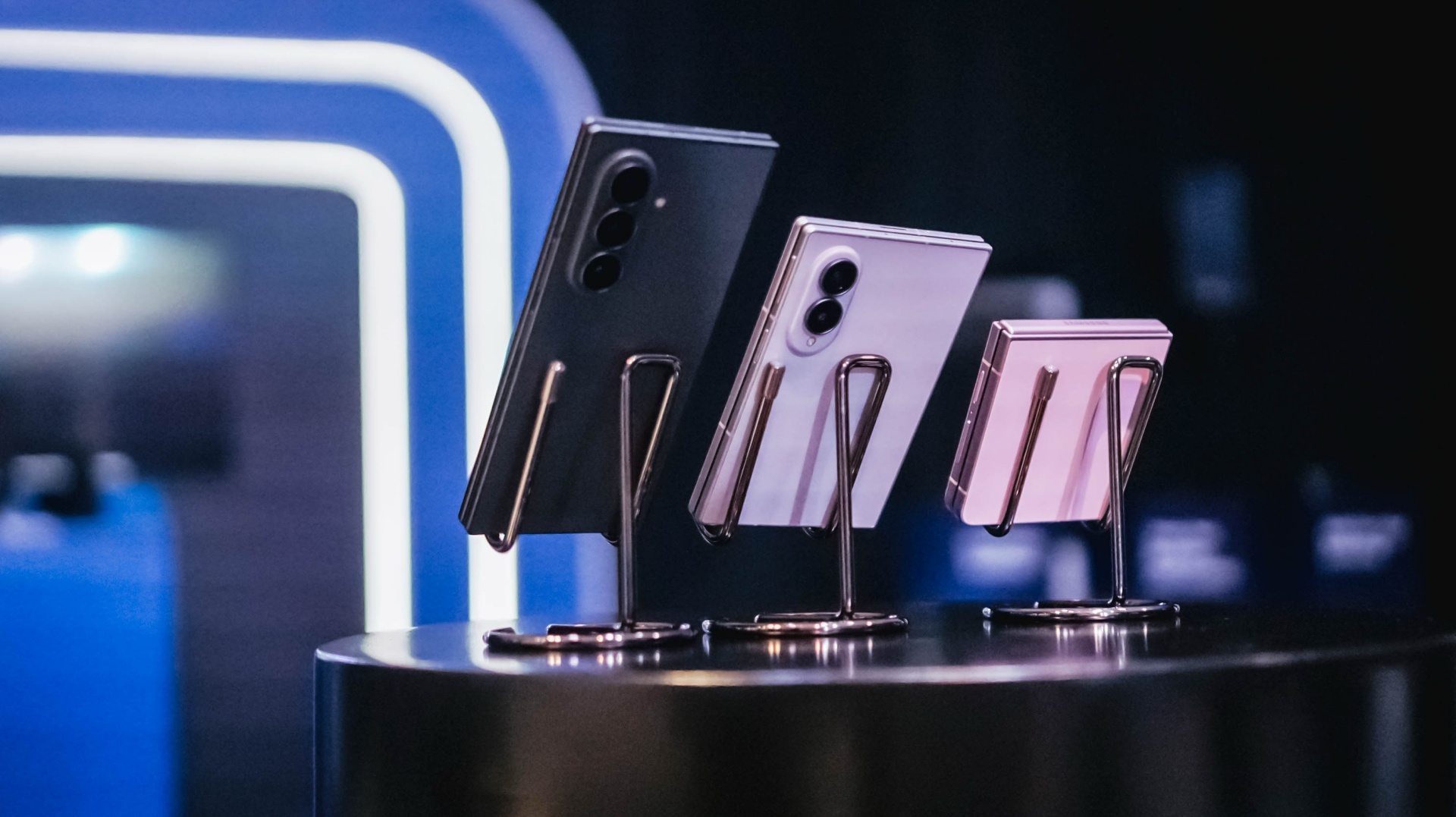
All your Samsung purchases made using a Maya Credit Card can be converted into a 3-month Mini Payment plan at 0% interest, with zero processing fees until September 30, making it easier to enjoy Samsung’s latest innovations without one big upfront payment.
Pre-orders run until August 13, with devices available in-store beginning August 14.
News
TCL expands mobile lineup with latest NXTPAPER series
3 new smartphone models featuring a paper-like viewing experience

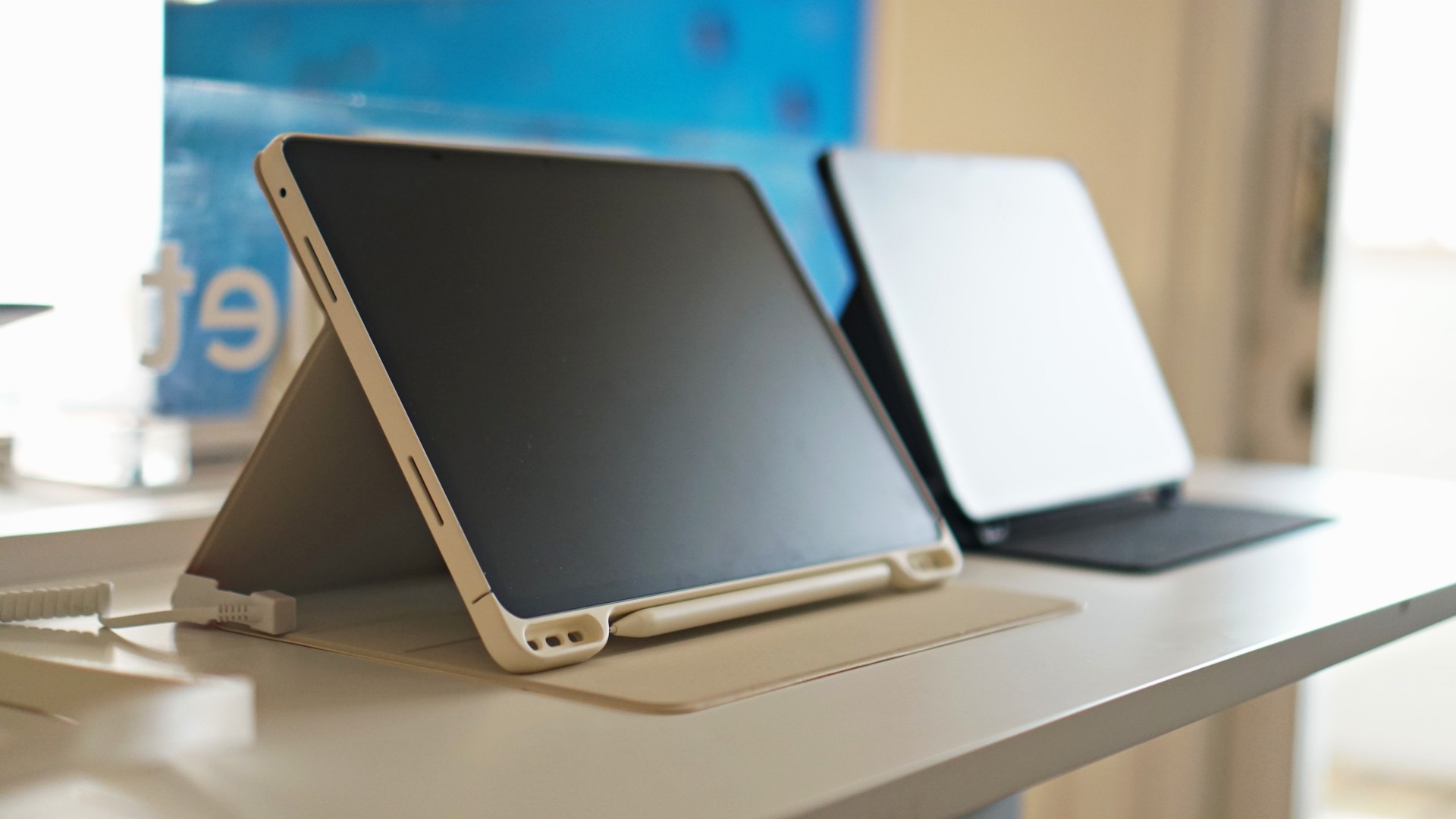
TCL has expanded its mobile lineup with the launch of the latest NXTPAPER smartphone series.
Part of the new NXTPAPER roster are the NXTPAPER 60 Ultra, NXTPAPER 70 Pro, and K70 Power 4G.
The new generation of smartphones is designed to deliver smarter, more comfortable, and more powerful mobile experiences for today’s connected lifestyle.
At the heart of the lineup is the company’s proprietary NXTPAPER technology, and award-winning display innovation.
It combines both hardware and software advancements to reduce eyestrain while preserving vivid colors and sharp picture quality. The result is a paper-like viewing experience.
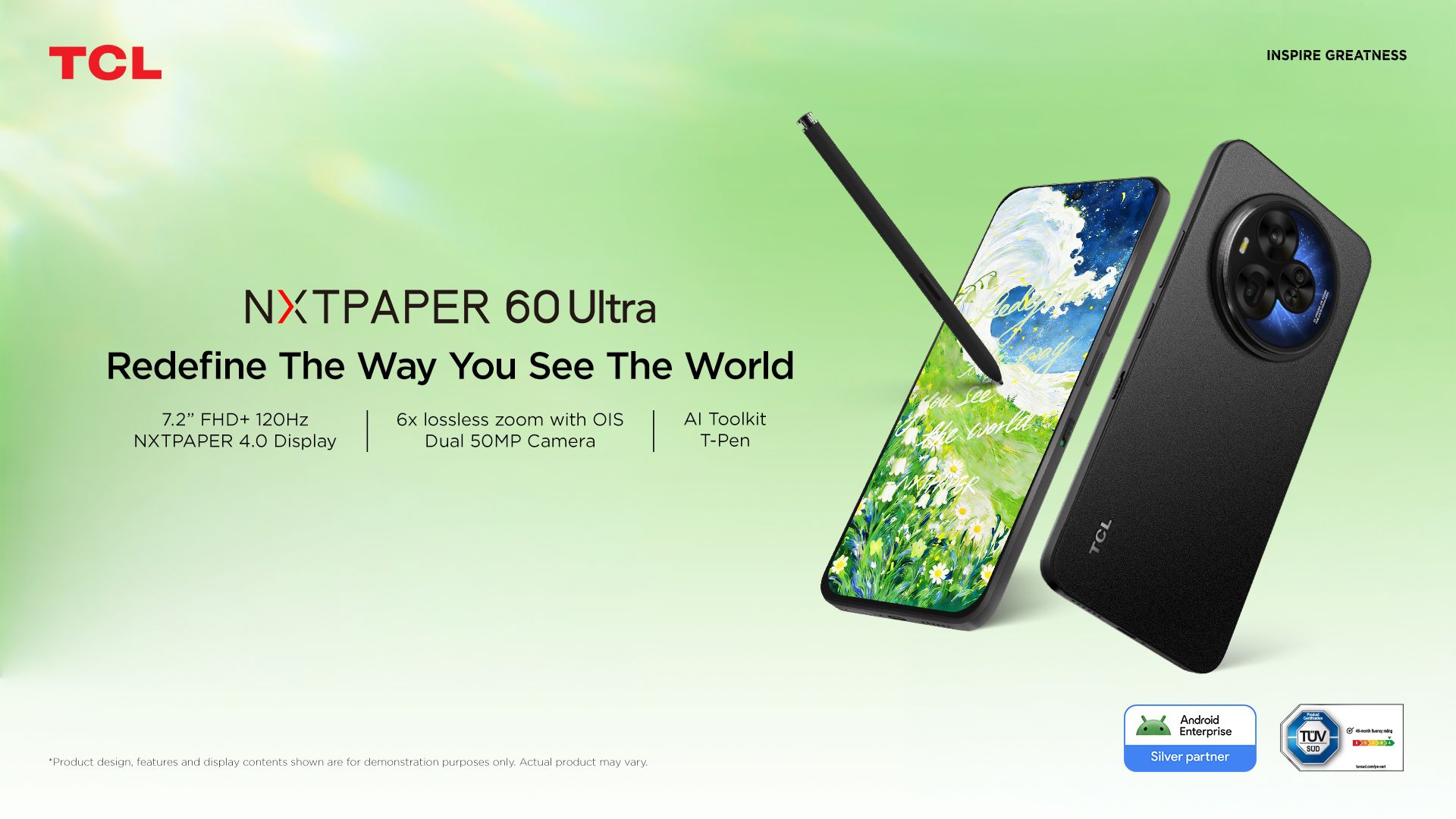
Bannering the roster is the NXTPAPER 60 Ultra. It is powered by a Dimensity 7400 Elite processor and runs on Android 16.
It comes with up to 512GB of internal storage and 12GB of base RAM, plus 12GB more for expansion.
In front is an expansive 7.2-inch 120Hz FHD+ display featuring Nxtpaper 4.0 and a 32MP selfie camera, while at the back is a 50MP main camera, along with a 50MP 3X telephoto camera.
This variant houses a 5,200mAh battery with support for 33W charging.
Right under the 60 Ultra is the NXTPAPER 70 Pro. It is powered by a Dimensity 7300 processor, and comes with a 6.9-inch 120Hz FHD+ display and a 50MP main shooter.
This model has 8GB of RAM and 256GB of internal storage. It has a similar 5,200mAh battery with 33W charging.
Lastly, the K70 Power 4G is a budget choice, with a Helio G100 Ultra chipset, 6.75-inch 120Hz display, 4GB of RAM, 128GB of storage, and a 50MP main camera.
Price, availability
In the Philippines, the latest NXTPAPER smartphones are available for the following pricing:
- NXTPAPER 60 Ultra: PhP 35,995
- NXTPAPER 70 Pro: PhP 22,995
- K70 Power 4G: PhP 9,495
All devices are available through Shopee.

Smart has opened pre-orders for the HUAWEI Pura 90s Series. It’s giving subscribers early access to Huawei’s latest flagship smartphones with exclusive bundled freebies.
Pre-orders for the HUAWEI Pura 90s Pro Max and HUAWEI Pura 90s Pro run until August 19 through Smart Stores nationwide and Smart’s online portal.
AI cameras meet Smart 5G
The HUAWEI Pura 90s Series combines Huawei’s latest AI photography features with 5G connectivity on the Smart network.
Leading the lineup is the HUAWEI Pura 90s Pro Max, which packs a 200MP ultra-large sensor telephoto camera with up to 20x telephoto zoom. It also includes AI-powered photography tools such as AI Glare Removal, AI Object Relocation, and intelligent camera guidance.
The phones also come with Huawei’s Celia AI assistant. Users can access Google apps through Huawei AppGallery or by installing the Google Play Store.
Smart says pairing the devices with its 5G network enables faster uploads, smoother livestreams, quicker cloud backups, and improved streaming and gaming performance.
Available on Smart Postpaid and Infinity
Customers can get the new devices through Smart Postpaid Plans+ 999 and above, which include UNLI App Bundles, 12 months of UNLI 5G in covered areas, Open Access Data, and network priority.
Under Plan+ 999, pricing starts at:
- HUAWEI Pura 90s Pro Max: PHP 58,800 outright or PHP 2,758 per month for 24 months at 0% installment via participating credit cards.
- HUAWEI Pura 90s Pro: PHP 34,700 outright or PHP 1,629 per month for 24 months at 0% installment via participating credit cards.
The smartphones are also available with Smart Infinity Plan 5000 and Infinity Plan 8000, which include unlimited data, calls, texts, roaming-ready connectivity, and exclusive Infinity privileges.
Customers who prefer prepaid can also purchase the devices through Smart Prepaid bundles.
Pre-order freebies
Smart Postpaid customers who pre-order either HUAWEI Pura 90s device will receive:
- HUAWEI Watch Fit Pro
- HUAWEI Pura 90s Gift Box
- HUAWEI Care+ device protection
Smart Infinity subscribers will receive the same bundle plus a pair of HUAWEI FreeArc Buds.
Pre-orders are open until August 19 through Smart’s online store and participating Smart Stores nationwide.


30 days later with the ASUS ExpertBook Ultra: Like seeing an ex
Felt exactly as I remembered.

ROG STRIX G16 Review: Building for the moment
Setting it up however you want to make the most out of it


realme C100: Enduring and durable in spite of entry-level realities
Enough power but needs more agility

Getting the latest Samsung Galaxy Z Flip8 at 0% Interest with Maya Mini Payments
30 days later with the ASUS ExpertBook Ultra: Like seeing an ex

TCL expands mobile lineup with latest NXTPAPER series
ROG STRIX G16 Review: Building for the moment

Smart opens HUAWEI Pura 90s Series pre-orders with exclusive freebies

Hands-on: Samsung Galaxy Z Fold8, Flip8, Ultra

Garmin launches its first screenless fitness band

VinFast debuts two-wheeler models, opens 21 e-motorcycle showrooms

Samsung releases teaser with Spider-Man: Brand New Day Easter eggs

Most of the world’s PlayStations will be officially useless by 2028


-
 Automotive1 week ago
VinFast debuts two-wheeler models, opens 21 e-motorcycle showrooms
-

 Computers2 weeks ago
AMD launches Radeon RX 9050 graphics card
-

 Automotive1 week ago
Xiaomi debuts SkyNomad Series featuring new Kunlun platform
-

 News6 days ago
OnePlus officially leaves the United States and Canada
-

 Gaming2 weeks ago
NBA 2K27 gameplay trailer showcases new dunk mechanics, Rucker Park, and more
-

 Gaming1 week ago
Call of Duty: Modern Warfare 4 clip shows Losing Ground 1st look
-

 Automotive2 weeks ago
BYD Atto 2 launches with EV, plug-in hybrid options
-

 Automotive1 week ago
GAC launches new trio of MPVs