
News
vivo X300 Pro headlines Dimensity 9500 and Sony’s LYT-828 image sensor
Alongside Samsung’s custom-engineered ISOCELL HPB sensor


In line with vivo’s annual product roadmap lies the refresh of their grandest smartphone line.
The vivo X300 and X300 Pro were finally revealed in China as the industry’s newest smartphones leading the mobile photography and Dimensity 9500 race.
Two Flavors, One Flagship
Qualcomm already announced their first Snapdragon 8 Elite Gen 5 phones with the Xiaomi 17, 17 Pro, and 17 Pro Max. vivo then pioneers the X300 series as the first batch of Dimensity 9500-running flagships.
Unlike last year though, there are only two models in the X300 lineup instead of three.
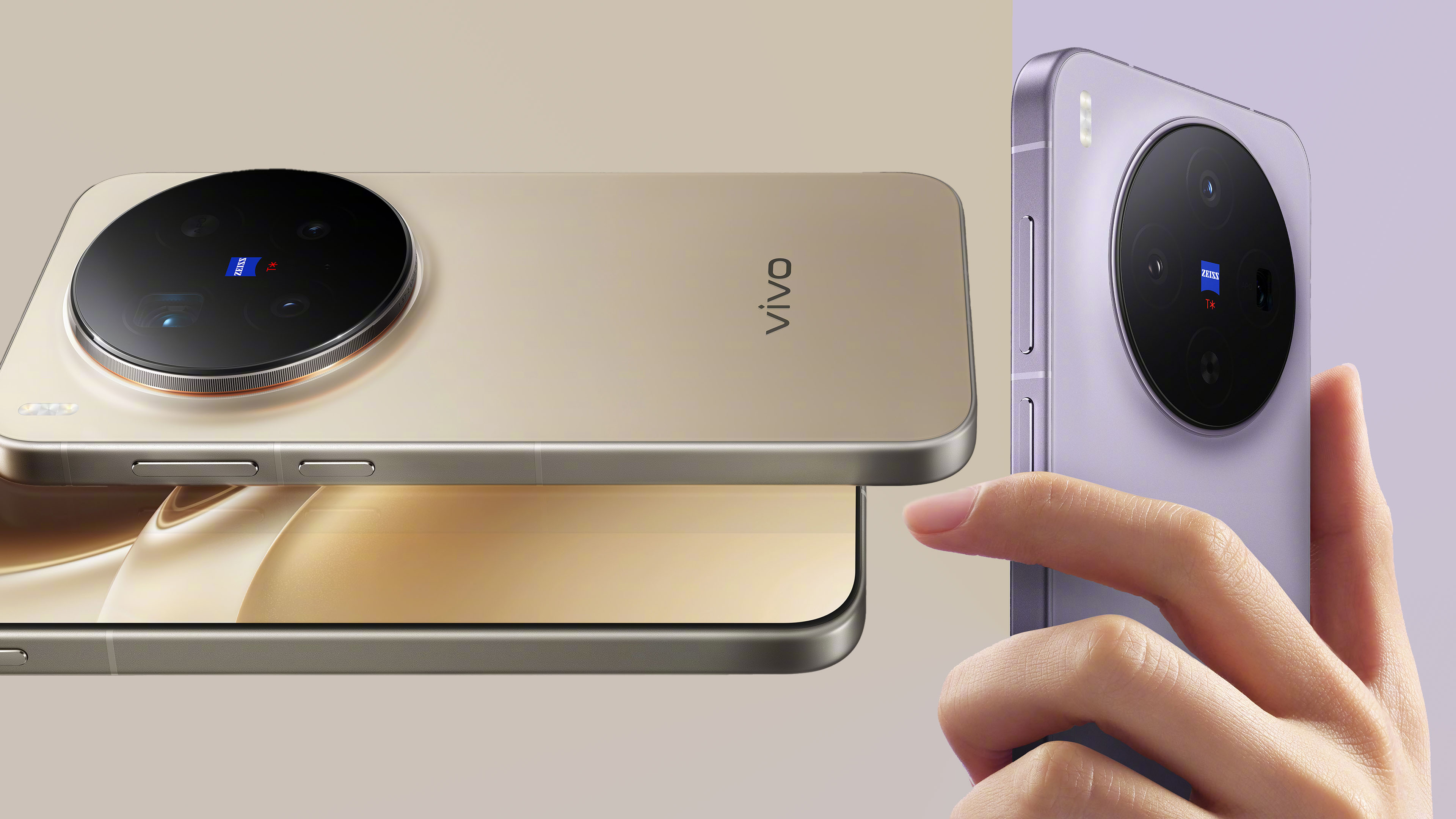
Graphics by Vincenz Lee | GadgetMatch
The vivo X300 adapts a smaller 6.31-inch flat screen, ditching the 6.67-inch of X200 last 2024. This not only is the “mini” successor of the X200, it also effectively replaces last year’s X200 Pro mini altogether.
Moreover, the Pro variant still rocks the same 6.78-inch panel as last year’s X200 Pro with “finely curved straight-edged bezels.”
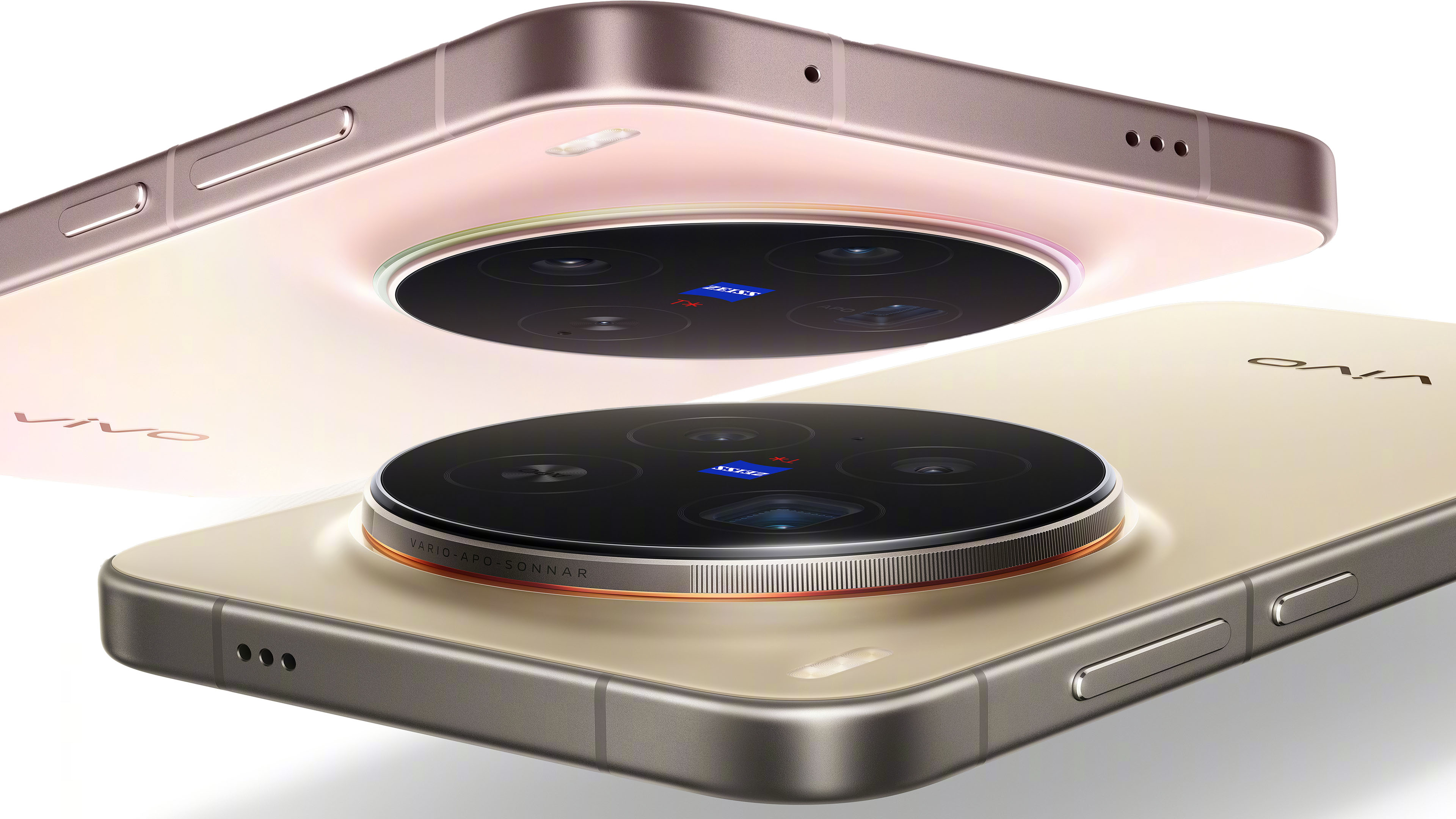
Graphics by Vincenz Lee | GadgetMatch
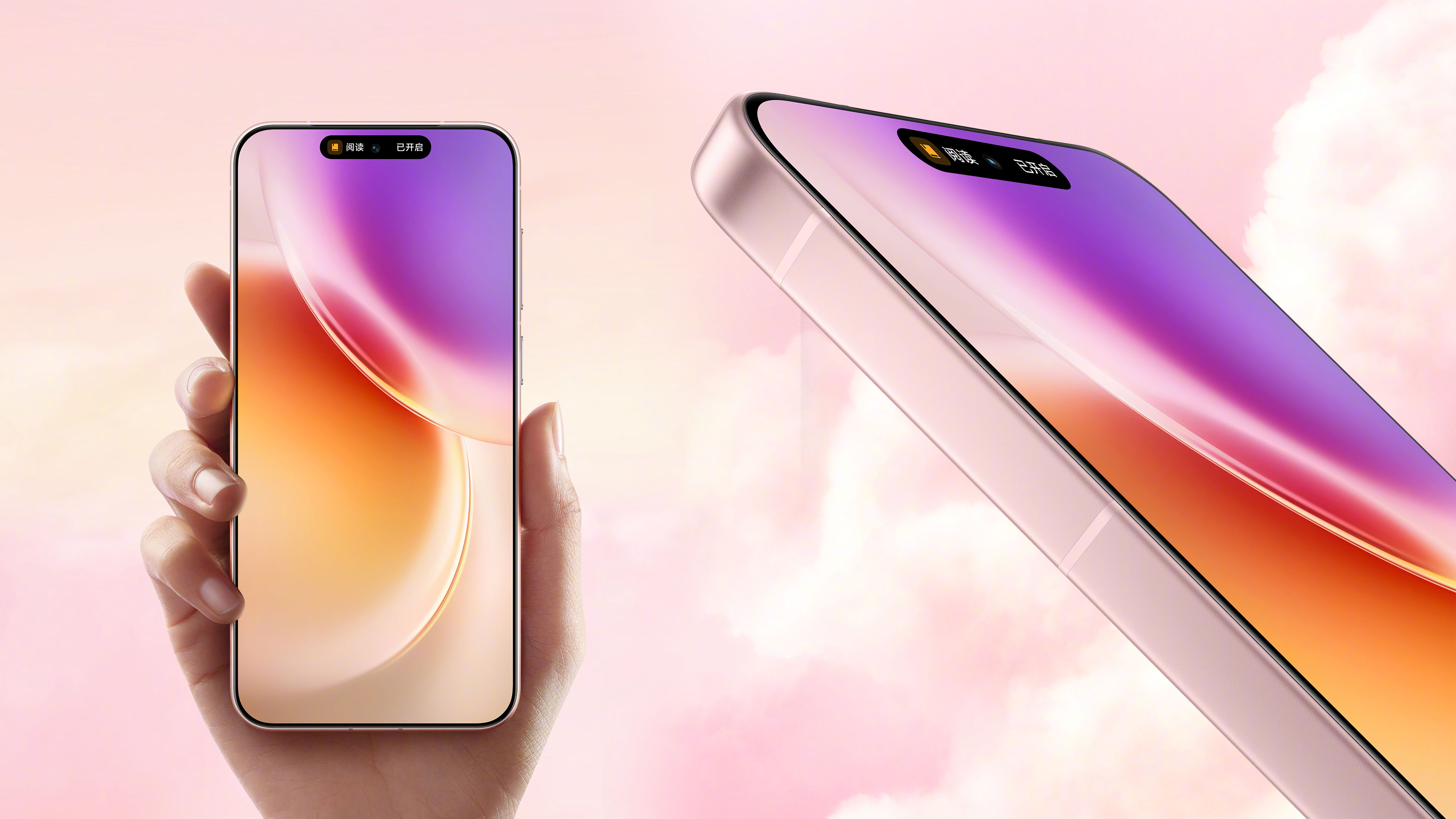
These ZEISS Master Color displays are 8T LTPO 120Hz displays based on BOE’s Q10 AMOLED. Both support HDR10+, Dolby Vision, and Netflix HDR content as well.
They also feature eye-protection features like 2160Hz PWM Dimming, TÜV Rheinland Flicker Free and SGS Low Blue Light certifications, and as low as 1 nit of screen brightness.
Finally, the base vivo X300 adopts an ultrasonic in-display fingerprint sensor that was previously exclusive to the Pro and Ultra models.
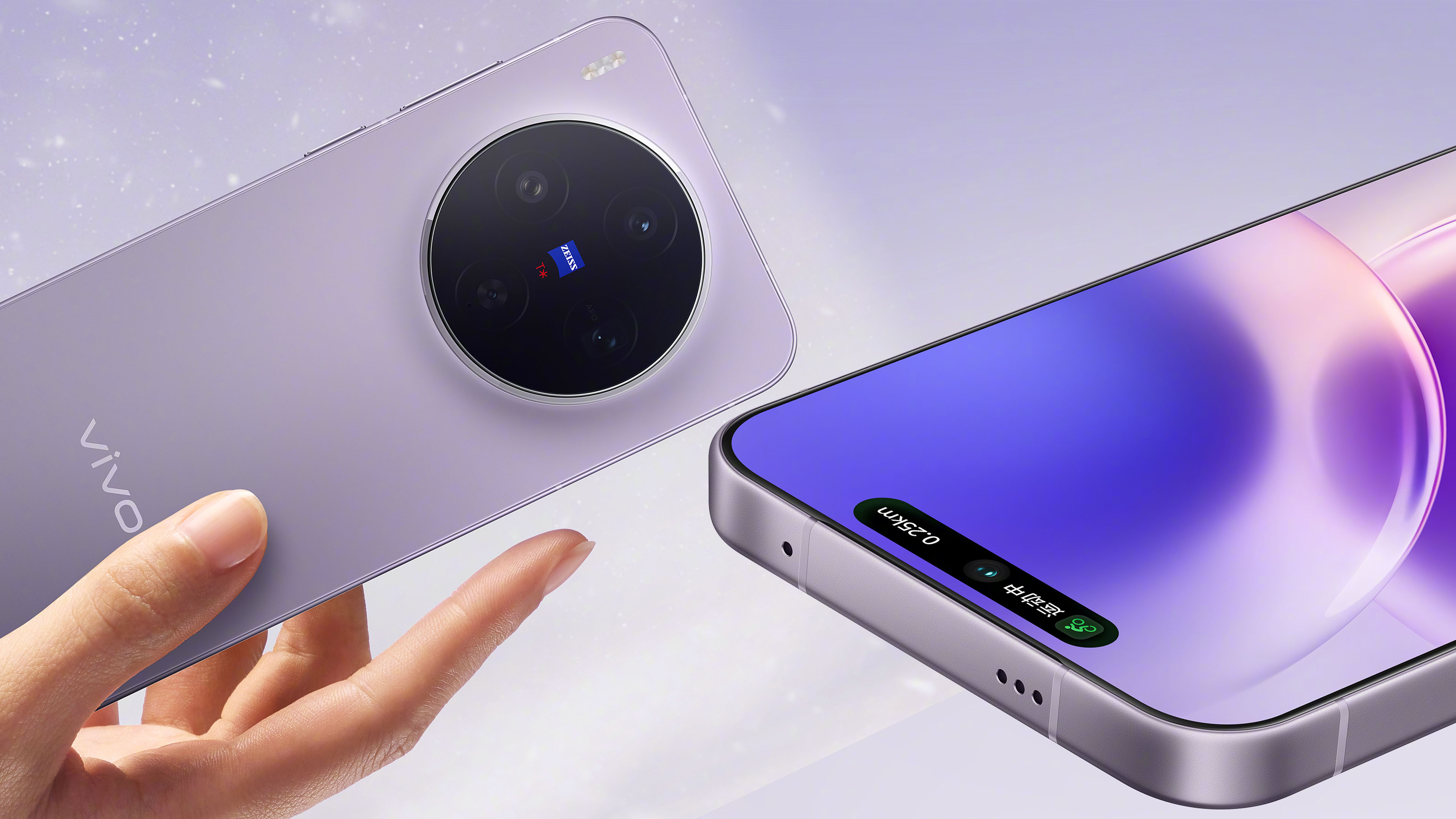
Graphics by Vincenz Lee | GadgetMatch
When it comes to battery, the X300 has a 6040mAh battery while the Pro variant packs a bigger 6510mAh capacity.
vivo boldly claims that these Silicon-Anode BlueVolt batteries are comparable to phones with 7000 and 7500mAh batteries through software and hardware energy optimizations.
Both support 90W FlashCharge plus 40W Wireless FlashCharge standards.
Pocket Pro-tography
The X300 phones wouldn’t be complete without their revolutionary flagship-grade camera system.
| vivo X300 Pro | vivo X300 | |
| Wide | 50MP f/1.57 1/1.28” Sony LYT-828 sensor |
200MP f/1.68 1/1.4” Samsung ISOCELL HPB sensor |
| Ultra-Wide | 50MP f/2.0 1/2.76” Samsung ISOCELL JN1 sensor |
50MP f/2.0 1/2.76” Samsung ISOCELL JN1 sensor |
| Telephoto | 200MP f/2.67 ZEISS APO 1/1.4” Samsung ISOCELL HPB sensor |
50MP f/2.57 ZEISS APO 1/1.95” Sony LYT-602 sensor |
| Selfie | 50MP f/2.0 1/2.76” Samsung ISOCELL JN1 sensor |
50MP f/2.0 1/2.76” Samsung ISOCELL JN1 sensor |
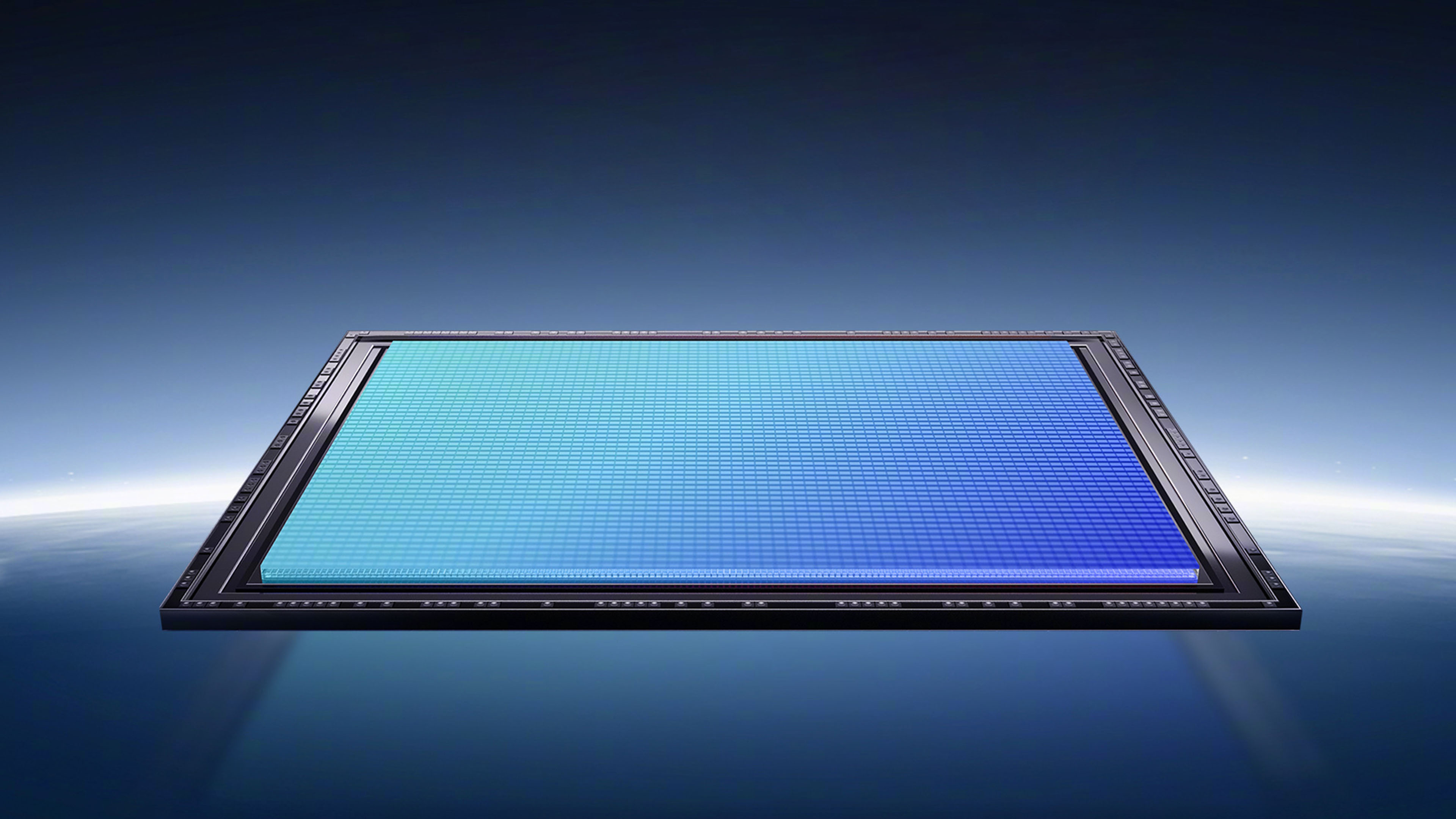
While both phones possess an identical ultra-wide and selfie shooters, the biggest differences can be seen between their wide and telephoto modules.
The X300 Pro headlines the all-new Sony LYT-828 1/1.28-inch image sensor together with vivo’s self-developed VCS 3.0 imaging technology. That’s then partnered by Samsung’s custom-engineered 200MP ISOCELL HPB sensor for its telephoto shooter.
Interestingly, the same sensor is also being utilized by vivo as the main camera sensor for the base X300. In return, the X300 packs a different 50MP telephoto module based on Sony’s LYT-602 with VCS technology.

Other than the power of MediaTek’s Dimensity 9500, the X300 series achieves an efficient “Dual-Chip Integration” with vivo’s in-house V3+ imaging chip (plus VS1 in the X300 Pro).
This further provides robust computational power for both advanced imaging processing and system operations.
With their long-lasting partnership with ZEISS, stylized portrait features still remain. Aside from the new Style Portrait and ZEISS Natural Portrait, the X300 Pro also has an added a newer ZEISS Mirotar Telephoto Style Bokeh that wasn’t found on previous models.
Graphics by Vincenz Lee | GadgetMatch
There’s even the Adaptive Zoom Flash feature as well as other enhancements that solves night-time portraits against complex lighting setups.
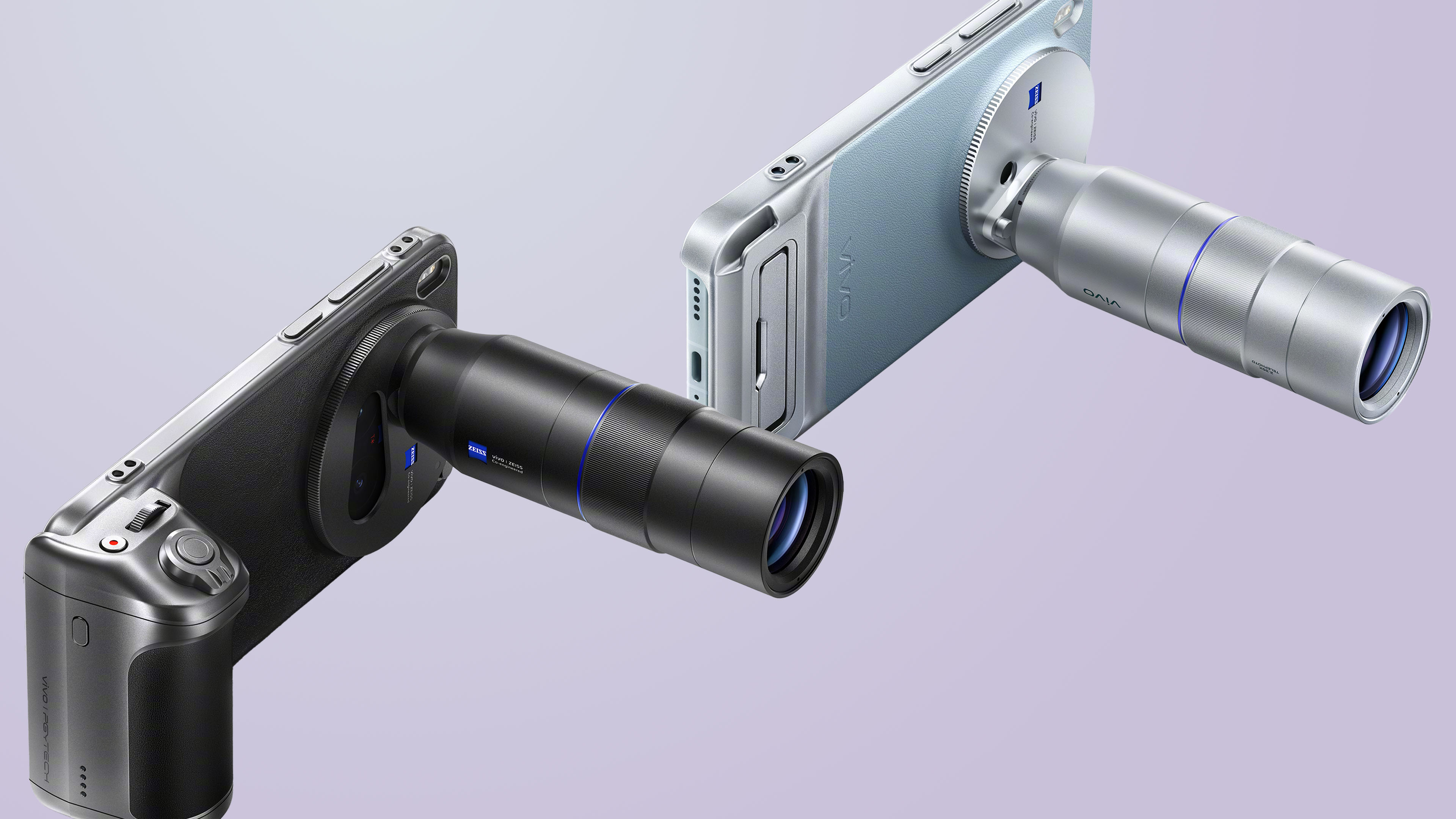
Last but definitely not the least, both the X300 and X300 Pro have their own Photography Kit — including that 2.35x Telephoto Extender that was only exclusive to the vivo X200 Ultra.
Video Mastery
That pro-tography prowess doesn’t end there.
The X300 Pro alone is finally capable of shooting up to 4K/120fps footages in 10-bit Log format across all focal length options. The X200 Pro can only manage to shoot 4K / 60fps Dolby Vision in 1x wide or 3.7x zoom.
For shake-free footages, vivo also promises gimbal-grade stabilization with an upgraded ±1.5-degree stabilization angle aside from the Dual-Channel EIS feature.
ACES Workflow was also incorporated for better color management and seamless color grading in editing software when synced across multiple devices.

Portrait Video was also improved to 4K / 60fps (previously limited to 4K / 30fps). vivo’s custom styles such as Cold -White or Classic Negative can also be applied when shooting in this mode.
On the other hand, the vanilla X300 is also capable of recording 4K / 120fps clips through Pro mode.
With the special camera kit in mind, it complements the 4K Stage All-in-One Recording found on the X300 Pro together with 20x Long-Range Motion Snapshot and Dual-View Stage Video add-ons.
These might make the X300 Pro the bestest compact concert companion just yet.
Refinements Within
Both of the X300 phones feature a Unibody 3D Glass Design that seamlessly blends the camera hump towards the rear cover.
There’s also the Coral Velvet Glass Technique for that fingerprint-resistant back design that’s also pleasant to the touch.
Both models are also slim just below the 8mm mark (7.95mm and 7.99mm respectively). Durability-wise, these X300 phones still rock dual IP68 and IP69 water and dust resistance ratings.
Other notable improvements include USB-C 3.2 Gen 1 port standard, UFS 4.1 storage protocol, as well as Bluetooth 6.0 and Wi-Fi 6G support for the X300 Pro.
Graphics by Vincenz Lee | GadgetMatch
Lastly, the X300 series will premiere the latest OriginOS 6 based on Android 16 with a revamped look a la Apple’s Liquid Glass as well as seamless Apple Ecosystem integration — much like any other Chinese phone brands these days.
It’s said that this version will (finally) kill the long-running Funtouch OS and will be launched in India on October 15.
Pricing and Availability
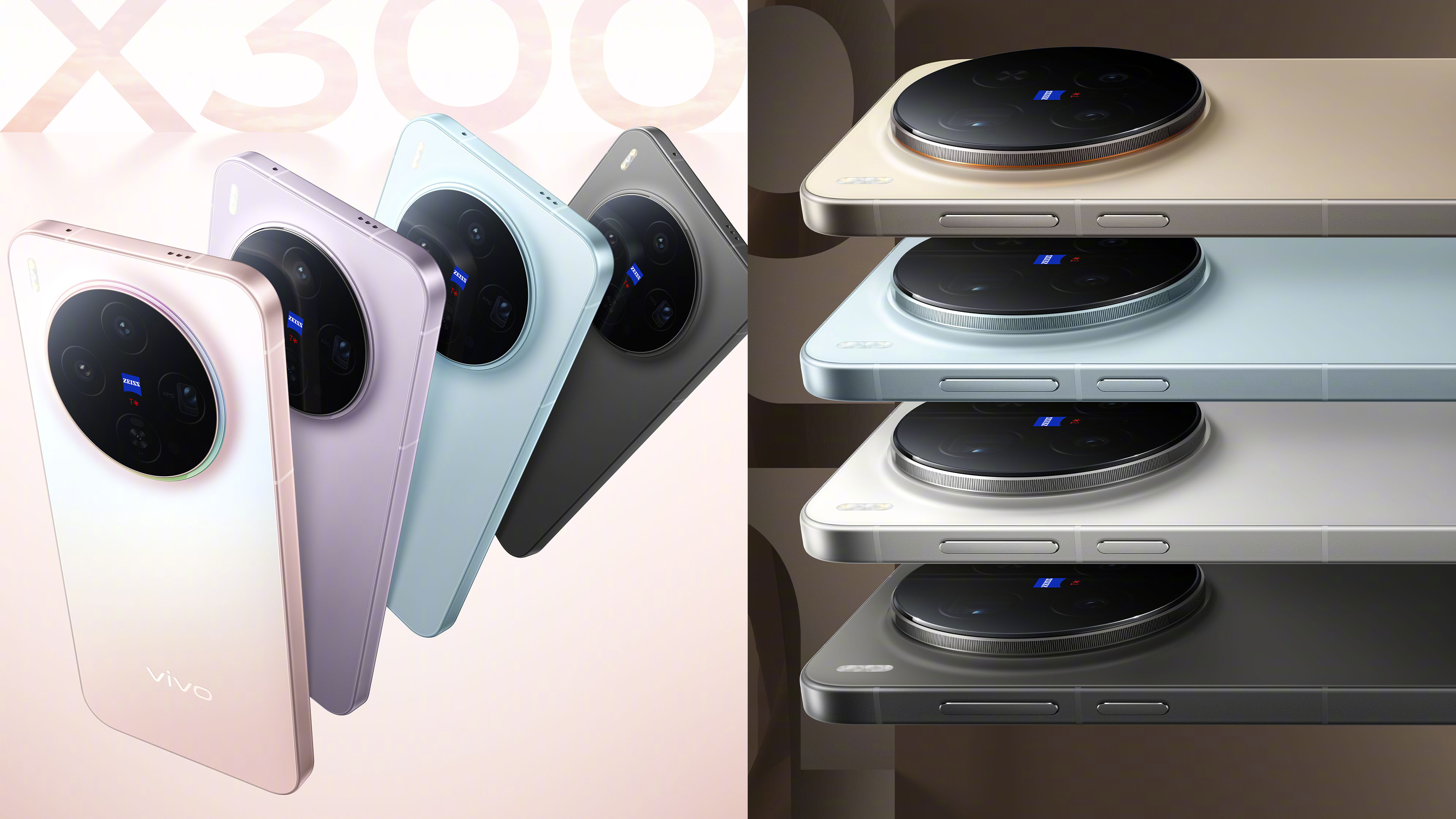
The vivo X300 is available in Black, Blue, Pink, Purple, and Red colorways.
Meanwhile, the X300 Pro is available in four shades: Black, Brown, Blue, and White.
Graphics by Vincenz Lee | GadgetMatch
Pricing and configuration in China are as follows:
- 12+256GB = CNY 4399 (US$ 620 / EUR 535 / GBP 465 / SG$ 800 / MYR 2610 / PhP 36,000 / INR 54,790)
- 16+256GB = CNY 4699 (US$ 660 / EUR 570 / GBP 500 / SG$ 860 / MYR 2790 / PhP 38,490 / INR 58,530)
- 12+512GB = CNY 4999 (US$ 700 / EUR 610 / GBP 530 / SG$ 910 / MYR 2970 / PhP 40,900 / INR 62,260)
- 16+512GB = CNY 5299 (US$ 745 / EUR 645 / GBP 560 / SG$ 965 / MYR 3145 / PhP 43,360 / INR 65,995)
- 16+1TB = CNY 5799 (US$ 815 / EUR 705 / GBP 615 / SG$ 1060 / MYR 3440 / PhP 47,450 / INR 72,230)
- 12+256GB = CNY 5299 (US$ 745 / EUR 645 / GBP 560 / SG$ 965 / MYR 3145 / PhP 43,360 / INR 65,995)
- 16+512GB = CNY 5999 (US$ 845 / EUR 730 / GBP 635 / SG$ 1095 / MYR 3560 / PhP 49,085 / INR 74,715)
- 16+1TB = CNY 6699 (US$ 940 / EUR 815 / GBP 710 / SG$ 1220 / MYR 3975 / PhP 54,815 / INR 83,435)
- 16+1TB Photographer Kit Edition = CNY 8299 (US$ 1165 / EUR 1010 / GBP 880 / SG$ 1520 / MYR 4930 / PhP 67,910 / INR 103,360)
* These are only rough, rounded-off price estimates
There’s no word on global availability just yet but it’s expected to rollout months after the Mainland China launch.
Press materials also suggest that global versions will only come with a maxed out config of 16+512GB as opposed to China’s 1TB variants.





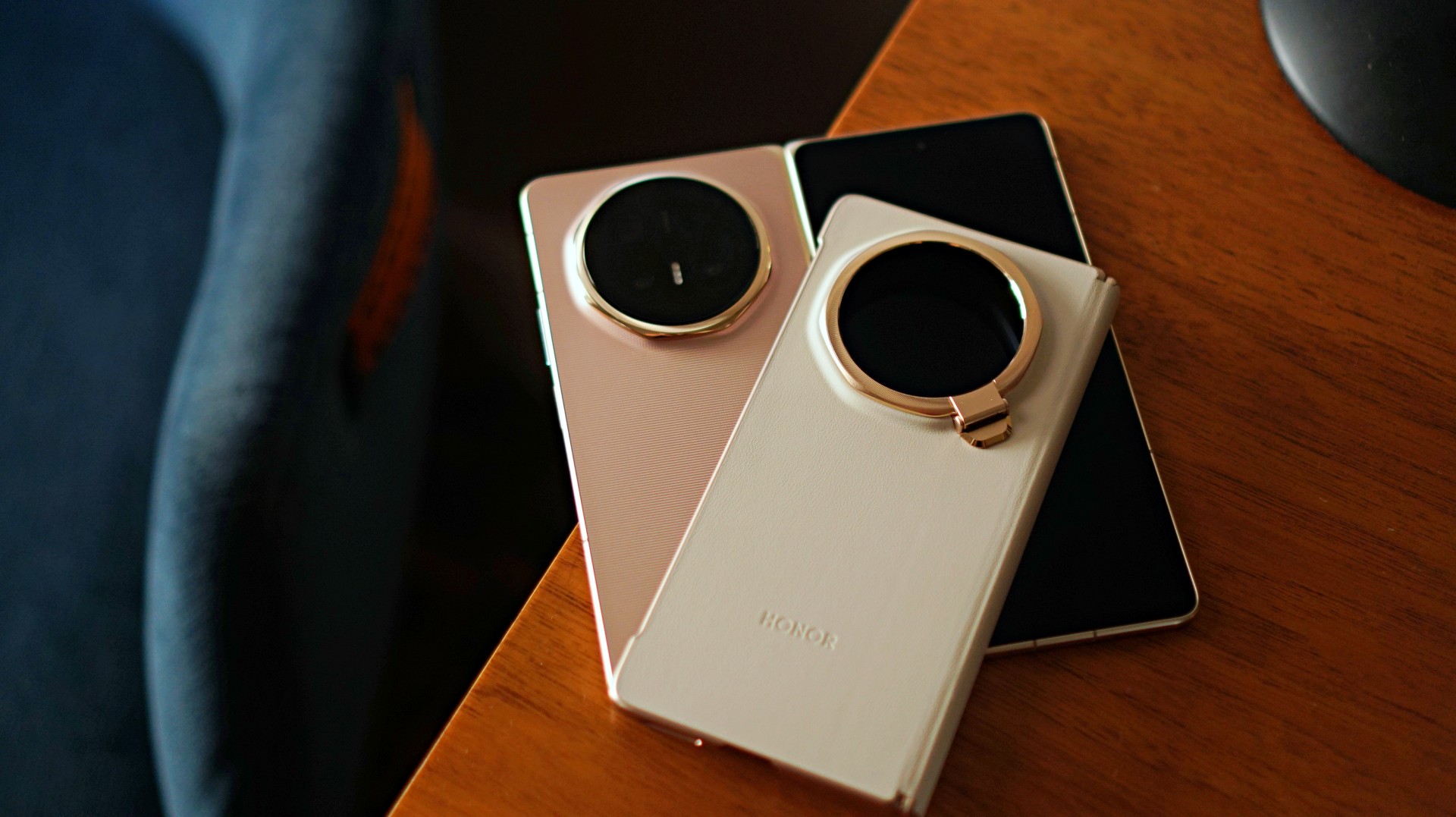
HONOR has officially launched the Magic V6 in Malaysia, bringing its latest foldable flagship to the market ahead of a wider rollout across Europe, the Middle East, Africa, and other regions.
Price and availability
The device starts at MYR 7,699 (roughly over USD 1900), with pre-orders running from June 4 to June 11, 2026. Customers who place an order during the promotional period will receive freebies and protection benefits worth up to MYR 3,797 (around USD 940). These include a 2-Year Worry-Free Quality Assurance plan and a 1-Year Worry-Free Crack Protection plan.
The HONOR Magic V6 will be available in Red, Gold, White, and Black color options.
HONOR positions the Magic V6 as a foldable that eliminates the usual trade-offs between portability, durability, and performance. The device measures just 8.75mm when folded and 4.0mm when unfolded, while weighing around 219g. Despite its slim profile, it carries IP68 and IP69 ratings for water and dust resistance and uses HONOR’s new Super Steel Hinge with a tensile strength of 2,800MPa.
Massive battery in a slim foldable
One of the biggest highlights of the Magic V6 is its 6,660mAh silicon-carbon battery. HONOR says it is the largest battery ever fitted inside a foldable smartphone. The company achieved this through a new battery design featuring roughly 25% silicon content and an energy density of 921Wh/L.
Charging is handled through 80W wired HONOR SuperCharge and 66W wireless charging. The device also supports wireless reverse charging.
The foldable is powered by the Snapdragon 8 Elite Gen 5 Mobile Platform, paired with LPDDR5X memory and UFS 4.1 storage. HONOR says its Vulkan graphics engine enables up to 120FPS gaming in supported titles while taking advantage of the larger foldable display.
Built for productivity
The Magic V6 features a 6.52-inch outer display and a 7.95-inch inner foldable display. Both panels support adaptive refresh rates from 1Hz to 120Hz. Peak brightness reaches 6,000 nits on the cover screen and 5,000 nits on the inner display.
Running MagicOS 10, the device introduces several AI-powered tools and productivity features. These include AI agents designed to assist with settings, photos, content creation, and contextual actions. HONOR also adds Fast Flex and PC-level Multi-Flex modes, allowing users to run multiple apps simultaneously and take advantage of the larger screen for multitasking.
The company is also emphasizing cross-device compatibility. The Magic V6 works with iPhones, Macs, AirPods, and Apple Watches through HONOR Share. Users can transfer files, share notifications, and even use dual-screen workflows with compatible Apple devices. Quick Share support also enables easier file transfers between Android and supported Apple hardware.
AI-powered cameras and Gemini integration
For photography, the HONOR Magic V6 uses a triple-camera setup consisting of a 50MP main camera, a 64MP periscope telephoto camera, and a 50MP ultra-wide camera. The system is supported by AI-powered imaging tools such as AI Color Engine, Magic Color 2.0, Magic Video Color, and AI Image to Video 2.0.
The device also comes with Google Gemini integration, allowing users to interact through text, voice, and images. HONOR is bundling a three-month Google AI Pro trial, which includes access to advanced Gemini features, NotebookLM, Flow, Veo-powered video generation tools, and 5TB of cloud storage.
News
realme launches P4 Series 5G, including Power with 10,001mAh battery
realme P4 Power becomes 1st smartphone with 10,001mAh battery

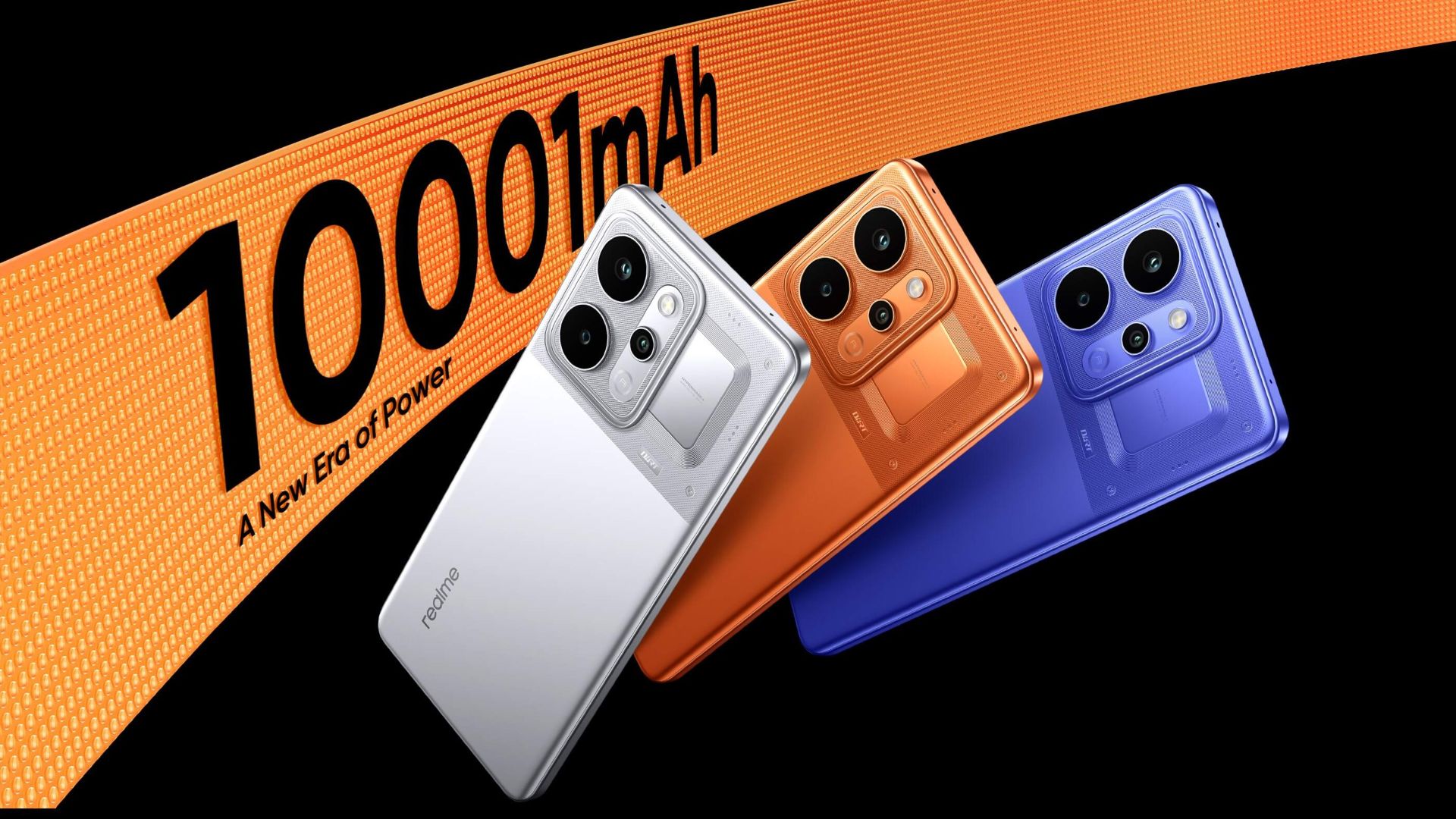
realme has officially launched the realme P4 Series 5G in the Philippines. This marks the first time consumers in the market can avail of the devices. In the past, realme has offered just models from the C, numbered, and GT Series.
The P4 Series 5G is a new lineup built around long-lasting battery life, along with reliable performance and 5G connectivity. Products under the roster are designed for users who need power throughout the day — and beyond.
The lineup consists of the realme P4 Power 5G, realme P4x, and realme P4 Lite.
The series headliner is the realme P4 Power 5G, which becomes the first smartphone in the country to bring a 10,001mAh battery.
This battery supports 80W Ultra Charging, 27W wired reverse charging, and a TÜV Rheinland 5-Star Battery Rating.
The device is powered by a MediaTek Dimensity 7400 Ultra and comes with a 144Hz 1.5K HyperGlow 4D Curve+ Display and 50MP Sony IMX882 main camera. It is likewise rated IP66/IP68/IP69 for water and dust resistance.
This variant is offered at a special promo price of just PhP 19,999, exclusively on the realme Official Shopee Store.
Meanwhile, the realme P4x comes with an 8,000mAh Titan Battery, 45W Fast Charging, and reverse charging support. It is available for pre-order via Shopee.
Lastly, the realme P4 Lite has a 7,000mAh Titan Battery. It also has a Military Grade Standard shock resistance (MIL-STD-810H).
The P4 Lite is readily available on TikTok for the 4GB+64GB variant at PhP 4,897 (SRP: PhP 7,499) and on Shopee for the 4GB+128GB variant at PhP 6,136 (SRP: Php 8,999).
The published introductory prices are available until June 10.


“Useful AI has arrived,” NVIDIA CEO Jensen Huang proclaimed in his monumental keynote speech to kick off COMPUTEX 2026, essentially admitting to the state of AI prior to today. But don’t let the past mess with how you view the present. AI today, according to the graphics-turned-AI company, will now serve everyday users, rather than procuring abstract and intangible benefits. For us normal people, it all starts with the new RTX Spark.
Rarely does a new product claim to reinvent the entire industry. Confident in its own abilities, that’s just what the RTX Spark wants to do. But what is it exactly?
Think of it like Microsoft’s Copilot+ PCs but on AI-powered steroids. NVIDIA wants to bring the power of a supercomputer into the hands of regular consumers, just like how the personal computer (PC) brought gigantic computers to the comfort of everyone’s homes.
Co-engineered with Microsoft, RTX Spark will run autonomous AI agents the entire day. The agent is tied to you and your intent but will orchestrate all your devices under one roof.
Let’s get down to the nitty-gritty. The new series will leverage a Blackwell RTX GPU and a 20-core Grace CPU from MediaTek. It can also support up to 128GB of unified memory, delivering several of the most powerful (and most expensive) PCs available to consumers today. With the capabilities comparable to an RTX 5070, the series can supposedly play modern games with ease.
Inside, it will come with CUDA, the trove of information that powers AI technology today. Finally, despite how slim NVIDIA promises the series will be, the RTX Spark should come with a battery that lasts the entire day.
The first NVIDIA RTX Spark laptops will launch later this fall with six premium laptops for various brands. This, along with the 30 models launching soon after, will include Acer, ASUS, Dell, HP, Lenovo, and MSI. No word yet on how much these will cost, though.


Close without crossing: A Xiaomi 17T Pro photo essay
Distance and closeness are not always opposites.


Spring reset: Growing more at home with Auk Mini
From kitchen counter experiment to everyday habit

UGREEN MagFlow Air review: Airy Yet Mighty
Slim and light power bank with a strong suit and core

HONOR Magic V6 debuts in Malaysia

Here’s all the RTX Spark notebooks announced at COMPUTEX 2026

The No-Nonsense guide to mid-year shopping

realme launches P4 Series 5G, including Power with 10,001mAh battery

Win a trip to Shanghai Disney Resort with this Disney+ raffle promo


-

 Computers2 weeks ago
Samsung’s SECRET That Made OLED Even Better
-

 Events2 weeks ago
Recap: Google I/O 2026
-
 Accessories2 weeks ago
Anker’s soundcore Liberty 5 Pro series is powered by an AI chip
-
Reviews7 days ago
Close without crossing: A Xiaomi 17T Pro photo essay
-

 Deals1 week ago
Sony Days 2026: Unmissable deals, exclusive roadshows, and experiences
-

 Accessories6 days ago
UGREEN launches FineTrack Series with Apple Find My support
-
 Philippines7 days ago
Xiaomi 17T series Philippines price, availability, offers
-
 Gaming7 days ago
Acer unveils Predator Atlas 8 handheld with Intel Arc G-Series power