
News
Xiaomi 17 Pro Max takes a jab at Apple’s iPhone 17 Pro Max
Unapologetically similar with Xiaomi 17 and 17 Pro in the roster

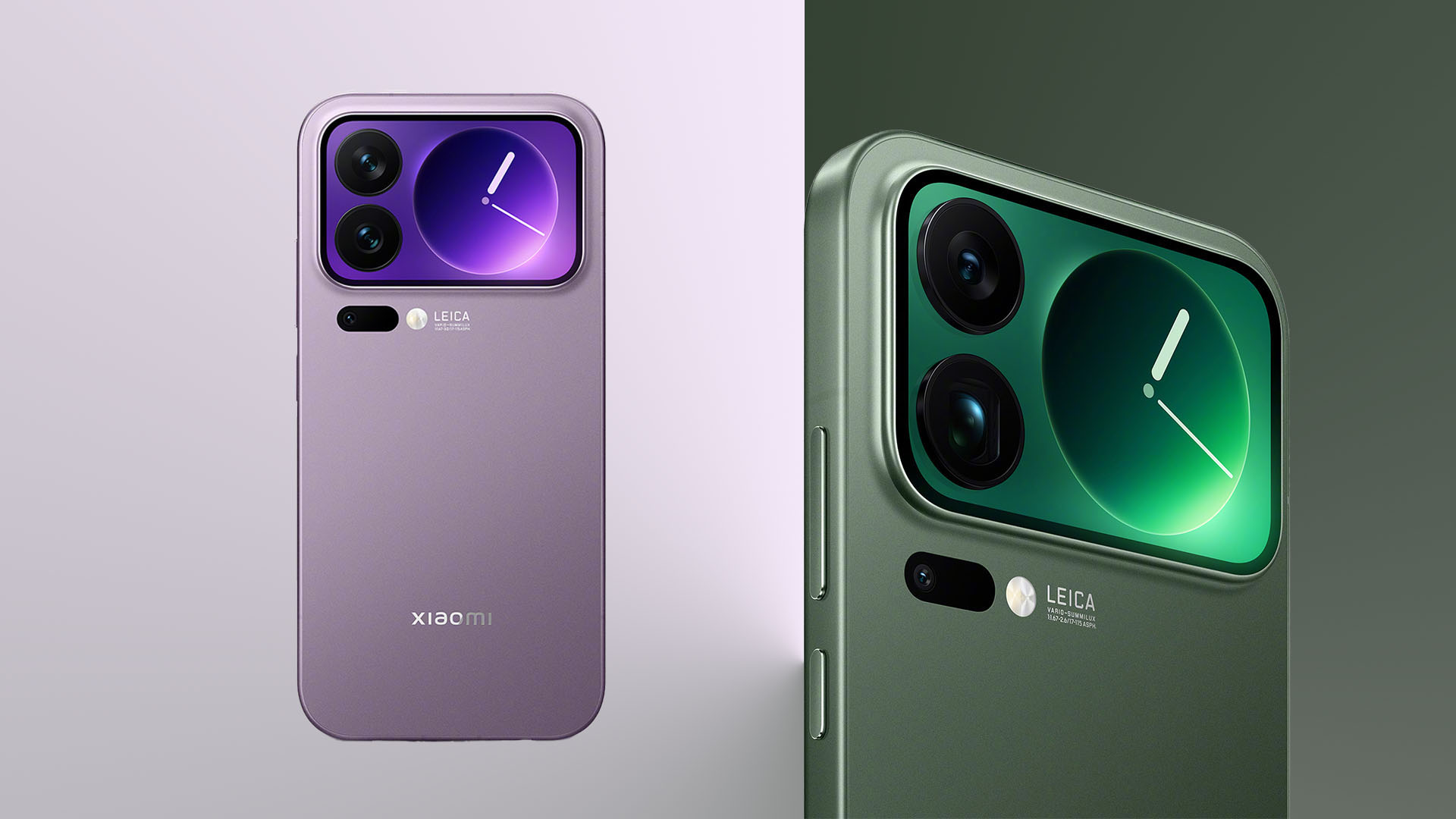
The Xiaomi 17 and 17 Pro series were all announced today in China.
Without context, this is much like any other phone announcement.
Graphics by Vincenz Lee | GadgetMatch
But, in the grand scheme of things, Xiaomi’s latest announcement just came in a day after the awfully-named (and very mouthful) Snapdragon 8 Elite Gen 5 unveiling at the Snapdragon Summit in Hawaii.
To make it more odd, the Xiaomi 15T and 15T Pro global launch in Munich, Germany was also just a day ahead prior to this Mainland-exclusive launch.
Even weirder, they skipped the 16 lineup altogether.
So… where’s the Xiaomi 16?
Xiaomi was upfront with this change.
Skipping “16” was their strategic shift to directly rival the recently-announced iPhone 17 lineup. And if you thought it stops there, you’re wrong.

For the first time in forever, Xiaomi debuts their very first “Pro Max” model (not replacing the already-existing Ultra flagship).
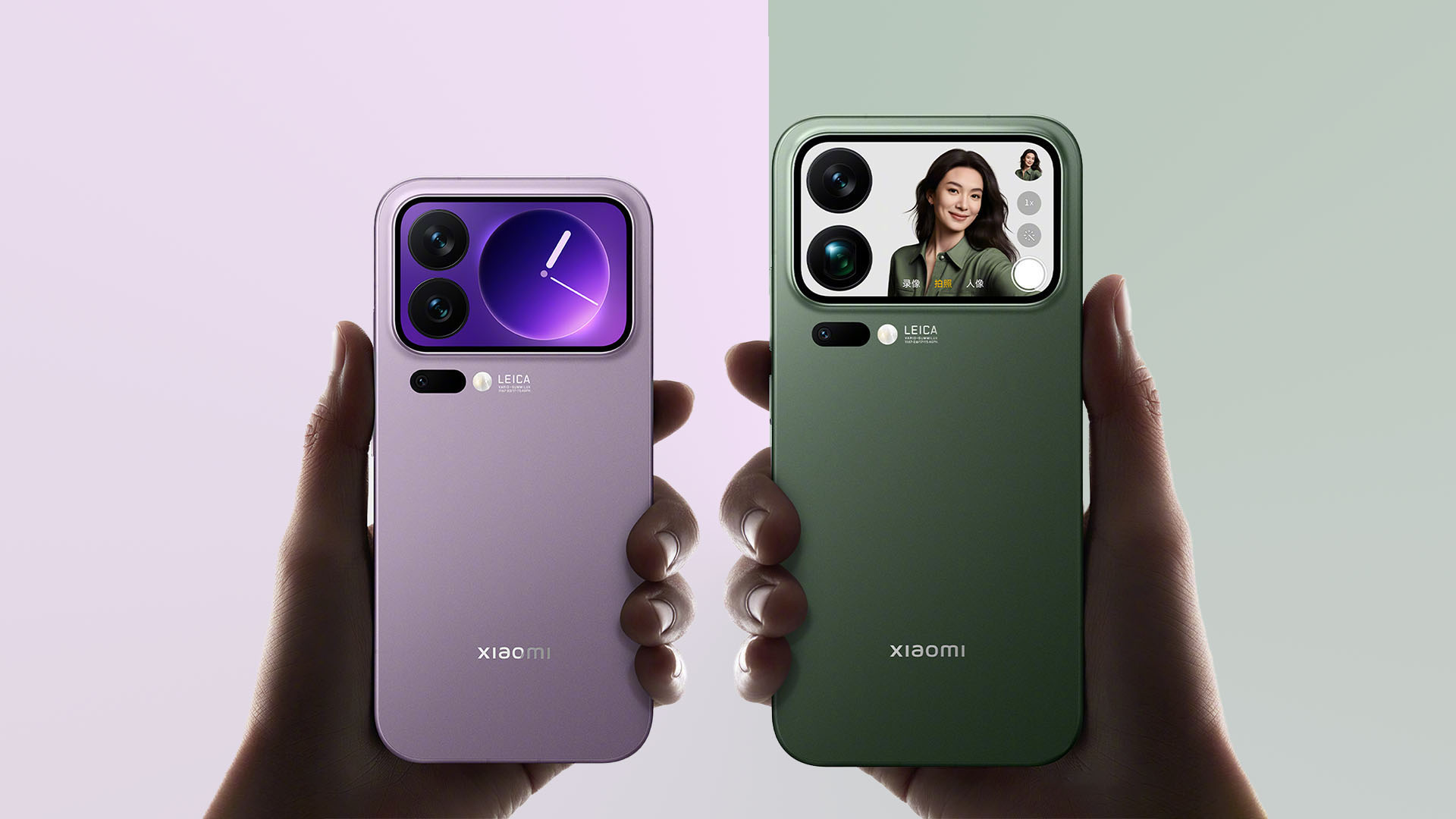
To make the upfront rivalry more dramatic, both models of the Xiaomi 17 Pro series looked like the iPhone 17 Pro on steroids.
Graphics by Vincenz Lee | GadgetMatch
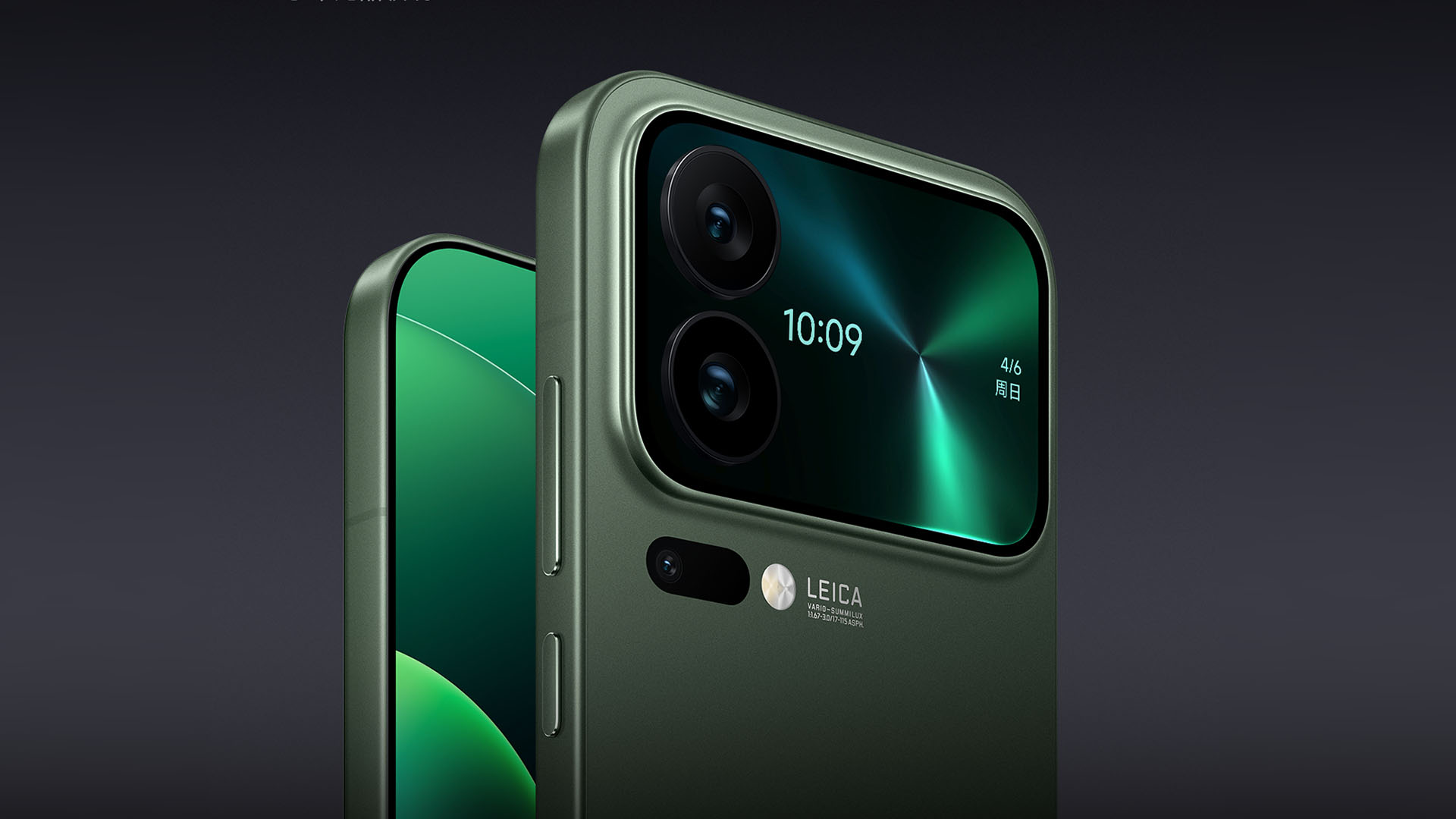
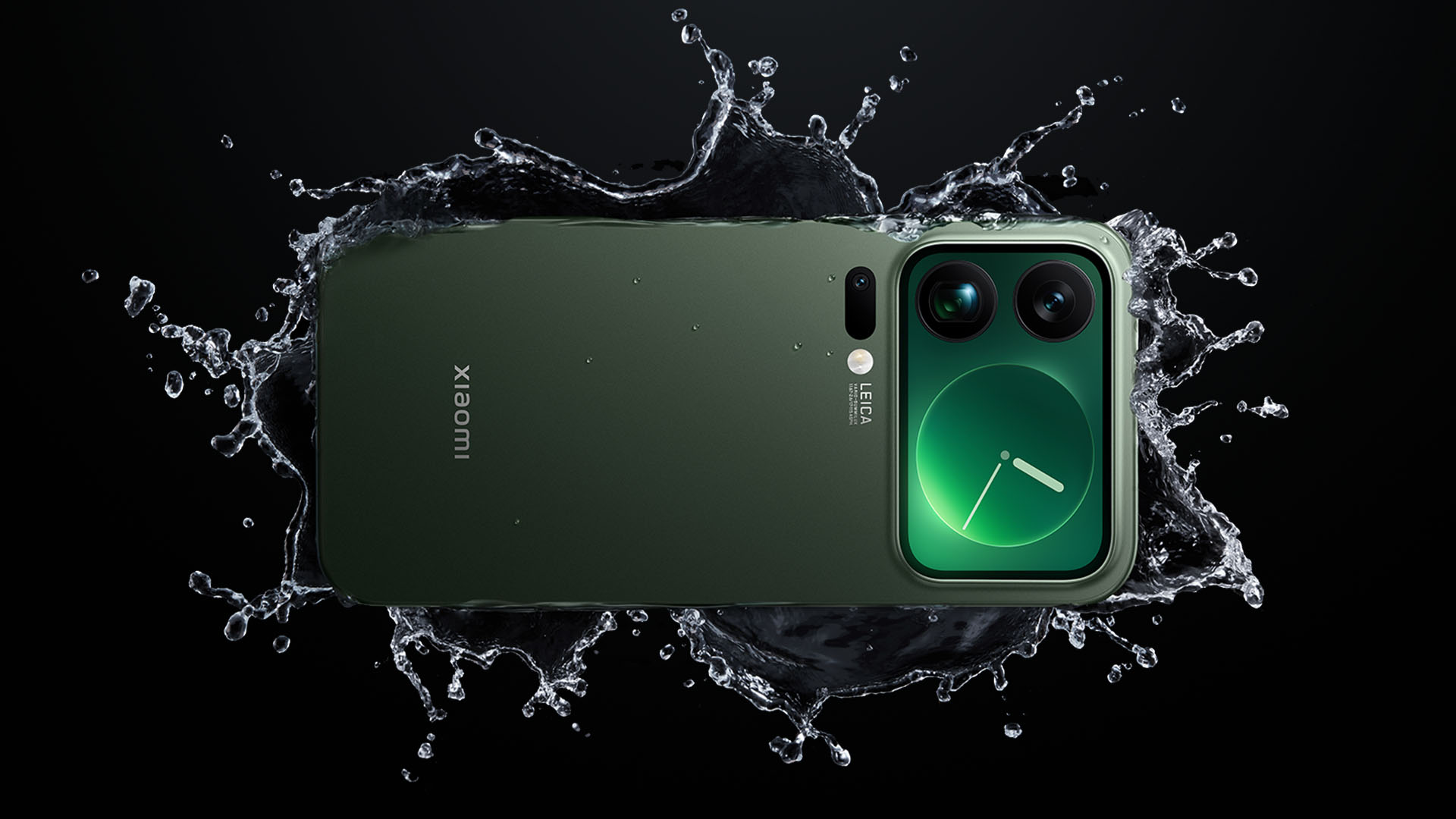
Like Apple’s iPhone 17 Pro and Pro Max, the all-new Xiaomi 17 Pro and Pro Max all have a “plateau”-like camera bar up top.
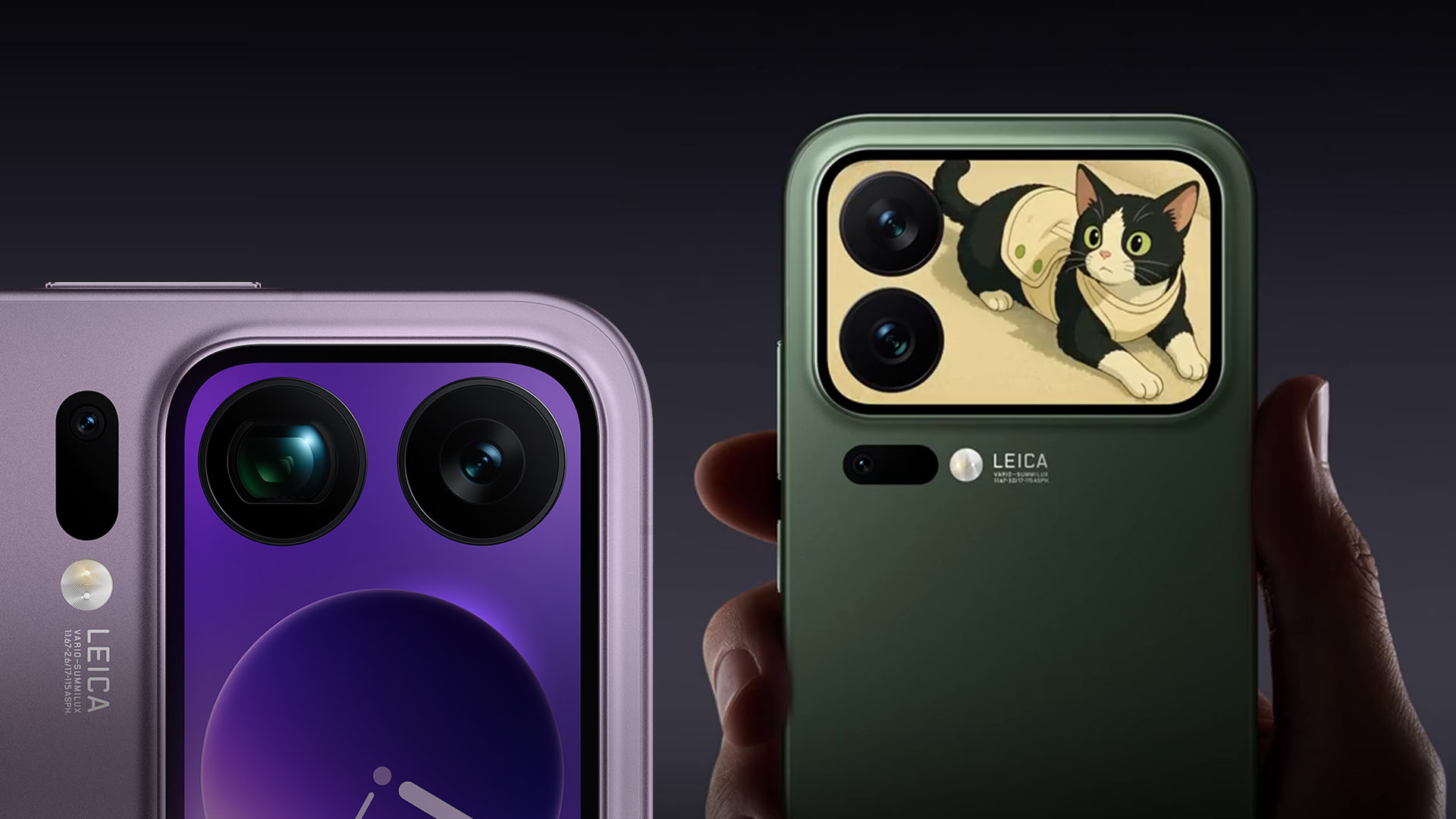
However, Xiaomi takes it to the next level by placing a 2.7 / 2.9-inch 120Hz AMOLED display on that cutout.
GIF by Vincenz Lee | GadgetMatch
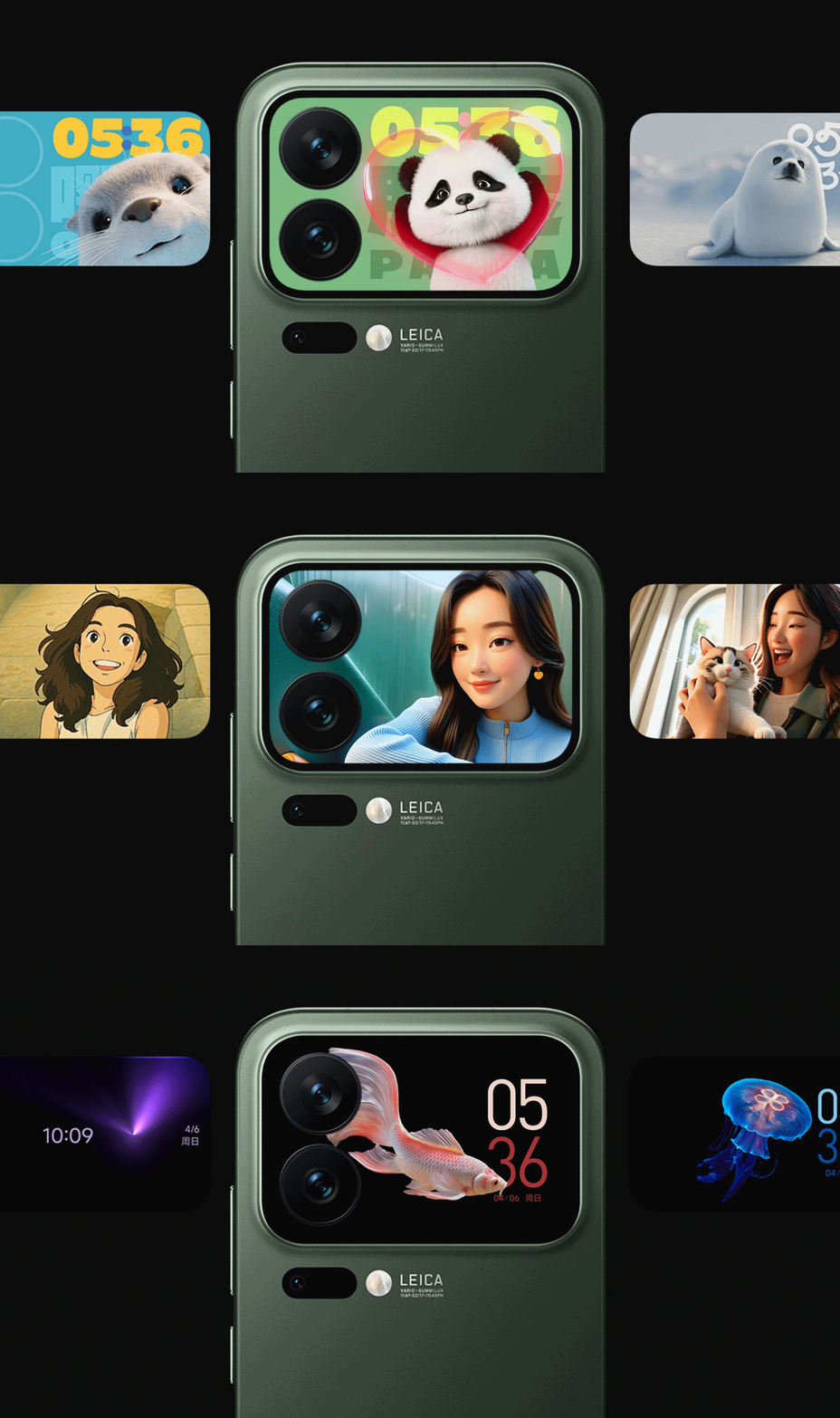
It’s like the MIX Flip 2’s cover display was transplanted onto both the 17 Pro and Pro Max models.
Much like any other flip cover screen, it functions as a digital watch, a selfie mirror, even widgets that you can fiddle every once in a while.

Graphics by Vincenz Lee | GadgetMatch
Xiaomi even sells an optional Game Boy-like Retro Handheld case for CNY 299 just so you can play games on that mini screen.
Base, Pro, Pro Max
The main differentiating factor of the Xiaomi 17 and 17 Pro series are their display sizes: Both the base and Pro models have smaller screens at 6.3 inches. The difference? base has OLED, Pro has AMOLED.
Meanwhile. the 17 Pro Max, as expected, directly competes against Apple’s offering with its ginormous 6.9-inch AMOLED panel.
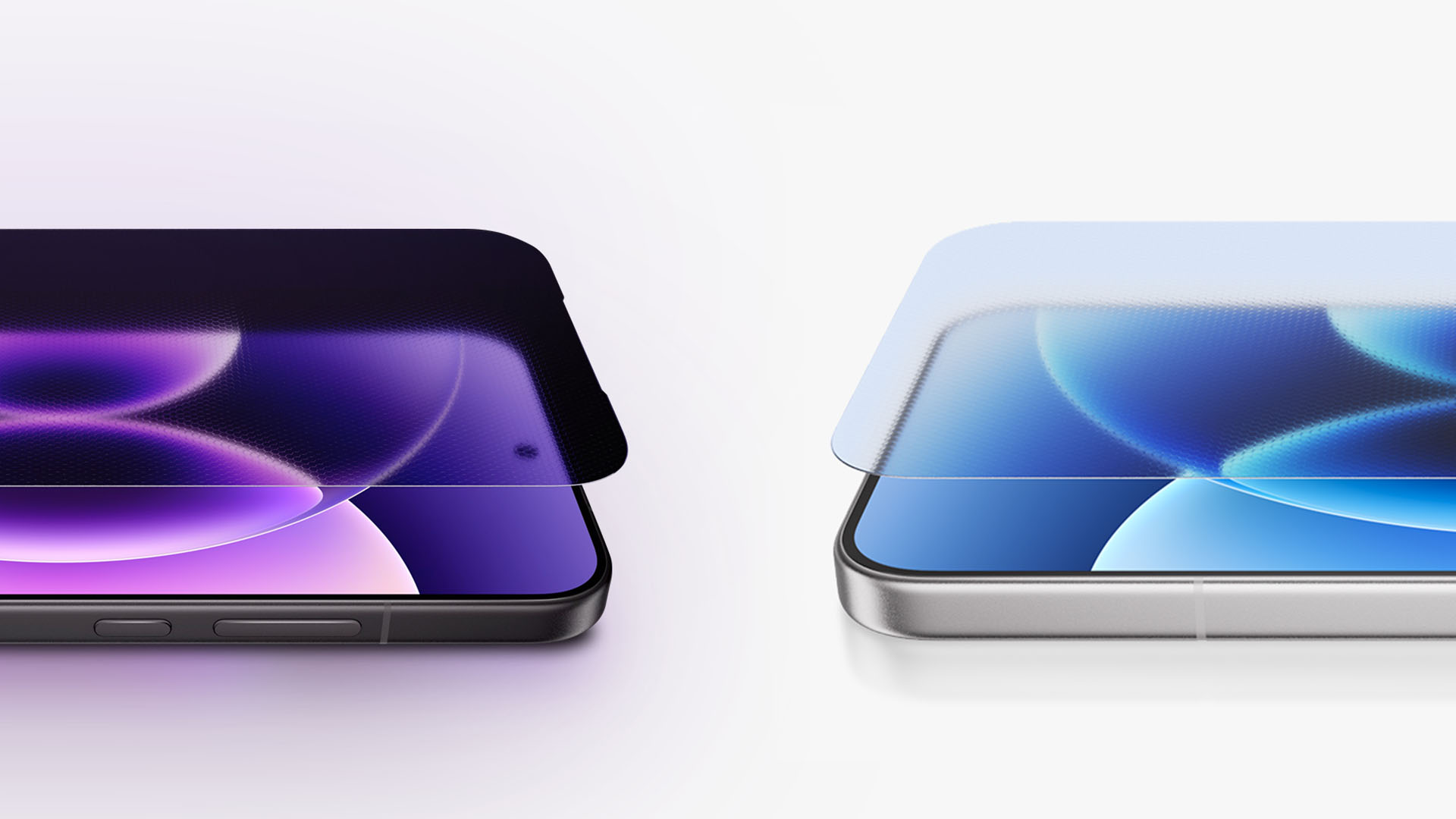
Graphics by Vincenz Lee | GadgetMatch
That’s protected by Xiaomi’s Longjing Glass 3.0 whereas the other two only have the first-gen glass protection.
All of them have second-gen LIPO screen technology which makes their bezels ultra-narrow at impossibly 1.18mm.
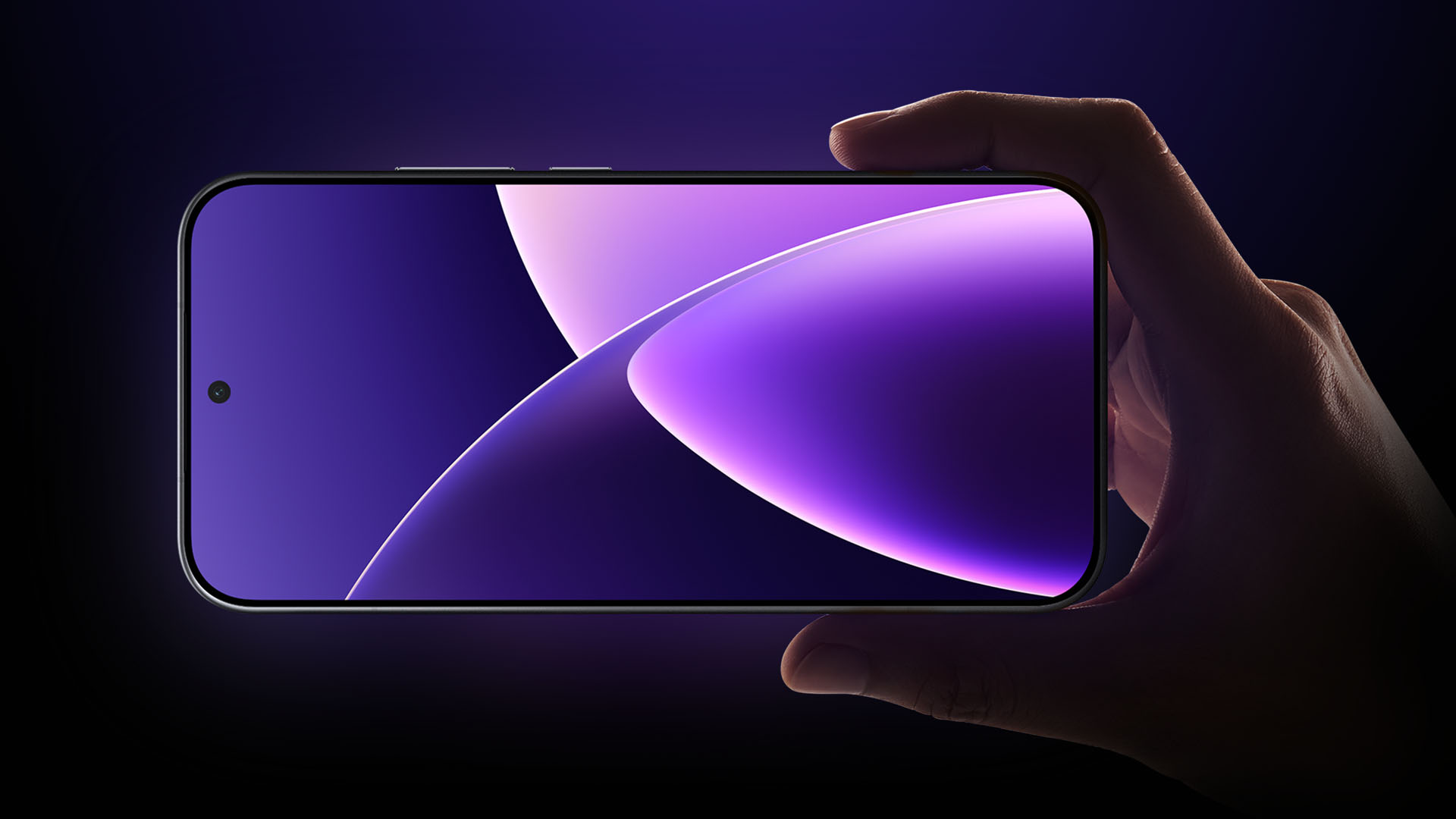
There’s also 1.5K resolution, adaptive 1~120Hz refresh rate, DC Dimming, and 1 nit ultra-low to 3500 nits max brightness. DCI-P3 wide color gamut is highly-accurate backed by HDR10+ and Dolby Vision certifications.
Speaking of, there are the Dolby Atmos-powered stereo speakers complemented by Hi-Res Audio and Snapdragon Sound support.
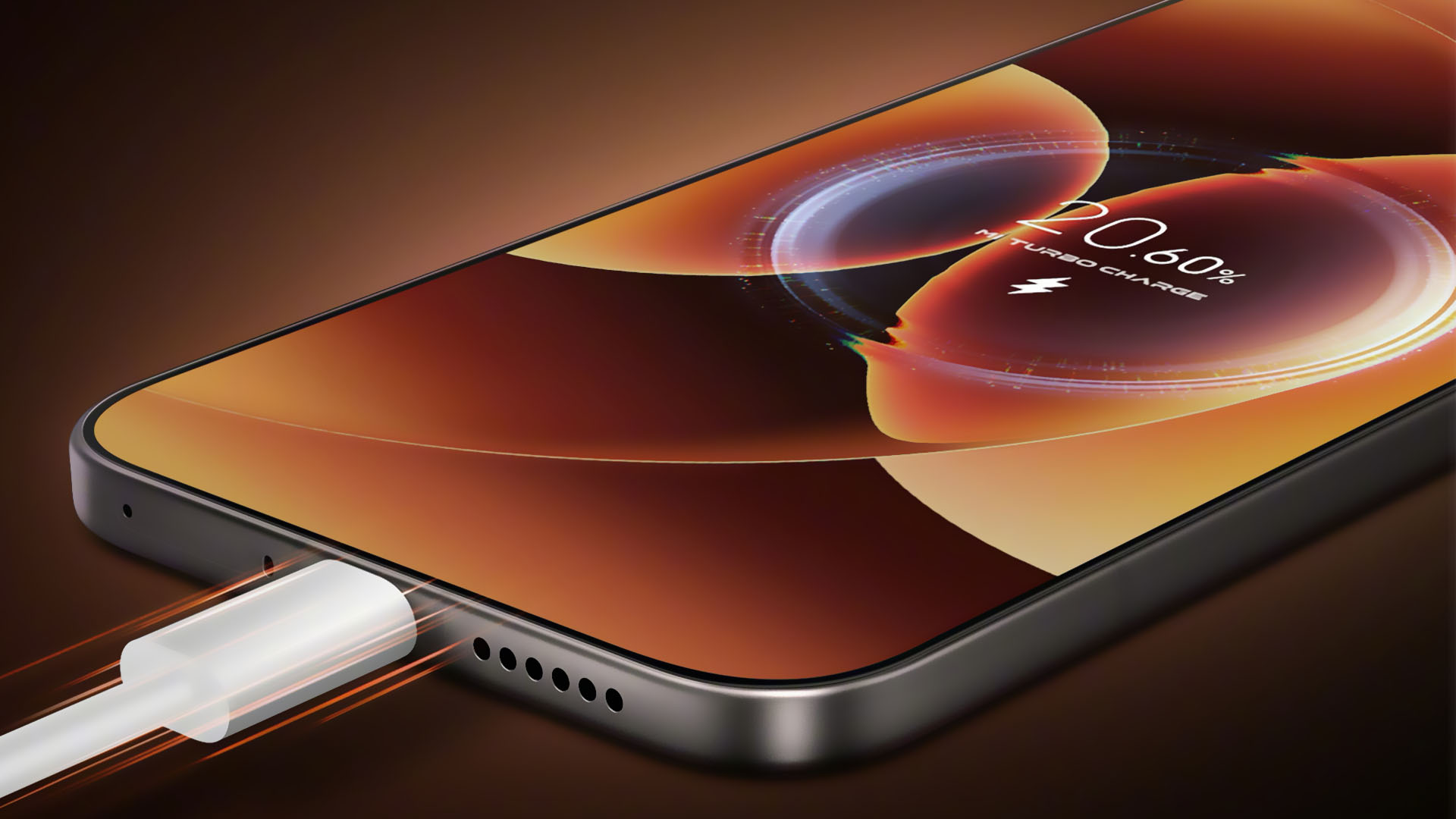
The bigger the size, the bigger the battery is.
Obviously, the Xiaomi 17 Pro Max possesses the largest at 7500mAh. Weird enough, the vanilla Xiaomi 17 has a bigger 7000mAh capacity than 17 Pro’s 6300mAh battery.
Phones can then be topped up via Xiaomi’s 100W HyperCharge + 50W wireless HyperCharge standard.

Lastly, all three models have triple rear 50MP Leica Camera + Summilux optics with varying differences in hardware:
| Xiaomi 17 Pro Max | Xiaomi 17 Pro | Xiaomi 17 | |
| Wide | 50MP f/1.67 1/1.28” Light Hunter 950L sensor LOFIC High Dynamic technology |
50MP f/1.67 1/1.28” Light Hunter 950L sensor LOFIC High Dynamic technology |
50MP f/1.67 1/1.31” Light Hunter 950 sensor |
| Ultra-Wide | 50MP f/2.4 102º OmniVision OV50M 5cm Super Macro |
50MP f/2.4 102º OmniVision OV50M 5cm Super Macro |
50MP f/2.4 102º
|
| Periscope / Telephoto | 50MP f/2.6 Super Concentration Periscope Telephoto 5x optical zoom 30cm Telephoto Macro 1/2″ Samsung GN8 Bottom Sensor |
50MP f/3.0 Floating Periscope Telephoto 5x optical zoom 20cm Telephoto Macro |
50MP f/2.0 Floating Telephoto — Samsung JN5 sensor |
| Selfie | 50MP f/2.2 90º | 50MP f/2.2 90º | 50MP f/2.2 90º |
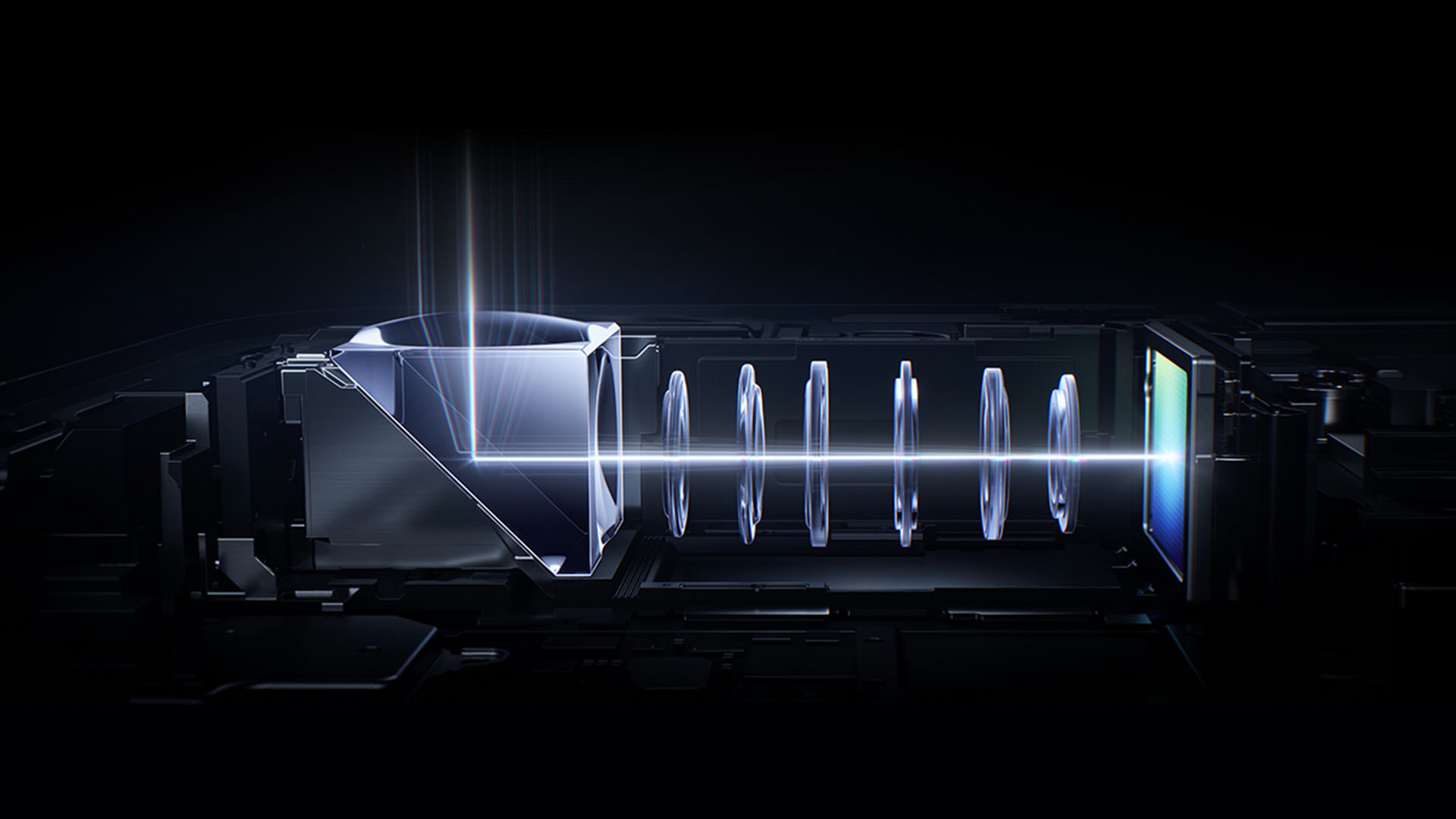
Xiaomi 17 Pro Max’s Super Concentration Periscope Telephoto
All phones can record up to 8K / 30fps with only the Pro series being able to shoot 4K / 120fps.
The Elite headliner
Even though Xiaomi has managed to pull off the XRING O1 as its first in-house chipset, it’s not the SoC that powers Xiaomi’s latest flagships.
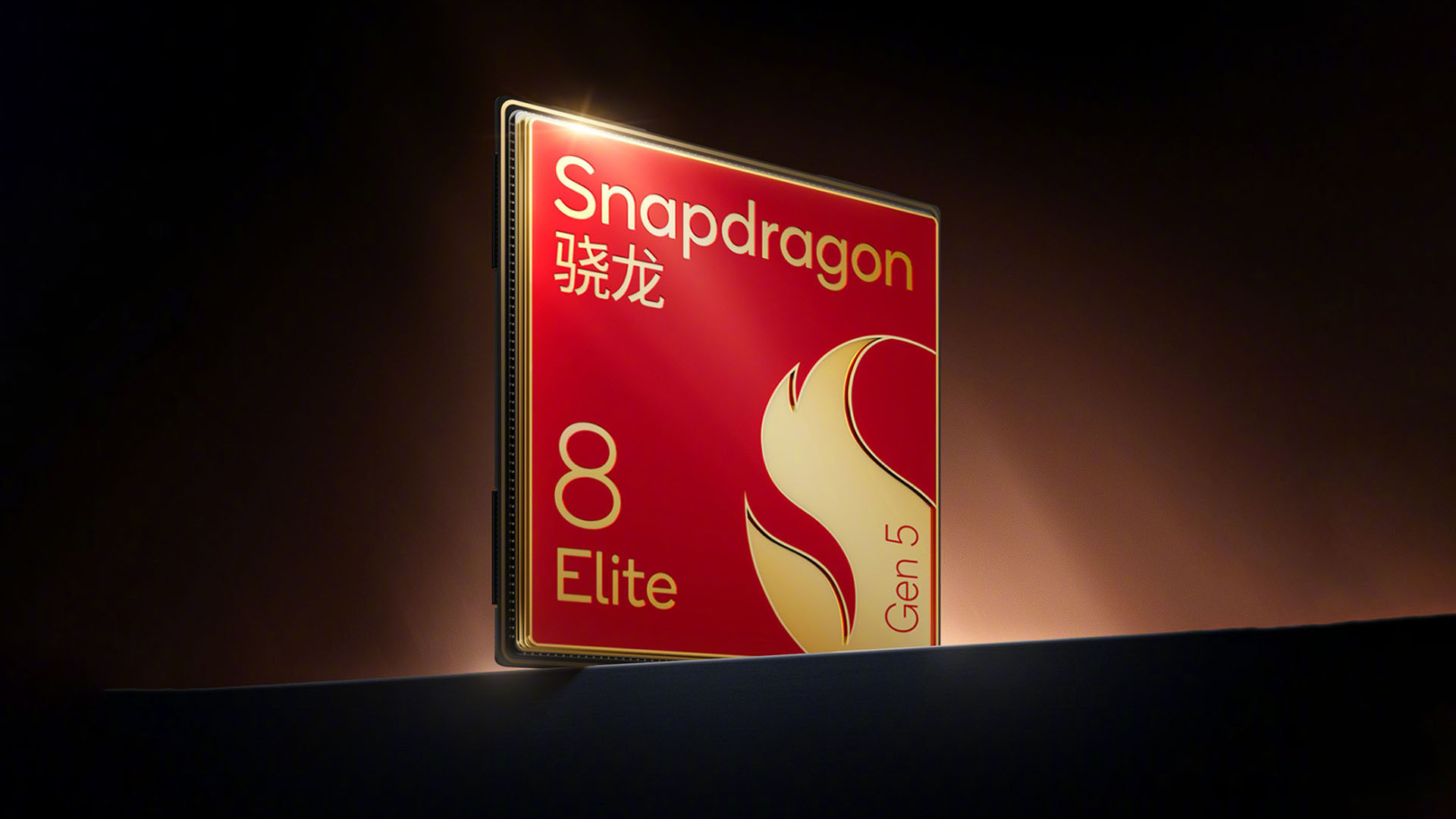
And unlike last year where the realme GT 7 Pro headlined the Snapdragon 8 Elite SoC, Xiaomi’s 17 series rocks the Snapdragon 8 Elite Gen 5 chip first in line. That’s regardless if you get the basic or Pro variants.
And as coincidental as it seems, both Qualcomm and Xiaomi made the bold move of skipping numbers: Xiaomi 17 instead of Xiaomi 16; Elite Gen 5 instead of Gen 4 (although Elite 2 would have sounded so much better IMHO).
That’s paired by either 12 or 16GB of LPDDR5X memory together with up to 512GB/1TB UFS 4.0 storage options.
No one gets left behind as all phones boast IP68 water and dust resistance rating for utmost protection against dust, splashes, rain, and water immersion.
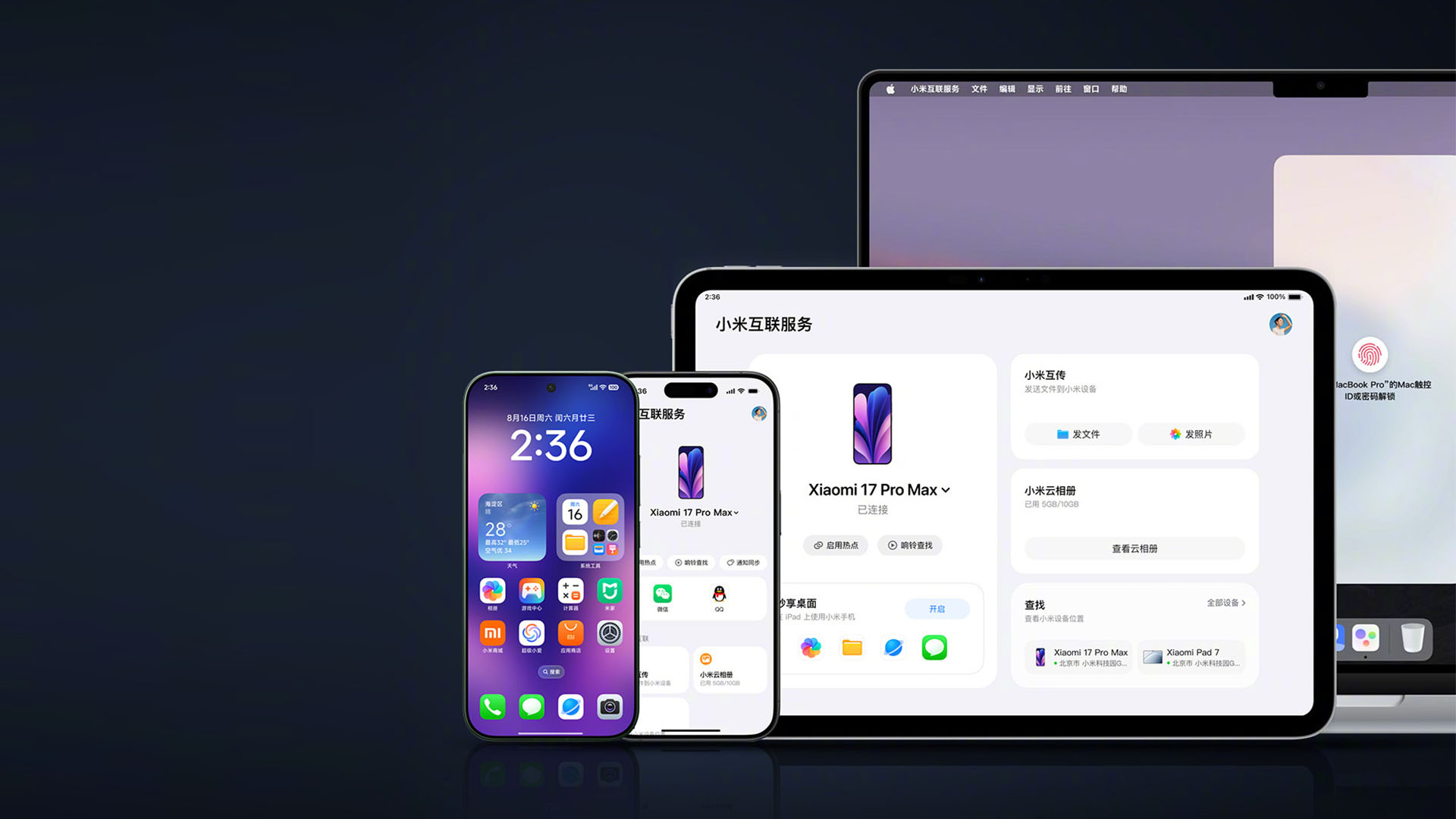
All of them also run Xiaomi’s latest HyperOS 3.0 with smarter and more powerful AI tools in mind.
Despite rivaling Apple’s latest iPhone 17, the new update makes pairing seamless to Apple devices. Regardless if it’s an iPhone, iPad, or Mac.
Pricing and Availability
The hero colors of the Xiaomi 17 are the Snow Mountain Powder and Icemelt Blue.
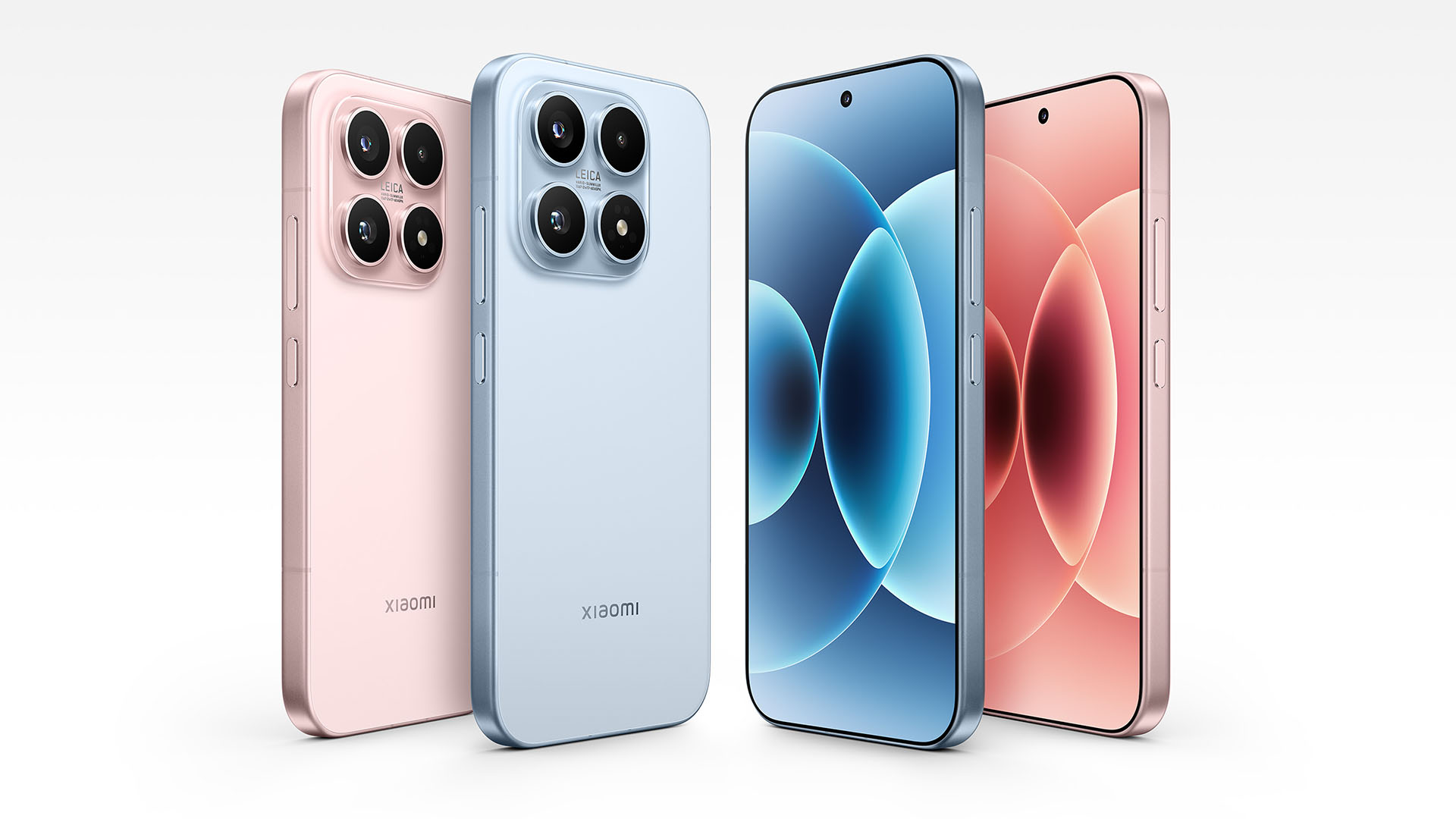
Meanwhile, the Xiaomi 17 Pro series highlights its Morino Green and Coldsmoke Purple colorways.
Graphics by Vincenz Lee | GadgetMatch
If you want classic choice, they’re still being offered in Black and White.
Specific pricing and configurations are as follows:
- 12+256GB = CNY 4499 (US$ 630 / EUR 540 / GBP 470 / SG$ 810 / MYR 2660 / PhP 36,280 / INR 56,000)
- 12+512GB = CNY 4799 (US$ 670 / EUR 570 / GBP 500 / SG$ 870 / MYR 2840 / PhP 38,700 / INR 59,730)
- 16+512GB = CNY 4999 (US$ 700 / EUR 600 / GBP 520 / SG$ 900 / MYR 2960 / PhP 40,315 / INR 62,220)
- 12+256GB = CNY 4999 (US$ 700 / EUR 600 / GBP 520 / SG$ 900 / MYR 2960 / PhP 40,315 / INR 62,220)
- 12+512GB = CNY 5299 (US$ 745 / EUR 635 / GBP 560 / SG$ 960 / MYR 3130 / PhP 42,730 / INR 65,950)
- 16+512GB = CNY 5599 (US$ 785 / EUR 670 / GBP 580 / SG$ 1010 / MYR 3300 / PhP 45,150 / INR 69,690)
- 16+1TB = CNY 5999 (US$ 840 / EUR 715 / GBP 625 / SG$ 1085 / MYR 3550 / PhP 48,380 / INR 74,670)
- 12+512GB = CNY 5999 (US$ 840 / EUR 715 / GBP 625 / SG$ 1085 / MYR 3550 / PhP 48,380 / INR 74,670)
- 16+512GB = CNY 6299 (US$ 880 / EUR 750 / GBP 660 / SG$ 1140 / MYR 3720 / PhP 50,800 / INR 78,400)
- 16+1TB = CNY 6999 (US$ 980 / EUR 835 / GBP 730 / SG$ 1260 / MYR 4130 / PhP 56,440 / INR 87,110)
* These are just approximate, rounded-off price conversions
Again, global availability has not been announced. But looking at the past, Xiaomi always reveals their latest flagships to the world during the start of the year. We should expect them to hit international shelves by early 2026.






Accessories
Samsung joins the clip-on earbud trend with the Galaxy Buds On
But it’s exclusive to South Korea for now.

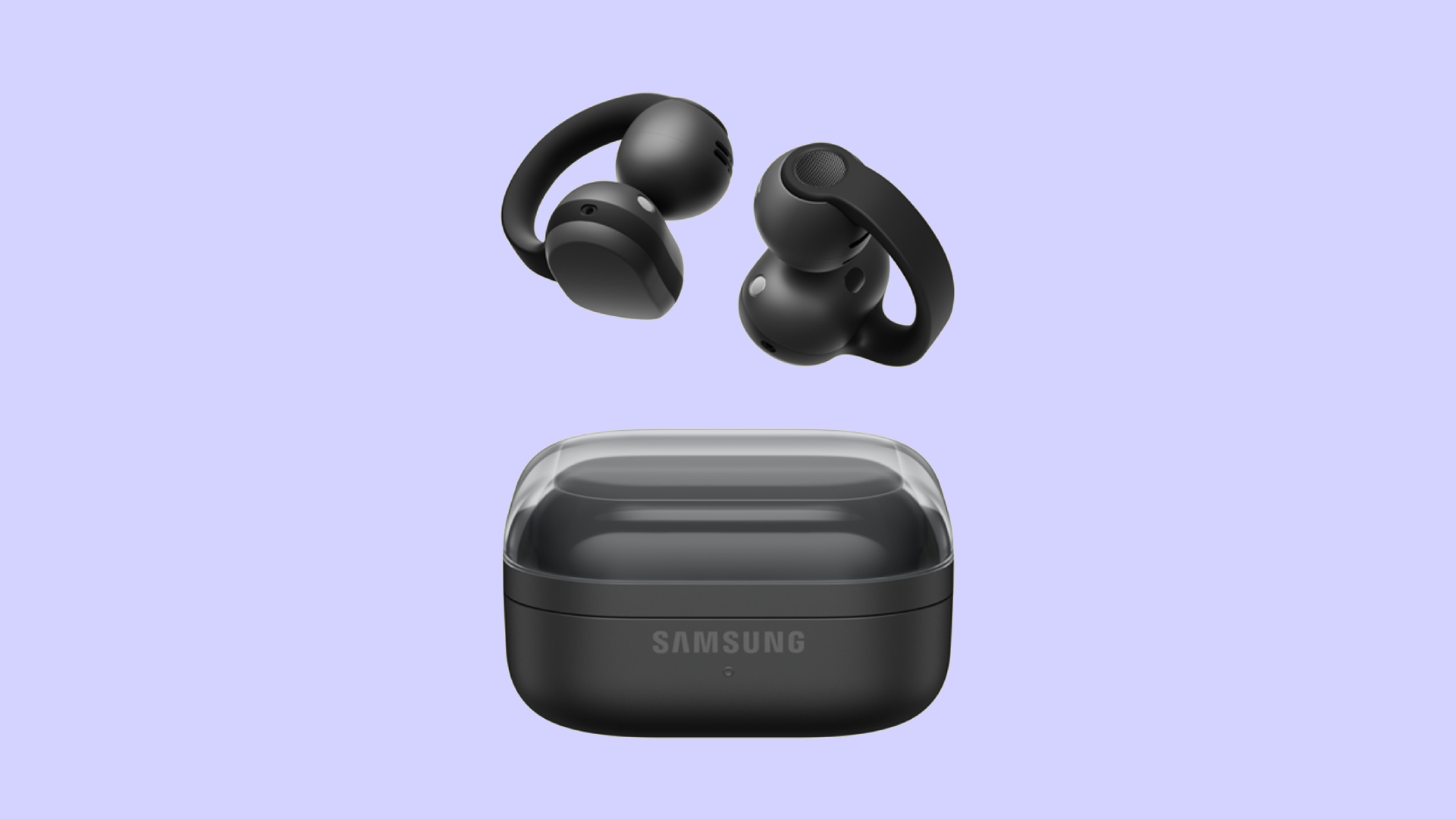
Audio wearables have been getting makeovers as of late. Besides the traditional form factors, the segment is experimenting with bone conduction and clip-on headphones. Today, Samsung is joining that trend with the Galaxy Buds On.
Debuting in South Korea, the Galaxy Buds On is Samsung’s first-ever clip-on earbuds. You’re likely familiar with how these earbuds look like, having seen them grace the ears of many a passerby today. Instead of plugging right into your ear canals, they actually do clip onto your earlobes. Samsung’s take, however, is a little bit heftier, which the brand claims gives it a wider surface area to balance the weight for your ears.
Additionally, the new earbuds has a TwinBoost speaker system. While the system adds better bass to the earbuds, it also adds automatic voice adjustments to better attune the sound according to your environment. It also has an Audio Leakage Reduction feature, so others won’t be able to hear what you’re listening to.
The Galaxy Buds On has a charging case almost identical to the Galaxy Buds4 case. Powered by the Snapdragon S7 Gen 1 Sound Platform, the earbuds can reportedly last up to 9.5 hours on a single charge.
Right now, the wearable is exclusive to South Korea, but Samsung says that a global rollout will happen in the future. In South Korea, the Galaxy Buds On costs KRW 299,000 (or approximately US$ 220).
SEE ALSO: Galaxy Buds4 Pro review: I thought I was done with in-ears
News
vivo X Fold6 makes global debut with 200MP camera and 6900mAh battery
With 200MP camera and 6900mAh battery

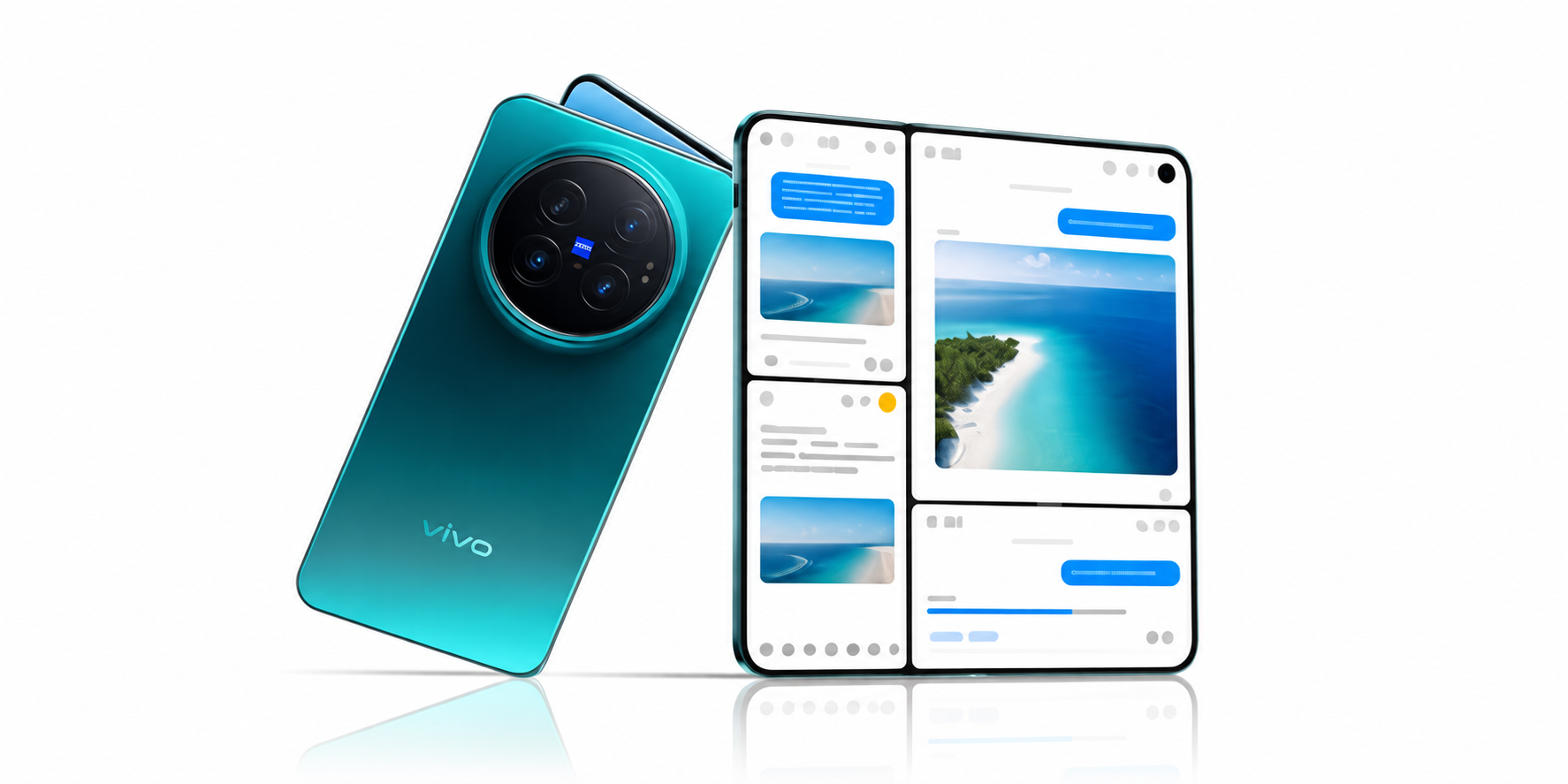
vivo has officially launched the X Fold6 globally. It combines a slim foldable design with productivity features, flagship imaging, and a large 6900mAh battery.
The X Fold6 runs OriginOS 7 Fold, which introduces Multi-Task Workbench with Origin Workbench and Multi-Split Screen. Users can display and resize up to four windows simultaneously, while AI Cross-App Drag allows content to move directly between apps.
Productivity with AI
The foldable also includes AI-powered productivity tools. AI Meeting Assistant provides speaker transcription and summaries through AI Recorder, while AI Captions adds real-time subtitles during online meetings. AI File Manager organizes files with features such as Topics, Smart Naming, AI Summary, and Column View. There’s also AI Reader Mode that reformats PDFs into an eBook-style layout.
vivo also equips the X Fold6 with Jovi, an AI agent designed to handle tasks across smartphones and PCs. It can search and understand materials, generate content, and complete office workflows through voice commands. It also supports scheduled and recurring tasks.
For users who want to replace a computer for lighter workloads, vivo Office Kit enables cross-device collaboration. Desktop Mode turns the foldable into a desktop-like workspace when connected to a compatible monitor or TV.
6900mAh large battery
The X Fold6 packs a 6900mAh BlueVolt Battery with 80W FlashCharge, 40W Wireless FlashCharge, and wireless reverse charging. Its 5th-Gen Silicon Anode Technology allows vivo to fit the large battery into a slim foldable body, while its 3rd-Gen Semi-Solid-State Battery is designed to maintain performance in temperatures as low as -20°C.
Despite its battery capacity, the X Fold6 measures as little as 4.4mm when unfolded and weighs 228g in Prism Black. The Horizon Blue version measures 4.8mm and weighs 235g. Both variants feature a 2.5D flat-edge metal frame and ultra-narrow bezels.
For photography, the foldable features a 200MP ZEISS main camera with a Samsung HPB large sensor, ZEISS T* coating, and optical image stabilization. It is paired with a ZEISS APO telephoto camera with a Sony LYTIA 602 sensor, 3x periscope design, telephoto macro capability, and up to 100x ZEISS HyperZoom.
The camera system also introduces Stage Mode for telephoto concert and live performance photography. It supports 4K 60fps Dolby Vision video, while Motion Portrait 2.0 uses subject tracking and portrait processing to capture moving subjects.
Powered by MediaTek
The X Fold6 uses the Dimensity 9500 Super Edition flagship platform and features an 8.02-inch inner display alongside a 6.51-inch cover display. Both screens use 8T-LTPO technology with a 1–120Hz adaptive refresh rate, adaptive dimming, up to 5,000 nits local peak brightness, and a minimum brightness of 1 nit.
The foldable also carries IPX8 and IPX9 water resistance and IP5X dust resistance. Its 1+4 Communication Chipset is designed to improve cellular and Wi-Fi connectivity, while Data Store allows users in select markets to purchase local data plans directly on the device across 129 countries and regions.
Gaming
The regular PlayStation 5 is getting an AI upscaling feature
The feature debuts with Wolverine and Ghost of Yotei.

If you’re an owner of a regular PlayStation 5, watching a PS5 Pro owner might touch you with a tinge of jealousy. Besides the upgraded console’s better hardware, it also has something called the PlayStation Spectral Super Resolution (PSSR), which uses AI to improve resolution and framerate. Unfortunately, that feature isn’t available on the regular console. But Sony is throwing the classic console a bone today by adding Quick Spectral Super Resolution (QSSR), which does the same as PSSR but on the older machine.
Since the introduction of PSSR, fans and developers alike have asked whether the older console can have a version of the technology. Developed with AMD, QSSR is an AI upscaling feature that improves performance for modern games on the PlayStation 5. For now, the feature is debuting first on Ghost of Yotei and Marvel’s Wolverine via a set of patches. Moving forward, Sony will also allow its developers to add the feature for their respective games.
Now, the choice of games is deliberate. Marvel’s Wolverine is still fresh on everyone’s mind. Meanwhile, Ghost of Yotei has just released a Complete Edition, which packs in a new story expansion and a roguelike mode. You don’t even need to Complete Edition or the corresponding paid upgrade to enjoy the new feature.
SEE ALSO: Ghost of Yōtei Complete Edition review: More of a great thing






Linkin Park: Unshatter is the band’s kintsugi

Bambu Lab opens first Authorized Store in the Philippines

Lenovo tech behind DreamWorks Animation hit ‘Forgotten Island’

Samsung joins the clip-on earbud trend with the Galaxy Buds On

vivo X Fold6 makes global debut with 200MP camera and 6900mAh battery

HUAWEI Pura X View is 2026’s first WIDE slab-type smartphone

The CAMON Slim 5G is TECNO’s latest ultra-slim smartphone

iPhone 18 Pro series: Price, availability in the Philippines

vivo X500 Series launches with major imaging upgrades

iPhone 18 Pro series: Price, availability in Singapore


-
 News2 weeks ago
vivo X500 Series launches with major imaging upgrades
-

 News2 weeks ago
OPPO Find X10 Pro Max is the first phone with a triple 200MP camera system
-

 Automotive1 week ago
BYD says that way better EV batteries are coming next year
-

 News2 weeks ago
vivo introduces OriginOS 7 with smarter multitasking and AI features
-

 News7 days ago
HONOR Magic9 Pro Max launches in China with ARRI-powered imaging
-

 Smartphones1 week ago
TECNO CAMON Slim 5G teases an ultra-slim design ahead of launch
-

 Accessories2 weeks ago
70mai launches the A900 series with 4K front, rear recording
-
 Smartphones1 week ago
When TECNO-logy meets Tonino Lamborghini legacy