
Cameras
The Sony A7S III is a low light video beast
And then some

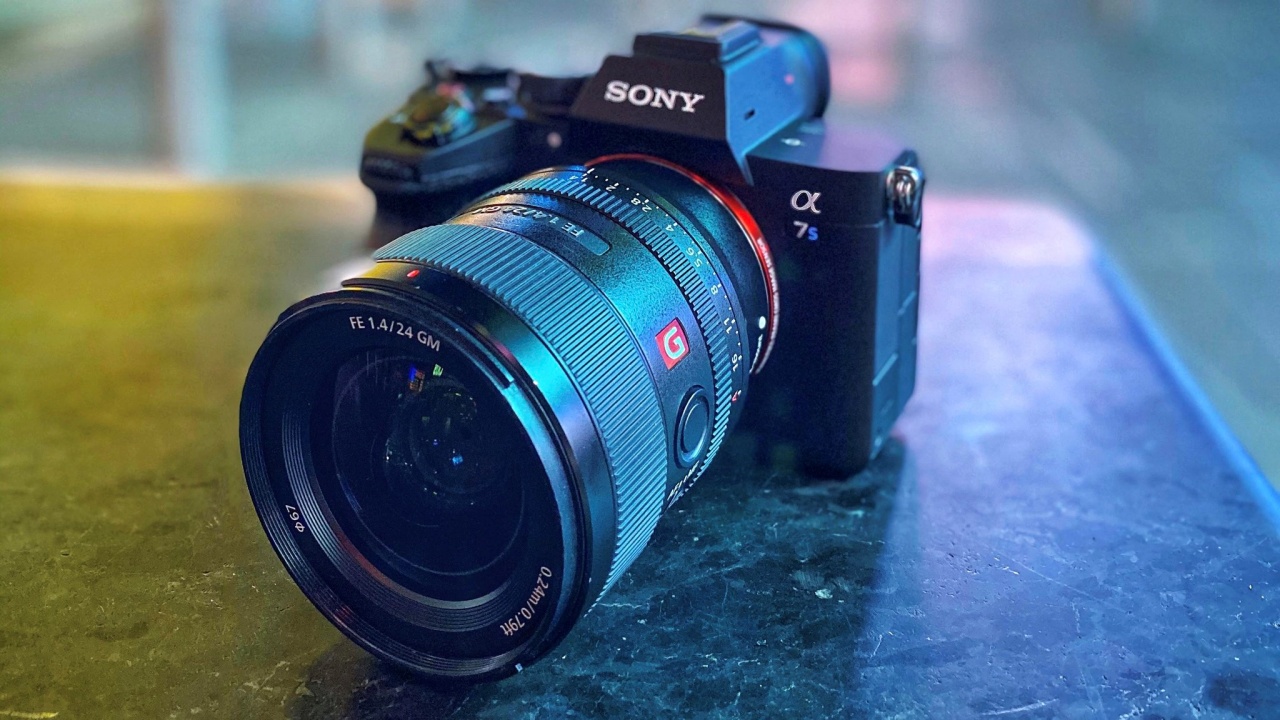
Finally! After years of waiting, we now have the successor to Sony’s video-centric mirrorless camera — the Sony A7S III.
It’s been six years since the release of the Sony A7S II, and its successor carries on the many features that made it an absolute must-have for videographers both amateur and professional.
Taking professional video further
The A7S III offers in-camera 4K recording up to 120 frames per second(1), 10-bit depth and 4:2:2 color sampling. It has a more flexible and efficient post-production workflow with a variety of advanced movie recording modes such as All-Intra and MPEG-H HEVC/H.265 coding (XAVC HS).
If you’re worried about a mutli-cam production, the Sony Alpha team has taken that into account as well. It has three color gamut settings S-Gamut, S-Gamut3, and S-Gamut3.Cine that make it easy to match with footage shot with other cameras.
Footage taken with the camera is also ready to go as is. The S-Log3 gamma curves as well as support for HLG (Hybrid Log-Gamma) picture profile produces footage with a minimal need for post-production.
The A7S III also allows up to 4K 60p 16-bit RAW output to an external recorder via HDMI Type-A connector, offering additional post-production flexibility.
BIONZ XR for better image quality
The A7S III is equipped with the new CMOS image sensor and BIONZ XR image processing engine. This all in the service of producing that legendary S-Series sensitivity with significantly enhanced color reproduction and texture renderings for improved overall image quality.
The base ISO has been lowered to 80, resulting in a normal range of 80-102,400 (expandable to 80-409,600 for video and 40-409,600 for stills). This provides more flexible ISO plus wide dynamic range with low noise at all settings.
It also improves AWB (Auto White Balance) performance with a new “Visible light + IR Sensor” that helps to achieve more precise white balance under artificial lighting.
Advanced AutoFocus
AutoFocus (AF) has been one of the features that Sony just has been absolutely good at and that carries over to the A7S III. It offers Fast Hybrid AF by combining phase-detection and contrast-detection AF.
This means it can track subjects over a wide area with outstanding speed, precision and smoothness, even when using a narrow depth of field. This is further enhanced by Sony’s e-mount lenses capable of Fine focus expression.
For environments with a lot of movement, Real-time Tracking and Real-time Eye AF are available to maintain constant focus on the intended subject.
Sony’s advanced Real-time Eye AF improves detection performance by 30% over the previous system. It ensures accurate, reliable detection, even when the subject’s face looks away.
The A7S III is now touch screen so real-time tracking can be done in that manner. Real-time Eye AF is automatically initiated when an eye is detected.
The camera includes several AF features for professional users including AF Transition Speed in seven settings. It has rack-focus transitions and five AF Subject Shift Sensitivity settings to customize how easily AF will switch or stay with the locked-on subject.
It’s now also possible to Touch Focus during manual focus mode on the LCD screen or remotely from the Imaging Edge Mobile application.
Better cooling implemented
Naturally, this much power will generate plenty of heat. The A7S III’s design takes this into consideration.
A newly developed unique heat dissipating structure keeps the image sensor and image processing engine temperatures within their normal operating ranges. This keeps things cool even during extended continuous recording sessions at 4K 60p 10-bit 4:2:2 video lasting an hour or more.
The new heat-dissipating structure requires no fan or cabinet vents allowing Alpha 7S III to maintain dust and moisture resistance.
Maximum stability
A camera built video can’t be without proper stabilization.The Sony A7S III is the first Alpha series camera to include Active Mode with 5-axis optical in-body image stabilization to support especially difficult handheld movie shooting.
It’s the first Alpha series E-mount body to feature a side-opening vari-angle rear screen. It’s perfect for gimbal-mounted shots, complicated angles, handheld operation and more.
The screen rotates sideways, up and down, and features a 3.0 type 1.44 million-dot (approx.) touch panel LCD monitor, for optimal visibility even in bright outdoor environments. FINALLY.
Not a slouch in photography
Just because it’s video-focused, doesn’t mean it neglected still images. The A7S III has a fast Hybrid AF system with 759 phase-detection AF points covering 92% of the image sensor.
Users can continuously shoot more than 1,000 uncompressed RAW images at up to 10fps, or up to 8fps in live view mode, with either the mechanical or electronic shutter.
High speed transfer, redesigned menu
The A7S III features two CFexpress Type A compatible media slots. These support UHS-I and UHS-II SDXC/SDHC cards for high write-and-read speeds while keeping the camera body compact.
CFexpress Type A cards are ideally suited to high-speed continuous RAW still image shooting as well as 4K 120pi movie recording at high bit rates.
High-speed data transfer to a PC is possible at about 1.7 times faster than that of SD card. The dual slots can be set to relay mode for extended continuous recording of even the highest bit rate data as well as simultaneous recording and sort by format type recording.
The menu system, which some have noted to be somewhat of a black hole, has been redesigned for easier navigation. Switching to video mode automatically prioritizes video settings. Same is true for the various photo modes.
Pricing and Availability
The new Sony A7S III Full-frame Interchangeable Lens Camera will be available in September 2020 for approximately US$3,499.99. It will be sold at a variety of Sony’s authorized dealers throughout North America.
In Singapore and the Philippines, it will be available in October 2020. Pricing will be announced soon.








DJI has announced the global availability of the Osmo Pocket 4P Pearl White, a new color option for its dual-lens gimbal camera. The new edition retains the camera’s 1-inch CMOS sensor, 17 stops of dynamic range, 10-bit HDR video recording, and dual-lens system.
The Pearl White finish uses mica-infused pearlescent pigments and a multilayer spray coating that creates subtle changes in appearance under different lighting conditions. DJI designed the new colorway for creators who want a camera that complements lifestyle photography, travel vlogging, and everyday video production.
DJI Osmo Pocket 4P Pearl White features
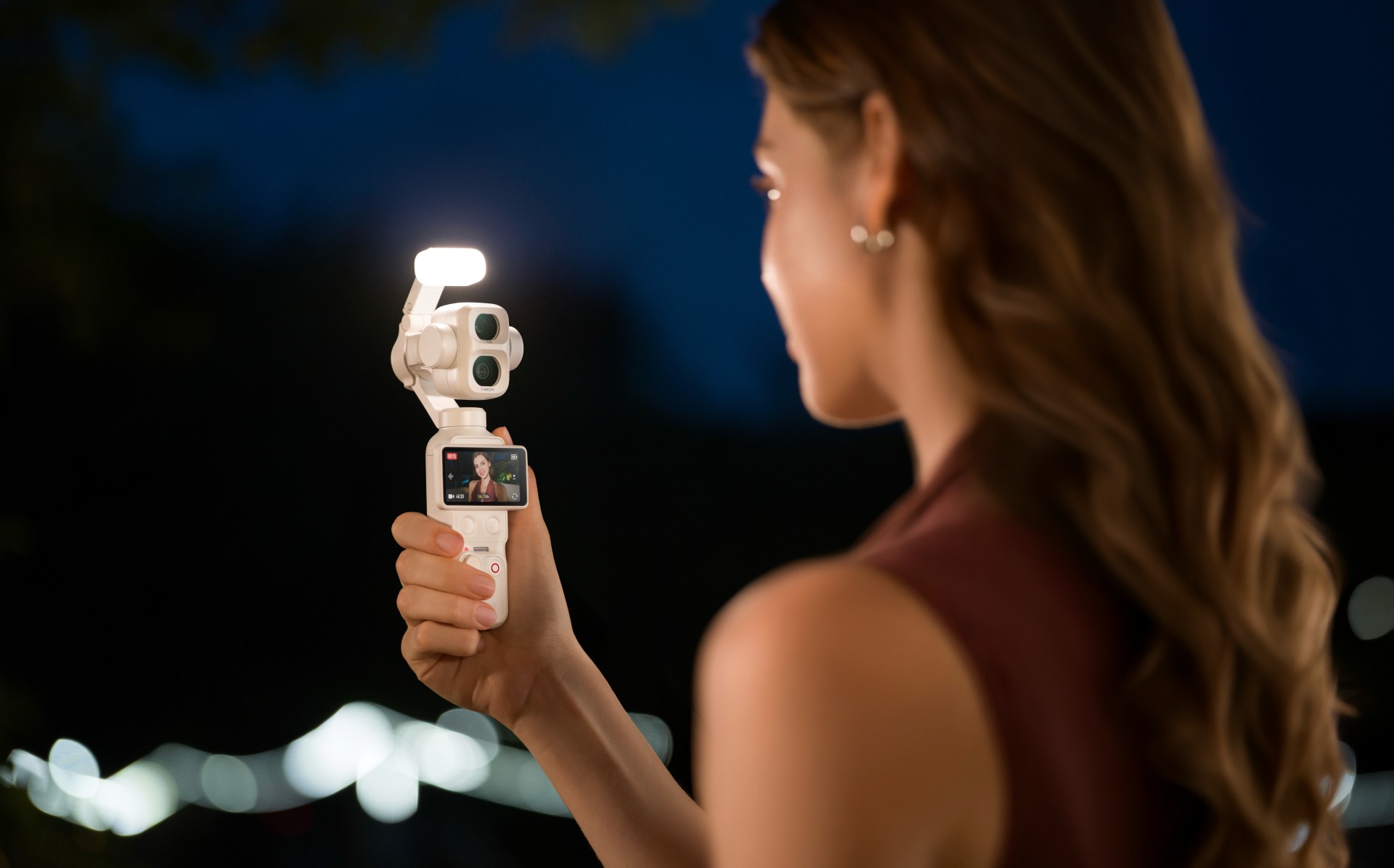
The Osmo Pocket 4P Pearl White features two lenses with different focal lengths. Its primary 20mm wide-angle lens has a 1-inch CMOS sensor and an f/2.0 aperture. It supports video recording at up to 4K at 240 frames per second, with LOFIC technology helping preserve highlight and shadow details in challenging lighting conditions.
The camera also supports up to 17 stops of dynamic range and a 10-bit D-Log 2 color profile. These features give creators greater flexibility when adjusting colors, exposure, and contrast during post-production.
For portraits and tighter compositions, the 60mm medium-telephoto lens has an f/1.8 aperture and supports 3x optical zoom and up to 12x zoom. The camera combines both lenses with gimbal stabilization in a compact body weighing approximately 230 grams.

Other creative features include:
- Slow-motion video: Record up to 4K at 240fps for slow-motion footage.
- High-resolution photos: Capture still images at up to 37 megapixels.
- 4K Live Photos: Record 1.5-second clips alongside photos.
- ActiveTrack 8.0: Track subjects such as people, vehicles, and pets.
- Fast file transfers: USB 3.1 support enables transfer speeds of up to 800MB/s.
- Extended battery life: Record for up to 210 minutes on a single charge.
- Fast charging: Reach 80% battery capacity in as little as 18 minutes.
- Automatic iOS transfers: Transfer newly captured footage to compatible iOS devices after powering off the camera.
Automatic media transfer works best with an iPhone 16 series device or later running iOS 26.4.1 or above, provided the camera battery is above 15%.
The camera also supports HDR 10-bit video recording for footage with a wider range of colors and greater flexibility during editing.
Compatible with DJI Osmo accessories
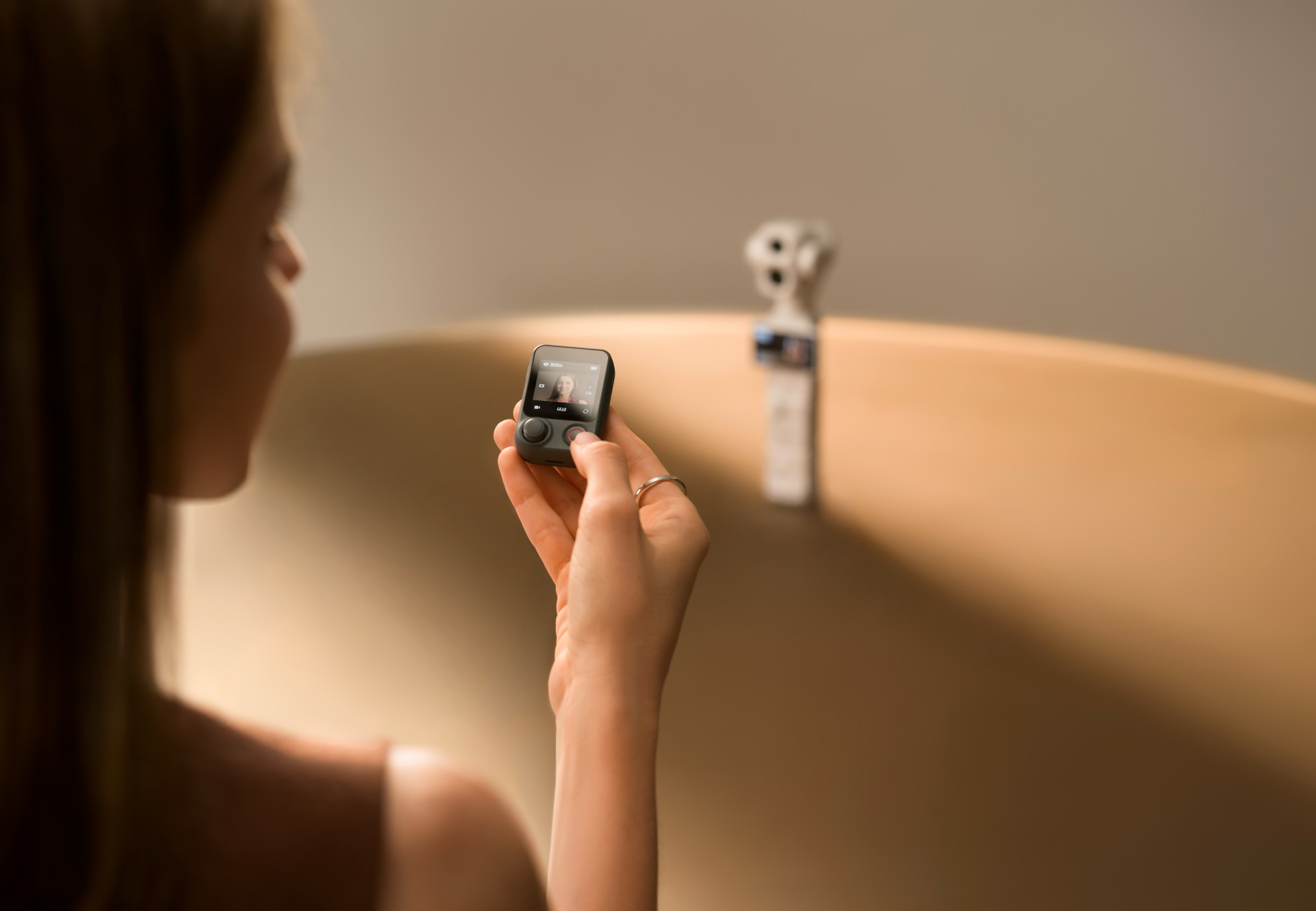
The Osmo Pocket 4P Pearl White works with DJI’s existing Osmo accessory ecosystem. Compatible accessories include the Osmo Pocket 4 Fill Light, ND and polarizing filters, wide-angle lens adapters, battery handle, and OsmoAudio microphones.
These accessories are sold separately, allowing creators to customize their setup for different shooting scenarios.
DJI Care Refresh coverage
DJI Care Refresh is available for the Osmo Pocket 4P Pearl White. The protection plan covers accidental damage, including collisions and water damage, through a replacement service for an additional fee.
The one-year plan includes up to two replacements, while the two-year plan includes up to four replacements. Other benefits include official warranty coverage, international warranty service, and free shipping, subject to DJI’s terms and conditions.
Pricing and availability
The DJI Osmo Pocket 4P Pearl White is now available globally. The Standard Combo is priced at £529 in the UK and €599 in Europe.
For more information, visit the official DJI Osmo Pocket 4P website.
Accessories
Fujifilm’s new instax Pal 2 and Link WIDE 2 make room for more creative memories
A new pocket camera and a collage-making printer join the instax family.

Seeing a memory take shape beyond your screen changes how it feels. A favorite photo becomes a print you can tuck into a journal or pin beside your desk, and the everyday moments you capture get a little more room to live.
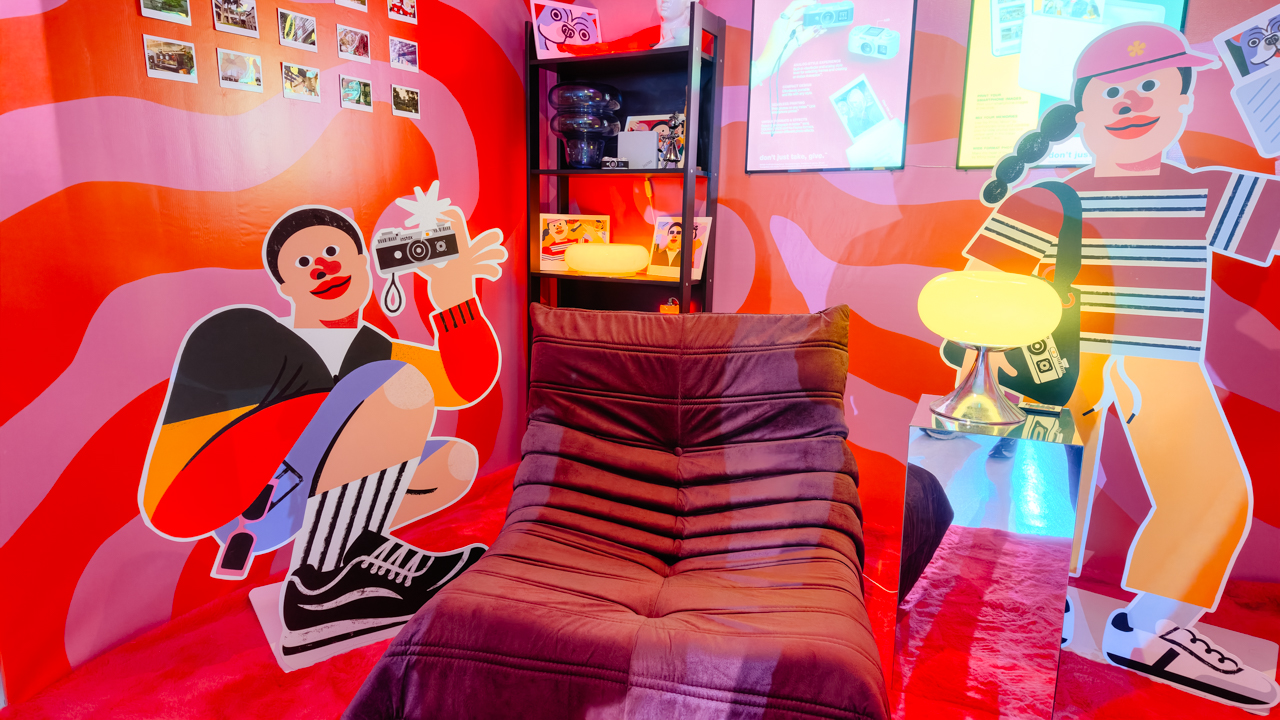
That was the spirit of Fujifilm’s instax Playhou2e launch in Makati, where visual artist Jill Arteche brought her signature illustrations into the event space.
Her artwork surrounded the latest additions to the instax family, the instax Pal 2 and instax Link WIDE 2. Both devices treat photography as a form of personal expression, from the snapshots you take throughout the day to the printed memories you want to keep close.

A pocket-sized camera that goes wherever you do
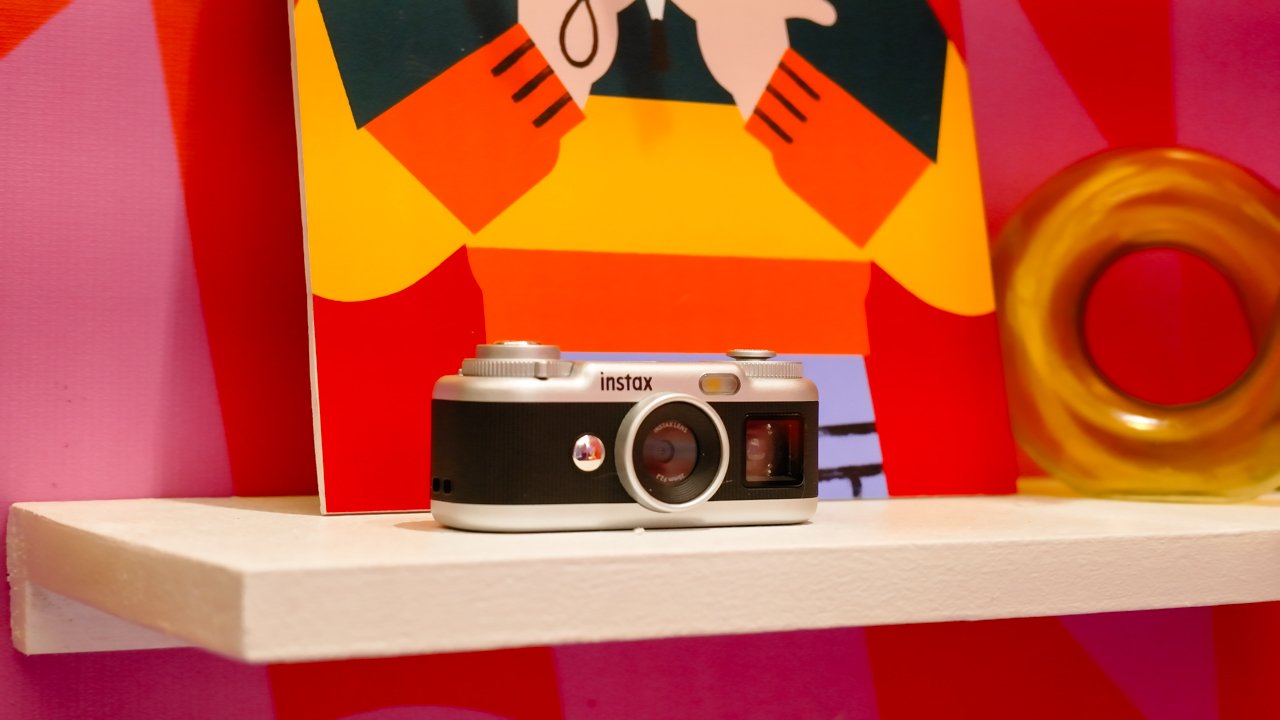
The original instax Pal made the case for carrying a camera without a full-sized setup. Its successor, the instax Pal 2, builds on that with a refreshed design and improved image quality.
The palm-sized camera is built for everyday adventures and can capture angles that are awkward to get with a smartphone. Its compact body also makes it easy to bring along if you like documenting your day as it happens.

Fujifilm gave the Pal 2 a semi-matte finish. A new monitor on top lets you review shots right after you take them, and the added viewfinder, control dial, and lever give it a more tactile feel to shoot with.
The specs have moved up, too. The Pal 2 captures 10-megapixel images, double the original’s five megapixels, and its internal storage holds up to 100 images compared with 50 before. A separately sold microSD card adds more room.
The creative options are where the Pal 2 gets playful. It offers 30 effects, so you can give images different moods without editing each one from scratch. Its instax Animation mode strings up to 10 consecutive shots into a flipbook-style animated video.

Transferring your photos is straightforward. The Pal 2 supports wireless Bluetooth transfers, and a USB Type-C connection offers faster transfers to compatible smartphones. From there, you can edit the images and post them to social media or keep them in your camera roll.
Because the Pal 2 is part of the instax ecosystem, its digital photos can also be printed on instant film through compatible instax printers. That means you can shoot first and decide later which moments deserve a physical copy.
Turning your camera roll into something worth keeping
Taking photos is only half the fun. The other half is deciding what to do with the hundreds of images that pile up on our phones.
The instax Link WIDE 2 is Fujifilm’s answer for anyone who collects travel photos or documents celebrations. As the brand’s WIDE-format smartphone printer, it prints at twice the image area of the instax mini format, which leaves more space for group photos and landscapes.
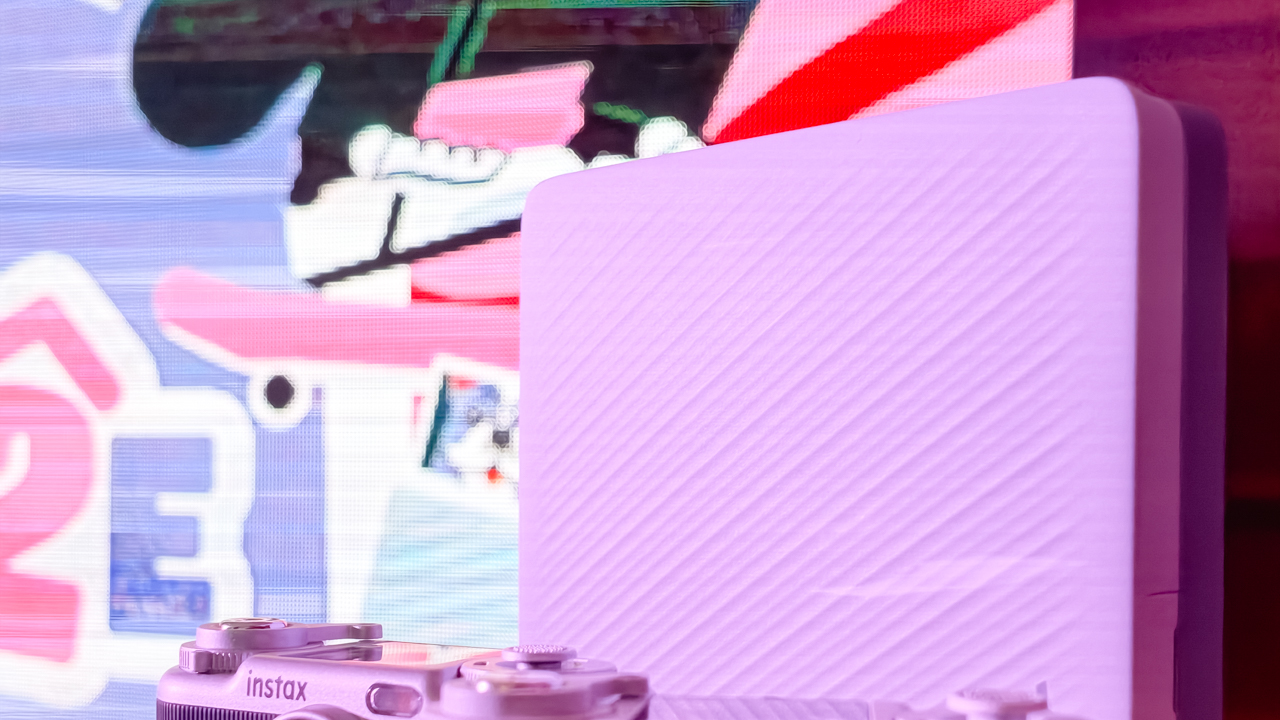
Its biggest new feature is Photo Mixer, which builds scrapbook-style collages from multiple images you pick in the dedicated app. Instead of printing a single photo, you can combine highlights from a trip or a gathering into one larger keepsake.
The app suggests layouts based on your chosen photos and adjusts image sizes, angles, text placement, and fonts to keep the design cohesive. You can then add your own text and stamps. A cutout function identifies people and objects in your photos so you can layer them into the collage.
With Photo Mixer, printing becomes part of the creative process, and your camera roll turns into material for building a visual record of an experience in a single print.
The Link WIDE 2 also gets a design refresh, with two-tone finishes in Duo Beige and Duo Blue. The light and dark surfaces give it a polished look on a shelf or desk, and an illuminated instax logo glows while it prints.
Connectivity has expanded, too. Beyond smartphones and tablets, the printer works with PCs, Fujifilm X Series cameras, and the instax Pal 2, so digital artwork and other compatible images can become physical prints.
A more personal way to keep your memories
The instax Pal 2 and Link WIDE 2 share the idea that photography is a way to express yourself. The Pal 2 makes it easy to capture moments as they happen, and the Link WIDE 2 gives those images a place in the physical world.

Jill Arteche’s artwork at the launch backed that idea up. Her illustrations filled the space with personality and showed how photos and art can make an environment feel more personal. The event also made a case for revisiting and reinterpreting the images we collect.

Taking a photo takes seconds, and printing one can make the memory feel more special. The instax Pal 2 and Link WIDE 2 bring that into everyday life and give your snapshots room for creativity, from the moment you press the shutter to the moment you find a place for the print.
In the Philippines, the Fujifilm instax Pal 2 retails for PhP 10,599, while the Fujifilm instax Link WIDE 2 is priced at PhP 10,999. Both devices are now available on Fujifilm’s authorized stores and retailers nationwide.
Cameras
Sony introduces its 1st Fisheye Zoom G Lens
Broad range for landscapes, architecture, sports, and video production

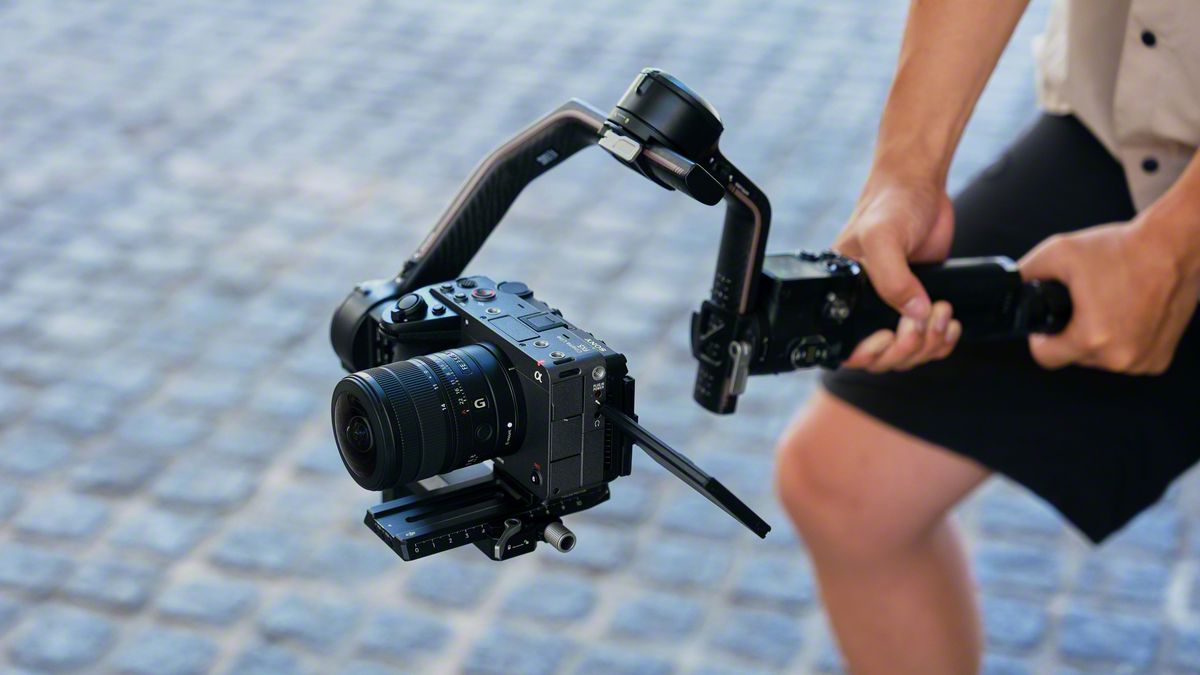
Sony has just launched its first fisheye zoom G Lens for full-frame Alpha E-mount cameras: the Sony FE 8-14mm F3.5 Fisheye G. It will be available from late September for an SRP of US$ 1,599.99 / SG$ 2,049.
The 8 mm to 14 mm zoom focal range covers a broad set of fisheye perspectives in one compact lens.
At 8 mm, the lens shoots circular fisheye with a 180-degree angle of view projected as a circular image on a full-frame sensor.
Meanwhile, at 14 mm, it shoots diagonal fisheye across the full frame with a 180-degree diagonal angle of view.
Users can match the angle of view and composition to the subject and creative intent, across various scenarios like landscapes, architecture, sports, and more.
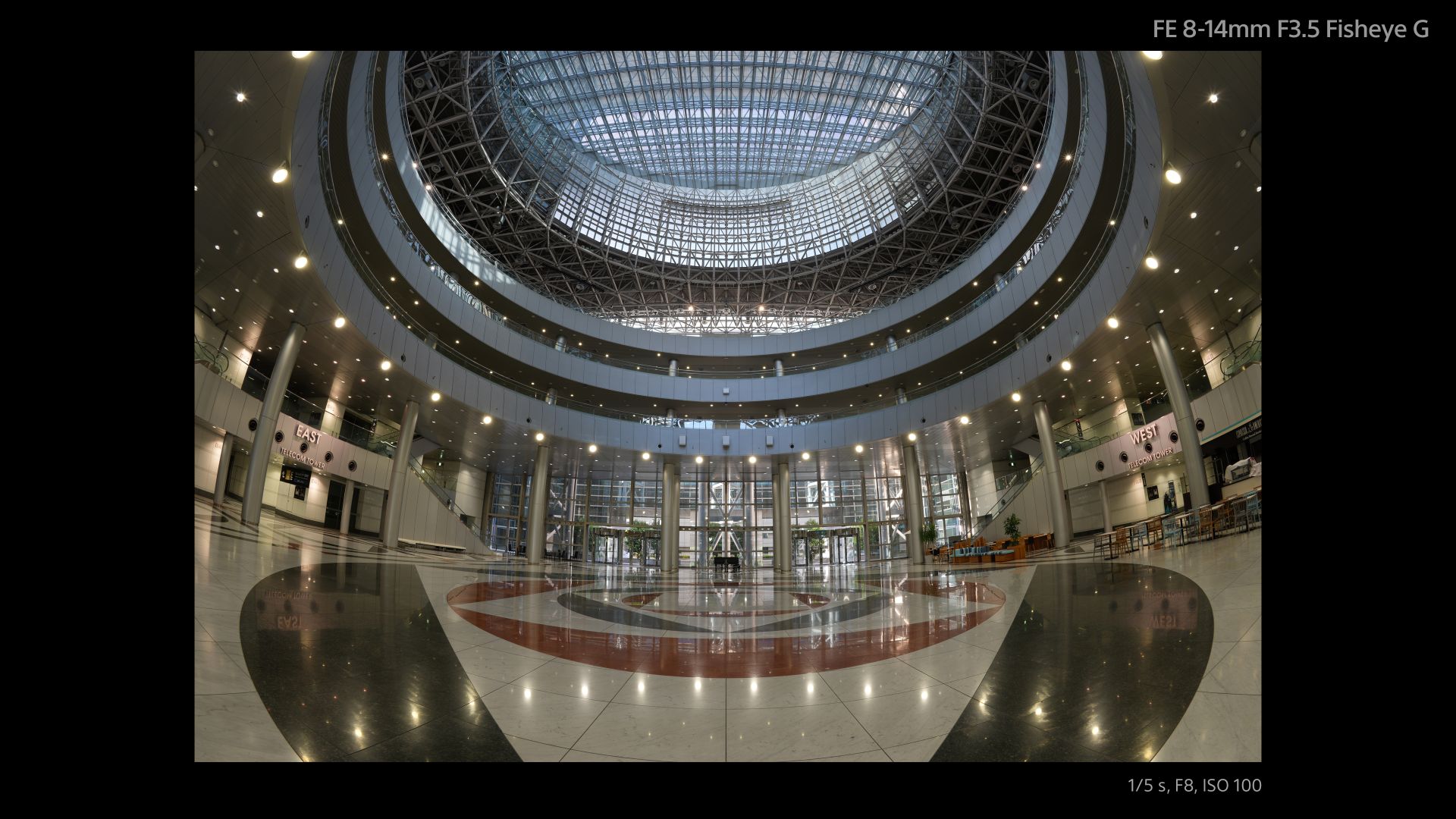
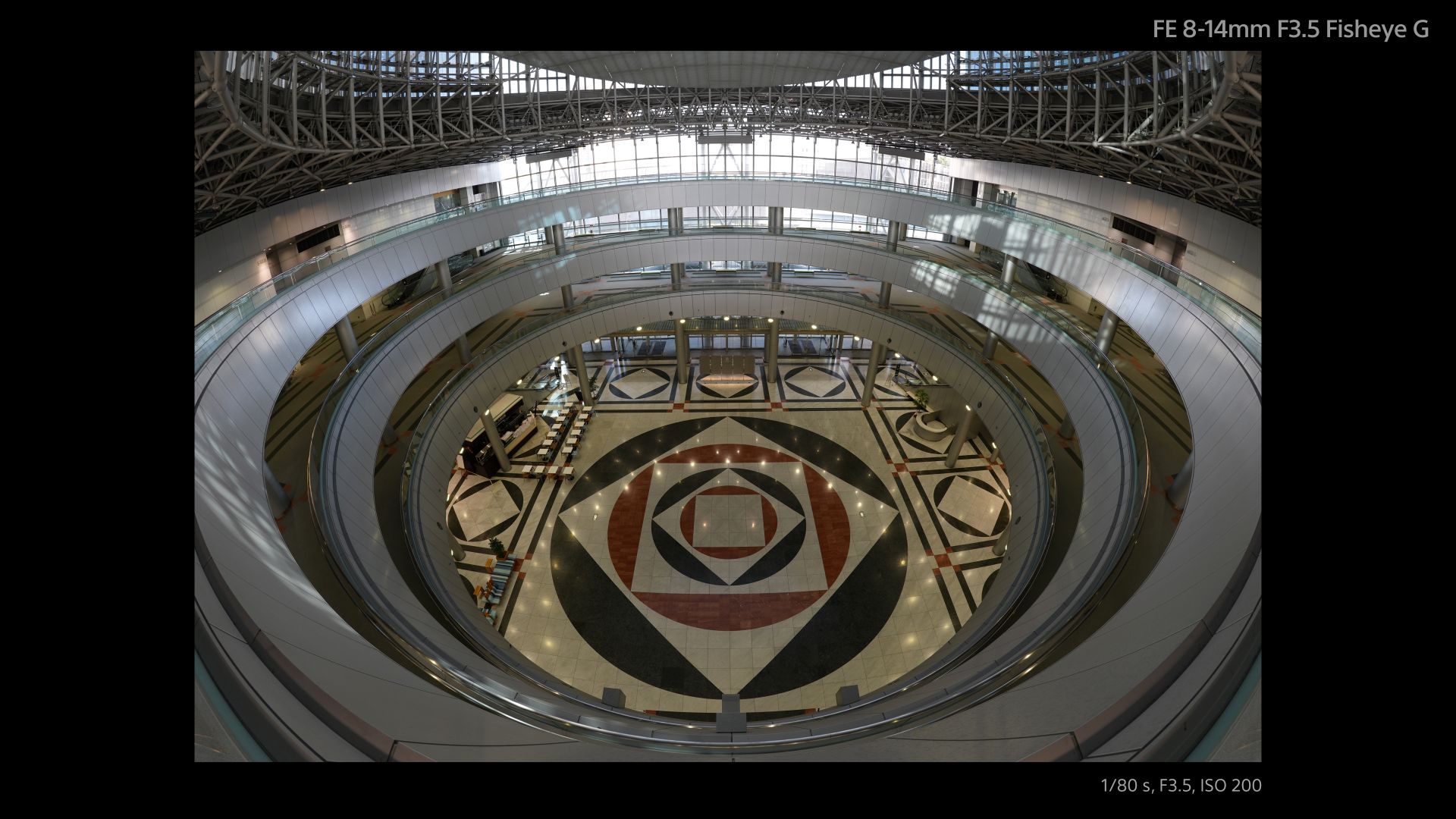
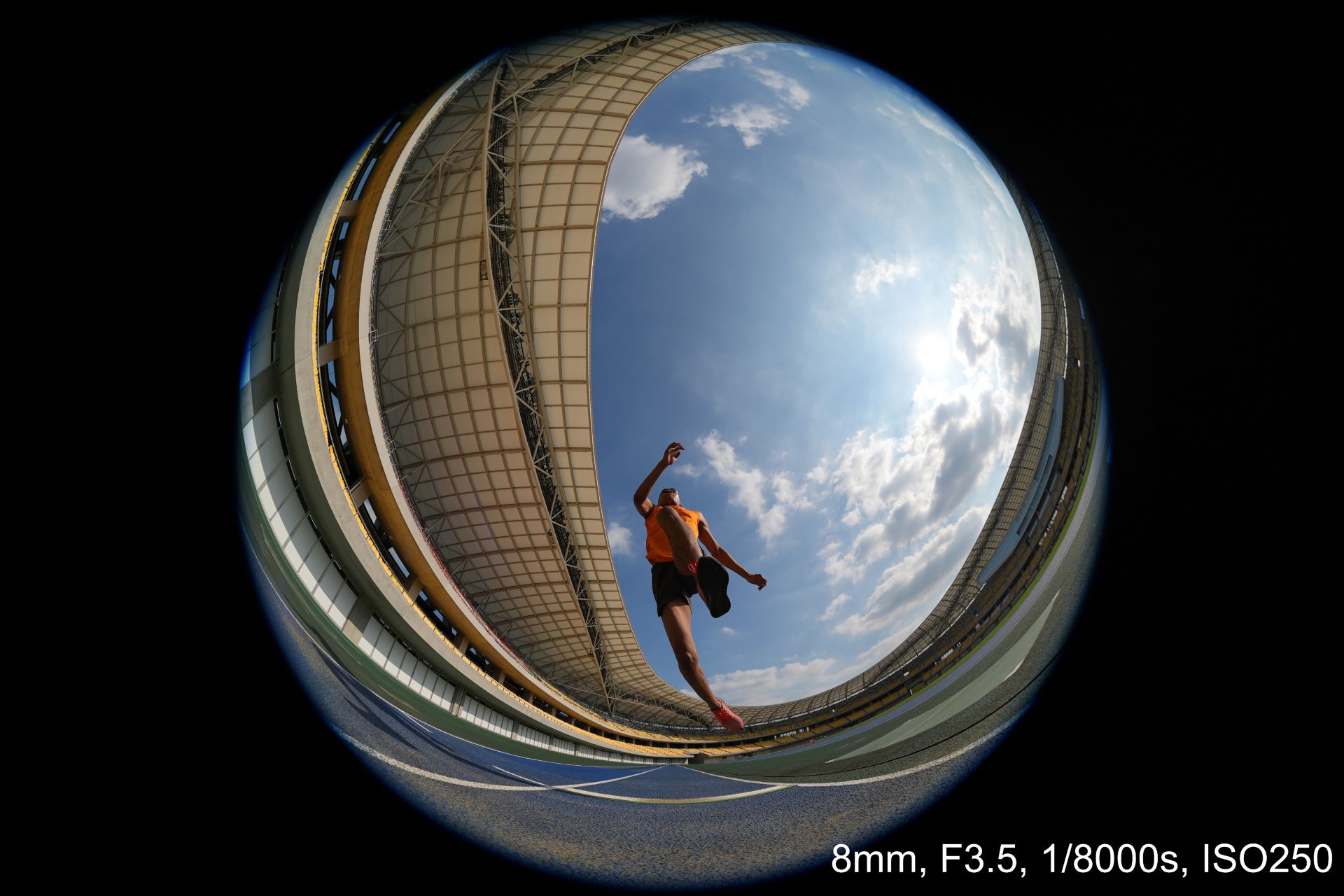
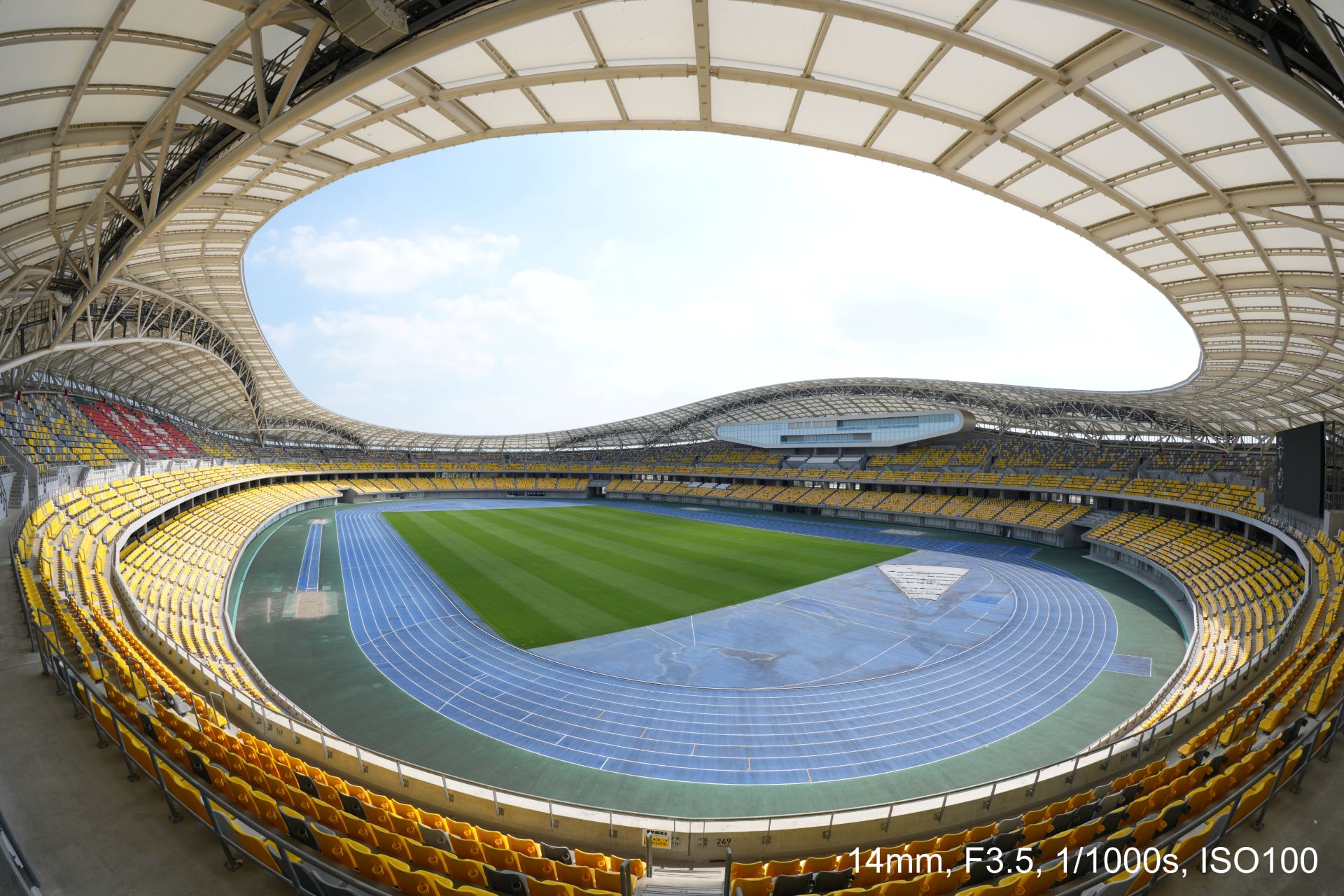


An optical design with ED (extra-low dispersion) glass and aspherical elements suppresses chromatic and other aberrations across the image area.
This enables high resolution throughout the zoom range with fast and precise autofocus and Linear Response MF. All these while suppressing focus breathing and operating quietly for movie production.
Controls include a focus mode switch, zoom lock switch, and an aperture ring with switchable click stops.
A minimum focusing distance of 0.15 meters and maximum magnification of 0.22x at the telephoto end also allow close-up fisheye perspectives both for stills and movies.
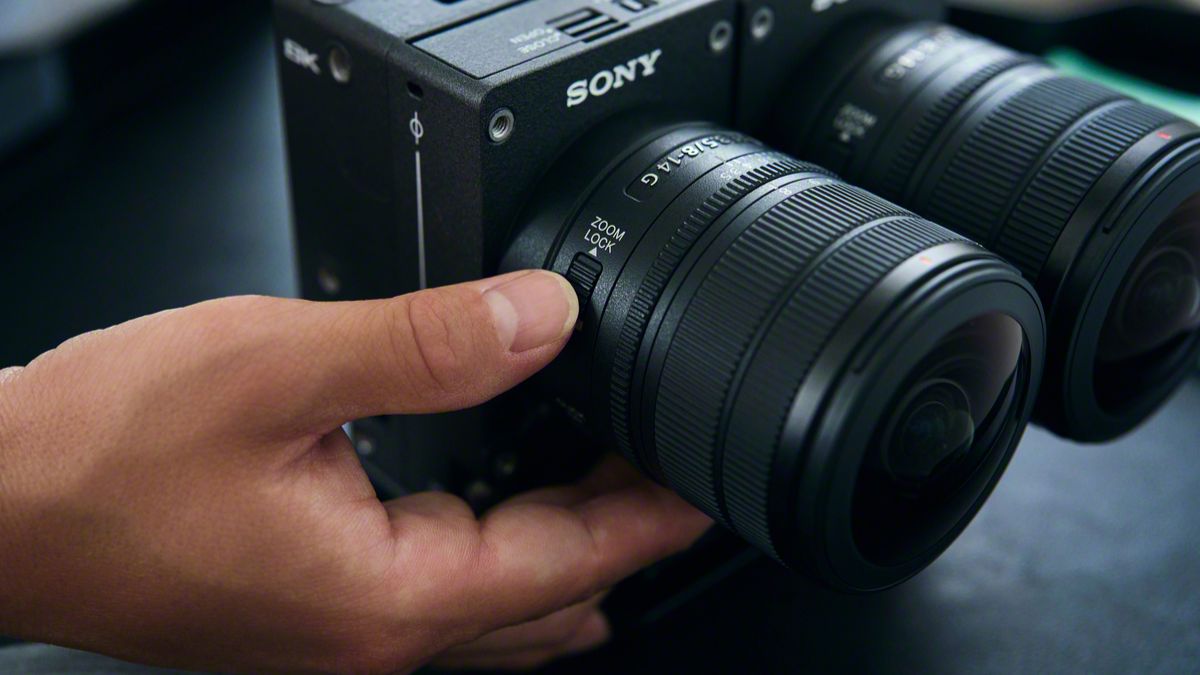
The Sony FE 8-14mm F3.5 Fisheye G measures about 63.1 mm in maximum diameter and 82.8 mm in length.
It weights about 314 grams, giving it mobility for handheld, gimbal, and rig-based shooting. It is also dust and moisture-resistant with a fluorine coating on the front.
In addition, users can opt for a dual-lens configuration with the VENCE Extension System Mini.


HP OMEN Max 16 review: Gamer-maxxing in deep black
Peripherals deemed necessary to max this out

vivo V80 review: Good phone, tough sell
A capable travel companion


Ghost of Yōtei Complete Edition review: More of a great thing
Picking up where Atsu left off

Visa: 79% of Filipinos want to learn about stablecoins

CASETiFY Match: Finding the right case for your Galaxy Z8 Series phone
HP OMEN Max 16 review: Gamer-maxxing in deep black

Google illegally destroys 250,000 trees for a single AI data center

FINAL FANTASY RESONANCE now available across major platforms

TECNO CAMON Slim 5G review: Slim on size, big on surprise

TECNO CAMON Slim 5G: Price, availability in the Philippines

HONOR Magic9 Pro Max launches in China with ARRI-powered imaging

BYD says that way better EV batteries are coming next year

TECNO CAMON Slim 5G teases an ultra-slim design ahead of launch


-
 Wearables2 weeks ago
Garmin Enduro 4 promises up to 320 hours of battery life
-

 Gaming2 weeks ago
Dragon’s Dogma 2: Dark Arisen launches with new Official Pawns
-

 News1 week ago
vivo V80 debuts with ZEISS cameras
-

 Deals2 weeks ago
Score PhP 22,000 in guaranteed freebies when you pre-order the iPhone 18 Pro at Beyond the Box
-
 Philippines1 week ago
TECNO CAMON Slim 5G gets launch discounts, free MagBadge
-

 Wearables2 weeks ago
Garmin Approach S72 brings swing metrics, green reading to your wrist
-

 News1 week ago
Samsung: Galaxy Z Fold8 demand rose because of iPhone Duo
-

 Features1 week ago
I don’t want a phone that unfolds — the Galaxy Z Fold8 gets why