
Enterprise
realme’s strategy is to go beyond smartphones
But with smartphones still as the central hub


The rise of realme over the last two years has been nearly meteoric. After building a foundation in Southeast Asia, the brand has announced at IFA 2020 that they’re now ready to take on Europe. Their strategy is to go beyond smartphones but with that personal mobile device as the central hub for everything.
Sound familiar? What realme aims to do appear to be a mish-mash of what Huawei and Xiaomi are doing. Not bad examples to follow seeing as how Huawei sky-rocketed in popularity (US-China trade war notwithstanding), and how Xiaomi has built a cult following for offering smart home devices for less.
Disrupting the smartphone market
We’ve already talked about how realme has been a disruptor by offering flagship features for phones in the lower and upper midrange category. The features range from debuting the 64MP camera, adding a 90Hz refresh rate, and many more.
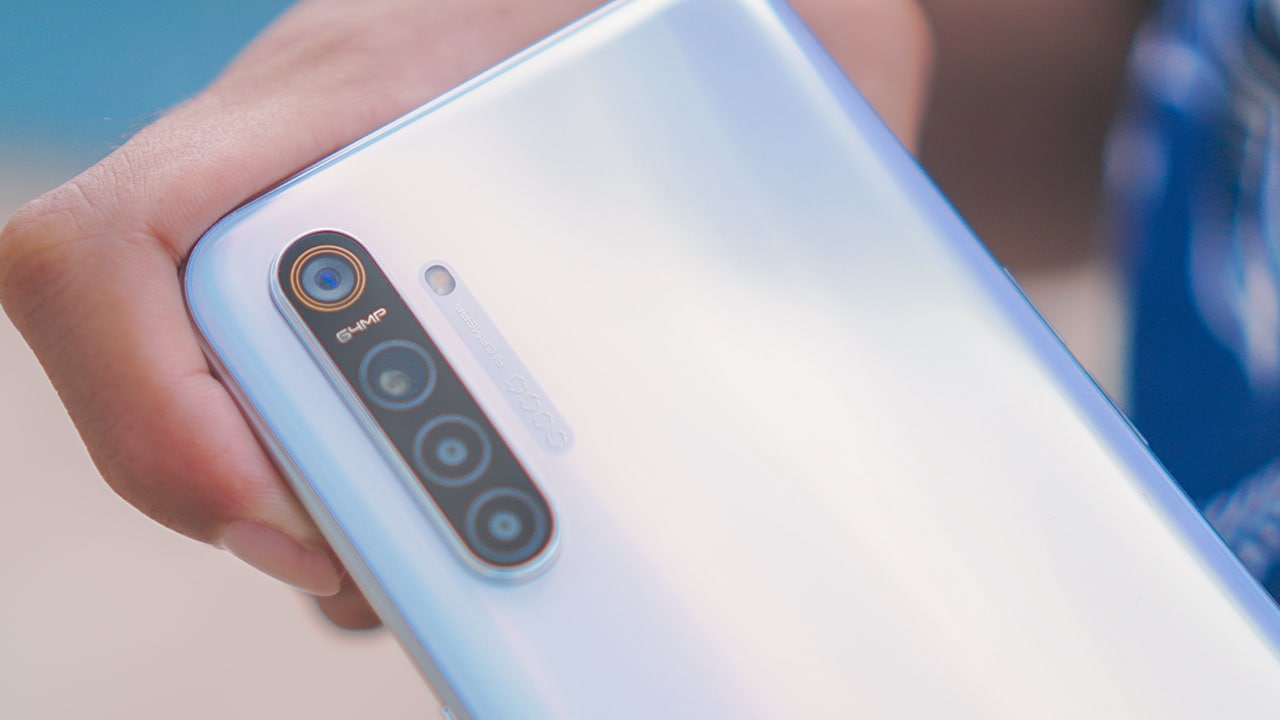
They have also had success with their budget offering — the realme C series. These budget phones are well-built and have enough oomph for what you may need a smartphone for.

The next frontier is 5G and naturally, realme is also partaking in that area with the realme V series and realme X series.
The realme V Series is mainly for solving low battery anxiety in the 5G era with flash charging and mega battery, enabling better 5G experience. The realme V5 was launched in China in August with 5000mAh mega battery and 30W Dart Charge. Launched in September, realme V3 is designed to bring 5G closer to more people by pricing at at the budget $150 segment.

Meanwhile, the realme X Series is positioned as a lighter and thinner 5G flagship with powerful performance. It will adopt cutting-edge technology and craftsmanship to bring industry-leading trendsetting design and bring a unique experience for the young. Recently, realme X7 and X7 Pro were launched as the 1st choice among 5G flagship with 120Hz AMOLED screen and 65W SuperDart charge.
1+4+N
realme has also started offering a bunch of AIOt products that can be linked to the still developing realme Link App. We’ve seen the some TWS buds and most recently the realme Watch. But it doesn’t stop there.
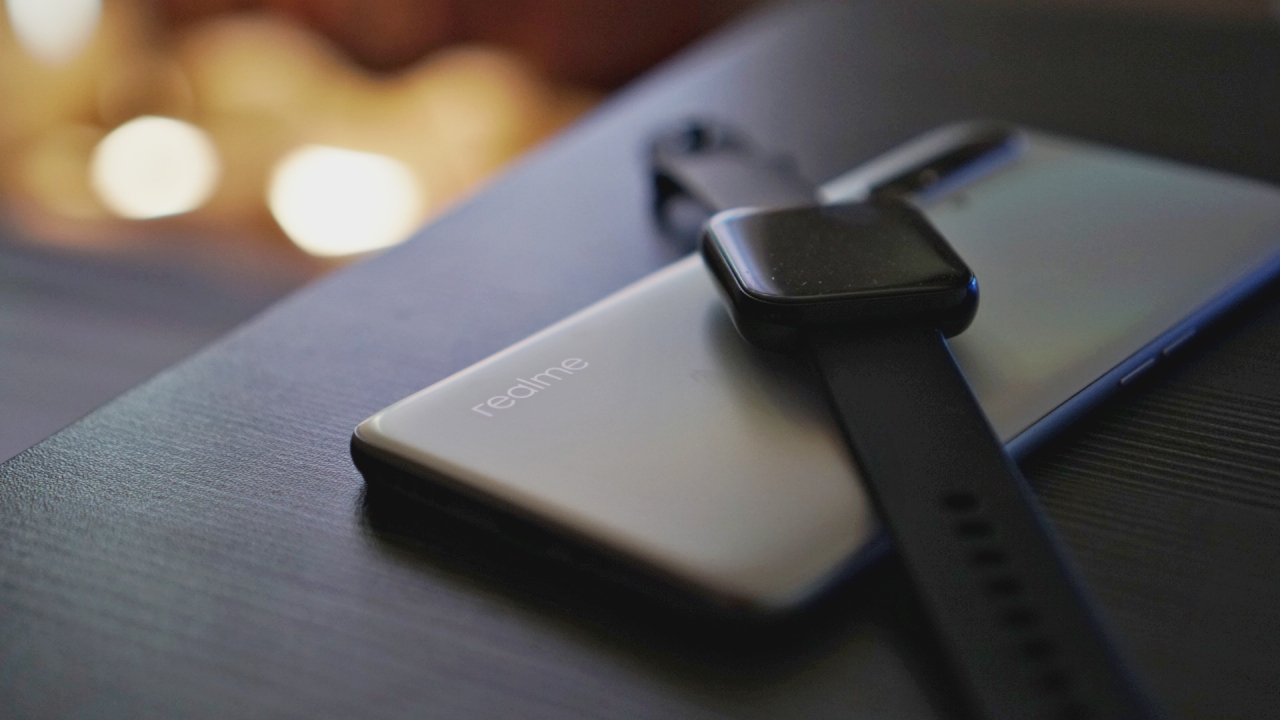
They’re taking a “1+4+N” strategy meaning they look to lure you into the ecosystem by offering products that first work with the smartphone and extending their reach from that.
- 1 Core: realme takes smartphone as the core of realme AIoT ecosystem to connect, manage and control all AIoT product with realme Link App.
- 4 Smart Hubs: realme makes Smart TV, Smart Speaker, Smart Watch and Smart Earphone as the top 4 smart hubs to help consumers manage and control more AIoT products together with smartphones.
- N AIoT products: The ‘N’ here represents realme’s commitment to bring a plethora of new AIOT and peripheral product, and trendsetting lifestyle products for our fans. realme aims to build a trendsetting community for the young.

realme is poised to launch over 50 AIoT products in 2020, and 100 in 2021, to make AIoT become a part of our lives in a more easy and affordable way.
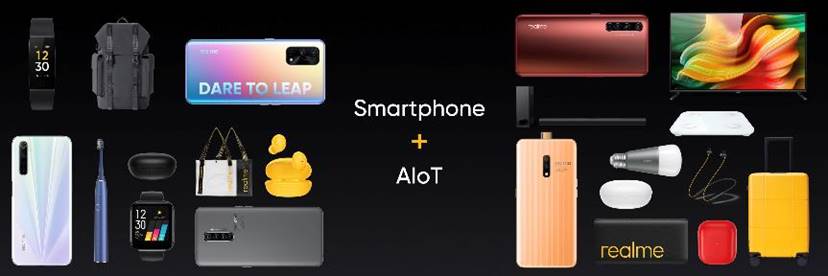
In 2020 Q4, realme will enhance this AIoT ecosystem with its first 55” TV, wireless and TWS ANC earphone, medium and high-end smartphone, and smart camera and smart bulb.

A brand for the youth
realme also has its cross-hairs squarely focused on the youth. The idea is to bring this new digital home lifestyle closer to the youth. To do that, they need to make the products affordable but made with quality. For the most part, they’re on the right track.
At present, realme has over 45 million users in 61 markets worldwide. They’re top 5 in Singapore, top 4 in Australia, top 4 in India, and top 4 in SEA. As mentioned earlier, the next market of interest is Europe then Latin America.






Enterprise
Global Connect Show Shenzhen empowers Chinese enterprises
Opportune time for new Chinese enterprises to go global

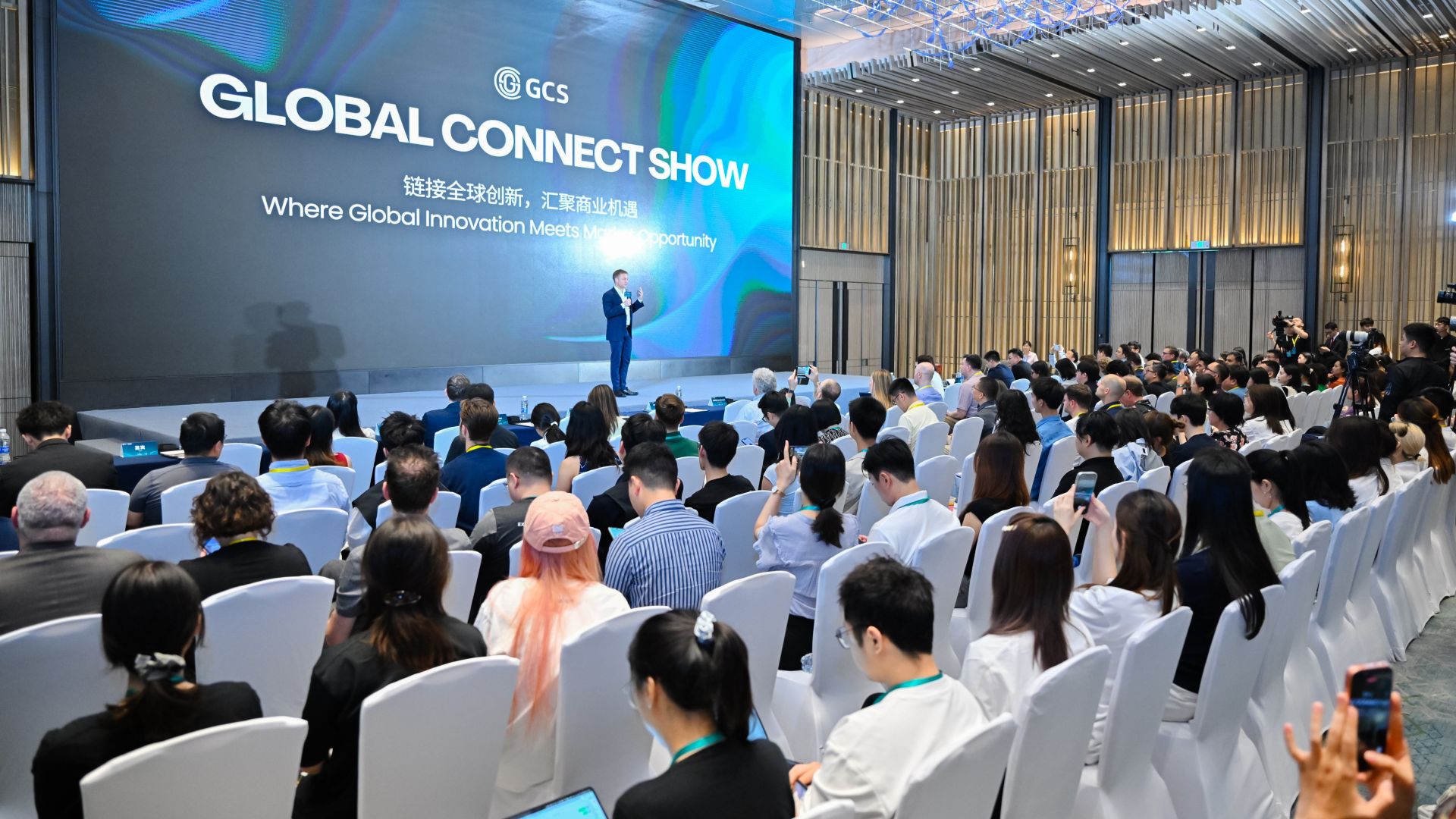
The Global Connect Show Shenzhen 2026 (GCS SZ 2026) was successfully held on June 1 at China’s innovation hub.
More than 100 Chinese enterprises joined the event, encouraged to expand into international markets.
The program focused on three core pillars:
- Chinese brand going global
- Global channel connection
- Dedicated “Into the Enterprise” series
China has developed a new generation of internationally competitive companies across various sectors, including:
- consumer electronics
- smart hardware
- artificial intelligence
- robotics
As these companies enter a new phase of going global, demand is growing for global communications, brand building, market trust, and localized business networks.
As such, the Global Connect Show is one of the platforms to be able to strengthen the relationship across enterprises, partners, business associations, and even media and influencers.
It is a significant window for innovative brands to enter global retail channels by building compelling brand narratives and developing strong localized operations.
This year’s GCS is the third staging of the show, which consistently aims to match Chinese brands with partners through a results-first approach. Such an approach includes hands-on product experiences, presentations, and one-on-one meetings.
Enterprise
New US-China ban might affect 75% of phones, laptops
Companies can no longer use Chinese labs to test their products.

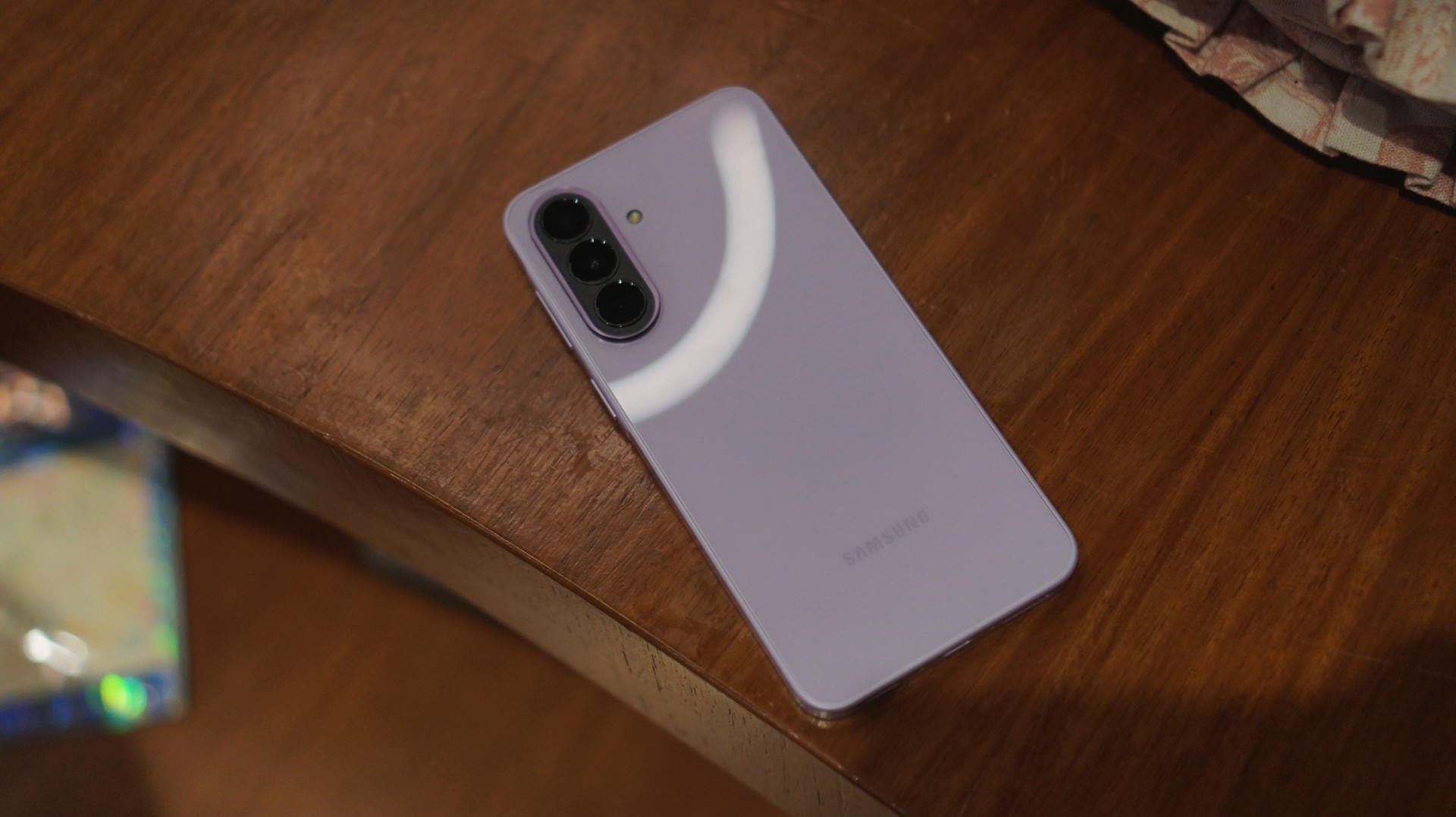
The United States is continuing its crusade against Chinese technology today. However, the target now isn’t a company from China but a method important to a lot of non-Chinese brands.
Today, via Reuters, the Federal Communications Commission (or FCC) has unanimously voted to prohibit companies from using Chinese labs to test their electronic devices if they are to be sold for use in the United States. Naturally, this includes smartphones and computers.
Notably, the prohibition doesn’t directly target Chinese brands. However, it will still affect a huge swath of the industry. The FCC estimates that around 75 percent of the entire market are devices tested in labs based in China.
This means that companies who wish to sell future products in the country must move their testing to labs in the United States or other countries that it deems secure. At its current iteration, the prohibition will not affect devices that already earned their certification prior. However, it might prevent them from getting recertified once their current one expires.
Now, the prohibition isn’t an absolute lock just yet. The FCC will allow the industry to submit comments about the proposal. But, with a unanimous vote from the FCC, companies might have to start looking for alternative testing sites if they want to stay operation in the United States.
Enterprise
OnePlus has reportedly merged with realme
Both brands were previously rumored for restructuring early this year.
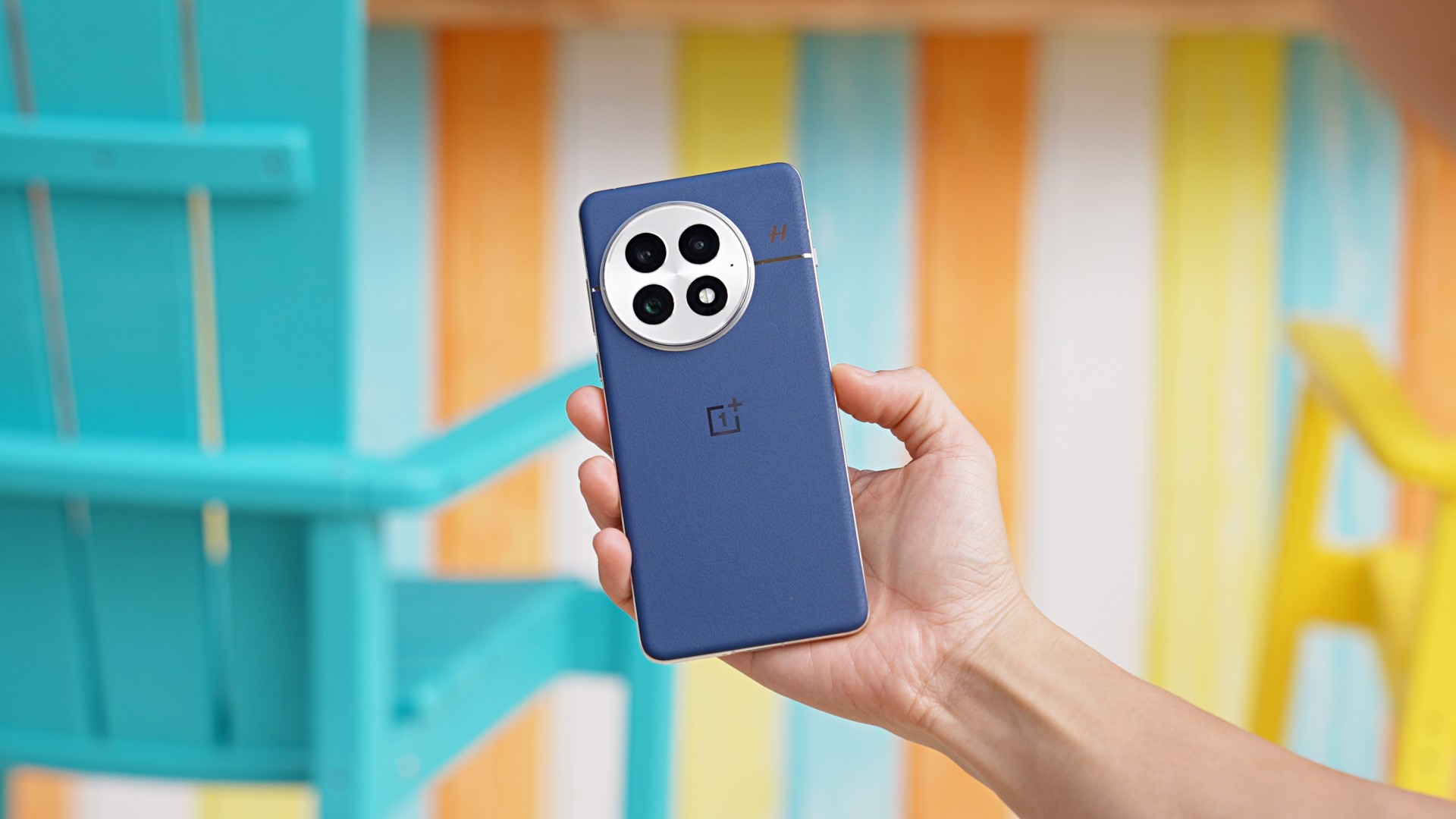
OnePlus has a problem. For a while now, rumors have swirled about the company’s dissolution. For their part, the company has continued to deny the reports, citing business as usual. Likely to their dismay, the reports just keep coming. Today, sources have hinted that OnePlus has merged with realme.
Back in January, it was rumored that OnePlus would be closing up shop this year. Since the company very quickly denied the rumors, the report hardly made waves. However, a suspected merger with realme is more difficult to debunk.
For one, realme is itself in a very interesting position. Also back in January, realme was reportedly moving back into being a sub-brand of OPPO. Coupled together with the OnePlus debacle, all this internal restructuring seems par for the course.
According to Digital Chat Station on Weibo, OnePlus and realme have already concluded the merger. The two brands have reportedly united their Chinese and international operations under one roof. Likewise, their marketing will be the same. Pete Lau will still be the main head for this new division.
As with anything of this nature, take this with a grain of salt. OPPO, OnePlus, and realme have not issued any official statements concerning a merger or a shutdown for any brand.
SEE ALSO: realme is reportedly going back to being an OPPO sub-brand

HONOR Magic V6 review: The best version of a book-style foldable?
Little left to sacrifice

Close without crossing: A Xiaomi 17T Pro photo essay
Distance and closeness are not always opposites.


Spring reset: Growing more at home with Auk Mini
From kitchen counter experiment to everyday habit

Kingdom Hearts IV gets new trailer, confirms Switch 2 release

Final Fantasy fans have two big reasons to look forward to 2026

TECNO’s POVA 8 5G is both futuristic and future-ready

Upcoming realme C100 series to feature 8,000mAh battery

What HYROX Hong Kong looks like up close


-
 News1 week ago
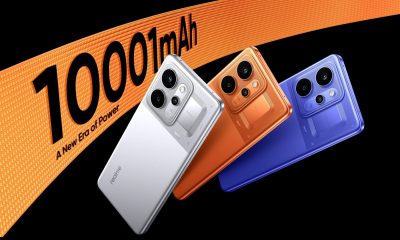
realme launches P4 Series 5G, including Power with 10,001mAh battery
-
 India3 days ago
TECNO’s POVA 8 5G is both futuristic and future-ready
-
 Hands-On2 weeks ago
The Xiaomi Watch S5 proves you don’t have to take it off
-

 Computex 20262 weeks ago
ASUS ROG XBOX Ally X20 debuts at COMPUTEX 2026
-

 Computex 20262 weeks ago
Acer introduces new e-bikers, e-scooters at COMPUTEX 2026
-

 Gaming2 weeks ago
God of War Laufey puts Faye in the spotlight
-
 Buyer's Guide6 days ago
Buyer’s Guide: Xiaomi Pad 8 Series
-

 Gaming2 weeks ago
Marvel’s Wolverine showcases brutal combat, confirms Jean Grey