
Automotive
Nissan debunks 4 electric vehicle myths
The Nissan LEAF demystifies common misconceptions about EVs

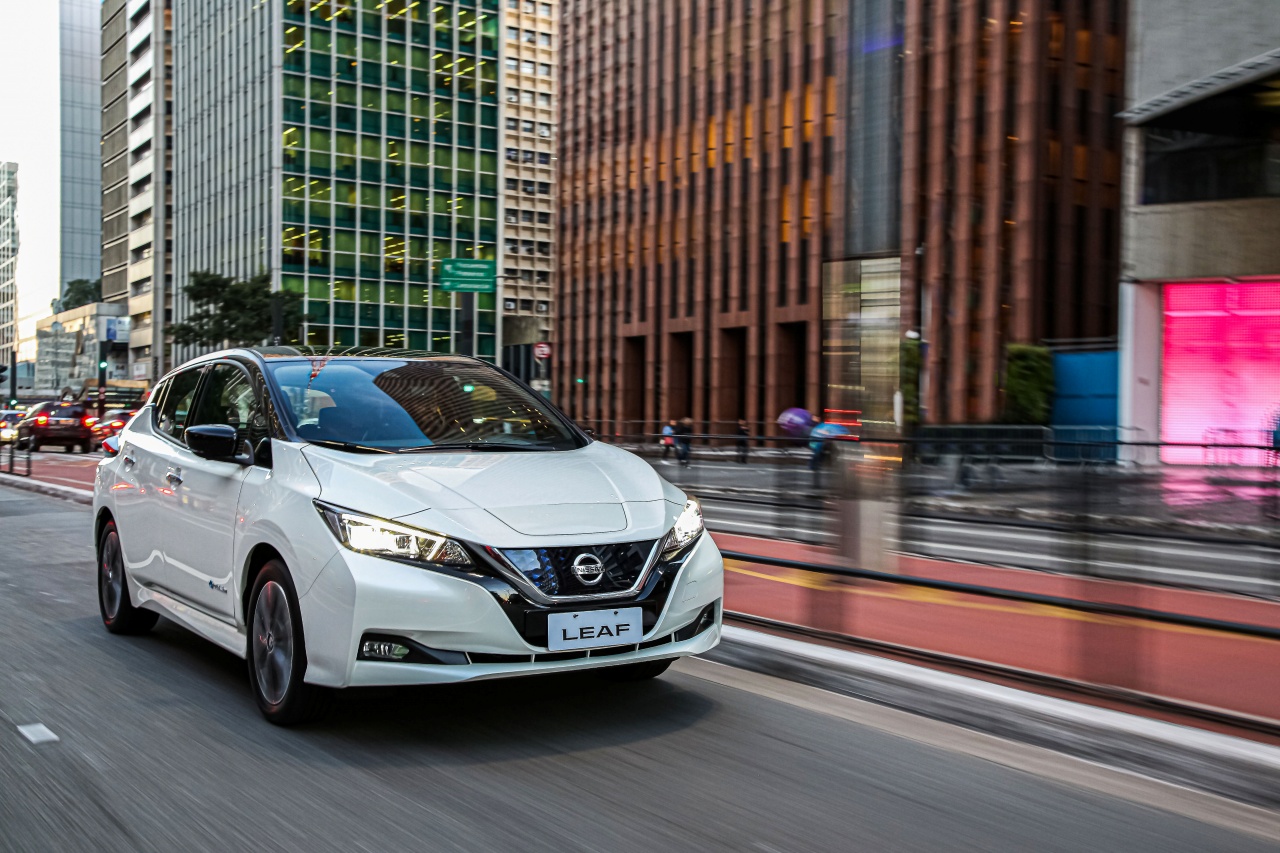
The Philippines is gearing up for a major shift in the automotive industry to EVs or electric vehicles as Nissan prepares to bring the Nissan LEAF to the Philippines. But before the icon of Nissan Intelligent Mobility arrives in the country, Nissan shares the top four electric vehicle myths and debunks them all.
Myth #1: EVs are slow
A recent experiment raced the Nissan LEAF against the fastest elements of nature — fire and wind, with the famous EV winning with its celebrated acceleration from 0 to 100 km/h in just 7.9 seconds.
With lesser moving parts, and a powerful electric motor, an EV accelerates faster than a regular engine car. With over 70 years of EV expertise, Nissan has designed the e-Powertrain that puts electric power straight to the wheels for instant acceleration, making the Nissan LEAF quicker on the start, for a smooth and very responsive drive.

Myth #2: An electric vehicle’s range capacity is limited
On a fully charged battery, the Nissan LEAF can cover 311kms. If you consider that the average daily drive around Metro Manila is 13.2km, you can drive around the National Capital Region in a fully charged Nissan LEAF for up to three weeks, without having to worry about an empty battery.
For out-of-town trips, the Nissan LEAF can take adventurers up to Baguio (246.6 km from Metro Manila) before you need to recharge.
Also, the Nissan LEAF’S ePedal combines both ease, excitement and innovation in EV technology. The innovative feature also enables you to drive using one foot pedal, allowing you to accelerate and brake depending on the foot pressure.
Even more impressive, Nissan’s ePedal is part of an advanced regenerative braking system, meaning the car will even recover a little bit of charge every time you brake.
Myth #3: Charging is a pain for electric vehicles
A common misconception is that electric vehicles can only be charged using quick charging stations. Although the Philippines currently has around 14 charging stations that are ready for the Nissan LEAF, most electric vehicle owners prefer to charge at home, since it is the most convenient option.
Similar to charging one’s mobile phone after a long day’s usage, the Nissan LEAF can be plugged into a regular electrical socket to charge it overnight. Charging with the universal cable usually takes about 12 to 15 hours to fully charge the Nissan LEAF.
For faster charging, users have the option to install a special wall box to speed up the charging time to 5 to 7 hours.
Myth #4: Electric cars are not exciting
With the Nissan LEAF as the icon of Nissan Intelligent Mobility, the possibilities of a safe, fun, and exciting driving experience are endless. What’s more exciting than an electric vehicle producing zero emissions and virtually no sound while drifting?

In this exhilarating demonstration, the Nissan LEAF showed how easily the mass-produced EV can churn out both maximum torque and force, while delivering virtually silent donuts and burnouts. The Nissan LEAF, with its rapid acceleration of 100 km/h in 7.9 seconds, is quick on the start with a smooth and very responsive drive.
This is a slightly modified press release from Nissan Philippines.





Automotive
Tesla involved in recalling over 4 million electric cars
China is banning a feature found on most Teslas.


Electric vehicles have been simmering in some hot water for a while now, but it’s not because of a reason you might be thinking of. Instead of its performance or even its reliability, the world’s modern vehicle is fretting over its door handles. Over the feature’s potential risks in a life-or-death situations, carmakers in China, including Tesla, are recalling around 4.3 million vehicles in the country.
When it comes to door handles, electric vehicles today are known for creating hidden ones that sit flush on a car door. These handles appear only when needed and automatically retract into the door when not in use.
For a while now, governments have been worried about them, citing concerns that they don’t offer easy exits during threatening scenarios. There have been incidents when the handles don’t pop up while a car is on fire, preventing both the car’s occupants and rescuers from opening the door.
Today, via Reuters, nine carmakers, including Tesla, are recalling 4.3 million vehicles from the country over these same door handles. Moreso than domestic brands, Tesla finds itself leading this pack with almost 3 million units. The other eight brands include Xiaomi and Geely.
This recall is responding to China’s latest regulation to ban hidden door handles starting 2027. Other measures include installing mechanical releases. Some brands are also rolling out software updates which automatically lower the car’s windows in case of an emergency, offering another exit for trapped occupants.
SEE ALSO: BYD Atto 2 launches with EV, plug-in hybrid options
Automotive
New EV player XPENG to launch in the Philippines in September
XPENG to unveil two models in the market
AI-driven mobility company XPENG is launching in the Philippines next month, adding to the list of smart electric vehicle (EV) players in the market.
XPENG Philippines will commence operations as the country’s direct subsidiary, as well as national sales and marketing company.
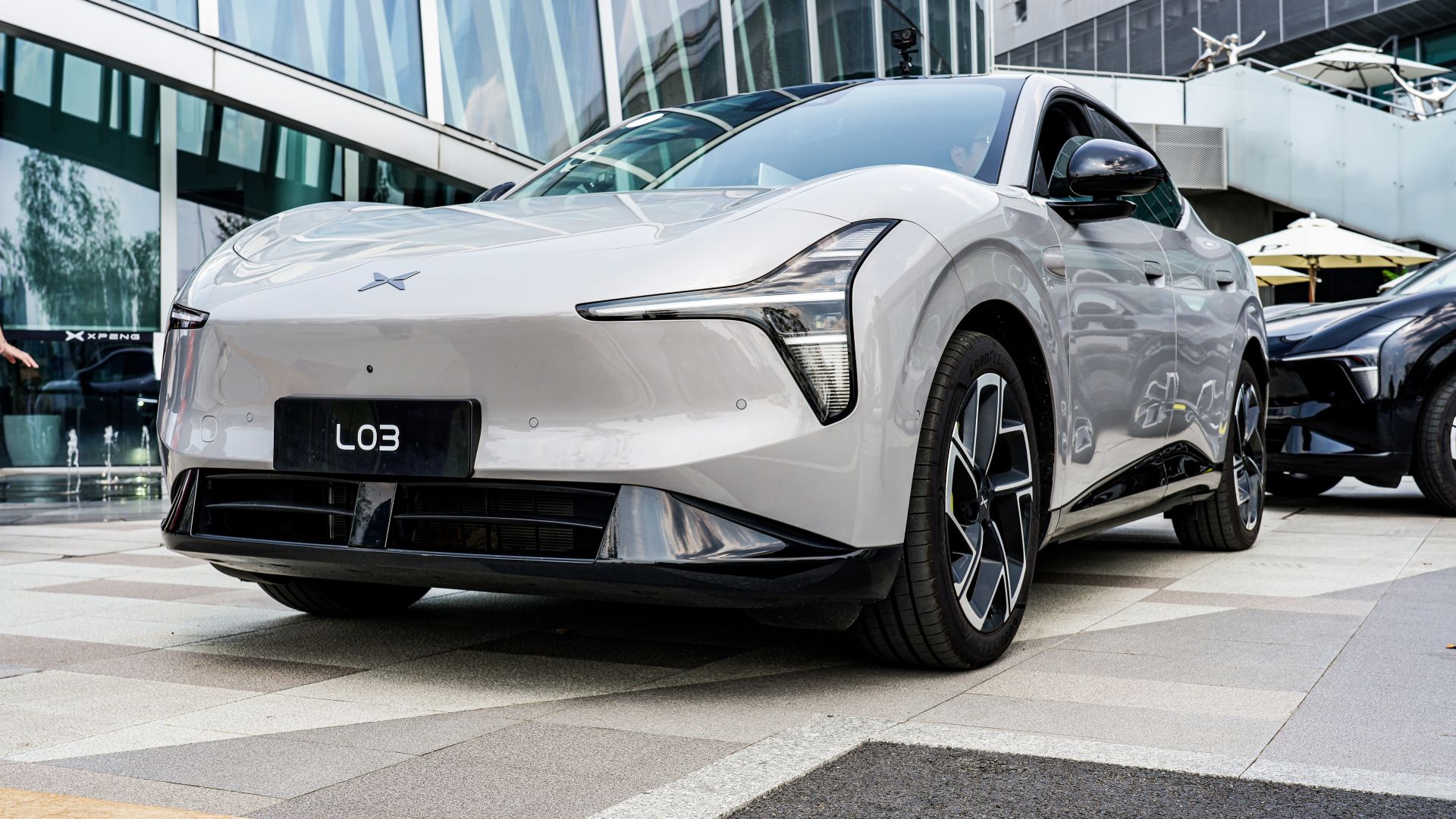
As part of the launch, XPENG will launch two smart EV models: the XPENG X9 and XPENG L03.
The XPENG X9 is the brand’s flagship intelligent seven-seater. It is positioned as an EV for executive-class comfort, featuring AI-powered technologies and a premium cabin for modern families, businesses, and professionals.
Meanwhile, the XPENG L03 is an intelligent SUV coupe that brings together a contemporary design, AI-powered innovation, and software-defined mobility. It promises to deliver a smarter, more intuitive driving experience for today’s car owners.
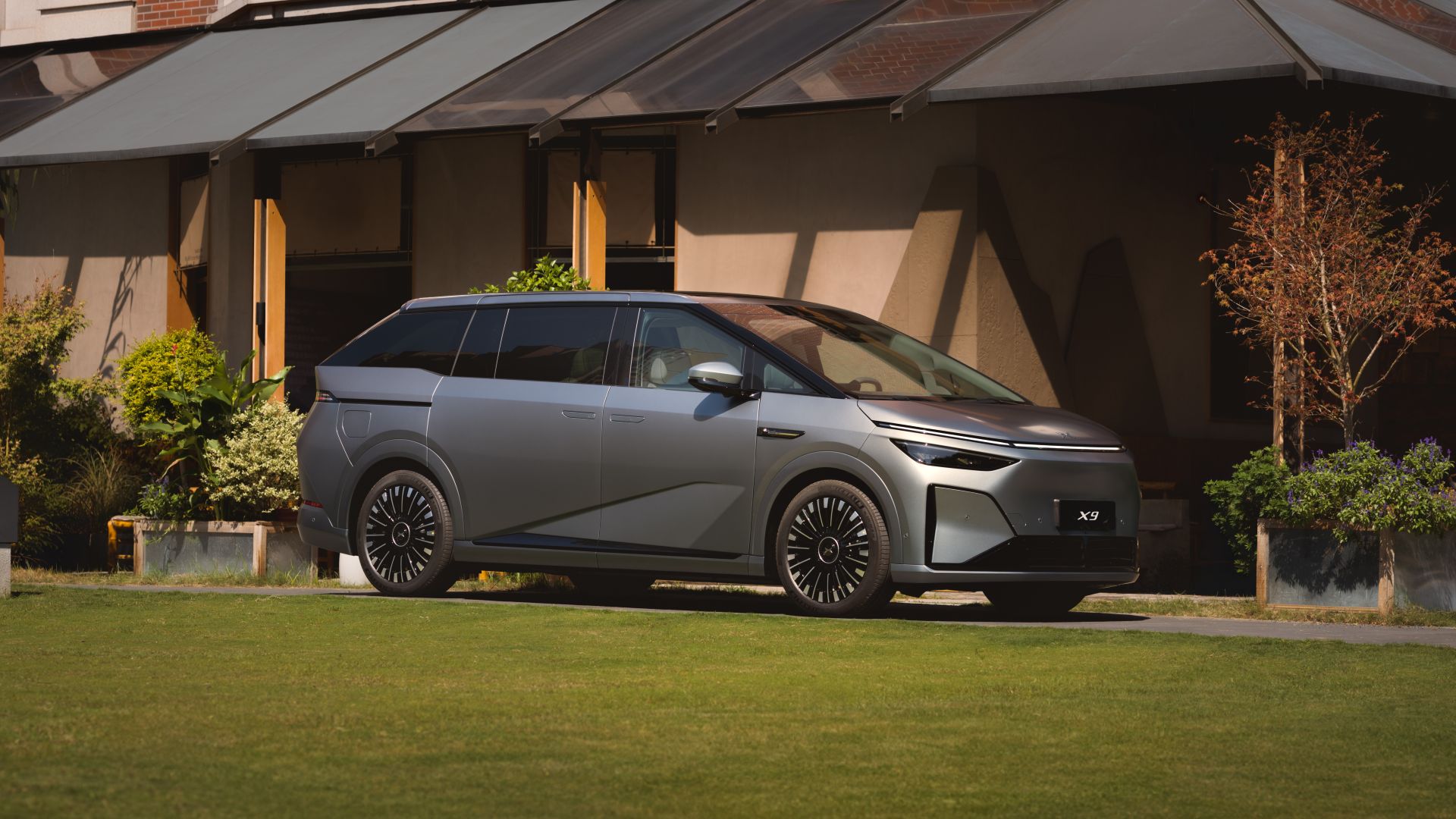
Additional pricing details, variants, and complete specifications of each model, as well as their availability, will be unveiled soon.
XPENG is a global AI technology company based in Guangzhou, China. It specializes in smart EVs, driven by a mission to shape the future of mobility through innovation.
The company designs, develops, manufactures, and markets such vehicles, supported by its in-house, full-stack, advanced driver-assistance system, smart in-car OS, and core vehicle technologies.
The brand has a presence in more than 60 countries and regions across Europe, the Middle East, Southeast Asia, Oceania, and Latin America.
Automotive
VinFast debuts two-wheeler models, opens 21 e-motorcycle showrooms
Evo, Feliz II, Viper officially launched
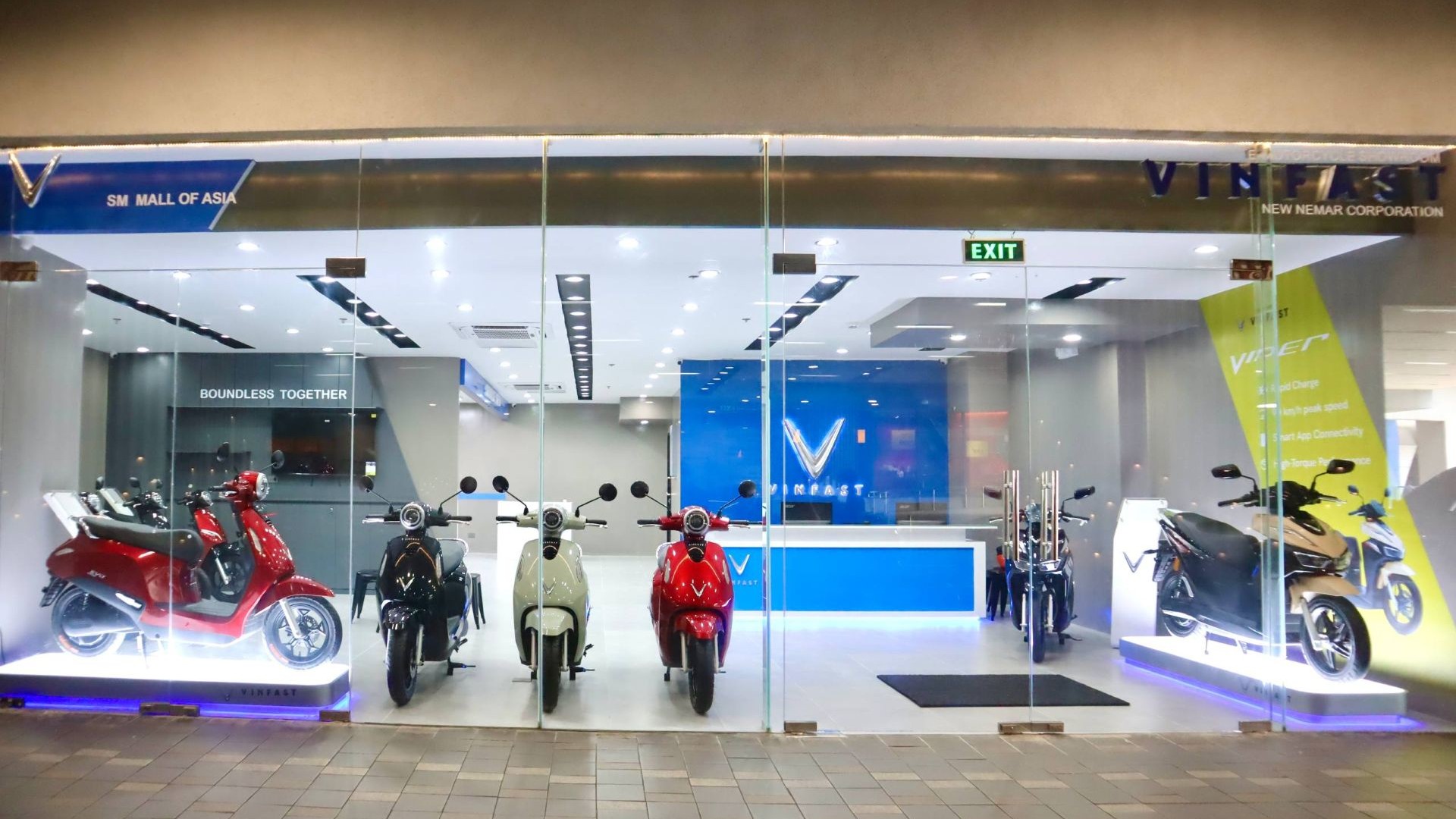
VinFast is pouncing on its growing presence in the Philippines, expanding with 21 electric motorcycle showrooms housing its new two-wheeler offerings.
The electric vehicle company just launched three two-wheeler offerings in the market: the VinFast Evo, Feliz II, and Viper.
Such milestone marks an important step in VinFast’s expansion in one of Southeast Asia’s largest two-wheeler markets.
The introduction of the three VinFast two-wheeler models offer drivers a modern, cost-effective, and sustainable mobility alternative.
Evo, Feliz II, and Viper each offer distinct characteristics designed to meet a wide range of mobility needs and riding styles.
Evo has a top speed of 80 km/h and a range of up to 150 km with two fully charged batteries. The Feliz II emphasizes practicality and versatile performance, with a top speed of 90 km/h.
Rounding out the lineup is Viper, featuring a sporty design, maximum power output of 5,200W, and a top speed of 90 km/h.
The aforementioned 21 pioneer dealerships will begin operations in major cities nationwide. This allows VinFast to offer products and authorized services directly to consumers.
The network is expected to grow further in the coming period, progressively expanding with VinFast’s presence in the country.
Just over a month ago, VinFast’s early booking program drew thousands of customers nationwide.
The strong market response can be attributed to VinFast’s battery-swapping approach, contributing to the appeal of the e-scooters.
Following the launch, the public can expect immersive experience activities across the new dealerships throughout August 2026.
Customers will be able to see and test ride the three models. They can also learn about battery technology and sales policies, and explore flexible ownership options.


TECNO MEGAPAD 2 review: Eyes on the size
The MEGA pad for two base users


30 days with the DJI Osmo Pocket 4P
This is the camera that made solo travel filmmaking finally feel possible.


MARVEL Tōkon: Fighting Souls review: Easy to pick up, hard to put down
Welcomes casual and experienced fighting game players

HONOR Magic V6: Price, availability in the Philippines

Shokz launches lighter OpenRun Air 2 and OpenFit Air 2

Smart wins best mobile video experience again

Match Pulse: Boya Notra Neo

Tesla involved in recalling over 4 million electric cars

VinFast debuts two-wheeler models, opens 21 e-motorcycle showrooms
TECNO MEGAPAD 2 review: Eyes on the size

OnePlus officially leaves the United States and Canada

REDMI Note 17 Series focuses on long-term reliability

Xiaomi debuts SkyNomad Series featuring new Kunlun platform


-
Reviews4 days ago
TECNO MEGAPAD 2 review: Eyes on the size
-
 Singapore1 week ago
REDMI Note 17 Series focuses on long-term reliability
-

 News1 week ago
realme 16T to come with 8,000mAh battery, 7-year battery health guarantee
-

 Gaming2 weeks ago
Marvel Wolverine Limited Edition PS5 bundle SEA pricing
-

 Accessories7 days ago
Jackery expands Explorer Series portable power stations
-

 Reviews2 weeks ago
Samsung Galaxy Z Fold8 Review
-

 Entertainment2 weeks ago
Box office: Brand New Day set to surpass US$ 2 billion, drives Marvel’s Spider-Man 2 resurgence
-
 News2 weeks ago
HONOR Robot Phone officially launches after its MWC debut