
News
Sony announces the Xperia 5 III and Xperia 10 III
Xperia’s compact flagship and midranger for less


For those who want the best of Sony’s Xperia without sacrificing too much, they’ve also unveiled two more models alongside the Xperia 1 III in the new 2021 Xperia lineup — the Xperia 5 III and Xperia 10 III.
Xperia 5 III
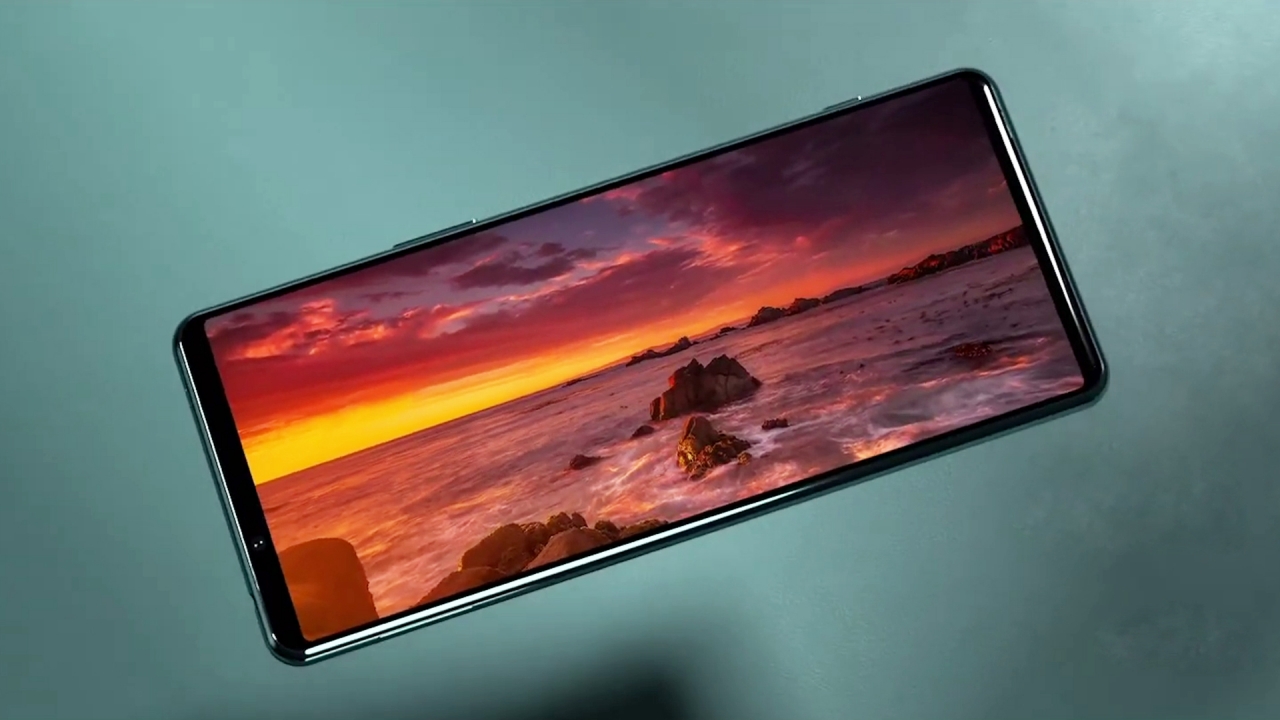
Image by GadgetMatch
The Xperia 5 III still packs the good stuff from the Xperia 1 III. While having a smaller 6.1-inch display, it still has that crisp 120Hz HDR OLED with BRAVIA X1 Mobile engine albeit only at 1080p.
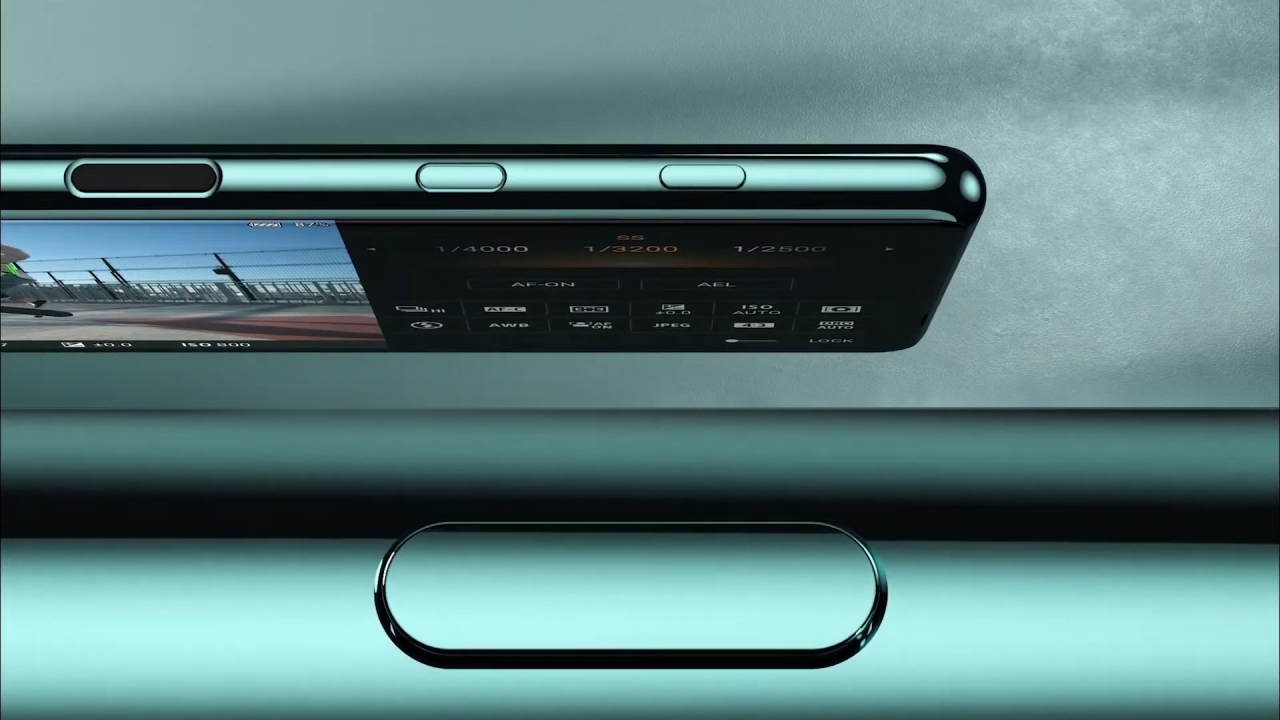
Image by GadgetMatch
The exemplary flagship camera features from the Xperia 1 III weren’t left behind. The triple 12-megapixel camera setup including the 70-105mm variable telephoto lens are still there, as well as 20fps AF/AE burst shot, Dual PD (Phase-Detection), Real-time Eye AF, and a non-textured dedicated camera shutter button.
While the Xperia 5 III lacks the Real-time Tracking feature, it still has Object tracking for tracking inanimate objects. There’s also Optical SteadyShot with FlawlessEye technology for picture-perfect memories.
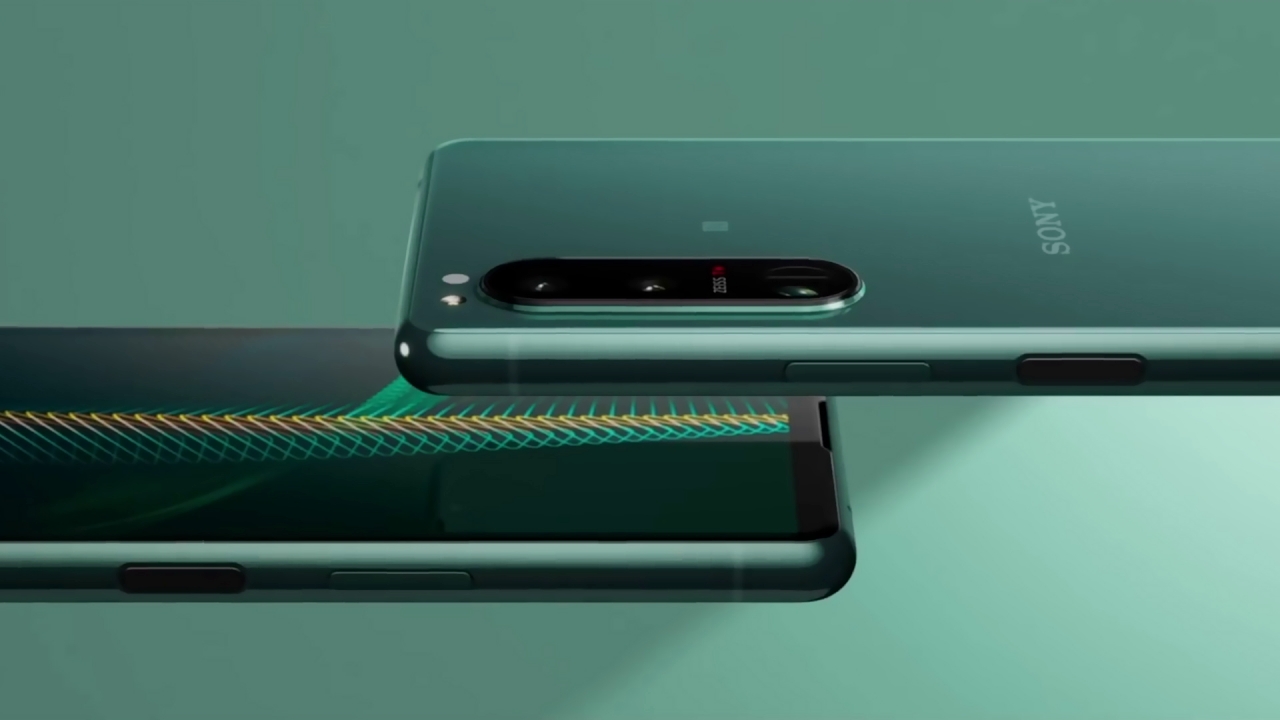
Image by GadgetMatch
Other than that, it’s also powered by the latest Snapdragon 888 processor with a modest 8GB of RAM and comes in either 128GB or 256GB of internal storage. It also packs the similar 4,500mAh battery for enough power and performance wherever you go.
Finally, there’s 3.5mm audio jack, 360 Spatial Sound, and support for DSEE Ultimate for Hi-Res Audio input and LDAC technology as well.
Xperia 10 III

Image by GadgetMatch
The Xperia 10 III is the first midrange smartphone from Sony that supports 5G out of the box. This midranger is powered by Qualcomm’s Snapdragon 690 5G processor which is also found in the OnePlus Nord N10 5G. Such chipset is capable of delivering an optimal balance between performance and power efficiency.
There’s a stunning 6-inch OLED with 21:9 aspect ratio. While it’s not 4K and doesn’t support 120Hz refresh rate, it still has a nifty Full HD+ resolution and HDR out of the box.

Image by GadgetMatch
Supporting the features is a the large 4,500mAh battery. This makes battery life even longer compared to its more premium cousins with power-hungry chipsets.
While it may not have the best cameras out of the bunch, the Xperia 10 III still has a nifty triple camera setup with a 12MP f/1.8 main sensor (27mm equivalent). There’s also two 8-megapixel cameras for the ultra-wide (f/2.2, 16mm equivalent) and telephoto lenses (f/2.4, 54mm equivalent).
Pricing and Availability

Image by GadgetMatch
The Xperia 5 III comes in three shades of colors: Black, Green, Pink. Meanwhile, the Xperia 10 III comes in four colorways: namely Black, Blue, White, and Pink. Singapore will only get the green option for the Xperia 5 III, while black and blue for the Xperia 10 III.
Just like the Xperia 1 III, pricing wasn’t revealed by Sony but it will be available in early summer in countries where they are selling the Xperia line.
Stay tuned for a pricing update.
SEE ALSO: Sony unveils the Xperia 1 III, their latest flagship smartphone





Accessories
Apple is reportedly working on its own gaming controllers
It might launch under the Beats brand.

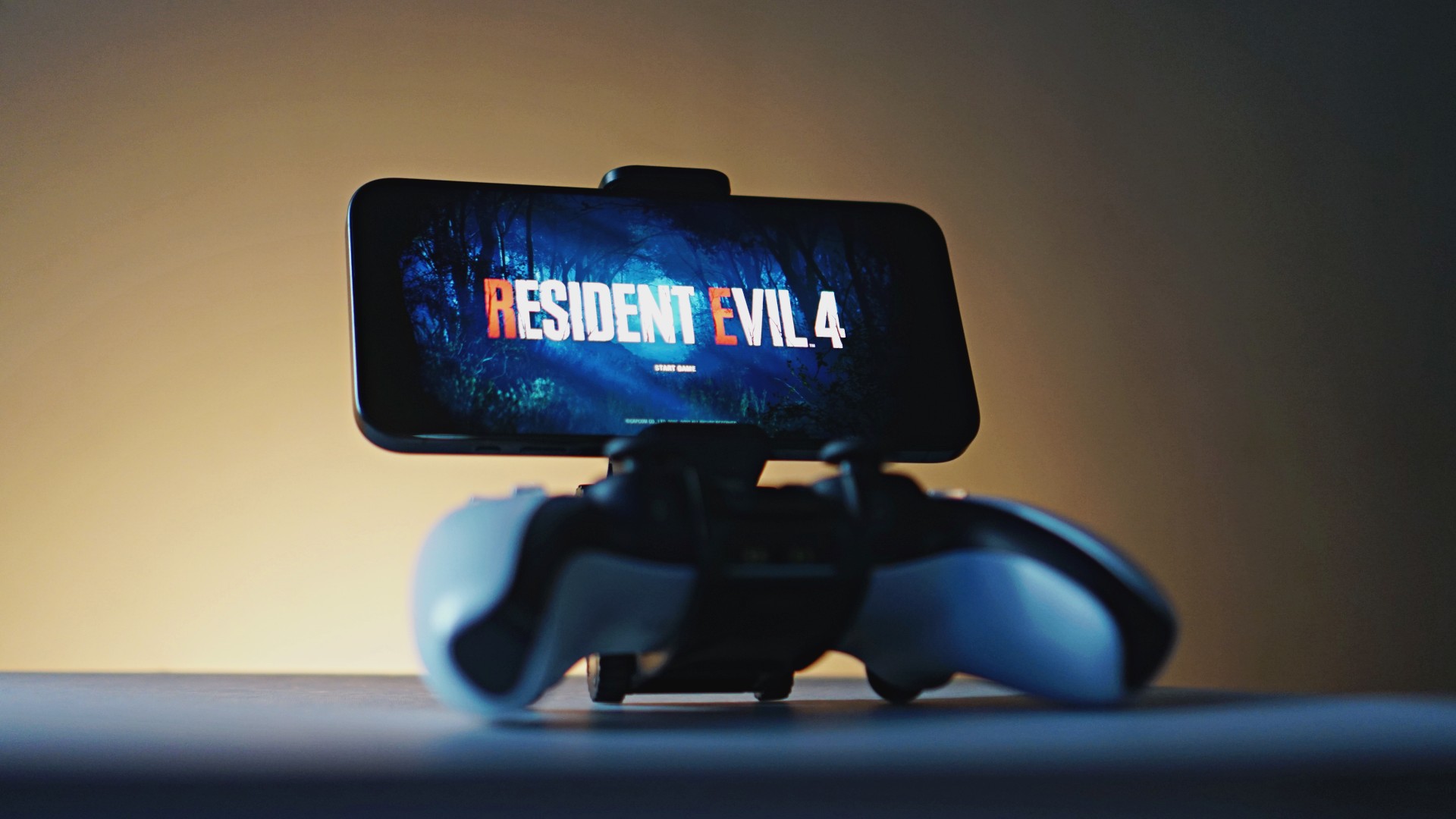
Last week, the iPhone Duo changed how you look at the ubiquitous smartphone. Foldables are in, and Apple is right there with it. But the company isn’t stopping with the foldable segment. Apple is reportedly working on its own branded game controllers.
According to Bloomberg, Apple has been working on a controller since last year. Further, a piece of code linked to macOS 27.4, spotted by MacRumors, includes references to two unknown gaming controllers.
Because Apple just concluded its huge event this month, it will likely be a while before we see confirmation of this controller. And it could be anything. Of course, because the Duo is fresh on our minds, the easiest answer is a mobile controller than can maximize the foldable’s ability to stand by itself. It could also use Apple’s larger screens like the iPad, the MacBook, or the Mac. Some even speculate that this could be Apple’s stronger push into the gaming market.
Outside of the actual hardware, the reports are also claiming that the controller will arrive by way of Beats, rather than from Apple itself. At first, the branding comes off as a surprise, but then again, Beats hasn’t really evolved past an audio brand in a long, long time. Is it time to revitalize Beats as something more than just a peddler of headphones?
SEE ALSO: First Look: Apple iPhone Duo
Gaming
Xbox saves Kojima’s PHYSINT after PlayStation drops support
PlayStation says the separation was mutual, but Kojima hints otherwise.

Things aren’t going well in the PlayStation camp. After two months of frankly questionable decisions, the company adds another to the pile by dropping support for Hideo Kojima’s PHYSINT.
For a while now, Kojima and PlayStation were in a very productive relationship with the Death Stranding duology, a critically acclaimed collection of titles for the platform. When things looked like they were going well, Kojima announced PHYSINT, an espionage-themed game which reminded fans way too much of Metal Gear Solid.
If you were investing in a PlayStation 5 to play Kojima’s latest thriller, you might want to move your chips elsewhere now. PlayStation has just dropped support for the espionage game, meaning PHYSINT will no longer be a first-party title for the platform.
Though PlayStation claims that the decision came after “careful consideration,” Kojima himself has said that the move was “unexpected,” going against PlayStation’s assurance of a mutual separation.
Very quickly, Xbox has announced that their platform will support PHYSINT instead. It’s a big get for the competing brand because Xbox Game Studios is already supporting OD, Kojima’s other upcoming horror project starring Sophia Lillis.
Unfortunately, it’s difficult to say more. As is tradition, Kojima will not explain much more about his upcoming titles. In fact, OD’s trailer barely says anything. One thing’s for sure, though: we’re all in for quite a ride.
Entertainment
PH to celebrate 1st ever National Cinema Day; movies start at less than $2
Watch a movie on September 12 for a fraction of the cost

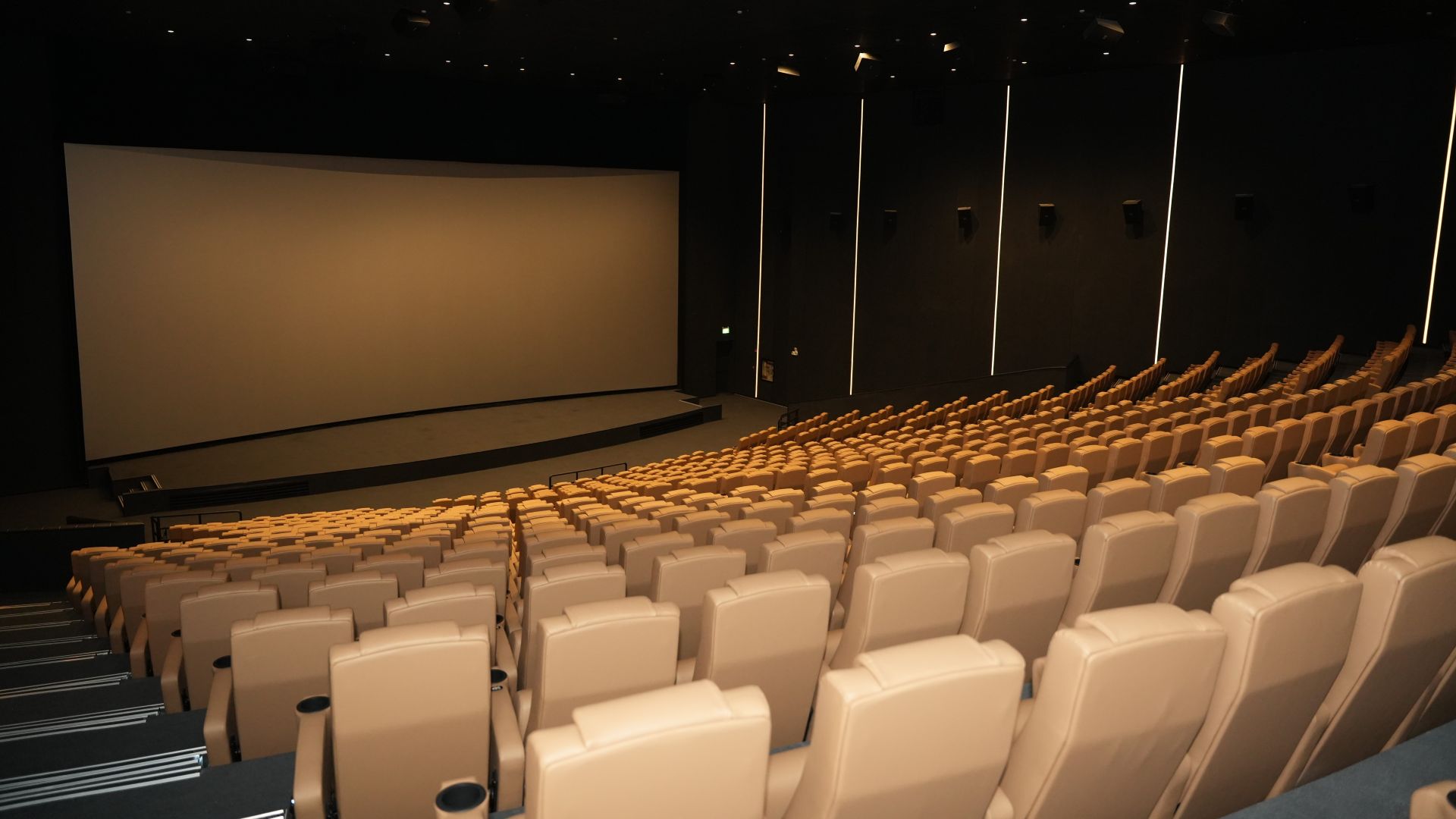
The Philippines will be celebrating its first ever National Cinema Day on September 12. On this day, movie tickets will go for as low as PhP 100 (US$ 1.60) at regular 2D cinemas.
The campaign aims to make moviegoing more accessible to audiences. This includes families, friends, students, and cinephiles in general.
Such initiative has been a staple in other countries, like the United States, United Kingdom, Spain, Germany, Australia, New Zealand, and more. The same concept applies, with movie tickets going on sale for a lot less.
What’s great about the celebration is that all movies scheduled for exhibition on September 12, whether local or international, shall get the special admission price.
Advanced tickets sales have already begun. Customers can purchase through participating box offices, official websites, mobile apps, and authorized platforms.
Tickets will be sold on a first-come, first-served basis and remain subject to theater capacity. Prices vary for other viewing formats like Director’s Club or IMAX, for instance.
The campaign is organized by the Cinema Exhibitors Association of the Philippines (CEAP), along with industry and government partners.
The initiative is supported by the Film Academy of the Philippines (FAP), Film Development Council of the Philippines (FDCP), Movie and Television Review and Classification Board (MTRCB), and the Metro Manila Film Festival through the MMDA.
Participating cinemas include Ayala Malls Cinemas, SM Cinemas, Robinsons Movieworld, CityMall Cinema, Megaworld Cinemas, and more.


Marvel’s Wolverine review: When the claws come out
A brutal, cinematic superhero adventure

Setting your bedsheets ablaze with the Lovense Solace Pro
The closest proxy I could find where I'm guilty as sin


Now Playing: Elden Ring Tarnished Edition
Is the Switch 2 port worth the price?

Match Pulse: Passport-sized foldables

Burgundy is the new Black!

Apple is reportedly working on its own gaming controllers

BlizzCon 2026 announces World of Warcraft: Forever and Diablo V

Apple iPhone 18 Pro Series Hands-on

TECNO MEGAPAD 2 review: Eyes on the size

realme 16T 5G with 8000mAh battery, IP69 Pro rating launches in PH

HUAWEI Pura X View is 2026’s first WIDE slab-type smartphone

REDMI reveals the refreshed Note 17 and Note 17 Pro series

REDMI Note 17 Series focuses on long-term reliability


-
 News1 week ago
HUAWEI Pura X View is 2026’s first WIDE slab-type smartphone
-

 News1 week ago
The CAMON Slim 5G is TECNO’s latest ultra-slim smartphone
-
 Cameras2 weeks ago
DJI Osmo 360 II review: Going all-in on the ecosystem
-
 IFA 20262 weeks ago
TECNO MEGABOOK T15 360 unveiled at IFA 2026
-

 Gaming2 weeks ago
NBA 2K27 review: A two-way All-Star
-
 News5 days ago
iPhone 18 Pro series: Price, availability in the Philippines
-
 Reviews2 weeks ago
Samsung Galaxy Z Fold8 Ultra review: It’s time to get a foldable
-

 IFA 20262 weeks ago
TECNO’s POVA 8 Pro gets a stealthy makeover