


Gaming
ASUS ROG Phone 5s Pro: Ultimate gaming experience

I’ve always wondered what the big deal is with high end gaming smartphones. I mean, you basically just need a capable phone to play the games you want, right? Which means a top-tier smartphone would practically give the same gaming experience you’d get from a gaming phone.
Or so I thought.
My whole perception of gaming phones turned upside down right after trying the new ASUS ROG Phone 5s Pro. If you’re seriously into gaming, better fasten your seat belts. ROG ramps up our mobile gaming experience onto a whole new level with this one.
Interactive Sneak Peek

Upon initial setup of the ROG Phone 5s Pro, you already know it’s a different experience. ROG takes us on a ride where we are introduced with the capabilities of the phone through a brief interactive show.

You’ll see the Akira box it came with come to life through the lens of the phone camera. Asking us to shake, press triggers, point the camera and other maneuvers to acquaint us with the phone.
Gamer aesthetic
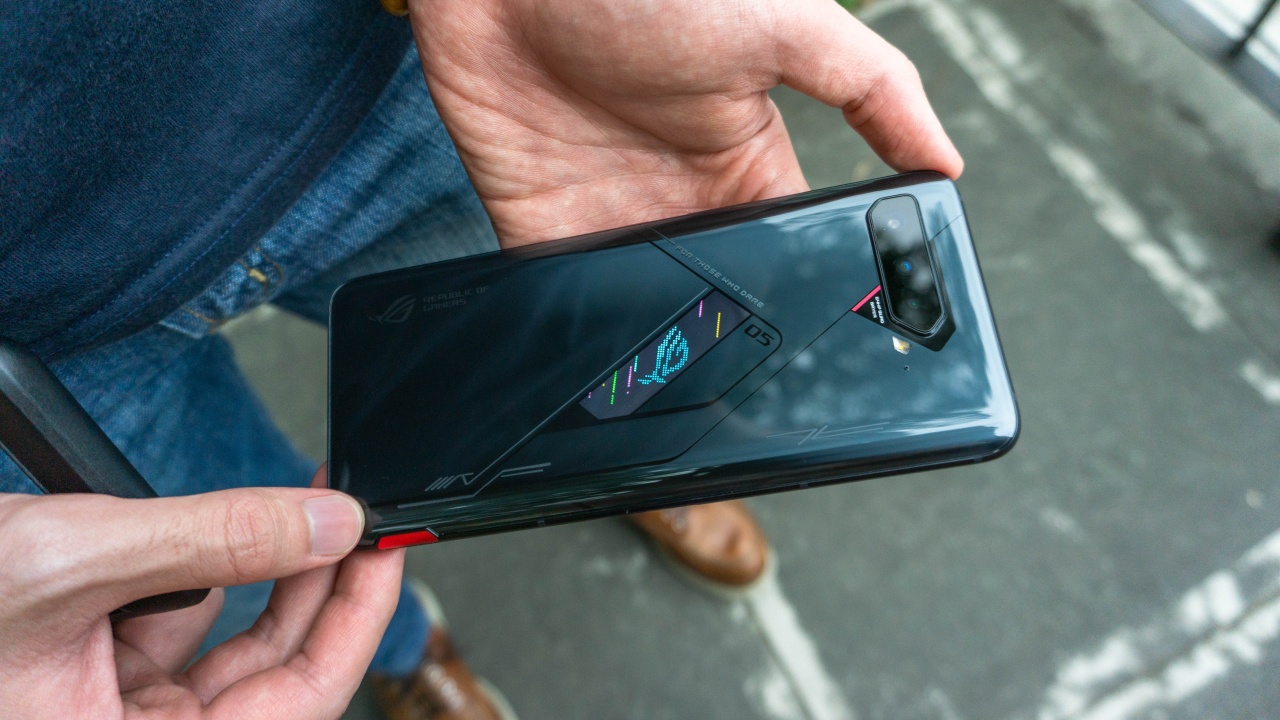
The design of the whole device is pure gamer vibe all the way. With red accents, edgy patterns and the ROG Vision screen in the middle. The frame is made of metal material and it genuinely feels like you’re holding something expensive.
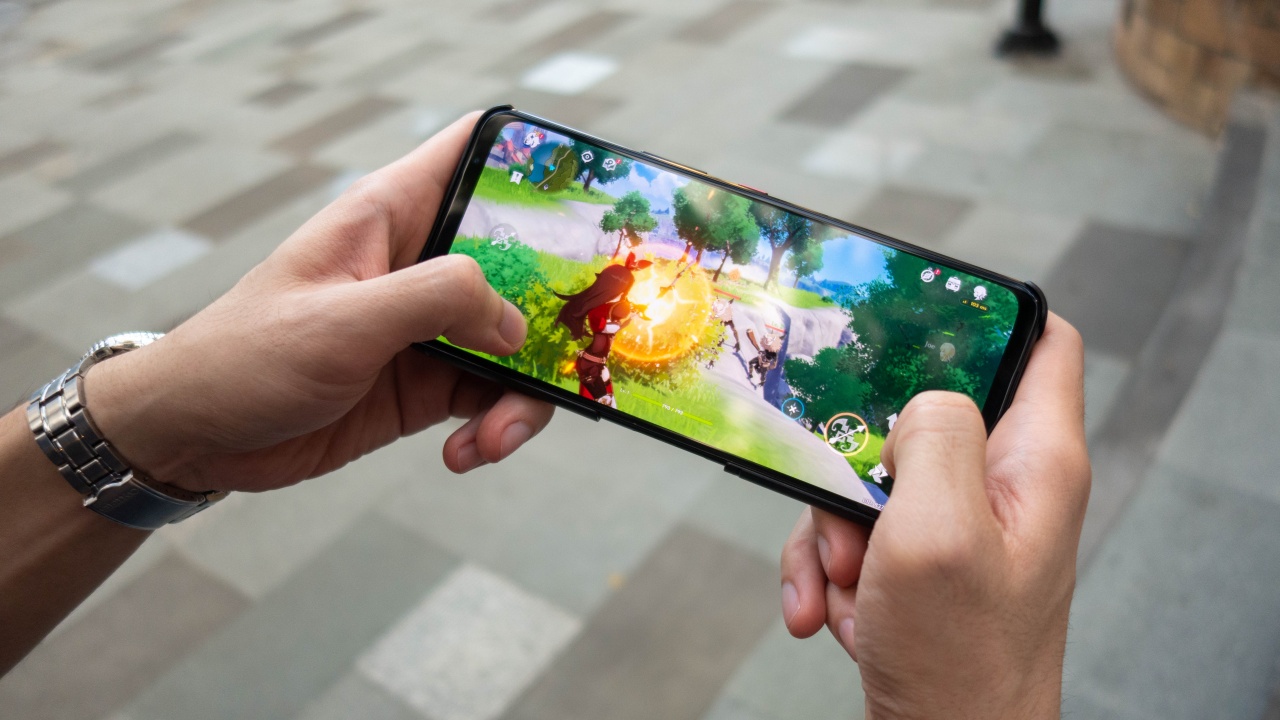
While I do prefer my phones to be a little smaller, the ROG Phone 5s Pro’s size feels perfect for gaming. Measuring 6.8 inches on its length, there’s enough room for your fingers and everything lands on the right spots making controls easily accessible while playing.
Also available on the Phone 5s Pro are two USB-C ports. A USB-C 3.1 on the side and 2.0 at the bottom. This gives us freedom for charging or accessory attachments and to choose whichever orientation we feel comfortable with. ROG also included a 3.5mm port at the bottom for those who prefer truly lag free audio with their gaming experience.
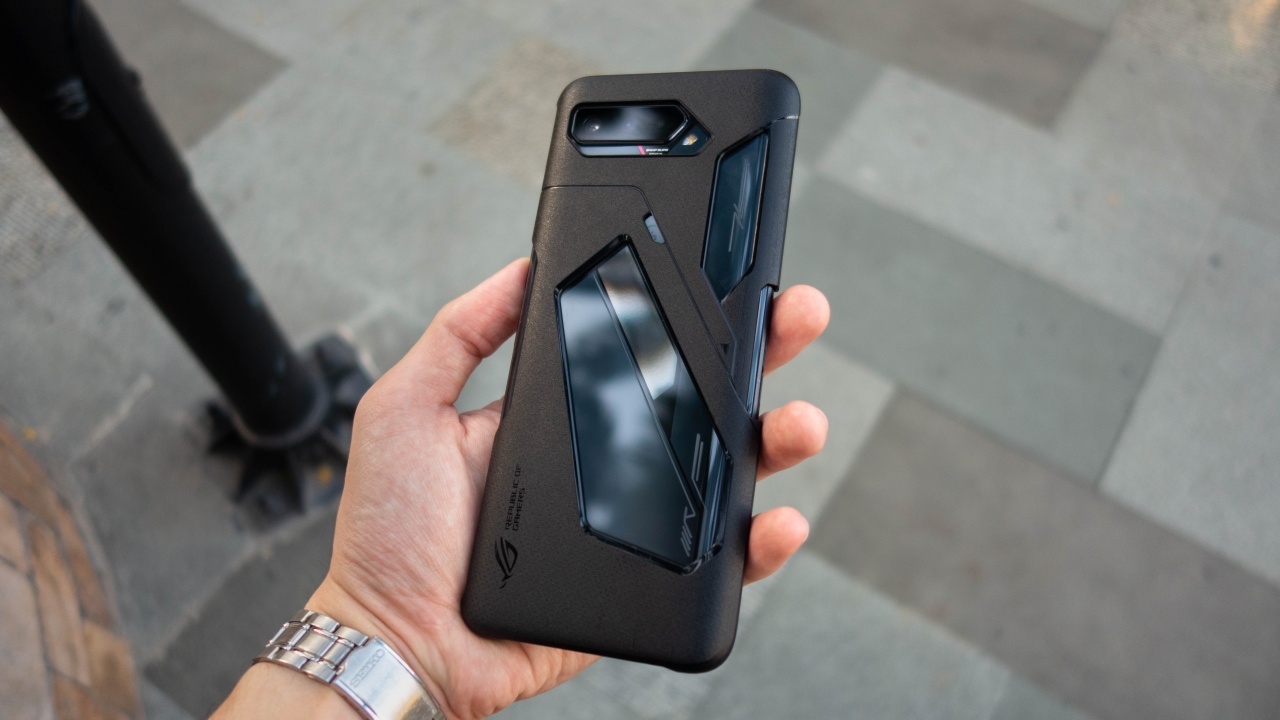
A phone case is also included in the package which kind of looks like an armor for the phone while attached. It has all necessary cut outs keeping everything easily accessible while still managing to do its job of protecting the phone from accidental bumps.
ROG Vision

The ROG Vision display at the back looks very cool and futuristic. It displays the ROG animation when using the phone, charging animation when plugged in, game mode animation when gaming and incoming call animation for calls. I would have preferred if it had more useful things to display though, since it also feels like it doesn’t have much legit functionality.
Display and responsiveness at its finest
As we would also expect from a gaming focused device, this also has a very high refresh rate display. A 6.78-inch, AMOLED display running with an abundance of hertz at 144Hz refresh rate and 360Hz touch sampling rate. And while it sounds a lot, I honestly could barely tell the difference from 120Hz to 144Hz. But at least it’s an available option for people who would really want the highest settings. It also has 800 nits of brightness, making outdoor visibility a non-issue.
You’ll also notice the relatively thick top and bottom bezel. This might be because that is where the speakers are located which we’ll also tackle further into this review.
Maxed out Performance

The Snapdragon 888+ was among the fastest chipsets that was released in 2021, and that’s what’s running this device. Along with 18GB of LPDDR5 RAM and 512GB of internal storage. So it’s no surprise that every game we run on this wouldn’t be a problem.
According to the GameGenie console, Call of Duty: Mobile ran at a mostly stable 60FPS at very high settings. That’s really good performance considering I wasn’t on X-Mode or its performance mode yet.
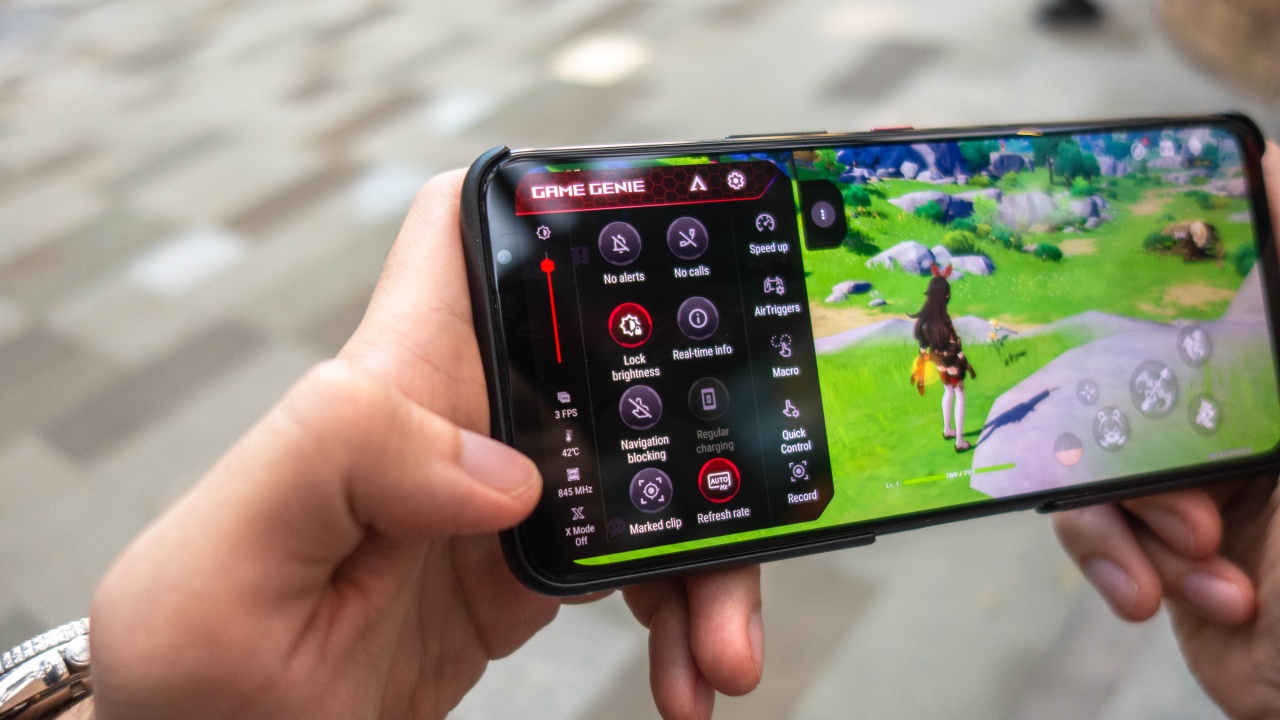
Bumping to X-Mode, Genshin Impact on the ROG Phone 5s Pro ran great at very high settings and 60 FPS. This is the first time I’ve maxed everything on Genshin Impact on a mobile device that ran this smoothly.
So despite being a generation older chipset to the newly released Snapdragon 8 Gen 1, there’s no shortage of power from the 888+ on this device.
Thermals with the AeroActive Cooler 5
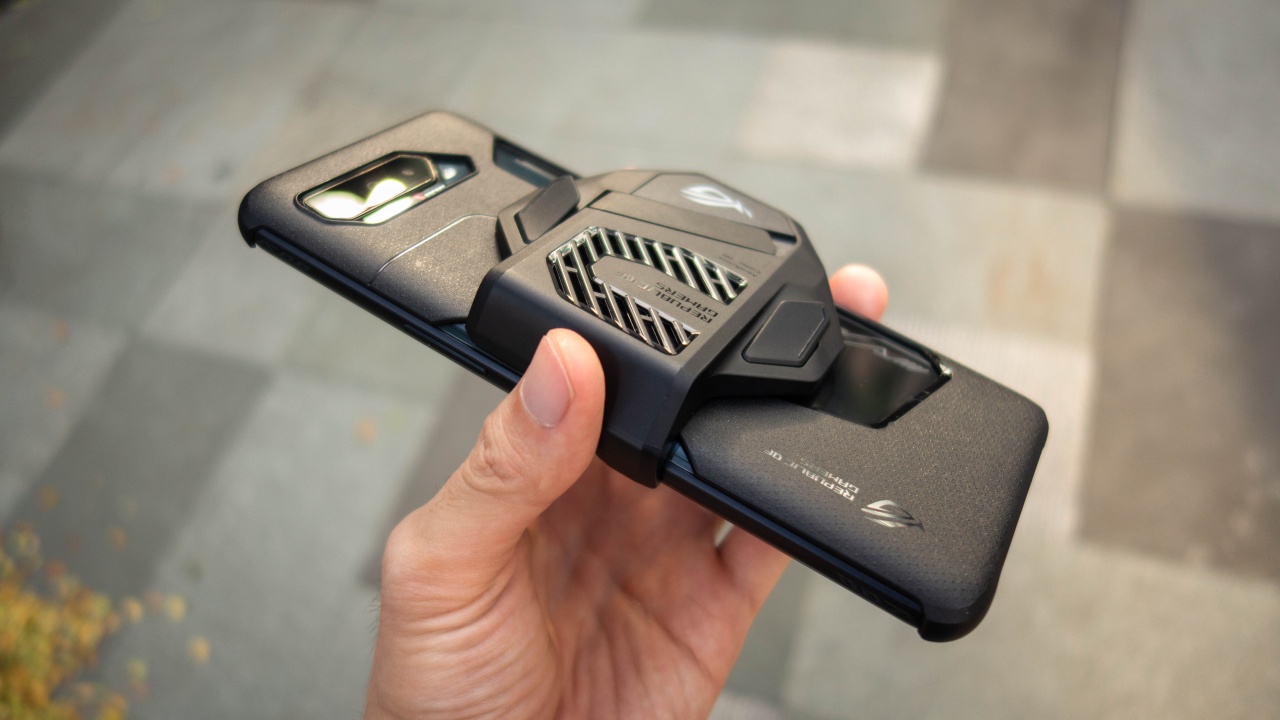
While the temperatures shown on the device didn’t indicate that it was running hot, the phone itself felt hot to my hands. The power button in particular felt shockingly hot while playing Genshin Impact. This is where the AeroActive Cooler comes in. It is the included fan attachment which snaps on at the back of the phone for added cooling.
Right after I attached the fan, you could immediately see it reducing system temperature. So definitely, keeping it attached is the best way to play on this device to avoid running into thermal issues.

It also isn’t very audible unless of course you place it right next to your ear, which isn’t the way we would be playing anyway.
At first I thought having it attached would make my hands feel restricted but I didn’t actually perceive it that way. It felt more like an extension with added buttons and a kickstand.
Ultrasonic Sensors and Haptic Feedback goodness
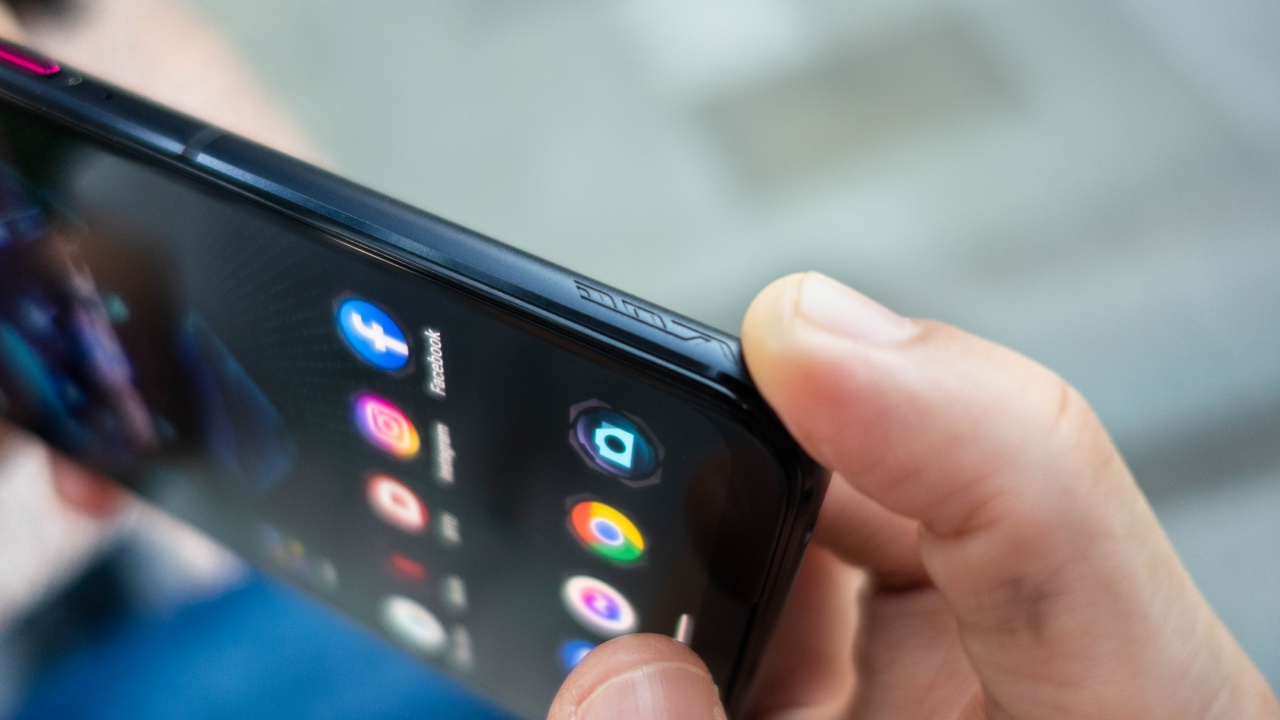
What I enjoyed the most on this device is the use of the Ultrasonic sensors. These are the assignable touch or swipe enabled sensors designed for additional controls. When mapped properly, it considerably changes the dynamics of how you play games.

In Call of Duty: Mobile for example, I mapped the fire key on the right shoulder and reload on the left while the rear touch sensors mapped with a grenade. It almost felt like I was playing like how I would on a console like a Nintendo Switch.
With freedom to use my thumbs for running and aiming it almost feels like you’re cheating. Combine this with haptic feedback, the subtle vibrations bring even more immersion to the tension that’s happening inside the battlefield.
Get in sync with the ROG Community
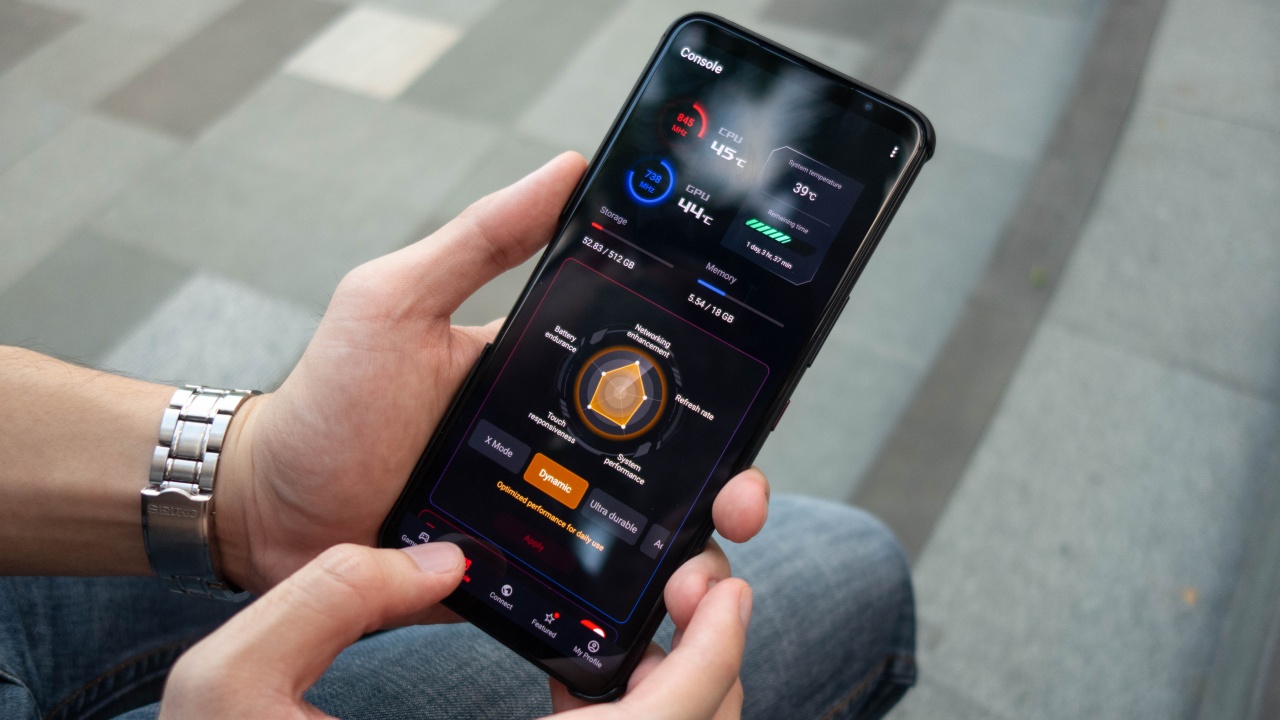
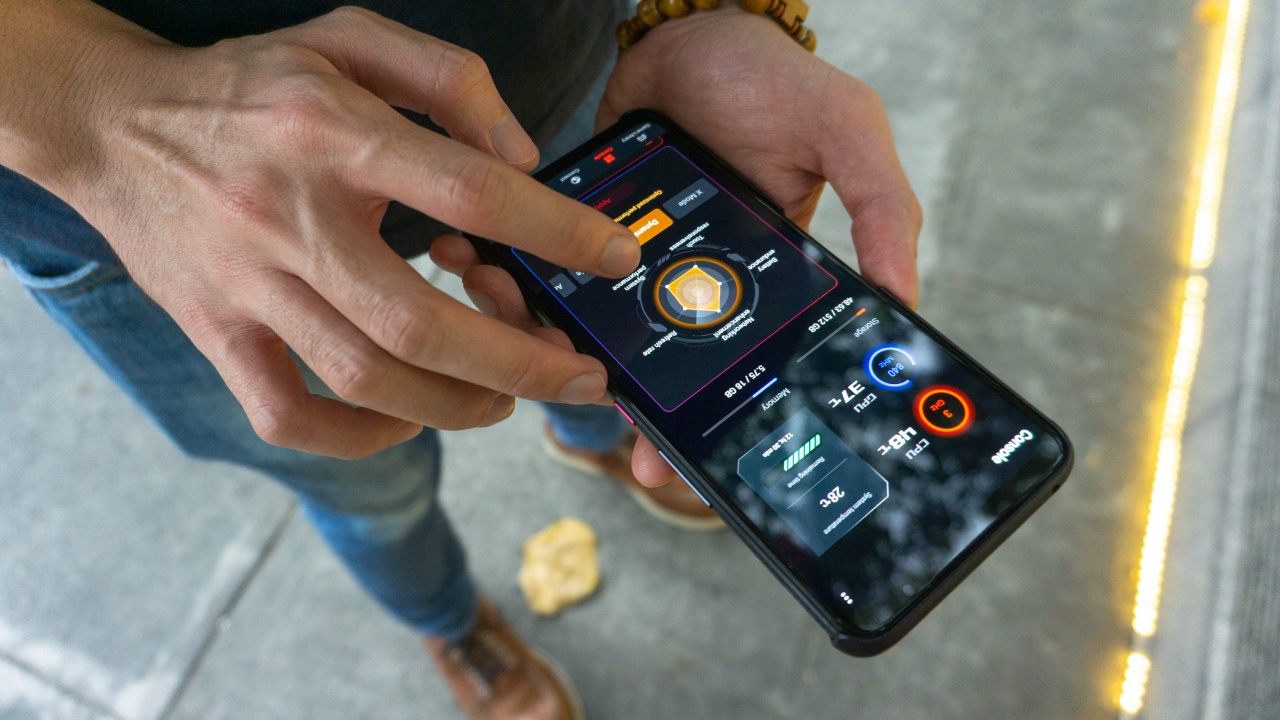
For those familiar with ASUS ROG or TUF series laptops, the Armoury Crate is the console where we can monitor and configure the performance and other aspects of the device. This is also present on the ASUS ROG Phone 5s Pro. You can access the fan speed and AirTrigger settings, monitor CPU and GPU temperatures or adjust performance for more efficient operations.
And like the PC version, we also gain access to the ROG community through the Connect feature. This is like an ROG enthusiasts social media platform where interaction with other ROG owners take place.
Immersive gaming audio

To further enhance the gaming experience, dual front firing speakers are what’s booming this phone. The first time I heard how games sound on this device was another impressive experience for me. The crashes, the gun sounds and everything else sounded so alive. Music playback has a considerable amount of thickness that I even compared it with the sound coming from the Xiaomi Pad 5.

Surprisingly, the ROG Phone 5s Pro sounded a tad better in some aspects. That’s saying a lot since the Pad 5 is a tablet loaded with four speakers which I also praised in another review.
Great cameras for a gaming phone

Equipped with a 64MP main camera, 13MP ultrawide, 5MP macro and a 24MP selfie camera, this also takes pretty decent photos. I’d say flagship level or right in between one and an upper midrange. After all, this does have the Sony IMX686 sensor seen in other flagships.
We don’t get a lot of creative photo modes but there is a pro-video mode and a night mode that takes really clean and vibrant photos.


Get juiced up in under an hour
The ROG Phone 5s Pro gets its charge via its 65W charger. For a device with a 6,000mAh battery, I managed to get 25 percent of charge by just leaving it for ten minutes. That I think is also pretty commendable. Ten percent to full only took around 50 minutes.
Though 6,000mAh may sound like a lot for a phone, I found that it does run out pretty quickly. It gets me through a whole day of use running mostly on mobile data connection but comparing it to budget phones with the same capacity, this isn’t as robust.
Is the ASUS ROG Phone 5s Pro your GadgetMatch?
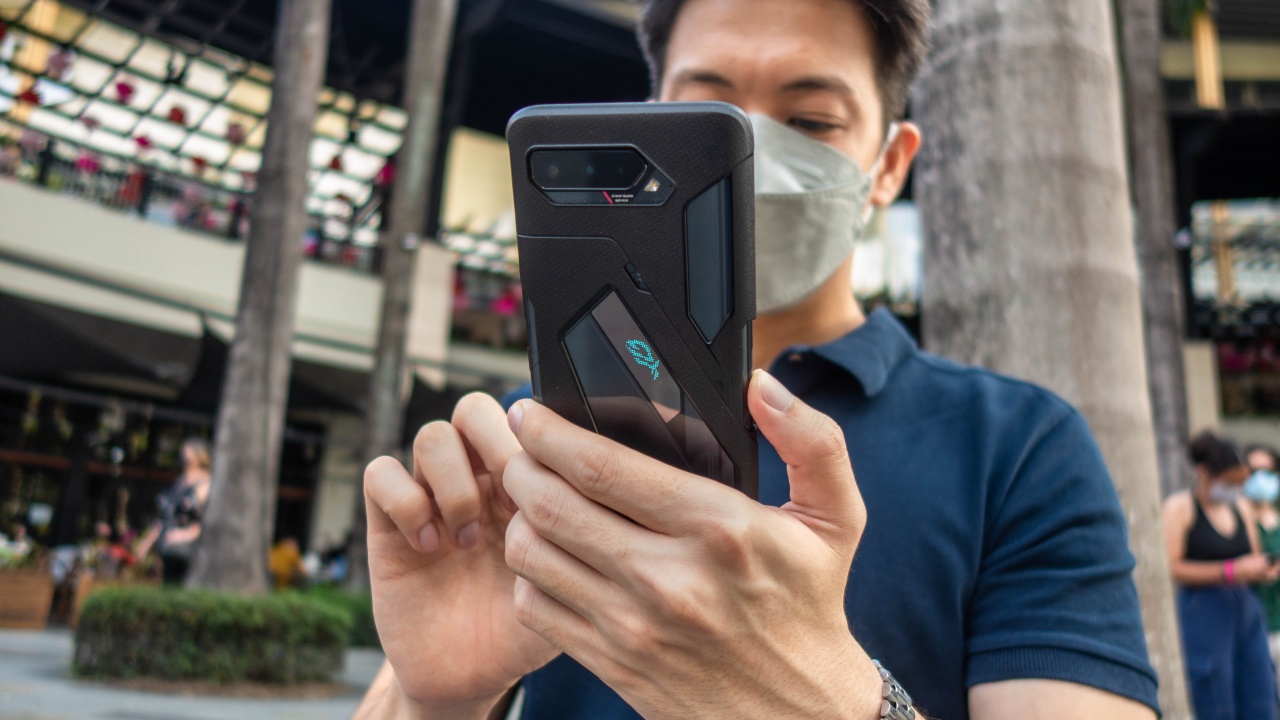
From the moment you open the box, the all out gamer vibe, the buttery smooth gaming experience, amazing audio and visuals and the added control with the Ultrasonic sensors, the ASUS ROG Phone 5s Pro is all about the experience.
No, gaming phones still aren’t for everyone, and thermals and battery life could still do better. But for gamers, I can’t see how you can resist not having this.
Plus you’ll get people looking at you as they see the back of your phone displaying some animations which makes you feel super cool.

If you’re into that, then by all means, the ROG Phone 5s Pro surely ticks most of the right boxes and more.
The ASUS ROG Phone 5s Pro with 18GB LPDDR5 RAM and 512GB storage is currently available for PhP 59,995 / SG$ 1,799.








The Steam Machine is the most anticipated gaming device this year. Valve’s upcoming machine aims to deliver a PC gaming experience in a convenient package. Today, the price of the Steam Machine was finally unveiled, and it’s a doozy. But did you know that it was supposed to be much, much cheaper?
Now, we already know that the Steam Machine was cheaper before, but we didn’t really know how much cheaper. Speaking to IGN, Valve essentially confirmed the Machine followed the same price hikes as the Steam Deck, which experienced an increase of over US$ 200.
After doing a bit of algebra, it can be assumed that the Steam Machine was supposed to start at around US$ 750. That’s a huge jump, considering that the more expensive variant currently costs almost US$ 1,500, almost double the price of the original.
Unfortunately, that’s just how the industry works these days. Because of the ongoing RAM crisis, several manufacturers have already confirmed price hikes happening throughout the year. Apple, most recently, announced that price increases might come soon because of the untenability of shouldering the costs themselves.
It gets worse for the Machine, though. Despite being expensive, the price tag doesn’t really reflect the specs you’re getting. You can certainly grab a gaming laptop with better specs for around the same (or even a smaller) price tag, especially considering that Valve’s console-but-not-really-a-console doesn’t come with peripherals yet.
Gaming
Epic Games Launcher is getting a huge update to make it faster
The update will also add customizable profiles and user reviews.


Admit it; you probably have a hoard of free games languishing on the Epic Games Store. Though it’s nice that Epic gives away games every week, the overall inconvenience of using the platform sadly outweighs the freebies. Now, the company is finally redesigning the app from the ground up with a distinct focus on making it much faster.
Earlier this year, Epic admitted that “the launcher sucks.” Though the company cited a number of reasons, the number one culprit is certainly speed. Compared to its contemporaries (especially Steam), the Epic Games Launcher leaves much to be desired. The platform just doesn’t let users into their games as quickly as Steam does.
During the recent Unreal Fest, Epic, via @LuKaOnIndeed on X, confirmed that the entire launcher will be rebuilt to be “5x to 6.5x faster.”
The performance improvements will come with other new features including player profiles and user written reviews. Epic’s vision of the future looks completely different from how the launcher is today.
Though the company doesn’t have a definite timeline right now, Epic promises that the updates will come later this summer.
It does remain to be seen whether these updates will change anything about how users perceive the platform. For the longest time, gamers consider Steam as the platform of choice. Some users even repurchase their Epic games (sometimes obtained for free) on Steam just to have it on the platform they prefer.


Valve has officially revealed pricing and availability details for the Steam Machine, its living room-focused gaming PC running SteamOS.
The company is launching the device in four configurations. Reservations open immediately through a randomized queue system designed to reduce scalping and bot purchases.
Steam Machine price
The base Steam Machine with 512GB of storage costs USD1,049. A bundle that includes the Steam Controller is priced at USD 1,128.
Meanwhile, the 2TB model costs USD 1,349, while the 2TB bundle with a Steam Controller retails for USD 1,428.
Buyers who opt for either 2TB variant will also receive two additional faceplates: a red fabric finish and a solid walnut option.
Valve says all listed prices already include VAT where applicable.
Why Steam Machine costs more than expected
The pricing announcement comes months after Valve delayed the Steam Machine’s launch.
According to the company, rising component costs and supply chain issues forced it to revisit its original pricing targets.
Valve explained that when development began in 2023, it expected hardware costs to gradually decline over time. Instead, the company encountered significant increases in RAM and storage pricing, alongside periods where some components became difficult to source altogether.
The company added that component shortages also limited the number of units it could manufacture for launch.
Steam Machine was first announced as a compact PC gaming device designed for living room setups. It runs SteamOS and is positioned as an alternative to traditional game consoles while maintaining access to the broader PC gaming ecosystem.
Reservations use randomized queue
Rather than opening direct sales, Valve is implementing a reservation system.
Interested buyers can sign up for their preferred Steam Machine model until June 25 at 10:00 a.m. Pacific Time. After the registration window closes, Valve will randomize all entries and assign customers either a reservation slot or a waitlist position.
Customers selected for the reservation queue will receive an email confirming that a Steam Machine has been reserved in their name. Purchase invitations will begin rolling out starting June 29 as inventory becomes available.
To qualify, users must have a Steam account in good standing and must have made a Steam purchase before April 27, 2026. Valve is also limiting registrations to one entry per household.
Users may sign up for multiple models. If selected for more than one queue, Valve will automatically assign the highest-end model available and remove the user from other reservation lists.
Not a console, says Valve
Despite its console-like form factor, Valve says it does not view Steam Machine as a traditional console.
The company describes the device as an extension of PC gaming rather than a closed ecosystem. Unlike conventional consoles that often subsidize hardware through software sales and subscriptions, Valve says Steam Machine is built around the openness that has long defined PC gaming.
Valve also reiterated plans to expand SteamOS support beyond its own hardware. With the recently released SteamOS 3.8, users can already install the operating system on compatible living room PCs, although support is currently limited to AMD graphics cards.
For users in Japan, Taiwan, and Hong Kong, orders will be handled through regional distributor Komodo. Steam Machine will not be available in South Korea.







Camera Shootout: HONOR 600 Pro vs OPPO Reno15 Pro

Dyson’s viral portable fan arrives in the Philippines

Steam Machine was supposed to be much, much cheaper

Now Playing: Toy Story 5

Epic Games Launcher is getting a huge update to make it faster

TECNO’s POVA 8 5G is both futuristic and future-ready

Close without crossing: A Xiaomi 17T Pro photo essay

realme launches P4 Series 5G, including Power with 10,001mAh battery

The Xiaomi Watch S5 proves you don’t have to take it off

Buyer’s Guide: Xiaomi Pad 8 Series


-
 India2 weeks ago
TECNO’s POVA 8 5G is both futuristic and future-ready
-

 Reviews2 weeks ago
HONOR Magic V6 review: The best version of a book-style foldable?
-

 Gaming2 weeks ago
Kingdom Hearts IV gets new trailer, confirms Switch 2 release
-

 Gaming2 weeks ago
Final Fantasy fans have two big reasons to look forward to 2026
-

 Smartphones2 weeks ago
Upcoming realme C100 series to feature 8,000mAh battery
-

 News1 week ago
TECNO’s SPARK 50 Pro is the latest budget smartphone battery beast
-

 Buyer's Guide6 days ago
Buyer’s Guide: TECNO SPARK 50 Pro vs SPARK 50 5G
-

 Computers2 weeks ago
Rewind: WWDC 2026