
News
Xiaomi launches their first Leica smartphone with the 12S Ultra
Paired with a mirrorless-like 1-inch camera sensor


A short time ago, Xiaomi launched the 12 Series as the world’s first Snapdragon 8 Gen 1-touting smartphones. Just after several months, we’re already getting an update — including Xiaomi’s first set of phones with Leica-engineered cameras.
S means Super Flagship
Sitting at the throne is none other than the Xiaomi 12S Ultra. It’s the company’s best flagship to date. On its front, there’s a huge 6.73-inch LTPO2 AMOLED E5 Quad HD+ display. It has an adaptive 1-120Hz refresh rate as well as 1500 nits of maximum brightness with a pixel density of 522 ppi.

Image by GadgetMatch
For a full-on entertainment experience, it has an advanced Dolby Vision TrueColor Display as well as support for Dolby Vision, HDR10+, HDR, and even HLG. And just like previous Xiaomi phones, it has a set of Harman Kardon speakers with Dolby Atmos support.

Image by GadgetMatch
Going inside, the 12S Ultra has a 4860mAh battery that supports Xiaomi’s proprietary 67W Turbo Charging (sadly, not the blazing fast 120W one from the 12 Pro and 11T Pro line) plus 50W if you’ll use the wireless one. Paired with the P1 charging chip and G1 battery management chip, charging should be fast enough without compromising the phone’s battery health.
It’s also one among the first smartphones to ship with the updated Snapdragon 8+ Gen 1 chipset with either 8 or 12GB of LPDDR5 memory and 256 or 512GB UFS 3.1 storage. It was also mentioned that it has a whole new heat dissipation system that further improves cooling. As reported by a lot of users, overheating is a problem among Snapdragon 8 Gen 1 flagships.
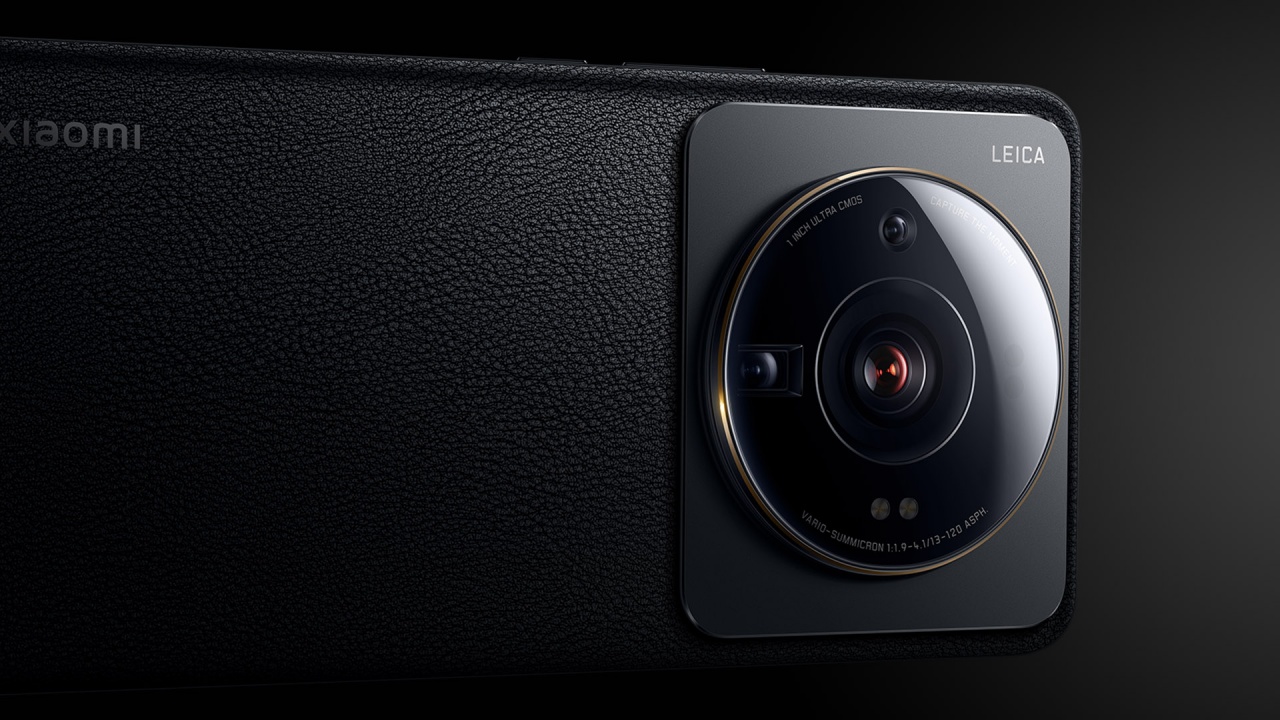
Image by GadgetMatch
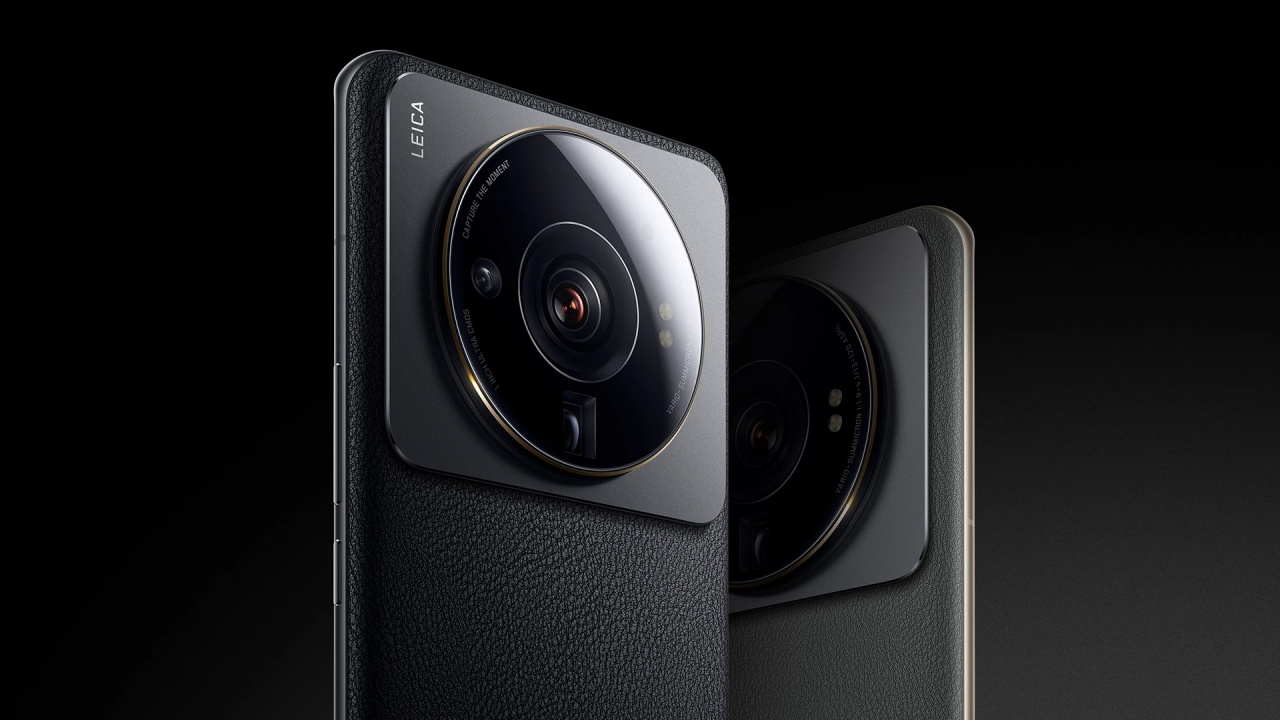
But the biggest star of the show can be seen at its back. With a huge Leica-like camera module and a “leather-like” back, Xiaomi has decided to take cues from the camera design language of many Leica cameras — although it’s not there just for the aesthetics.
The Xiaomi 12S Ultra is one among the many few smartphones that ships a gigantic 1-inch sensor beneath it. For comparison, last year’s Mi 11 Ultra had a “smaller” 1/1.12-inch sensor. The Xiaomi 12S Ultra can definitely sit alongside the 1-incher club, namely Sony’s Xperia PRO-I and the Sharp AQUOS R6 — which also bears the Leica branding and optics.
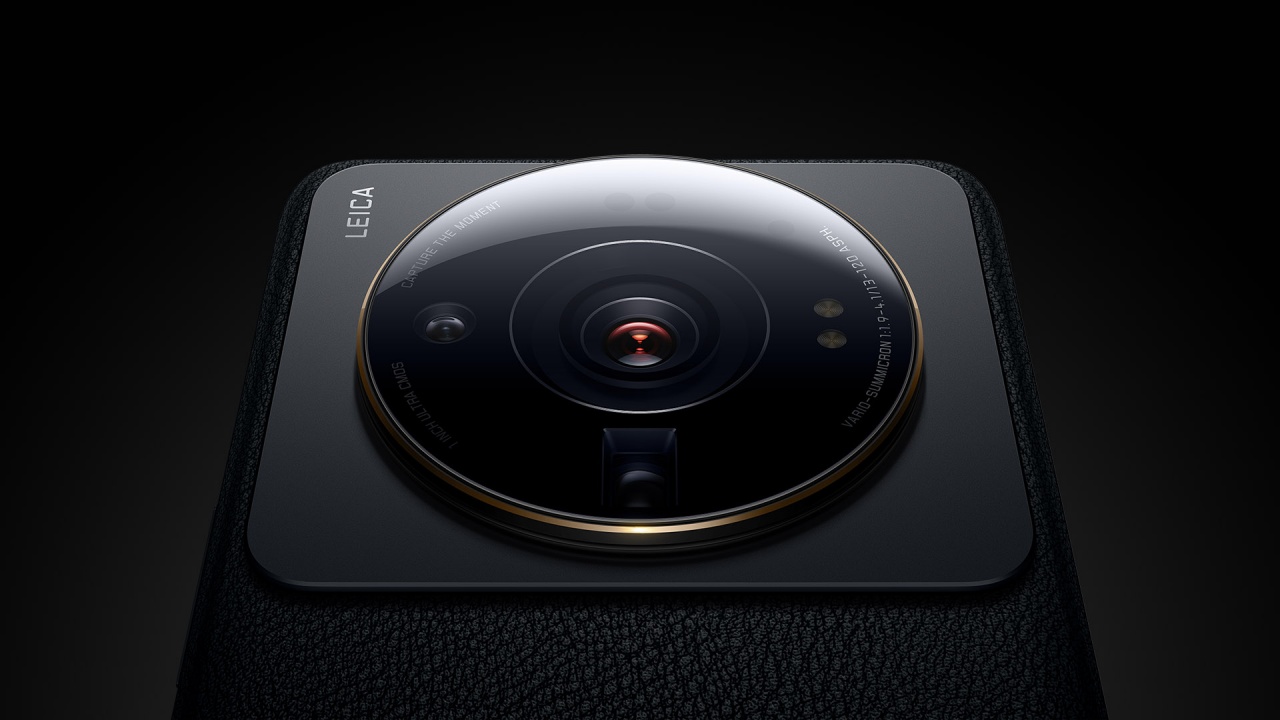
Image by GadgetMatch
For the ultimate camera geeks, here are the specifics of Xiaomi 12S Ultra’s gigantic camera hump:
- 50.3MP f/1.9 main/wide (Sony IMX989 1-inch sensor) with octa-PDAF
- 48MP f/2.2 ultra-wide (Sony IMX586 1/2-inch sensor) with dual-PDAF
- 48MP f/4.1 periscope (Sony IMX586 1/2-inch sensor) with dual PDAF
- Leica Summicron 1:1.9-4.1 / 13-120 ASPH. camera system
- 32MP RGBW front camera
To make it even more photography-centric, it has some nifty features like the main camera’s 8P aspheric lens with Multi-layer ALD ultra-low reflectance coating, HyperOIS, Leica filters, and two Leica photographic styles. Aside from being able to shoot in JPEG and HEIF file formats, the 12S Ultra also lets you shoot 10-bit Adobe RGB RAW through DNG.
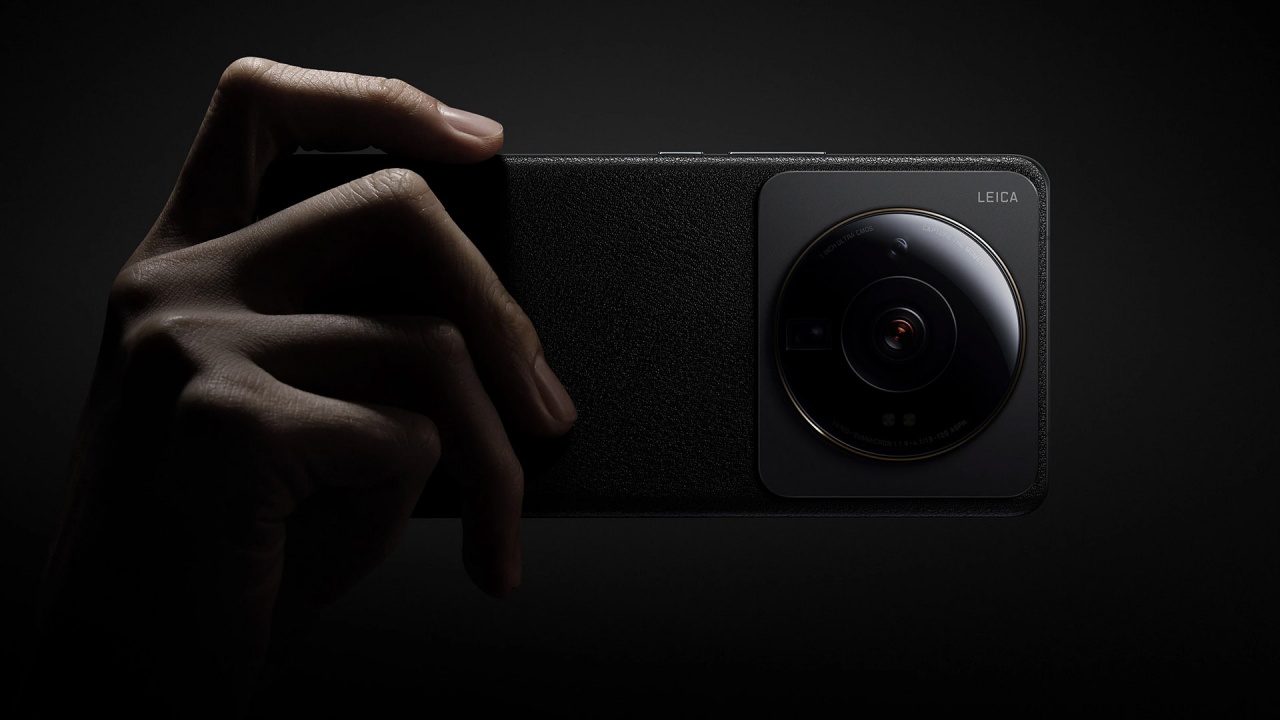
If you’re into mobile videography, the 12S Ultra can shoot in several resolutions. From 720p, 1080p in 30/60/120/240/480fps slow-motion, 4K in 30/60fps, and as extreme as an 8K/24fps footage. Default file formats are in H.264 or H.265 but you can now record HDR videos through 10-bit Dolby Vision Rec.2020 HLG.

If you’re worried about shooting in wet conditions, the Xiaomi 12S Ultra has an IP68 water and dust resistance rating.
S also means Slightly upgraded
Other than the flagship bearer, Xiaomi has also announced two smartphones in the 12S lineup: the 12S and 12S Pro.
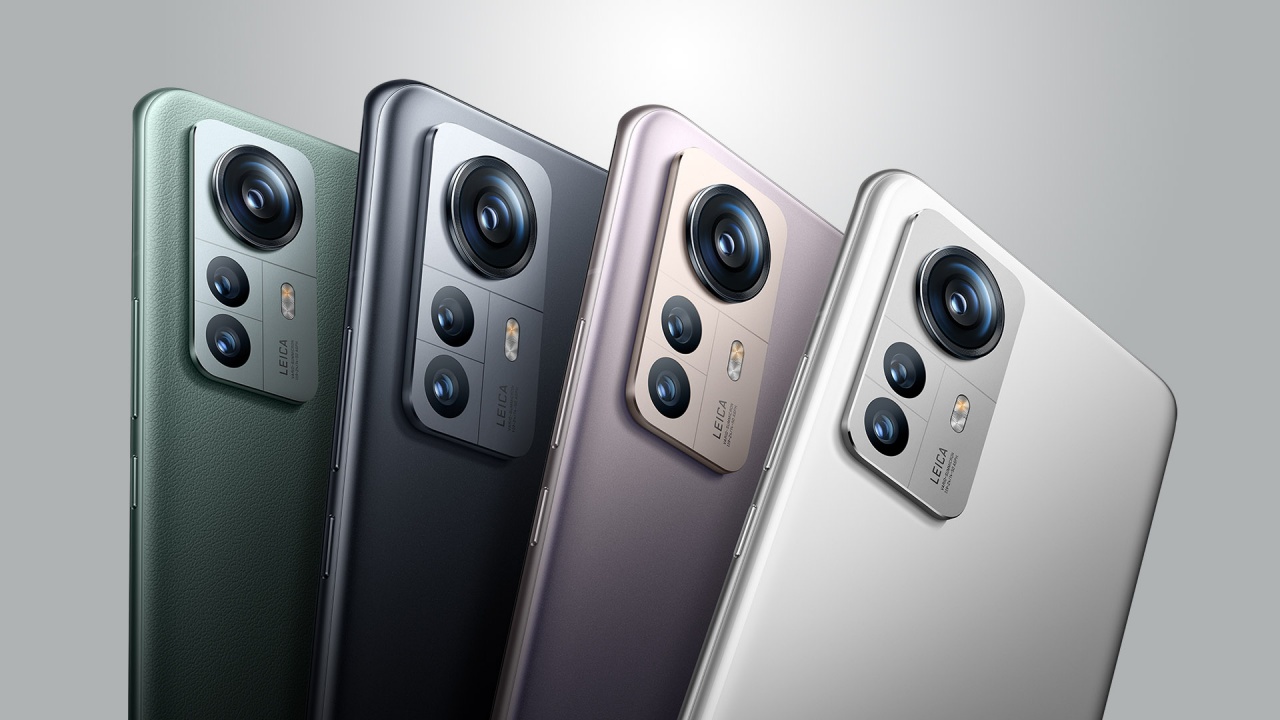
Image by GadgetMatch
The design of the new 12S series hasn’t changed from the preceding models of 2021. The 12S sports the same 6.28-inch AMOLED display as Xiaomi 12, while the 12S Pro and 12 Pro are equipped with the bigger 6.73-inch LTPO AMOLED panel. The cameras are neither different. Heck! Even the batteries are the same with 4500mAh and 4600mAh capacities respectively.
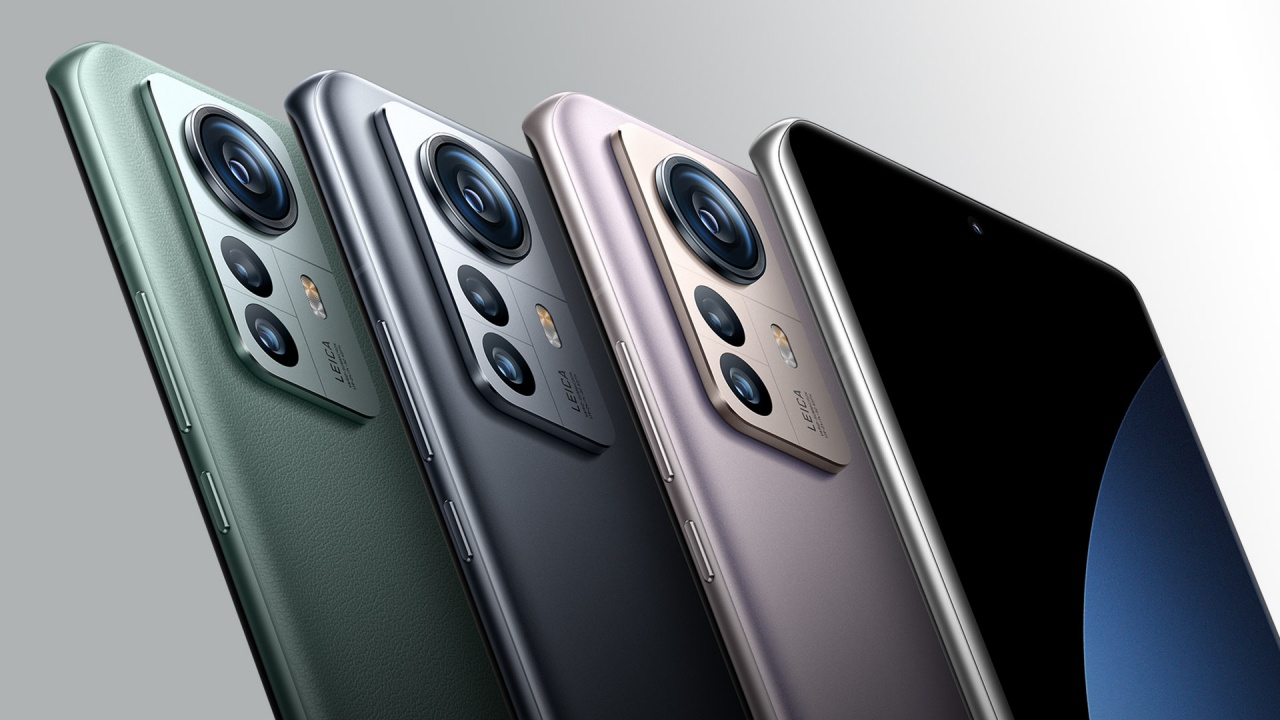
Image by GadgetMatch
So what’s changed? Well, apart from the new Leica-branded cameras at the back, it’s now powered with the newest Snapdragon 8+ Gen 1 that should make performance better and battery consumption more efficient. Also, both phones now have a 12GB + 512GB configuration that the 12 series never had.
S as a Substitute
To complete the list, the Chinese company has also announced a MediaTek version of their Snapdragon 8 Gen 1-powered 12 Pro, dubbed the Xiaomi 12 Pro Dimensity Edition. Very obvious from its mouthful name, it has MediaTek’s latest Dimensity 9000+ 5G chipset that’s based on a 4nm process.

Xiaomi 12 Pro Dimensity Edition
Just like its Snapdragon counterpart, it’s also the first smartphone in the world to feature Dimensity 9000+. Other than that, all the specs are similar to the Xiaomi 12 Pro — including the same set of display, battery, charging technology, cameras, and even the absence of Leica branding on its camera hardware and software.
Pricing and Availability
Currently, the new flagship series of Xiaomi is now available for pre-order in China. The SRP in Chinese Yuan (Renminbi) are as follows:
Xiaomi 12S Ultra (Classic Black/Verdant Green)
- 8GB + 256GB — CNY 5999 (US$ 895 / SG$ 1250 / ₱49,330)
- 12GB + 256GB — CNY 6499 (US$ 970 / SG$ 1354 / ₱53,390)
- 12GB + 512GB — CNY 6999 (US$ 1045 / SG$ 1459 / ₱57,495)
Xiaomi 12S Pro (White/Black for all models, Wild Green/Purple only for 256GB models)
- 8GB + 128GB — CNY 4699 (US$ 701 / SG$ 980 / ₱38,598)
- 8GB + 256GB — CNY 4999 (US$ 746 / SG$ 1042 / ₱41,065)
- 12GB + 256GB — CNY 5399 (US$ 806 / SG$ 1126 / ₱44,351)
- 12GB + 512GB — CNY 5899 (US$ 880 / SG$ 1230 / ₱48,459)
Xiaomi 12S (White/Black for all models, Wild Green/Purple only for 256GB models)
- 8GB + 128GB — CNY 3999 (US$ 597 / SG$ 834 / ₱32,848)
- 8GB + 256GB — CNY 4299 (US$ 642 / SG$ 896 / ₱35,313)
- 12GB + 256GB — CNY 4699 (US$ 701 / SG$ 980 / ₱38,598)
- 12GB + 512GB — CNY 5199 (US$ 776 / SG$ 1084 / ₱42,705)
Xiaomi 12 Pro Dimensity Edition (Black/Blue)
- 8GB + 128GB — CNY 3999 (US$ 597 / SG$ 834 / ₱32,848)
- 12GB + 256GB — CNY 4499 (US$ 672 / SG$ 938 / ₱36,955)
Pricing and availability in other regions have yet to be announced.







Apps
Canva teams up with SB19 to turn A’TIN’s passion into creativity
Campaign lets fans access assets, editable templates, more


Canva Philippines has joined forces with SB19 and Sony Music Entertainment to launch the “Kaya sa Canva” campaign.
This first-of-its-kind initiative is aimed at transforming the popular Filipino boy band’s fanbase into creators by giving them access to official design assets, exclusive templates, and powerful creative tools.
That’s of course as fans have a way of creating artwork, banners, and more outputs to honor their idols.
As such, the partnership enables the A’TIN (SB19’s fanbase) to access the Canva-exclusive SB19’s Creative Hub.

This dedicated space lets fans access assets, including SB19-inspired sticker packs, custom typography, and editable templates inspired by the group.
Fans around the world will initially have access to templates for photo-booth strips, wallpapers, posters, and videos.
The campaign will then expand with Canva-exclusive assets celebrating the group’s New Era, as well as their latest single, “Lawless”.
Meanwhile, the original song “KAYA” is accompanied with an upbeat music video, doubling as a love letter to A’TIN and a masterclass in Canva’s tools.
Every visual and animation is fan-inspired, a celebration of the creativity, passion, and dedication that’s defined in the community from day one.
News
The iPhone 18 might sell out for an unexpected reason
The ongoing shortage might play a part in the phone selling out earlier than expected.

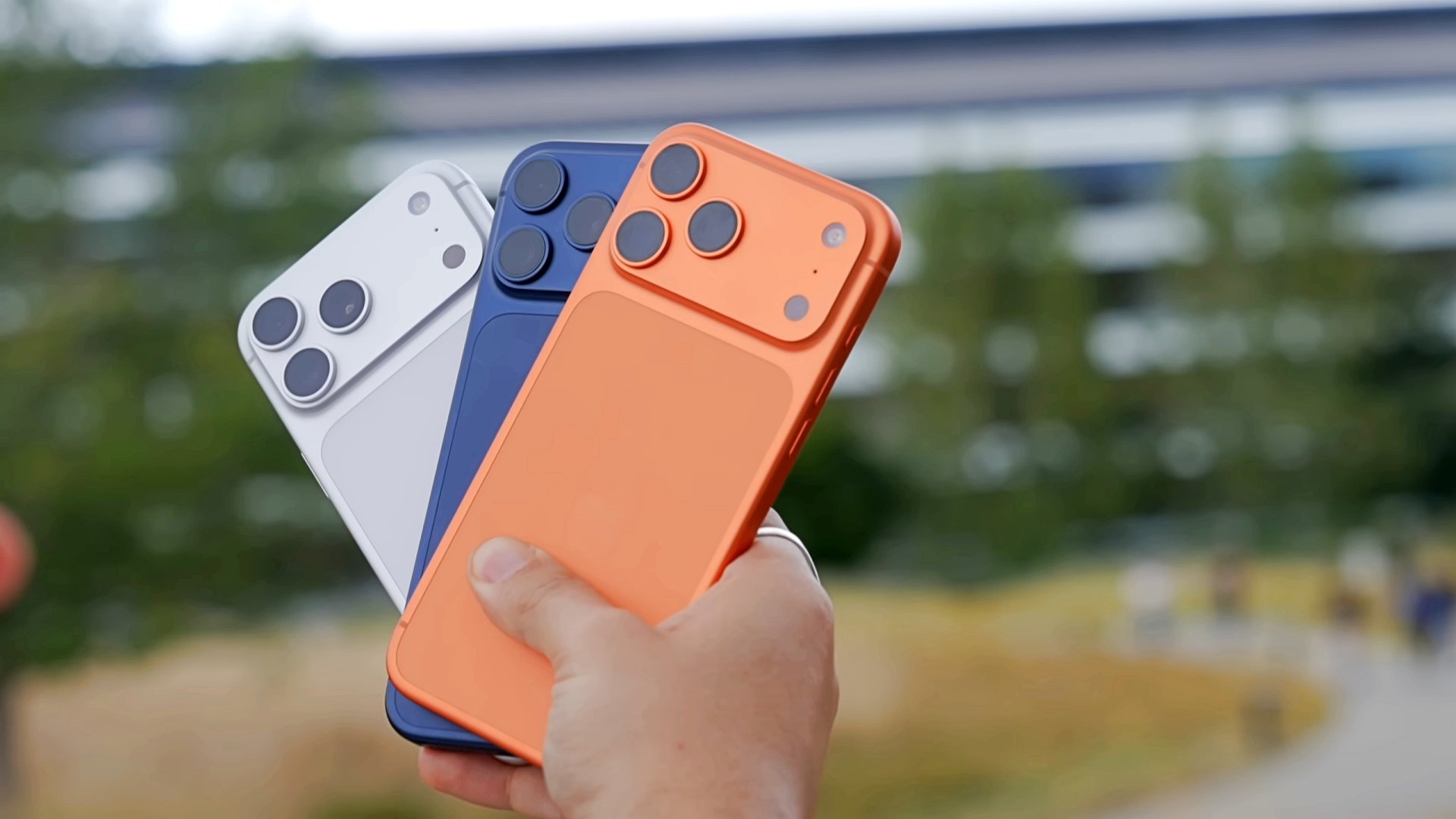
An iPhone selling out is not news. Because of how popular the phones are, it’s within the realm of probability that Apple runs out of stock at some point. According to a new report, this year won’t be any different… but it’s for an entirely different reason.
First reported by analyst Tim Culpan, Apple is reportedly struggling to meet its demand for semiconductors for the iPhone 18 and the foldable iPhone. The ongoing memory shortage is cutting off Apple’s ability to deliver the required supply of smartphones in a timely fashion. The report even claims that TSMC, which helps produce the iPhone, is sitting on a shipment of processors, worth US$ 1 billion, that don’t have memory chips.
Now, Apple is still confident that it can weather the launch. However, if the shortage persists, the iPhone 18 generation will likely sell out much more quickly than expected.
It’s an interesting time for Apple to experience such a shortage. It’s been heavily rumored that the company will launch its very first foldable phone next month, creating a new market for the brand. Apple definitely wants this attempt to succeed after the tepid response to its last new product, the Vision Pro.
SEE ALSO: Did Tim Cook just confirm that iPhone prices are going up?
News
These “smart” glasses just sold out in under a week
DuckDuckGo touts that these glasses have zero AI, zero cameras, and an infinite battery life.

Smart glasses are in a weird place right now. While a chunk of the population views them as cool and innovative, another significant chunk sees them as a privacy nightmare. If you’re in the latter group but want to see what life is like on the former, DuckDuckGo has a new product: a pair of anti-surveillance glasses with no camera or AI, otherwise known as just normal sunglasses.
If it’s not obvious, yes, it’s a troll product. DuckDuckGo is a search engine famously known for pushing privacy as a priority, opposing Google’s penchant for advertising and AI. Now, the search engine is taking on the smart glasses market.
Partnering with Knockaround, DuckDuckGo released the Paso Robles, a pair of sunglasses touted as having zero cameras, an always-offline mode, and a battery life of infinity.
It’s a statement piece. The rims have a logo mark, similar to the Meta’s glasses. The packaging also states that the glasses are “designed to block the sun, not send data to the cloud.”
Now, if you want a pair, they cost only US$ 35, as opposed to Meta’s US$ 299 price tag, but they are already sold out.
Which says quite a bit about today’s sentiment against AI and for privacy. Of course, to be fair, DuckDuckGo’s supply is certainly less than Meta’s stock for their smart glasses. It does, however, prove that the sentiment is there.
As of now, the world is slowly realizing that unimpeded smart glasses aren’t such a good idea, leading to people concerned about their privacy. In fact, some states have already started banning the technology in certain public spaces.

realme C100: Enduring and durable in spite of entry-level realities
Enough power but needs more agility


The ASUS ExpertBook Ultra wins you over
The laptop sneaks up on you


Nexal Watch Sport review: A rugged watch for small budgets
I couldn't believe that watches this good could come for this cheap.

Apple Watch, AirPods get exclusive offers via Beyond the Box

Canva teams up with SB19 to turn A’TIN’s passion into creativity

SQUARE ENIX STORE Plus expands presence in Asia, Oceania

Maya: Convert purchases to 0% interest Mini Payment plans

Netflix: Kris Aquino makes on-screen comeback with fictional role

Sony launches IER-M500 in-ear monitors
realme C100: Enduring and durable in spite of entry-level realities

Hands-on: Samsung Galaxy Z Fold8, Flip8, Ultra

Garmin launches its first screenless fitness band

VinFast debuts two-wheeler models, opens 21 e-motorcycle showrooms


-
 Automotive6 days ago
VinFast debuts two-wheeler models, opens 21 e-motorcycle showrooms
-

 Computers1 week ago
AMD launches Radeon RX 9050 graphics card
-

 Gaming2 weeks ago
God of War Laufey finally confirms its highly anticipated launch date
-

 Automotive1 week ago
Xiaomi debuts SkyNomad Series featuring new Kunlun platform
-

 News5 days ago
OnePlus officially leaves the United States and Canada
-

 Gaming2 weeks ago
NBA 2K27 gameplay trailer showcases new dunk mechanics, Rucker Park, and more
-

 Gaming1 week ago
Call of Duty: Modern Warfare 4 clip shows Losing Ground 1st look
-

 Automotive2 weeks ago
BYD Atto 2 launches with EV, plug-in hybrid options