
Cameras
Sony releases the A7CR and A7C II in the Philippines
Along with the smallest and lightest wide-angle zoom lens


Remember the world’s first smallest and lightest full-frame mirrorless camera launched in 2020? Well, it now has new twin sibs! Meet the Sony A7C Series: the Alpha 7CR and Alpha 7C II (or just A7CR and A7C II to make it less of a mouthful).
For professional photographers and enthusiasts who use Sony, the A7CR and A7C II are two of the most anticipated models that follow the footsteps of the already very-capable yet compact A7C from two years ago.
Alpha 7CR: Compact Size, Extreme Resolution
As how I understand Sony’s camera naming scheme, “C” stands for C(ompact) and “R” is for R(esolution). By combining the best of both camera worlds, they’re able to create the A7CR.
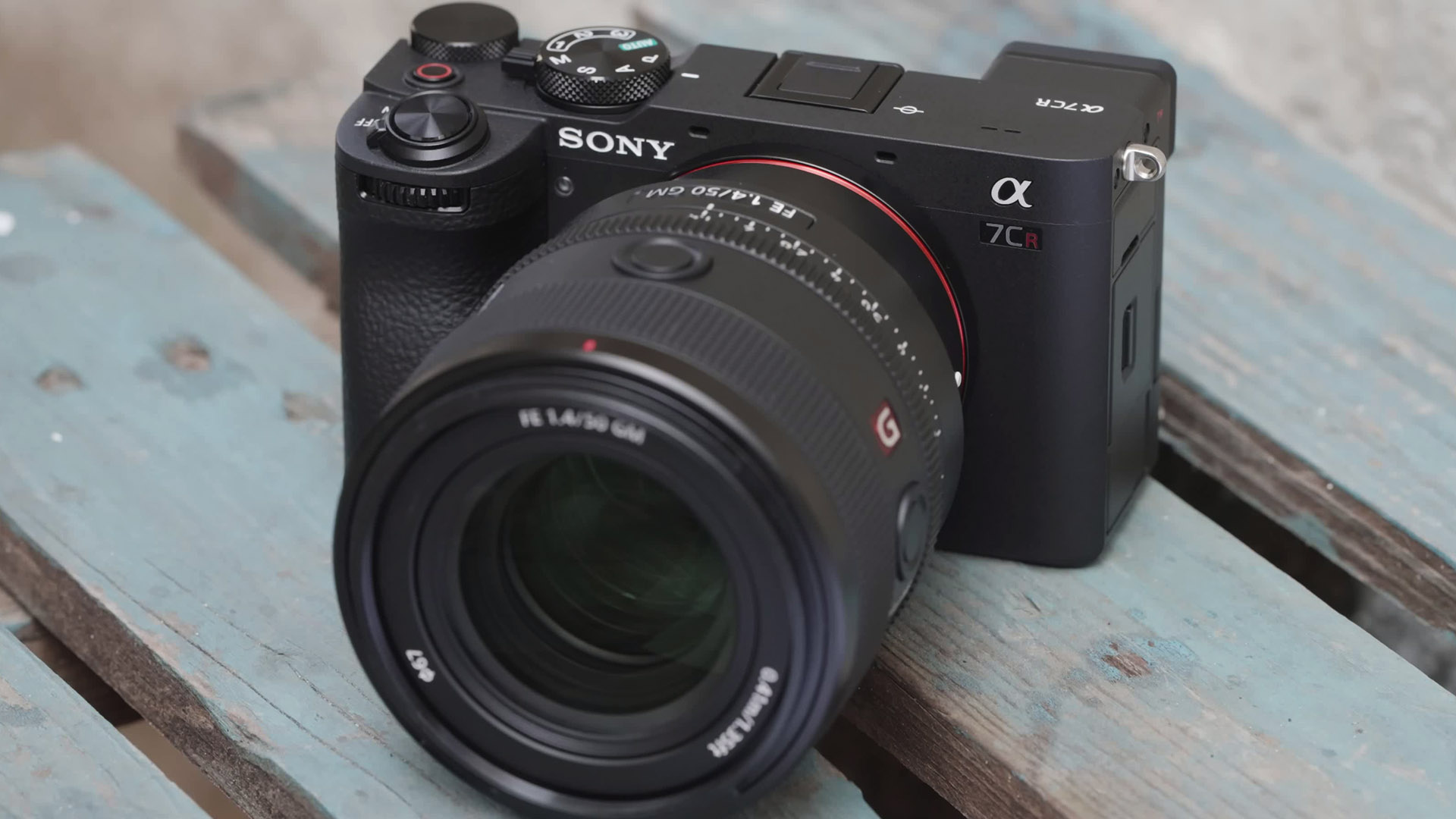
Sony’s first full-frame camera with a 61-megapixel sensor was the A7R IV announced in 2019 followed by the A7R V just last year. They then managed to put the same large sensor in a more compact form factor than what the larger-bodied cousin offers — around 29% lighter and 53% less in volume to be specific.

Graphics by Vincenz Lee | GadgetMatch
Just like any recent Alpha camera, the A7CR is powered by their in-house Exmor R CMOS back-illuminated sensor that’s well complemented by the newer BIONZ XR imaging processor for better detail clarity and utmost image quality.
The Alpha 7CR also features Sony’s new “AI processing unit” which was made first for the A7R V. This further improves the AI-sensing capabilities and algorithms when using the camera for shooting several subjects in complicated scenarios.
Graphics by Vincenz Lee | GadgetMatch
Inherited features
Other features from the A7R V were brought to the compact model. These include AI Real-Time Tracking, high-precision AF under low EV, Fast Hybrid AF performance, silent continuous shooting, and more.
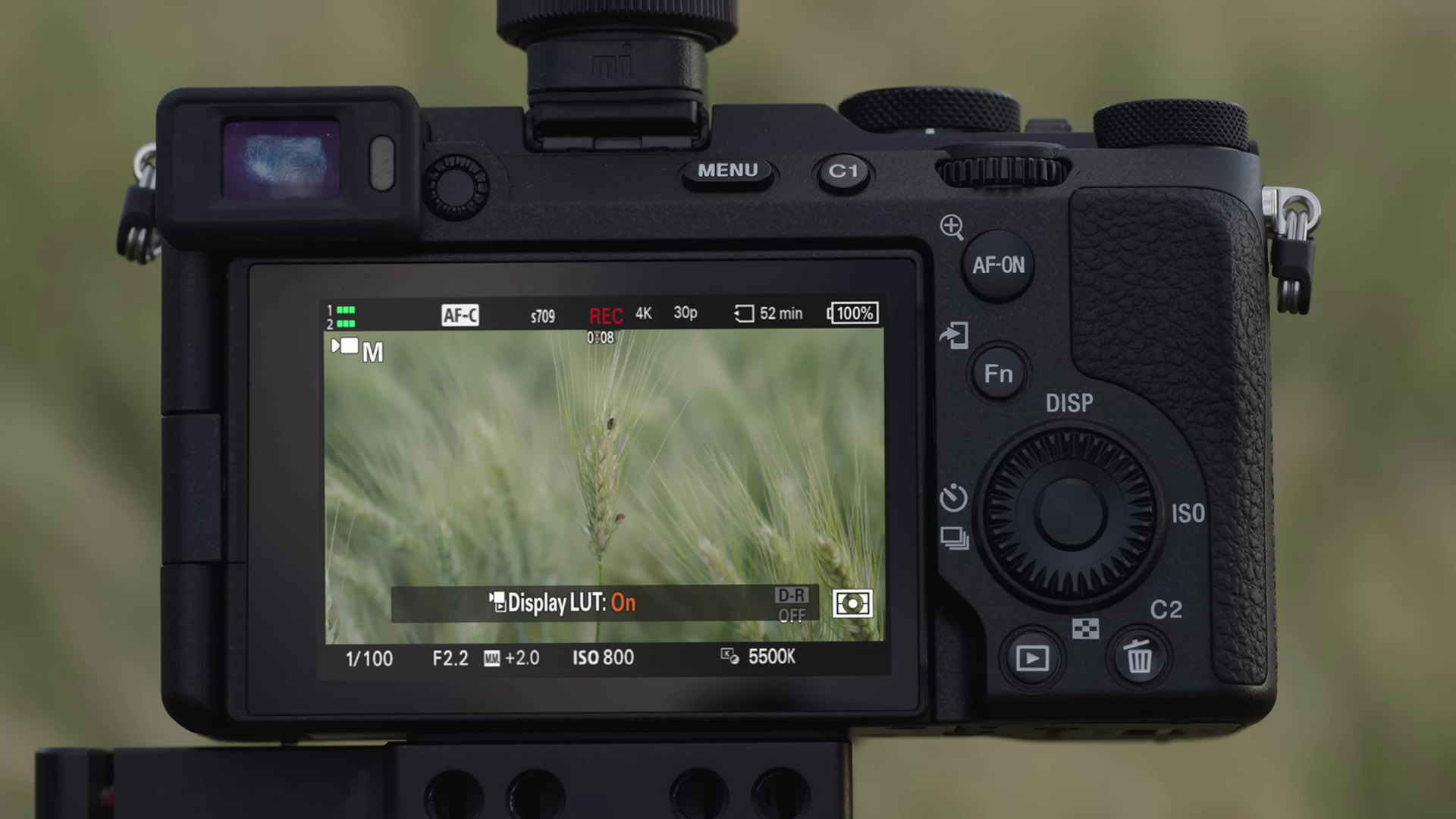
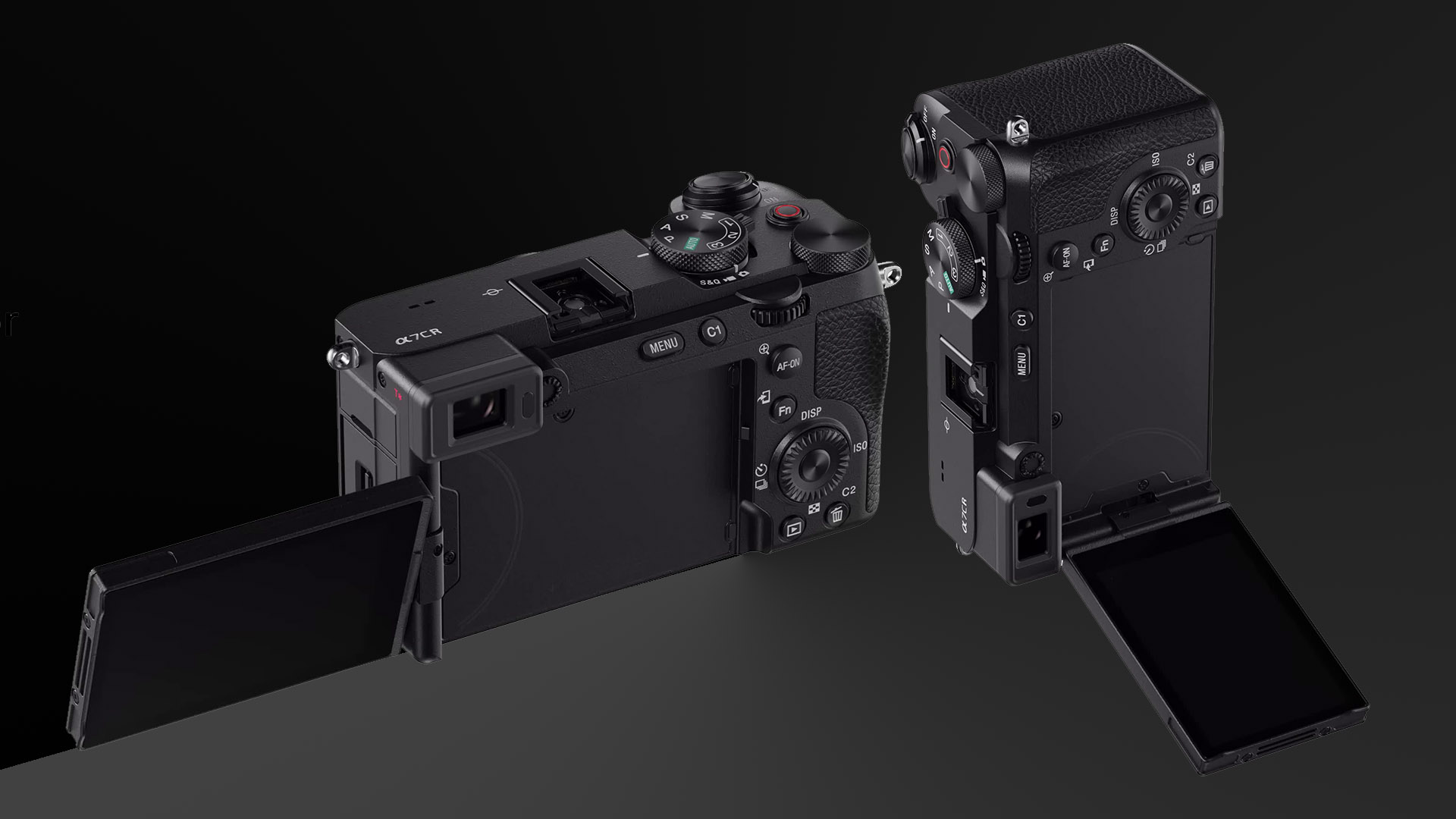
Video recording isn’t compromised with its 4K at 50/60p support. That’s also with the inclusion of S-Cinetone, Log recording, and LUT support for better post-processing flexibility while recording. Active Mode stabilization is also handy in shaky handheld situations. This is also thanks to its 5-axis in-body image stabilization with a 7-step advantage in stills-shooting.
Graphics by Vincenz Lee | GadgetMatch
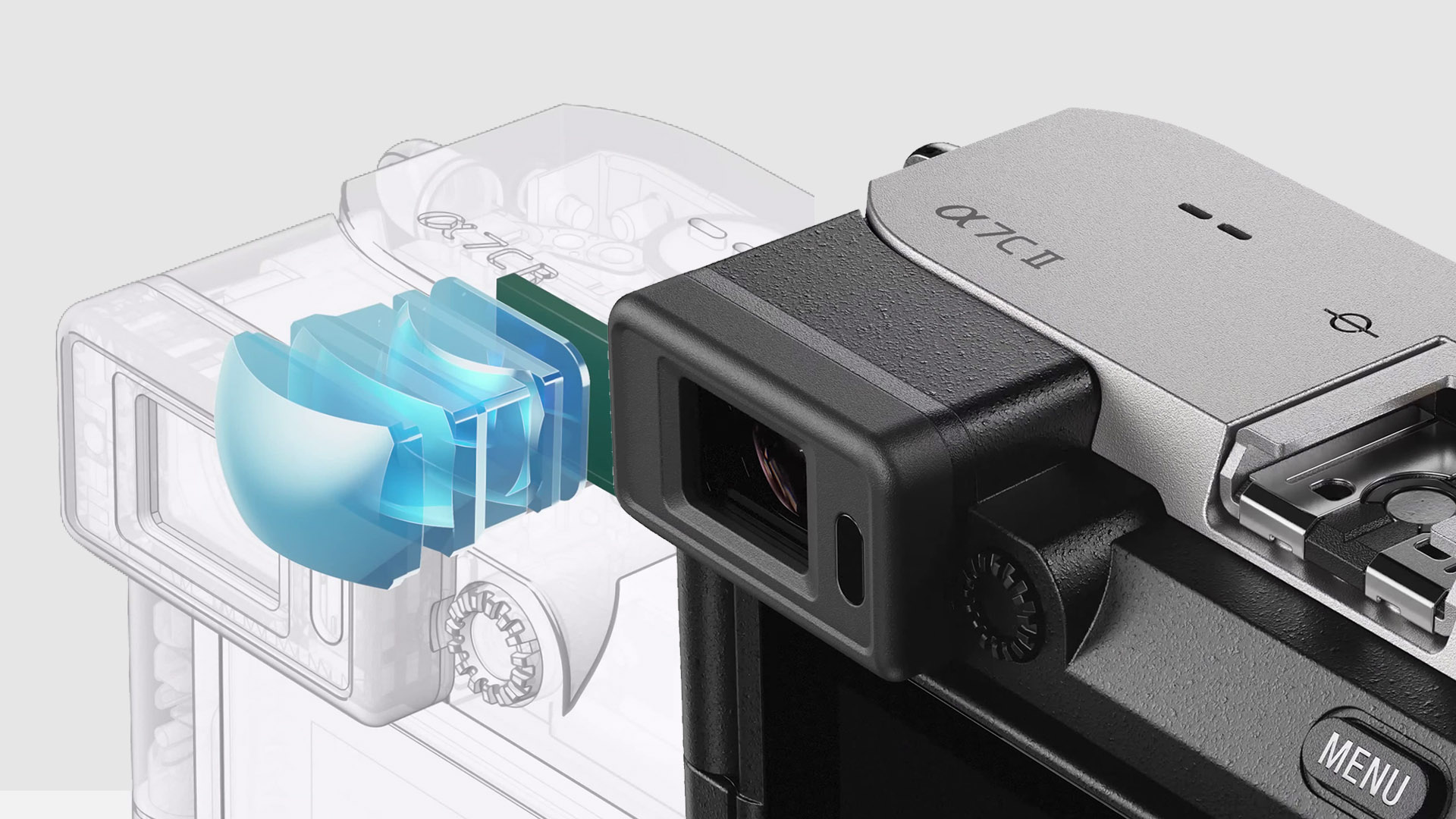
Battery is rated to last longer around 530 shots when shooting images and around 155 minutes if you do continuous video recording through its 3-inch LCD touch-enabled screen. Using its EVF (electronic viewfinder) slightly degrades its battery life. It can be charged through its USB-C port with the faster Power Delivery protocol.
Alpha 7C II: Full-Frame Compact with Versatile Power
As obvious as it sounds (and looks), Sony’s A7C II is the direct successor of the A7C.
The A7C II still has that 35mm full-frame sensor inside but unlike its twin, the second-generation A7C has a smaller 33-megapixel camera. Still, it’s a big step over its predecessor’s 24.2-megapixel shooter and the 26-megapixel-touting A6700 with an even smaller APS-C sensor.
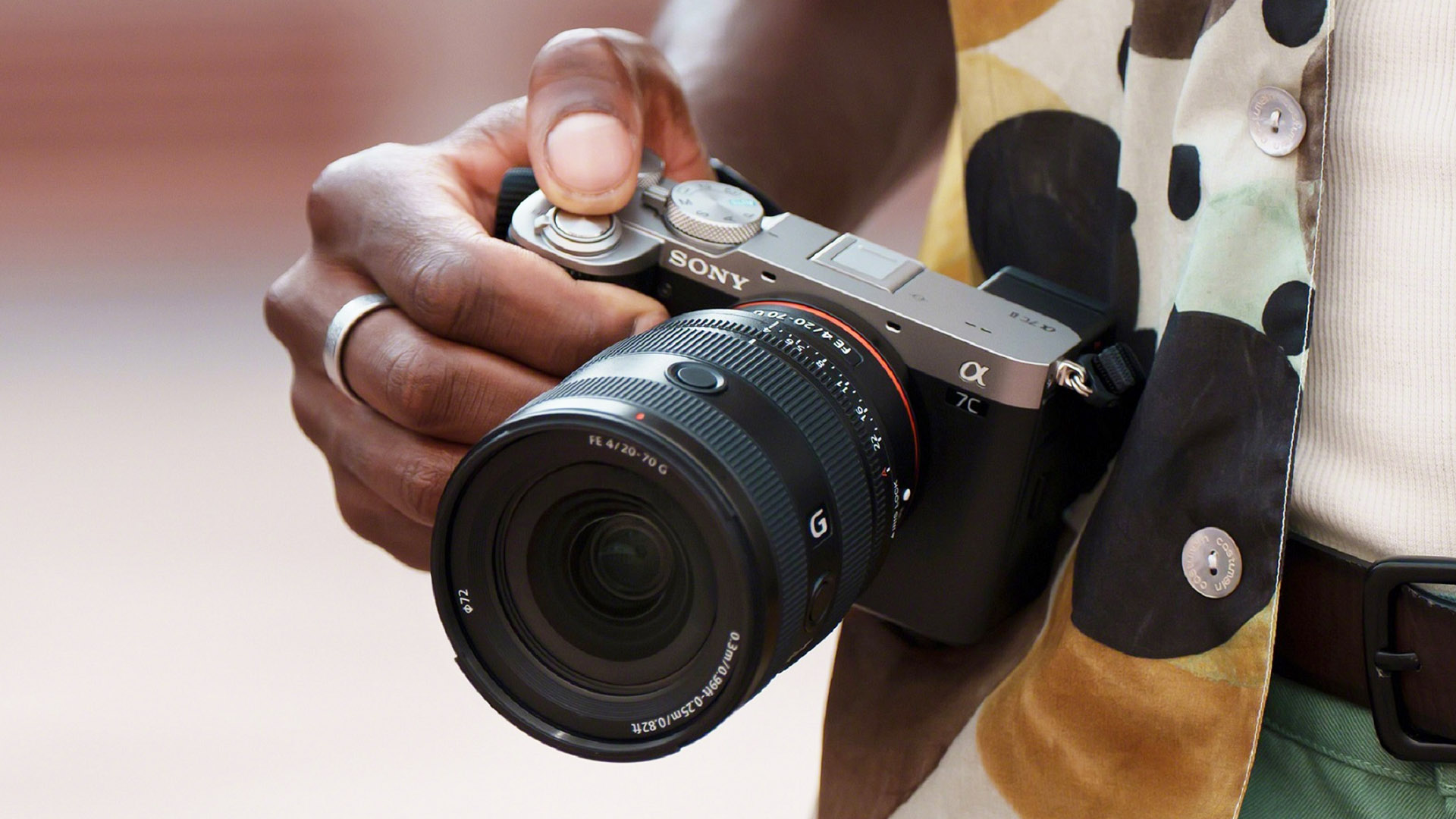
Despite the bigger megapixel count, it’s actually 22% lighter than its older sibling at just 429 grams (versus 509 grams). It also has more Phase-Detection AF points at 759 for preciser shooting (as opposed to A7C and A7CR’s 693 points).

Although this isn’t a Sony “S” camera, which stands for S(ensitivity), the A7C II has the better ISO Sensitivity up in its sleeves: Up to 51,200 and expandable to 204,800 (the A7CR maxes out at 32000; expandable up to 102,400).

By the way, the A7C II is also equipped with the newer BIONZ XR engine as well as the revolutionary AI processing unit that newer Alpha models all possess.

The twin models of the A7C series also share similar feats.
Aside from its hardware and 5-axis in-body stabilization tech, there are more usable features like Real-Time Recognition AF, a more precise Subject Recognition, AI-based Auto Framing, burst shooting in RAW format, high-speed continuous shooting, and other high-quality video shooting features like S-Log plus S-Cinetone, and LUT support, Breathing Compensation when focusing, as well as 7K/6.2K oversampling.
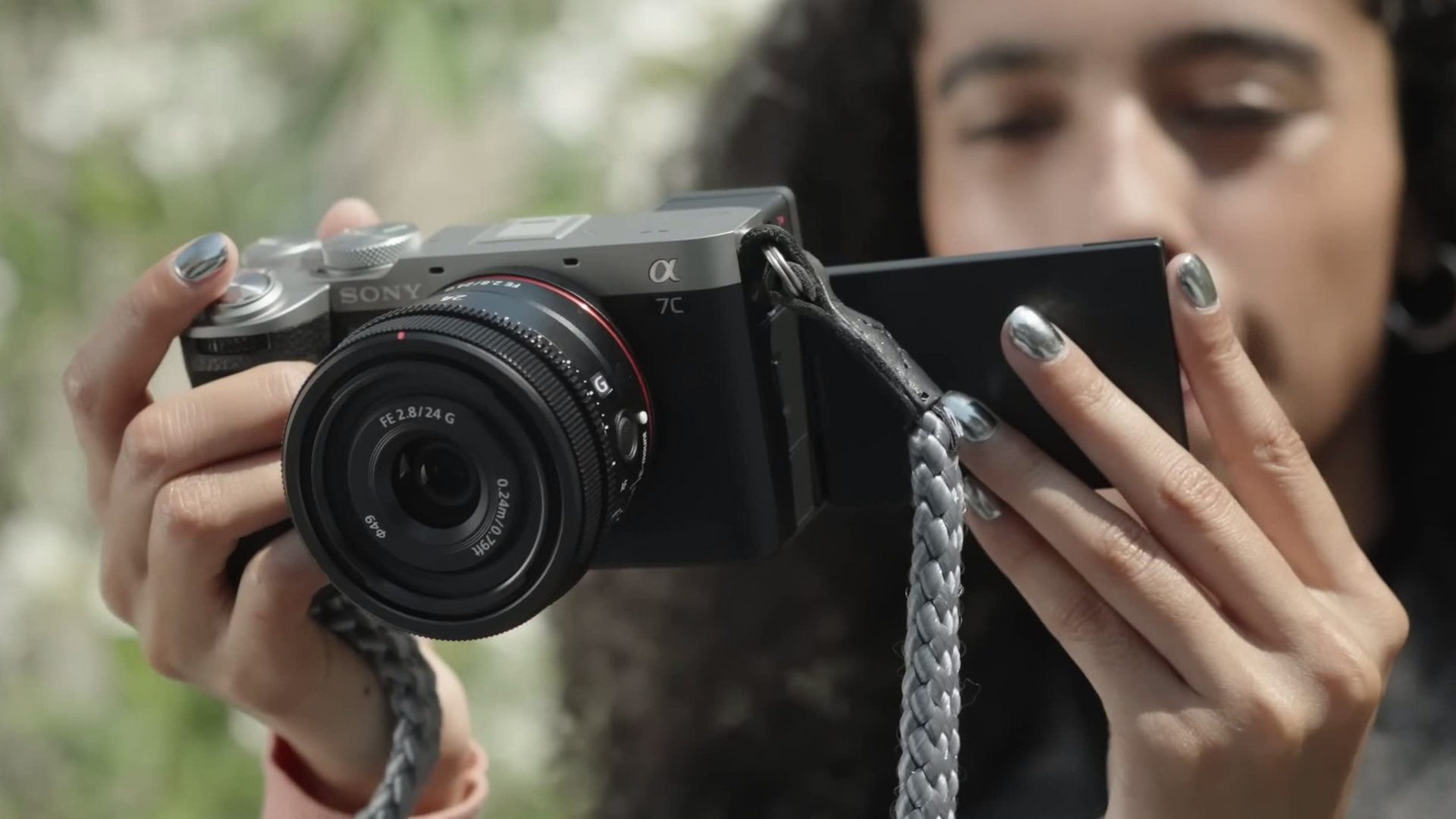
Battery is rated to last a little bit longer than its twin with 560 stills and around 165 minutes worth of continuous video shooting — still by looking at its LCD instead of the smaller EVF. It’s also chargeable via its USB-C PD port.
World’s smallest and lightest
I’m not talking about the cameras anymore. This section is dedicated to the new G-Master lens in its typical lens model naming: FE 16-35mm F2.8 GM II.

Graphics by Vincenz Lee | GadgetMatch
At just 547 grams with a length of 111.5 millimeters, this new GM FE lens makes it the lightest wide-angle zoom lens yet. That’s thanks to a new optical design contributed by an extreme aspherical (XA) lens. It’s also covered by Sony’s Nano AR Coating II which reduces ghosting and flares against strong light.

Graphics by Vincenz Lee | GadgetMatch
Additionally, the front lens has fluorine coating for easy dust and smudge removal. Its even outdoor-ready with its dust and moisture-resistant design.
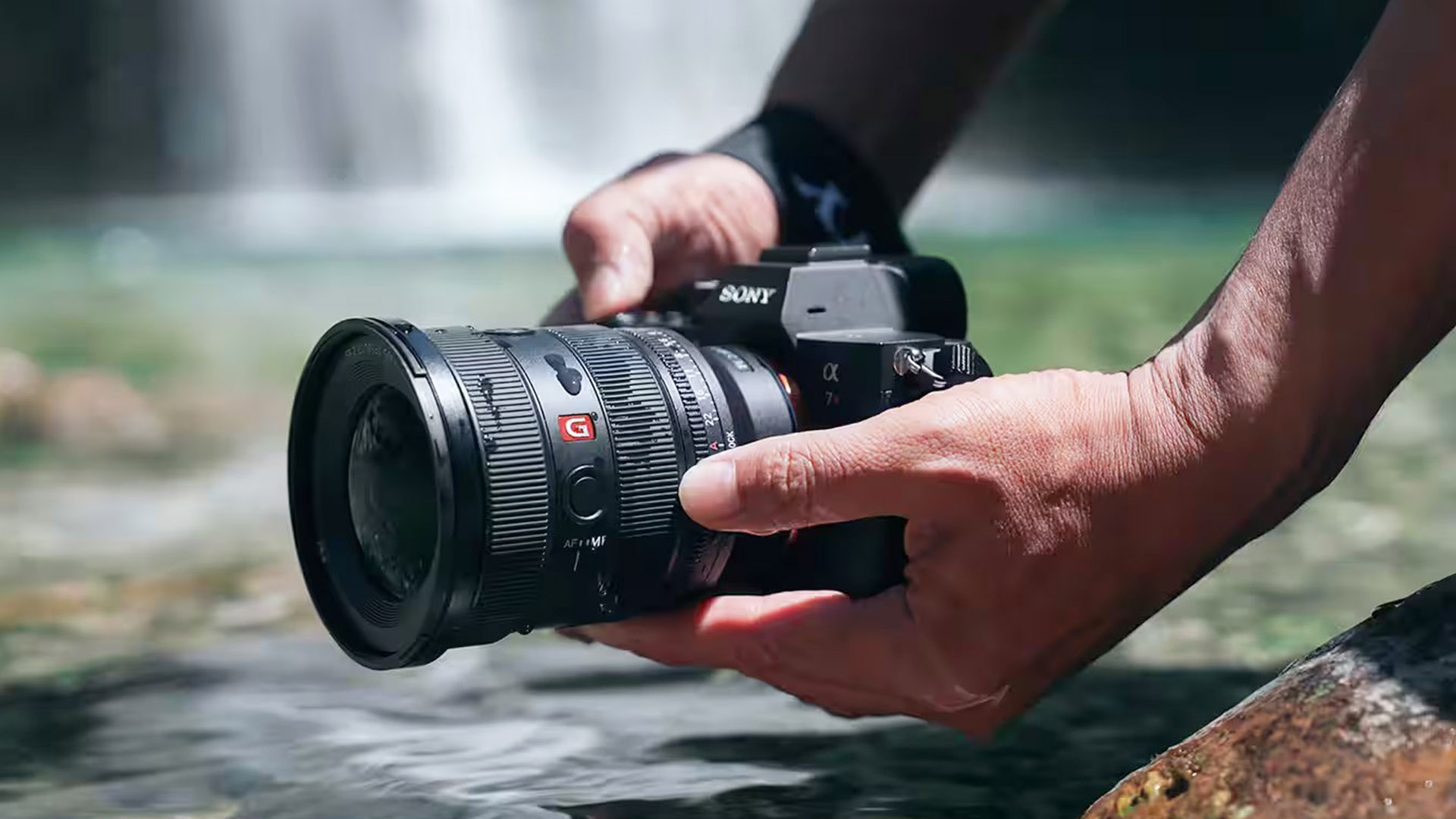
Despite its lightness, it’s still packed with the latest XD (extreme dynamic) linear motors. This contributes to an extra fast, precise, yet quiet AF (Auto Focus) suitable when capturing snaps and stills.
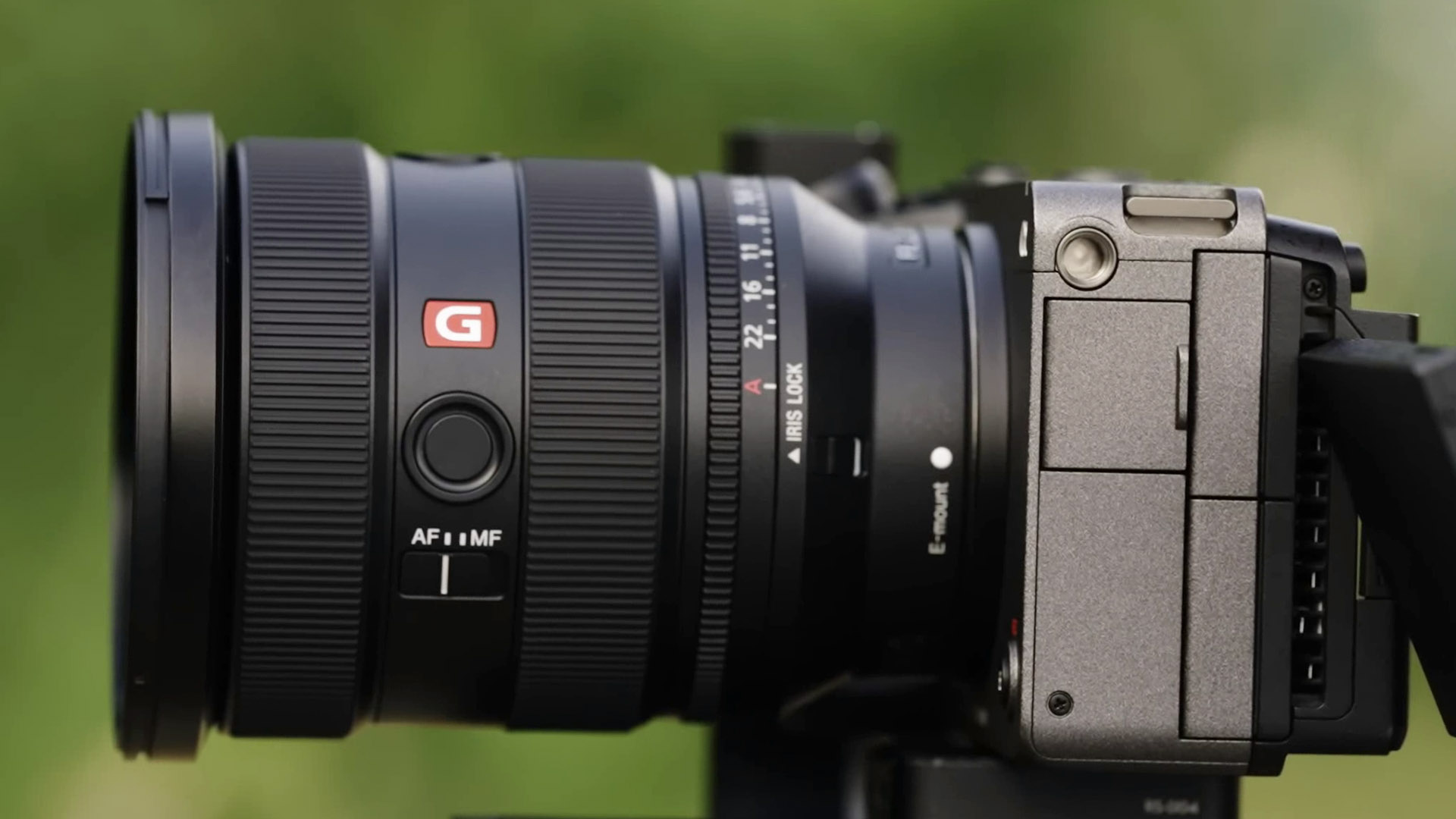
Lastly, its wide fixed f/2.8 aperture means the lens can achieve photographs with shallower DoF regardless of focal length.
Pricing and availability
As expected, full-frame cameras will always come with a hefty price tag.
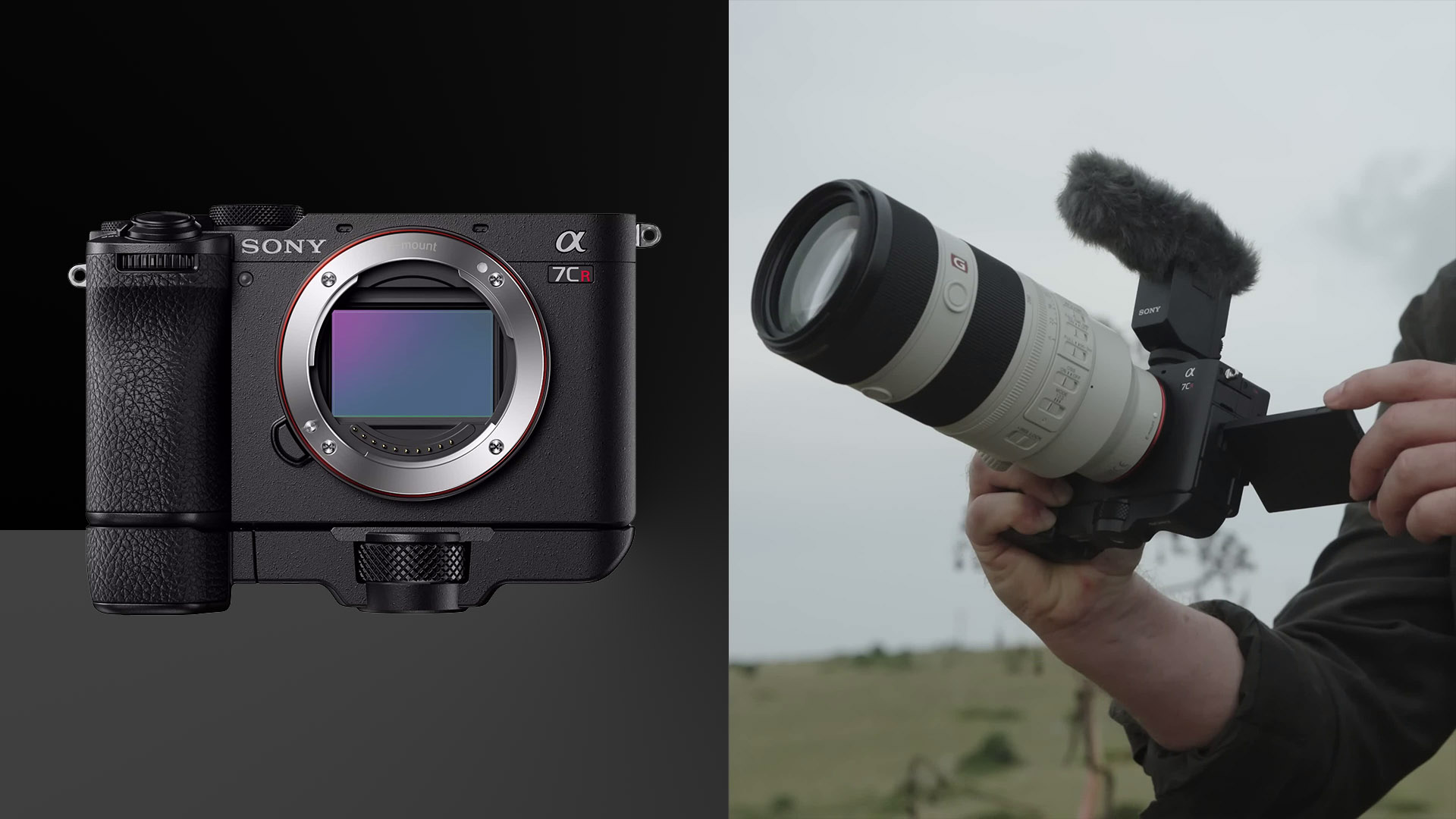
In the Philippines, the Sony A7CR retails for PhP 179,999 and is only available in a body-only configuration.
Graphics by Vincenz Lee | GadgetMatch
There’s also an optional GP-X2 grip extension that helps the user shoot stabler and provides an additional grip and comfort even under longer periods of time — especially when a big, long, and heavy telephoto lens is attached to such small body.
However, the price of the accessory is yet to be announced and wasn’t stated during the time of this writing.

Graphics by Vincenz Lee | GadgetMatch
Meanwhile, the Sony A7C II is being sold in two configurations: PhP 129,999 for the body-only option and PhP 145,999 if you buy it with a bundled kit lens.

Lastly, the new FE 16-35mm F2.8 G Master II wide-angle zoom lens retails for a whopping PhP 139,900.
Pre-order Perks
Sony Philippines has also announced pre-order bundles for prospective buyers:
- Buy an A7CR or A7C II = Get a Peak Design Cuff plus NP-FZ100 Battery Pack (worth PhP 7690)
- Buy the FE 16-35mm F2.8 GM II = Get a Peak Design Slide (worth PhP 4,990)
- Buy the FE 24mm F2.8G or FE 40m F2.5G = PhP 33,800 (from PhP 36,800)
- Buy the ECM-G1 Shotgun Microphone = PhP 5900 (from PhP 8400)
This promo runs only within the whole month of September 2023 on all participating authorized dealers nationwide.
Visit this link for additional pre-order information while here’s the full list of Sony Authorized Dealers so you can check one that’s near you.








DJI has announced the global availability of the Osmo Pocket 4P Pearl White, a new color option for its dual-lens gimbal camera. The new edition retains the camera’s 1-inch CMOS sensor, 17 stops of dynamic range, 10-bit HDR video recording, and dual-lens system.
The Pearl White finish uses mica-infused pearlescent pigments and a multilayer spray coating that creates subtle changes in appearance under different lighting conditions. DJI designed the new colorway for creators who want a camera that complements lifestyle photography, travel vlogging, and everyday video production.
DJI Osmo Pocket 4P Pearl White features
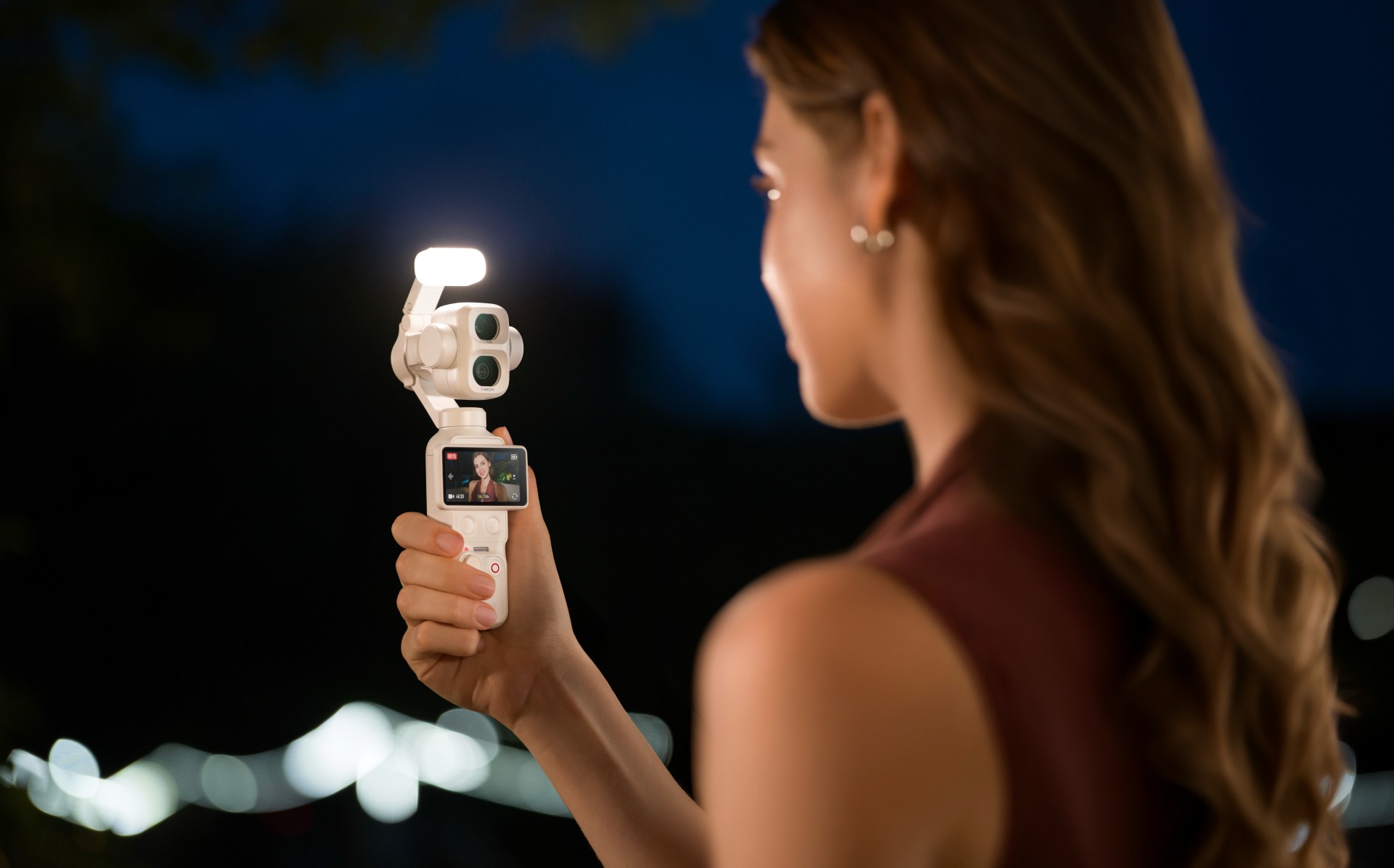
The Osmo Pocket 4P Pearl White features two lenses with different focal lengths. Its primary 20mm wide-angle lens has a 1-inch CMOS sensor and an f/2.0 aperture. It supports video recording at up to 4K at 240 frames per second, with LOFIC technology helping preserve highlight and shadow details in challenging lighting conditions.
The camera also supports up to 17 stops of dynamic range and a 10-bit D-Log 2 color profile. These features give creators greater flexibility when adjusting colors, exposure, and contrast during post-production.
For portraits and tighter compositions, the 60mm medium-telephoto lens has an f/1.8 aperture and supports 3x optical zoom and up to 12x zoom. The camera combines both lenses with gimbal stabilization in a compact body weighing approximately 230 grams.

Other creative features include:
- Slow-motion video: Record up to 4K at 240fps for slow-motion footage.
- High-resolution photos: Capture still images at up to 37 megapixels.
- 4K Live Photos: Record 1.5-second clips alongside photos.
- ActiveTrack 8.0: Track subjects such as people, vehicles, and pets.
- Fast file transfers: USB 3.1 support enables transfer speeds of up to 800MB/s.
- Extended battery life: Record for up to 210 minutes on a single charge.
- Fast charging: Reach 80% battery capacity in as little as 18 minutes.
- Automatic iOS transfers: Transfer newly captured footage to compatible iOS devices after powering off the camera.
Automatic media transfer works best with an iPhone 16 series device or later running iOS 26.4.1 or above, provided the camera battery is above 15%.
The camera also supports HDR 10-bit video recording for footage with a wider range of colors and greater flexibility during editing.
Compatible with DJI Osmo accessories

The Osmo Pocket 4P Pearl White works with DJI’s existing Osmo accessory ecosystem. Compatible accessories include the Osmo Pocket 4 Fill Light, ND and polarizing filters, wide-angle lens adapters, battery handle, and OsmoAudio microphones.
These accessories are sold separately, allowing creators to customize their setup for different shooting scenarios.
DJI Care Refresh coverage
DJI Care Refresh is available for the Osmo Pocket 4P Pearl White. The protection plan covers accidental damage, including collisions and water damage, through a replacement service for an additional fee.
The one-year plan includes up to two replacements, while the two-year plan includes up to four replacements. Other benefits include official warranty coverage, international warranty service, and free shipping, subject to DJI’s terms and conditions.
Pricing and availability
The DJI Osmo Pocket 4P Pearl White is now available globally. The Standard Combo is priced at £529 in the UK and €599 in Europe.
For more information, visit the official DJI Osmo Pocket 4P website.
Accessories
Fujifilm’s new instax Pal 2 and Link WIDE 2 make room for more creative memories
A new pocket camera and a collage-making printer join the instax family.

Seeing a memory take shape beyond your screen changes how it feels. A favorite photo becomes a print you can tuck into a journal or pin beside your desk, and the everyday moments you capture get a little more room to live.
That was the spirit of Fujifilm’s instax Playhou2e launch in Makati, where visual artist Jill Arteche brought her signature illustrations into the event space.
Her artwork surrounded the latest additions to the instax family, the instax Pal 2 and instax Link WIDE 2. Both devices treat photography as a form of personal expression, from the snapshots you take throughout the day to the printed memories you want to keep close.

A pocket-sized camera that goes wherever you do
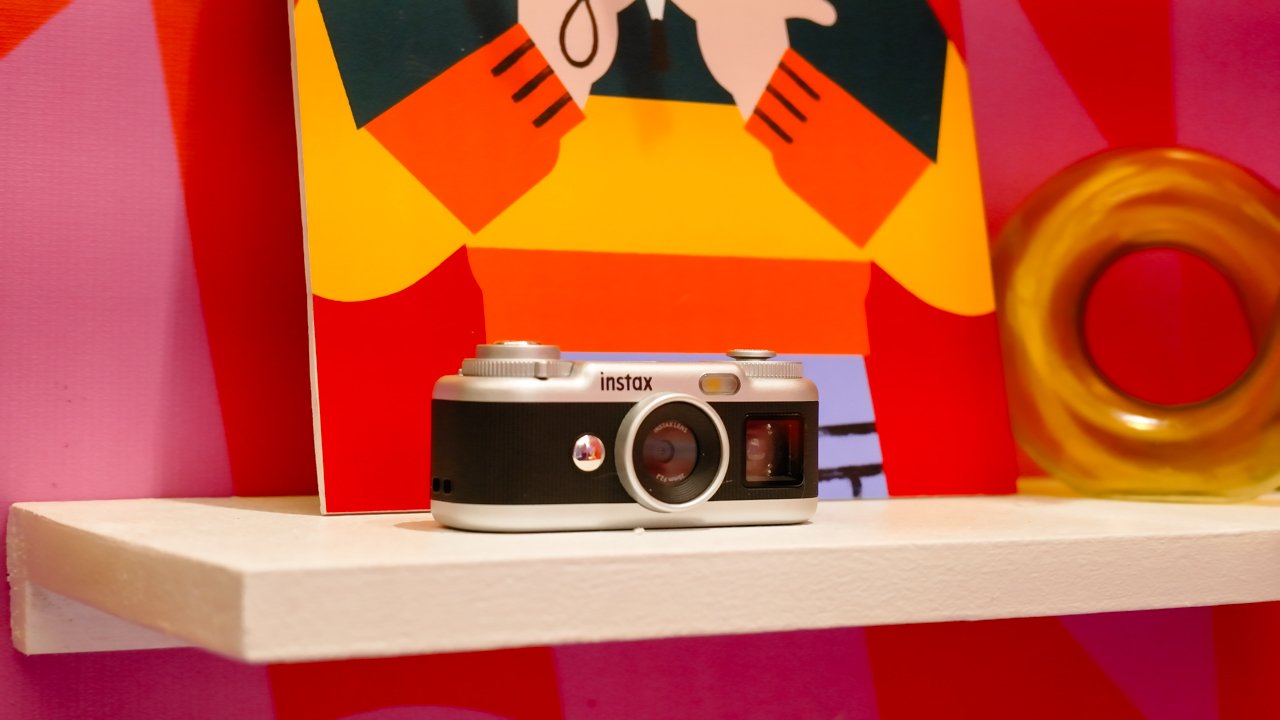
The original instax Pal made the case for carrying a camera without a full-sized setup. Its successor, the instax Pal 2, builds on that with a refreshed design and improved image quality.
The palm-sized camera is built for everyday adventures and can capture angles that are awkward to get with a smartphone. Its compact body also makes it easy to bring along if you like documenting your day as it happens.

Fujifilm gave the Pal 2 a semi-matte finish. A new monitor on top lets you review shots right after you take them, and the added viewfinder, control dial, and lever give it a more tactile feel to shoot with.
The specs have moved up, too. The Pal 2 captures 10-megapixel images, double the original’s five megapixels, and its internal storage holds up to 100 images compared with 50 before. A separately sold microSD card adds more room.
The creative options are where the Pal 2 gets playful. It offers 30 effects, so you can give images different moods without editing each one from scratch. Its instax Animation mode strings up to 10 consecutive shots into a flipbook-style animated video.

Transferring your photos is straightforward. The Pal 2 supports wireless Bluetooth transfers, and a USB Type-C connection offers faster transfers to compatible smartphones. From there, you can edit the images and post them to social media or keep them in your camera roll.
Because the Pal 2 is part of the instax ecosystem, its digital photos can also be printed on instant film through compatible instax printers. That means you can shoot first and decide later which moments deserve a physical copy.
Turning your camera roll into something worth keeping
Taking photos is only half the fun. The other half is deciding what to do with the hundreds of images that pile up on our phones.
The instax Link WIDE 2 is Fujifilm’s answer for anyone who collects travel photos or documents celebrations. As the brand’s WIDE-format smartphone printer, it prints at twice the image area of the instax mini format, which leaves more space for group photos and landscapes.

Its biggest new feature is Photo Mixer, which builds scrapbook-style collages from multiple images you pick in the dedicated app. Instead of printing a single photo, you can combine highlights from a trip or a gathering into one larger keepsake.
The app suggests layouts based on your chosen photos and adjusts image sizes, angles, text placement, and fonts to keep the design cohesive. You can then add your own text and stamps. A cutout function identifies people and objects in your photos so you can layer them into the collage.
With Photo Mixer, printing becomes part of the creative process, and your camera roll turns into material for building a visual record of an experience in a single print.

The Link WIDE 2 also gets a design refresh, with two-tone finishes in Duo Beige and Duo Blue. The light and dark surfaces give it a polished look on a shelf or desk, and an illuminated instax logo glows while it prints.
Connectivity has expanded, too. Beyond smartphones and tablets, the printer works with PCs, Fujifilm X Series cameras, and the instax Pal 2, so digital artwork and other compatible images can become physical prints.
A more personal way to keep your memories
The instax Pal 2 and Link WIDE 2 share the idea that photography is a way to express yourself. The Pal 2 makes it easy to capture moments as they happen, and the Link WIDE 2 gives those images a place in the physical world.

Jill Arteche’s artwork at the launch backed that idea up. Her illustrations filled the space with personality and showed how photos and art can make an environment feel more personal. The event also made a case for revisiting and reinterpreting the images we collect.

Taking a photo takes seconds, and printing one can make the memory feel more special. The instax Pal 2 and Link WIDE 2 bring that into everyday life and give your snapshots room for creativity, from the moment you press the shutter to the moment you find a place for the print.
In the Philippines, the Fujifilm instax Pal 2 retails for PhP 10,599, while the Fujifilm instax Link WIDE 2 is priced at PhP 10,999. Both devices are now available on Fujifilm’s authorized stores and retailers nationwide.
Cameras
Sony introduces its 1st Fisheye Zoom G Lens
Broad range for landscapes, architecture, sports, and video production

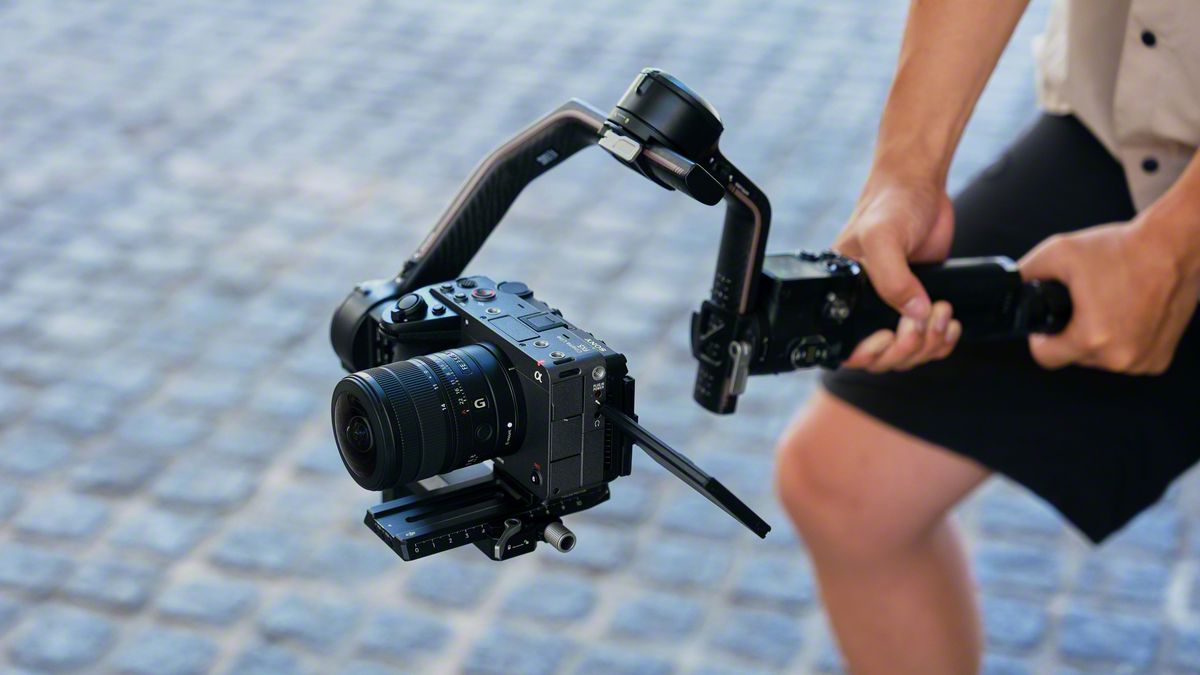
Sony has just launched its first fisheye zoom G Lens for full-frame Alpha E-mount cameras: the Sony FE 8-14mm F3.5 Fisheye G. It will be available from late September for an SRP of US$ 1,599.99 / SG$ 2,049.
The 8 mm to 14 mm zoom focal range covers a broad set of fisheye perspectives in one compact lens.
At 8 mm, the lens shoots circular fisheye with a 180-degree angle of view projected as a circular image on a full-frame sensor.
Meanwhile, at 14 mm, it shoots diagonal fisheye across the full frame with a 180-degree diagonal angle of view.
Users can match the angle of view and composition to the subject and creative intent, across various scenarios like landscapes, architecture, sports, and more.
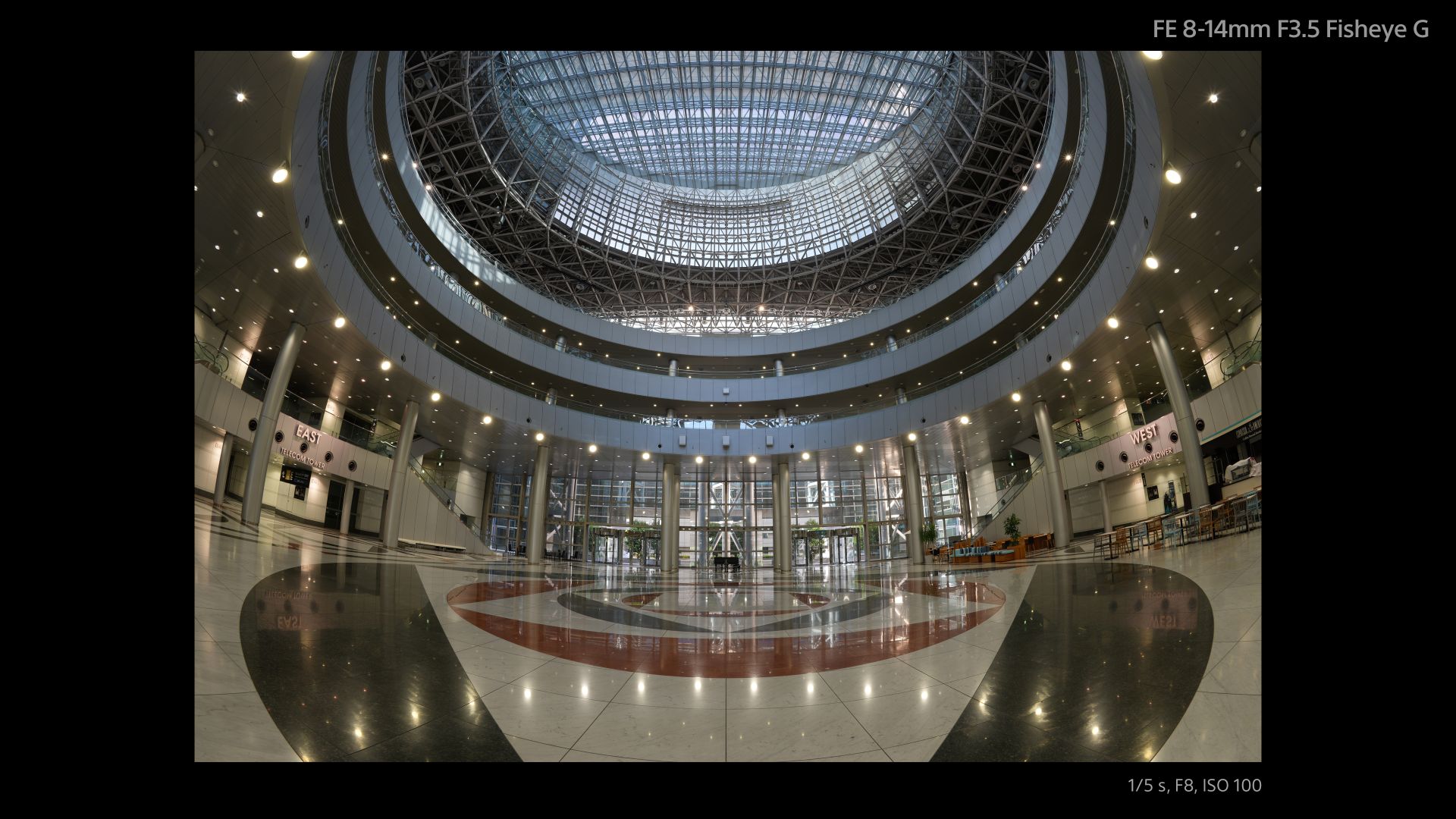
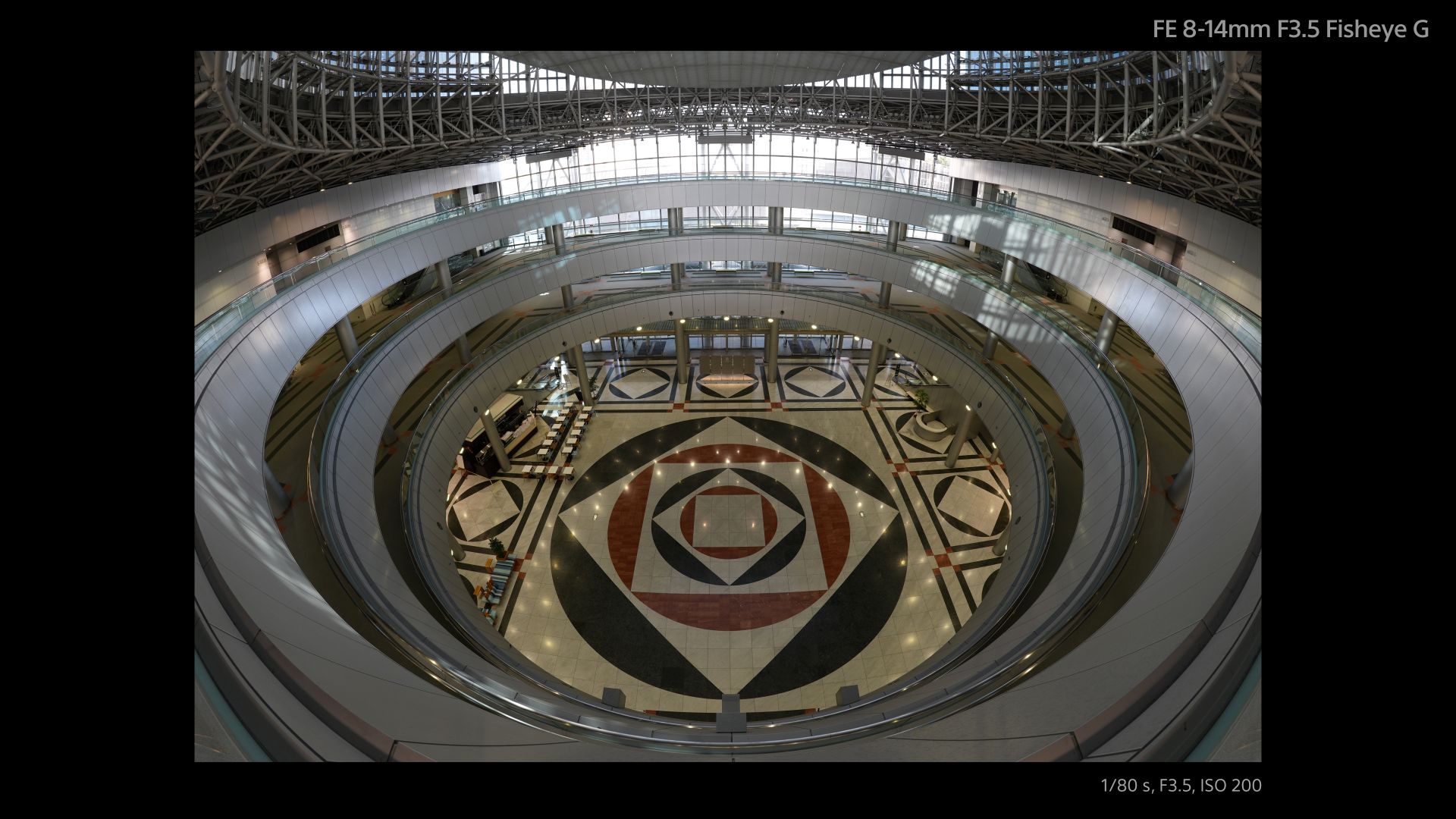
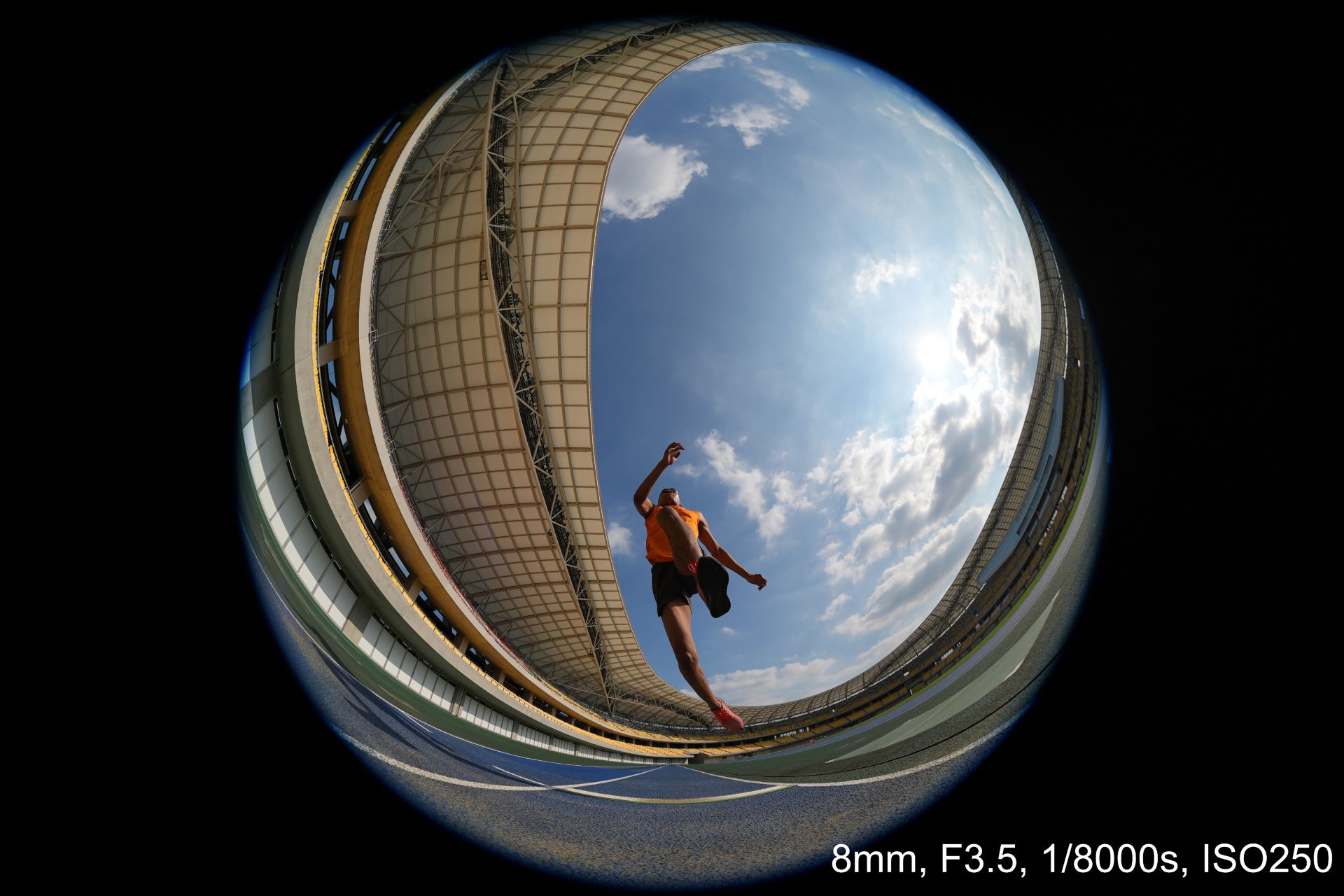
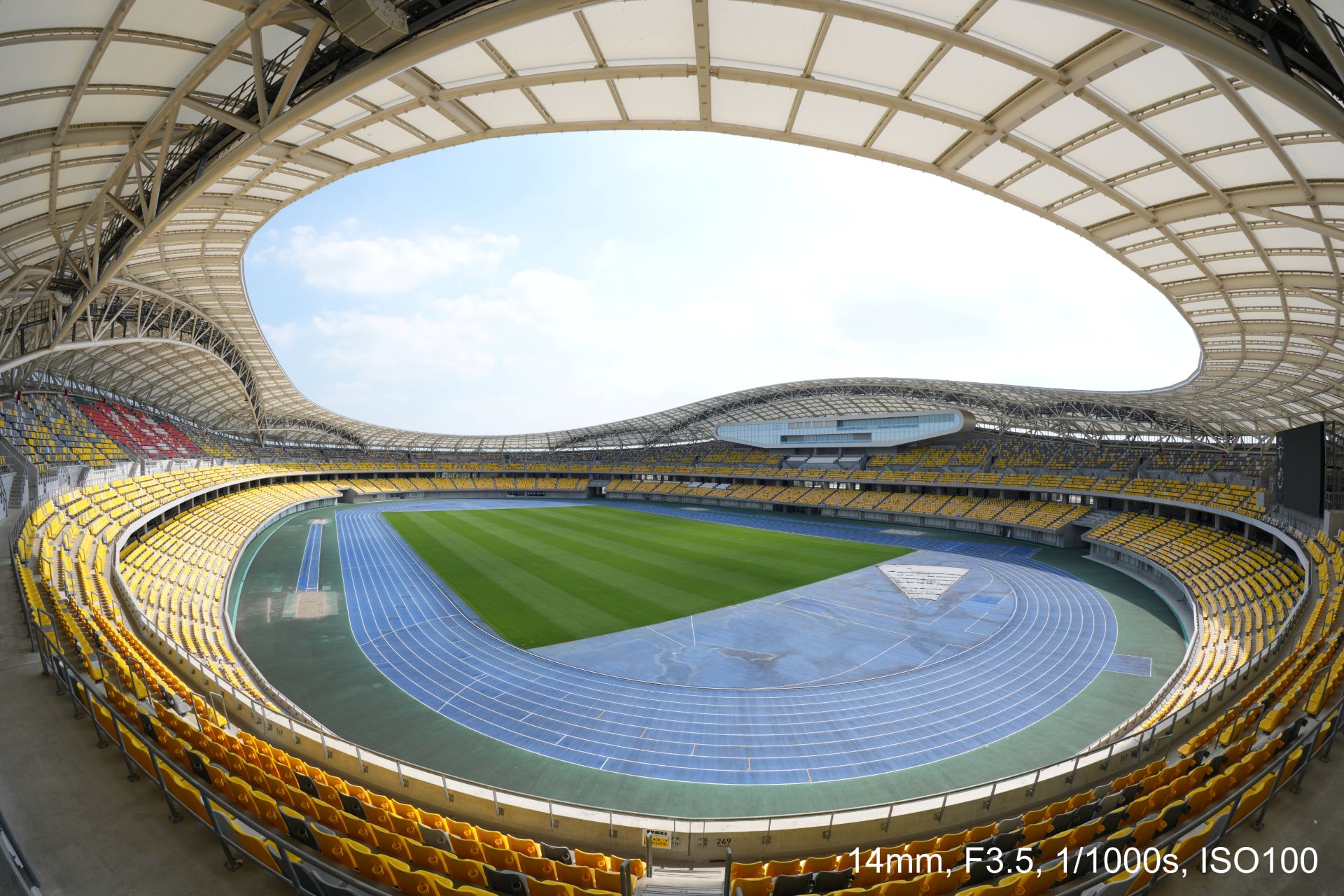


An optical design with ED (extra-low dispersion) glass and aspherical elements suppresses chromatic and other aberrations across the image area.
This enables high resolution throughout the zoom range with fast and precise autofocus and Linear Response MF. All these while suppressing focus breathing and operating quietly for movie production.
Controls include a focus mode switch, zoom lock switch, and an aperture ring with switchable click stops.
A minimum focusing distance of 0.15 meters and maximum magnification of 0.22x at the telephoto end also allow close-up fisheye perspectives both for stills and movies.
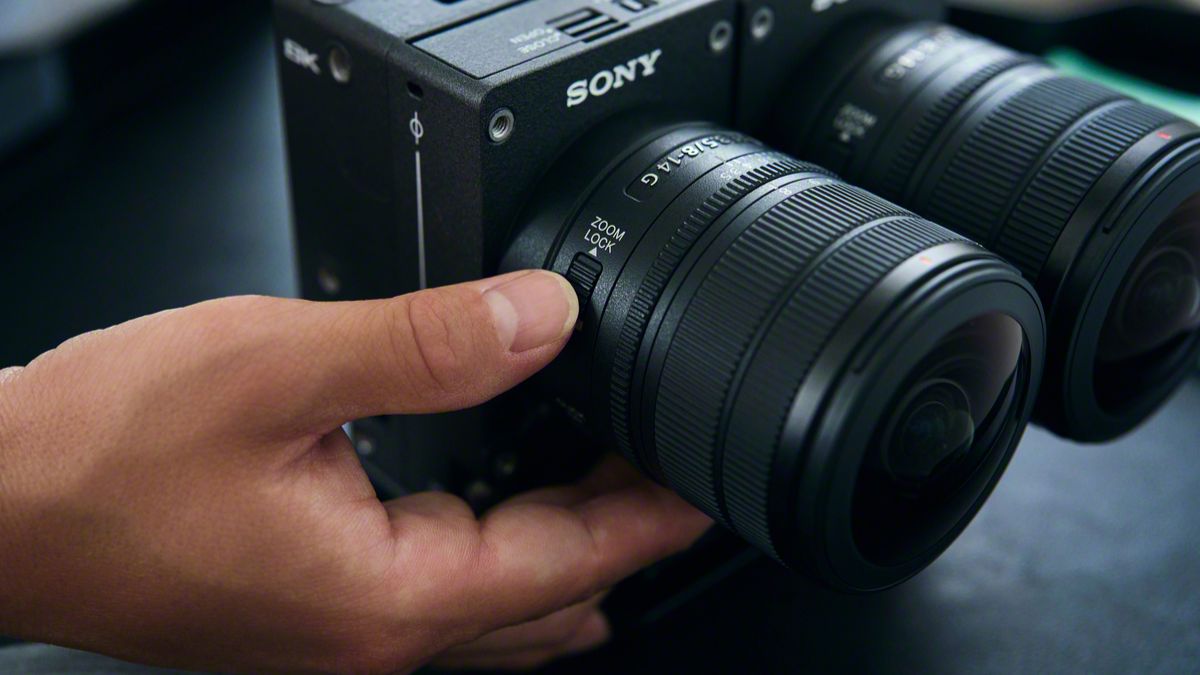
The Sony FE 8-14mm F3.5 Fisheye G measures about 63.1 mm in maximum diameter and 82.8 mm in length.
It weights about 314 grams, giving it mobility for handheld, gimbal, and rig-based shooting. It is also dust and moisture-resistant with a fluorine coating on the front.
In addition, users can opt for a dual-lens configuration with the VENCE Extension System Mini.


HP OMEN Max 16 review: Gamer-maxxing in deep black
Peripherals deemed necessary to max this out

vivo V80 review: Good phone, tough sell
A capable travel companion


Ghost of Yōtei Complete Edition review: More of a great thing
Picking up where Atsu left off

Visa: 79% of Filipinos want to learn about stablecoins

CASETiFY Match: Finding the right case for your Galaxy Z8 Series phone
HP OMEN Max 16 review: Gamer-maxxing in deep black

Google illegally destroys 250,000 trees for a single AI data center

FINAL FANTASY RESONANCE now available across major platforms

TECNO CAMON Slim 5G review: Slim on size, big on surprise

TECNO CAMON Slim 5G: Price, availability in the Philippines

HONOR Magic9 Pro Max launches in China with ARRI-powered imaging

BYD says that way better EV batteries are coming next year

HONOR 600S review


-

 Gaming2 weeks ago
Dragon’s Dogma 2: Dark Arisen launches with new Official Pawns
-

 News1 week ago
vivo V80 debuts with ZEISS cameras
-

 Deals2 weeks ago
Score PhP 22,000 in guaranteed freebies when you pre-order the iPhone 18 Pro at Beyond the Box
-
 Philippines1 week ago
TECNO CAMON Slim 5G gets launch discounts, free MagBadge
-

 News1 week ago
Samsung: Galaxy Z Fold8 demand rose because of iPhone Duo
-

 Features2 weeks ago
I don’t want a phone that unfolds — the Galaxy Z Fold8 gets why
-
Reviews6 days ago
vivo V80 review: Good phone, tough sell
-
 News4 days ago
OPPO Find X10 Series: Price, availability in the Philippines