
Singapore
LG launches new refrigerators that can change colors, play music
The LG InstaView Fridge with MoodUP LED Door Panels

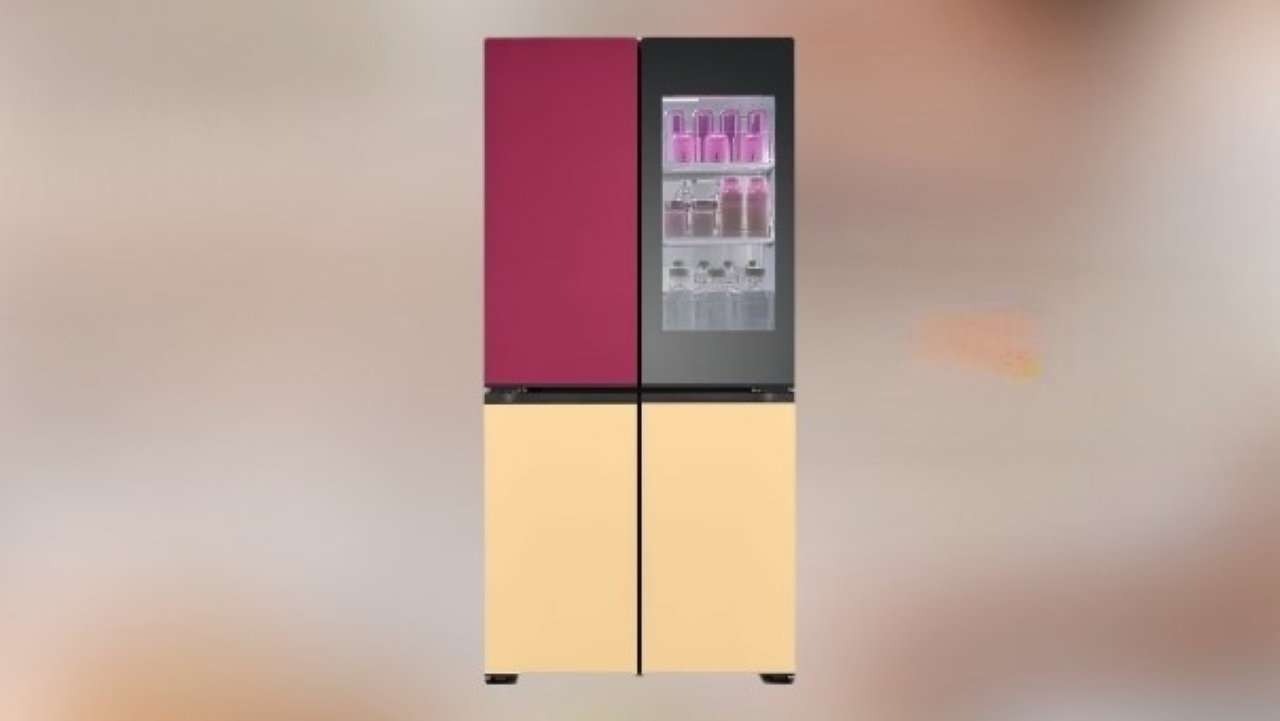
LG Electronics taking customization of its home appliances to the next level with the announcement of the new LG InstaView Fridge with MoodUP LED Door Panels.
The 527L-capacity refrigerator is equipped with LG’s InstaView feature, color-changeable LED door panels, and Bluetooth 5.0 speakers, setting a standard in kitchen experiences.
The new offering lets users synchronize their fridge’s color or theme with their mood. They can choose from an array of customizable lighting options from over 170,000 color combinations.
They can even stream their favorite music directly from the appliance. This can be done through their favorite music apps or the ThinQ app’s Music Collection playlist.
And when in Party Mode, the fridge’s color-changing panel pulses in sync with the music’s beat, making the product the centerpiece of any gathering.
The LG InstaView Fridge with MoodUP LED Door Panels is priced at SG$ 7,599 (roughly US$ 5,852 when converted).
It will be available for preorder on the LG Official Brand Store from September 18 to October 10. Afterwards, customers can purchase the product from authorized retailers starting October 21.
Award-winning design
Blending technology and aesthetics, the LG MoodUP refrigerator was also honored with the iF Design Award 2023.
Users may also opt for a classic kitchen look by simply switching off the LG MoodUP LED door panels. The fridge is available in Lux Gray and Lux White finishes. It also comes with Metal Fresh silver and metallic highlights to accentuate the overall look.
Meanwhile, LG’s InstaView technology allows users to check what’s inside the fridge without having to open its doors. They simply have to knock twice on the tinted glass panel that shall illuminate when the gesture is done.
Moreover, the fridge is equipped with advanced technologies to maintain food freshness longer, including Linear Cooling and Door Cooling. Linear Cooling reduces temperature fluctuations, while Door Cooling uses strategically placed air vents to direct cold air to hard-to-reach areas.
User-centric smart features
Furthermore, the LG InstaView Fridge with MoodUP features Smart Fresh Air and Smart Learner. This intelligent features track the user’s usage patterns over a three-week period and automatically adjusts the fridge’s cooling performance and energy consumption.
Additionally, the LED panels incorporate a range of thoughtful lighting features to enhance the overall vibe inside the kitchen.
There’s a motion-activated Welcome Light to warmly greet homeowners as they approach the refrigerator. At night, the Night Mood Light makes navigations in dimly-lit conditions easier.
As with other LG refrigerators, users can leverage the ThinQ app to control the color of the fridge, adjust its temperature, monitor its status remotely, and check more settings.





News
iPhone Duo: Price, availability in Singapore
Apple’s first foldable iPhone arrives in Singapore.

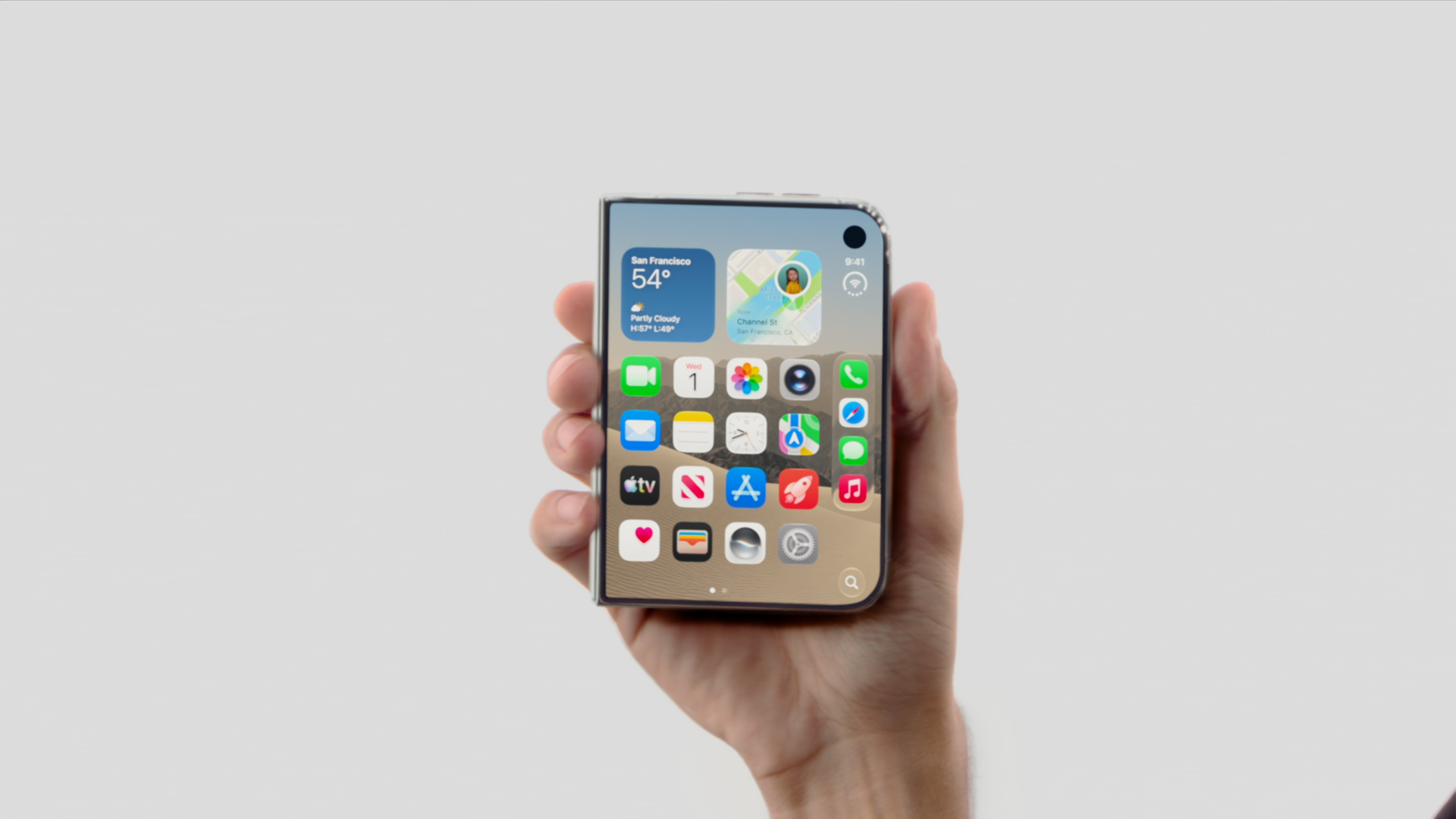
Apple has officially entered the foldable smartphone market with the iPhone Duo, its first-ever foldable iPhone. It uses a passport-style design that opens into a larger display while retaining a conventional smartphone experience when closed.
Price and availability
The iPhone Duo starts at SGD 3,099 in Singapore for the 256GB model.
Here’s the full Singapore pricing:
- 256GB — SGD 3,099
- 512GB — SGD 3,399
- 1TB — SGD 3,999
- 2TB — SGD 4,899
The iPhone Duo comes in Star White and Night Sky. Apple will make it available starting October 23.
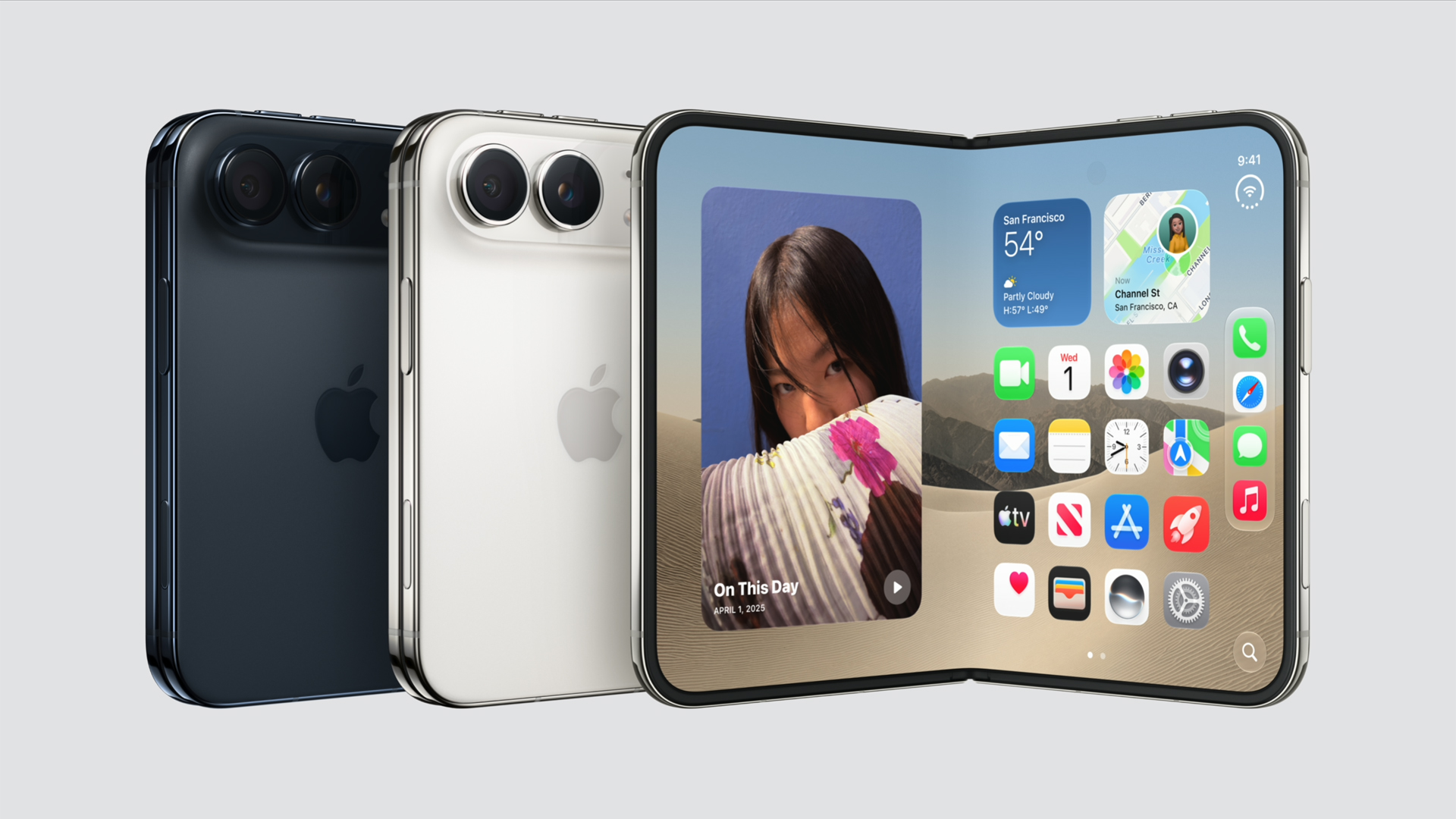
A foldable design built around two displays
The iPhone Duo has a 5.4-inch outer display when folded and a 7.6-inch main display when opened. Both displays share the same aspect ratio, allowing iOS to transition smoothly between the two orientations.
The rear chassis uses Ceramic Shield, while the front display gets Ceramic Shield 2. The phone is also IP68-rated for dust and water resistance.
Its hinge uses carbon fiber supports and magnets. Apple also designed the camera plateau with a curved edge that flows into the rear chassis.
A20 Pro powers the foldable experience
The iPhone Duo runs on the A20 Pro, the same chip found in the iPhone 18 Pro series. Apple says it delivers 35 percent better sustained performance than the iPhone 17 Pro.
It also comes with the new C2 cellular modem, which provides up to 50 percent faster uploads. The foldable can be used in different configurations, including tent mode and partially folded like a book.
A 48-megapixel camera system
The iPhone Duo gets a 48-megapixel Fusion Main camera alongside a 12-megapixel 2x telephoto camera. A 12-megapixel Center Stage camera handles selfies and video calls.
Apple also places the front camera under the display for a cleaner inner-screen experience.
Battery life that lasts beyond a day
The iPhone Duo offers up to 31 hours of video playback using its inner display and up to 44 hours when using the outer screen.
Charging is also fast. Apple says a 20-minute charge can replenish half the battery, while a five-minute charge can provide up to five hours of video playback.
Singapore
iPhone 18 Pro series: Price, availability in Singapore
Singapore gets Apple’s latest Pro iPhones this September.
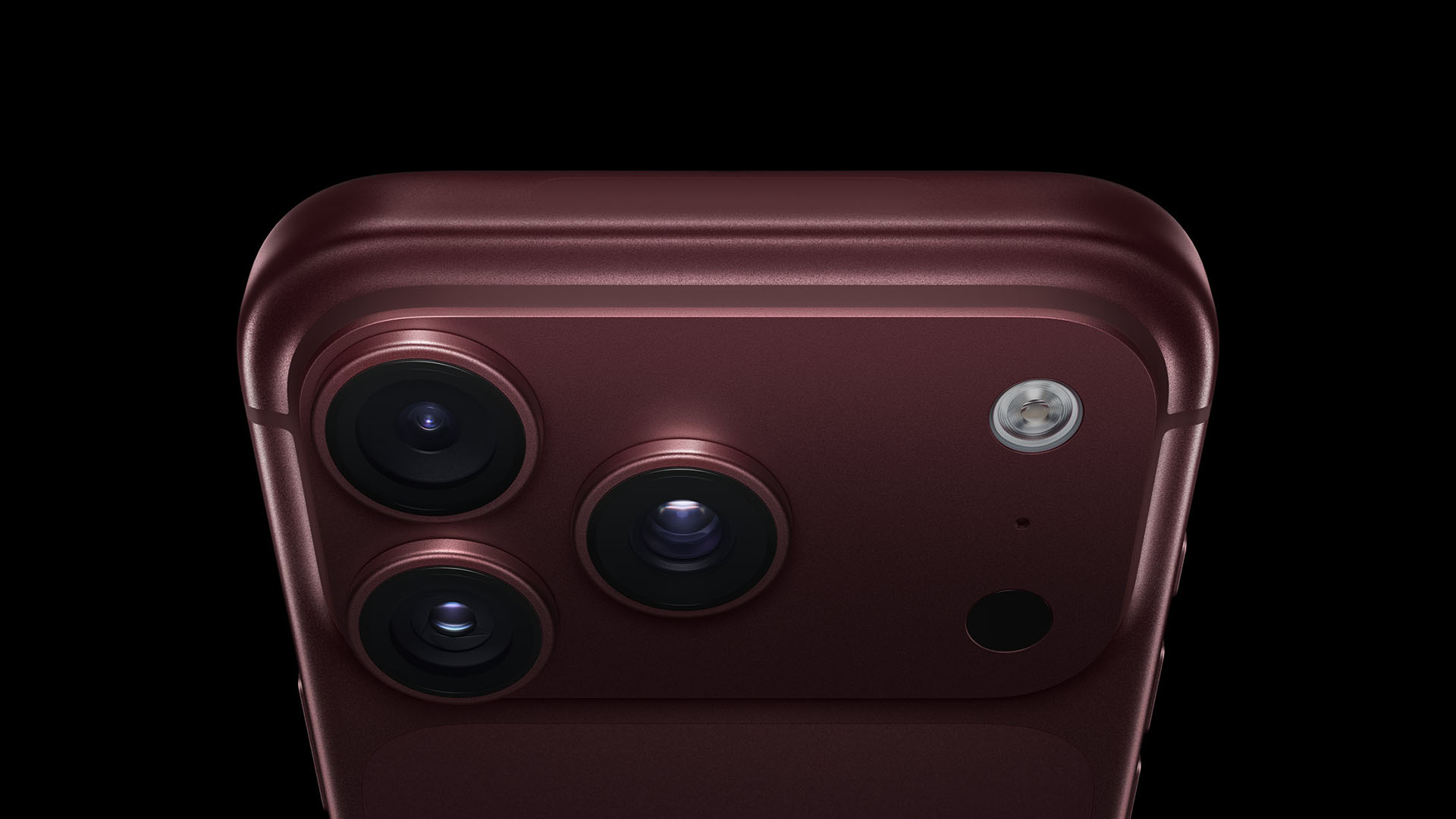
Apple’s latest Pro iPhones are coming to Singapore with upgraded cameras, a new A20 Pro chip, and significantly improved battery life.
Price and availability
The iPhone 18 Pro starts at S$1,899 in Singapore, while the iPhone 18 Pro Max starts at S$2,099.
Both models come with 256GB, 512GB, 1TB, and 2TB storage options. They are available in Black, Silver, Glacier, and Burgundy.
Apple will open pre-orders in Singapore on September 12 at 8PM, with both models going on sale on September 18.
The iPhone 18 Pro and iPhone 18 Pro Max will be available through the Apple Store online, Apple Store locations, and authorized retailers.
Other features and details
The iPhone 18 Pro and Pro Max feature a new 48-megapixel Fusion Main camera with variable aperture. The system can automatically adjust the aperture depending on the scene, giving users more control over how they capture photos.
Apple has also added new Pro controls to the Camera app. The camera system supports cinematic effects, including 4K time-lapse recording.
The two models use Apple’s new A20 Pro chip. It features a six-core CPU that delivers up to 20 percent faster performance, along with a seven-core GPU that offers a 40 percent increase in graphics performance. A new vapor chamber also helps manage heat during demanding workloads.
Both models also get a smaller Dynamic Island and improvements to Apple Intelligence. The updated Siri AI can better understand what users need and provide more personalized assistance.
Battery life also gets a major boost. The iPhone 18 Pro offers up to 36 hours of video playback, while the iPhone 18 Pro Max reaches up to 45 hours. Apple says a 15-minute charge can replenish up to half of the battery.
For the full specifications and features, check out our main iPhone 18 Pro and iPhone 18 Pro Max launch coverage.
Cameras
Sony introduces its 1st Fisheye Zoom G Lens
Broad range for landscapes, architecture, sports, and video production
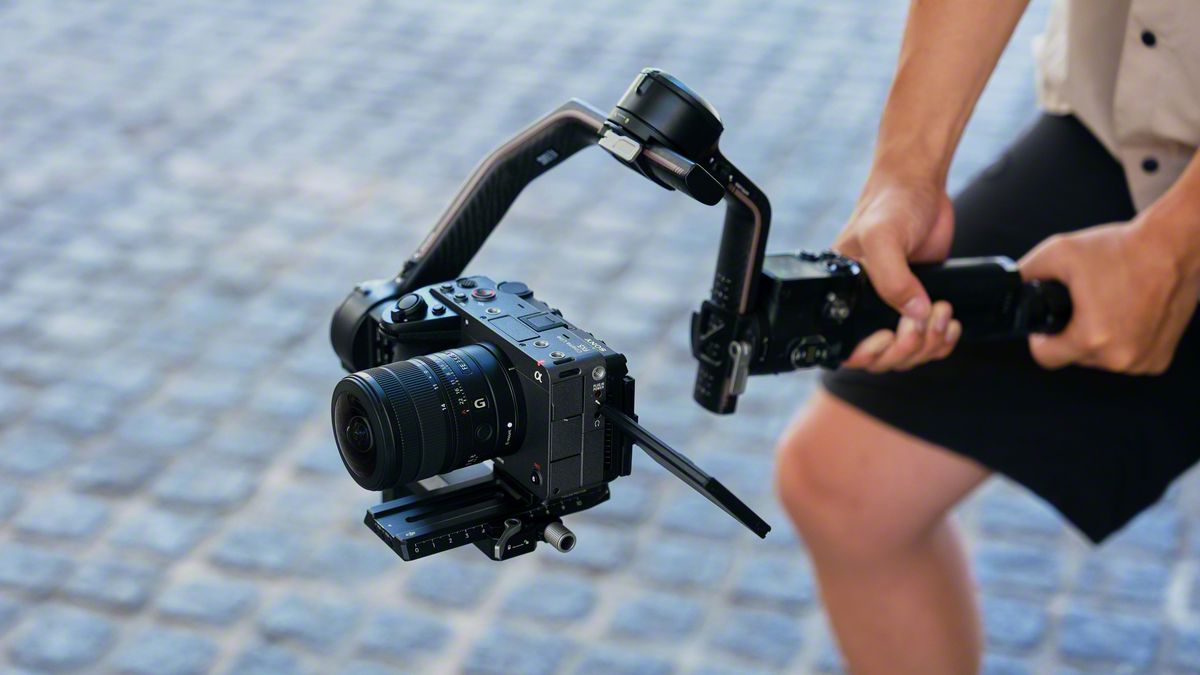
Sony has just launched its first fisheye zoom G Lens for full-frame Alpha E-mount cameras: the Sony FE 8-14mm F3.5 Fisheye G. It will be available from late September for an SRP of US$ 1,599.99 / SG$ 2,049.
The 8 mm to 14 mm zoom focal range covers a broad set of fisheye perspectives in one compact lens.
At 8 mm, the lens shoots circular fisheye with a 180-degree angle of view projected as a circular image on a full-frame sensor.
Meanwhile, at 14 mm, it shoots diagonal fisheye across the full frame with a 180-degree diagonal angle of view.
Users can match the angle of view and composition to the subject and creative intent, across various scenarios like landscapes, architecture, sports, and more.
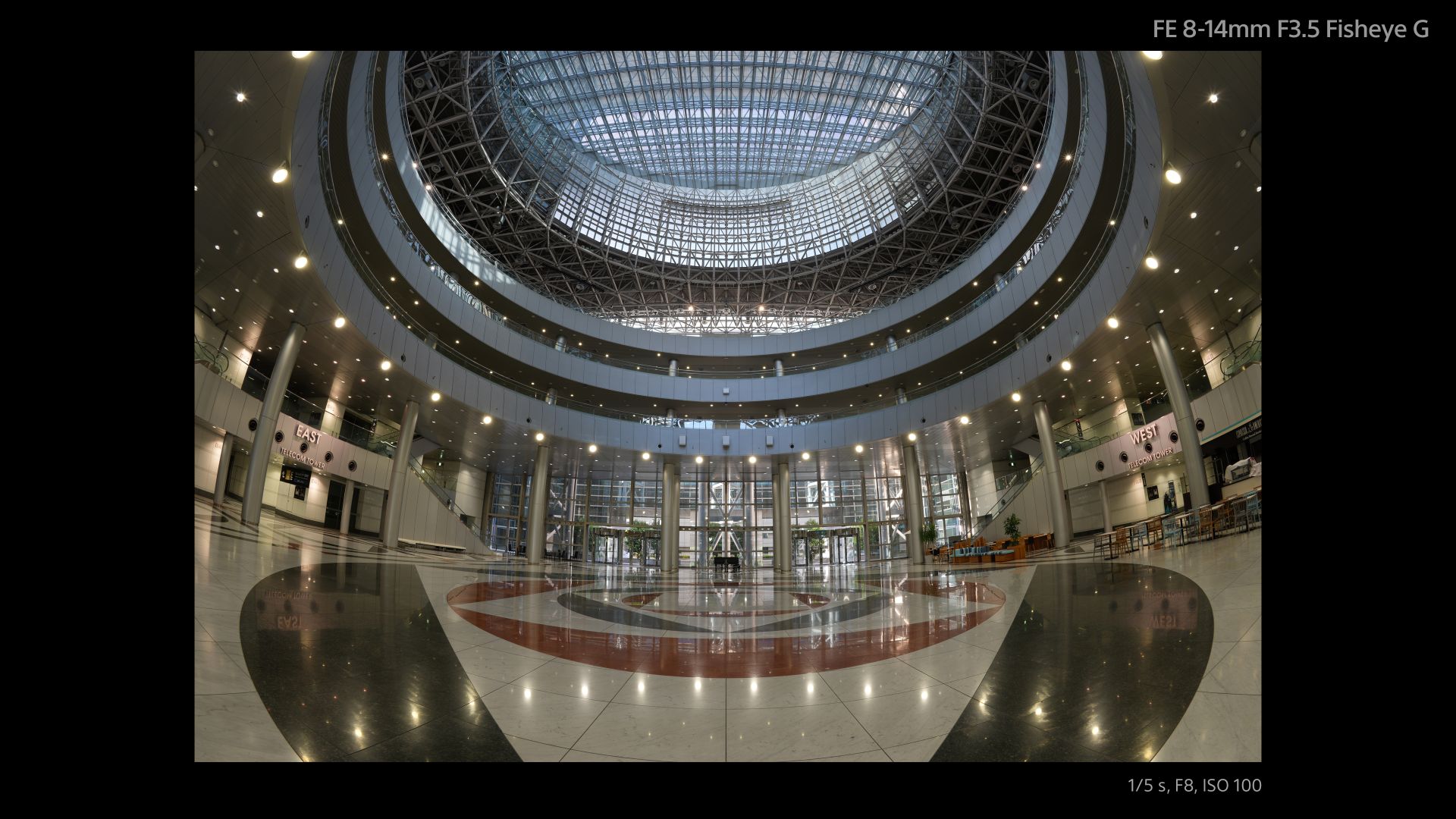
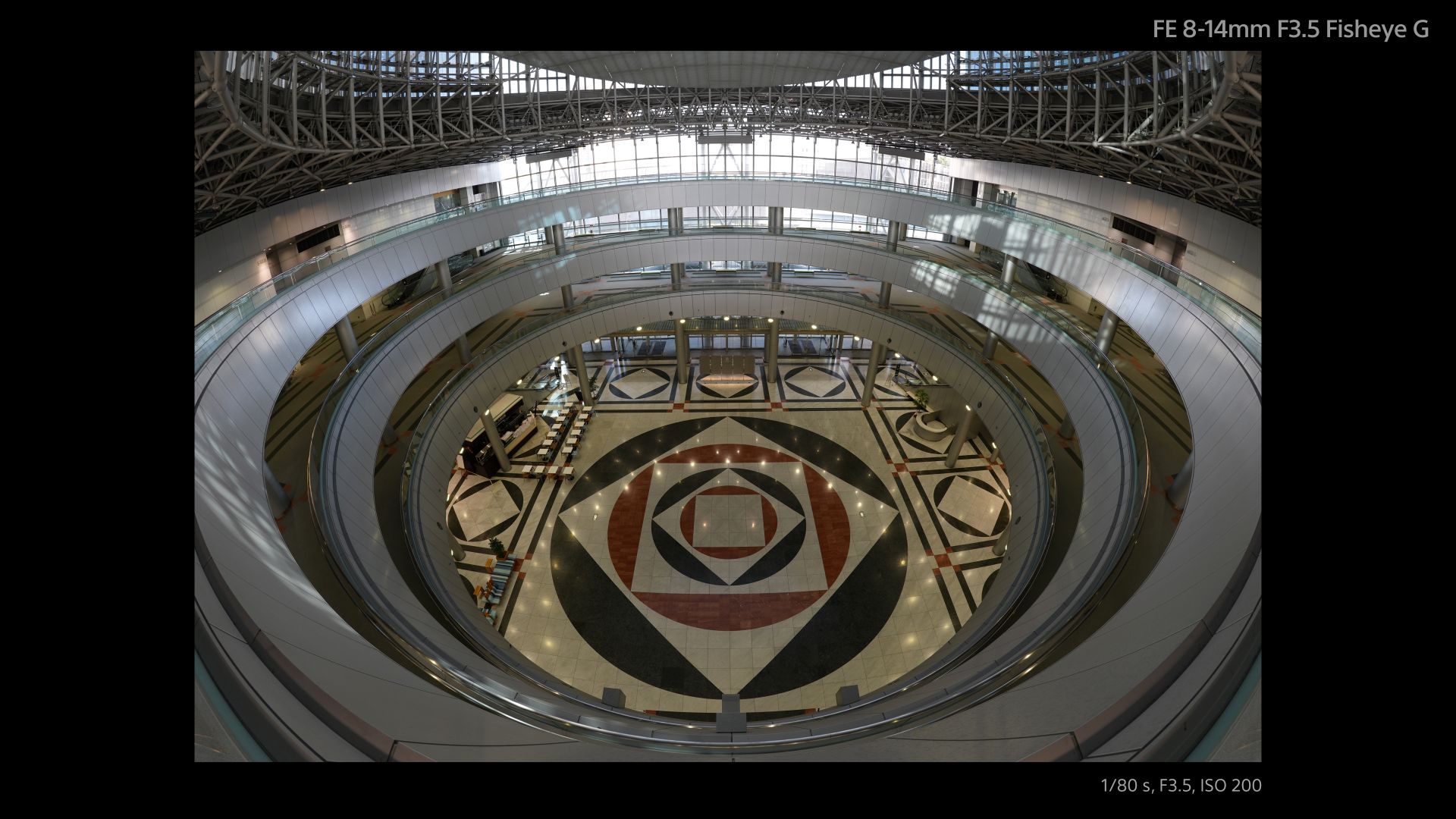
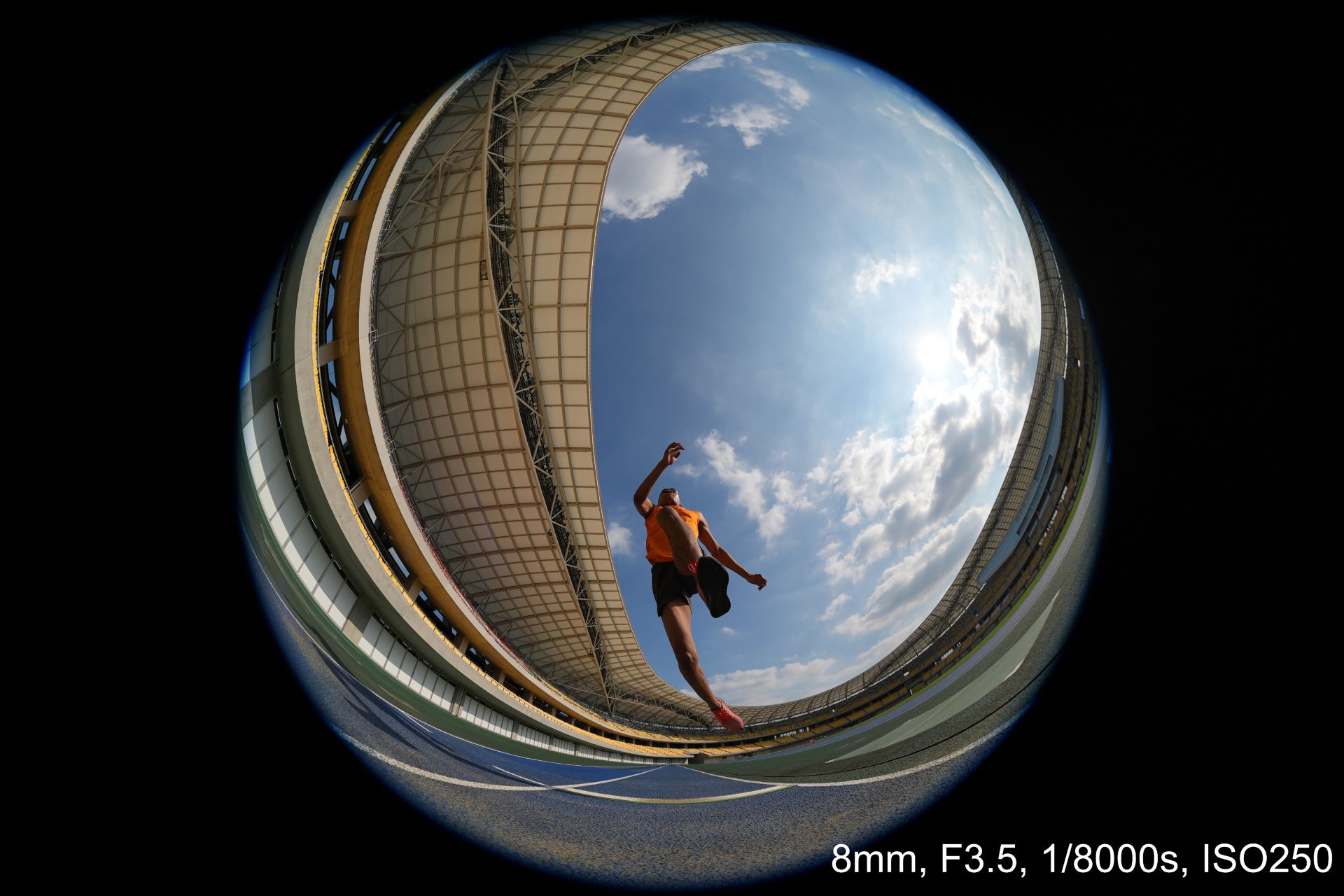
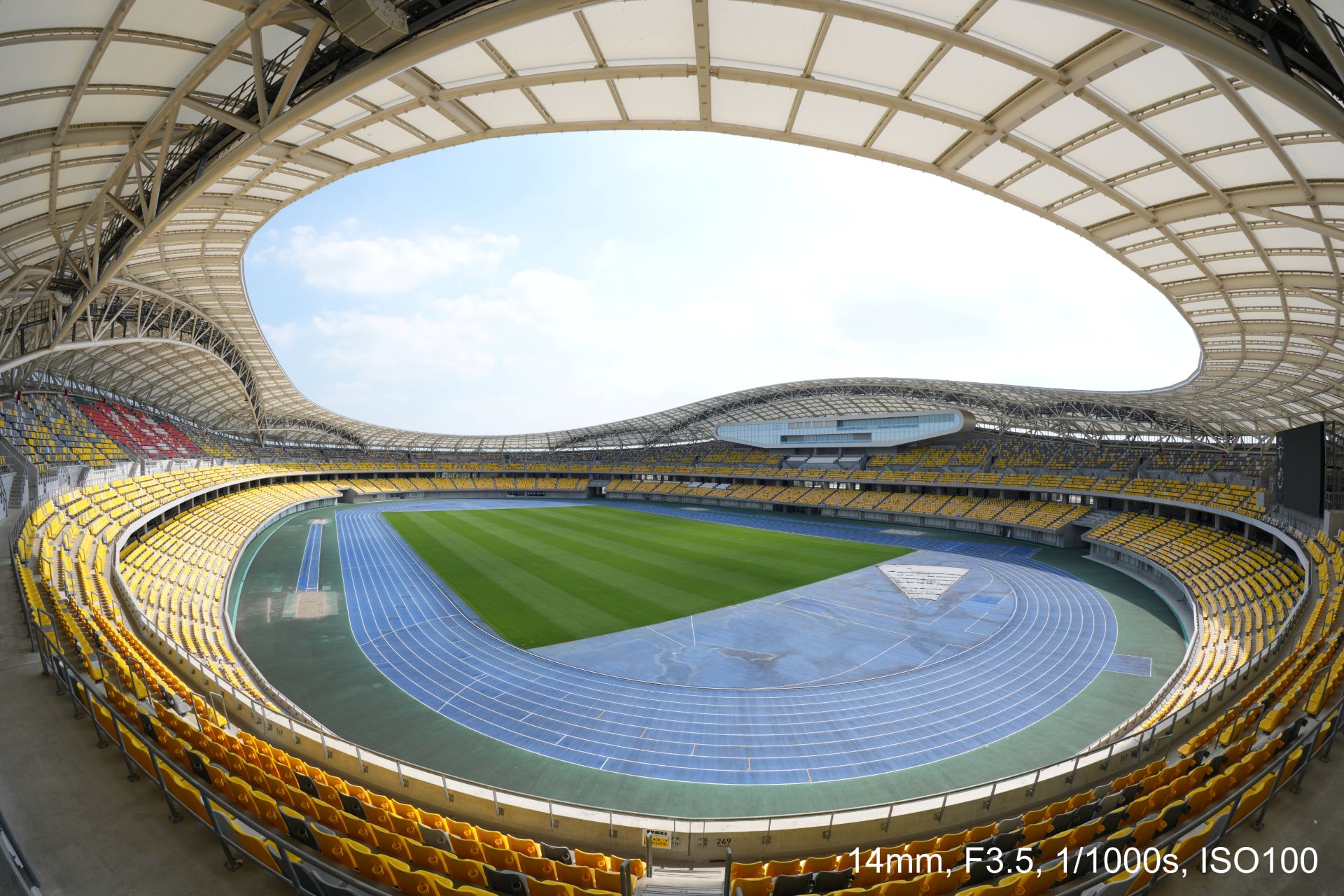


An optical design with ED (extra-low dispersion) glass and aspherical elements suppresses chromatic and other aberrations across the image area.
This enables high resolution throughout the zoom range with fast and precise autofocus and Linear Response MF. All these while suppressing focus breathing and operating quietly for movie production.
Controls include a focus mode switch, zoom lock switch, and an aperture ring with switchable click stops.
A minimum focusing distance of 0.15 meters and maximum magnification of 0.22x at the telephoto end also allow close-up fisheye perspectives both for stills and movies.
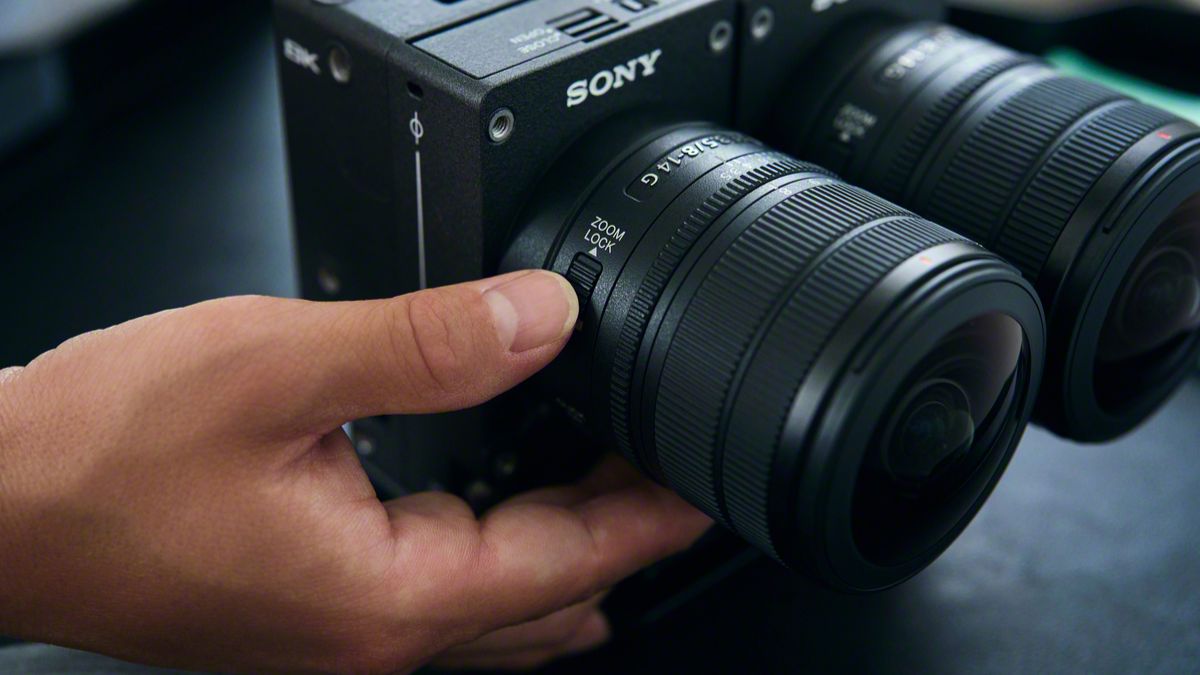
The Sony FE 8-14mm F3.5 Fisheye G measures about 63.1 mm in maximum diameter and 82.8 mm in length.
It weights about 314 grams, giving it mobility for handheld, gimbal, and rig-based shooting. It is also dust and moisture-resistant with a fluorine coating on the front.
In addition, users can opt for a dual-lens configuration with the VENCE Extension System Mini.


DJI Lito X1 review: Is this the best lightweight drone for creators?
Making a strong case as a travel companion and a capable B-cam!


REDMI Note 17 Pro Max review: A new breed born from AI greed
Welcome to the new normal


Marvel’s Wolverine review: When the claws come out
A brutal, cinematic superhero adventure

Jackery Explorer 300D: Power and portability in one

Nike’s Alphafly 4 is built for the part of the marathon ~that actually hurts~

SEGA, Netflix announce Crazy Taxi film adaptation

Smart launches LiveSmart App for exclusive deals
DJI Lito X1 review: Is this the best lightweight drone for creators?

TECNO MEGAPAD 2 review: Eyes on the size

realme 16T 5G with 8000mAh battery, IP69 Pro rating launches in PH

HUAWEI Pura X View is 2026’s first WIDE slab-type smartphone

REDMI reveals the refreshed Note 17 and Note 17 Pro series

REDMI Note 17 Series: Price, availability in Singapore


-
 News2 weeks ago
HUAWEI Pura X View is 2026’s first WIDE slab-type smartphone
-

 News2 weeks ago
The CAMON Slim 5G is TECNO’s latest ultra-slim smartphone
-
 News1 week ago
iPhone 18 Pro series: Price, availability in the Philippines
-

 Automotive2 weeks ago
Ford’s new Everest lineup brings V6 engine to the top, tech down the line
-
 Singapore1 week ago
iPhone 18 Pro series: Price, availability in Singapore
-
 News1 week ago
iPhone Duo: Price, availability in the Philippines
-
 IFA 20262 weeks ago
XGIMI announces AURA 3 Series 4K 120Hz UST projectors
-

 Philippines2 weeks ago
Smart cuts 5G Home WiFi price