
Entertainment
Now Playing: Weapons is a horrifying, well-stitched work of art
In a year where the standard for films under the genre has been set high

I walked into the cinema for Warner Bros. Pictures’ advanced screening of Weapons, not knowing what to expect from Zach Cregger’s mystery horror.
Other than the fact that the reputable cast included actors for MCU’s Thanos, Shalla Bal/Silver Surfer, and Sorcerer Supreme, I had no clue how it would pan out.
I realized after a few hours that I had just watched one of the best horror films this year. And given how many big pictures under the genre have performed tremendously well this calendar year so far, you know Weapons did a lot right.
 Warning: Some spoilers ahead!
Build-up gets you hooked

Still: Warner Bros. Pictures
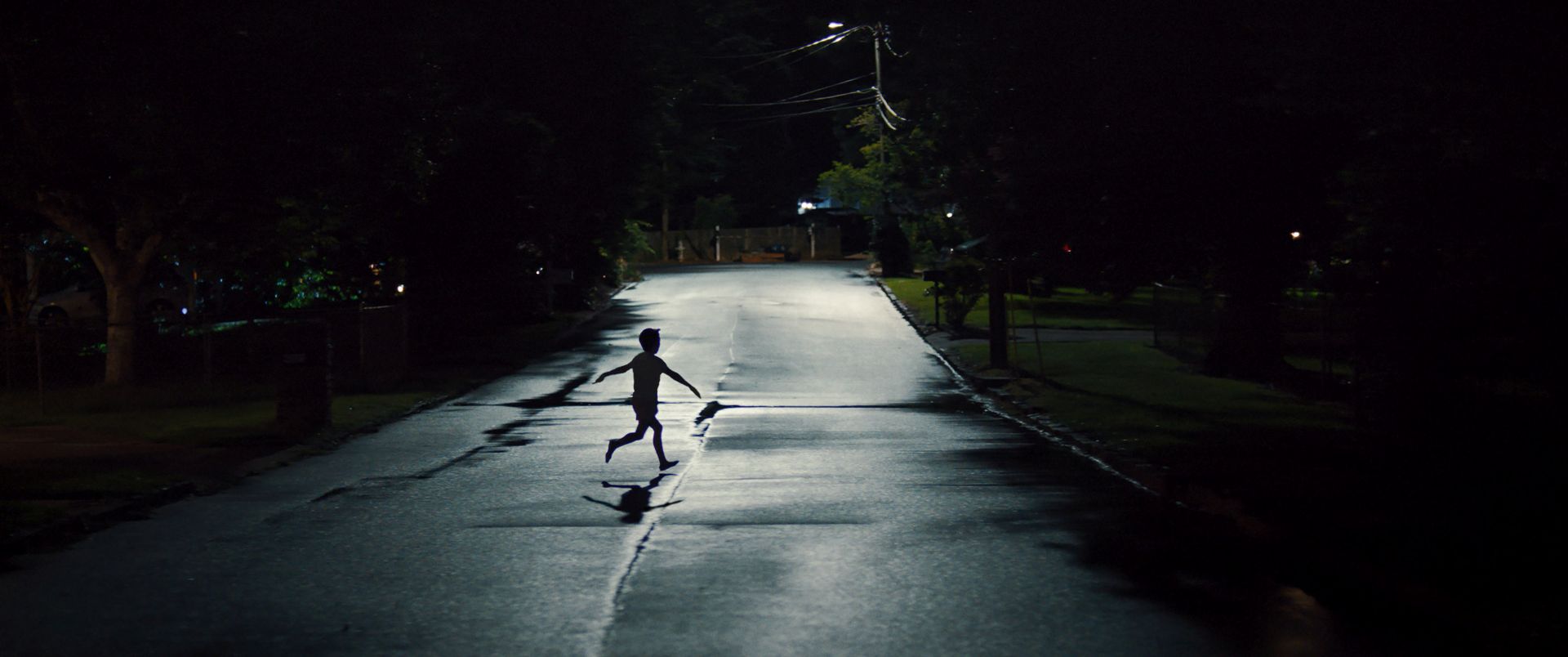
The film starts with a strong and simple premise: all but one child mysteriously disappear at 2:17 a.m. one night.
They all did so running in the exact same way: towards a point B no one knows what is and where. This mysterious happening was even caught by the security cameras of the parents’ homes that had them.
As with disappearances in general, everyone involved is compelled to ask questions. How and why perhaps are the two most relevant. All we know so far is that they all came from the same class, and that one managed not to have the same fate.
It’s sudden, perplexing, and beyond comprehension. From here, audiences are left seeking for answers, which the film uncovers one by one in a way that isn’t random but rather well-stitched.

Still: Warner Bros. Pictures
Most of the main characters were introduced from the get-go as they were directly integral to what was going on.
Julia Gardner’s Justine was the teacher of the 17 vanished students, Josh Brolin’s Archer was one of the parents seeking answers, and Benedict Wong’s Andrew Marcus was the school principal.
Other characters who also played a key role in the story development were later on thrown into the spotlight one by one in a likewise shrewd manner.
Camera work gets you tense
Weapons was told in not exactly a non-linear way, through several parts. These linked parts, by definition, make the movie tantamount to an anthology.
But instead of different stories, the parts were actually mostly the same scenes but presented through different perspectives — one for each main protagonist.
Still: Warner Bros. Pictures
Obviously, they weren’t just replayed literally all over again. Cregger made it a point that cliffhangers preceding the next POVs were explained by presenting elements unseen or overlooked the first time.
Some of them were as simple as a can of chicken noodle soup or Justine waving to someone she knew. You just had to remain engaged.
It all made sense why the camera work was fantastic from the get-go from a technical standpoint. There was an abundance of rear view shots to establish some scenes.
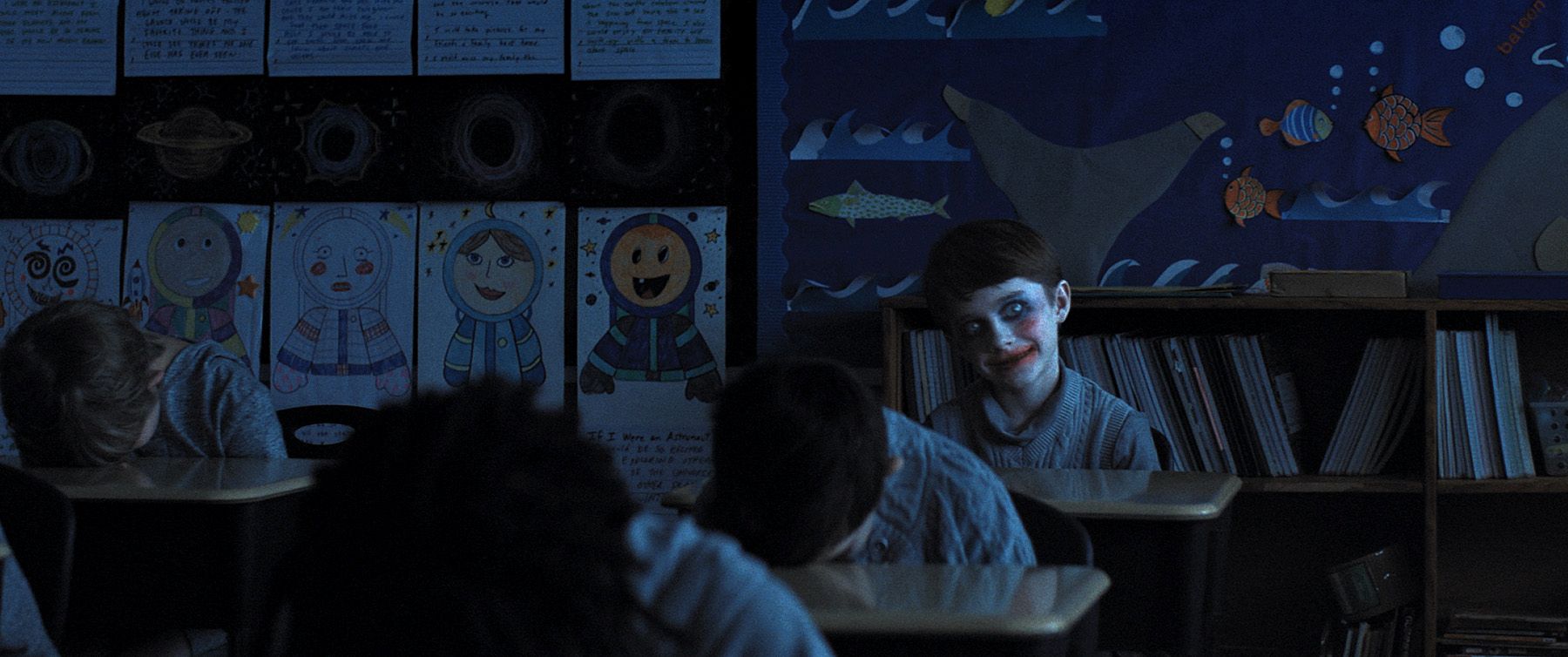
There’s Cary Christopher’s Alex being alone in Justine’s classroom, Justine’s overreliance on alcohol to even make sense of what is happening, and the on-going investigation.
These pictures all evoked an eerie vibe. There were even sporadic oners, although they were shorter in duration and weren’t that action-packed. Then came the scenes that left audiences both terrified yet wanting more.
We had to guess what immediately happens next with scenes involving simple panning left and right, blurring, and a little more zoomed-in framing. Cregger just let Gestalt principles do the work.
This technical expertise was best evident during the scenes that officially introduced Alex’s family home. Of course, this would later be the setting of the movie’s climactic finale.
With windows all covered by newspaper from the inside and a front door that had nothing but darkness when opened, the house set up the transition from the first few POVs to the next ones.
Film made the most out of its cast
And while you’re initial in it for the obvious horror, the characters’ relatable everyday lives also help in keeping you glued. There’s nothing otherworldly about their routines. And it’s that normalness that creates a sense of realism as far as the steps they took throughout.
Viewers can relate to Justine’s cluelessness, trying to just carry on with life just as the entire Maybrook community has been enveloped with fear of the unknown.
Still: Warner Bros. Pictures
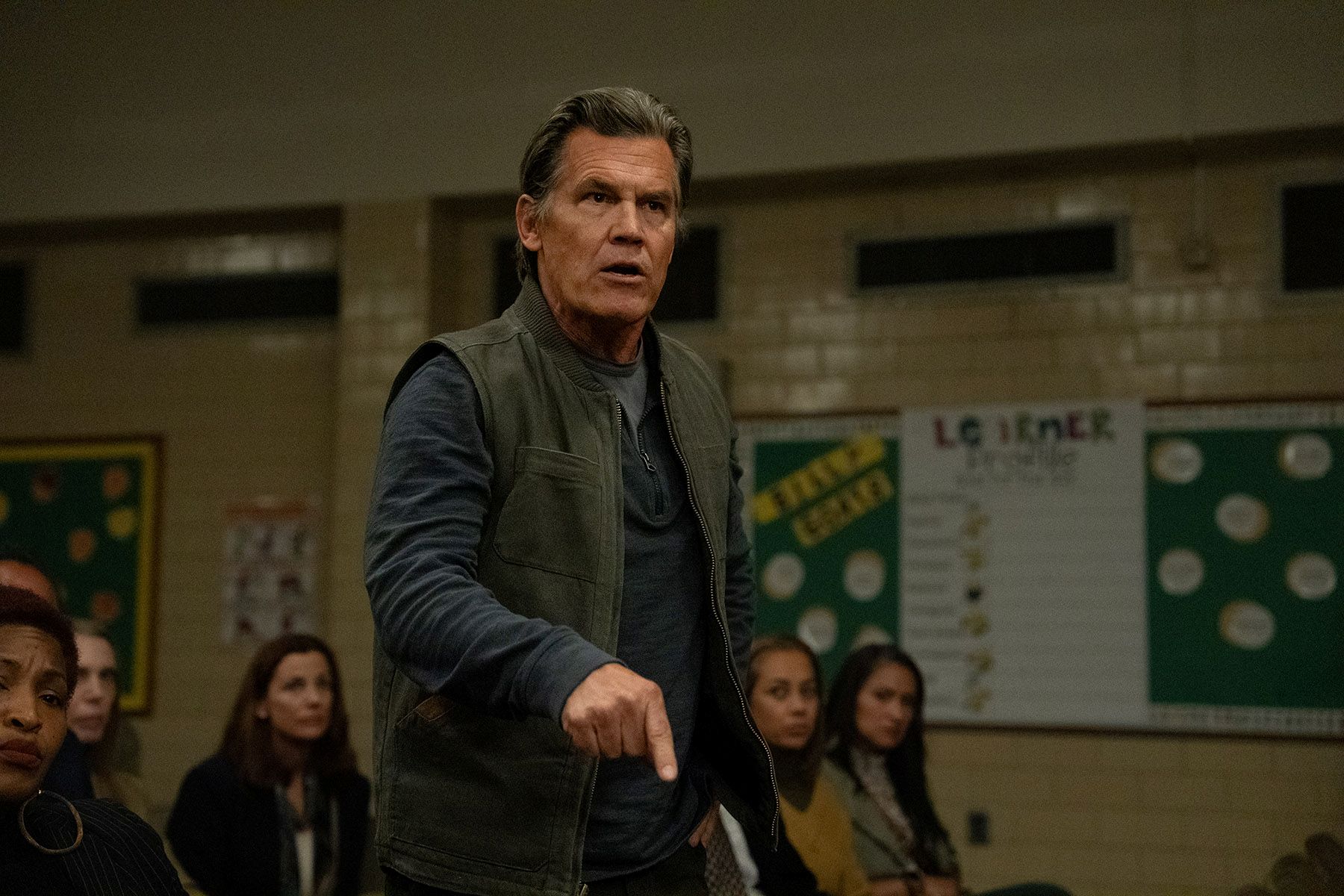
Archer combined desperation from a parent who lost his child with resentment and disbelief in the system. He took matters into his own hands with a detective-style, investigative approach.
There was a scene from the film where Archer figured out from the Maybrook map that all missing children headed somewhere. The film did not need to show all 17 houses but just let him infer with a small sample.
As the film progressed, the lens switched from Justine and Archer to more people involved, albeit in shorter durations. We were introduced to Alden Ehrenreich’s Paul Morgan, a police officer who apparently sees Justine in spite of a legal relationship.
But as someone sworn to protect society, Paul does what he needs to. This is where he stumbles upon Austin Abrams’ James, a drug addict.
Perhaps not surprisingly, it was James who discovered Alex’s home — and the 17 children in a hypnotic state — as he was desperate for funds and survival.
Puzzle waiting to be solved
And just when everything started to make sense, we suddenly found a clearly possessed principal Andrew charging towards Justine, just when the former was in a confrontation with the still answer-seeking Archer.
I didn’t know how far Cregger would push the film in terms of its goriness. I got the answer to that from that scene. And from that point, everything else was just lined up perfectly for an explosive finish.
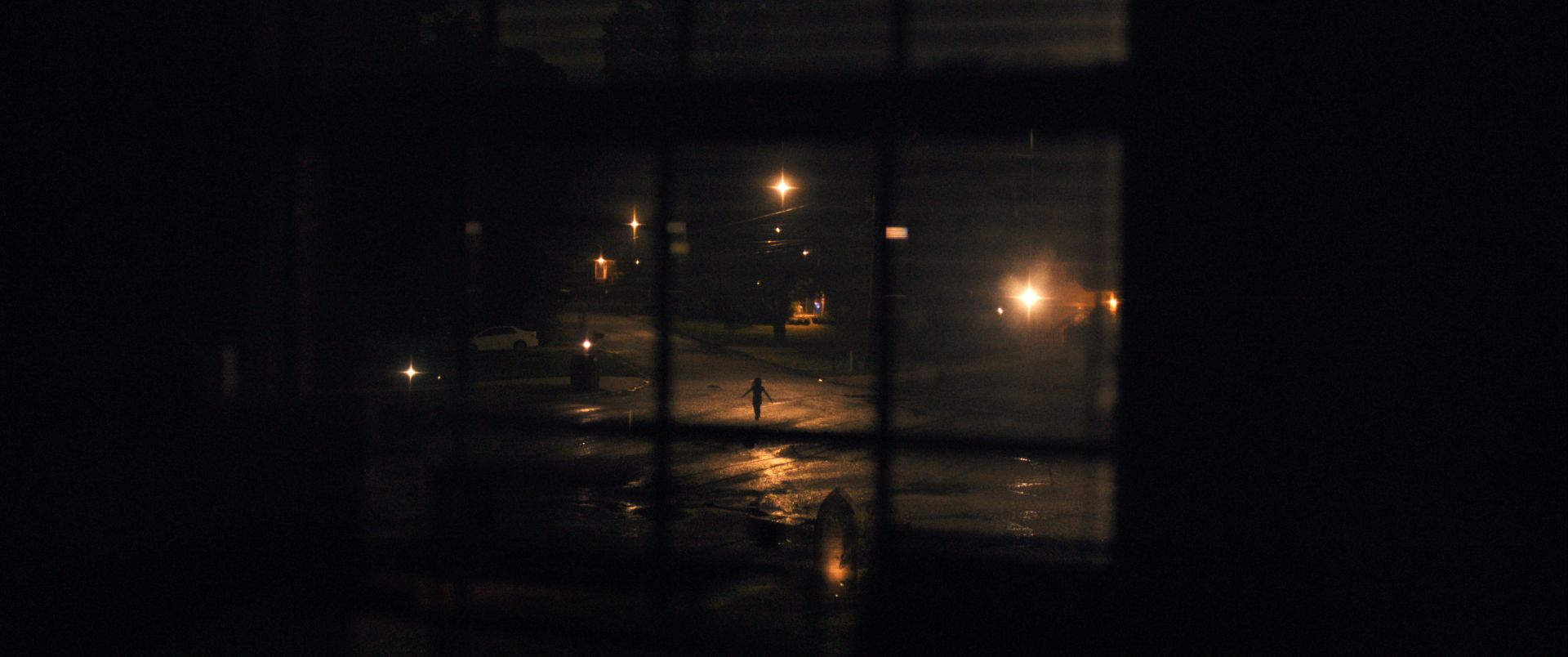
Still: Warner Bros. Pictures
Further tidbits were presented as if puzzle pieces for a grander riddle waiting to be solved. We were finally acquainted with Amy Madigan’s Gladys, Alex’s peculiar aunt. You just knew something was off with her, and boy, we were right.
It was revealed that Gladys was involved in performing witchcraft, and was behind controlling Andrew. Ditto with Alex’s parents, officer Paul, James, and all of the 17 children.
A brief backstory showed how Gladys ended up staying at Alex’s parents’ home — and eventually causing disturbances to Maybrook.
Climactic ending
By the time the film had ended, we were brought back to the start, finally realizing how everything unfolded. The aftermath of chaos and destruction was clarity.
I even forgot there was an actual child narrating the beginning and the end of the movie, which aptly ended in silence.
Going with a bloodline strategy isn’t all new. But Weapons did not go with a generic trope. I had expected a typical pass-the-curse-to-the-next-family-member twist towards the end. But it didn’t come.
They played it out in a manner that still logically made sense, with Alex reversing the spell in the nick of time by performing the same ritual his aunt did. Cregger was even able to sneak in some comedic relief during the chase towards the end.
But the mere fact this movie let 17 kids do the unthinkable by literally ripping a helpless old woman to pieces towards the end was the chef’s kiss in what has been a harrowingly well-sewn masterpiece.
Should you watch Weapons?
Weapons is a Super Swipe as far as horror films go. It is pieced together brilliantly. Viewers will be left glued, shocked, surprised, yet wanting more.
The premise presumably draws inspiration from what we know from other horror movies. But it’s molded into a unique and unpredictable one that the story is able to build off of.
From its formidable and promising cast to excellent cinematography and brilliant storytelling, Weapons delivers what is expected of a horror masterpiece — especially in a year where standards have been set high.






Entertainment
Netflix: Kris Aquino makes on-screen comeback with fictional role
Long-time TV icon named “C.H.I.K.A.” of Netflix


Long-time popular Philippine TV icon Kris Aquino has made her on-screen comeback as Netflix’s fictional C.H.I.K.A., or “Chief Head of Insights and Kontent Analysis.”
Netflix initially teased the campaign through a post mentioning that they were “hiring” for the said position.
The post also contained a bullet list of descriptions that served as clues. Not long after, the streaming giant bared the former presidential daughter and presidential sister has made her comeback.
A teaser has likewise been released. The fun skit features Aquino in this new fictional role, giving her signature witty commentary inside the Netflix editing room to ensure that the production of local entertainment content is of topnotch quality.
Two more episodes will be rolled out on August 14 and 20.
Entertainment
New Yorkers compete in Ted Lasso lookalike contest at Apple Fifth Avenue
Futbol is life!


Apple Fifth Avenue or Nelson Road? New Yorkers gathered at the iconic flagship store as it transformed into a slice of AFC Richmond for a Ted Lasso lookalike contest celebrating the return of the hit Apple TV+ series.
Dozens of fans arrived in Ted’s signature look, complete with mustaches, visors, blue sweaters, and khakis. Inside the store, the AFC Richmond takeover continued with themed photo opportunities and hidden Easter eggs for longtime fans to discover.
The celebration continued across Midtown and Central Park, where brand ambassadors spread kindness with “Believe” signs, complimentary coffee and tea, a tunnel of cheering Teds for runners, and the Goldfish Zone, where visitors symbolically let go of worries by dropping paper fish into a fishbowl.

Photo by Apple
The takeover marked the return of Ted Lasso, which premiered its fourth season on Apple TV+ on Aug. 5, which arrives more than three years after Season 3 concluded in 2023.
Jason Sudeikis returns as the relentlessly optimistic coach, this time leading AFC Richmond’s newly formed women’s team while reuniting with familiar faces.
Entertainment
Street Fighter special look: Blanka vs. Ryu
Jason Momoa, Andrew Koji’s characters face off
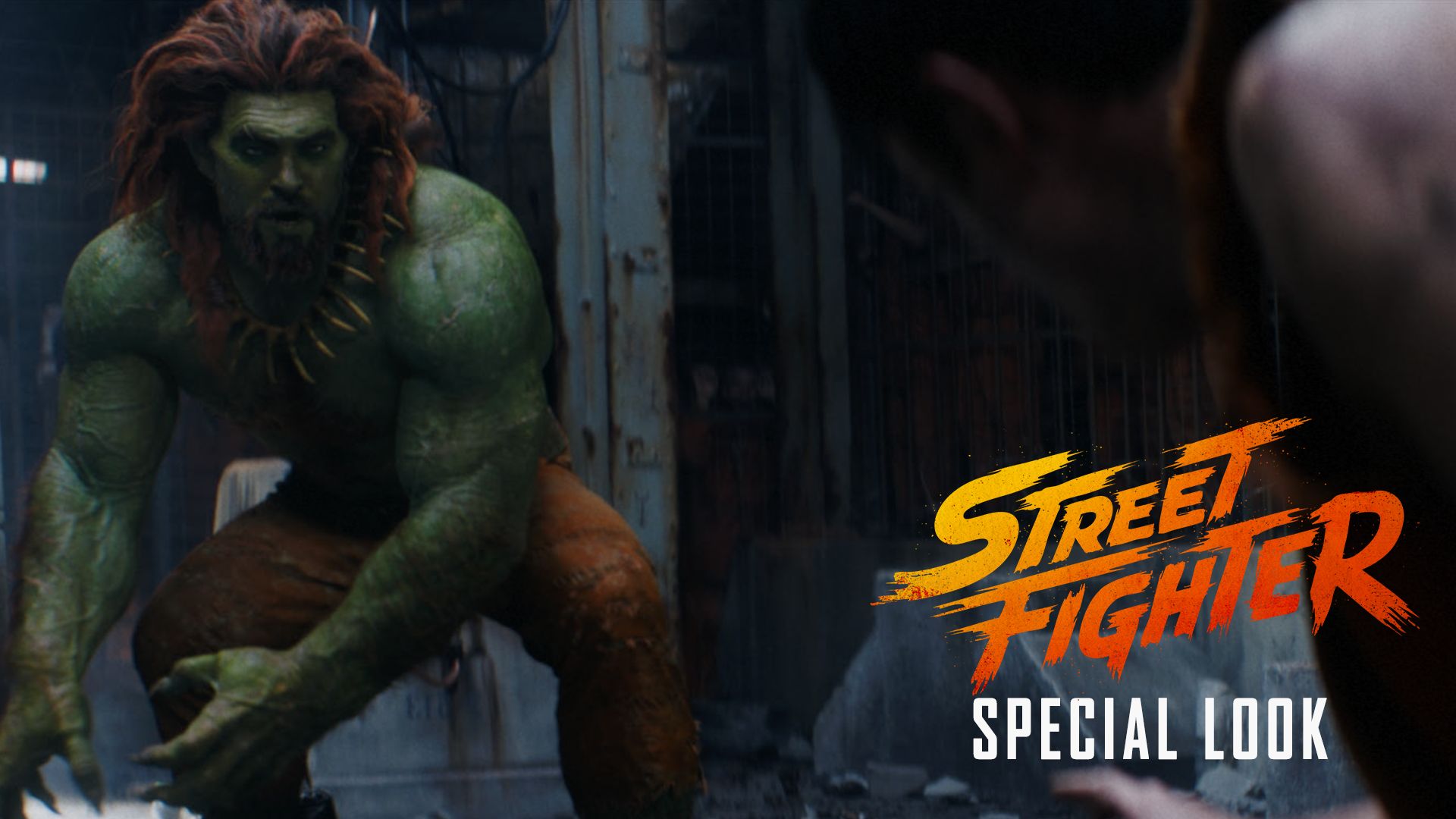
Paramount Pictures has released a new special look for Street Fighter featuring Jason Momoa and Andrew Koji.
The short, minute-long clip shows the actors’ respective characters, Blanka and Ryu, in battle.
It opens with a chained prisoner struck by extreme electrical charges, transforming into the green-skinned, electricity-infused Blanka.
He unleashes a fierce roar. Meanwhile, Ryu drops into a fighting stance, but tells Blanka he does not want to fight him.
Forced to defend himself, Ryu then fires a signature Hadouken fireball towards Blanka, as the teaser cuts to the Street Fighter title card.
Street Fighter debuts in cinemas starting October 14. It is directed by Kitao Sakurai and stars an ensemble cast that includes Noah Centineo as Ken Masters, Callina Liang as Chun-Li, Joe “Roman Reigns” Anoai as Akuma, and Curtis “50 Cent” Jackson as Balrog, among others.
The film is set in 1993 when estranged Street Fighters Ryu and Ken Masters are thrown into combat when Chun-Li recruits them for the next World Warrior Tournament.


realme C100: Enduring and durable in spite of entry-level realities
Enough power but needs more agility

The ASUS ExpertBook Ultra wins you over
The laptop sneaks up on you

Nexal Watch Sport review: A rugged watch for small budgets
I couldn't believe that watches this good could come for this cheap.

Apple Watch, AirPods get exclusive offers via Beyond the Box

Canva teams up with SB19 to turn A’TIN’s passion into creativity

SQUARE ENIX STORE Plus expands presence in Asia, Oceania

Maya: Convert purchases to 0% interest Mini Payment plans

Netflix: Kris Aquino makes on-screen comeback with fictional role

Sony launches IER-M500 in-ear monitors

Microsoft dictates that a new Fallout game is coming
realme C100: Enduring and durable in spite of entry-level realities

Hands-on: Samsung Galaxy Z Fold8, Flip8, Ultra

Garmin launches its first screenless fitness band


-

 Automotive6 days ago
VinFast debuts two-wheeler models, opens 21 e-motorcycle showrooms
-

 Computers1 week ago
AMD launches Radeon RX 9050 graphics card
-

 Computers2 weeks ago
AORUS MASTER 16 Gen 2 2026 AI gaming laptop launches
-

 Gaming2 weeks ago
God of War Laufey finally confirms its highly anticipated launch date
-

 Automotive1 week ago
Xiaomi debuts SkyNomad Series featuring new Kunlun platform
-

 News4 days ago
OnePlus officially leaves the United States and Canada
-

 Gaming2 weeks ago
NBA 2K27 gameplay trailer showcases new dunk mechanics, Rucker Park, and more
-

 Gaming7 days ago
Call of Duty: Modern Warfare 4 clip shows Losing Ground 1st look