

Gaming
Towa and the Guardians of the Sacred Tree: Thrown into the loop

Rougelites are a dime a dozen these days, but that doesn’t lessen my fascination with the genre. It’s often easy, can be played in short bursts and scratches that “just one run” itch.
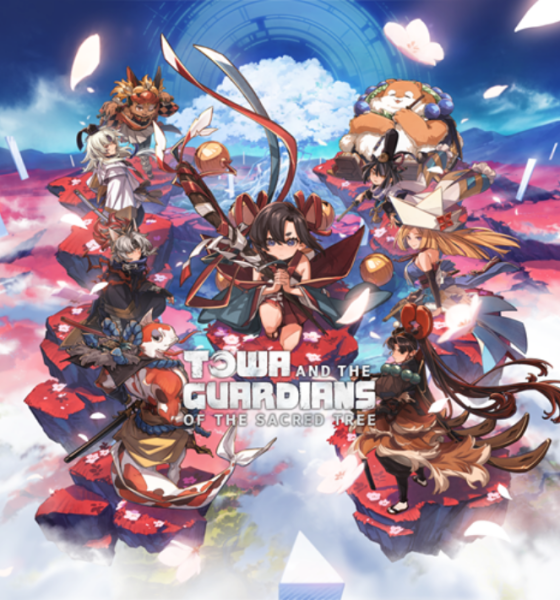
The latest to join the fray is Bandai Namco’s Towa and the Guardians of the Sacred Tree. At first glance it sticks to the genre’s familiar loop, but it brings its own twist with a two-character combat system and a narrative where the looping mechanic of the genre actually means something.
A tale of Time and Steel
The setup
The premise is simple: evil god Magatsu has risen and seeks to consume the world in dark miasma with his monstrous minions, the Magaori.
It’s up to Towa, the priestess of Shinju Village, and her power to manipulate time to stop Magatsu’s corruption from spreading. She does this with the aid of her Prayer Children – a group of guardians loyal to Towa.
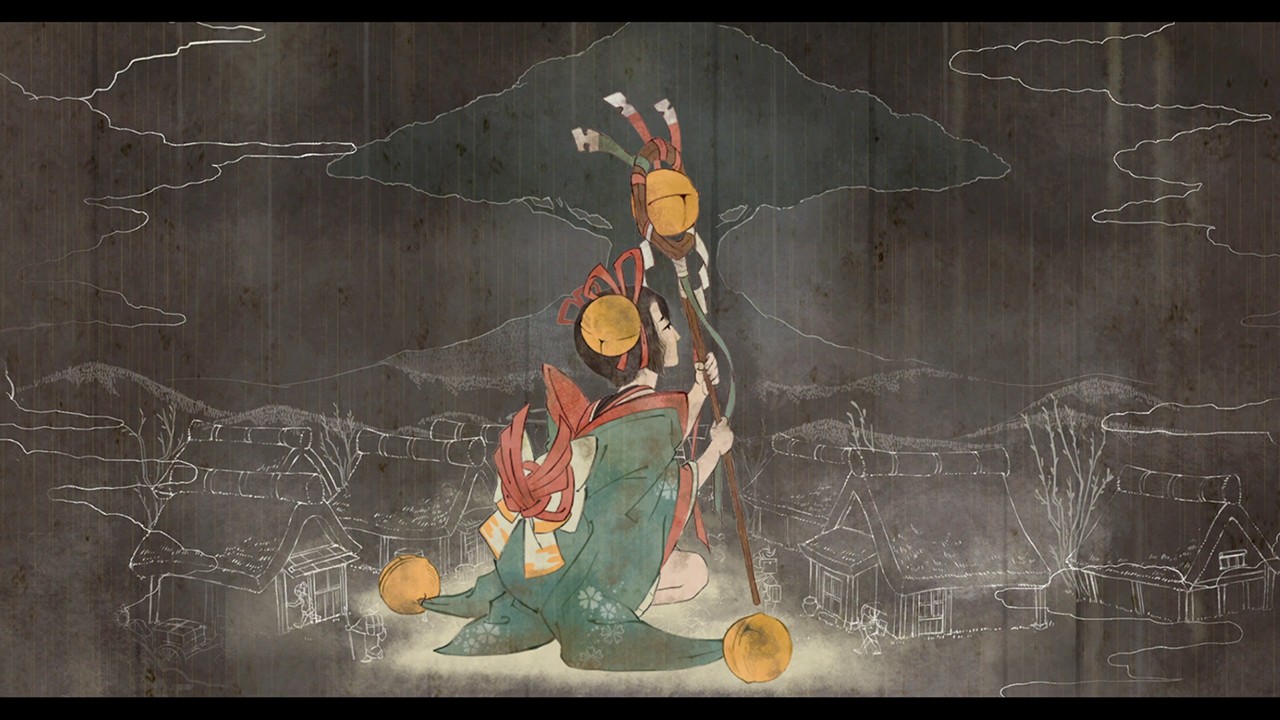
But as the opening scene will show you, Magatsu banished the Prayer Children to the end of time, leaving Towa alone in Shinju Village.

Thanks to her powers, however, she can still reach them across planes, slowly reuniting her Guardians in a desperate effort to gather mana, defeat the Magaori, and ultimately confront Magatsu’s powerful subordinates, the Magatsu-Hi.
This separation defines how you experience the game. You play as Towa during the tutorials and when roaming around the village to do daily tasks like forging swords or constructing buildings.
Village life

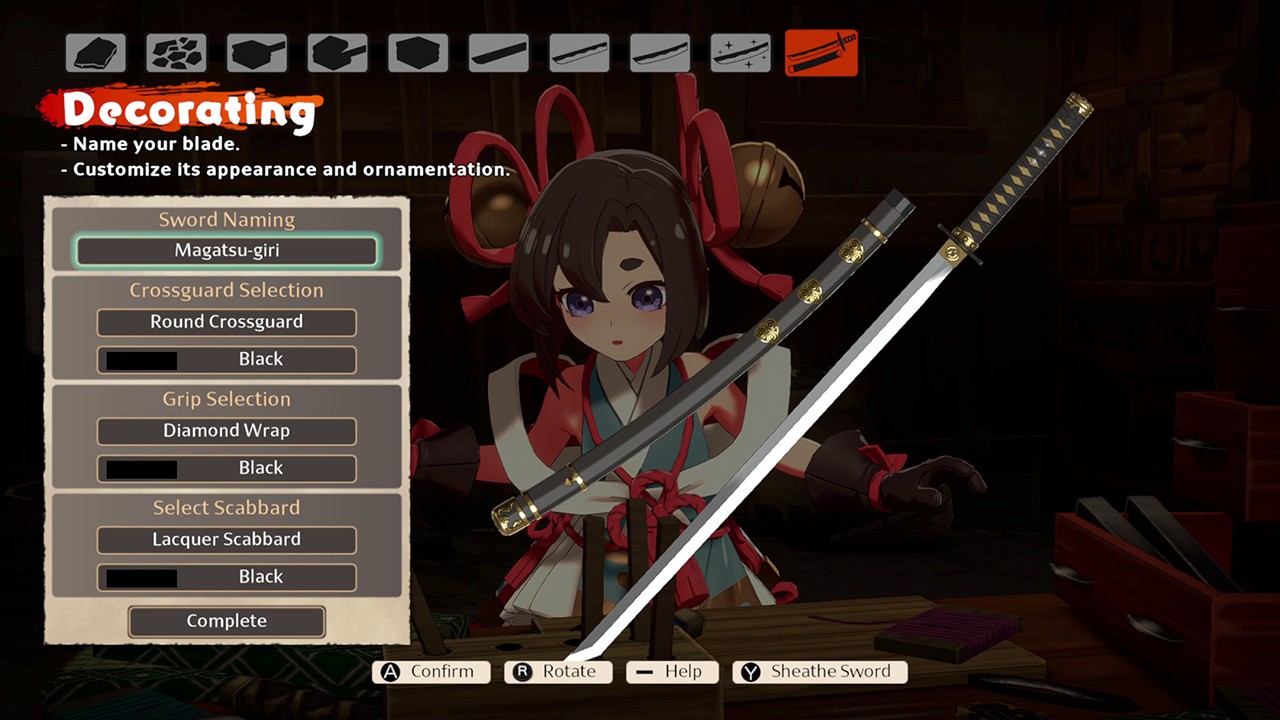
Outside of combat, Shinju Village serves as a cozy little hub. Each building has a purpose: visiting the dojo to increase stats, stopping by the shrine to enhance Grace Jewels, heading to the blacksmith to forge new swords in a Cooking Mama-style mini-game, or checking in with shopkeepers for items and discounts.
There’s even fishing, which isn’t relaxing as much as productive, since it earns points you can trade for items.
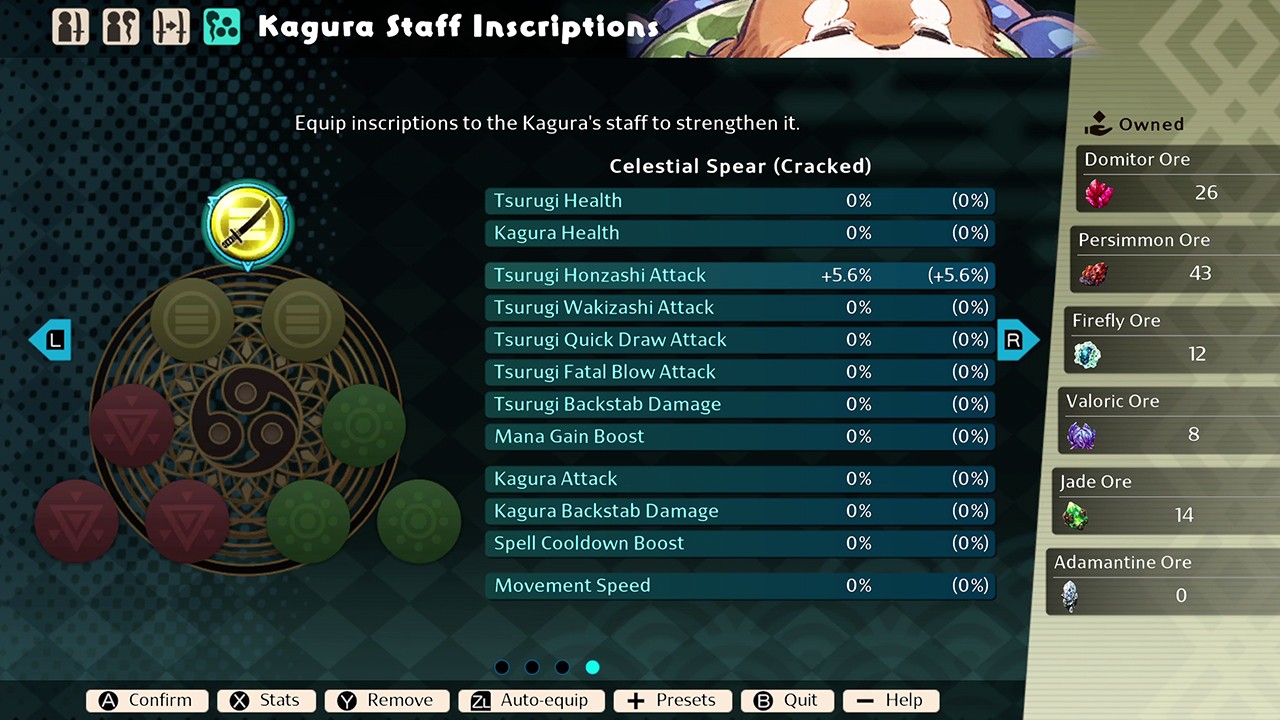
What I appreciate is that the game respects your time: if you don’t feel like running back and forth around the village, you can easily access and upgrade stats directly through the menu.
Into the outlands
Runs are held in the corrupted lands, which Towa cannot enter. Instead, she channels the Guardians into battle, and you’ll need to choose two at a time — one as a Tsurugi, a sword-wielding attacker, and the other as a Kagura, a magical staff user who supports with elemental spells.
Each character has their own set of abilities, both as a Tsurugi and as a Kagura.
Interestingly, doing a run or loop isn’t as simple as it seems, especially when you fail. In Towa, every attempt is explained as another timeline and another chance for the Guardians to confront corruption.
Defeating bosses directly shifts Shinju Village’s timeline forward, unlocking new conversations, upgrades, and buildings while failures are recorded as part of time.
Back to combat. The Tsurugi is your main attacker and wields two swords, while the Kagura offers ranged or support magic.
Once one of the Tsurugi’s weapon breaks, damage output is halved until you swap it out. You can also employ your Kagura’s spells for cover and buffs.

Graces are also a big part of doing a run. These are card-like buffs that add stat boosts or new effects, and you get them after clearing each combat room. Stack enough of one type, and you unlock Divine Graces – rare versions, or high-level cards with useful buffs.
Some rooms offer food stalls for healing or stat boosts, merchants selling temporary upgrades, or camp sites to swap spells and restore health.
Eventually, you’ll end up confronting the Magatsu-Hi. Win, and you’ll purify the land while bringing a Prayer Child back to Towa’s side.
Meet the Prayer Guardians
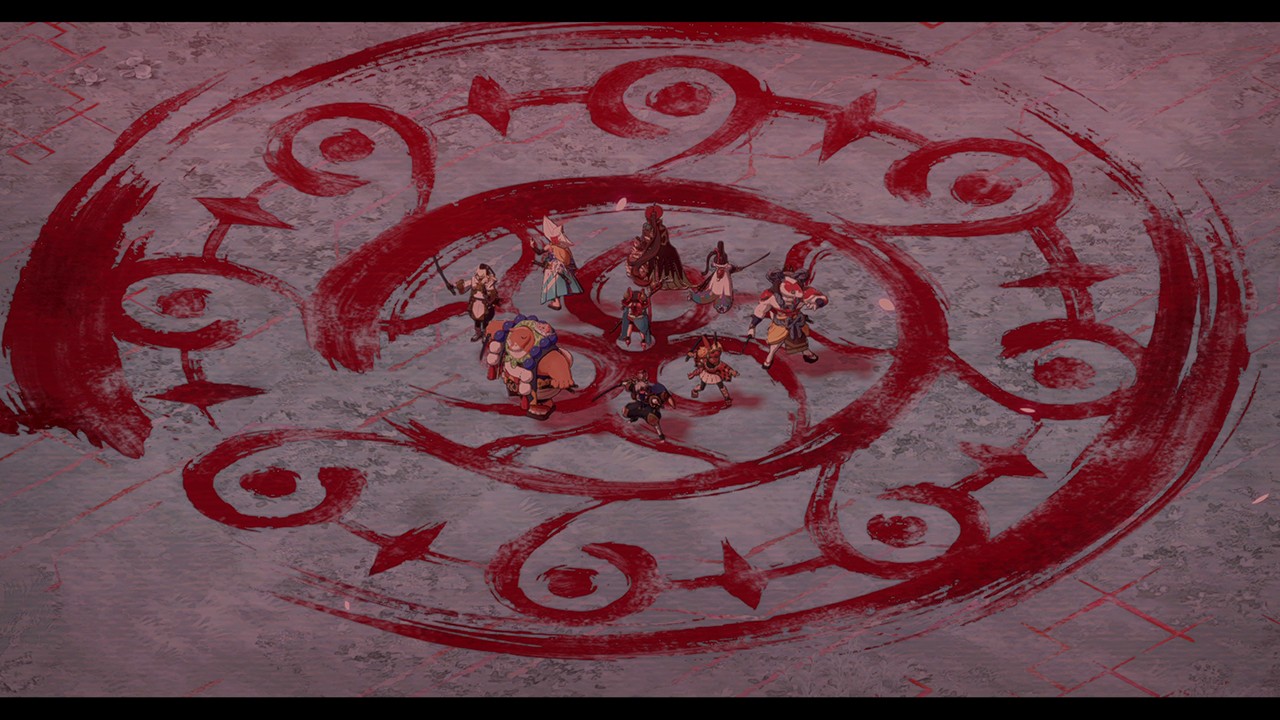
Towa is the headline name and character, but you’ll be spending just as much or more time with the Prayer Guardians. Since they were banished, they will initially only hang out at The Outlands away from the village.
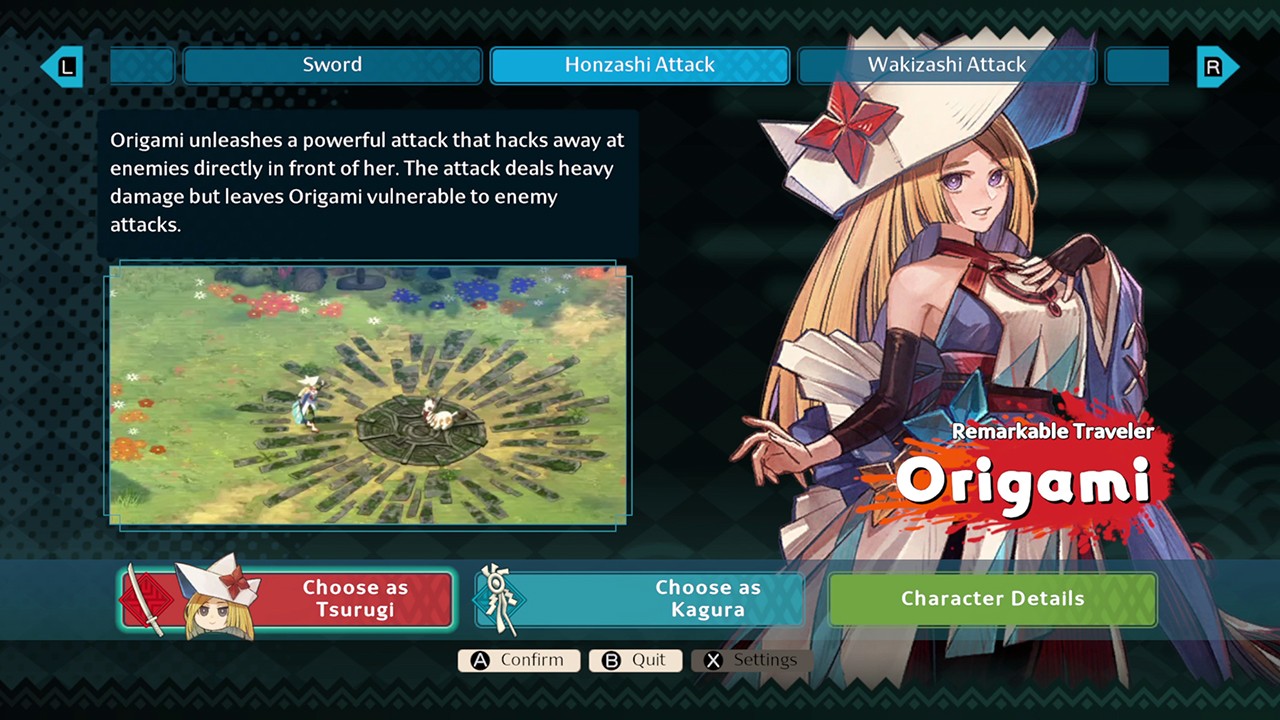
Here you can check on their stats, abilities, and equipment before you head out to the corrupted lands. Each guardian has their own set of abilities and spells though some share the same abilities.
Here’s a quick look at the gang you’ll be relying on:
- Rekka – A fiery samurai warrior, powerful in combat with strong combos, but a bit of a klutz in daily life.
- Nishiki – A pious, muscle-bound koi-fish warrior who ironically can’t swim. He’s mobile and fights with water waves and lightning orbs.
- Shigin – A composed fighter whose style relies on precision. His boomerang-like weapon makes positioning and efficient dashing essential.
- Origami – A mysterious but sharp guardian whose fighting style leans on agility and magic
- Mutsumi – A balanced pick for offense and defense.
- Korou – Smaller in stature, specializing in mobility-based tactics.
- Akazu – Steady and dependable, offering solid support in battle.
- Banpuku – His fighting style is chaotic and spin-heavy, making him a whirlwind on the battlefield.
Thrown into the loop
A crash course in chaos
After enjoying the gorgeous opening scene with art I’d want to make my desktop wallpaper, I quickly realized the game doesn’t waste time with handholding.
Instead, the prologue throws you right into a dungeon run with Rekka and Tohu as Tsurugi and Kagura, respectively. It’s a crash course that runs you through the basics of a run, so it pays to listen and read carefully.

If you’re like me, you dismissed it and treated this game as a hack-and-slash, which, I’ll find out later on, is not ideal at all.
After all the tutorials and introductions, you’ll find yourself exploring the cozy Shiju Village with Tohu. It’s an absolutely adorable setting – warm, cozy tones, relaxing music, and delightfully designed NPCs made me wish there was more to do here.
You almost forget that the Prayer Children are still waiting to be rescued.
First real run

As mentioned, Shinju village is where you’ll spend a lot of time between runs: forging swords at the blacksmith, boosting stats at the dojo, enhancing Graces at the shrine, enjoying food, funding new buildings, or checking in at the residence and troubadour.
Now, once you’re all ready and equipped, the next step is to head out to The Outlands.
For my first, I picked Banpuku as my Tsurugi (because just look how fluffy and adorable he is) and Rekka as my Kagura, since she was familiar from the tutorials
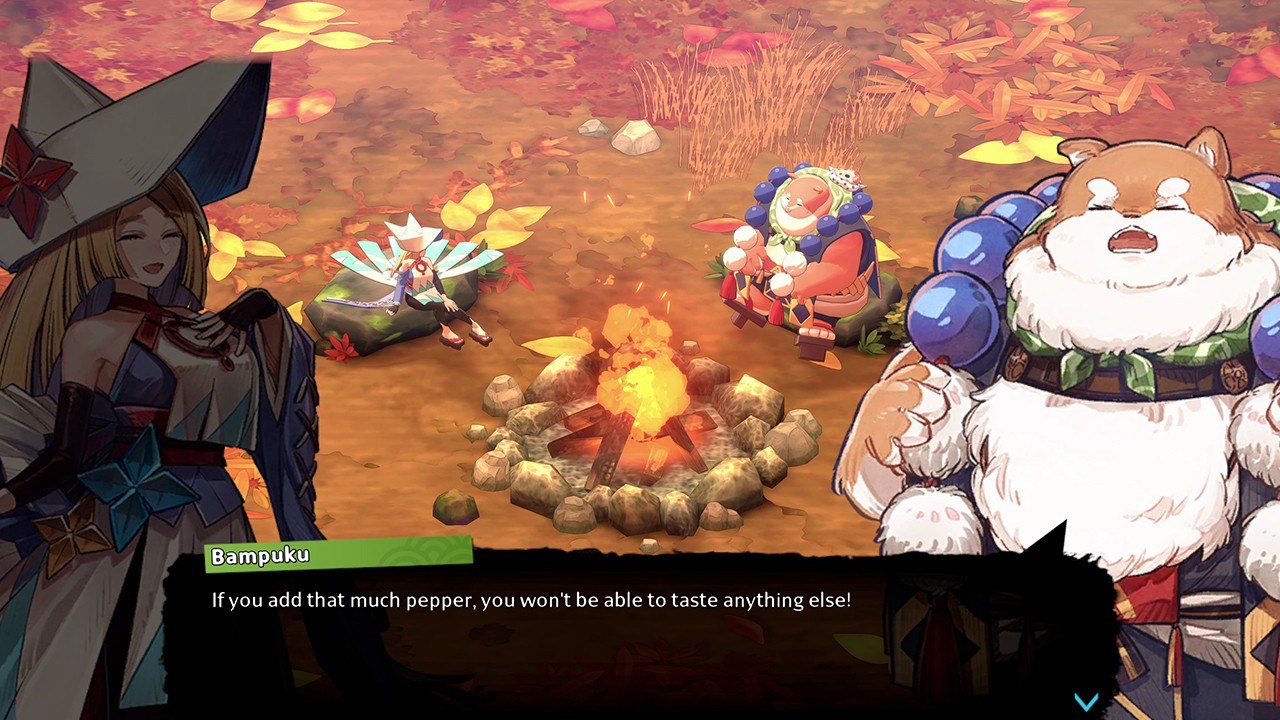
Now, combat with Banpuku was chaotic. His main move is a full-on, directional spinning attack that has him jetting back and forth across the battlefield. He’s surprisingly easy to use though, in my opinion, since his AOE attacks make short work of hordes.
As support, I equipped Rekka with spells to negate damage as well as a strong meteor spell to help clear rooms faster.
I’ll admit, I got so comfortable with Banpuku that I didn’t want to switch. But that goes against the heart of Towa’s mix-and-match design.
I later tried out Shigin as my Tsurugi and it showed me how strategic positioning could change everything. It was completely the opposite of Banpuku’s style, where I could just tank my way through enemies.
I then realized that Towa isn’t as hack-and-slash a game as I initially expected it to be, but a game that rewards thoughtful play as well.
Lessons in failure
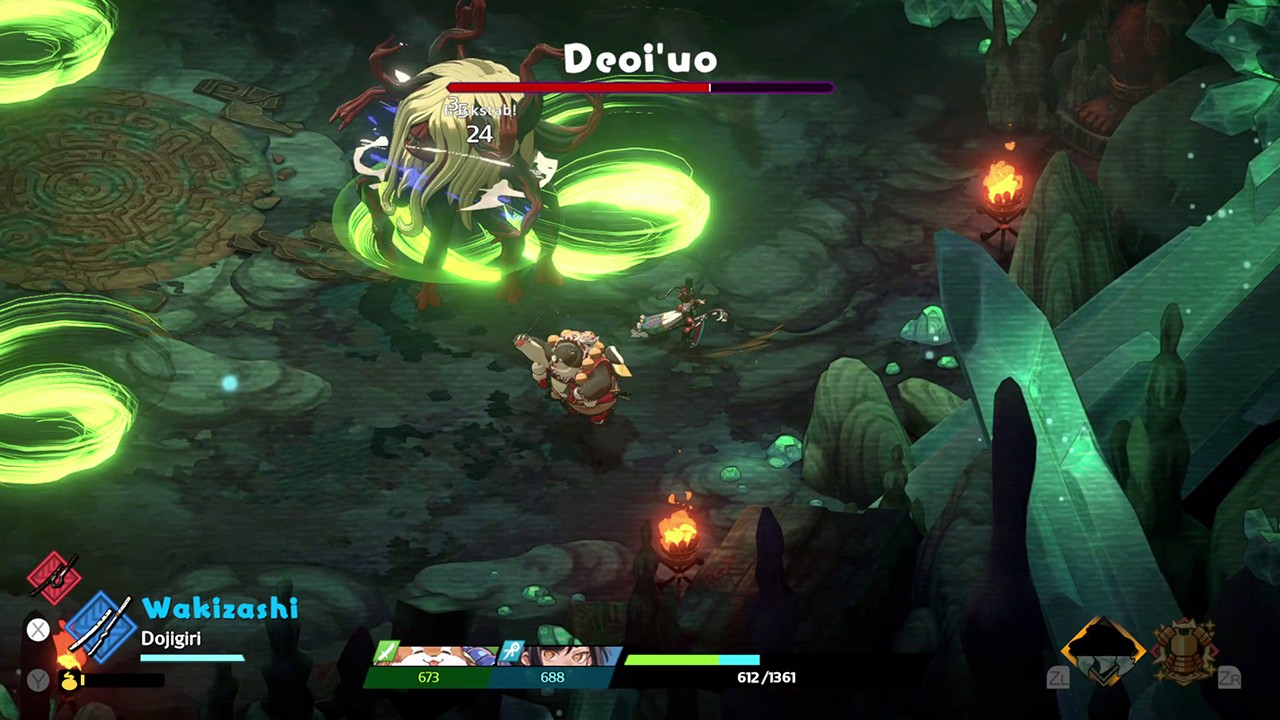
Honestly, my first few moments with Toha weren’t all smooth sailing. Knowing that I only had a few days before I had to publish this article, I rushed into my first dungeon without completely understanding Graces or resource management. I also didn’t spend too much time refining my movements or being more observant of patterns.
By the time I faced the first Magatsu-hi, I was limping along with barely any health. Needless to say, I was demolished in just a few minutes.
As roguelites go, failure is part of the loop. You can either try again or retreat to Shinju Village with whatever loot you’ve managed to scrape together. It took me a few more tries to really get how essential dashes, Graces, and positioning are, especially for characters like Shigin.
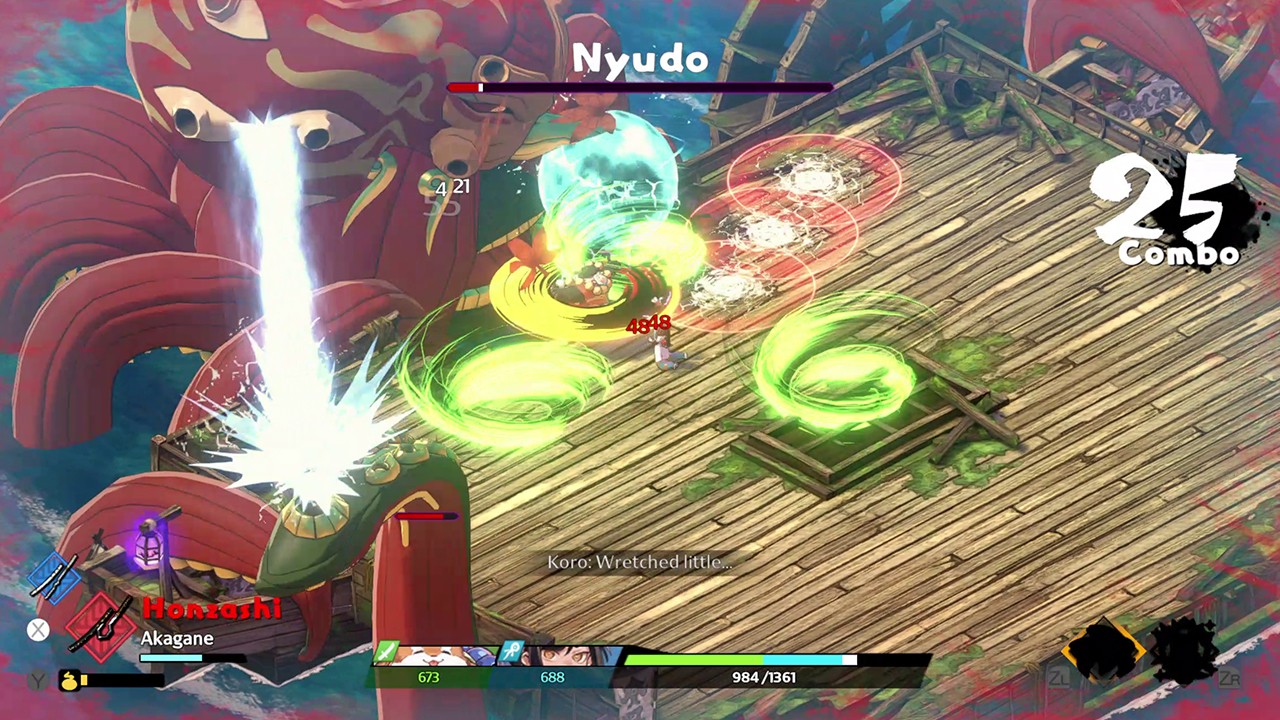
In one of my runs, I went into a boss fight overconfident, thinking I could just brute-force my way through. That recklessness came with consequences, however, as my health started dwindling way too fast.
I then switched to being strategic and being patient with patterns. I wanted to see if being careful really is the recipe for victory
True enough, even with just a pinch of health left, I whittled the Magtsu-hi’s health down to a fraction. I just needed to land one more hit. But then, my controller died, and so did I.
At least it’s proof: strategy trumps brawn
Lessons learned the hard way

If you’ve just picked up the game or are doing some prep work before you do, let me share some tips I’ve picked up along the way:
Experiment early and don’t stick to just one duo. Try out different Tsurugi and Kagura combinations so you can get a feel for their strengths and playstyles. Rekka, Shigin, Mutsumi, and Origami are great early Tsurugi choices, while Akazu, Nishiki, Korou, and Banpuku shine as Kaguras
Talk to everyone in Shinju Village. NPCs with thought bubbles over their heads always have something useful to say. Conversations progress stories and give rewards.
Spend your ore wisely. Between runs, use ore to upgrade your Guardians at the dojo, construct new buildings with the carpenters, and enhance Grace Jewels at the Shrine. Don’t ignore shop sales either – if something’s discounted, it’d be wise to pick it up.
Go fishing. Fishing Points can be exchanged for items like Inscriptions which give you powerful buffs.
Keep an eye on durability. Once lost, your damage is halved and this can be felt in battle. Listen for the breaking sound or character cues and swap weapons before they snap mid-fight
Prioritize dashes and health. Adding more dashes early on gives you survivability, while boosting your Kagura’s health frees up your Tsurugi to focus on attack damage
Stack Graces when doing runs. When you find a Grace you like, commit to it and pick cards to help level it up. You’ll eventually unlock Divine Graces – extremely powerful variants that can turn the tide in your favor.
Is Towa and the Guardians of the Sacred Tree your GameMatch?
My playtime with Towa and the Guardians of the Sacred Tree hasn’t been long, but if you’re a fan of the genre, then there’s no denying you should check it out — definitely a swipe right!
Its main appeal, at least for me, is that it’s a gorgeous game. The mix of 2D and 3D art, painterly backgrounds, and cute character designs is enough to draw a player in.
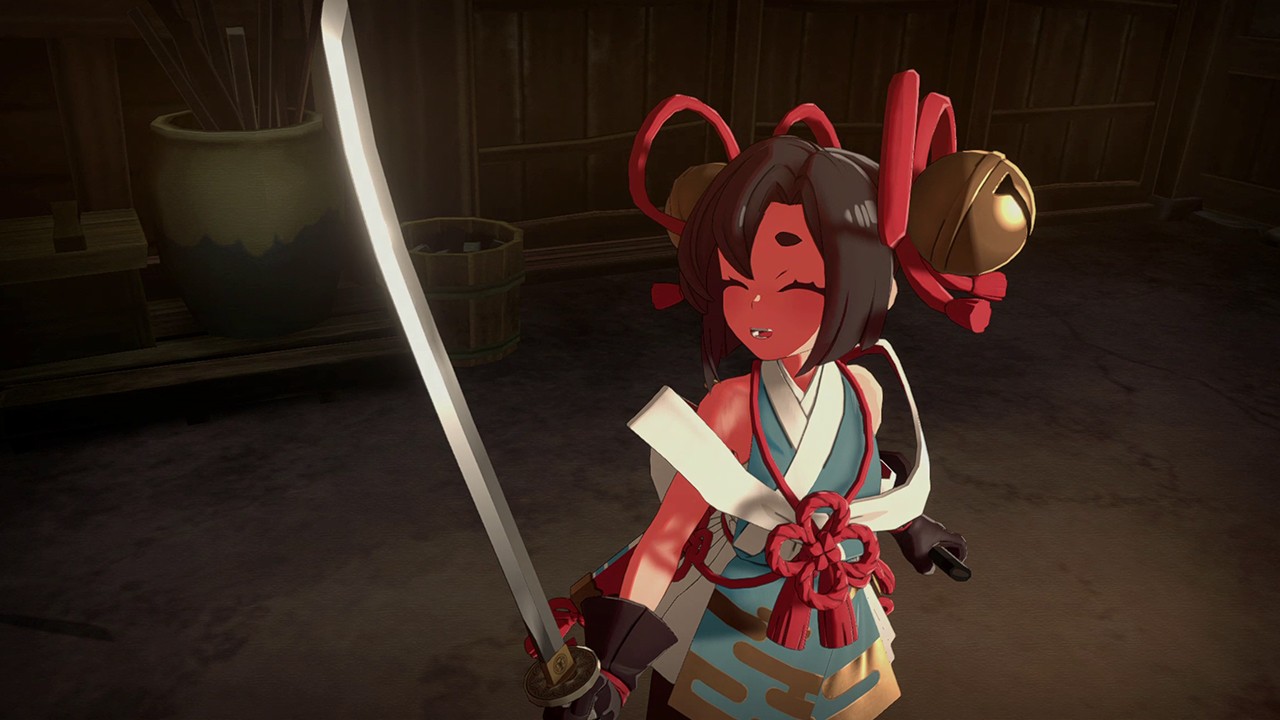
Admittedly, combat can be clunky; attacks don’t always land with the satisfying weight you’d expect, and controlling both Tsurugi and Kagura in solo play can get confusing or overwhelming.
I ended up mostly just focusing on my Tsurugi and keeping that character alive more than the Kagura. I’d like to think local co-op would make combat more efficient but that’s something I still have to test.
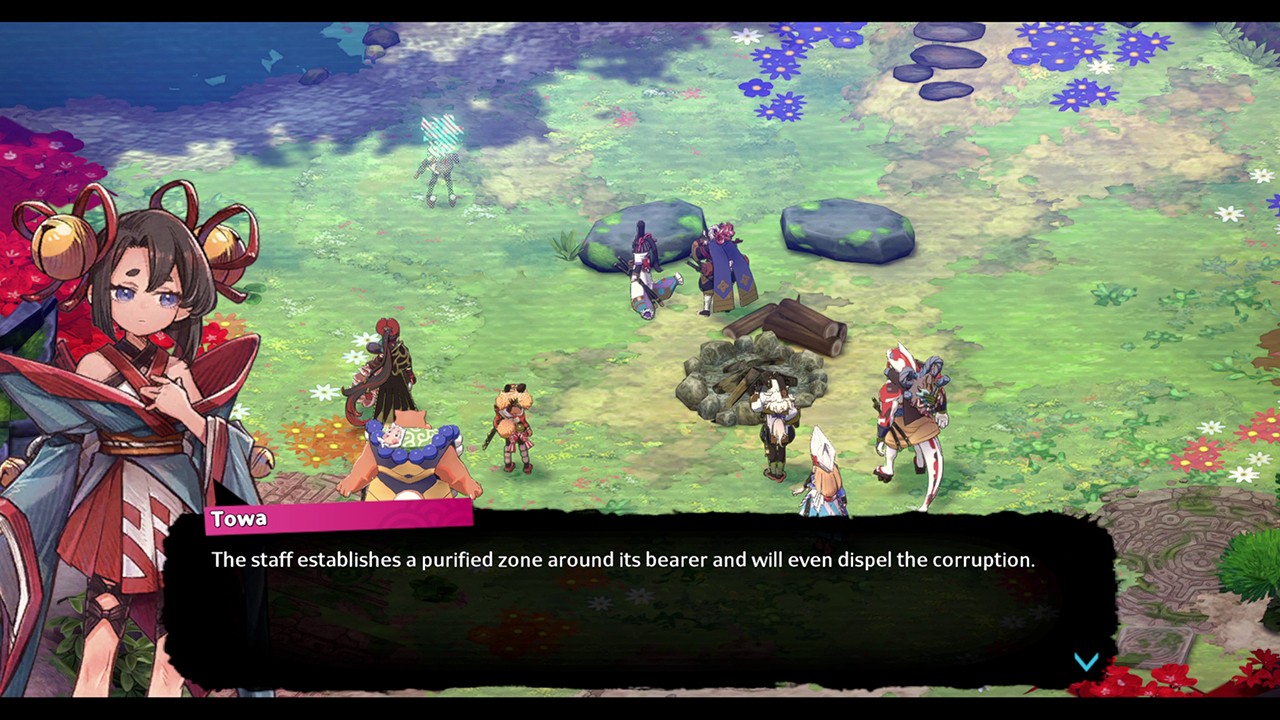
Eventually, you’ll also realize that a few Guardians feel too similar in their basic combos.
Despite a few rough edges, though, Towa and the Guardians of the Sacred Tree feels like a worthy addition to the roguelite genre and is one that balances system depth with emotional storytelling well enough to make it absolutely worth keeping on your radar.





Gaming
Stage Tour is resurrecting your Rock Band childhood
You can rock the guitar, the drums, or vocals to your favorite songs.


A new Witcher 3 DLC, a new Final Fantasy VII, Mega Man, Rayman, and Crazy Taxi. What year is it again? With games as nostalgic as these coming out, there’s one game that can complete the circle: Rock Band. Now, resurrecting an era of rhythm games, Stage Tour will have you playing the guitar, the drums, or vocals in a star-studded game with a lot of iconic tracks.
For those who played through the classic Guitar Hero or Rock Band, Stage Tour needs no introduction. However, if you’re new to the scene, the game simply puts you into the shoes of a rock band. You can wield a guitar, a set of drums, or a microphone. And yes, the game comes with a customized controller for each instrument.
As for the soundtrack, you can rock and jam to a lot of the catchiest songs from yesteryear to today including titles from BABYMETAL, Paramore, Slipknot, The Rolling Stones, Ed Sheeran, Black Eyed Peas, Blink-182, Fall Out Boy, Metallica, Walk the Moon, and Olivia Rodrigo.
Stage Tour launches on December 10 for all major platforms like PlayStation 5, Xbox Series X|S, PC, and Switch 2. You can also grab their official accessories through their site, but they do cost a pretty penny.
Gaming
HoYoverse’s Nodusfall looks like nothing they’ve ever made before
But it looks so similar to Elden Ring or Dark Souls.
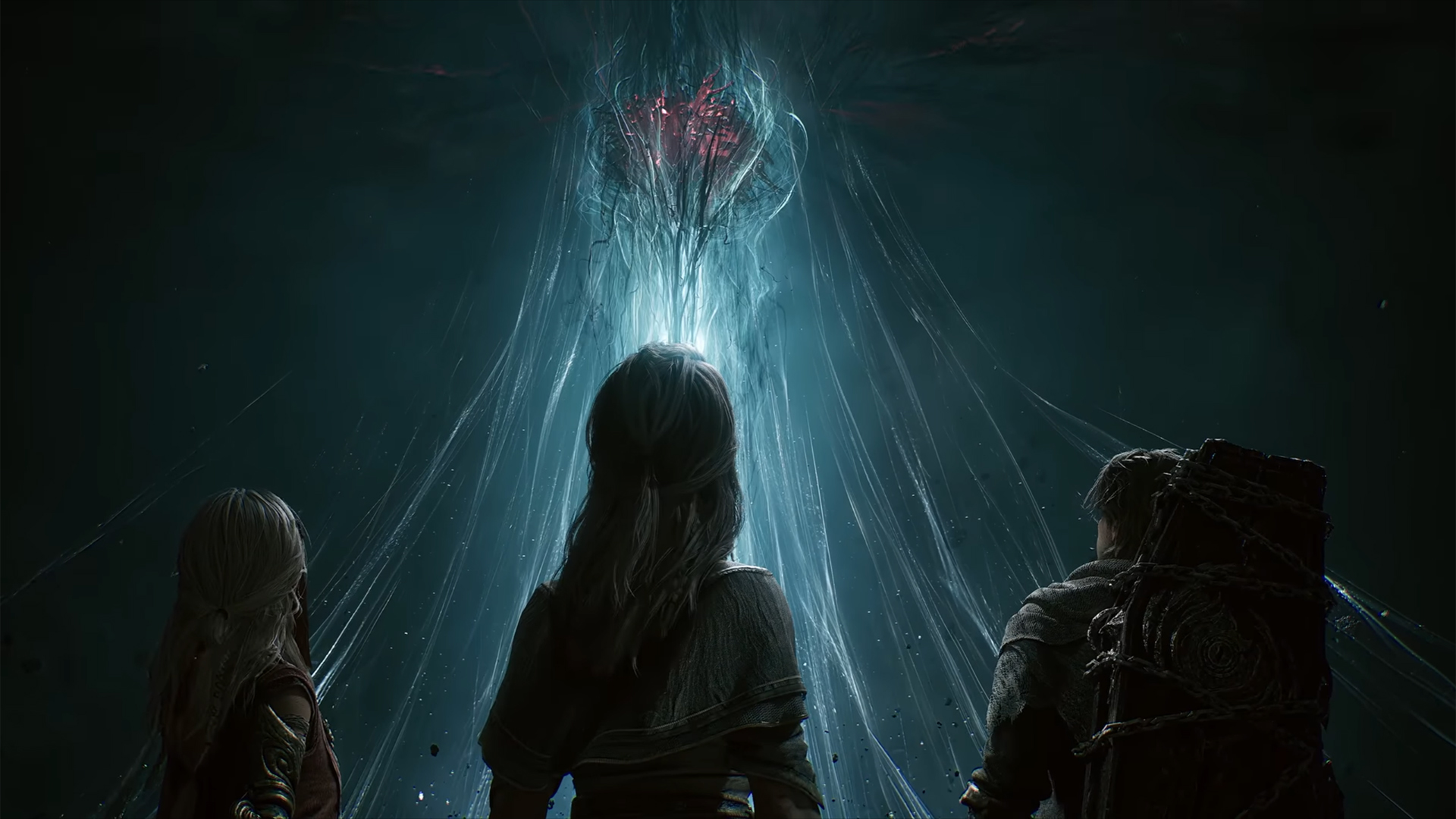
There’s a certain aesthetic you’ll always expect whenever you see HoYoverse mentioned. Touting long-standing hits like Genshin Impact and Zenless Zone Zero, the publisher’s games often have bright and appealing aesthetics, bolstered by highly attractive characters to get you into the gacha groove. However, for the first time, HoYoverse is trying something completely different: Nodusfall, an action RPG that looks and feels like Elden Ring.
Revealed at today’s gamescom, Nodusfall teases a deeply fantastical setting focusing on Weavers taking on ferocious monsters and divine entities. Players will be able to take on these challenges with, based on the trailer, four players. Each player can wield an assortment of weapons including a greatsword, a regular sword, a bow, and magic. The trailer also teases spells that can transform the player into a divine being themselves.
As for the enemies, they have a strangely striking resemblance to other games you might have played before. One is a grizzled warrior who beheads a giant lion, something that’s shockingly identical to Hoarah Loux in Elden Ring. Another rides a dragon, similar to the Nameless King from Dark Souls 3.
Comparisons aside, Nodusfall is an impressive transformation for HoYoverse. Since forever, the publisher thrived on anime aesthetics, highlighted these days by the godly trilogy of Genshin Impact, Honkai: Star Rail, and Zenless Zone Zero.
HoYoverse hasn’t revealed the release date of Nodusfall just yet, but we’re excited to see it in action.
SEE ALSO: HoYoverse’s first life sim, Petit Planet, opens Stardrift Test sign-ups

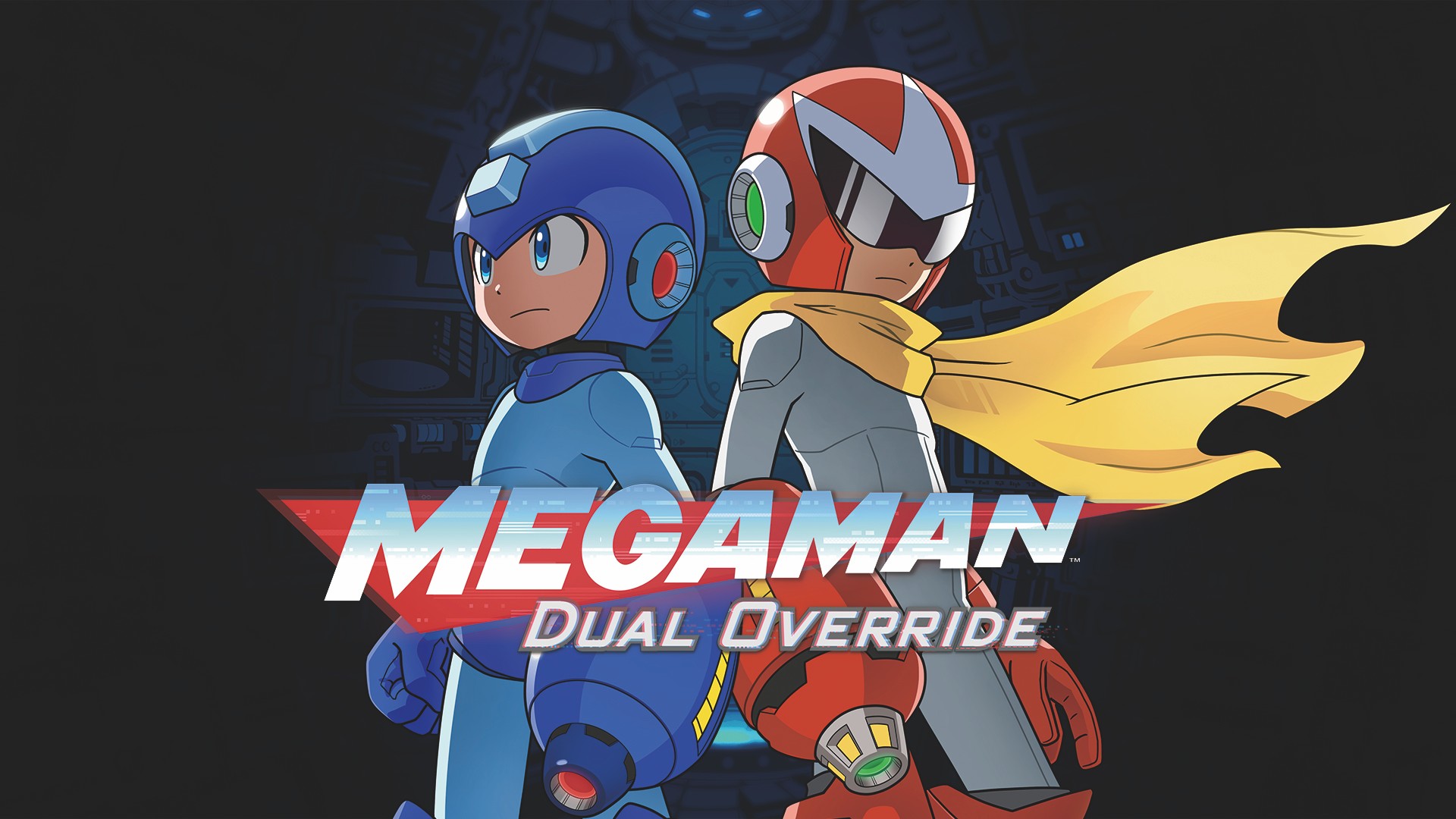
Capcom has unveiled the first gameplay trailer for Mega Man: Dual Override, giving fans an extended look at the next mainline entry in the classic action-platformer series.
Revealed during Gamescom Opening Night Live, the trailer showcases new gameplay mechanics, bosses, playable characters, and more. Mega Man: Dual Override is set to launch in 2027.
The game will be available on Nintendo Switch 2, Nintendo Switch, PlayStation 5, PlayStation 4, Xbox Series X|S, Xbox One, and PC via Steam, the Epic Games Store, and Microsoft Store.
Proto Man joins the fight
For the first time in a mainline Mega Man game, Proto Man returns as a playable character alongside the Blue Bomber.
Proto Man has his own abilities and playstyle. This gives players two distinct ways to approach the game’s challenges.
The trailer also introduces the new Override system. It lets robots temporarily push their abilities beyond their normal limits.
There is a catch, though. Once Override runs out, the player’s performance will temporarily drop. Players will need to choose when to activate the boost and manage its drawbacks.
Build your own playstyle
Mega Man: Dual Override also introduces a Custom Chip system.
Players can install Custom Chips to give Mega Man and Proto Man additional abilities. These include rapid-fire attacks, a protective shield bubble, hover capabilities, and more.
Players can mix and match different chips to create combinations that suit their preferred playstyle.
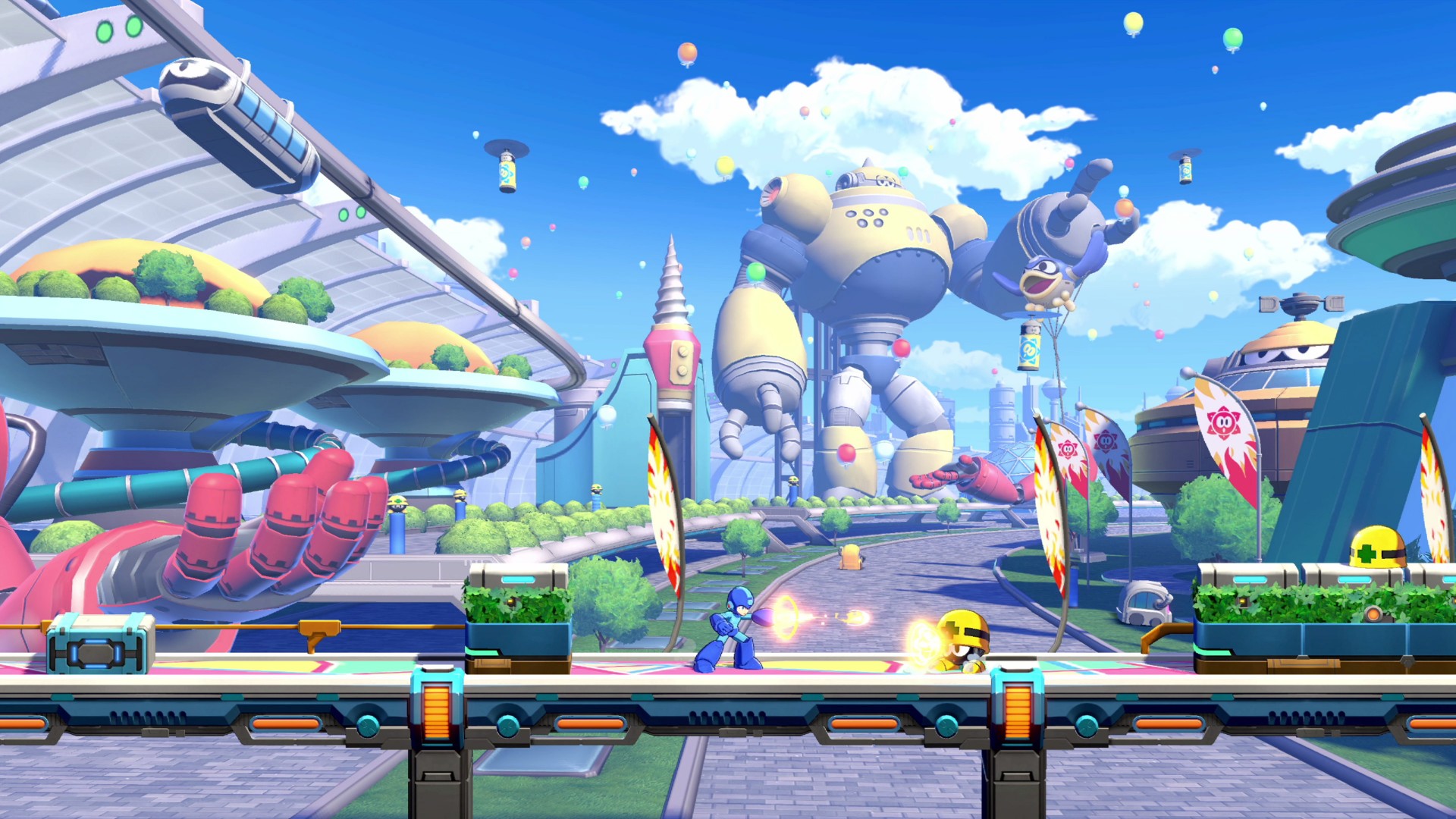
The trailer also introduces Twinkle Girl, one of eight new Robot Masters. She attacks with dazzling, firework-themed abilities.
As in previous games, defeating Robot Masters lets players acquire their abilities and turn them into special weapons.
New weapons and familiar faces
Special weapons remain an important part of Mega Man’s arsenal. However, they consume energy with every use, making resource management important.
The trailer shows off one new weapon that unleashes a powerful charge attack. It can also function as an aerial dash, giving players another mobility option.
Fans also spotted a familiar face in the trailer. Astro Man from Mega Man 8 briefly appears during the footage.
Capcom has not confirmed whether Astro Man will play a larger role in the game. It also teased the possibility of more classic Robot Masters returning.
Mega Man: Dual Override is now available to wishlist on the PlayStation Store, Microsoft Store, and Steam.
Mega Man games are also on sale
Several Mega Man games are currently discounted on Steam for a limited time.
Mega Man 11 is available for SGD 5.53, while the recently released Mega Man Star Force Legacy Collection is discounted to SGD 37.42.
Other Mega Man titles are also included in the sale.


Insta360 Luna Ultra review: My new solo coverage camera
Changed my workflow


TECNO MEGAPAD 2 review: Eyes on the size
The MEGA pad for two base users


30 days with the DJI Osmo Pocket 4P
This is the camera that made solo travel filmmaking finally feel possible.
Insta360 Luna Ultra review: My new solo coverage camera

Nike’s Pegasus Plus 2 wants to give you supershoe feel ~without the plate~

This Nokia phone can also be a powerbank

Inchcape Philippines and Changan are parting ways

Sony Xperia 10 VIII launches with focus on ease of use

VinFast debuts two-wheeler models, opens 21 e-motorcycle showrooms
TECNO MEGAPAD 2 review: Eyes on the size

REDMI Note 17 Series focuses on long-term reliability

OnePlus officially leaves the United States and Canada

Xiaomi debuts SkyNomad Series featuring new Kunlun platform


-
Reviews5 days ago
TECNO MEGAPAD 2 review: Eyes on the size
-
 Singapore1 week ago
REDMI Note 17 Series focuses on long-term reliability
-

 News1 week ago
realme 16T to come with 8,000mAh battery, 7-year battery health guarantee
-

 Accessories1 week ago
Jackery expands Explorer Series portable power stations
-

 Reviews2 weeks ago
Samsung Galaxy Z Fold8 Review
-

 News7 days ago
HUAWEI Pura X View is 2026’s first WIDE slab-type smartphone
-

 Entertainment2 weeks ago
Box office: Brand New Day set to surpass US$ 2 billion, drives Marvel’s Spider-Man 2 resurgence
-
 Gaming1 week ago
Now Playing: Assassin’s Creed Black Flag Resynced