
Gaming
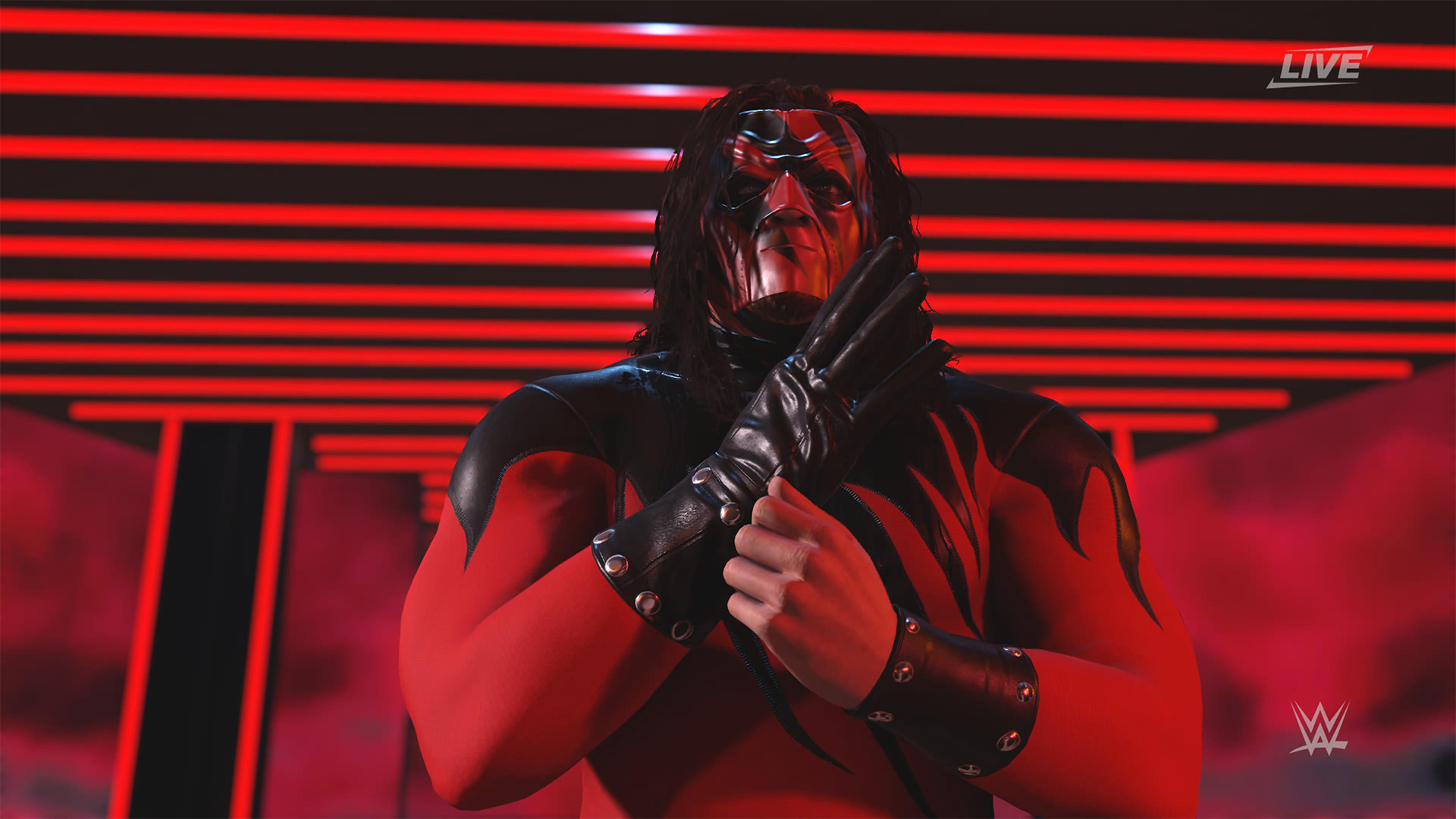
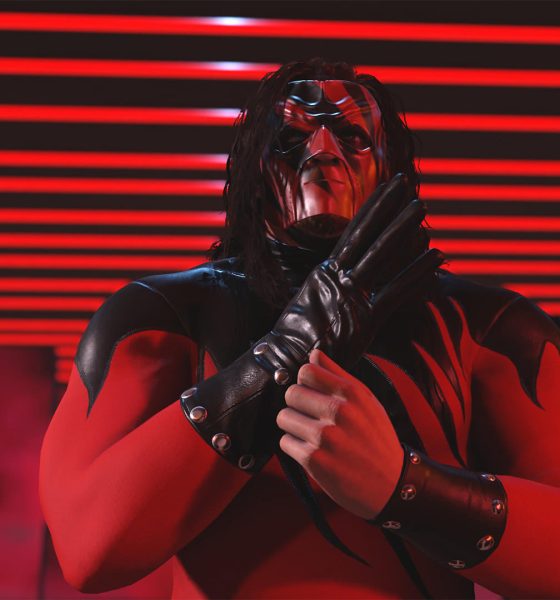
WWE 2K26 lets you live out all the fantasy matches you could want
But you have to play for hours and hours to unlock everyone.

The old SmackDown vs. RAW games were some of the most fun I’ve had as a teenager. Though I didn’t own a PlayStation 2 or 3 then, I had a PlayStation Portable and the series’ corresponding version. Sure, it didn’t have the then-advanced graphics, but the games kept me company for many a day and night. And it all revolved around a simple premise: letting wrestling fans live out their fantasy matches.
Now, with over 400 playable characters on launch, WWE 2K26 hopes to rekindle that magic. Previously, 2K’s take on the wrestling simulator never really captivated me as much as the SvR series did. Though players still had a similarly large roster throughout the years, the series felt too homogenized, too riddled with microtransactions. This year, the series got me thinking again: Can sheer numbers singlehandedly usher a new renaissance for WWE gamers?
The good: Four hundred superstars under one banner
WWE 2K26 touts over four hundred playable characters on launch. With unannounced DLCs still on the horizon, this number will surely balloon further. Even for a dedicated WWE fan, having over four hundred playable characters is insane. Where else can I pit Joe Hendy against Andre the Giant and create my own WrestleMania III moment?
The only catch, however, is that the game did some stat padding to get to this enormous number. Besides having multiple personas for a single wrestler (and CM Punk alone has ten of these), the roster includes a platoon of fictional MyRISE characters, which comes off as distracting if you don’t particularly engage with the MyRISE mode.
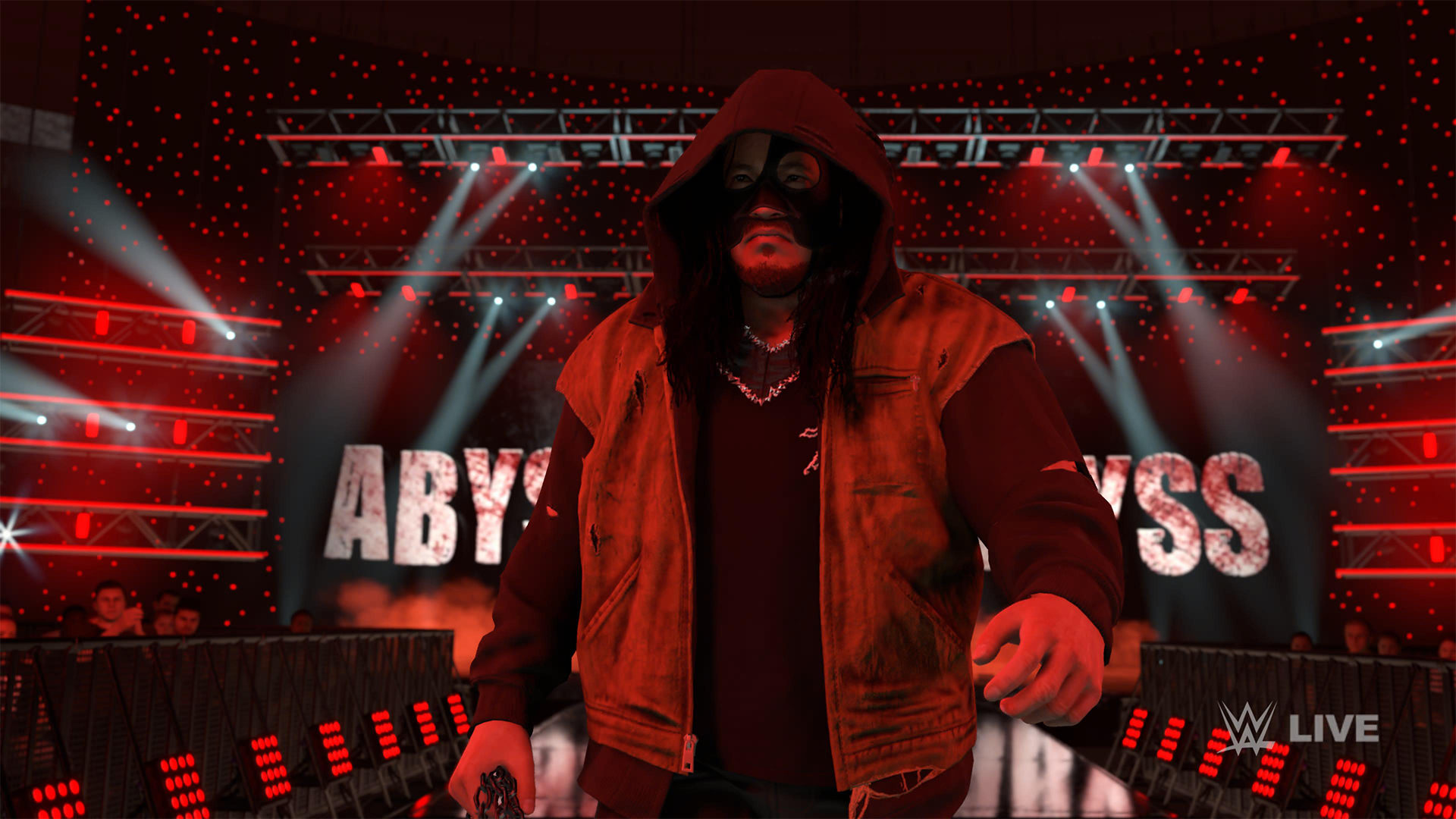
Ironically, the game didn’t even need to pad its stats this way. For the first time in the series, the launch roster includes Superstars from the current WWE roster, TNA, AAA, and the Hall of Fame. I could spend hours just feeding a litany of Superstars to TNA legend Abyss. That’s something I could never have done in the old SvR days.
The good: A more fluid fighting system
It also helps that WWE 2K26’s fighting system is the most fluid that the series has been. Wrestlers no longer feel like wooden animatronics skipping from one animation to the next. Each punch flows smoothly into a clothesline, a grapple, a carry, or a finisher.
It is, of course, at the expense of a more complex control scheme where each input combination corresponds to its own move. A stray waggle of the right joystick, for example, can have your wrestler careening towards their opponent in ways you never intended.
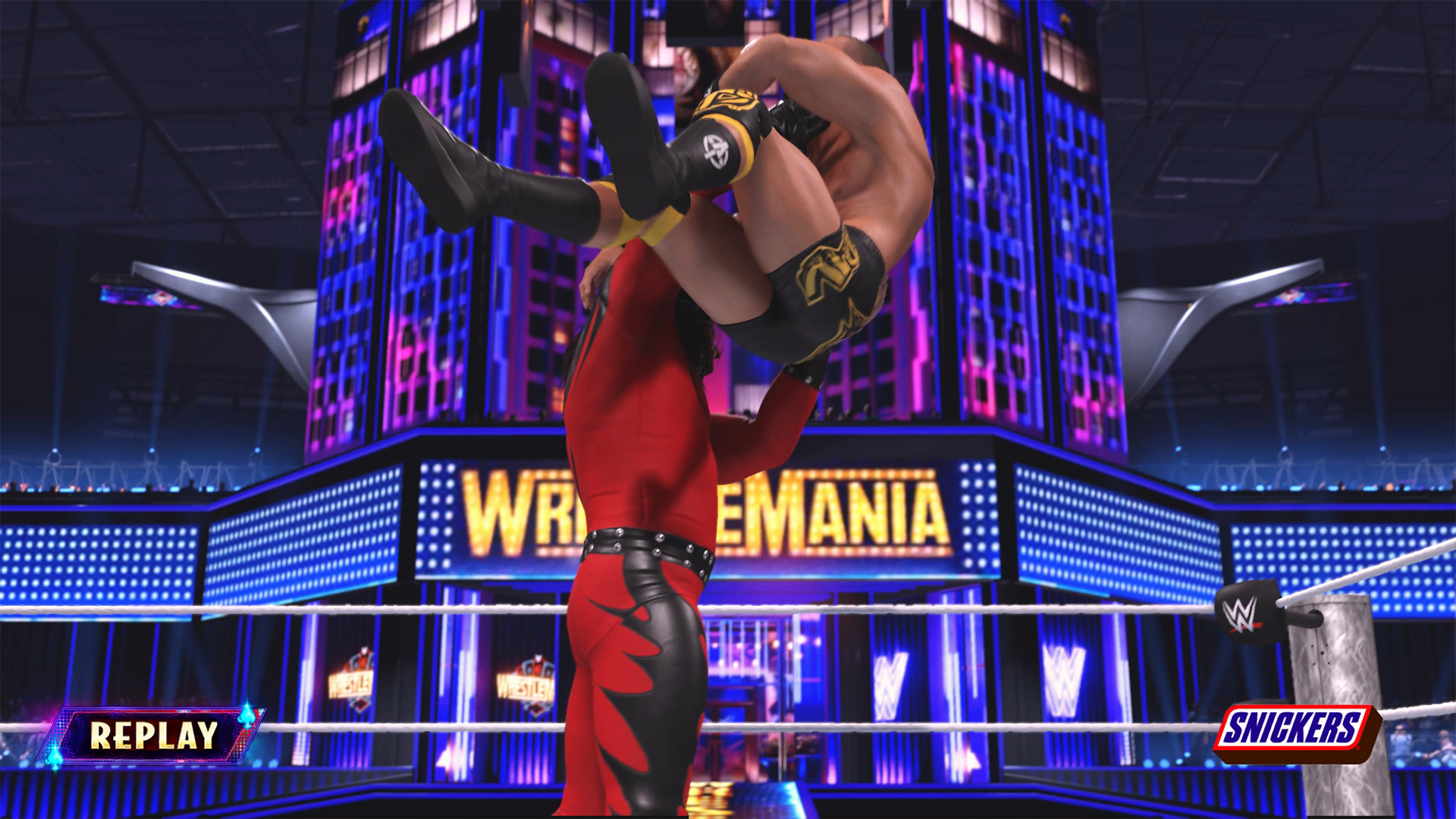
It takes some time to get used to. Every time I get a WWE 2K game, I always need a refresher course for the controls. Plus, each entry introduces something different. This year introduces rushing opponents to the corner and carrying opponents in different ways.
Another new addition is the new third-person camera which follows your character, rather than being locked to the ring. To me, this was a welcome feature. The original camera can often betray you by having various elements (other wrestlers, the ring itself) block your view of the action, thus preventing you from reacting correctly to your opponent. The dynamic third-person camera solves this and makes the fight more immersive.
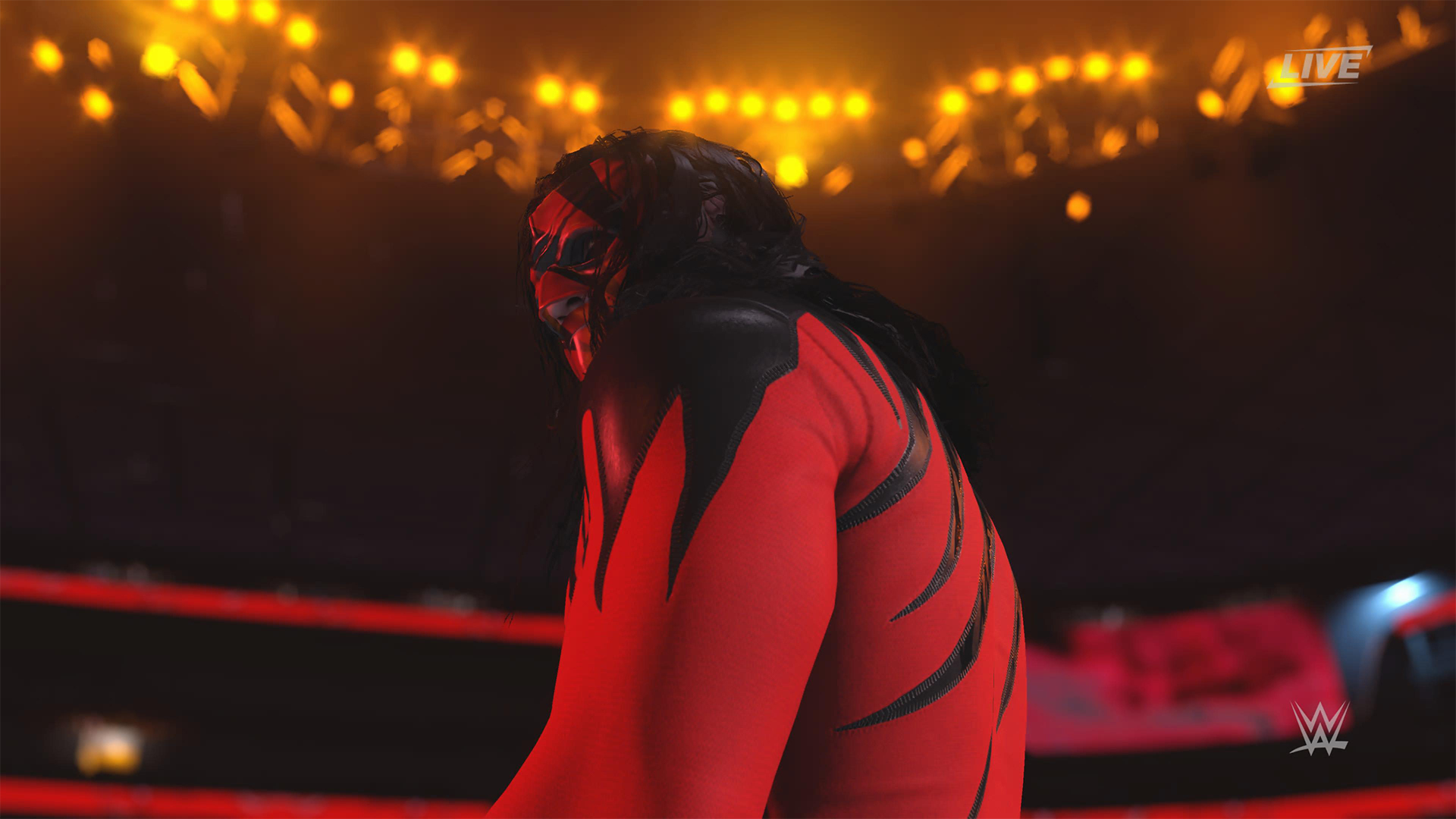
That said, the camera necessarily changes the controls a bit because you need the right joystick to look around. Because of that, I had to revert back to the original camera after a while. Regardless, this is a step in the right direction.
The improved fight scheme is also a step in the right direction. WWE 2K26 is the franchise’s most immersive entry to date because of how fluid the action plays out.
The meh: Iterative game modes
Every yearly sports simulator falls prey to the curse of iteration. Because it’s an annual release, every game needs to add something new for players. At the same time, the same game can’t iterate too much, or it might end up alienating fans of the previous title. Each WWE 2K title has to be the same but also a bit different.
WWE 2K26 goes through the same rigamarole. Most of the game’s different modes don’t offer a lot of improvements from last year. So, if you loved last year’s MyRISE, MyGM, and Universe Mode, you’ll likely find this year’s iteration inoffensive.
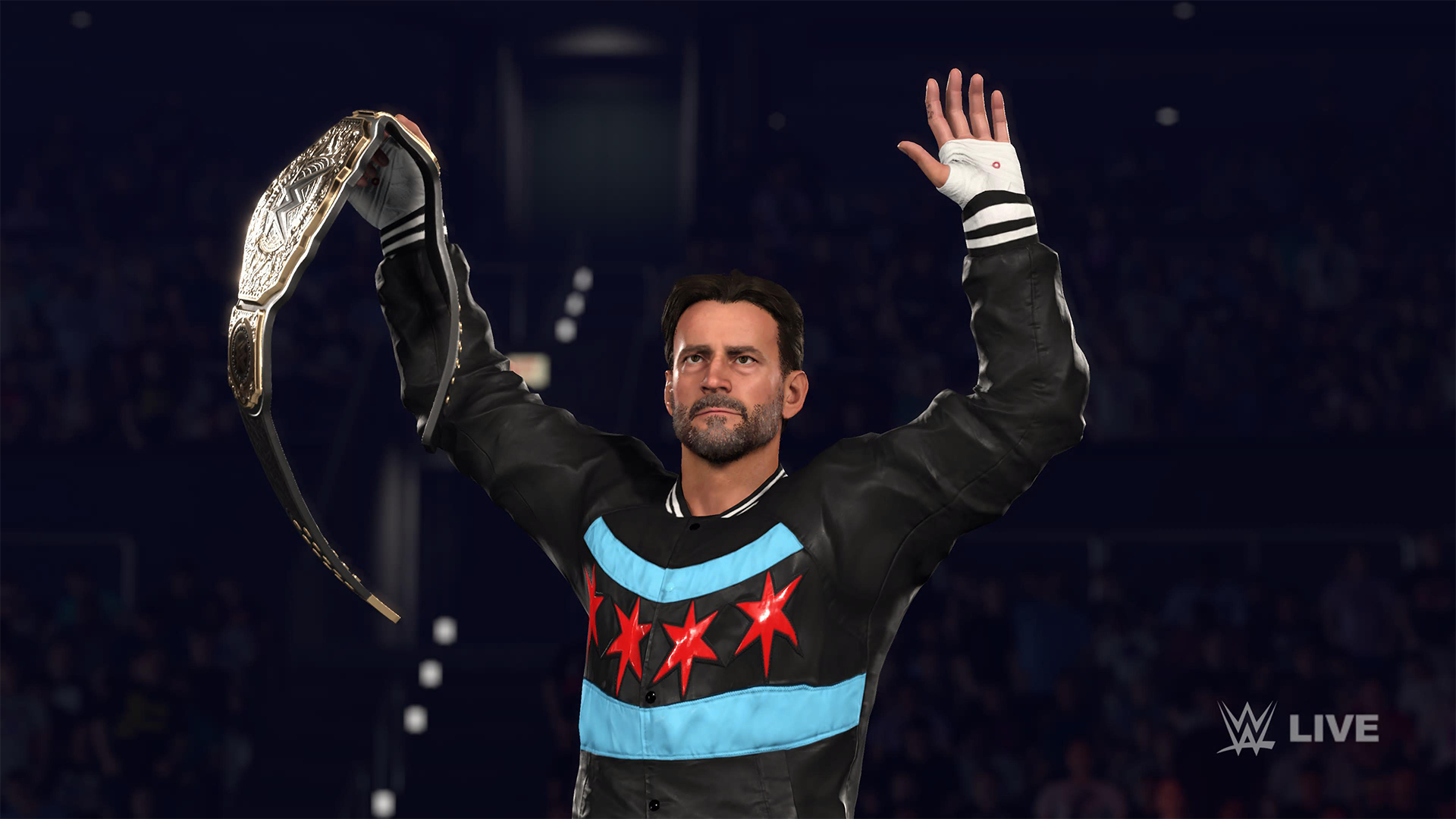
“Inoffensive,” however, isn’t the best way to sell a new game. At the very least, MyFACTION gets interesting improvements. For a mode I historically dislike every year, WWE 2K26’s MyFACTION ended up being the one I loved the most this year.
This year, the layout feels more intentional. Though it still lacks the exciting animations of NBA 2K, opening a pack no longer looks like a PowerPoint presentation. There’s also more ways to fight offline with the addition of a challenging World Tour mode. Plus, with intergender support and team chemistry, this feels like the update that MyFACTION needed.
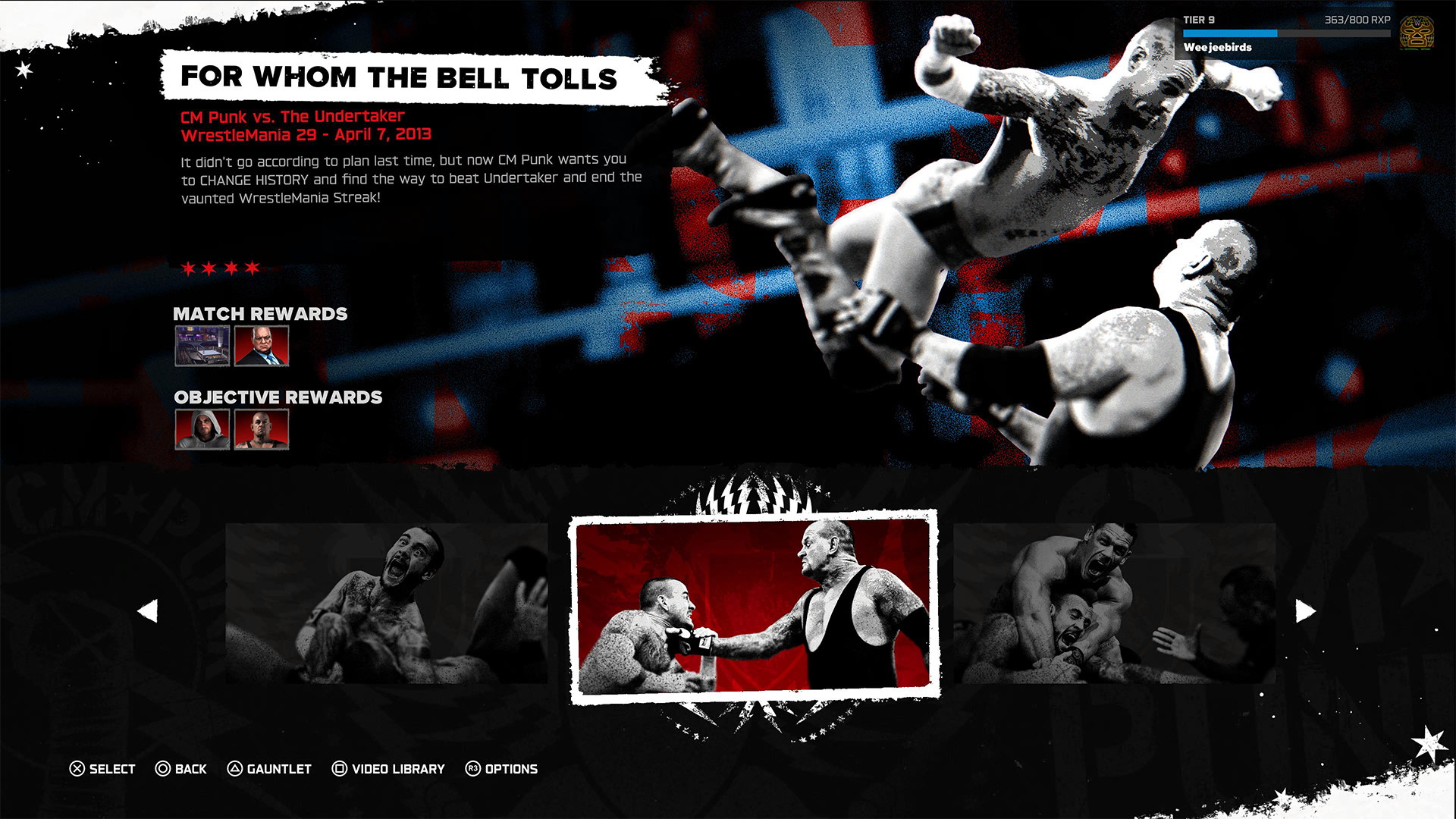
In another twist of fate, Showcase Mode ended up being the loser this year. WWE 2K26 rehashes last year’s schtick of having the star rewrite their history. Last year, this worked with Paul Heyman, a notorious bad guy. It doesn’t really stick with this year’s star, CM Punk, the so-called voice of the voiceless.
Punk could have shined with the traditional style of laying their commentaries over their past matches, especially with his shoot style. Instead, we got a series of what-ifs with practically no commentary. It’s just not what I expected from a firebrand like CM Punk.
The bad: The Ringside Pass
For the first time in the series, WWE 2K26 has a battle pass called the Ringside Pass. Like battle passes in other games, the Ringside Pass unlocks more content as you play through the game. However, unlike today’s standard which revolves mostly on cosmetics, this version locks a treasure trove of playable wrestlers behind an experience gate.
Even if you already paid for the game, WWE 2K26 asks you to play an inordinate number of hours just to unlock the best wrestlers in the game.
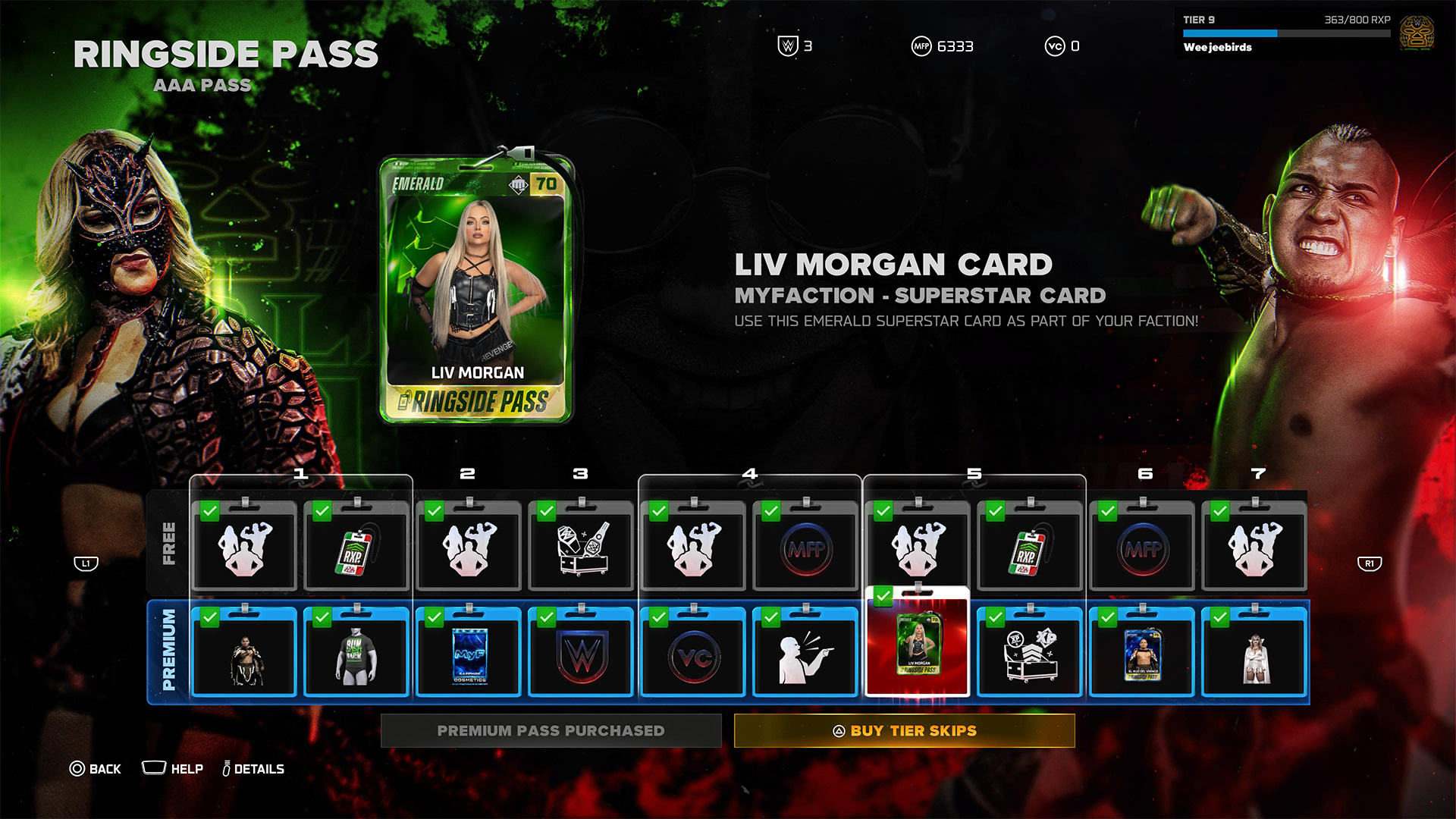
To be fair, it’s not all bad. Right out the gate, the game already gives you access to heavy hitters like CM Punk, Shawn Michaels, and John Cena. However, a lot of favorites are still unplayable including Bret Hart and Kurt Angle. This even includes the strongest version of Bray Wyatt, who’s locked under the last tier of the current pass.
Gaining experience isn’t an easy feat, either. After playing for hours and hours, I still haven’t unlocked more than half of the tiers. At the very least, there is no time limit, so I can play the game at my own pace.
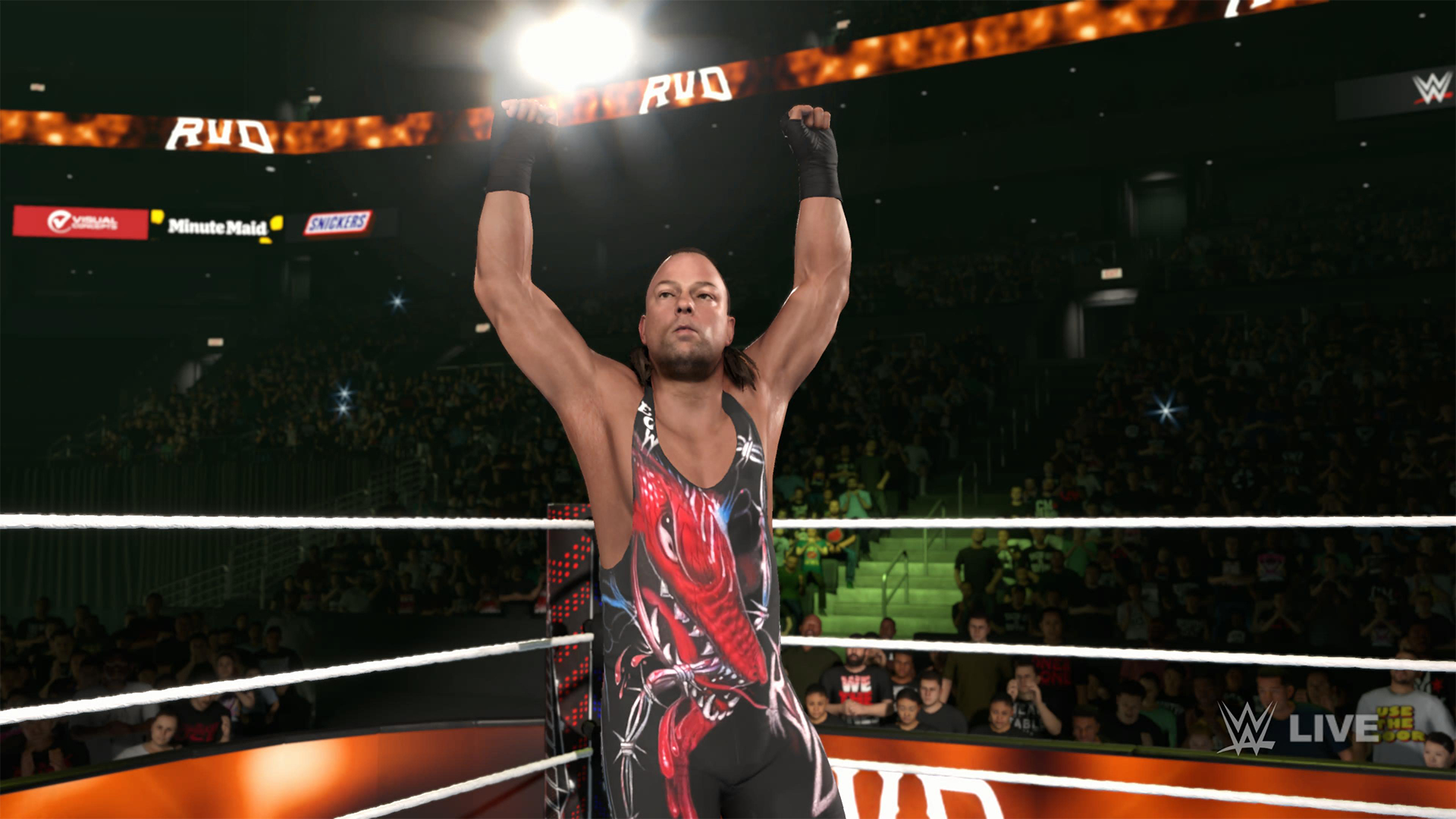
Props to WWE 2K26 for making its battle pass have fulfilling rewards, but it’s still unfortunate that significant elements of the game are locked behind hours and hours of playtime.
The gameplay loop is real and repetitive. And it all circles back to how iterative the game modes are. If only the game modes ended up being as exciting as they were last year, then it would have been exciting to play over and over again. Instead, WWE 2K26 prevents you from engaging in greatest strengths: an exciting roster and a fluid fighting system.
Is WWE 2K26 your PlayMatch?
Last year’s WWE 2K25 was an exciting period for the series. Though this year’s version keeps most of what made the previous game so exciting, WWE 2K26 also adds features, especially the Ringside Pass, that ultimately detract from the entire experience. It’s a small step back, which can hopefully be rectified next year, if not in future updates.
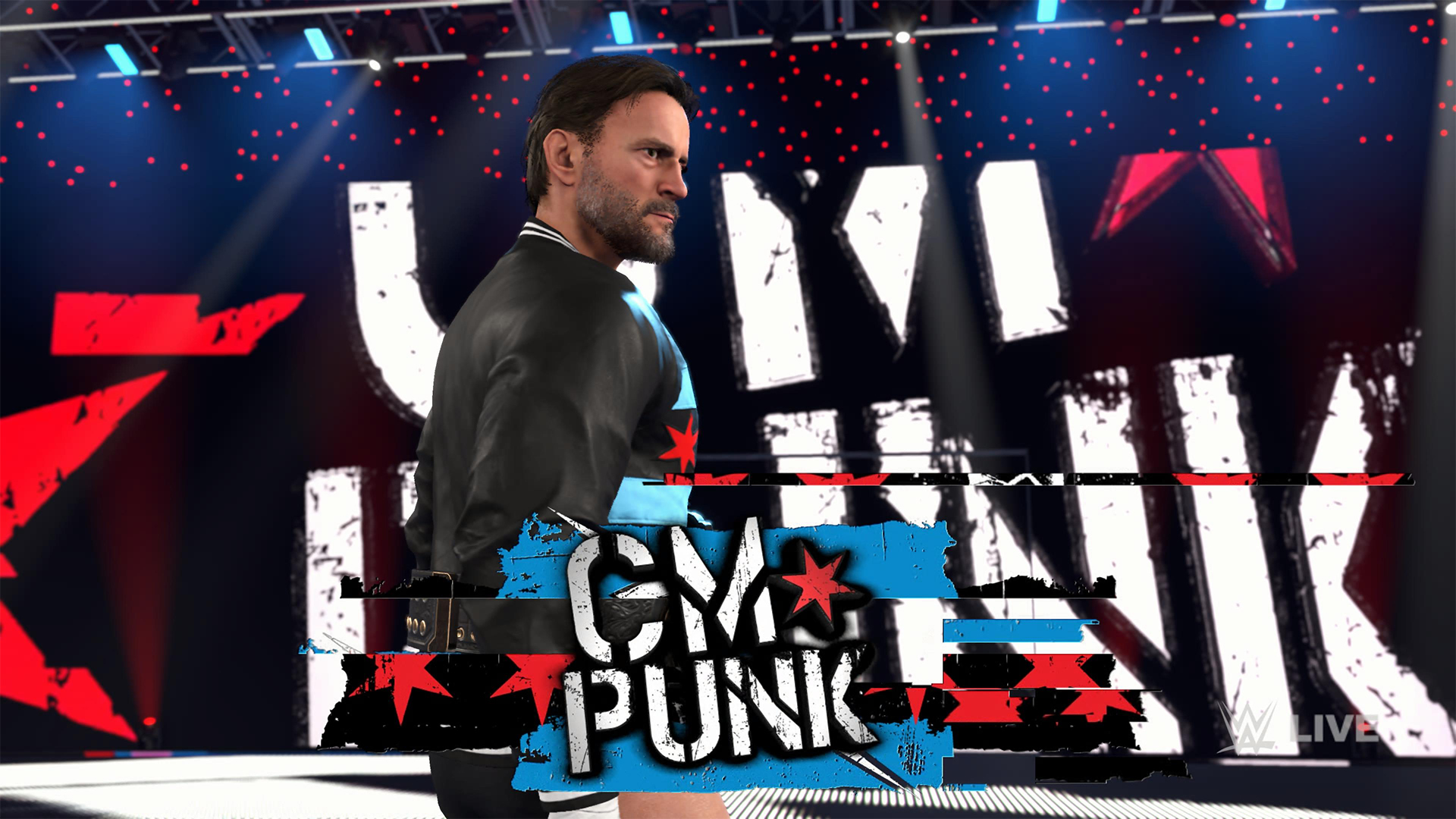
WWE 2K26 is a Swipe Left if you didn’t love last year’s game anyway. The game doesn’t add anything that might change your mind.
However, it’s a Swipe Right if you missed the pure joy of creating dream matches. The game’s massive roster allows for so many impossible matchups to happen, even if only in the digital realm. Just get ready to grind for a long time.






Global K-pop sensation LE SSERAFIM is returning to BlizzCon.
Blizzard Entertainment has announced that the five-member girl group will perform as the closing musical act at BlizzCon 2026. LE SSERAFIM will take the Main Stage on Sunday, September 13 (PT), bringing fans another live performance after its BlizzCon debut in 2023.
The appearance also comes ahead of the group’s upcoming U.S. tour. Blizzard teased that the performance will make it a “Perfect Night” for fans attending the convention at the Anaheim Convention Center.
View this post on Instagram
LE SSERAFIM returns to Blizzard
LE SSERAFIM debuted in 2022 under SOURCE MUSIC, a label of HYBE. The group is composed of Sakura Miyawaki, Kim Chaewon, Huh Yunjin, Kazuha Nakamura, and Hong Eunchae.
The group’s name is an anagram of “I’m Fearless,” reflecting the confidence that has defined its music since debut.
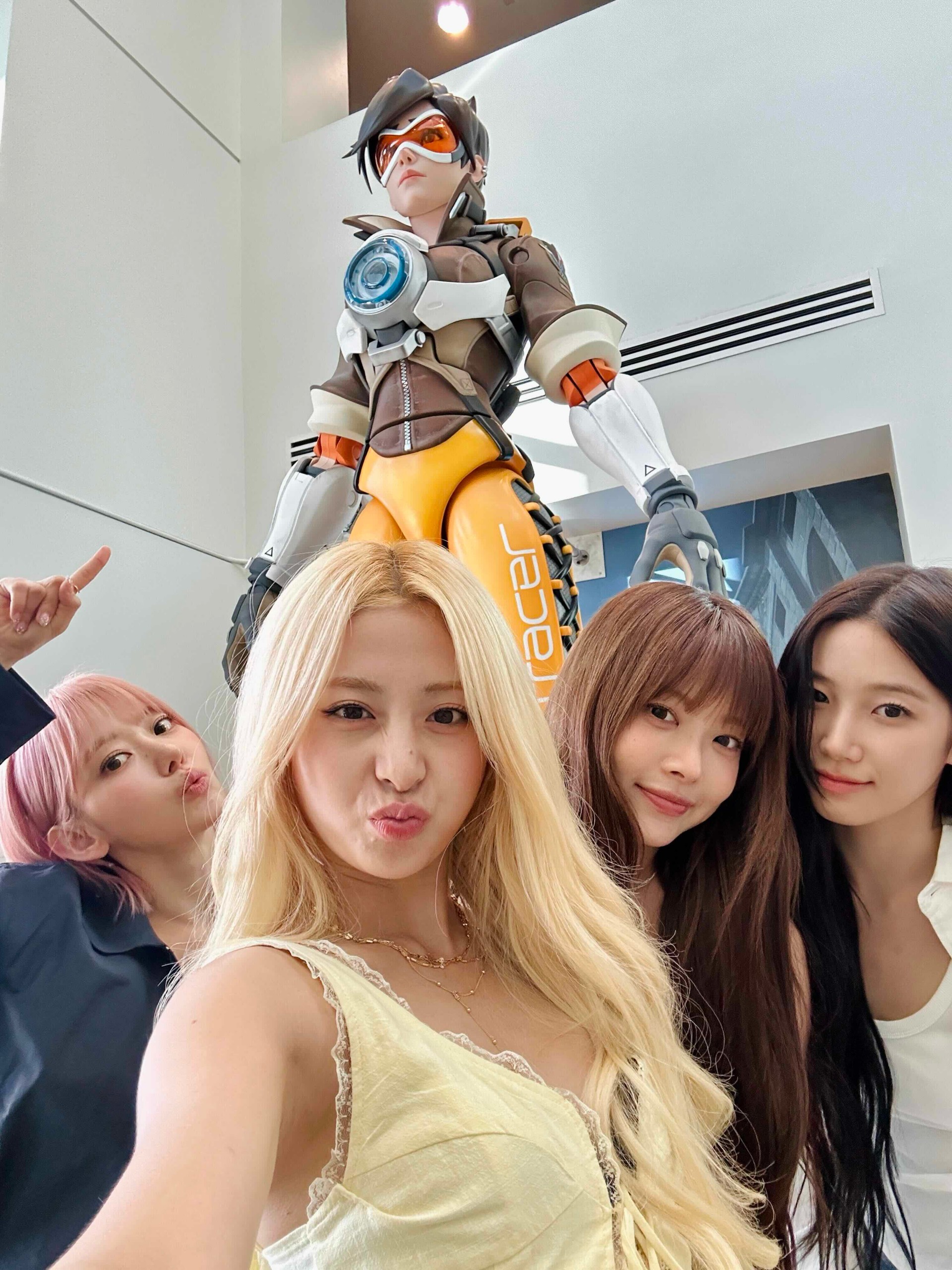
This won’t be LE SSERAFIM’s first crossover with Blizzard. The group previously collaborated with Overwatch 2, bringing themed cosmetics and a special event to the hero shooter.

BlizzCon 2026 is sold out
BlizzCon is Blizzard Entertainment’s annual community celebration. It brings together fans of World of Warcraft, Diablo IV, Overwatch 2, and other Blizzard franchises for game announcements, developer panels, esports, cosplay, and hands-on experiences.
Passes for BlizzCon 2026 have already sold out. However, Blizzard says tickets may still become available through the Tixr public resale marketplace.
Fans can learn more about LE SSERAFIM’s appearance on Blizzard’s official blog.
Gaming
AMD FSR Upscaling 4.1 now available for Radeon RX 7000 Series
Update drops earlier than expected, powering more than 300 supported games

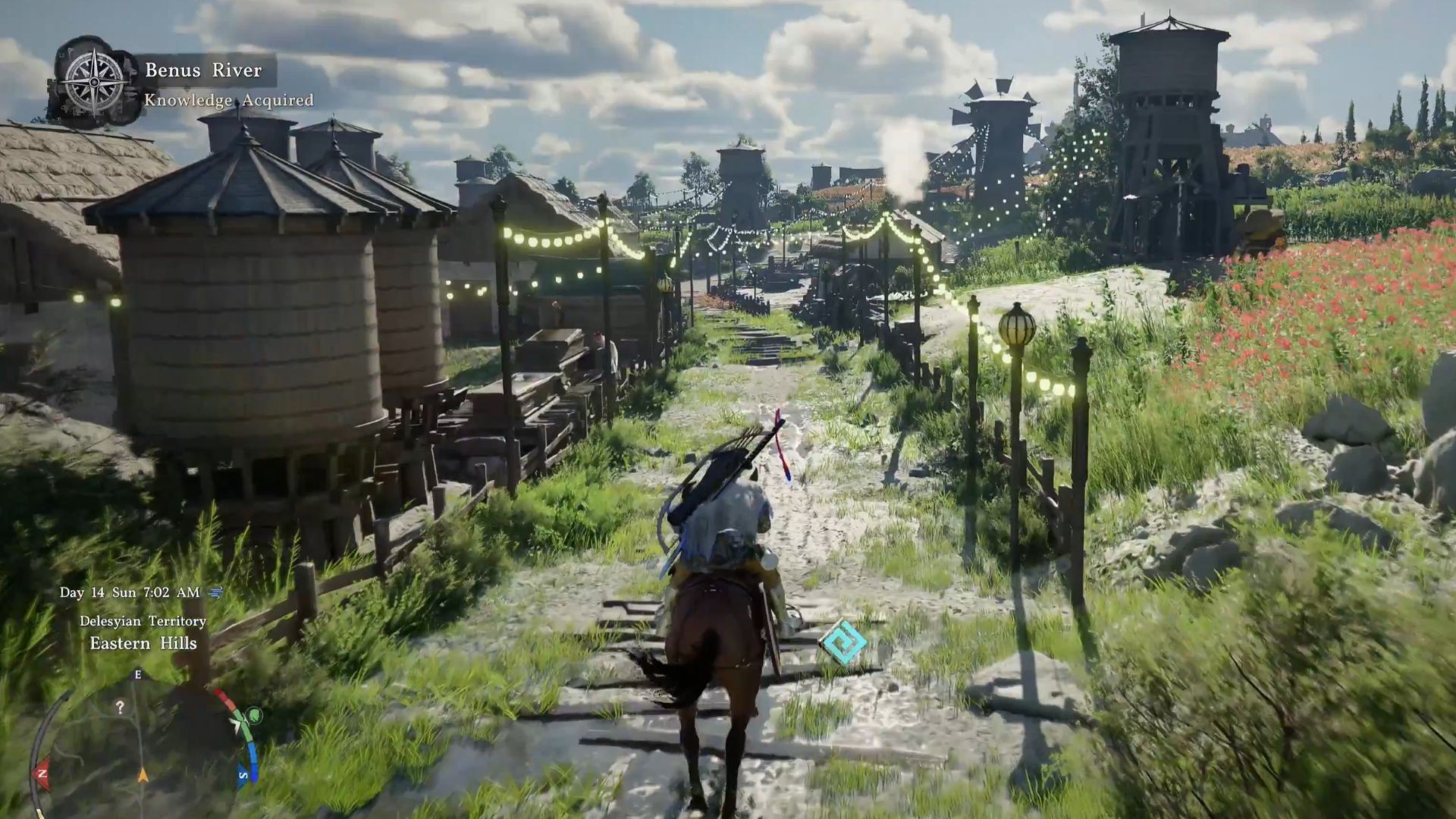
PC and handheld gamers can officially skip the wait, as AMD has launched its FSR 4.1 upscaling technology for Radeon RX 7000 series (RDNA 3) GPUs.
Computing and Graphics Group Senior Vice President and GM Jack Huynh made the announcement on X (formerly Twitter). This development brings machine learning powered gaming to millions of players across more than 300 games.
By downloading the latest AMD Software: Adrenalin Edition 26.6.2 driver, users can unlock the new AI upscaling suite on existing RX 7000 series desktop graphics cards.
(The driver can be downloaded here.)
The update drastically sharpens image reconstruction, delivers far superior temporal stability, and keeps motion ghosting to an absolute minimum. That’s across a massive library of supported titles.
Beyond optimized frame rates out of the gate for those two blockbusters, the release packs vital architecture stability improvements and bug fixes for the broader Radeon ecosystem.
Huynh added that AMD is actively engineering lightweight machine learning models to expand FSR 4.1 optimizations to a wider base of gamers. More details are to come.
Moreover, the driver for the FSR 4.1 upscaling technology will deliver day-one support for two highly anticipated releases: Assassin’s Creed Black Flag Resynced and DOOM: The Dark Ages | Revelations.
if you are wielding an RDNA 3 desktop rig or an RDNA 3-powered handheld, like the ROG Ally X or Lenovo Legion GO, simply open up the AMD Software suite, get the update, and test the new AI tech.
Gaming
GTA VI: New images unveiled as pre-order details, price finally announced
Highly-anticipated title to launch on November 19 for PS5, Xbox Series X|S

Grand Theft Auto VI finally has a price. The highly-anticipated upcoming installment in the series is set to launch on November 19 on PlayStation 5 and Xbox Series X|S.
Pre-orders will begin on midnight, June 25. Available versions are the Standard Edition at US$ 79.99 and the Ultimate Edition at US$ 99.99.
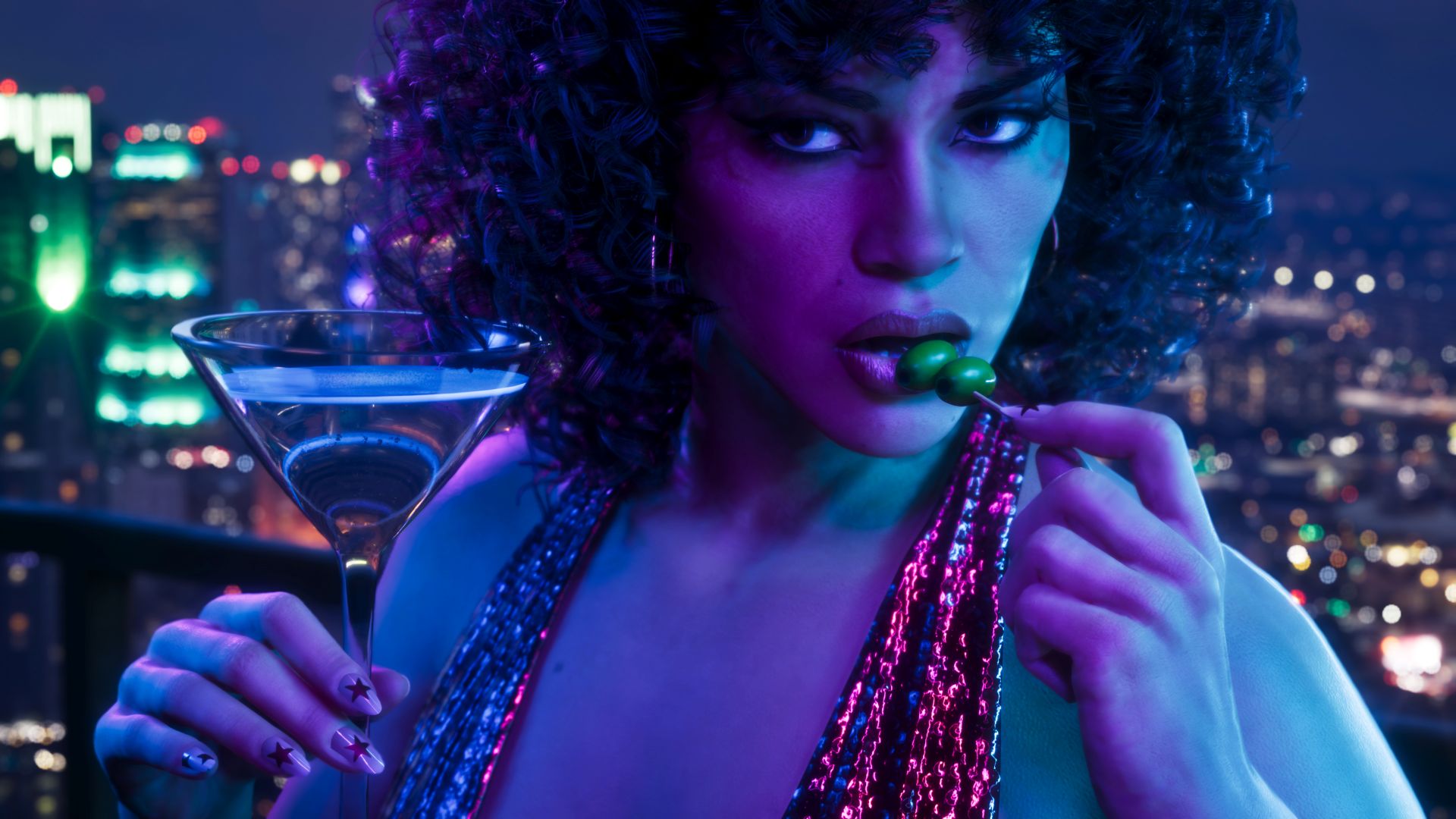
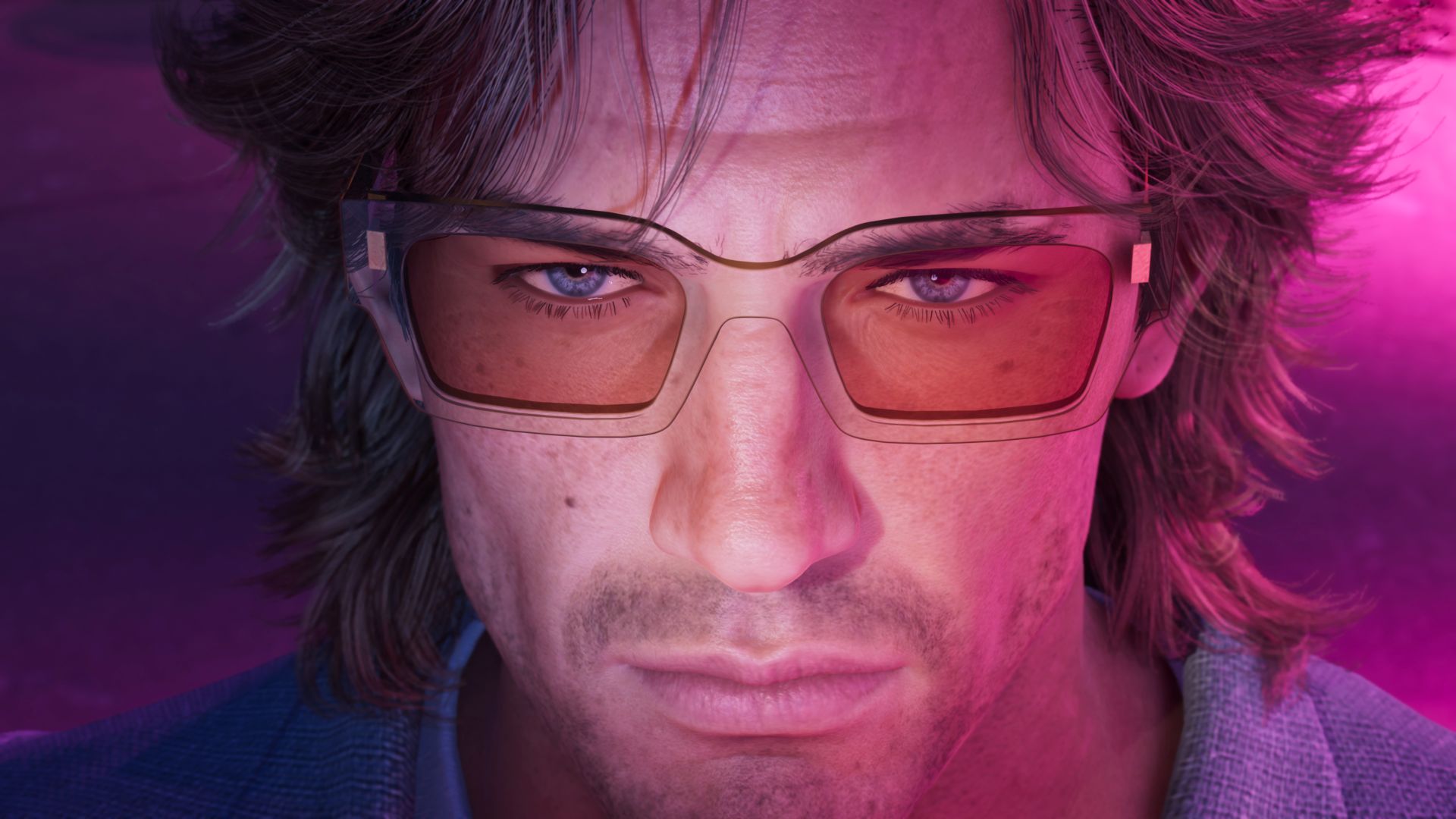
The Ultimate Edition amplifies the single player experience with an exclusive collection of premium vehicles, weapons, apparel, and action threaded across all aspects of Jason and Lucia’s story.
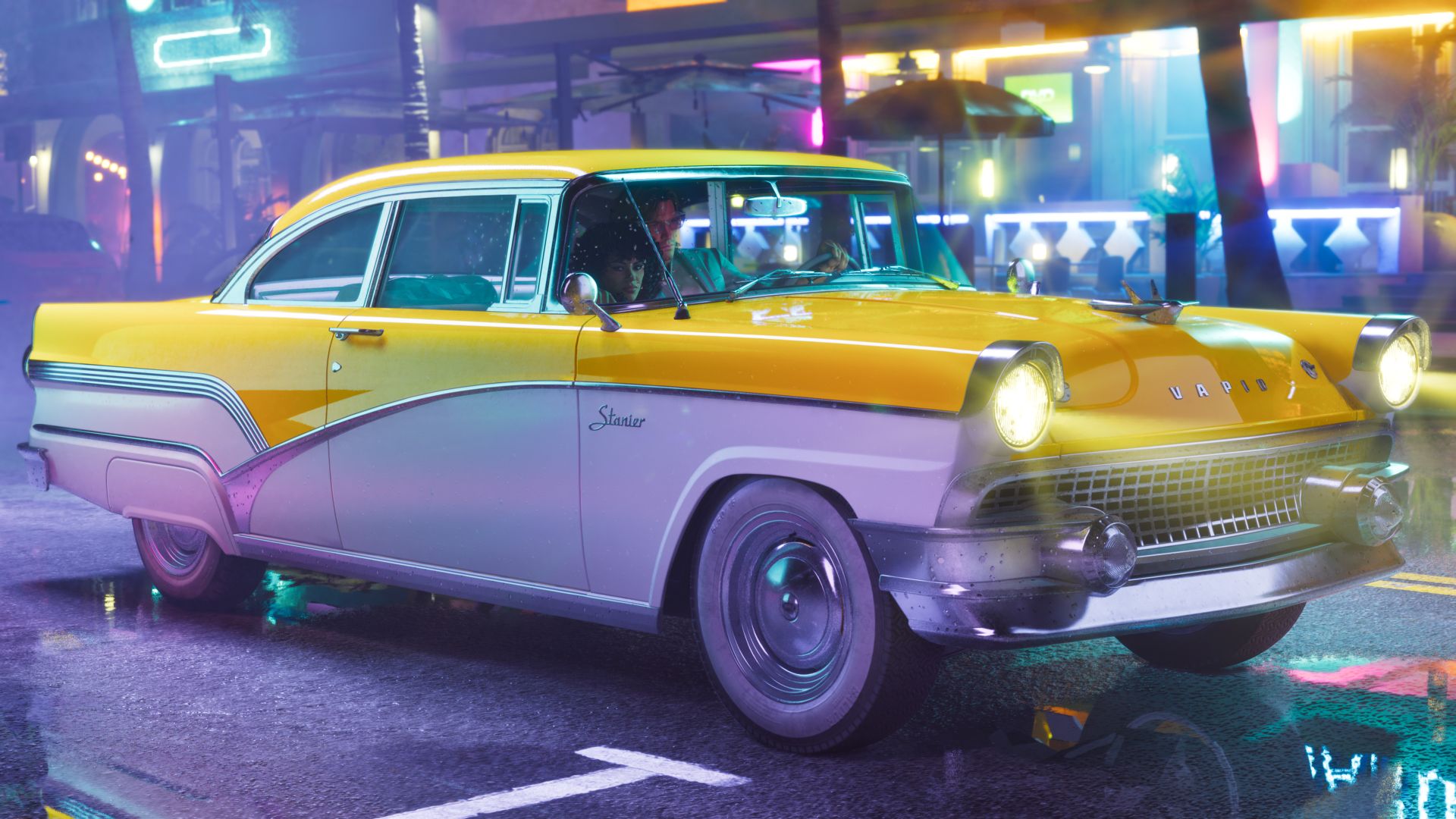
Here are some newly-released exclusive images:

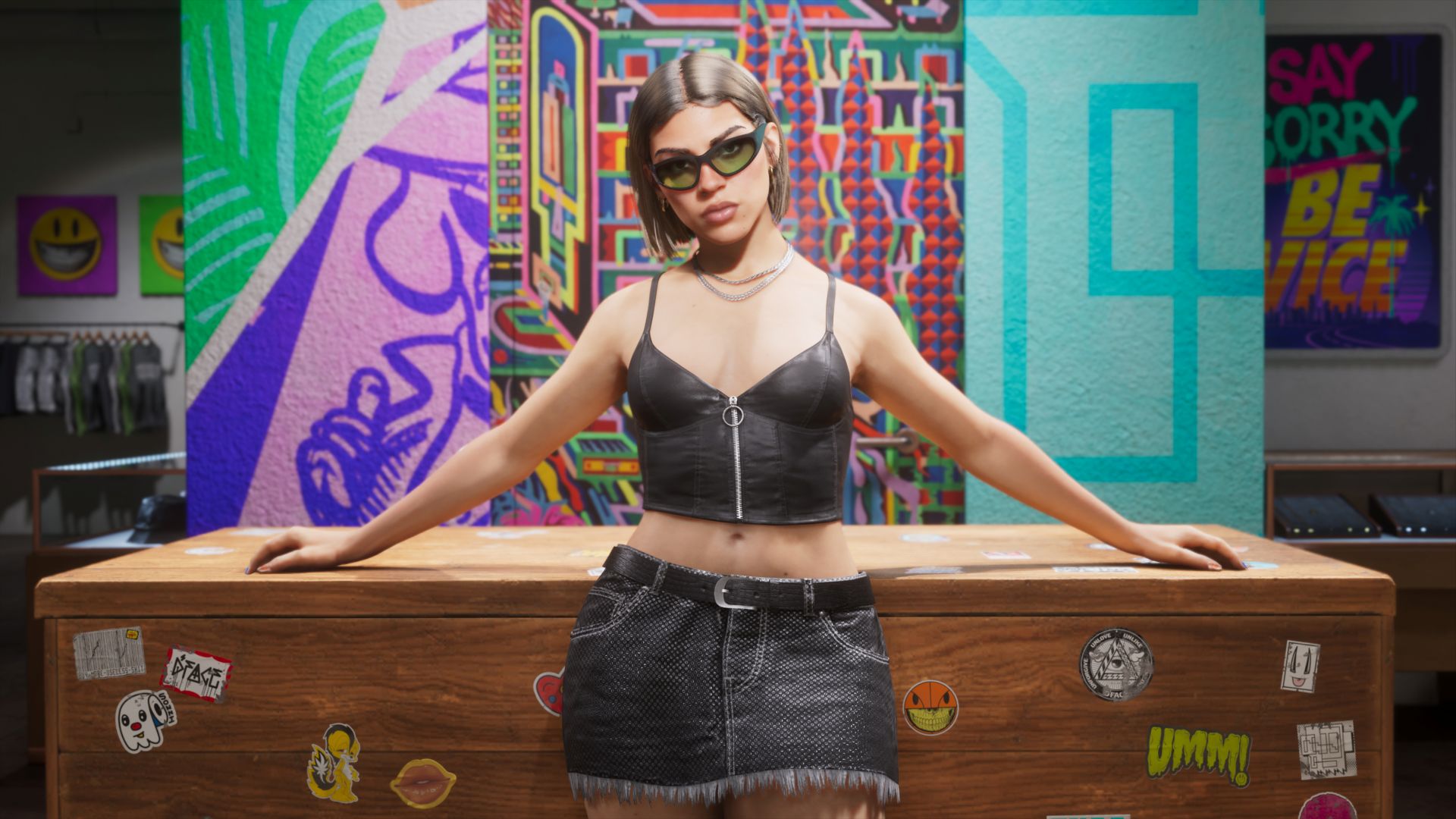

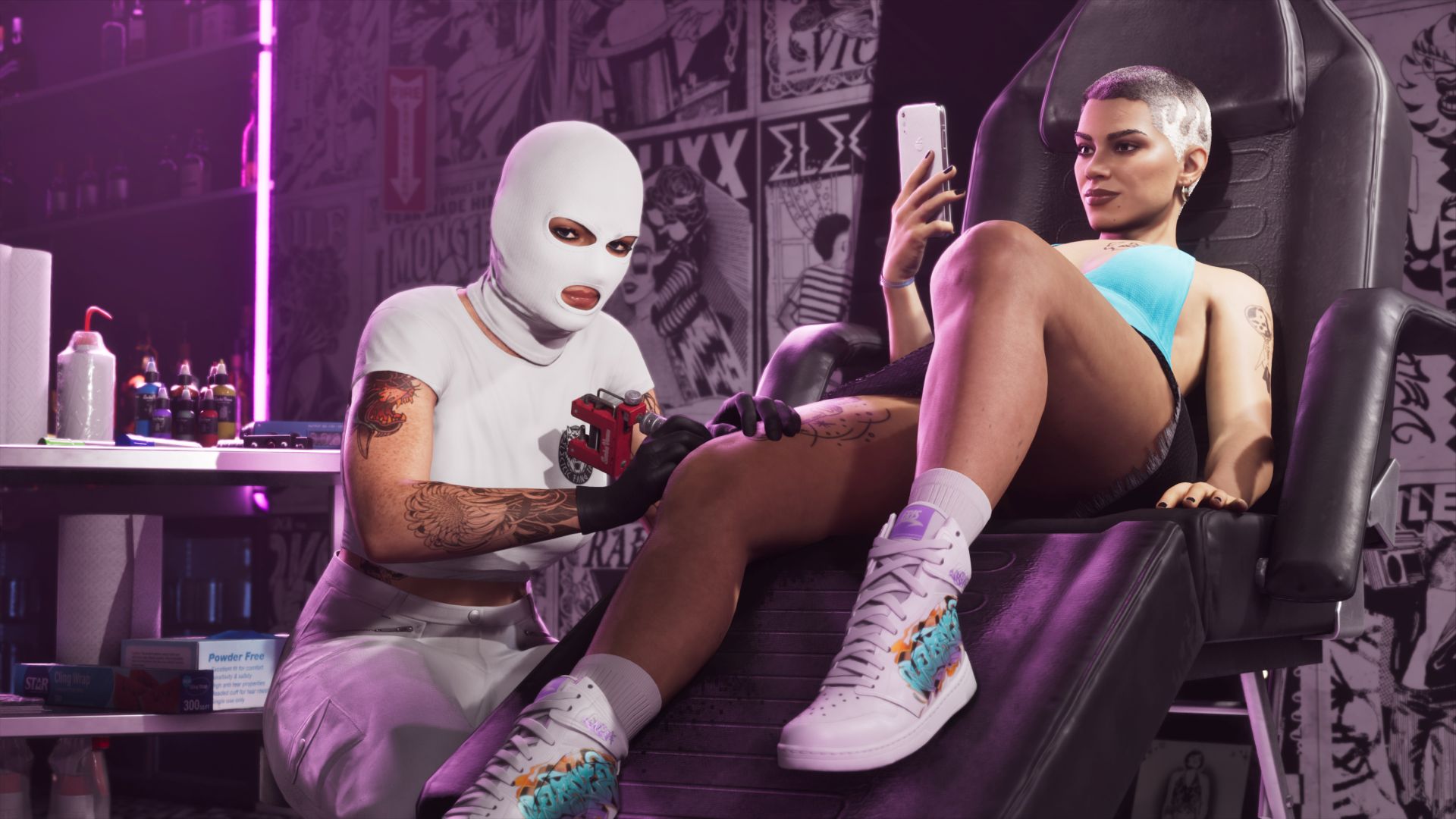

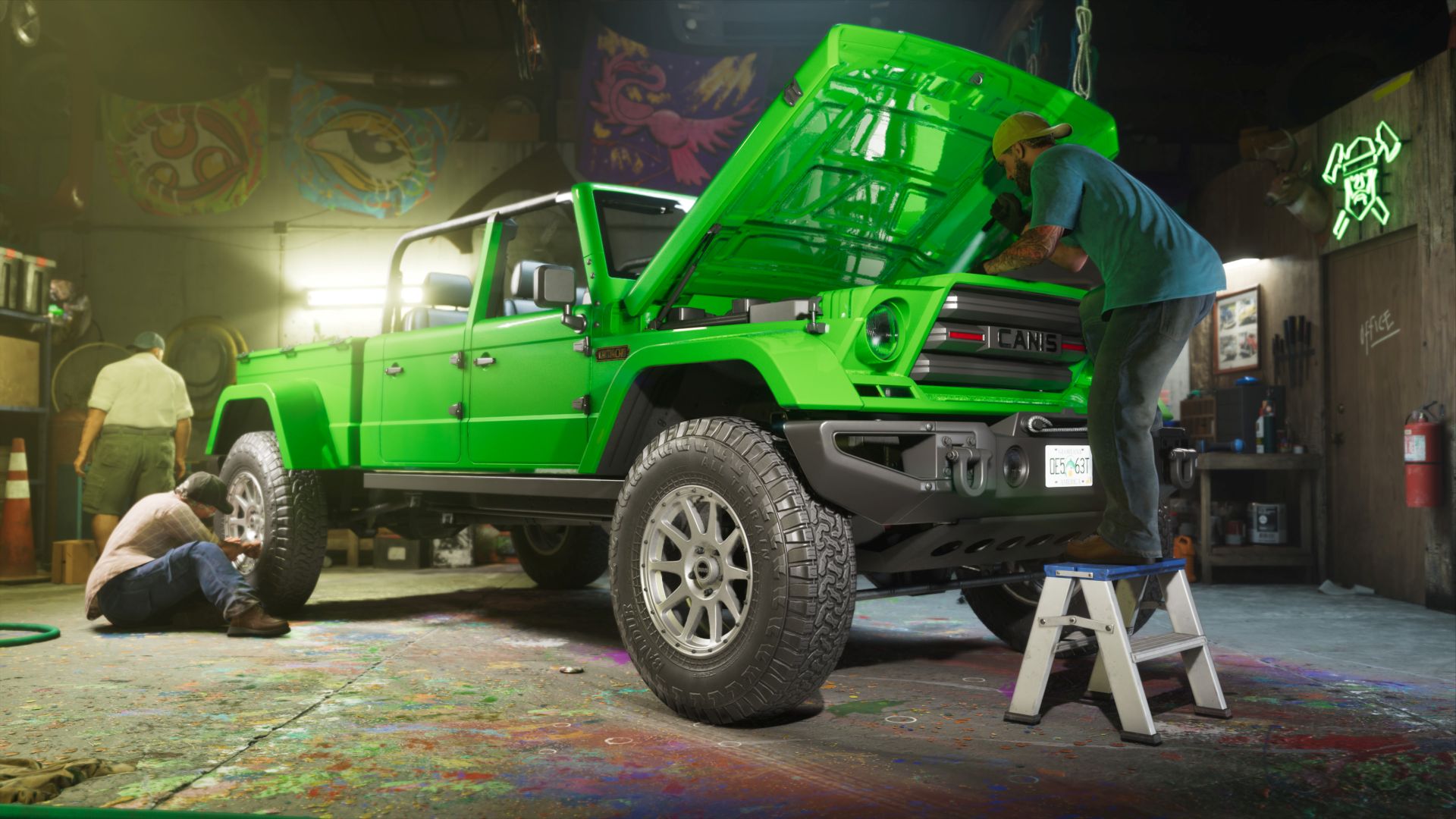
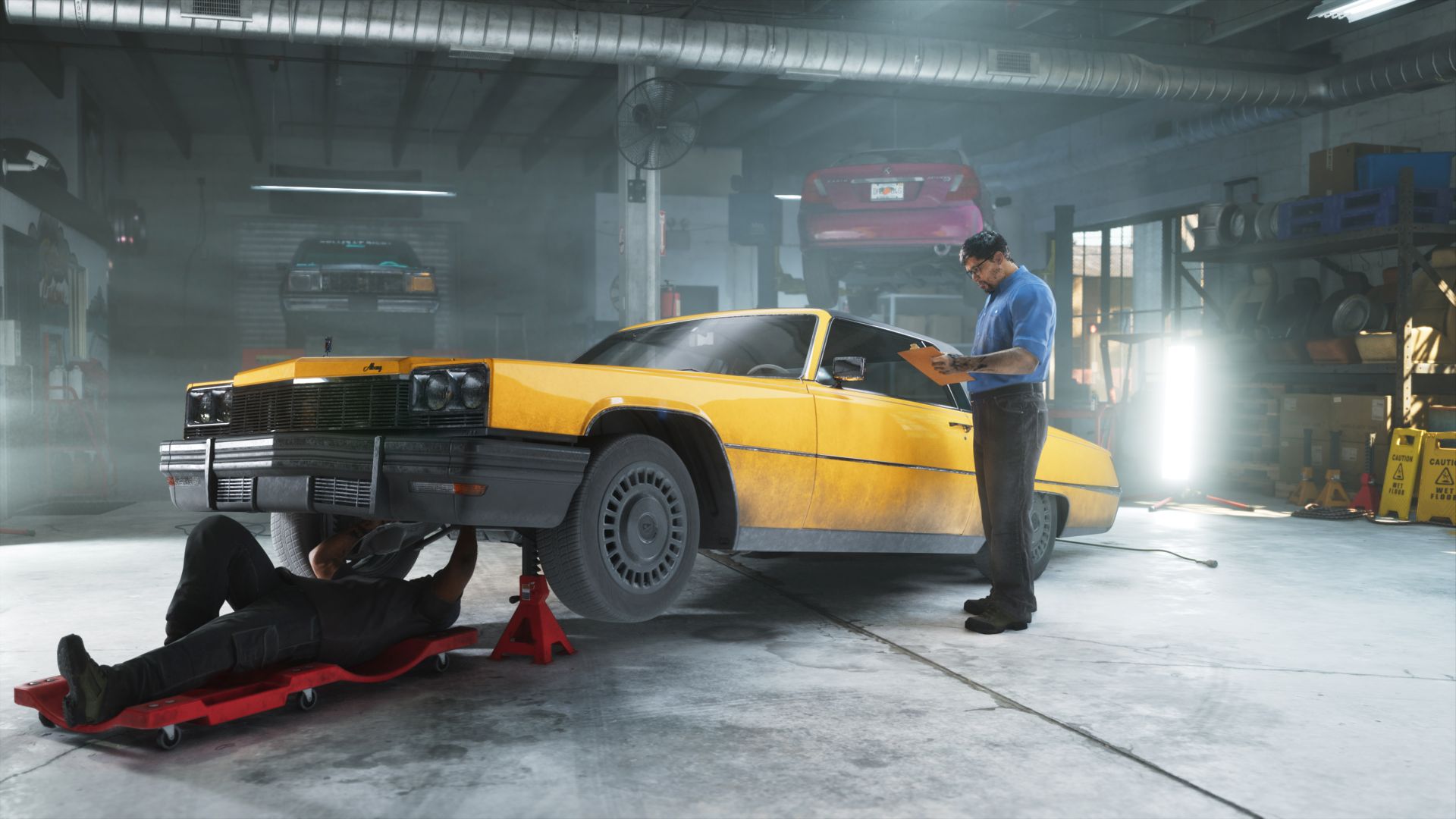

Alongside the Standard and Ultimate Editions, all Grand Theft Auto VI pre-orders and purchases before November 20 will also get the Vintage Vice City Pack.
This is a collection of items that flash back to when the neon burned brightest:




Players who pre-order digital versions of GTA VI will be able to begin pre-loading on November 12. This is to ensure they are able to play at launch on November 19.
The physical version, which contains a download code inside the box, will be available starting November 12 as well to support pre-loading.

LE SSERAFIM to perform at BlizzCon 2026

Xiaomi opens largest Singapore store yet at VivoCity

Honor is reportedly working on a 14000mAh battery

Nothing Phone (4b) shows up online, spoils some specs

Polaroid says, enjoy the beach before AI ruins it

TECNO’s POVA 8 5G is both futuristic and future-ready

Close without crossing: A Xiaomi 17T Pro photo essay

realme launches P4 Series 5G, including Power with 10,001mAh battery

The Xiaomi Watch S5 proves you don’t have to take it off

Buyer’s Guide: Xiaomi Pad 8 Series


-

 Buyer's Guide1 week ago
Buyer’s Guide: TECNO SPARK 50 Pro vs SPARK 50 5G
-

 News1 week ago
TECNO’s SPARK 50 Pro is the latest budget smartphone battery beast
-

 News1 week ago
Budget smartphone realme C100 Series launches
-

 Reviews1 week ago
HONOR Watch 6 Review: Less guessing, more knowing
-

 Reviews4 days ago
vivo X300 Ultra review: A Whole Different Animal
-
 Laptops1 week ago
ROG launches 2026 Strix gaming laptop series
-

 Entertainment1 week ago
Samsung brings the Galaxy Z series into Spider-Man: Brand New Day
-

 Reviews7 days ago
The realme P4 Power: realme’s midrange power play?