
Smartphones
Pixel 11 Pro Fold brings an improved foldable experience


Today, Google launched three different flavors of the Pixel 11 series. If three levels of flatness aren’t enough, the series has a fourth option for you: a new and improved Pixel 11 Pro Fold.
Like the rest of the series, the Pixel 11 Pro Fold is lighter than its predecessor. It’s almost 10 percent lighter and around 1mm thinner than the Pixel 10 Pro Fold.
For a foldable, it’s also Google’s most durable. The foldable has the new scratch-resistant Super Actua display, touting 3600nits of brightness. Plus, the rear has a new glass fiber composite back cover, which Google says is “nearly impossible to crack.” It also has IP68 dust and water resistance.
Inside, the Pixel 11 Pro Fold comes with the new Tensor G6 chipset paired with 16GB of RAM.
For cameras, the foldable has the new 48-megapixel main sensor and a telephoto lens that touts up to 30x Super Zoom. The camera bar then comes in a smaller format on the top left corner of the rear.
Much like the regular phones, the Pixel 11 Pro Fold comes with the new HiLight feature, a notification dot that lights up (and can be customized) whenever notifications pop up.
Finally, the foldable has faster wired charging, promising half of the battery’s capacity in only 30 minutes of charging time. It’s also 20 percent faster with 25W Qi2.2 wireless charging built inside.
The Pixel 11 Pro Fold comes in two colorway options: Obsidian and Olive. It hits shelves in August 20.

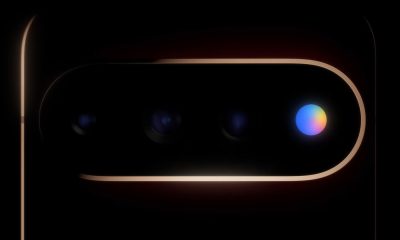

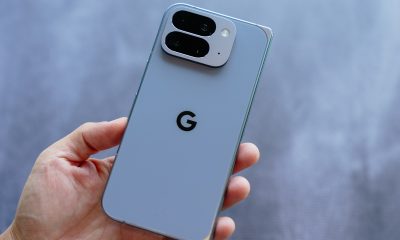


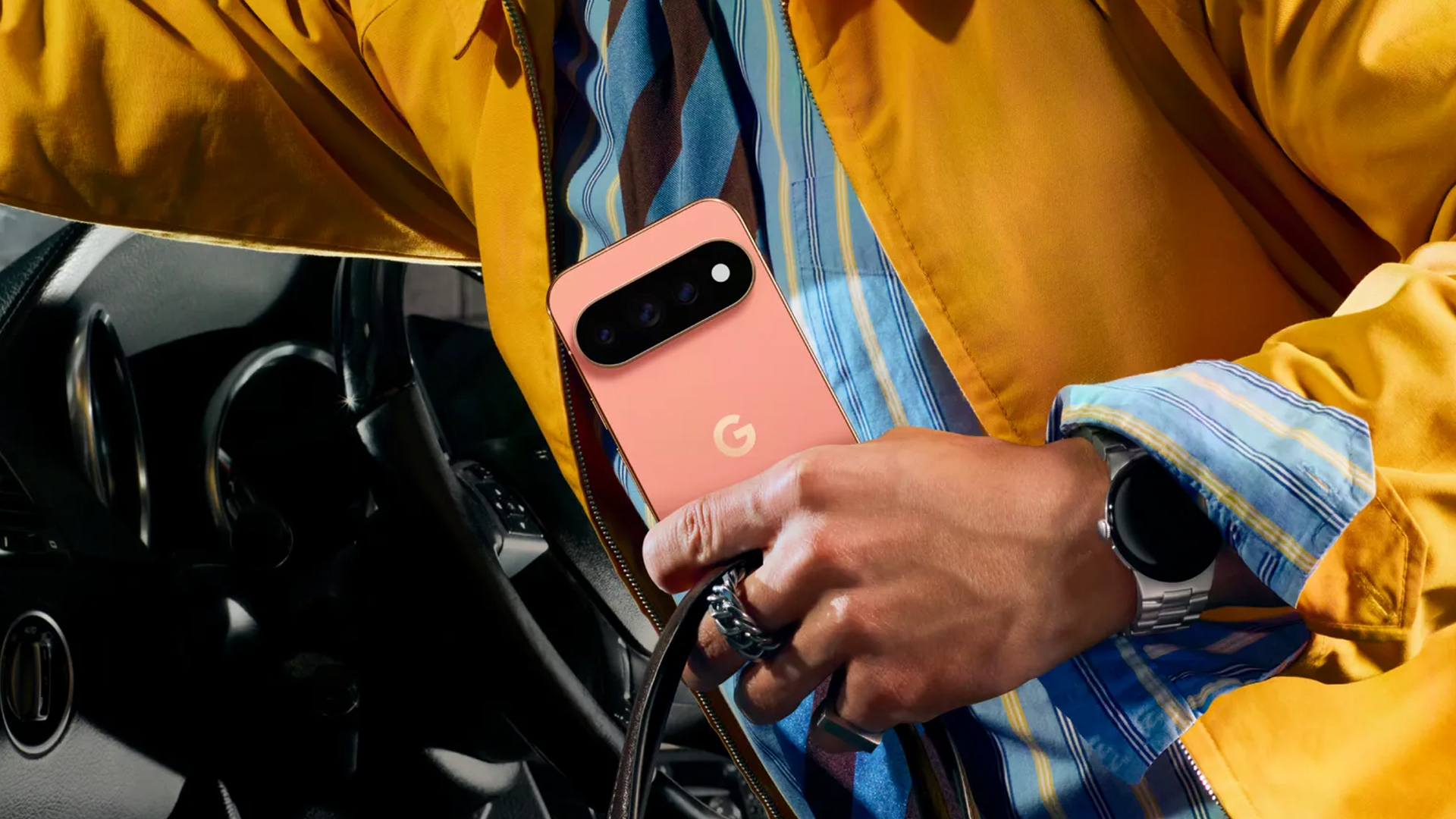
The Pixel 11 series is here! Though we want to say we’re surprised, Google’s yearly flagships are often the least kept secrets heading into their respective debuts. While today is no different, there’s still a lot to look at underneath the microscope, so without further ado, here’s all the nitty gritty with the Pixel 11.
The series comes in three flavors: Pixel 11, Pixel 11 Pro, and Pixel 11 Pro XL. (Technically, there’s a foldable, but that deserves its own spotlight.)
In terms of design, the series shares in the same philosophy as its predecessors. However, the formerly sizable camera bar has reduced its thickness by 40 percent, making it much more comfortable in your pockets or even just laying flat on a surface.
All three models will come with the Google Tensor G6 chipset. It’s the company’s most powerful chip yet, touting 25 percent faster browsing and 15 percent faster app launches. All three will also start at 256GB of storage. Both the regular model and the Pro comes with Qi 2.2 25W compatibility.
Additionally, the Pixel 11 Pro and Pro XL comes with Google’s brightest Super Actua display, peaking at 3,600 nits of brightness. It’s also very durable with an anti-scratch display and a drop-resistant design.
As for cameras, the series starts with an upgraded 48-megapixel main sensor. The sensor takes in more light, allowing for better shots. Additionally, the improved chipset allows the camera to go up to 30x Super Zoom. Meanwhile, the Pro and Pro XL bump this even further with better light sensitivity and a Pro Zoom going up to 120x Pro Zoom.
Speaking of cameras, the camera bar now has something new called HiLight. If you’ve owned a Nothing phone, you’ll likely find this familiar. It’s a notification light that turns on (and can be customized) when you get notifications.
Price, availability
The Pixel 11 comes in four colorway options: Pistachio, Hibiscus, Frost, and Obsidian. It starts at US$ 899.
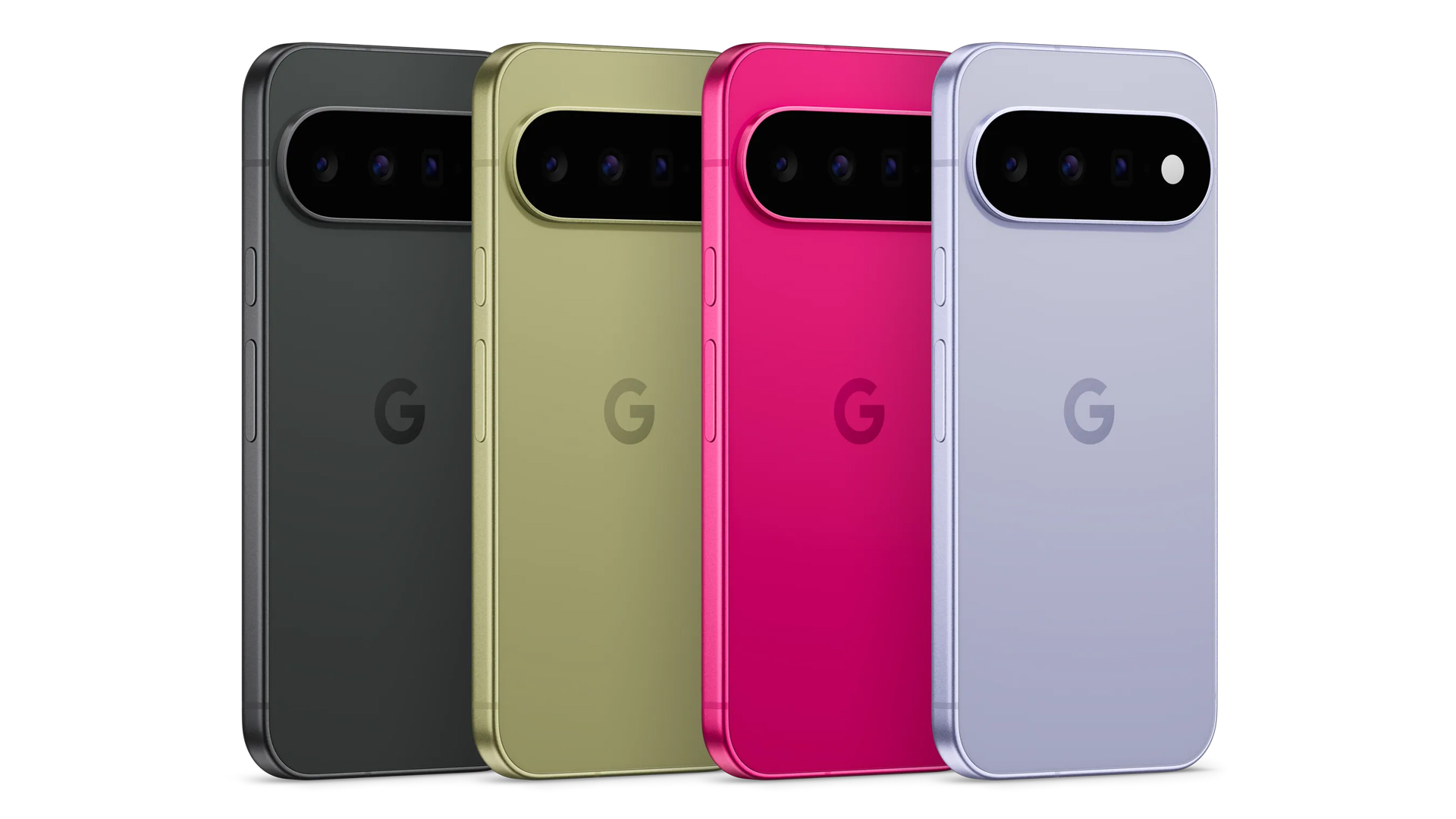
The Pro and Pro XL come in four different flavors: Canyon, Fog, Olive, and Obsidian. They start at US$ 1,099 and US$ 1,299, respectively.
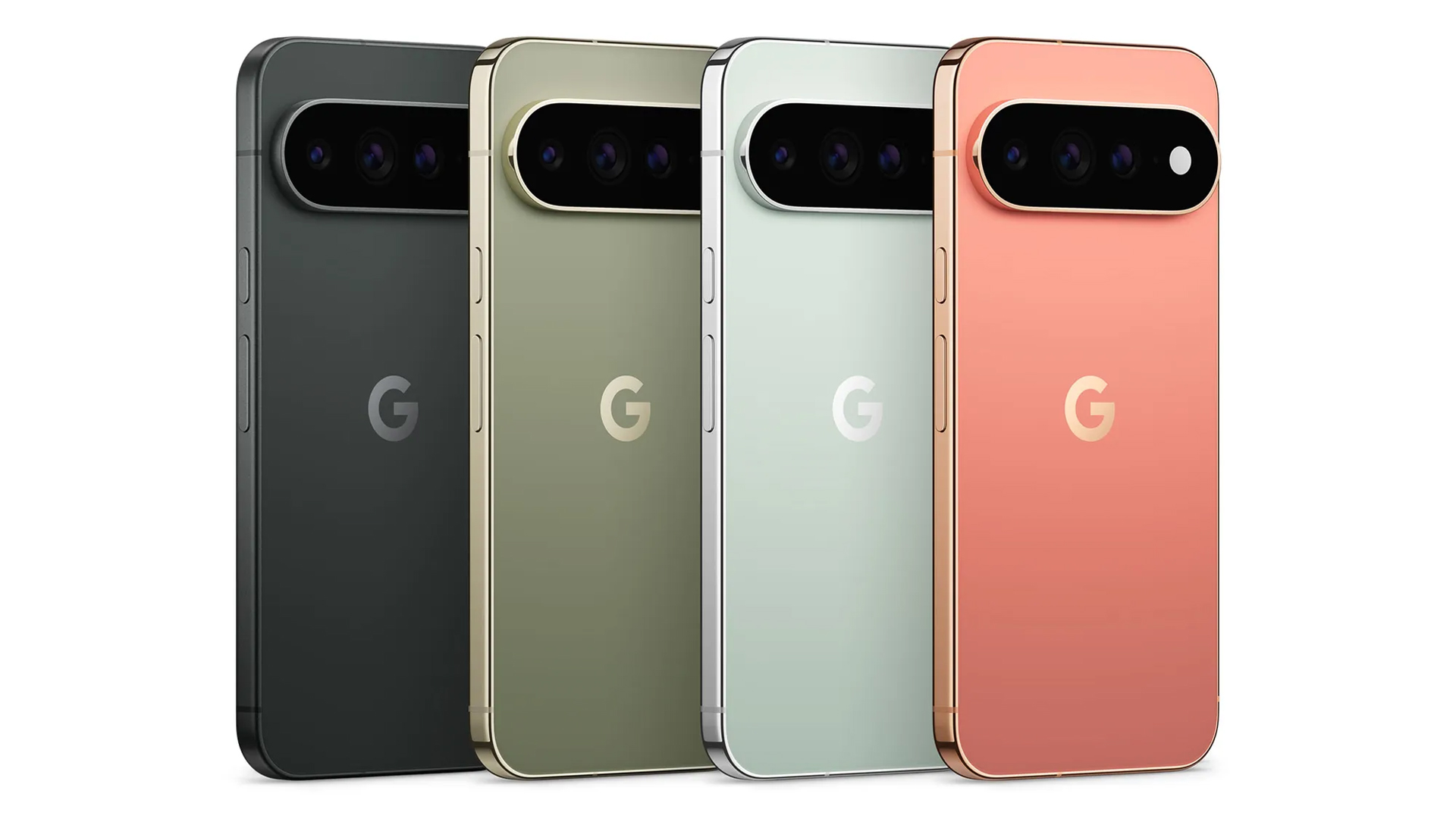
All three phones go on sale starting August 20.

The HONOR Robot Phone may have officially launched, but don’t expect this version to immediately make its way to global markets.
HONOR told media in Shenzhen that it currently has no plans to bring the current Robot Phone outside China. The main hurdle isn’t the hardware. It’s the phone’s AI experience, which is currently optimized for the Chinese market.
HONOR believes a future generation of the Robot Phone would be better positioned for a true global rollout once its AI experience is ready for markets outside China.
That doesn’t mean HONOR is abandoning the idea. Quite the opposite.
More than a phone with a moving camera
The Robot Phone is HONOR’s attempt to introduce a new idea to the smartphone market. It combines a smartphone with a 4DoF mechanical gimbal, allowing its camera to physically move.
Its AI features take that concept further. YOYO Robot Mode can use voice commands, gestures, and AI tracking to control the camera. It can also automatically pan and tilt to keep a person in frame during vlogs, livestreams, and video calls.
The phone also brings selected elements of ARRI Image Science and professional cinema workflows to its camera system. Its 200MP gimbal main camera supports 10-bit ARRI LogC3 recording, while ARRI Wide Gamut 3 and ARRI Looks give creators more control over their footage.
But HONOR isn’t treating the Robot Phone primarily as a volume-driving product.
The company says its bigger goal is to introduce a new concept to the smartphone market and see what kind of effect it can have.
That makes the Robot Phone an interesting experiment for HONOR. The hardware is already here. The company now wants to learn what happens when a smartphone can physically move, respond to its surroundings, and use AI to help operate itself.
For now, though, China is where that experiment begins.
News
HONOR Robot Phone’s camera can move on its own
Its built-in gimbal lets the camera move itself.

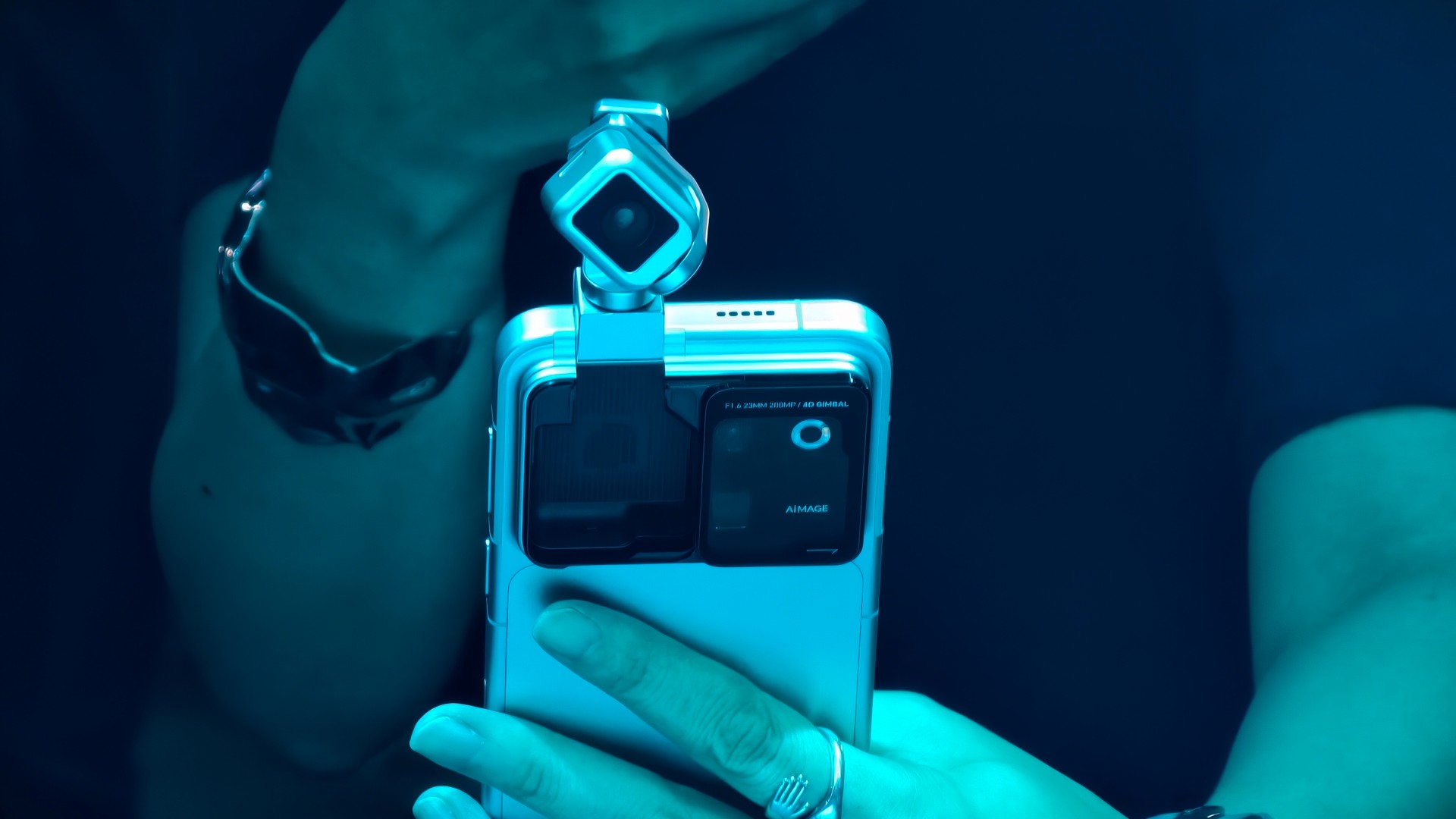
The HONOR Robot Phone’s biggest trick is also the easiest to understand: its camera can physically move.
Instead of keeping its cameras fixed inside the phone, HONOR built a mechanical gimbal directly into the device. The system can tilt, rotate, and reposition the camera, opening up movements that aren’t possible with a conventional smartphone camera.
HONOR calls it the Titanium Agile Gimbal, and the company says it is the industry’s smallest 4DoF gimbal system. It packs more than 100 precision components into a module that’s just 9.59mm thick.
A tiny gimbal inside the phone
The 4DoF mechanical system is designed to deliver the benefits of a separate gimbal without requiring users to carry another piece of equipment.
HONOR says it reduced the gimbal’s overall volume by 65% compared with traditional gimbals while increasing its structural strength by 200%. The system uses more than 100 precision components and is backed by more than 100 patents.
At its core is a 2.6-gram titanium gimbal motor that can rotate at up to 360 degrees per second. A separate HONOR Shield Steel Flip Motor provides a torque density of 120 Nm/L.
Those numbers sound impressive, but their practical purpose is straightforward: the camera needs to move quickly and precisely while remaining small enough to fit inside a smartphone.
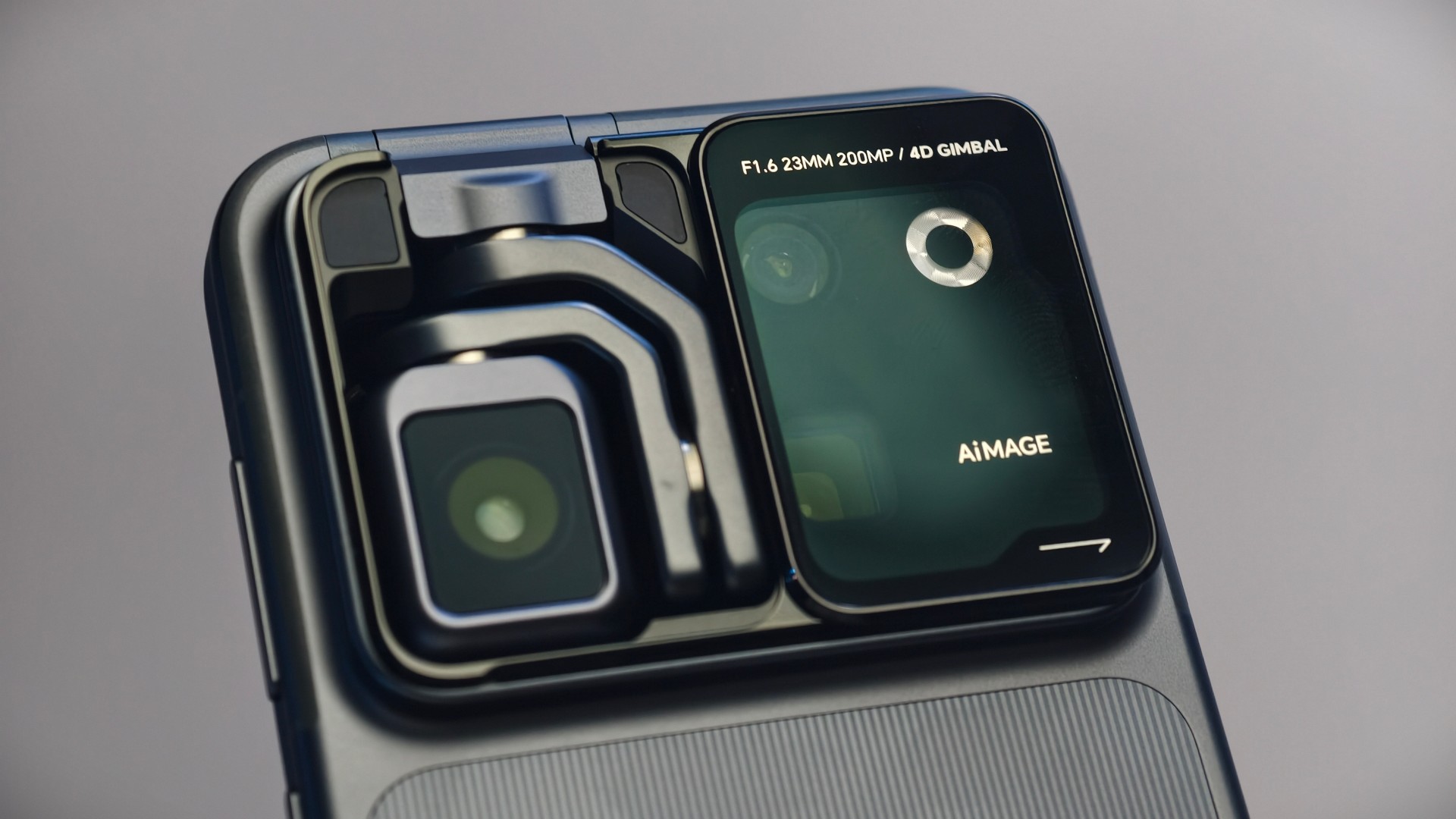
The camera can move on its own
The Robot Phone’s gimbal isn’t limited to simply stabilizing the camera.
It supports six dynamic camera movement modes: AI SpinShot, Default Stabilization, Tilt Locked, Super Steady, FPV, and FPV Vertical. AI SpinShot, for example, can perform 90- or 180-degree camera rolls, while the other modes are designed for different types of movement and shooting.
The phone also has three smart tracking modes: Gimbal Tracking, Subject Tracking, and Pre-Composition. These are designed to help the camera follow a subject or maintain a particular composition while the phone moves.
That’s the important distinction between the Robot Phone and a conventional smartphone with image stabilization. The camera isn’t just correcting for your movement. It can actively move to create or maintain a shot.
You can tell it what to do
HONOR also gives the gimbal its own set of AI-powered controls.
Through YOYO Robot Mode, the Robot Phone can combine voice commands, gesture recognition, AI perception, and physical movement. Users can wake the mode and deploy or stow the gimbal with a flip gesture.
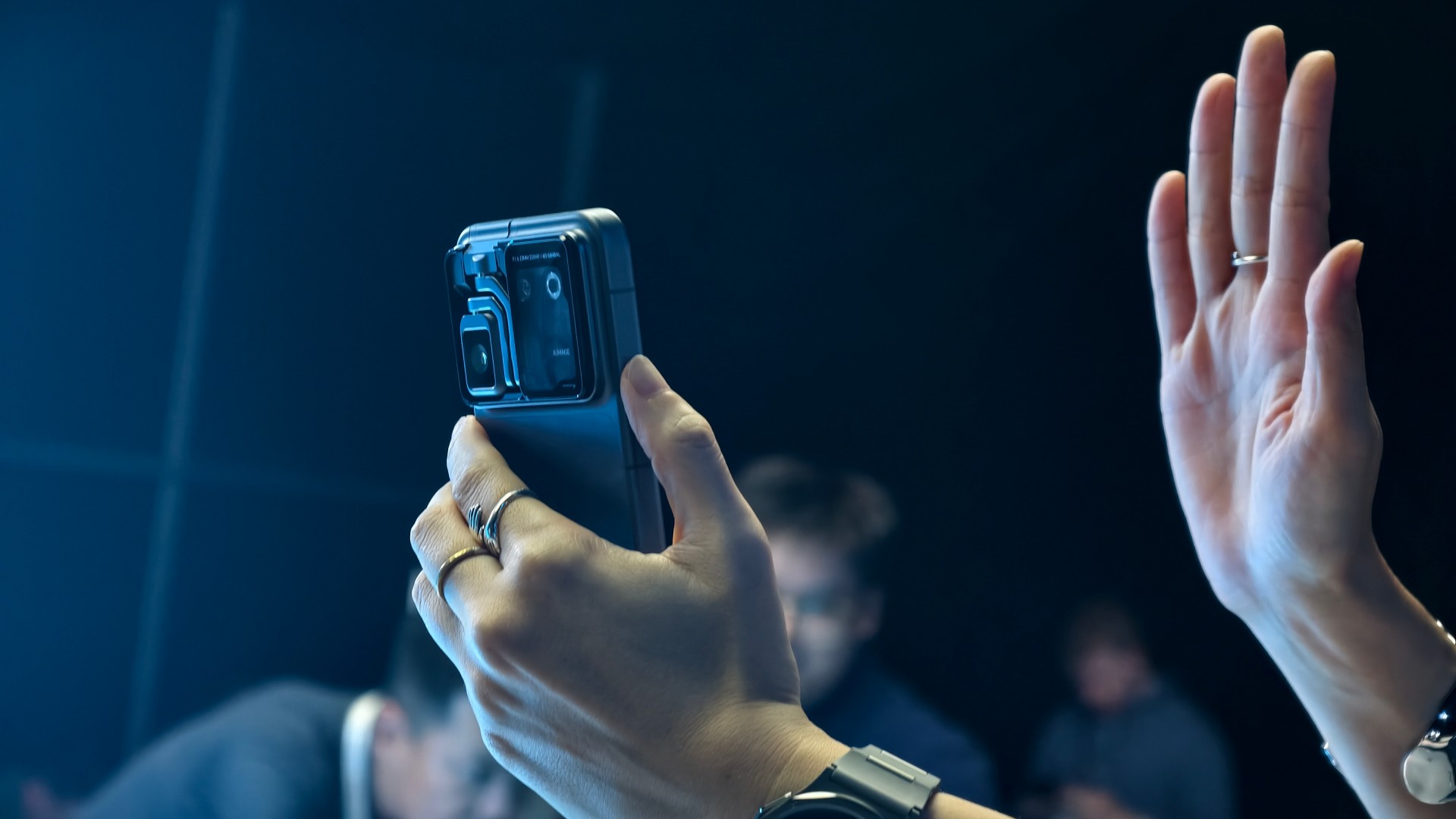
Voice commands can be specific, too. HONOR says users can tell the gimbal to turn left by a certain number of degrees, look toward the sky, or rotate for a specified amount of time.
The phone can also use AI Subject Tracking to automatically frame and follow people during video calls, vlogging, and livestreaming.
That makes the Robot Phone particularly interesting for people who regularly shoot themselves. Instead of setting up a phone and constantly checking whether they’re still in frame, the camera can do some of that work itself.
The real question is how naturally all of this works in practice. We’ll get to answer that when we spend more time with the Robot Phone.


30 days later with the ASUS ExpertBook Ultra: Like seeing an ex
Felt exactly as I remembered.

ROG STRIX G16 Review: Building for the moment
Setting it up however you want to make the most out of it

realme C100: Enduring and durable in spite of entry-level realities
Enough power but needs more agility

Ghost of Yotei gets a story expansion in October

Pixel 11 Pro Fold brings an improved foldable experience

The Pixel 11 series is official!

HONOR isn’t taking the Robot Phone global — yet

HONOR Robot Phone’s camera can move on its own

Hands-on: Samsung Galaxy Z Fold8, Flip8, Ultra

VinFast debuts two-wheeler models, opens 21 e-motorcycle showrooms

Garmin launches its first screenless fitness band

Samsung releases teaser with Spider-Man: Brand New Day Easter eggs

Most of the world’s PlayStations will be officially useless by 2028


-
 Automotive1 week ago
VinFast debuts two-wheeler models, opens 21 e-motorcycle showrooms
-

 Automotive2 weeks ago
Xiaomi debuts SkyNomad Series featuring new Kunlun platform
-
 Computers2 weeks ago
AMD launches Radeon RX 9050 graphics card
-

 News1 week ago
OnePlus officially leaves the United States and Canada
-

 Gaming2 weeks ago
Call of Duty: Modern Warfare 4 clip shows Losing Ground 1st look
-

 Automotive2 weeks ago
GAC launches new trio of MPVs
-

 News2 weeks ago
TECNO unveils the world’s first 0mm bezel-less phone
-

 Gaming1 week ago
Genshin Impact opens Snezhnaya in Version 7.0 this August 12