

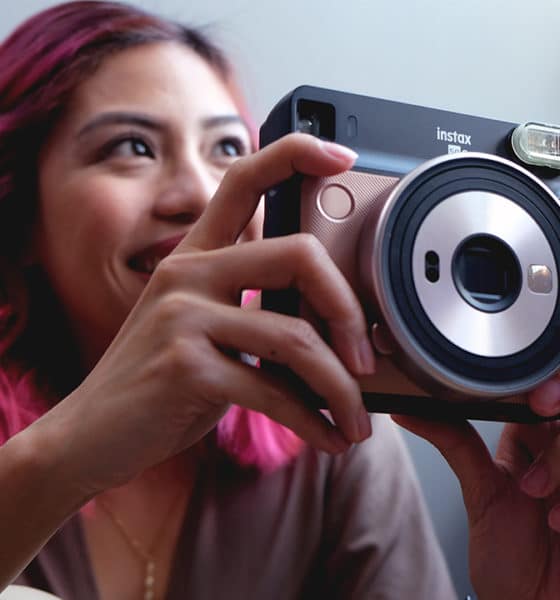

There’s still something about instant cameras that excites me. Even in the age of Instagram and digital photos, I still find myself curious about the next new shooter that’ll be able to instantly print my pictures.
Fujifilm’s newest release, the Instax SQ6, is the latest camera to feed my instant photo obsession, and it uses the square film format.
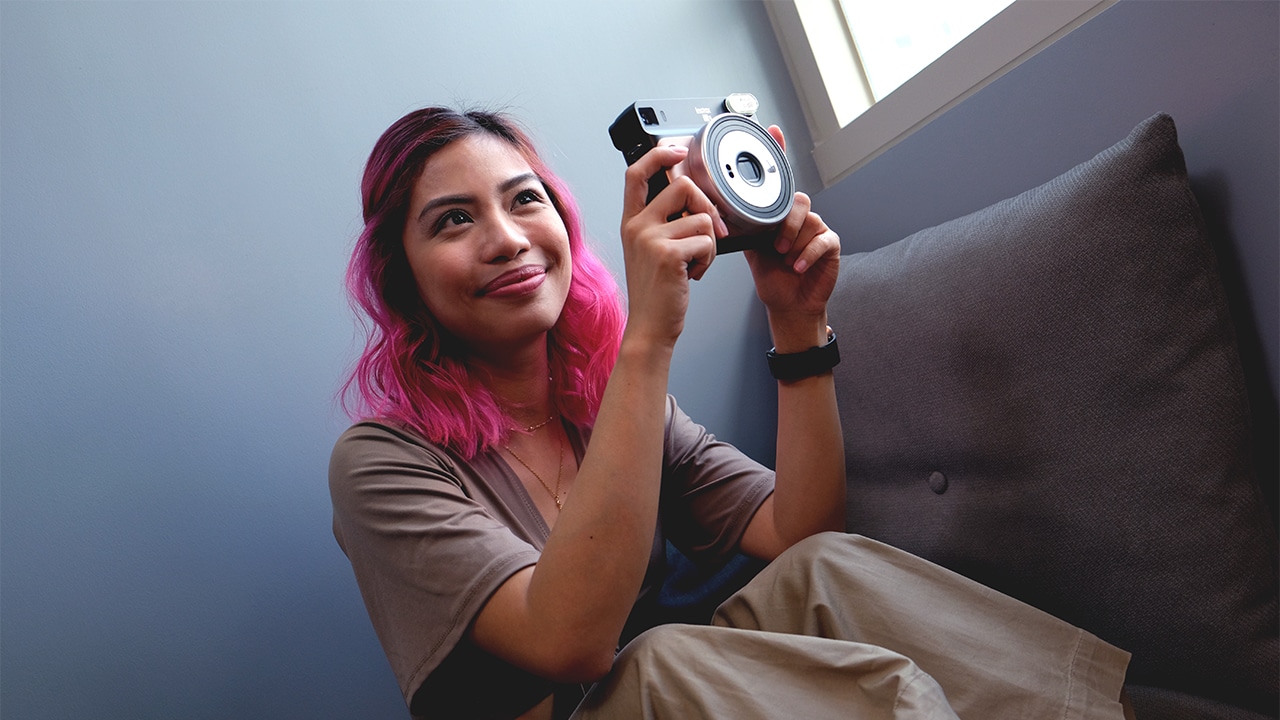
What can it do and how is it different from previous Instax releases? Keep reading.
Looking retro
Right off the bat, let me say it: This is an Instagrammable camera. It has a cool retro look that makes it look classic, but fun. It looks so nice, it can pass as a set prop.
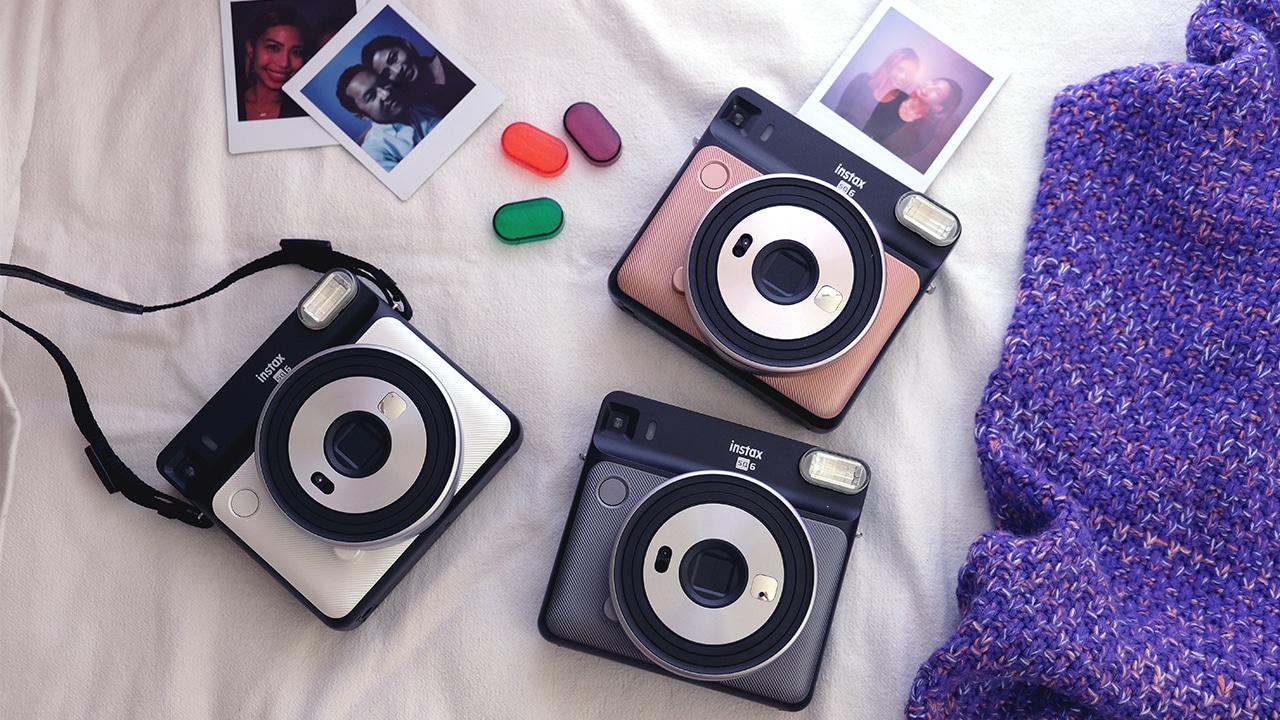
It comes in three colors: pearly white, slate metal black, and my favorite, a pink one.
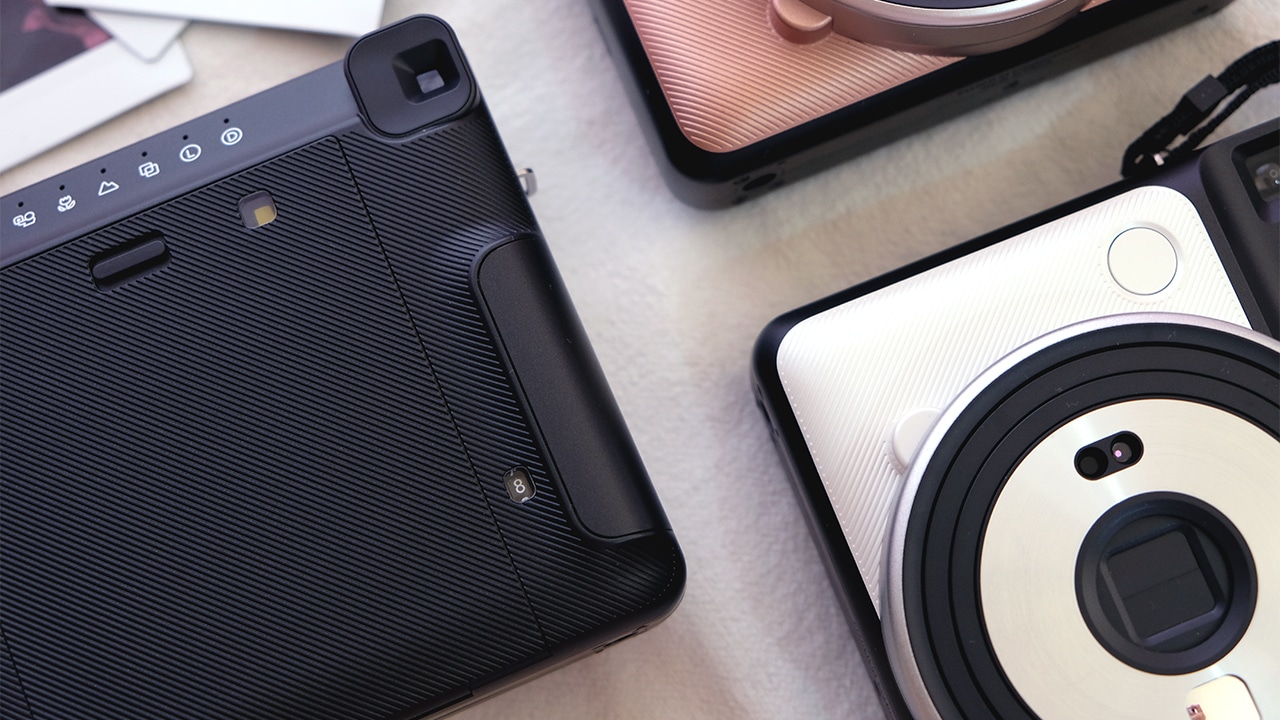
This simple camera is pretty straightforward. Up front is a beautiful textured finish. You can find the flash, shutter button, and a selfie mirror here.
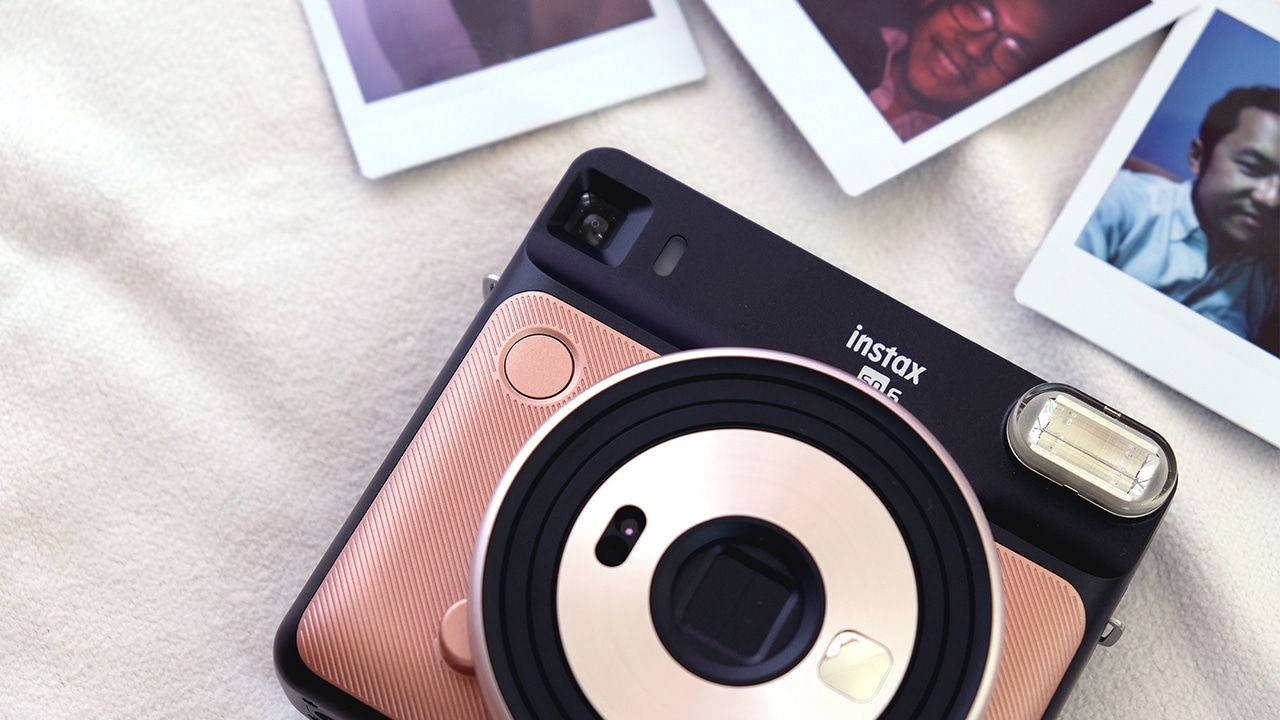
On the back is a slight grip, which houses batteries that power the device. There’s also the viewfinder, compartment for the film, and the different mode buttons.
Up top is where the film comes out, and of course, the on/off switch.
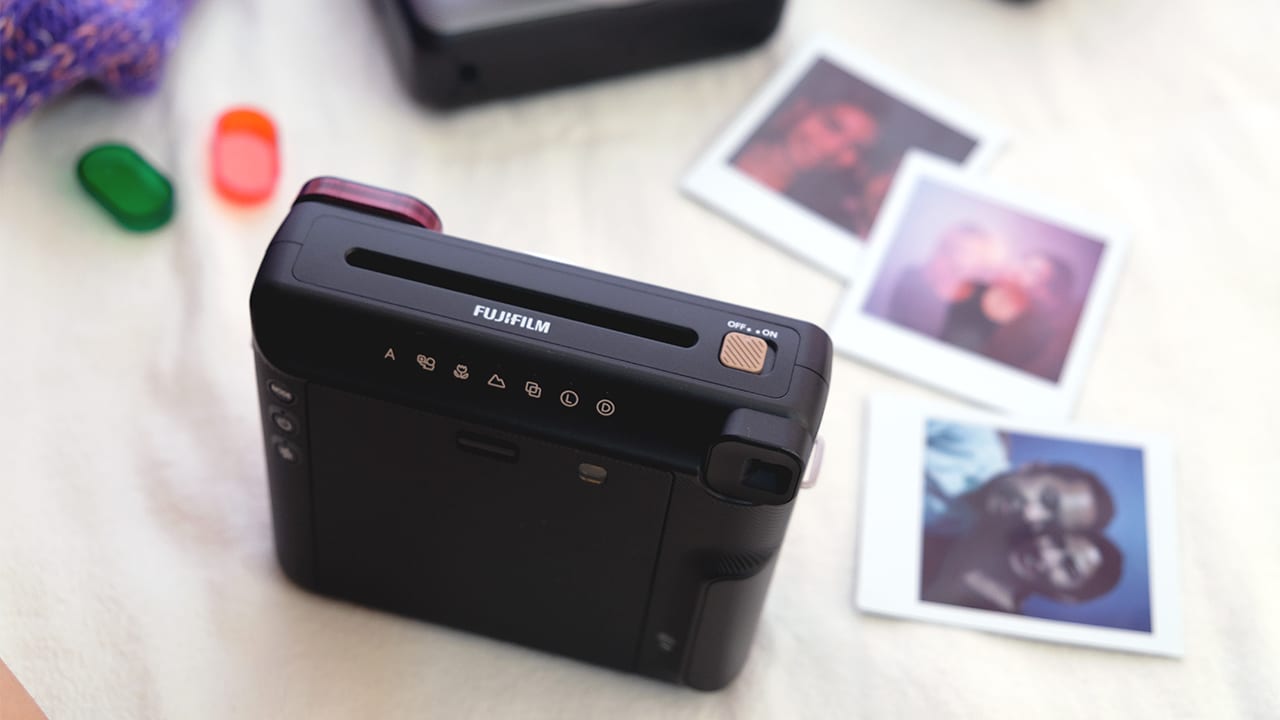
The SQ6 comes in a lightweight plastic body, but the design makes up for that. It’s not the most compact camera, but judging by how pretty it is, it seems this is a device that’s designed to be seen and shown off as opposed to being kept in a bag.
Getting started
Before anything else, let me go through loading film, as this is always the trickiest part to any new instant camera.
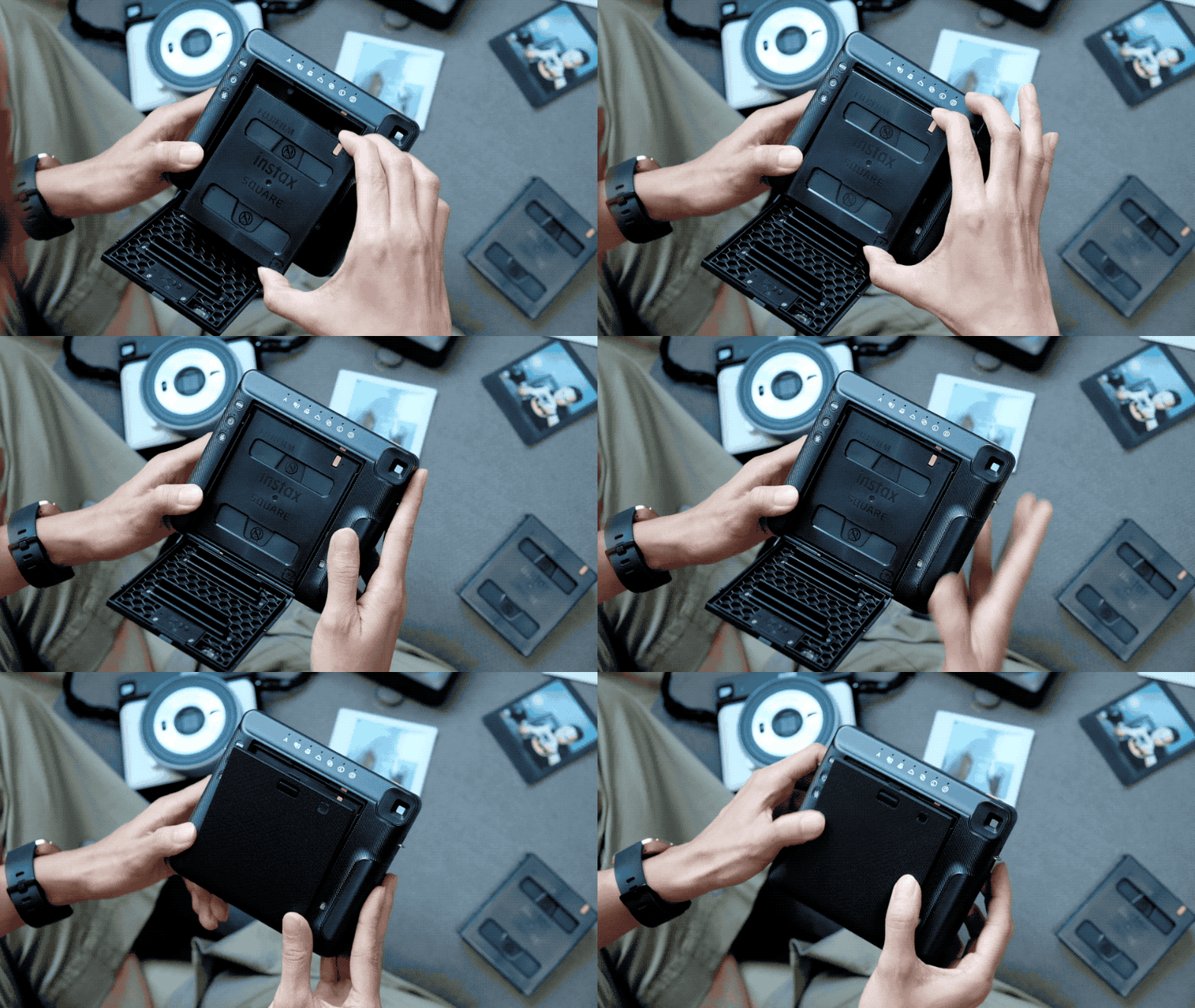
With the SQ6, it’s pretty simple: Load the cartridge, make sure the yellow strips match (on the cartridge and the camera) and you’re done! There’s also a counter on the lower right that shows how many shots you have left.
Now, there are a number of shooting modes on this camera. There’s automatic for normal shooting conditions, Macro mode for close-up shooting, Landscape mode, double exposure mode, and even modes to lighten or darken your shots.
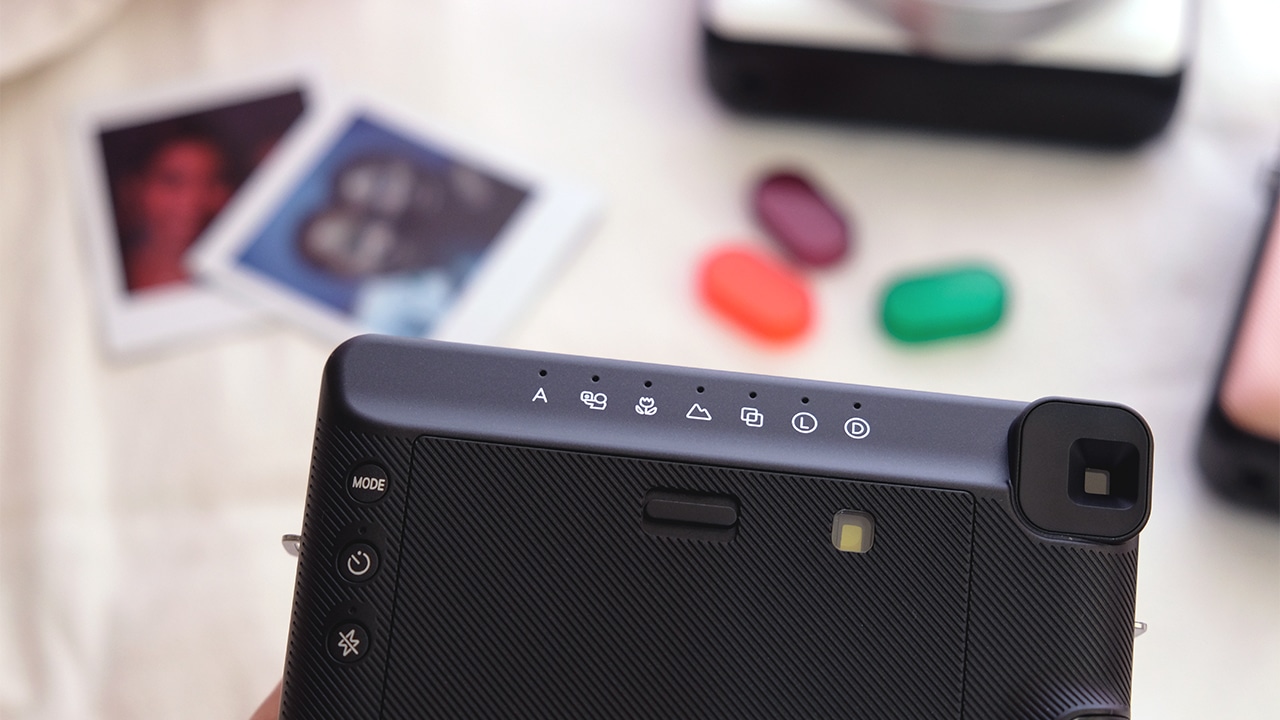
The topmost button on the left controls the modes; below that is a Timer button, and under that is a Hold Flash button. Like most instant cameras, the flash goes off every time a photo is taken. If you’re in a super bright place and you want to take a photo, you can press the Hold Flash button so that the photo won’t come out as too bright. Fair warning though, the flash is automatically on for good reason.

Speaking of the flash, the camera comes with flash filters in different colors for some fancy Instax photo effects.

The SQ6 is a square format camera meaning it shoots in square film. These are available in white, and just recently, black — which looks awesome! Each cartridge houses ten shots.
Time to shoot photos!
Picture perfect?
I just love that there’s a Selfie mode on this thing. Being on this mode calibrates the settings so that it takes the best photo from as far as your selfie-taking hand can go. That selfie mirror in front really helps, too.
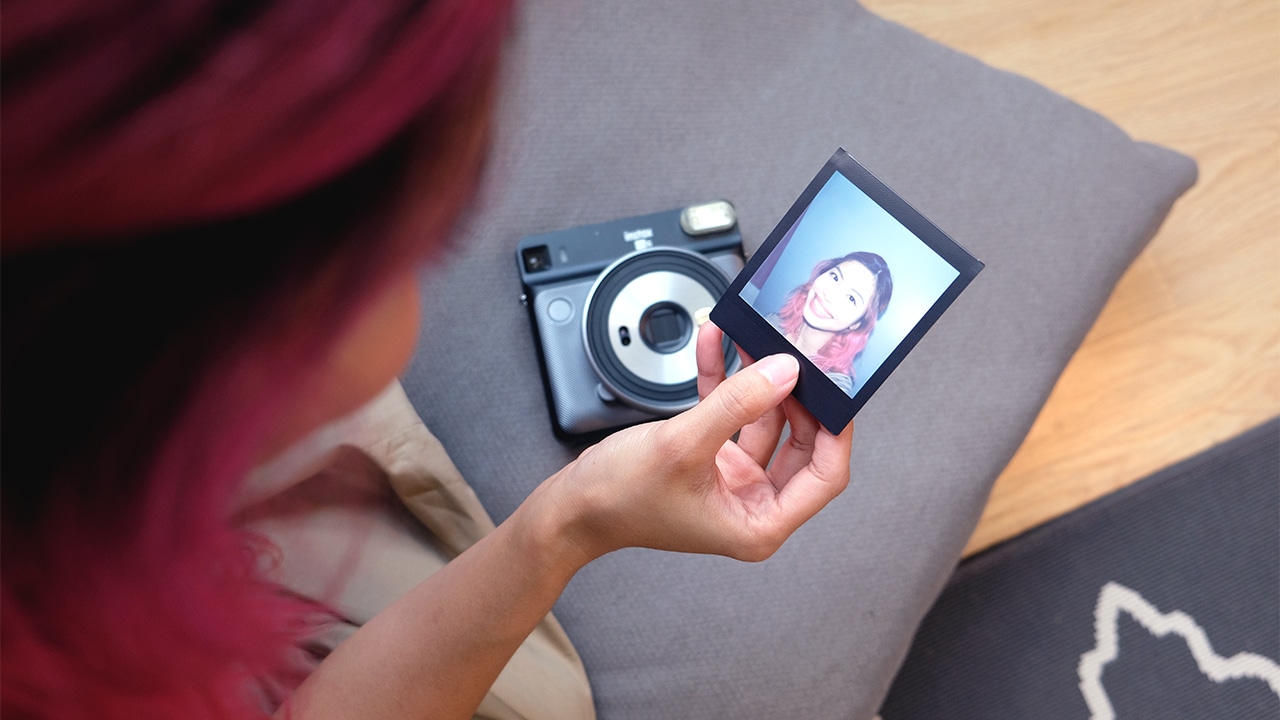
Of course, that was a mode I used a lot. The Double Exposure mode is pretty cool, too. When on this mode, you can press the shutter button twice and the effect is pretty trippy prints. Speaking of trippy prints, those colored filters also add a subtle color effect to photos that give them more character.

No samples from the Macro mode as I wasn’t even able to take a decent one; the photo shifts to the side when you shoot. 😅
My go-to for group photos was the timer shot. This ensures no shaky hands and wider space so that everyone can potentially fit. This yielded nice, clear photos — when we framed it right.

Admittedly, mistakes on instant cameras are pretty common, and that’s the beauty of it.

I can’t tell you how much film I wasted on shots I screwed up. Whether I accidentally pressed the shutter, framed it wrong, or cut somebody out, these are all moments that will be remembered years from now, all frozen in Instax photos.
Do I likey?
The SQ6 follows the SQ10 as part of the Instax square format camera line. But, that’s about all it follows from its semi-digital predecessor.
This camera looks retro because it is. It’s fully analog, meaning no photo saving or editing, and it runs on replaceable batteries, which is not necessarily a bad thing. Taking photos is as quick and simple as hitting the shutter button.
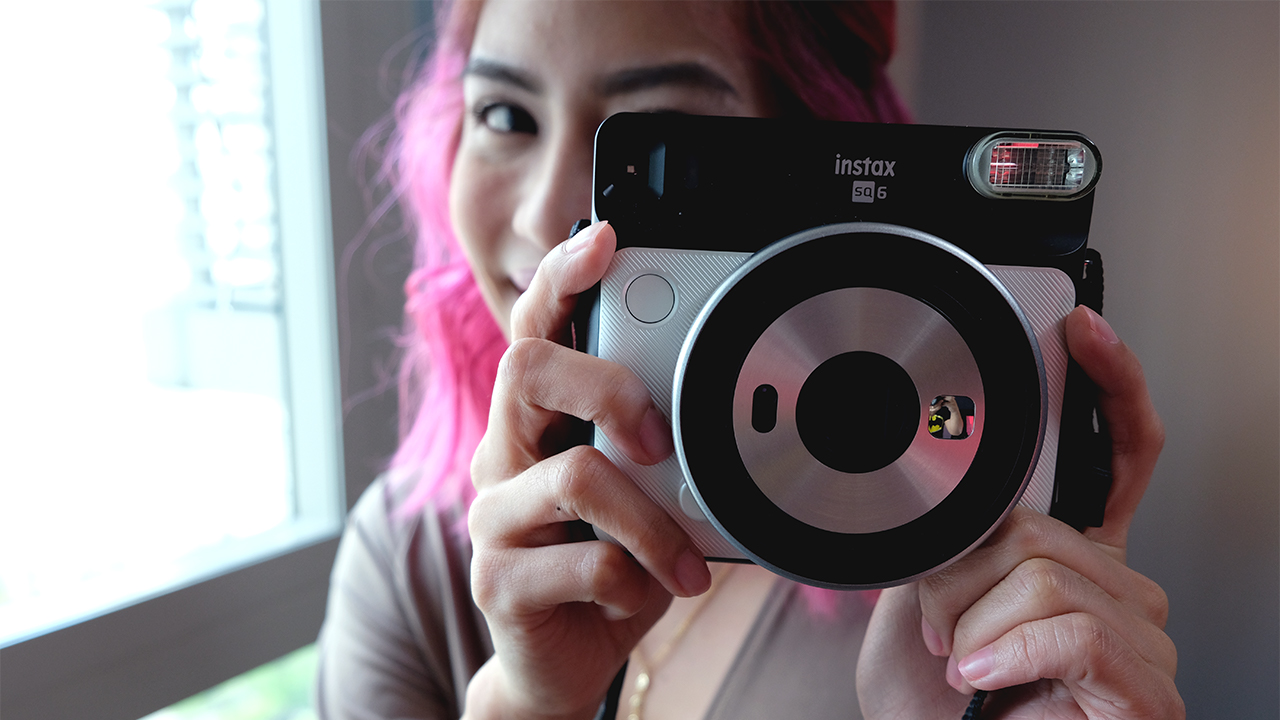
It’s an instant camera that’s straightforward and easy to use, which means it racked up fun points in that regard. Photo quality is definitely better compared to other instant cameras I’ve tried, and admittedly, that square black film looks great. Not to mention, it’s a pretty camera that’s very fun to use.
Yet another plus: The SQ6 retails for US$ 130 in the US, which is more than half the price of the previously released SQ10.
If you’re an avid instant camera fan and are into the old-school Instax feels, this shooter might be worth checking out. It’s a new camera with old tricks up its sleeves — and that formula actually works for it.





Cameras
Sony launches FE 100-400mm F5.6-8 OSS telephoto zoom lens
Super telephoto zoom lens for hobbyists

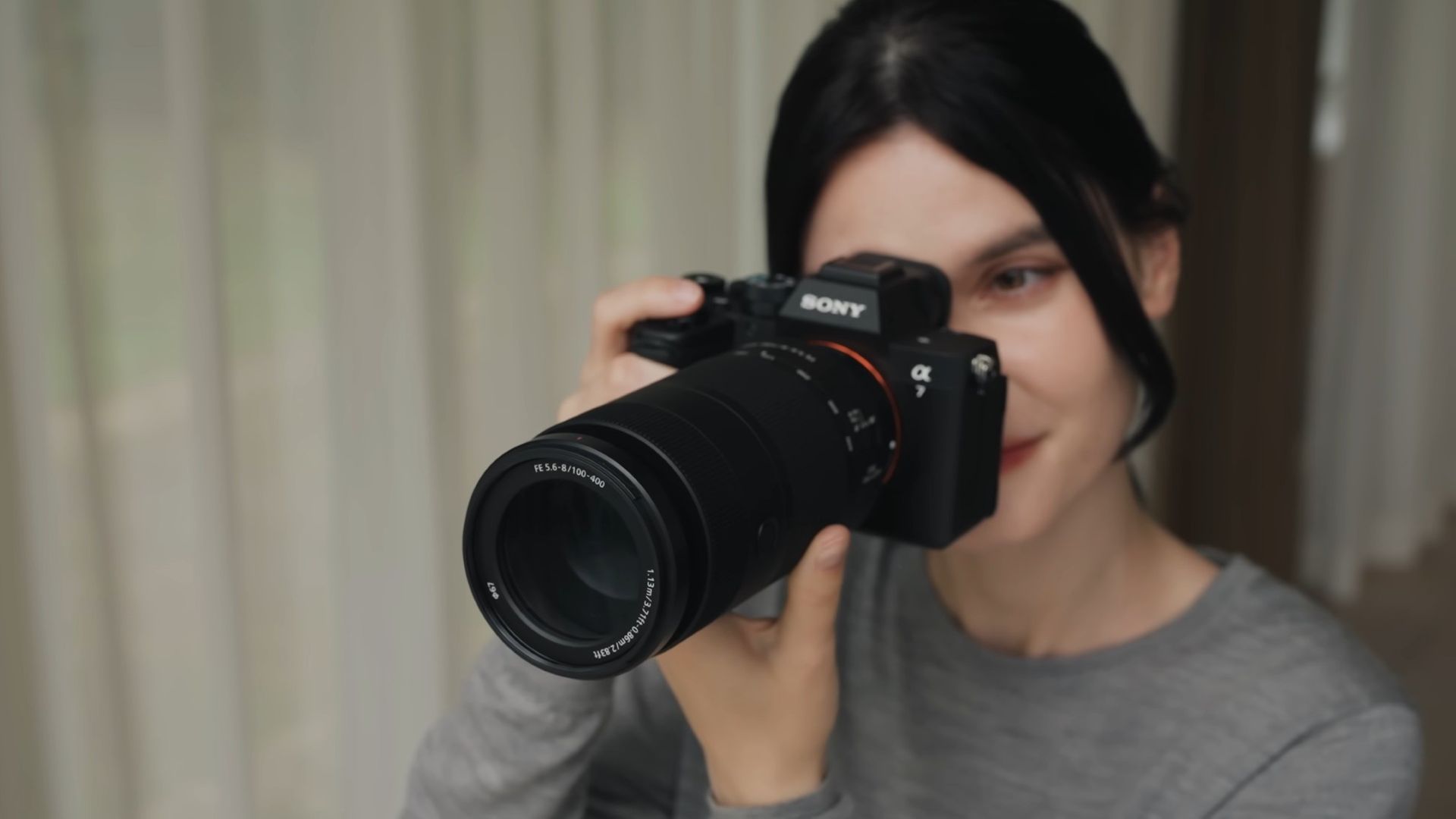
Sony has launched the FE 100-400mm F5.6-8 OSS super telephoto zoom lens tailored for hobbyists and for a competitive price.
The compact and lightweight lens (approx. 654 grams) is meant for 35mm full-frame Alpha E-mount cameras, making it easy to carry to capture subjects that are difficult to appraoch.
This includes birds, sports scenes, and more. Landscape photography unique to super-telephoto lenses can also be enjoyed by making use of the compression effect. This makes the distance between nearby subjects and distant background elements appear closer together.
When used with a teleconverter, users can double the distance they can capture, with the lens supporting focal lengths of up to 800mm or up to 1,200m in APS-C mode.
With the latest optical design incorporating two ED glass elements and two aspherical elements, excellent image quality is achieved across the entire zoom range. These elements reduce chromatic and other aberrations for clear rendering.
Subject shooting can stand out as well in a natural and soft bokeh, with the lens’ 9-blade circular aperture. This makes the lens also ideal for close-up photography of flowers, insects, and other nearby objects.
In addition, the lens features a linear motor drive for fast, precise, and quiet AF performance to help capture moving objects. The lens also supports high-speed continuous shooting with AF/AE tracking at up to approximately 120 frames per second when used with the Alpha 9 III.
Built-in optical image stabilization also supports handheld shooting in the super-telephoto range, suppressing camera shake. Users can also utilize the camera body’s Active Mode image stabilization and coordinate image stabilization control.
In Singapore, the Sony FE 100-400mm F5.6-8 OSS will be available by the end of August for SG$ 1,099.
Accessories
OBSBOT’s Meet Flip is your next best pocketable 4K webcam
Fold the Flip for further protection

Several months ago, you might remember that OBSBOT revealed the Tiny 3 series of web cameras.
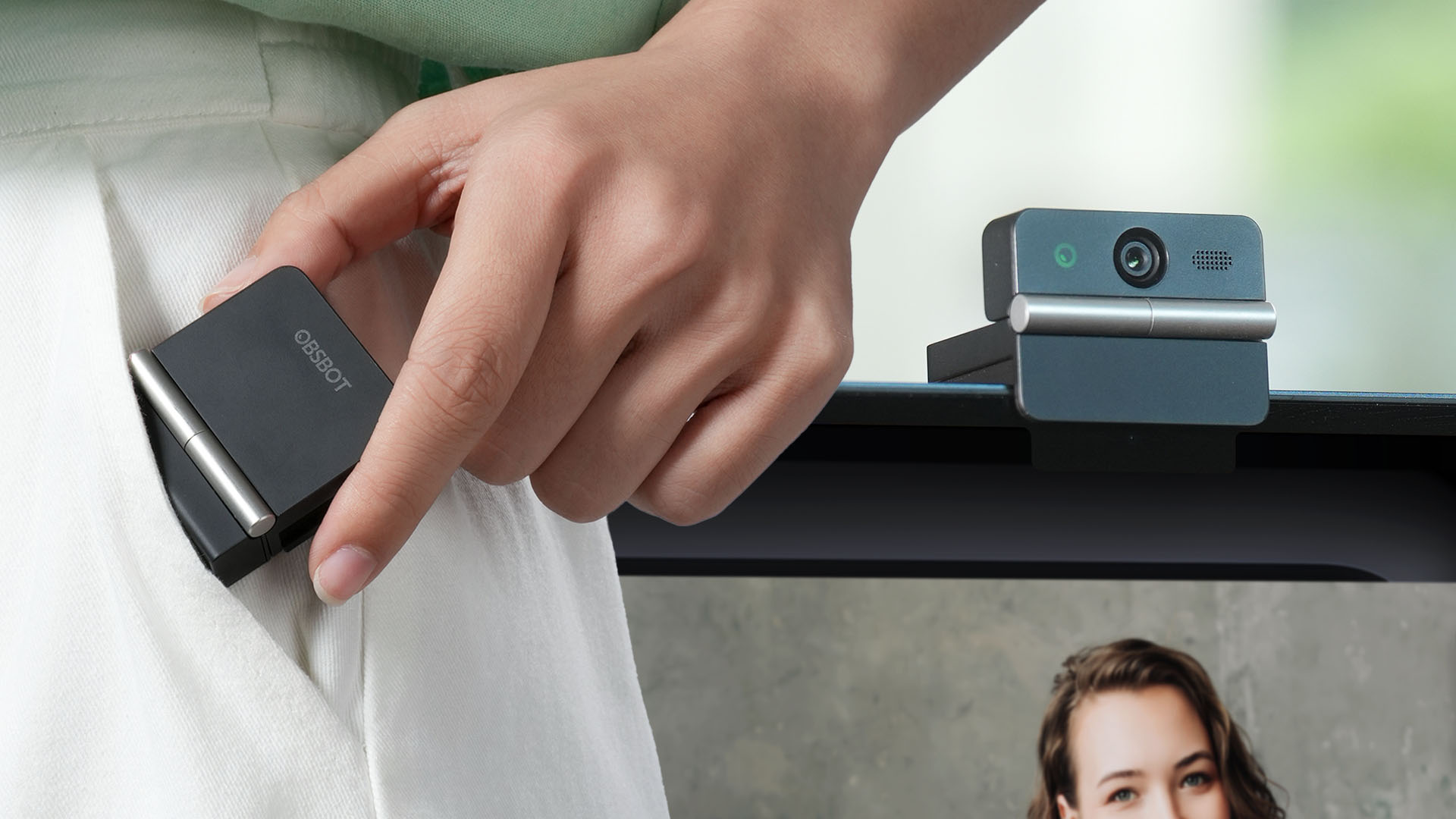
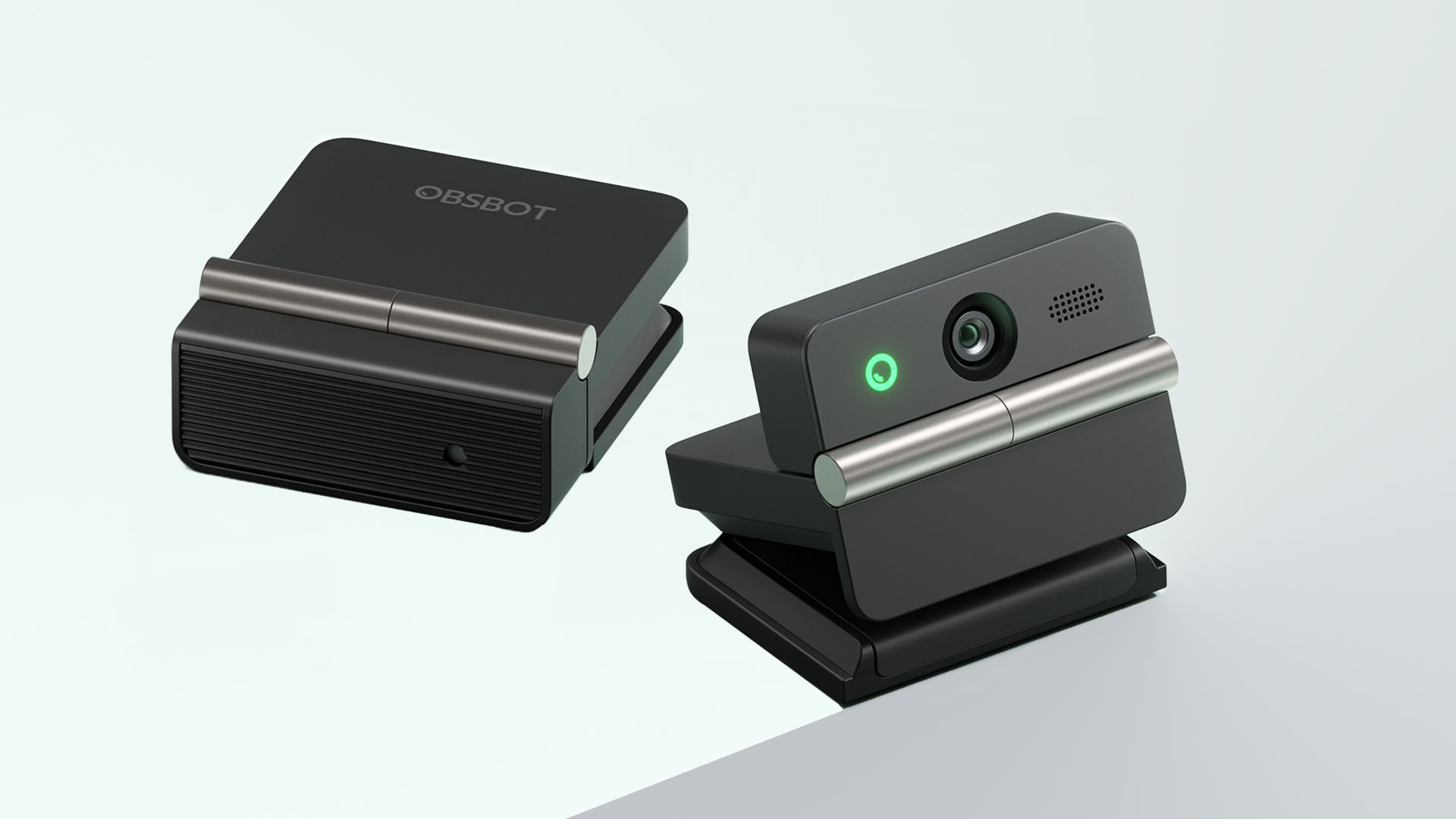
Six months after, they also unveil the all-new Meet Flip. From the name itself, it’s the company’s latest foldable 4K webcam that puts hardware privacy front and center.
Foldable and pocketable
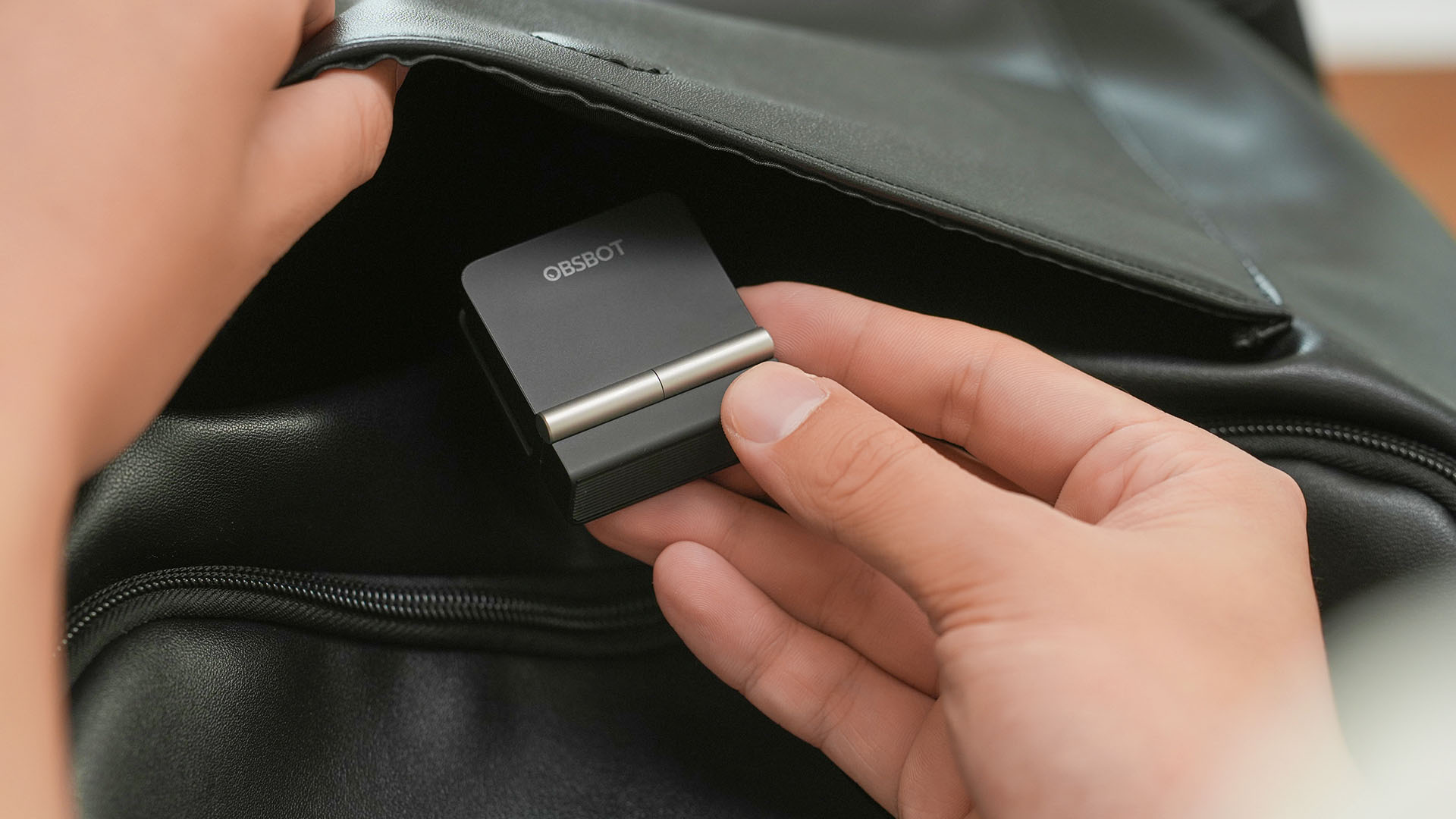
Despite weighing just 37.7 grams, the Meet Flip aims to deliver premium webcam features for all types of users. Be it remote workers, professionals, or content creators.
Graphics by Vincenz Lee | GadgetMatch
Undoubtedly, the biggest highlight has got to be the webcam’s folding design. Not only it’s portable, it protects your privacy too.
Closing the device physically blocks the lens, giving users a visual confirmation that the camera is no longer active. When it’s time for a meeting, simply unfold it and it’s ready to go.
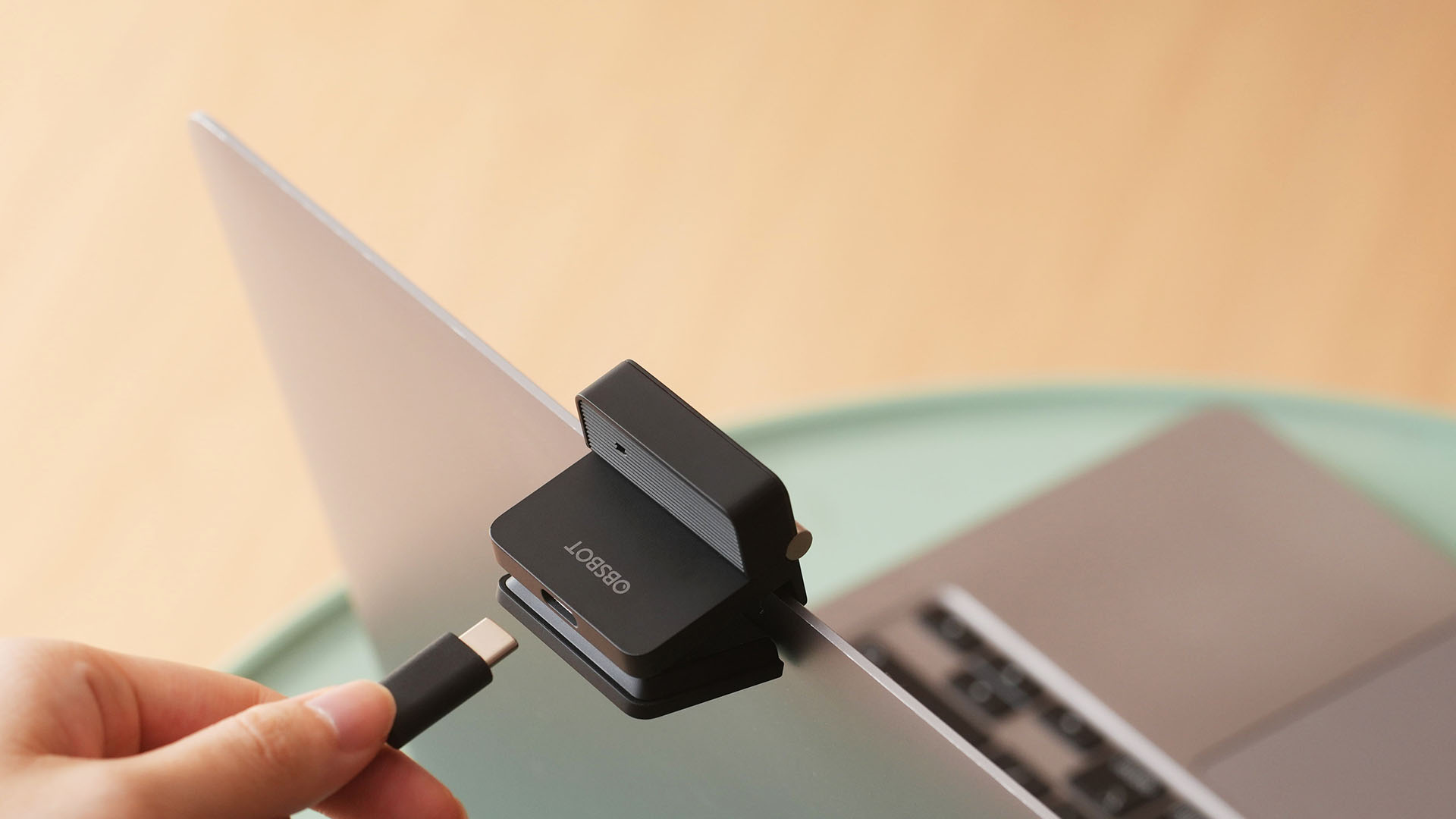
That lightweight body also features a built-in mounting clip that works with laptops, monitors, and tripods. Users can mount it in landscape, portrait, or even upside-down orientations depending on their setup.
Despite that absurd amount of lightweightness, the OBSBOT Meet Flip is still able to house a 1/2-inch Exmor RS stacked CMOS sensor with Quad Bayer technology. That’s something more commonly found among bigger and higher-end web cameras.
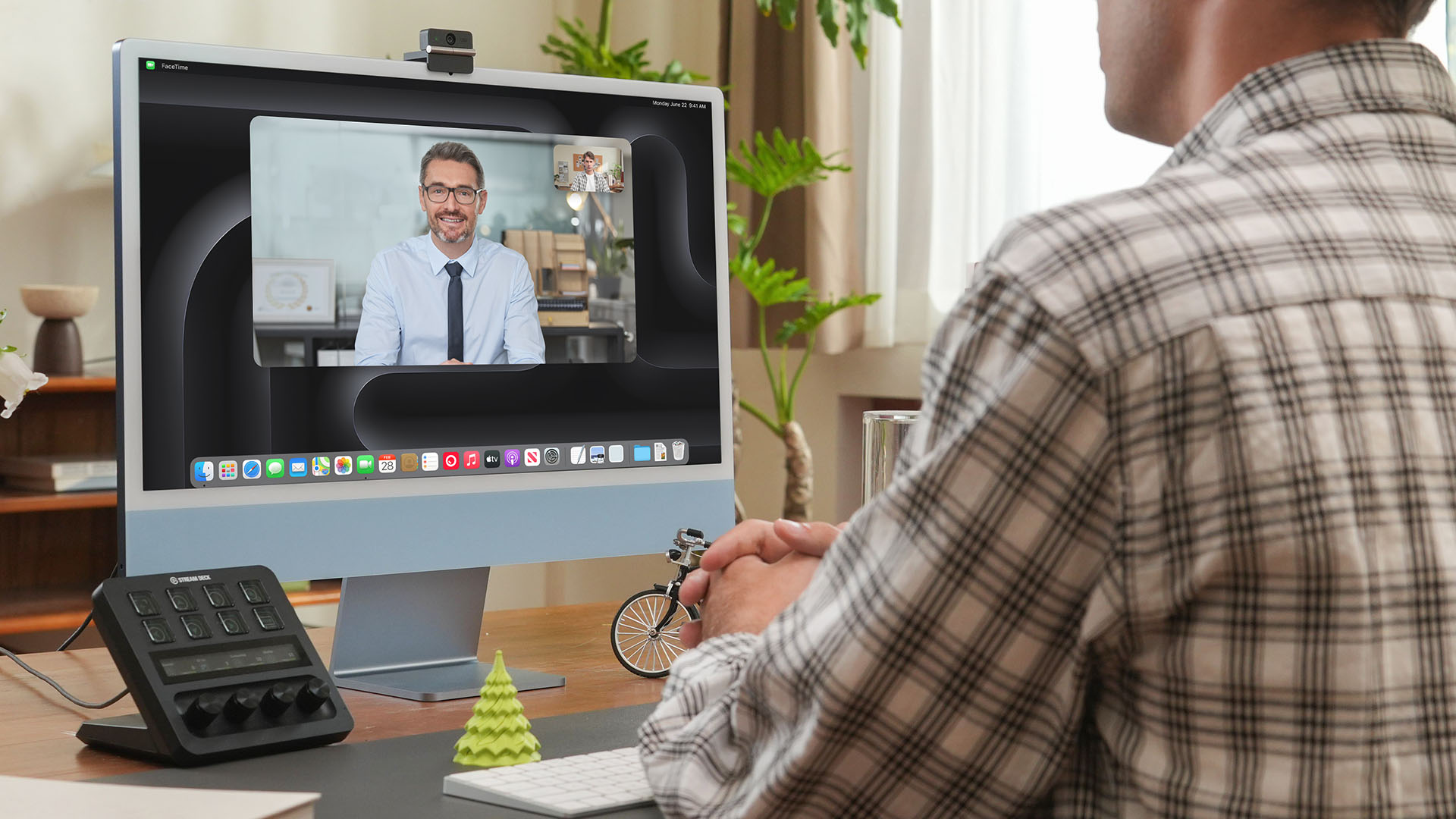
Other camera features include:
- 4K video recording / 30fps
- 1080p recording / up to 60fps
- HDR support for challenging lighting
- Phase Detection Autofocus (PDAF)
- 4x digital zoom
- f/1.8 aperture with ISO 100-6400 support for low-light environments
Beyond just video calls
The OBSBOT Meet Flip isn’t just packed with serious camera hardware, it’s seriously intelligent as well.
The Meet Flip supports AI Auto Framing. This automatically keeps users centered during meetings — regardless if they are presenting alone or with a group. Gesture controls also let users activate framing or adjust zoom without touching the keyboard or mouse.
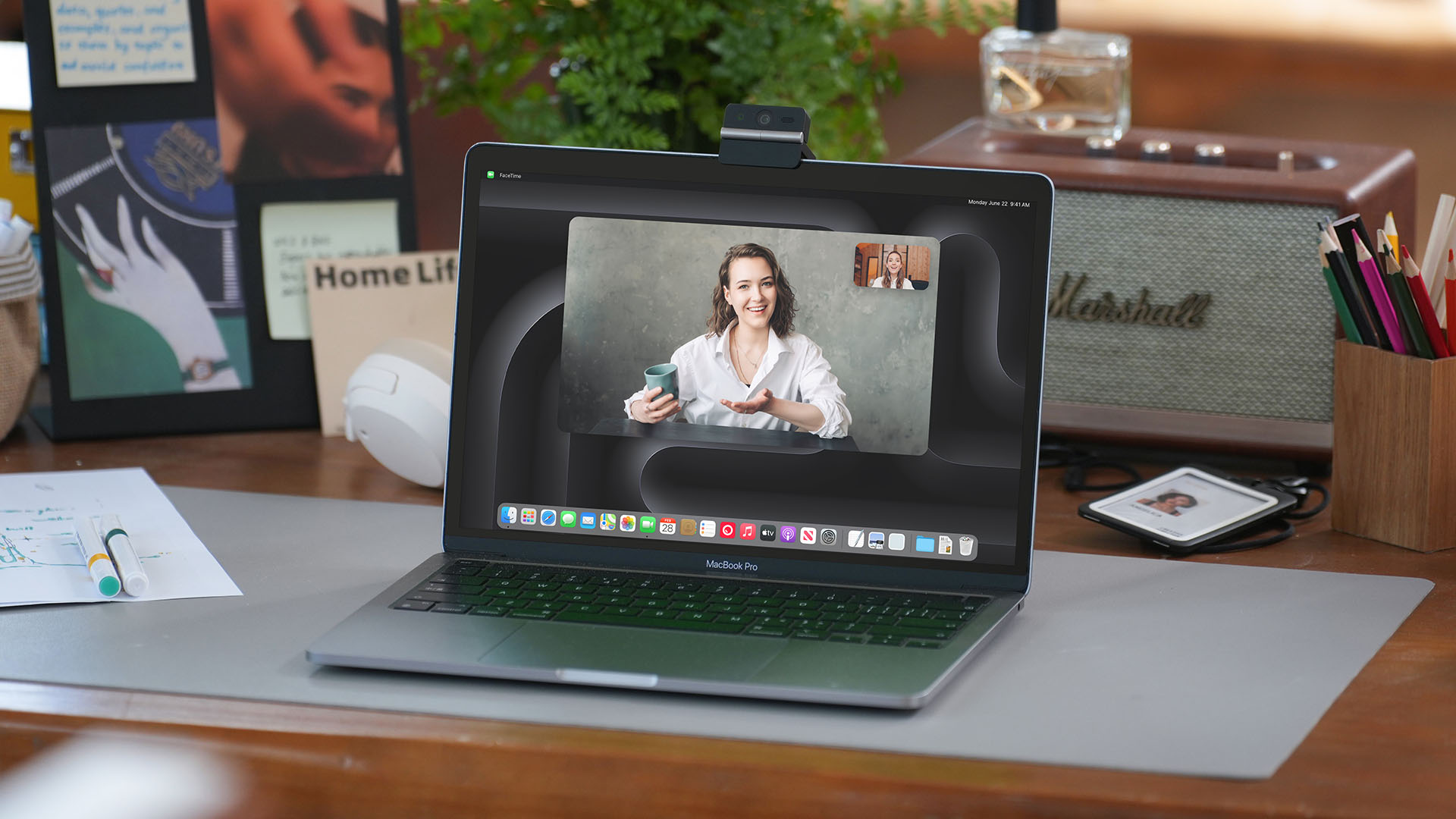
Another standout feature is AI Magic Notes which provides real-time meeting transcription and automatically generates summaries, action items, and key discussion points.
The feature works with Google Meet, Zoom, and Microsoft Teams through OBSBOT Center. Every webcam includes complimentary transcription of 120 minutes.

With that being mentioned, OBSBOT Center also makes users gain access to software features such as background blur, virtual backgrounds, beauty mode, and picture-in-picture overlays for presentations.
Those who want more advanced controls can enable Smart Eye Tracking, teleprompter support, and manual image adjustments.

Audio also gets an upgrade through an intelligent dual-microphone system that offers four recording modes:
- Directional Mode / solo calls
- Dual-Directional Mode / interviews
- Smart Omni Mode / group meetings
- Pure Audio Mode / unprocessed stereo recording
AI Noise Reduction and Automatic Gain Control are also available across most modes to help improve voice clarity.
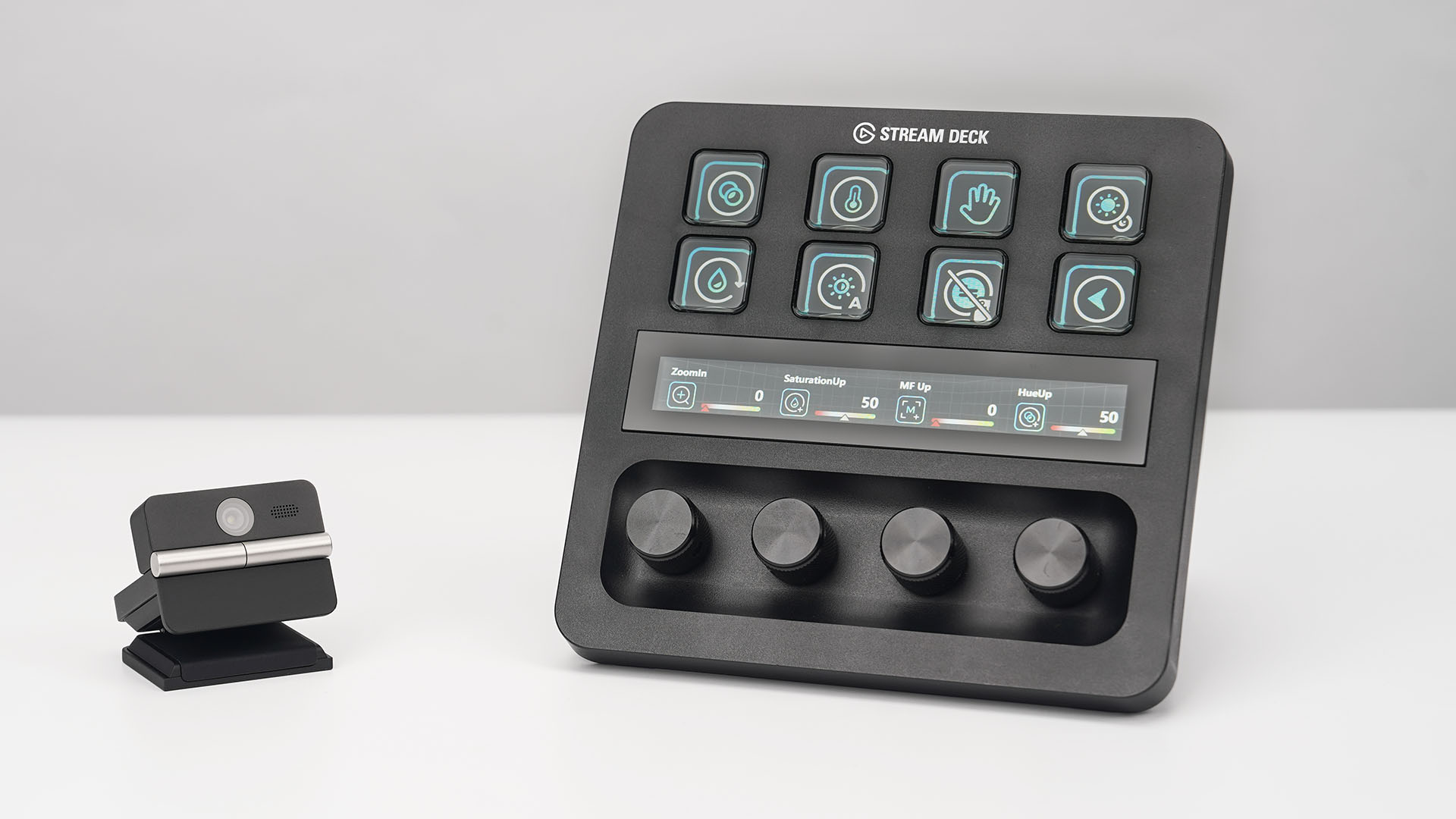
OBSBOT’s Meet Flip is also compatible with mobile devices through the OBSBOT Live app and supports integrations with accessories including Elgato Stream Deck, Nintendo Switch 2, and UVC-to-NDI/HDMI adapters.
Pricing and Availability
The OBSBOT Meet Flip is available starting today for US$119 through OBSBOT’s online store, Amazon US, and select retailers worldwide. Regional pricing may vary.
Cameras
Sony announces new FX5 full-frame camera
Newly-developed sensor, Open Gate recording, more enhanced capabilities
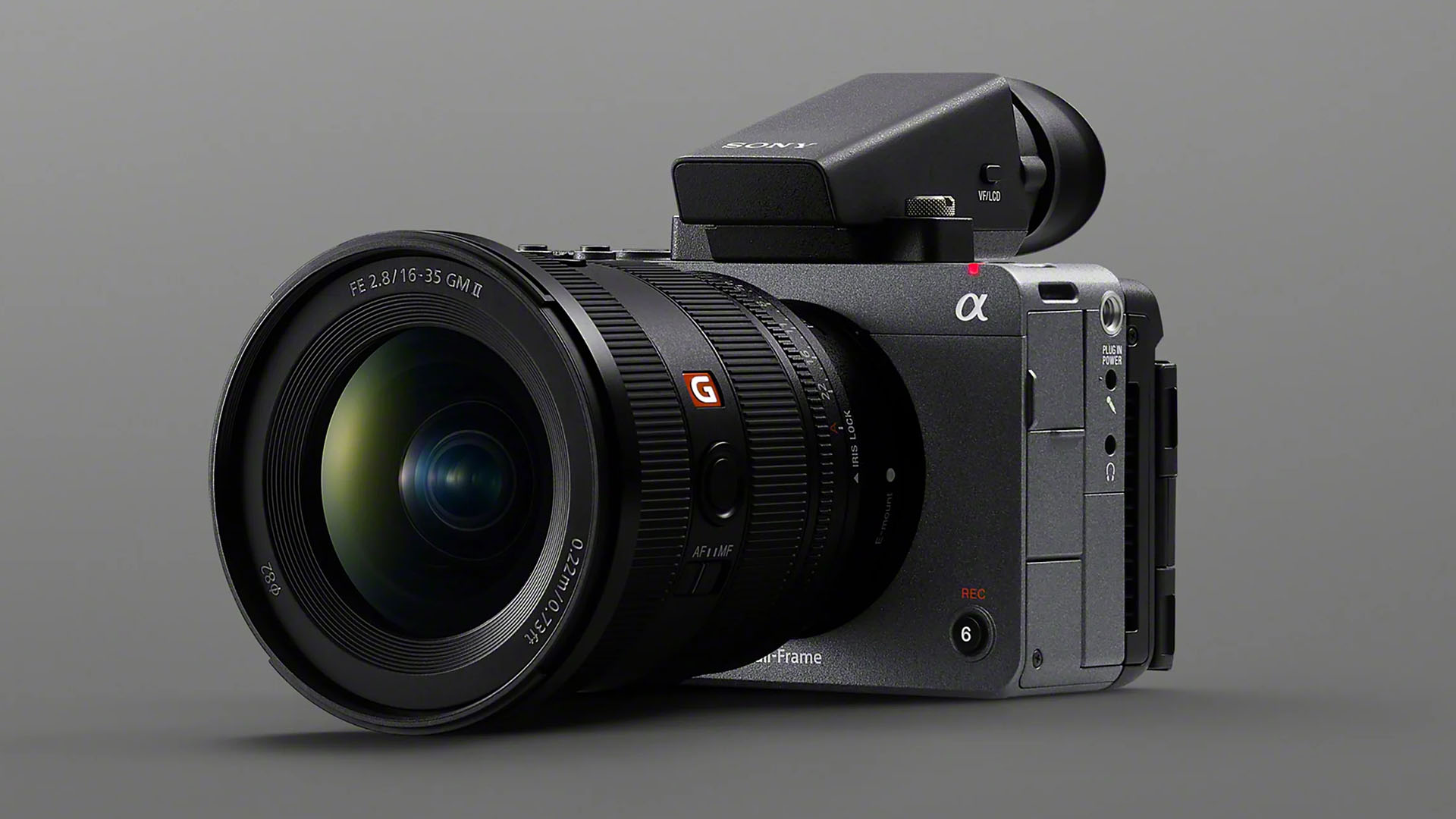
Sony has launched the new FX5 full-frame camera in its Cinema Line series with enhanced capabilities.
The camera is equipped with a newly-developed fully stacked Exmor RS CMOS sensor and the latest high-speed BIONZ XR2 image processing engine, which includes a dedicated AI processing unit.
When shooting in S-Log3, the camera achieves 15+ stops of dynamic range. The broad latitude and low-noise performance enable seamless roll-off from highlights to shadows and natural texture reproduction, even in high-contrast scenes.
Three Base ISOs of ISO 800, ISO 4000, and ISO 12800 enable low-noise image expression under a wide range of conditions.
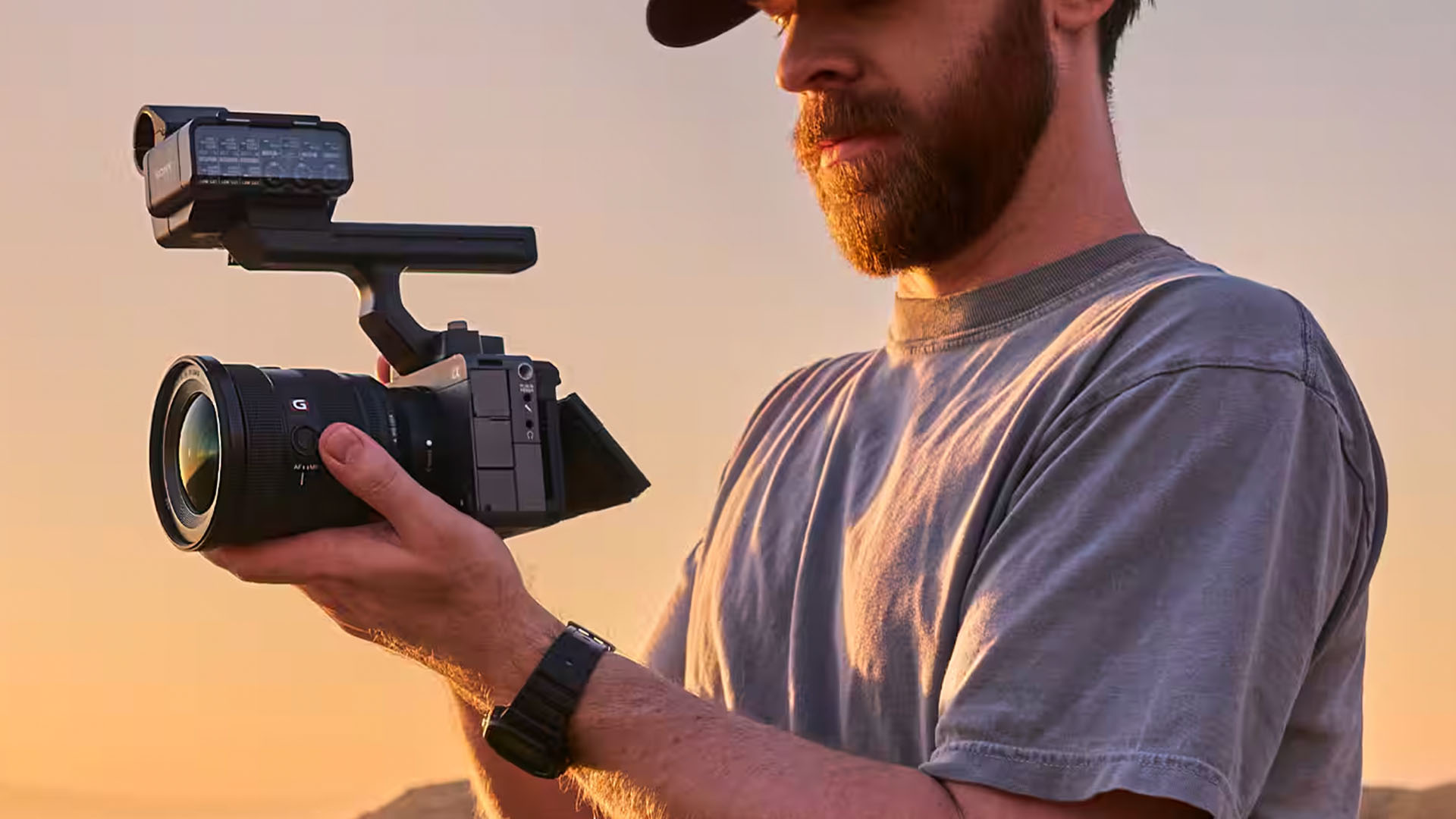
Moreover, Dual Gain Shooting function, supported for the first time in the FX series, maximizes the performance of the image sensor to enable smooth gradation reproduction with even wider latitude, while effectively reducing noise without compromising shadow detail.
For the first time in the Cinema Line FX series, the FX5 supports Open Gate shooting, as well as in-camera recording in X-OCN, Sony’s proprietary RAW format.
This includes a variety of scan modes like 17:9, 16:9, and super 35mm. This allows for flexible angle-of-view selection for the user’s creative intent.
The camera is capable of shooting in 5K at up to 60 frames per second, in 4K up to 120 frames per second and in FHD up to 240 frames per second.
These features bring together the Cinema Line look and operability designed to meet the needs of production environments in a compact, highly portable body.
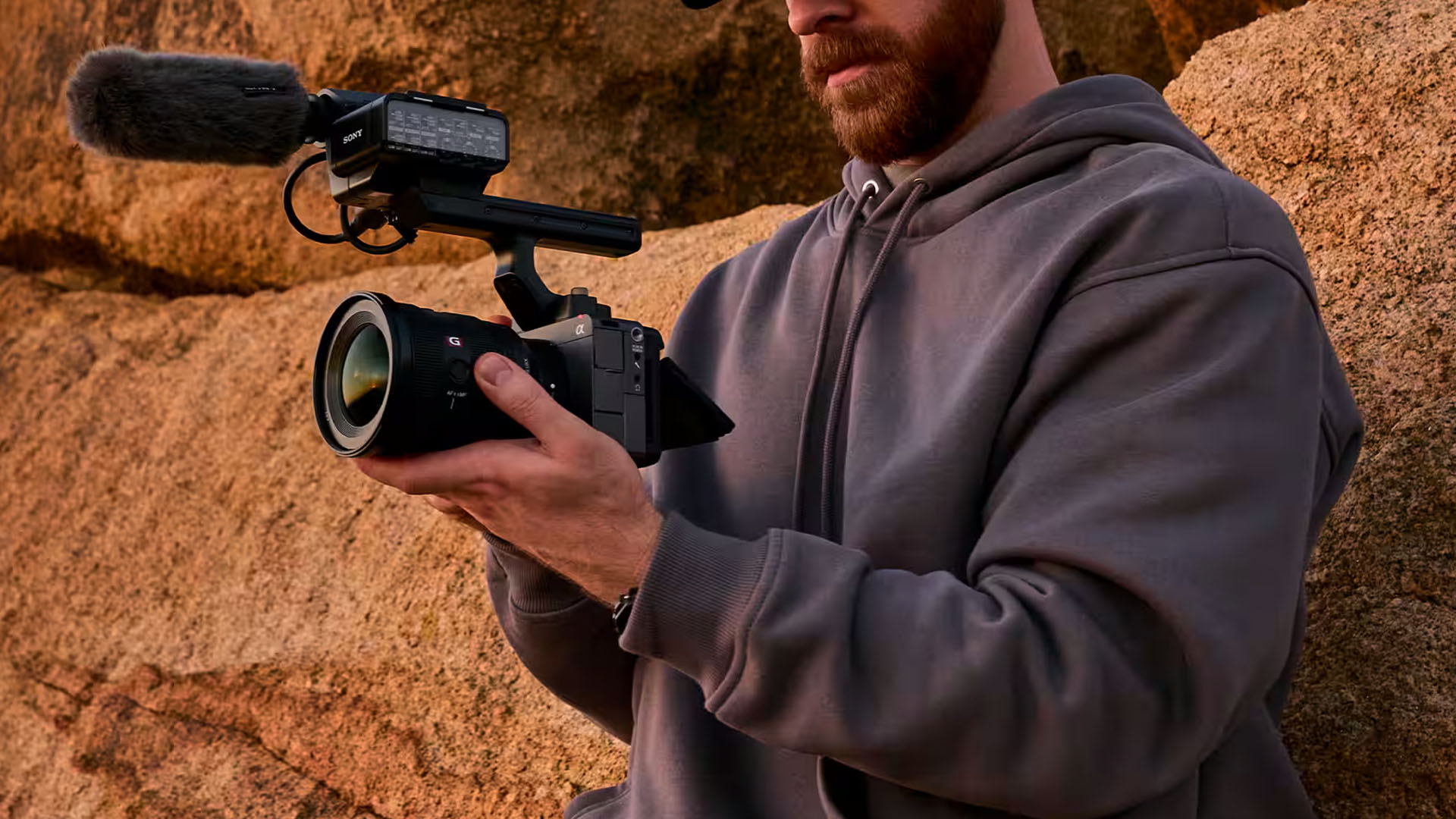
The Sony FX5 will also include two new optional accessories: a detachable OLED viewfinder and an XLR Handle that enables recording in-camera at up to 96 kHz, 32-bit float.
The camera system incorporates expertise that Sony has cultivated through the development of Cinema Line cameras, which have earned high praise from cinematographers and video creators around the world.
Price, availability
The ILME-FX5 with XLR Handle Unit (SG$ 7,199) and ILME-FX5B Body Only (SG$ 6,399) will be available for pre-order until August 9.
The DVF-EL1 OLED Detachable Viewfinder (SG$ 899) and VMC-BNCU1 Timecode Adapter Cable (SG$ 129) will be available after Mid-August.
Meanwhile, the XLR-H2 XLR Handle (SG$ 1,099) will be available by special order.
On July 28, the FX5 will also be on display atThe Arts House At The Old Parliament from 6:00 P.M. to 8:00 P.M., giving creators the chance to experience it for the first time.


30 days later with the ASUS ExpertBook Ultra: Like seeing an ex
Felt exactly as I remembered.

ROG STRIX G16 Review: Building for the moment
Setting it up however you want to make the most out of it


realme C100: Enduring and durable in spite of entry-level realities
Enough power but needs more agility

HONOR Robot Phone’s camera can move on its own

HONOR Robot Phone officially launches after its MWC debut

Marvel Wolverine Limited Edition PS5 bundle SEA pricing

Galaxy Z8 series drives record-high foldable pre-orders in SEA, Oceania

England, Wales start banning Meta Glasses

Hands-on: Samsung Galaxy Z Fold8, Flip8, Ultra

Garmin launches its first screenless fitness band

VinFast debuts two-wheeler models, opens 21 e-motorcycle showrooms

Samsung releases teaser with Spider-Man: Brand New Day Easter eggs

Most of the world’s PlayStations will be officially useless by 2028


-
 Automotive1 week ago
VinFast debuts two-wheeler models, opens 21 e-motorcycle showrooms
-

 Automotive2 weeks ago
Xiaomi debuts SkyNomad Series featuring new Kunlun platform
-

 Computers2 weeks ago
AMD launches Radeon RX 9050 graphics card
-

 News1 week ago
OnePlus officially leaves the United States and Canada
-

 Gaming2 weeks ago
Call of Duty: Modern Warfare 4 clip shows Losing Ground 1st look
-

 Automotive2 weeks ago
GAC launches new trio of MPVs
-

 News2 weeks ago
TECNO unveils the world’s first 0mm bezel-less phone
-

 Gaming1 week ago
Genshin Impact opens Snezhnaya in Version 7.0 this August 12