



As a long-time Windows user, I have to admit, I’ve always dreamed of having a Windows version of Apple’s MacBook. The Pro model in particular is an awesome fusion of sturdy hardware and precise software. Dell’s XPS line was often the best Windows had to offer, but they never quite hit every checkbox.
Surprise, surprise: Huawei came up with the closest thing to the MacBook of Windows yet. Yes, Huawei makes laptops; they don’t just specialize in smartphones and sick burns.

It’s called the MateBook X Pro, and it’s the successor to 2017’s MateBook X, which didn’t experience much fanfare outside of China. There was also a regular MateBook in 2016, but it was more of a Surface Pro competitor than a full-fledged notebook.
The MateBook X Pro has been available in select regions for a while now, garnering positive reviews and calls from fans to bring it to their shores. But why is it so coveted? Let me give you the reasons why, as well as some deeper-rooted cons.
Nothing beats its display
There’s so much to love about the MateBook X Pro, but I’m gonna go with the display as its best feature. The 13.9-inch 3K (3000 x 2000 pixels) touchscreen is enough to wow anyone who sees it. Even better: It’s got the highest screen-to-body ratio of any laptop today at 91 percent.

This is as bezel-less as it gets, and there’s no notch to interfere with the sleek design. Where does the webcam go then? Well…
Huawei picked the most unusual webcam location
If you’ve watched our hands-on video, you’d already know what to expect. The webcam pops up with the press of a button between the F6 and F7 keys. It’s innovative and totally bonkers. Check it out:

But as cool as it is — and trust me, I’ve wowed lots of people with this — I still would’ve preferred a top-mounted placement. I’d add a couple of millimeters on the top bezel to house a proper camera.
A login method I can get behind
Perhaps the biggest reason why I’m not a fan of the pop-up camera is that I can’t log in with my face the moment the laptop enters the lockscreen. It’s something I’ve enjoyed on every Windows Hello-enabled notebook I’ve used up until now, mainly those from ASUS and Lenovo.

To remedy that, Huawei integrated a fast fingerprint reader into the power button. If you leave your finger on the button a second longer when turning on the PC, it’ll bring you straight to the desktop — such a time-saver!
Keyboard and trackpad are top-notch
As someone who needs to write and edit articles on a daily basis, I consider the reliability of the keyboard and trackpad as priorities in a computer. Fortunately for me, this MateBook ticks both boxes with flying colors.


While not MacBook Pro levels of quality, the keyboard has just the right amount of travel and it’s so well-spaced — plus, there’s backlighting for when I work in the dark. The trackpad is massive for Windows laptop standards, and its use of Microsoft’s precision touchpad drivers means gesture control and navigation are easy peasy.
Speaker you wouldn’t expect from an Ultrabook
One of the first things normally given up when going for a slim form factor is the speaker setup. That’s not the case with the MateBook X Pro, which has some of the loudest units I’ve ever heard on an Ultrabook.

There are four in total, all Dolby Atmos-certified, making them loud and crisp. Combined with the immersive display, I’ve turned this into my go-to binge-watching machine.
No port problems here
A gripe of mine with newer laptops is the over-reliance on USB-C as the one, true port. Although I agree it’s the present and future of wired connectivity, I still want my USB-A on board.


That’s exactly the case with this notebook: It has two USB-C ports — one that allows charging and the other with Thunderbolt 3 support for plugging in an external GPU or monitor — and a full-sized USB-A for old flash drives and printers. It’s the best of both worlds, and there’s even a 3.5mm audio port so you won’t have to rely on the older Bluetooth 4.1 standard this MateBook uses for wireless headphones.
Performance is a strong point
At this point, there has to be some compromise, right? If you’re thinking that’s on the raw performance, you’d be absolutely wrong. My unit comes with Intel’s 8th-gen Core i7-8550U chipset, 16GB of memory, 512GB of SSD storage, and lo and behold, an NVIDIA GeForce MX150 graphics chip.

It’s amazing how Huawei was able to cram all this power into the 1.33kg, 14.6mm-slim chassis. Admittedly, it does get quick hot under heavy load from games such as Fortnite and Overwatch, but not enough for me to turn the machine off. For everything else, such as photo and video editing, this configuration blazes through apps.
And battery life is surprisingly great
Again, Huawei somehow managed to avoid any glaring weakness in its best laptop to date. Yes, the MateBook X Pro has a 57.4Wh battery which I’m happy to report is designed to last.

If I avoid the overheating mentioned earlier while off the plug, I can get over seven hours of straight usage. It helps that this notebook charges quickly with its compact 65W adapter, which can also be used to top up my smartphones, so I need to bring only one charger on trips.
Is this your GadgetMatch?
Since I began using the MateBook X Pro, I’ve found it tough finding faults, in the same way most Mac users feel about their laptops. There are minor hiccups here and there, but nothing deal breaking enough to avoid a purchase.
On that note, actually buying one may be the biggest hurdle. Even though it’s becoming increasingly easier to find through online retailers in different regions, it’s still nowhere near as easy to purchase as an Acer, HP, or even a MacBook.
It’s a shame, since more support for this product would mean a successor, though I think Huawei will produce one either way. Besides a specs bump and improved location for the webcam, I have nothing else on my wish list for next year’s MateBook X Pro Max Plus — or whatever it’s gonna be called.






Editors' Choice
GadgetMatch Awards: Best of IFA 2026
Xiaomi 18 Fold, Govee, XGIMI, ARZOPA, Cuktech and more!


We’re back at IFA 2026 in Berlin, checking out some of the coolest and most interesting tech on the show floor.
From smart home lighting and portable displays to projectors, power solutions, foldables, and more, these are some of the products and brands that caught our attention this year.
In this video, we take a look at:
- AI Lighting https://bit.ly/4xmY342
- Z3FC Portable Monitor https://bit.ly/4gRk7wD
- D14 Digital Photo Frame https://bit.ly/4qYlRJ6
- 30 Ultra Desktop Charging Station https://s.whaee.com/tXBornw
- 10 Ultra Charger https://s.whaee.com/UsWT4U2
** Use code CUKTECH09, valid until September 30
XGIMI
ASUS x NVIDIA RTX SPARK
- ProArt P16: https://asus.click/h7607_gm
- ProArt P14: https://asus.click/h7407_gm
- ProArt GR1X
Watch until the end for our favorite finds from IFA 2026!
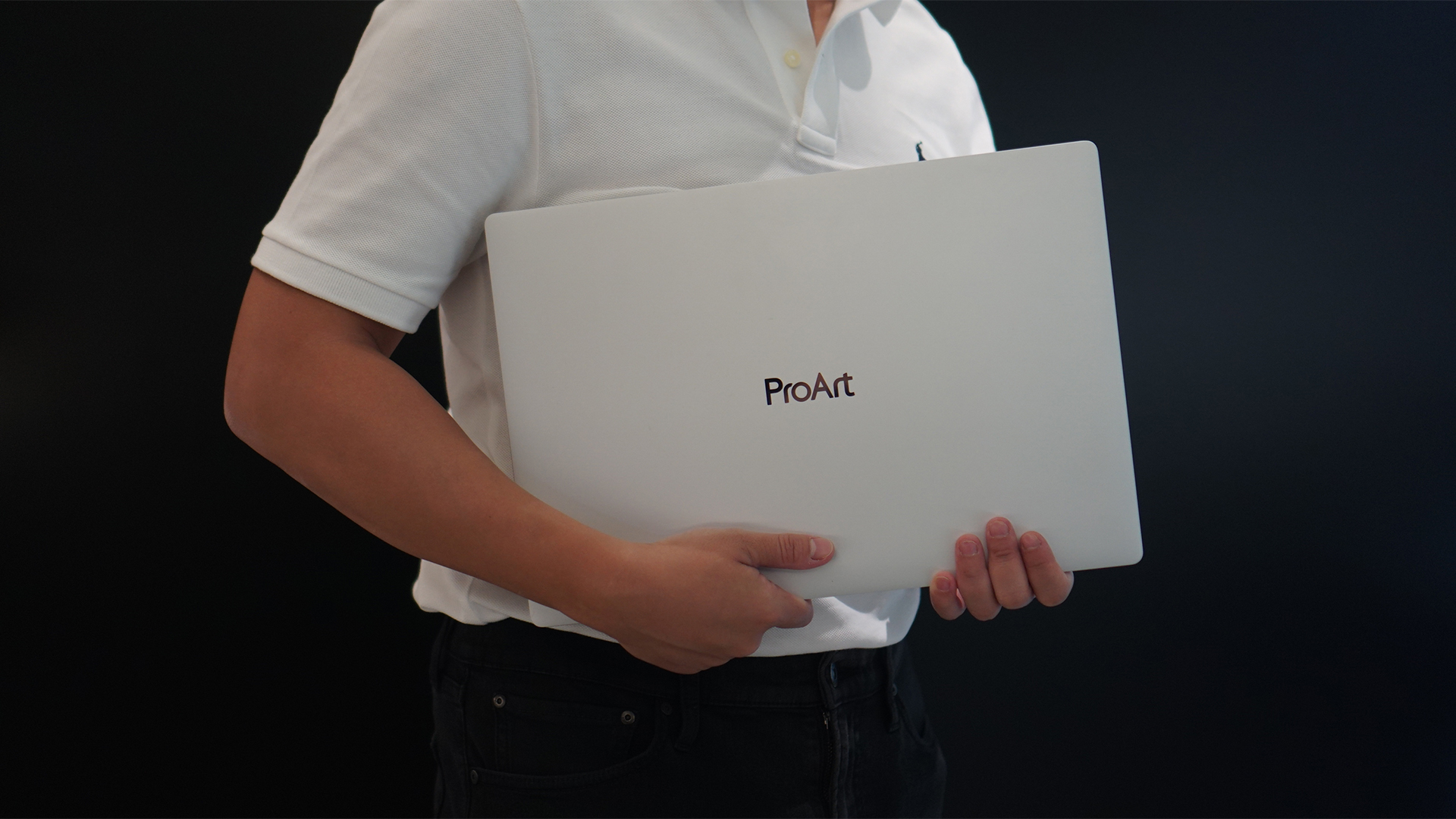
Select ASUS and ROG laptops now come with three months of Google AI Pro or Google AI Plus at no extra cost. The offer starts September 7 and covers eligible models from the 2025, 2026, and upcoming 2027 lineups.
Google AI Pro includes 5TB of cloud storage, while Google AI Plus comes with 400GB. Both plans also provide access to a range of Google’s AI-powered tools and features.
More Google AI on ASUS laptops
Eligible customers can use the Google Gemini app, Deep Research, Google Flow, Gemini in Google apps, and Gemini Notebook, among other features. Availability varies depending on the Google AI plan and supported features.
Google AI Pro offers higher usage limits and expanded access to Google’s more capable Gemini models. It also includes additional developer and agentic tools such as Google Antigravity, Jules, and AI Studio, subject to availability and plan terms.
Google AI Plus provides elevated access to Google’s AI tools alongside features for creative generation and productivity.
The offer covers more than just AI features. Google AI Pro’s 5TB of cloud storage and Google AI Plus’ 400GB give users additional space for documents, photos, videos, research, and other projects.
Available across select ASUS models
The one-year program starts September 7 and applies to selected ASUS and ROG laptops in supported markets. Eligible models span the ROG, TUF Gaming, ProArt, Zenbook, and Vivobook families, including select 2025 and 2026 models and upcoming 2027 devices.
Customers can redeem the offer exclusively through the MyASUS app. ASUS has published the full list of eligible models and the offer’s terms and conditions on its website.
Check the full list of eligible ASUS laptops
ASUS is also running its No. 1 Quality, School-Ready Deals promotion until September 15, 2026. The promo offers additional deals for students, gamers, and professionals buying select ASUS and ROG devices.
The company’s No. 1 Quality and Service package also includes up to three years of international and local warranty, service access across more than 90 countries, and over 100 ASUS Service Centers and Drop-Off Points in the Philippines. Eligible laptops also come with one year of Local Accidental Damage Protection and up to six free device cleaning claims.

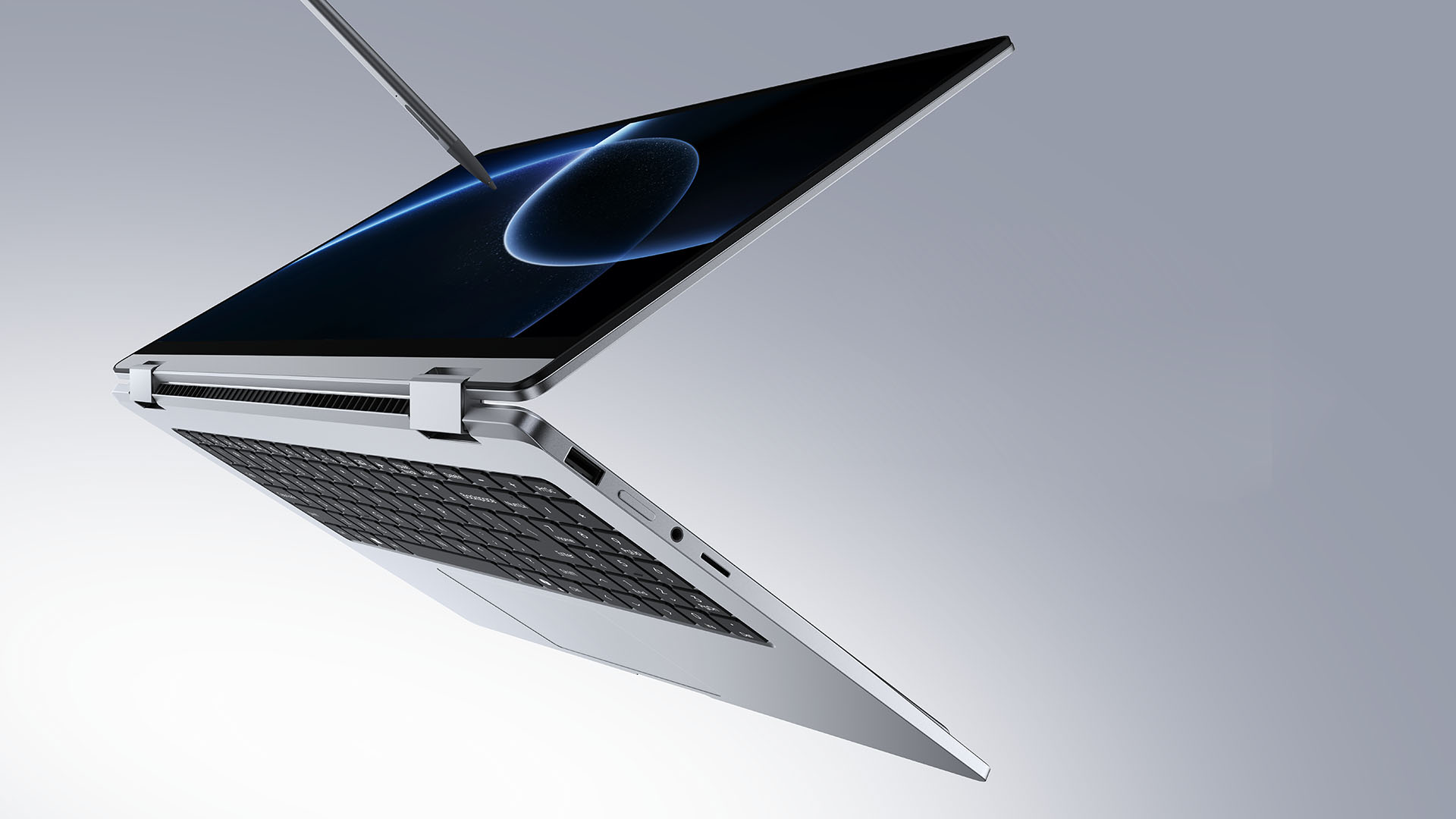
TECNO is making its MEGABOOK lineup a little more flexible.
At IFA ShowStoppers 2026, the uprising tech brand unveils the MEGABOOK T15 360 with two more laptops and three phones tagging along.
One laptop, four modes
The MEGABOOK T15 360 series is the brand’s first laptop lineup with a 360-degree hinge and touchscreen display.
By that, it’s more than just a conventional laptop. It can also be a tablet or a portable display via Tent mode or Stand mode. This added feat makes everything more versatile as TECNO’s existing laptops are only limited to the clamshell form factor.
Both models feature a 15.6-inch screen with the standard 16:9 aspect ratio. As alluded earlier, it’s a touchscreen laptop consisting of 10-point multitouch points. There’s also optional MPP 2.0 active pen support if you want to write or draw directly on the display.
So what’s the difference?
Well, the regular T15 360 gets a Full HD 60Hz panel with 320 nits brightness.
Meanwhile, the Pro version takes it up a notch with a faster 120Hz refresh rate, sharper 2.5K display resolution, full 100% sRGB coverage, and higher 350 nits brightness.
Both laptops come in an all-metal chassis made using CNC machining. The convertible design doesn’t come at the expense of a more conventional laptop build.
Performance uncompromised
TECNO isn’t treating the T15 360 as a lightweight convertible that has to compromise on performance.
You can get up to an Intel Core Ultra 9 185H processor, paired with an LPDDR5X RAM. The storage is based from PCIe M.2 2280 SSD — with select models having a secondary M.2 slot for utmost expansion.
There’s also a 70Wh battery plus support for a speedy 65W PD GaN charger. Connectivity includes up to Wi-Fi 6E and Bluetooth 5.4, alongside seven built-in ports.
Practical stuff were neither forgotten. There’s a backlit keyboard with a dedicated number pad, a fingerprint reader underneath its power button, dual speakers with DTS Ultra, a webcam, and dual digital microphones.
TECNO’s OneLeap feature also rounds things out by letting the MEGABOOK work with other TECNO’s smartphones, tablets, and other PCs for cross-device collaboration.
Two more MEGABOOKs
TECNO also brought two other MEGABOOKs to IFA.
The MEGABOOK K15S WCL is the more straightforward option. It uses Intel’s newer Wildcat Lake platform with a 16:10 display, a 70Wh battery, and 65W GaN charging — all in a premium, all-metal body.
Then there’s the MEGABOOK T17 Ultra. Ultra by its name, it goes big with a massive 17.3-inch 16:9 display. It can be configured with up to an Intel Core Ultra 9 processor and LPDDR5X memory. It also features a massive 99.99Wh battery and speedy 100W GaN PD fast charging.
Wait! There’s even more…
Beyond laptops, TECNO reveals the true form of its Next-Gen Bezelless Concept Phone at IFA 2026.
As announced more than a month ago, this concept uses a redesigned display architecture, internal stacking, structural engineering, and screen packaging to eliminate the physical black border around the display, resulting in what TECNO calls a true 0mm display border.

Beside a phone prototype, there are two consumer-ready products as well.
The POVA 8 Pro 5G Tonino Lamborghini Limited Edition combines the POVA series’ performance-focused approach with Tonino Lamborghini’s design language.
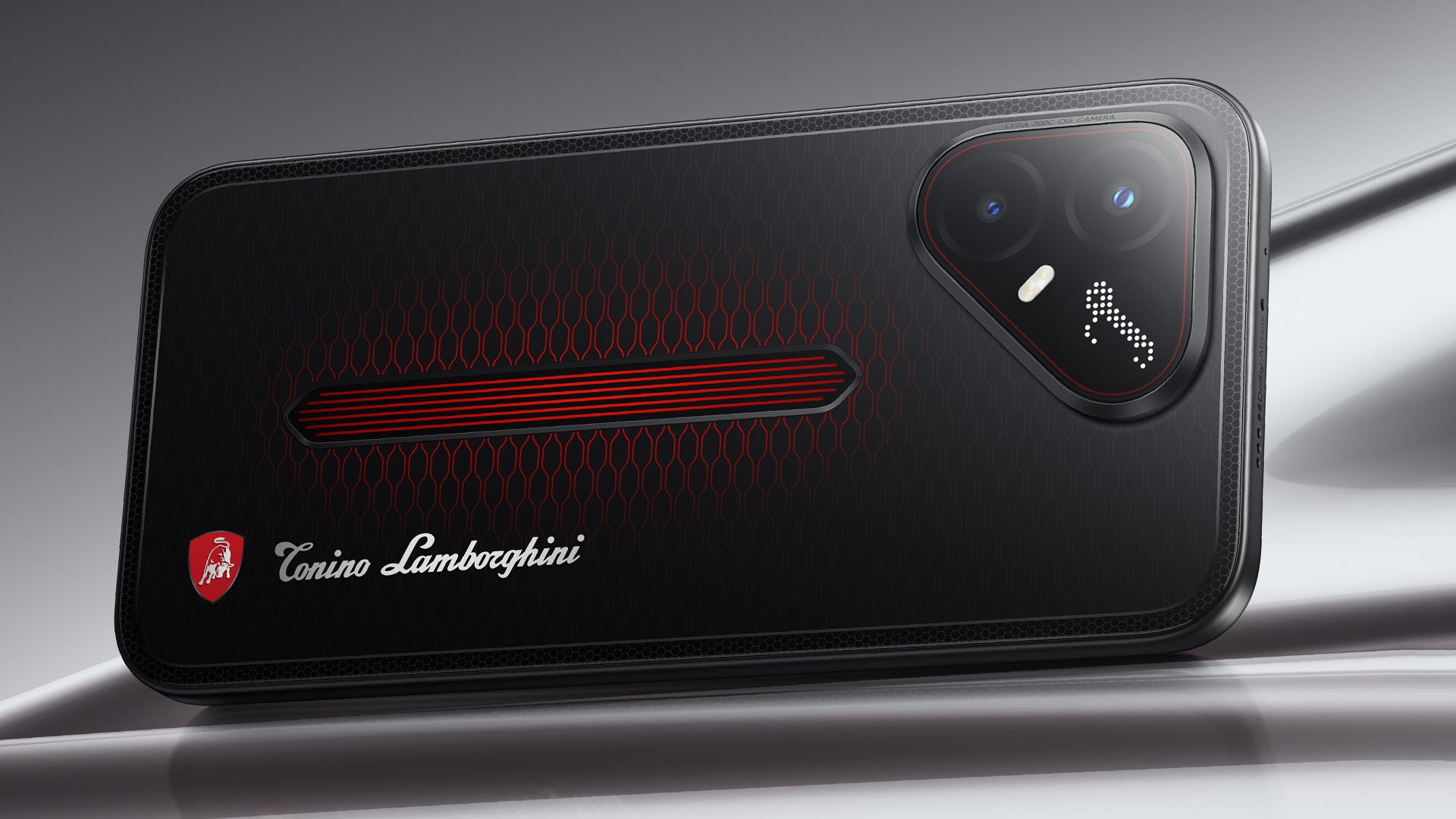
It uses a MediaTek Dimensity 7400 Ultimate 5G chipset alongside TECNO’s custom-made P1 Graphic Chip and a 5K IceShield vapor chamber cooling system. Specific details will be announced on September 4, 2026.
Meanwhile, the CAMON Slim 5G focuses on a thinner form factor, measuring just 6.39mm thick.
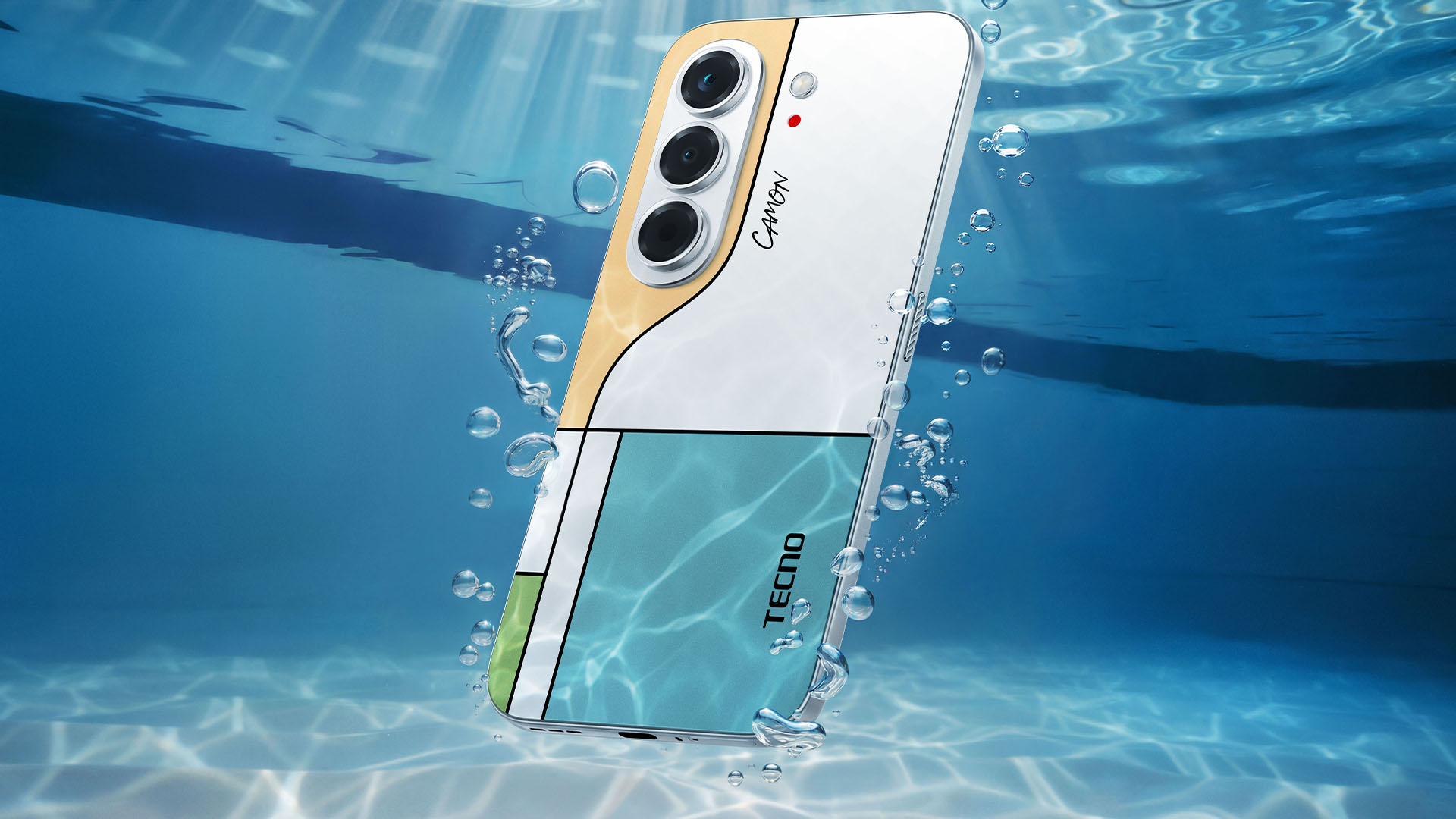
TECNO says it combines the CAMON line’s imaging features with AI capabilities and artistic colorways. More specifications will be revealed on September 7.
Pricing and Availability
The MEGABOOK T15 360 Series is expected to arrive in Europe by Q4 2026.
Depending on the configuration choice, the MEGABOOK T15 360 will start between EUR 899 ~ EUR 999. The MEGABOOK T15 360 Pro will cost as much as EUR 1099.
No pricing info were announced for the other MEGABOOKs and two phones as of writing.


TECNO POVA 8 Pro Tonino Lamborghini review
Truly a rare gem in 2026


DJI Lito X1 review: Is this the best lightweight drone for creators?
Making a strong case as a travel companion and a capable B-cam!


REDMI Note 17 Pro Max review: A new breed born from AI greed
Welcome to the new normal
TECNO POVA 8 Pro Tonino Lamborghini review

When TECNO-logy meets Tonino Lamborghini legacy

Spotlight: Amazon Kindle Scribe Colorsoft

Chimelong’s newest attraction might be the robots themselves

Xiaomi 18 Pro series is launching globally, Xiaomi confirms

realme 16T 5G with 8000mAh battery, IP69 Pro rating launches in PH

HUAWEI Pura X View is 2026’s first WIDE slab-type smartphone

The CAMON Slim 5G is TECNO’s latest ultra-slim smartphone

iPhone 18 Pro series: Price, availability in the Philippines

DJI Osmo 360 II review: Going all-in on the ecosystem


-

 News7 days ago
vivo X500 Series launches with major imaging upgrades
-

 News6 days ago
OPPO Find X10 Pro Max is the first phone with a triple 200MP camera system
-
Reviews2 weeks ago
REDMI Note 17 Pro Max review: A new breed born from AI greed
-

 Singapore1 week ago
Epson Lifestudio Grand Plus EH-LS970B with 4K projection, more launches
-

 News7 days ago
vivo introduces OriginOS 7 with smarter multitasking and AI features
-
Drones2 weeks ago
DJI Lito X1 review: Is this the best lightweight drone for creators?
-

 Gaming2 weeks ago
Valve unveils price of the Steam Frame
-

 Philippines2 weeks ago
REDMI NOTE 17 Series: Price, availability in the Philippines