


The quest for the bezel-less future is far from over, and Vivo has yet another surprise in store for everyone before it bids farewell to 2018. Recently launched in Shanghai is a smartphone that will surely catch your eye because this time, it has two displays: the Vivo NEX Dual Display Edition.
Ever since the start of the year, Vivo has been introducing one innovation after another: in-display fingerprint scanning, Time of Flight (TOF) 3D sensing technology, and who could forget the all-display Vivo NEX with a pop-up selfie camera that we reviewed in June.
The design story
While we appreciate brands trying to come up with different notch-free solutions, it makes us question the choice of reverting to pop-up mechanisms to achieve an all-display smartphone.
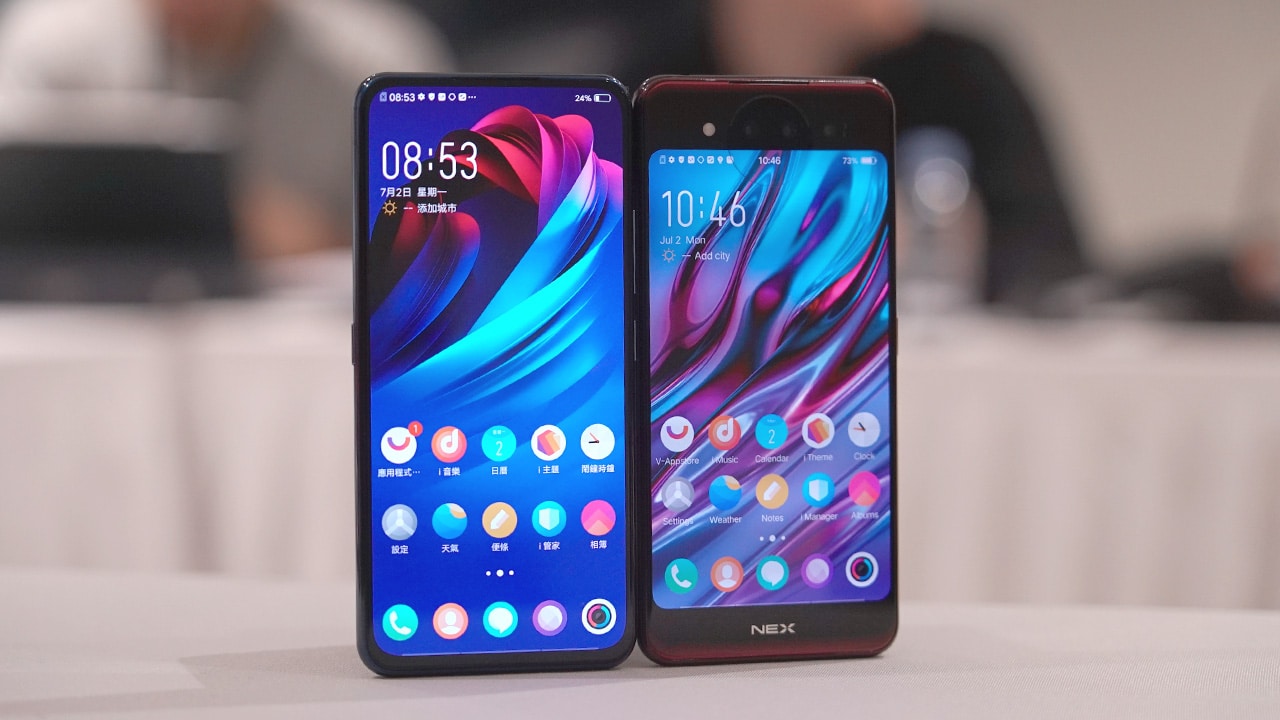
Vivo’s new proposal has two displays: a 6.39-inch Super AMOLED screen in front and another at the back at 5.49 inches. The Ultra FullView display boasts a 91.63 percent screen-to-body ratio, slightly higher than the original Vivo NEX’s 91.24 percent.
Having two displays may sound excessive but it actually has practical applications. On top of that, this implementation eliminates the need for pop-up cameras and one of 2018’s most hated smartphone feature — the notch.
Vivo Design Director Kyle Hsiao admits that the idea of creating both NEX phones came about around the same time while trying to solve the notch problem, hence the short gap between their launch dates. The pop-up mechanism was so easy to implement compared to having two displays on a single smartphone that it took almost 300 prototypes before finalizing the design we have today.

Hsiao says they don’t feel that the iPhone notch is the way to go. When working on the NEX Dual Display Edition, the design team had three considerations: technology, fashion, and most importantly, consumer experience.
Hsiao emphasizes that a smartphone doesn’t just have to look good, but has to be designed based on human needs. Mobile video app TikTok has been rising in popularity, and it’s this generation of users that Vivo had in mind when creating the new NEX — people who create and share their own content, no matter the level of production quality.
The last few years saw brands from China, including Vivo, to be simply copying what Apple does. Ultimately, Hsiao envisions the NEX line to always offer something different — something that breaks barriers. Although it is Vivo’s most premium line, it’s not about using expensive materials or coming out with the most premium phones, but providing solutions to users’ needs in a unique way.
Two displays, still a normal phone
In case you’re wondering, you can switch between the two displays in a multitude of ways. The easiest is by pressing the two buttons on both sides of the phone simultaneously.
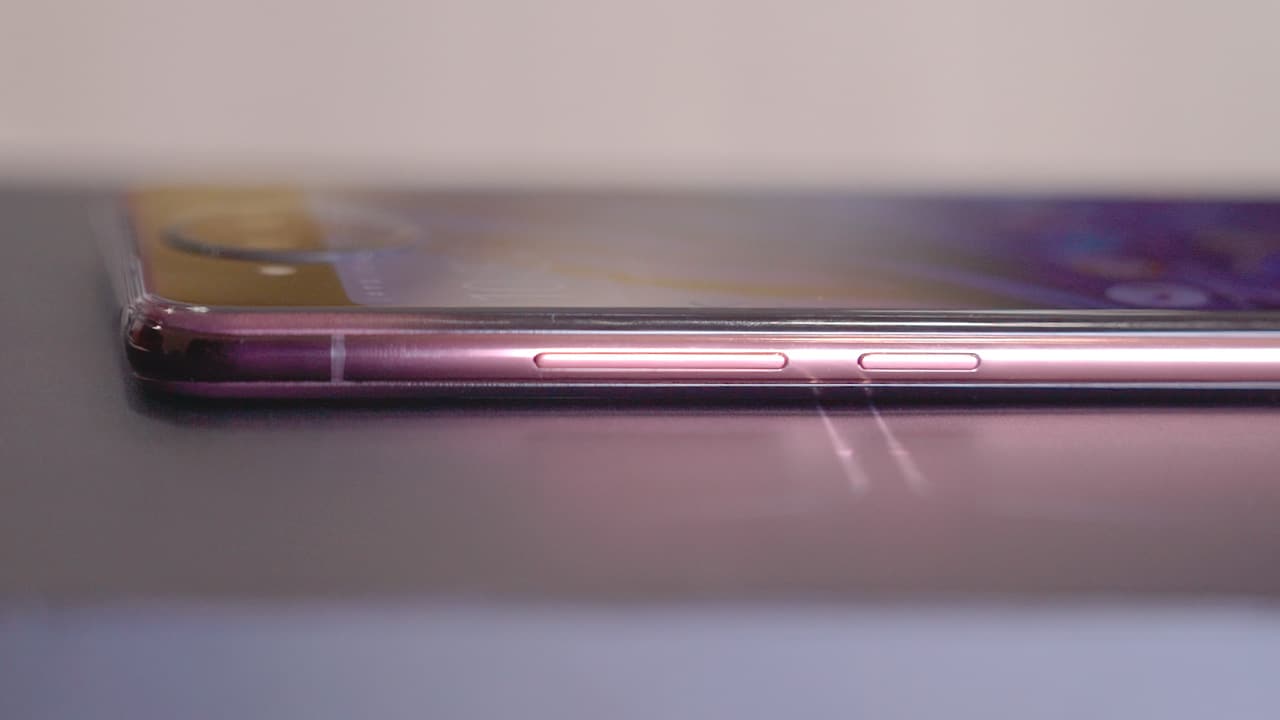
Speaking of buttons, placement is usual: volume rocker and power button on the right, and Vivo’s virtual assistant Jovy on the left.
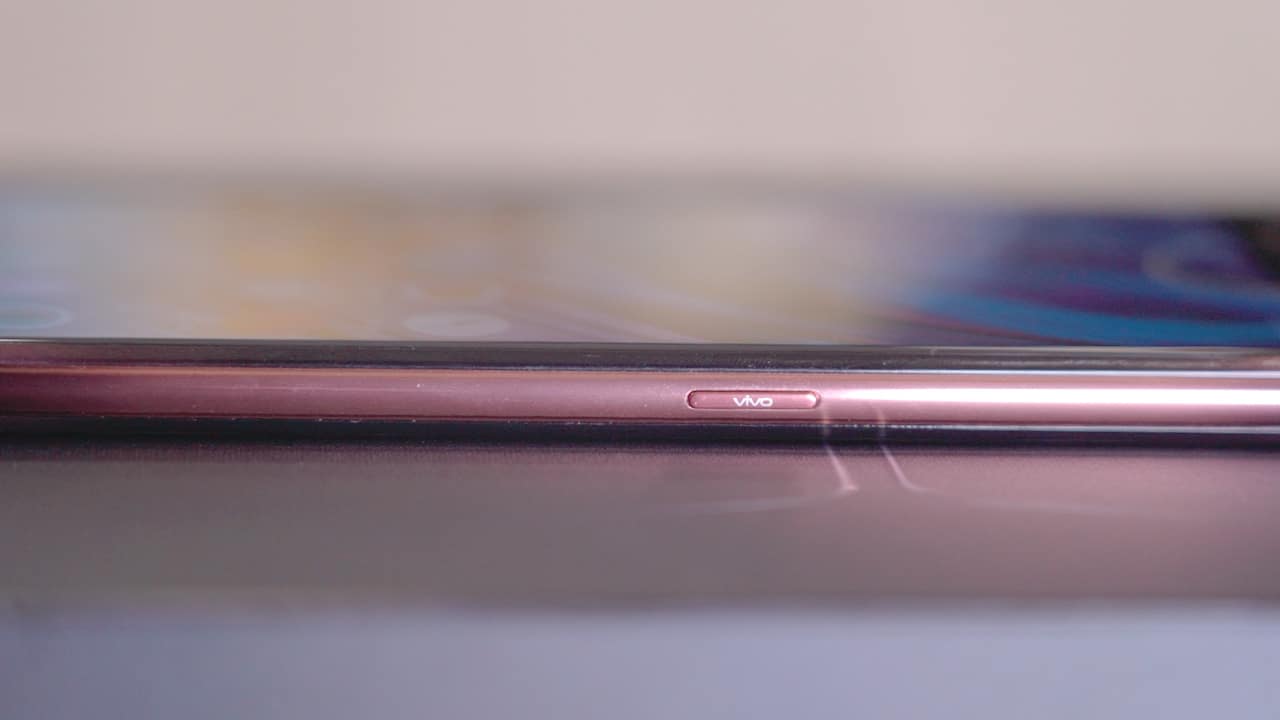
Vivo insists having a physical button for its personal assistant is a choice they made because they want to achieve a meeting of something that’s both real and digital, something users can interact with physically.

Dual nano-SIM card tray, USB-C port, and speaker grilles are at the bottom.
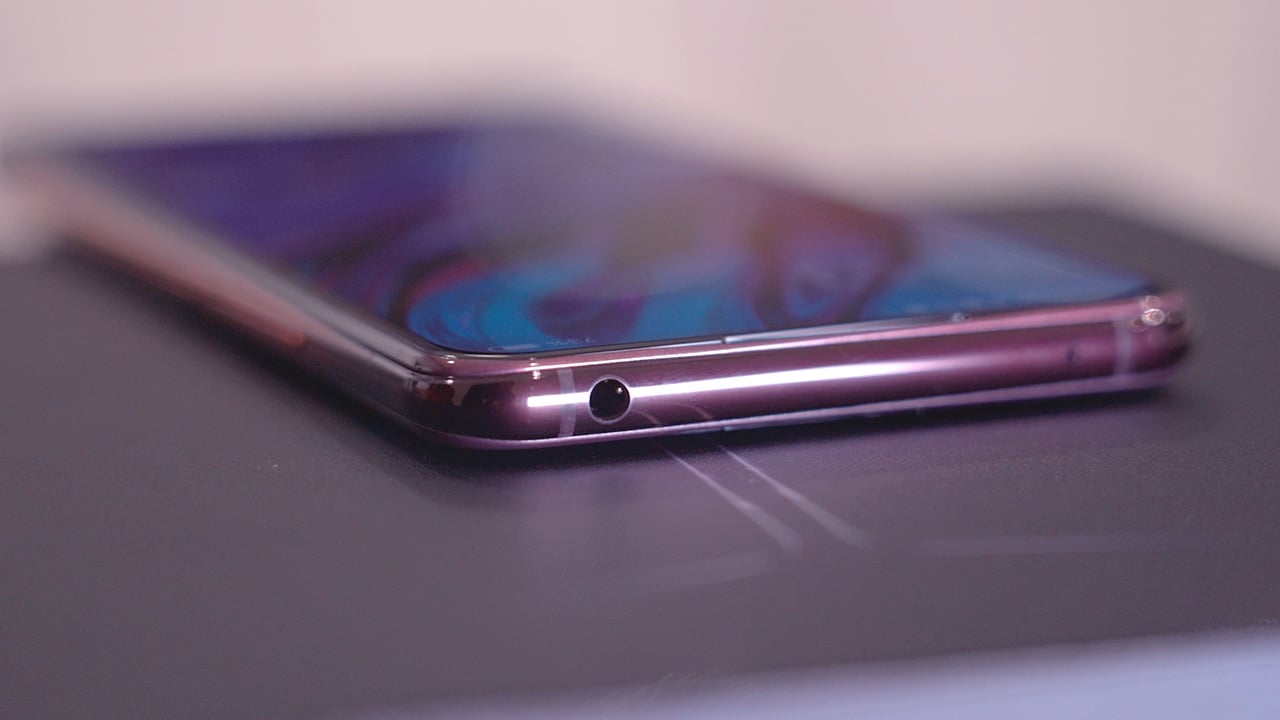
And yes folks, the headphone jack lives to fight another day.

You also get an earpiece on both sides of the phone, and that’s because even if the rear display is just secondary, it functions the same as the main one. So, you can also take calls no matter which one you’re using.
One question we get a lot when it comes to unconventional phones like the NEX is, “Will it work with a case?”
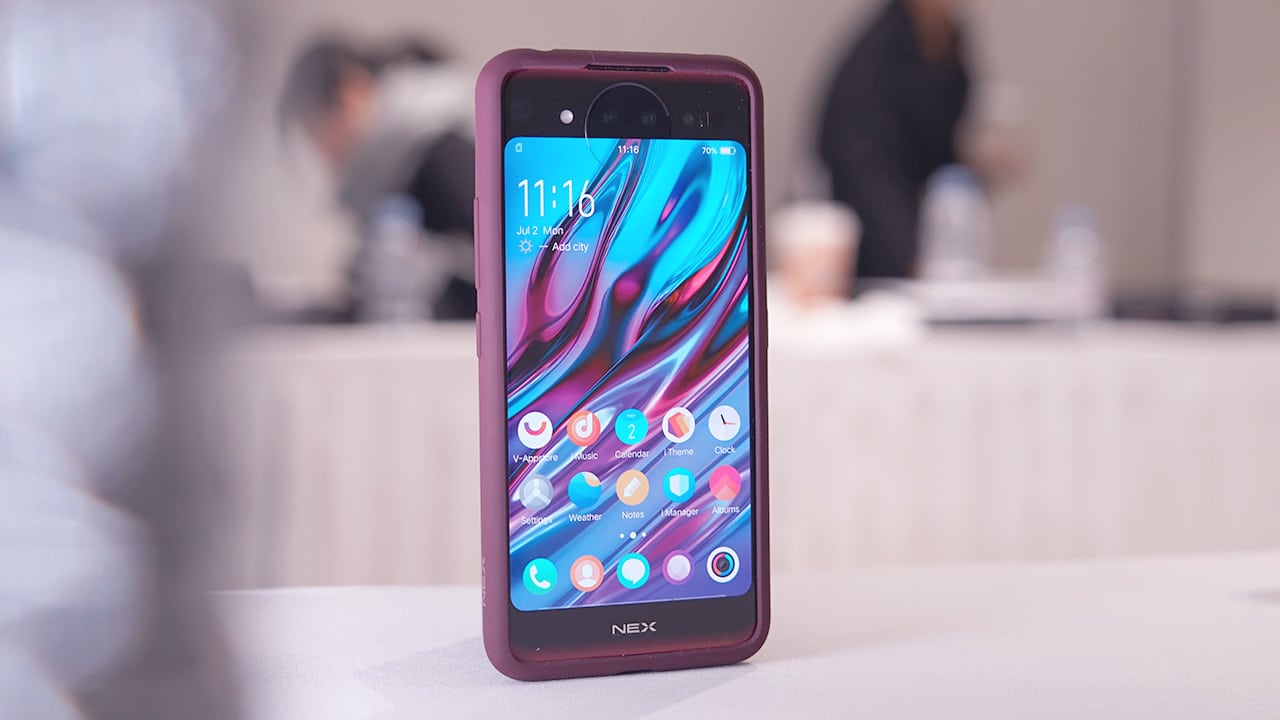
The Dual Display Edition comes bundled with a bumper that matches the phone color so the phone stays protected from accidental drops.
All photos are equal
The Vivo NEX S’ pop-up selfie camera is one of the best we’ve used this year that we even named it our favorite recently.
With another display at the back, Vivo ditches the pop-up mechanism for only one set of cameras on the Dual Display Edition. The setup found at the back doubles as a selfie camera: a 12MP dual-pixel main camera, a 2MP night video camera, and the Time of Flight 3D Camera.
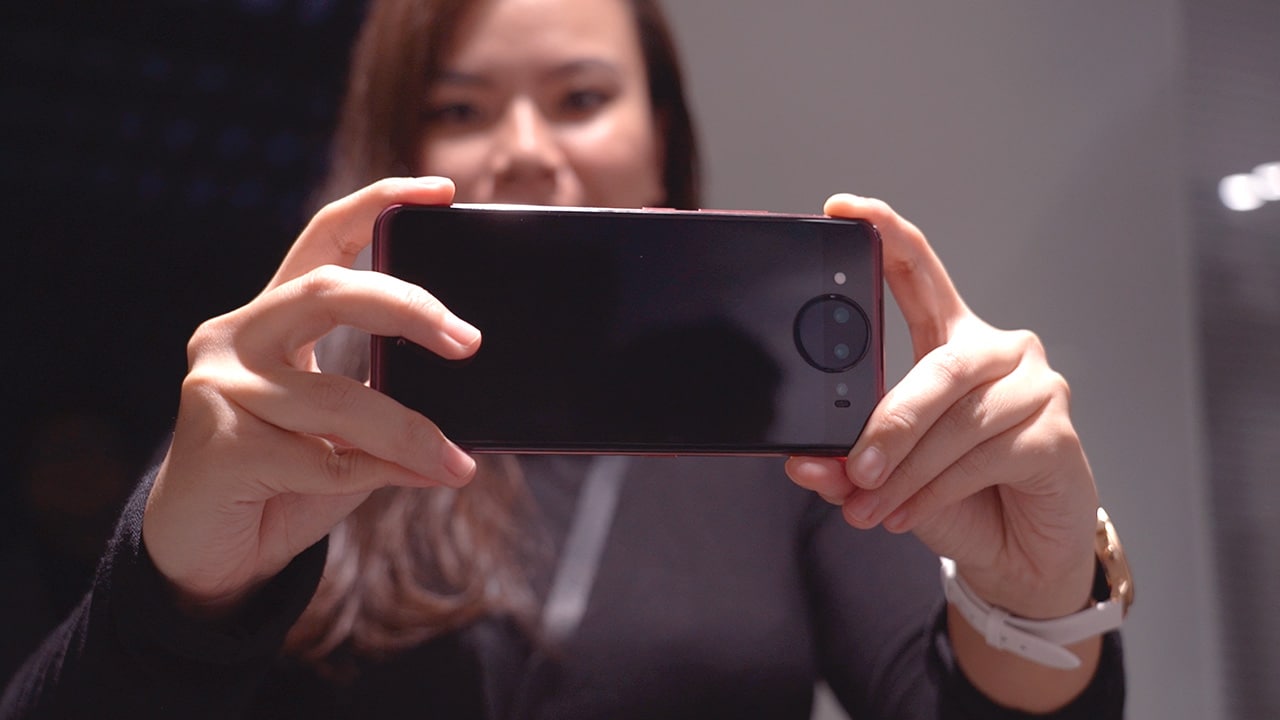
This means all your photos will look equally good, whether landscape, portrait, or a selfie. Vivo believes that selfies need not be inferior compared to photos taken on the main camera.
We haven’t had the chance to take the phone out in the real world during our time with it but if the NEX S’ cameras are any indication, this triple-camera setup will not disappoint.
Some smartphones, especially those made specifically for taking selfies, usually have a front-facing flash or some kind of fill light built in. The NEX Dual Display Edition steps that up with a ring light, which Vivo calls the Selfie Spotlight.

You know how beauty vloggers’ eyes look like they shine? It’s because most of them use a ring light when doing makeup tutorials. Of all the new features on this NEX phone, this is the one I got most excited about.
Because Vivo has always been really popular with its selfies, even if there is no dedicated selfie camera anymore, they actually added more features to make the most out of the two displays.
There are modes like Mirror Mode, which allows you to see yourself on the back display, even while being photographed by someone else. There’s also Pose Director, which can show you pose references that you can copy. This way, you can compose yourself better, and find your optimal angle the same way that Crazy Rich Asian family did.
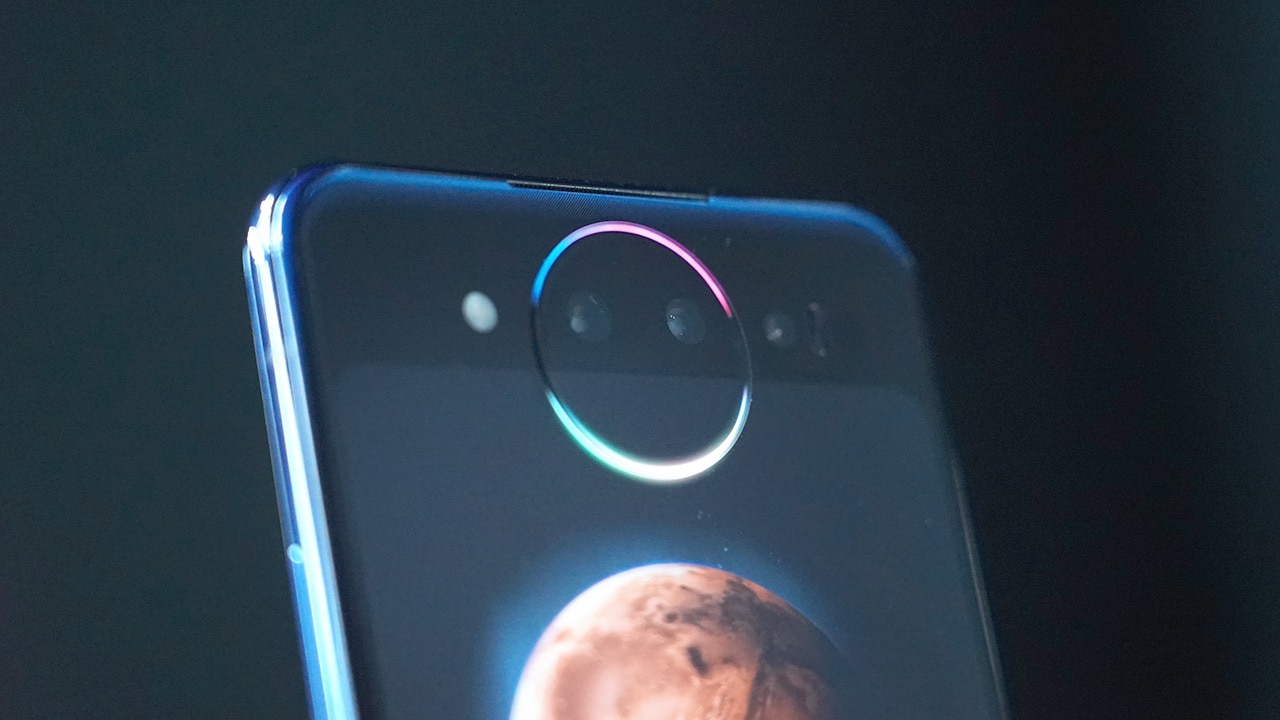
That circular bump around the cameras is called the Lunar Ring. Apart from serving as a ring light when taking selfies, you can set it to glow when you get notifications or even pulse when playing music.
Improved gaming
Another practical feature a dual-display phone like this offers is extra controls when gaming.
Certain games are played much better when you have a separate controller, but an extra display is the closest you can get to that without carrying another accessory.
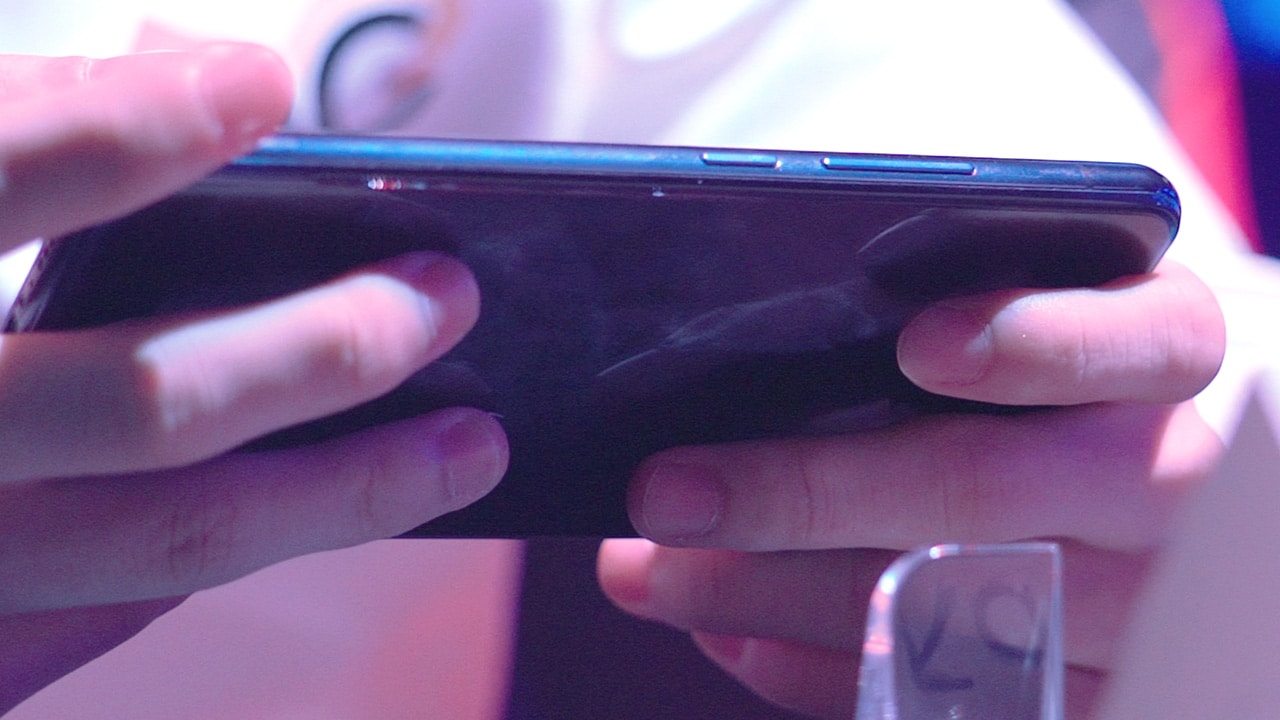
We had a limited time with the phone, but we look forward to trying this feature out ourselves once we get our own review unit!
While we’re on the subject of gaming, it’s worth mentioning that the NEX Dual Display Edition has all top-of-the-line specs you can expect from a flagship smartphone in 2018: Snapdragon 845, 128GB storage, and even 10GB RAM, making it one of the first smartphones to come with that much memory.
Faster and more secure biometrics
If you remember on the original Vivo NEX S, we only had one biometric option — an in-display fingerprint scanner. Because the front camera uses a pop-up mechanism, we didn’t get face unlock then.
On the Dual Display Edition, you get both fast and secure options. Built onto the main display is an in-screen fingerprint scanner, a technology pioneered by Vivo.
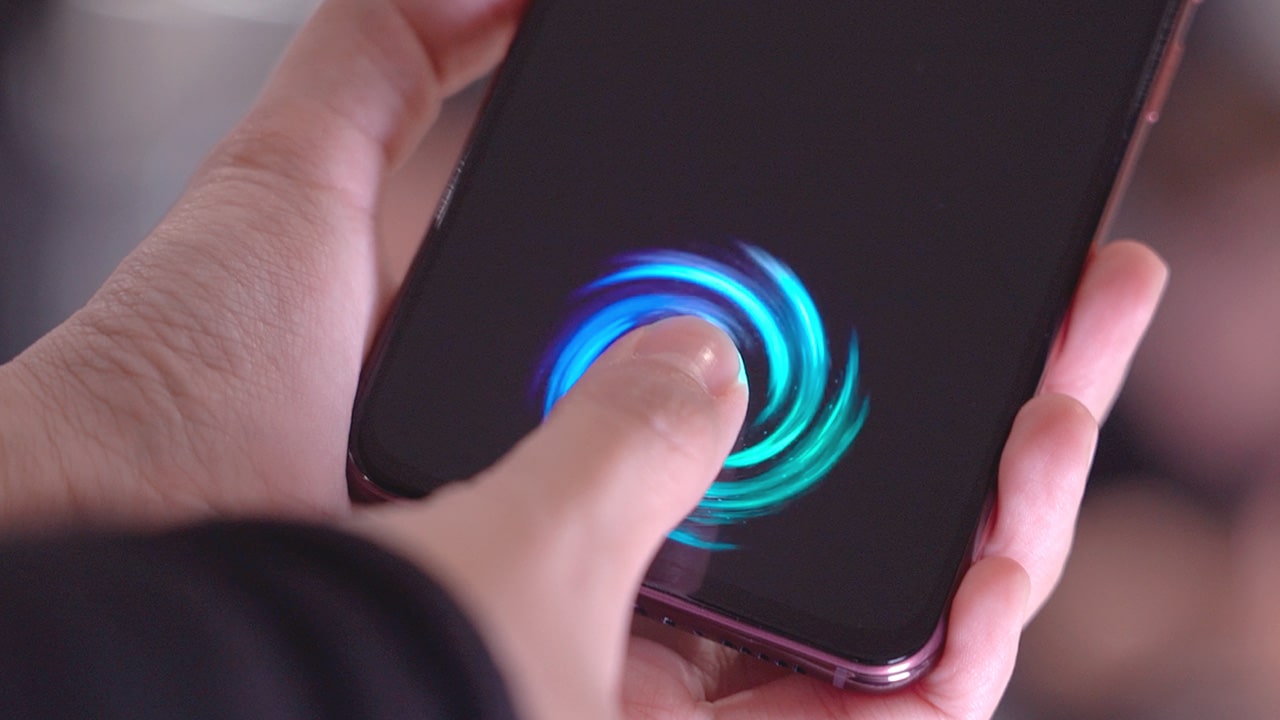
On the rear display, you can unlock the phone using the TOF 3D Camera. This means you can unlock the phone easily no matter which side you’re using. During our time with the phone, both options worked seamlessly.
Is this your GadgetMatch?
We’ll have to wait ’til we get an international review unit to answer this question, and that’s coming really soon.
The original Vivo NEX, no matter how futuristic it seemed at the time it launched, was a phone that felt normal and practical over time. Even though it came merely six months later, the Vivo NEX Dual Display Edition offers an entirely different experience than the former.
But, like we said in our Vivo NEX review, we appreciate how in its bid to distinguish itself among the many global players, Vivo built yet another premium smartphone that’s both innovative and fresh with ideas.






Hands-On
The Xiaomi Watch S5 proves you don’t have to take it off
Elegant enough for dinner. Tough enough for Spartan.

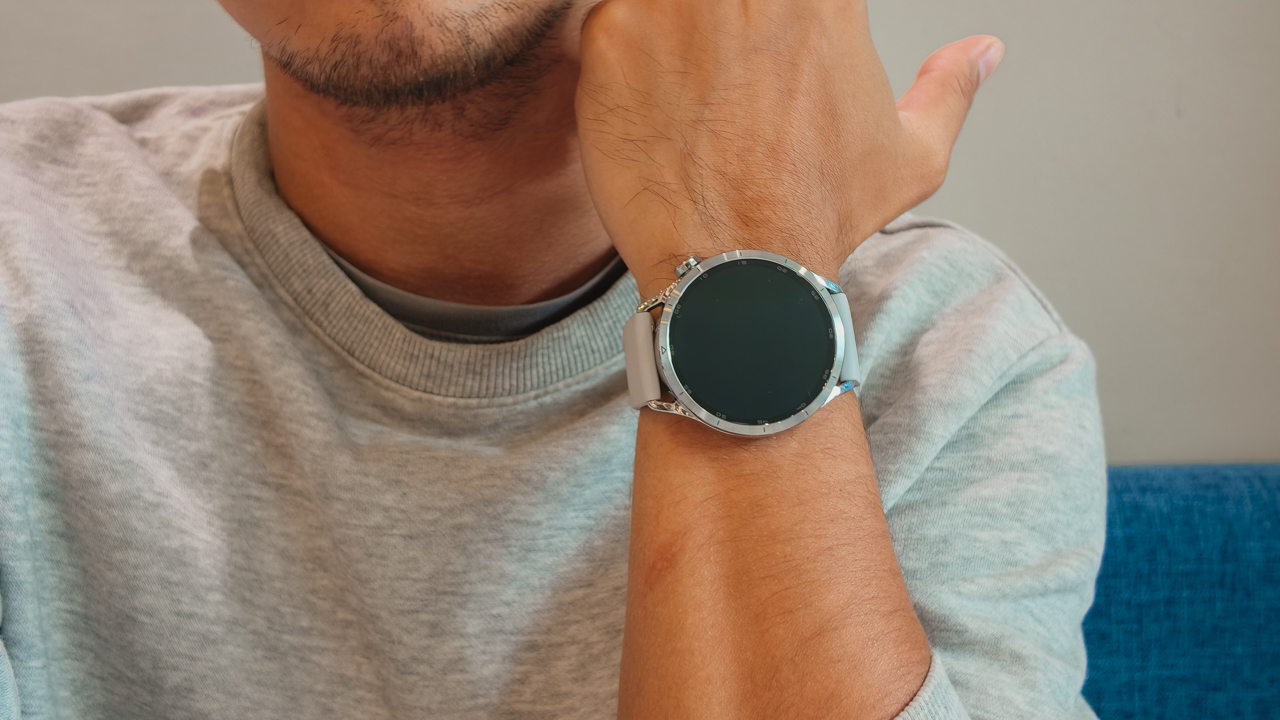
Picture this: one night, I’m dressed for a sophisticated gala in a carefully curated look. The following morning, less than twelve hours later, I’m standing at the starting line of a Spartan Trail 10K in Arden Botanical Estate with dirt on my shoes.
I’ve always struggled with smartwatches (or other timepieces) because they tend to ask you to choose a side. For instance, a classic timepiece looks right with tailoring, dinner jackets, and occasions where dress codes actually matter.
Meanwhile, a sports watch belongs in training kits, race bibs, and muddy obstacle courses. I’ve spent years switching between both, often leaving my smartwatch behind whenever the outfit called for something more refined.
Then, the Xiaomi Watch S5 arrived and challenged that whole routine. For once, I didn’t feel like I had to pick between looking polished and being athletic. I didn’t feel like I had to separate one part of my life from another.
A wardrobe investment
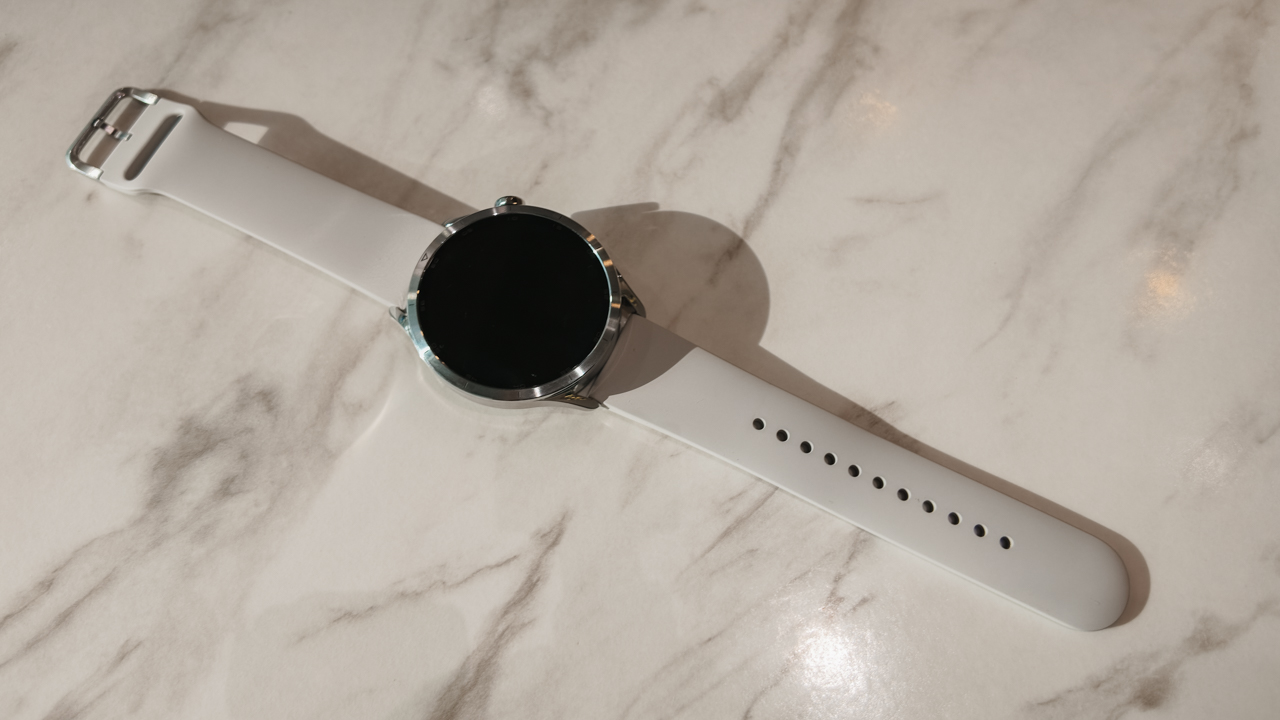
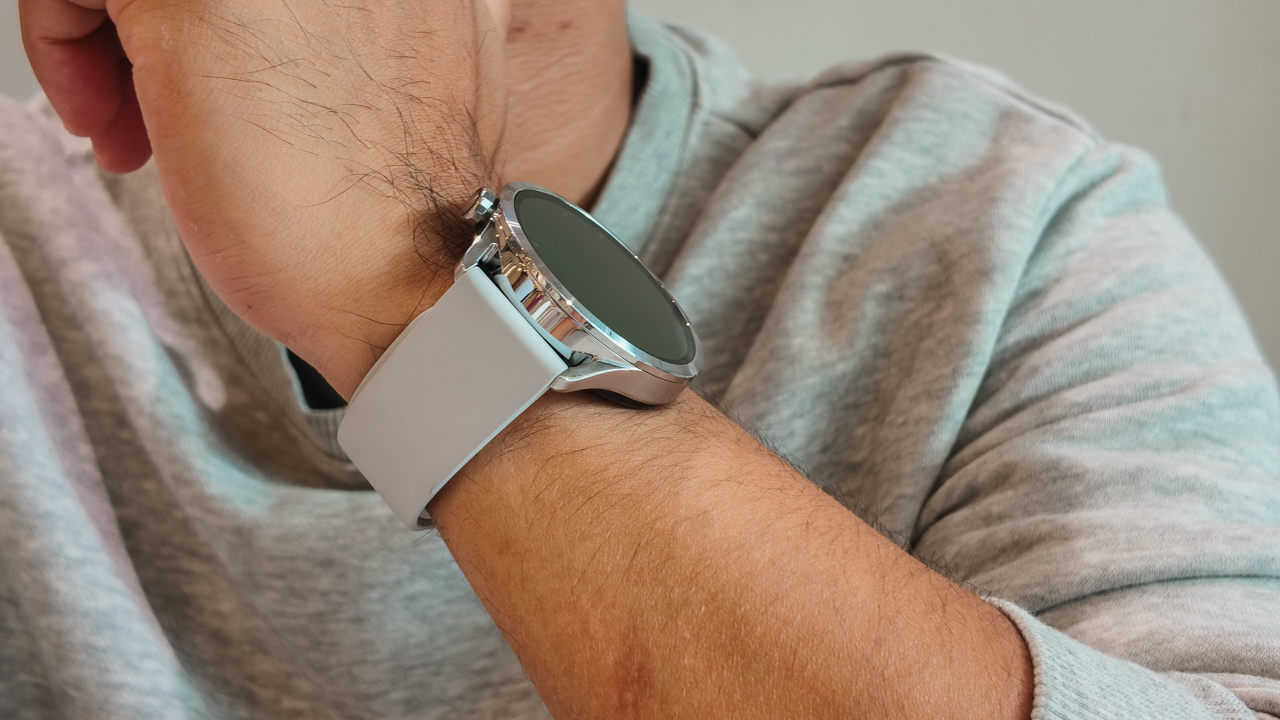
The Xiaomi Watch S5 immediately felt sleek. The upgraded stainless steel frame gives it the weight and polish of a traditional luxury watch. It looks expensive in the way a great accessory does.

It slips easily under a cuff, works with tailoring, and doesn’t compete with the rest of what you’re wearing. That mattered to me because I wore it to an evening event, styled like any proper watch would be.
Then the next morning, I wore it at a Spartan Race — at 6:00 AM, I was running the Spartan Trail 10K during a sudden downpour. Heavy rain poured over the course. Mud thickened under every step.
A few hours later at 9:30 AM, I was back on the course for the Spartan Sprint Open under the complete opposite conditions. Bright sun, harsh heat, and definitely no shade. By the time I crossed the finish line, I had visible sunburn.
I wore the Watch S5 across back-to-back races in completely different conditions. When it rained, the 5ATM water resistance handled it and allowed me to finish the Spartan Trail 10K with 350m elevation gain in 1 hour, 20 minutes.
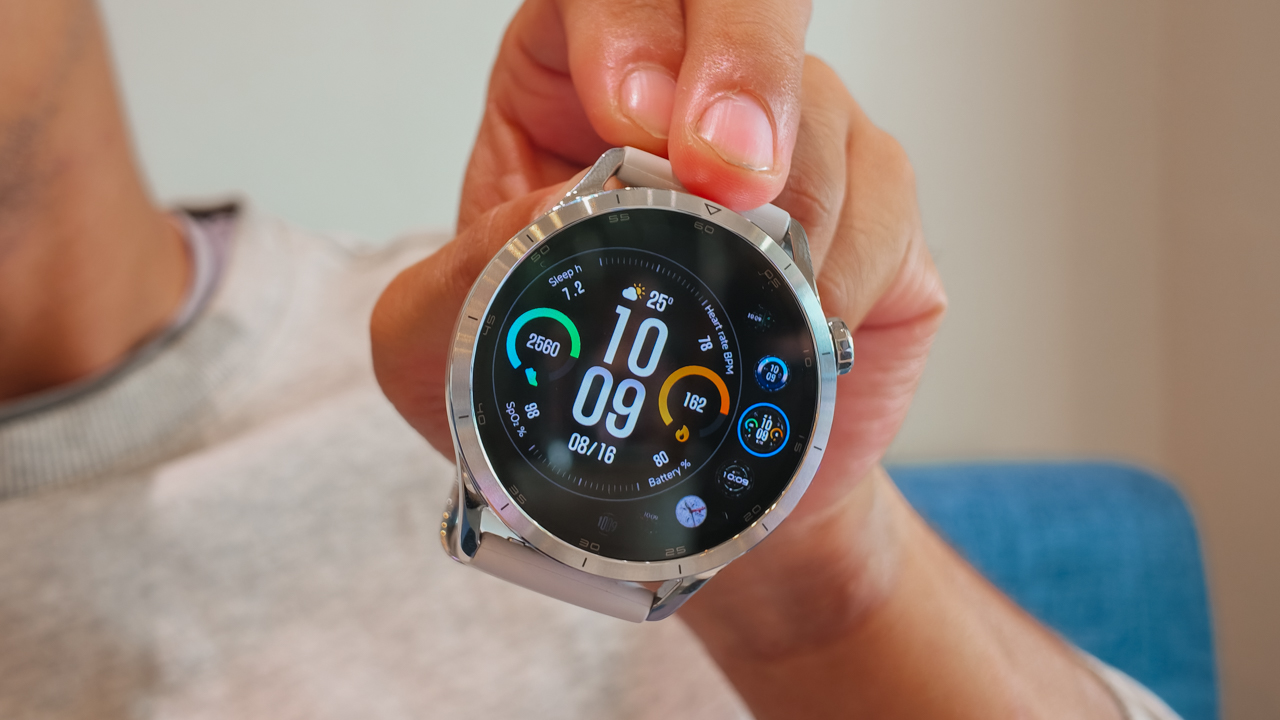
And even in full sun, the 2500-nit AMOLED display was bright enough for me to check my pace and metrics without squinting through sweat.
In a way, that is the whole point of versatility. You don’t have to look good in one setting. You just survive all of it.
High-fashion navigation on a sample sale budget
I love gear that performs. I love it even more when it doesn’t cost as much as a plane ticket.
My Garmin epix Pro (Gen 2) — which I had since 2023 — remains my benchmark for race-day navigation. It’s dependable and incredibly capable. It also costs enough to make me stare at my credit card statement in silence.
The Xiaomi Watch S5 gave me a surprisingly similar sense of confidence with built-in offline maps at a much more approachable price.
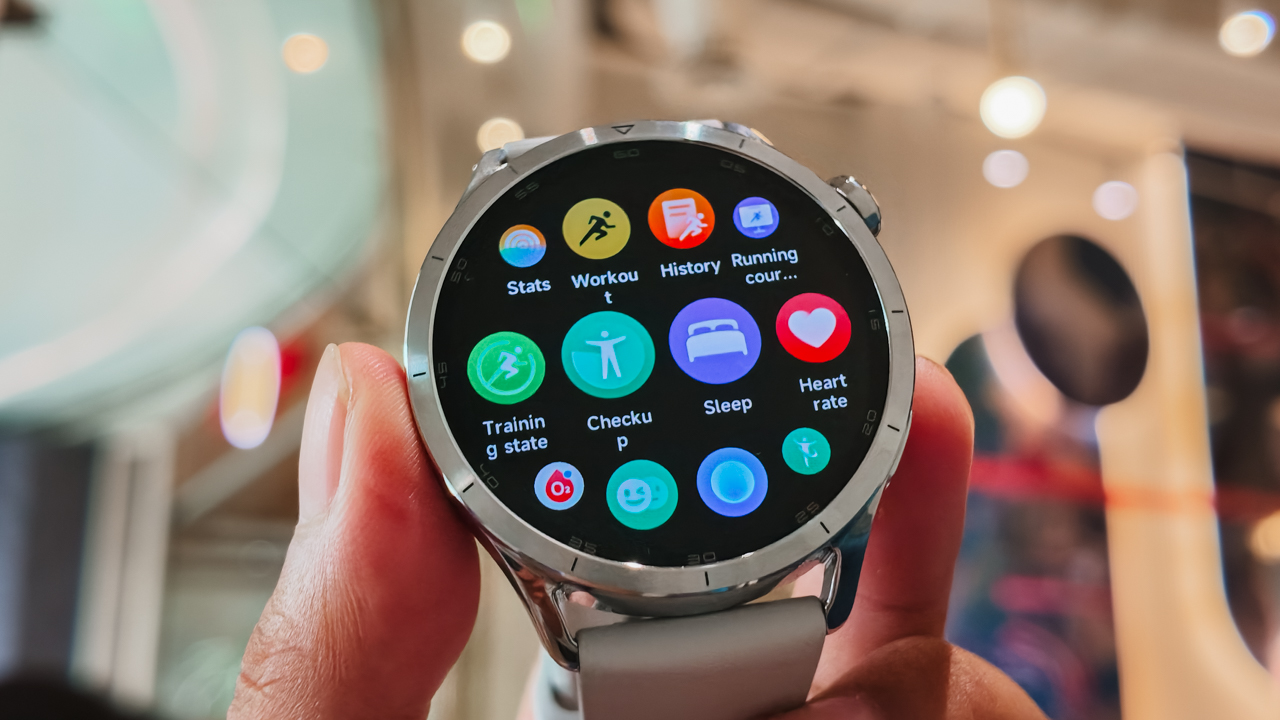
For trail races where routes are usually marked, that feature becomes less about finding your way and more about peace of mind.
Knowing you can navigate technical terrain without reaching for your phone feels reassuring, especially when weather conditions change fast — and on race day, mine certainly did.
One moment I was climbing through rain. A few hours later I was baking under direct sunlight wondering how my shoulders had already turned red.
The Watch S5 handled both like it was no big deal.
Keeping pace with a social butterfly’s calendar
A wearable becomes part of your wardrobe when you stop thinking about it. That’s where battery life matters.
The Xiaomi Watch S5 runs up to 14 days on normal use, which means I wore it across workdays, training sessions, events, recovery days, and race weekend without needing to obsess over charging it overnight.
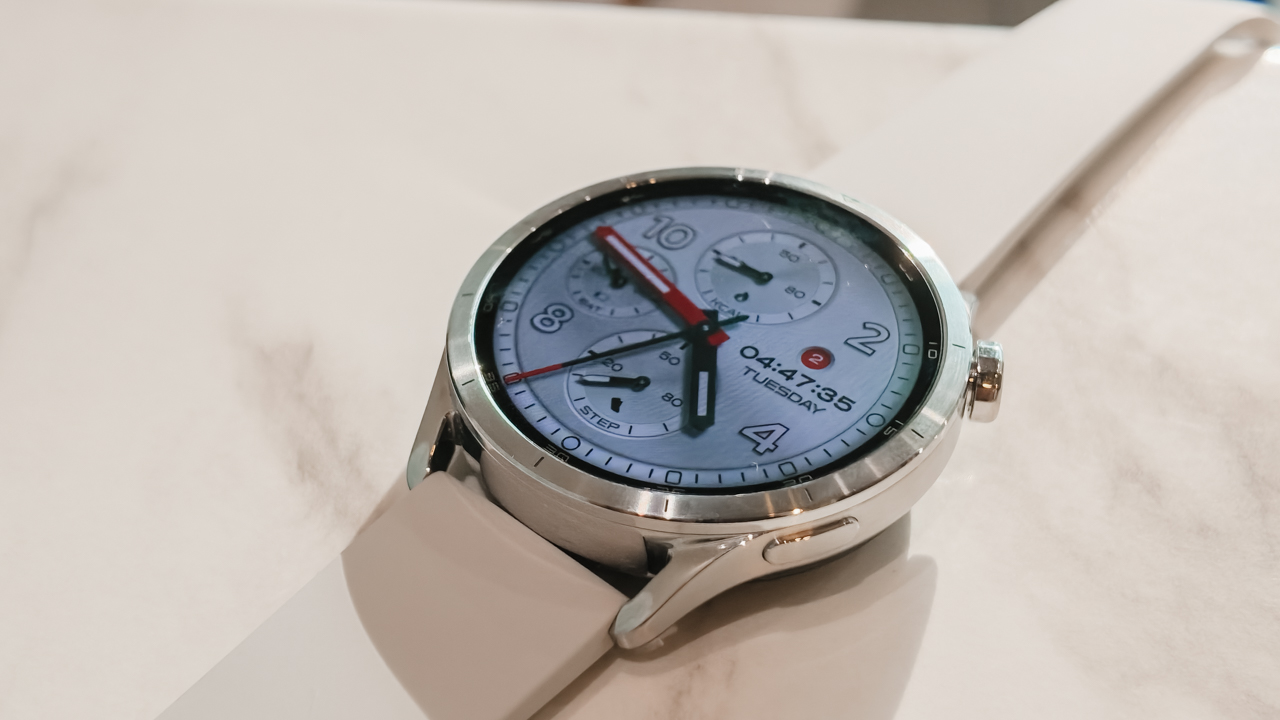
It outlasted my phone, my laptop, and possibly my emotional stability somewhere between the last aid station and the fire jump.
Once I finally got home, showered off layers of mud and sunscreen, and collapsed into bed with sore legs and sunburn, the Watch S5 kept doing its job in the background.
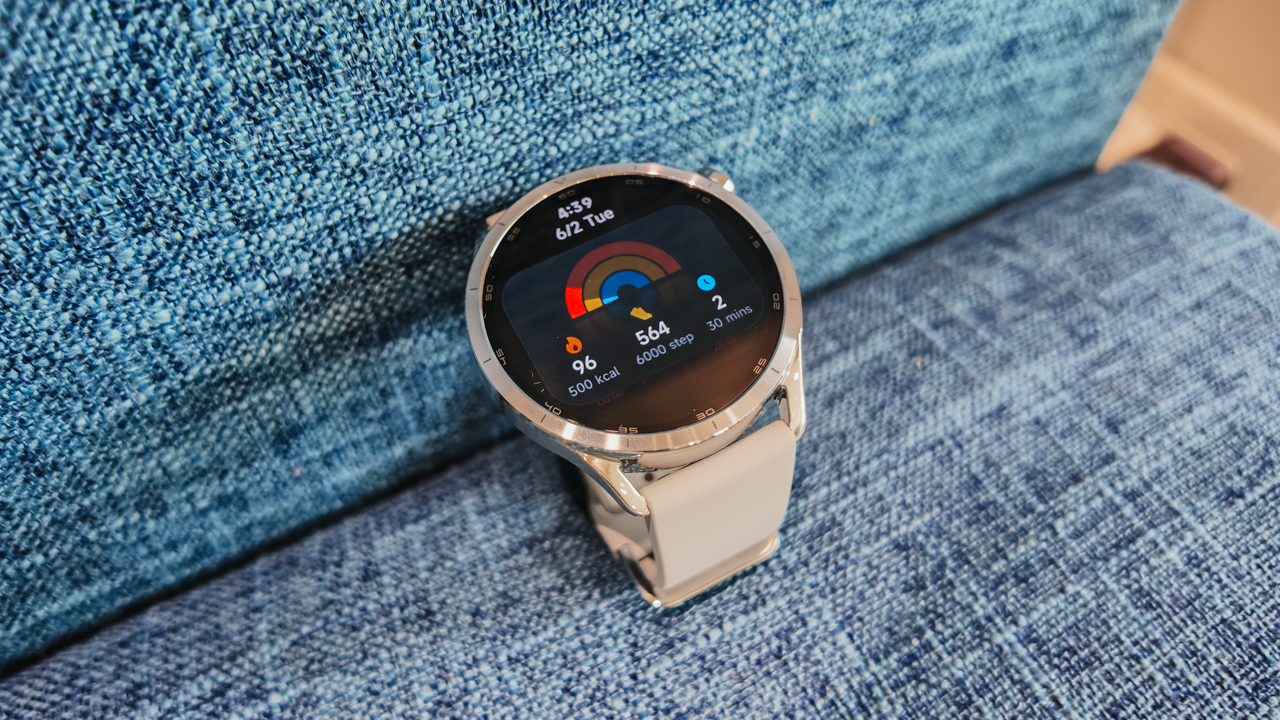
Sleep tracking, recovery insights, and wellness metrics all quietly continued while I did absolutely nothing.
Is the Xiaomi Watch S5 your GadgetMatch?
What I like most about the Xiaomi Watch S5 is that it doesn’t force a choice. It doesn’t ask you to pick between being sporty or polished. There’s no need to separate performance from style.
It looks elegant enough for formalwear, and tough enough for weathering the elements. For me, it went from chic events to an action-packed Spartan Race day without feeling out of place. And maybe, that’s the best way to describe it.
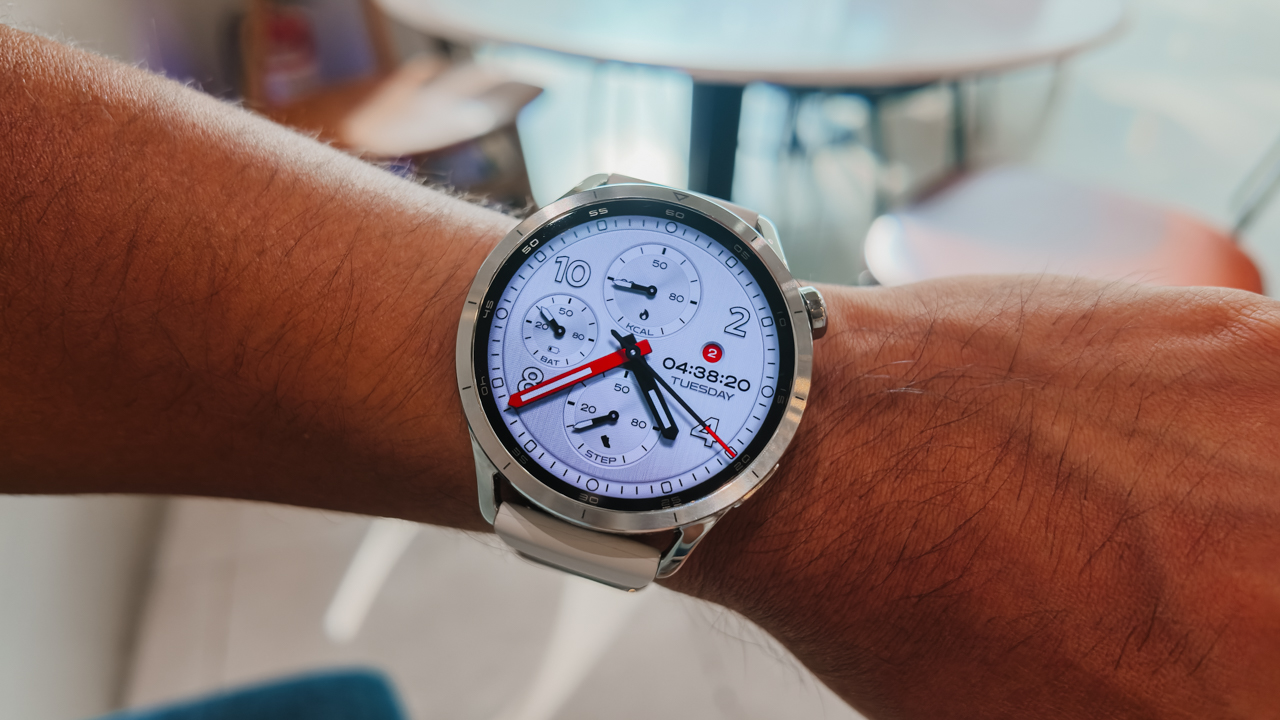
Swipe Right if you want a smartwatch that can keep up with both your calendar and your training schedule. The Xiaomi Watch S5 feels right at home with tailored looks, yet it’s durable enough for muddy race courses, sudden downpours, and long hours under the sun.
This is for the people who go from dinner reservations to race day without warning.
Swipe Left if you want highly advanced training analytics or a deeply specialized multi-sport watch for serious race preparations. Athletes who rely heavily on performance metrics may still prefer something more purpose-built.
For PhP 10,999, the Xiaomi Watch S5 46mm feels more like a wardrobe investment. One that happens to track your sleep, navigate a trail course and survive the elements, and still look good at dinner.
The Xiaomi Watch S5 46mm comes with an early-bird price of PhP 10,229 and a free strap. The Special Edition retails for PhP 11,999, with an early-bird price of PhP 11,159 and a free strap.


Not every tablet needs to win you over in the first five minutes.
Some are just meant to ease you in—to see if having a bigger screen actually changes how you use your tech day to day.
Instead, it feels like it’s asking a quieter question: Do you even need a tablet?
That’s the space the HONOR Pad X8b seems to occupy. Not a productivity machine. Not a performance-first device. But something that lets you test the waters—see if a tablet fits into your everyday routine at all.
And for a lot of people, that might be exactly the point.
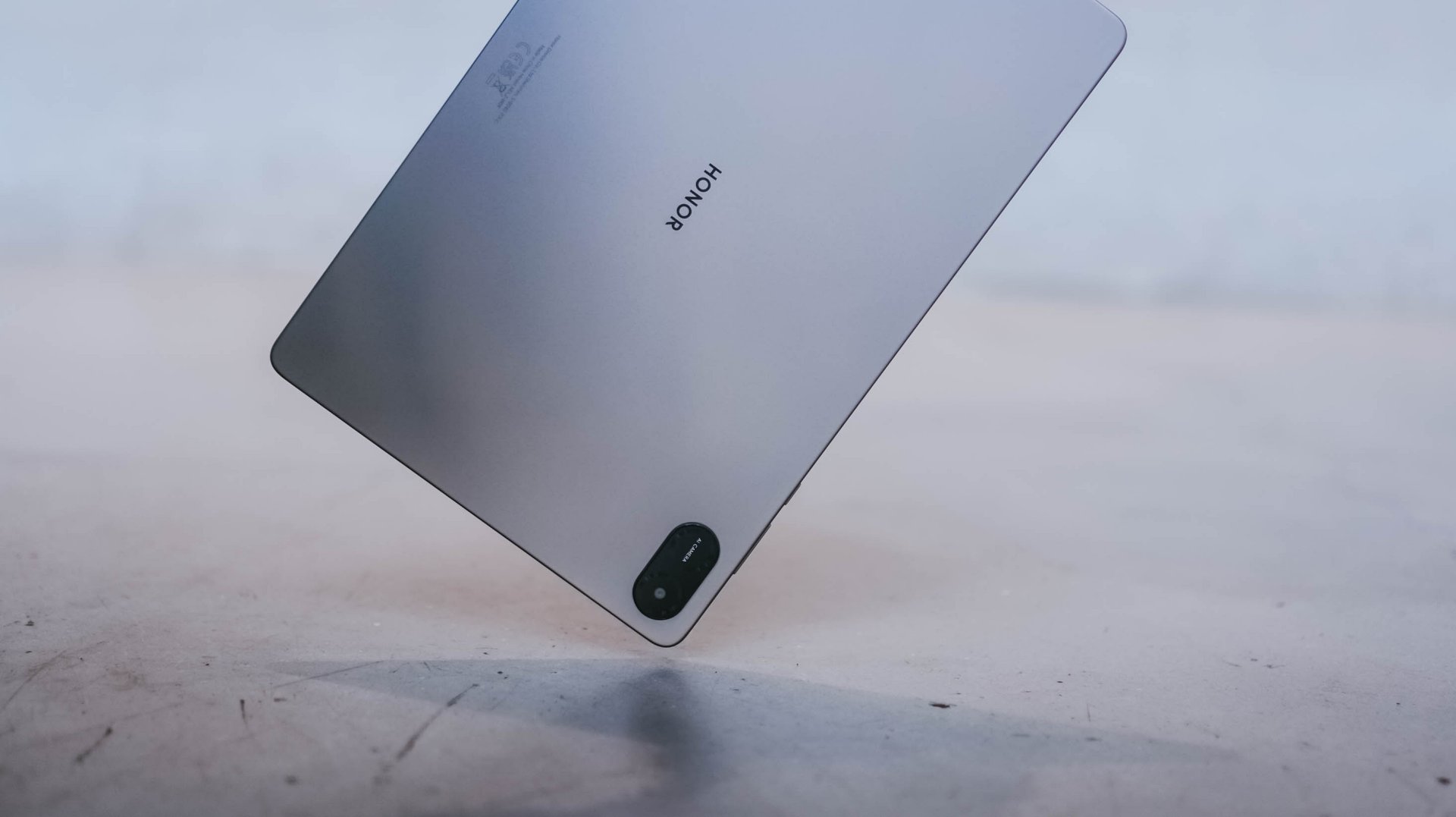
It’s positioned as a “Tablet Made Tough,” and that framing makes a lot of sense here. Because if you’re just starting out, or buying for someone who’s still getting used to tech, you don’t want something fragile. You want something you can be a little careless with—throw in a bag, hand to a kid, leave on a table—and not worry too much about it.
And that’s exactly the kind of role this tablet is trying to fill.
Who this is really for

You can feel pretty quickly who this tablet is designed for.
Kids are an obvious fit. Something they can use in short bursts—for watching videos, light learning, or just getting familiar with tech without handing them a more expensive device. The durability angle plays a big role here too. It’s the kind of tablet you won’t panic over every time it slips or gets handled a bit roughly.
But it’s not just for kids.

This also makes sense for first-time tablet users in general. If you’ve never owned one, or you’ve always wondered if a tablet fits somewhere between your phone and laptop, this feels like a low-commitment way to find out.
Not a big investment. Not a big adjustment. Just something to try.
Built for watching, not pushing

Julie freaking Han
Most of that experience revolves around media consumption.
The display is… nice enough. It gets the job done. Colors are decent, viewing is comfortable, and for videos, it holds up better than expected.
Case in point: I watched KISS OF LIFE’s “Who is She” music video on this—mostly for miss freaking Julie Han, if we’re being honest—and it looked good.
That may not be what you want your kids watching. But for actual use, it gives you a good sense of what this screen can deliver.
This has been on consistent rotation lately
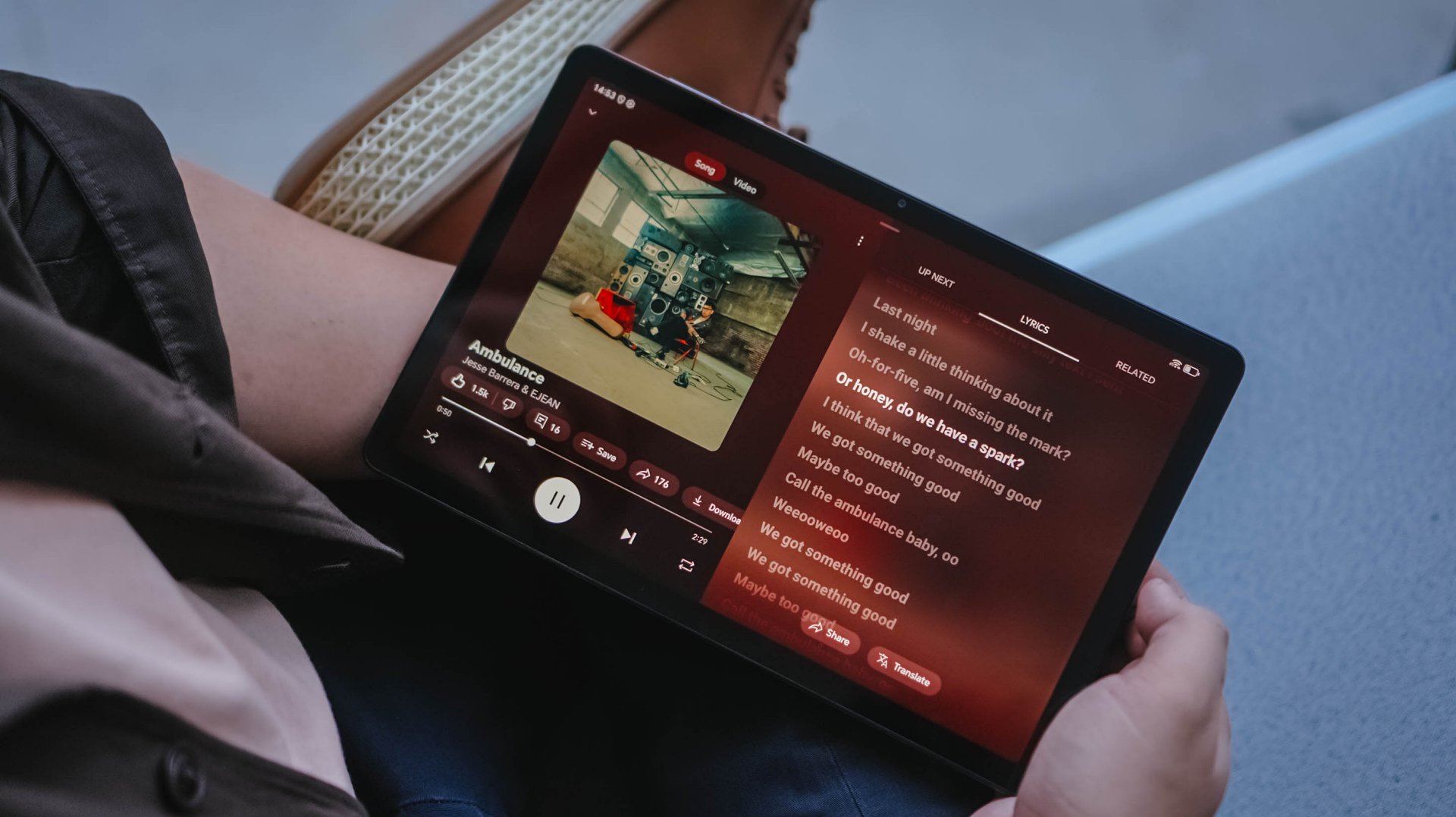
Audio is also decent. Not groundbreaking, but not thin either. I ran AMBULANCE by Jesse Barrera and EJEAN through it, and it had enough body to feel enjoyable without immediately reaching for headphones.
Put those together, and you get a tablet that’s easy to pick up for Netflix, YouTube, or Spotify. The kind of device that lives on a coffee table or bedside, ready when you just want a bigger screen for casual viewing.
Where you feel the limits

But it doesn’t take long before you notice where things slow down.
Even just swiping around the interface, there’s a certain lack of fluidity. Nothing completely breaks, but it’s not the kind of experience that disappears into the background either. You feel it.
Apps open fine. Navigation works. But everything carries a slight hesitation that reminds you this isn’t built for speed.
And that’s really the trade-off.
This tablet leans heavily into light use—watching, browsing, maybe some casual apps. The moment you expect more responsiveness or try to push it harder, the limits start to show.
What you’re actually getting

Before we get into pricing, here’s a quick look at what the HONOR Pad X8b brings on paper:
- 11-inch HONOR Eye Comfort FullView display
- 10100mAh battery (up to multiple days of light use)
- Qualcomm Snapdragon 680 processor
- Quad-speaker system
- Storage options up to 256GB with RAM expansion
- Metal body with drop and crush resistance focus
- MagicOS 10 (Android-based)
- HONOR Kids Edition with parental controls
It’s a spec sheet that prioritizes the basics—big screen, long battery, and durability—over outright performance.
So where does it land?

At PhP 9,999 (special TikTok shop price in the Philippines, the HONOR Pad X8b lands exactly where it needs to. Not cheap enough to ignore—but accessible enough to try.
At the end of the day, this isn’t trying to be more than it is. It’s a starting point. A way to figure out if a tablet fits into your routine.
If you’re curious about tablets, this tells you real quick if it’s for you.


In a modern world dominated by flagships and midrangers, budget smartphones are often undervalued just because of the mere value they bring to the table.
But, let’s be real. Not everyone chases specs. There are users who simply need a phone they can afford without all the best-in-class bells and whistles often glorified but spec-obsessed nerds.
Well, the TECNO SPARK 50 5G might just be that handy-dandy everyday companion you need.
First Look
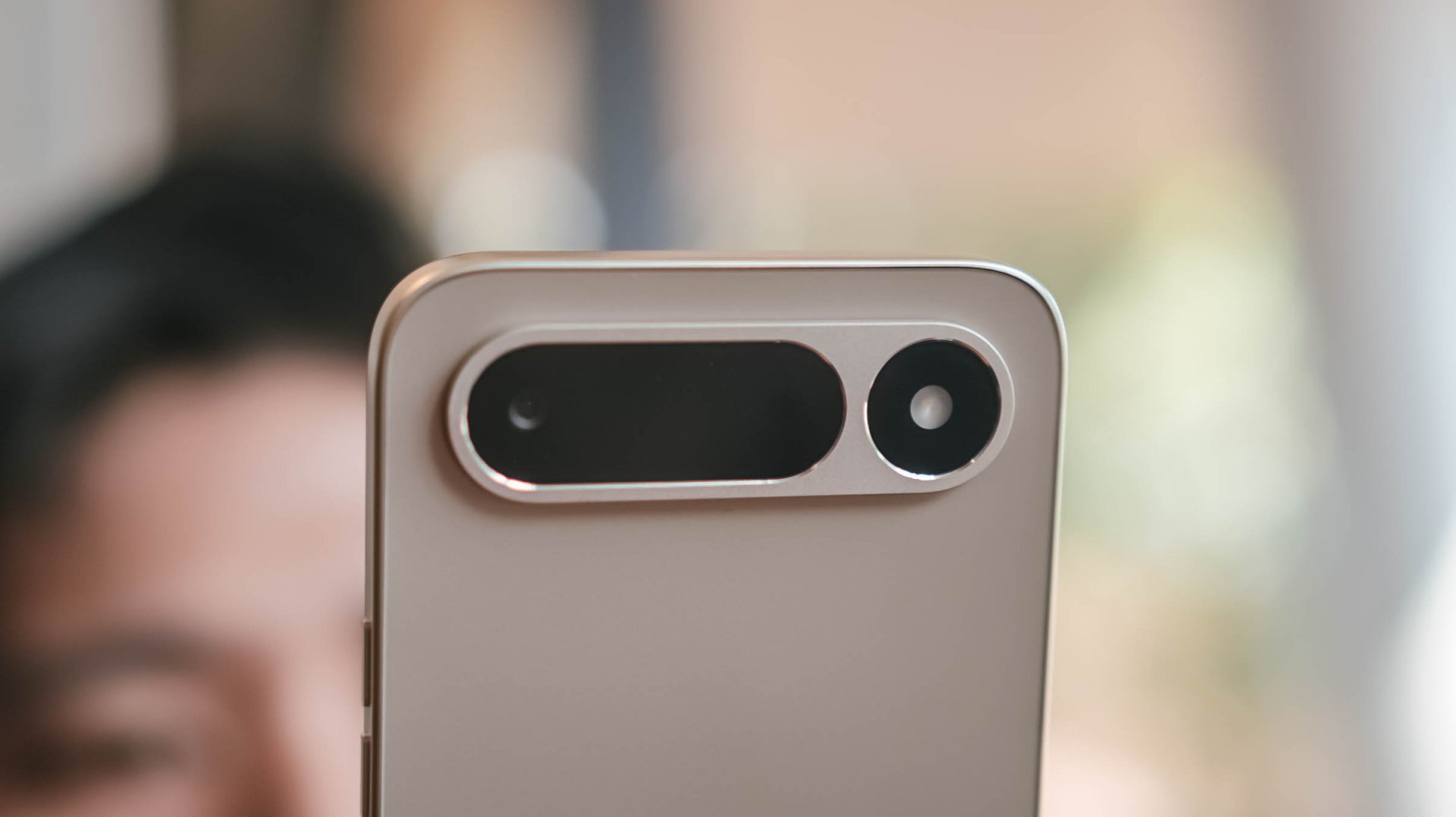
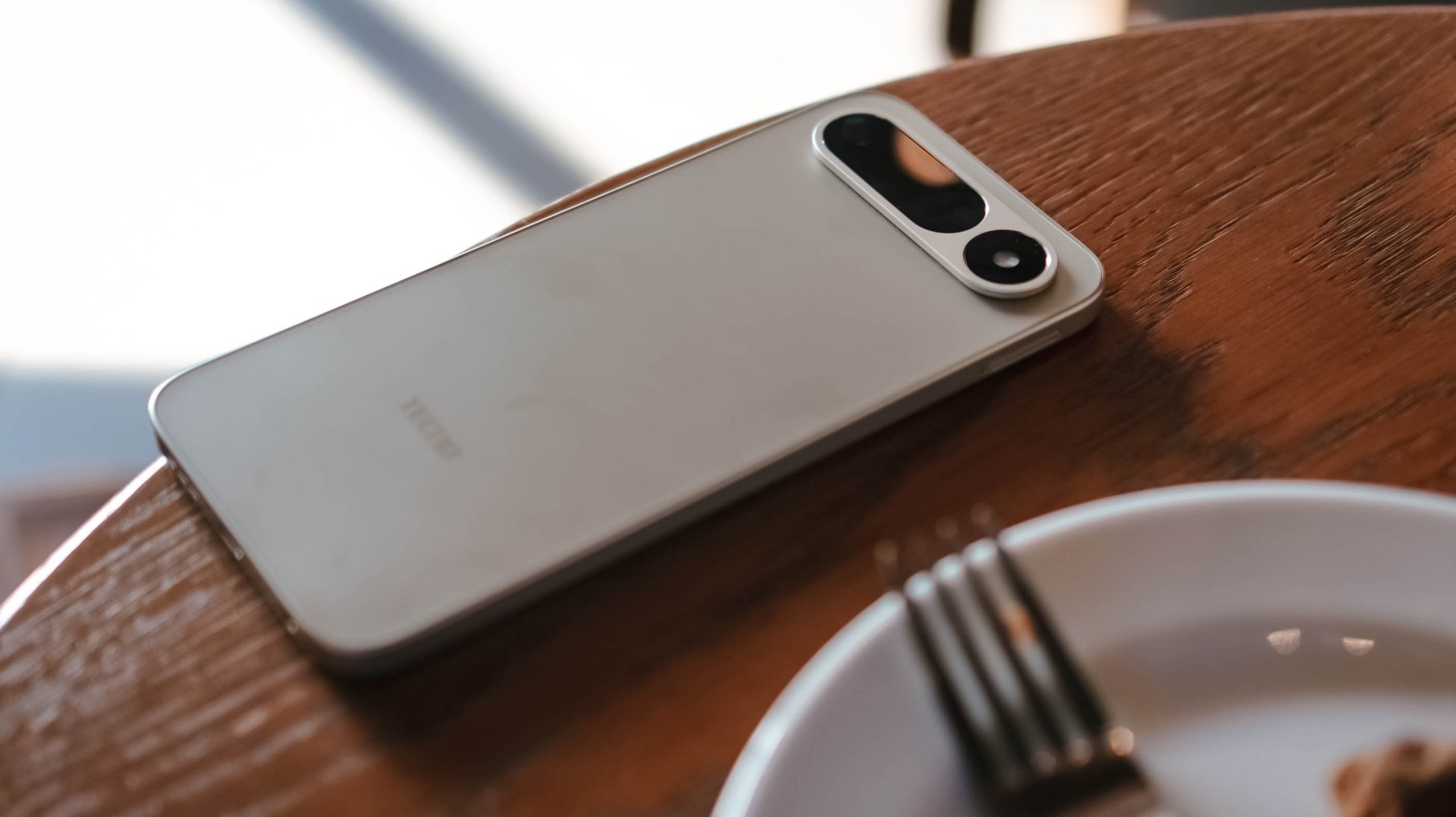
Right off the bat, the TECNO SPARK 50 5G will instantly remind you of Google’s recent Pixel phones. That camera bar is very reminiscent of the Pixel 9 and 10’s camera “visor.”
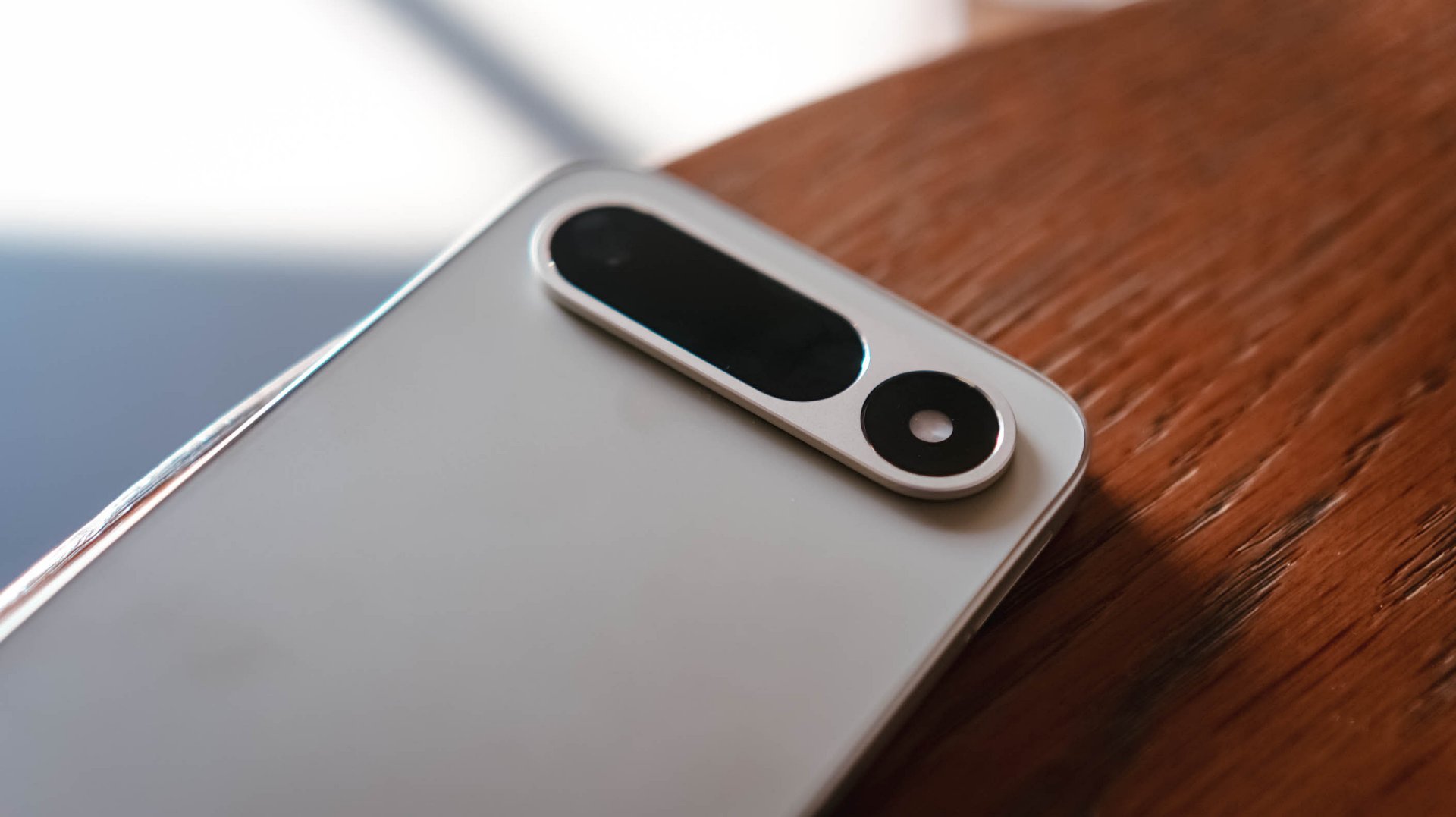
This isn’t a complaint. SPARK 50 5G’s camera island looks cleaner than that overly-used, left-justified square camera cutout popularized by Apple during the reign of their iPhone Pro series.
More so, it avoids joining the bandwagon of phones imitating the all-new “camera plateau” of the iPhone 17 Pro series.
Coincidental or not, it even reminds me of Apple’s pill-shaped Dynamic Island — or that interactive area around the punch-hole cutout that’s found among newer iPhones.
And now that we’re at it, let’s flip the SPARK 50 5G to its front.
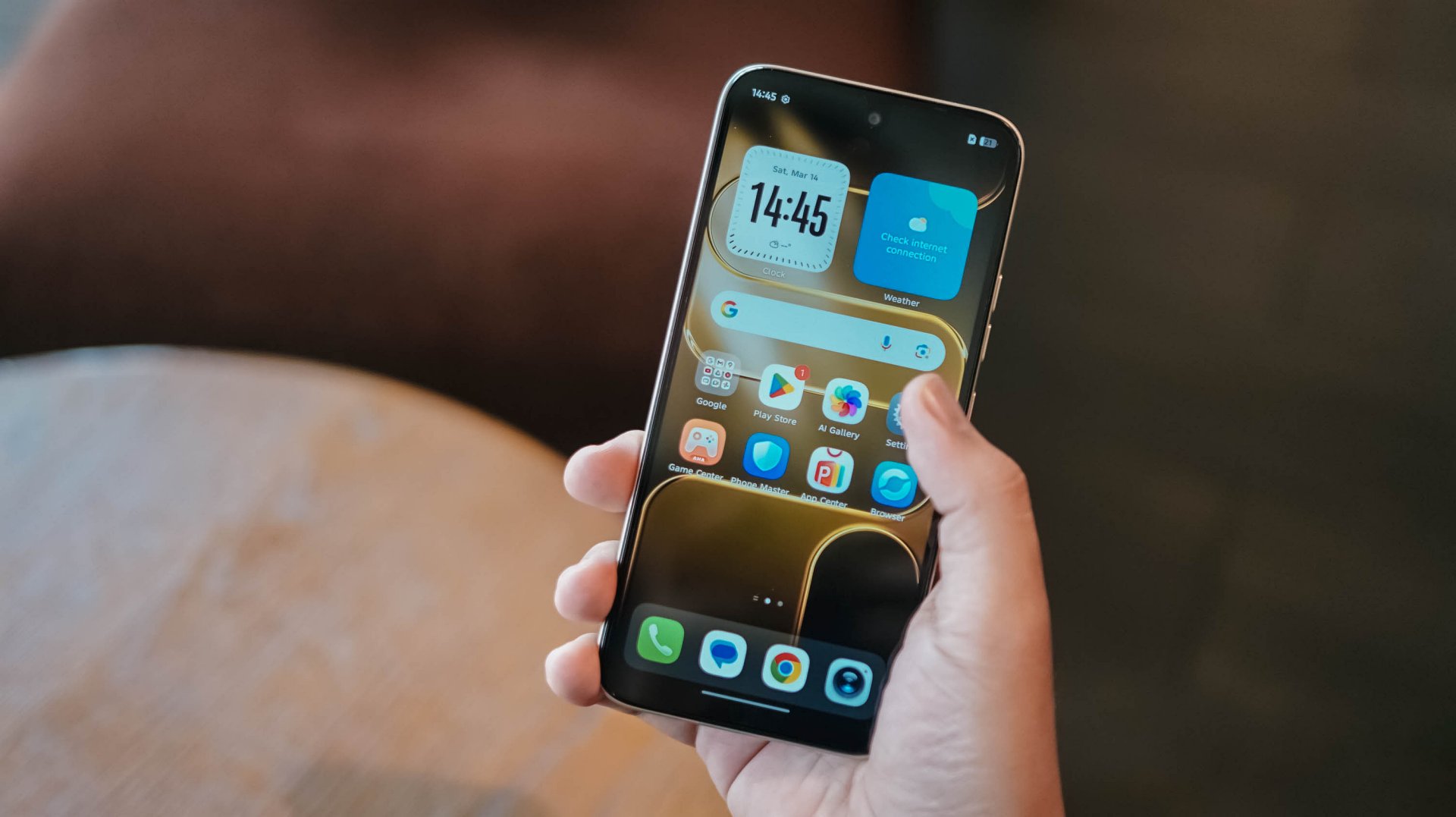
The moment you power on the device, you’d be welcomed by its large 6.78-inch punch-hole display. However, bigger doesn’t always mean better.
Not-so-thin bezels and that awfully-thicc bottom chin aside, I’m more concerned about its display quality.
I’m not trying to be very nit-picky but, my clear eyes can easily distinguish that its 720p screen resolution is quite a stretch for a screen this big.
Ain’t even expecting a class-leading OLED display (this is an IPS LCD type, BTW). However, a 1080p Full HD would have been more plausible.

Don’t even get me started with that subpar max brightness, backlight bleeding, alongside poor viewing angles and legibility.
And, even if it features a 120Hz refresh rate that smoothens day-to-day scrolling and switching, it doesn’t totally override the fact that the display is not up to par.
Still, the choice of punch-hole is heaps better than other phone makers continuously making phones with teardrop notches — which is turning almost a decade next year.
I’m just glad TECNO halted (if not completely stopped) putting it among their recent budget offerings.
First Date
While I have strong feelings against its display, the overall feel of the SPARK 50 5G is of the opposite. Holding the phone for the first time barely looked and felt cheap at all.
Setting the bar high, TECNO’s SPARK 50 5G is made from aviation-grade aluminum — which some other plasticky budget phones can only dream of.
With that durability talk, it’s also worth noting it’s also IP64-rated as well as MIL-STD-810H certified.

Personally, I love the classy and luxe Champagne Gold colorway that I’ve dated.
There are bolder colors too such as Mint Green and Fantasy Purple. More so, the subdued Titanium Grey and Ink Black options.

After setting everything up, the phone greets you with TECNO’s latest HiOS 16 based on Android 16.
Despite its price point, TECNO didn’t leave out all the usable AI feats originally announced in the recent CAMON 50 series.

Not only it includes the usual AI Tools and Ella (or its smart AI Assistant), the newer AI FlashMemo as well as AI MindHub are ever-present as well. These intelligently discern content you consume or whatever you’re curious about.
I’m not a total h-AI-ter as I believe that AI, when used responsibly, gives much leverage to users. It balances an individual’s time so s/he can work and focus more on things that need to be prioritized.
Still, I blame AI for the sharp price rise of components among all consumer devices imaginable.
Now that I’ve mentioned it, TECNO’s SPARK 50 5G comes in either 128 or 256GB of storage and memory choices between 4/8/12/16GB (region-dependent).
At its core lies MediaTek’s Dimensity 6400 SoC. For the market it tries to lure, this is a chipset capable of handling most tasks.
It’s a better option if you’re someone like me who relies on 5G connectivity most of the time. Its Helio G200 counterpart, while speedy and reliant, has 4G as its biggest drawback.

Gaming? Well, it’s obviously not built for that.
Still, it’s playable for the not-so-demanding-games: 60fps in PUBG while 90fps with the widely popular Mobile Legends: Bang Bang (MLBB).
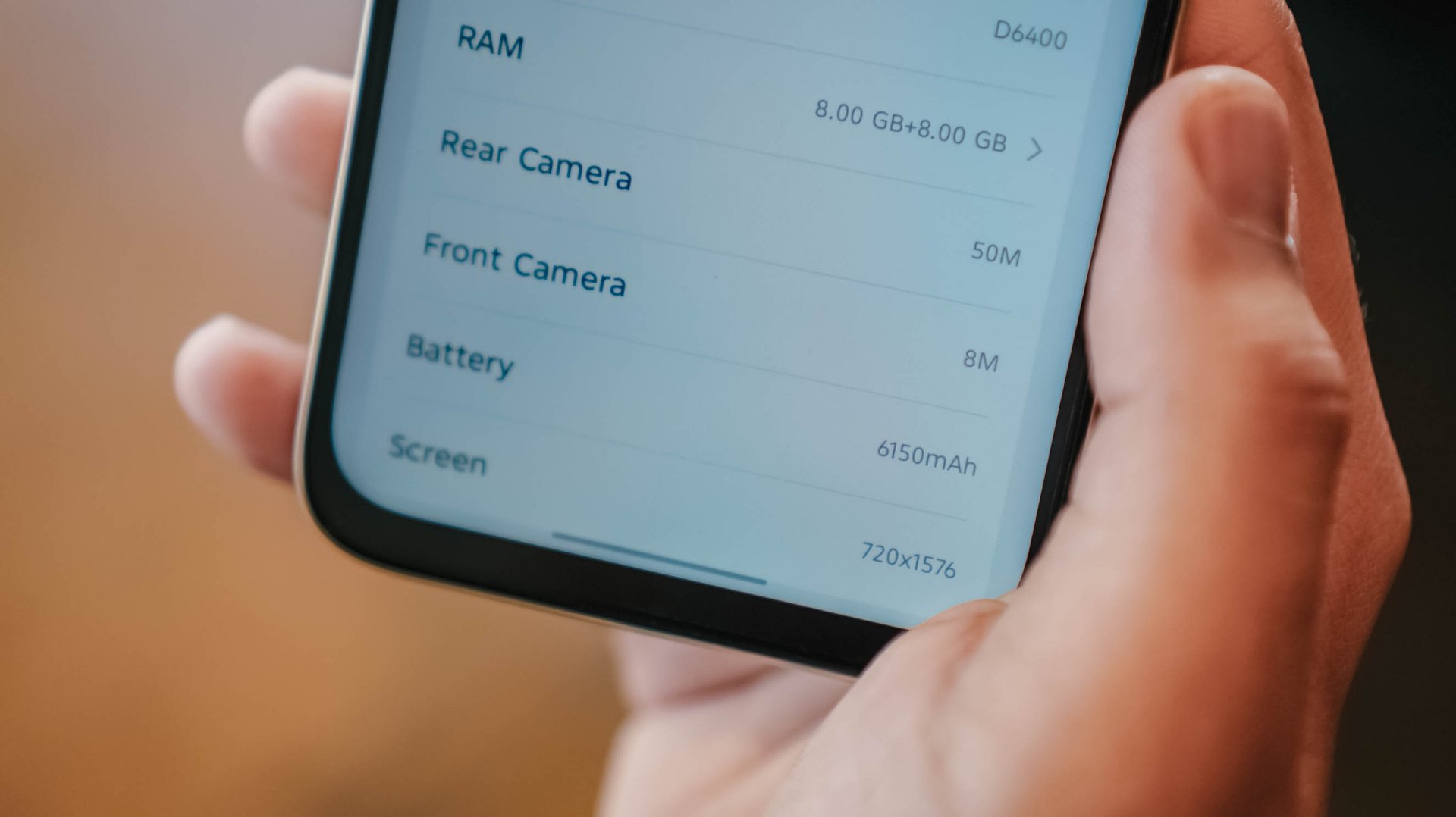
Even with just a chassis of 8.18mm, TECNO has managed to put in a 6500mAh single-cell battery (or a lesser 6150mAh dual-cell variant that I have with me).
Still, the TECNO SPARK 50 5G has outlasted me more — way past midnight after that full-day first date.
If you’re already in a pinch, the phone can be charged through its 45W fast-charging adapter bundled in its box. ICYMI, last year’s SPARK 40 5G relied on a painfully-slow 18W charging.

And, before I forget, I just missed the novelty of side-mounted fingerprint scanner. I still consider it better than the optical ones.
Lastly, despite that elongated camera bar at its rear, the SPARK 50 5G is only equipped with a lone 50MP camera.

Although AI FlashSnap exists, the camera app being somewhat sluggish evades the purpose of that camera feature per se.
While cameras have never been the strong point of the SPARK series, it should be enough for users who just want a functioning rear camera not just for document-scanning, but for life moments as well.
Its 8MP shooter can still capture selfies — or just be used for those unavoidable school and/or work video calls.
First Impressions
With a starting price (4+128GB base config) of PhP 10,499 / INR 16,999 (approx. US$ 180 / EUR 160 / GBP 135 / SG$ 235 / MYR 735), the TECNO SPARK 50 5G isn’t the most well-rounded budget smartphone around.
However, that introductory price of PhP 8,299 is hard to resist to those who need it.
Overall, this phone will still satisfy the general, non-tech-savvy population. That sophisticated design, solid build quality, ginormous battery with reliable fast charging, smart AI-powered OS. Even 5G-capable chipset in this price range?
Did I even mention that it still rocks the almost obsolete microSD card slot and 3.5mm audio jack?
Obviously, I’m not the target user of this phone. Especially as a creative guy who values display and cameras a lot.

However, technophobes might get the hang of this phone when they take it out on a lovely, more intimate date more than twice. The phone is as straightforward as it can get. Sans, exploring the more complex AI tools within.
Still, this is a phone suitable for a wider range of user base consisting of kids, young students, the elderly, or even everyday workers who just need a reliable phone that they can bring around without sacrificing too much of their hard-earned savings — especially in an economy we live in right now.


HONOR Magic V6 review: The best version of a book-style foldable?
Little left to sacrifice


Close without crossing: A Xiaomi 17T Pro photo essay
Distance and closeness are not always opposites.


Spring reset: Growing more at home with Auk Mini
From kitchen counter experiment to everyday habit

Upcoming realme C100 series to feature 8,000mAh battery

What HYROX Hong Kong looks like up close
HONOR Magic V6 review: The best version of a book-style foldable?

Dragon’s Dogma 2: Dark Arisen to launch on October 9

Devil May Cry 5: Devil Hunter Edition styles onto Nintendo Switch 2

HONOR 600 Pro review

The Infinix GT 50 Pro has the most inspired design for a gaming phone

Sony Xperia 1 VIII arrives with AI Camera Assistant, bigger telephoto sensor

UGREEN MagFlow Air review: Airy Yet Mighty

The UGREEN Nexode Air 65W is the only charger I travel with now


-
Reviews2 weeks ago
Close without crossing: A Xiaomi 17T Pro photo essay
-

 Accessories2 weeks ago
UGREEN launches FineTrack Series with Apple Find My support
-

 News6 days ago
realme launches P4 Series 5G, including Power with 10,001mAh battery
-

 Philippines2 weeks ago
Xiaomi 17T series Philippines price, availability, offers
-

 Hands-On1 week ago
The Xiaomi Watch S5 proves you don’t have to take it off
-

 Gaming2 weeks ago
Acer unveils Predator Atlas 8 handheld with Intel Arc G-Series power
-

 Computex 20261 week ago
ASUS ROG XBOX Ally X20 debuts at COMPUTEX 2026
-

 Gaming2 weeks ago
Valve just announced a massive price hike for the Steam Deck