
Cameras
A woman’s place is behind the lens
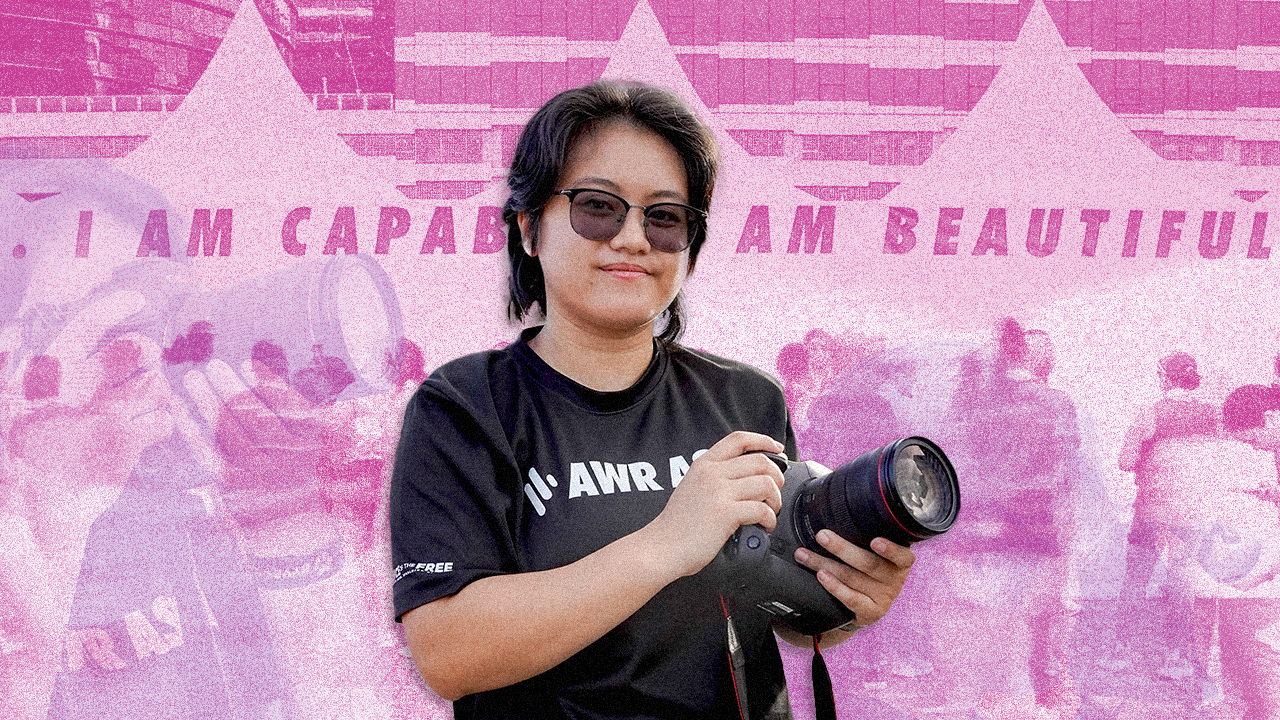
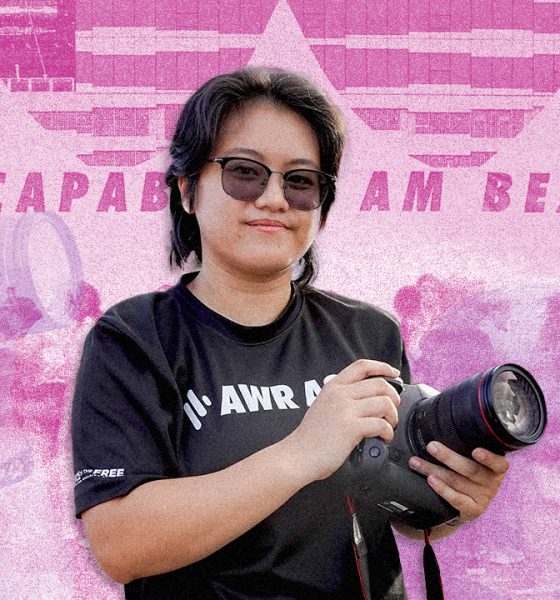
Blaise Rellata captures the strength of All Women’s Run Asia with the Canon EOS R1

Photography is often considered a man’s world, especially in the fast-paced, high-pressure field of sports photography.
But Blaise Rellata has never cared for outdated narratives.
As one of the youngest female sports photographers in the region, Blaise has built a reputation for capturing raw athleticism and deeply human moments — frames filled with movement, emotion, and meaning.
I’ve worked with her, stood beside her on the sidelines of races and competitions, and admired how she moves with quiet intensity. Her camera were always poised; her eyes were always scanning for stories.
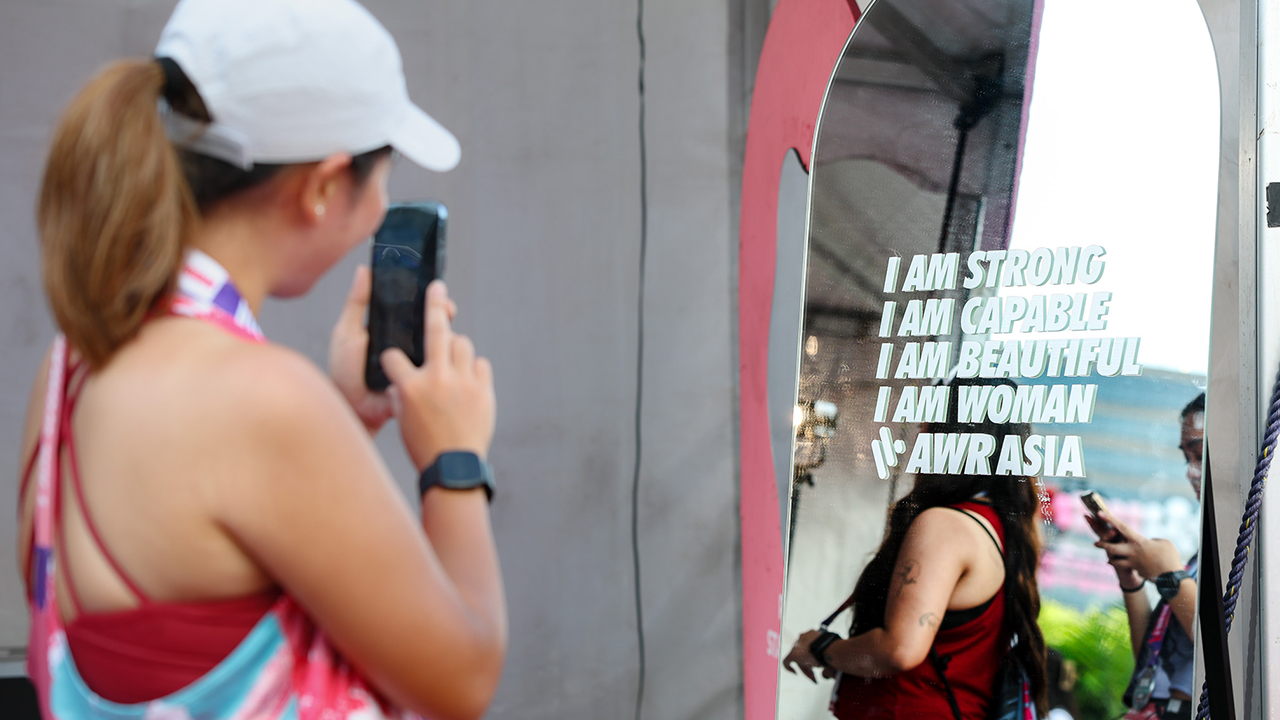
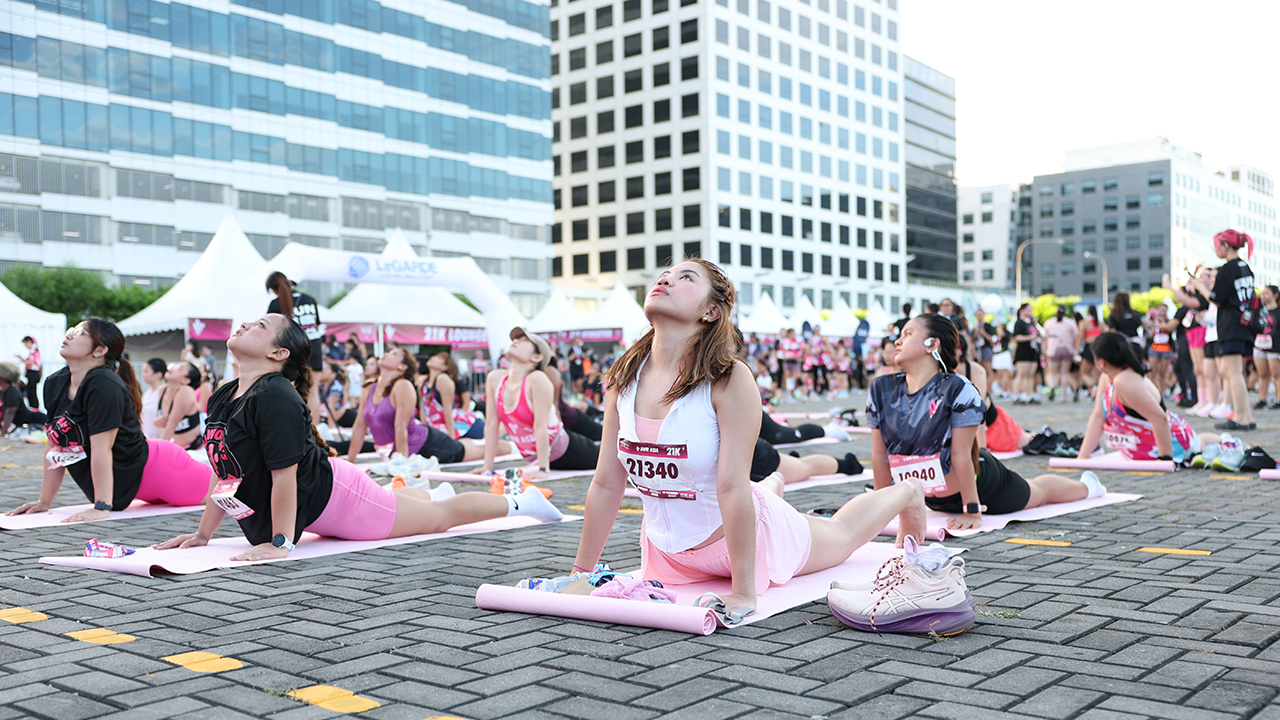
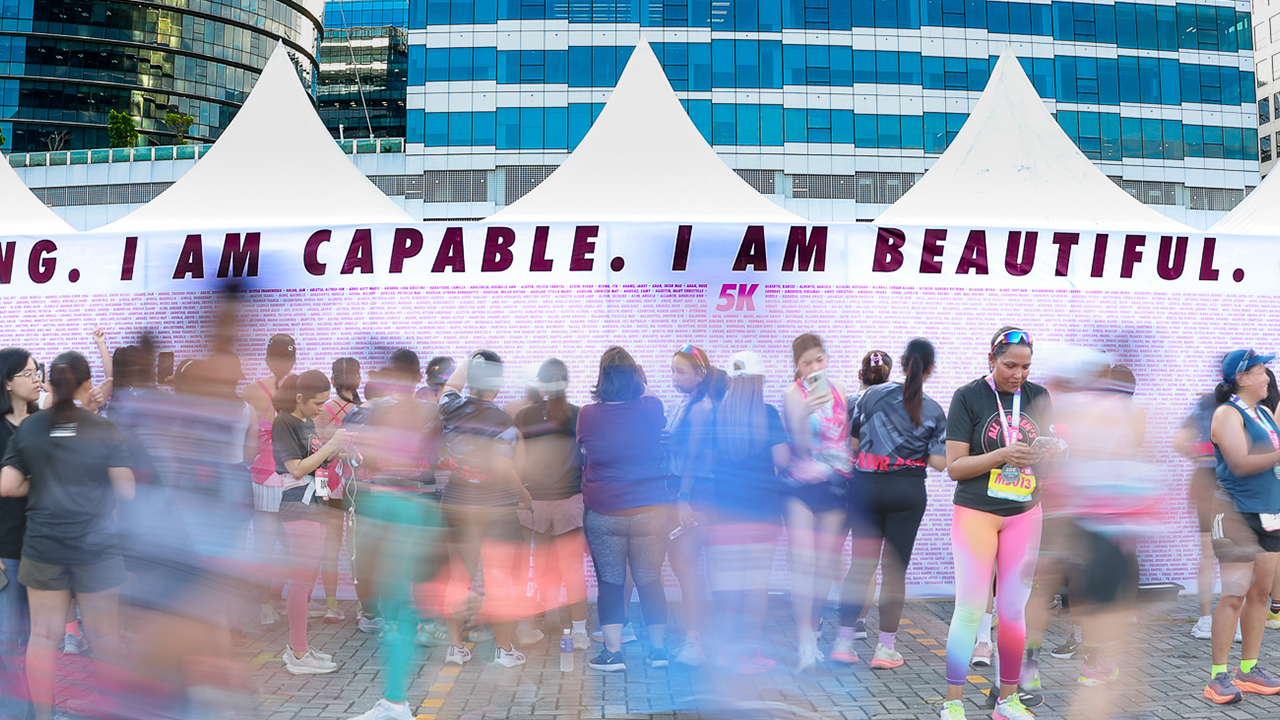
So when the opportunity came to test the Canon R1, I shared the experience with her. She used it to capture All Women’s Run Asia, an event not only celebrating Women’s Month but putting women at the forefront.
Breaking barriers one frame at a time
Blaise is used to standing her ground — literally. The sidelines of races, courts, and arenas are often crowded with men, but she’s learned to own her space and trust her instincts.
I first met her on assignment two years ago, covering the final leg of the Spartan Race Philippines National Series. Even then, I could tell: she saw things differently. She had an eye for detail, for quiet power — moments that might go unnoticed but meant everything to the athletes in them.
Like many of us in sports, Blaise’s love for movement started young. But it was her father’s old camera that opened a new dimension — one where she could see the world differently and show others what they might have missed.
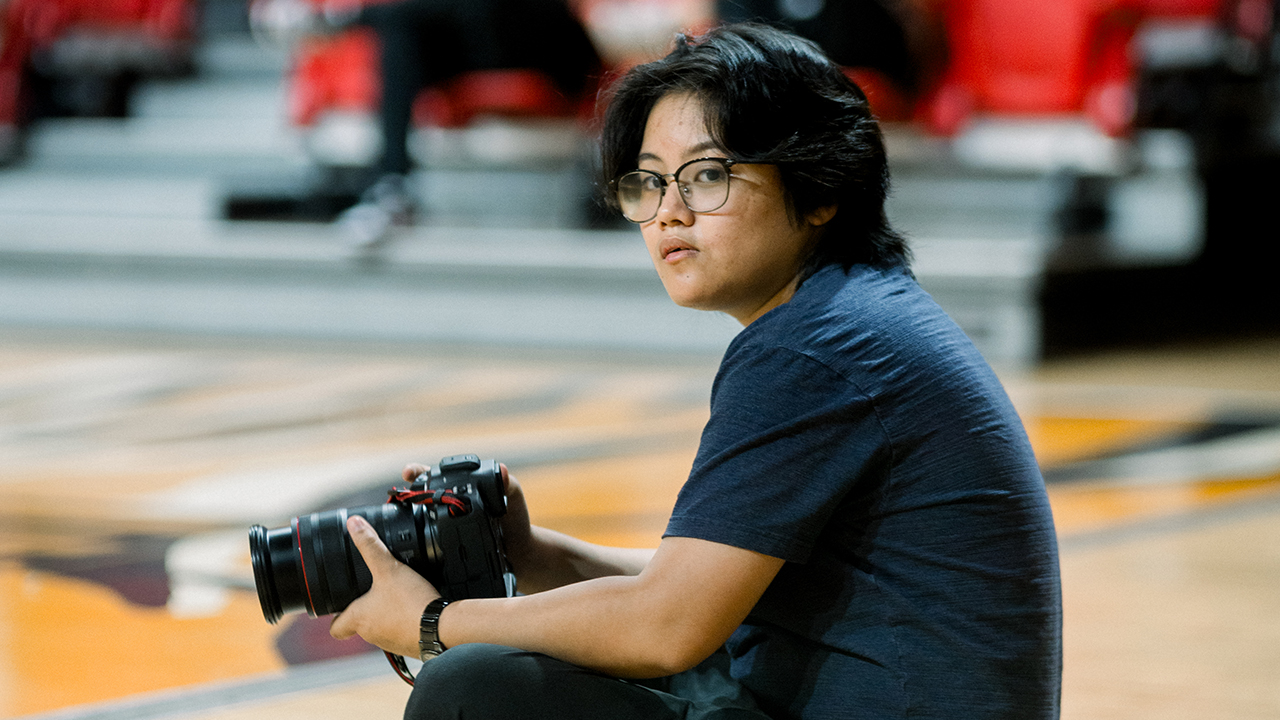
In her early days, she heard it more than once:
“Sports photography is a job meant for men.”
The words stuck, creating a belief that tried to limit her. But something shifted when she witnessed the FIBA World Cup Philippines photographer pool.
Among the sea of men, she spotted Rio Deluvio, Jam Sta. Rosa, and Eloisa Lopez. Women — working, thriving, creating in this space. And suddenly, she saw a path forward.
She realized she didn’t just want to take pictures. She wanted to advocate: to help tell stories of women in sport and create space for other female photographers to dream, too.
Since then, she’s shot for the PBA, PVL, and became one of Smart Araneta Coliseum’s official photographers — often sitting right beside her inspiration, Rio Deluvio. Photographer Danilo Factor also played a key role, taking a chance on her and opening doors to one of the sports she loved most.
Getting her gear ready
Blaise has long made the most of what she had — working magic with her Canon 70D and a 70-200mm lens.
But trying the Canon EOS R1, paired with an RF 24-70mm lens, was like stepping into a new universe.
Yes, it was heavy. The 1-series body made her camera backpack bulge. It wasn’t exactly travel-friendly.
But even with its heft, she said it felt surprisingly comfortable. The built-in battery grip made switching between landscape and portrait seamless.
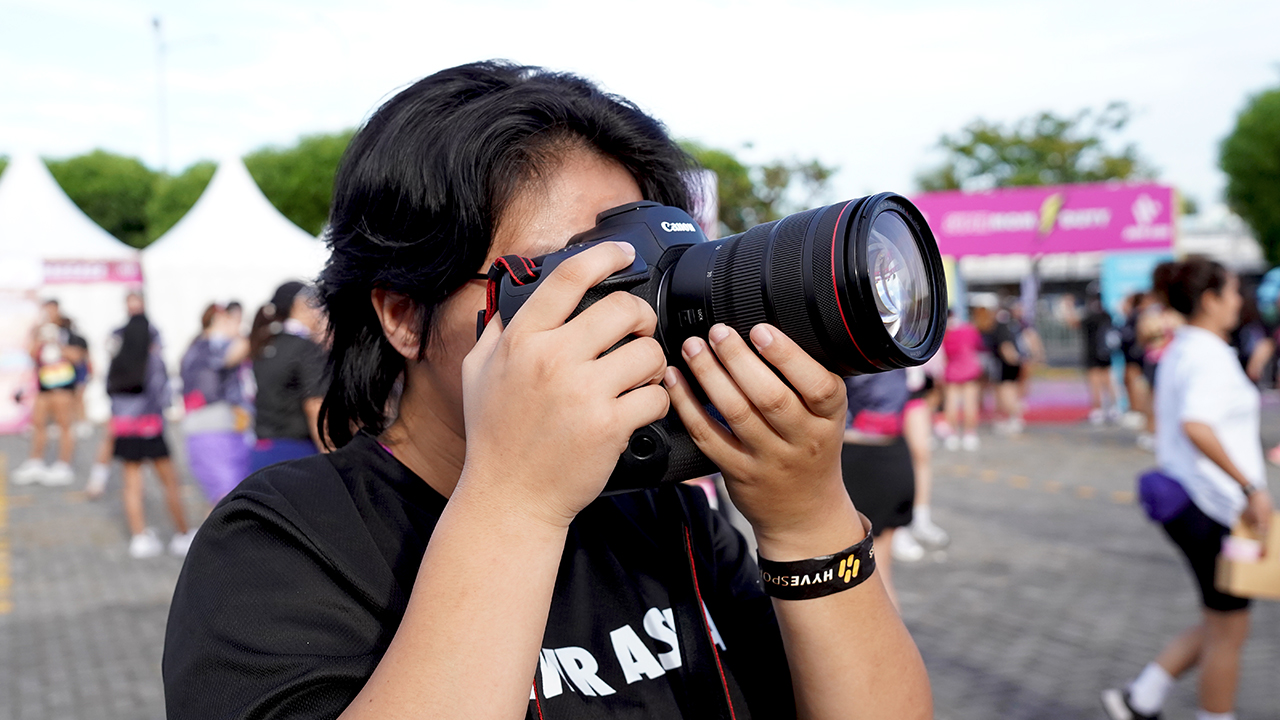
“If a photographer is used to the small, compact bodies of Canon’s R-series, using it for long hours will be physically taxing, especially using it handheld all throughout,” Blaise laments.
Still, she adapted. As always.
Capturing the power of women in motion
The All Women’s Run Asia started at 3:00 AM. The city was asleep, the streets still cloaked in darkness, and the runners gathered in silence, ready to move together.
Shooting in low light is every photographer’s nightmare. But the Canon EOS R1 kept up.
“With the Canon EOS R1, I felt like I didn’t need to assess the movements of the athletes and anticipate their next move while shooting, since the sequence of images from the R1 covered every miniscule movement from them,” Blaise explains.
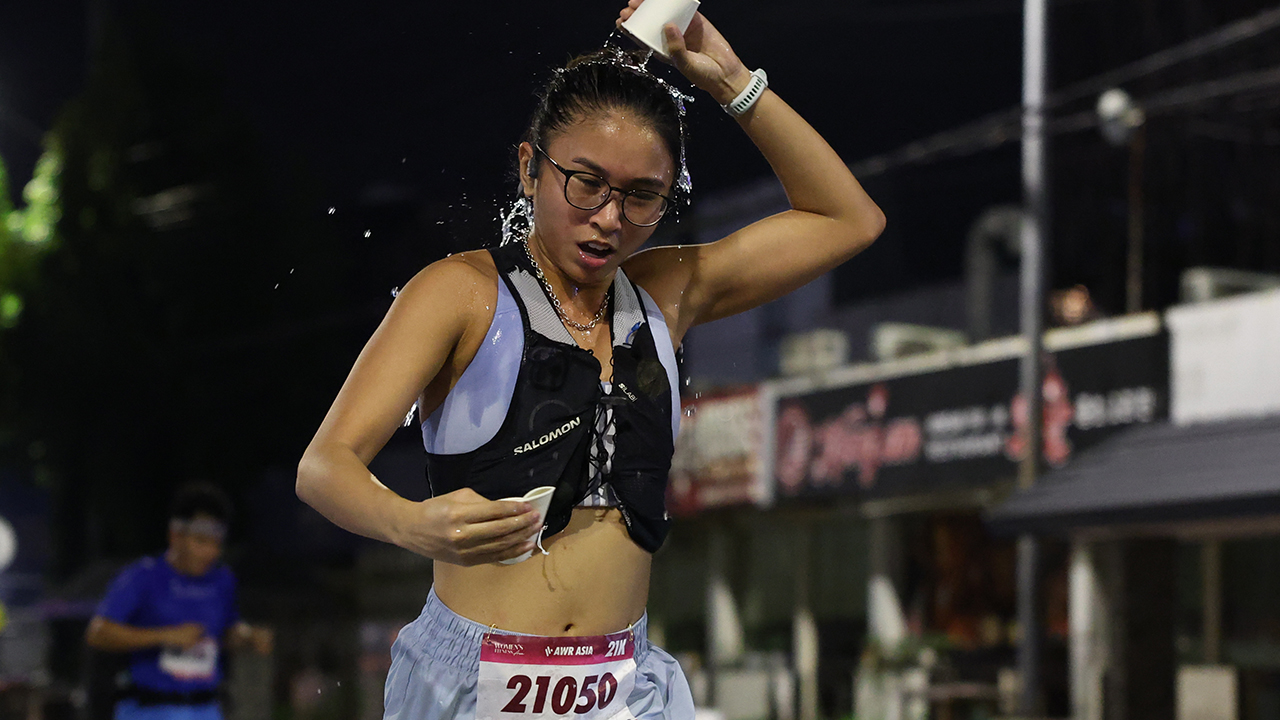
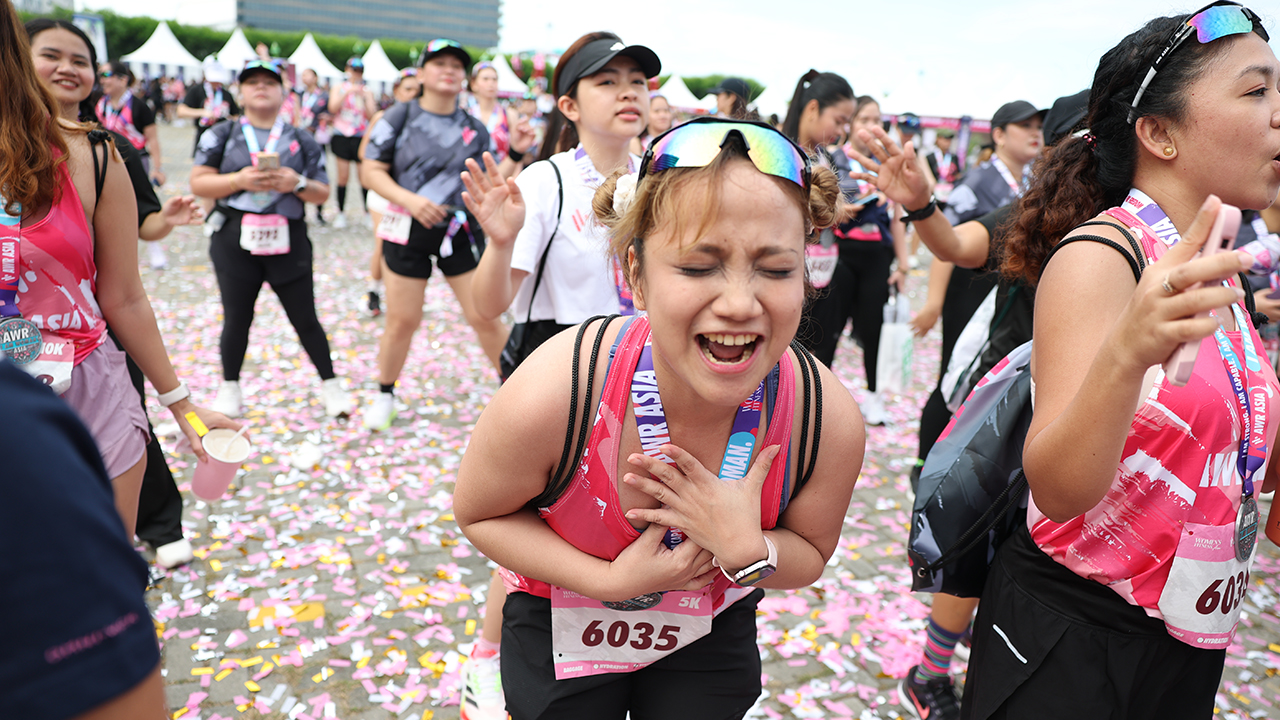
It was a shift in approach.
“I am not a ‘spray-and-pray’ type of photographer, so it was new for me to just click away and just choose among the sequence afterwards.”
She had to shoot with high ISO levels — ranging from 12800 to 32000, depending on available light.
“The fact that the ISO is expandable to 409600 proves how capable this camera is for low-light situations.”
Even with some noise at ISO 25600, the images remained sharp, the stories intact.
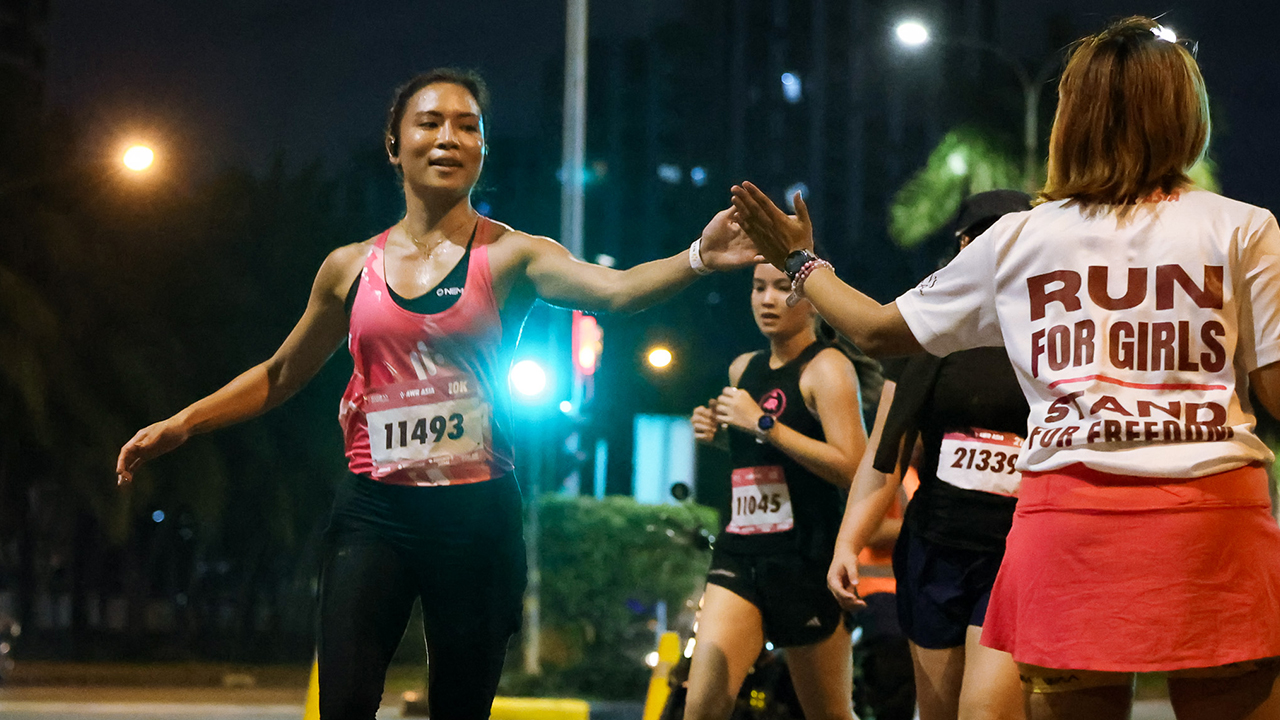
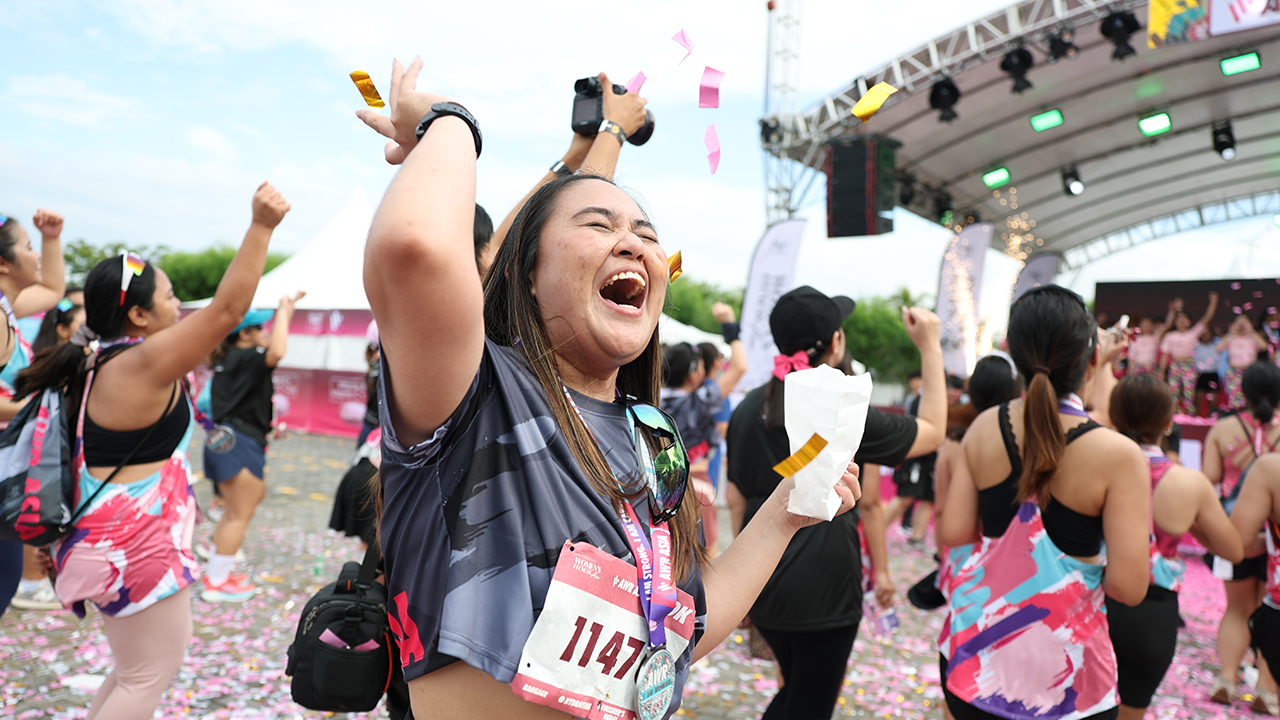
What made this shoot special, too, was her choice of lens. For the first time in a sports event, Blaise ditched her trusted 70-200mm and shot everything on a 24-70mm. The Canon EOS R1’s 1.6x crop factor gave her more reach — roughly 100mm — without sacrificing versatility.
“Shooting felt way easier with the high fps and fast AF of the R1.”
She was stunned by the performance leap.
“My decade-old 70D only has 7fps and a 19-point AF system, while the R1 boasts an eye-controlled Dual Pixel Intelligent AF system and produces 40fps.”
Despite only having one fully charged battery, she shot continuously for 8 hours, took over 3,000 photos, and never experienced overheating. That’s the kind of reliability you need when documenting an event as meaningful as this one.

Made for her arsenal
“From a sports photographer’s perspective, I would love to have this camera in my arsenal.”
Compared to the EOS 70D and even the 1Dx Mark I and II — gear she once borrowed briefly during the ASEAN Women’s Futsal Championship — the R1 was in a league of its own.
“The AF on this beast is on another level of accuracy and speed,” she said.
The 40fps burst rate felt excessive at times, but for Blaise, it meant more control. More room to choose the perfect moment.
“It made my work a lot easier with its intelligent AF system and impressive low-light performance.”
A girl with a dream, and a camera that can keep up
More than just a job, photography is Blaise’s way of documenting the things that matter — strength, perseverance, grace under pressure. Especially when it comes to women in sport.
She’s always looked up to Rio Deluvio of The Manila Times. Representation matters — and for Blaise, seeing a woman behind the lens meant she could dream bigger.
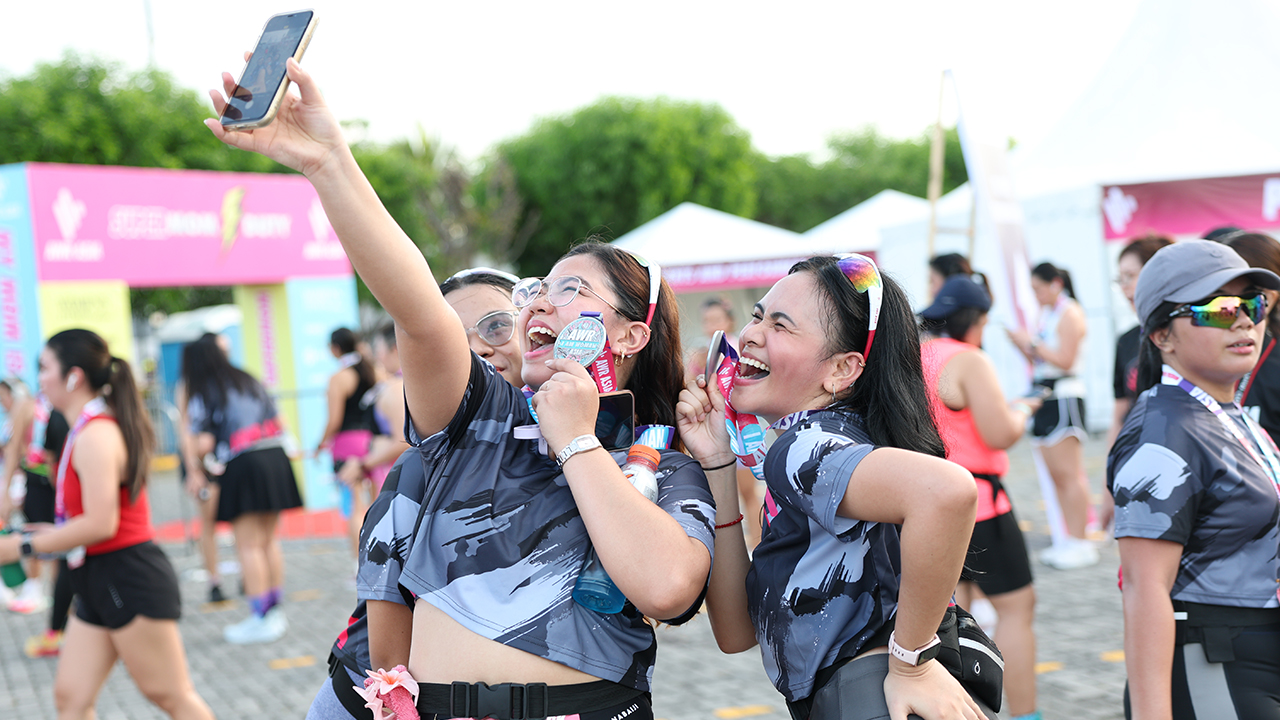
So now, she pays it forward.
“Do what you love and love what you do. Only then can you trust the process and hope that everything will work out in your favor. Be stubborn, be fearless, and dream as big as you can.”
For Blaise, the beginning may feel scary and uncertain. You will make mistakes, and that’s okay.
“Remember, everyone starts somewhere small, and along the way, you will find the right people who will help you grow. Once you recognize the patterns of the path you are destined to walk on, everything will start to make sense. One day, you’ll look back at every setback and see them not as failures, but as redirections — setting you on the course you were meant to follow.”
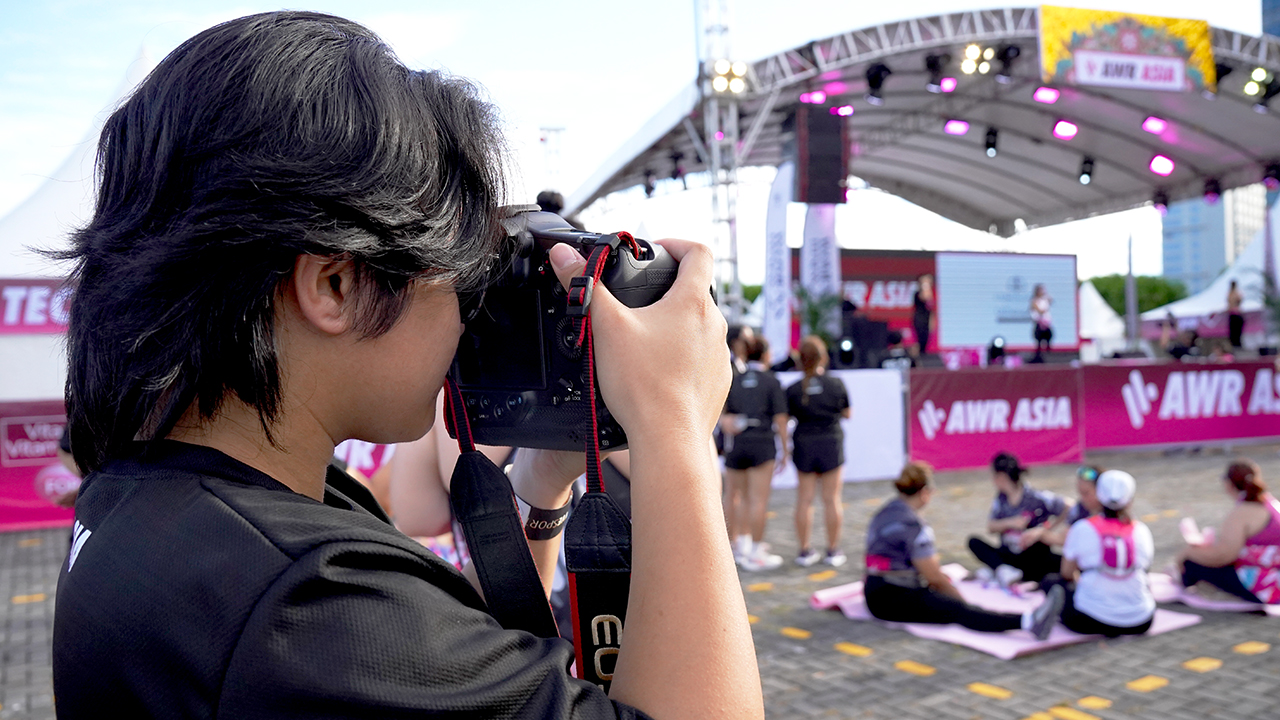
The Canon EOS R1 may be a powerful tool, but it’s the person behind the lens that brings the story to life. And Blaise Rellata? She’s just getting started.






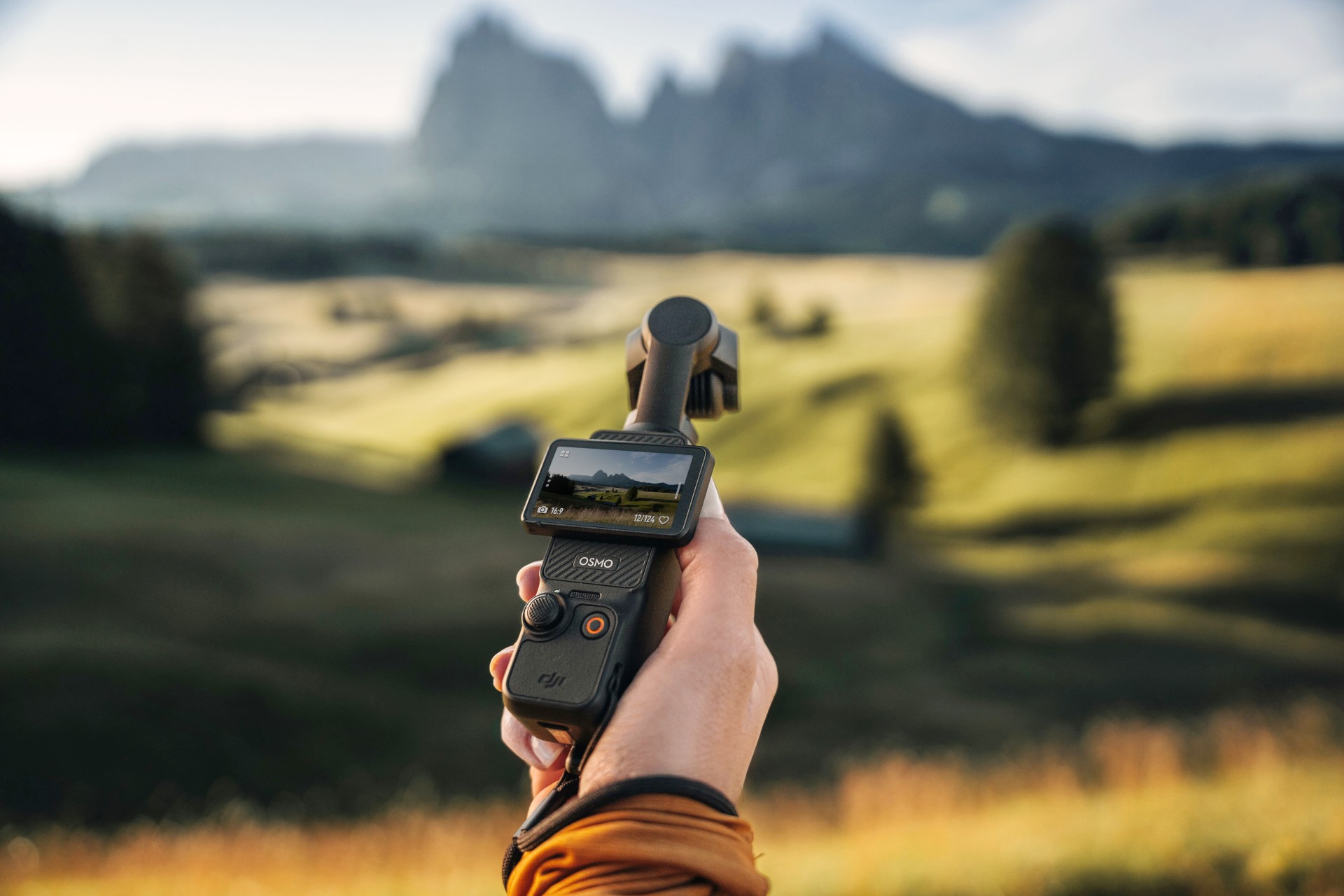
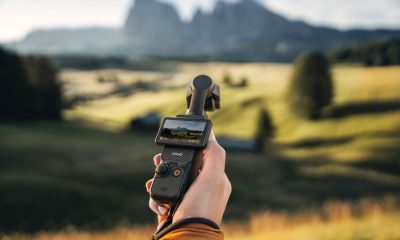
The DJI Osmo Pocket 3 might be the most popular camera in recent history. The tiny action camera constantly sells out, thanks to creators and would-be vloggers. Because of the current generation’s popularity, everyone is looking forward to the next-generation Osmo Pocket 4. Though it’s still unannounced, the new camera has suddenly made a surprising appearance out in the wild.
The leak shockingly comes from an authorized DJI retailer in Kuala Lumpur. Supposedly, a customer entered the store with what they claimed was an Osmo Pocket 4. The store, DronesKaki, even shot a now-deleted video of the unannounced camera, rescued by New Camera.
Based solely on the short video, the Osmo Pocket 4 looks and feels very familiar to those who’ve already used the Pocket 3. The three-axis gimbal system still keeps shots in place for taking videos while on the move. The 2-inch rotating screen looks identical to the current one, especially because of intuitive settings and controls.
However, the biggest standout is the built-in LED light sitting atop the camera. Despite how convenient and easy to use it is, the Pocket 3 doesn’t exactly shine in low-light conditions, prompting users to always bring an external flash. If the leak is true, the Osmo Pocket 4 cures this issue to some extent. (Built-in flashes aren’t usually standout solutions, but they can work in a pinch.)
Still, take the leak with a grain of salt. Though the store could have deleted the video because of a request from DJI, they could have also deleted it because it’s not the Osmo Pocket 4. At this point, we won’t know, but current rumors speculate that the camera is launching soon.
SEE ALSO: DJI Osmo Action 6 review: An adventurer’s best friend
Cameras
Canon PhotoMarathon returns, introduces video, open categories
Happening on April 18 in BGC, Taguig


The Canon PhotoMarathon is officially returning this year and is introducing more categories for enthusiasts to join in.
The 2026 edition, the 19th in the Philippines, will happen on April 18 at the BGC Amphitheater in Taguig City.
For the first time, Canon is opening the competition to non-Canon users. Even those with just smartphones can register. The brand has also added a video category.
Here’s a quick breakdown of the contest categories and their corresponding prizes:
Main Category (Photo)
- Open to Canon users only
- Prize: Canon EOS R6 Mark III with RF24-105mm f/4-7.1 IS STM
Open Category (Photo)
- Open to all camera brands
- Prize: Canon EOS R8 with 24-50mm
Video Category
- Open to all camera brands
- Canon Prize winner: Canon EOS R50 V
- Non-Canon Prize winner: Canon Powershot V1
The full mechanics will be announced on the day of the competition itself to make it even more challenging for those taking part.
To join, simply download the Canon PH Delightful app, create an account, go to the Events tab and select the Canon PhotoMarathon banner. Registration is already open.
To build up hype for the upcoming event, Canon will host photowalks, school tours, and regional tours leading up to the PhotoMarathon.
These are designed to engage photographers at every skill level. Admission is free and open to all digital camera users.
Cameras
Canon EOS C50 cinema camera price in the Philippines
Smallest, lightest cinema camera made for today’s filmmakers, creators

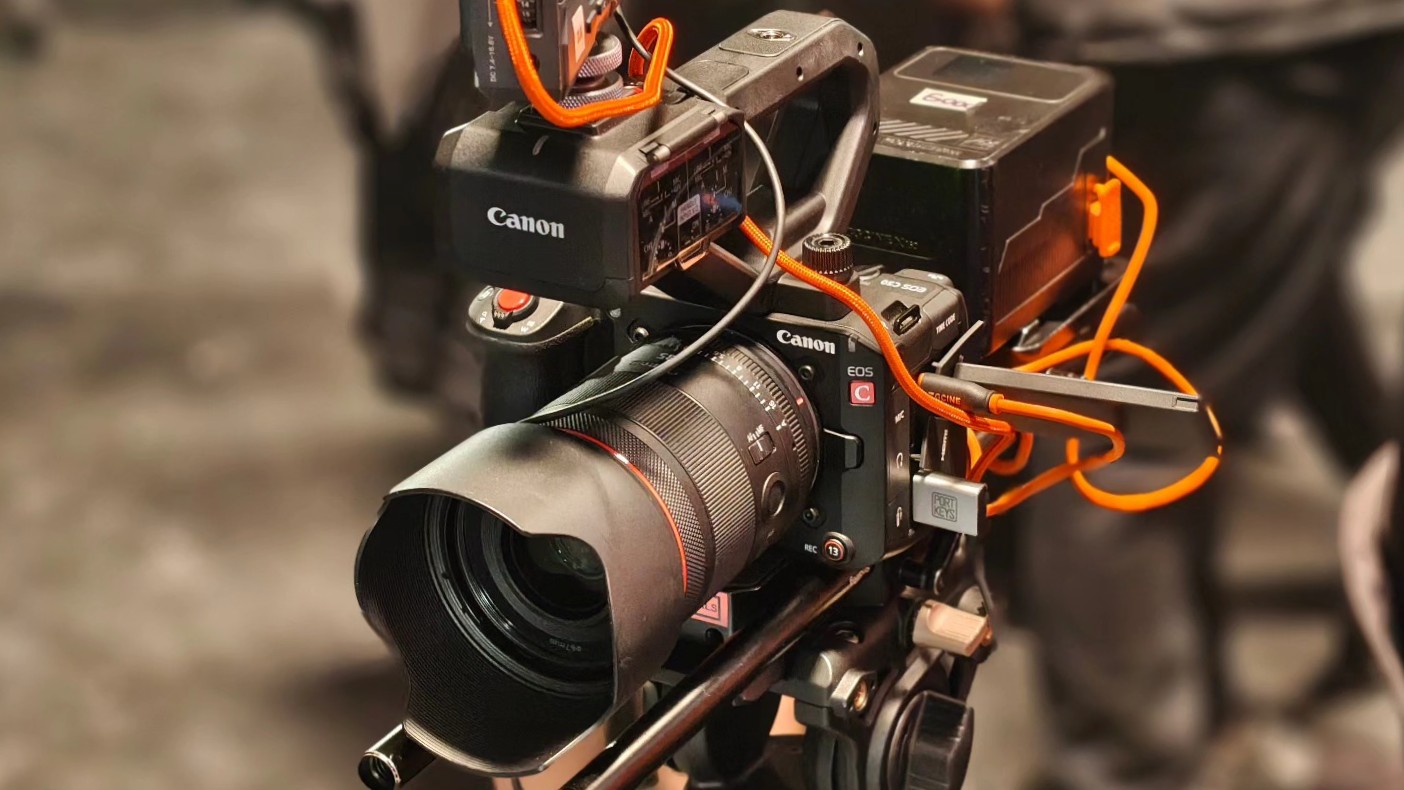
Canon Philippines is capping the year strong with the release of the Canon EOS C50 in the market. The cinema camera is priced at PhP 189,998 for the body along with an XLR handle.
The Canon EOS C50 is designed for both filmmakers and creators who need mobility and professional-grade quality.
It has the same 3:2 Open Gate recording feature also on the EOS R6 Mark III, which gives users flexibility for post-production.
Creators can extract full 4K footage along with cropped 2K vertical or square versions from the same capture with the Simultaneous Crop Recording feature.
This is ideal for producing multi-platform content, like 16:9 landscape videos for YouTube then vertical shortform videos for social media.
Also, an added edge is the up to 7K 60p RAW recording capability on the C50, compared to just 7K 30p for the Mark III.
Filmmakers can also record at up to 4K 120fps should they need high frame rate captures. Recording in 4:2:2 10-bit is also available for rich color and flexibility in post-production.
In addition, the EOS C50 features dual CFexpress and SD card slots. 7K RAW can be saved to CFexpress while other formats can be saved to the SD card.
Different format, resolutions, and color sampling can be assigned for backup, distribution, or quicker edit-ready files.
Photo performance
For stills, users can take advantage of the 32MP CMOS sensor for capturing up to 40 shots per second (with electronic shutter).
The camera also supports pre-continuous shooting and AF performance improvements with its Dual Pixel CMOS AF II.
Enhancements include Auto setting, animals, vehicle priority, and eye AF, as well as the new left/right priority.
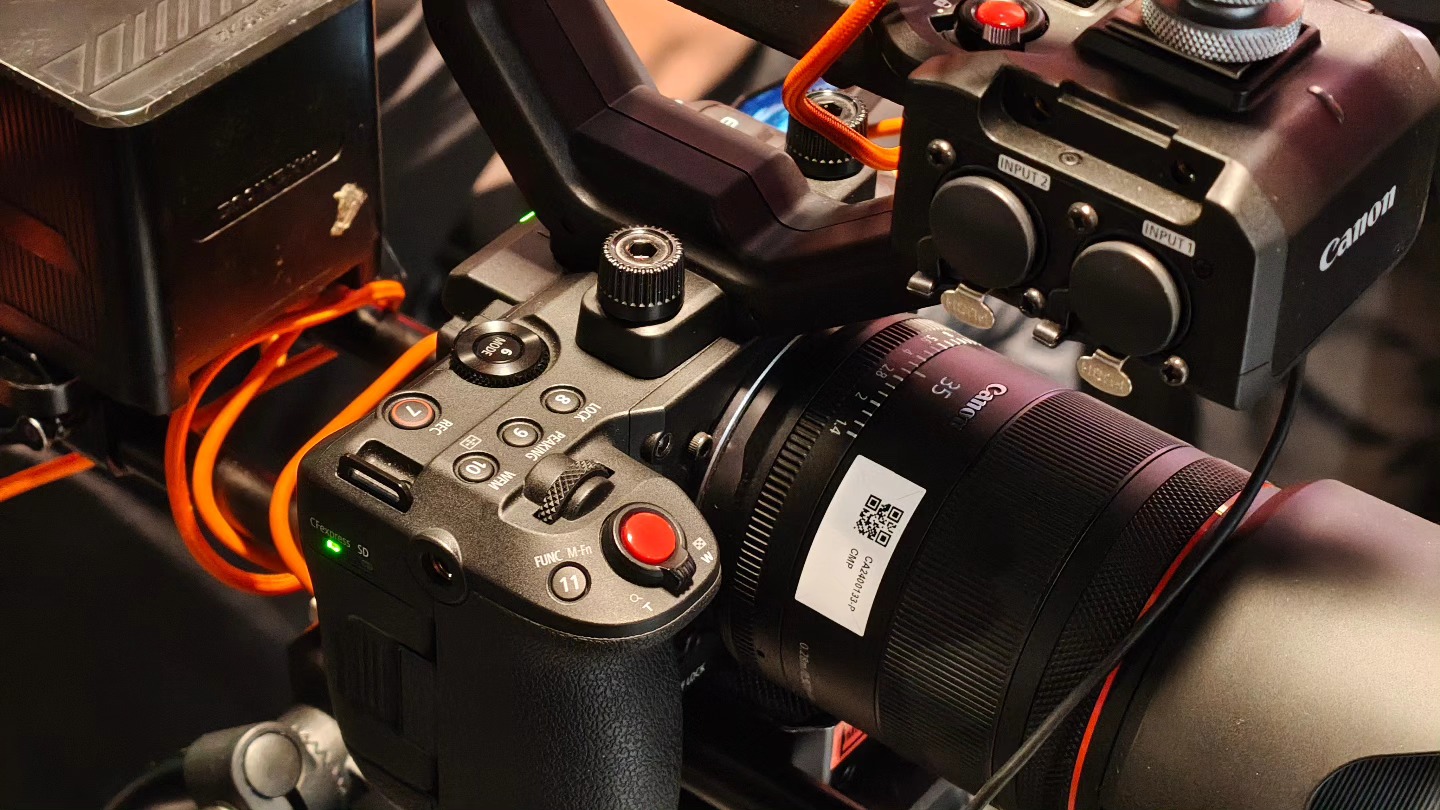
Moreover, the camera features Dual-Base ISO with Auto Selection, automatically switching between ISO 400 and ISO 3200 depending on the scene.
This ensures the highest signal-to-noise ratio while maintaining a wide dynamic range. Users can also manual select the ISO to match lighting conditions.
Professional interface
Onto its controls, the EOS C50 has a TIME CODE terminal, which is perfect for seamless multi-camera setups. It also features two XLR terminals and a handy control dial for professional audio input.
There are 14 assignable buttons, each thoughtfully positioned for quick, instinctive access while filming. There are about 100 customizable functions available so the camera can match a user’s workflow.
During the launch event, Canon Philippines demonstrated a wide range of scenarios for the EOS C50, including multi-angle live broadcasts with just one camera.


Now Playing: Iron Lung
The premise will leave you wanting for more.


Infinix NOTE Edge: Stellar at street photography
Despite trailing in other specs, the Infinix NOTE Edge was built for point-and-shoot photography.


OPPO Reno15 Pro: Camera Review
Why is this even considered a "Reno"?

Resident Evil Requiem is out now

Unboxing: HONOR Magic8 Pro Photography Kit

Tales of Berseria Remastered is out now on consoles and PC

Pokémon Winds and Pokémon Waves will launch in 2027

ITZY’s YUNA is Infinix’s first ever global brand ambassador

Breaking up with Adobe Photoshop after 20 years

TECNO will showcase the CAMON 50 and POVA 8 series at MWC 2026

PlayStation, LE SSERAFIM Chaewon team for the ‘Love of Play’ campaign

VinFast updates battery subscription policy for large upfront savings

The art of being in and behind the frame


-

 Accessories2 weeks ago
Apple AirTag 2 Review
-

 First Look1 week ago
Match Pulse: Infinix NOTE 60 Pro
-
 Cameras1 week ago
Osmo Pocket 4 makes a surprising appearance in public
-
Camera Walkthrough7 days ago
OPPO Reno15 Pro: Camera Review
-

 Gaming2 weeks ago
Star Wars: Galactic Racer shows off new gameplay at State of Play
-

 News1 week ago
iPhone 17 Pro Max is somehow the most traded-in phone today
-

 Gaming1 week ago
LG unveils UltraGear evo, redefines 5K gaming with AI Upscaling
-

 News1 week ago
HUAWEI launches Mate X7, MatePad 11.5 S 2026, FreeClip 2